Bedroom Chairs With Ottoman
Create a cozy and stylish retreat in your bedroom with bedroom chairs and ottomans. Whether you're looking for a comfortable spot to curl up with a good book, a place to relax and unwind after a long day, or simply want to add a touch of elegance to your space, our bedroom chairs with ottomans have something for everyone. From sleek and modern designs to classic and timeless styles, you'll find the perfect combination of comfort and aesthetics to enhance your bedroom decor.
Sort
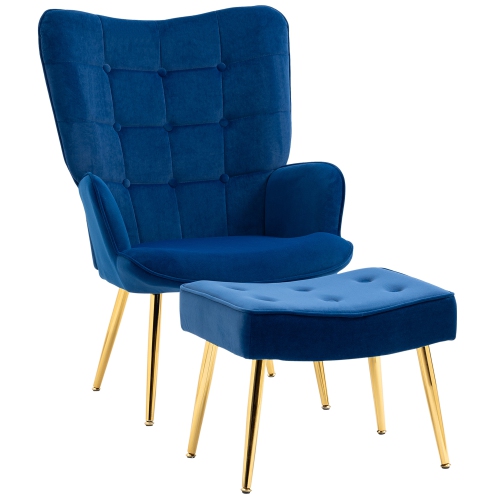
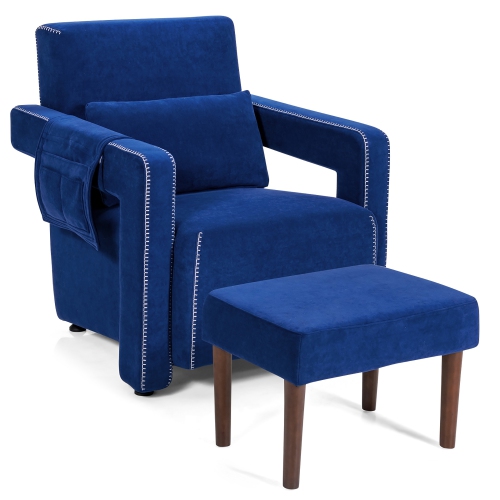
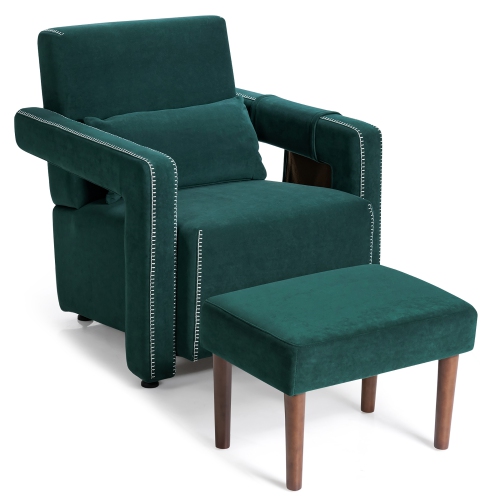
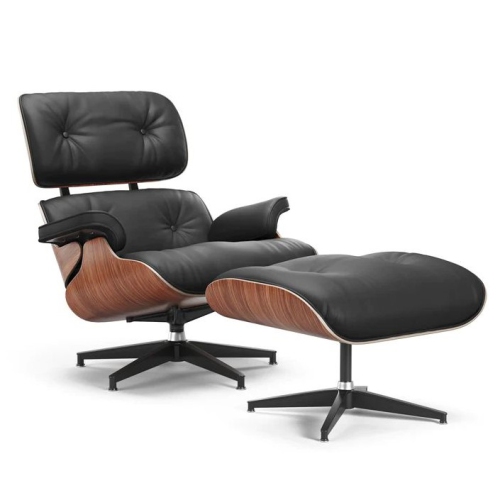
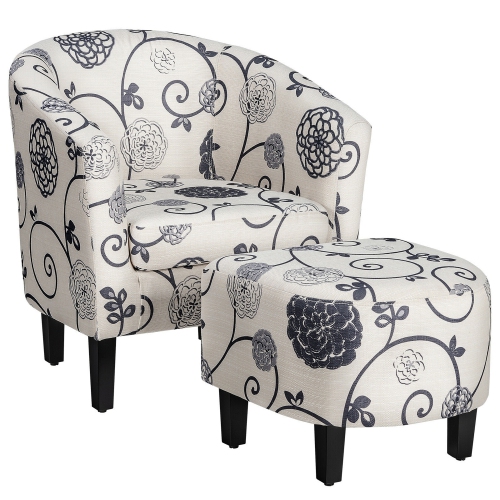

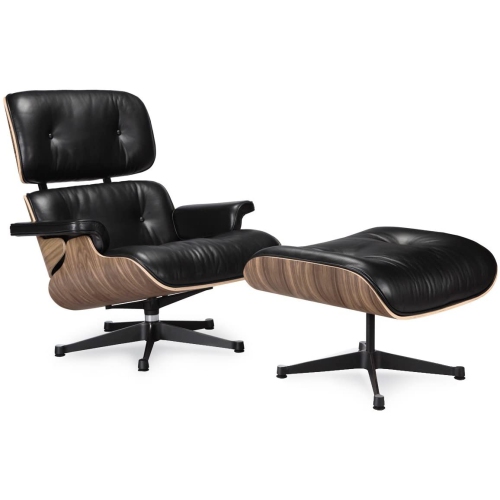
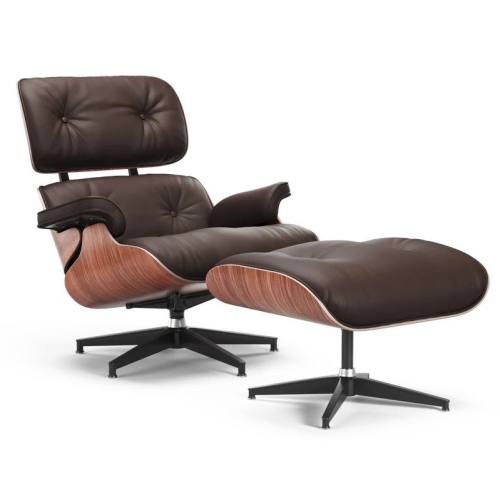
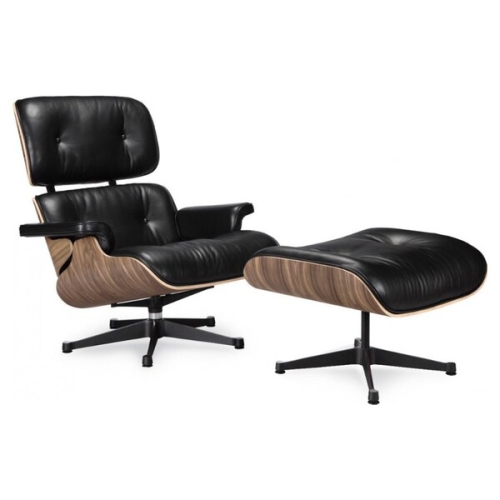
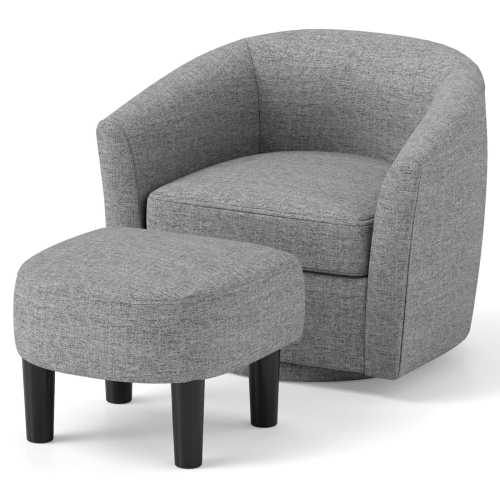
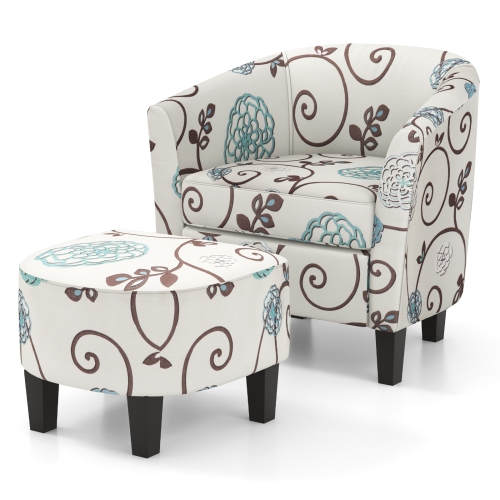

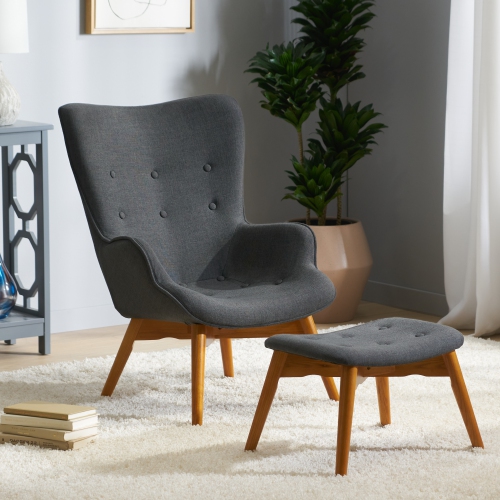
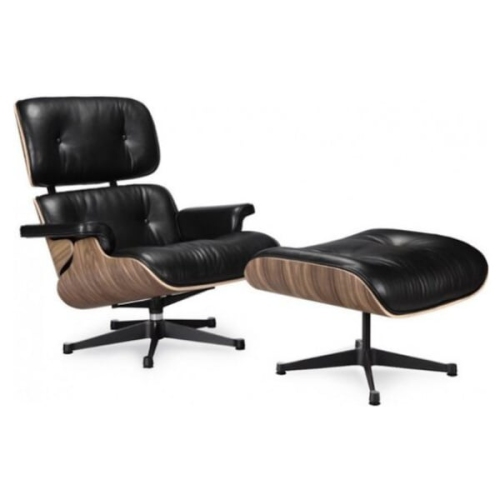
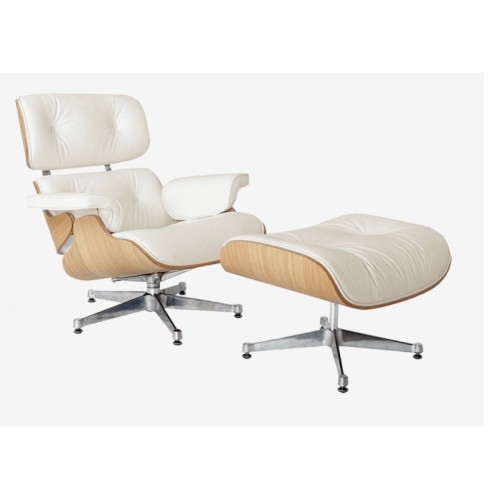

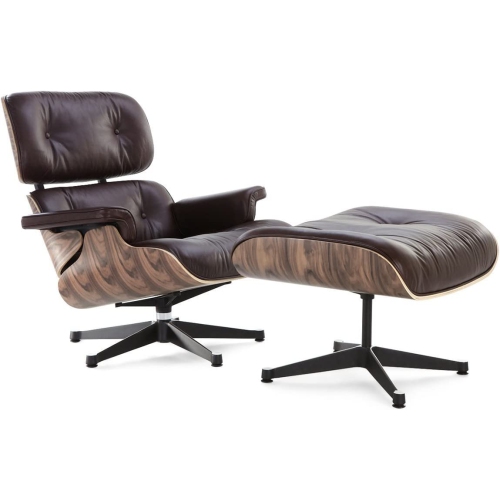
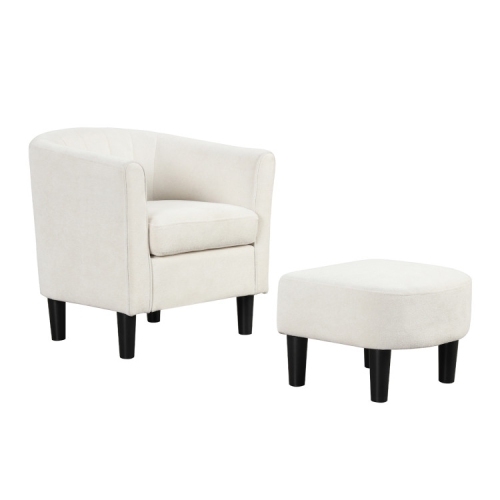
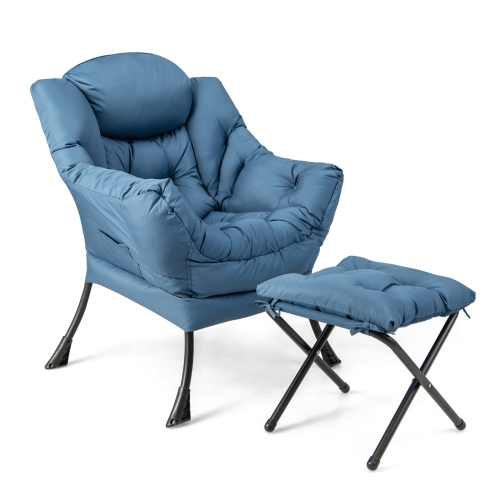
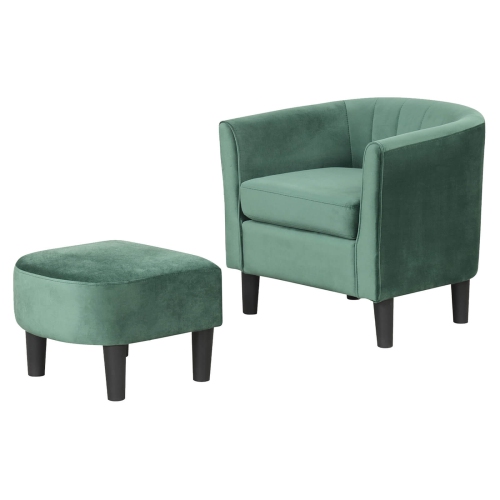
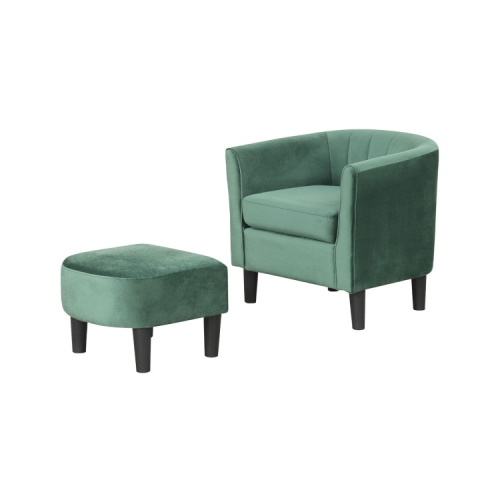
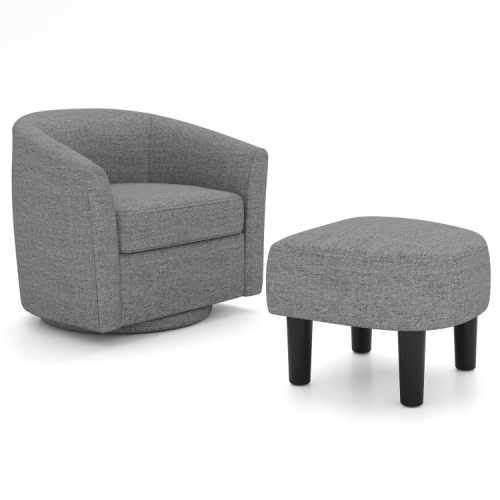
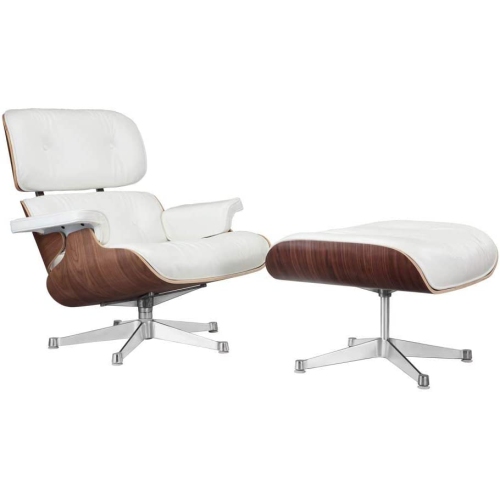
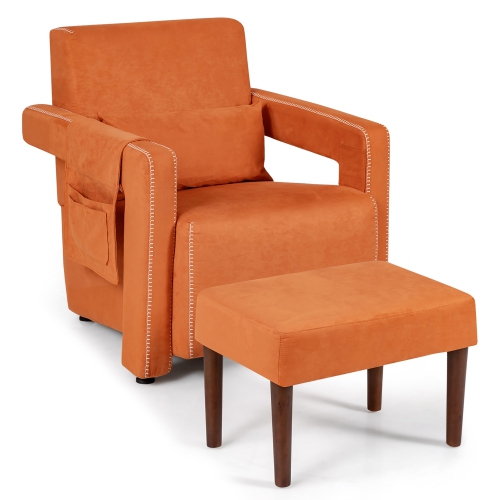
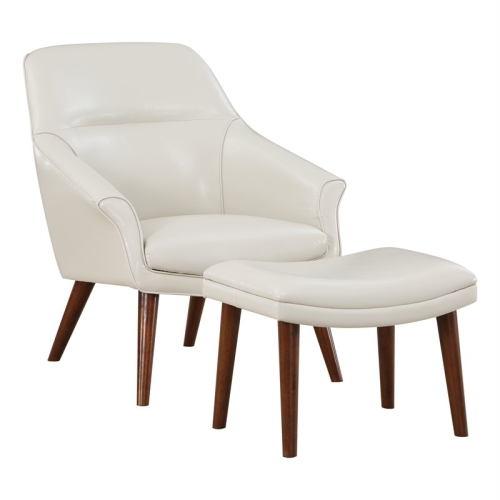
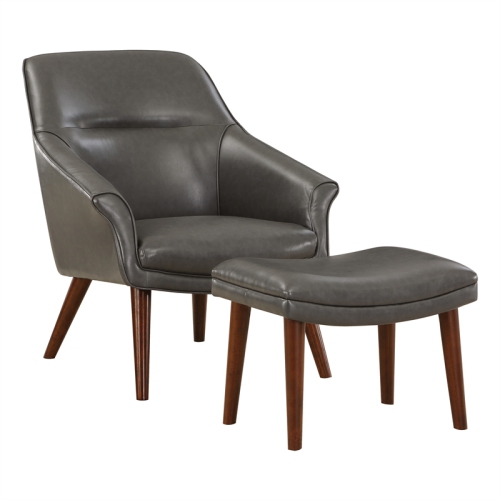
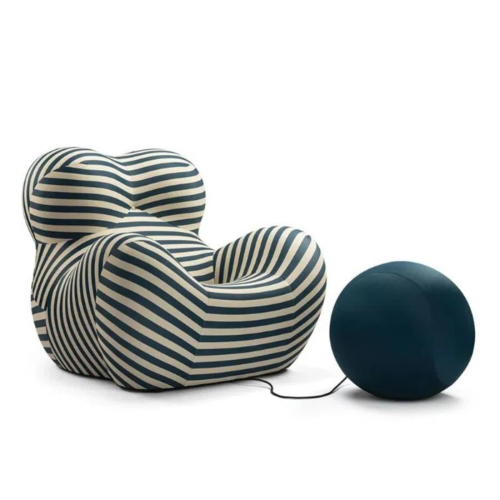
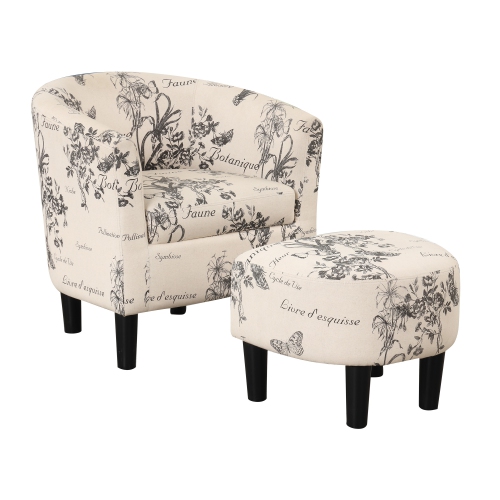
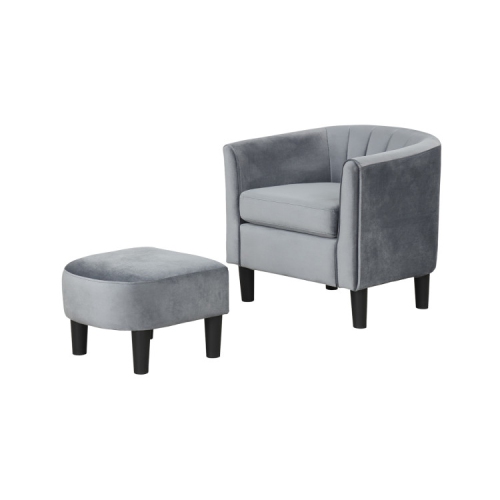
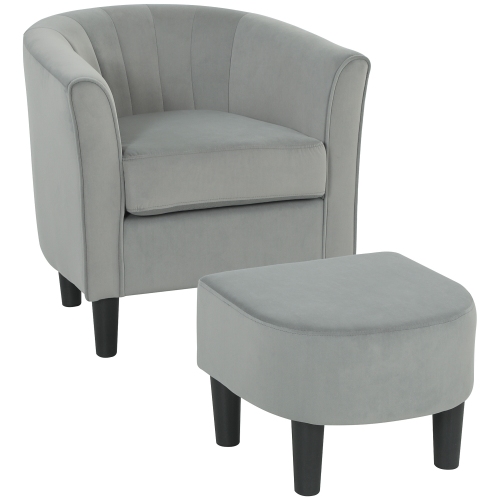
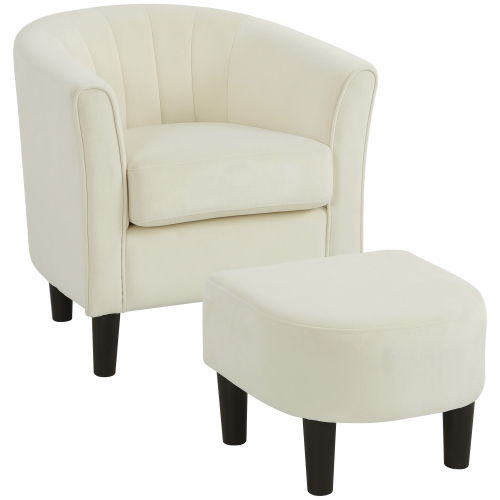
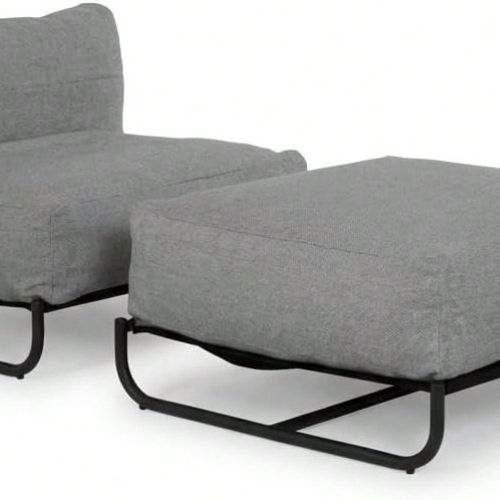
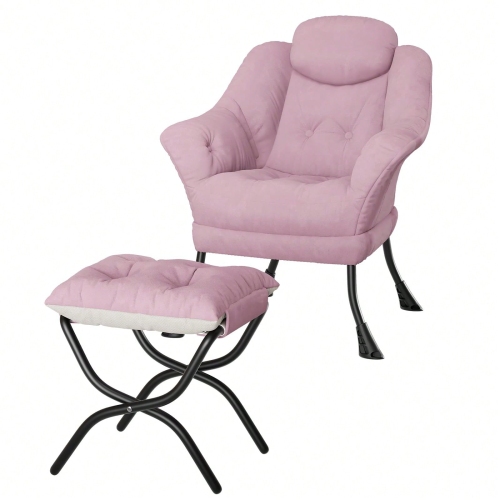
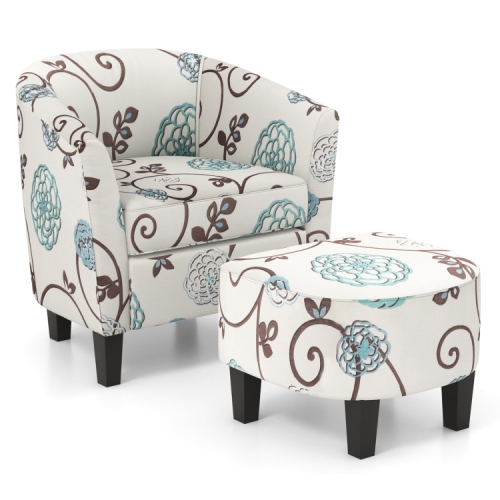
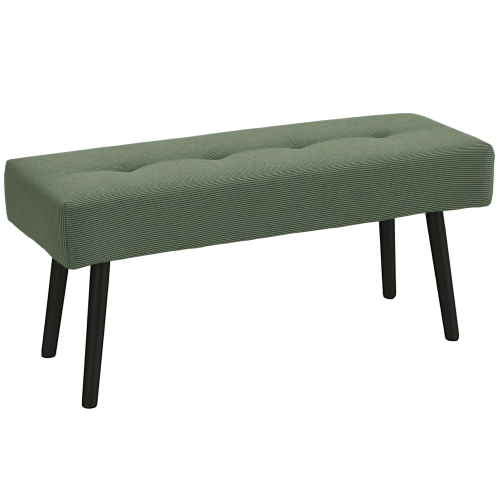
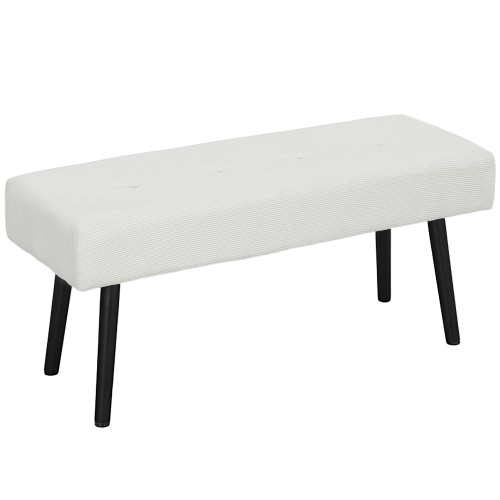
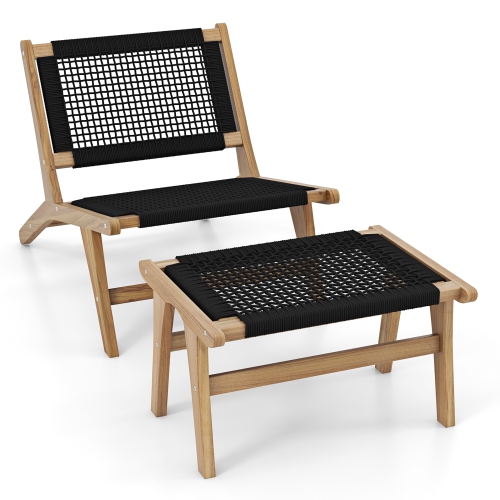
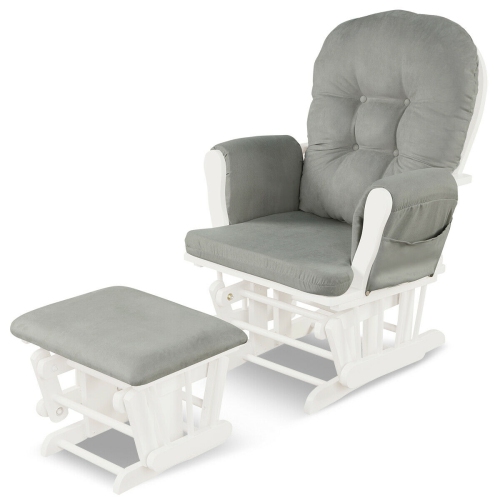
Lounge-like comfort without a sofa-sized footprint
Bedroom chairs with an ottoman create a comfortable place to sit that feels separate from the bed, whether it is used for reading a few chapters, putting on slippers, or taking a quiet break. The pairing brings a lounge-like feel to a bedroom without requiring the footprint of a sofa, and the separate footrest offers flexibility in how the space is arranged. A chair angled beside a bookcase can form a reading corner, while one positioned near a dresser provides a practical seat for getting ready. In a guest bedroom, a chair and ottoman give visitors somewhere to unwind without having to sit on the bedding. The right proportions depend as much on the room’s layout as on its overall size. A narrow bedroom may suit an upright chair with slim arms and exposed legs, which leaves more floor visible; a spacious primary bedroom may accommodate a deeper seat with broad arms and a generously padded ottoman. Measurements need to account for both pieces in use, including the space between the seat and footrest and the clearance needed to walk around them. Door swings, dresser drawers, closet access, and the route from the bed to the doorway all affect placement. An ottoman that can sit close to the chair when not in use may make a compact arrangement easier to live with. Visual balance matters, too: a tall chair back can hold its own beside a substantial bed frame, while a lower silhouette may sit more comfortably beneath a window without dominating the view. A nearby lamp and a small surface for a book or glasses can make the seating area more useful, provided cords and furniture legs stay out of walking paths. For bedrooms shared by two people, a distinct sitting spot can also support different routines, giving one person a place to read while the other uses the bed.
Comfort comes from the relationship between the chair, the ottoman, and the person sitting in them, rather than from generous cushioning alone. Seat height influences how easily someone can sit down and stand up, while seat depth determines whether they can rest against the back with their feet comfortably supported. A deep, low chair may appeal to someone who likes to curl up with a novel, but a shallower seat and firmer cushioning may better suit someone who prefers an upright posture. Armrests should feel comfortable under the forearms without forcing the shoulders upward, especially during longer reading sessions. Back height and shape also change the experience: a wingback silhouette offers a more enclosed feel, while an open accent chair can look lighter in a small room. An ottoman close to the seat’s height can provide a relaxed place to rest the legs, though the best position depends on leg length, cushion compression, and personal preference. A footrest set too far away may leave the legs feeling stretched, while one tucked too close can make getting out of the chair awkward. Those furnishing a dedicated book nook may also find reading chairs with ottomans relevant when considering seating for extended reading. Upholstery contributes both texture and day-to-day practicality. Woven fabrics can bring a tailored look, velvet offers a soft surface with a pile that may show shading, and bouclé adds a nubby texture that contrasts with smooth bedding and wood furniture. Leather and faux leather have different care requirements and wear patterns, so their appearance alone does not tell the whole story. In a home with pets, tightly woven upholstery may be more practical than a loose weave that claws can catch. Pale neutrals can blend into a restful bedroom palette, while deeper colours or a patterned fabric can give the chair a distinct presence. Coordinating the chair and ottoman with one or two existing tones often feels more natural than trying to match every furnishing exactly.
Construction and care help determine how well a bedroom chair and ottoman hold up to regular use. A stable frame, securely attached legs, tidy seams, and cushions that retain their shape all contribute to a dependable seating area. Frame material is only part of that picture; joinery, support beneath the seat, and the overall build also matter. Manufacturer weight limits apply to the individual pieces, and an ottoman intended as a footrest should not be assumed suitable for sitting or standing. Where an ottoman includes storage, the interior dimensions determine whether it can hold a folded throw, spare cushion covers, or other small bedroom essentials. Its lid also needs room to open without striking the chair or nearby furniture. Removable cushion covers can make some cleaning tasks easier, but removable does not necessarily mean machine washable. The care label should determine how upholstery is cleaned, whether that involves regular vacuuming with a suitable attachment, blotting spills promptly, or using a recommended cleaning method. Rubbing a spill can work it further into fabric or disturb the surface texture, and an untested cleaner may leave a mark. Leather may call for an appropriate conditioning routine, while faux leather should be treated according to its own instructions rather than with products intended for genuine leather. Direct sunlight can gradually affect some upholstery colours, making window placement worth considering. Floor protection is another practical detail: pads suited to the flooring can help limit marks beneath the chair and ottoman, while rugs need to sit flat so edges do not become obstacles. Delivery access deserves attention before a larger chair enters the bedroom, particularly in homes with narrow stairways, tight landings, or small door openings. Assembly requirements and whether legs can be removed may affect how easily a piece reaches its intended spot. As a gift for someone furnishing a new bedroom, this type of seating is best chosen with their room measurements, preferred sitting position, and taste in mind. A well-proportioned chair and footrest can become an everyday retreat, offering a place to pause that fits comfortably into the room and the routines of the person using it.
Comfort comes from the relationship between the chair, the ottoman, and the person sitting in them, rather than from generous cushioning alone. Seat height influences how easily someone can sit down and stand up, while seat depth determines whether they can rest against the back with their feet comfortably supported. A deep, low chair may appeal to someone who likes to curl up with a novel, but a shallower seat and firmer cushioning may better suit someone who prefers an upright posture. Armrests should feel comfortable under the forearms without forcing the shoulders upward, especially during longer reading sessions. Back height and shape also change the experience: a wingback silhouette offers a more enclosed feel, while an open accent chair can look lighter in a small room. An ottoman close to the seat’s height can provide a relaxed place to rest the legs, though the best position depends on leg length, cushion compression, and personal preference. A footrest set too far away may leave the legs feeling stretched, while one tucked too close can make getting out of the chair awkward. Those furnishing a dedicated book nook may also find reading chairs with ottomans relevant when considering seating for extended reading. Upholstery contributes both texture and day-to-day practicality. Woven fabrics can bring a tailored look, velvet offers a soft surface with a pile that may show shading, and bouclé adds a nubby texture that contrasts with smooth bedding and wood furniture. Leather and faux leather have different care requirements and wear patterns, so their appearance alone does not tell the whole story. In a home with pets, tightly woven upholstery may be more practical than a loose weave that claws can catch. Pale neutrals can blend into a restful bedroom palette, while deeper colours or a patterned fabric can give the chair a distinct presence. Coordinating the chair and ottoman with one or two existing tones often feels more natural than trying to match every furnishing exactly.
Construction and care help determine how well a bedroom chair and ottoman hold up to regular use. A stable frame, securely attached legs, tidy seams, and cushions that retain their shape all contribute to a dependable seating area. Frame material is only part of that picture; joinery, support beneath the seat, and the overall build also matter. Manufacturer weight limits apply to the individual pieces, and an ottoman intended as a footrest should not be assumed suitable for sitting or standing. Where an ottoman includes storage, the interior dimensions determine whether it can hold a folded throw, spare cushion covers, or other small bedroom essentials. Its lid also needs room to open without striking the chair or nearby furniture. Removable cushion covers can make some cleaning tasks easier, but removable does not necessarily mean machine washable. The care label should determine how upholstery is cleaned, whether that involves regular vacuuming with a suitable attachment, blotting spills promptly, or using a recommended cleaning method. Rubbing a spill can work it further into fabric or disturb the surface texture, and an untested cleaner may leave a mark. Leather may call for an appropriate conditioning routine, while faux leather should be treated according to its own instructions rather than with products intended for genuine leather. Direct sunlight can gradually affect some upholstery colours, making window placement worth considering. Floor protection is another practical detail: pads suited to the flooring can help limit marks beneath the chair and ottoman, while rugs need to sit flat so edges do not become obstacles. Delivery access deserves attention before a larger chair enters the bedroom, particularly in homes with narrow stairways, tight landings, or small door openings. Assembly requirements and whether legs can be removed may affect how easily a piece reaches its intended spot. As a gift for someone furnishing a new bedroom, this type of seating is best chosen with their room measurements, preferred sitting position, and taste in mind. A well-proportioned chair and footrest can become an everyday retreat, offering a place to pause that fits comfortably into the room and the routines of the person using it.
Top selling and popular products
-
 Your price for this item is $13.3
 -
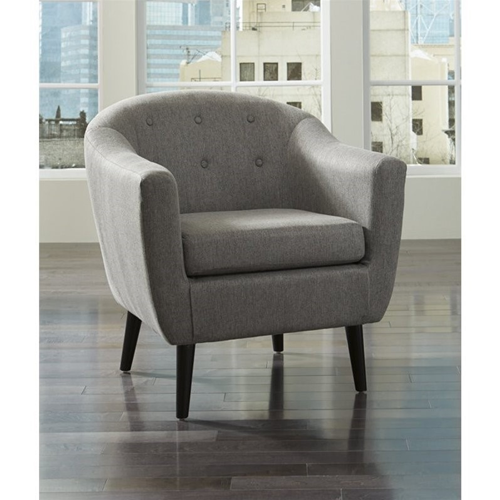 Your price for this item is $544.85
 -
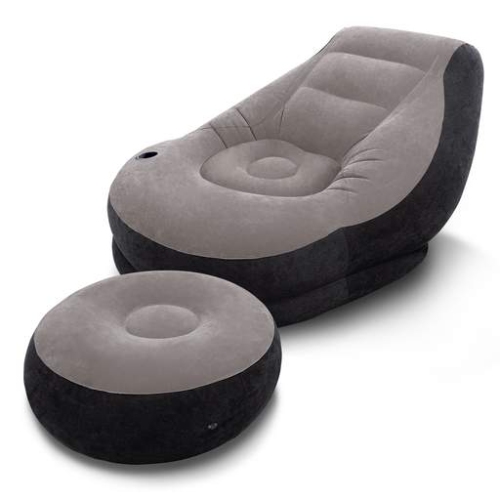 Your price for this item is $276.99
 -
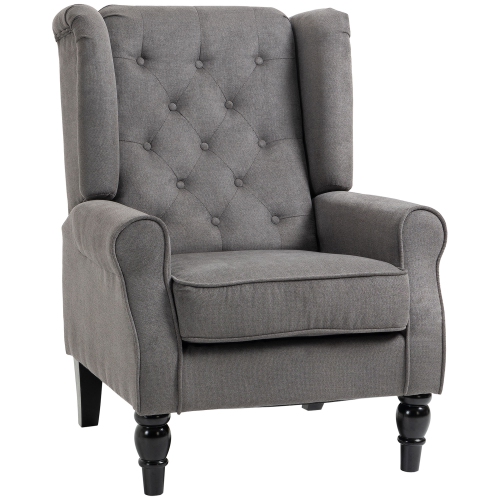 Your price for this item is $259.99
 -
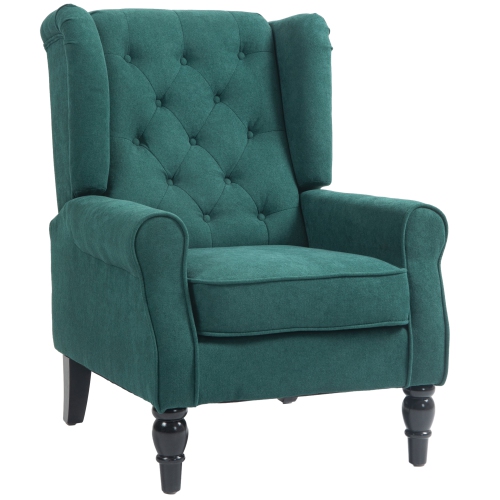 Your price for this item is $219.99
 -
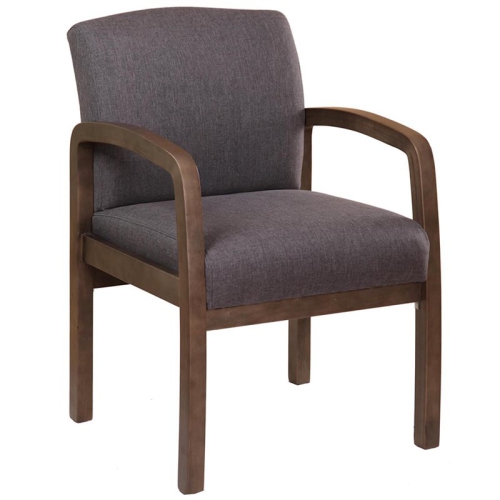 Your price for this item is $626.48
 -
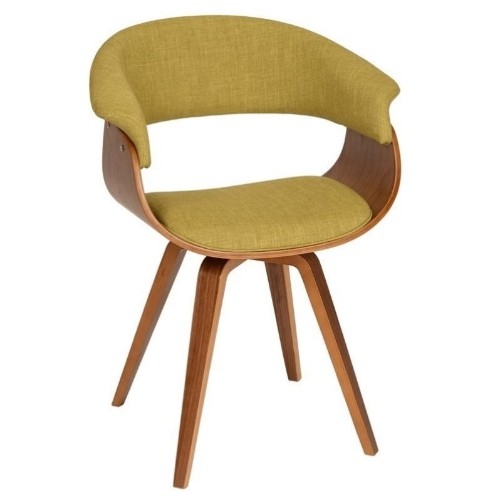 Your price for this item is $492.5
 -
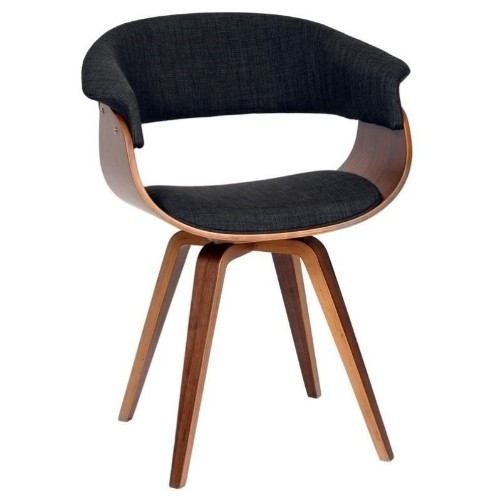 Your price for this item is $515.4
Discover more categories related to Bedroom Chairs With Ottoman
Top Collections:
Pokemon Centers, Kindle Devices, Best Budget Office Chairs, Apple iPhones 16, Best Laptops for Writers, iPhone 15 Apple, Canon G7X Cameras, Refurbished Apple Laptops, Alarm Clock, Motorola Razr Phones
Some products may be subject to Environmental Handling Fees
(EHF) depending on your province.
Learn more about EHFs.