Modern Upholstered Chairs With Ottoman
A modern upholstered chair with an ottoman is a great way to add extra seating and style to your living room. The best ones are comfortable, stylish, and durable enough to last for years. Here are some great options for modern upholstered chairs with ottomans available today.
Sort
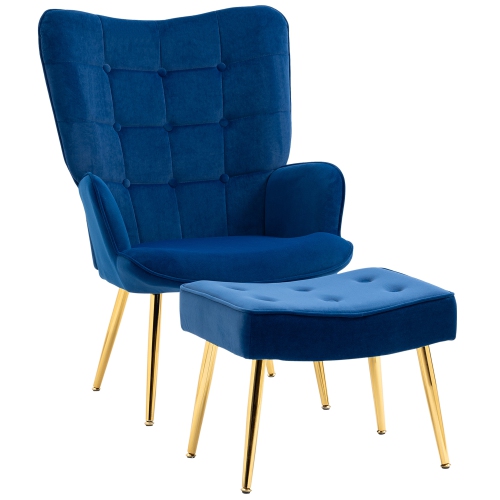
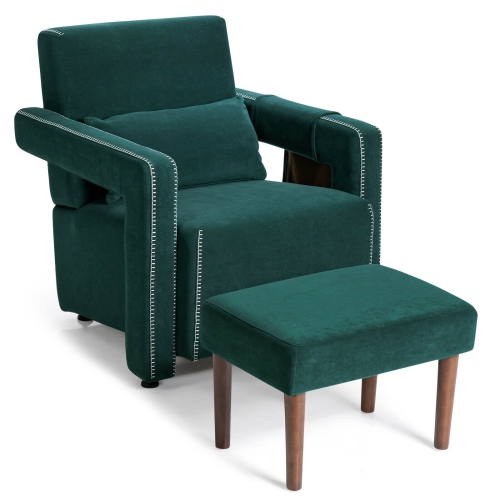
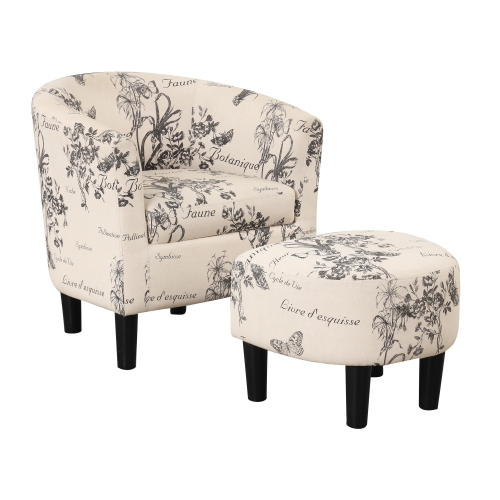
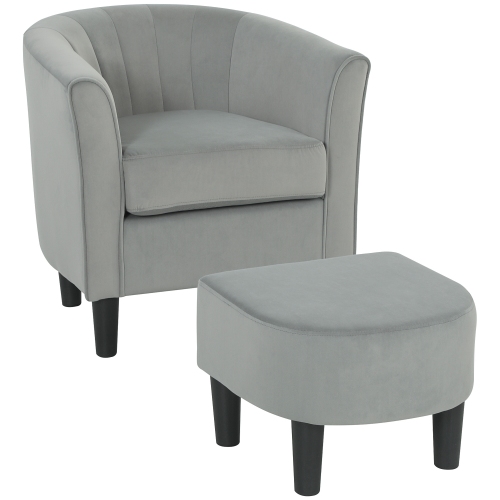
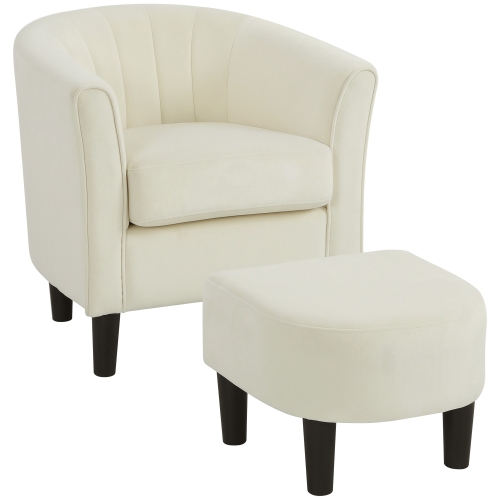
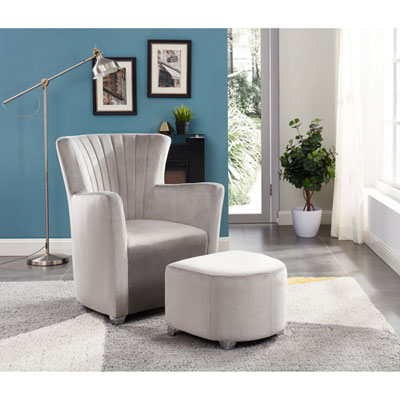
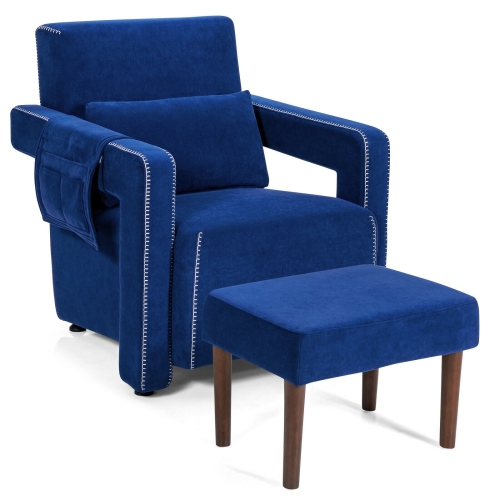
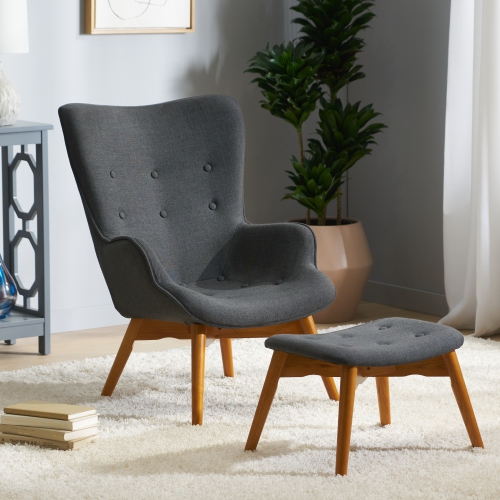
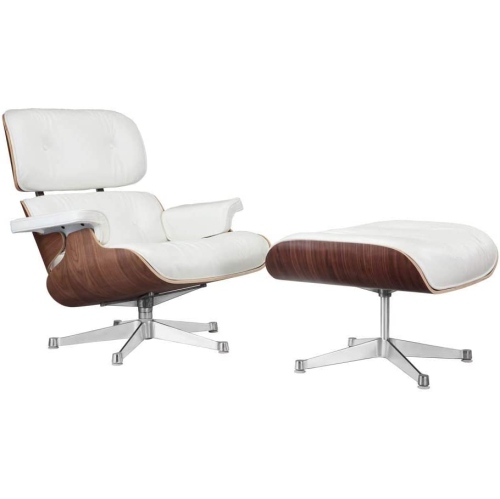
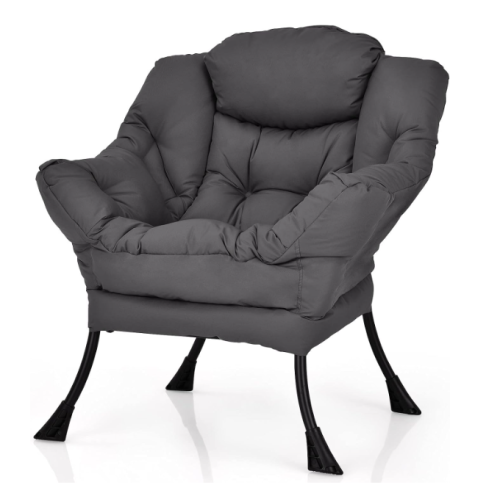
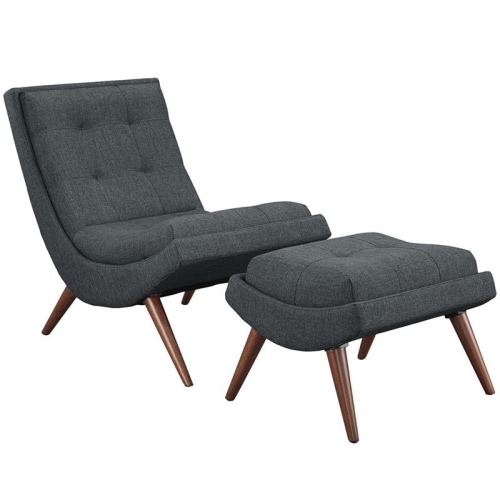
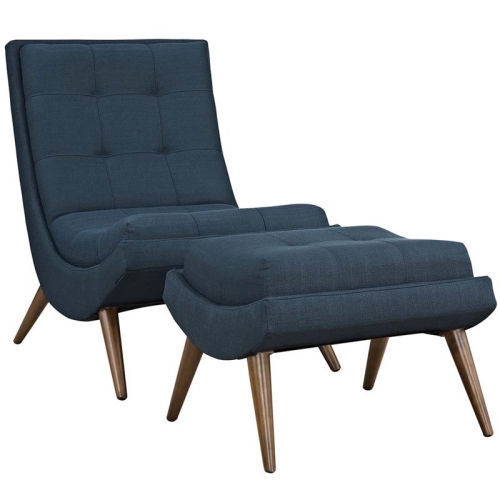
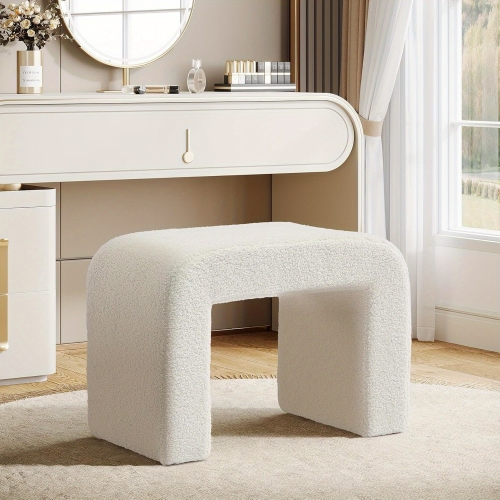
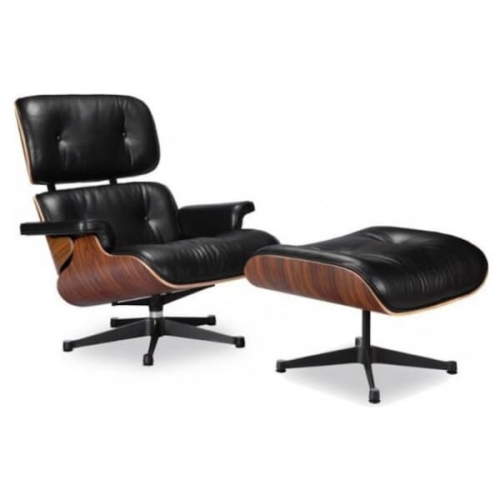
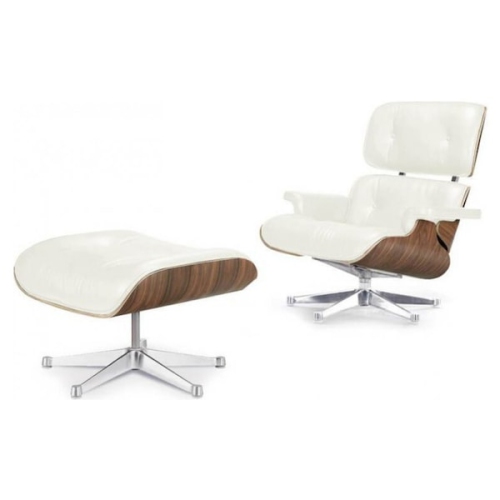
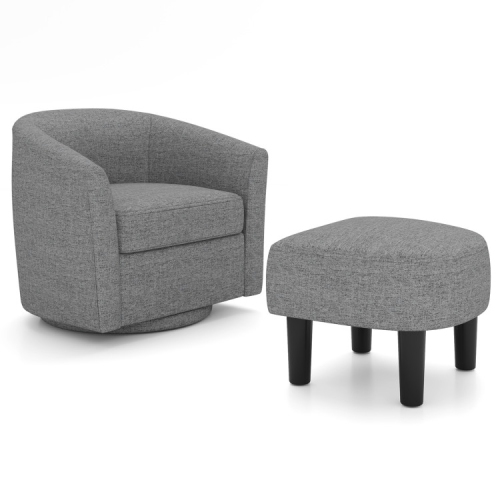
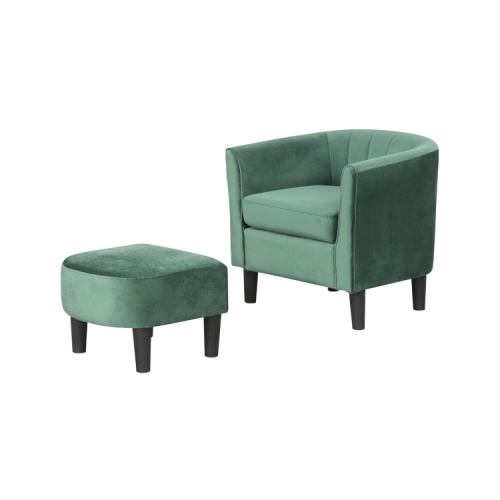
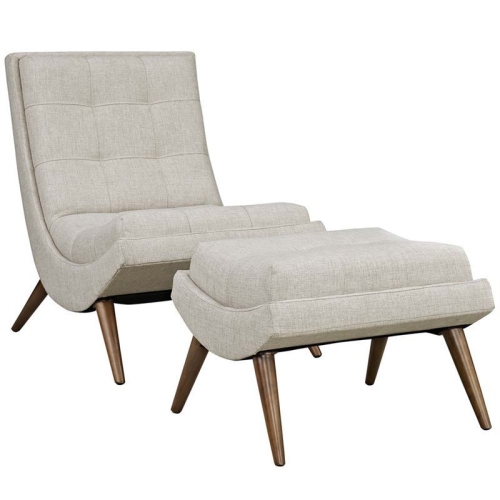
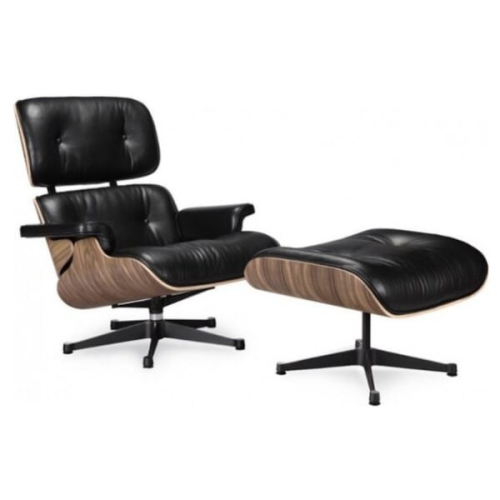
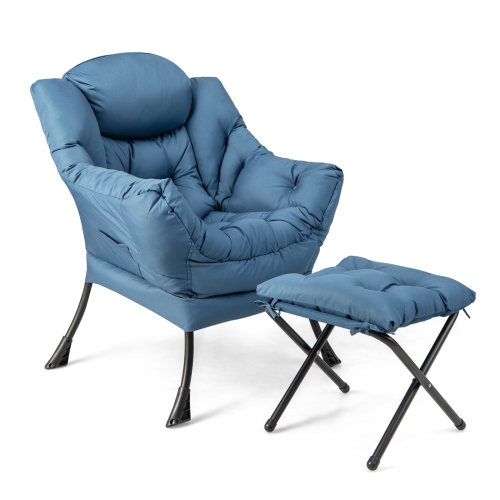
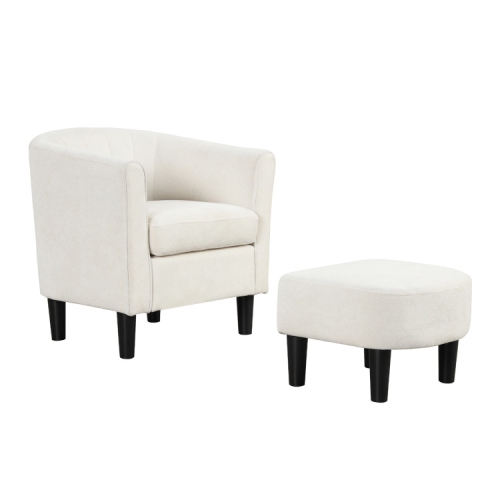
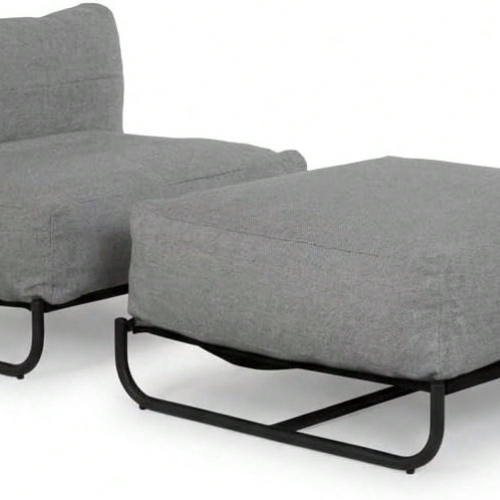
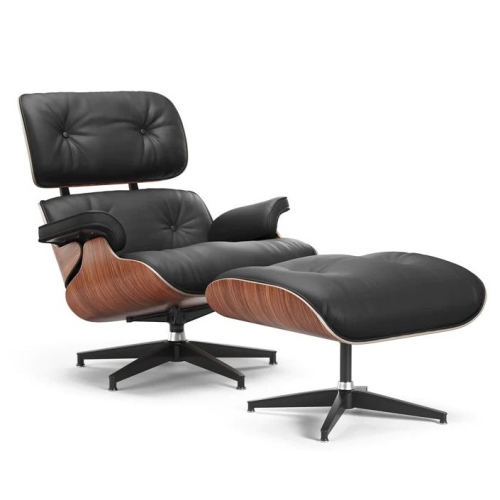
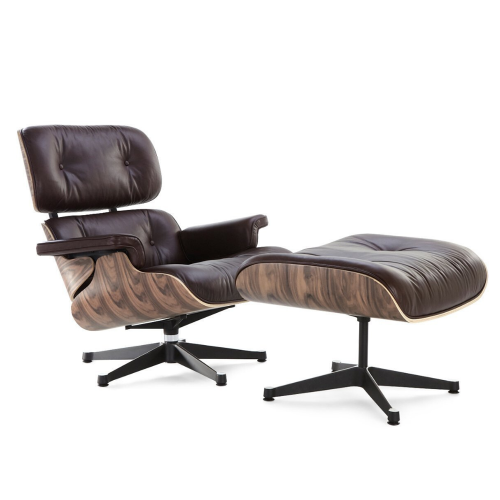
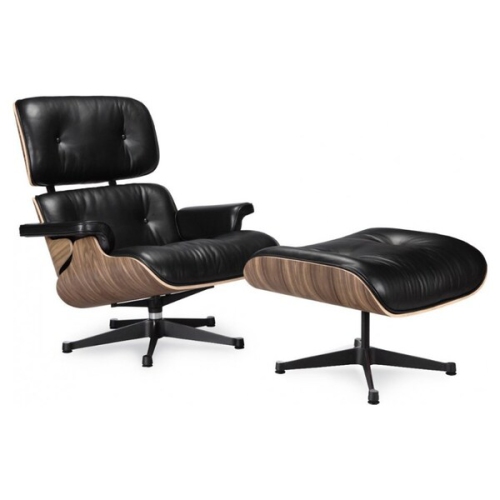
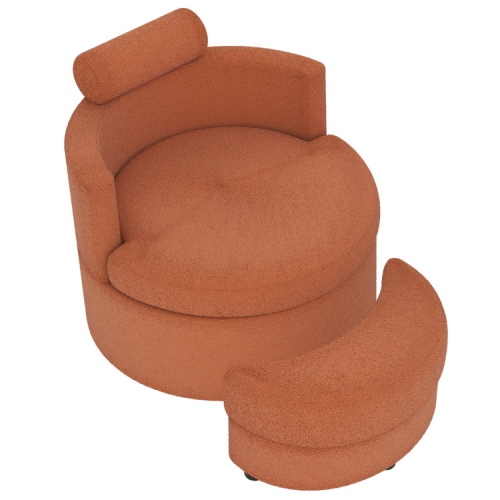
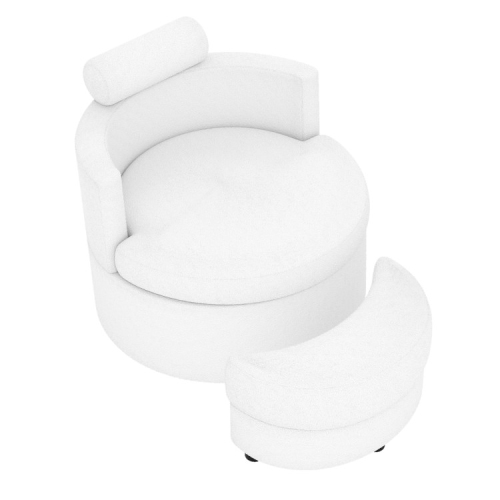
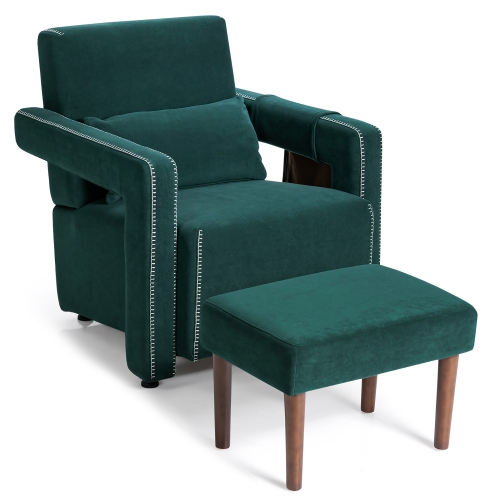
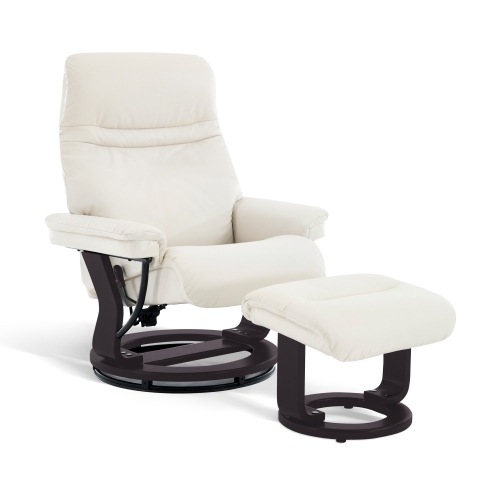

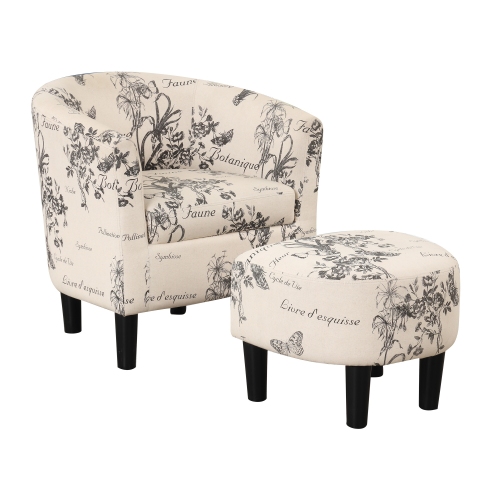
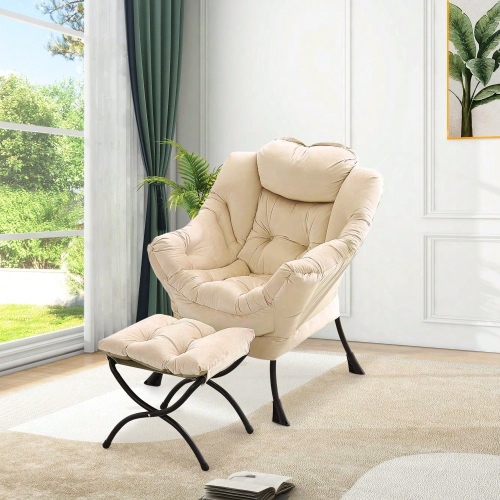
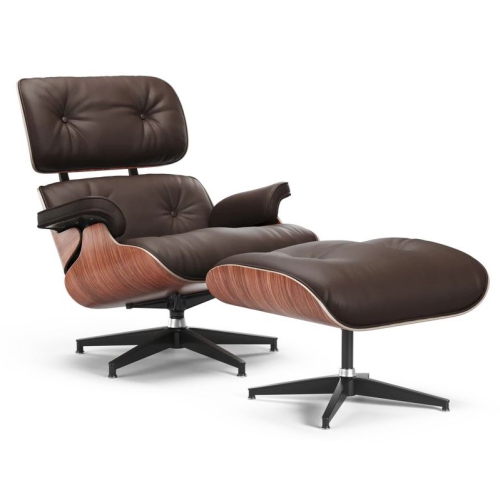
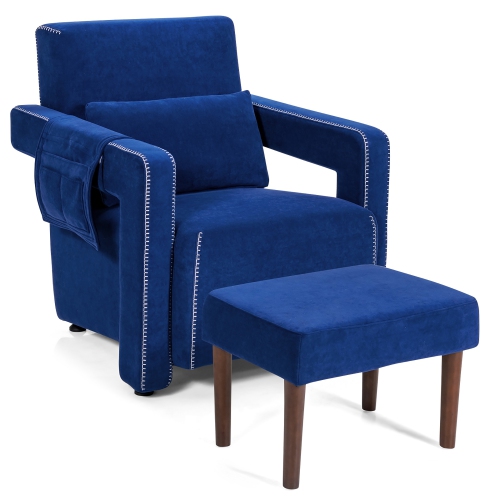
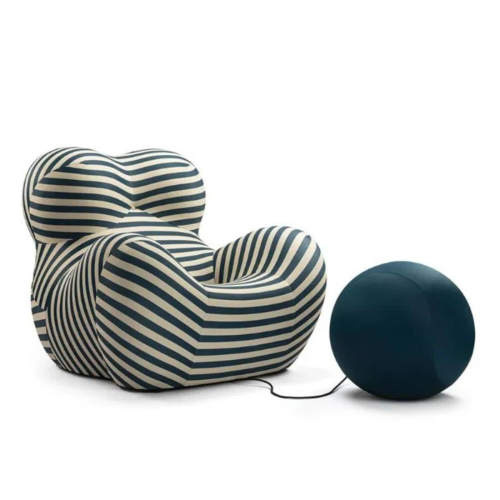
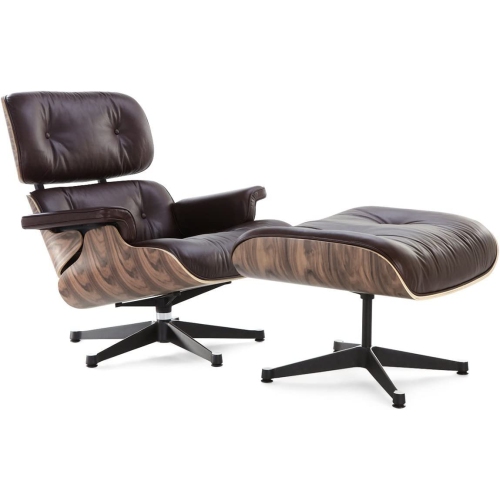
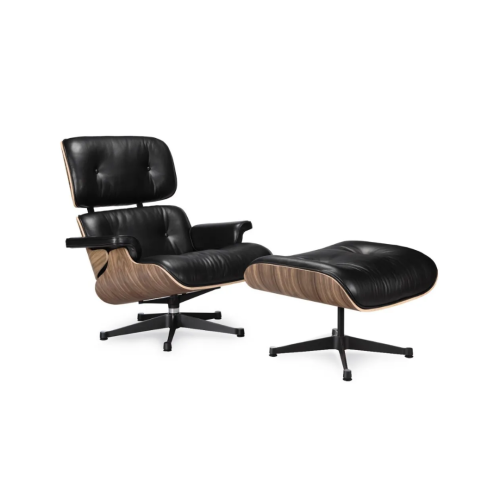
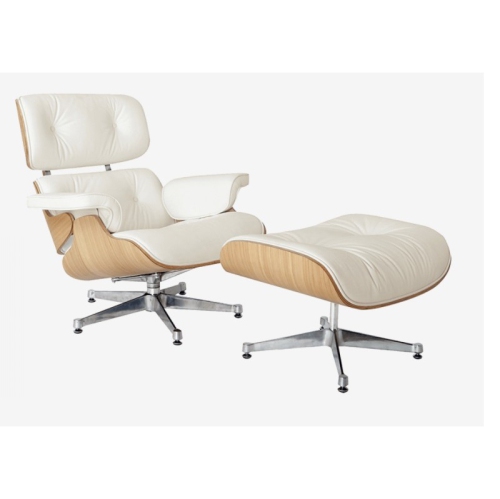
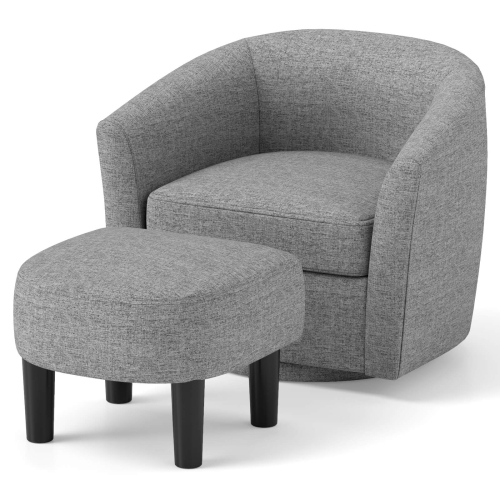
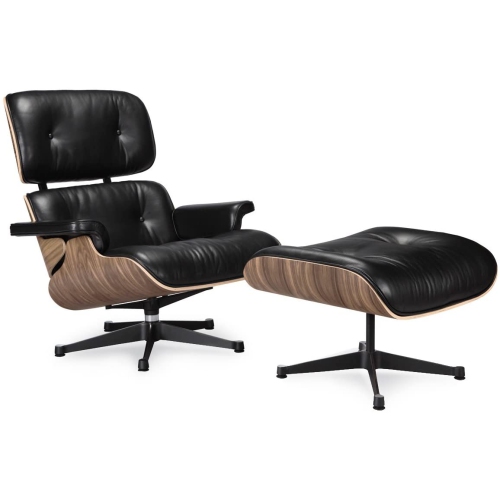
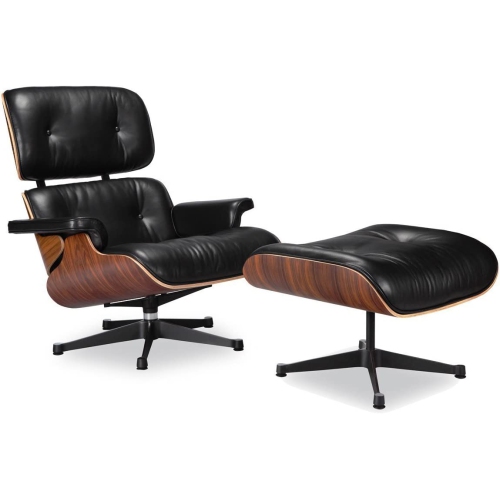
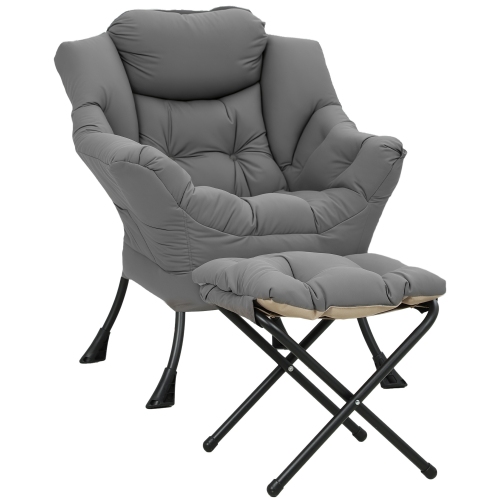
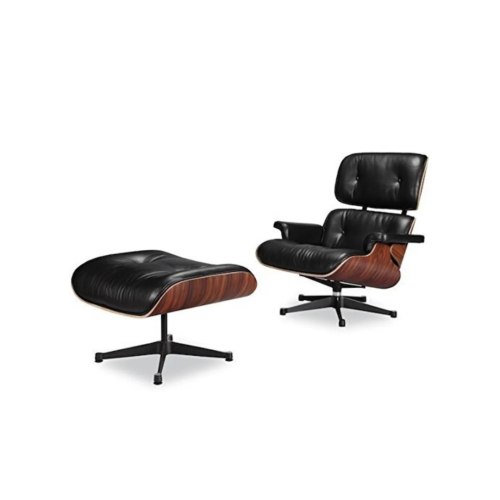
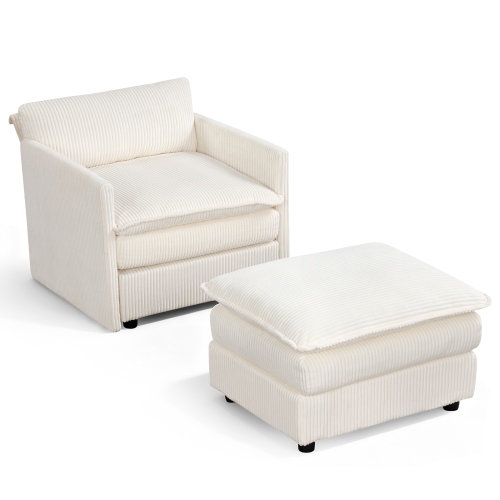
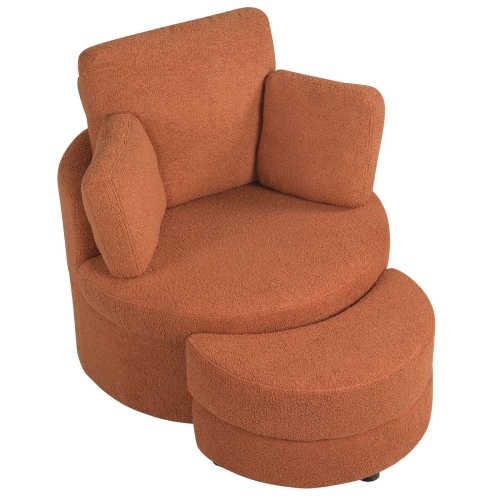
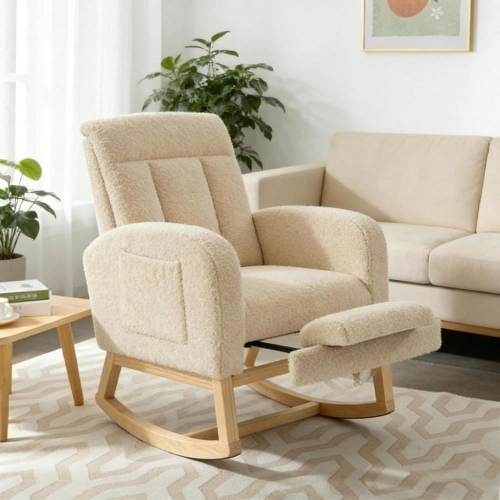
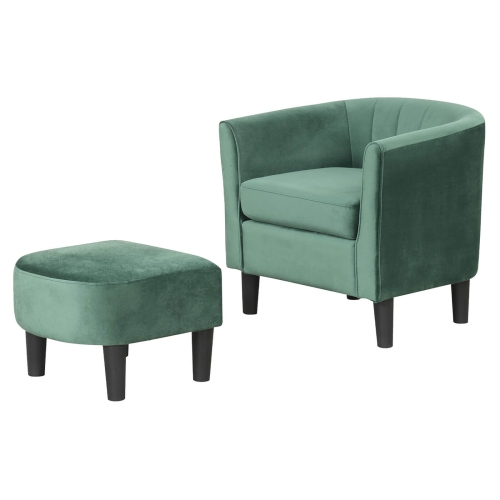
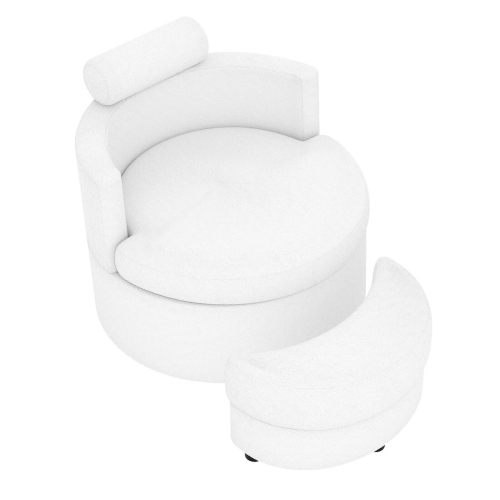
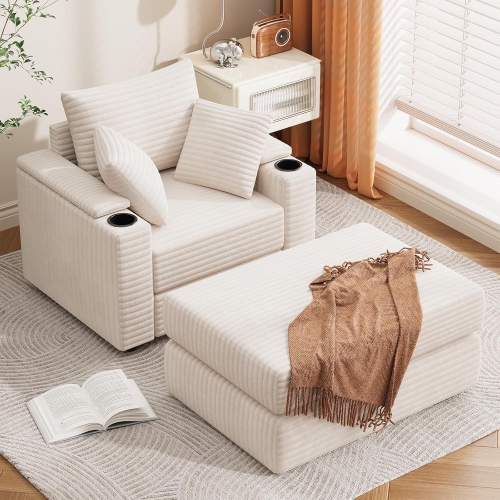
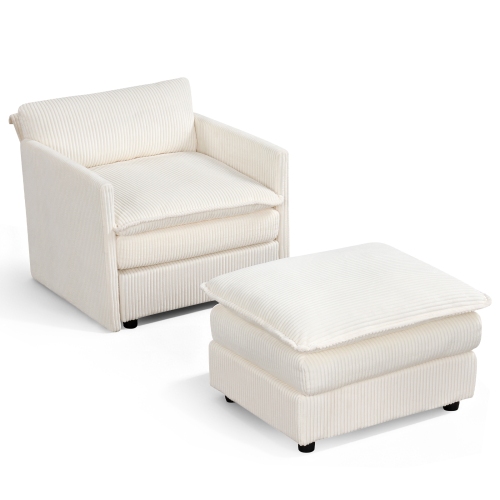

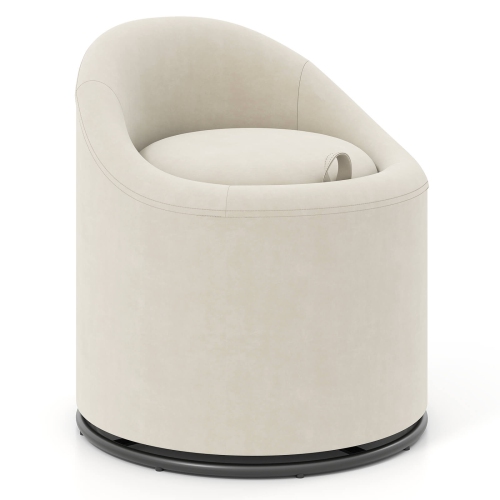
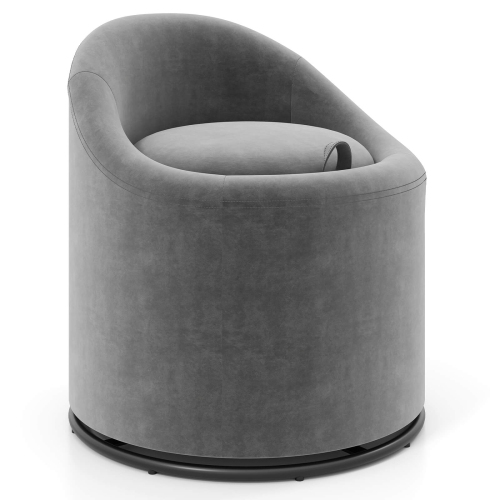
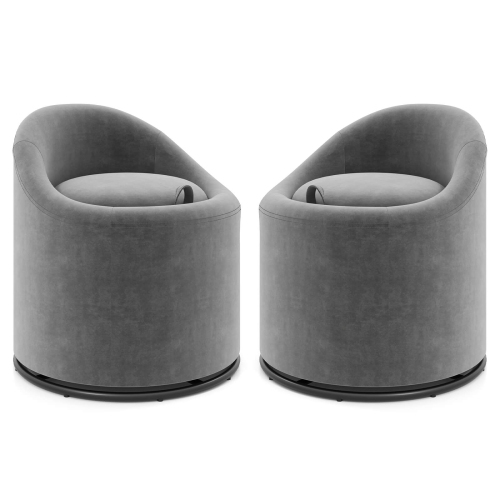
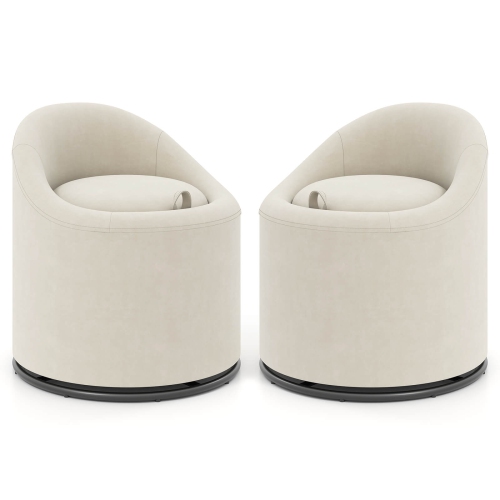
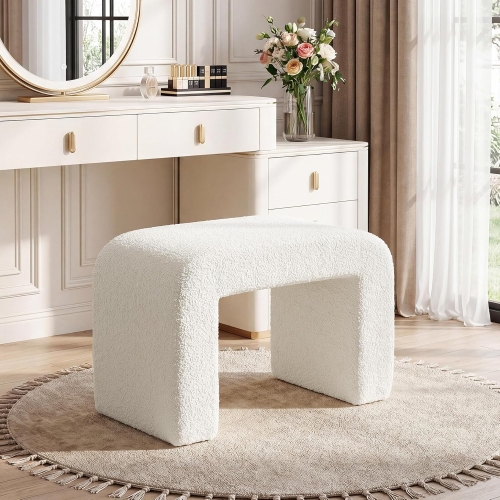
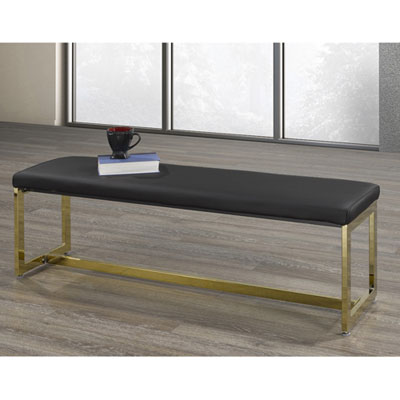
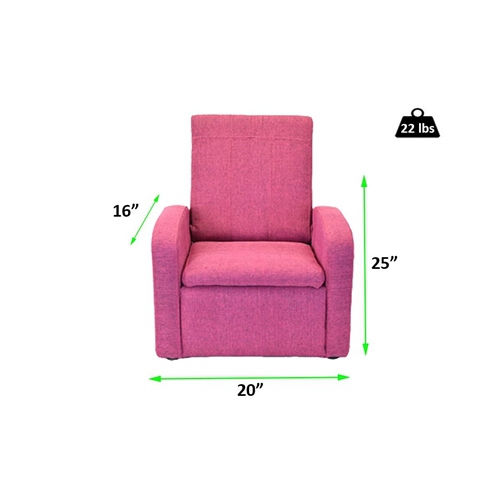


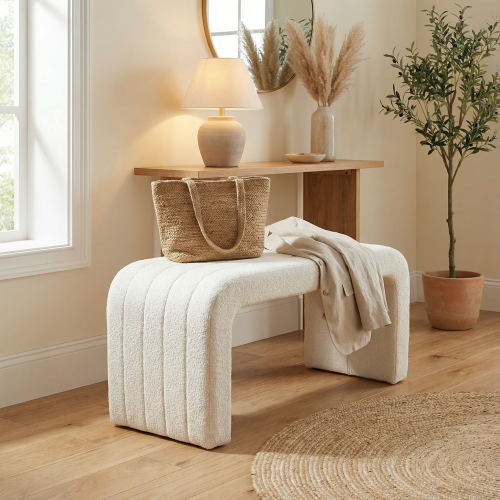
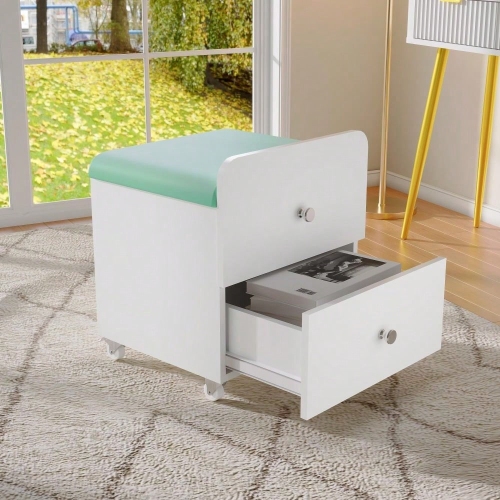
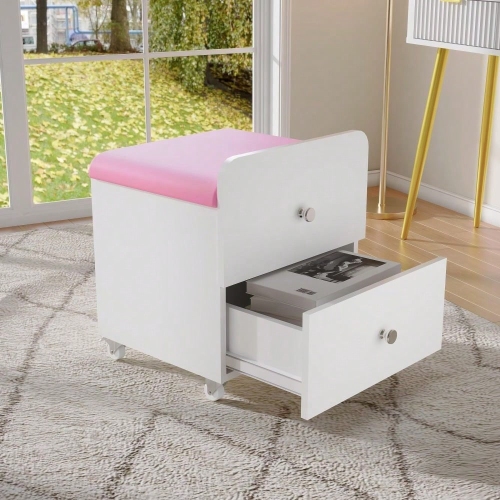
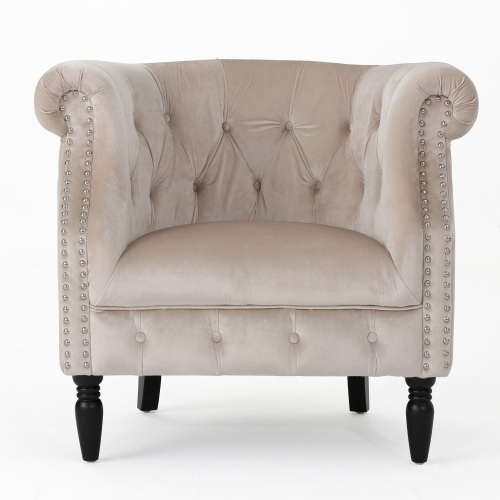
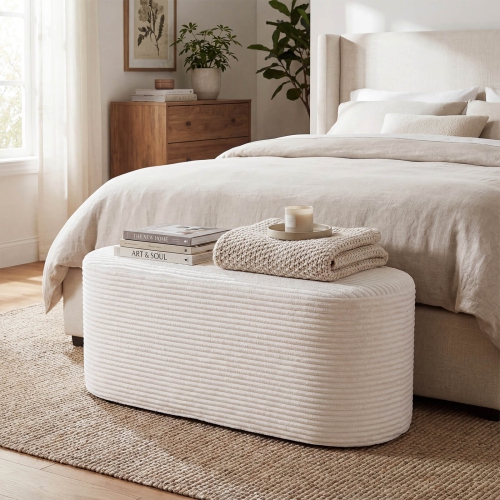
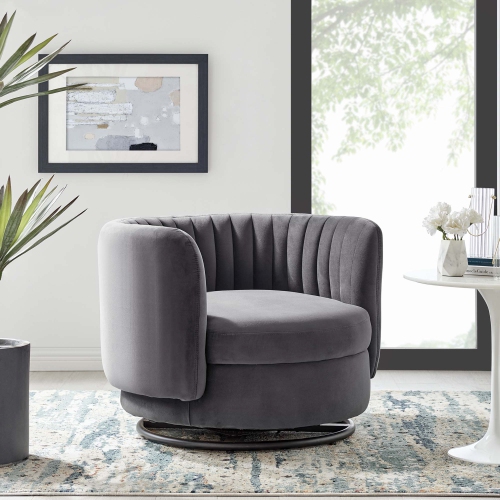
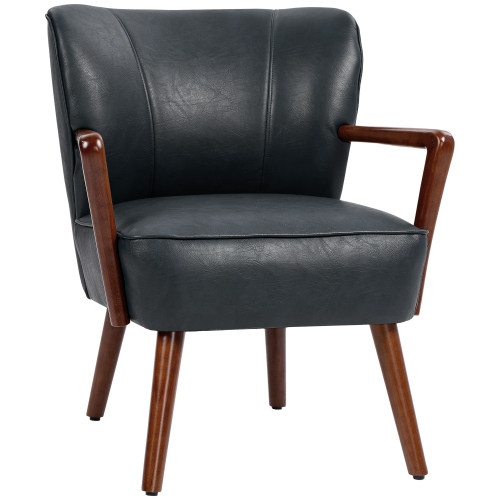
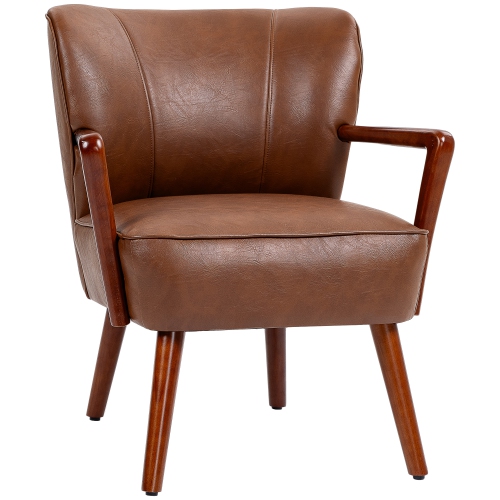
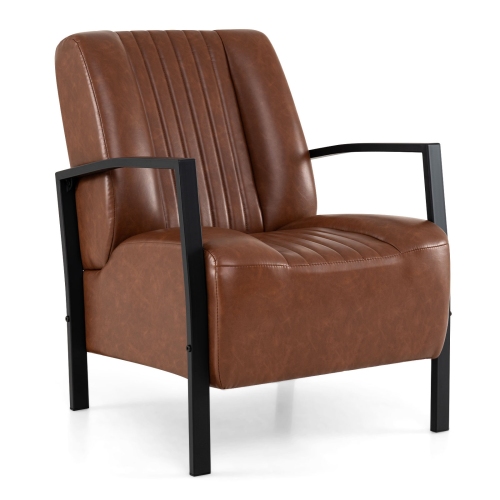
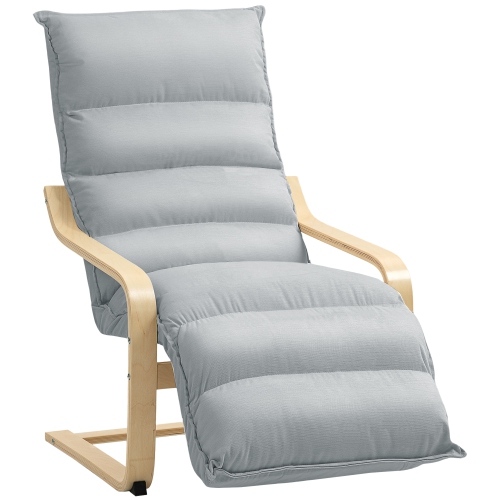
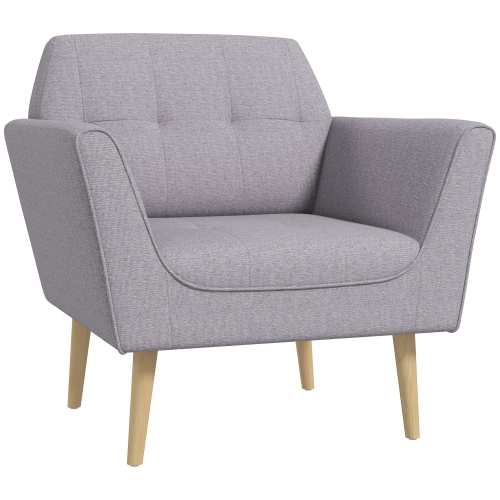
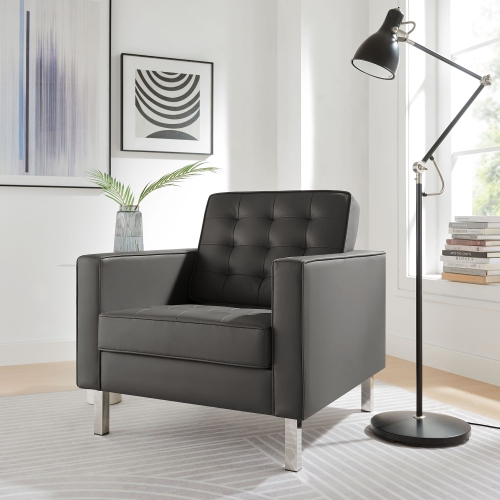
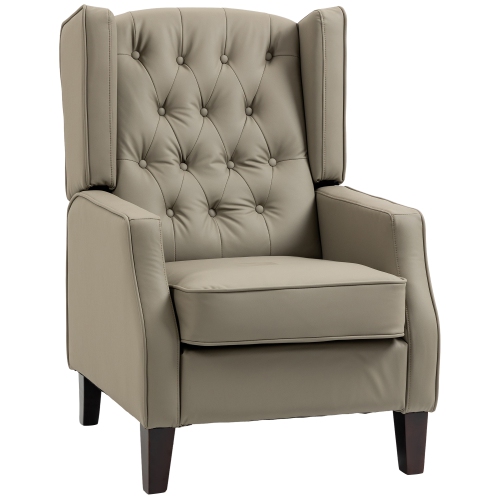
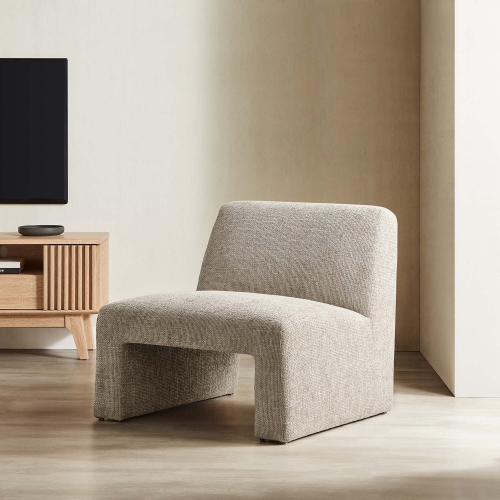
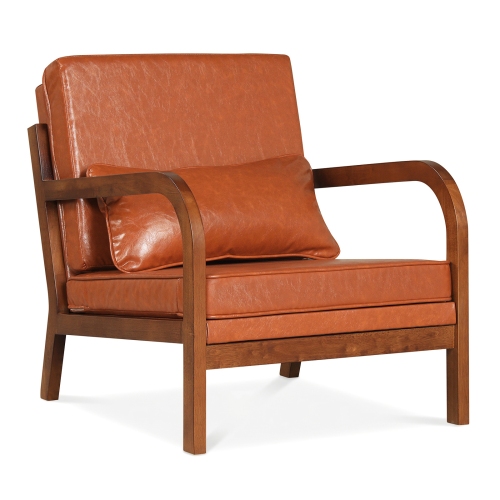
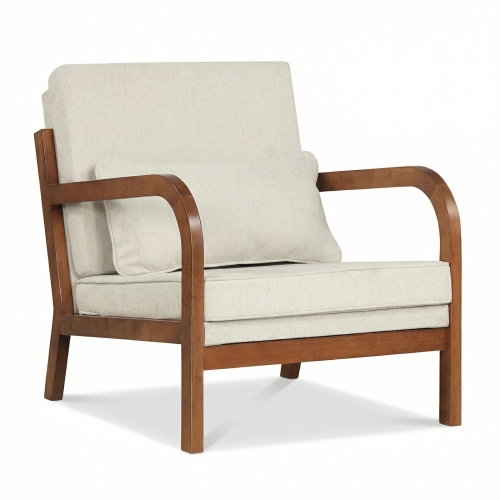
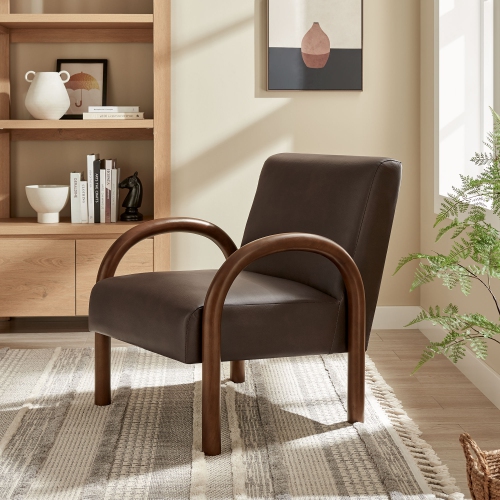
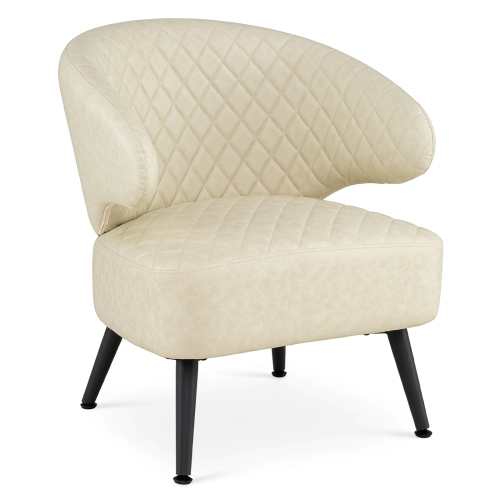
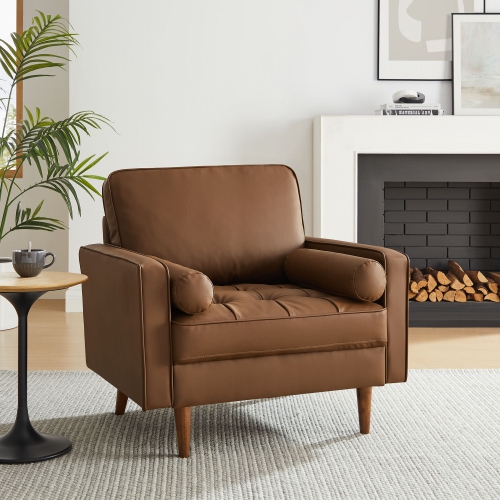
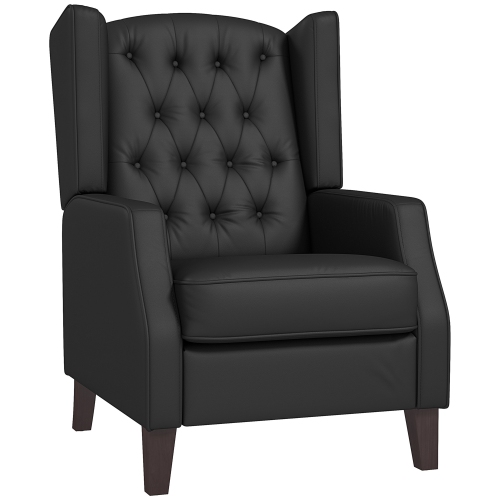
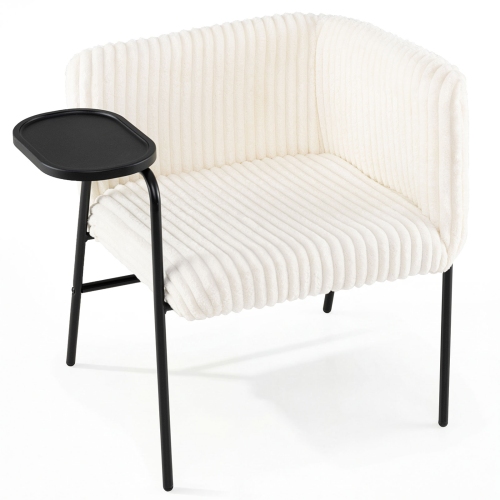
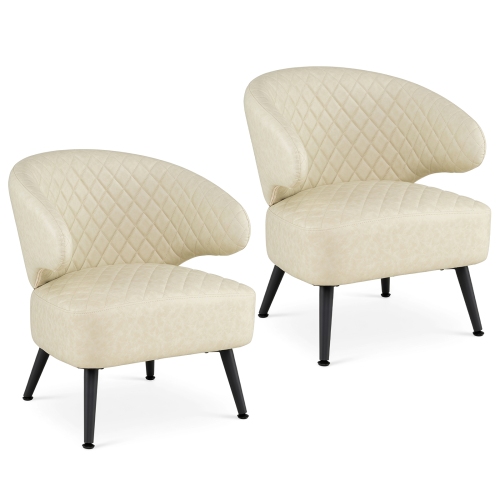

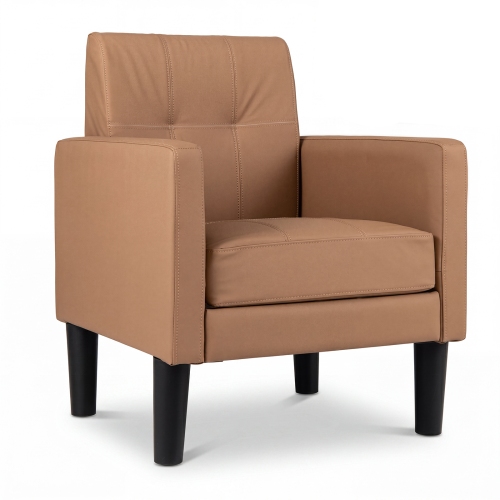
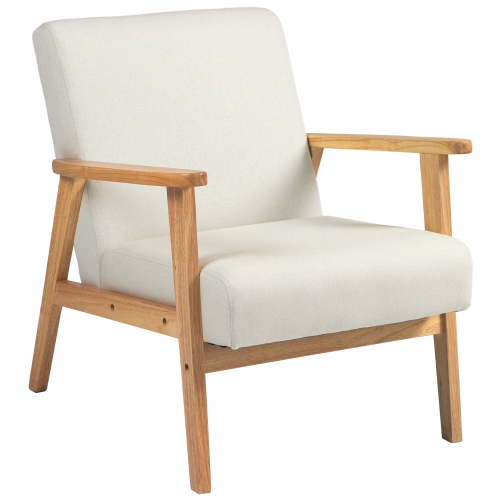
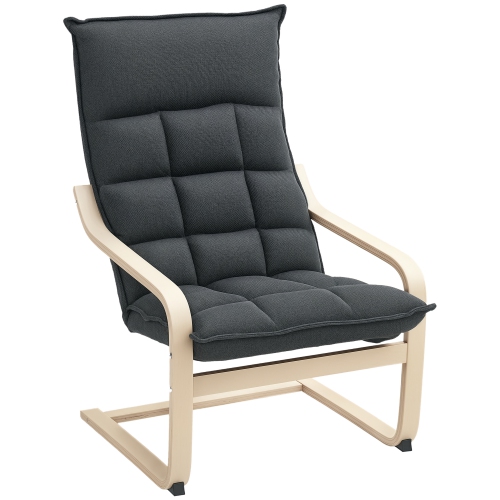
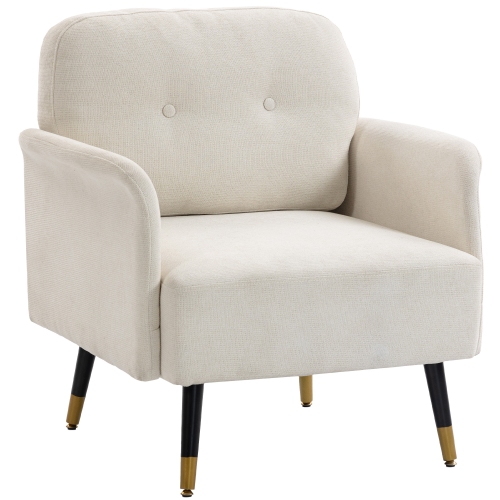
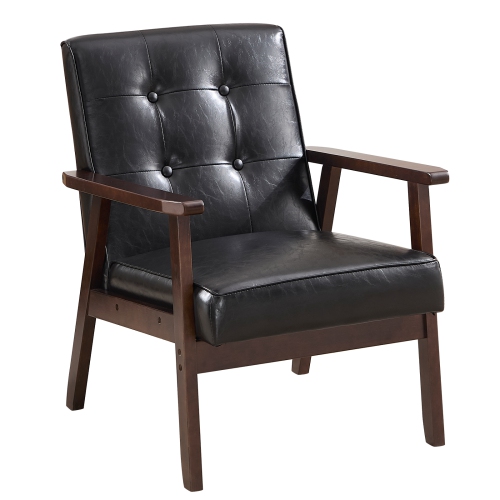
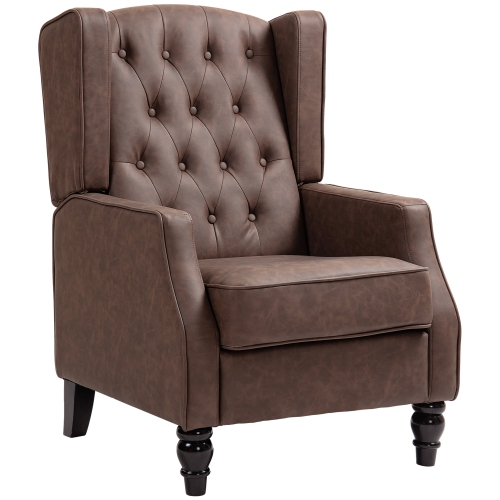
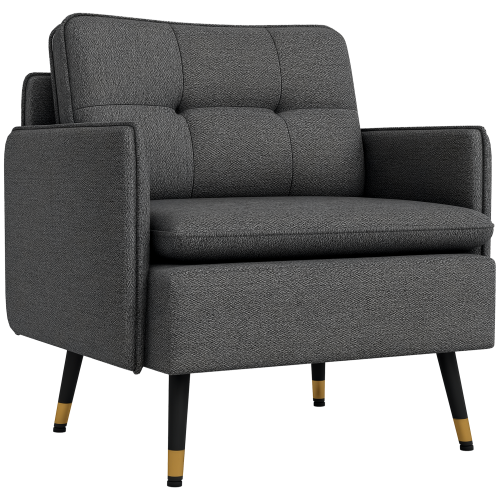
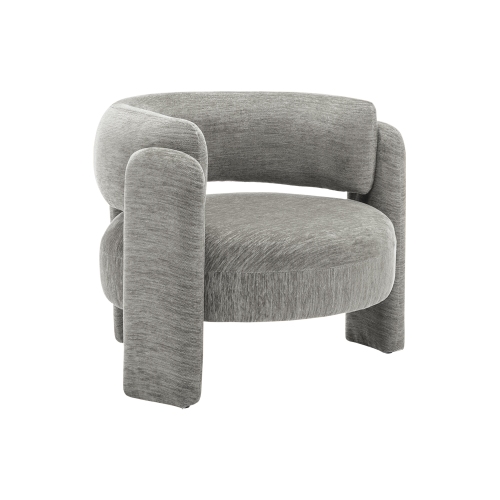
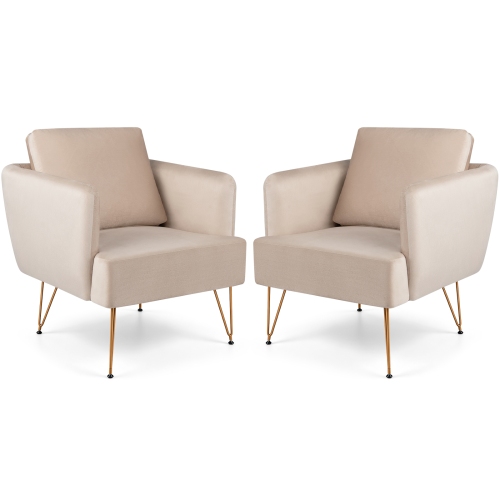
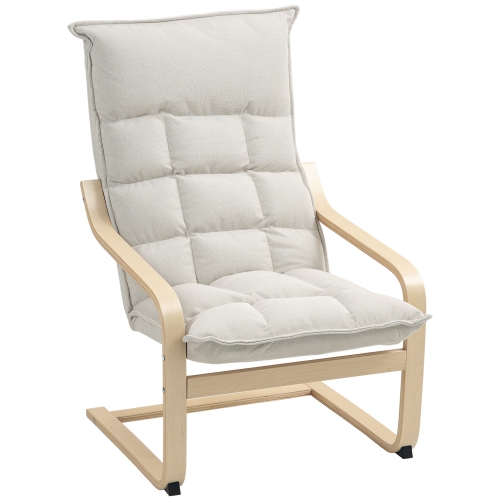
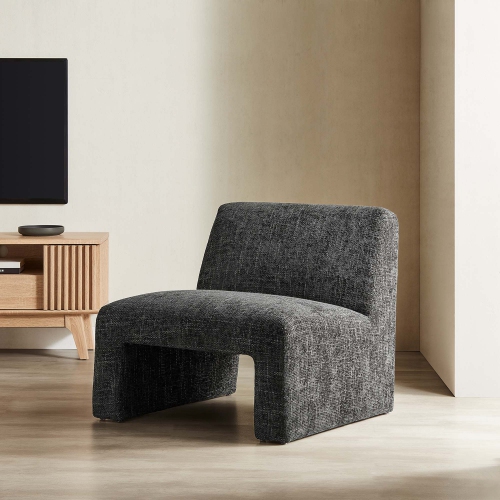
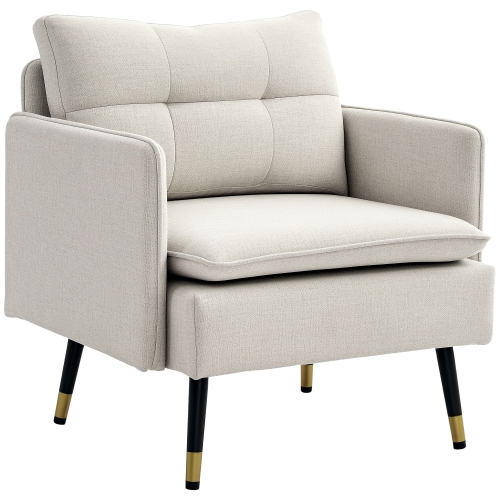
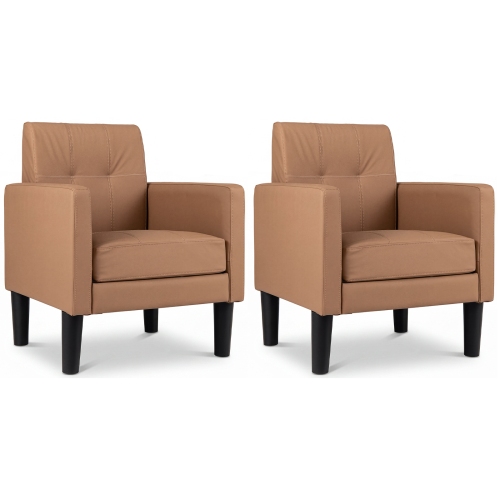

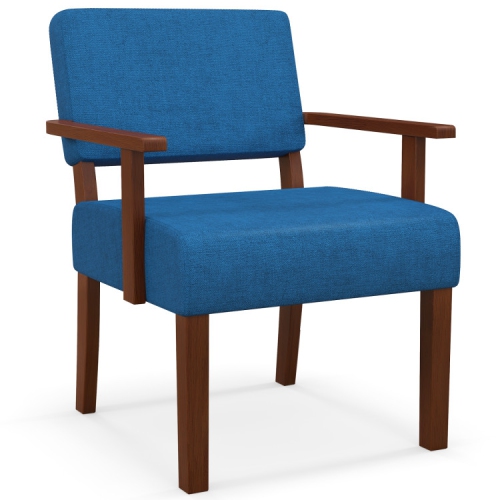
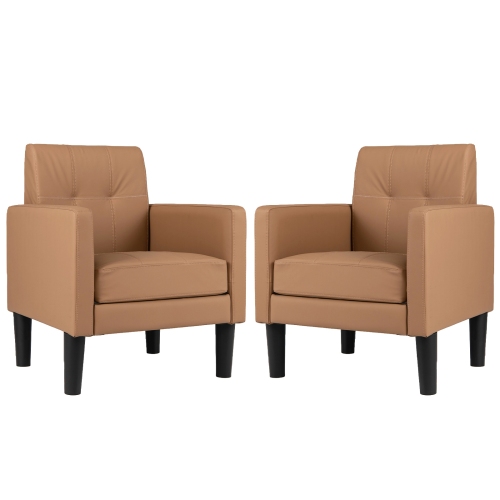
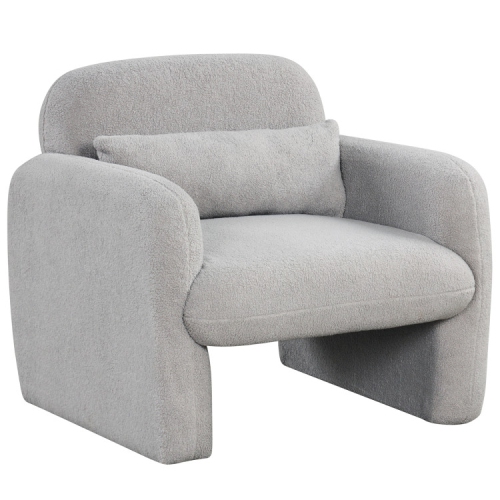
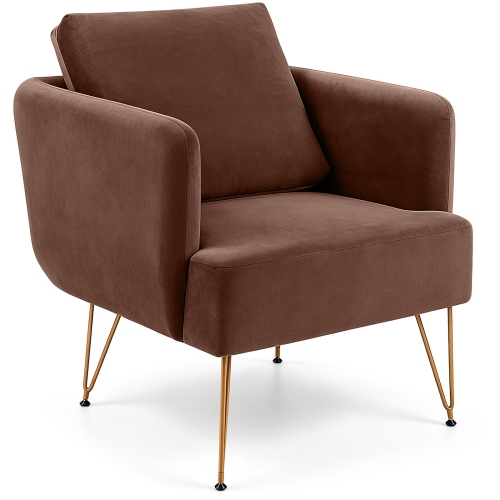
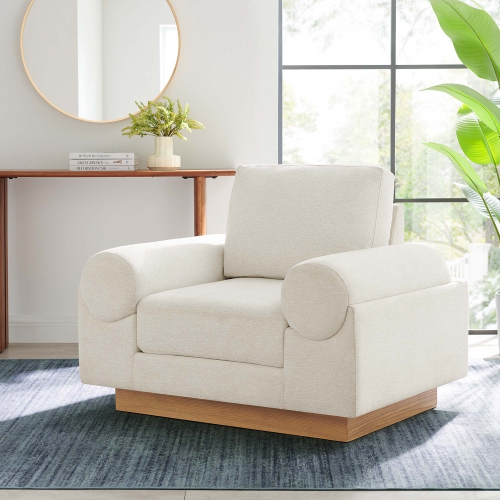
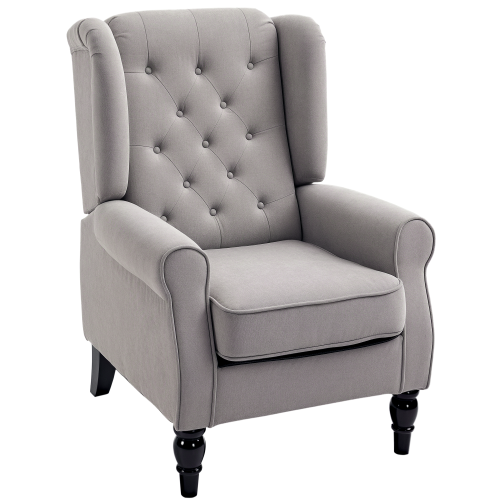
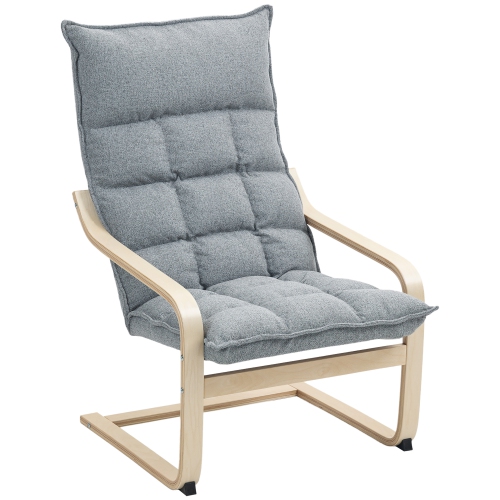
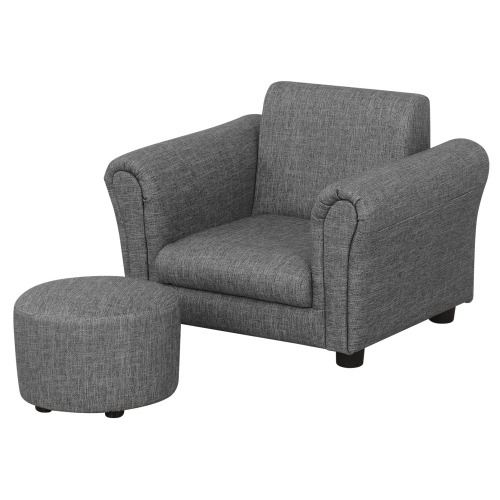
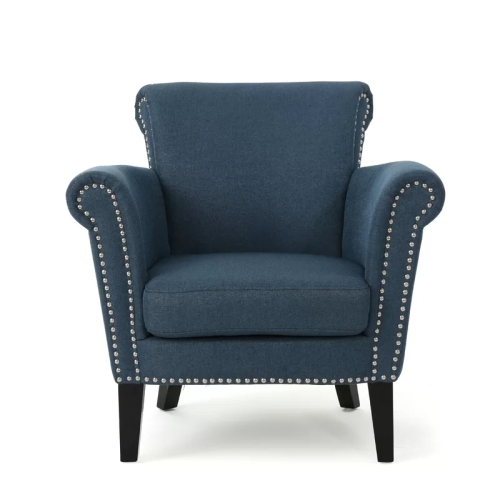
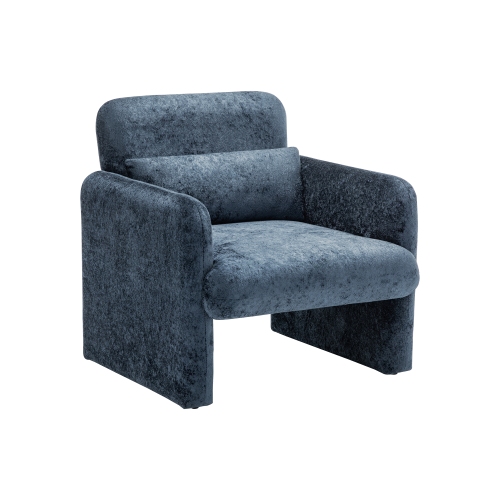
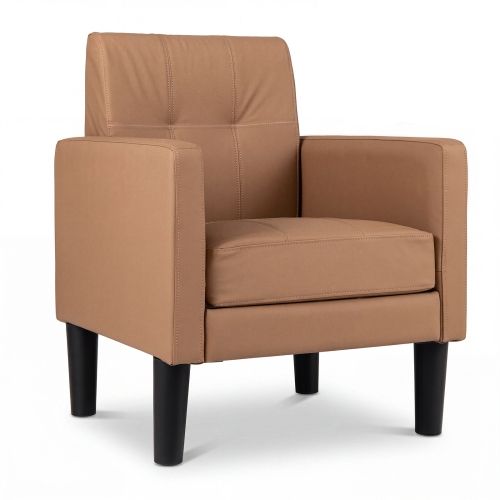

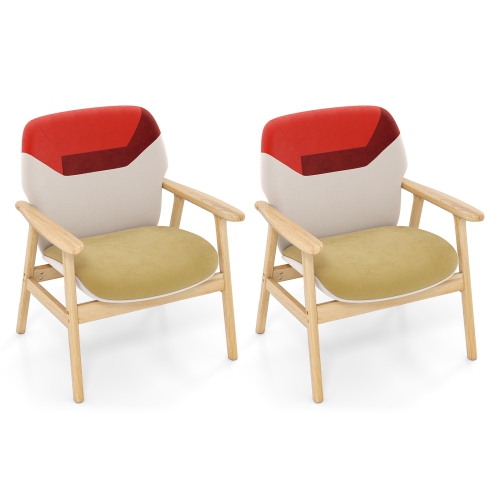

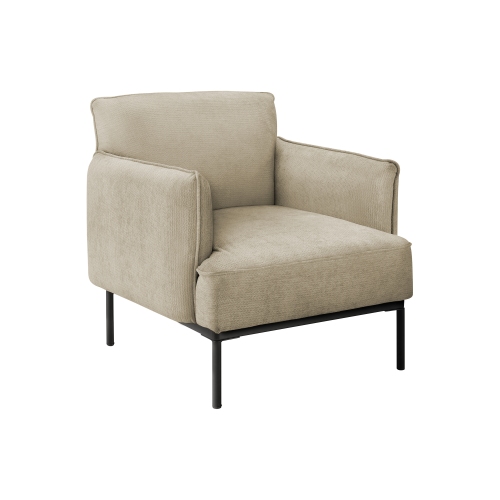
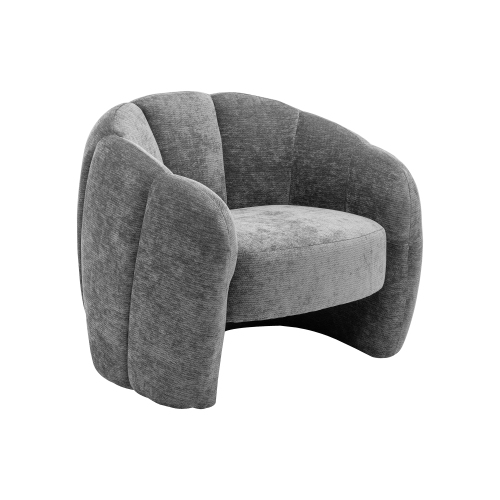

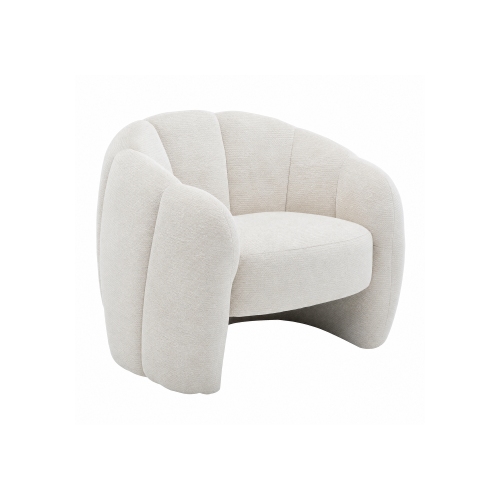
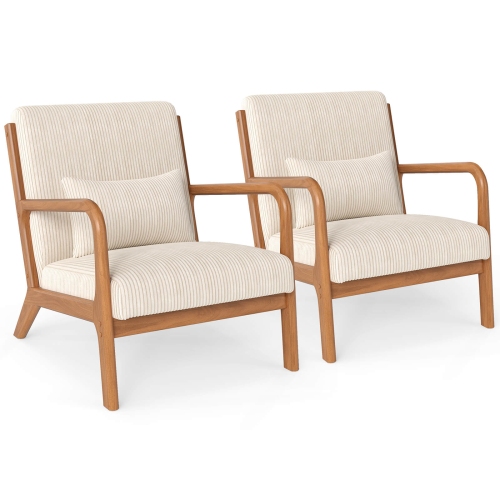

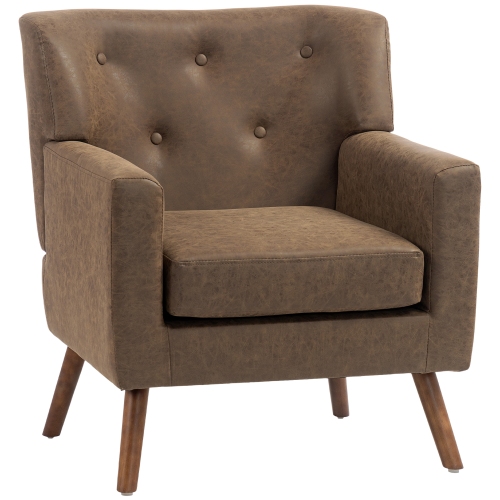
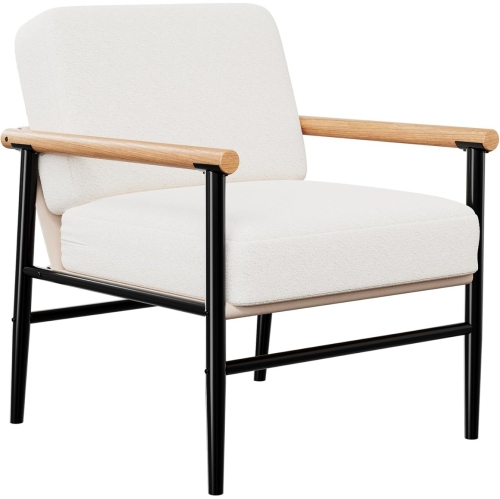
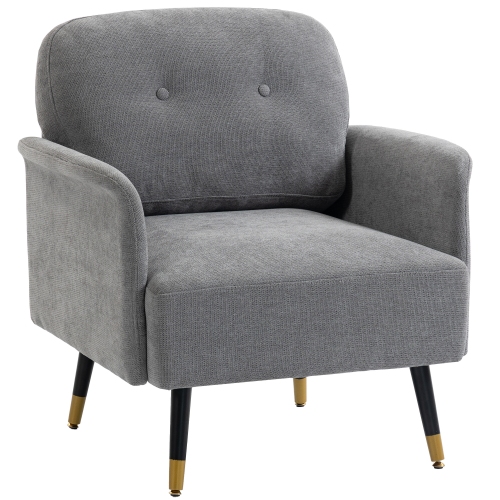
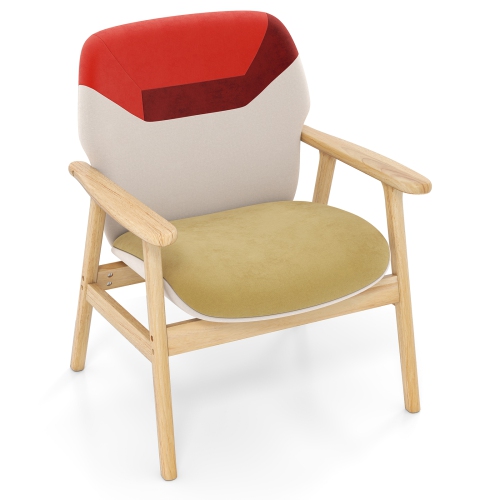
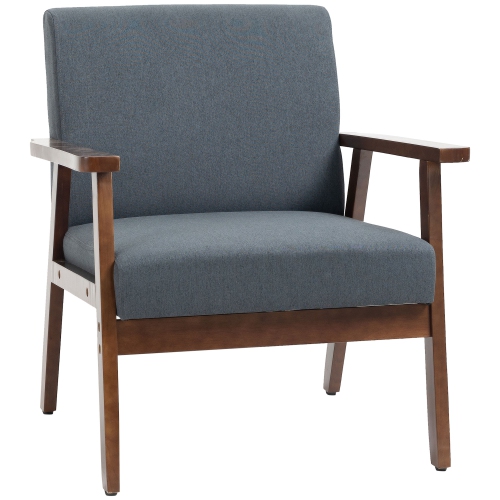
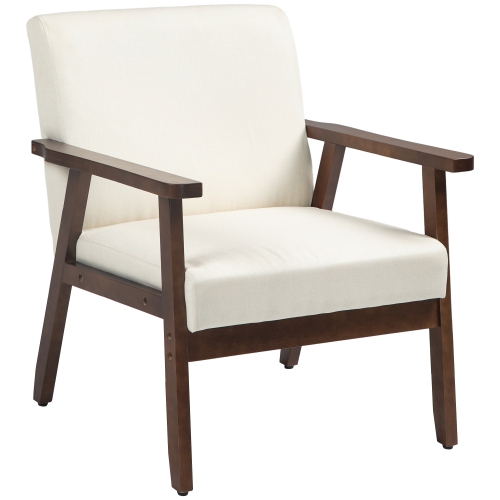
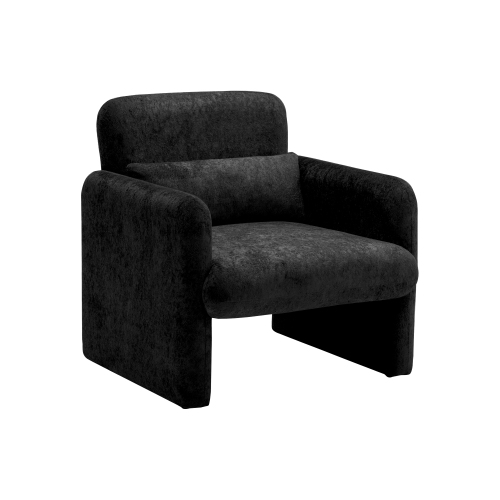
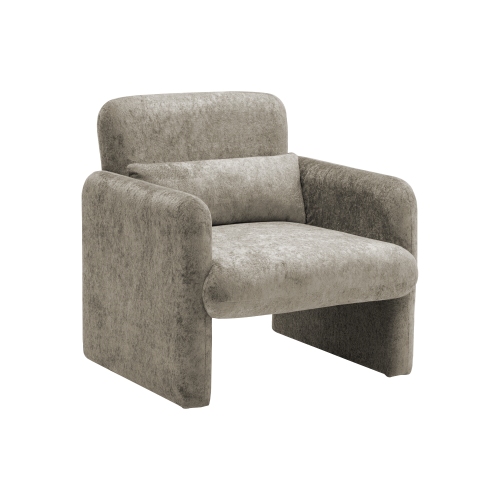
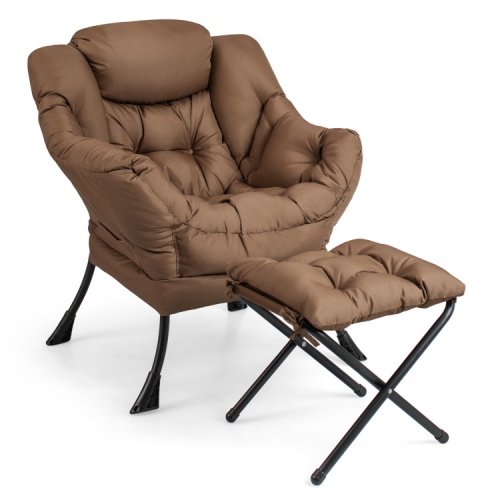
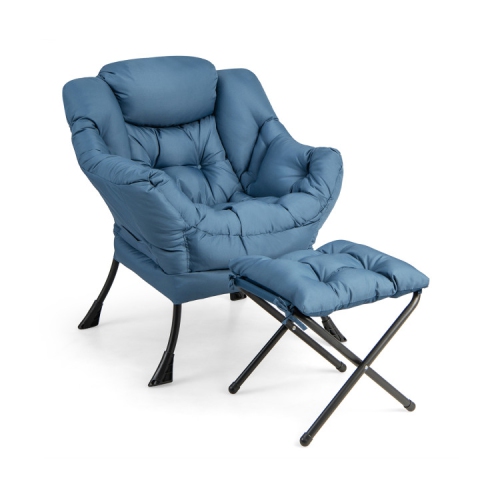
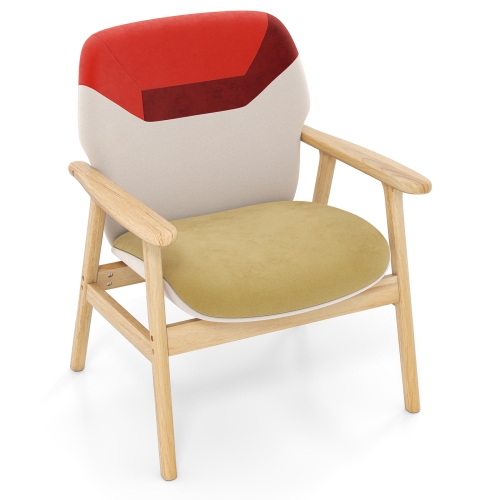
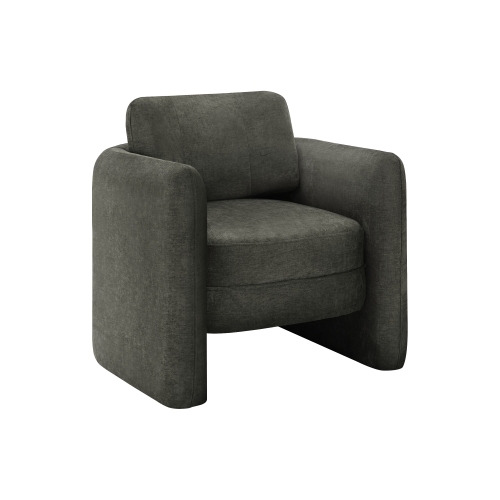
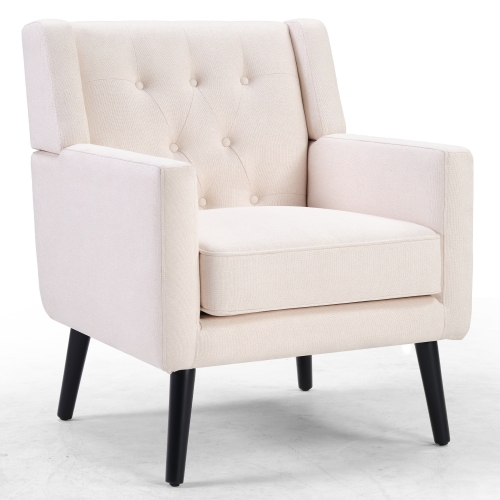
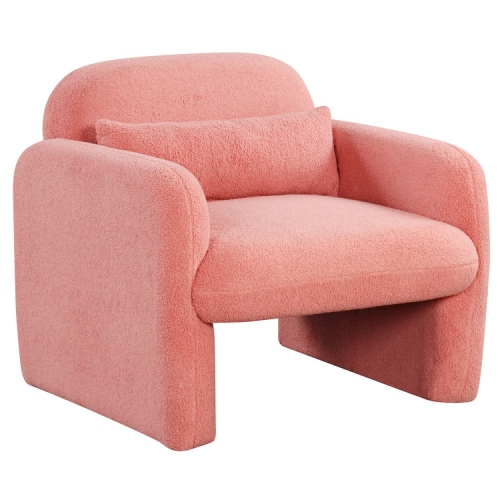
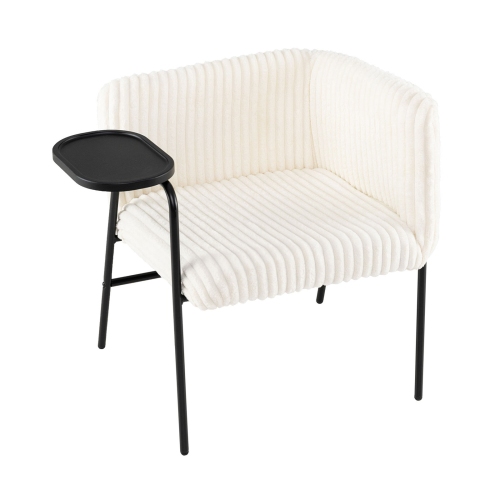
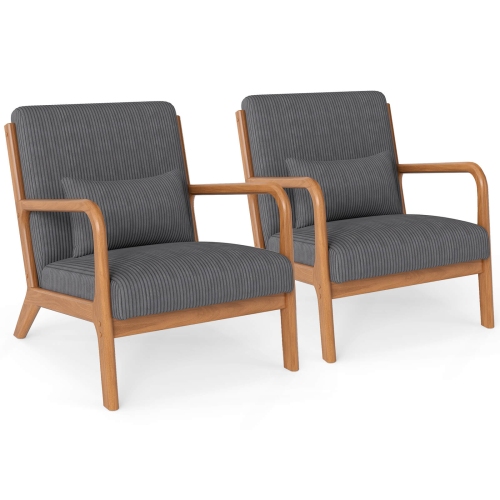
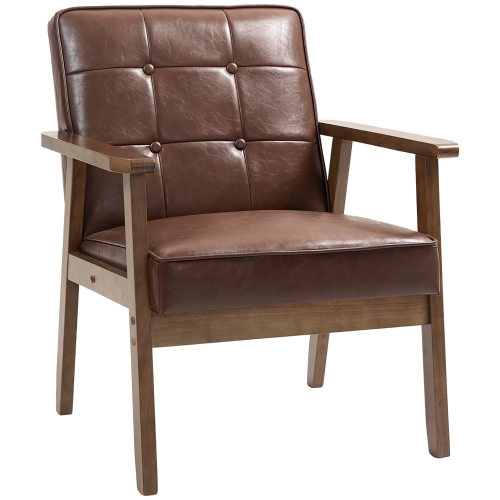
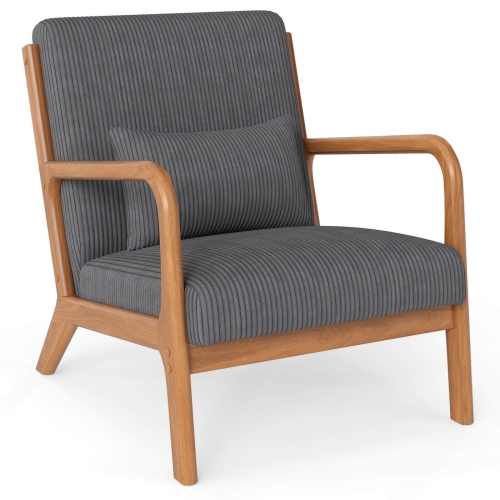
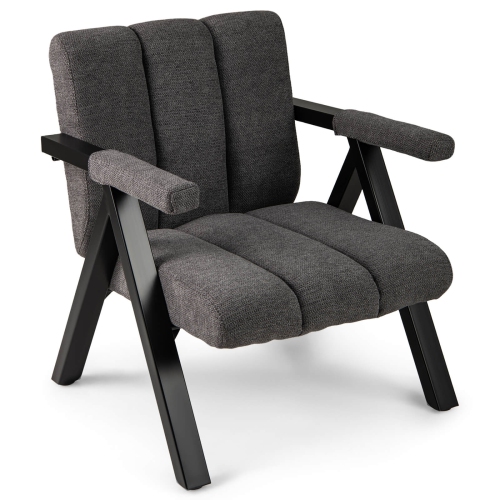
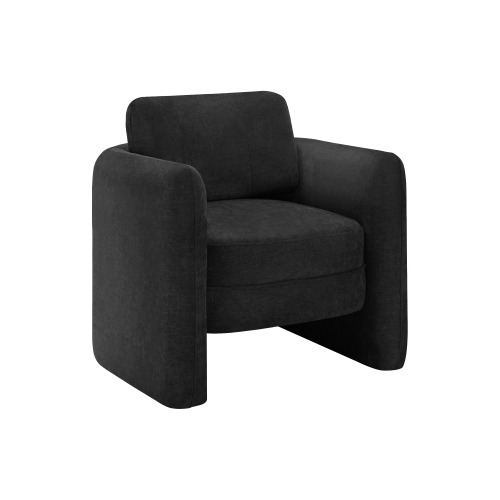
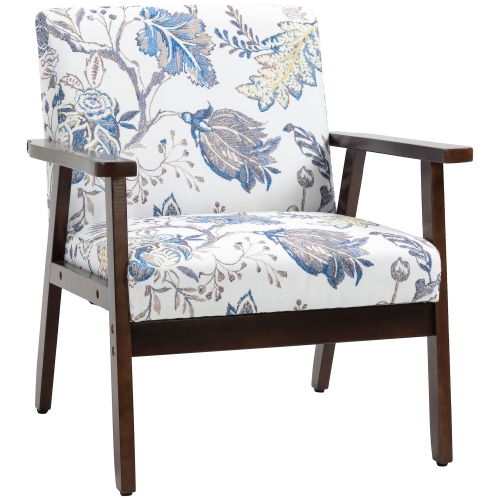
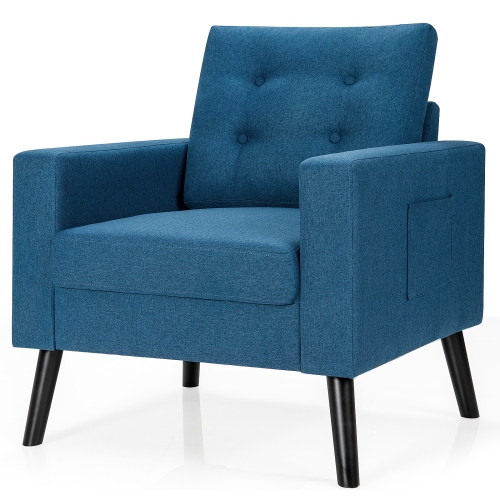
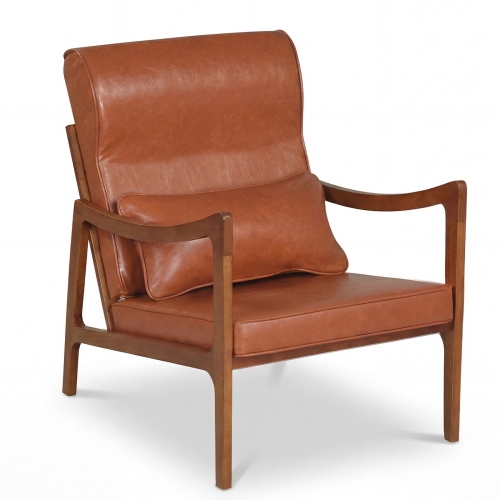
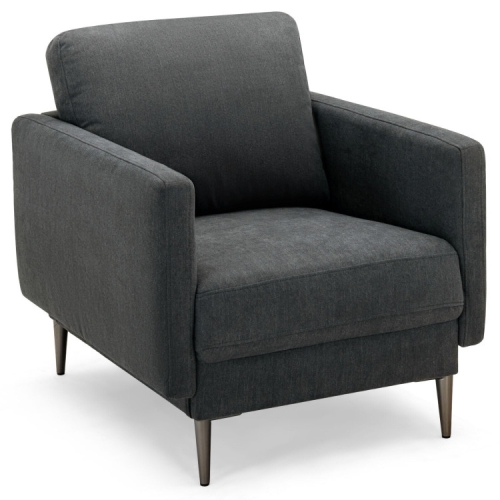
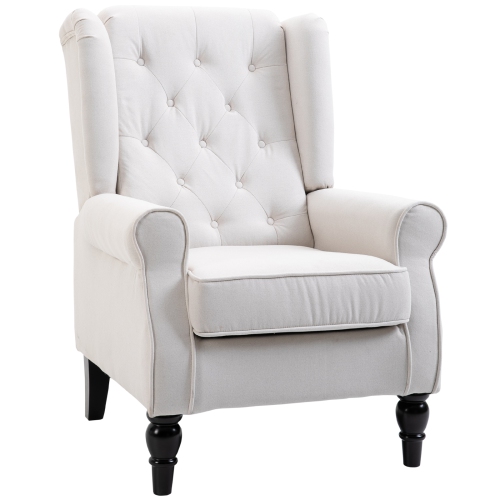
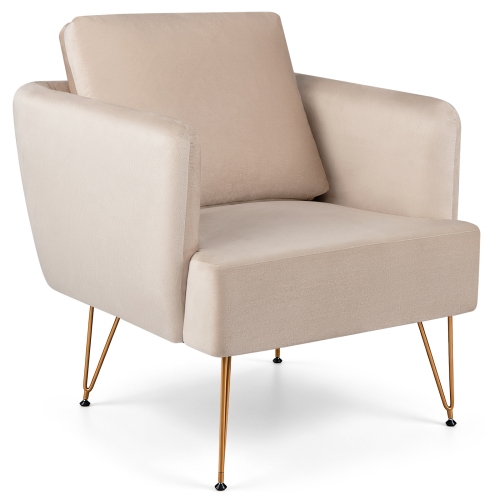

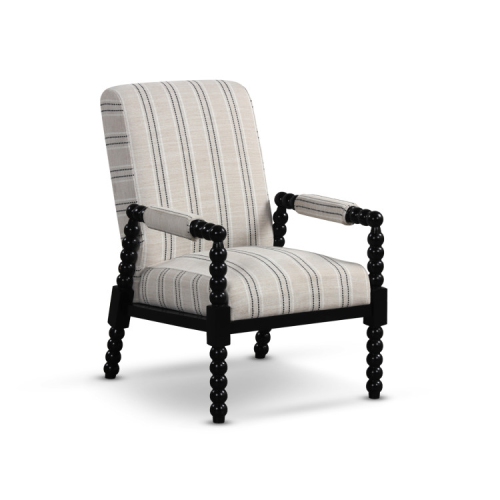
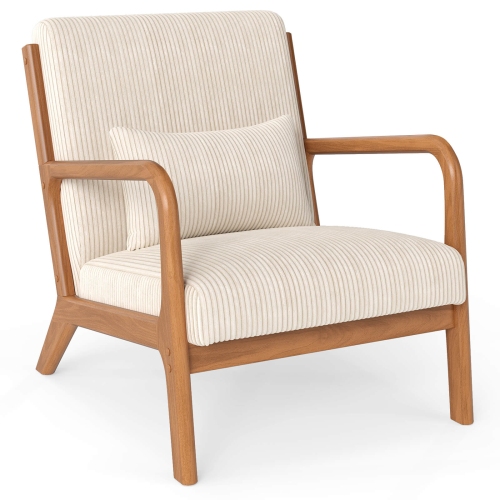
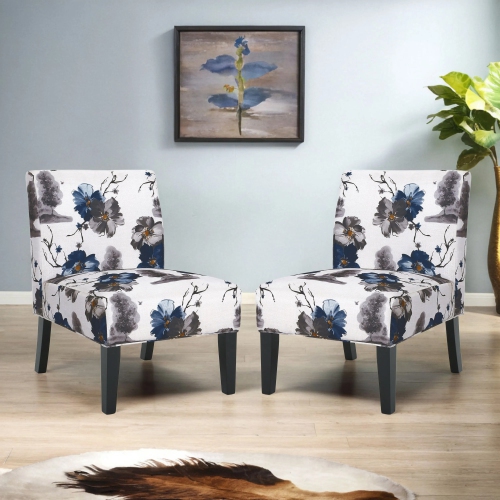
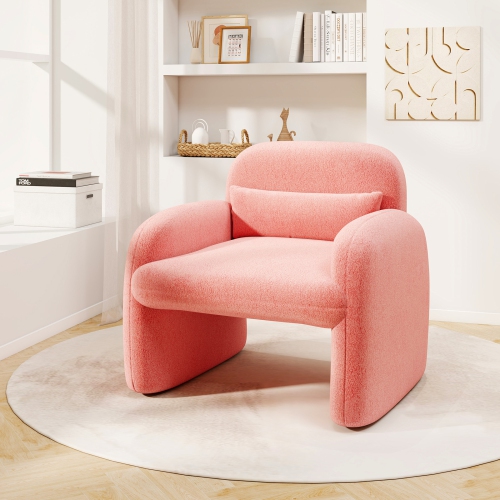
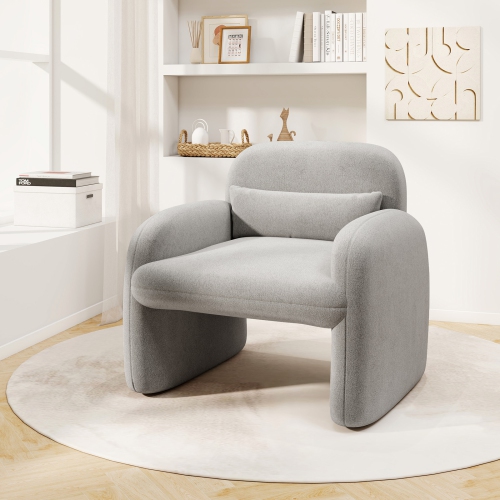
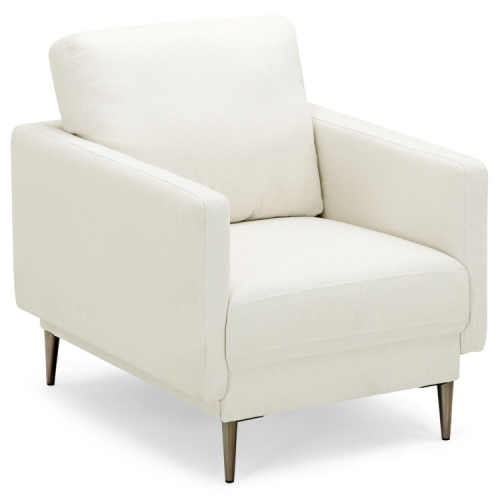
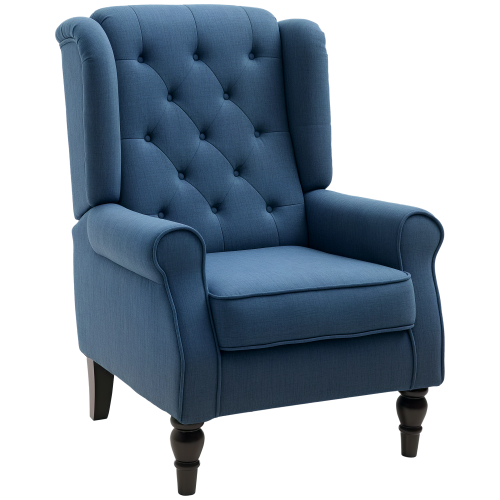

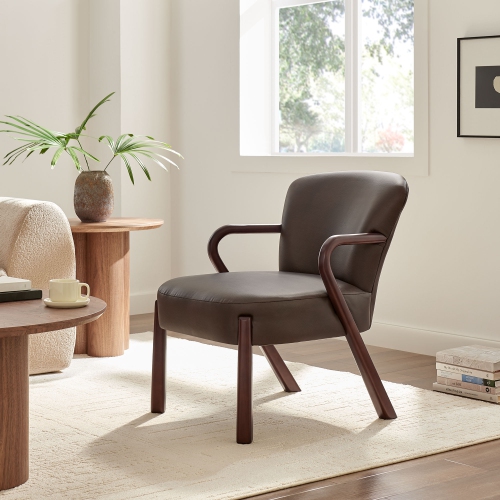
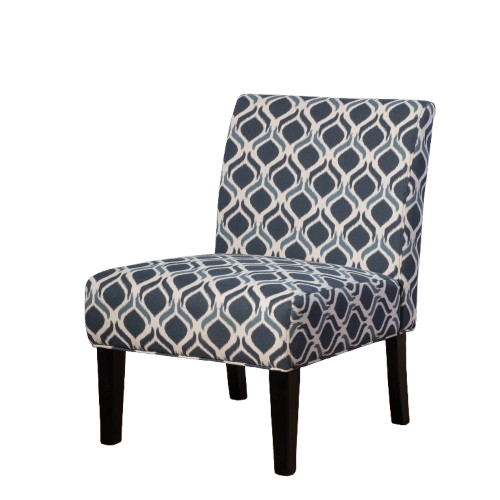
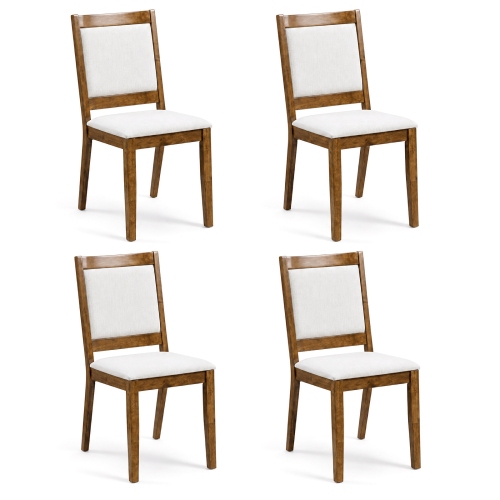
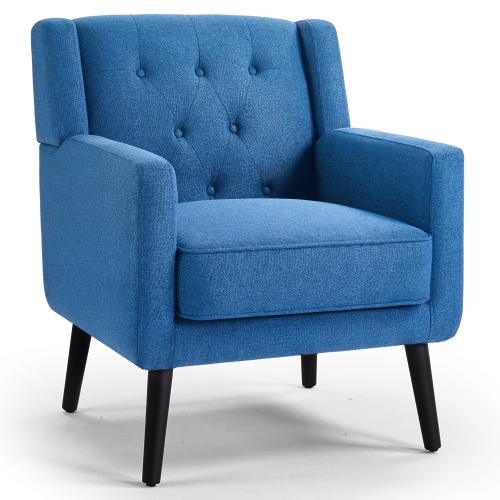
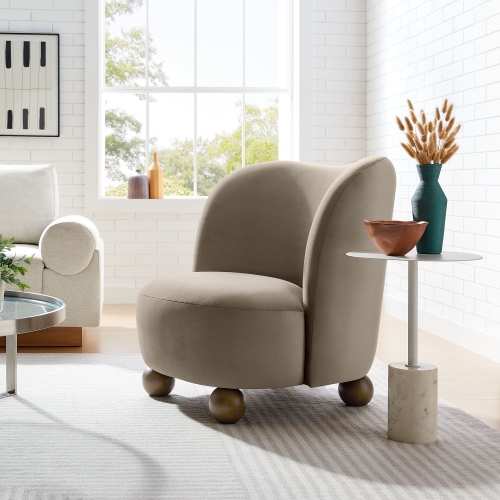

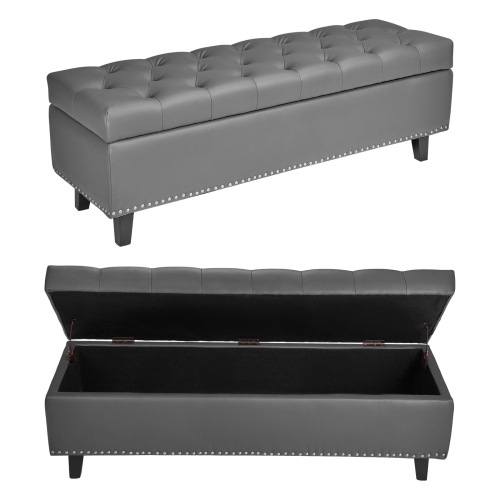
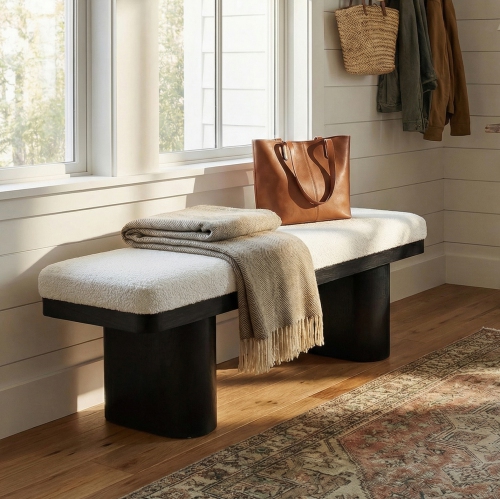
Cushioned comfort with room to put your feet up
Modern upholstered chairs with ottomans pair a cushioned seat with a separate footrest, creating a comfortable place to read, watch a film, or settle in with a coffee. Their appeal lies in the balance between soft upholstery and a clean, uncluttered shape. A rounded back can bring a gentler line to a room filled with rectangular furniture, while slim arms and exposed legs can give a compact seating area a more open appearance. Deeper seats and generous armrests tend to create a lounge-like feel; upright backs and shallower seats can suit people who prefer a more supported sitting position. The ottoman extends the arrangement without the fixed footprint of a chaise, so it can be moved closer for shorter legs or farther away for a more relaxed stretch. Within the broader category of Chairs With Ottoman, modern upholstered styles offer a way to introduce texture and colour without adding an elaborate silhouette. Cream, grey, and taupe can sit quietly alongside an existing sofa, while richer shades can make a reading corner feel distinct from the rest of the room. Fabric texture matters as much as colour: a nubby weave catches light differently from a smooth, tightly woven surface, even when both are a similar shade. Proportions help determine how naturally the pair fits into everyday life. A chair beside a living room window needs enough space for the ottoman and a clear route past it, while a bedroom seating corner may work better with narrow arms and a smaller footrest. Overall width alone does not tell the whole story. Seat depth, back height, arm height, and the space between the chair and ottoman all affect how the arrangement feels. The most useful footprint is the space occupied while someone is actually seated with their feet raised, rather than the space the pieces take up when pushed neatly together.
Upholstery and construction influence both the appearance of a chair and how it handles regular use. Woven fabrics can add subtle visual depth, with tighter constructions generally offering fewer places for claws or jewellery to catch than loose, open weaves. Velvet creates a softer sheen and may show changes in direction where the pile has been brushed or touched. Bouclé brings a pronounced, curled texture, though its loops may need extra consideration in a home with pets. Polyester and blended fabrics are common upholstery choices, but fibre content alone does not establish how easy a surface will be to clean. The weave, backing, finish, and manufacturer’s care directions also matter. A fabric described as stain-resistant still needs spills attended to promptly, and that description does not mean every mark will lift with water. Colour choice can be practical as well as decorative: a lightly textured mid-tone may make small traces of everyday use less noticeable than a very pale, smooth surface, while pet hair may stand out against strongly contrasting upholstery. Beneath the fabric, cushioning gives each chair its character. Firmer foam can provide a more structured seat, while softer padding allows a more settled-in feel. A pillow-like back and a firm seat can also appear together, so a plush appearance does not necessarily mean the entire chair feels soft. Frame construction, joints, and the supporting base contribute to stability, particularly when a chair is used daily. Exposed wood legs introduce warmth, while metal bases can create a sharper contrast with the upholstery. Neither appearance alone establishes strength; stated weight limits and intended use remain important for both pieces. An ottoman is not automatically suitable as an extra seat, even if its height makes that tempting when guests arrive. Its own specifications determine whether it is designed to support seated use or simply to hold feet and lower legs.
Comfort depends on how the chair and ottoman work together, not just on the amount of padding. An ottoman that is close to the seat height can support a fairly level leg position, while a lower footrest creates a different resting angle. The right relationship varies with leg length, seat depth, and personal preference. For someone who reads for long stretches, a backrest that feels supportive without pushing the shoulders forward may matter more than an oversized seat. Someone who frequently changes position may appreciate a wider seat and arms that leave room to move. A chair used for conversation may suit a more upright posture, while a lounge chair intended for watching television can have a more laid-back angle. Where swivel or reclining functions are included, the surrounding space needs to accommodate the full movement, with the ottoman positioned so it does not obstruct the base or footrest. Small practical details make a difference once the chair becomes part of a daily routine. A nearby side table keeps a drink off the upholstered ottoman, and a reading lamp reduces the need to pull the chair towards another light source. Suitable floor protectors can help limit scuffs when the ottoman is moved, provided they are appropriate for the flooring and the furniture base. Regular care is usually straightforward when it follows the upholstery label: gentle vacuuming with the correct attachment helps remove dust from seams, while blotting a spill avoids working it farther into the fabric. Removable cushion covers are not necessarily machine-washable, and cleaning methods suitable for one fabric may leave marks on another. Positioning upholstery away from prolonged direct sunlight can help limit uneven fading. With proportions that suit the room, support that suits the sitter, and fabric that fits the household’s habits, a modern upholstered chair and ottoman can become an inviting everyday seat rather than furniture reserved for occasional use.
Top selling and popular products
-
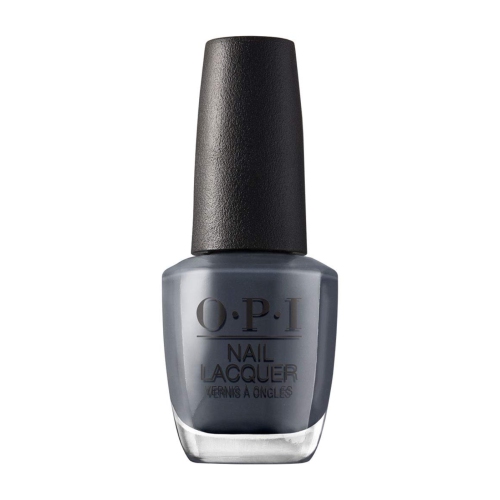 Your price for this item is $13.3
-
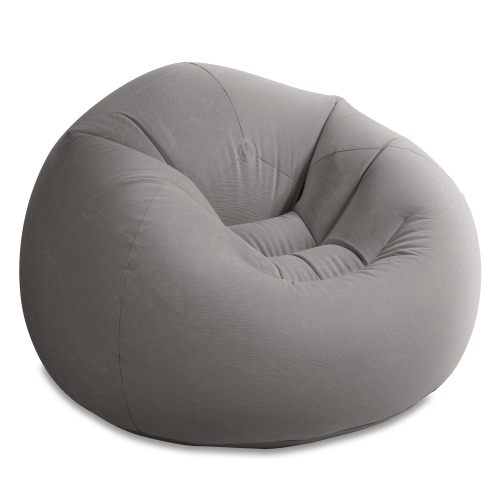 Your price for this item is $108.99
-
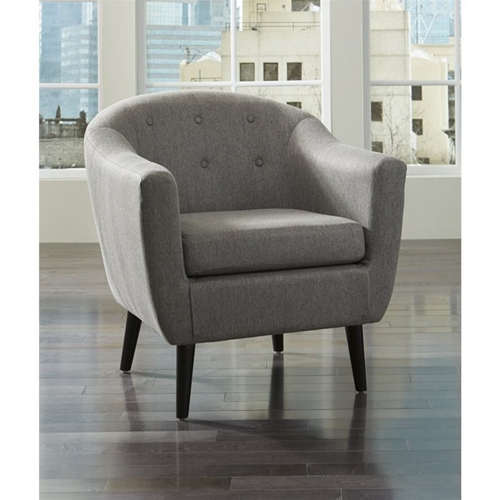 Your price for this item is $544.85
-
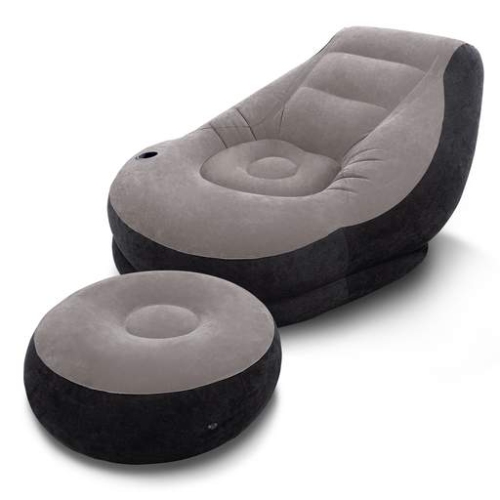 Your price for this item is $288.99
-
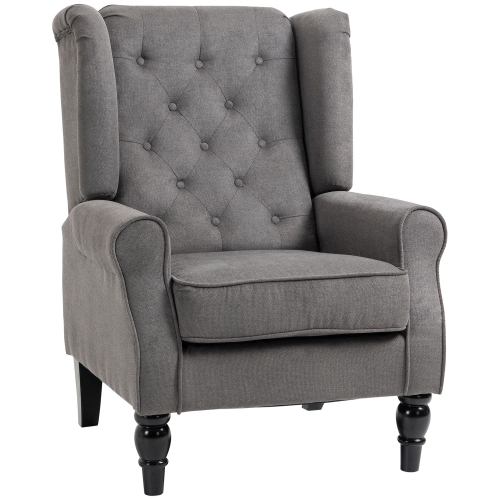 Your price for this item is $249.99
-
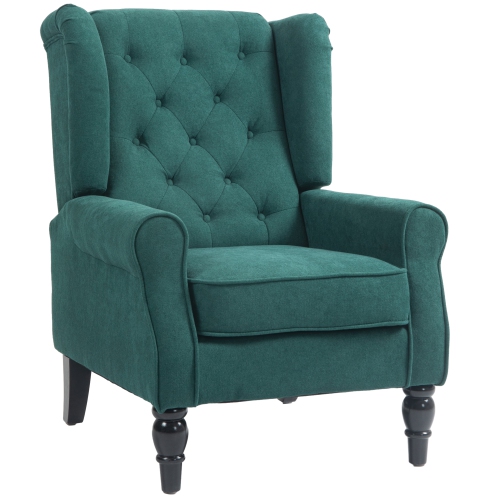 Your price for this item is $244.99
-
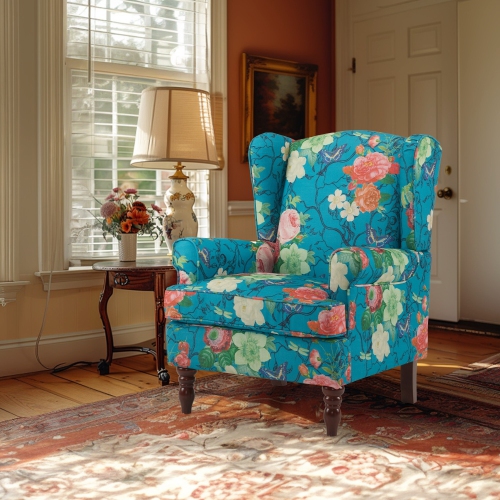 Your price for this item is $249.99
-
 Your price for this item is $167.99
Discover more categories related to Modern Upholstered Chairs With Ottoman
Top Collections:
Best Black Friday Deals This Year, Best Black Friday Deals On Electronics, Kindle Devices, Dyson Airwrap, Best Cameras for Sports Photography, Best Budget Office Chairs, Canon G7X Cameras, PS5 Pro Consoles, Best Black Friday Deals On Apple Products, XBOX One S Consoles
Some products may be subject to Environmental Handling Fees
(EHF) depending on your province.
Learn more about EHFs.