Bedroom Storage Cabinets With Drawers
Bedroom storage cabinets with drawers offer a practical solution for organizing clothes, accessories, and essentials while enhancing the look of your space. With a variety of sizes, finishes, and styles available, it’s easy to find an option that complements your bedroom decor. Whether you need extra storage or want to keep your room tidy and clutter-free, bedroom storage cabinets with drawers provide both functionality and style for any home. Explore versatile choices designed to suit your storage needs and personal taste.
Sort
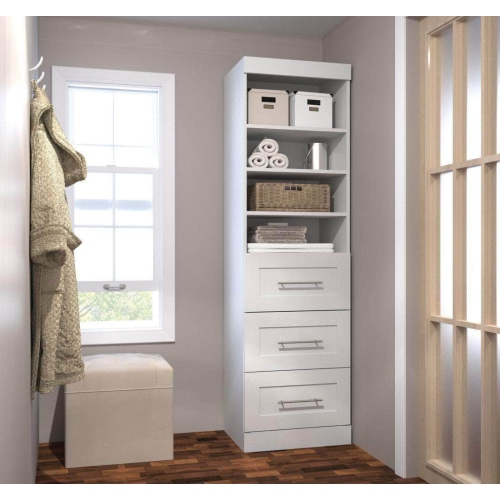
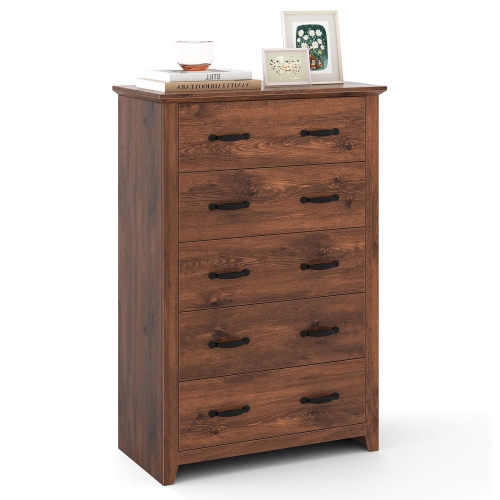
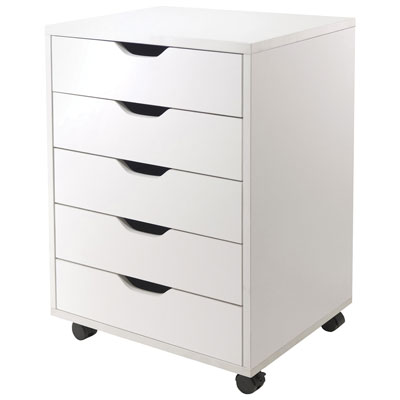
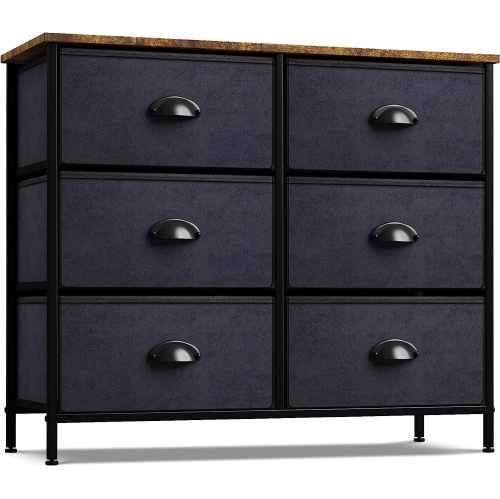
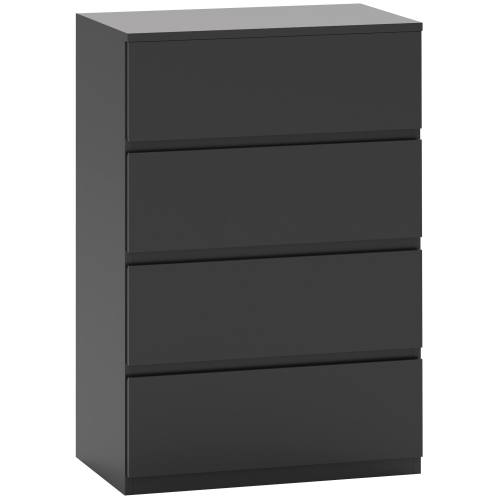
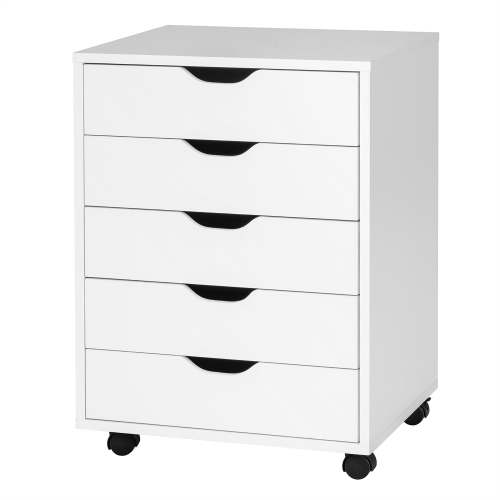
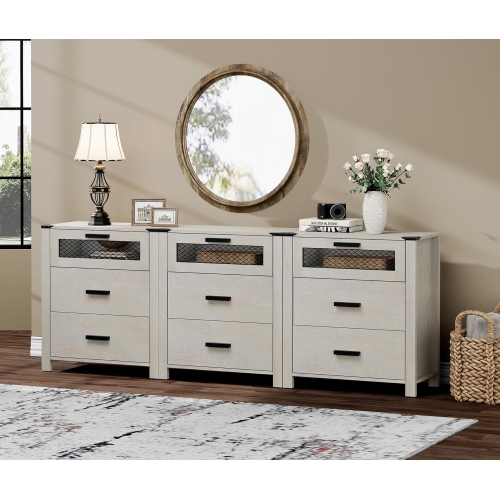
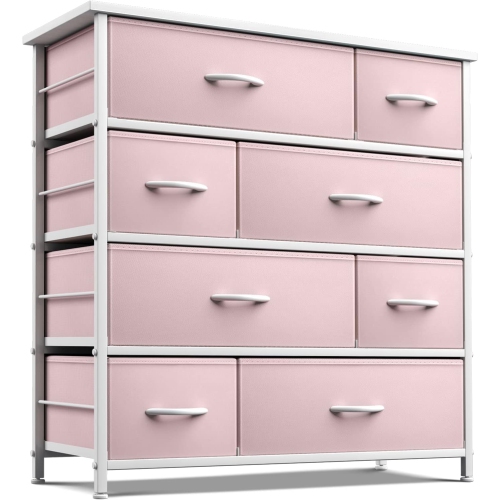
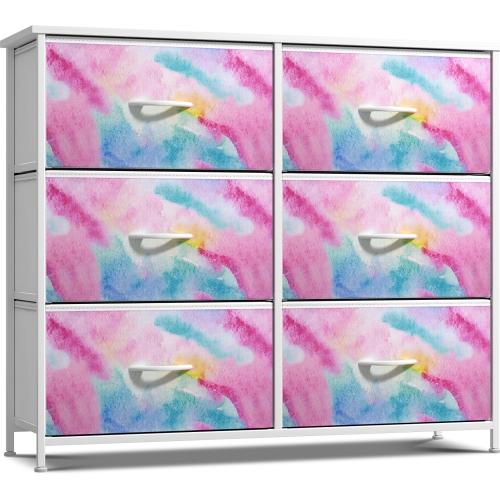
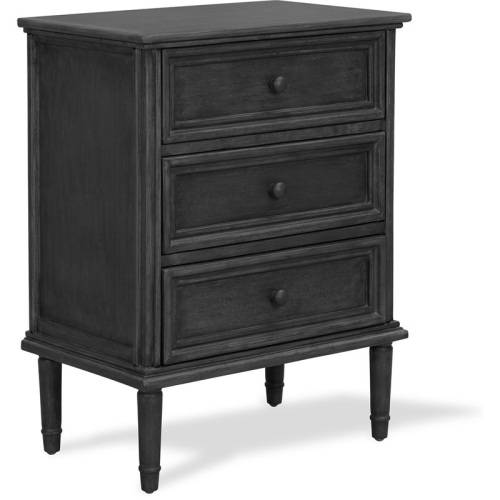
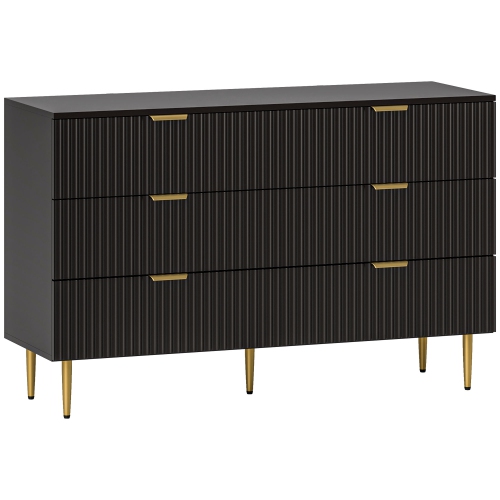
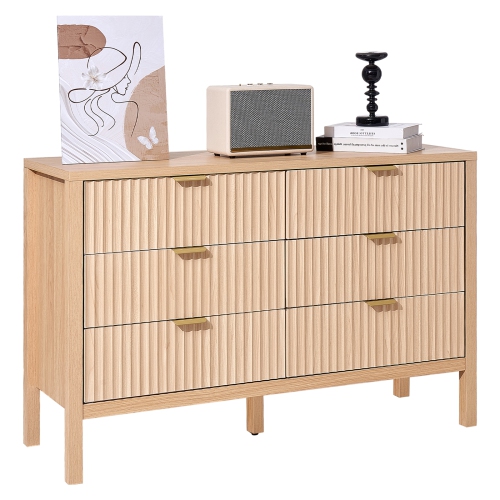
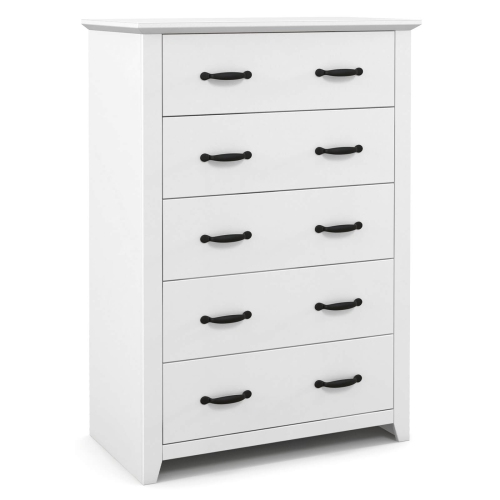
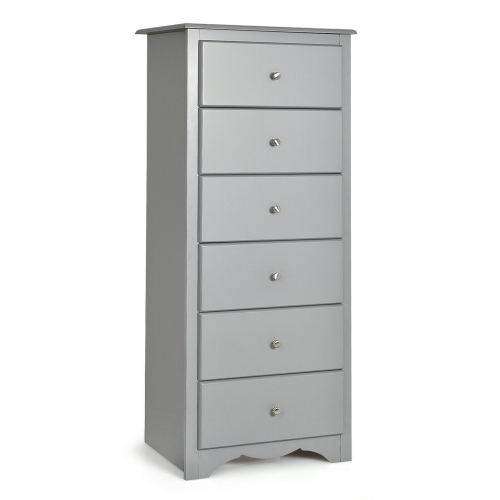
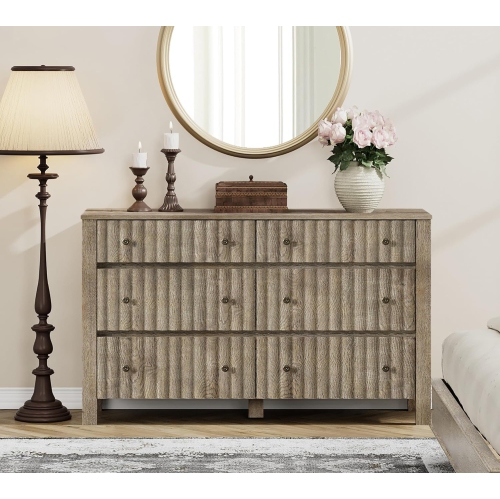

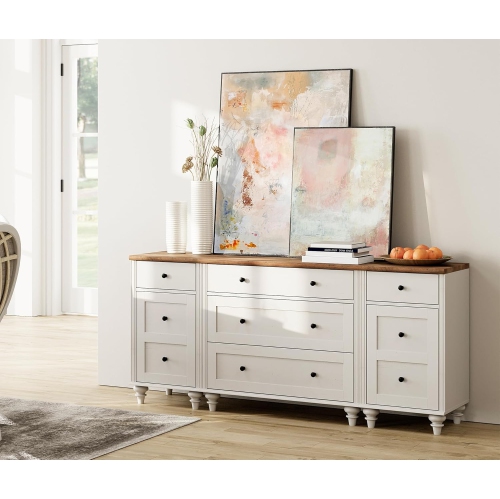
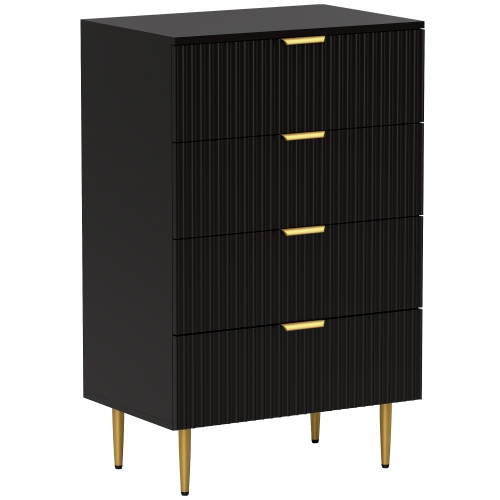
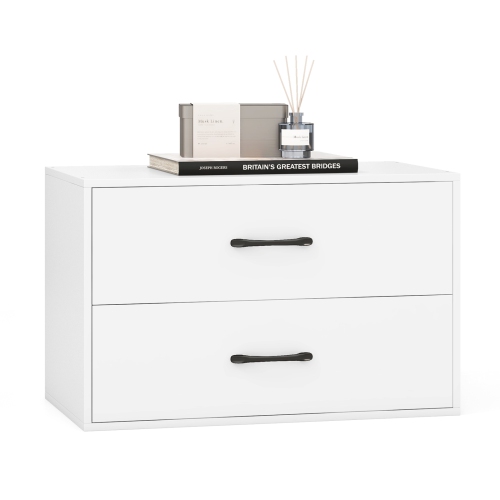

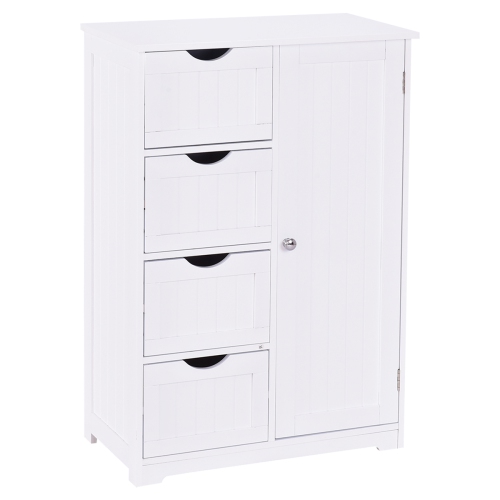
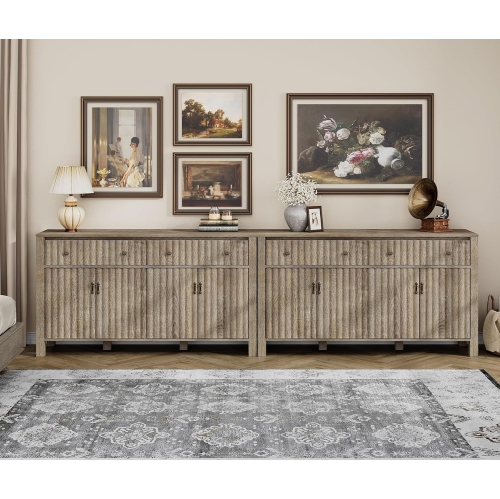
Everyday essentials tucked away and easy to reach
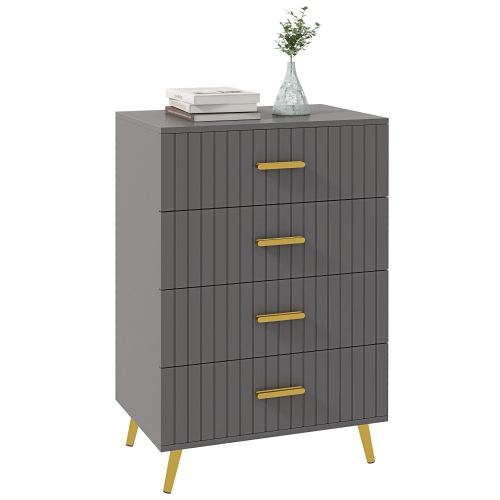
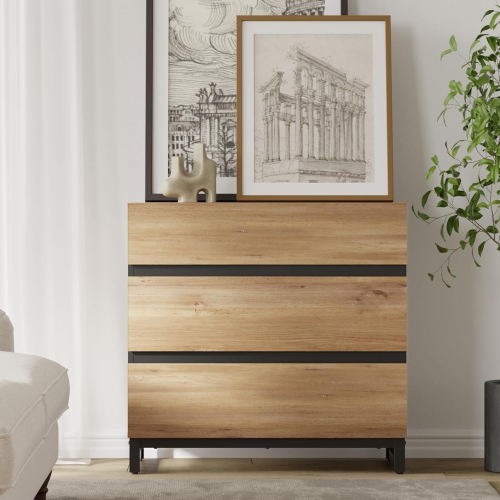
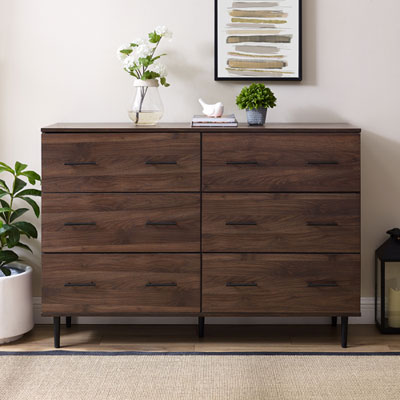
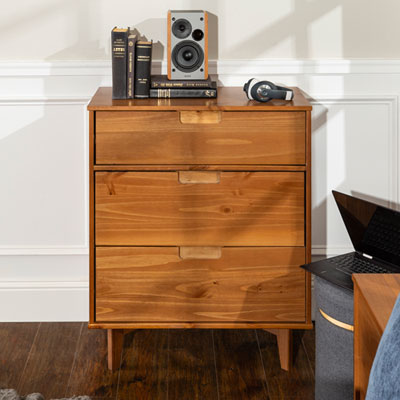
Bedroom storage cabinets with drawers give everyday belongings a place without leaving everything on display. Folded clothing, spare pillowcases, sleepwear, and small accessories can sit behind a clean drawer front, helping the room feel more settled even when the rest of the day is busy. Unlike open shelving, drawers keep their contents out of sight and help limit dust settling directly on stored belongings. They also make it easier to separate categories: socks and accessories in a shallow upper drawer, T-shirts in the middle, and bulkier linens below, provided the drawer dimensions and weight limits suit those contents. A cabinet that combines drawers with a cupboard offers a different kind of flexibility, with enclosed shelf space for belongings that do not fold neatly into a drawer. Within the broader range of Bedroom Cabinets, drawer-based designs are particularly useful where small essentials tend to collect on a chair, dresser top, or bedside table. In a shared bedroom, separate drawers can give each person a clearly defined space without requiring another large piece of furniture. In a guest room, even one empty drawer provides somewhere for a visitor to unpack rather than live out of a suitcase. A compact cabinet beside the bed may also serve as a bedside surface, with room for a reading lamp above and personal belongings tucked underneath. Wider designs can anchor an otherwise bare wall, while taller, narrower cabinets use vertical space where floor area is limited. The most useful arrangement depends less on the number of drawers than on their proportions and how comfortably they support daily routines. Several shallow drawers may suit someone with many small accessories, whereas deeper compartments can better accommodate folded clothing. Drawer dividers and removable organizers can help prevent smaller belongings from migrating to the back, while leaving enough room to see and reach the contents without lifting out an entire stack.
Fit matters just as much as storage capacity, especially in bedrooms where the bed already occupies most of the floor. A cabinet’s width, depth, and height describe its closed footprint, but everyday use also requires clearance for fully opened drawers and enough standing room in front. Beside a bed, that means considering both the gap between the cabinet and mattress and the route used to get in and out. Near a wardrobe, bedroom door, or sliding closet, drawer movement should not interfere with access. Baseboards can keep furniture from sitting flush against a wall, and handles may project farther than expected, so those small details can affect placement in a tight corner. Delivery access deserves attention, too: a cabinet that fits the room still needs to pass through doorways and around hallway turns, unless its assembly format allows it to be carried in as smaller components. Inside the cabinet, usable drawer dimensions are more informative than the exterior size alone. Thick frames, drawer slides, and recessed backs all take up space, and a deep-looking front does not always mean an equally deep storage compartment. For clothing, a drawer wide enough to hold folded rows can make the contents easier to scan. For jewellery or other small accessories, shallower storage reduces the temptation to pile belongings on top of one another. The cabinet’s visual weight also changes how it fits the room. A light-coloured finish and simple fronts can sit quietly beside patterned bedding, while a darker wood-look finish may bring definition to pale walls. Raised legs expose more floor beneath the piece and can make cleaning underneath easier when there is sufficient clearance. A base that reaches close to the floor creates a more grounded appearance but may leave a narrow gap that is harder to reach. Matching every finish is not essential; repeating a handle colour, wood tone, or curved edge can connect the cabinet with existing furniture without making the room look overly coordinated.
Materials and construction influence how bedroom storage cabinets with drawers feel in use and how they hold up to repeated opening, closing, and cleaning. Solid wood brings natural grain variation and can develop visible character over time, though it still needs protection from spills and scratches. Wood veneer provides a real wood surface over a supporting core, while laminate and other coated engineered-wood finishes offer a range of colours and textures with care requirements that vary by surface. Metal components can add rigidity, and fabric drawers within a frame offer a lightweight approach to sorting clothing and accessories, although they provide a different level of structure from rigid drawer boxes. Material alone does not determine durability: stable joints, a well-supported back, secure handles, and drawer bottoms suited to their intended load all contribute. Smooth-running slides make a noticeable difference when a drawer is opened several times a day. Soft-close hardware can reduce abrupt closing, while drawer stops help limit unintended removal; neither replaces careful use or the need to follow the furniture’s safety instructions. Tall and low cabinets alike should be secured using the manufacturer’s specified tip-over restraint and hardware appropriate to the wall construction, particularly in homes with children. Drawers should never serve as steps, and heavier contents generally belong lower down, within the stated load limits. The top surface has its own weight limit and should not be assumed suitable for a television or other heavy equipment unless the cabinet is designed for that purpose. Routine care is usually straightforward when matched to the finish: remove dust with a soft cloth, wipe spills promptly, and use only cleaning products recommended by the manufacturer. A tray beneath toiletries can help protect the top from drips, while felt pads beneath decorative objects can reduce scratching. Handles and assembly fasteners may need occasional checking as directed by the manufacturer. With suitable proportions, accessible storage, and care matched to its construction, a drawer cabinet can become a dependable part of the bedroom rather than simply another surface where belongings accumulate.
Fit matters just as much as storage capacity, especially in bedrooms where the bed already occupies most of the floor. A cabinet’s width, depth, and height describe its closed footprint, but everyday use also requires clearance for fully opened drawers and enough standing room in front. Beside a bed, that means considering both the gap between the cabinet and mattress and the route used to get in and out. Near a wardrobe, bedroom door, or sliding closet, drawer movement should not interfere with access. Baseboards can keep furniture from sitting flush against a wall, and handles may project farther than expected, so those small details can affect placement in a tight corner. Delivery access deserves attention, too: a cabinet that fits the room still needs to pass through doorways and around hallway turns, unless its assembly format allows it to be carried in as smaller components. Inside the cabinet, usable drawer dimensions are more informative than the exterior size alone. Thick frames, drawer slides, and recessed backs all take up space, and a deep-looking front does not always mean an equally deep storage compartment. For clothing, a drawer wide enough to hold folded rows can make the contents easier to scan. For jewellery or other small accessories, shallower storage reduces the temptation to pile belongings on top of one another. The cabinet’s visual weight also changes how it fits the room. A light-coloured finish and simple fronts can sit quietly beside patterned bedding, while a darker wood-look finish may bring definition to pale walls. Raised legs expose more floor beneath the piece and can make cleaning underneath easier when there is sufficient clearance. A base that reaches close to the floor creates a more grounded appearance but may leave a narrow gap that is harder to reach. Matching every finish is not essential; repeating a handle colour, wood tone, or curved edge can connect the cabinet with existing furniture without making the room look overly coordinated.
Materials and construction influence how bedroom storage cabinets with drawers feel in use and how they hold up to repeated opening, closing, and cleaning. Solid wood brings natural grain variation and can develop visible character over time, though it still needs protection from spills and scratches. Wood veneer provides a real wood surface over a supporting core, while laminate and other coated engineered-wood finishes offer a range of colours and textures with care requirements that vary by surface. Metal components can add rigidity, and fabric drawers within a frame offer a lightweight approach to sorting clothing and accessories, although they provide a different level of structure from rigid drawer boxes. Material alone does not determine durability: stable joints, a well-supported back, secure handles, and drawer bottoms suited to their intended load all contribute. Smooth-running slides make a noticeable difference when a drawer is opened several times a day. Soft-close hardware can reduce abrupt closing, while drawer stops help limit unintended removal; neither replaces careful use or the need to follow the furniture’s safety instructions. Tall and low cabinets alike should be secured using the manufacturer’s specified tip-over restraint and hardware appropriate to the wall construction, particularly in homes with children. Drawers should never serve as steps, and heavier contents generally belong lower down, within the stated load limits. The top surface has its own weight limit and should not be assumed suitable for a television or other heavy equipment unless the cabinet is designed for that purpose. Routine care is usually straightforward when matched to the finish: remove dust with a soft cloth, wipe spills promptly, and use only cleaning products recommended by the manufacturer. A tray beneath toiletries can help protect the top from drips, while felt pads beneath decorative objects can reduce scratching. Handles and assembly fasteners may need occasional checking as directed by the manufacturer. With suitable proportions, accessible storage, and care matched to its construction, a drawer cabinet can become a dependable part of the bedroom rather than simply another surface where belongings accumulate.
Top selling and popular products
-
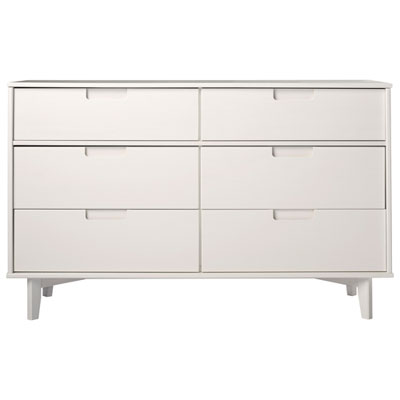 Your price for this item is $569.99
 -
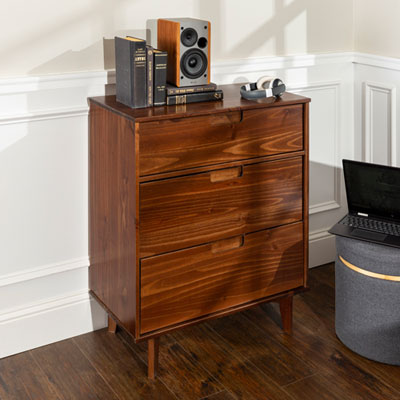 Your price for this item is $364.99
 -
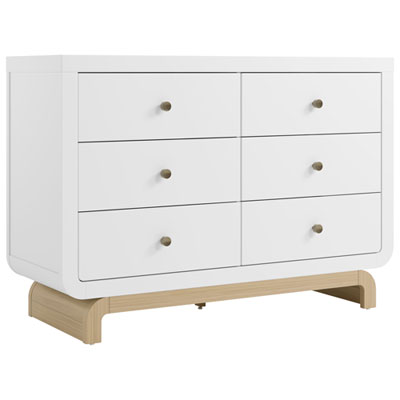 Your price for this item is $899.99
 -
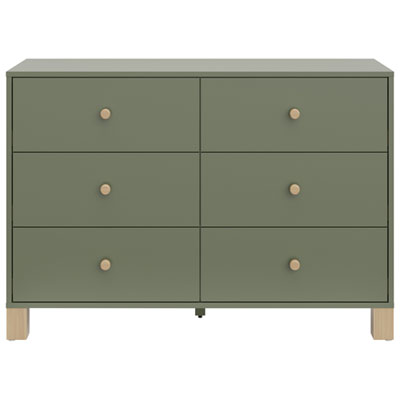 Your price for this item is $699.99
 -
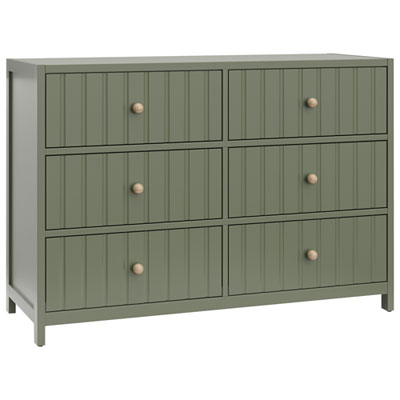 Your price for this item is $699.99
 -
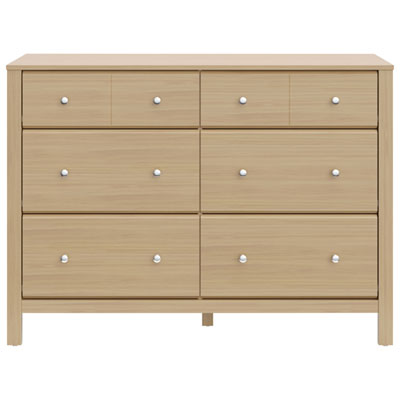 Your price for this item is $399.99
 -
 Your price for this item is $886.99
 -
 Your price for this item is $364.99
Discover more categories related to Bedroom Storage Cabinets With Drawers
Top Collections:
Pokemon Centers, Kindle Devices, Best Budget Office Chairs, Apple iPhones 16, Best Laptops for Writers, iPhone 15 Apple, Canon G7X Cameras, Refurbished Apple Laptops, Alarm Clock, Motorola Razr Phones
Some products may be subject to Environmental Handling Fees
(EHF) depending on your province.
Learn more about EHFs.