Beds for Siblings
Beds For Siblings make it easy to create a comfortable and inviting shared bedroom space for brothers and sisters. Whether you’re designing a room for two or more, you’ll find options that help maximize space and add style to any setup. Explore a wide selection of beds designed to suit different needs, preferences, and room sizes, so everyone can enjoy restful nights and cozy mornings together. Find the perfect fit for your home with Beds For Siblings that blend functionality with fun, making shared rooms both practical and enjoyable.
Sort




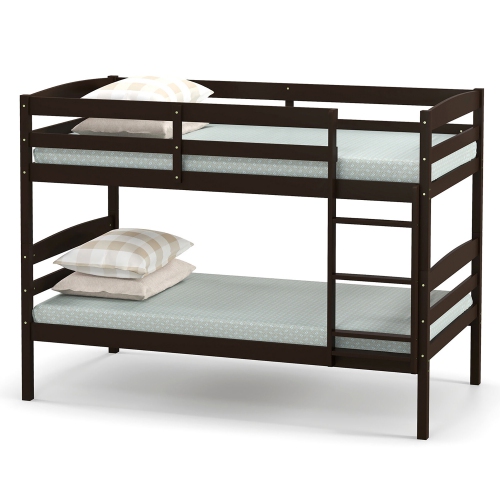
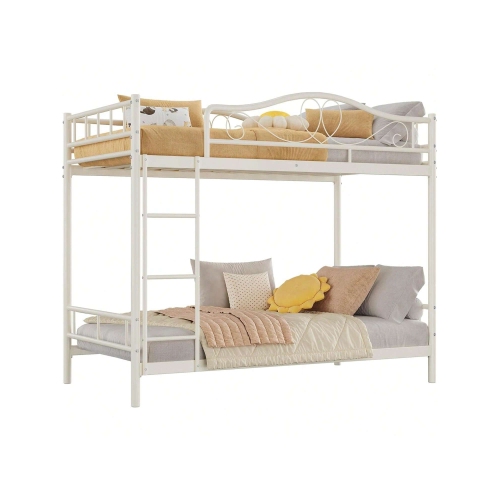
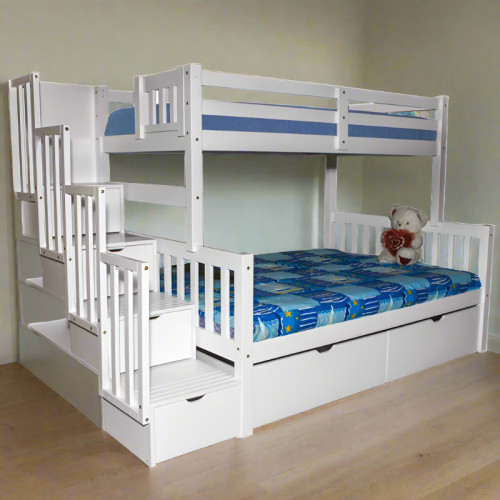
Separate sleeping spaces that leave room to share
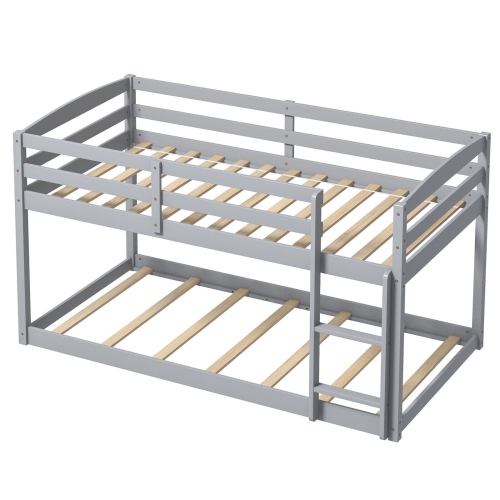
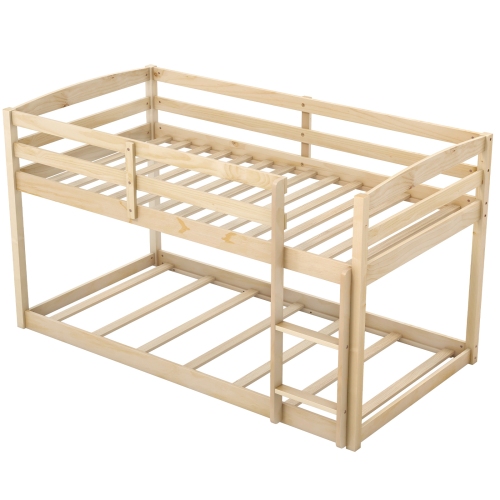
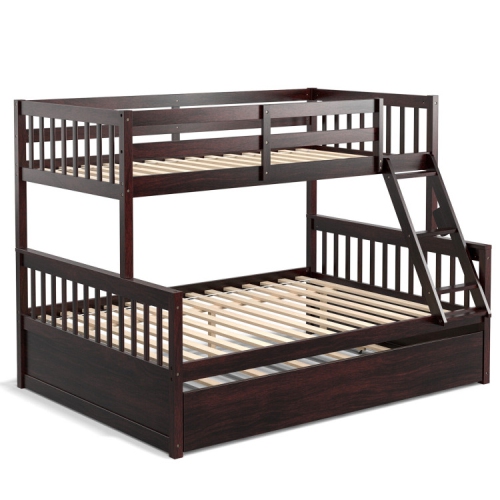
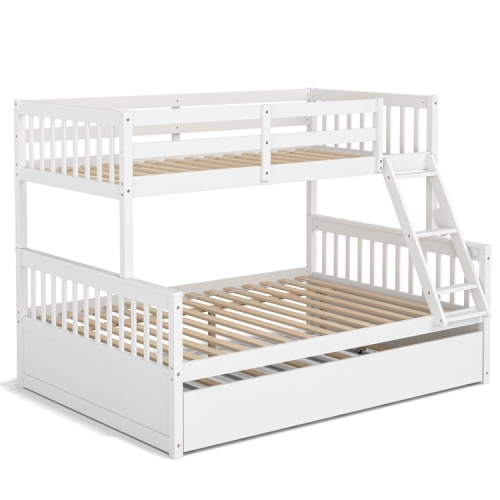
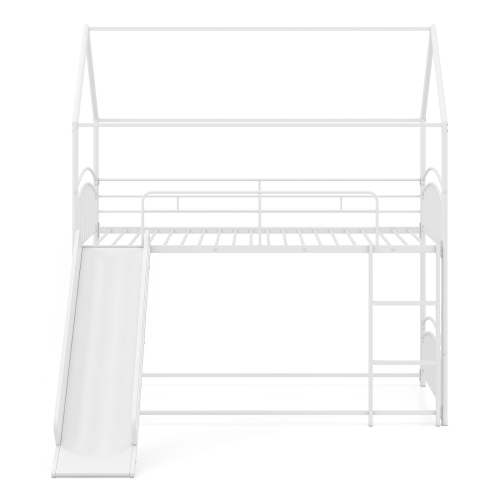
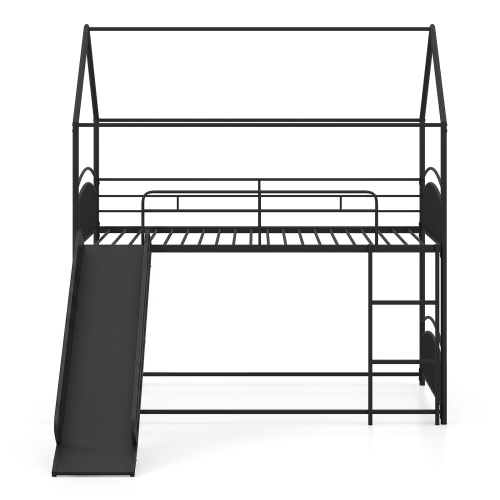
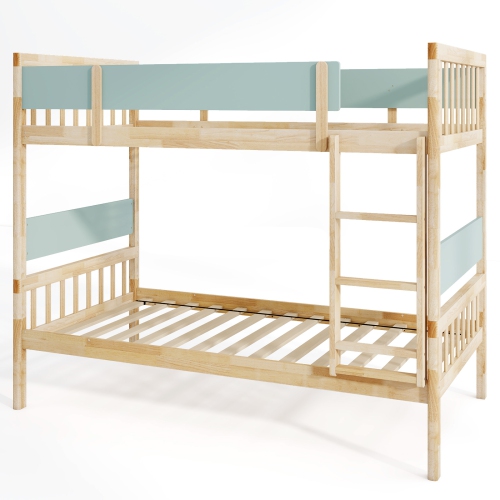
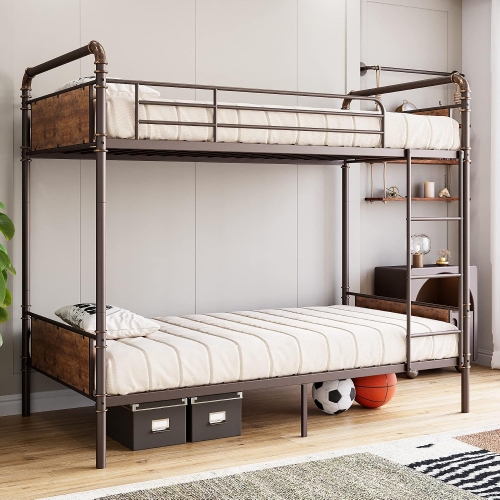
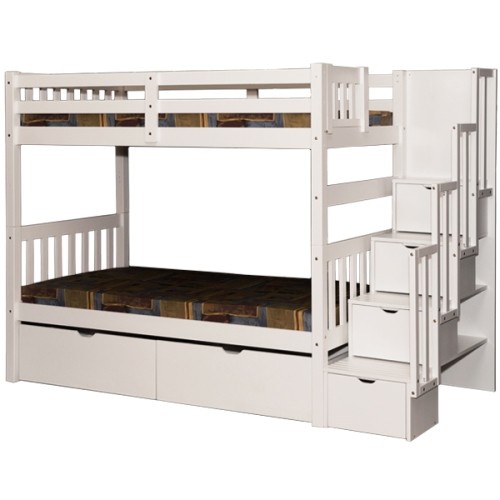
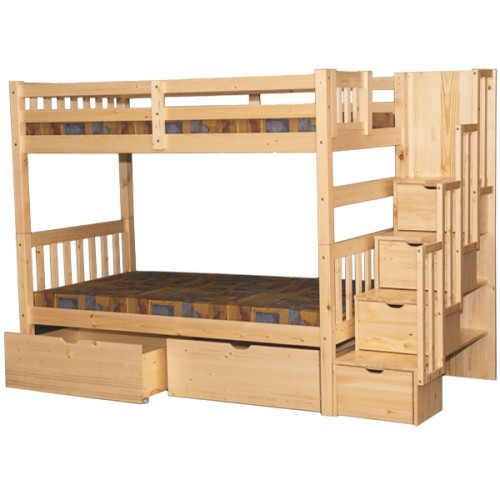
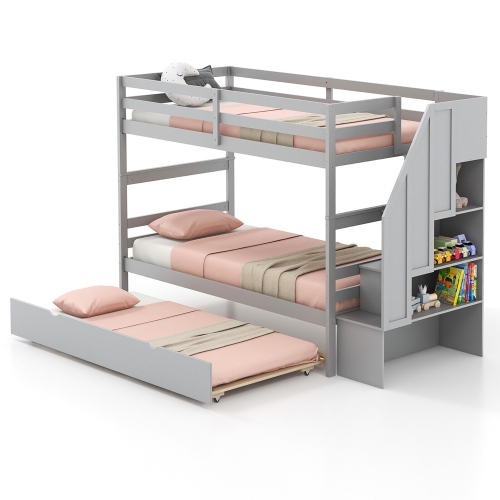
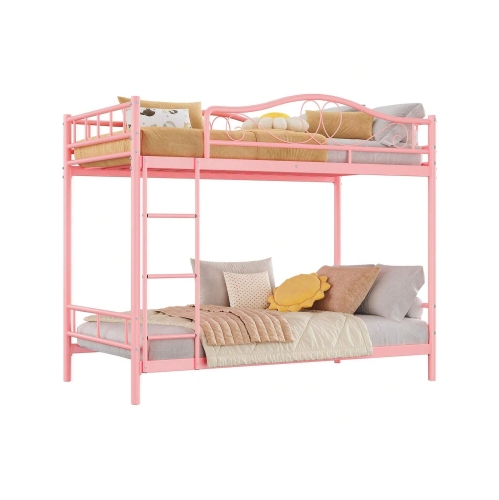
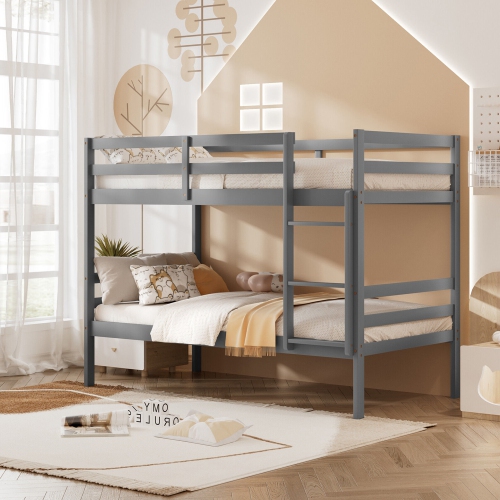
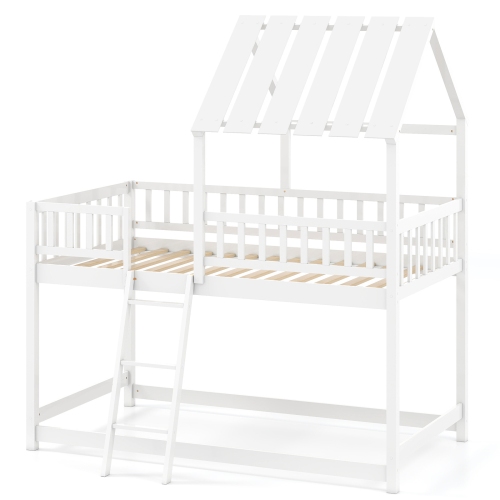
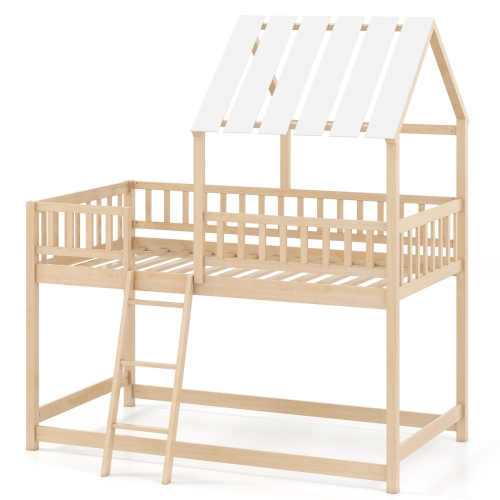
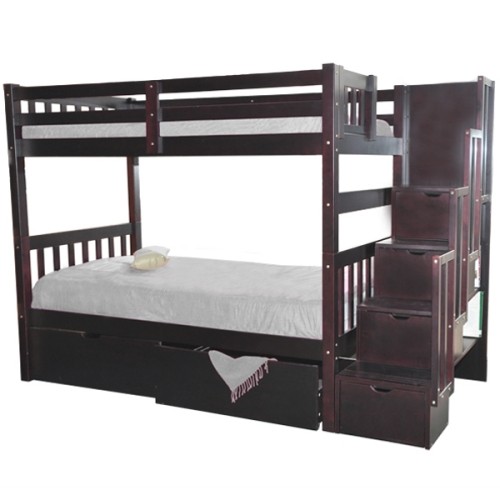
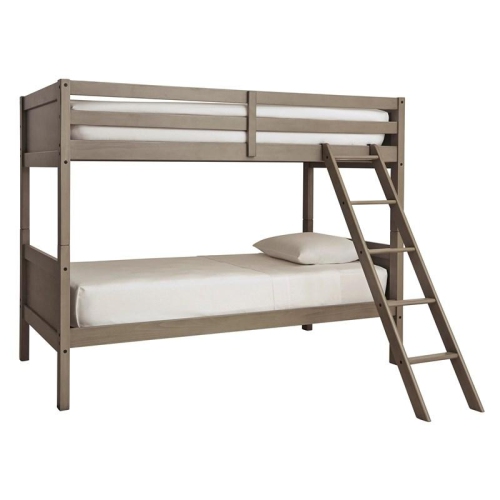
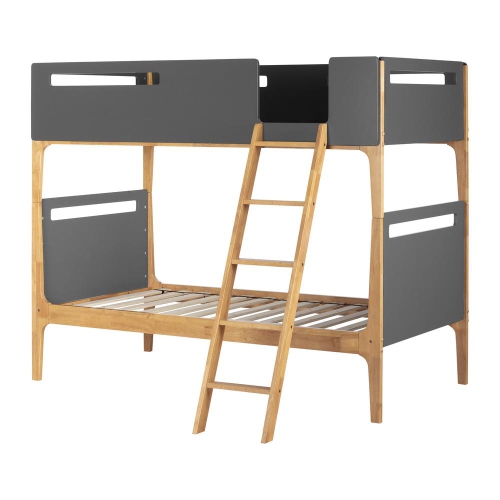
Beds for siblings help turn a shared bedroom into a space where each child has a comfortable place to sleep and a little territory of their own. The most suitable arrangement depends on the children’s ages, the room’s dimensions, and whether sharing is likely to continue for several years. Twin-over-twin bunk beds stack two sleeping surfaces within a compact footprint, leaving more floor space for a play mat, dresser, or homework area. Bunk beds designed to separate into individual frames offer flexibility if siblings eventually move into different rooms, although this feature depends on the bed’s construction. Side-by-side twin beds keep both children at the same level and provide separate spaces without a ladder. This arrangement can suit younger siblings or children who prefer an easy route out of bed at night. Low-profile frames can make getting in and out easier, while house-style frames add a playful outline without necessarily taking up much more floor space than a conventional bed. Decorative framing should not be mistaken for protective guardrails. L-shaped layouts place beds along adjoining walls and can work well in square rooms, leaving a central area open for shared activities. A daybed with a pull-out trundle offers another approach, with a second sleeping surface that tucks away when not needed. For siblings using both beds every night, the open trundle footprint matters as much as the closed dimensions: there needs to be enough room to pull it out fully and move around it comfortably. Some trundles are intended for occasional guests rather than daily sleeping, so intended use is an important distinction. A shared bedroom layout also needs to accommodate open drawers, closet doors, and the route between each bed and the bedroom door. Beds that look compact on their own can feel quite different once bedding, bedside storage, and two children’s belongings are added.
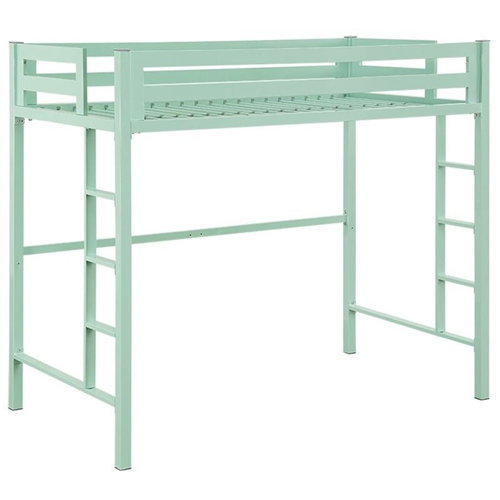
The construction of beds for siblings affects their appearance, stability, and ability to stand up to everyday use. Solid wood frames can bring visible grain and a substantial feel to a bedroom, while metal frames often have slimmer profiles that leave the room looking more open. Engineered wood may appear in bed panels, drawers, or storage compartments, and its durability depends on the material quality, finish, and assembly. Smooth edges, well-fitted joints, and secure hardware are especially important in furniture that children use daily. The support beneath each mattress also deserves attention: slats, platforms, and other support systems must suit the mattress type and the bed’s stated requirements. Bunk beds introduce additional safety considerations because the upper sleeping surface is raised. Children younger than six should not use an upper bunk, and older children still need to be able to use the access system safely. Upper bunks need properly installed guardrails on both sides, including the side facing a wall, with openings and access points that follow the manufacturer’s design. Mattress thickness is particularly important because a mattress that sits too high can reduce the effective height of the guardrail. The maximum permitted thickness is specific to the bed, rather than a standard measurement that applies to every bunk. Weight limits also vary and should account for whoever will use the sleeping surface. A securely attached ladder or staircase gives children a defined route up and down, but the space required for that access can extend beyond the bed frame itself. Ceiling height needs to allow comfortable movement above the upper mattress, with the bed positioned away from ceiling fans, light fixtures, windows, and blind cords. Upper bunks are sleeping spaces, not climbing or jumping areas. Storage steps and under-bed drawers can be useful additions, provided they do not block access or create obstacles around the beds. These details matter most in a busy shared room, where a dropped backpack or an open drawer can quickly narrow an otherwise clear walkway.
Comfort and daily routines are just as important as the arrangement of the frames. Siblings do not necessarily need identical mattresses, but each child benefits from suitable support and a sleeping surface that fits the bed correctly. Different ages, body sizes, and comfort preferences may call for different mattress choices, even when the beds have matching dimensions. Giving each child bedding in a favourite colour can make separate sleeping spaces feel personal without requiring two entirely different furniture styles. A small bedside surface or accessible storage pocket can keep a book and other bedtime essentials close at hand, while clearly assigned drawers help distinguish shared storage from personal belongings. For a trundle used nightly, easy-to-manage bedding and somewhere to put extra pillows can make the daily changeover less cumbersome. Mattress protectors and washable bedding simplify care, especially while children are developing independent bedtime habits. Bed frames also need care suited to their materials: wood and engineered wood generally benefit from prompt spill cleanup and a soft cloth, while upholstered sections may require vacuuming or spot cleaning according to the care label. Hardware checks are useful after assembly, after a move, and at the intervals specified by the manufacturer; loosening joints or unusual movement should be addressed before the bed is used again. Access for changing sheets is another practical consideration, particularly around an upper bunk or a bed tucked into a corner. A frame with generous storage is less convenient if its drawers cannot open beside the other bed. When furnishing several sleeping spaces, Family Beds offers a related place to explore arrangements for the household. Within a siblings’ room, adaptable features such as separable bunks, removable storage, or straightforward individual frames can help the space keep pace with changing needs. A thoughtful arrangement gives both children a dependable sleeping place while leaving room for the ordinary details of shared life: books waiting for bedtime, clothes being put away, and a clear path through the room.
Top selling and popular products
-
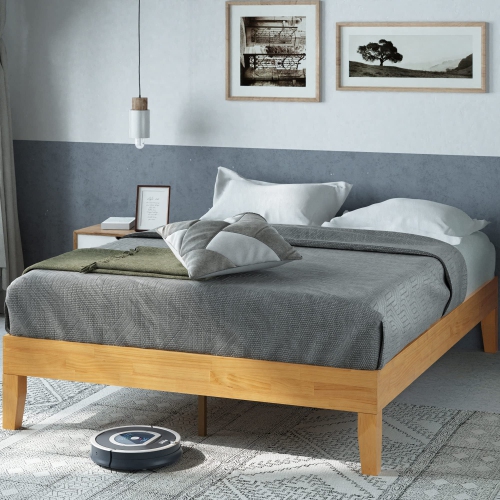 Your price for this item is $493.52
-
 Your price for this item is $611.85
-
 Your price for this item is $824.18
-
 Your price for this item is $799.99
-
 Your price for this item is $985.42
-
 Your price for this item is $157.99
-
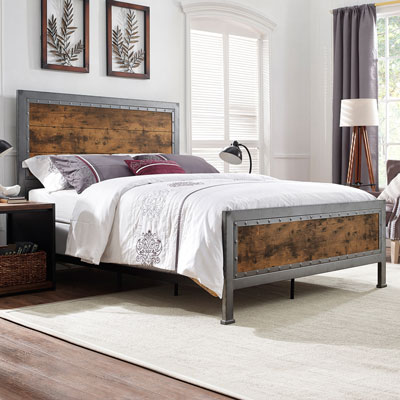 Your price for this item is $862.99
-
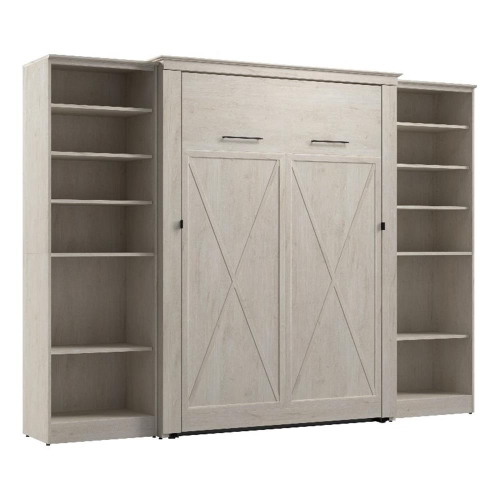 Your price for this item is $3099.99
Discover more categories related to Beds for Siblings


Top Collections:
Pokemon Centers, Best Cameras for Sports Photography, Kindle Devices, Samsung Galaxy Phones, Canon G7X Cameras, Pokémon 30th Celebration Cards, Refurbished Apple Laptops, iPhone 15 Apple, Laptops for Students, Budget Smartphones
Some products may be subject to Environmental Handling Fees
(EHF) depending on your province.
Learn more about EHFs.