Family Beds
Discover the ultimate in comfort and style with our diverse selection of family beds, designed to bring everyone together for a restful night's sleep. Perfect for those who value both space and togetherness, these beds offer ample room for parents, kids, and even pets to share precious moments. Whether you're looking to upgrade your master bedroom or create a cozy sleeping arrangement in a guest room, our range of family beds caters to all tastes and preferences. Explore various sizes, designs, and materials that seamlessly blend functionality with aesthetics, ensuring every family member enjoys their slumber in comfort and harmony.
Sort
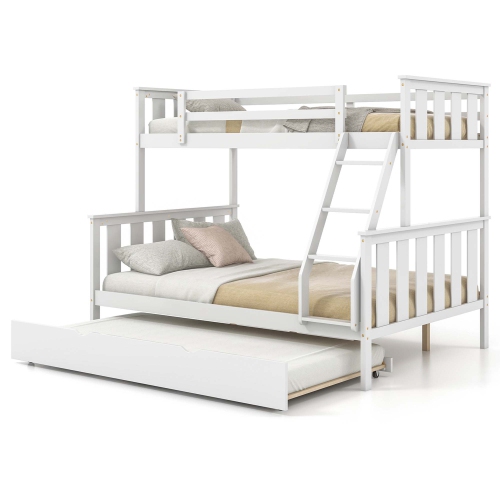


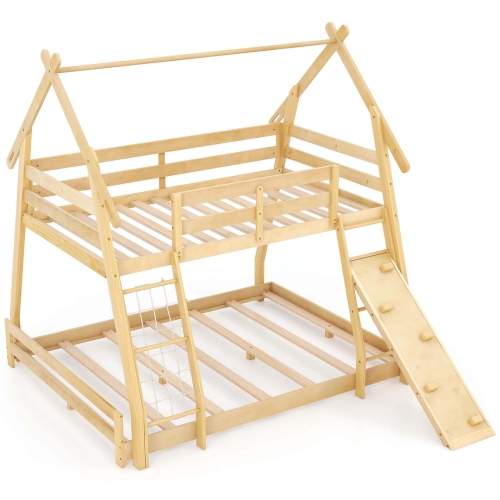
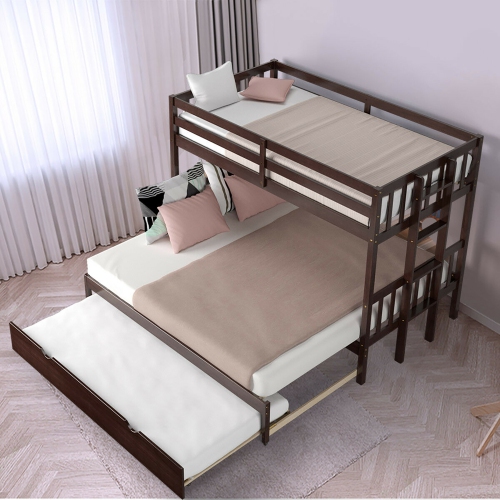
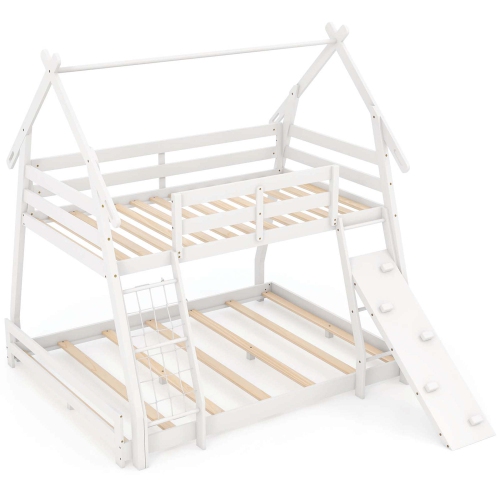


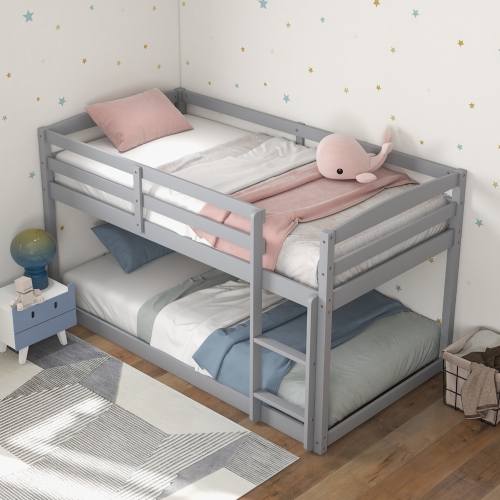


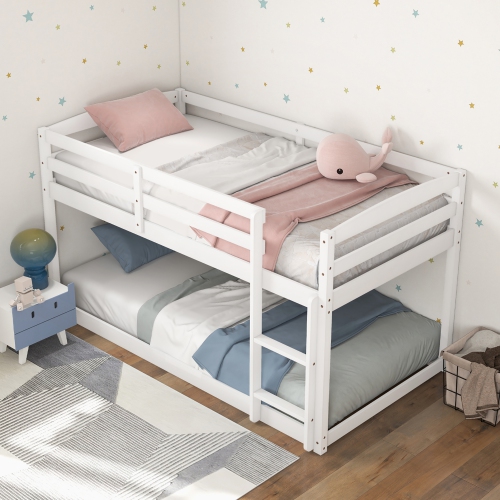
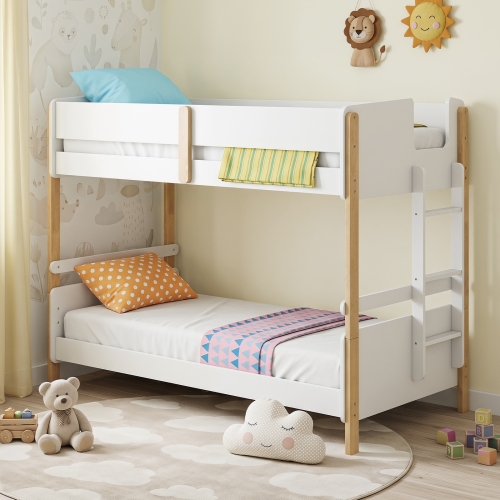
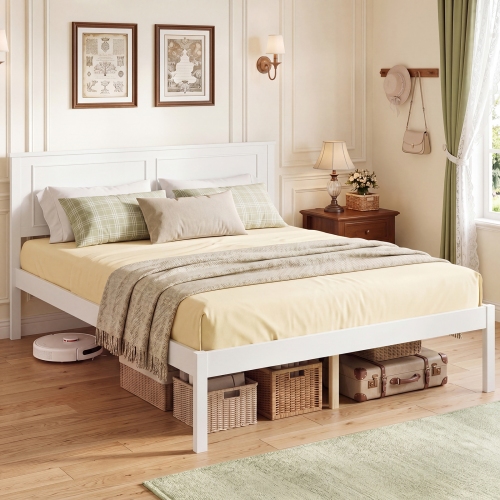

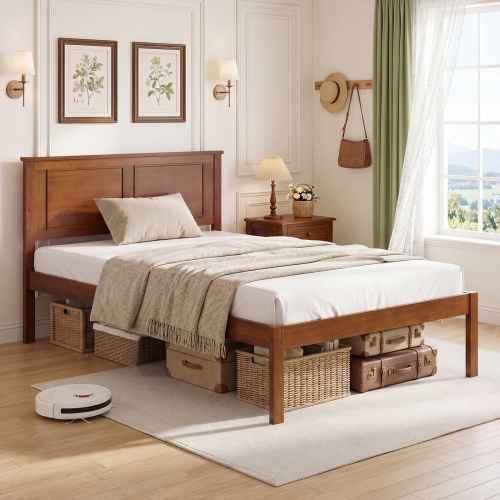
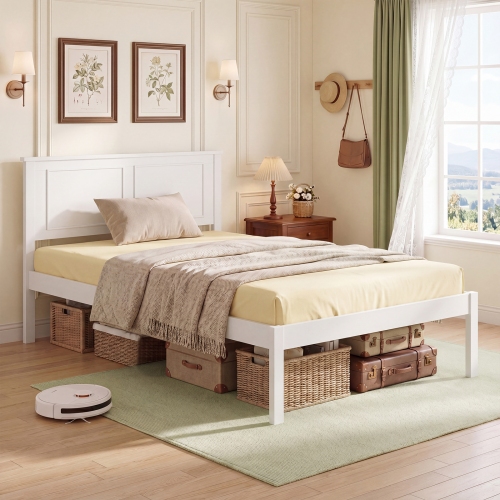
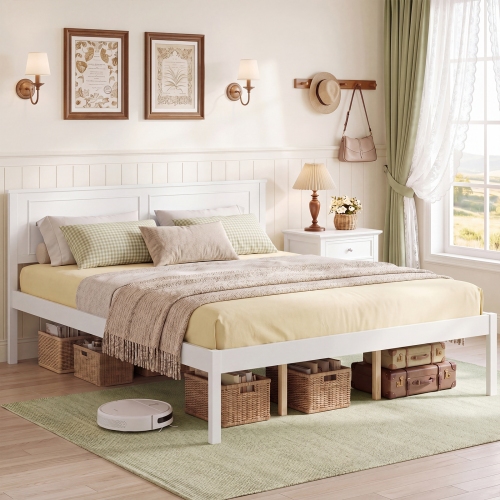
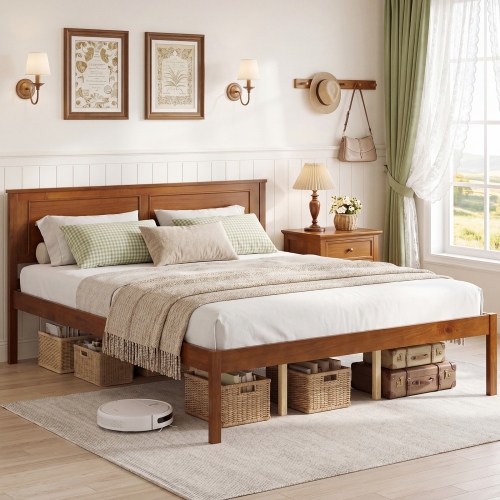

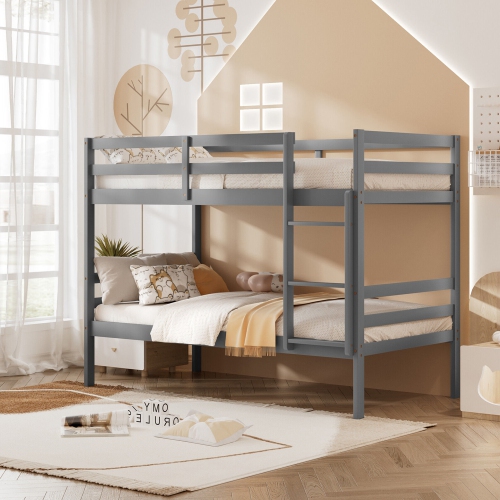
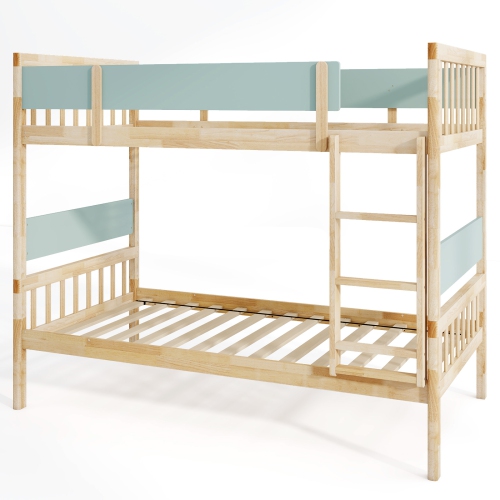
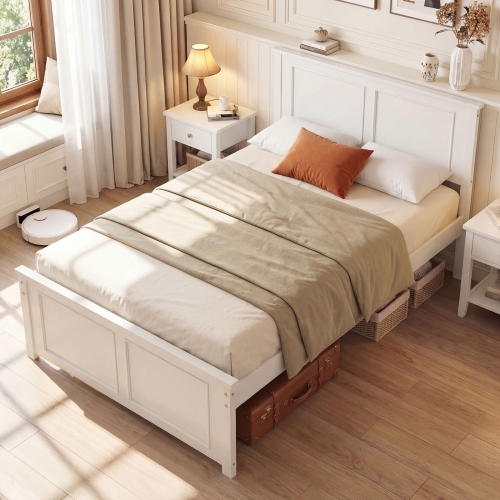
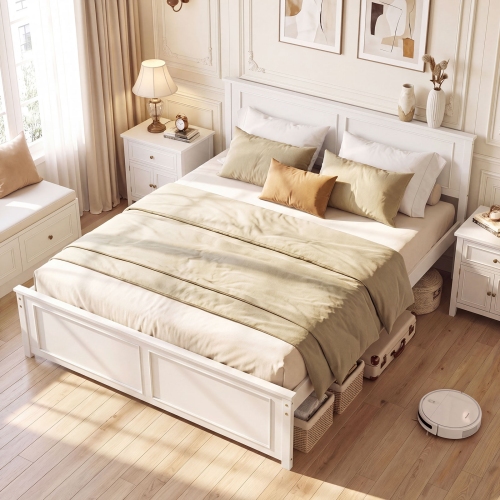

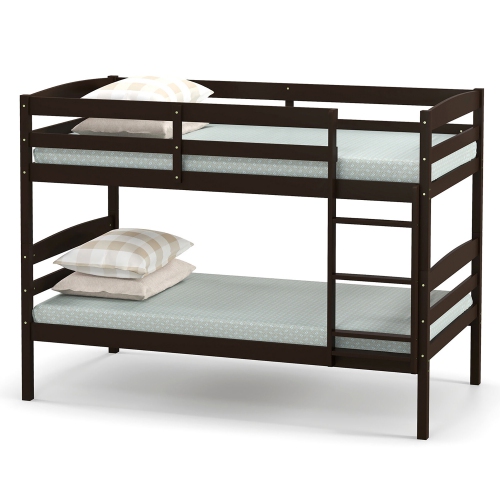

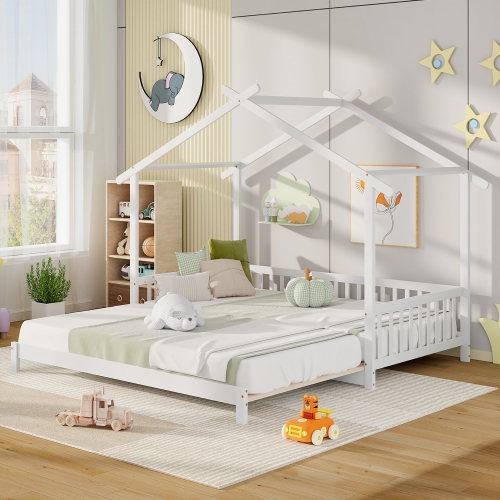
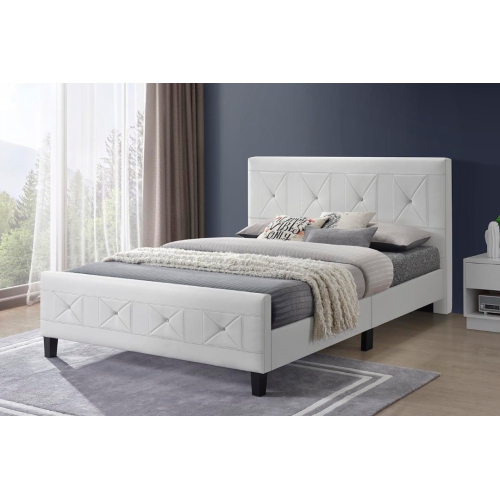
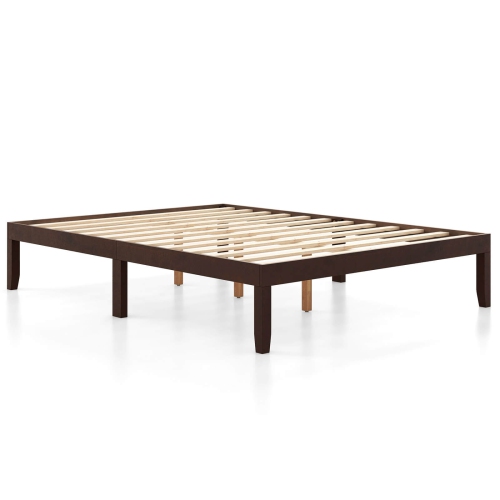


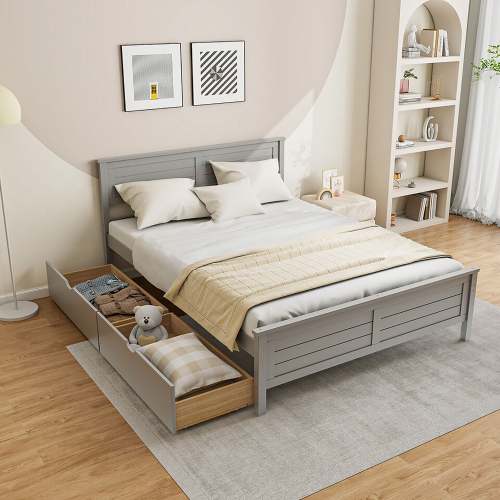
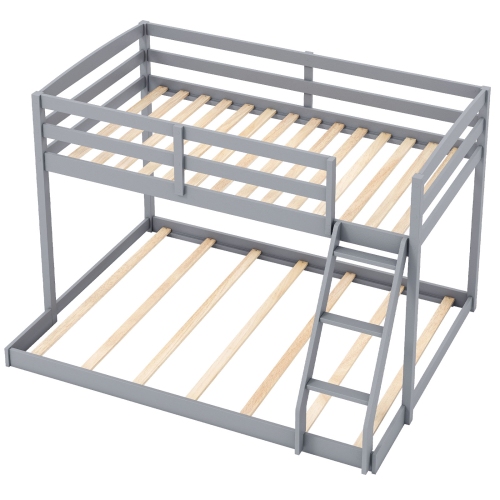
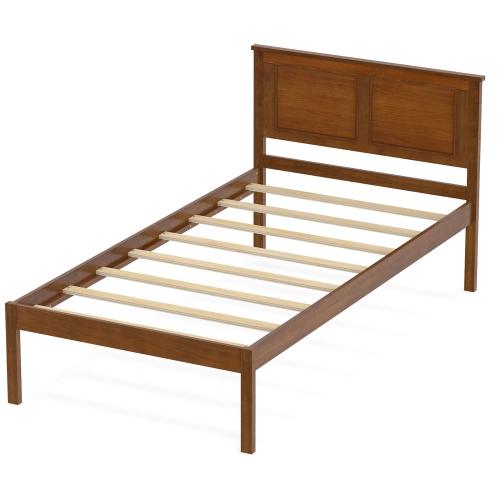
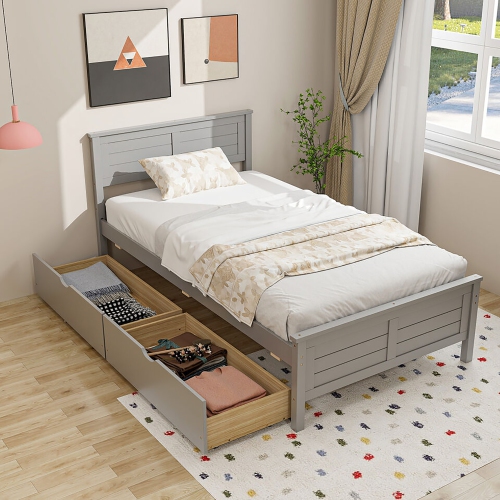


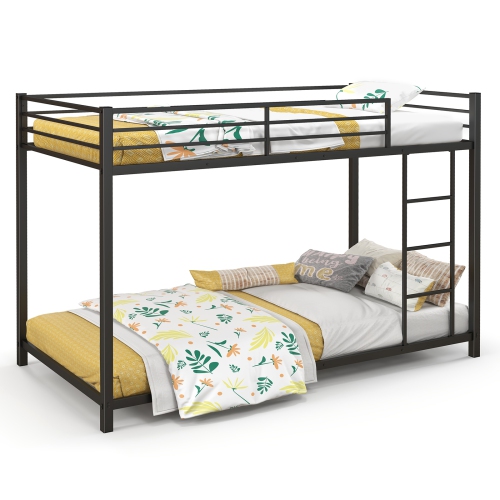
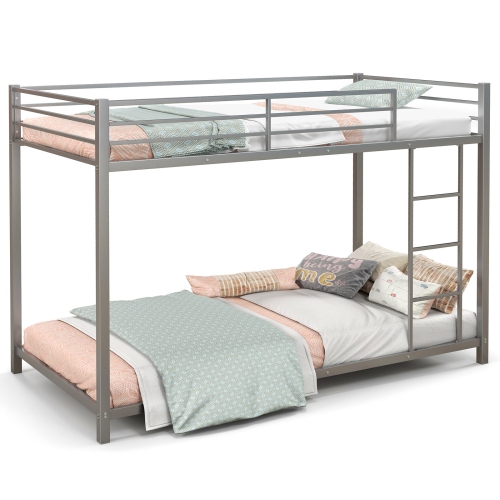
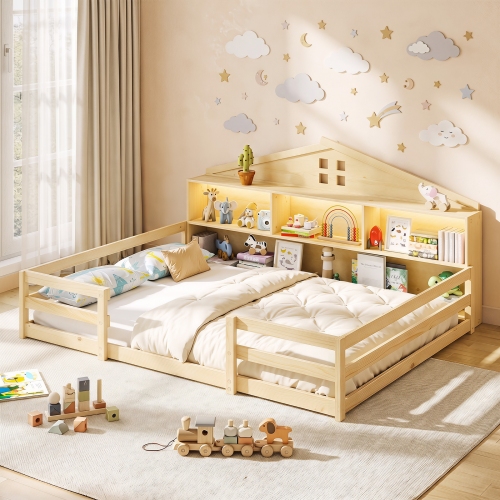

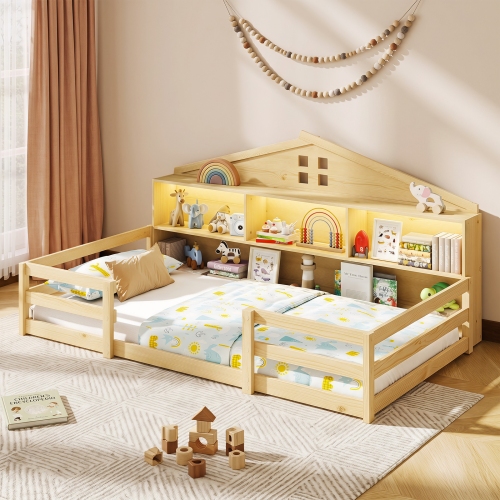


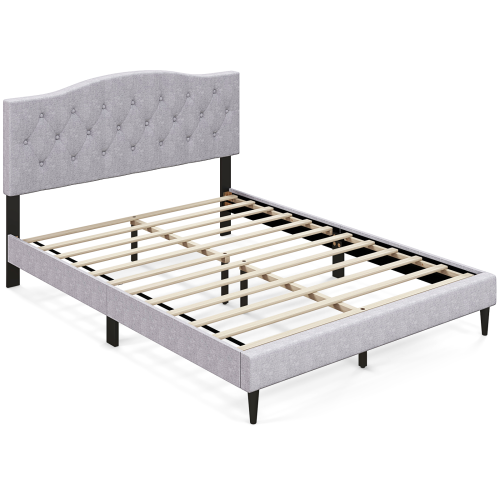
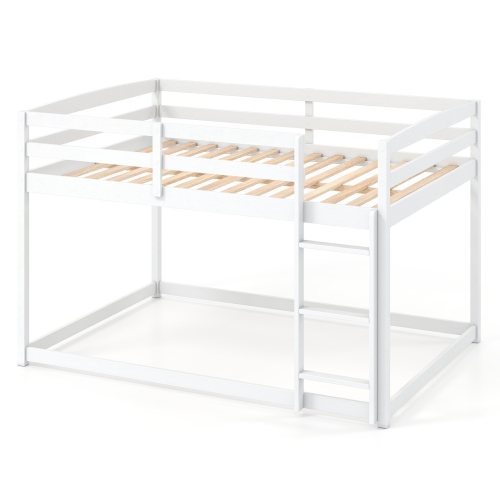

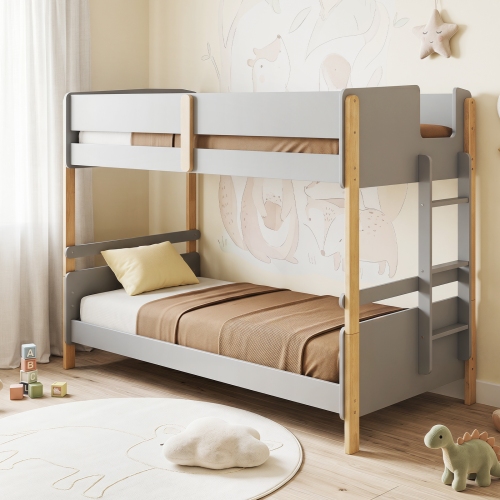
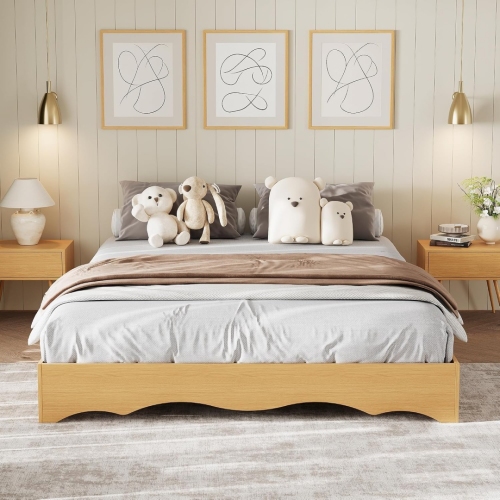
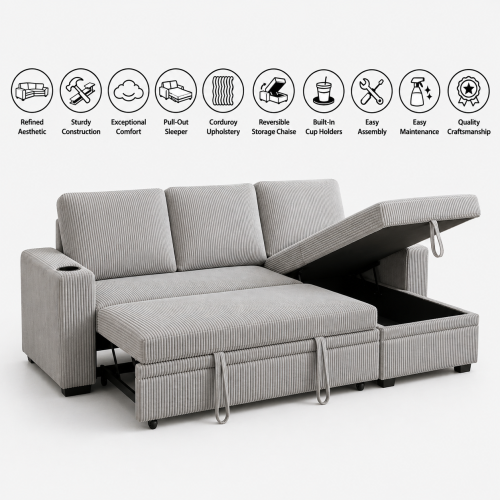


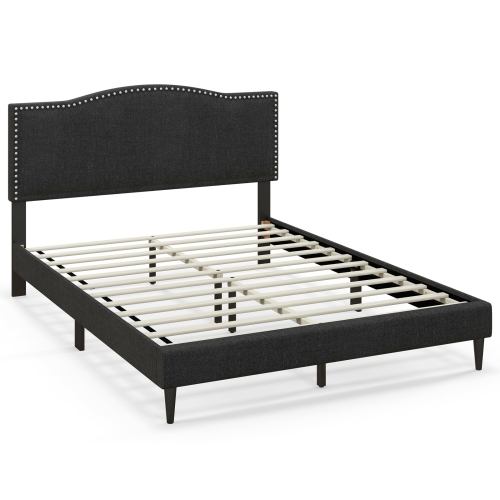

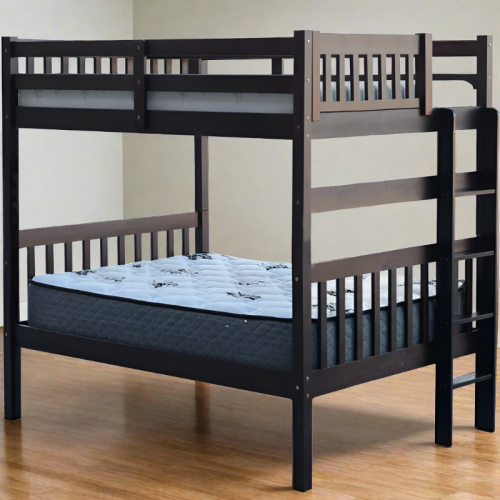
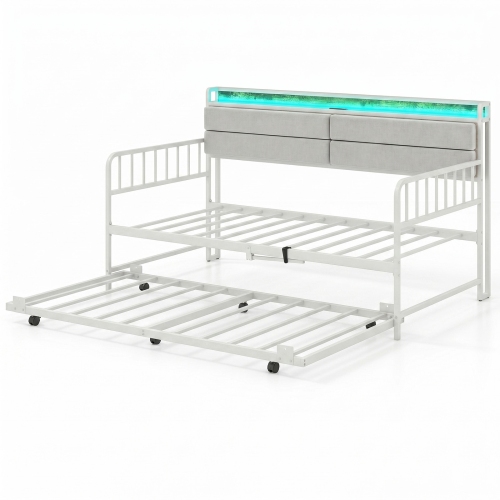


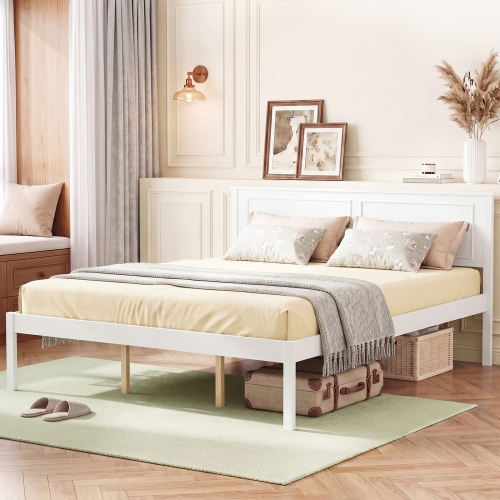
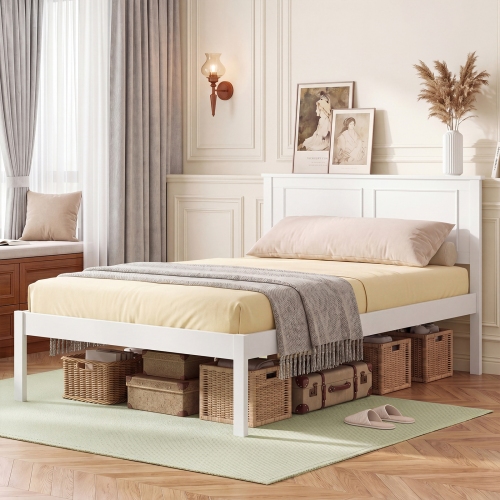
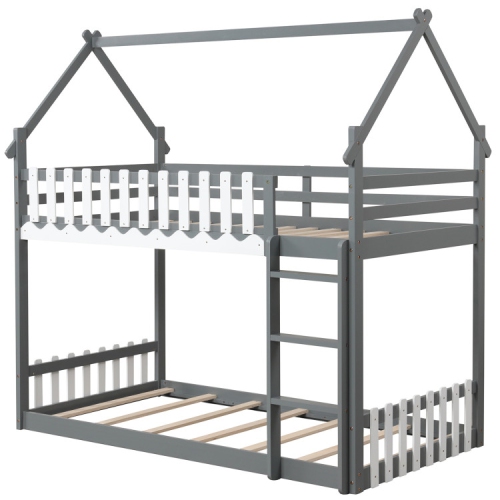
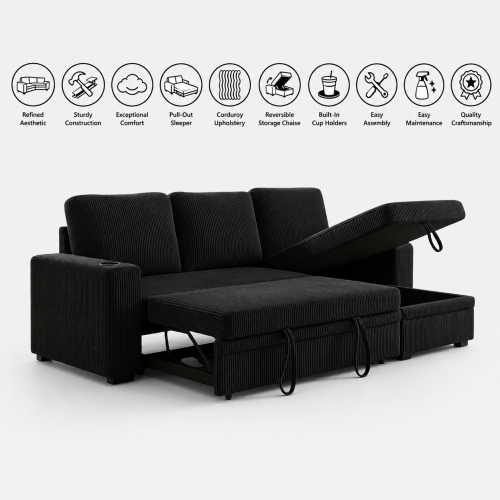


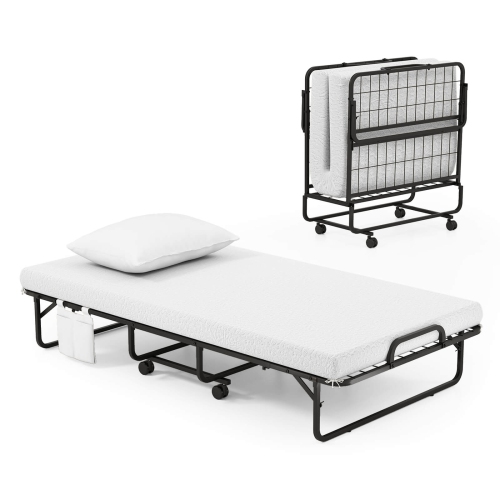

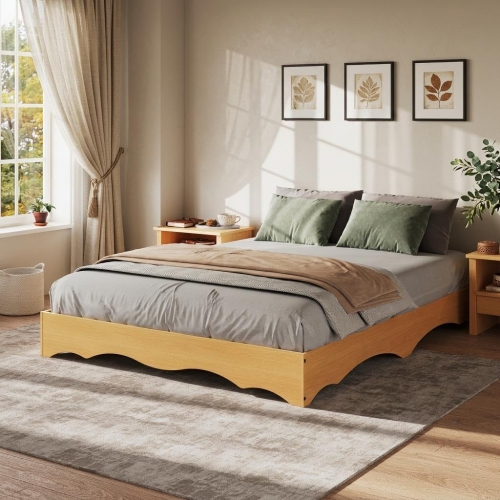

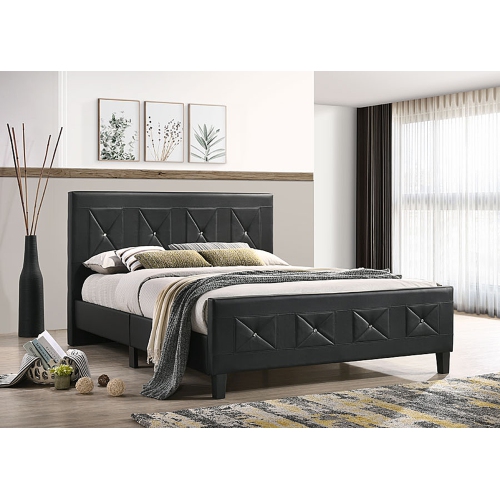


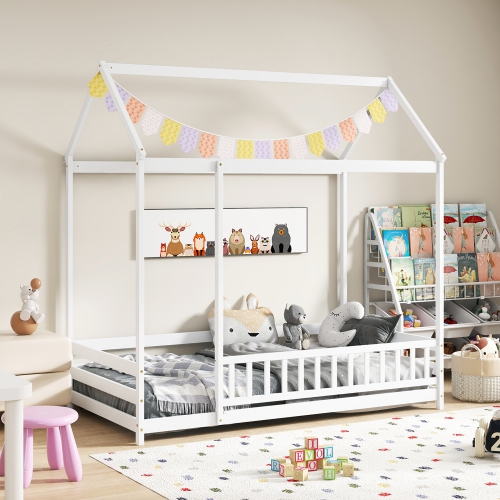
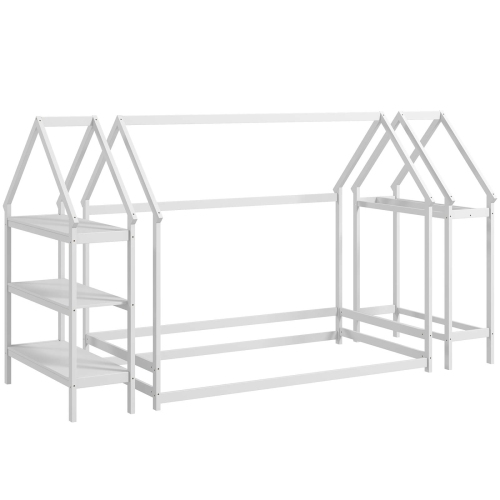
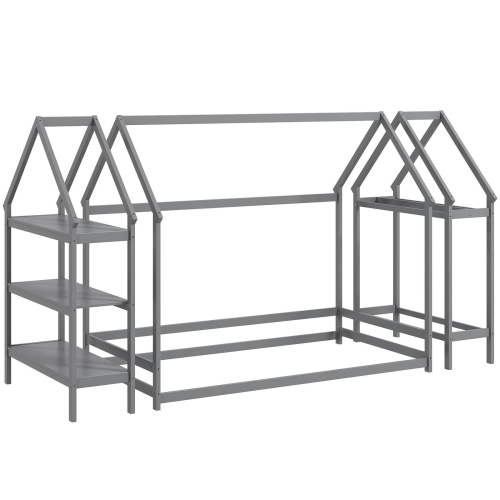
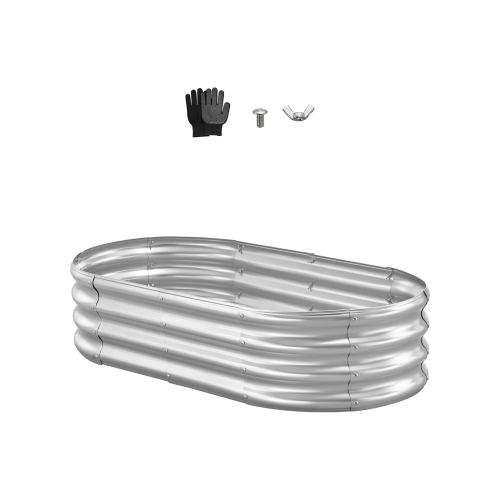
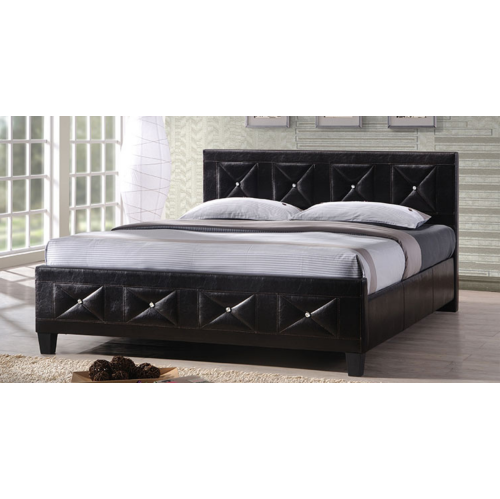
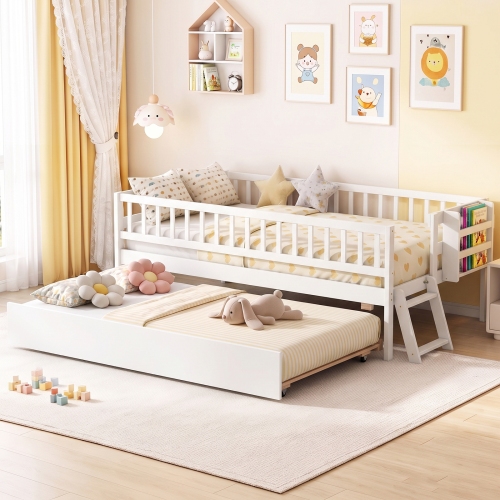

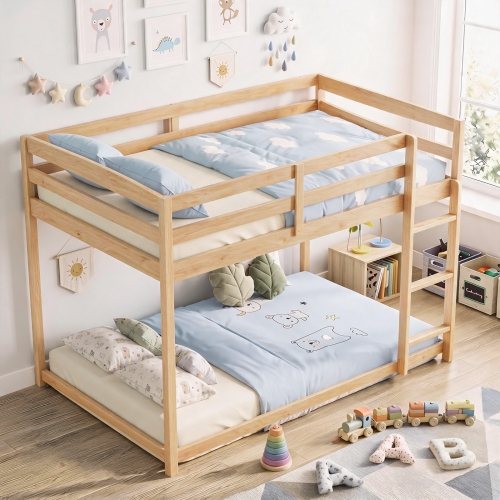
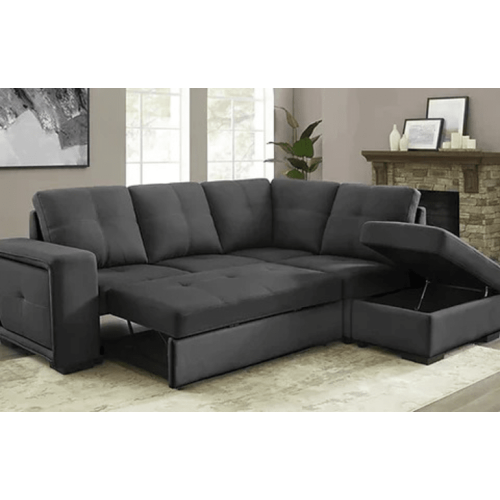
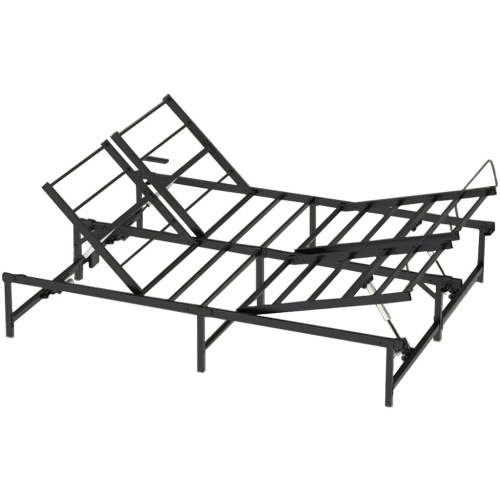
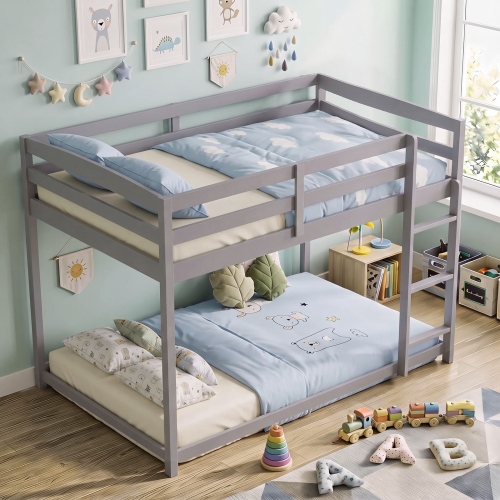
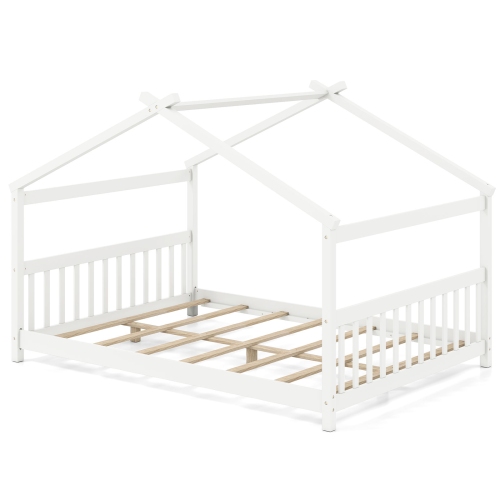
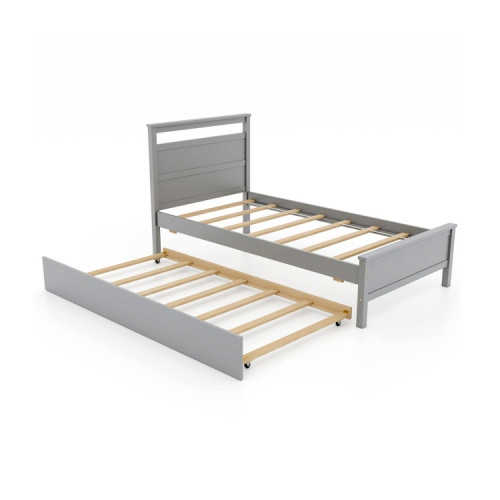


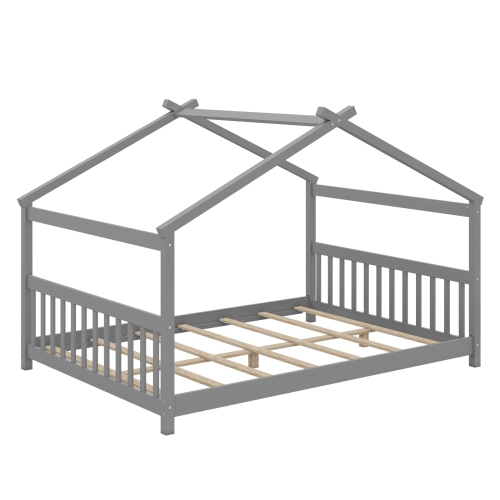

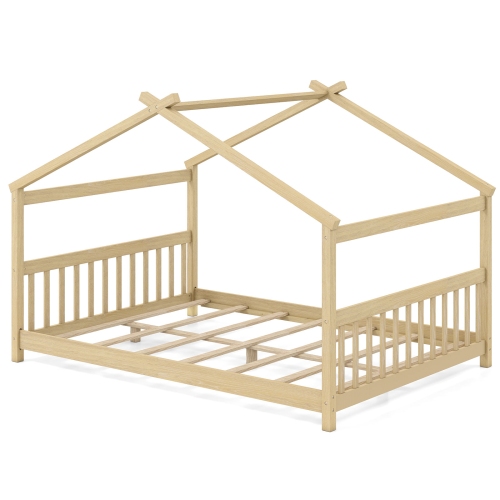


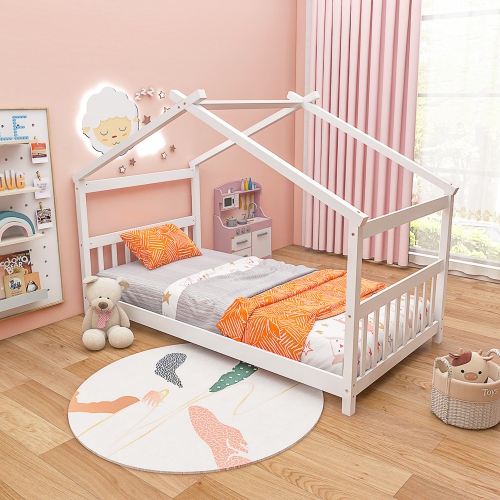


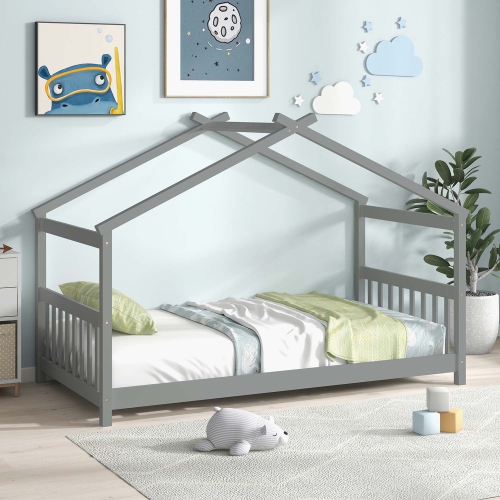

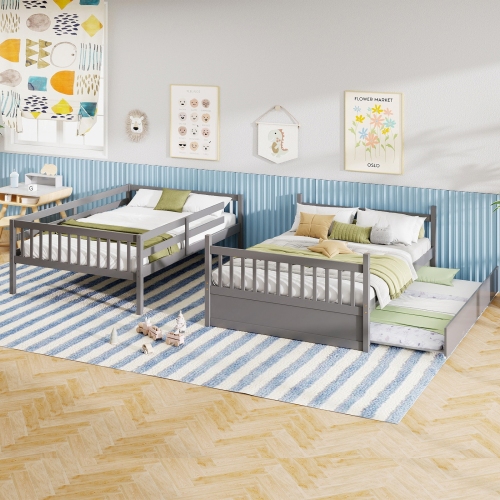
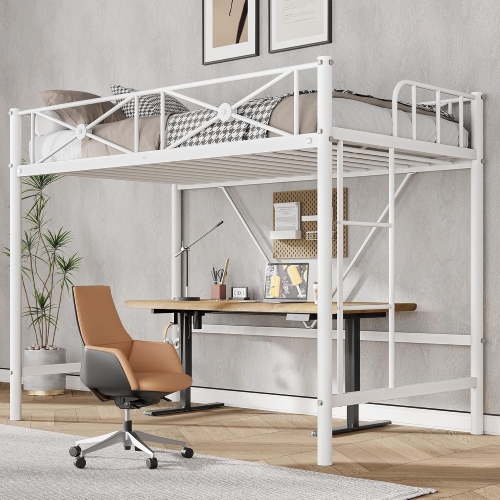
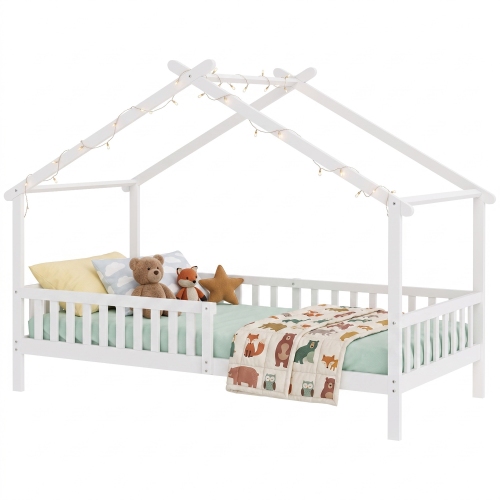


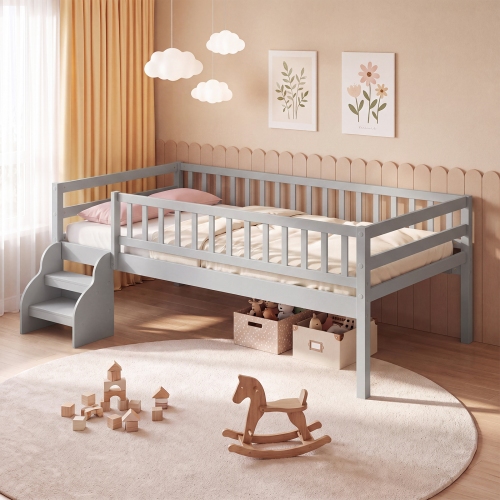


More sleeping space means more than extra width
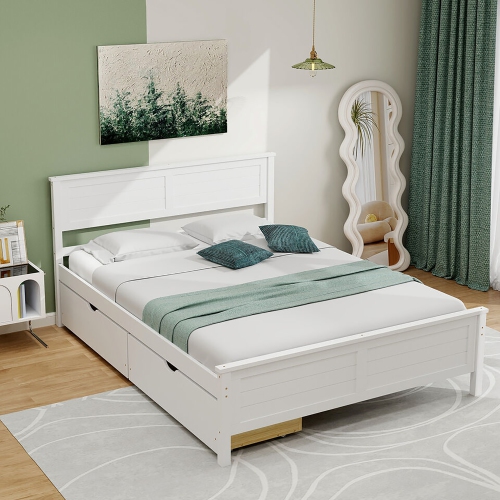
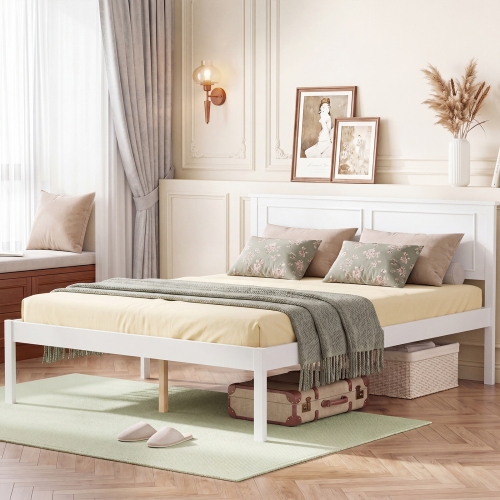
Family beds are oversized sleeping arrangements designed to give a household more room than a conventional double, queen, or king bed. The term most often describes an extra-wide mattress and matching frame, but it can also refer to coordinated multi-bed arrangements that bring several sleeping spaces into one bedroom. An oversized family bed may suit adults who prefer generous personal space, households with pets that tend to stretch out, or families who gather for bedtime stories with older children before settling into separate sleeping spaces. Dimensions vary by manufacturer, and names such as jumbo or family king do not represent one universal size. For perspective, a standard king mattress is typically 76 inches wide by 80 inches long, while oversized family mattresses may measure 108 to 144 inches across. Some configurations measure 108 by 80 inches, 120 by 80 inches, or 144 by 84 inches, though the exact measurements of the mattress and frame matter more than the name. That extra width changes how a bedroom functions: a bed can become a comfortable place for reading together while leaving less room for dressers, bedside tables, and everyday movement. A roomy surface also does not automatically provide the right support. Adults with different sleep preferences may value a design that limits motion transfer, so one person turning over is less noticeable on the other side. Side sleepers often prefer cushioning around the shoulders and hips, while other sleeping positions may call for a firmer feel. Comfort remains personal, and mattress construction, body size, and the supporting base all influence how a bed feels. Family beds are not safe sleep spaces for infants. Babies need their own firm, flat sleep surface in a crib, cradle, or bassinet that meets applicable Canadian safety requirements, with no pillows, loose bedding, or soft objects. For households planning a bedroom around a new arrival, Beds for New Parents offers a related starting point while keeping adult comfort and a baby’s separate sleep space distinct.
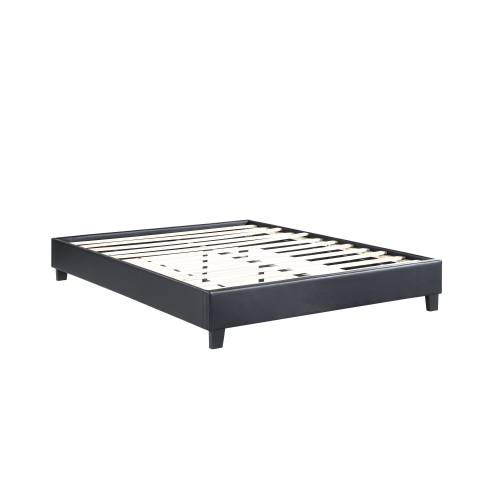
The materials beneath the upholstery have a lasting effect on comfort, stability, and care. Foam mattresses can provide close contouring and help reduce movement across a wide sleeping surface, while hybrid constructions combine foam or other comfort layers with a coil support system. Neither construction guarantees a particular firmness or lifespan; the quality of the components and suitability for the intended sleepers are more useful considerations than thickness alone. On a family-sized frame, centre supports, secure connections, and an appropriately spaced slat system are especially important because the base must support a broad mattress without excessive flexing. The frame’s stated weight capacity should account for the mattress and everyone who will use the bed, rather than treating mattress weight as an afterthought. Solid wood offers a substantial look and can develop small surface marks through everyday use, while metal frames often have a slimmer profile and connections that should be checked periodically for looseness. Upholstered headboards create a softer backdrop for sitting up with a book, although seams and textured fabrics can collect dust and pet hair. Smooth finishes are generally easier to wipe clean, and removable covers can simplify care when their washing instructions suit the household’s routine. Fit involves much more than measuring the wall behind the headboard. The full frame may extend beyond the mattress on every side, and a tall footboard can make a narrow passage feel tighter. Drawers beneath the bed need clearance to open, doors need room to swing, and a clear route to the bedroom exit must remain unobstructed. A simple outline marked on the floor with removable tape can reveal whether there is still space to walk around the bed or help an older child settle in. Delivery access deserves the same attention: tight stair turns, elevator dimensions, and low ceilings can complicate moving oversized components. Modular frames and sectional mattress designs may ease handling, but their assembled measurements and connection systems still need careful checking.
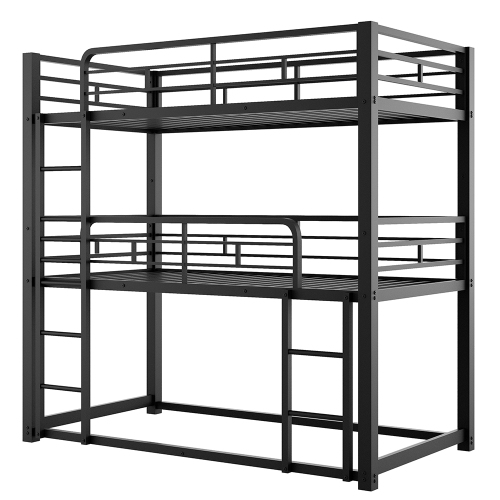
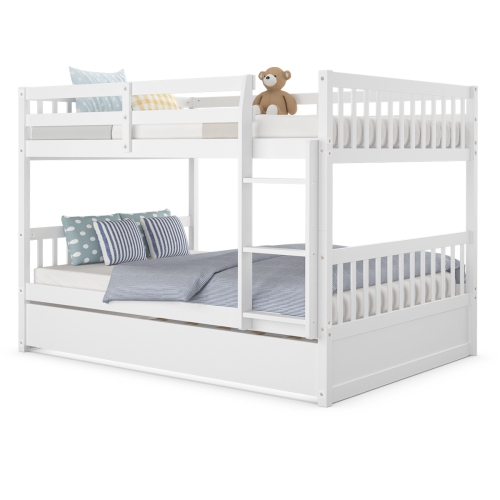
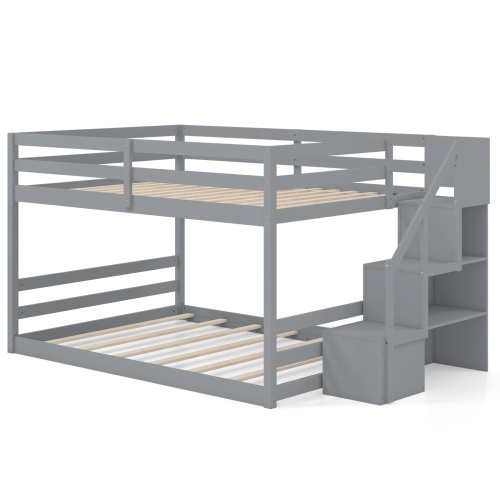
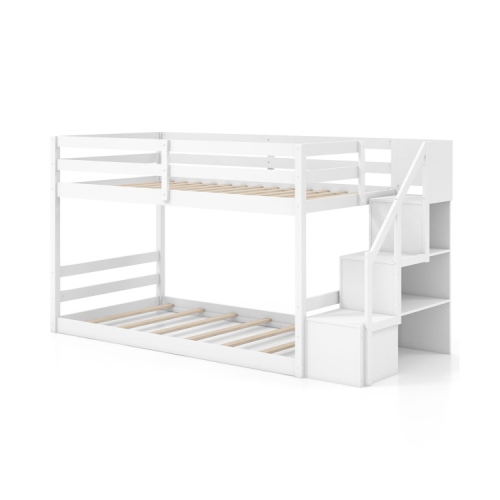
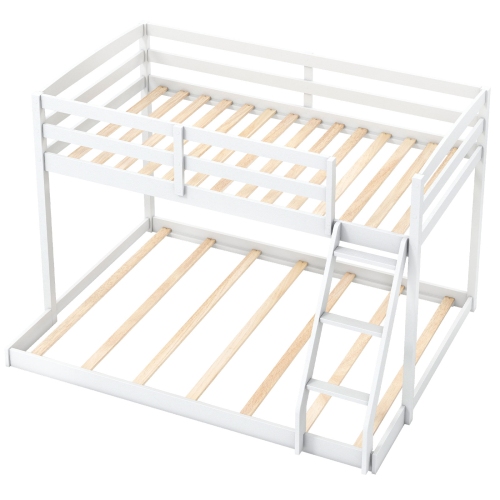
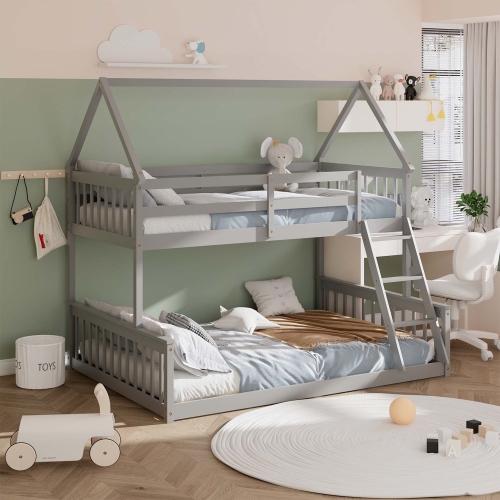
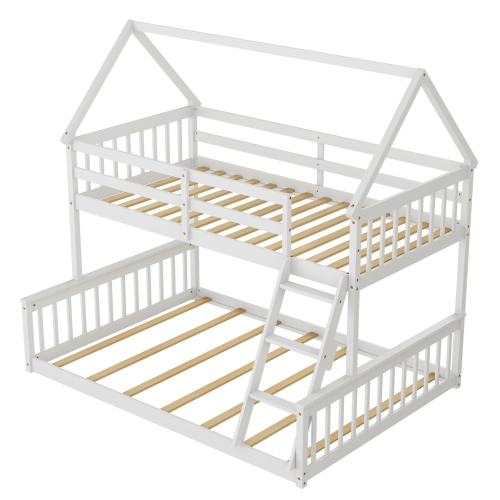
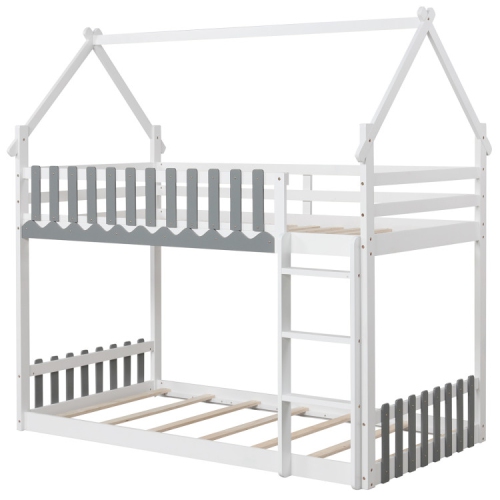
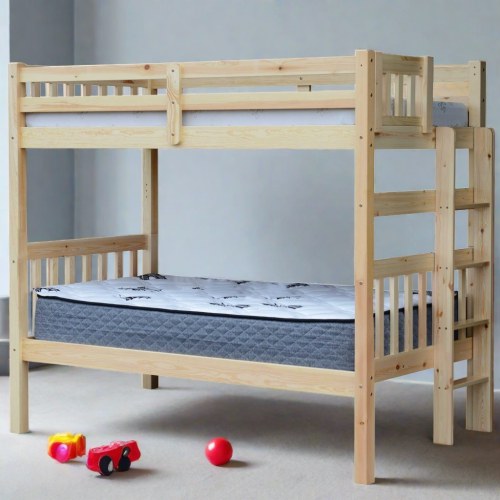
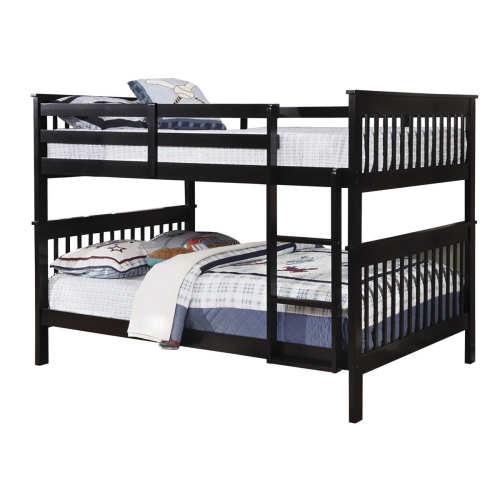
Different family bed configurations serve different purposes, even when they occupy a similar footprint. One continuous oversized mattress provides a broad, uninterrupted surface, whereas joined mattresses can accommodate different firmness preferences or make individual sections easier to move. A bed bridge can soften the feel of a seam, but it does not necessarily prevent separation or make mismatched mattress heights level. Compatible frames and manufacturer-approved connecting systems matter, and improvised fillers should not be relied on to eliminate gaps. Separate beds or bunk arrangements can make more sense for siblings or overnight guests who need individual sleeping spaces within one room. These layouts should be assessed by their own dimensions, age restrictions, guardrails, ladder access, and weight limits, rather than treated as interchangeable with an oversized mattress. Children younger than six should not use an upper bunk. For any configuration, everyday upkeep is easier when the bedding matches the bed precisely. Standard king sheets usually will not fit a jumbo mattress; both the width and length need to match, and the fitted sheet’s pocket depth must accommodate the mattress and any topper. A protector made for the correct dimensions helps manage spills without pulling tightly across corners or bunching beneath sleepers. Oversized sheets and blankets can also be bulky enough to exceed a household washing machine’s capacity, making laundering requirements worth considering before choosing a bed size. Care labels should determine washing and drying methods, while mattress rotation should follow the manufacturer’s directions; many mattresses are not designed to be flipped. Regular vacuuming around the base, prompt attention to spills, and occasional checks of bolts and slats help keep the sleeping area clean and stable. Access around the perimeter makes these tasks less awkward, particularly when changing a fitted sheet that spans much of the room. The most practical family bed balances generous sleeping space with manageable bedding, dependable support, and enough room for the ordinary routines that continue around it.
Top selling and popular products
-
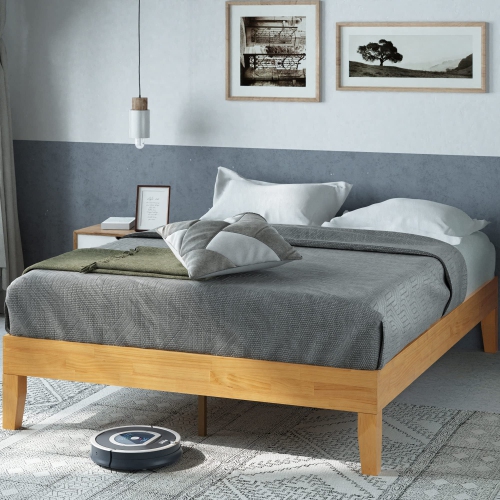 Your price for this item is $493.52
-
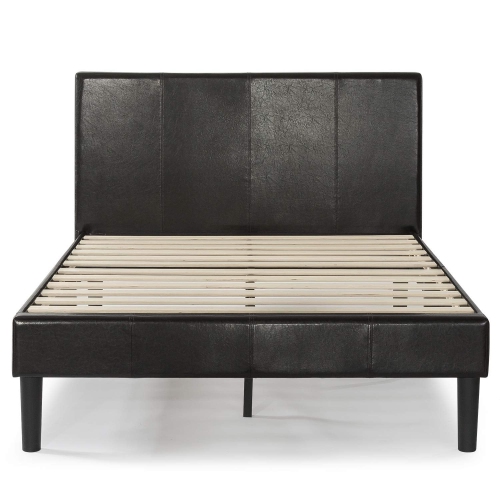 Your price for this item is $611.85
-
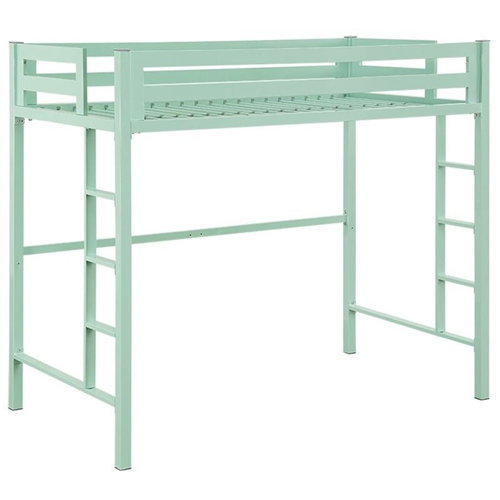 Your price for this item is $824.18
-
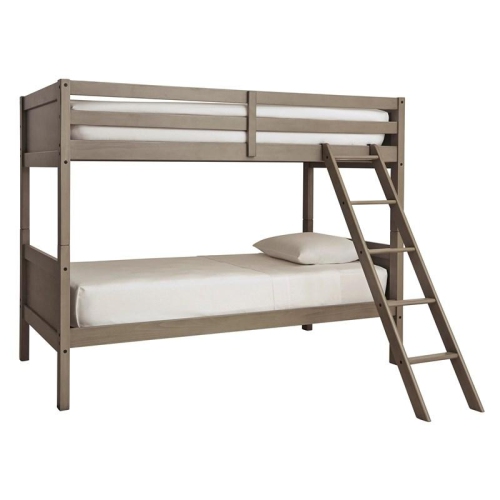 Your price for this item is $799.99
-
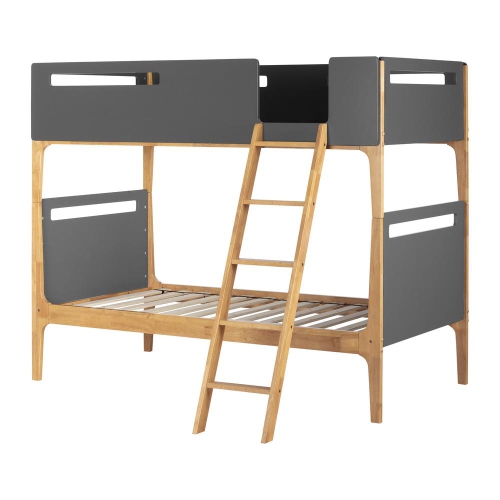 Your price for this item is $985.42
-
 Your price for this item is $157.99
-
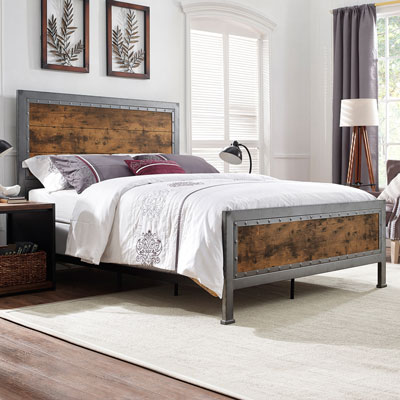 Your price for this item is $862.99
-
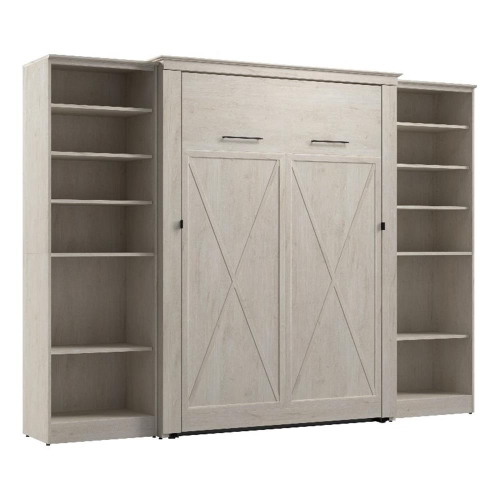 Your price for this item is $3099.99
Discover more categories related to Family Beds

Top Collections:
Pokemon Centers, Best Cameras for Sports Photography, Kindle Devices, Samsung Galaxy Phones, Canon G7X Cameras, Pokémon 30th Celebration Cards, Refurbished Apple Laptops, iPhone 15 Apple, Laptops for Students, Budget Smartphones
Some products may be subject to Environmental Handling Fees
(EHF) depending on your province.
Learn more about EHFs.