Beige Carpet Stair Treads
Beige Carpet Stair Treads offer a stylish and practical way to enhance the look and feel of your staircase. These versatile additions can help create a warm, inviting atmosphere in any home while complementing a wide range of interior designs. Whether updating your current décor or looking for a subtle accent, Beige Carpet Stair Treads are an ideal choice to add comfort and charm to your living space. Explore options that blend seamlessly with your flooring and elevate the appearance of your stairs.
Sort
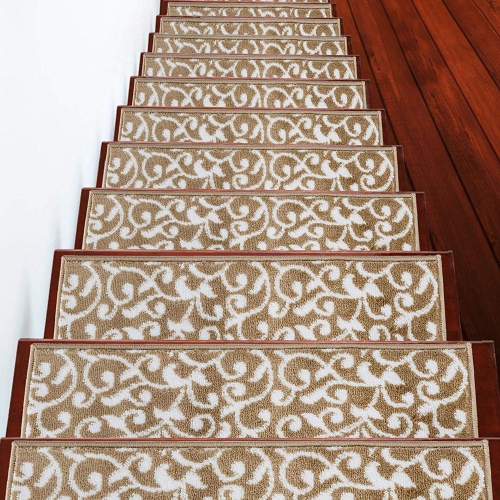
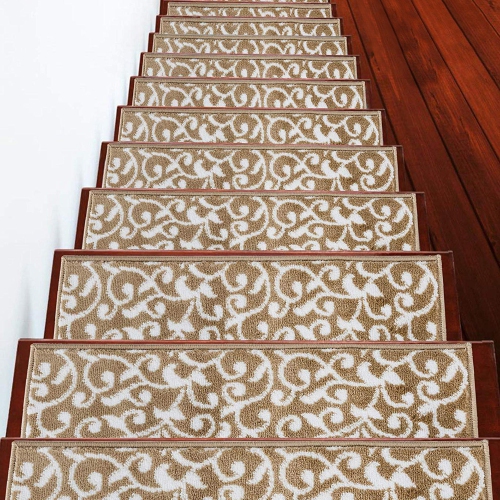
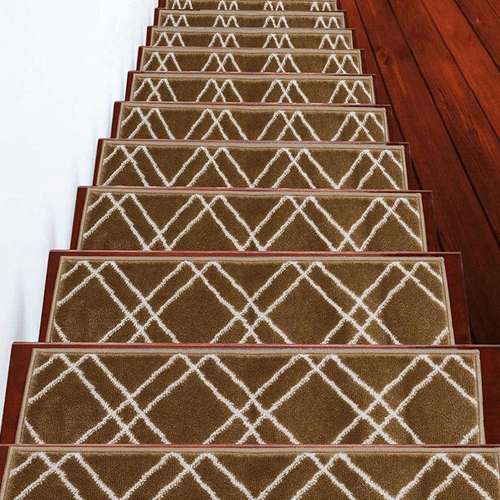
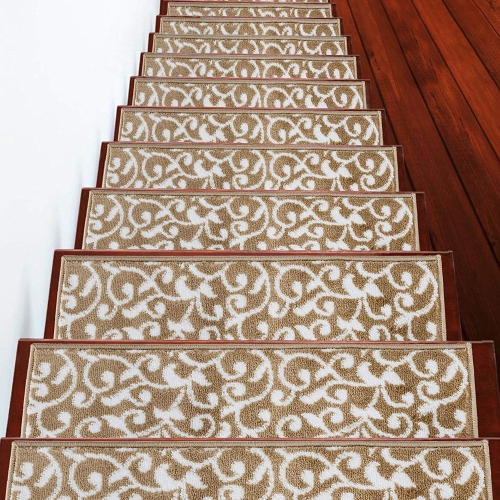
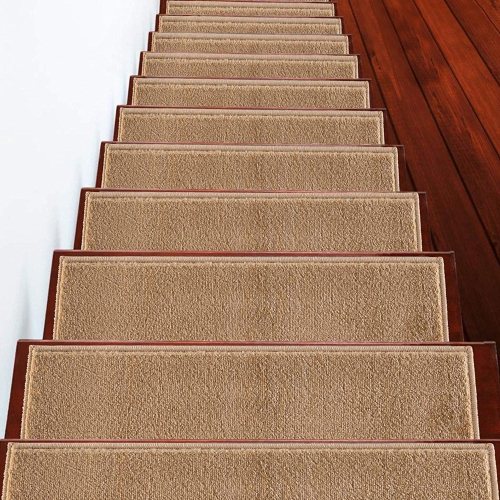
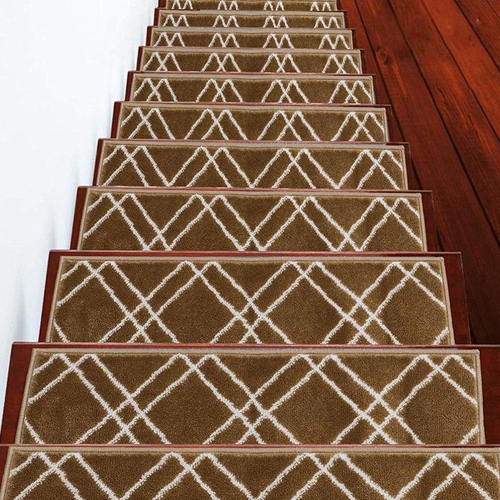
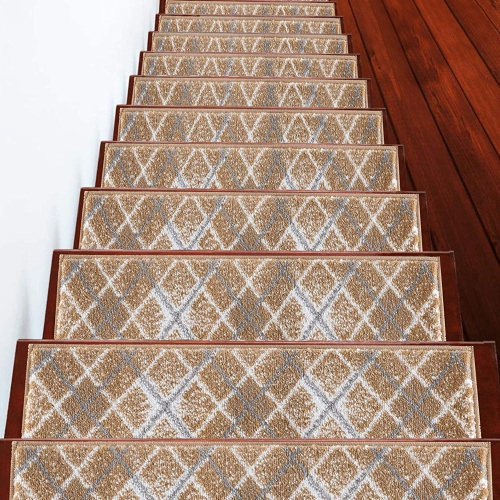
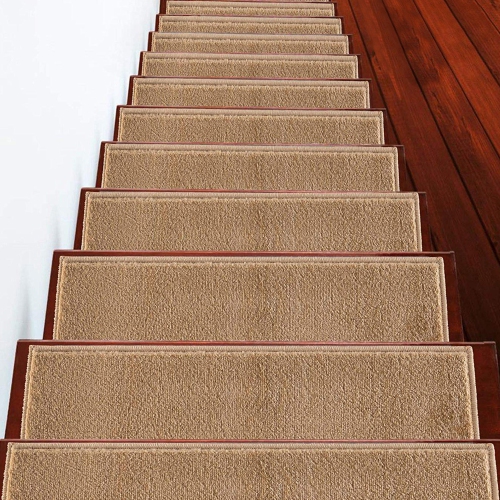
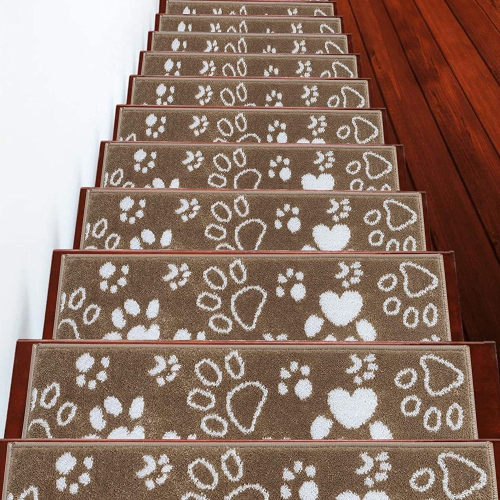
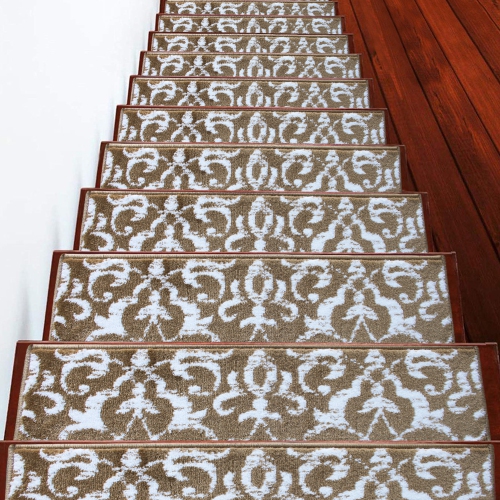
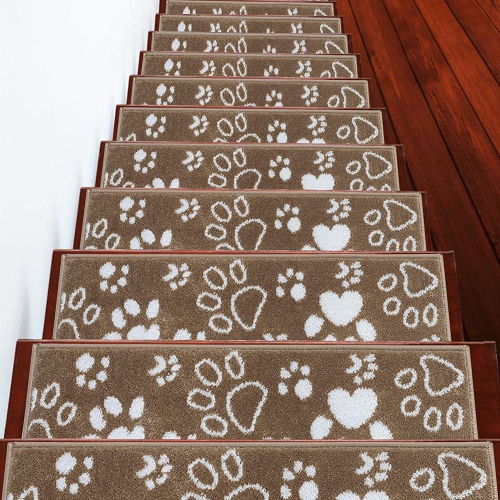
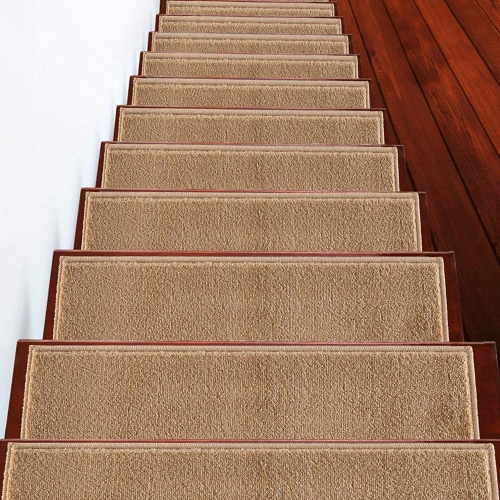
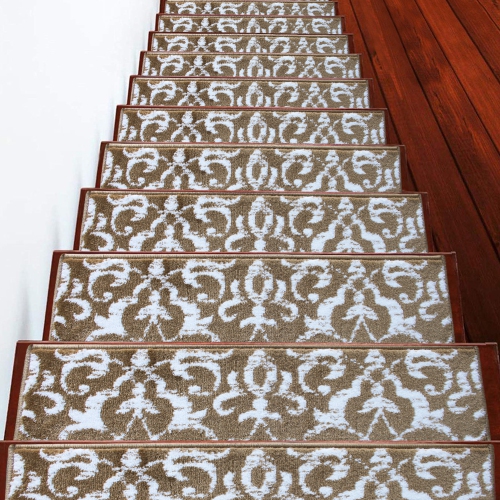
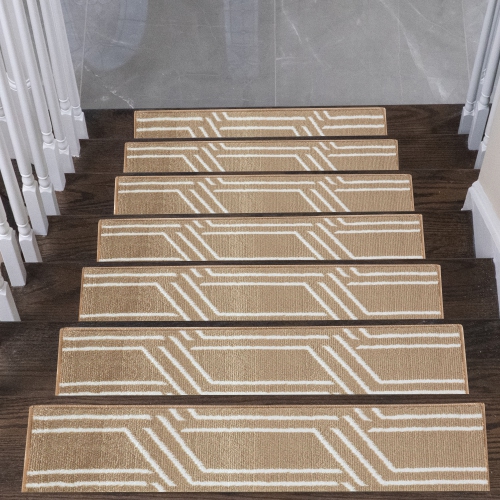
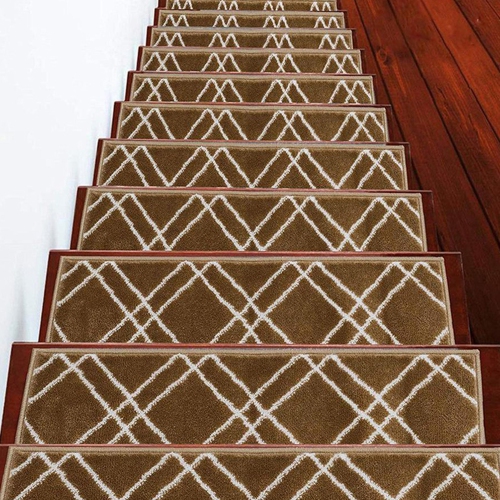
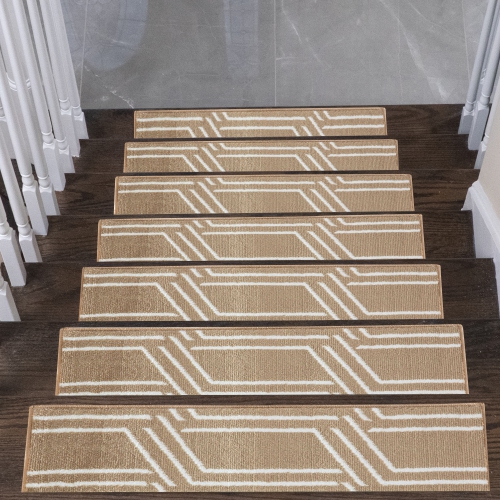
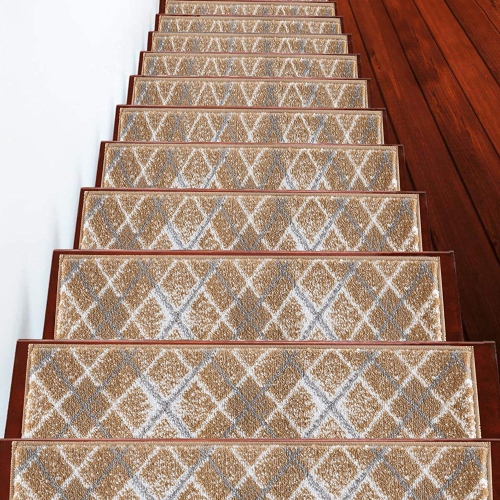
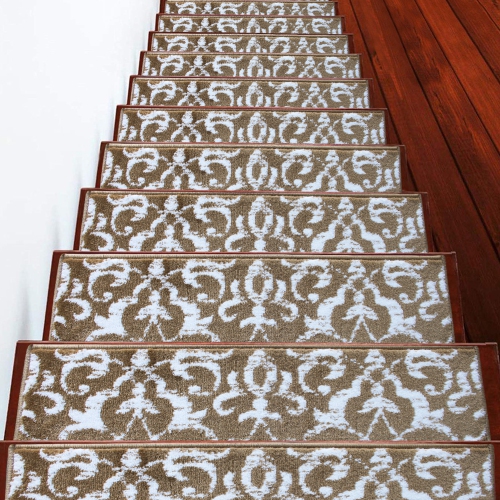
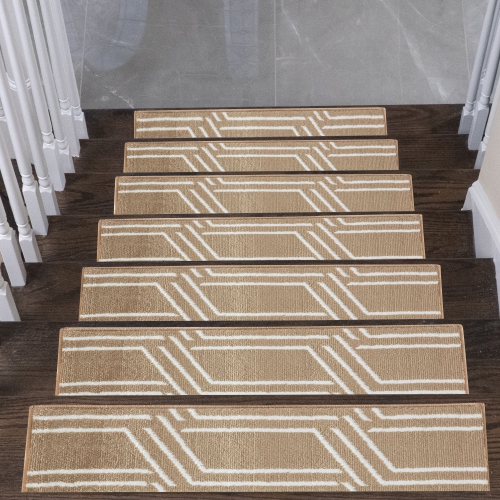
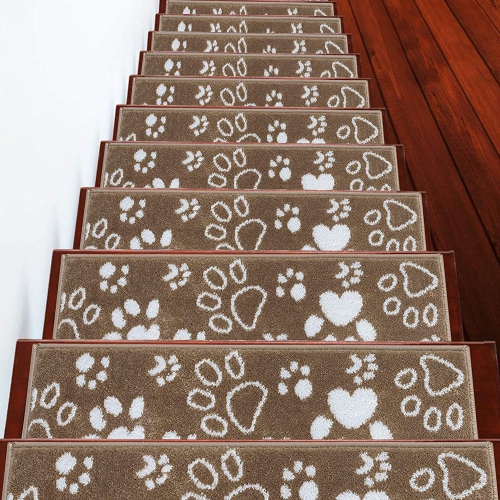
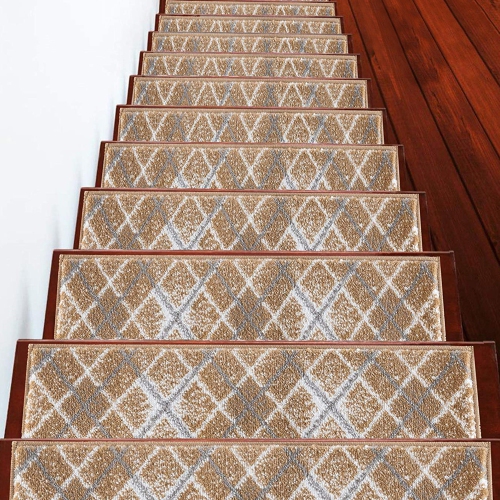
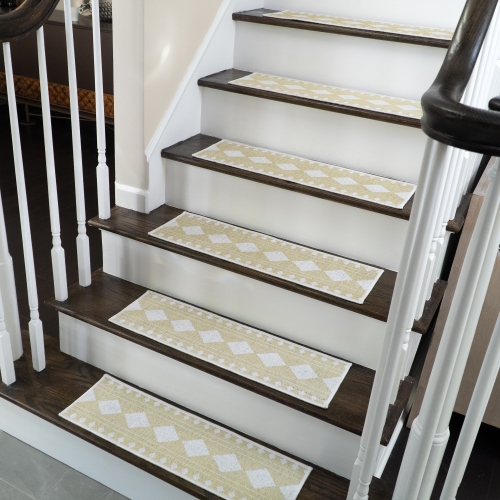
Softer steps with the wood still on show
Beige carpet stair treads bring a soft, neutral layer to a staircase without covering every part of the wood or other finished surface beneath them. Their appeal is partly visual: a sandy beige can pick up the warmth in oak, while a greige shade can sit comfortably beside painted spindles, pale walls and darker handrails. Creamier tones create a lighter look, and flecked or subtly patterned surfaces add depth without drawing attention away from the rest of the room. Because a staircase is often visible from an entrance or living area, these small sections of carpet can help connect the colours and textures used throughout a home. They also offer a softer surface underfoot and may soften the sound of footsteps on an otherwise bare staircase, although the effect depends on the carpet, backing and stair construction. For households with children, pets or frequent visitors, that combination of comfort and a finished appearance can be especially useful. Individual treads leave portions of the staircase exposed, creating a different look from a continuous runner or fully fitted carpet. Their proportions matter just as much as their colour. A tread that suits a broad, straight staircase may not fit a narrow flight or a step that changes shape near a landing. Width, front-to-back depth and the shape of each step all influence how neatly the carpet sits. Consistent placement and an even border of exposed stair surface can create a balanced appearance, provided the treads remain entirely supported by the steps. Straight, rectangular designs suit many standard stairs, while curved edges or shaped designs may complement other stair profiles. The relationship between the beige carpet and the surface underneath also deserves attention: a close colour match creates a quiet, blended effect, while a stronger contrast makes each carpet section more distinct. Room lighting can make the same beige look warmer, cooler or lighter, so surrounding finishes are useful reference points when considering the overall look.
The feel and performance of carpet stair treads depend on more than the colour visible from the hallway. Fibre type, pile height, density, backing and edge construction all contribute to how a tread handles repeated footsteps. Nylon is often valued for resilience, while polypropylene and polyester offer different combinations of softness, stain resistance and care requirements, depending on their construction and treatment. Wool has a naturally textured appearance and a comfortable feel, but its cleaning requirements may differ from those of synthetic fibres. No material name alone tells the whole story; a firmly constructed, low-profile tread can behave quite differently from a softer, deeper-pile version made with the same fibre. On stairs, a relatively low pile can provide a less bulky surface, while dense construction can help the carpet retain its appearance along the areas that receive the most contact. Bound or finished edges also matter because loose yarns and fraying can detract from both the fit and appearance. Pet households may prefer a closely constructed surface, since some looped textures can catch claws, although suitability varies with the carpet and the animal. Beige offers plenty of variation within a neutral palette. A uniform pale shade gives a clean, simple look but can make dark lint, muddy marks and spills more noticeable. Heathered fibres, small-scale patterns and mixed beige tones can make everyday debris less conspicuous between cleanings, without eliminating the need for regular care. Texture changes the impression, too: a flat, tightly woven surface looks tailored, while a gently textured pile adds softness to a staircase with crisp architectural lines. For a busy route between bedrooms and living spaces, resistance to crushing and clear care instructions may matter more than a plush feel. On a less frequently used staircase, appearance and coordination with nearby rugs may carry more weight. Comfort, visual texture and wear resistance are connected, but they are not interchangeable, making construction details useful points of comparison.
Backing and attachment are particularly important on stairs, where a carpet section needs to stay flat and firmly positioned during everyday use. Some designs rely on an adhesive layer, while others require a separate attachment method specified by the manufacturer. A backing described as non-slip should not be assumed to work equally well on every stair finish, and no carpet tread makes a staircase slip-proof. Compatibility with sealed wood, laminate, tile or another surface needs to be established before installation, along with any restrictions relating to finishes, waxes or cleaning residues. Removable does not necessarily mean residue-free, and an attachment that releases cleanly from one finish may affect another differently. For a rental home or a recently refinished staircase, those details can be as important as the shade of beige. A properly fitted tread should not curl at the corners, shift underfoot, interfere with the stair edge or create a raised section that could catch a foot. Regular checks are useful, particularly after cleaning or heavy use, and stair treads do not replace sound stair construction, adequate lighting or a secure handrail. Everyday care usually centres on removing grit before it works into the fibres, using a vacuum attachment or cleaning method suited to the pile and backing. Spills are generally easier to manage when addressed promptly according to the care label, rather than rubbed into a wider patch. Machine washing is appropriate only when explicitly permitted, since water, agitation and heat can change the shape or attachment performance of some constructions. Any washed tread needs to dry completely before being returned to use and secured as directed. For a frequently travelled staircase, Durable Carpet Stair Treads offer another relevant way to consider construction alongside colour and comfort. The most suitable beige treads bring those practical details together: a size that sits neatly on each step, a texture that suits the household and a care routine that fits daily life.
Top selling and popular products
-
 Your price for this item is $130.55
-
 Your price for this item is $129.15
-
 Your price for this item is $130.55
-
 Your price for this item is $129.15
-
 Your price for this item is $129.15
-
 Your price for this item is $130.55
-
 Your price for this item is $144.99
-
 Your price for this item is $103.99
Discover more categories related to Beige Carpet Stair Treads
Top Collections:
Best Black Friday Deals This Year, Best Black Friday Deals On Electronics, Kindle Devices, Dyson Airwrap, Best Cameras for Sports Photography, Best Budget Office Chairs, Canon G7X Cameras, PS5 Pro Consoles, Best Black Friday Deals On Apple Products, XBOX One S Consoles
Some products may be subject to Environmental Handling Fees
(EHF) depending on your province.
Learn more about EHFs.