Durable Carpet Stair Treads
Durable Carpet Stair Treads offer a practical solution for enhancing both the safety and appearance of your staircase. Designed to provide reliable traction, these stair treads help reduce slips while adding a layer of comfort underfoot. With a variety of styles and colors available, it’s easy to find options that complement your home décor. Explore Durable Carpet Stair Treads to discover an effective way to protect your stairs and create a more inviting space for family and guests.
Sort
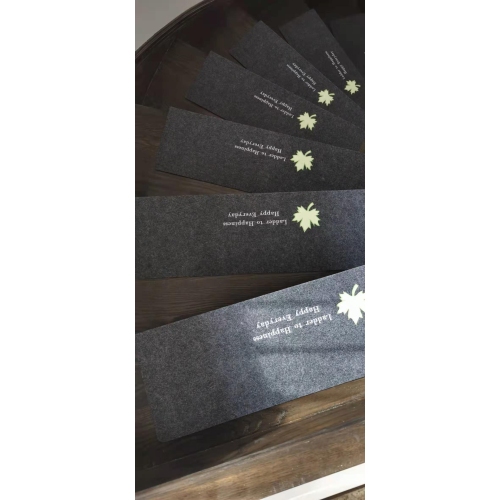
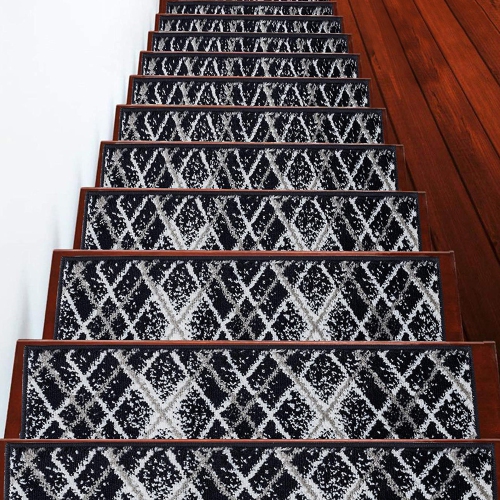
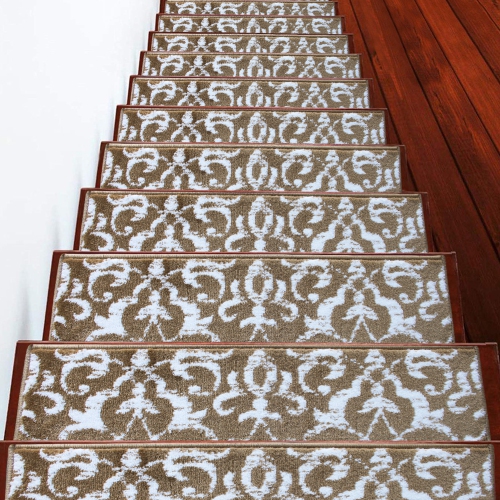
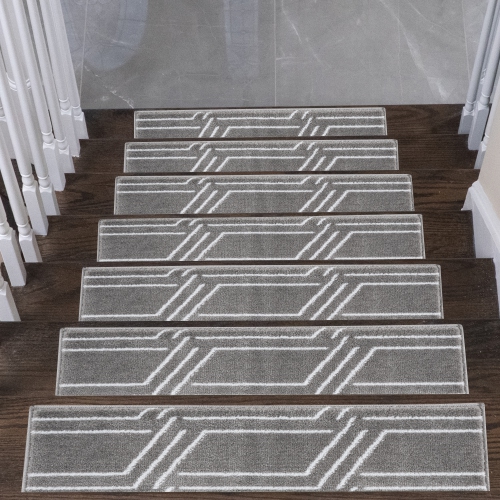
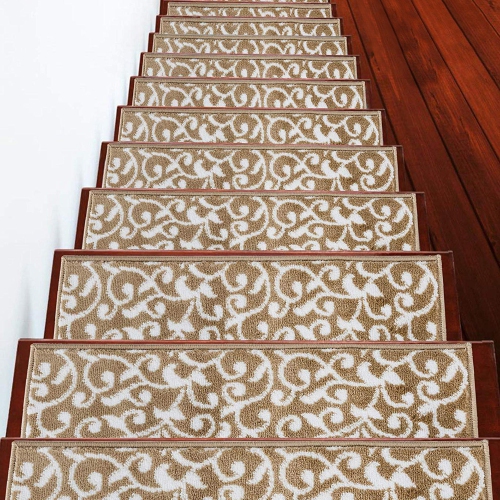
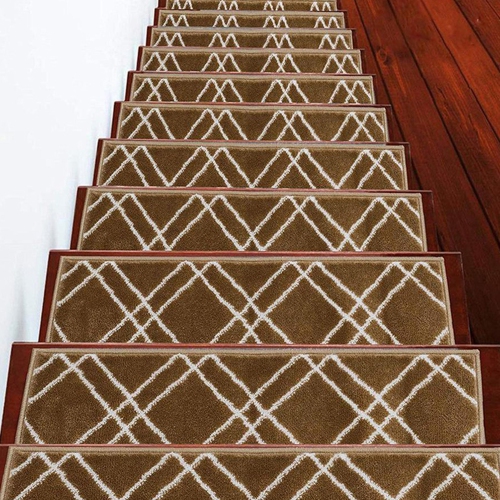
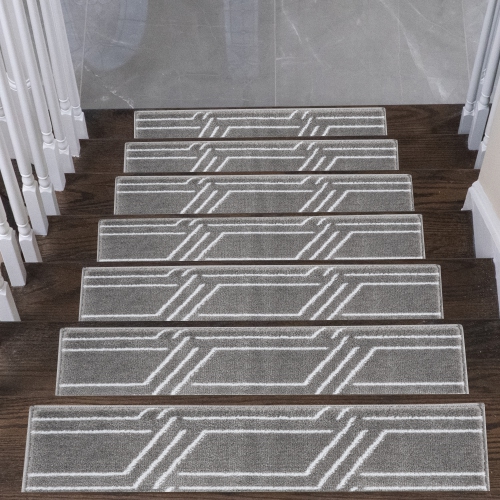

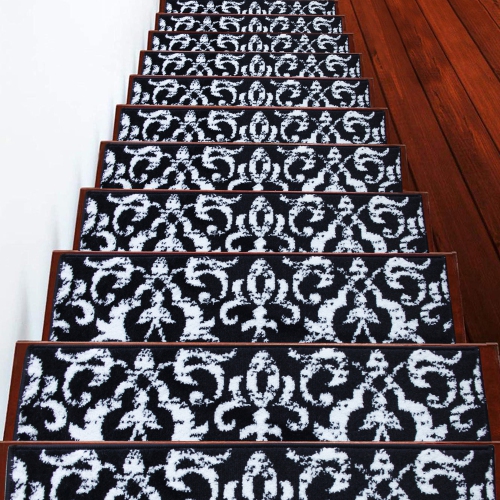
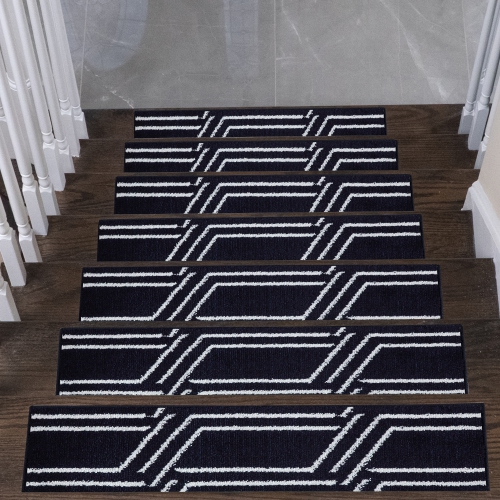

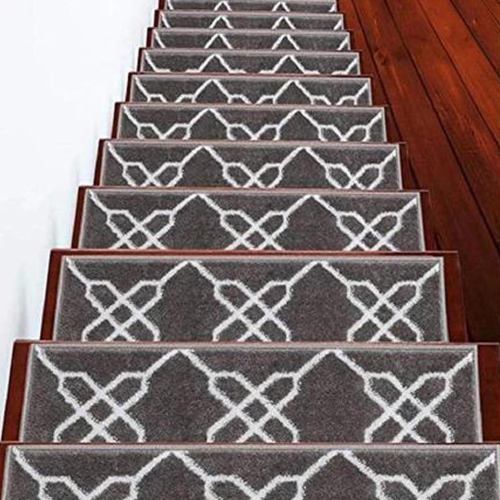
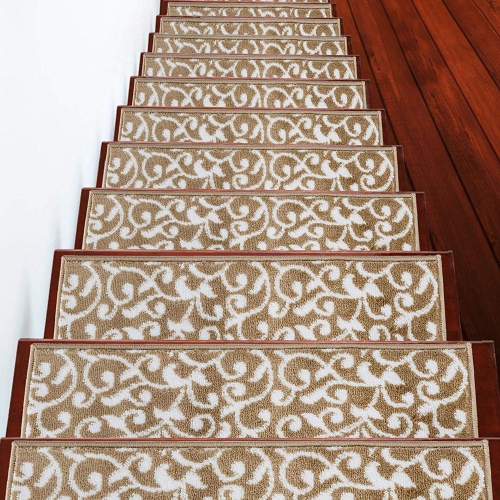
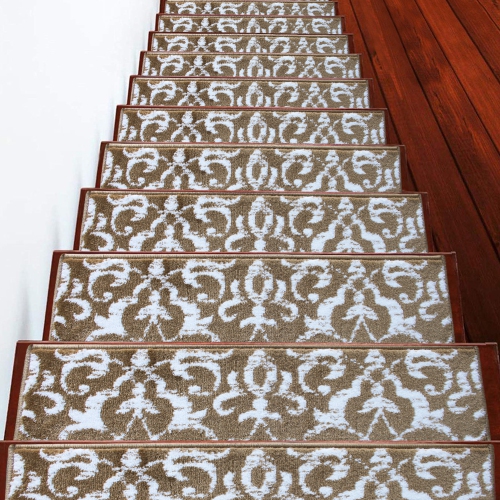
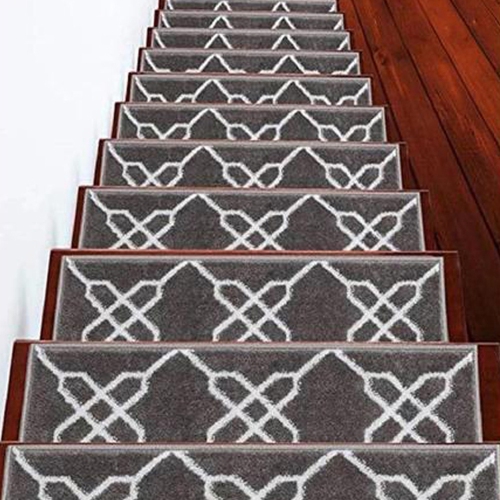
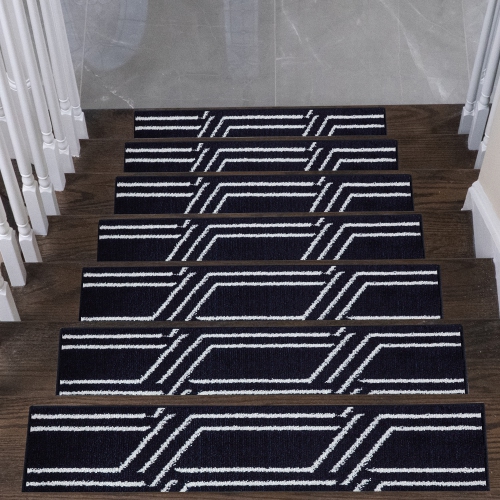
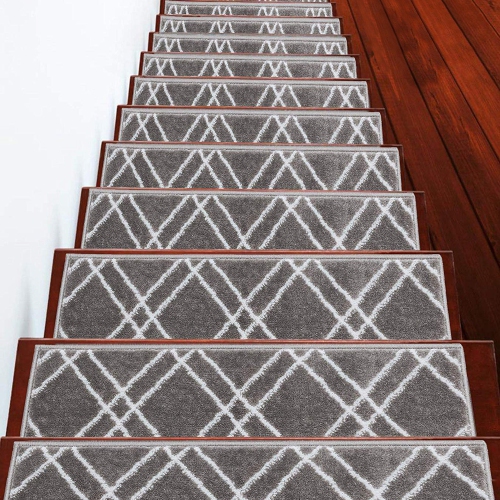
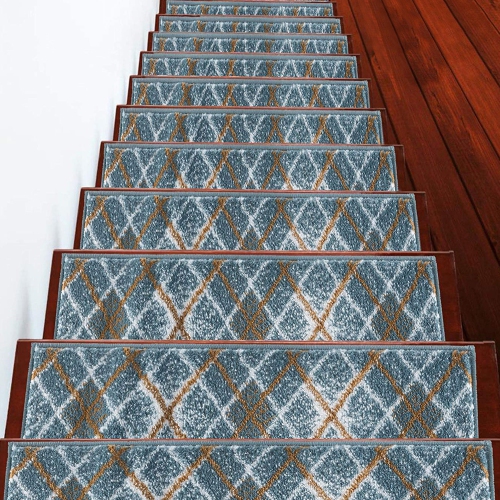
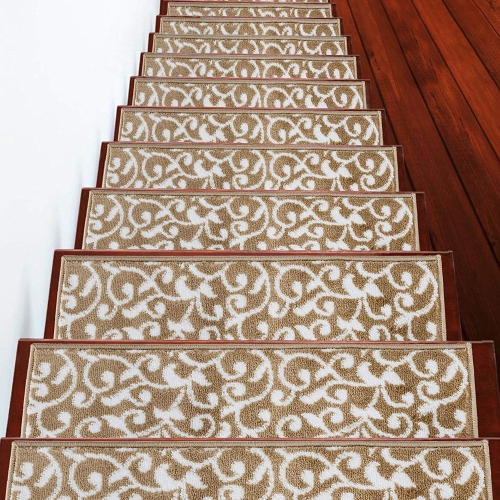
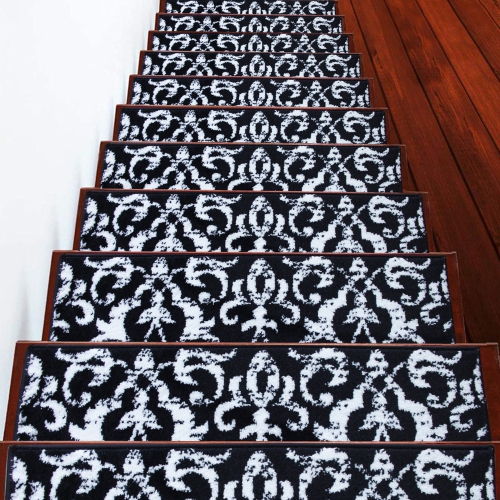
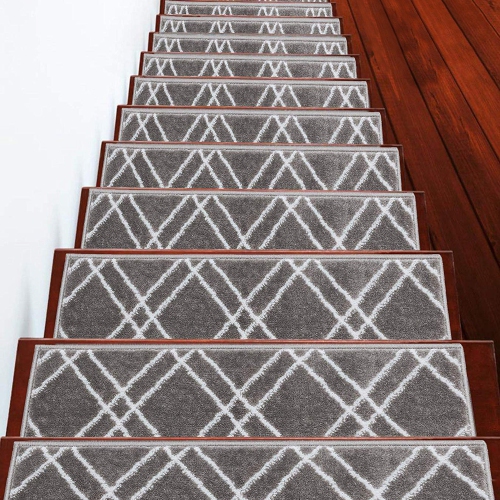
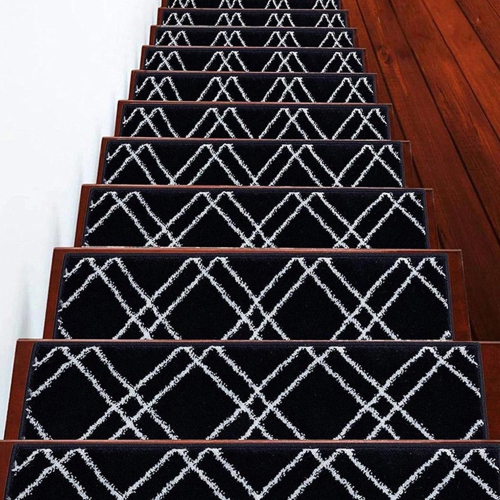
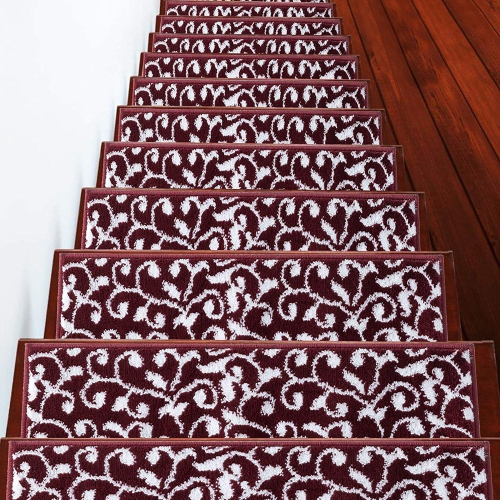
Lasting stair comfort starts with a secure fit
Durable carpet stair treads are individual carpet coverings designed to add a softer walking surface to stairs while helping protect the finish beneath them from everyday wear. Unlike a continuous stair runner, separate treads cover a portion of each step, leaving some of the staircase visible around the edges. They can soften footfalls, reduce the sharp sound of paws or shoes on hard surfaces, and provide additional texture underfoot when properly secured. That combination makes them useful for busy family staircases, routes between living spaces, and homes where pets regularly travel between floors. Durability depends on more than how thick a tread feels in the hand. Fibre type, pile density, backing construction, edge finishing, and the way the tread is attached all influence how it handles repeated use. Nylon is often valued for resilience in high-traffic carpet applications, while polypropylene is commonly chosen for its resistance to many everyday stains. Polyester can offer a soft feel and good colour retention, although its performance under repeated foot traffic depends on the construction. Wool and wool blends offer another texture and appearance, with care requirements that deserve attention before placement. A dense, low-profile surface generally leaves less pile to flatten or catch beneath a foot than a loose, plush construction. Closely finished borders also matter: binding should sit flat rather than curl upward along a frequently used edge. In a household with cats, tightly constructed surfaces may be more practical than prominent loops that claws can catch. Colour and pattern influence everyday appearance as well as style. A subtly patterned or heathered surface can make small amounts of lint and tracked-in dust less noticeable, while a plain finish creates a quieter visual effect against wood grain. Clear definition between the tread and the surrounding step can also make the walking area easier to distinguish. The most suitable combination balances appearance with the actual demands of the staircase, whether that means frequent family traffic, a dog’s daily trips upstairs, or a quieter connection to a home office.
Fit is especially important because stair treads sit on a surface where loose edges and shifting material can interrupt a comfortable stride. The usable width and depth of each step determine how much coverage is appropriate, and dimensions may differ between the bottom step, the main flight, and any turning sections. A rectangular tread that fits a straight staircase may not sit properly on a tapered or curved step. Consistent placement helps the staircase feel predictable underfoot, with each covering lying flat and leaving a similar amount of exposed surface where the stair shape allows. The front edge needs particular attention: material should not project beyond its intended position or create an unsupported lip. Some designs sit entirely on the horizontal surface, while others are made to follow the stair nosing; those shapes are not interchangeable. Backing and attachment are central considerations when browsing Non Slip Carpet Stair Treads, since a textured carpet face alone does not keep a covering in place. Depending on the design, attachment may involve an integrated gripping layer, a compatible adhesive system, or another specified fastening method. Suitability varies with the underlying surface, including finished hardwood, painted wood, laminate, and tile. A backing described as removable still needs to be compatible with the stair finish, and removal can affect coatings or leave residue in some circumstances. Clean, dry steps allow the attachment method to work as intended; dust, polish residue, and existing loose finishes can interfere with contact. Trimming a finished tread may expose raw edges or affect its backing, so the stated sizing and installation directions matter. For rental homes, permission to attach coverings and the condition of the original finish are worth establishing beforehand. Secure treads can make hard stairs more comfortable for children, older adults, and pets, but they do not replace sound stair construction, adequate lighting, or a properly fitted handrail. Their value comes from a stable, well-matched installation rather than from softness alone.
Everyday care helps carpet stair treads retain their appearance and keeps wear easier to spot before it becomes a nuisance. Stairways concentrate foot traffic into a small area, often along the same line on every trip, so fine grit can work into the pile even when the surface looks reasonably clean. Regular vacuuming with an attachment suited to the carpet construction lifts loose debris from the face and along the bound edges. A powerful rotating brush is not appropriate for every fibre or edge finish, particularly where it could pull at loops or binding. Spills are generally easier to manage when blotted promptly rather than rubbed into the pile, but the cleaning method should match the material and backing. Machine-washable construction is a specific product feature, not something to assume from a removable design. Washing temperature, drying method, and whether an attachment layer can be reused all affect how a tread performs after cleaning. Excess moisture or aggressive cleaning agents may also affect the stair finish underneath. In homes with pets, hair removal and occasional checks around corners are especially useful, since paws can disturb an edge that has begun to lift. A tread that shifts, bunches, frays, or loses its secure contact needs attention before continued use. Durable construction can withstand repeated foot traffic, but no carpet covering is immune to wear or a substitute for repairing a damaged step. The small details often make the greatest difference over time: edges that remain flat, a pile that is straightforward to vacuum, and a backing suited to the surface beneath it. Individual treads also offer a distinct visual balance, adding texture without concealing the entire staircase. For a family home, a shared household, or a space used by visiting relatives, that balance can bring a more comfortable feel to a hardworking passageway. Well-fitted carpet stair treads combine practical surface protection, manageable care, and a finished appearance that belongs with the rest of the home.
Top selling and popular products
-
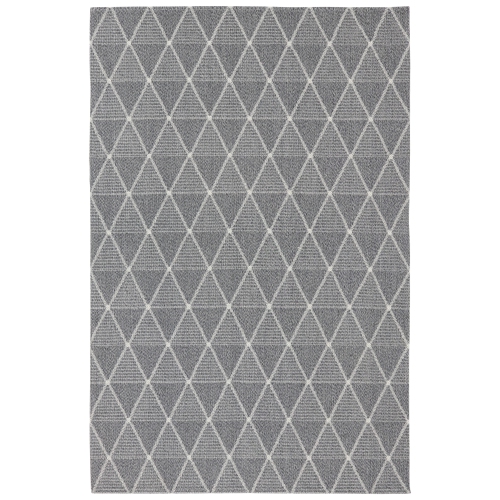 Your price for this item is $130.55
-
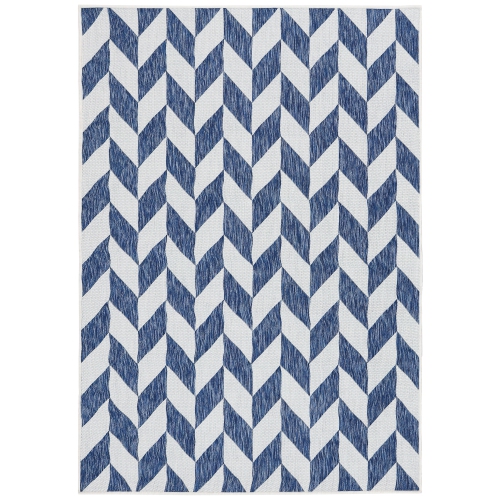 Your price for this item is $129.15
-
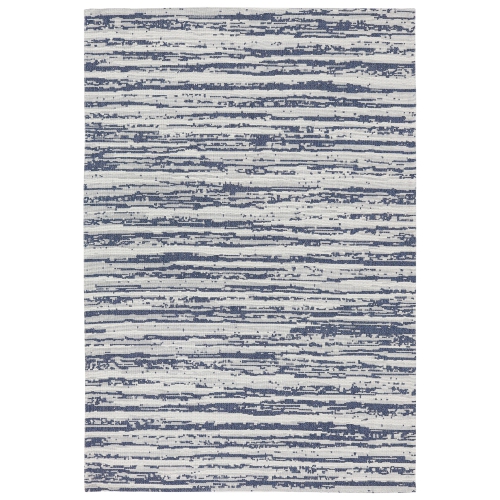 Your price for this item is $130.55
-
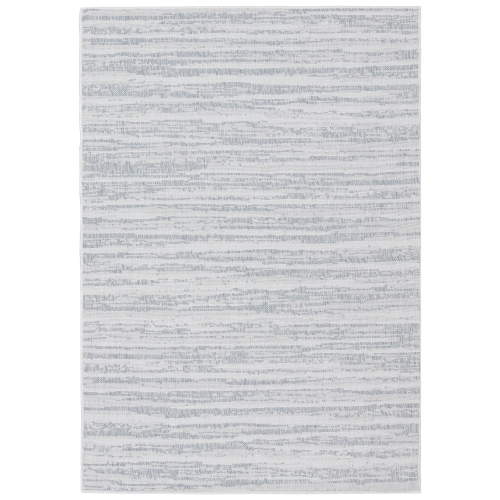 Your price for this item is $129.15
-
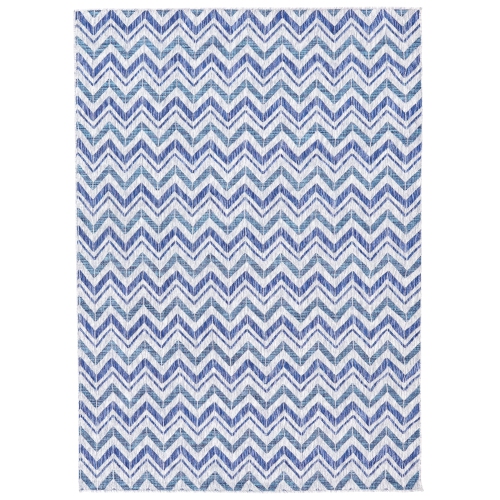 Your price for this item is $129.15
-
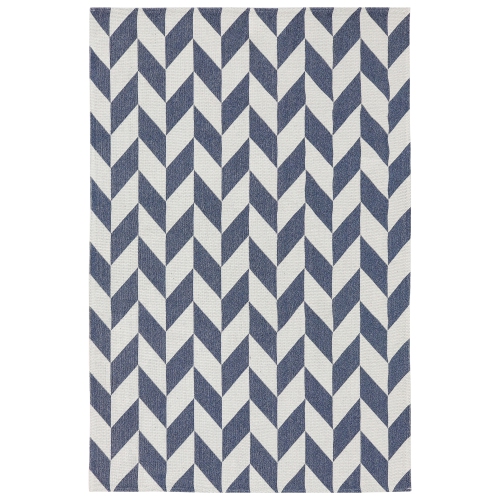 Your price for this item is $130.55
-
 Your price for this item is $144.99
-
 Your price for this item is $103.99
Discover more categories related to Durable Carpet Stair Treads
Top Collections:
Best Black Friday Deals This Year, Best Black Friday Deals On Electronics, Kindle Devices, Dyson Airwrap, Best Cameras for Sports Photography, Best Budget Office Chairs, Canon G7X Cameras, PS5 Pro Consoles, Best Black Friday Deals On Apple Products, XBOX One S Consoles
Some products may be subject to Environmental Handling Fees
(EHF) depending on your province.
Learn more about EHFs.