Bike Hitch Mount Racks
Looking for a convenient and secure way to transport your bikes? Bike hitch-mount racks are the perfect solution. Whether you're an avid cyclist or simply enjoy leisurely rides with family and friends, hitch-mount racks provide a reliable solution for transporting your bikes safely and efficiently. Here are some great options available.
Sort
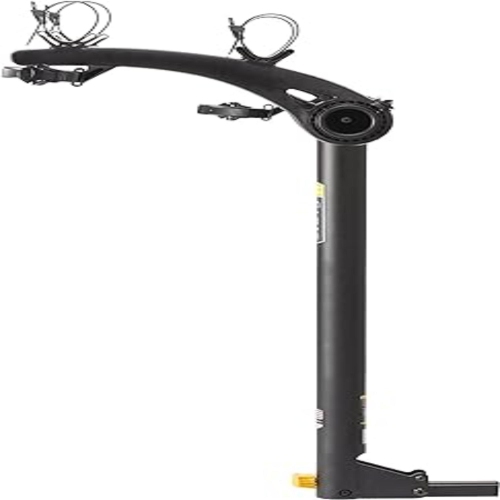
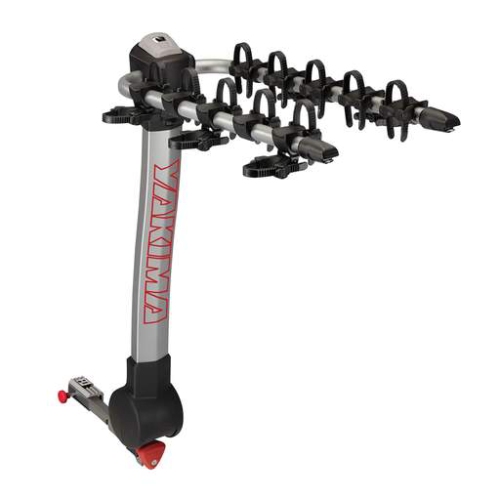
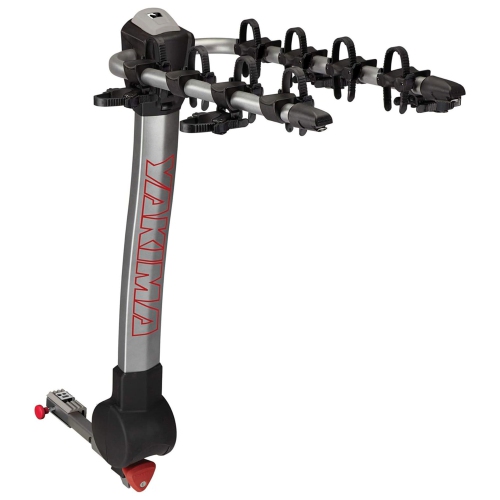
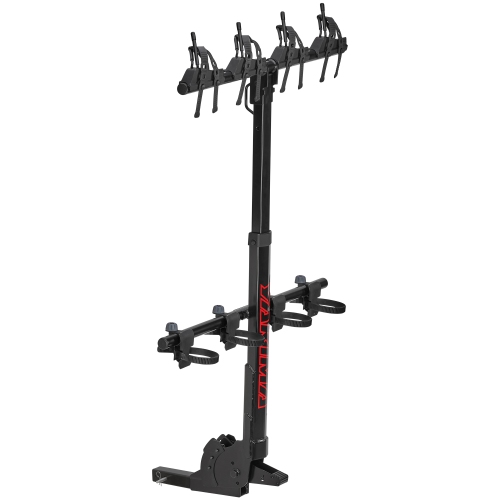
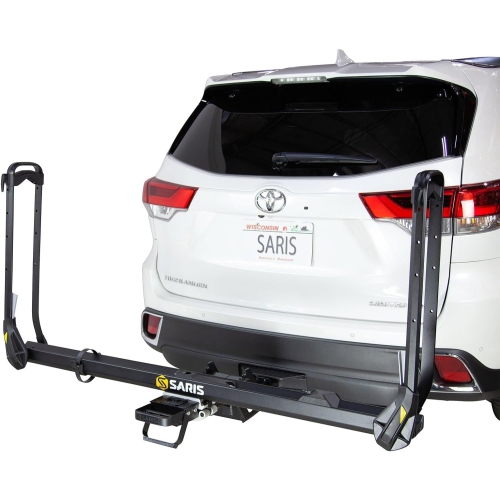
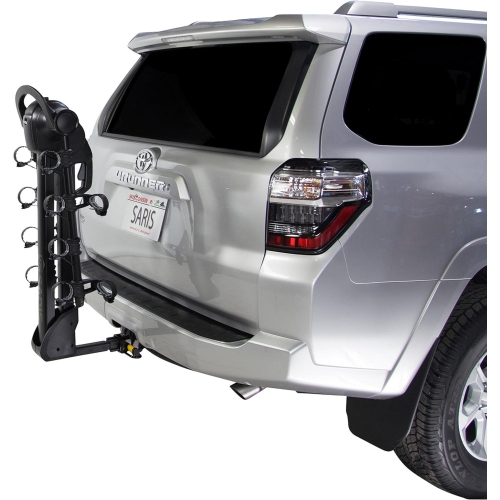
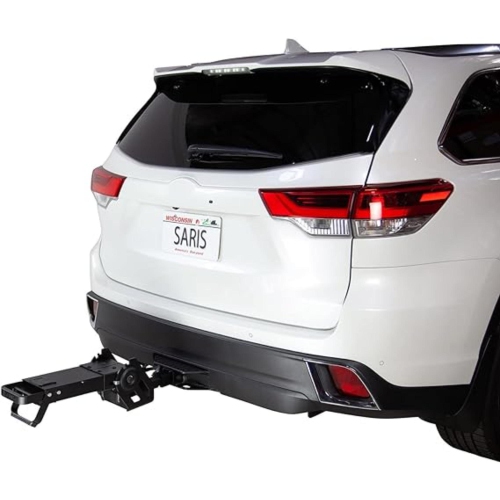
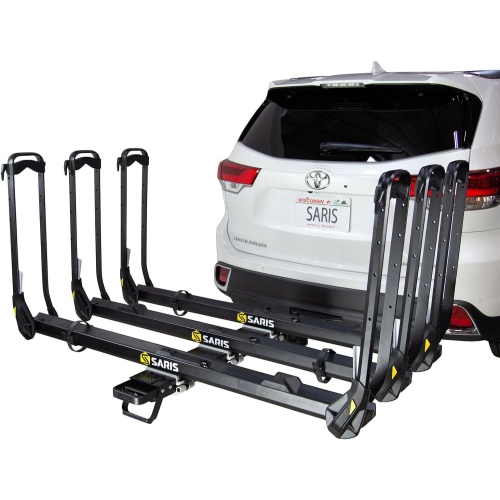
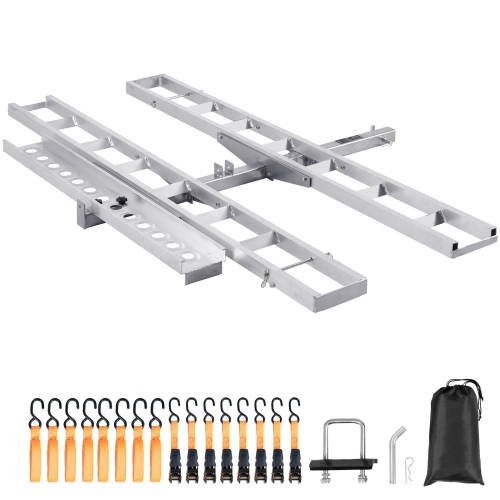
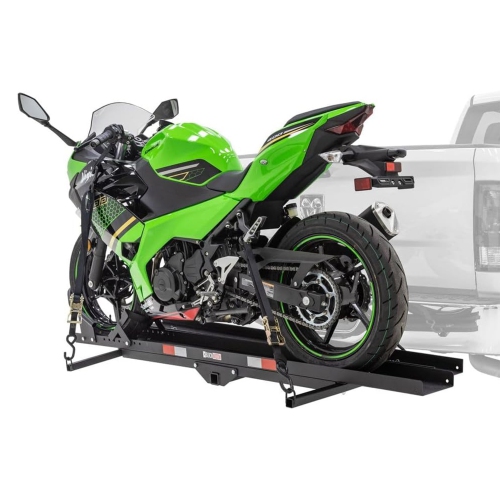
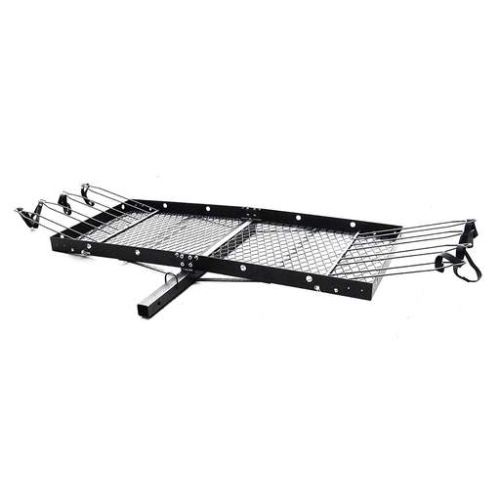
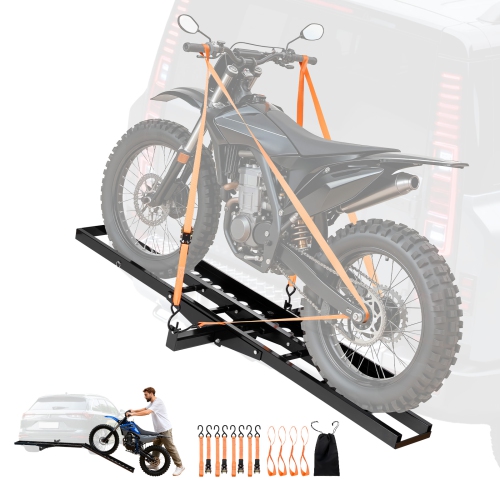
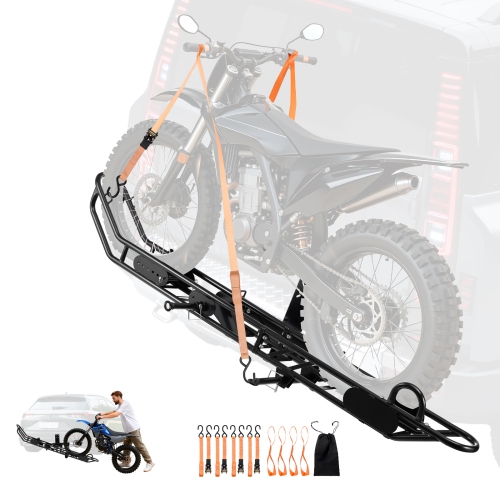
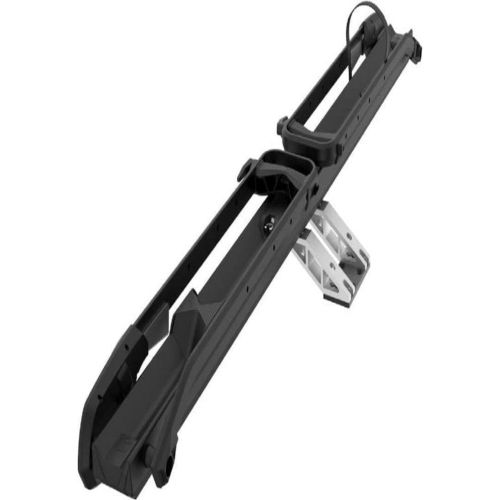
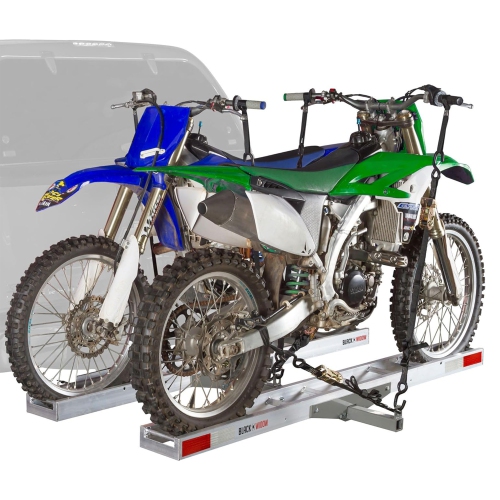
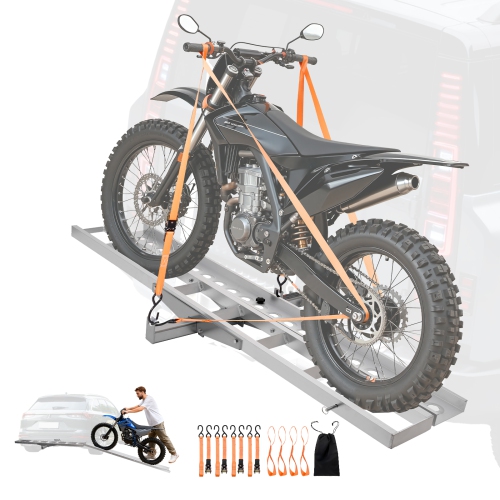
Secure transport with room for gear and rear access
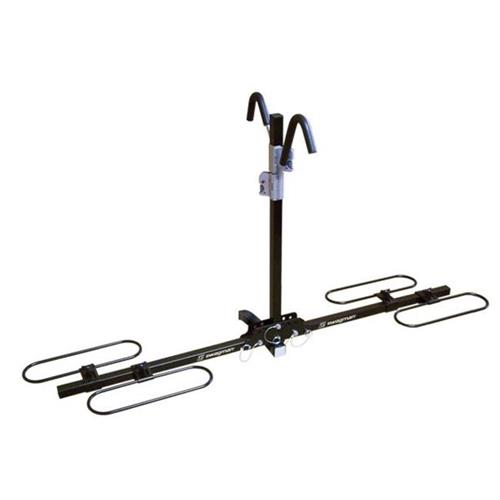
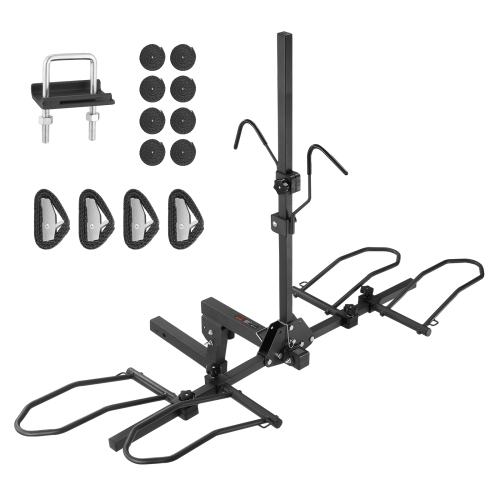
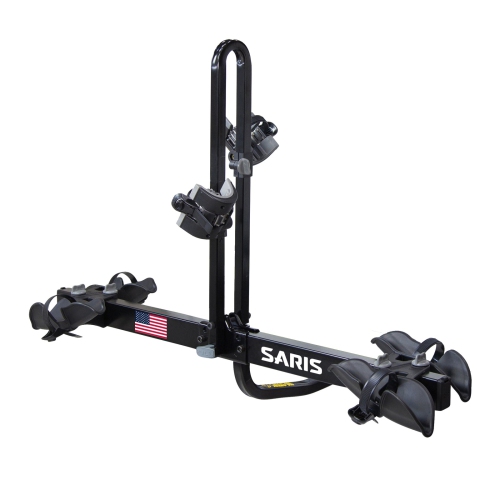
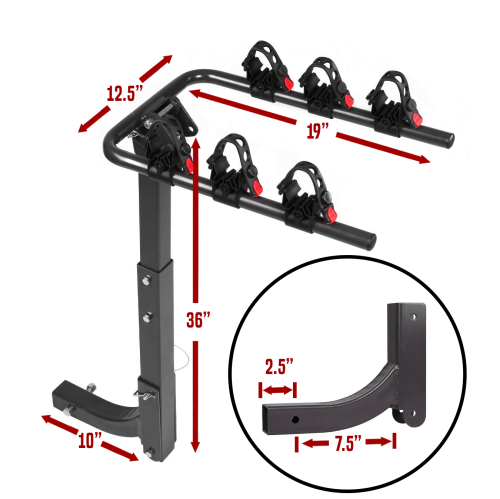
Bike hitch mount racks make it easier to bring bicycles along for weekend rides, day trips, camping excursions, and everyday journeys to local trails. Rather than placing bikes on the roof or loading them inside the vehicle, these racks attach to the trailer receiver at the back of a car, SUV, van, or truck, keeping bicycles at a convenient loading height and leaving the roof free for other gear. They are available in configurations designed to carry one, two, three, four, or more bikes, so the right choice depends on the size of your riding group and the space available on your vehicle. A solo rider may prefer a compact rack that is simple to install and remove, while a family or group of friends may need a higher-capacity design with enough room to keep multiple bicycles separated. It is important to check the receiver size before shopping, as common options include 1.25-inch and 2-inch receivers, and some racks are designed for one size while others can accommodate both with the appropriate hardware or adapter. The vehicle’s maximum tongue weight is equally important, particularly when carrying several bicycles or heavier electric bikes. The combined weight of the rack and bicycles should stay within the vehicle and receiver limits, even when the rack is fully loaded. For compatible accessories and vehicle-loading solutions, explore Hitch Mounts as part of planning a complete setup.
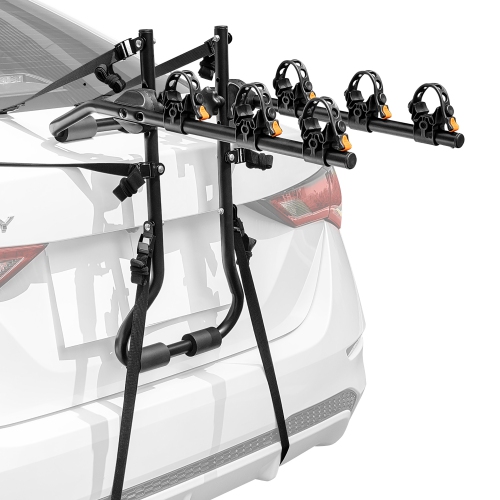
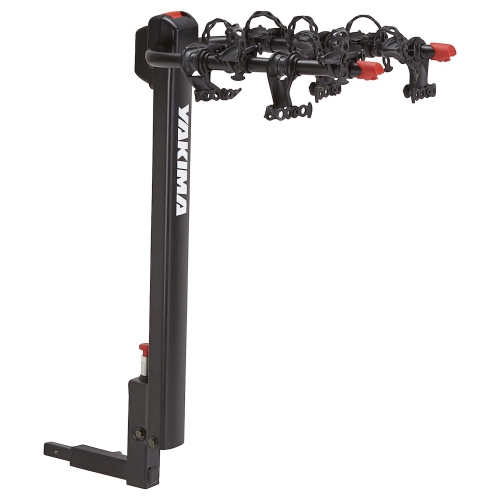
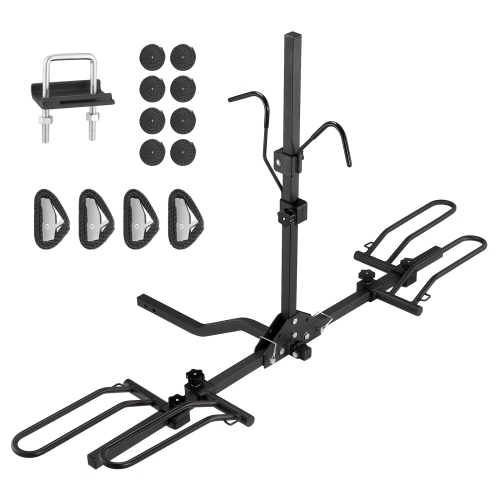
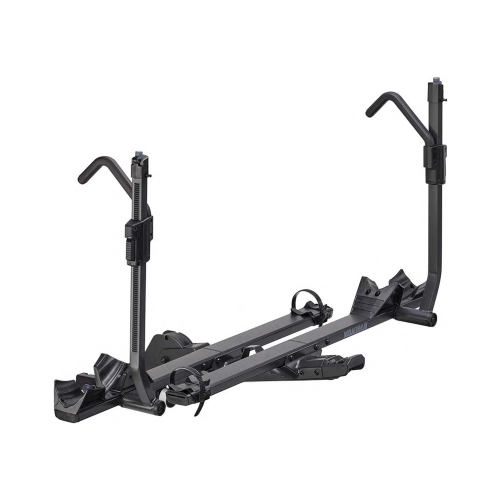
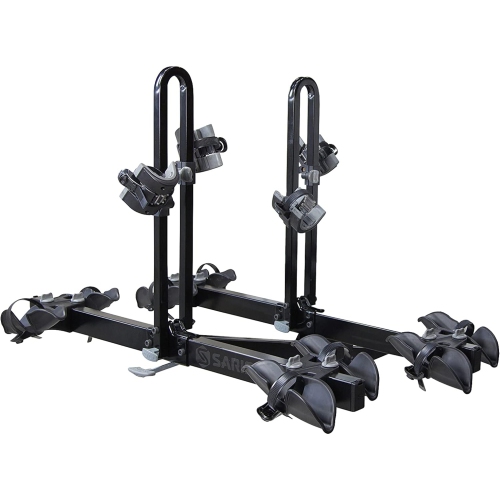
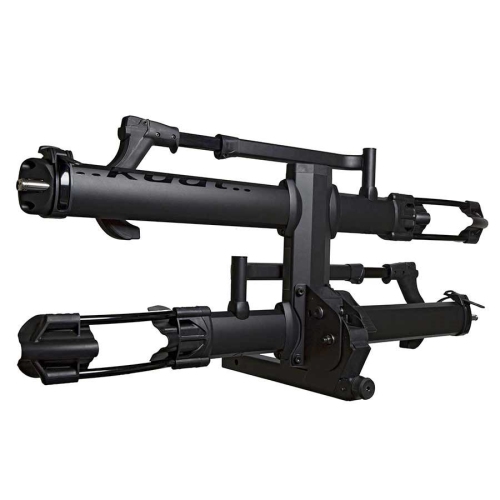
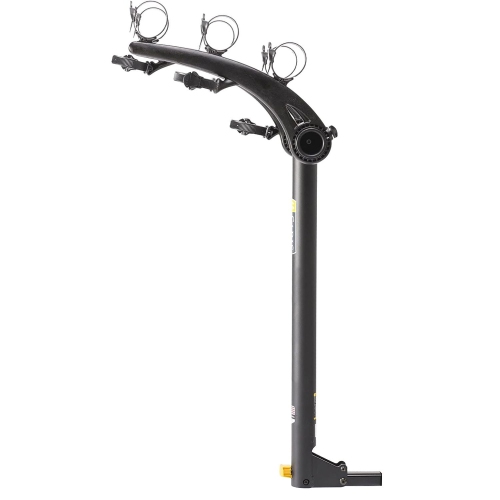
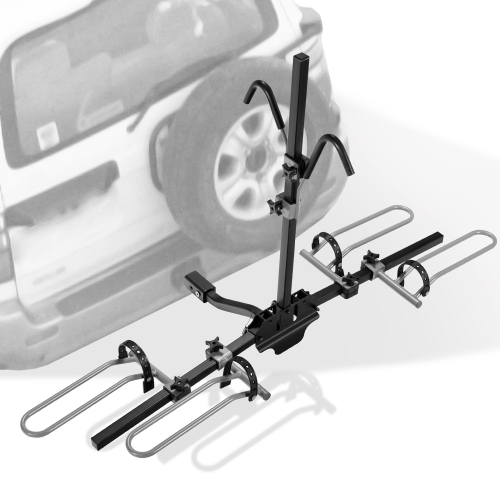
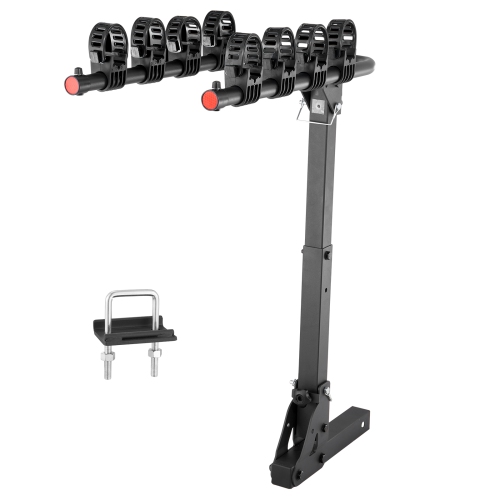
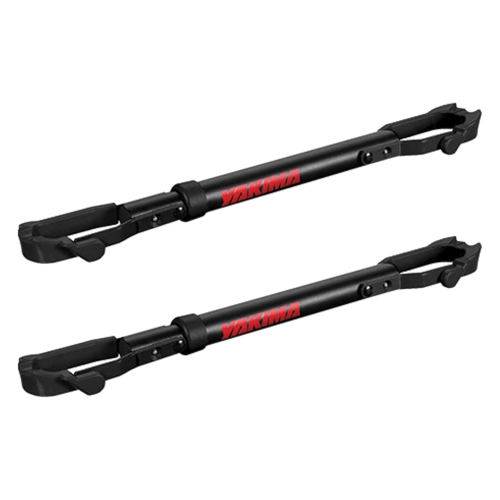
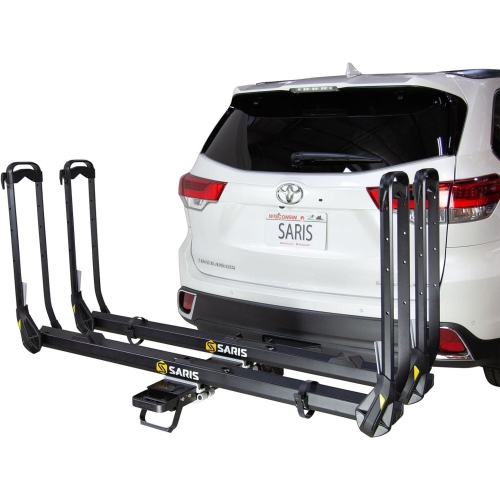
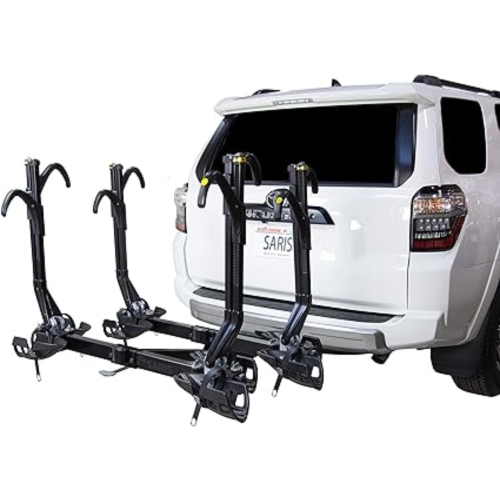
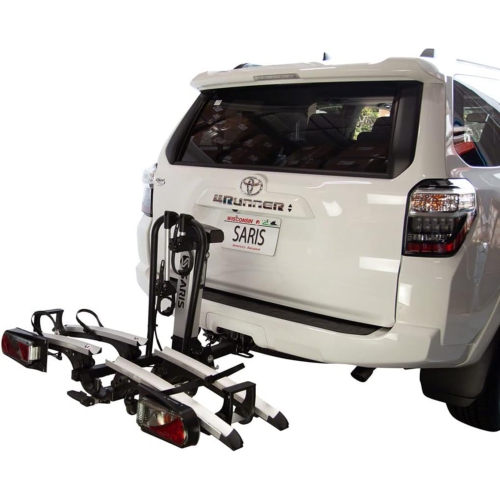
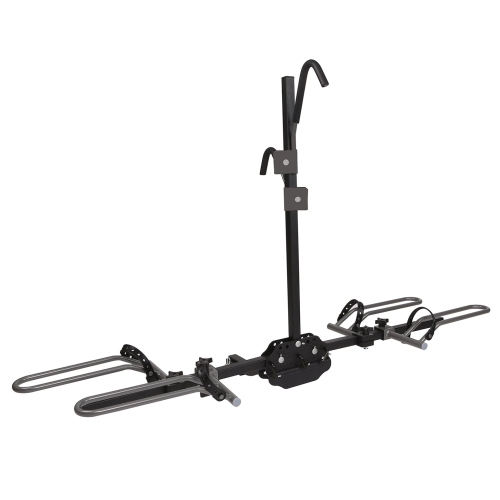
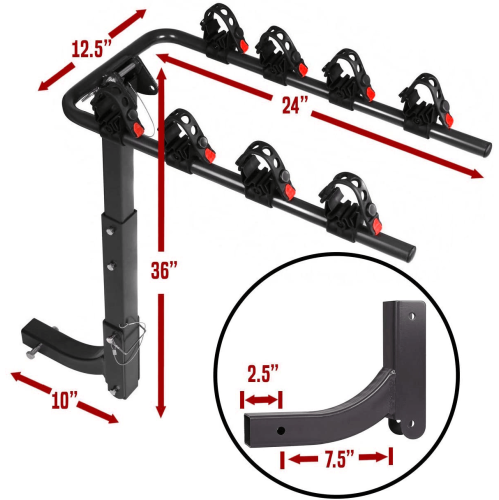
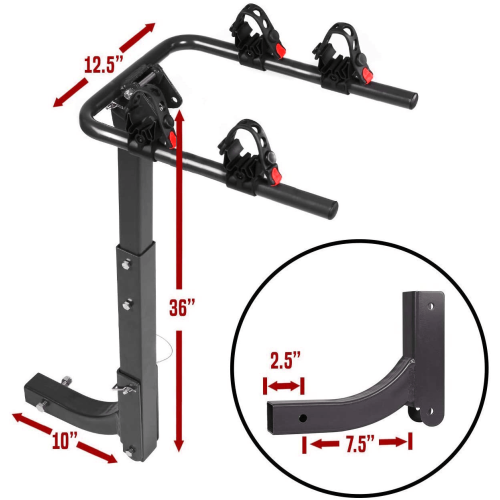
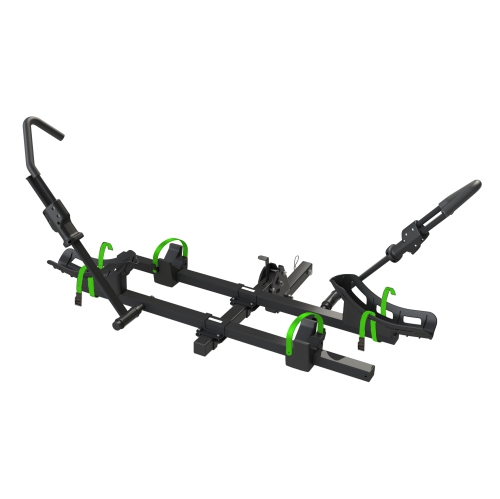
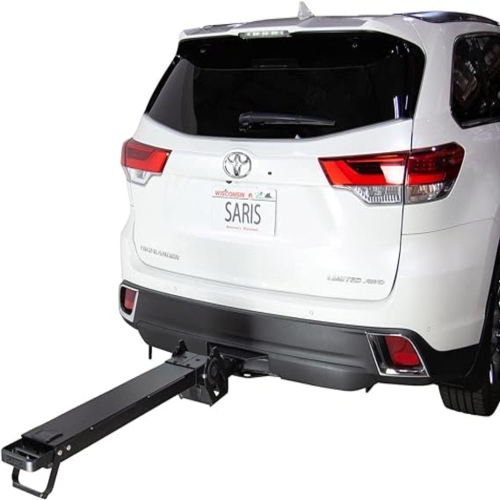
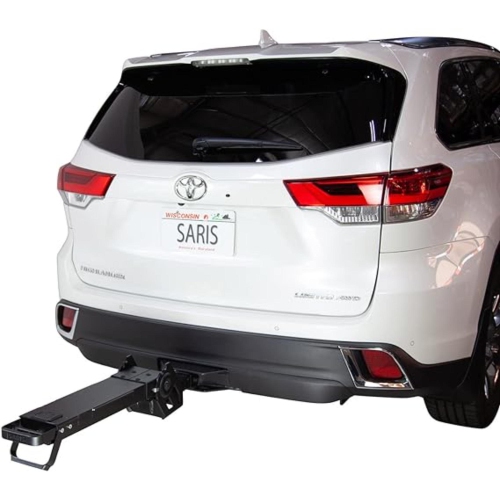
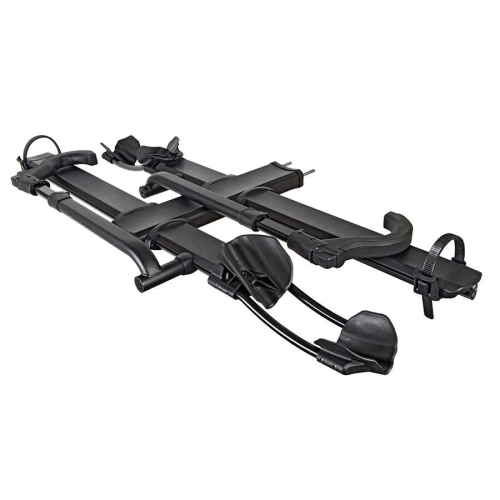
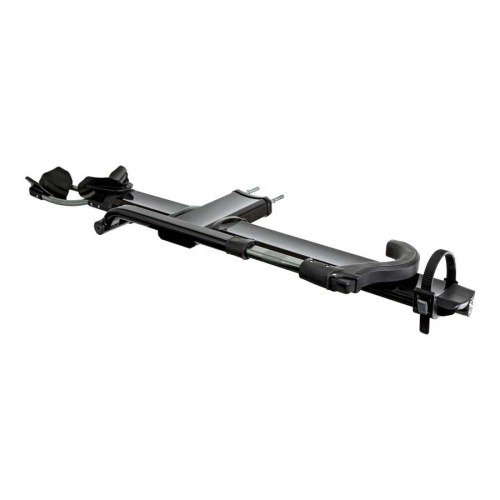
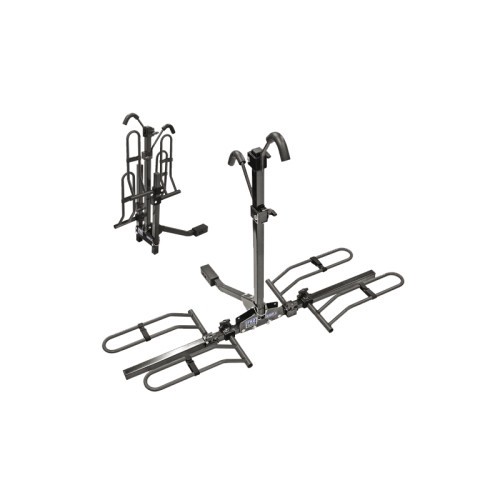
The two main styles are platform racks and hanging racks, with vertical racks offering another option for riders with specific needs. Platform racks support each bicycle in a wheel tray, usually with a ratcheting arm, hook, or strap that holds the bike securely without relying on the frame. This style offers excellent stability during highway driving and on winding roads, and it is often a practical choice for mountain bikes, road bikes, step-through frames, children’s bikes, and electric bikes. Many platform designs tilt away from the vehicle, allowing access to a rear hatch or tailgate without unloading every bicycle, while folding features can make storage easier when the rack is not in use. Hanging racks suspend bicycles from a central arm or arms by the top tube. They are often lighter and more compact than platform designs, making them convenient for carrying several standard bicycles without adding as much weight to the vehicle. Because the frame rests against the rack, some bicycles may require an adapter bar for a secure, level fit, especially step-through, full-suspension, and unusual frame designs. Protective cradles and anti-sway features can help limit contact between bicycles while travelling, but careful loading remains essential. Vertical racks hold bicycles upright, commonly by the front wheel, and can be well suited to carrying several mountain or youth bikes together. They are particularly useful for riders who regularly visit rugged trails or transport a larger collection of bicycles, although their loading height and overall design should be considered alongside the vehicle’s rear clearance. Across all styles, useful features may include locking hitch pins, integrated bicycle locks, adjustable trays, wheel straps, frame protection, anti-wobble mechanisms, and a fold-away function. These details can make the difference between a rack that feels cumbersome and one that becomes a dependable part of every outing.
Choosing among bike hitch mount racks also means considering the bicycles themselves, the way they will be used, and how often the rack will be installed. Electric bikes can be substantially heavier than conventional bicycles, so look for a rack with a suitable per-bike weight capacity and trays that can accommodate their wheelbase and tire width. Fat-tire bicycles may need wider wheel cradles or longer straps, while children’s bicycles may require adjustable supports to prevent movement. If bicycles have carbon frames, delicate finishes, or non-standard frame shapes, a wheel-supported design can help avoid direct contact with the frame. Measuring the distance between the receiver and the rear of the vehicle is useful as well, particularly on vehicles with a spare tire, rear-mounted equipment, or a pronounced tailgate. The rack should provide enough clearance for handlebars, pedals, and wheels without obstructing lights or the licence plate beyond legal limits; a lighting or licence-plate solution may be required depending on the vehicle and rack position. Before driving, confirm that the hitch pin is secured, each wheel strap is tight, frame or wheel supports are properly positioned, and no bicycle can swing into another bicycle or the vehicle. It is wise to recheck the straps after the first short stretch of driving and whenever conditions change. During the warmer part of the year, a hitch rack can be ready for spontaneous rides along waterfront paths, wooded trails, or quiet country roads, while during the cooler months it can continue to serve riders who travel to indoor cycling facilities, maintain an active routine, or plan trips around changing weather. These racks can also be thoughtful gifts for new cyclists, families who have recently added bikes, or experienced riders who want a more convenient way to reach destinations beyond their neighbourhood. A well-matched rack helps turn bicycles from equipment that stays in the garage into an easy-to-bring companion for shared adventures, practical transportation, and memorable days on the road or trail.
The two main styles are platform racks and hanging racks, with vertical racks offering another option for riders with specific needs. Platform racks support each bicycle in a wheel tray, usually with a ratcheting arm, hook, or strap that holds the bike securely without relying on the frame. This style offers excellent stability during highway driving and on winding roads, and it is often a practical choice for mountain bikes, road bikes, step-through frames, children’s bikes, and electric bikes. Many platform designs tilt away from the vehicle, allowing access to a rear hatch or tailgate without unloading every bicycle, while folding features can make storage easier when the rack is not in use. Hanging racks suspend bicycles from a central arm or arms by the top tube. They are often lighter and more compact than platform designs, making them convenient for carrying several standard bicycles without adding as much weight to the vehicle. Because the frame rests against the rack, some bicycles may require an adapter bar for a secure, level fit, especially step-through, full-suspension, and unusual frame designs. Protective cradles and anti-sway features can help limit contact between bicycles while travelling, but careful loading remains essential. Vertical racks hold bicycles upright, commonly by the front wheel, and can be well suited to carrying several mountain or youth bikes together. They are particularly useful for riders who regularly visit rugged trails or transport a larger collection of bicycles, although their loading height and overall design should be considered alongside the vehicle’s rear clearance. Across all styles, useful features may include locking hitch pins, integrated bicycle locks, adjustable trays, wheel straps, frame protection, anti-wobble mechanisms, and a fold-away function. These details can make the difference between a rack that feels cumbersome and one that becomes a dependable part of every outing.
Choosing among bike hitch mount racks also means considering the bicycles themselves, the way they will be used, and how often the rack will be installed. Electric bikes can be substantially heavier than conventional bicycles, so look for a rack with a suitable per-bike weight capacity and trays that can accommodate their wheelbase and tire width. Fat-tire bicycles may need wider wheel cradles or longer straps, while children’s bicycles may require adjustable supports to prevent movement. If bicycles have carbon frames, delicate finishes, or non-standard frame shapes, a wheel-supported design can help avoid direct contact with the frame. Measuring the distance between the receiver and the rear of the vehicle is useful as well, particularly on vehicles with a spare tire, rear-mounted equipment, or a pronounced tailgate. The rack should provide enough clearance for handlebars, pedals, and wheels without obstructing lights or the licence plate beyond legal limits; a lighting or licence-plate solution may be required depending on the vehicle and rack position. Before driving, confirm that the hitch pin is secured, each wheel strap is tight, frame or wheel supports are properly positioned, and no bicycle can swing into another bicycle or the vehicle. It is wise to recheck the straps after the first short stretch of driving and whenever conditions change. During the warmer part of the year, a hitch rack can be ready for spontaneous rides along waterfront paths, wooded trails, or quiet country roads, while during the cooler months it can continue to serve riders who travel to indoor cycling facilities, maintain an active routine, or plan trips around changing weather. These racks can also be thoughtful gifts for new cyclists, families who have recently added bikes, or experienced riders who want a more convenient way to reach destinations beyond their neighbourhood. A well-matched rack helps turn bicycles from equipment that stays in the garage into an easy-to-bring companion for shared adventures, practical transportation, and memorable days on the road or trail.
Top selling and popular products
-
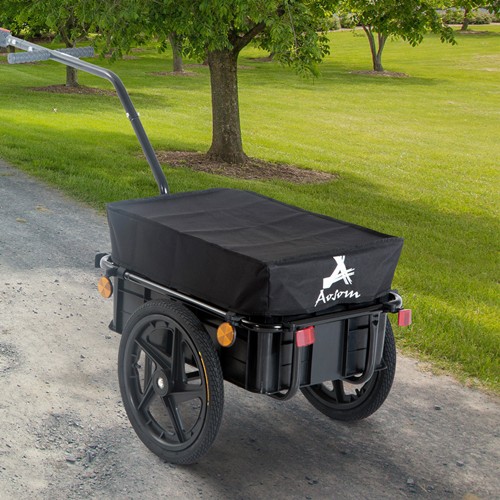 Your price for this item is $139.97
 -
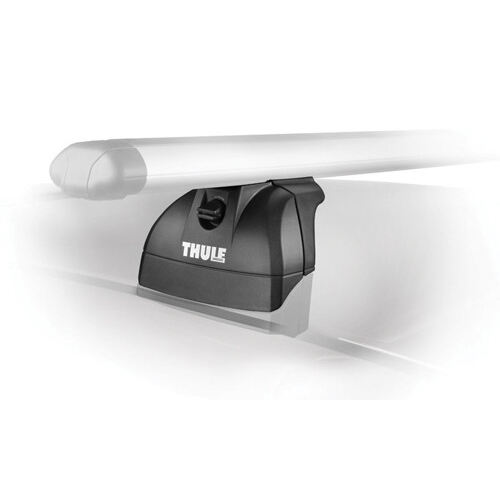 Your price for this item is $285
 -
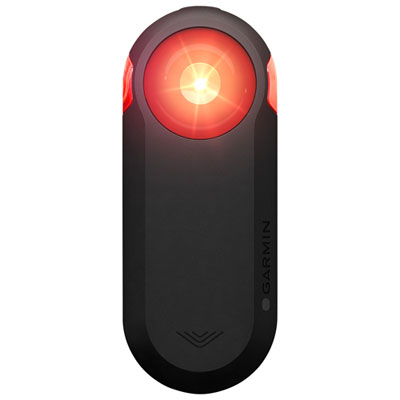 Your price for this item is $289.99
 -
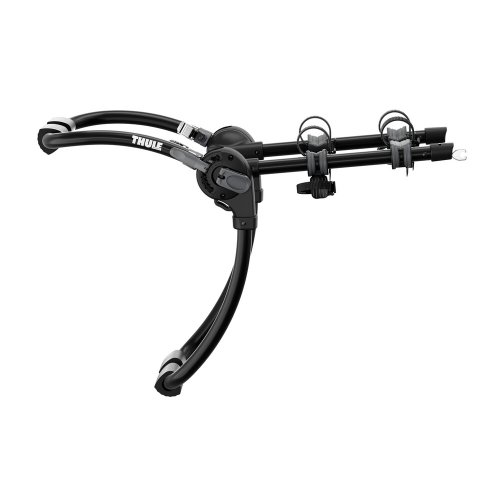 Your price for this item is $499
 -
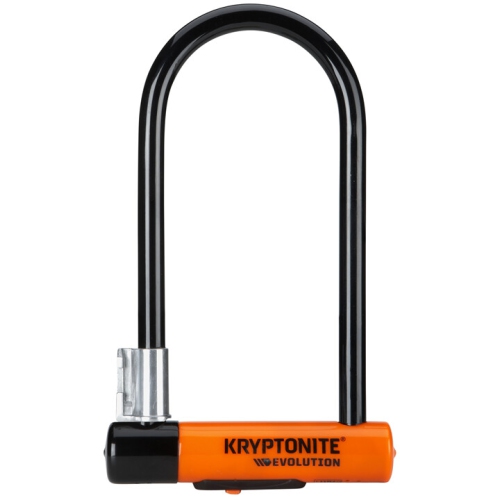 Your price for this item is $209.99
 -
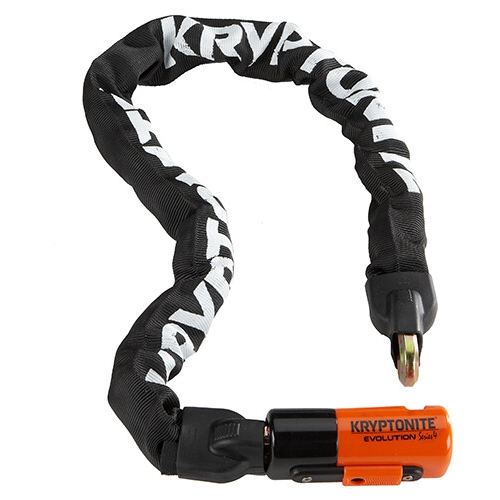 Your price for this item is $199.99
 -
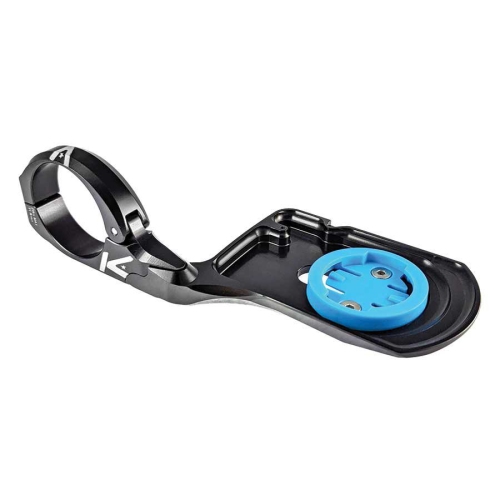 Your price for this item is $134.99
 -
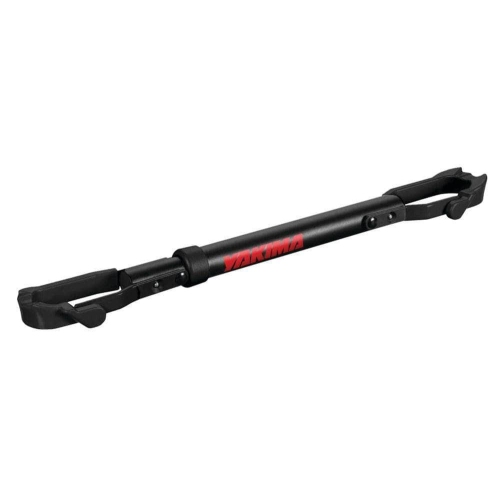 Your price for this item is $96.99
Discover more categories related to Bike Hitch Mount Racks
Top Collections:
Pokemon Centers, Kindle Devices, Best Budget Office Chairs, Canon G7X Cameras, Apple iPhones 16, Samsung Galaxy Phones, Refurbished Apple Laptops, Laptops for Students, iPhone 15 Apple, Budget Smartphones
Some products may be subject to Environmental Handling Fees
(EHF) depending on your province.
Learn more about EHFs.