Hitch Bike Racks
A hitch bike rack is the perfect solution for transporting your bikes safely and securely on your vehicle, whether you're heading out for a weekend getaway or hitting the trails for some outdoor fun. With easy installation and sturdy construction, a hitch bike rack offers convenience and peace of mind so you can focus on enjoying the ride. Explore our selection of hitch bike racks designed to accommodate various bike sizes and quantities, making it easier than ever to bring your bikes along wherever your next adventure takes you.
Sort
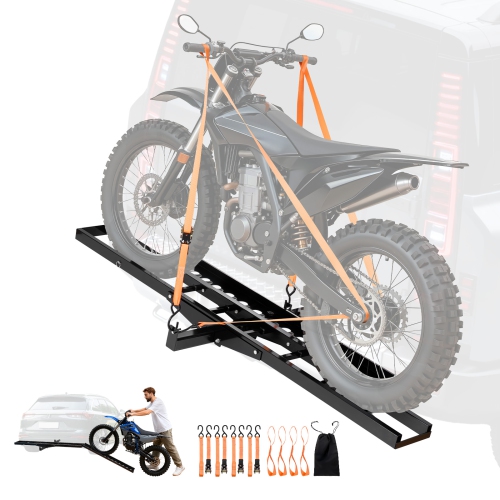
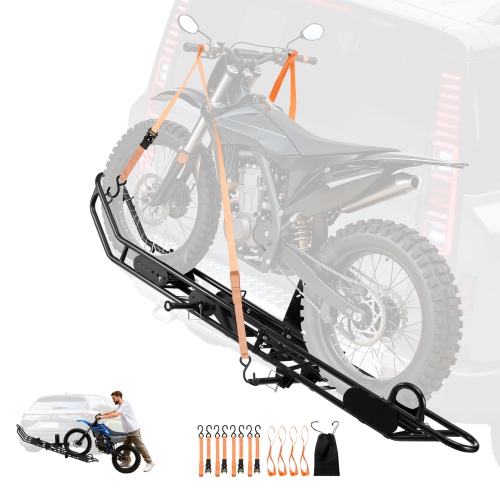
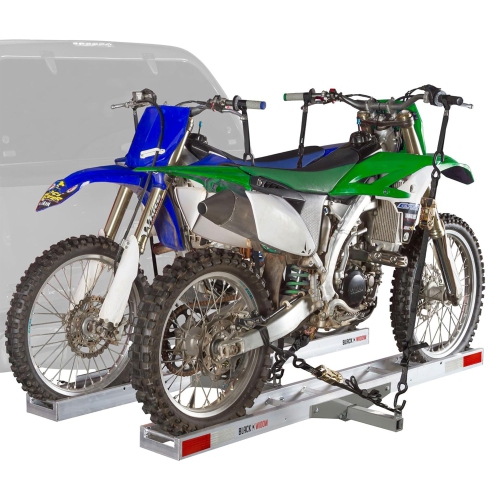
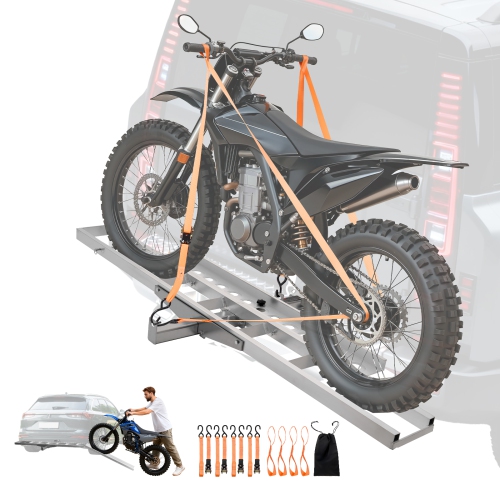
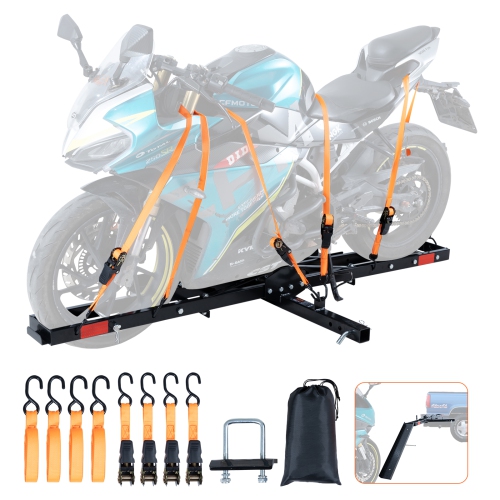

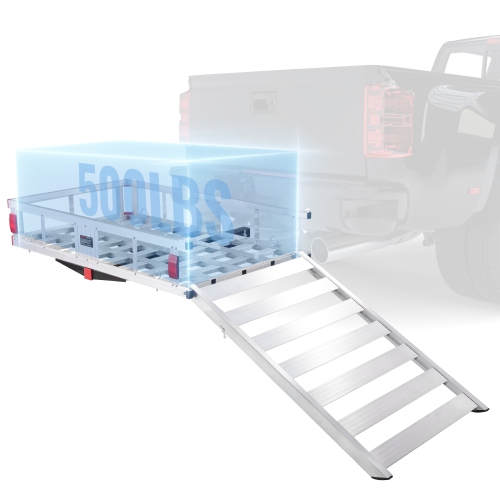
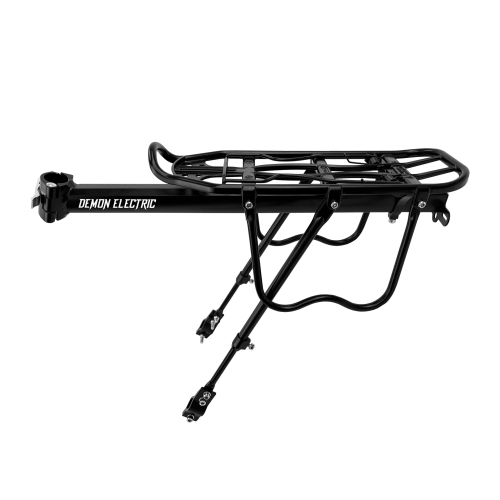
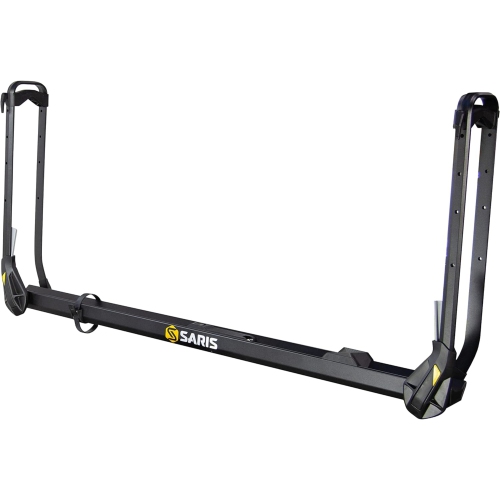
Why bike fit matters as much as rack capacity
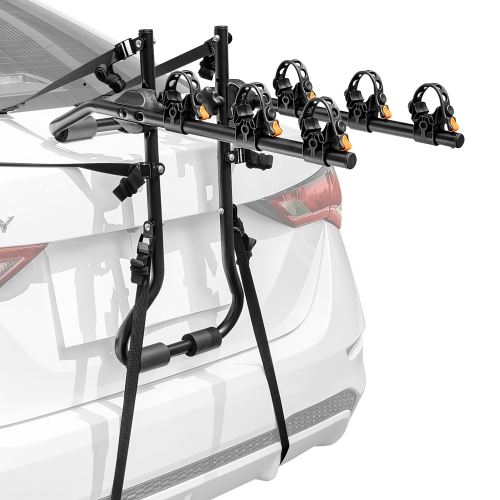
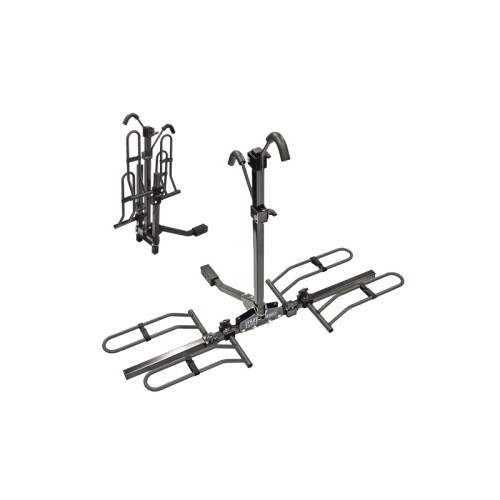
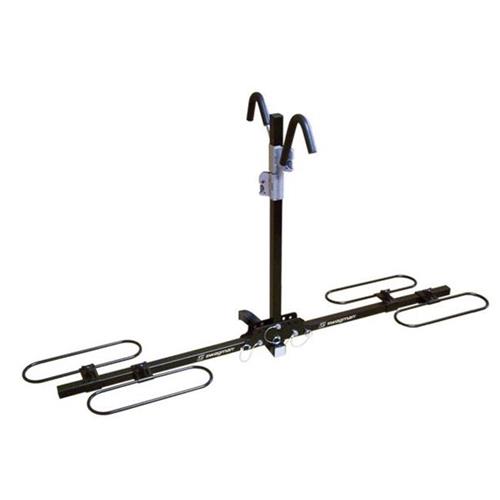
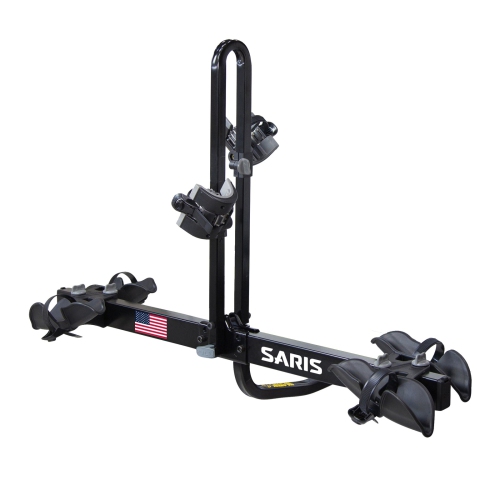
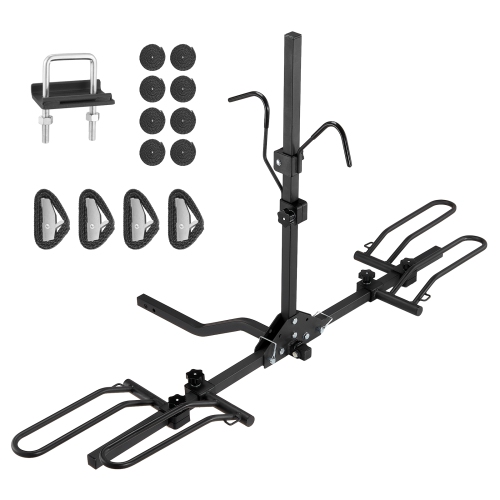
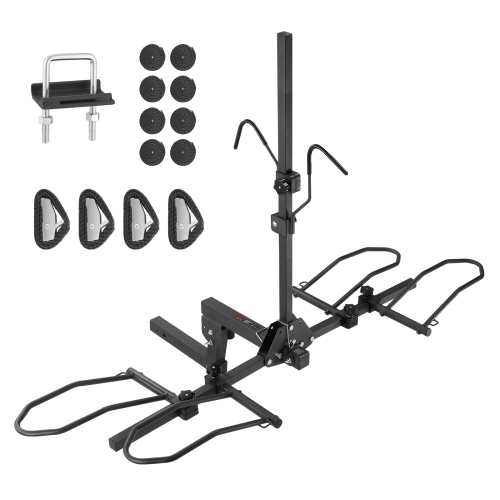
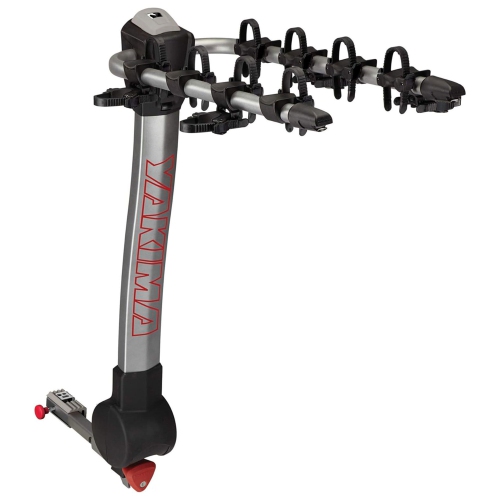
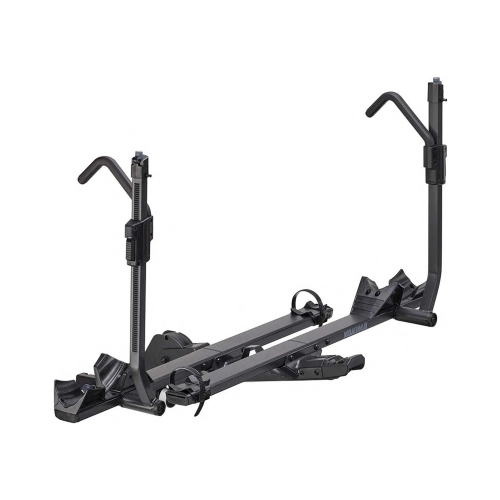
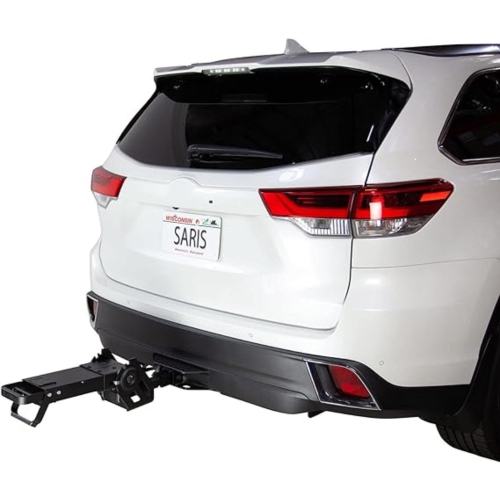
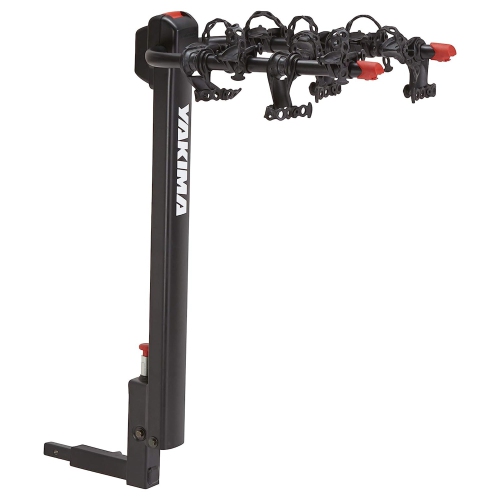
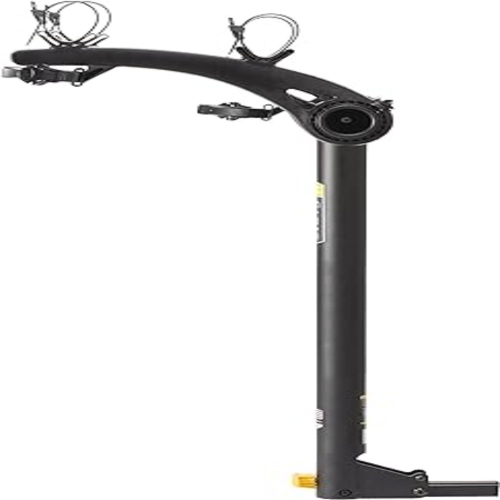
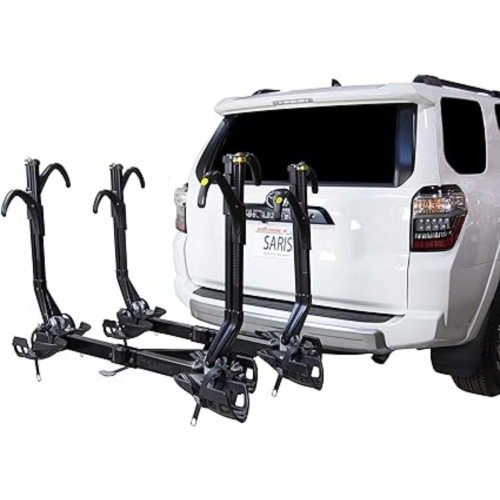
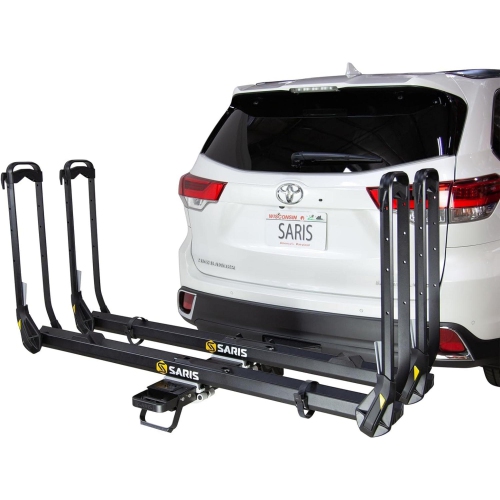
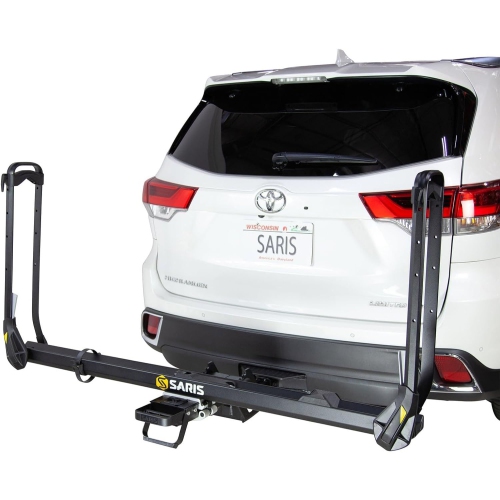
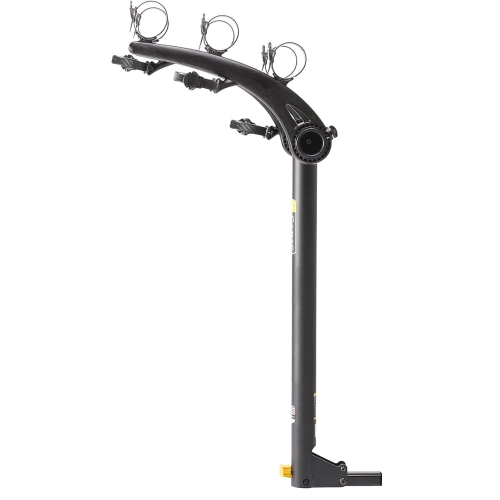
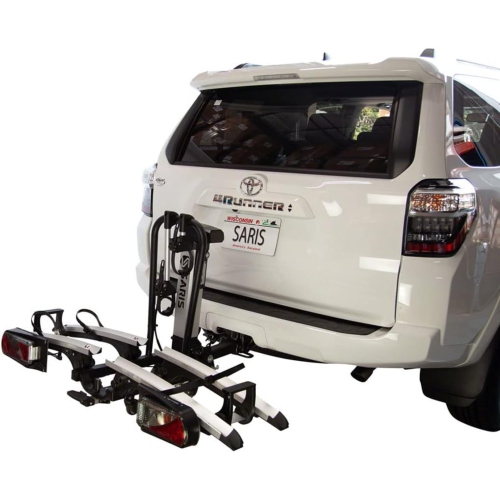
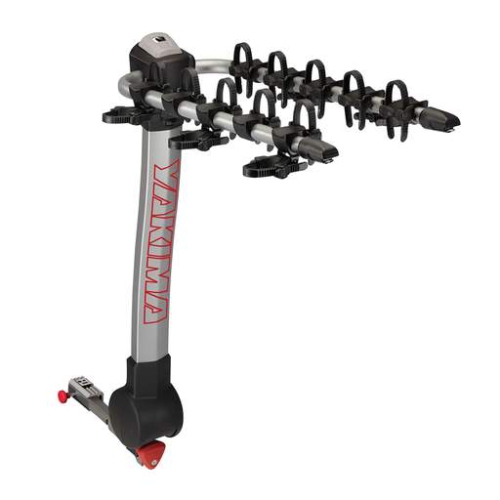
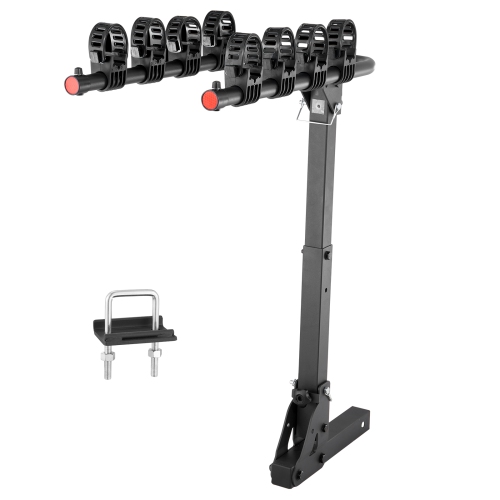
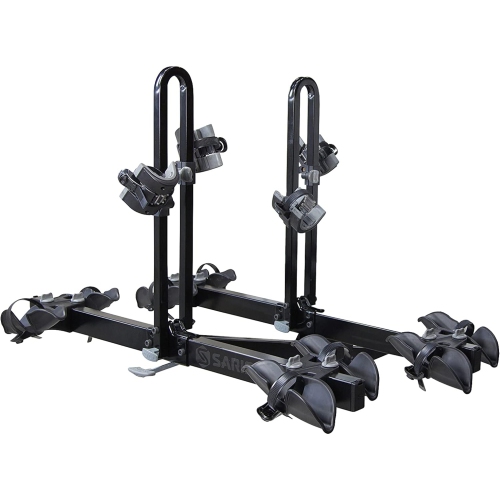
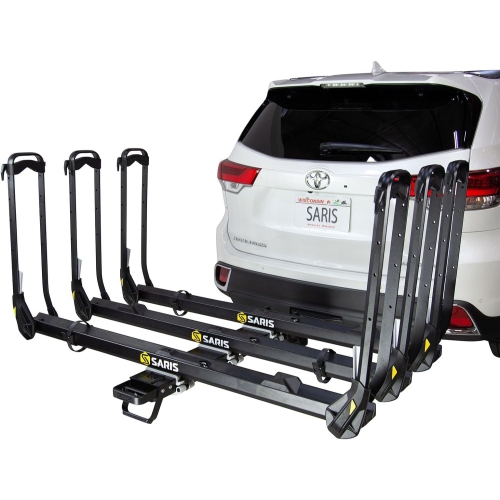
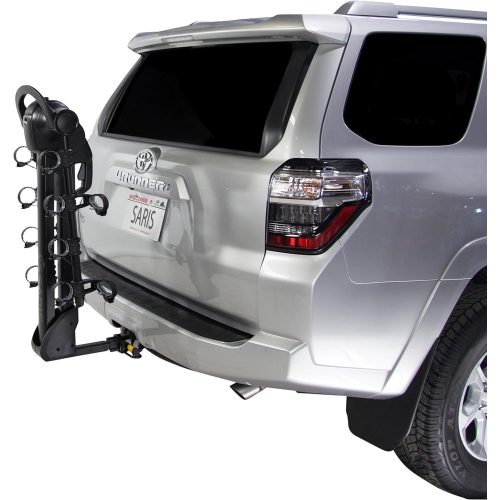
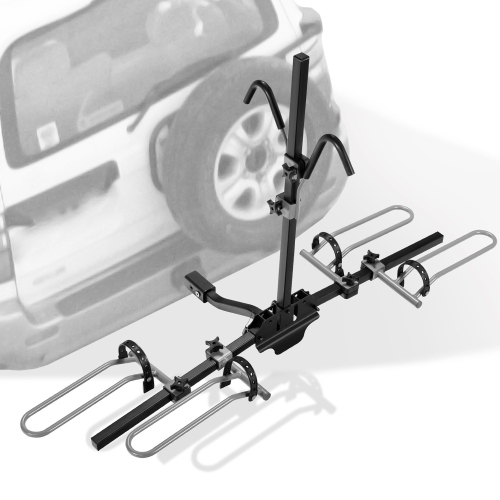
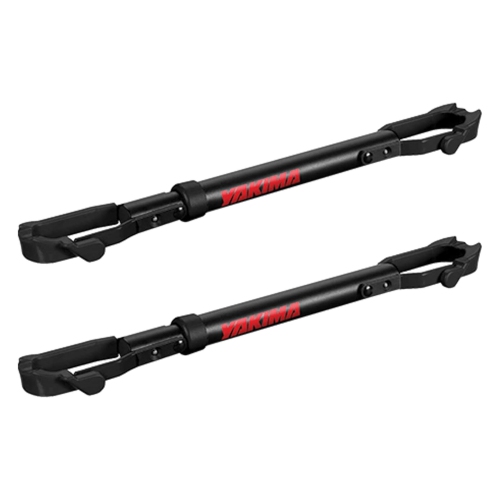
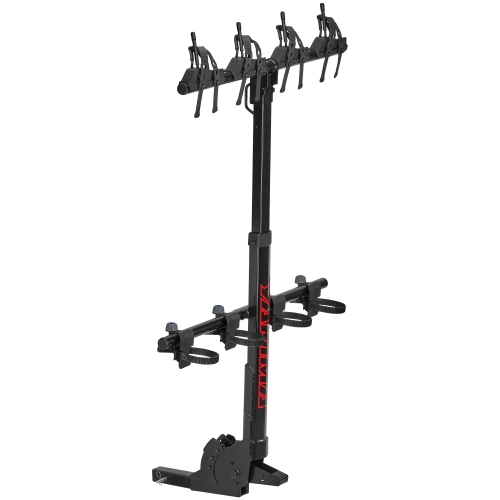
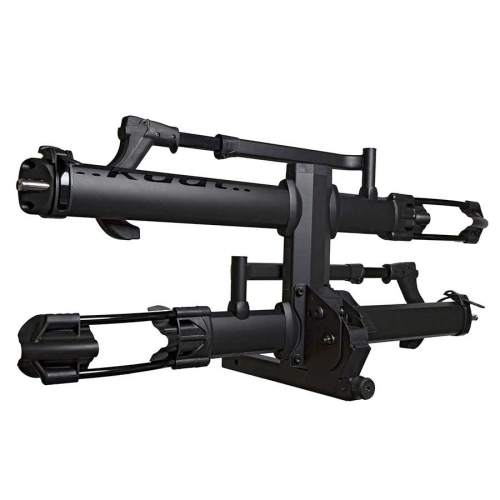
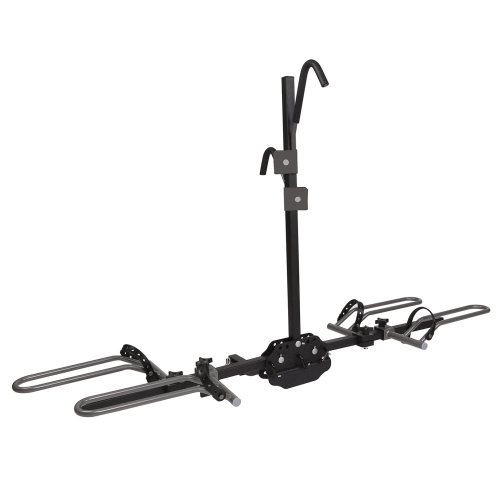
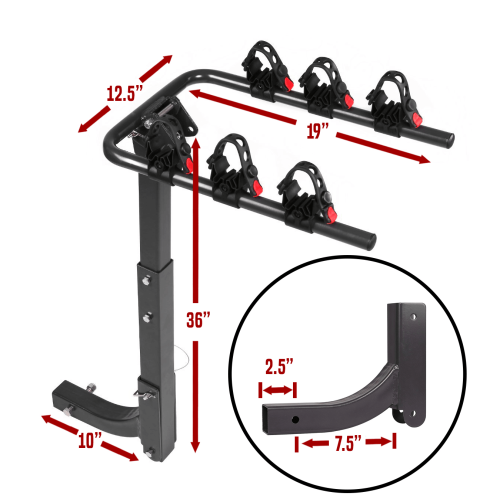
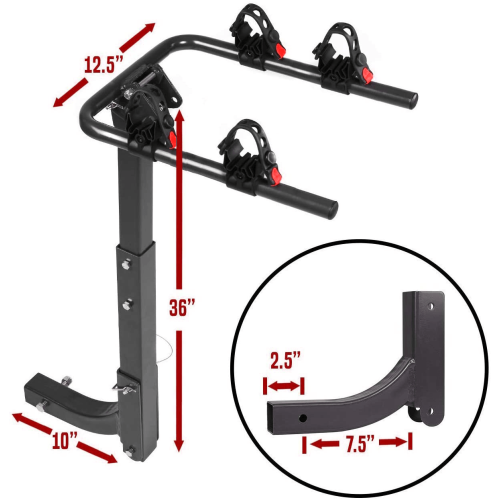
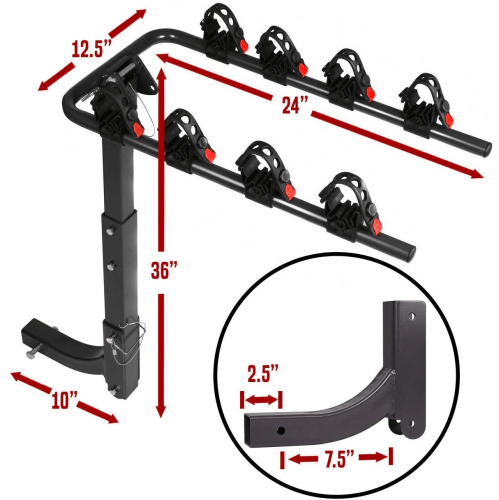
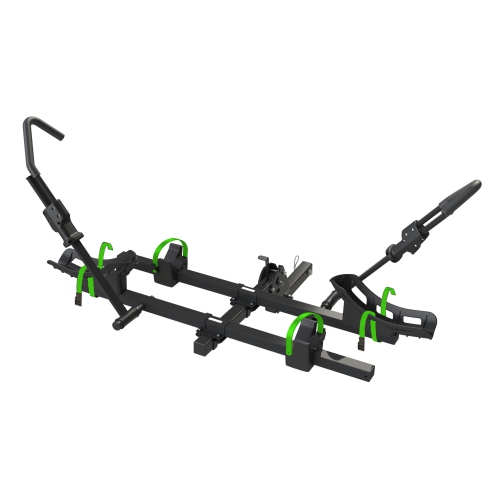
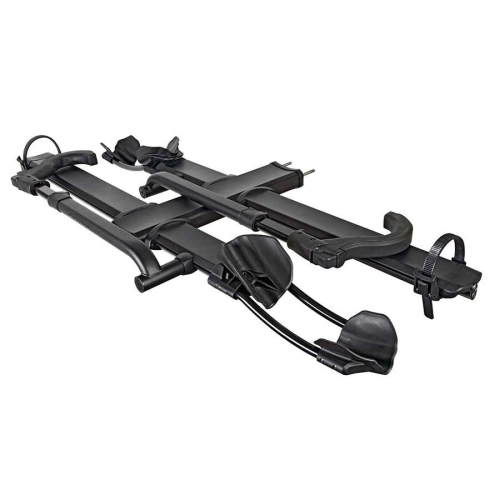
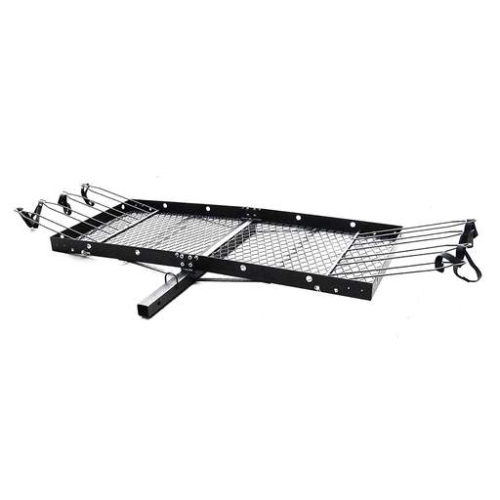
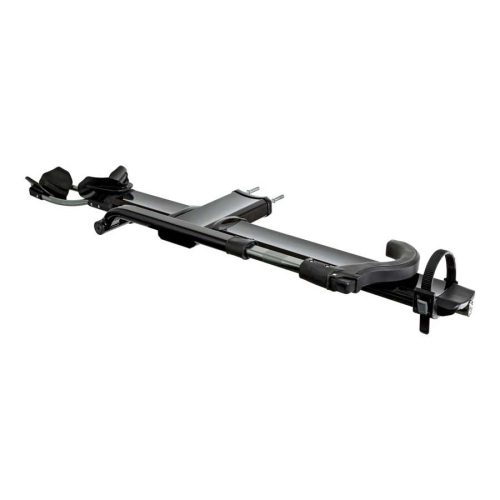
Hitch bike racks attach to a vehicle’s trailer hitch receiver, carrying bicycles behind the vehicle rather than on the roof or inside the passenger compartment. They are useful for everything from taking a pair of bikes to a nearby path to transporting several mountain bikes to a trailhead. The main styles are platform racks, hanging racks, and vertical racks, each with a different approach to supporting and spacing bicycles. Platform hitch bike racks hold the wheels in trays and secure the bike with wheel restraints, frame supports, or a combination of both. Their relatively low loading position can make heavier bicycles easier to manage, and designs that avoid frame contact may suit bikes with delicate finishes or unusual frame shapes. Hanging racks support bicycles from horizontal arms, usually beneath the top tube. They can provide a compact way to carry several conventional bicycles, although step-through frames and some children’s bikes may need an approved adapter bar. Vertical racks position bikes upright behind the vehicle, often supporting them by the front wheel, and are particularly useful for families or groups travelling with multiple bikes. Some high-capacity vertical designs accommodate up to seven bicycles, subject to their specified bike compatibility, receiver requirements, and load limits. Capacity alone does not tell the whole story: a rack with enough spaces still needs to accommodate each bike’s weight, wheel size, tyre width, and shape. A pair of wide-handlebar mountain bikes can require different spacing from two narrow road bikes, while a small child’s bicycle may not fit the same wheel supports as an adult bike. Platform designs with adjustable trays can help stagger handlebars and saddles, and well-spaced hanging cradles can limit movement between frames. For households carrying a mixture of bicycles, those everyday fit details are often more useful than the maximum bike count printed on the rack. The right arrangement gives each bicycle a defined position without forcing handlebars, pedals, or frames against neighbouring bikes.
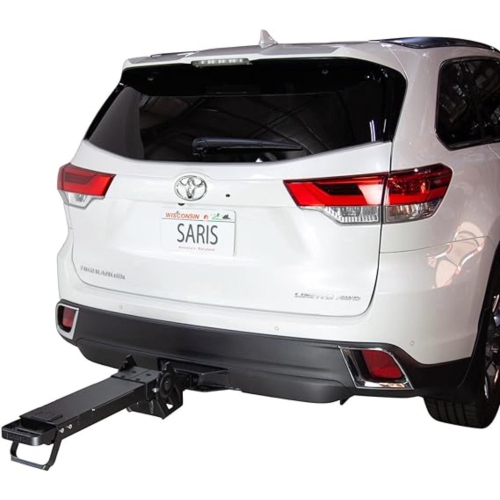
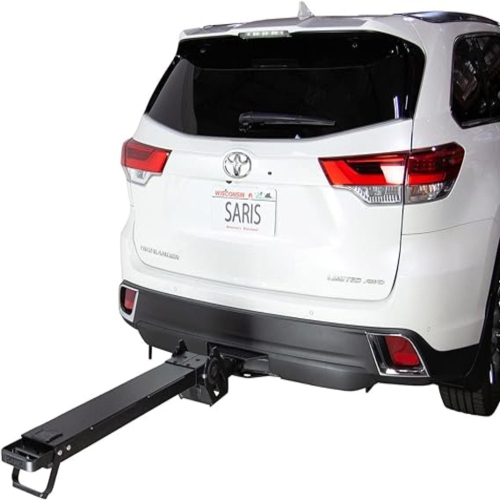
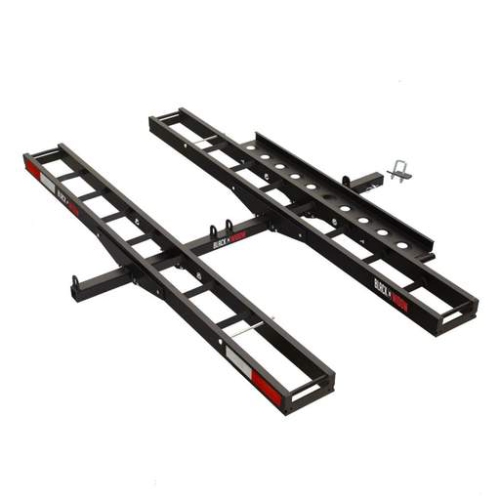
Vehicle compatibility is just as important as bicycle fit. Many hitch bike racks are designed for 1.25-inch or 2-inch receivers, but matching the receiver opening is only the starting point. The vehicle’s permitted hitch load, the receiver rating, and the rack’s own limits all matter, with the lowest applicable rating governing the setup. Vehicle-side hardware such as Hitch Mounts also needs to suit the intended application; a vehicle’s towing capacity does not establish how much weight it can support on a bike rack. The rack’s weight and the combined weight of the bicycles both contribute to the load on the hitch, and individual bike limits still apply even when the total remains below the rack’s maximum. This distinction matters especially for electric bikes, which can be substantially heavier than conventional bicycles. An e-bike-compatible platform rack needs suitable wheel supports, adequate per-bike capacity, and restraints approved for the bicycle’s dimensions. Where the bicycle manufacturer permits it, removing a battery for transport can reduce the weight being lifted, but capacity calculations must reflect the actual transport setup. Loading ramps can also make a difference for riders who find lifting a heavy bike difficult, provided the ramp is designed for the rack. Clearance deserves equal attention: a rear-mounted spare tyre, a deeply recessed receiver, or a short distance between the hitch and rear bumper can affect installation and operation. Tilt-away and swing-away mechanisms may provide access to a hatch or tailgate, though access varies with the vehicle, rack, and loaded bicycles. A folding rack can take up less space when empty, while an anti-rattle mechanism helps reduce movement at the receiver connection. Adapters and extensions can change leverage and permitted capacity, so their use depends on explicit approval for the complete setup. Rear lights, the licence plate, and exhaust clearance also need consideration, particularly when several bicycles extend across the back of a smaller vehicle.
Materials and construction influence how a hitch bike rack feels during loading, how easily it can be removed, and how it holds up to repeated use. Steel construction can provide strength and rigidity, while aluminum components can reduce the weight carried between a garage shelf and the vehicle. Overall durability also depends on welds, pivots, fasteners, protective finishes, and the quality of the parts that touch the bicycle. Padded cradles and coated hooks help protect contact points, but carbon-fibre frames require particular care: a restraint that works well on a metal frame may not be approved for carbon tubing. Wheel-holding designs can avoid frame clamping, although tyre, wheel, and fender compatibility still needs confirmation. Wide tyres, long wheelbases, full fenders, and accessories such as rear baskets can all affect how a bicycle sits on the rack. For frequent use, details such as clearly marked release levers, accessible straps, and a manageable folding mechanism can make loading less awkward when the car park is busy or space behind the vehicle is limited. Integrated locks or compatible locking accessories can help deter theft of the rack and bicycles, without replacing sensible precautions when leaving them unattended. Routine care is straightforward: removing road grime, cleaning contact surfaces, drying the rack before storage, and inspecting straps and fasteners help keep its working parts in good condition. Any lubrication should follow the manufacturer’s directions, and cracked straps, damaged cradles, or loose hardware deserve attention before another trip. Storage matters, too, since a rack that is awkward to lift or too bulky for the available space may be inconvenient to remove between outings. For regular riders, families, and friends who travel together, a well-matched rack keeps bicycle transport separate from passenger seating and luggage. It can also be a thoughtful gift for a keen cyclist when the recipient’s vehicle, hitch receiver, and bicycles are known, turning a practical piece of equipment into something that supports many rides beyond the driveway.
Top selling and popular products
-
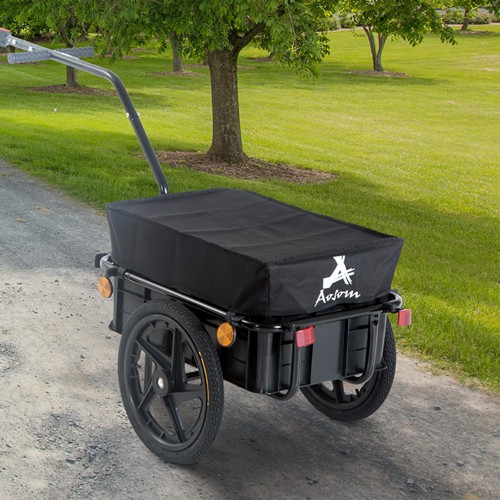 Your price for this item is $139.97
-
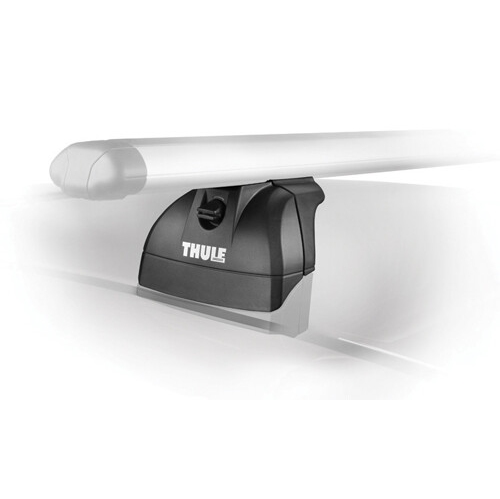 Your price for this item is $285
-
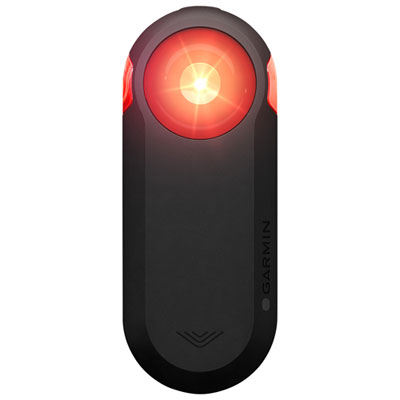 Your price for this item is $289.99
-
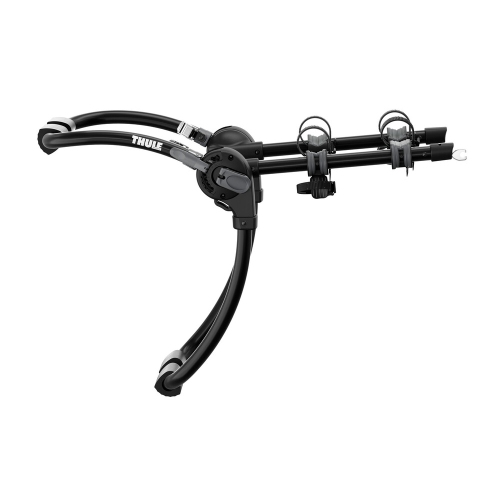 Your price for this item is $499
-
 Your price for this item is $209.99
-
 Your price for this item is $199.99
-
 Your price for this item is $134.99
-
 Your price for this item is $120.99
Discover more categories related to Hitch Bike Racks
Top Collections:
Pokemon Centers, Kindle Devices, Best Budget Office Chairs, Canon G7X Cameras, Apple iPhones 16, Samsung Galaxy Phones, Refurbished Apple Laptops, Laptops for Students, iPhone 15 Apple, Budget Smartphones
Some products may be subject to Environmental Handling Fees
(EHF) depending on your province.
Learn more about EHFs.