Black Accent Decor
Looking to add a touch of elegance and sophistication to your home decor? Look no further than our collection of black accent decor. With its timeless appeal and versatility, black accents can effortlessly elevate almost any space, whether it's your living room, bedroom, or office. From sleek black vases and picture frames to stylish black candle holders and decorative sculptures, our wide range of black accent pieces will help you create a chic and modern aesthetic that is both visually striking and on-trend. Explore our selection of black accent decor and discover the perfect pieces to enhance your home's style and ambiance.
Sort


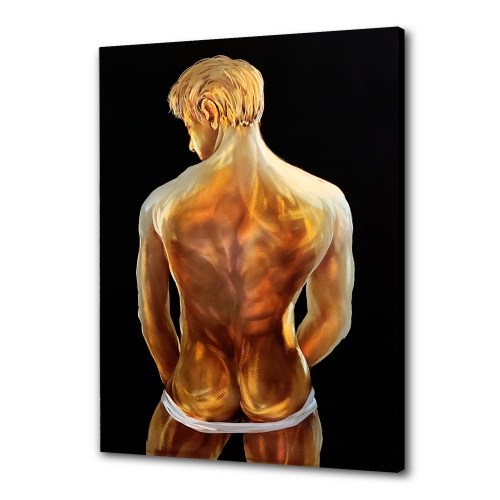
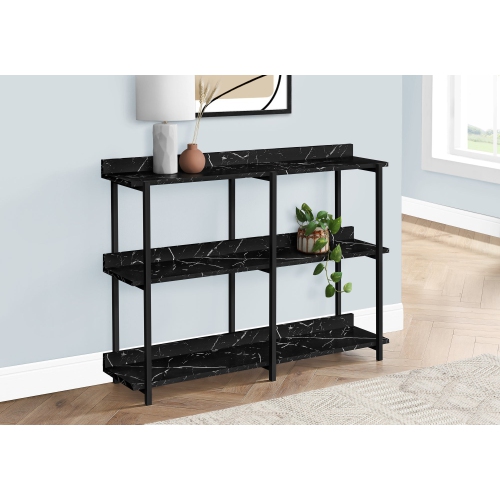
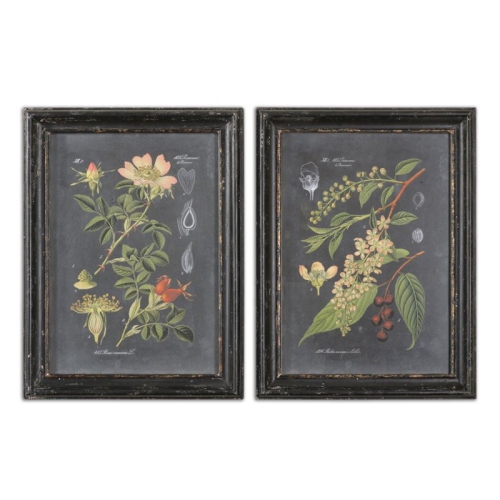
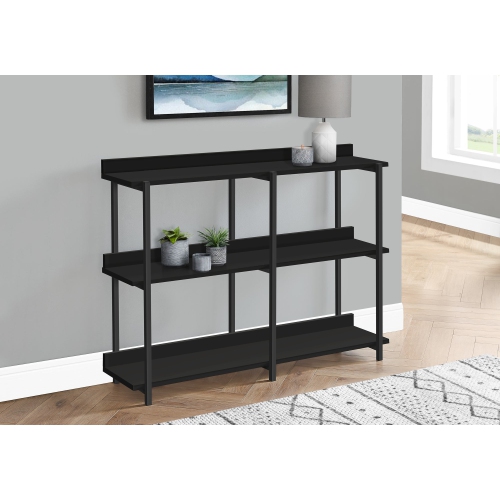
How contrast and warmth give black accents balance
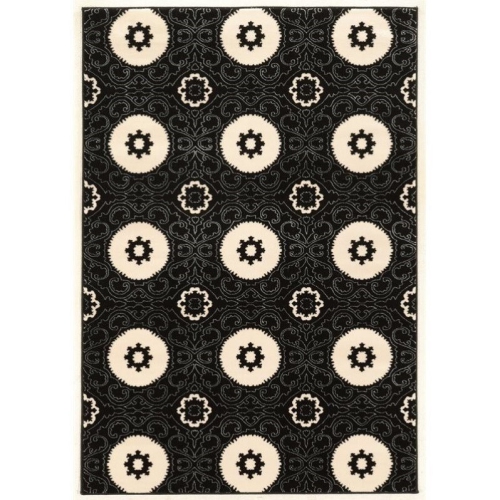
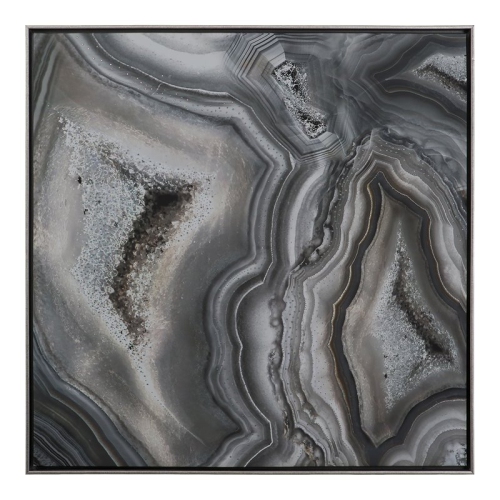
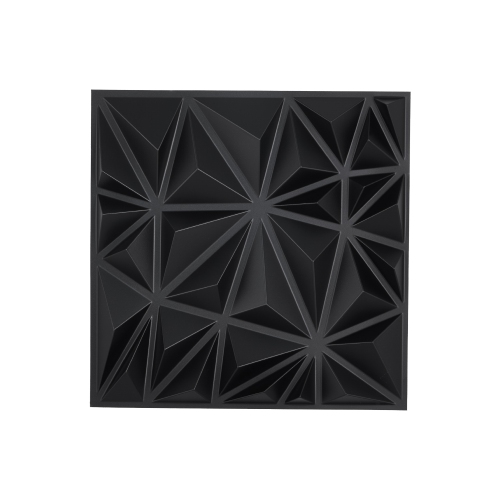
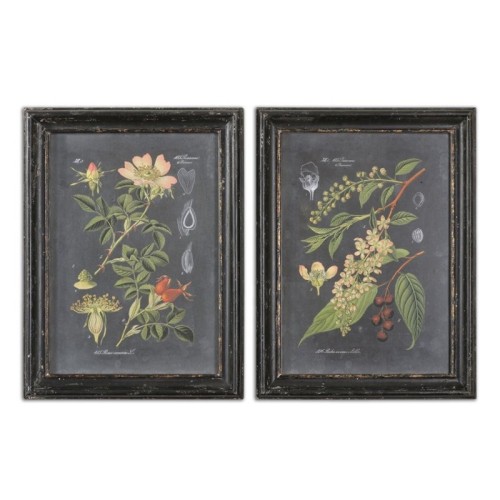
Black accent decor brings contrast, definition, and visual depth to a room without requiring a complete redesign. A carefully chosen black detail can outline lighter walls, make natural textures stand out, and give a space a more considered appearance. This versatile colour works with many decorating styles, from modern and minimalist rooms to industrial, traditional, Scandinavian, and eclectic interiors. Matte finishes tend to create a softer, understated look, while glossy surfaces add a more polished feel; textured materials can make black appear warmer and more dimensional. When browsing black accent decor, consider the room’s existing palette, the amount of natural light, and the scale of the surrounding furniture. A small room may benefit from a few slim, visually open pieces, while a larger space can support stronger shapes and layered arrangements. Black looks especially inviting when paired with warm neutrals, natural wood, tan leather, cream upholstery, woven materials, or muted earth tones. Against white, pale grey, or soft beige, it creates crisp definition. With deeper colours such as forest green, navy, burgundy, or charcoal, it contributes to a rich, enveloping atmosphere. Repeating black in at least three places can help the room feel balanced rather than accidental—for example, echoing a dark frame near a black light fixture and a small decorative object on a nearby shelf. This repetition draws the eye around the room and allows individual accents to work together as part of one cohesive arrangement.
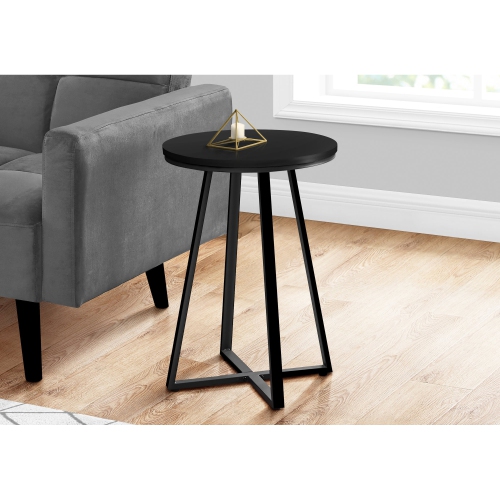
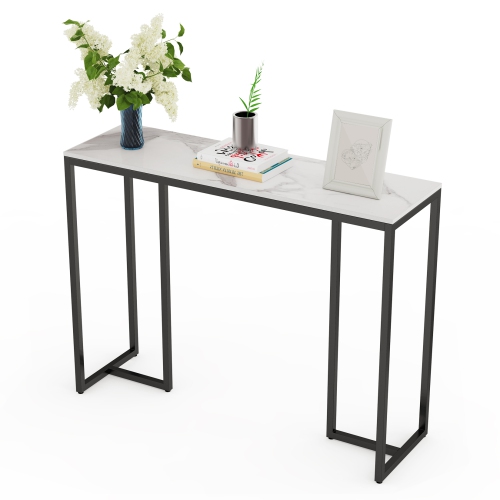
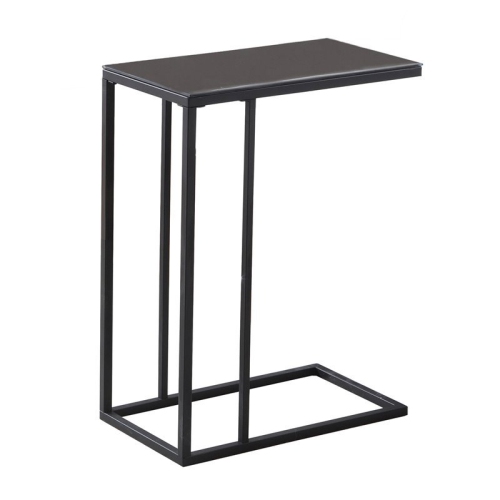
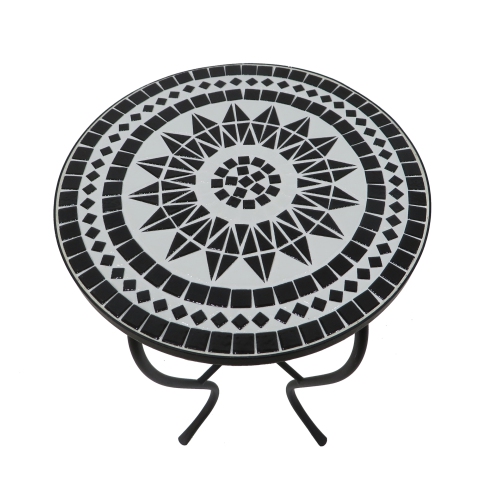
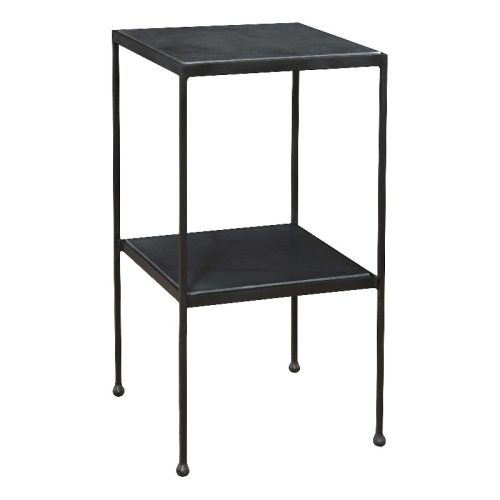
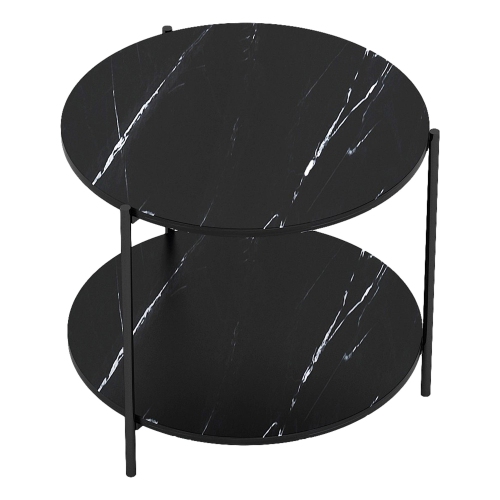
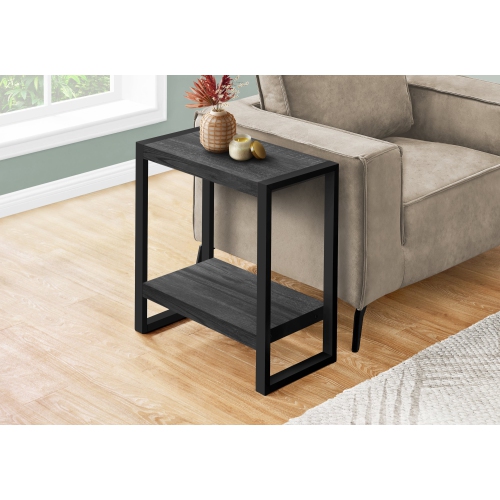
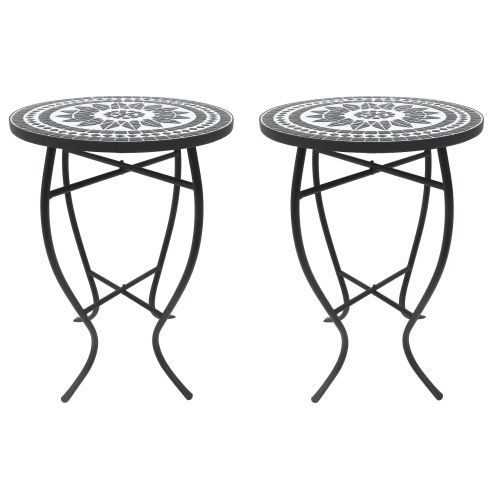
Black accent decor can be used in almost every area of the home. In a living room, a dark decorative object, lamp, frame, or textile can anchor a pale sofa and bring attention to a gallery wall, bookcase, or media area. Placing accents at different heights—such as one near the floor, another at eye level, and a third on a shelf—creates a more natural rhythm than grouping everything on one surface. In the dining area, black details can define the table setting and complement wood, glass, or light-coloured upholstery. In a kitchen, dark decorative touches can echo cabinet hardware or fixtures, helping the room feel coordinated without matching every finish exactly. A bedroom often benefits from restrained contrast: a black frame, bedside accent, or soft textile can give lighter bedding and warm wood a grounded, restful quality. Entryways are another practical place for this look, since a dark accent can visually organize a compact area and make the transition into the home feel intentional. For a flexible surface that can display books, a small arrangement, framed memories, or everyday essentials, browse Black Accent Tables. The best choice depends on more than colour alone. Check the dimensions carefully, especially when furnishing a narrow hallway or placing an accent beside seating. Look for proportions that leave comfortable walking space, finishes that suit the room’s lighting, and construction details that match how the piece will be used. Homes with children or pets may call for stable designs and easy-care surfaces, while a formal sitting room may allow for more delicate decorative arrangements. If the page is being browsed for a gift, black accent decor can be a thoughtful option for someone moving into a new home, refreshing a first apartment, furnishing a home office, or building a more finished entertaining space. Neutral black makes it easier to complement an existing interior, even when the recipient’s personal style is not fully known.
The most convincing black-accented rooms usually combine contrast with warmth and restraint. Rather than filling every surface with dark objects, choose a few pieces that serve a clear visual purpose and leave enough open space around them. A black accent can highlight an architectural feature, frame a favourite print, balance a pale wall, or give a plain corner a sense of completion. In rooms with abundant daylight, black can sharpen the lines of furniture and make lighter fabrics appear brighter. In rooms with limited light, pairing it with reflective surfaces, warm bulbs, pale walls, or natural textures can prevent the overall effect from feeling heavy. Layering is also useful: combine smooth and textured finishes, vary the height of decorative pieces, and mix solid black with subtle patterns such as stripes, checks, or abstract shapes. Before choosing, think about whether the decor needs to be primarily decorative or whether it should also provide storage, display space, lighting, or a useful surface. A busy family room may benefit from accents that are durable and easy to rearrange, while a quiet reading corner can accommodate more sculptural forms. During the warmer part of the year, black accents can provide structure alongside airy fabrics, light woods, and open windows; during the cooler months, the same pieces pair naturally with layered textiles, soft lighting, and deeper tones. This makes black decor easy to adapt as the atmosphere of a room changes throughout the seasons. Whether you are adding a finishing touch to one corner or coordinating several rooms, focus on scale, placement, texture, and repetition. A small number of well-proportioned black accents can make a home feel more polished, welcoming, and distinctly personal without overpowering the furniture or the people who use the space.
Black accent decor can be used in almost every area of the home. In a living room, a dark decorative object, lamp, frame, or textile can anchor a pale sofa and bring attention to a gallery wall, bookcase, or media area. Placing accents at different heights—such as one near the floor, another at eye level, and a third on a shelf—creates a more natural rhythm than grouping everything on one surface. In the dining area, black details can define the table setting and complement wood, glass, or light-coloured upholstery. In a kitchen, dark decorative touches can echo cabinet hardware or fixtures, helping the room feel coordinated without matching every finish exactly. A bedroom often benefits from restrained contrast: a black frame, bedside accent, or soft textile can give lighter bedding and warm wood a grounded, restful quality. Entryways are another practical place for this look, since a dark accent can visually organize a compact area and make the transition into the home feel intentional. For a flexible surface that can display books, a small arrangement, framed memories, or everyday essentials, browse Black Accent Tables. The best choice depends on more than colour alone. Check the dimensions carefully, especially when furnishing a narrow hallway or placing an accent beside seating. Look for proportions that leave comfortable walking space, finishes that suit the room’s lighting, and construction details that match how the piece will be used. Homes with children or pets may call for stable designs and easy-care surfaces, while a formal sitting room may allow for more delicate decorative arrangements. If the page is being browsed for a gift, black accent decor can be a thoughtful option for someone moving into a new home, refreshing a first apartment, furnishing a home office, or building a more finished entertaining space. Neutral black makes it easier to complement an existing interior, even when the recipient’s personal style is not fully known.
The most convincing black-accented rooms usually combine contrast with warmth and restraint. Rather than filling every surface with dark objects, choose a few pieces that serve a clear visual purpose and leave enough open space around them. A black accent can highlight an architectural feature, frame a favourite print, balance a pale wall, or give a plain corner a sense of completion. In rooms with abundant daylight, black can sharpen the lines of furniture and make lighter fabrics appear brighter. In rooms with limited light, pairing it with reflective surfaces, warm bulbs, pale walls, or natural textures can prevent the overall effect from feeling heavy. Layering is also useful: combine smooth and textured finishes, vary the height of decorative pieces, and mix solid black with subtle patterns such as stripes, checks, or abstract shapes. Before choosing, think about whether the decor needs to be primarily decorative or whether it should also provide storage, display space, lighting, or a useful surface. A busy family room may benefit from accents that are durable and easy to rearrange, while a quiet reading corner can accommodate more sculptural forms. During the warmer part of the year, black accents can provide structure alongside airy fabrics, light woods, and open windows; during the cooler months, the same pieces pair naturally with layered textiles, soft lighting, and deeper tones. This makes black decor easy to adapt as the atmosphere of a room changes throughout the seasons. Whether you are adding a finishing touch to one corner or coordinating several rooms, focus on scale, placement, texture, and repetition. A small number of well-proportioned black accents can make a home feel more polished, welcoming, and distinctly personal without overpowering the furniture or the people who use the space.
Top selling and popular products
-
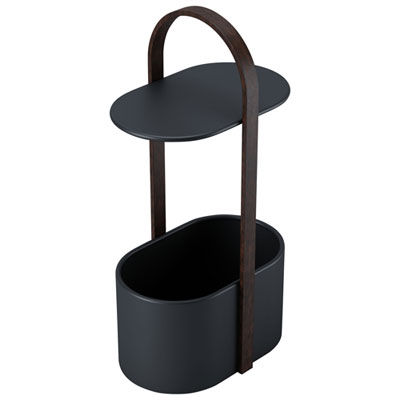 Your price for this item is $93.98
 -
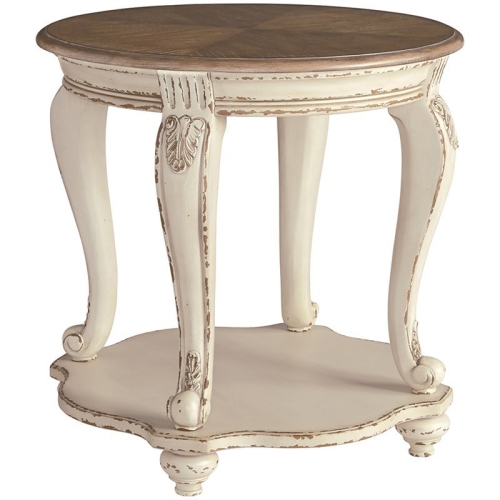 Your price for this item is $369
 -
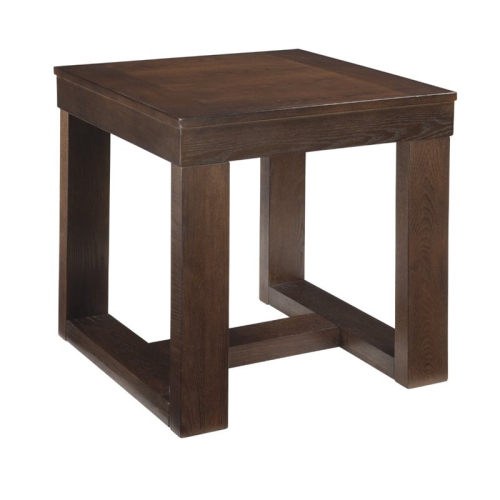 Your price for this item is $199
 -
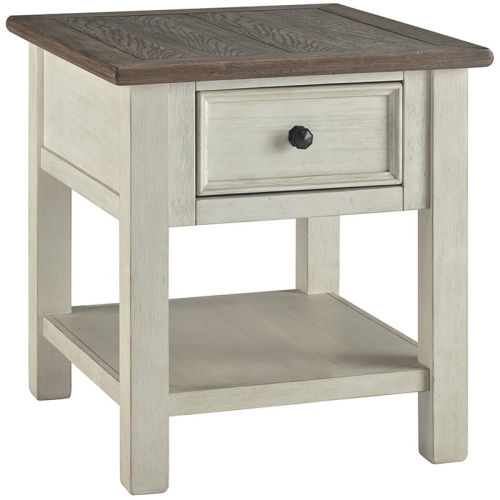 Your price for this item is $399
 -
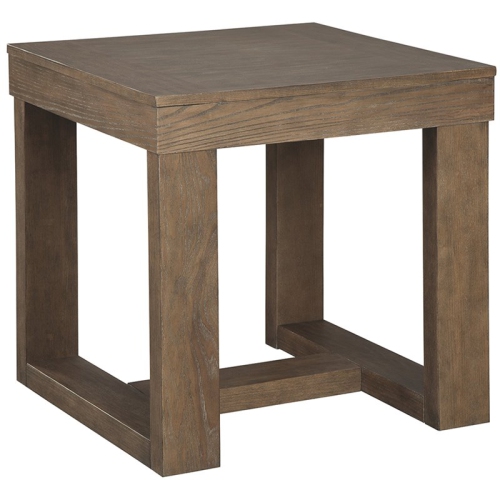 Your price for this item is $417.06
 -
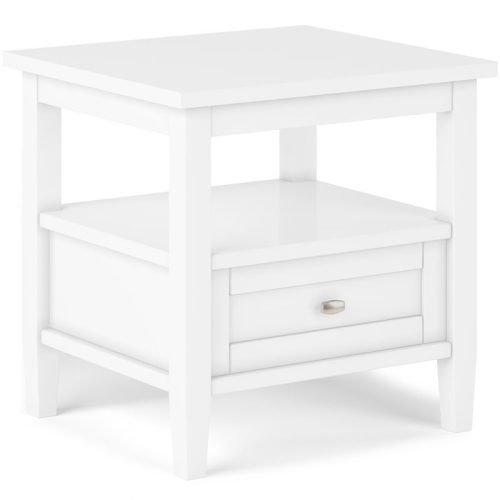 Your price for this item is $400.74
 -
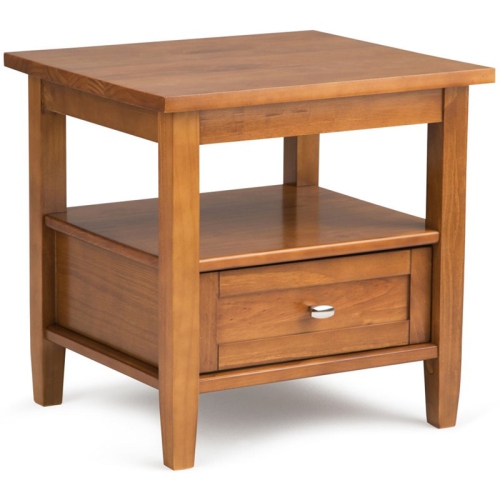 Your price for this item is $380.02
 -
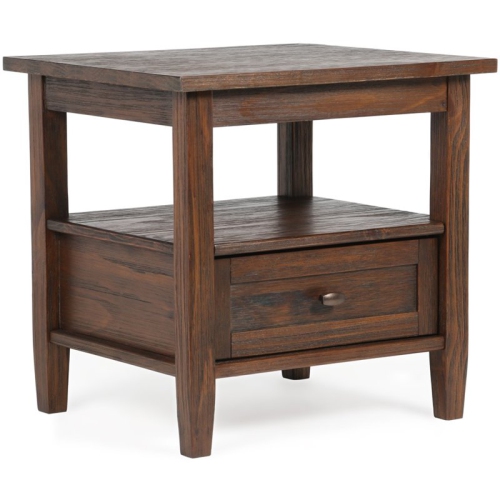 Your price for this item is $400.93
Discover more categories related to Black Accent Decor
Top Collections:
Pokemon Centers, Kindle Devices, Best Budget Office Chairs, Apple iPhones 16, Canon G7X Cameras, iPhone 15 Apple, Alarm Clock, Refurbished Apple Laptops, Flip Phones, Best Laptops for Writers
Some products may be subject to Environmental Handling Fees
(EHF) depending on your province.
Learn more about EHFs.