Black And Brown Dining Tables
Enhance your dining space with the timeless elegance of black and brown dining tables. Whether you prefer a modern, minimalist design or a more traditional aesthetic, explore our collection of black and brown dining tables to find the perfect centerpiece for your home. Here are some great options for you.
Sort


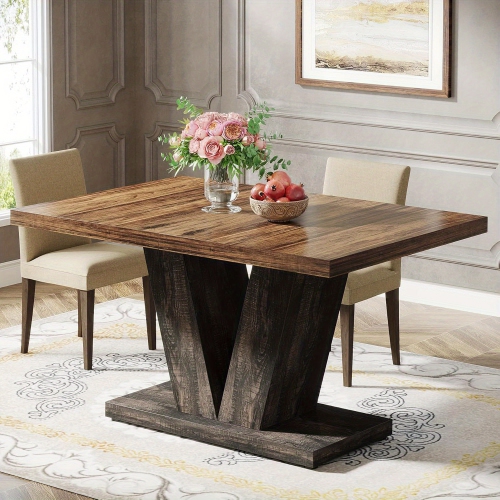

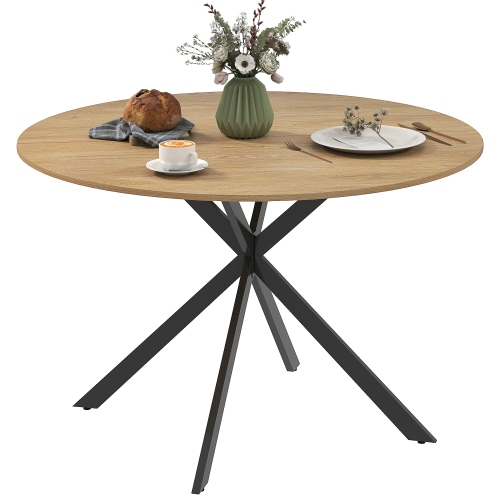
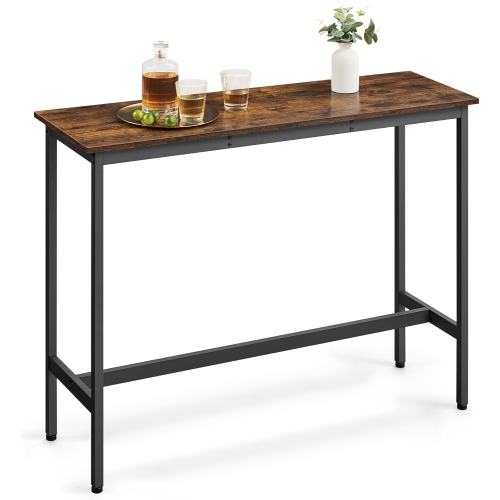
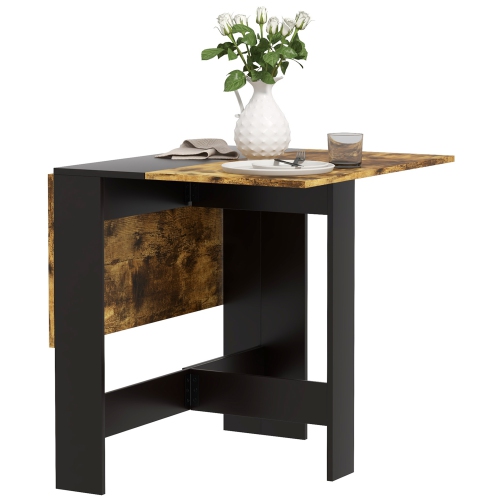
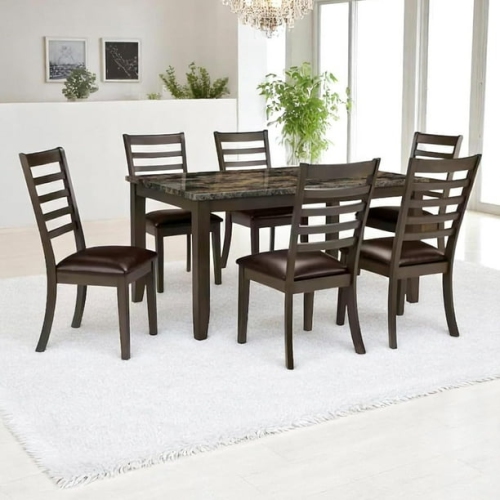
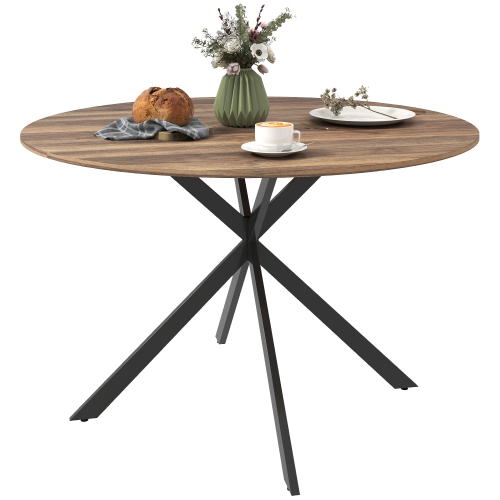

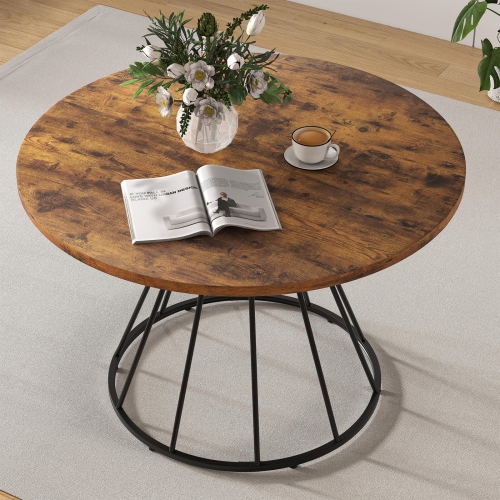


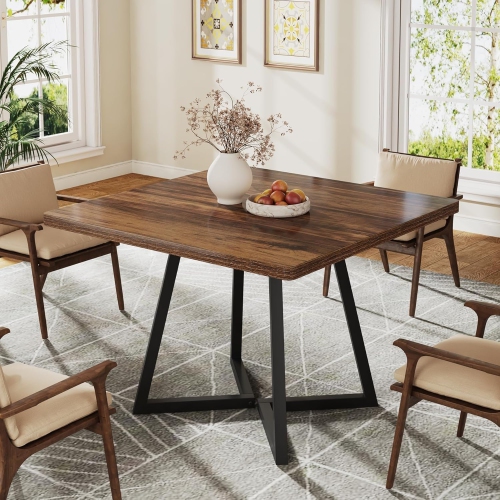
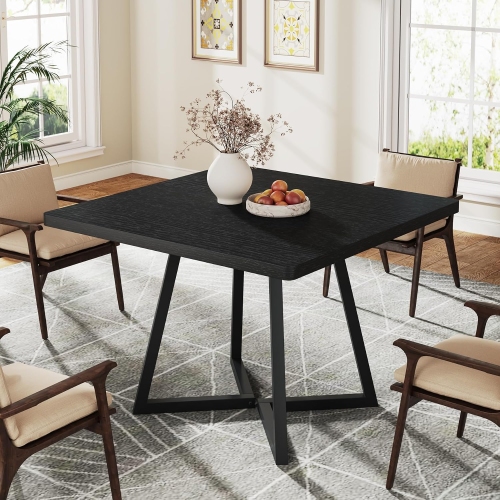
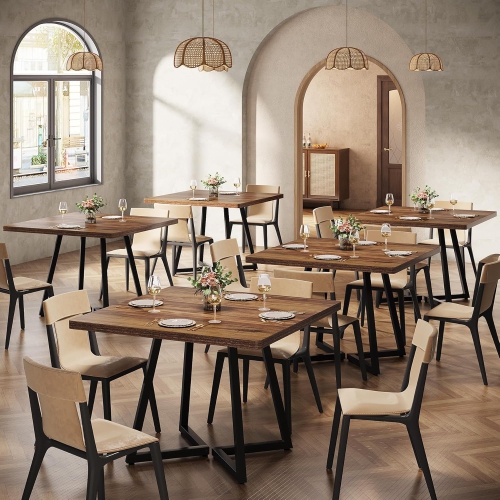


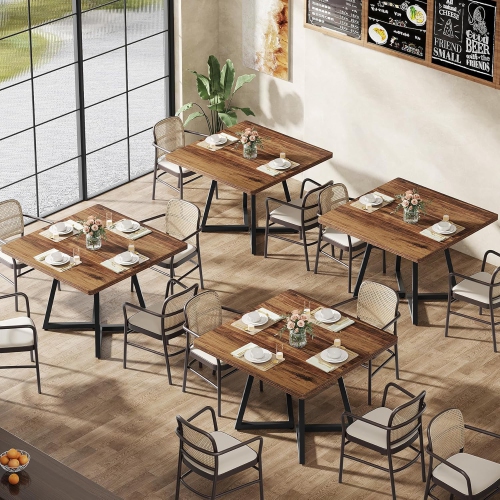
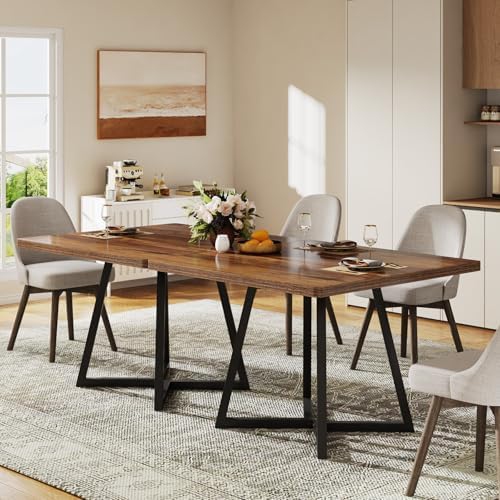

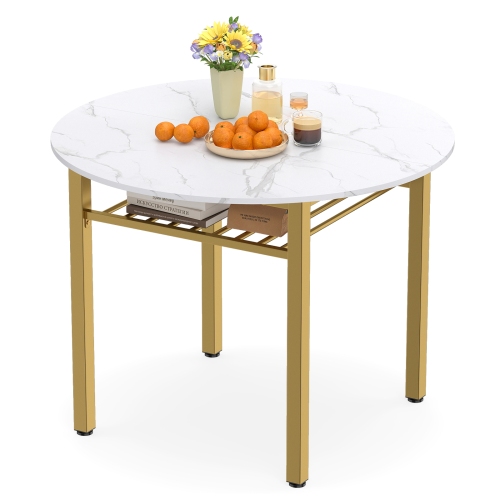
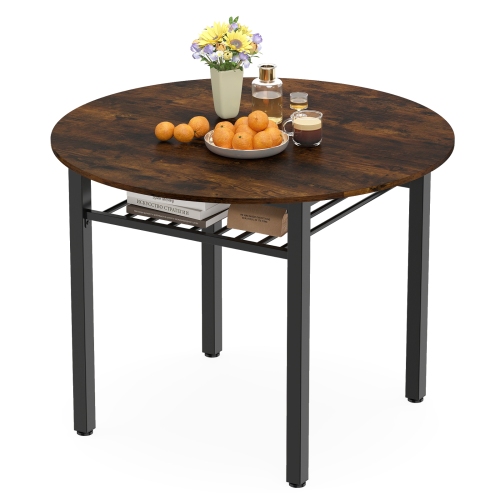
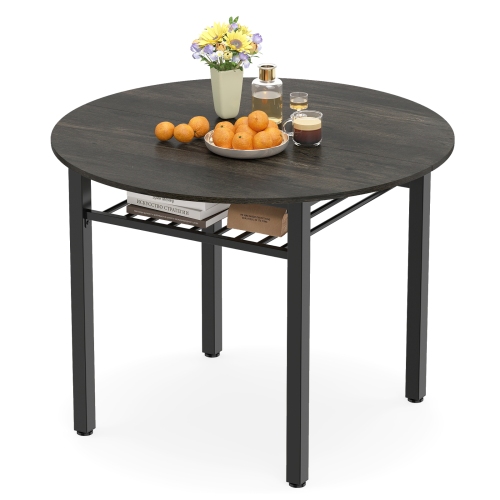


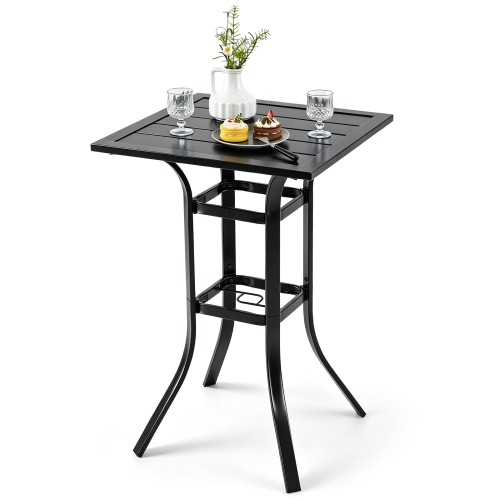
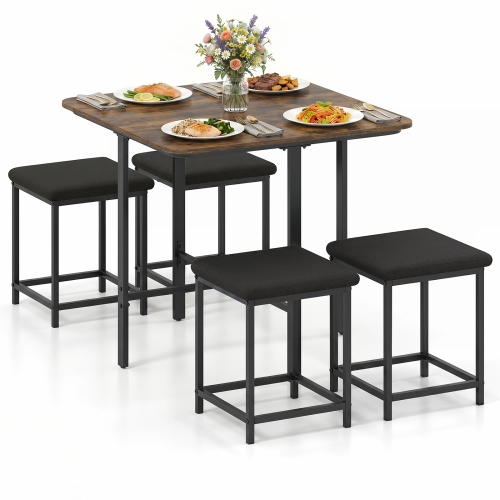
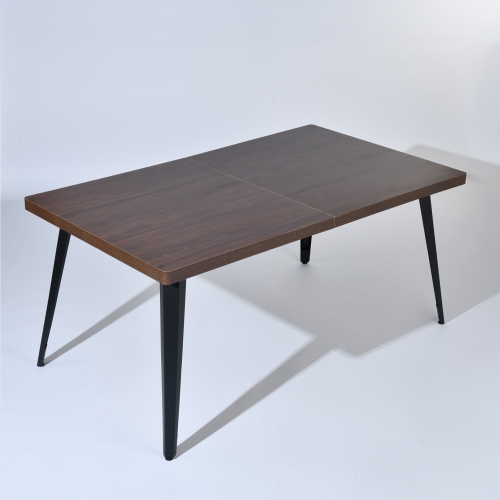

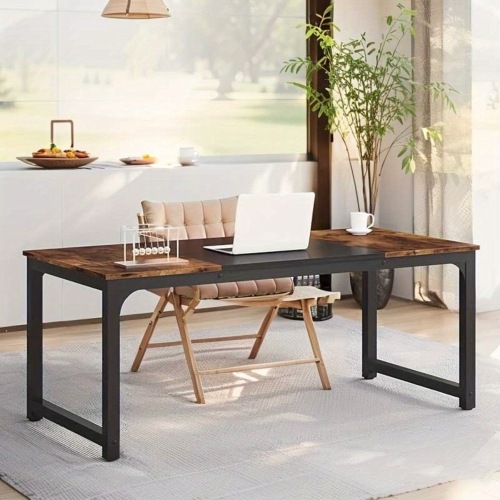


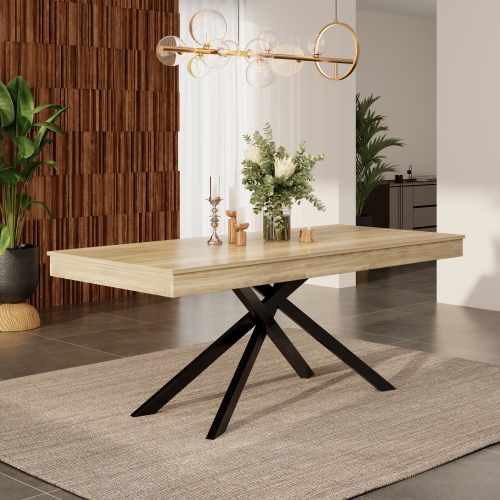
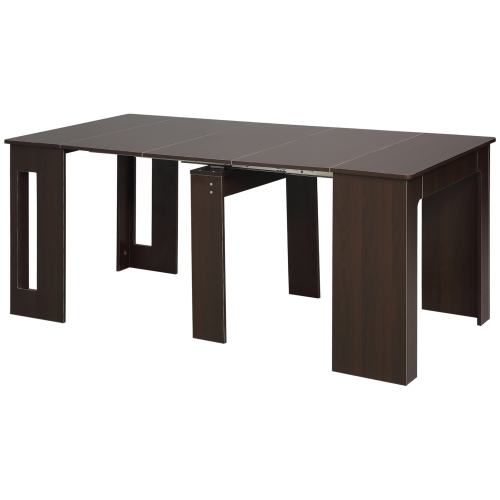
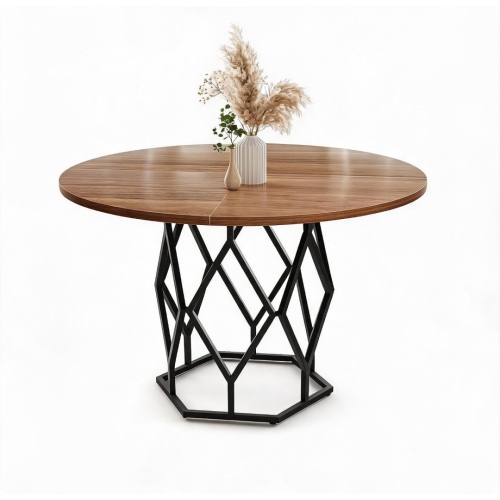



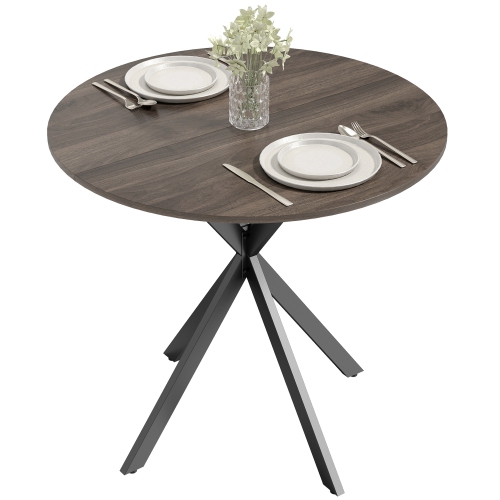


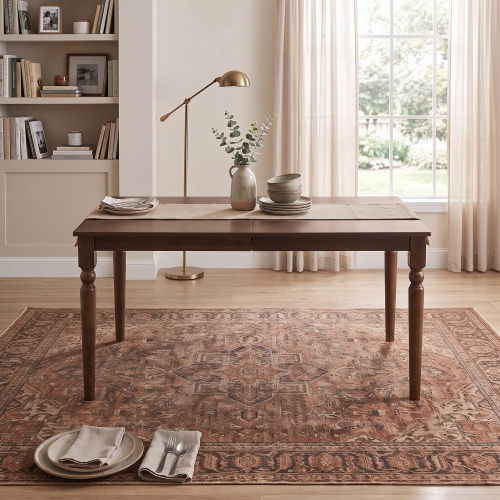

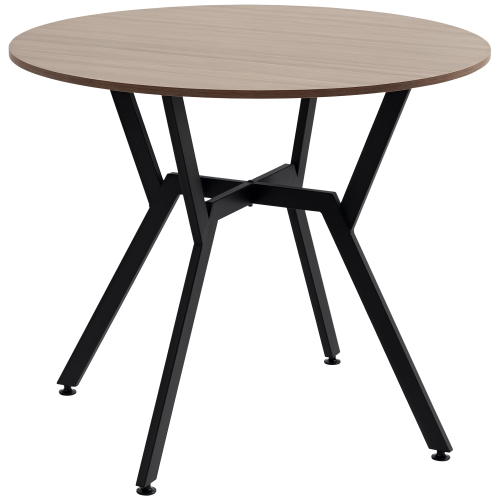
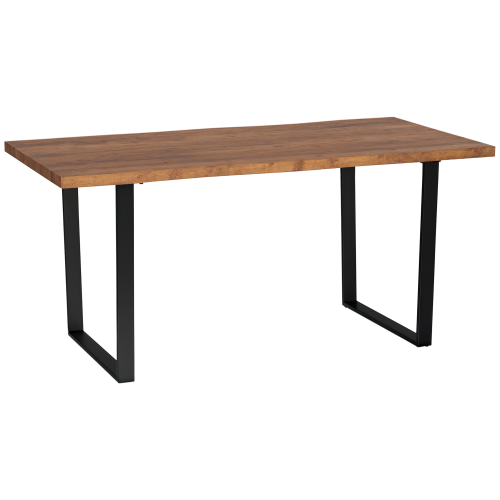
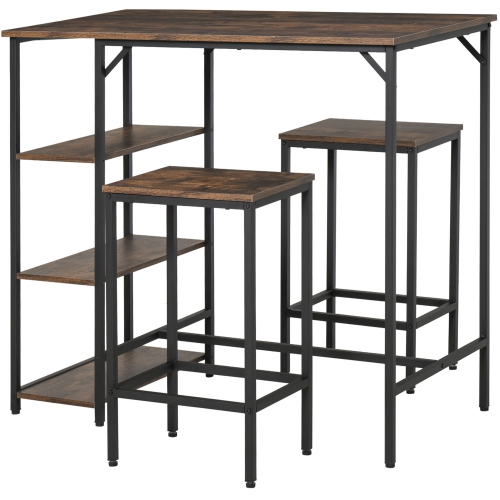

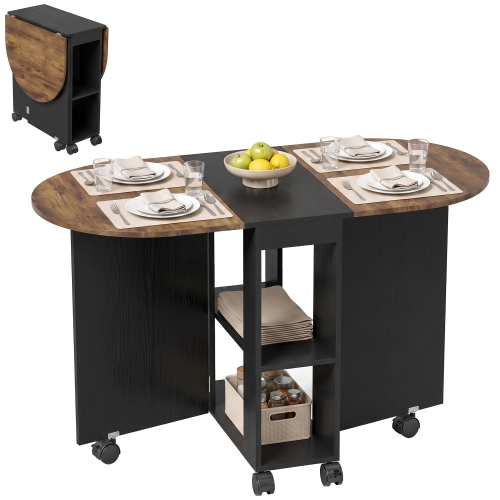


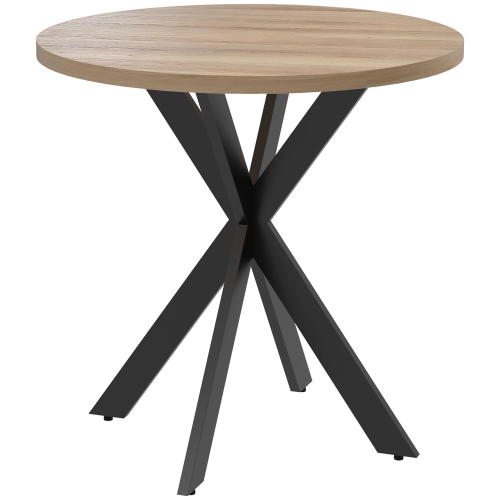
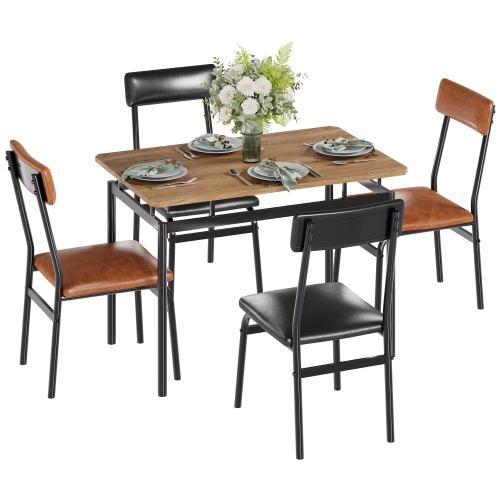

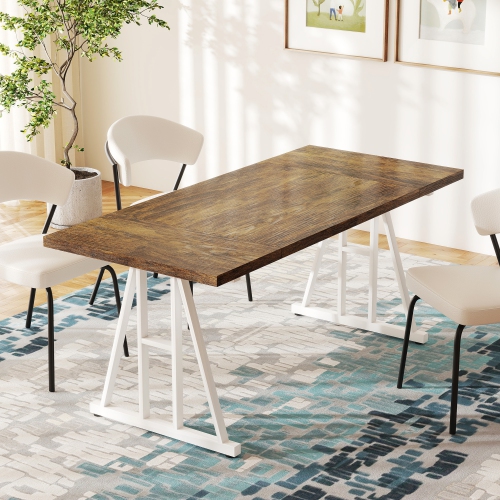
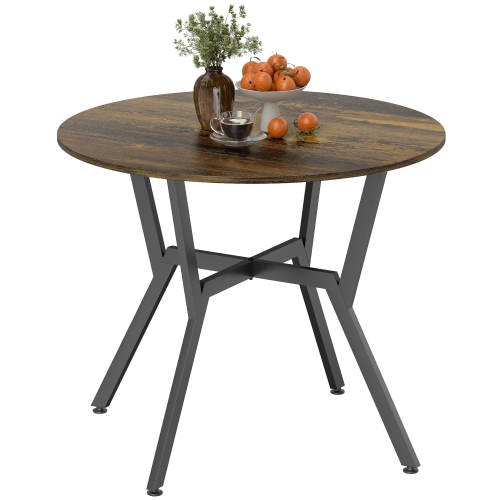


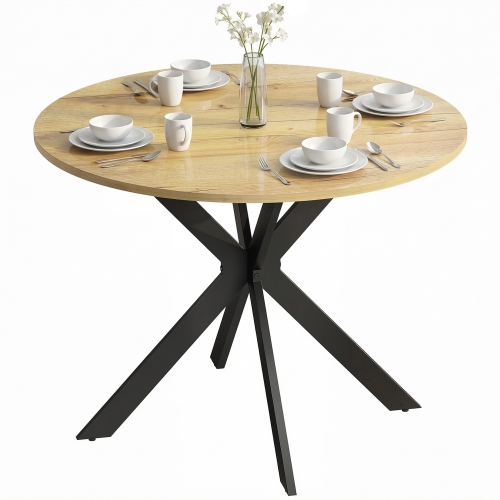
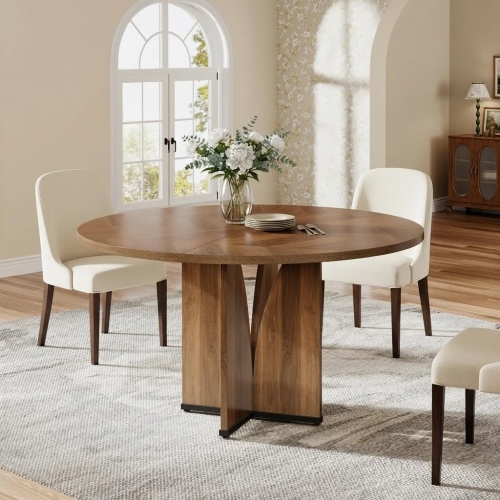
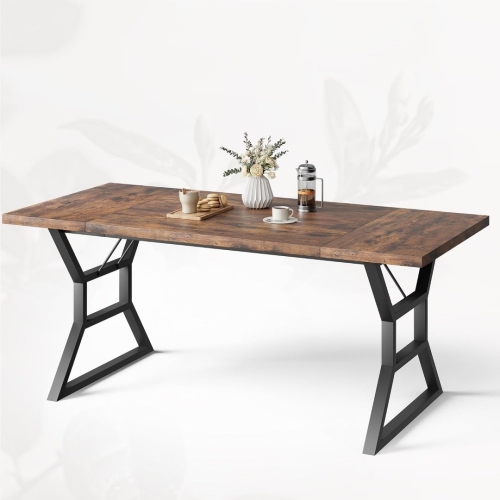

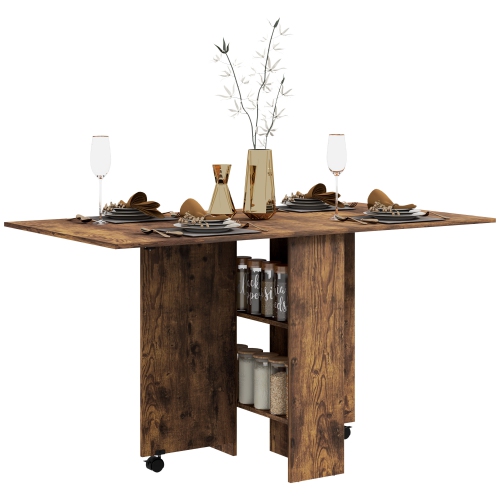


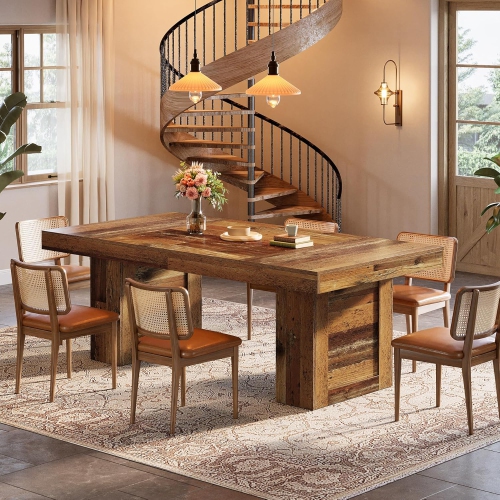
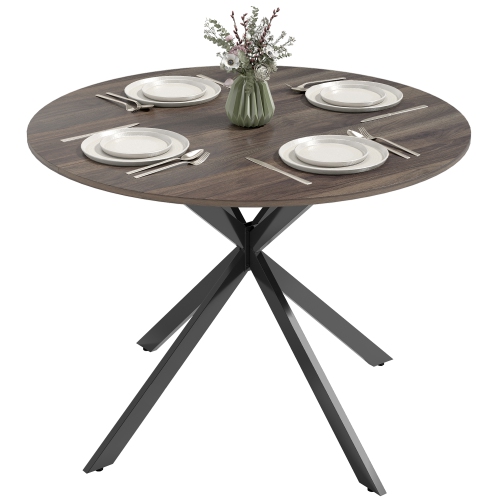


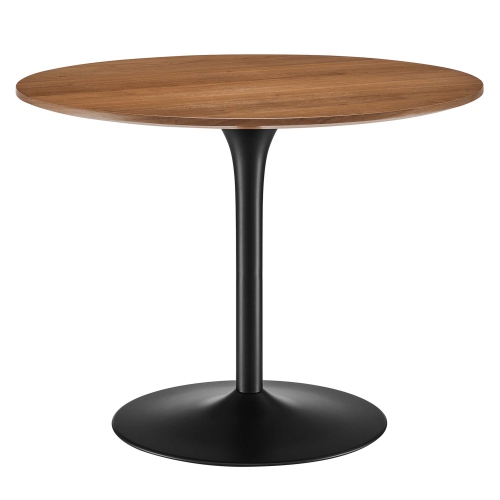
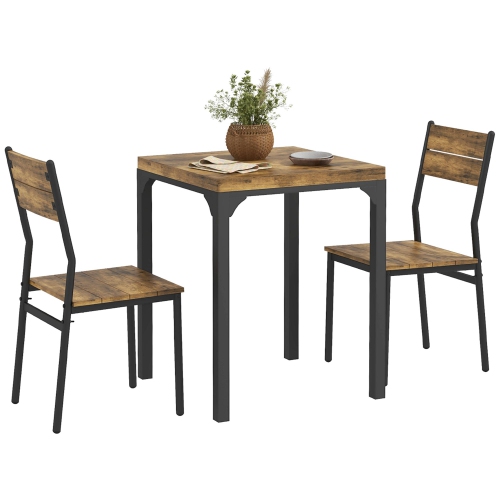
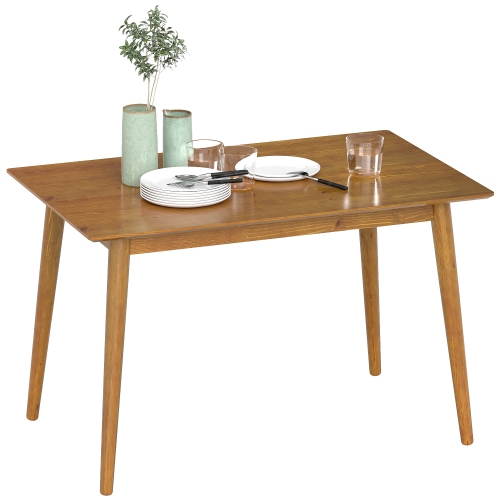

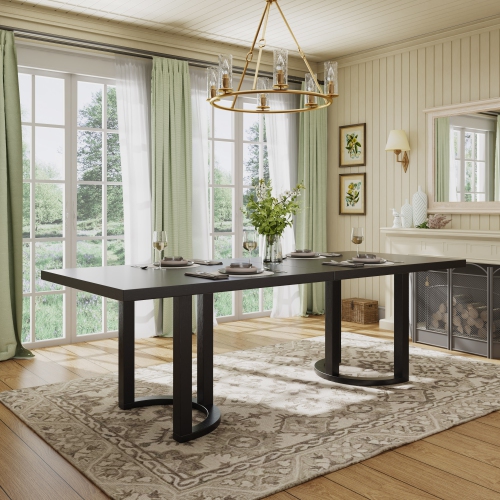


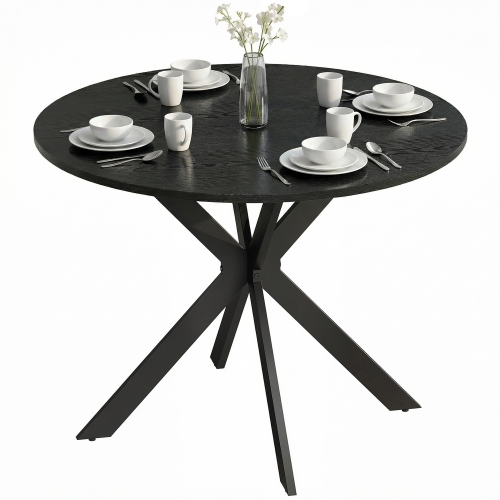
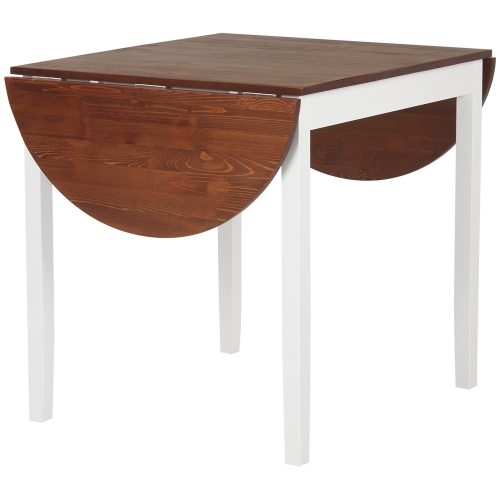

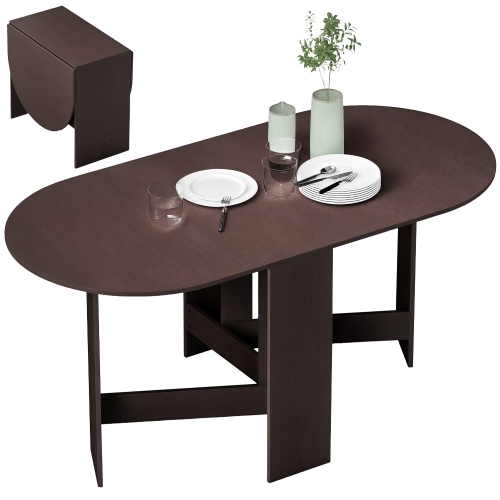
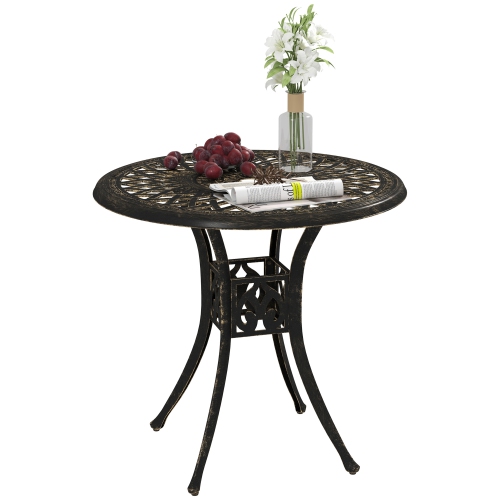


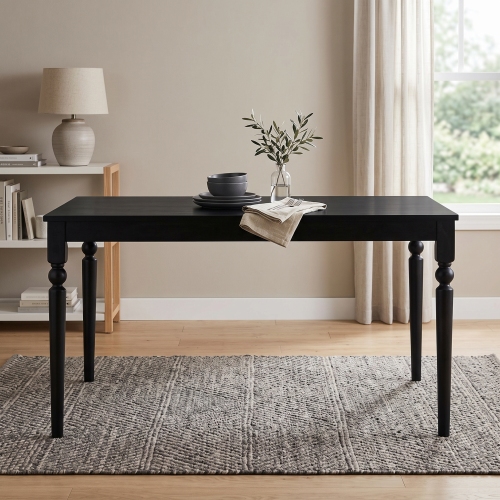

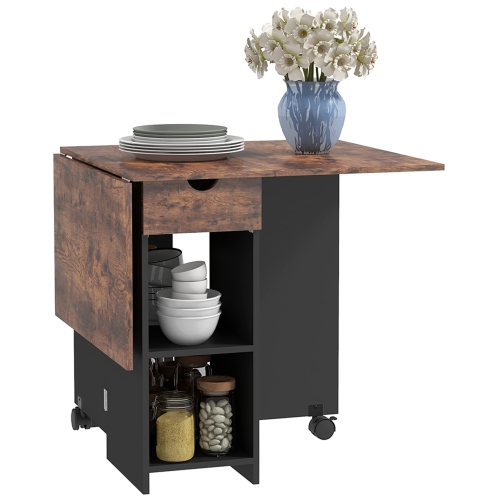


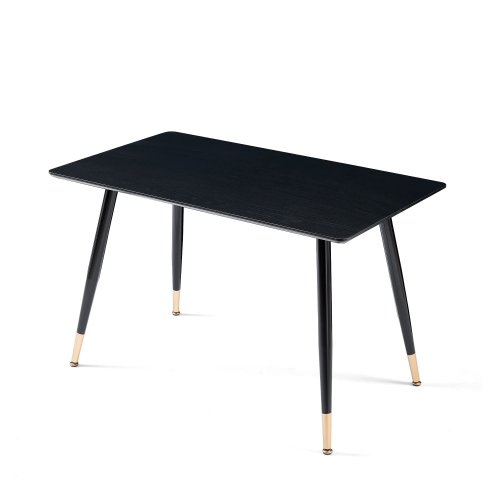
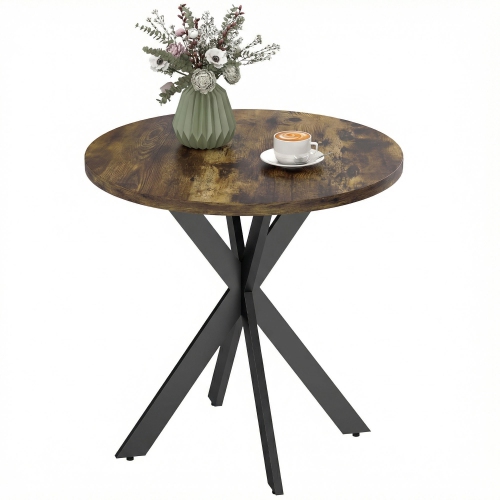
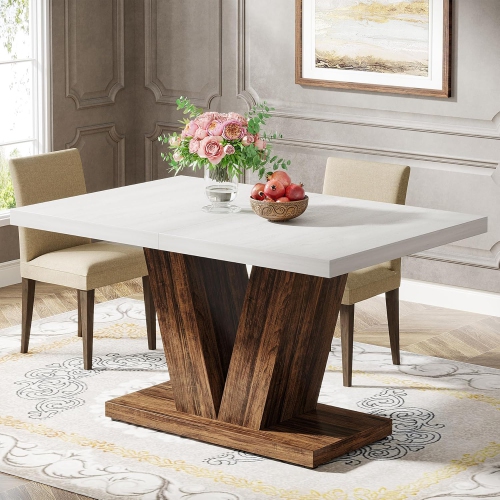


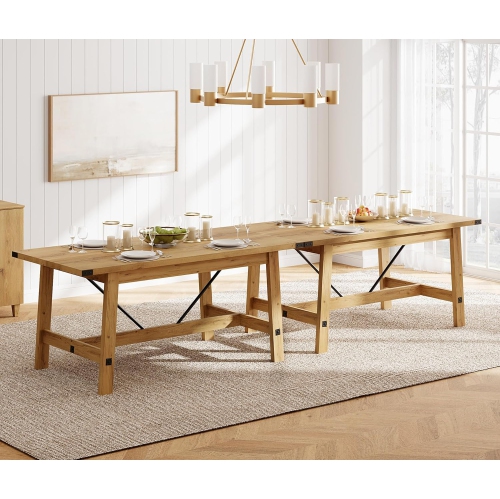

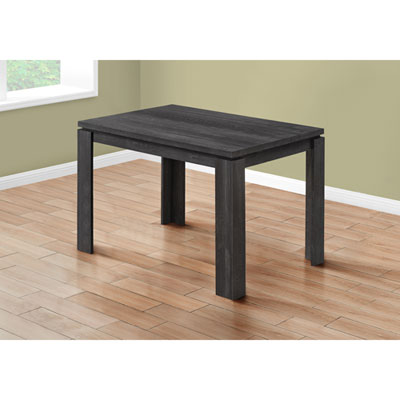
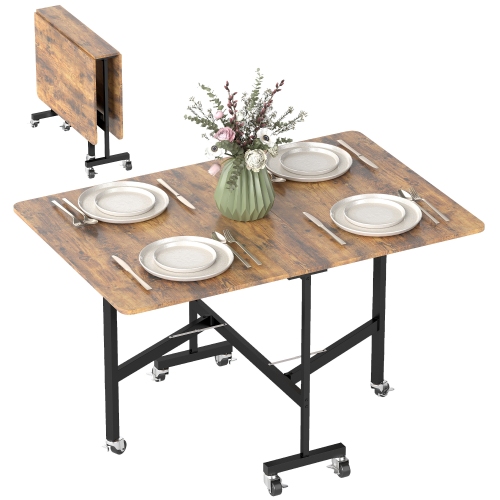

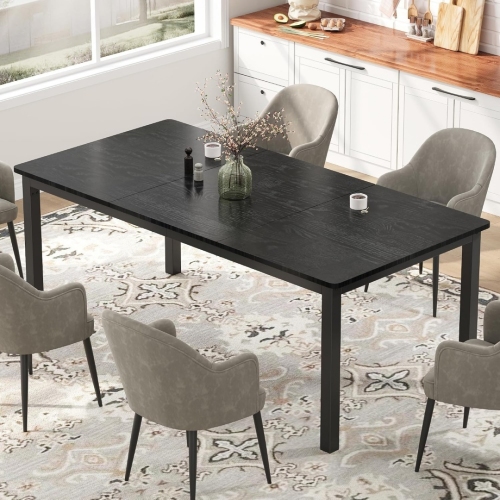

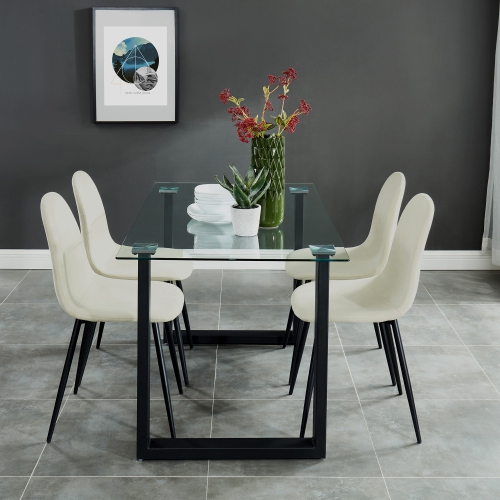


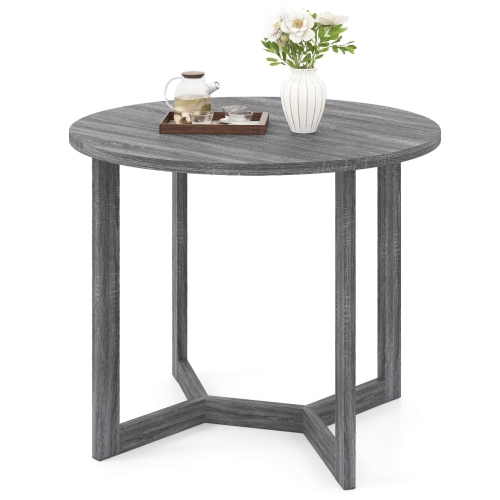

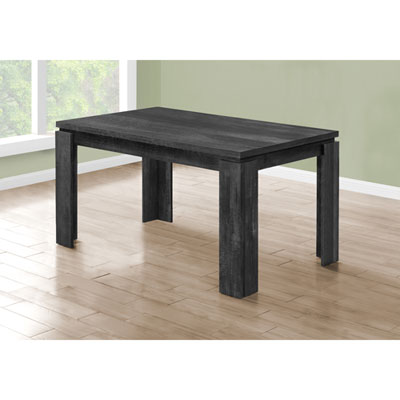
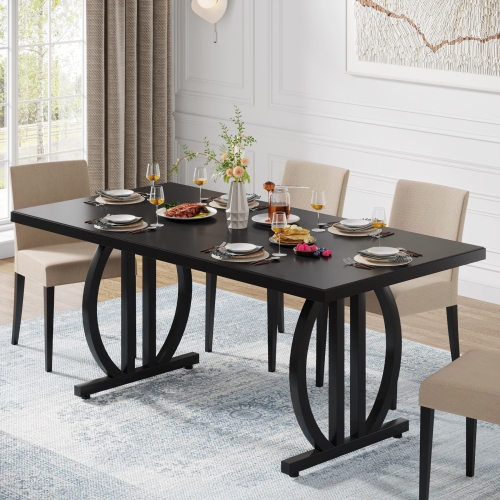

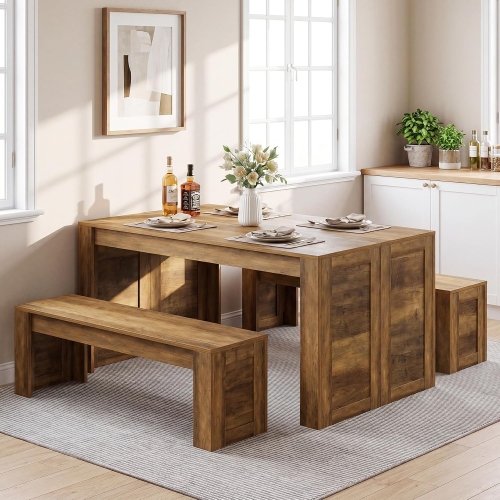


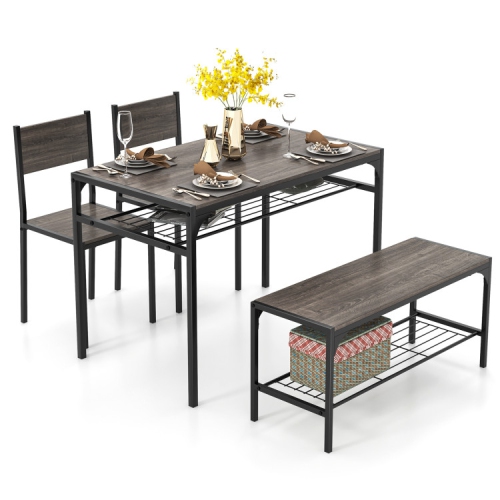

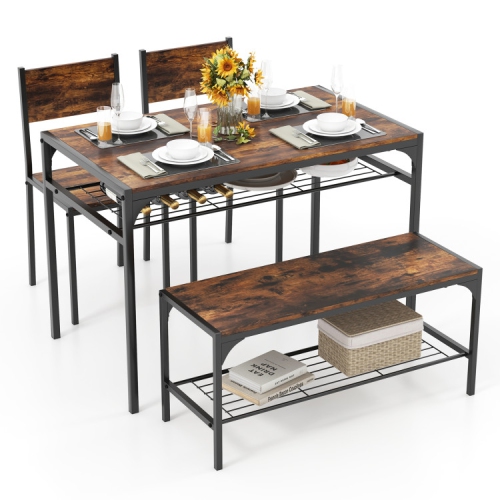

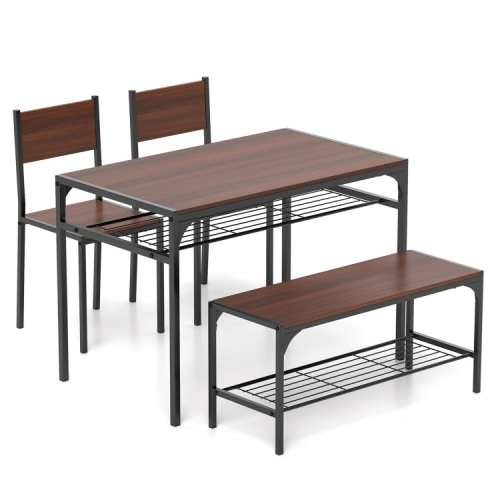


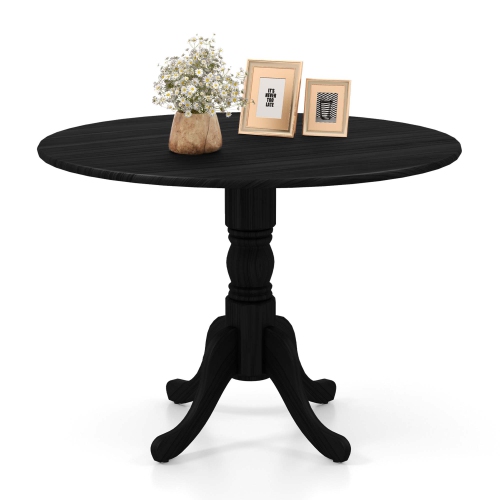

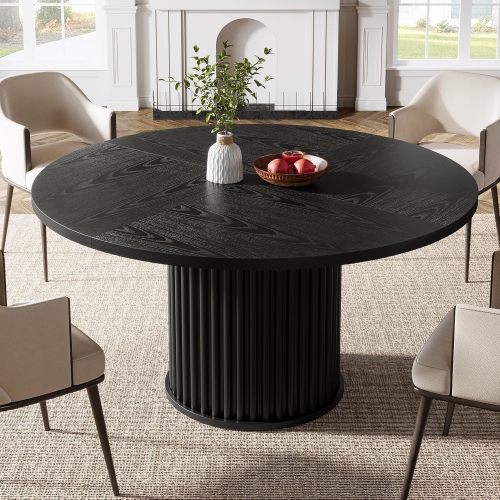
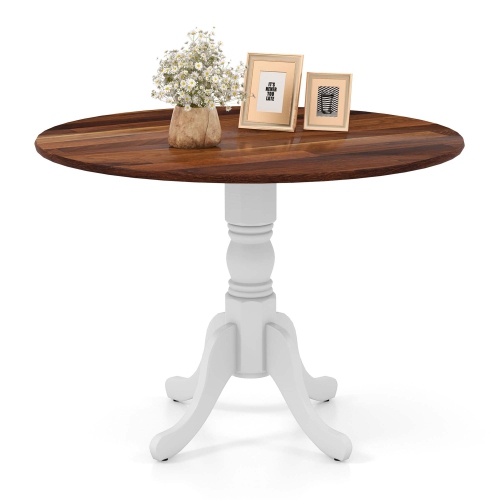

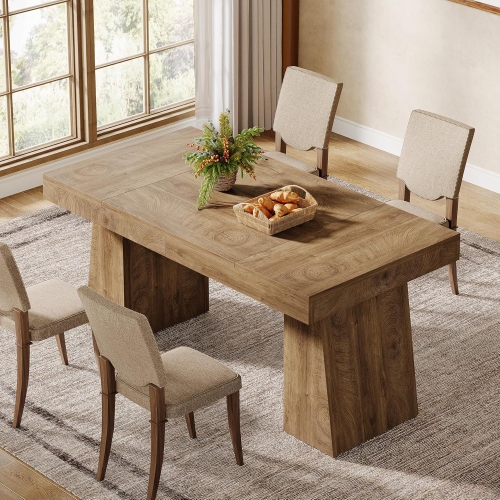
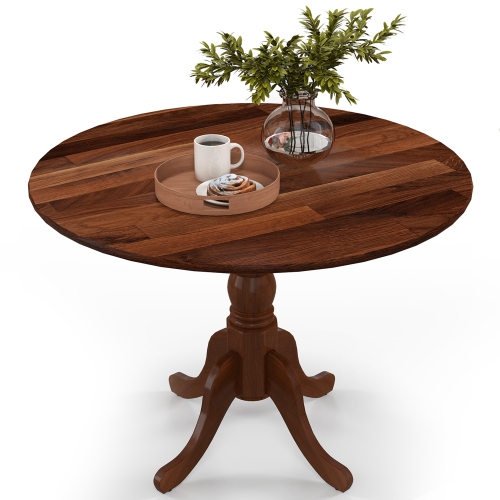
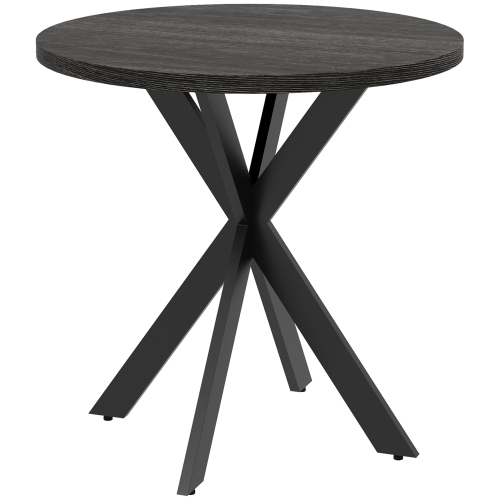

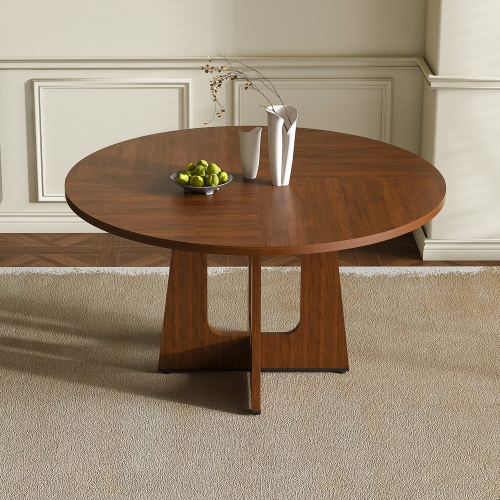


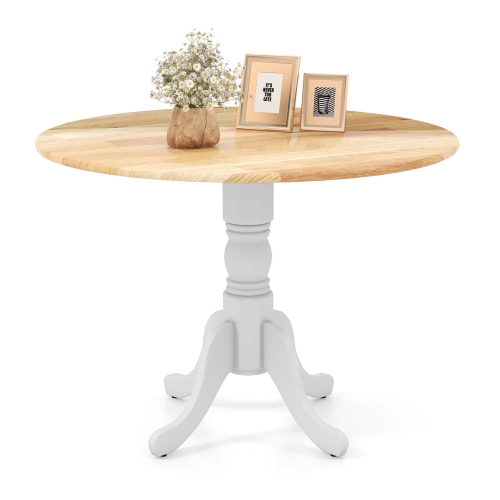
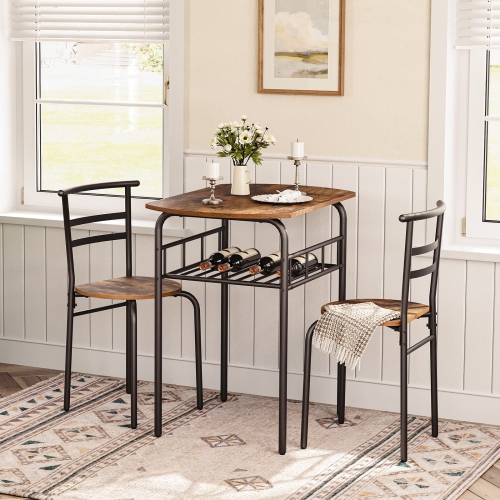

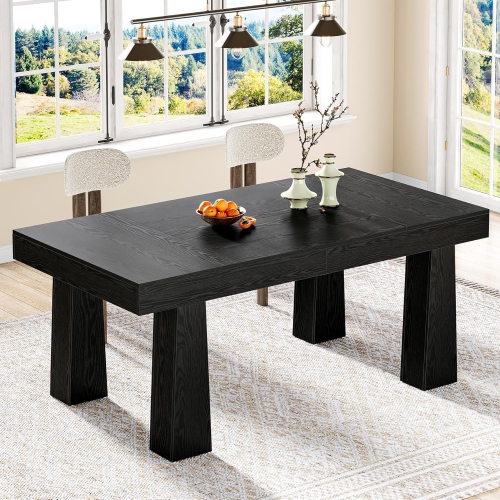

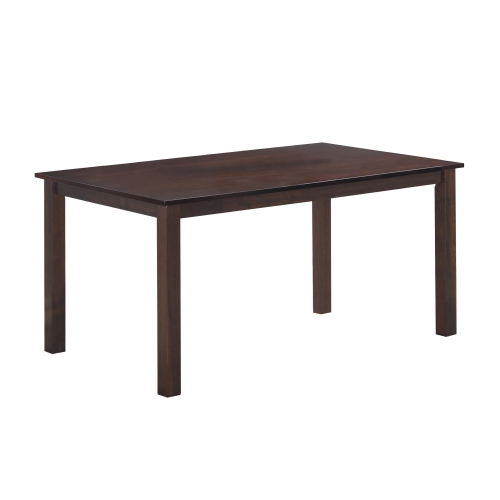
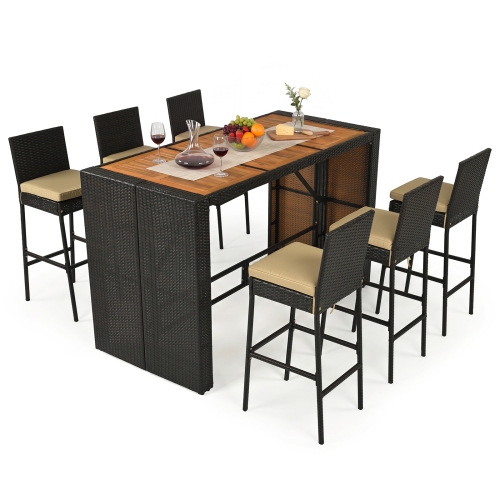


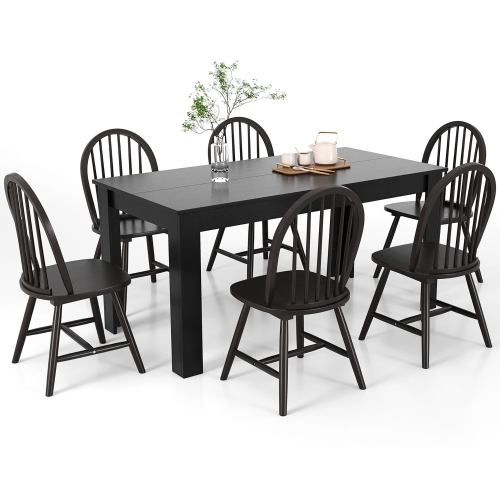
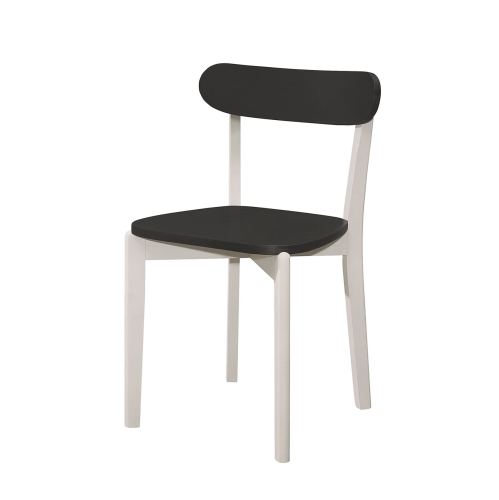
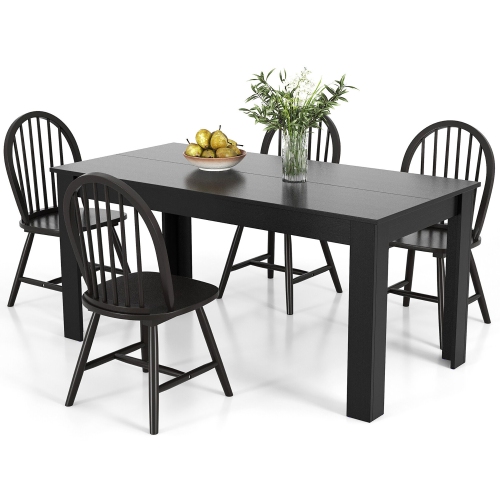


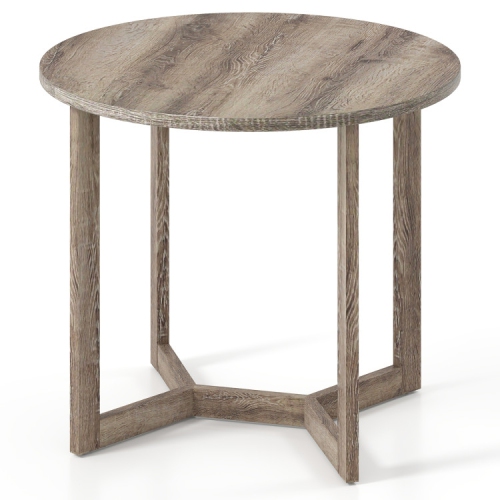

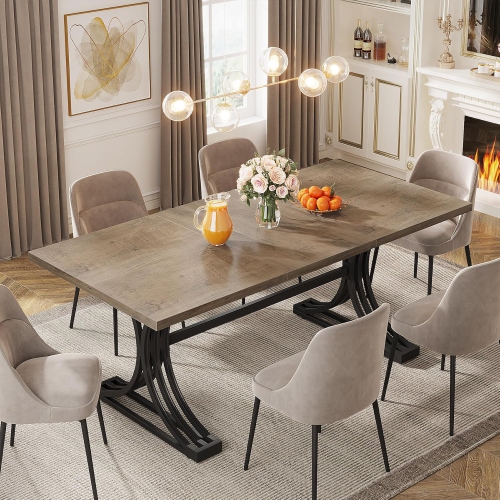


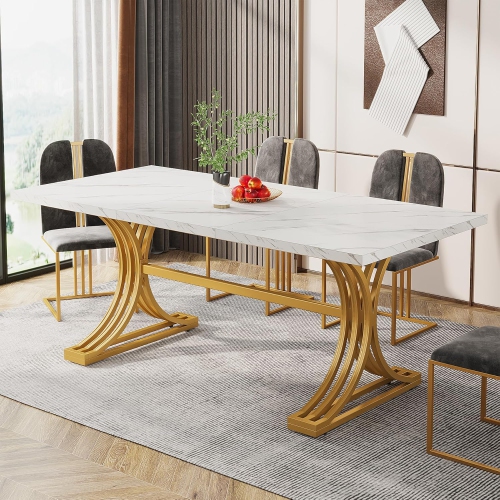


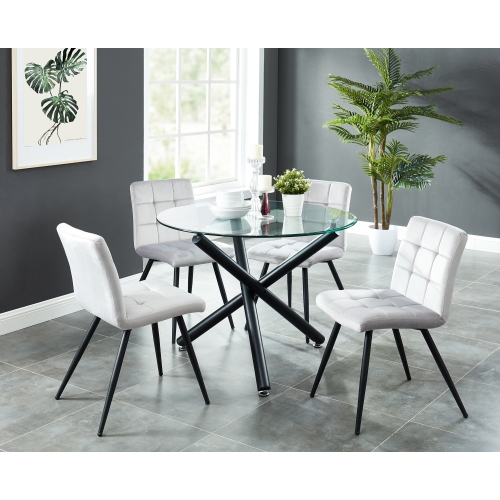


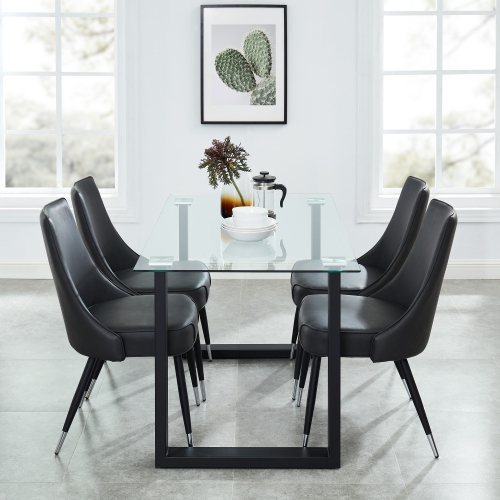

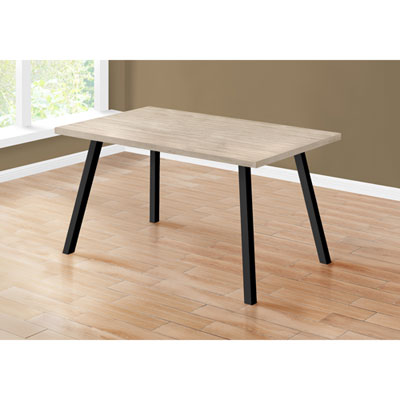

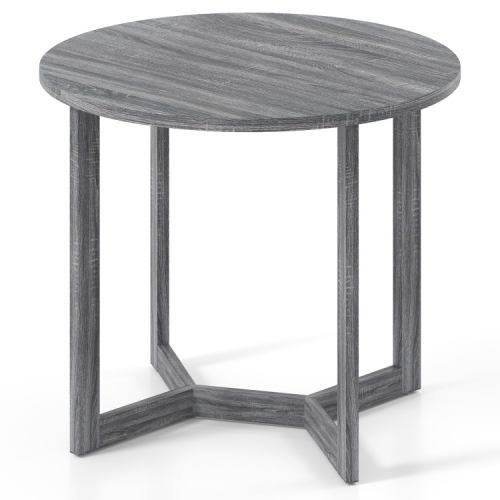

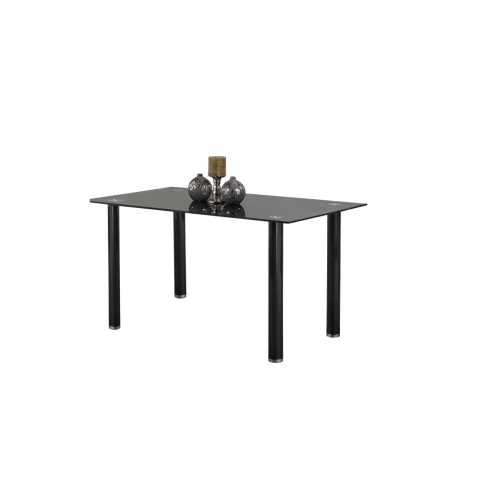
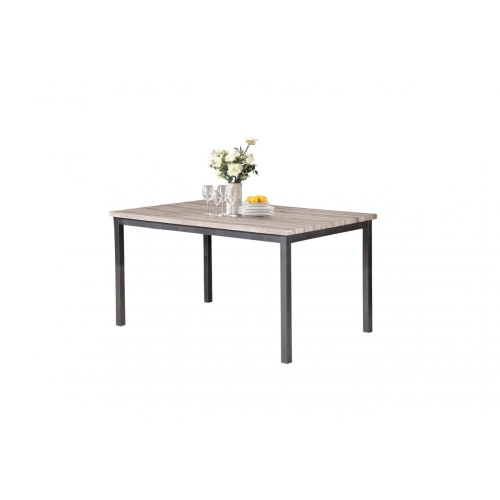
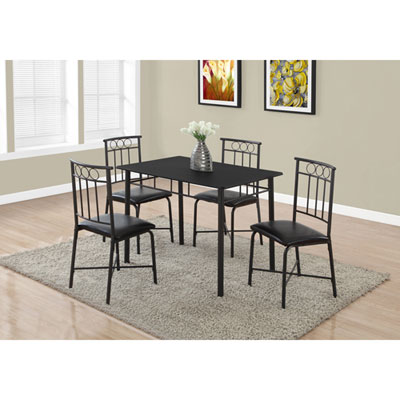

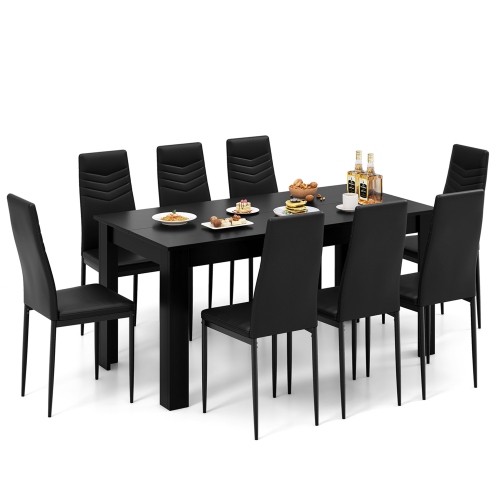

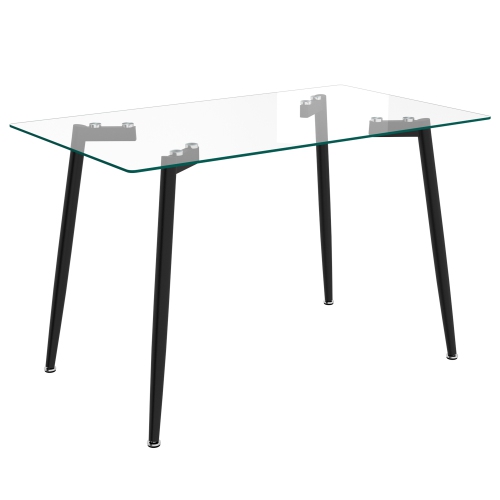
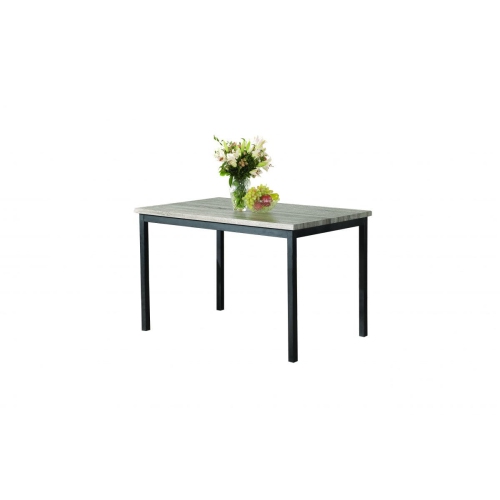

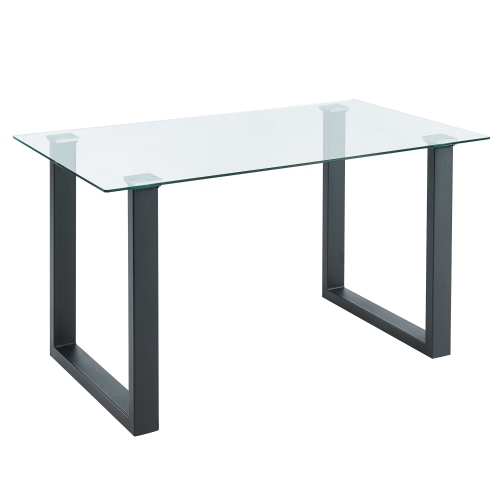
How wood tones and black bases shape dining spaces
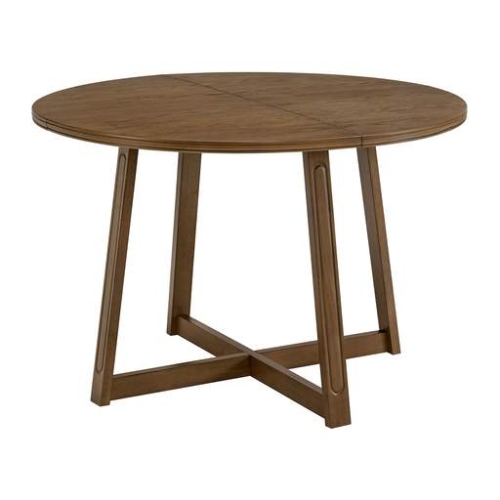
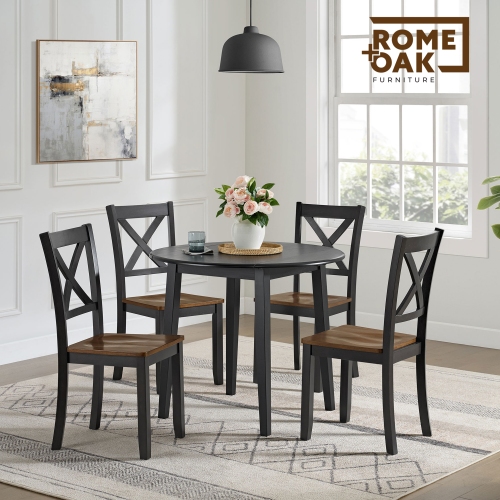
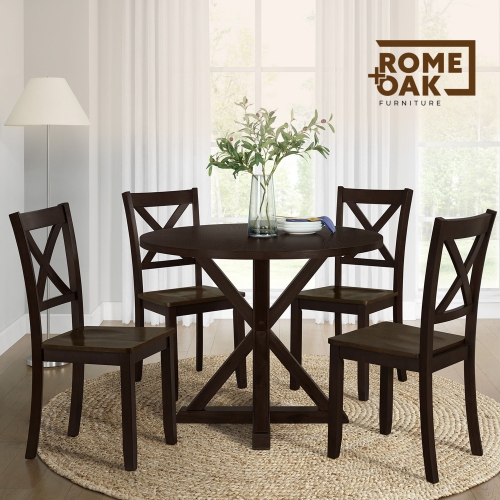
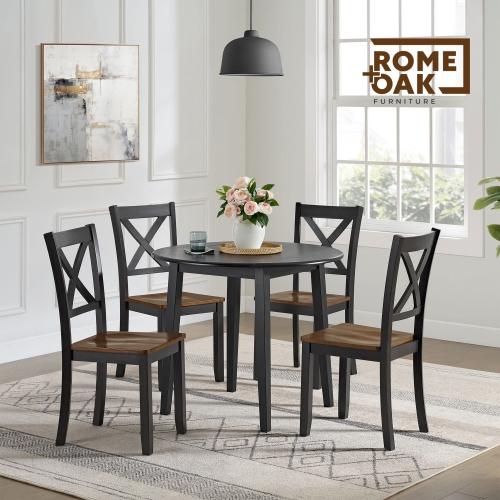
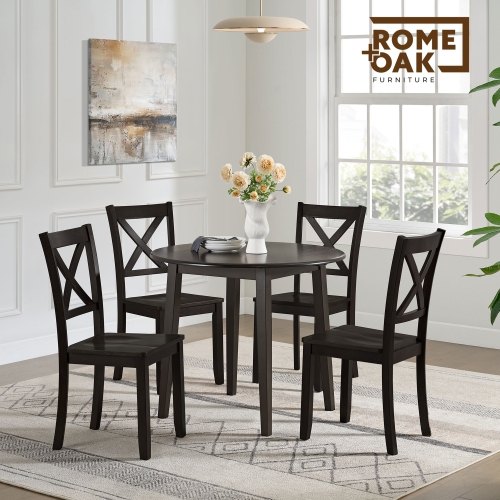
Black and brown dining tables pair the warmth of brown wood tones with the definition of a black base, frame, or painted finish. A common design combines a wood-grain tabletop with black metal legs, although painted wood bases and mixed-material construction create other variations on the same contrast. The result can feel industrial, rustic, modern, or understated, depending on the grain pattern, edge profile, and shape of the supports. A thick, textured brown top on substantial black legs makes a strong focal point, while a smoother surface and slender frame give a smaller dining area a lighter appearance. Brown tones range from honey and walnut shades to deep espresso, so the relationship between the tabletop and nearby flooring matters as much as the black accents. Similar undertones can bring a room together without requiring every wood finish to match. Materials also influence how the table feels and performs in daily use. Solid wood has natural variation in its grain and may be suitable for refinishing, depending on its construction and finish. Wood veneer provides a real wood surface over a supporting core, though its thin face requires care to avoid deep scratches or overly aggressive sanding. Engineered wood with a laminate or other protective surface can offer a consistent wood-look finish; resistance to spills, abrasion, and heat depends on the particular surface rather than the brown colour alone. Black bases may be made from steel, other metals, or painted wood, each with different care requirements. Powder-coated metal can provide a durable finish, but exposed edges and joints still benefit from careful handling. For everyday meals, homework, or a shared puzzle, the most useful combination is a comfortable surface, a stable base, and a finish suited to frequent contact. The contrast between black and brown works equally well with upholstered chairs, simple wooden seats, and a dining bench, making these tables adaptable to rooms that serve more than one purpose.
Shape and proportions determine how comfortably a black and brown dining table fits into a home. Rectangular tables suit long dining rooms and open-plan layouts, where their straight edges can follow the lines of a kitchen island or nearby cabinetry. Round tables encourage conversation across the whole surface and remove sharp corners from the tabletop, although the base can still affect footroom. Square tables can create a balanced setting for a smaller group, while oval designs offer an elongated surface with curved ends. Seating capacity depends on more than the overall dimensions: leg placement, tabletop overhang, chair width, and the depth of any apron beneath the top all influence usable space. As a general planning allowance, about 24 inches of table edge per person gives adults room for a place setting, though wider chairs and generous elbow room call for more. Around 36 inches between the table edge and a wall or other furniture is a useful starting point for pulling out chairs; a busy walkway behind seated diners may need more clearance. A pedestal base can make chair placement more flexible, while angled, trestle, and cross-shaped supports should be considered alongside the positions of knees and feet. Measuring chair arms against the underside of the table helps prevent the frustrating discovery that seats cannot tuck in. In a condo dining nook, a compact footprint may matter more than extra places for occasional visitors. In a household that regularly hosts shared meals, an extension mechanism can add flexibility, provided there is enough room for the table when fully opened and a suitable place to store removable leaves. A paper or painter’s-tape outline on the floor can make those proportions easier to judge before rearranging furniture. For a table that doubles as a workspace, surface depth also matters: a laptop, notebook, and lunch plate need more room than a single place setting. Comfortable seating and unobstructed legroom help the same space move naturally from breakfast to focused work and back to dinner.
Care routines help preserve both the brown surface and the black finish without making everyday dining feel fussy. A soft cloth used promptly on spills is a practical first step, followed by drying as directed for the material. Water left around a glass, beneath a planter, or along a tabletop seam can affect finishes and may cause some engineered wood cores to swell. Coasters, placemats, and trivets help separate the surface from condensation, cutlery, and hot serving dishes, but their backing should be compatible with the tabletop finish. Abrasive pads and harsh cleaners can dull a surface or damage coatings, so the manufacturer’s cleaning directions are more reliable than a single treatment applied to every material. Wood polish is not automatically suitable for laminate, and a painted black base may need only gentle cleaning rather than a conditioning product. Crumbs can collect along textured grain, grooves, and extension seams, making a smooth top especially practical for frequent family meals or craft sessions. Matte black finishes tend to emphasize shape rather than reflection, but they can still show dust, scuffs, or fingerprints; brown wood-look surfaces also vary in how clearly they show everyday marks. Long-term stability depends on sound joints and proper assembly, not simply a heavy tabletop. Periodic checks of accessible fasteners, following the assembly instructions, can help address loosening from regular use. Protective pads suited to the flooring can reduce marking, and lifting rather than dragging the table helps protect both the legs and the floor. Visually, black chair frames can echo the base, while lighter upholstery softens the contrast and brown leather-look seating adds another layer of warmth. Other black and brown tables can carry the same colour pairing into an adjoining living area without making every piece identical. A dining table remains most successful when its appearance supports its purpose: enough room for the people who gather there, a surface that suits their routines, and proportions that leave the room easy to move through.
Top selling and popular products
-
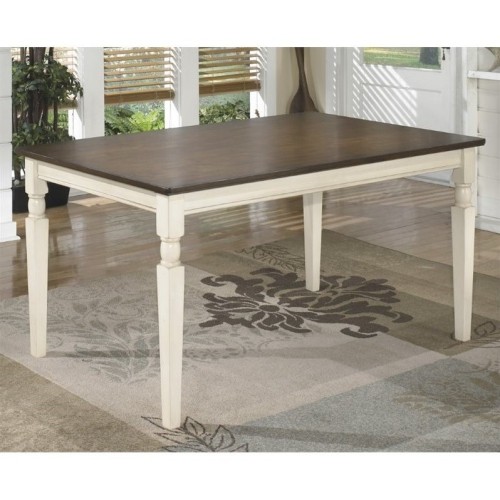 Your price for this item is $399
-
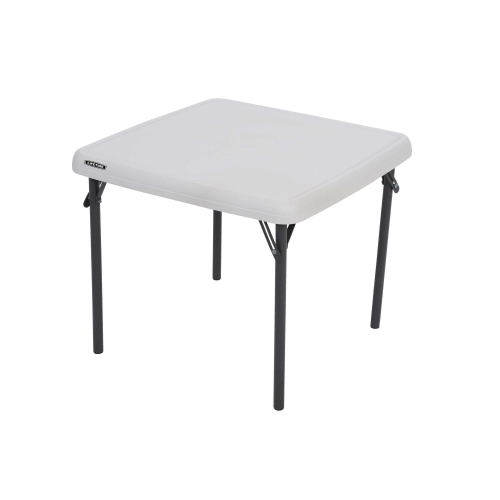 Your price for this item is $71.99
-
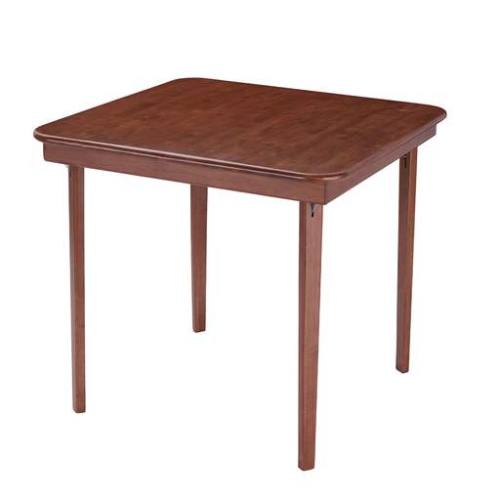 Your price for this item is $323.99
-
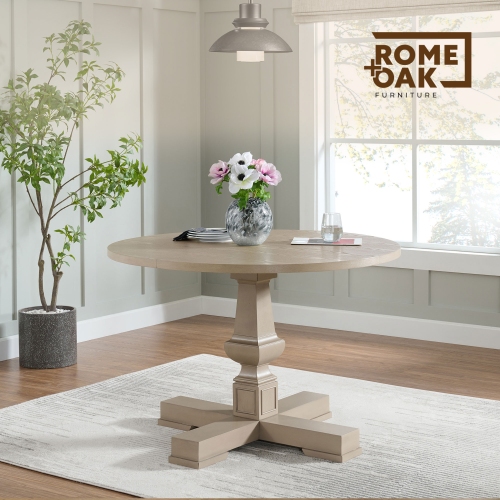 Your price for this item is $763.99
-
 Your price for this item is $627.99
-
 Your price for this item is $304.99
-
 Your price for this item is $190.99
-
 Your price for this item is $651.99
Discover more categories related to Black And Brown Dining Tables
Top Collections:
Pokemon Centers, Kindle Devices, Best Cameras for Sports Photography, Pokémon 30th Celebration Cards, Apple iPhones 16, Canon G7X Cameras, iPhone 15 Apple, Flip Phones, Samsung Galaxy Phones, Alarm Clock
Some products may be subject to Environmental Handling Fees
(EHF) depending on your province.
Learn more about EHFs.