Black And Brown Tables
Add a touch of sophistication and style to your living space with our selection of black and brown tables. Whether you're looking for a sleek coffee table to complete your modern decor or a sturdy dining table for family gatherings, we have a wide range of options to suit your needs. Explore our collection today and discover the perfect table to elevate your space.
Sort
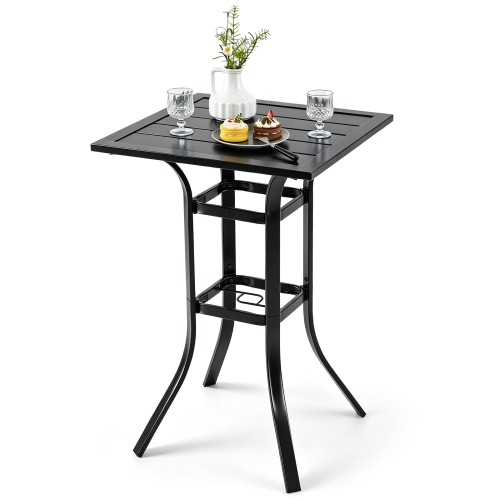


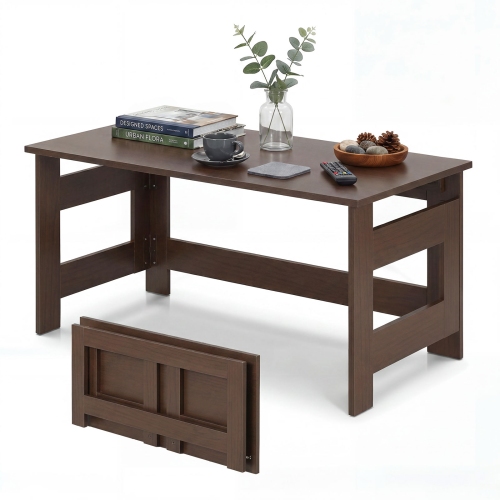

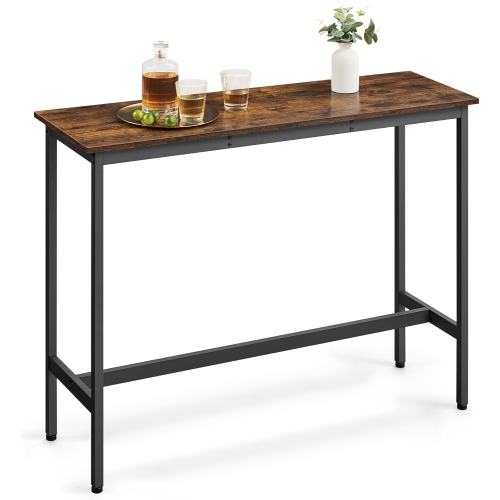

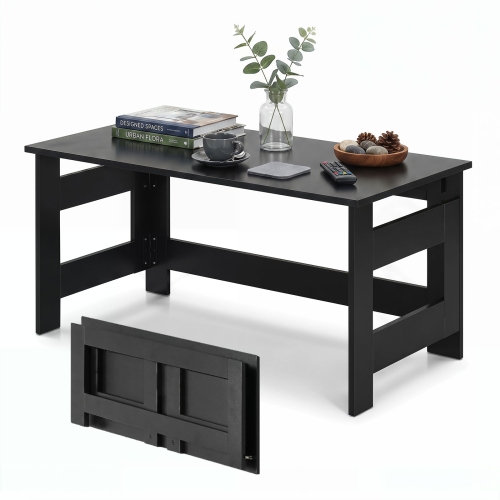

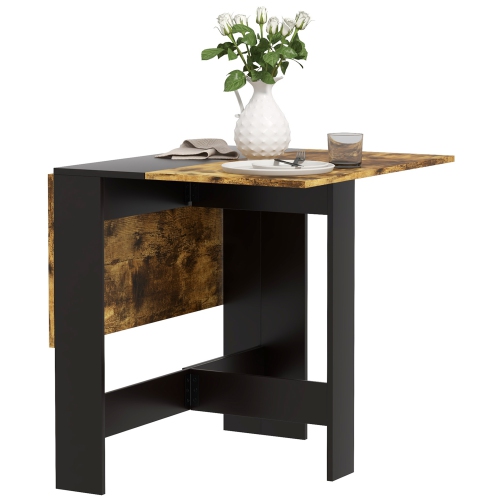
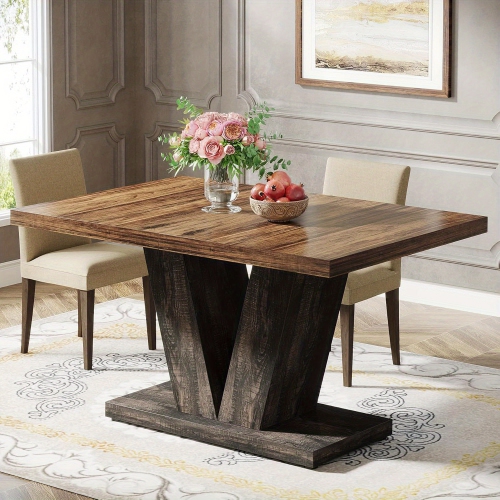


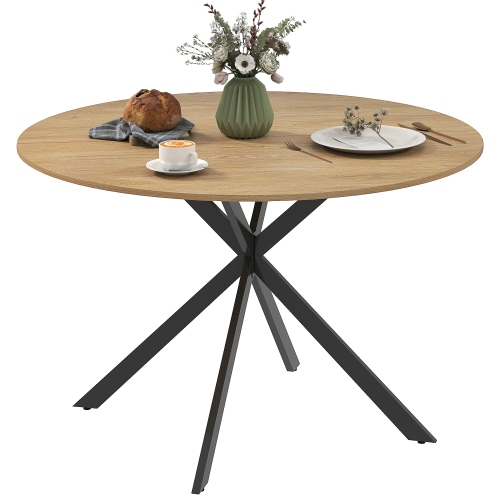
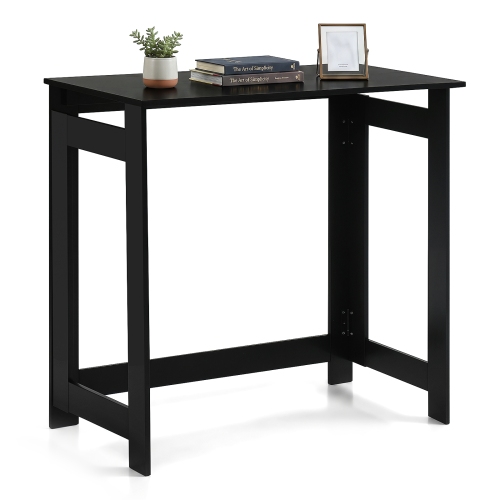

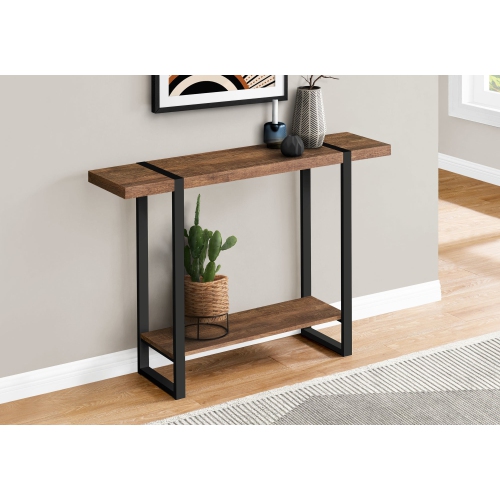


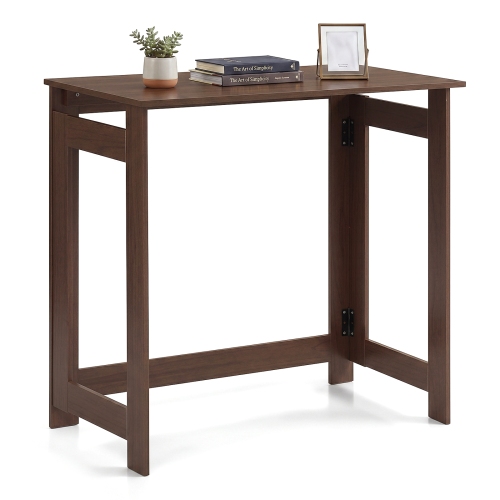


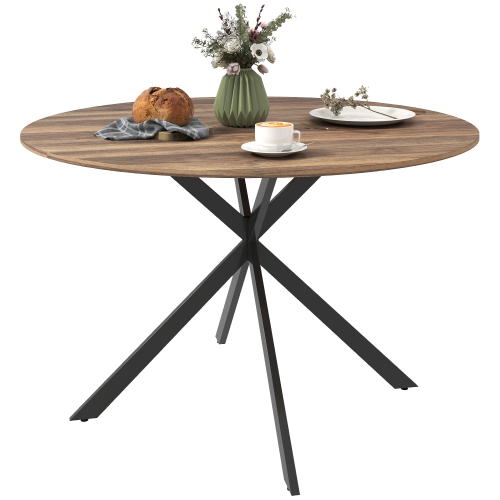


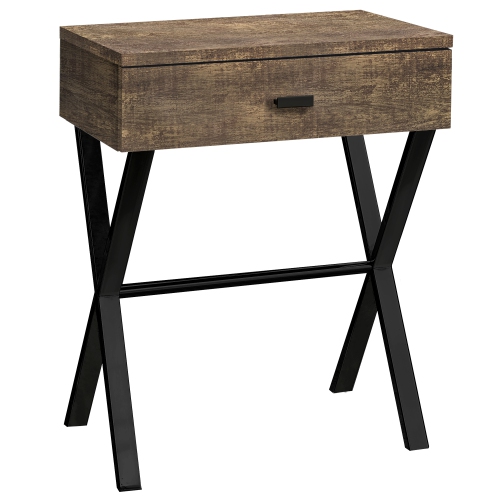


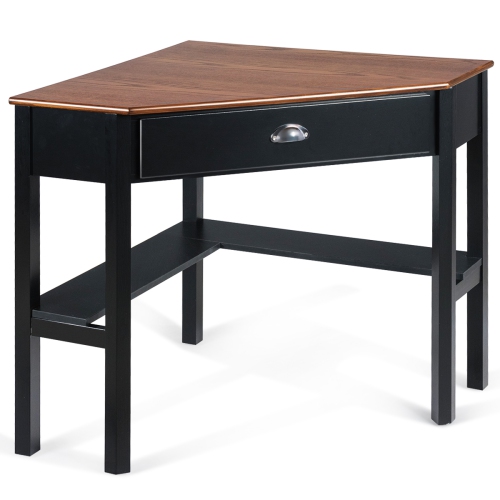


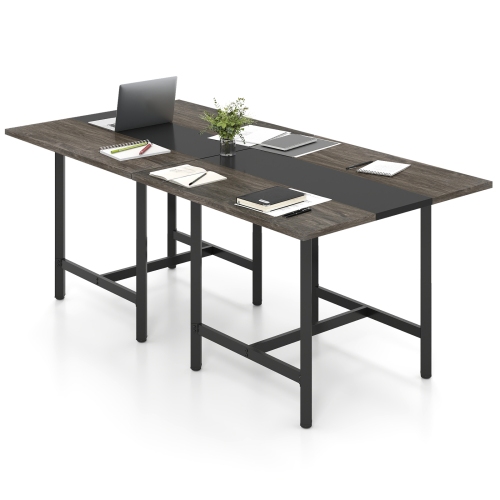

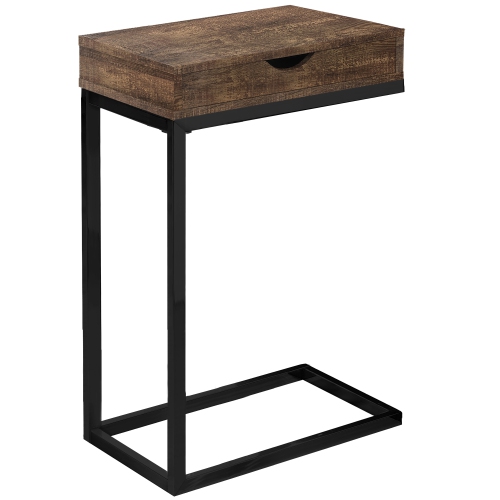

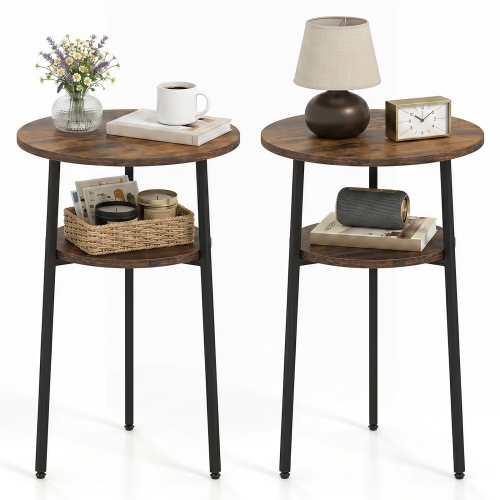
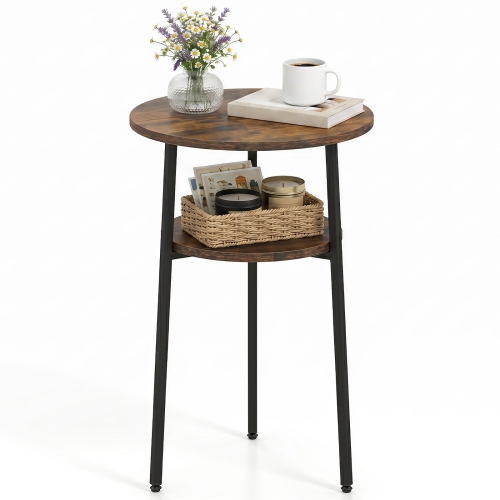
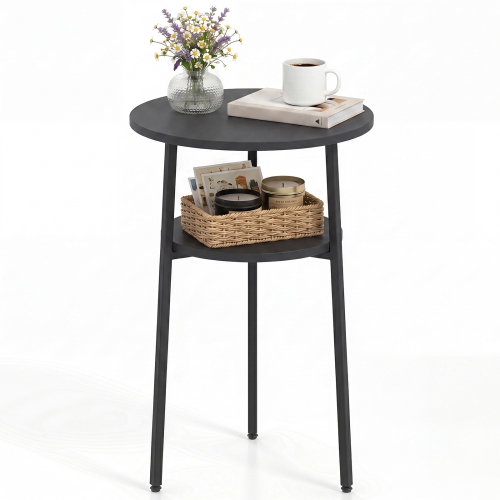


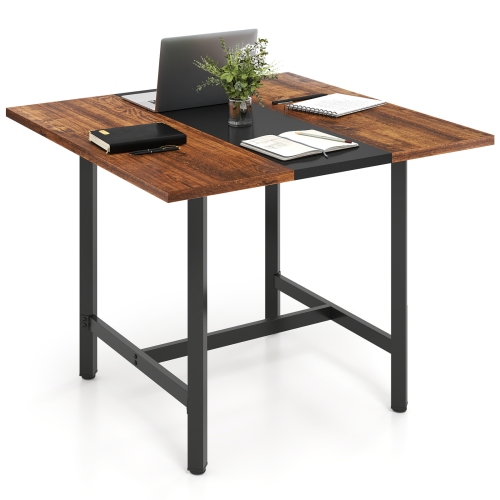
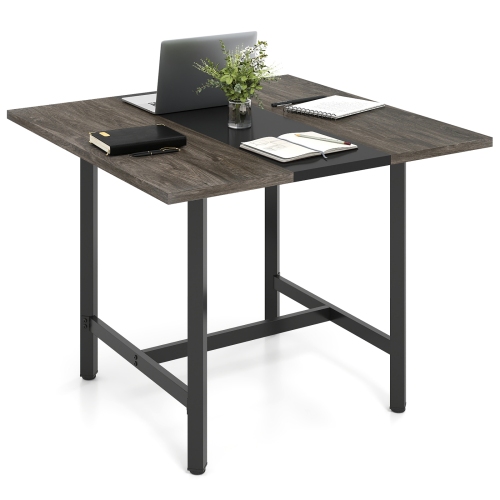


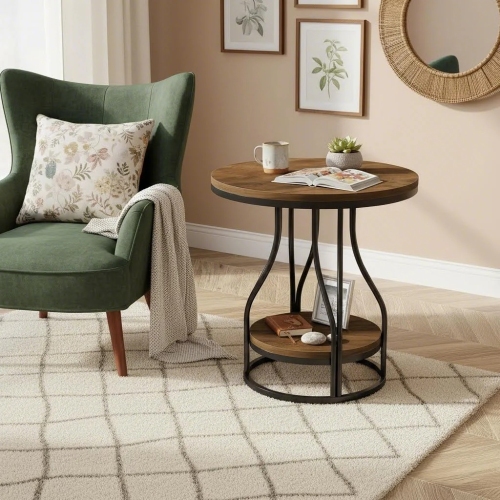
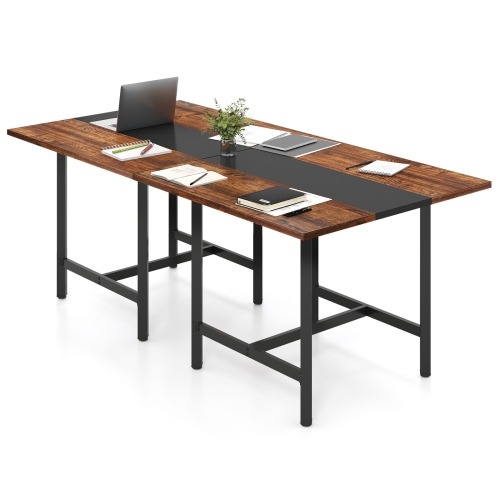
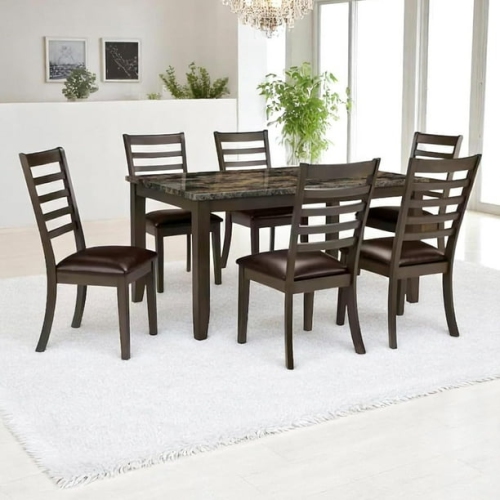

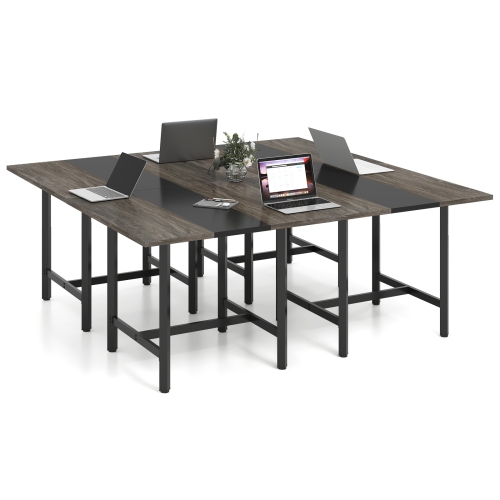

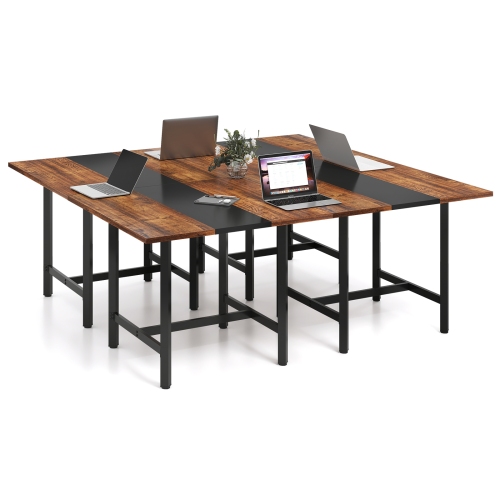
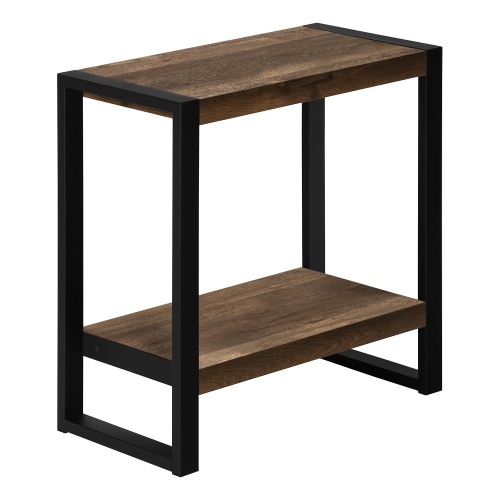

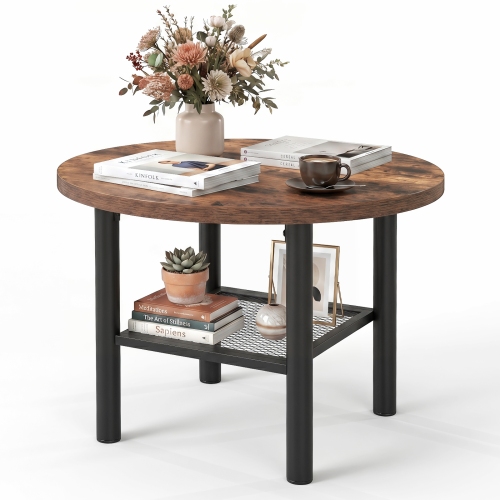
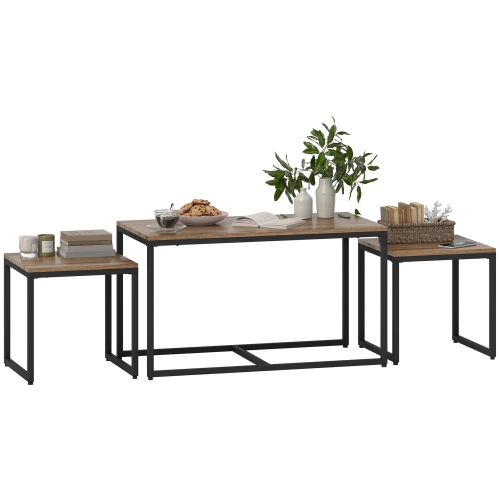
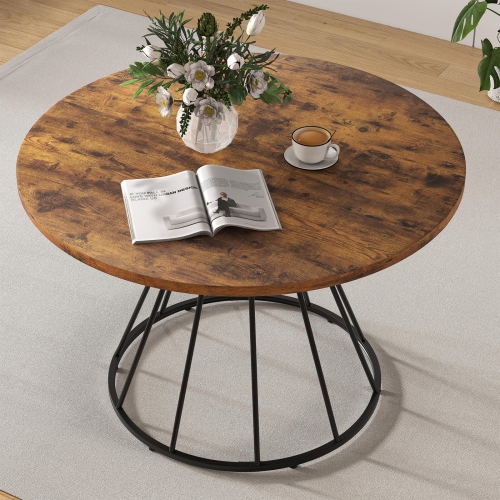

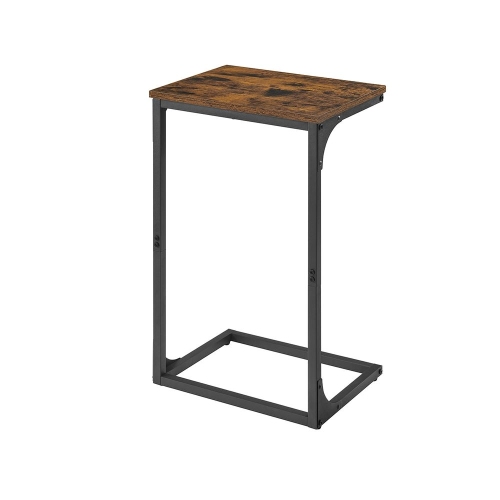
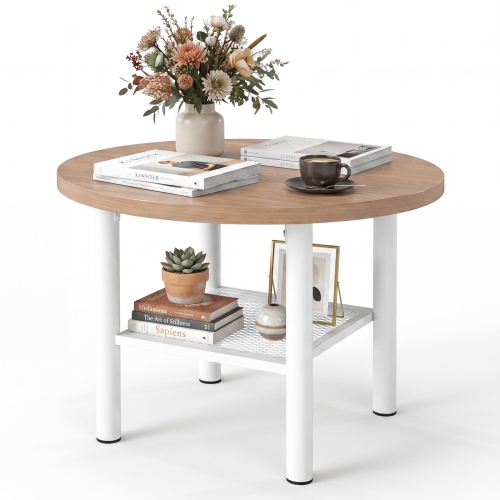
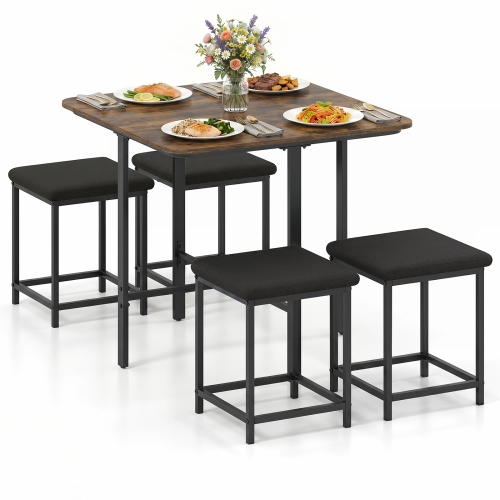
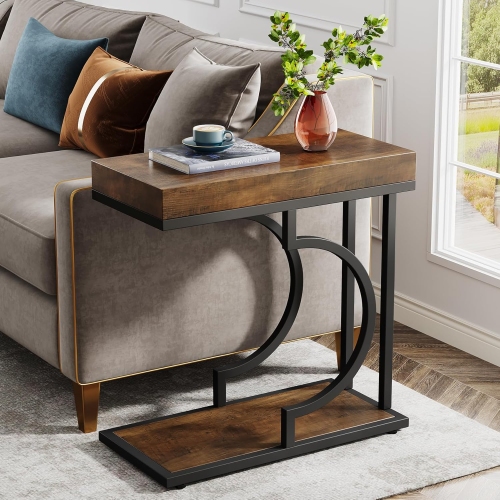

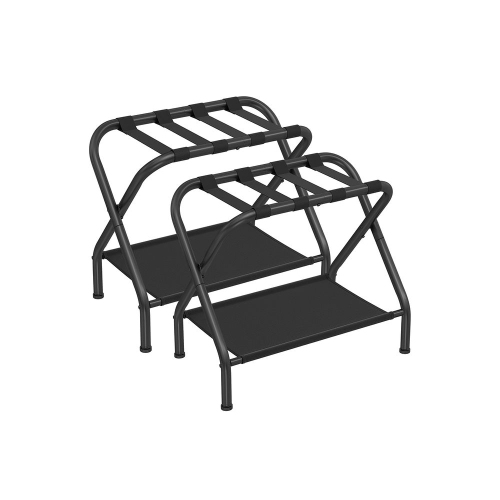

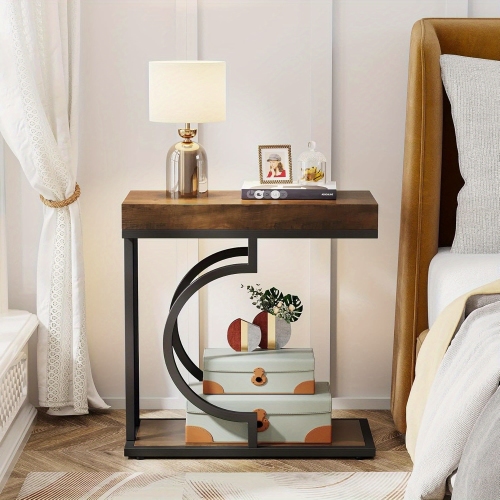


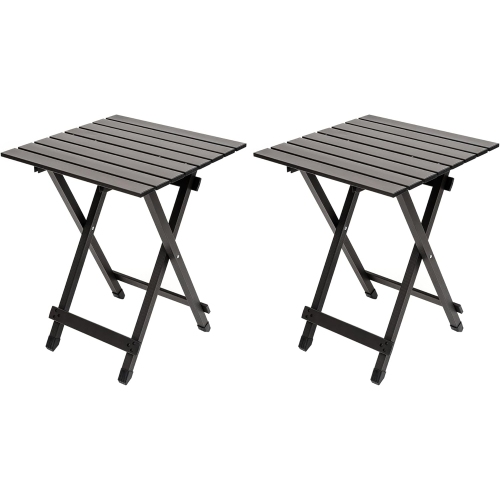


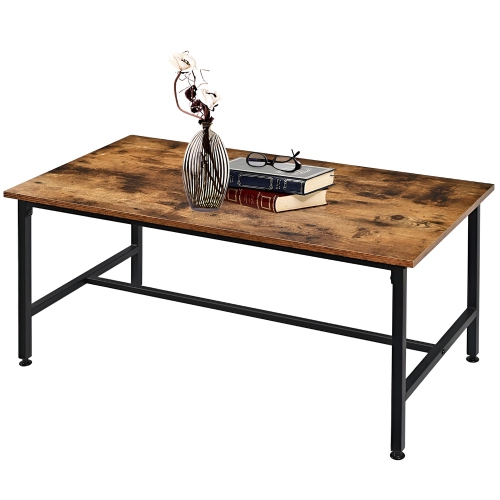
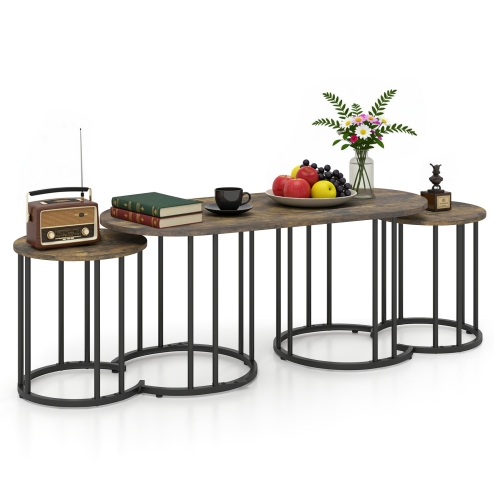


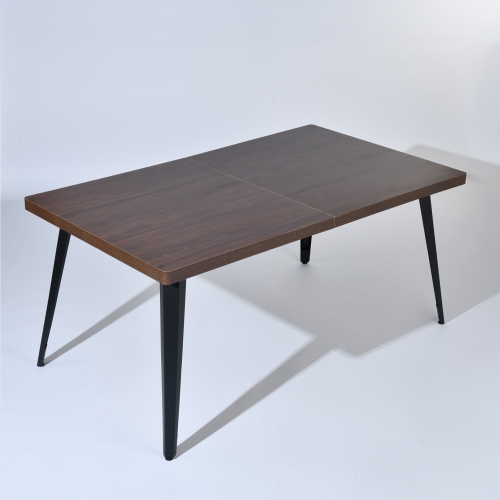

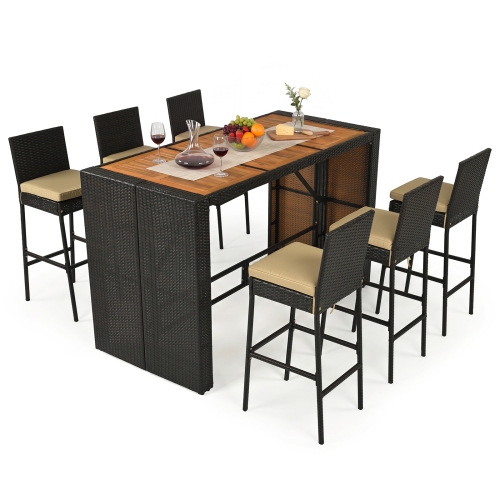


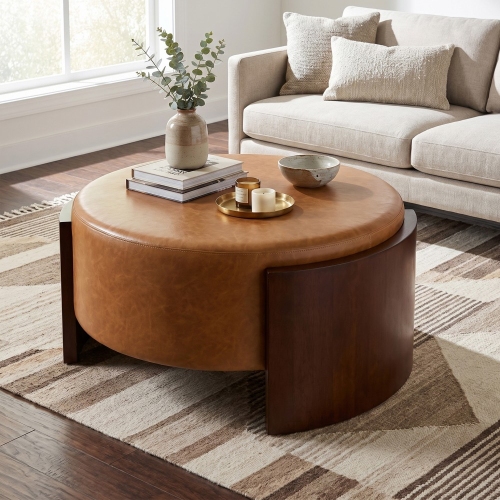


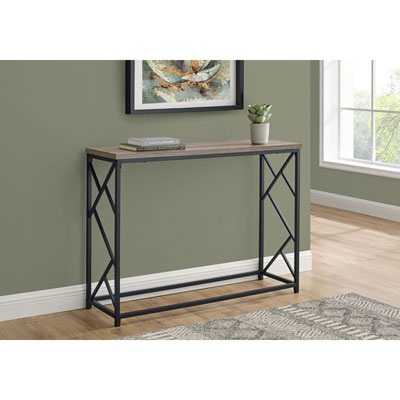

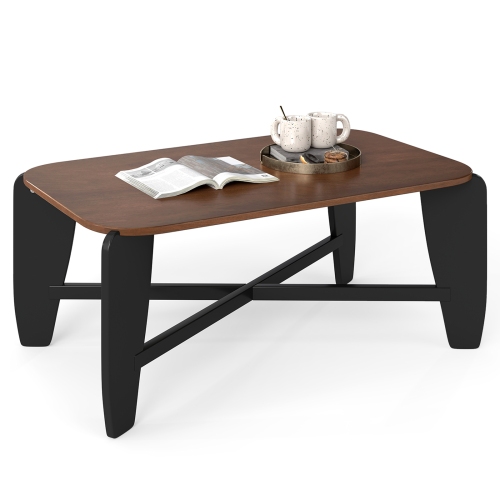


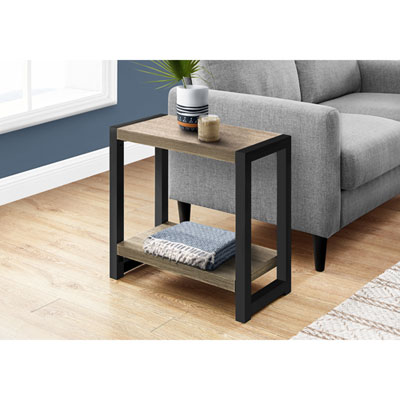


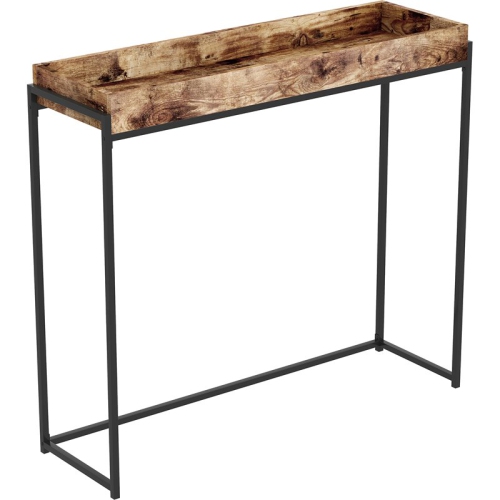


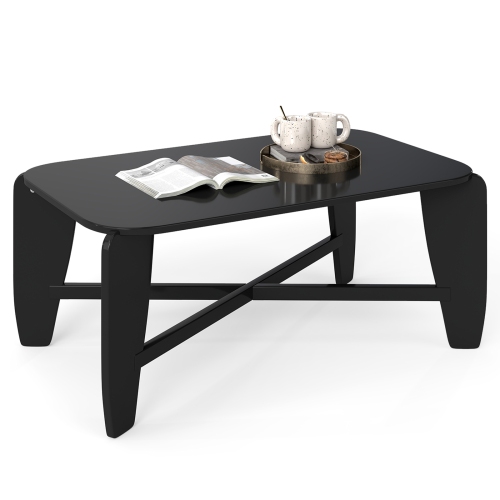

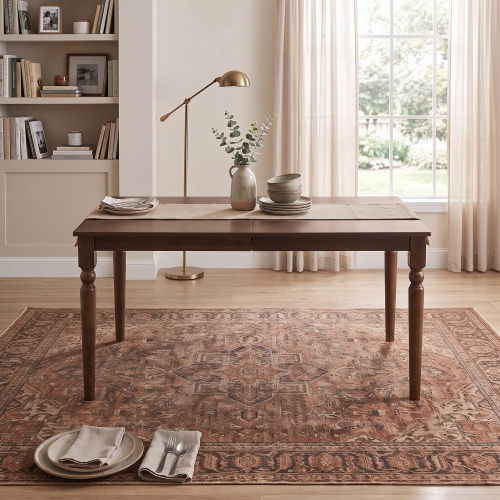
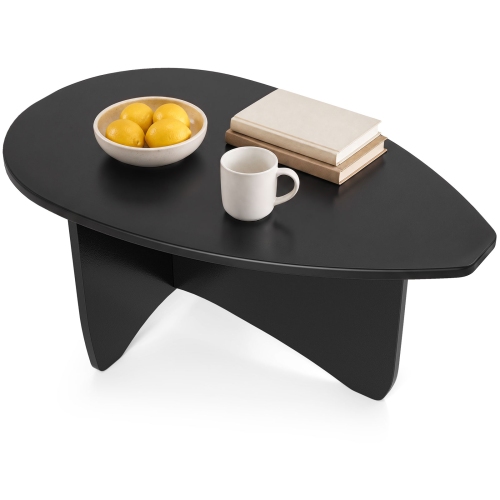
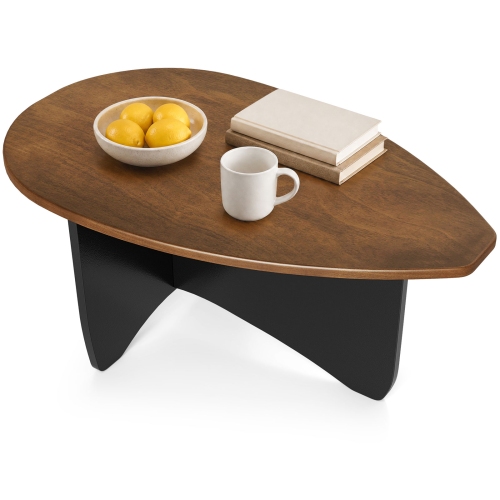
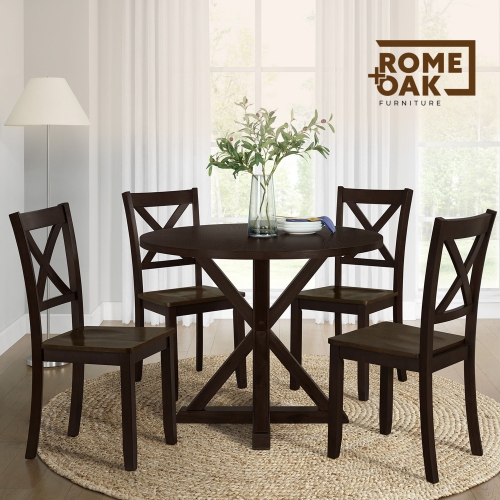
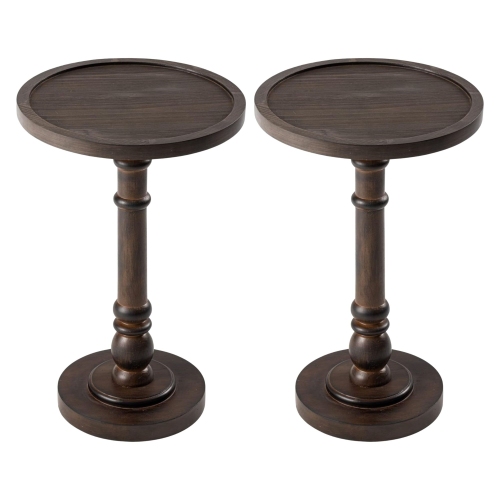


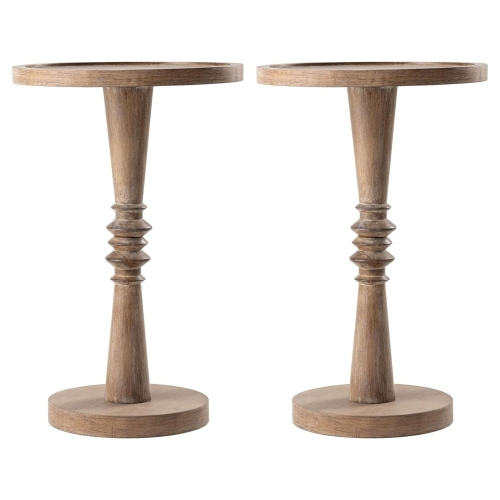


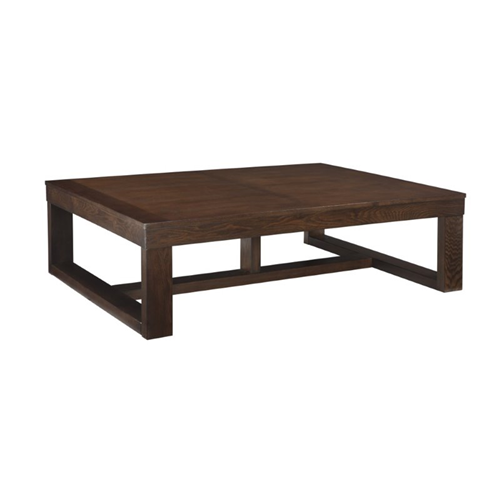


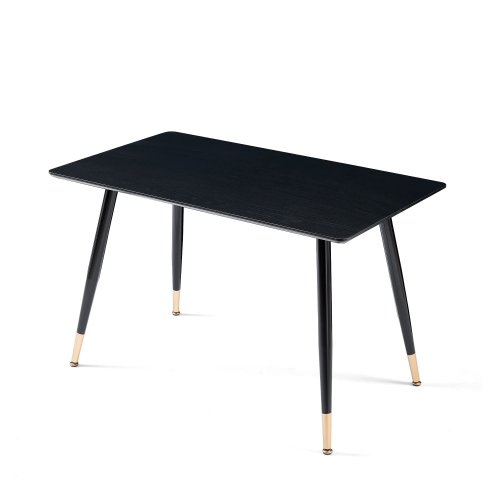


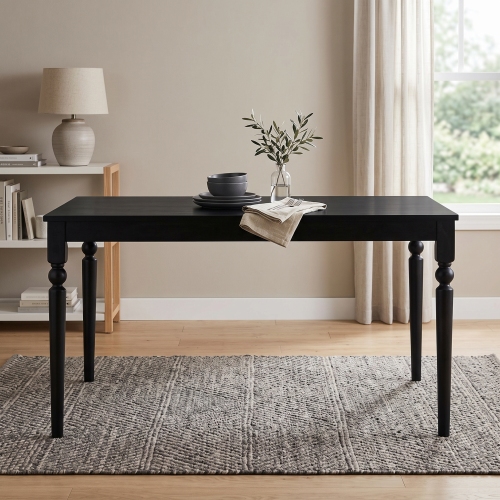


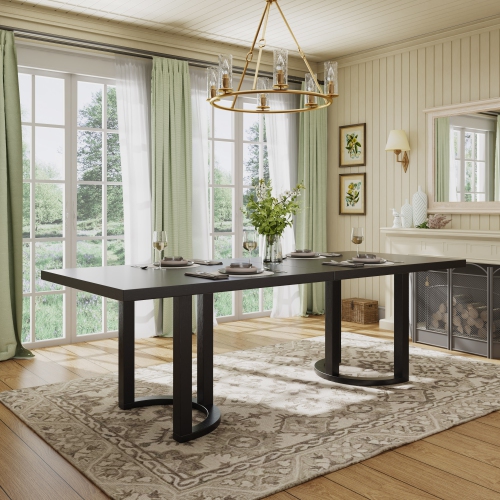

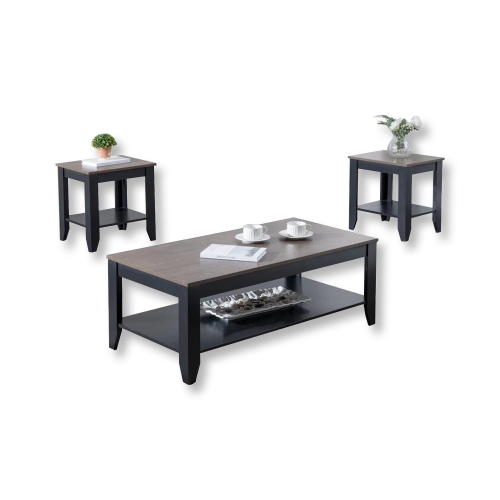
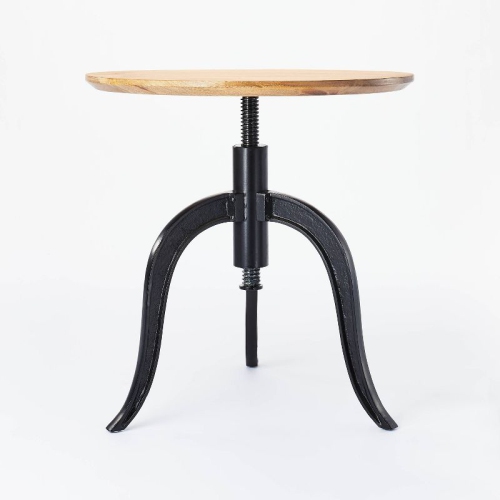


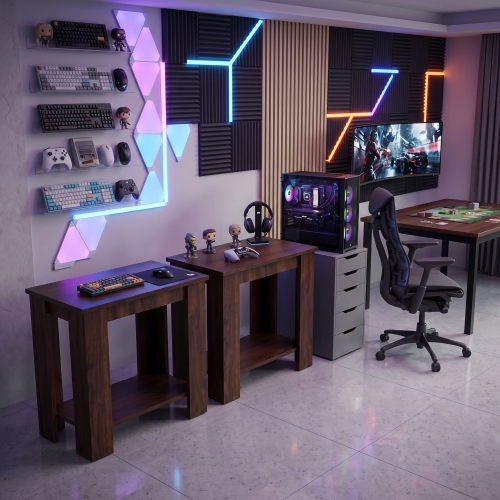
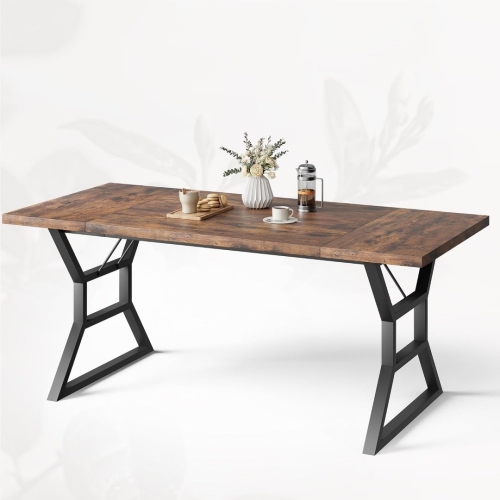
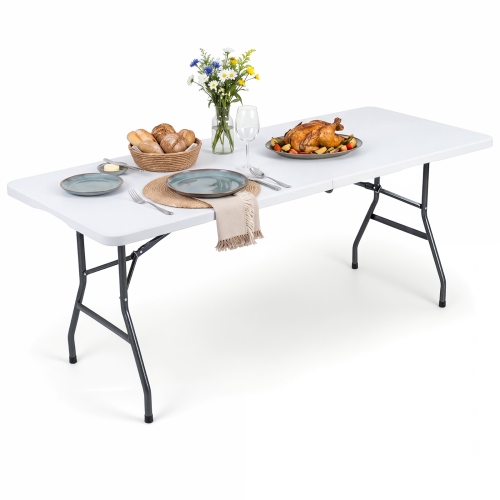
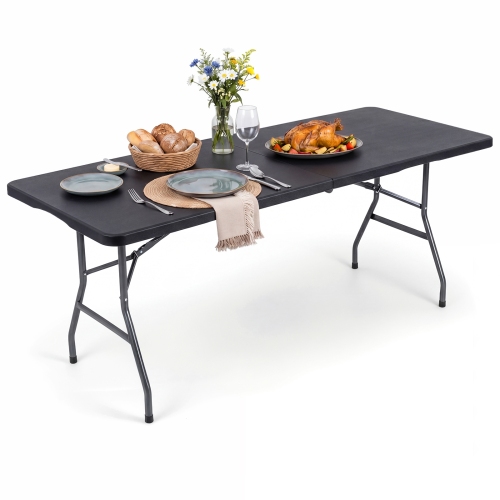

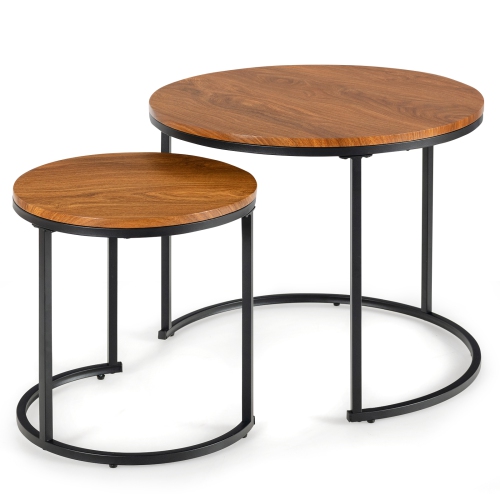
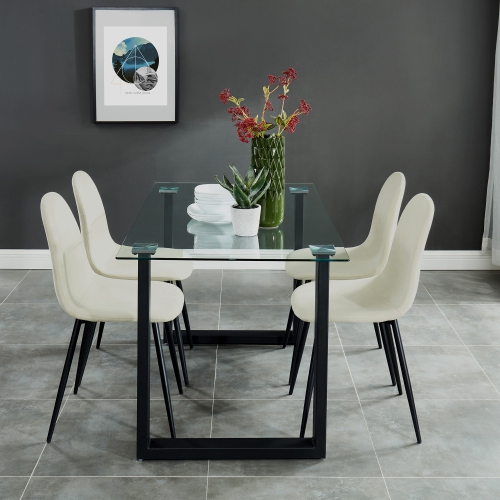
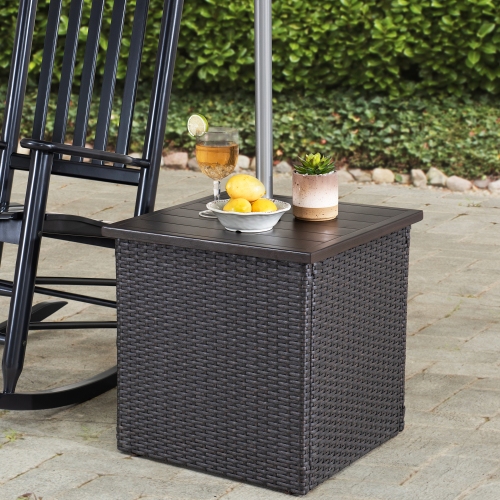
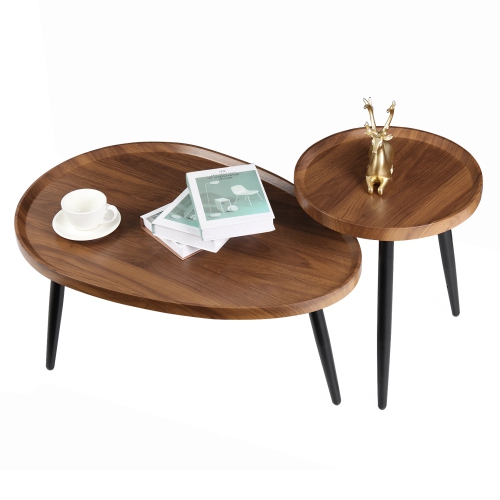
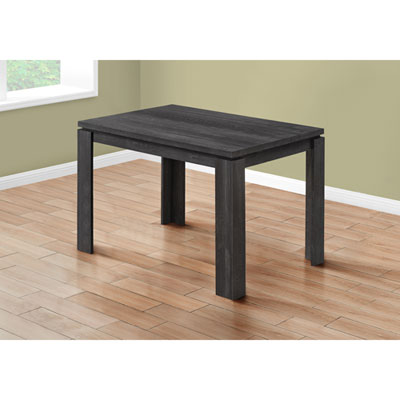
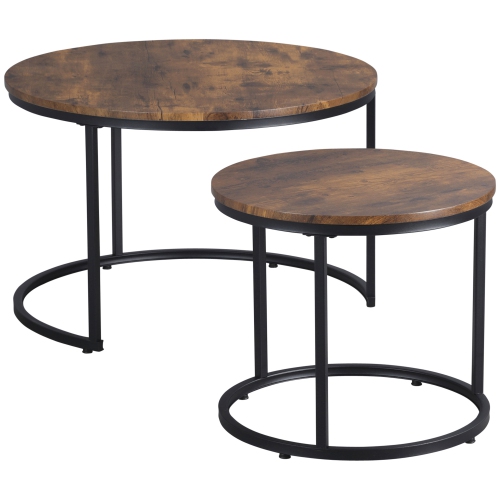
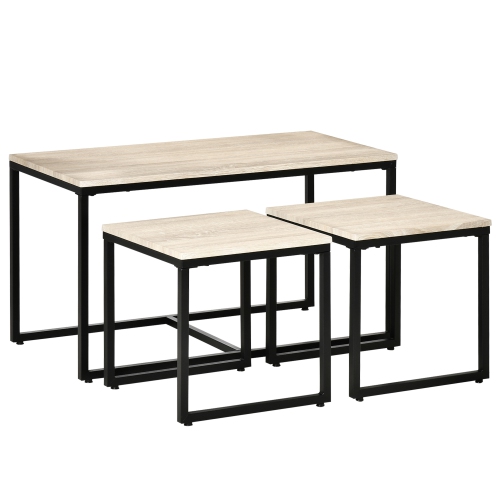
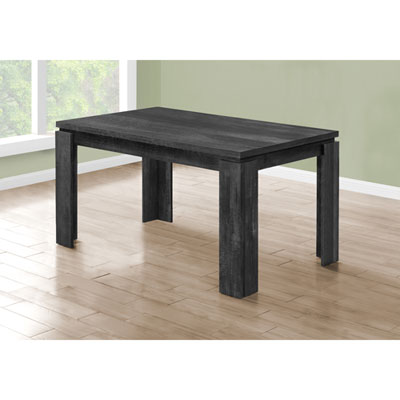

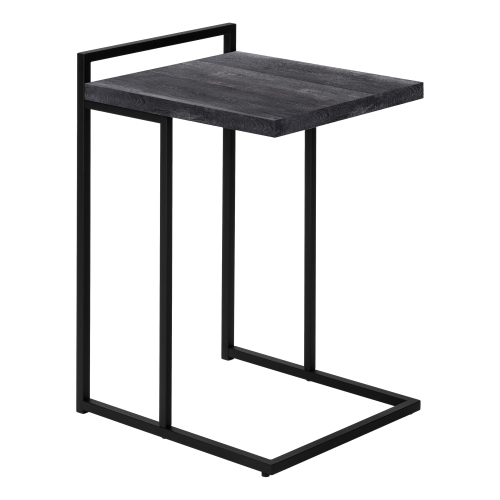

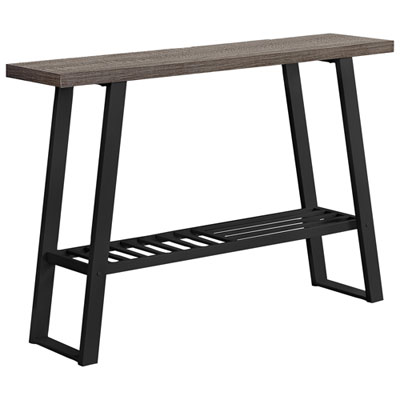
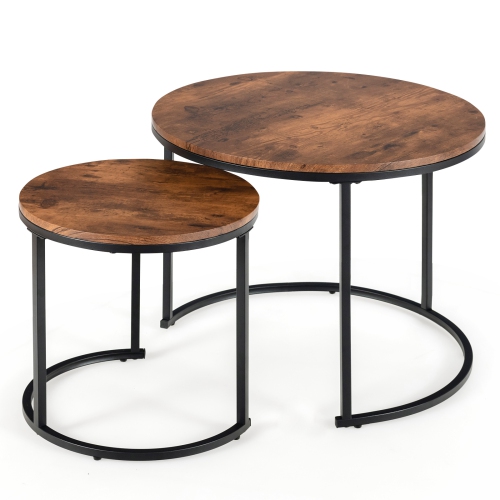


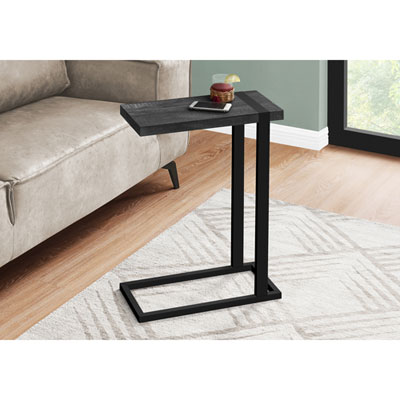
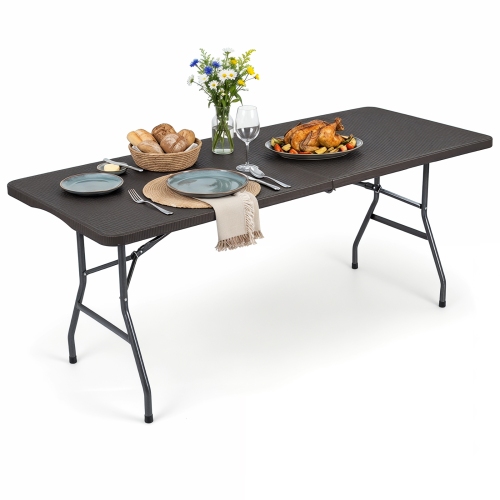

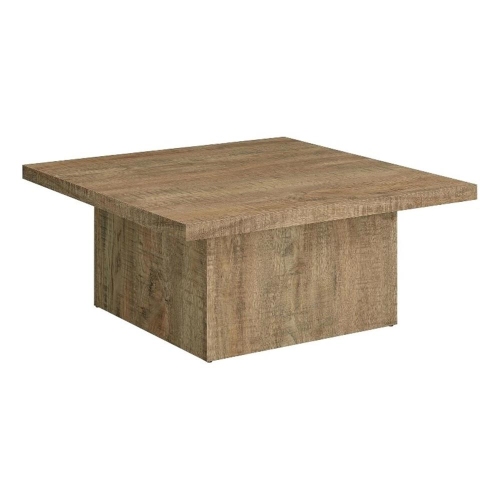
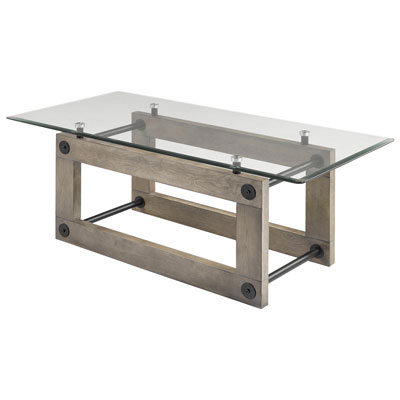
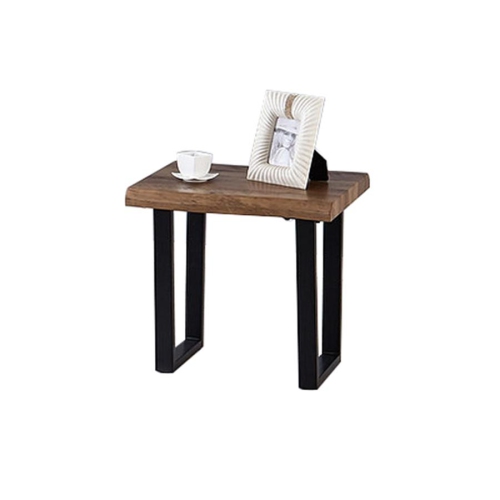
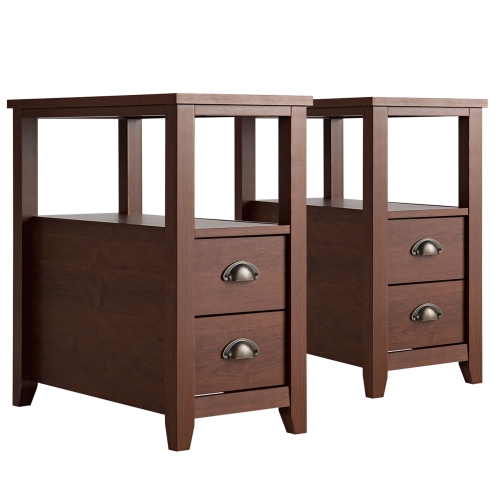
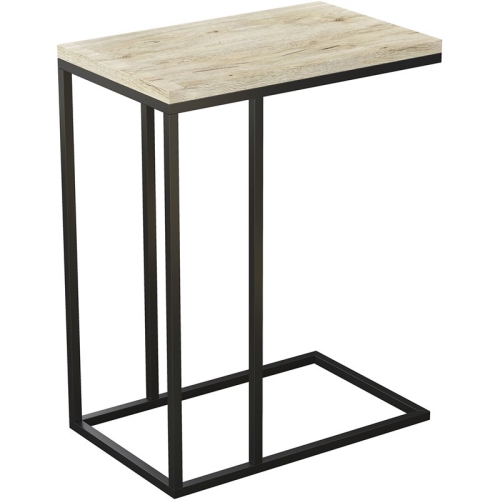
Warm wood tones meet dark bases and practical design
Black and brown tables combine dark finishes with warm brown tones, often pairing a wood or wood-look tabletop with a black metal or wooden base. The contrast gives the table a defined outline while allowing the brown surface to bring texture and warmth to a room. This colour pairing works across dining tables, kitchen tables, coffee tables, side tables, and console tables, with the proportions and construction determining how each piece functions. A brown top with visible grain and slender black legs can suit an industrial-style dining area, while a smooth walnut-toned surface and a substantial black pedestal can feel more contemporary. Rustic finishes tend to show pronounced grain patterns and variations in tone; cleaner, more uniform finishes create a quieter appearance. In a dining space, a table’s usable surface matters as much as its overall dimensions. Everyday place settings, serving dishes, and the occasional laptop all compete for room, so seating capacity depends on the tabletop shape, chair width, and position of the legs or base. A rectangular table can follow the lines of a long room and accommodate several place settings, while a square table often feels balanced in a compact kitchen nook. Round tables remove corners from the layout and make conversation easy, although their bases still need to leave enough space for feet and chair legs. Pedestal designs may offer more flexibility around the edge, whereas corner legs can define where chairs fit. Benches can create a casual arrangement along a rectangular table, but their height and length need to work with the apron and leg spacing. For households that use the dining table for meals, homework, and board games, a comfortable working height and an easy-to-clean finish have practical value every day. Clearance around the table also affects how the room feels: chairs need space to pull out without blocking a doorway, and people should be able to move behind seated diners. Measuring the room with those movements in mind gives a more useful picture than considering the tabletop alone.
In living rooms, black and brown tables can connect the seating area with other finishes without requiring every piece of furniture to match. A brown tabletop may pick up the tone of a bookcase or flooring, while a black frame can relate to lighting, cabinet handles, or a television stand. The result can feel coordinated even when the wood shades differ slightly. For the centre of a seating arrangement, black and brown coffee tables provide a surface for drinks, reading material, and shared activities, with shape and height influencing how comfortably the space works. A low rectangular design can sit neatly along a sofa, while a round or oval surface can make movement easier where walking routes pass close to the furniture. Rounded edges reduce sharp corners, though stability and construction remain important considerations in homes with children or pets. Open shelving beneath a tabletop can hold frequently used books or a basket of remotes, while drawers can keep smaller belongings out of sight. Storage is most useful when there is enough clearance to reach it without moving nearby furniture. Side tables serve a different purpose: a surface close to sofa-arm height keeps a mug or reading glasses within comfortable reach. A narrow console can give an entryway a place for keys and mail, or sit behind a sofa where its depth does not interrupt a walkway. Nesting tables offer separate surfaces that can be brought closer to guests and tucked together afterwards. In smaller homes, these distinctions help each piece earn its footprint rather than simply fill an empty corner. A substantial dark base can visually anchor a large room, while an open frame allows more of the floor to remain visible. Brown tones also vary considerably, from honey and medium oak shades to deeper walnut and espresso effects, so their undertones influence how they sit beside upholstery, rugs, and other wood finishes.
Materials and construction affect how black and brown tables look, feel, and hold up to regular use. Solid wood has natural grain variation and can develop marks with use; some finishes allow refinishing, but suitability depends on the wood, coating, and construction. Wood veneer is a thin layer of real wood bonded to a supporting core, giving the surface genuine grain without making the whole tabletop solid timber. Laminate and other decorative surfaces over engineered wood can provide a consistent appearance, with resistance to scratches, heat, and moisture varying by material and finish. Neither a brown colour nor a wood-grain pattern alone identifies what a tabletop is made from. Black bases may be painted wood, coated steel, or another material, and the strength of the joints, the placement of supports, and the quality of assembly all contribute to stability. Crossbars can reinforce a frame but may affect legroom, while adjustable feet can help a table sit evenly on a slightly uneven floor. For a frequently used dining or kitchen table, protected edges and a finish suited to routine wiping are especially relevant. In a living room, the ability to move a table for cleaning may matter alongside its weight and storage capacity. Care should follow the manufacturer’s directions, since products suitable for one finish may damage another. A soft cloth, prompt attention to spills, and avoidance of abrasive cleaners are sensible precautions for many finished surfaces. Coasters, placemats, and trivets help limit direct contact with moisture and heat; even a sturdy-looking top should not be assumed to tolerate a hot pan. Excess water can damage vulnerable edges and seams, particularly on some engineered-wood tops. Protective pads beneath the feet can help reduce marks on flooring when the table is moved. Assembly requirements also deserve attention, including whether the tabletop needs two people to lift safely and whether fasteners require periodic checking. Together, these details help distinguish a table suited to occasional use from one that fits the repeated demands of family meals, entertaining, or a busy shared living space.
Top selling and popular products
-
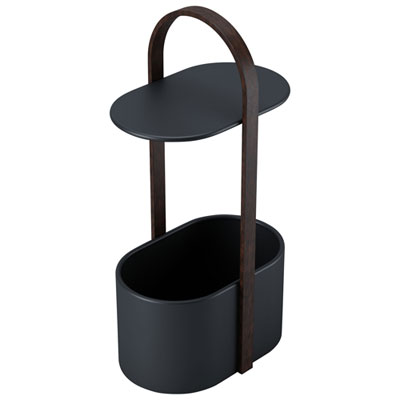 Your price for this item is $93.98
-
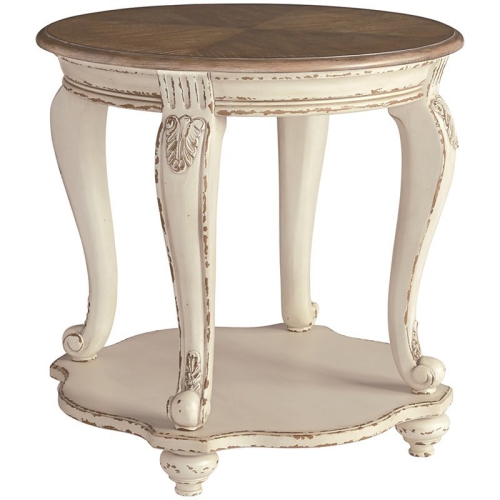 Your price for this item is $369
-
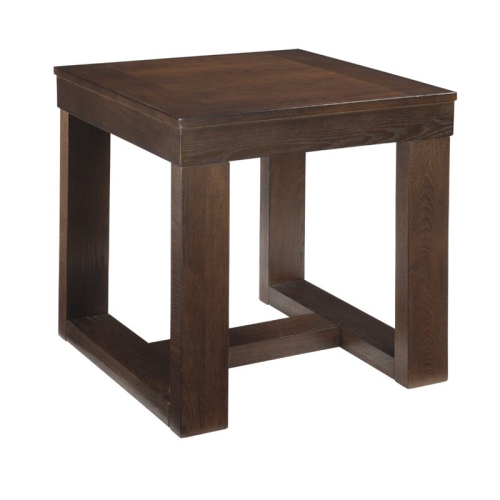 Your price for this item is $199
-
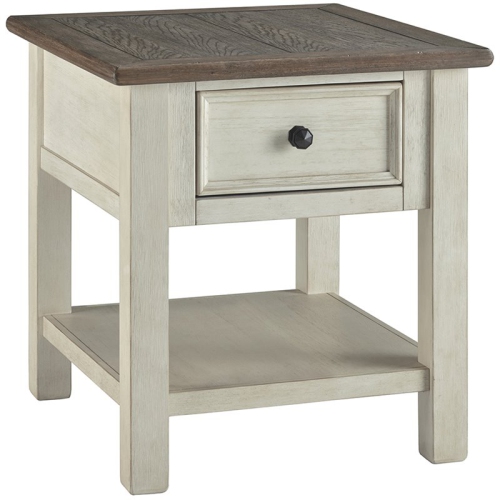 Your price for this item is $399
-
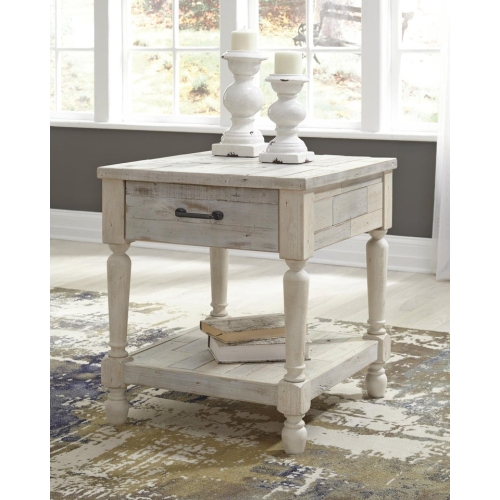 Your price for this item is $249
-
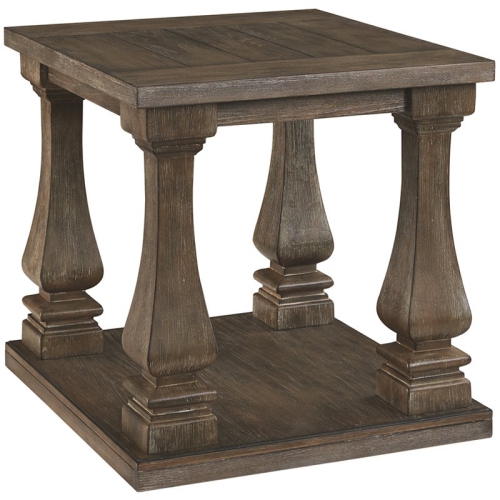 Your price for this item is $375
-
 Your price for this item is $452.99
-
 Your price for this item is $224.99
Discover more categories related to Black And Brown Tables
Top Collections:
Pokemon Centers, Kindle Devices, Best Cameras for Sports Photography, Pokémon 30th Celebration Cards, Apple iPhones 16, Canon G7X Cameras, iPhone 15 Apple, Flip Phones, Samsung Galaxy Phones, Alarm Clock
Some products may be subject to Environmental Handling Fees
(EHF) depending on your province.
Learn more about EHFs.