Black And Gray Ottomans
Add a touch of sophistication and versatility to your living space with these black and gray ottomans. Whether you prefer a sleek and modern design or something more traditional, our selection of black and gray ottomans has something to suit almost every style. Explore our range today and discover the perfect ottoman to elevate your home decor.
Sort







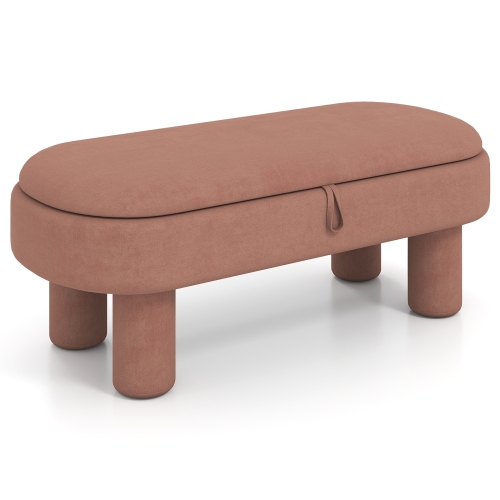
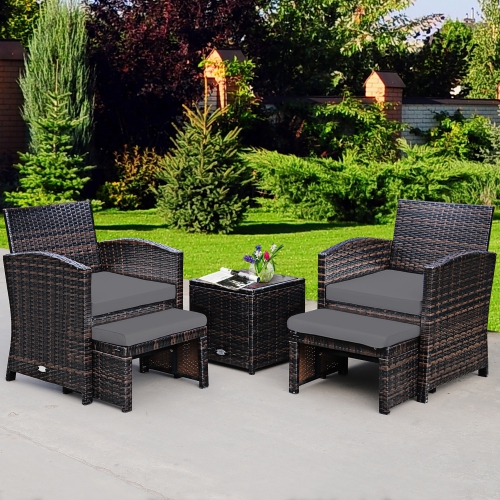
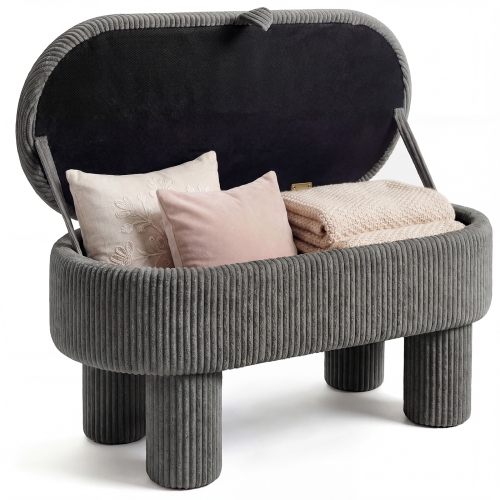
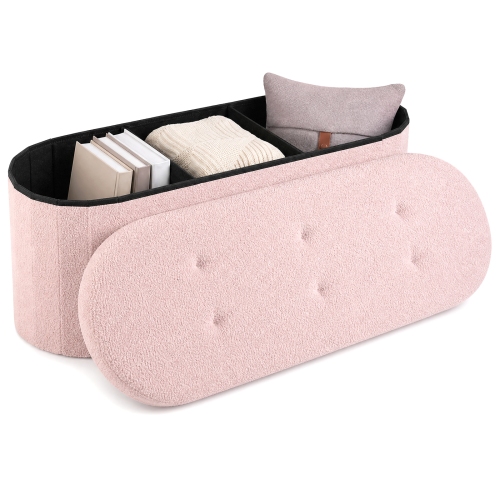

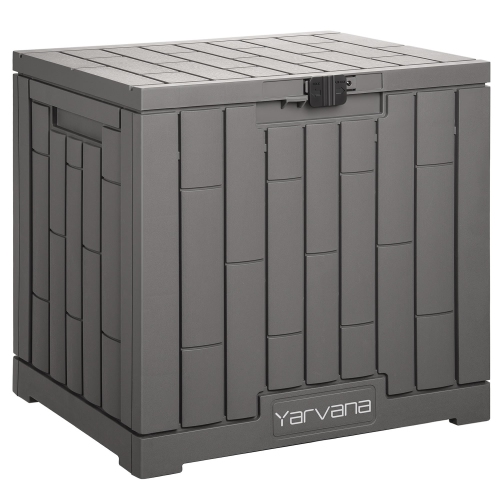
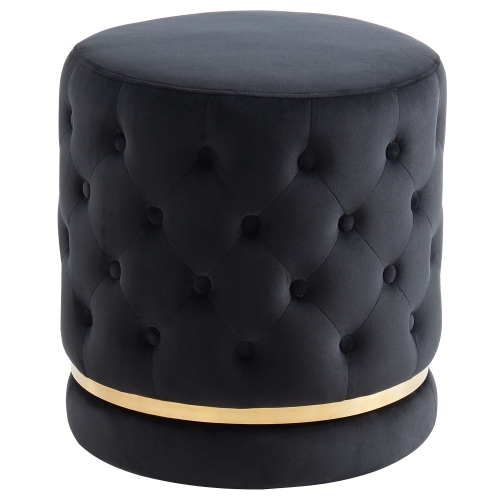
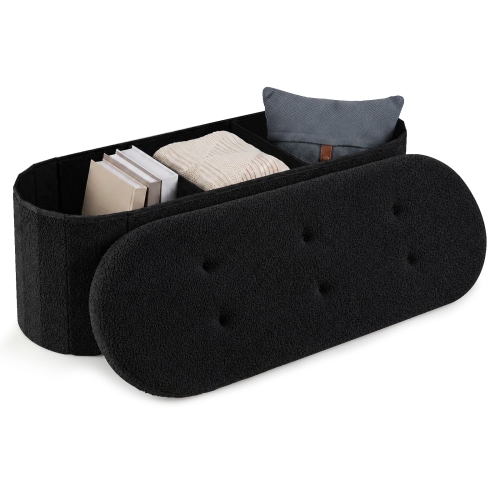
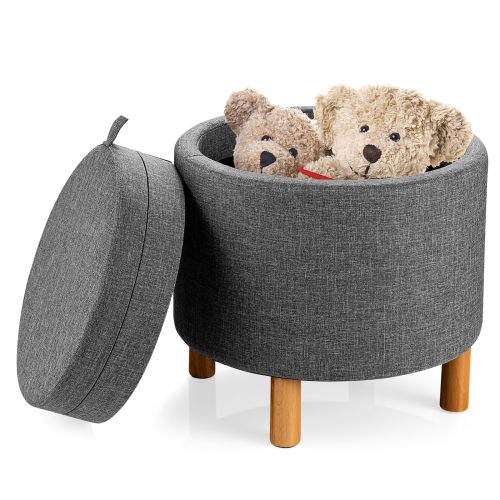
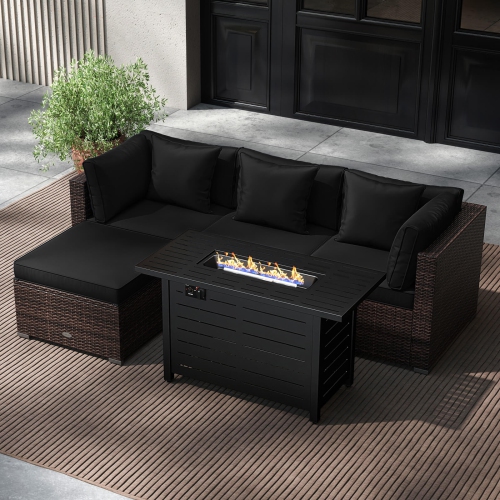
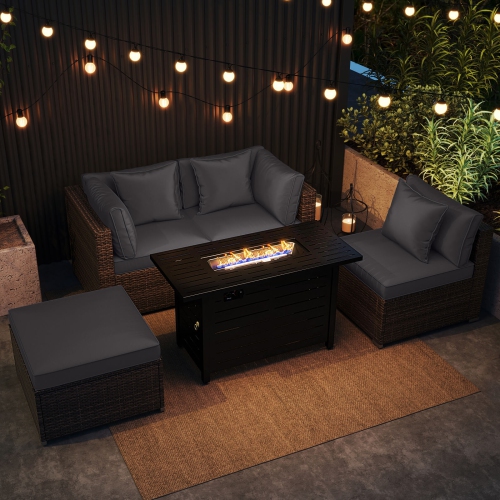
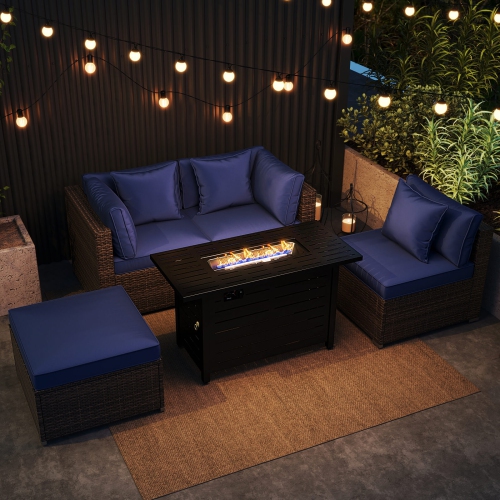
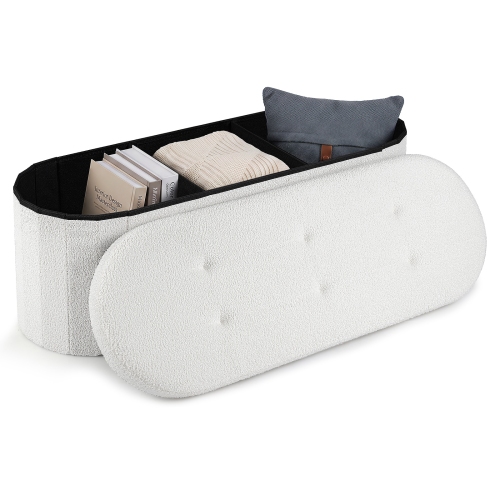

How colour and texture shape an ottoman’s character
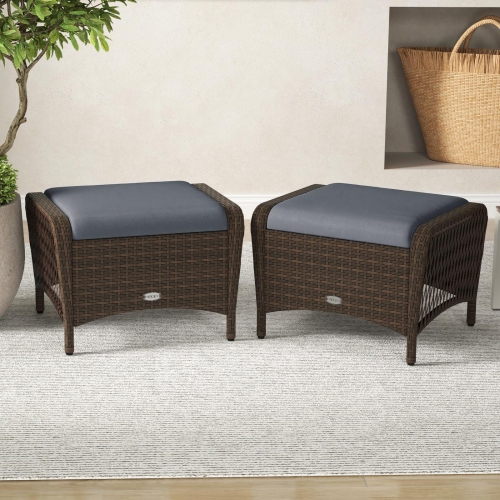
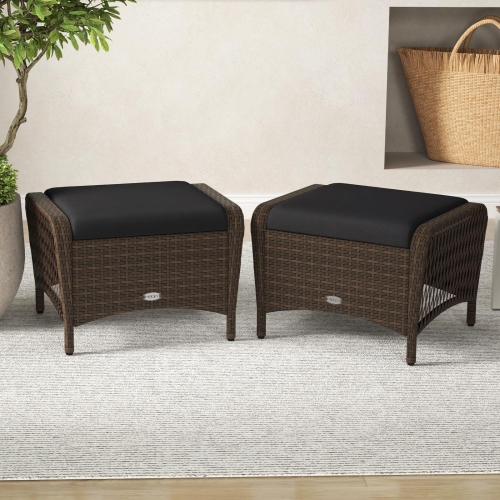
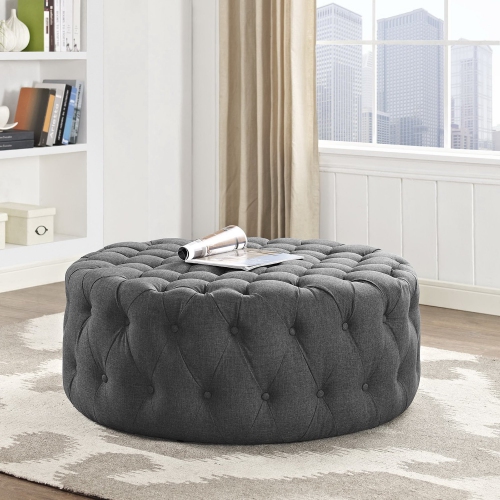
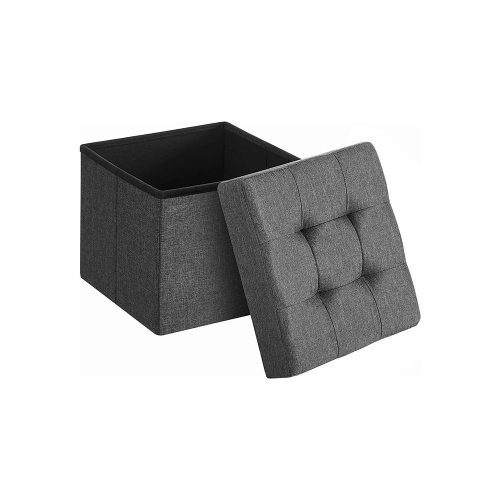
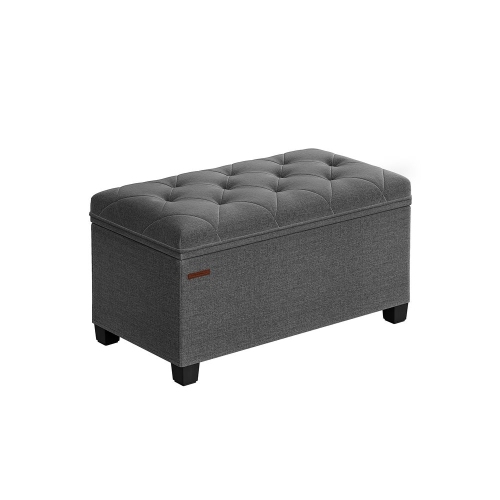
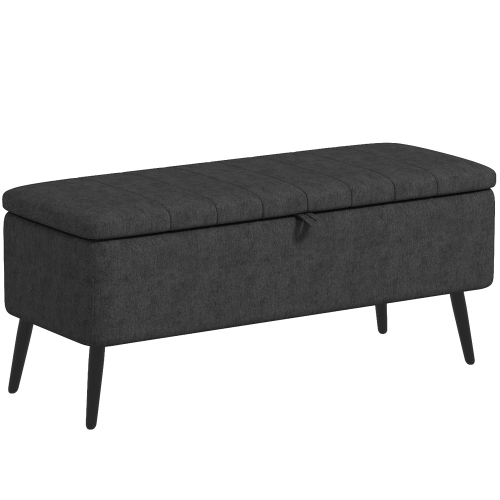
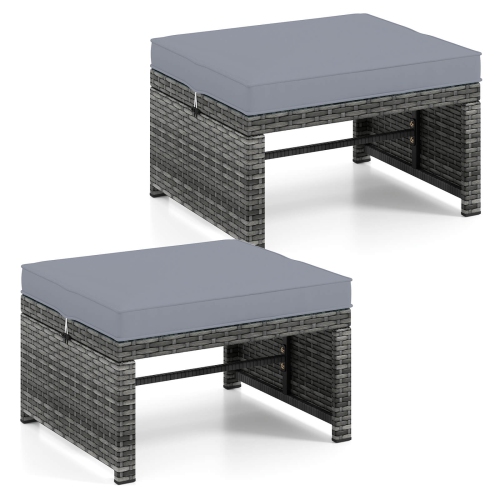
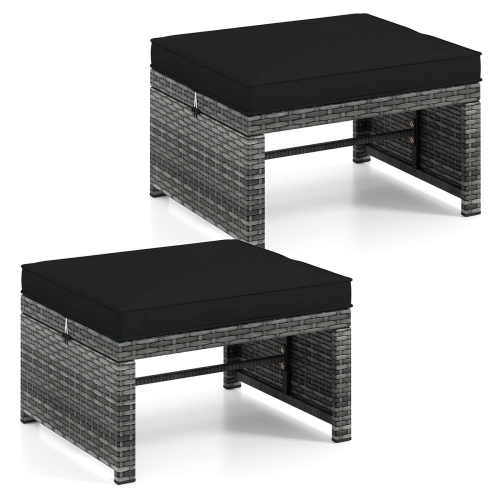
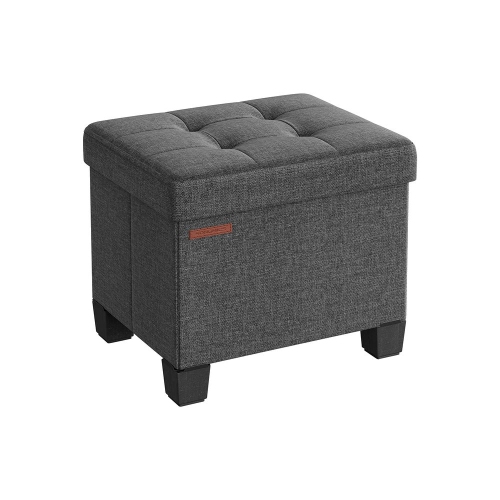
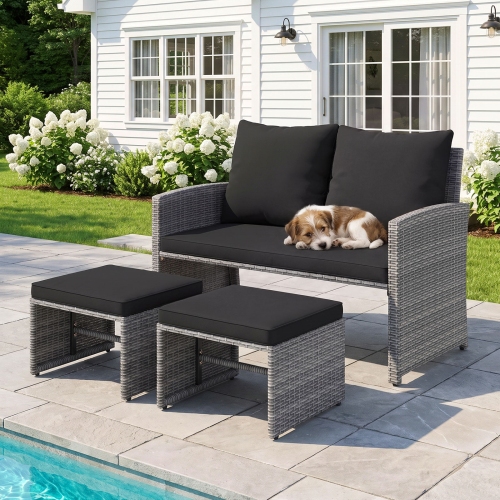
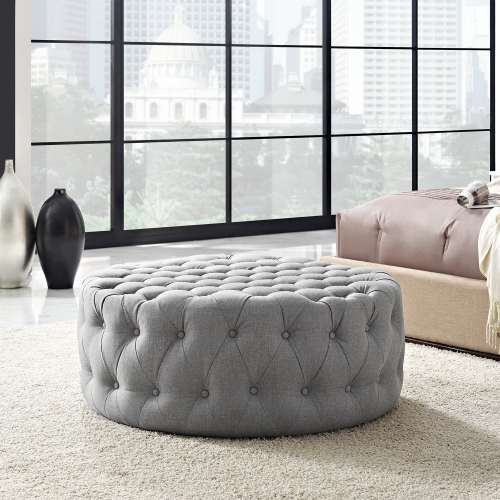
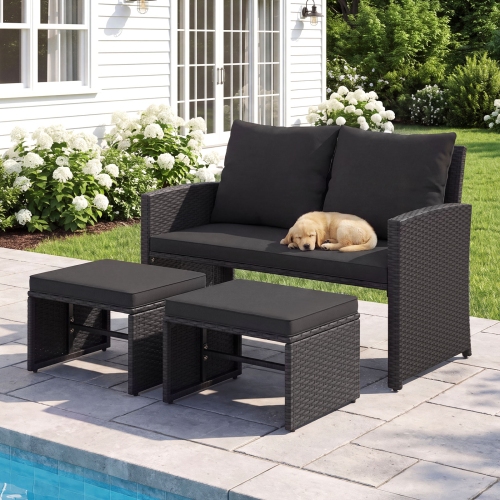
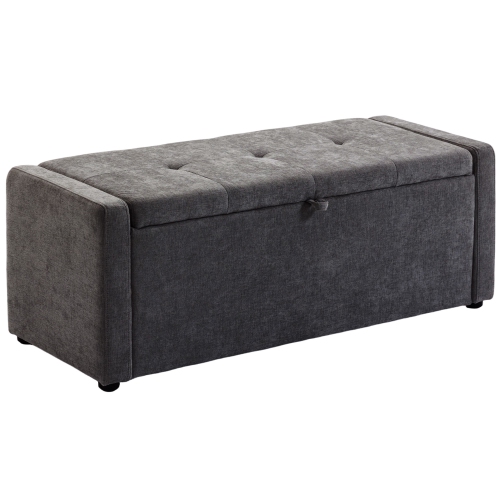
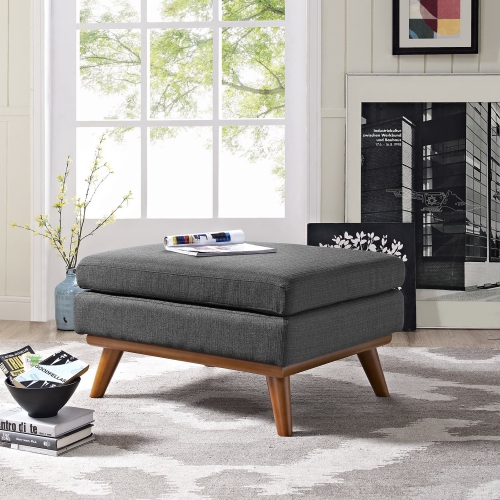
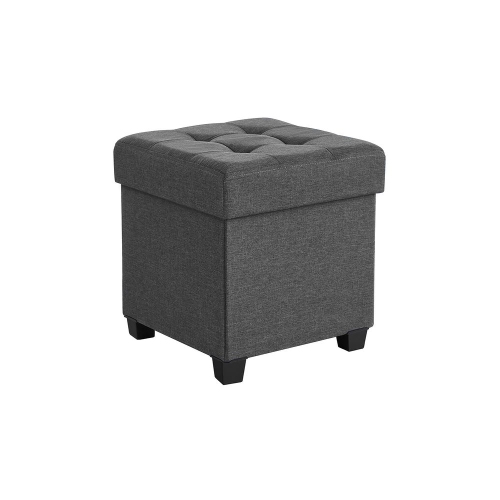
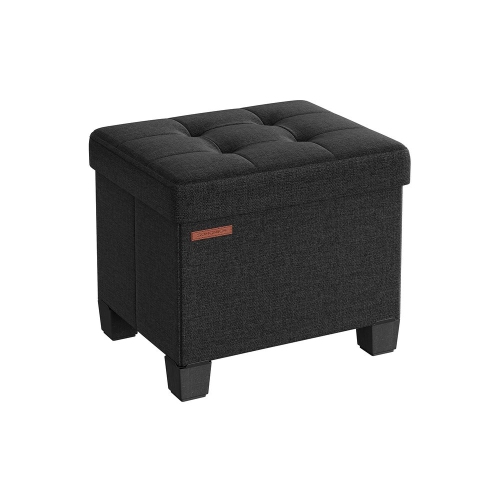
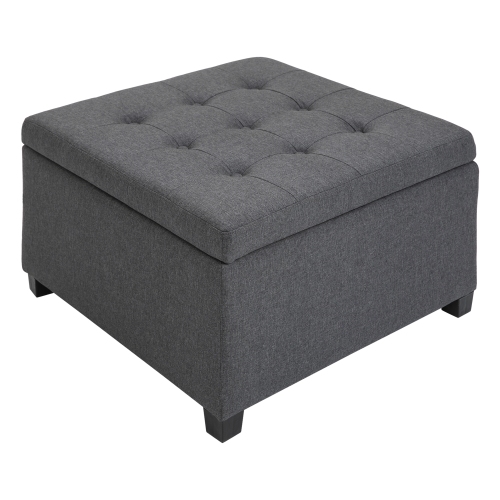
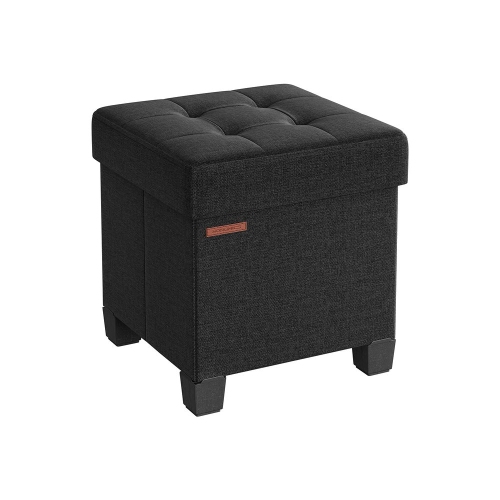
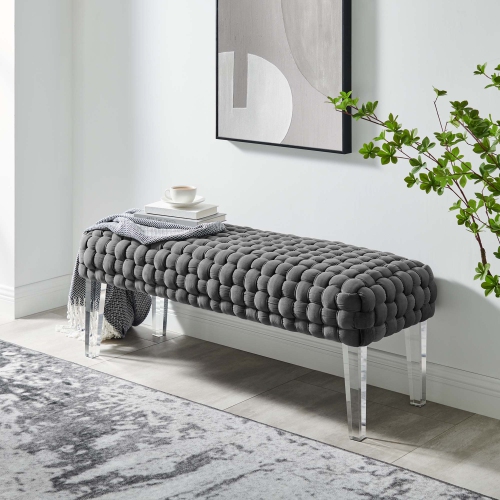
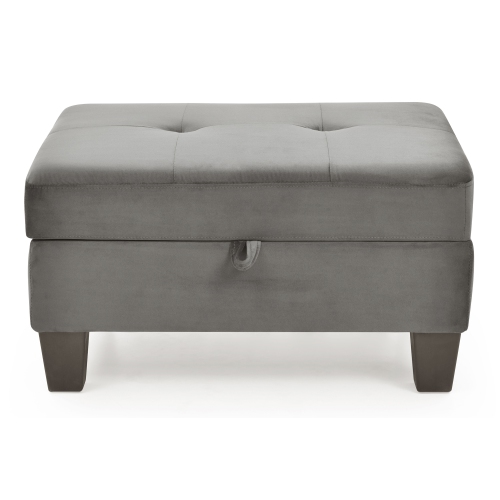
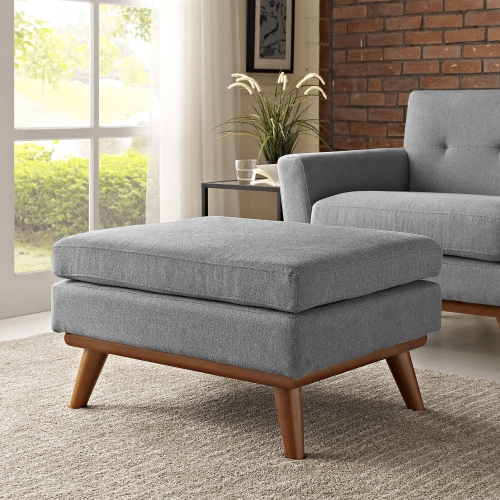
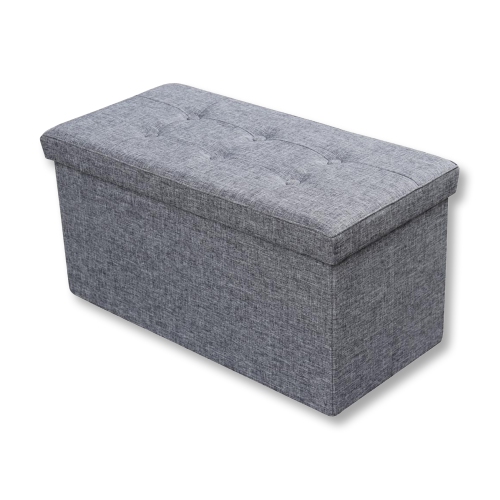
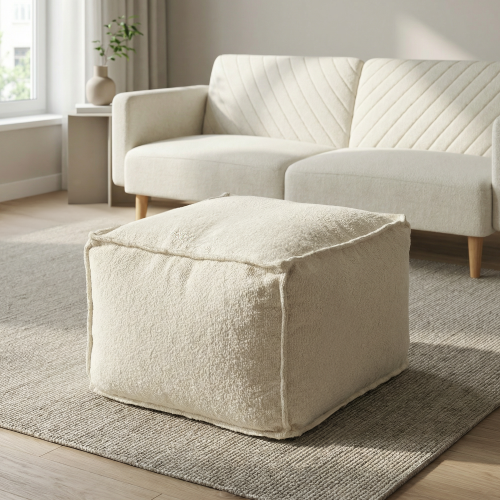
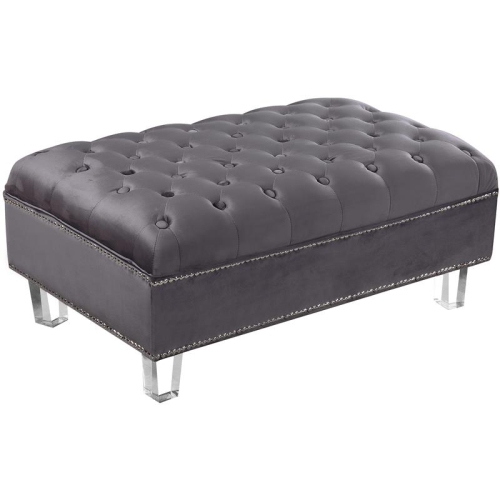
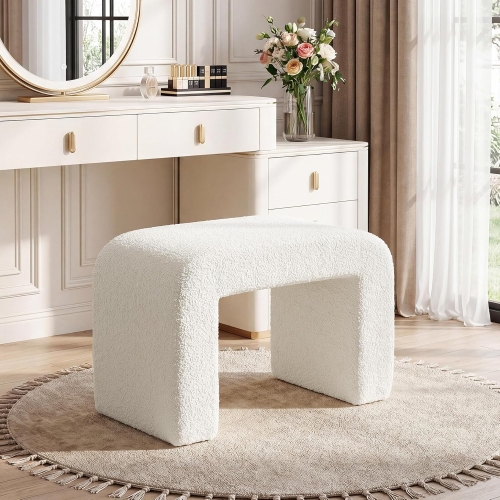
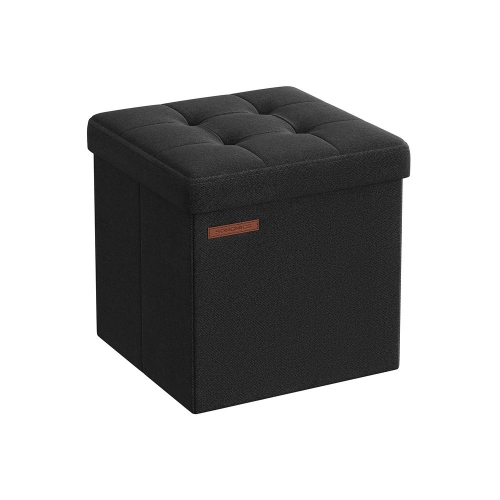
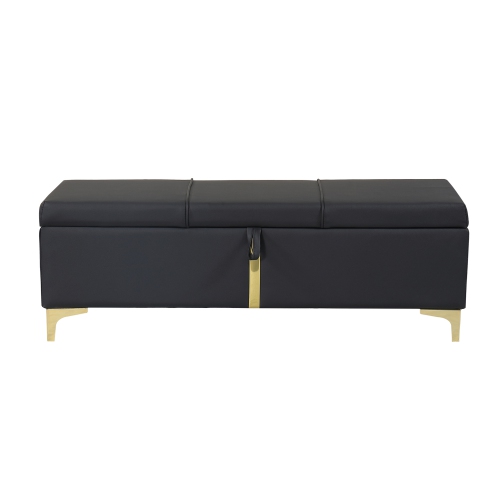
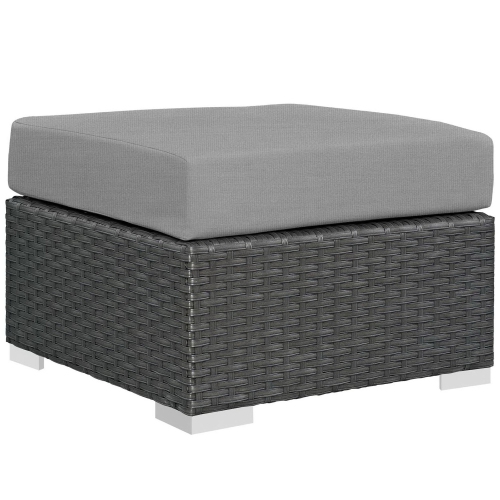
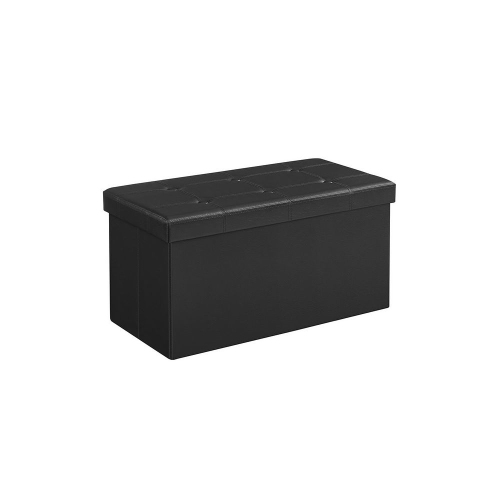
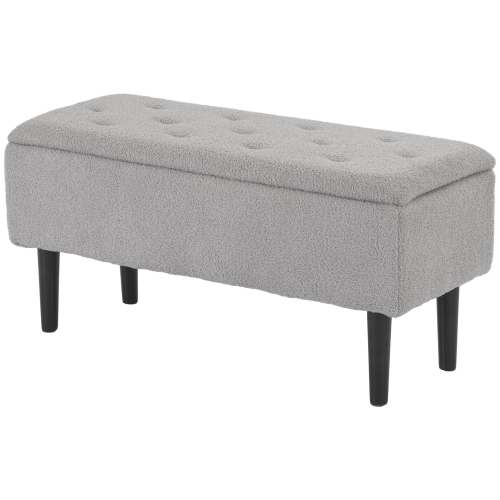
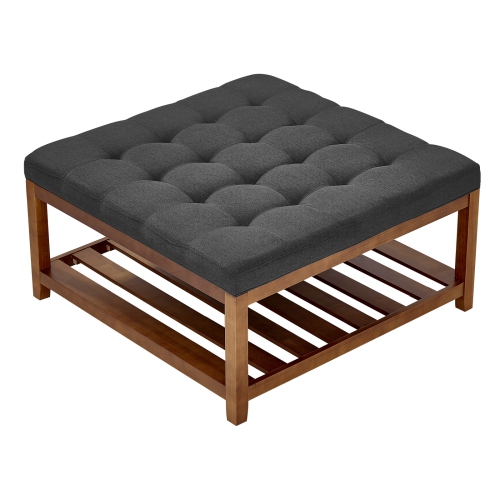
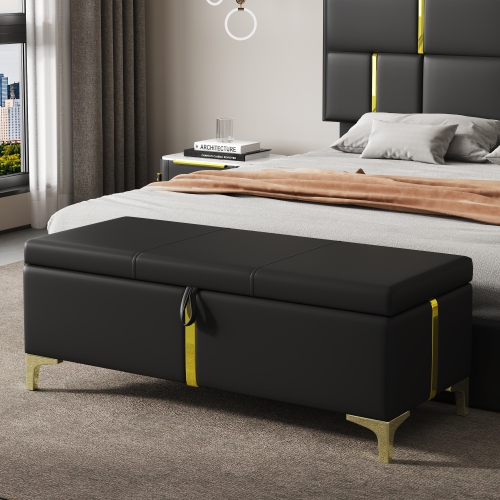
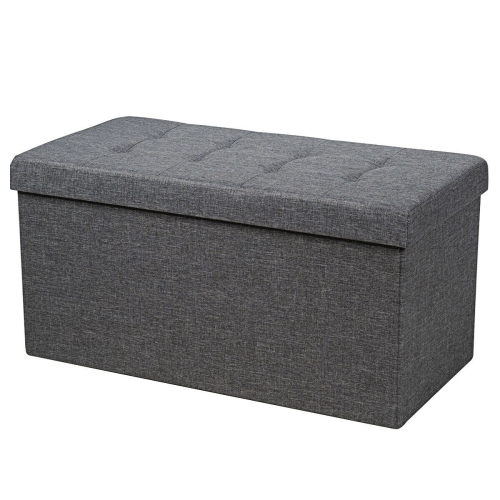
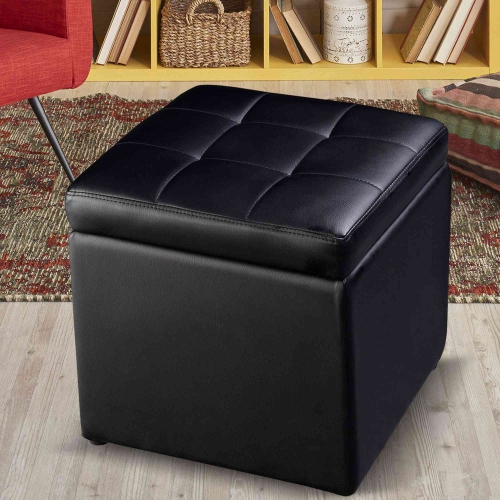
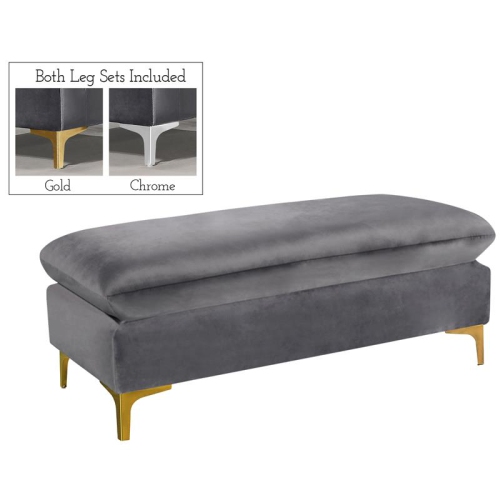
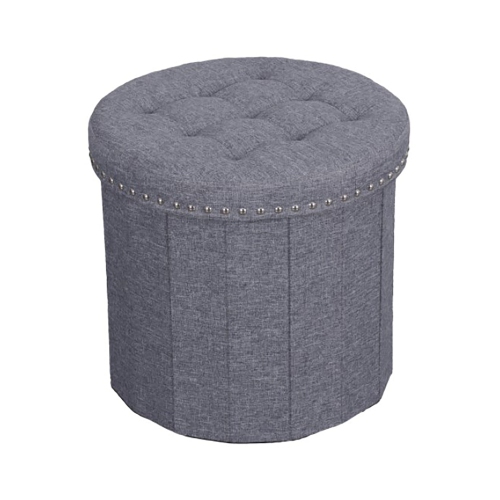
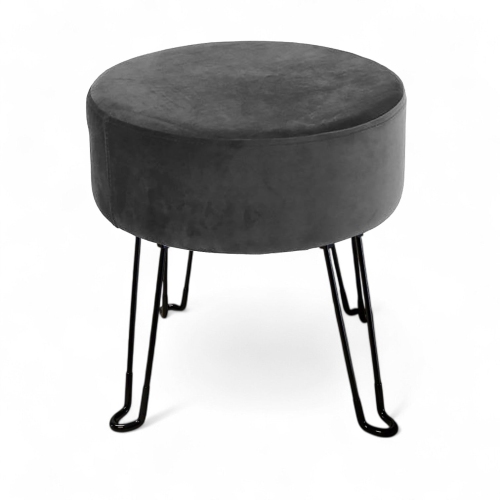
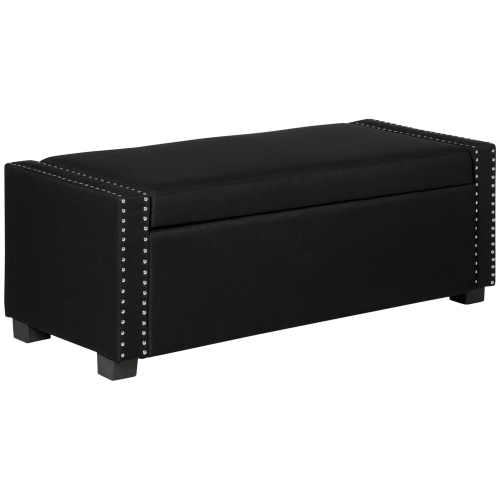
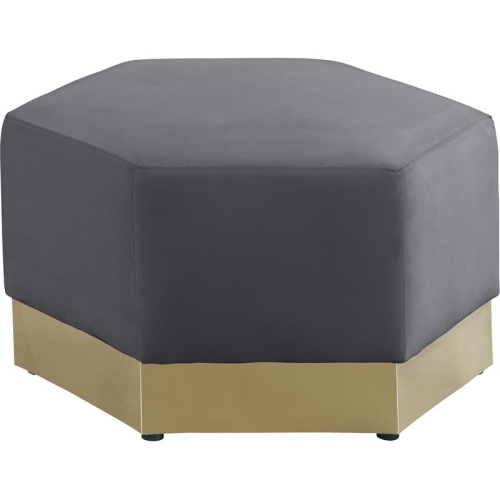
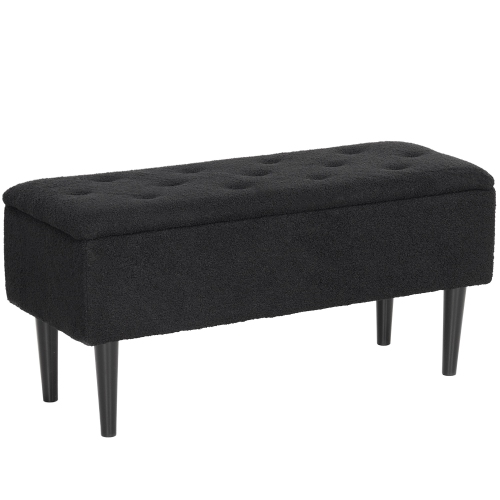
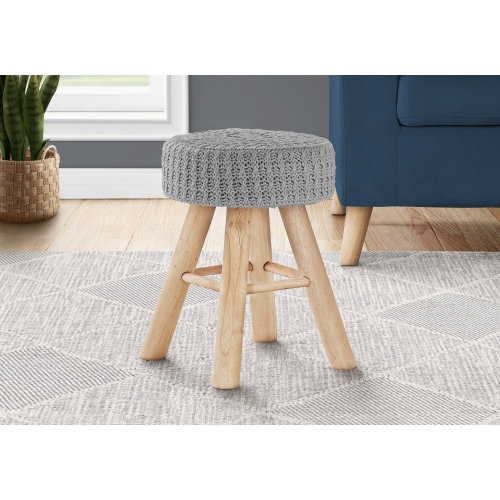
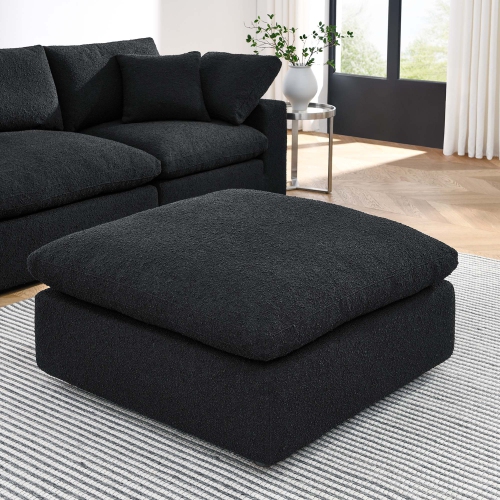
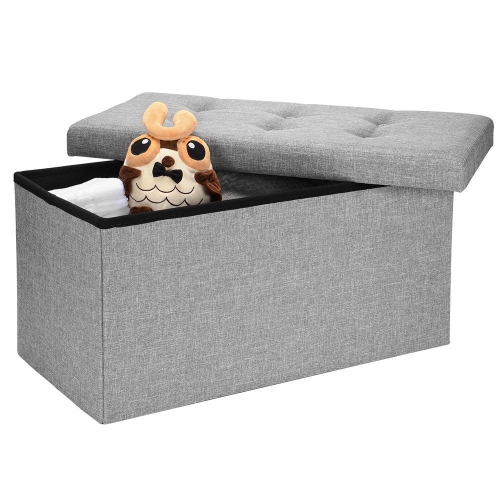
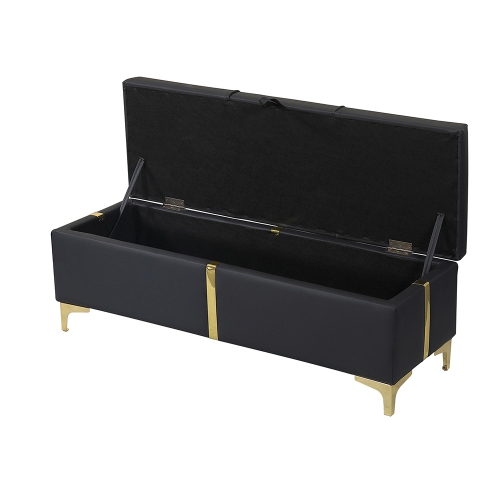
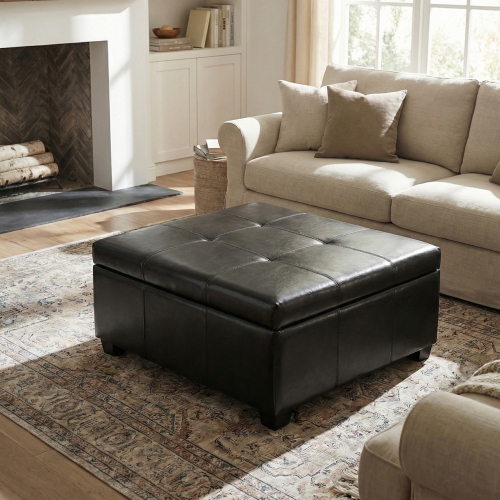
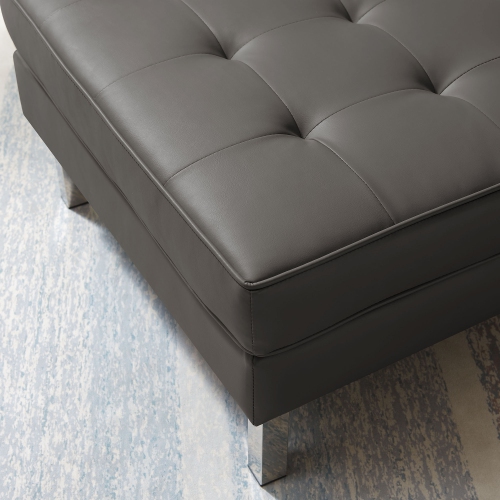
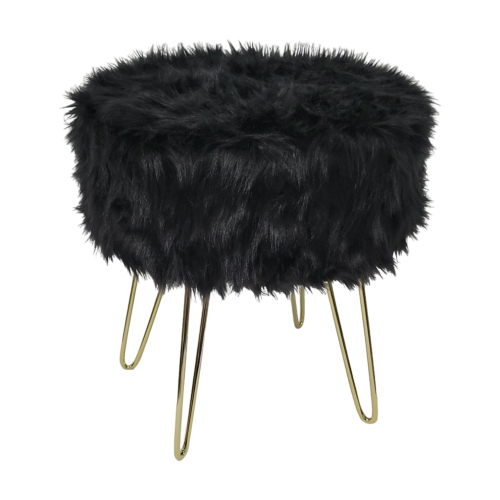
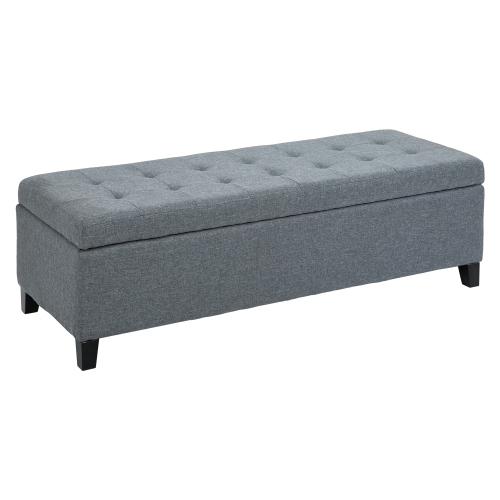
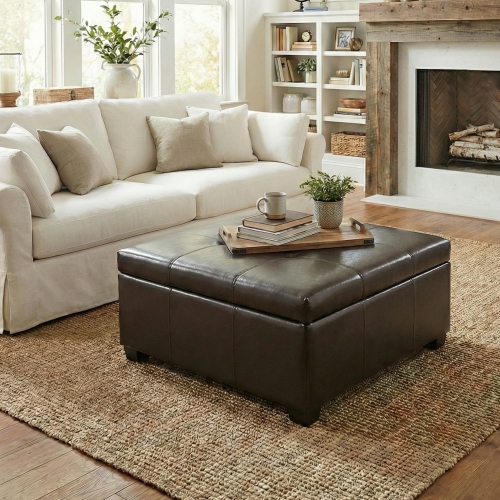
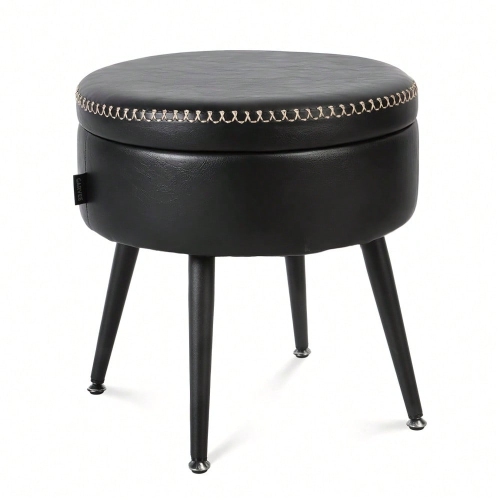
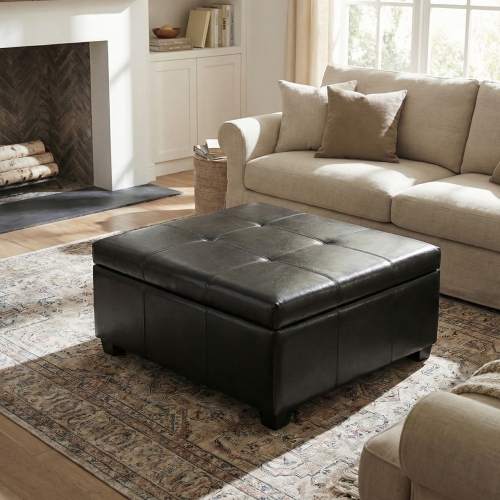
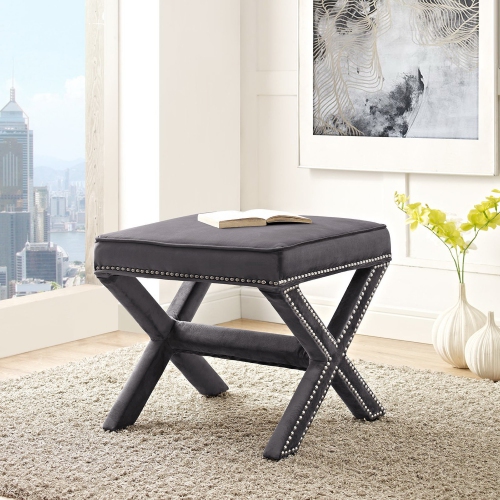
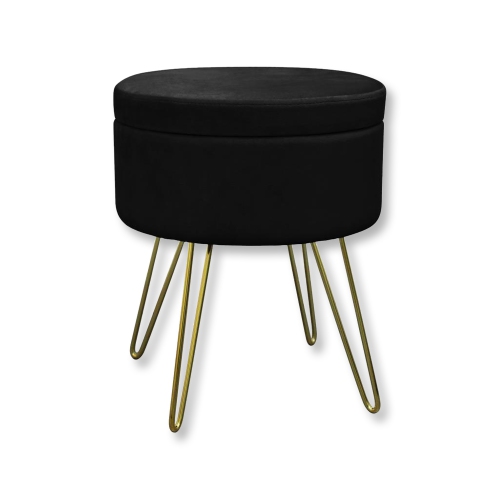
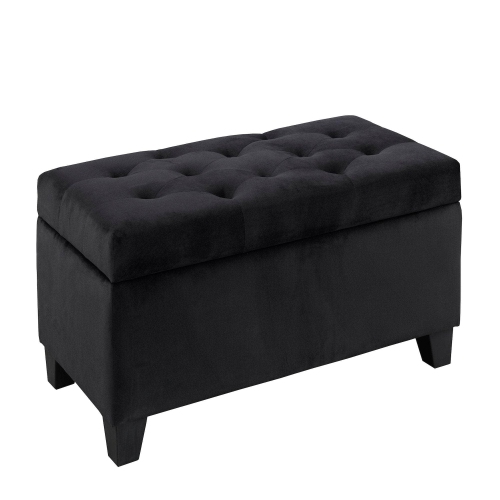
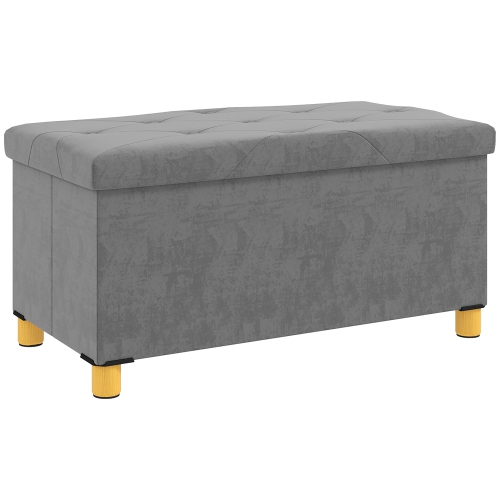
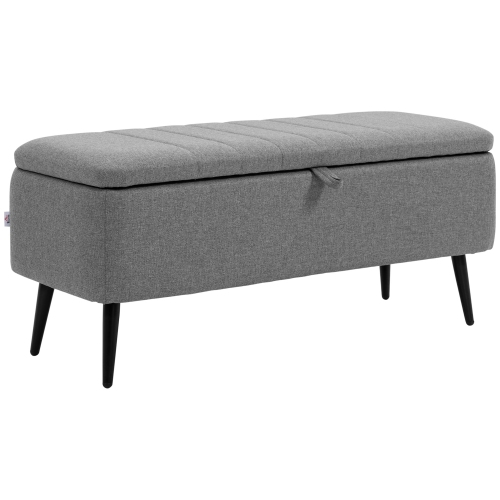
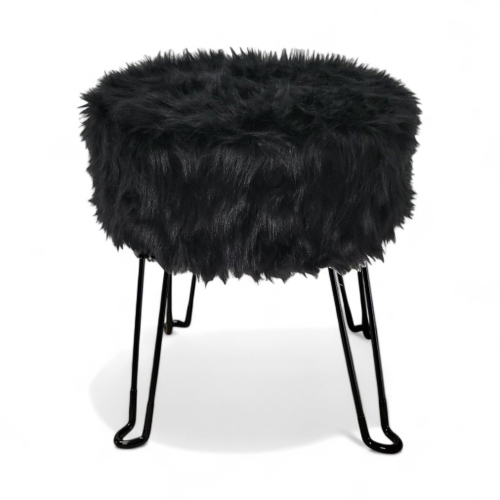
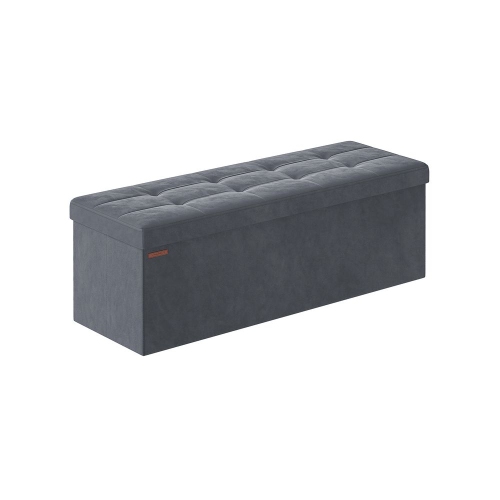
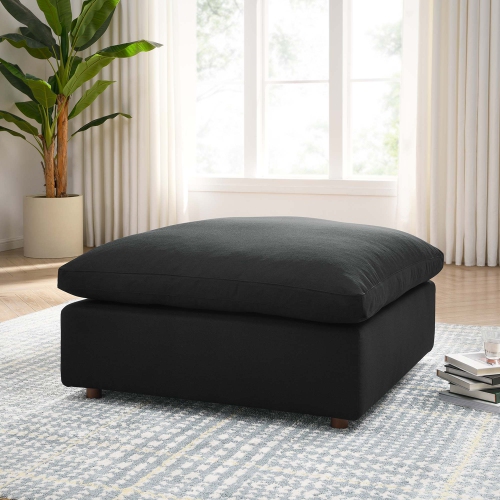
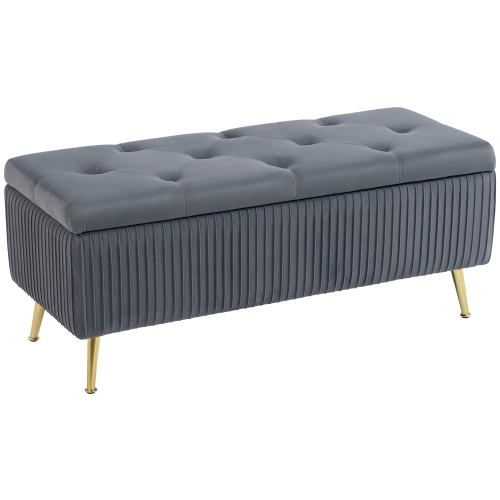
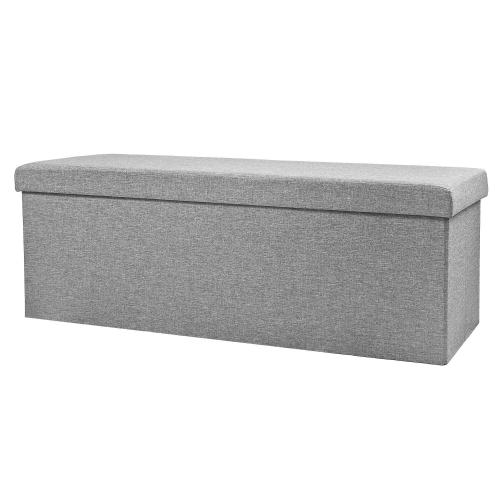
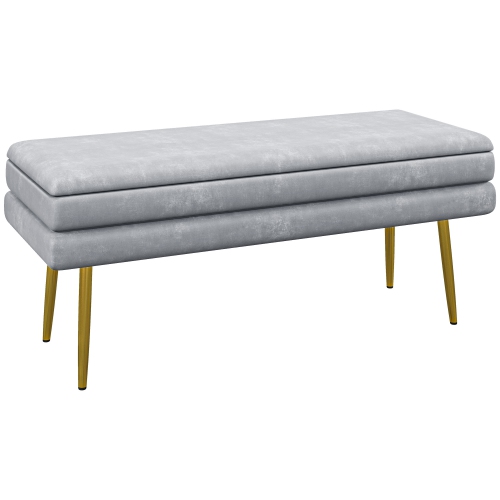
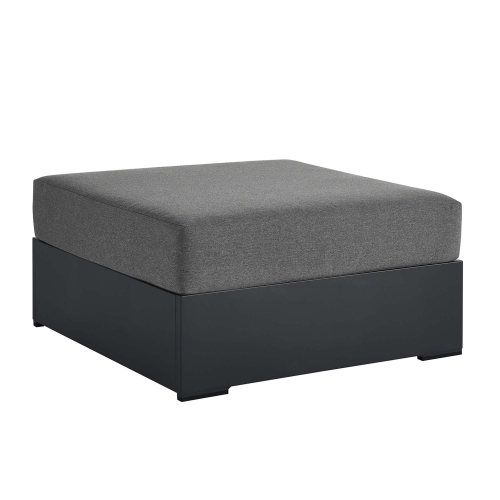
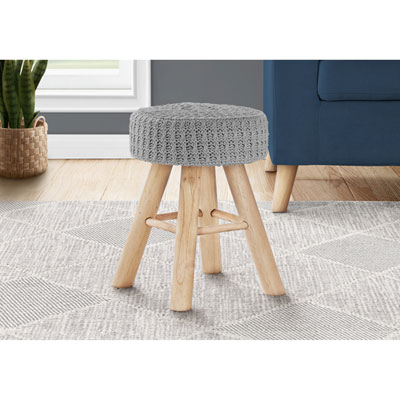
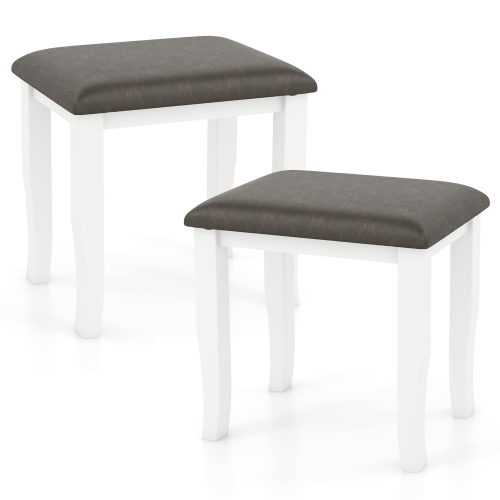
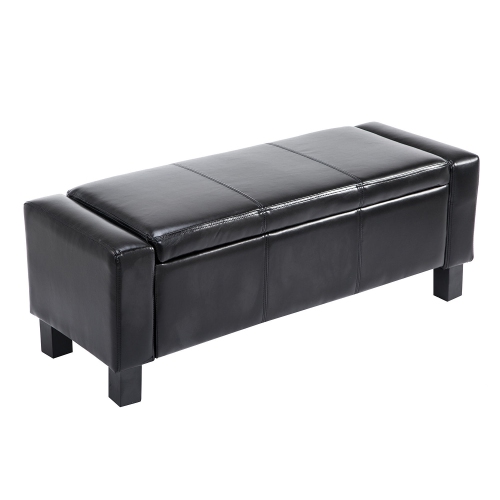
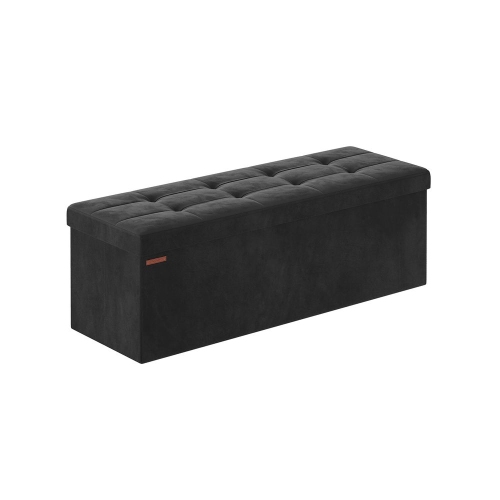
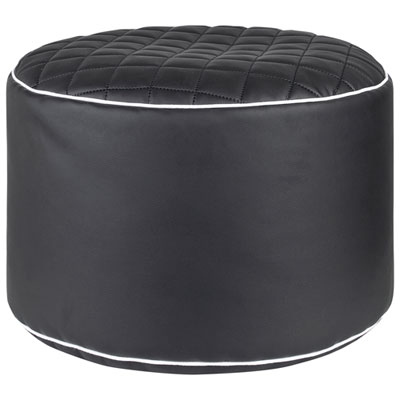
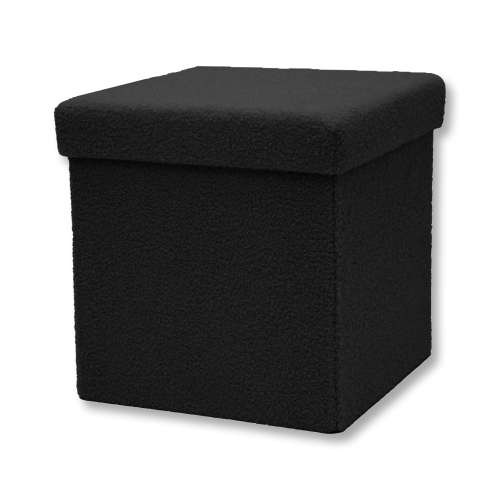
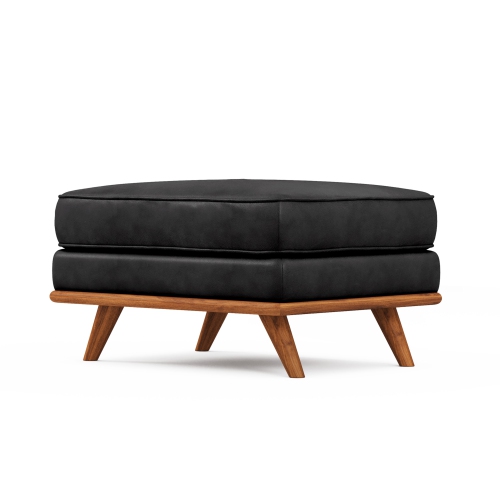
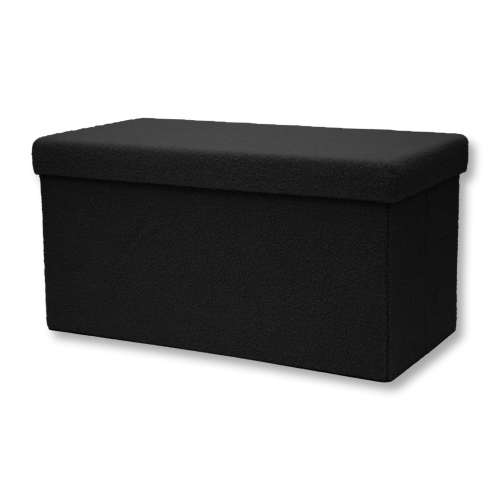
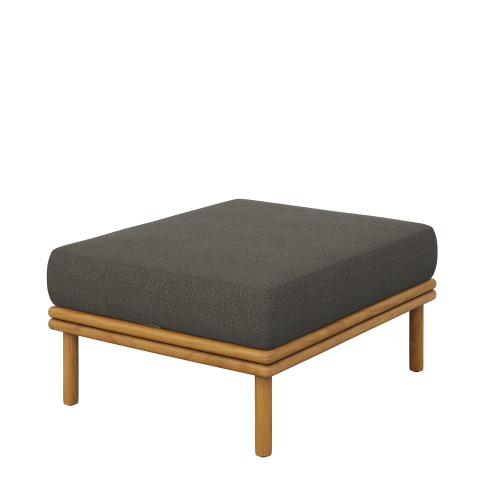
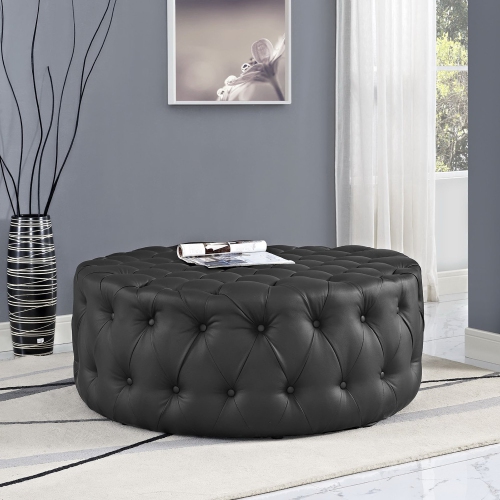
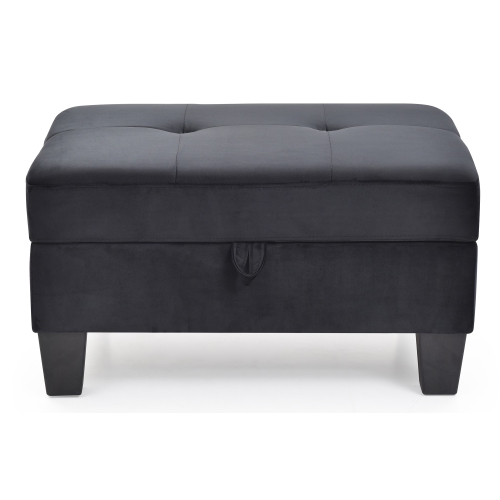
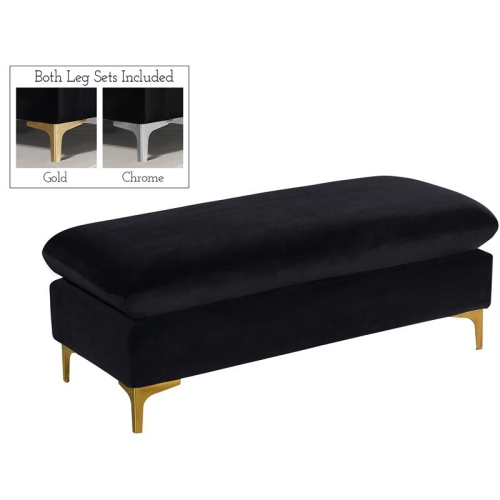
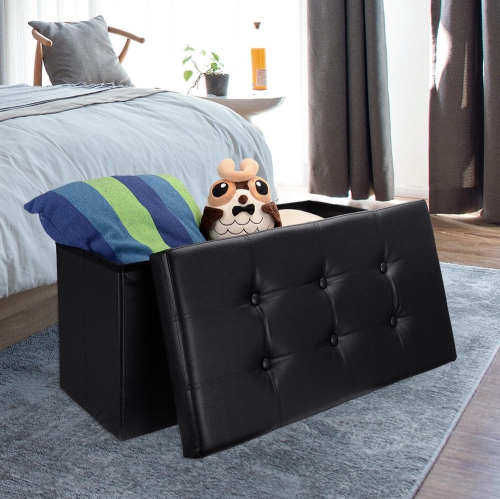
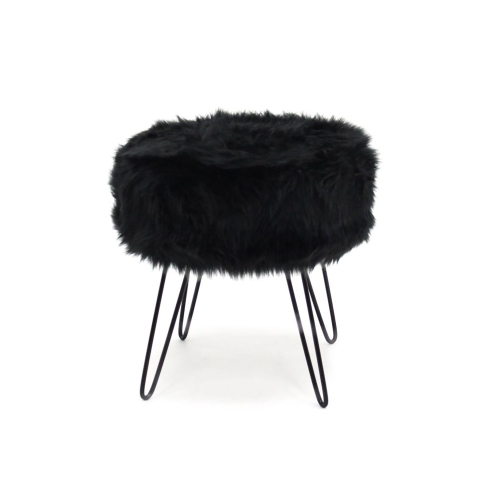
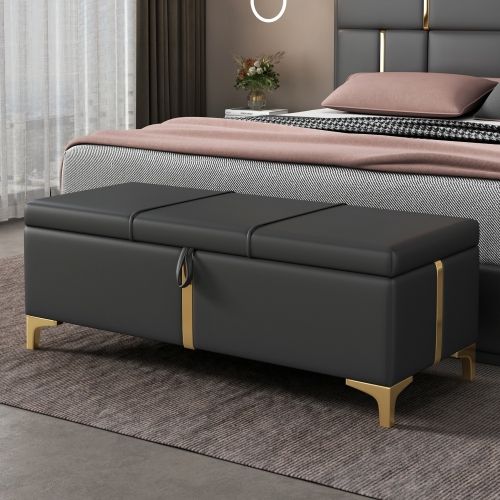
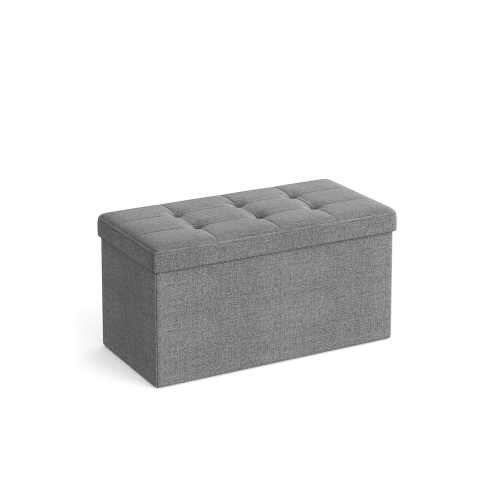
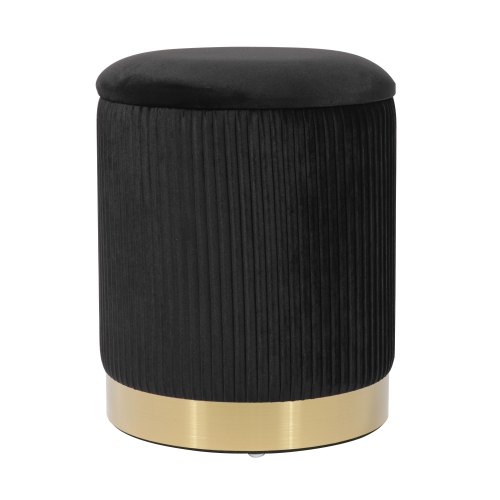
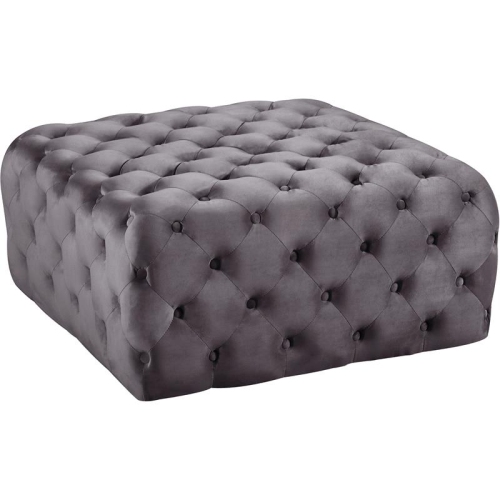
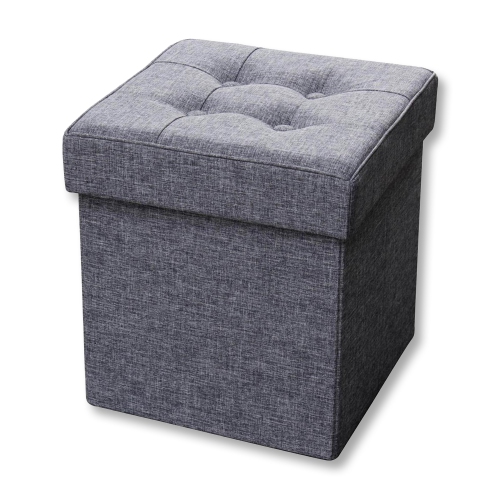
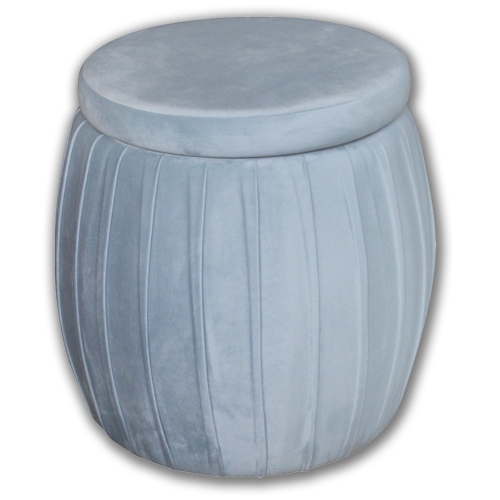
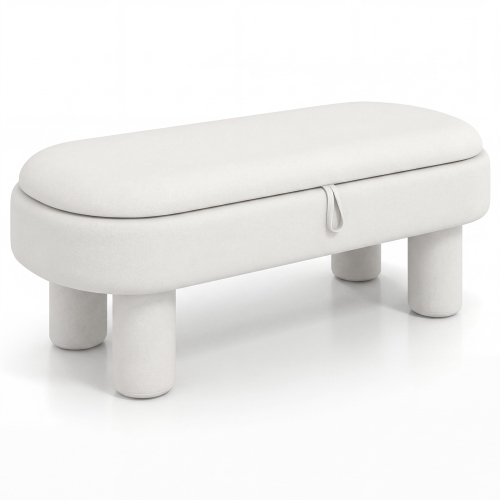
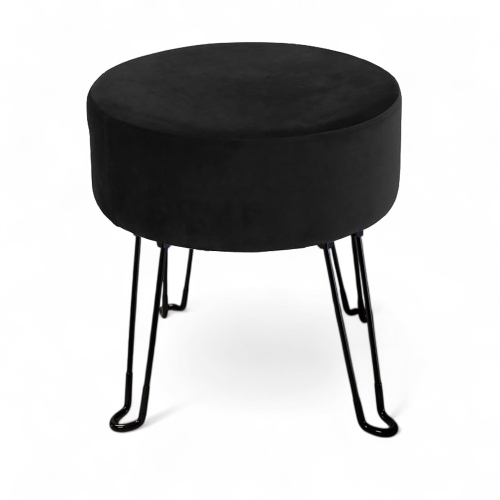
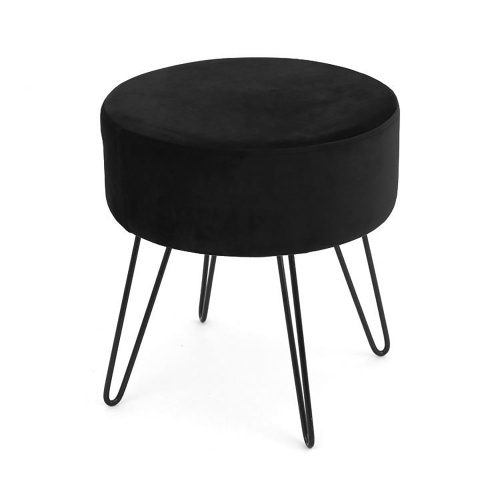
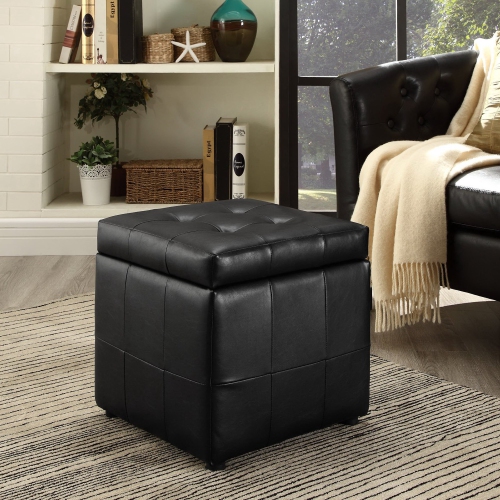
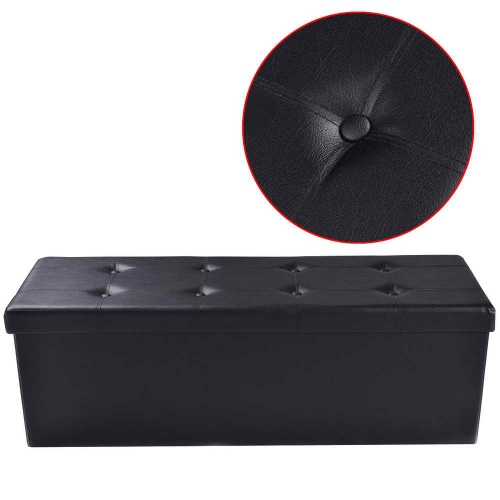
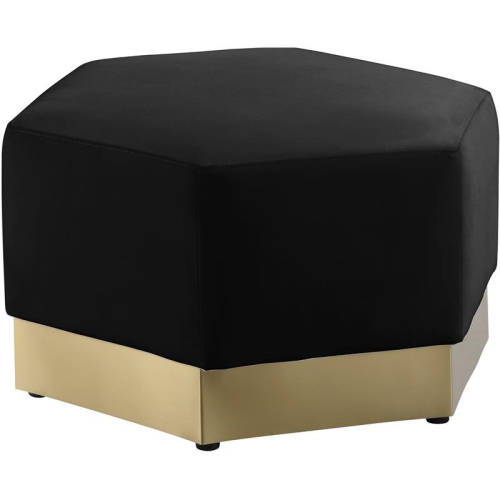
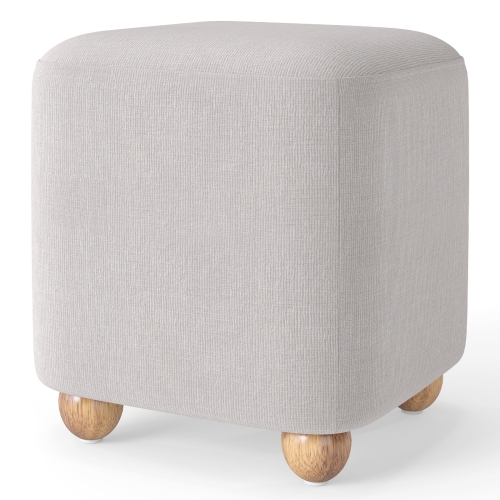
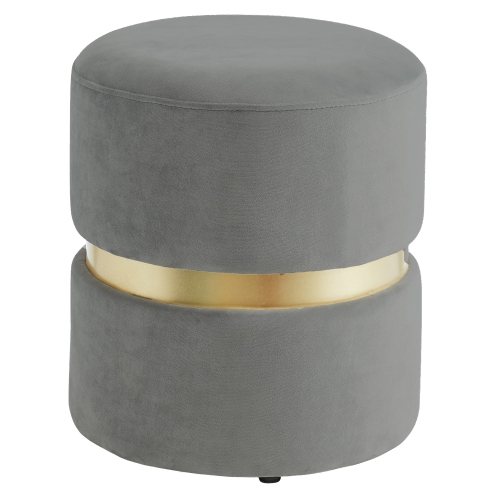
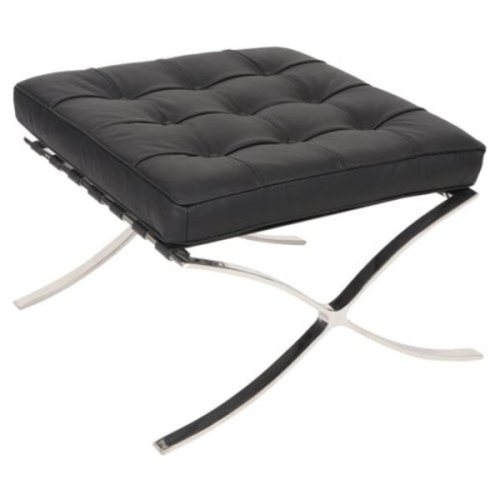
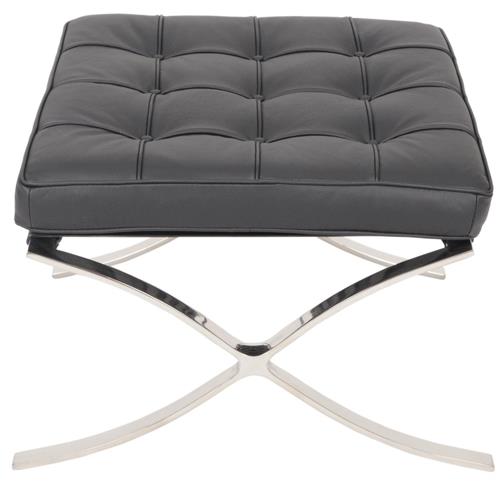
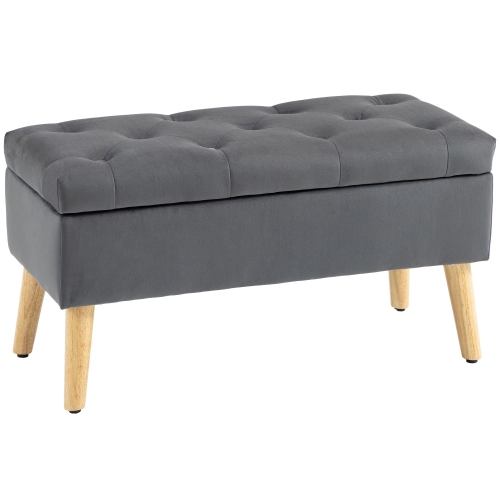
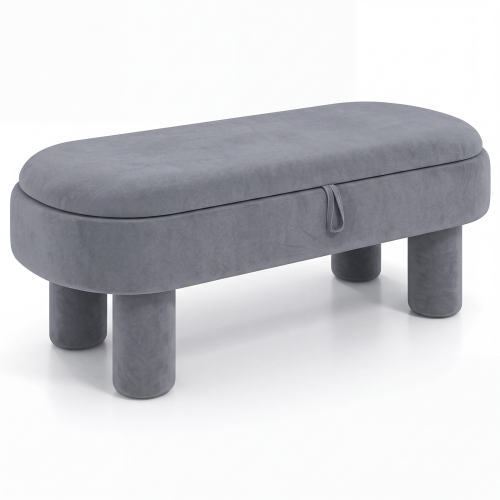
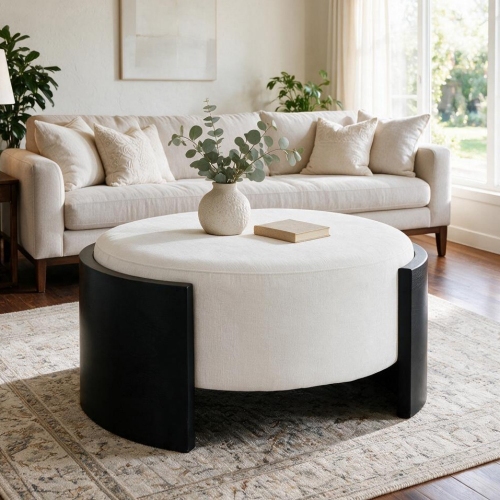
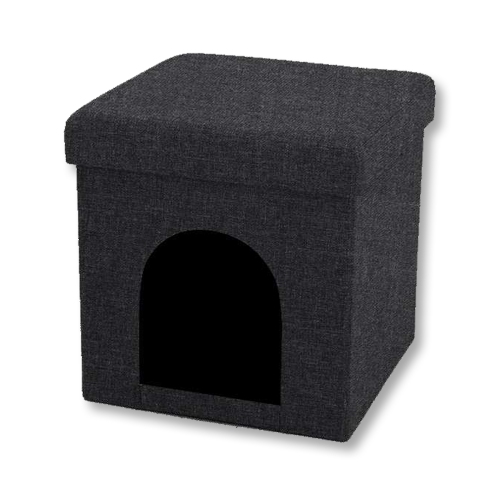
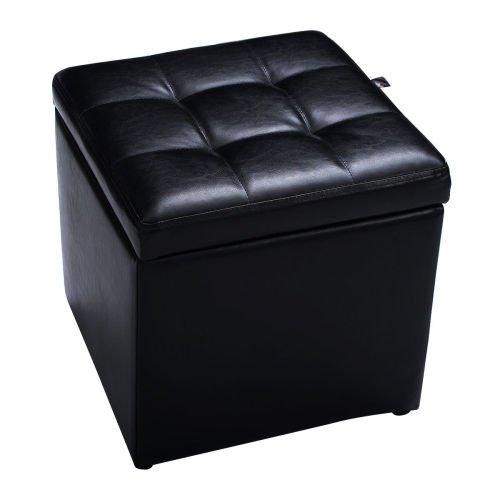
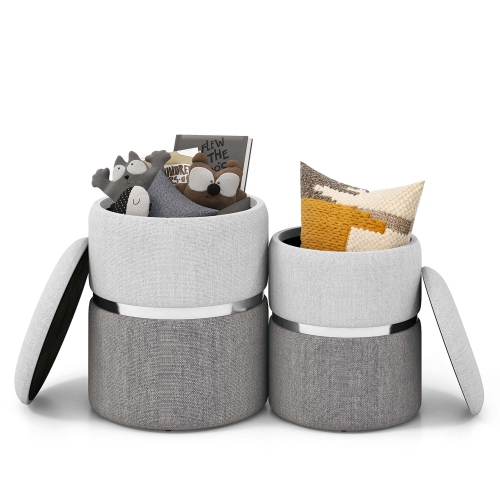
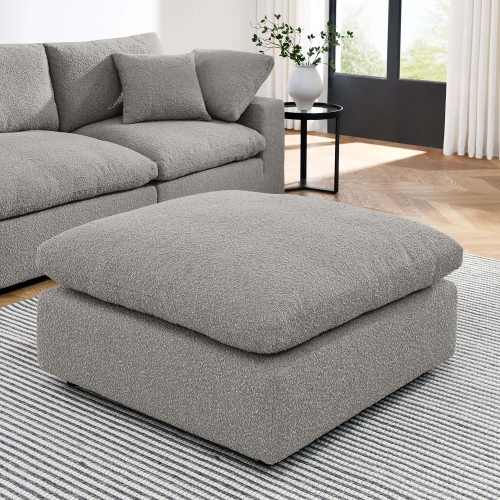
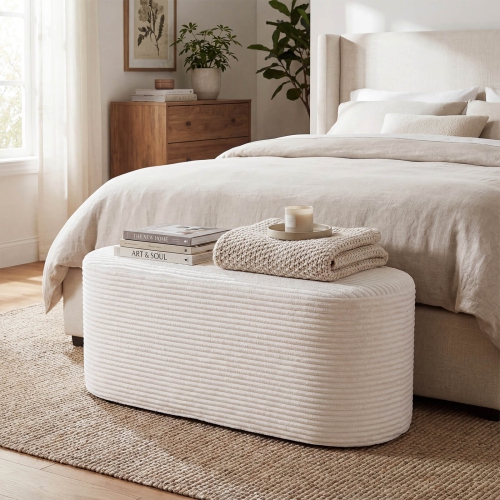
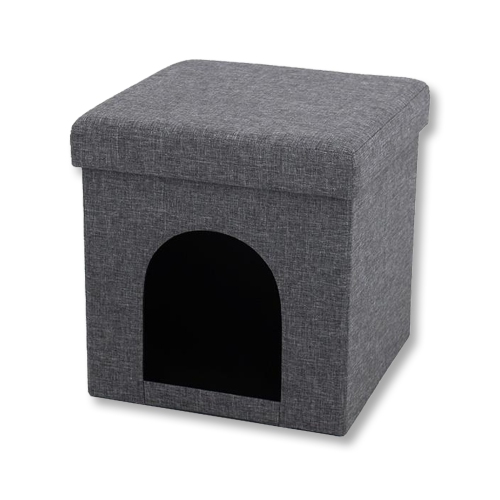
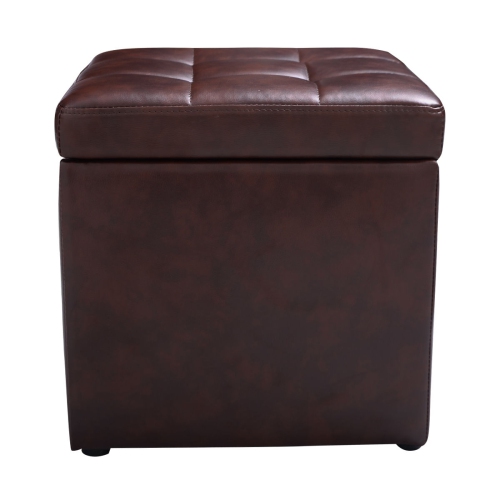
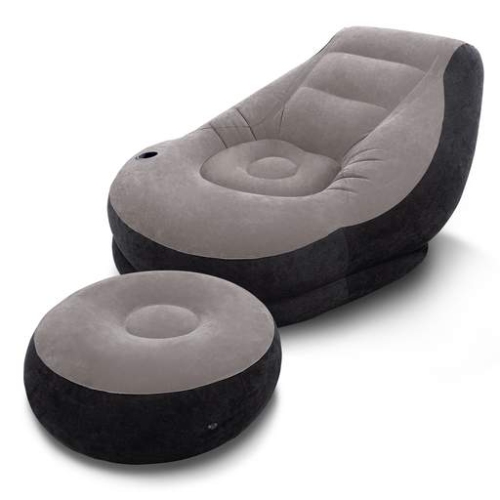
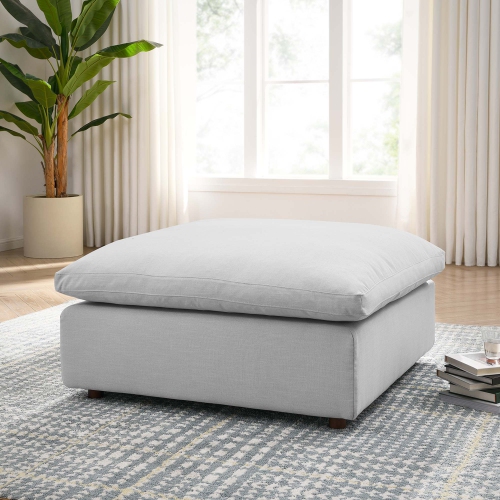
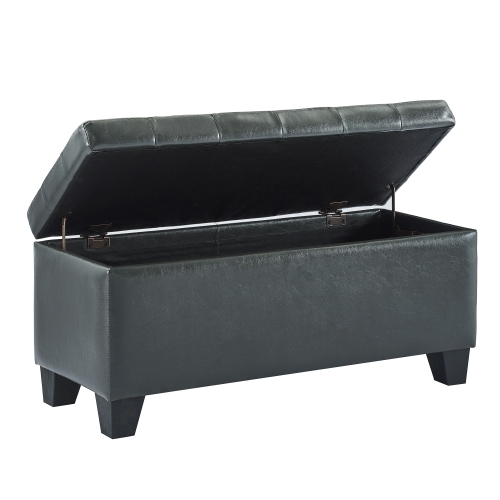
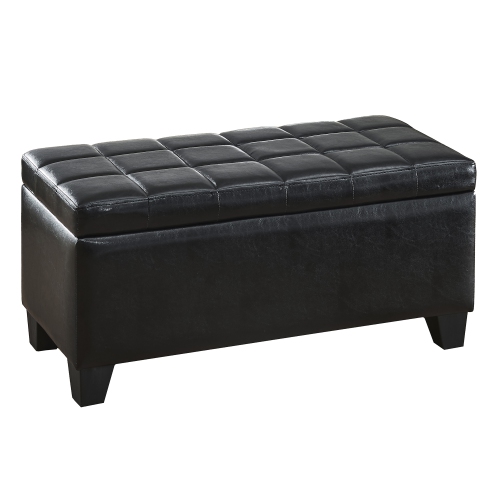
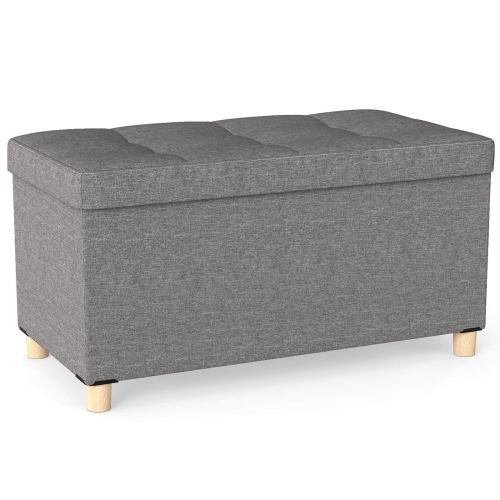
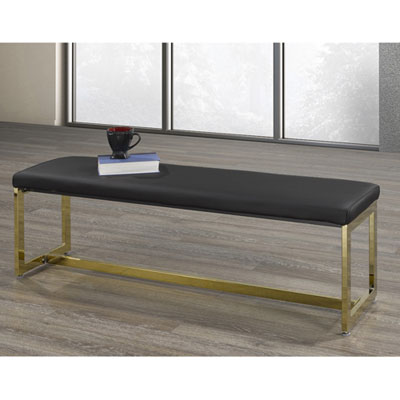
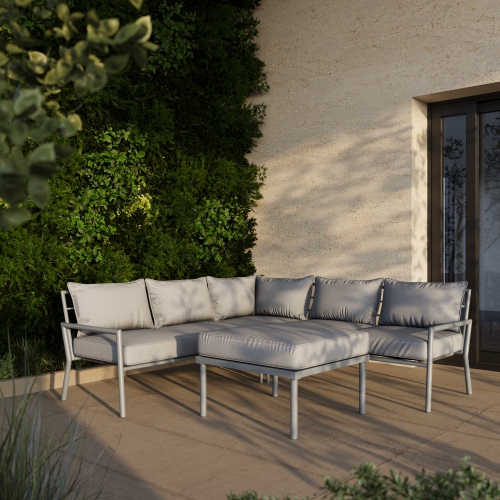
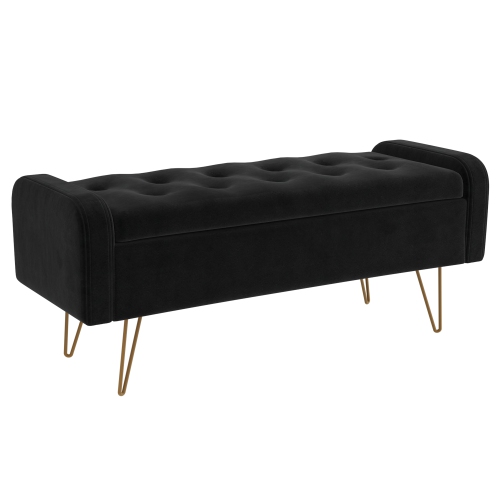
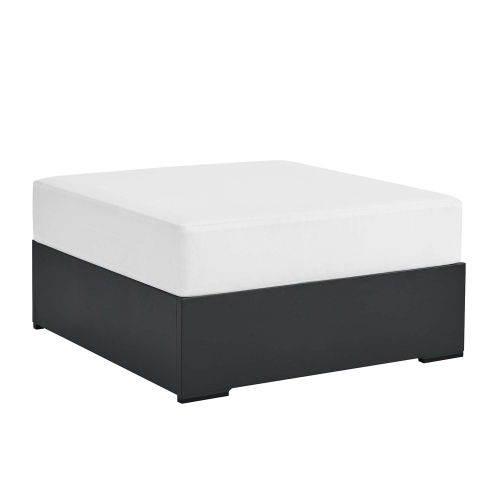
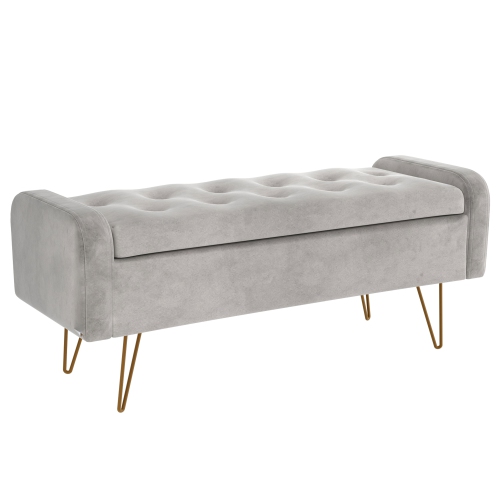
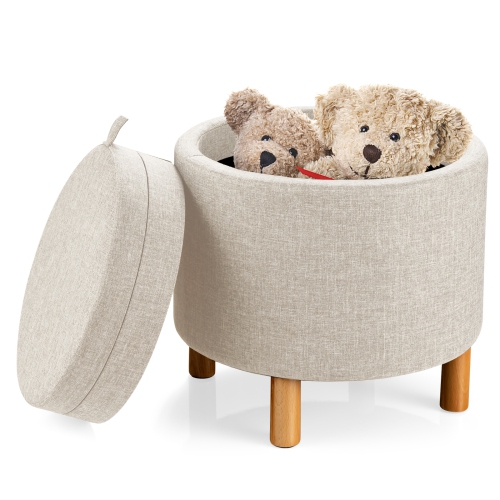
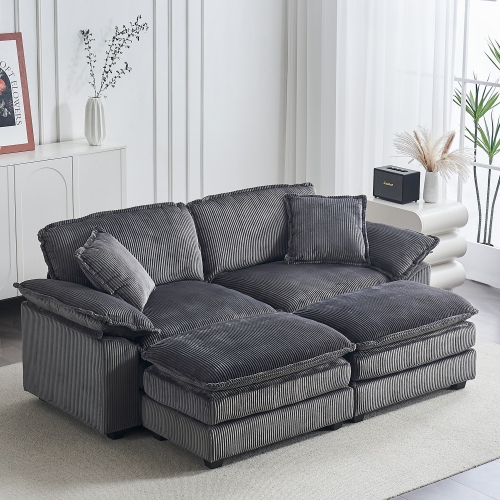
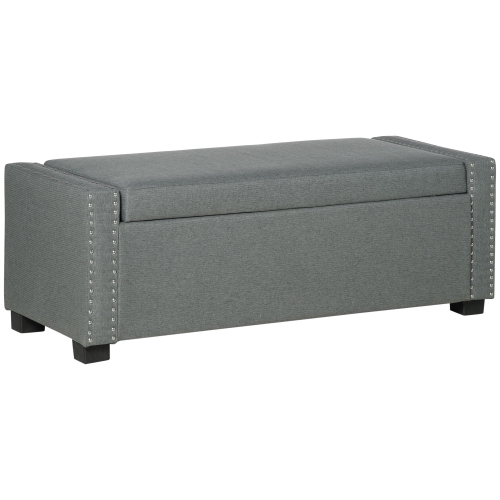
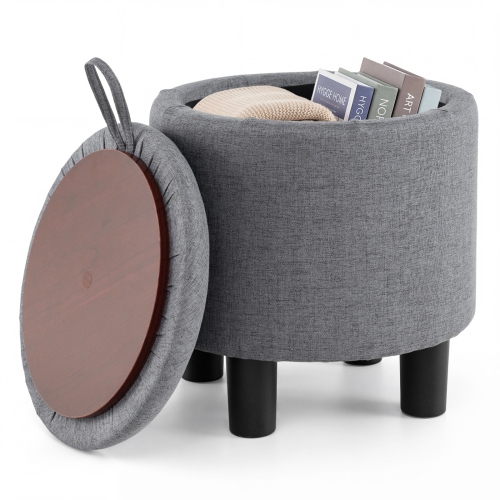
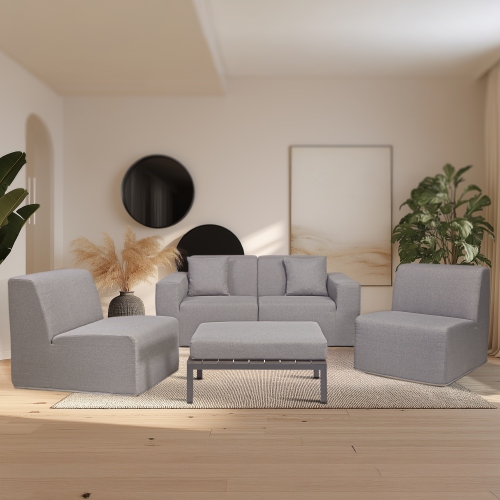
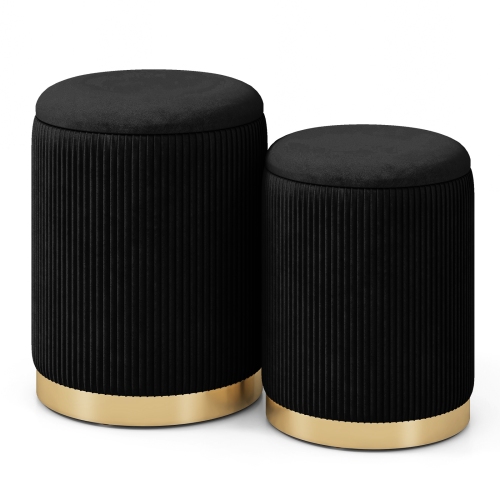
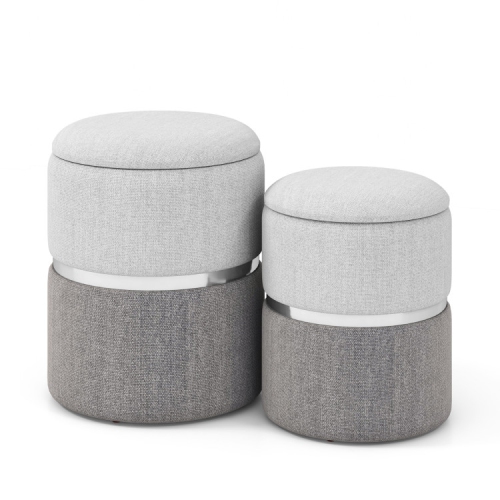
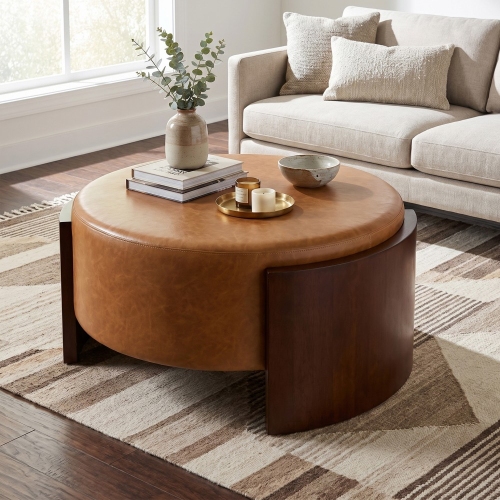
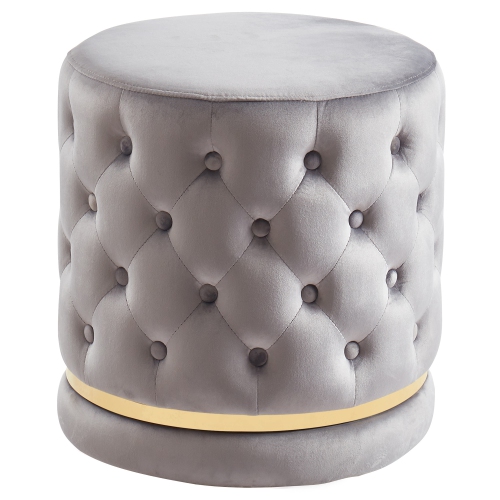
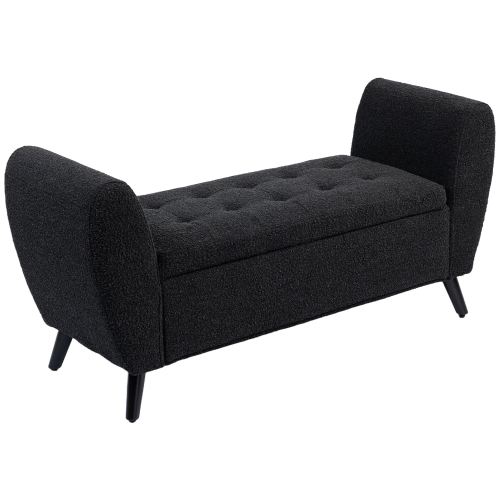
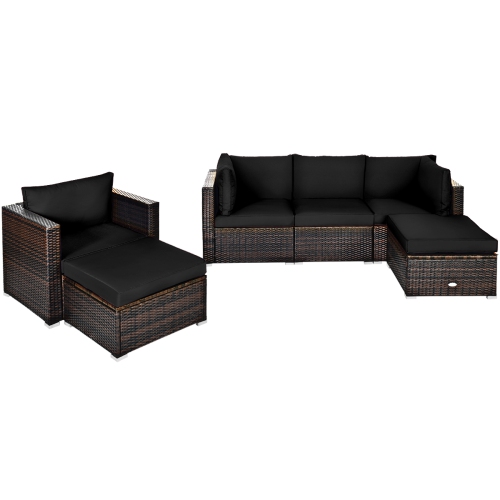
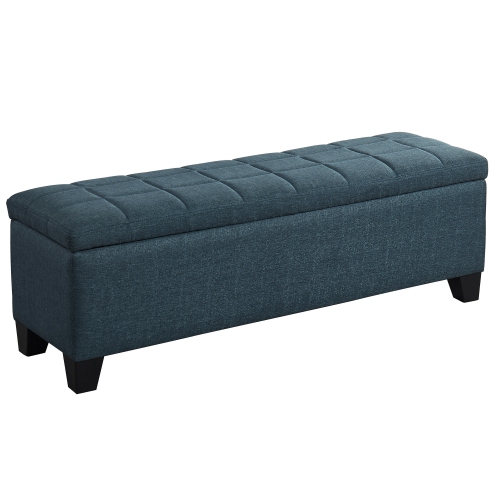
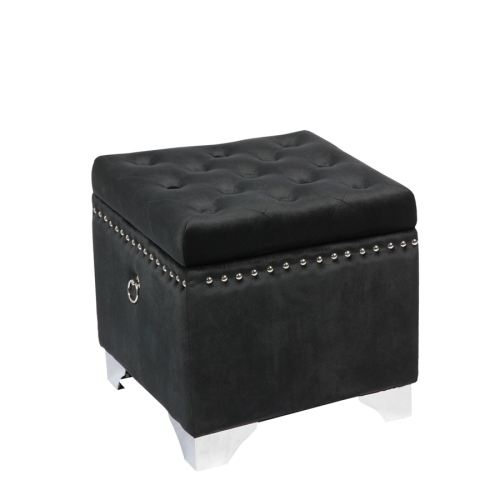
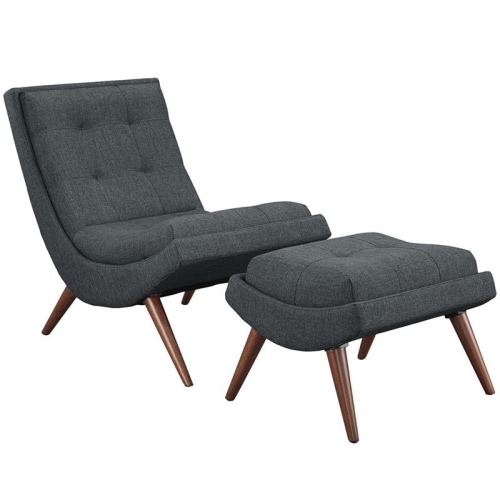
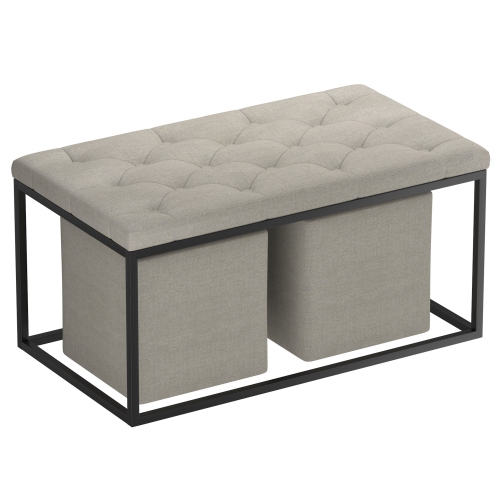
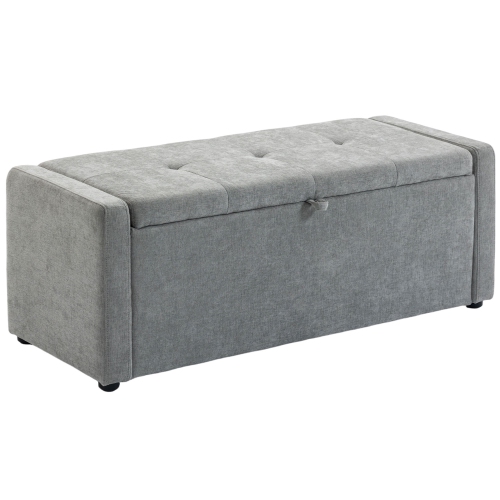
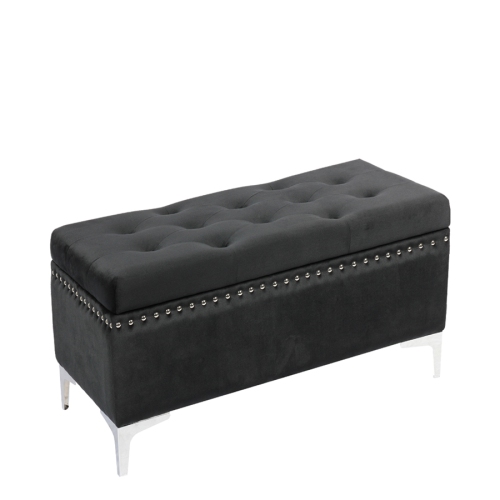
Black and grey ottomans bring a grounded, versatile finish to living rooms, bedrooms and smaller sitting areas. They can provide a place to rest feet, add seating when designed for that purpose, or keep everyday belongings tucked out of sight. Black upholstery creates a defined accent beside a pale sofa, while grey offers a softer contrast that works with both light and dark furnishings. The shade makes a noticeable difference: charcoal can look almost black in a dim corner, whereas dove grey keeps a large upholstered piece from feeling visually heavy. A two-tone design with grey upholstery and black legs can connect a fabric sofa with nearby metal shelving or a dark coffee table. Texture adds another layer of interest. Woven fabric has a relaxed appearance, velvet catches the light and changes character as its pile moves, and leather or faux leather creates a smoother, more tailored finish. These materials differ in feel and upkeep, so upholstery is more than a colour decision. A textured weave can complement a casual family room, while a neatly upholstered bench can suit the end of a bed. Shape also affects how an ottoman sits among other furniture. Round profiles soften arrangements filled with straight lines, rectangular benches follow the length of a sofa, and square designs create a balanced centre point between facing seats. For a compact, symmetrical shape, Square Gray Ottomans pair naturally with armchairs and sectional sofas. Details such as button tufting, piping, stitched panels and exposed legs give otherwise similar colours a distinct character. Deep tufting produces a more decorative surface, while a plain top keeps the silhouette simple. Raised legs reveal more of the floor beneath, which can make an ottoman feel lighter in a small room; a low, fully upholstered base creates a more substantial look. Matching every finish is not necessary, but repeating one detail, such as black legs or a textured grey fabric, helps the room feel connected.
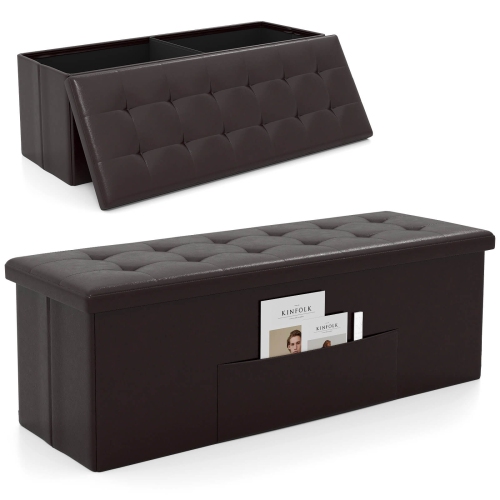
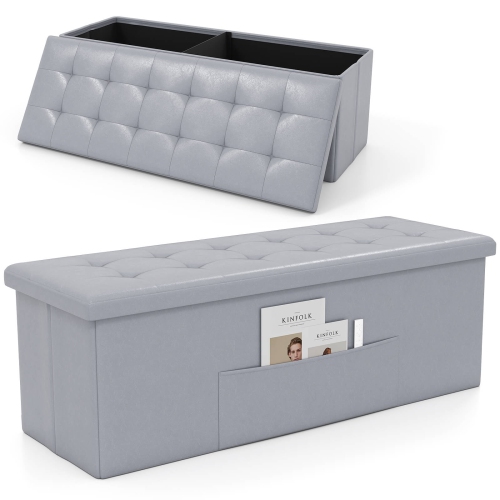
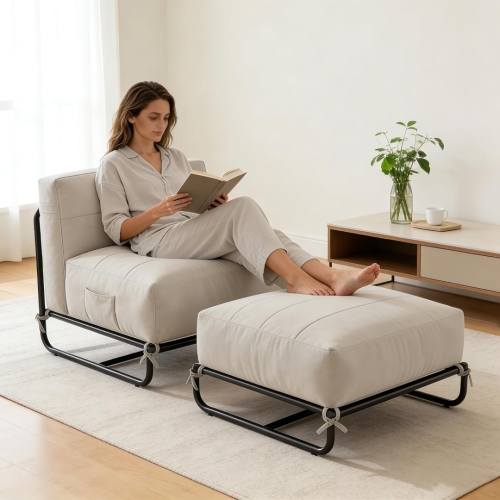
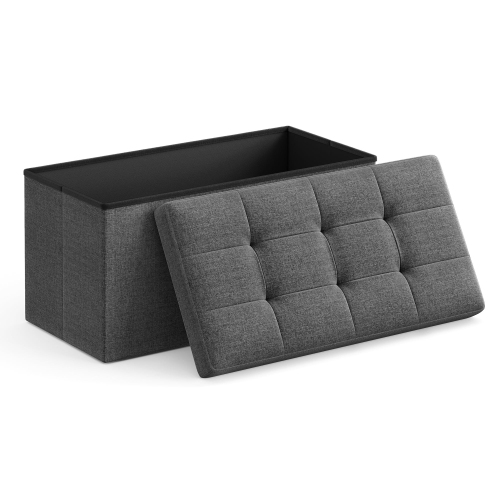
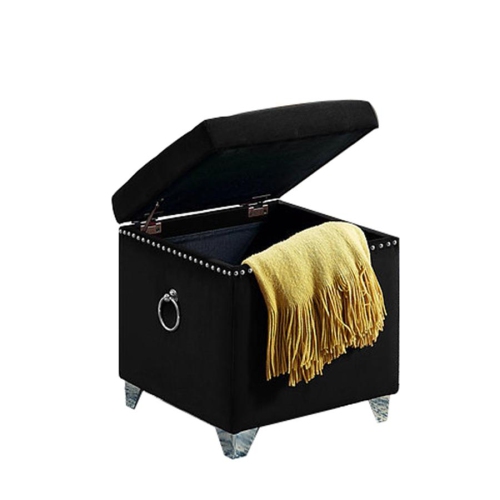
The most useful black and grey ottomans suit the way a room is actually used. Beside a favourite reading chair, a footrest should sit at a comfortable height relative to the seat and leave enough room for legs to relax without stretching awkwardly. In front of a sectional, a larger ottoman can serve several seats, provided it does not block the route through the room. Overall width and depth matter just as much as the top surface: angled legs, upholstered edges and projecting hardware can extend beyond the area that first catches the eye. Marking the footprint on the floor makes it easier to picture the space left between the ottoman, sofa and nearby tables. A bench at the foot of a bed needs clearance for walking around it and opening adjacent drawers. Storage designs add another consideration because the lid may need room to lift without touching a wall, bed frame or sofa cushion. An interior compartment can hold throws, cushions, board games or other household belongings, but its usable dimensions may be smaller than the outer measurements suggest. Divided interiors help separate smaller belongings, while a single open compartment accommodates bulkier textiles. Hinged lids and removable tops offer different kinds of access; a lift-up lid stays attached, whereas a removable top needs somewhere to rest while the compartment is open. In a busy household, lid supports, hinge operation and the risk of pinched fingers deserve attention. An ottoman intended mainly as a footrest should not automatically be treated as a seat, step or standing platform. Seating suitability and weight limits depend on the construction and stated use. Likewise, a padded top is not necessarily a stable surface for drinks. A tray may help organize lightweight belongings on a sufficiently firm, level top, but hot drinks are better placed on a stable table. These distinctions matter in multipurpose spaces, where the same piece might hold a folded blanket during the day and support tired feet in the evening.
Materials, construction and regular care influence how black and grey ottomans look after repeated use. A sturdy frame, secure leg attachments and well-supported upholstery matter more to everyday performance than colour alone. Solid wood, engineered wood and metal can all appear in ottoman construction, with durability depending on the design, joints and intended load rather than a single material label. Cushioning also changes the experience: a firmer top generally holds its shape more clearly, while a softer surface may feel more comfortable beneath ankles. Upholstery needs to suit the household as well as the room. Black can make pale lint and pet hair more noticeable, while light grey may reveal darker marks; neither shade eliminates the need for cleaning. Woven fabrics can collect crumbs along seams, and tufted tops have recesses that benefit from careful vacuuming with an appropriate attachment. Velvet may show pressure marks or changes in pile direction, so care should follow the fabric instructions rather than relying on vigorous brushing. Leather and faux leather require different treatments, and a cleaner suitable for one may damage the other. Blotting spills promptly, testing permitted cleaners in an inconspicuous area and avoiding excessive moisture help protect upholstery and interior padding. Direct sunlight can affect some finishes over time, while rough clothing hardware and pet claws can mark even dark surfaces. For movable ottomans, lifting rather than dragging helps protect both the frame and floor; suitable floor protectors can also reduce scuffing. Storage compartments work best with clean, dry contents and without overfilling that strains the lid. These practical details make an ottoman a useful addition for apartment dwellers, families, readers and anyone furnishing a flexible seating area. As a housewarming gift, it is most successful when the recipient’s available space, preferred upholstery and need for storage are already known. A well-proportioned black or grey ottoman can then become an easy part of daily routines without overwhelming the room.
Top selling and popular products
-
 Your price for this item is $644.99
-
 Your price for this item is $978.99
-
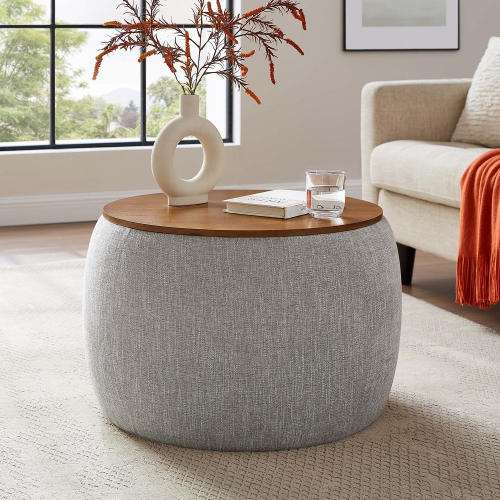 Your price for this item is $286.83
-
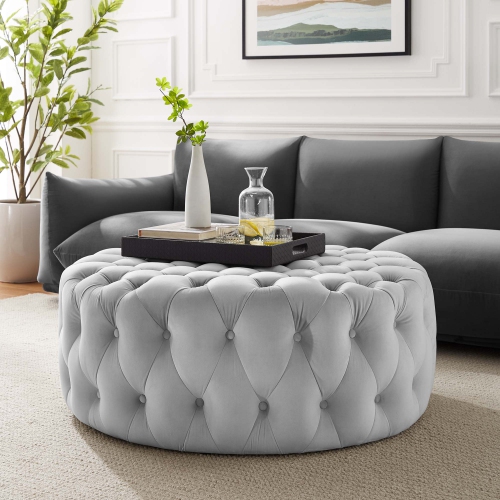 Your price for this item is $765.09
-
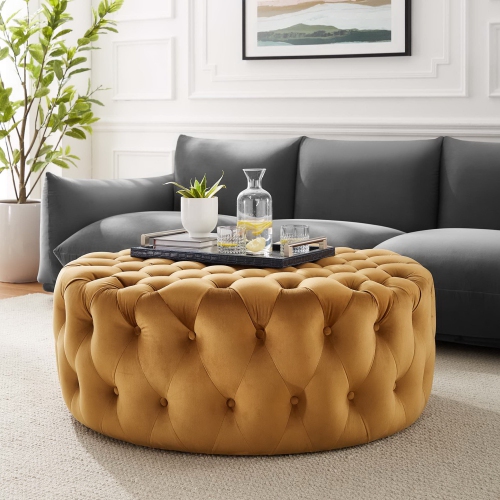 Your price for this item is $765.09
-
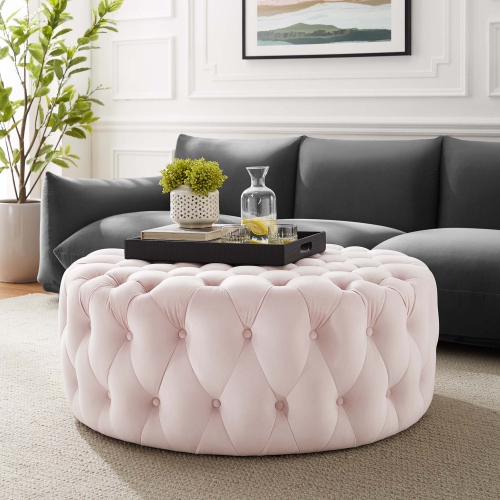 Your price for this item is $765.09
-
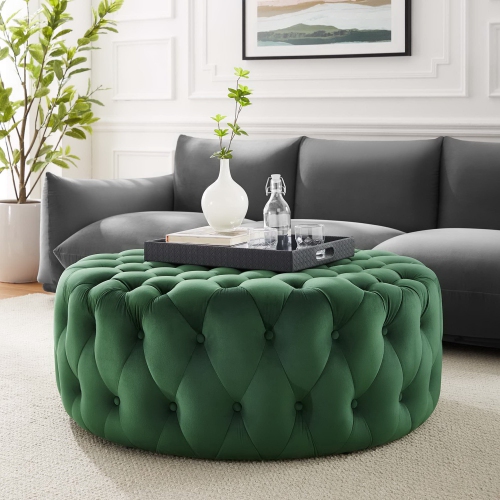 Your price for this item is $765.09
-
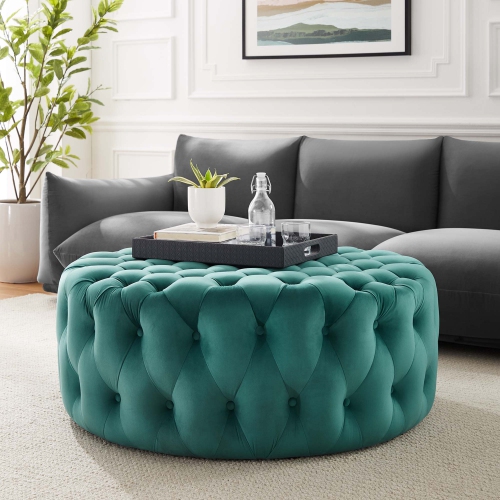 Your price for this item is $765.09
Discover more categories related to Black And Gray Ottomans
Top Collections:
Best Black Friday Deals This Year, Best Black Friday Deals On Electronics, Kindle Devices, Dyson Airwrap, Best Cameras for Sports Photography, Best Budget Office Chairs, Canon G7X Cameras, PS5 Pro Consoles, Best Black Friday Deals On Apple Products, XBOX One S Consoles
Some products may be subject to Environmental Handling Fees
(EHF) depending on your province.
Learn more about EHFs.