Black Cabinets
Black cabinets are a sleek and versatile addition to any room in your home. Whether you're looking to upgrade your kitchen, bathroom, or living space, black cabinets offer a modern and sophisticated touch that can complement a variety of design styles. With their timeless appeal and ability to make a statement or blend seamlessly into the background, black cabinets are a popular choice for homeowners seeking a chic and contemporary look. Explore our selection of black cabinets to find the perfect fit for your space and elevate the aesthetic of your home.
Sort
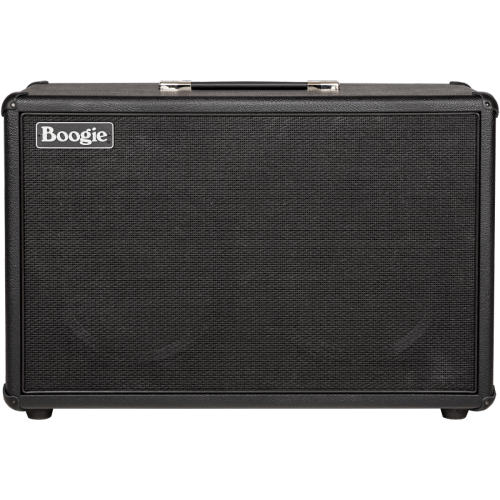
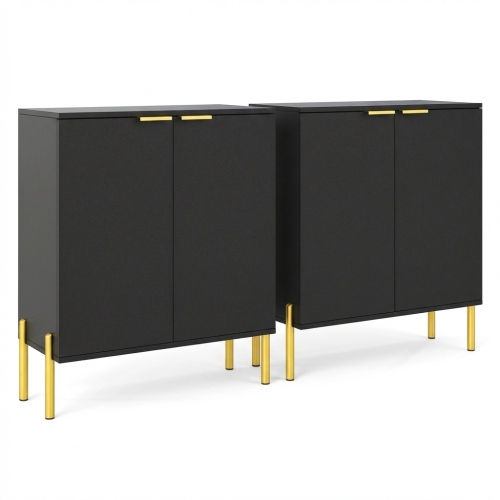
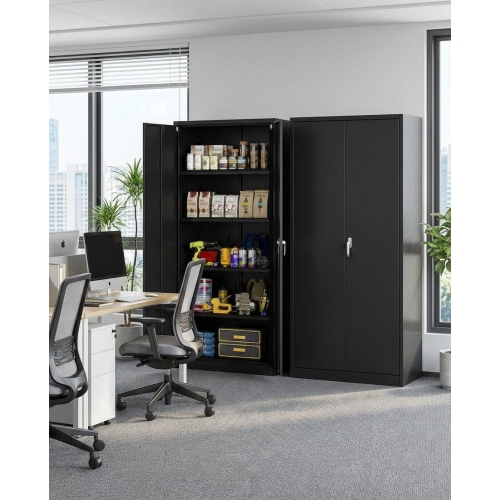
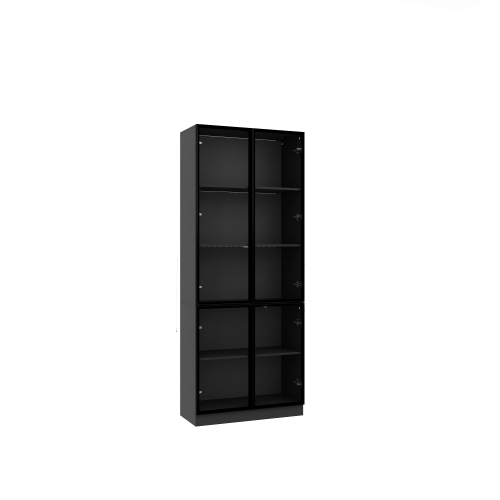
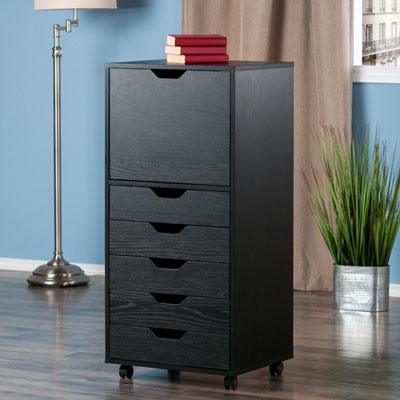
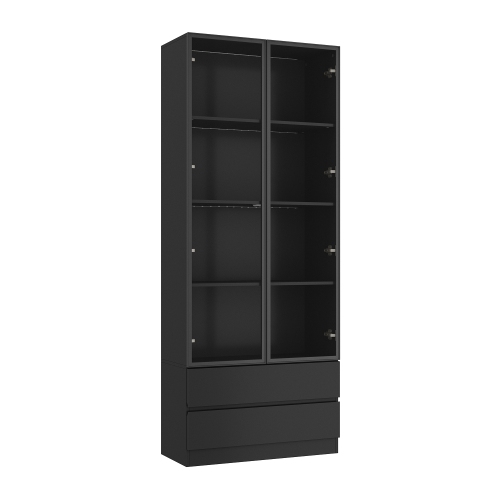

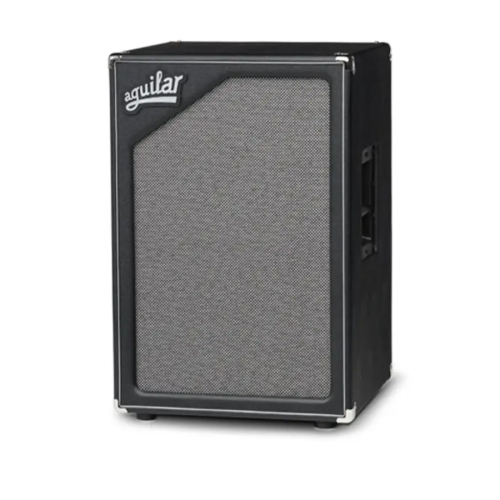
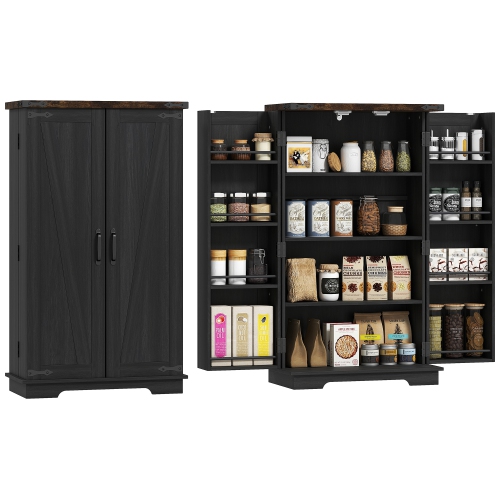
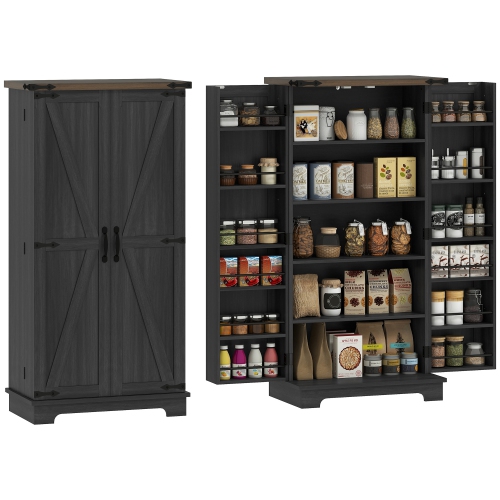
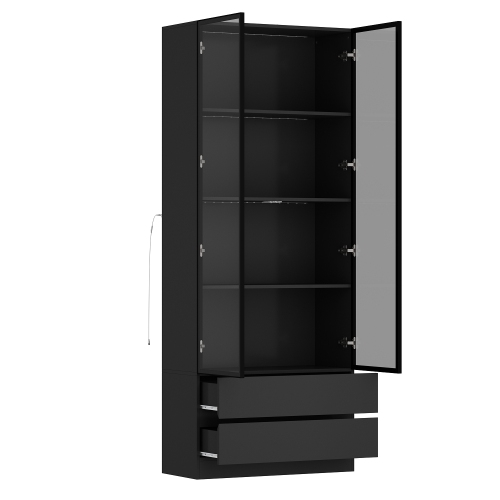
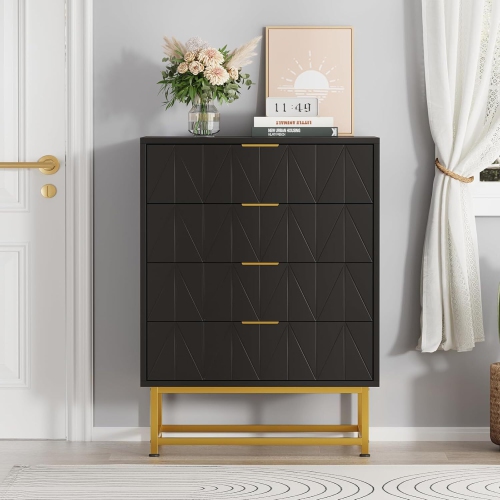
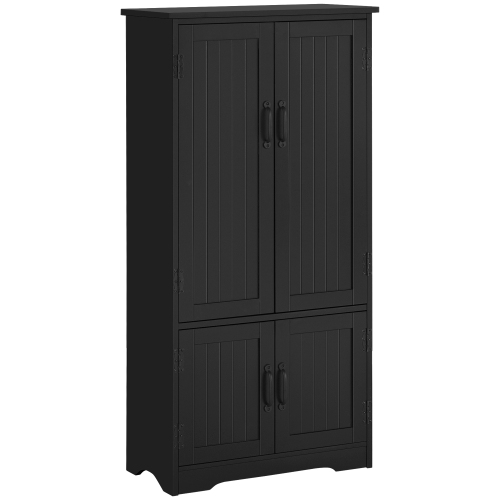
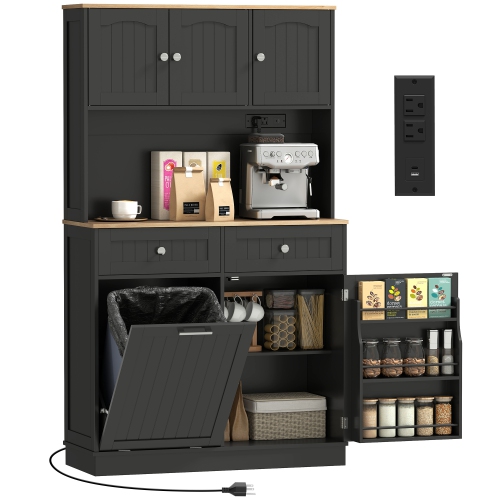
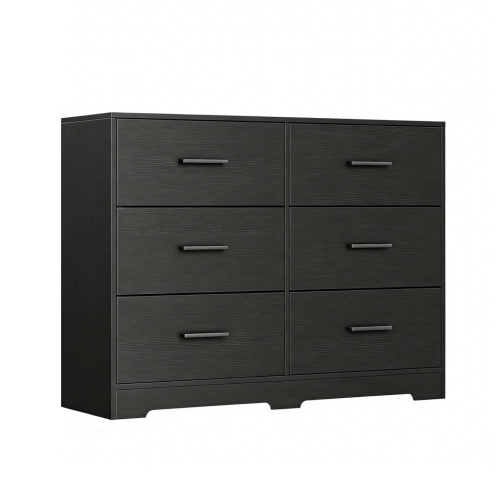
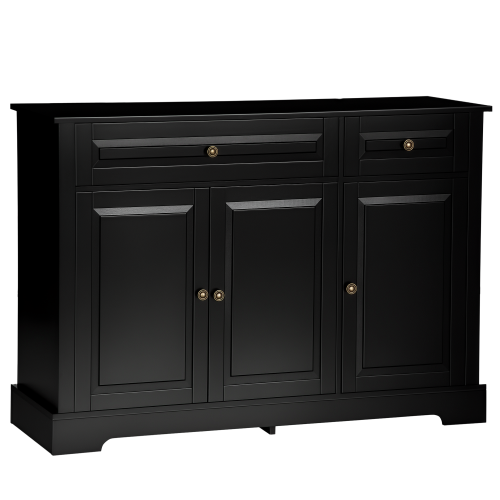
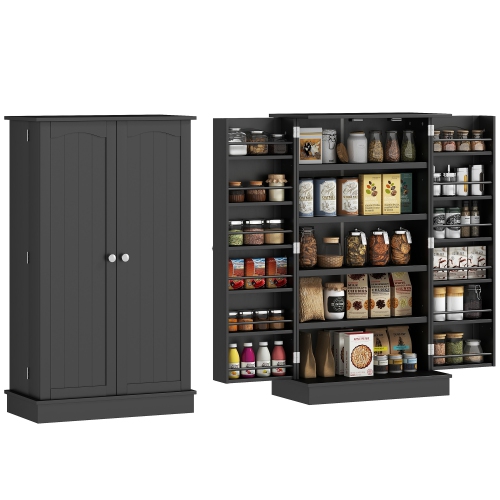
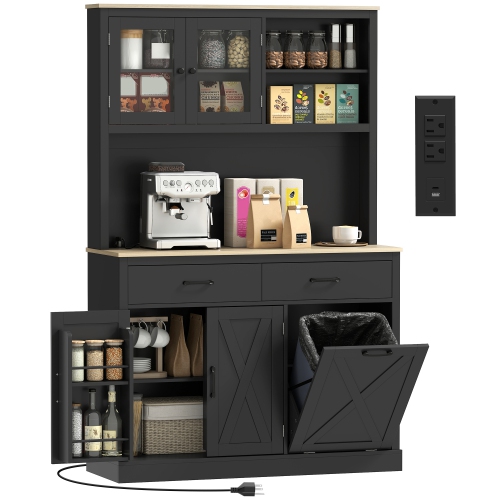
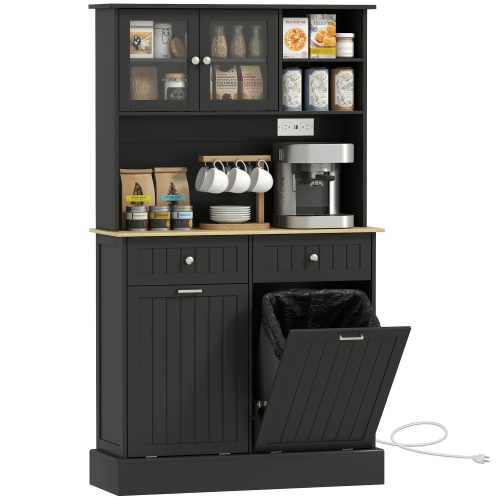
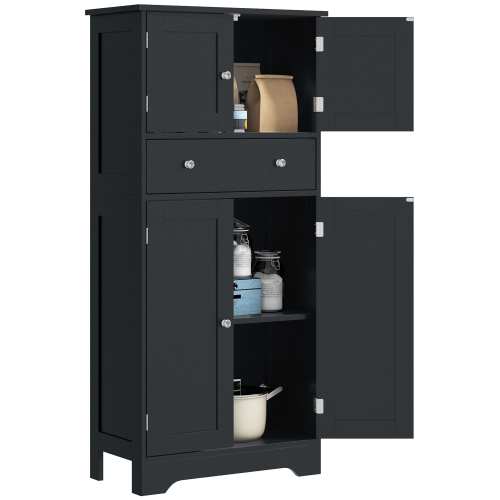
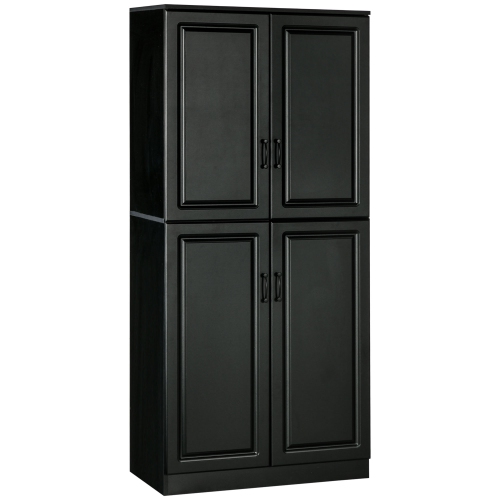
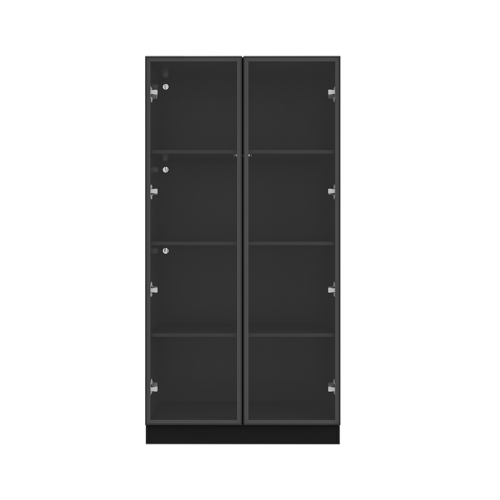
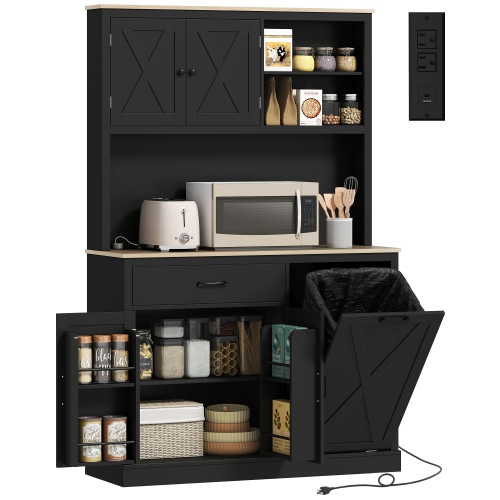
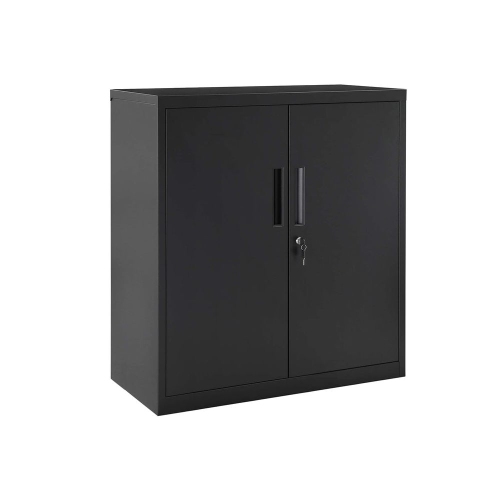
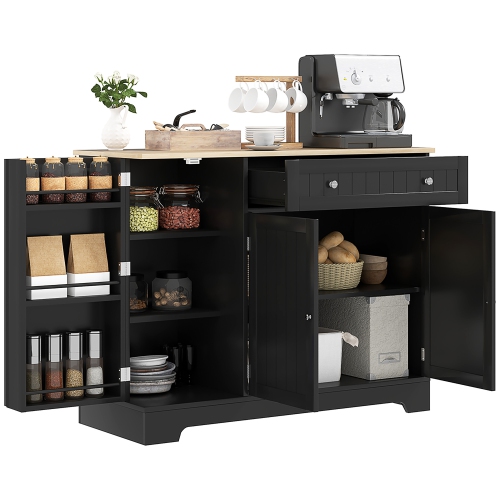
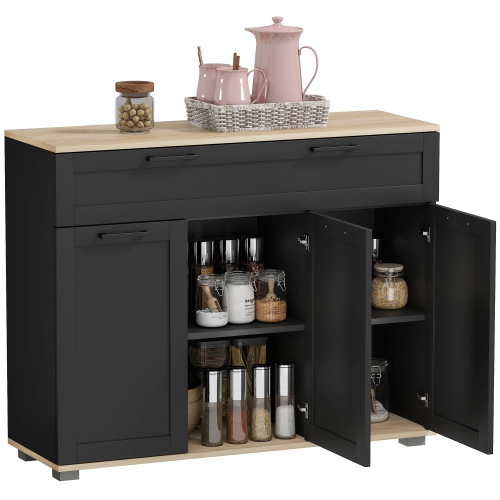
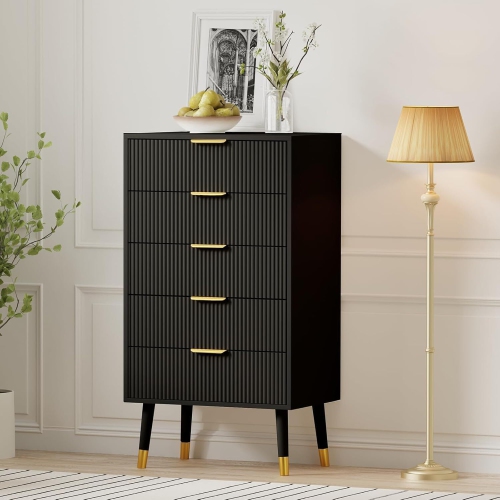
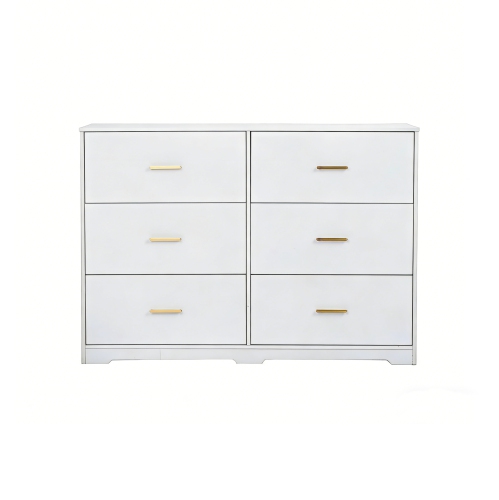
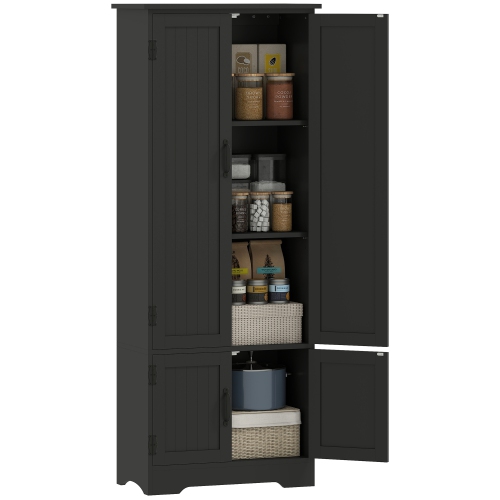
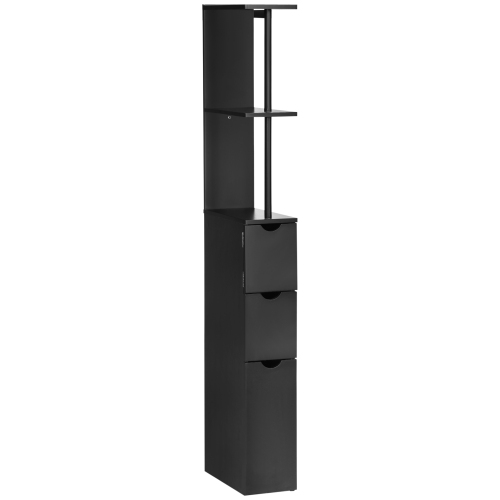
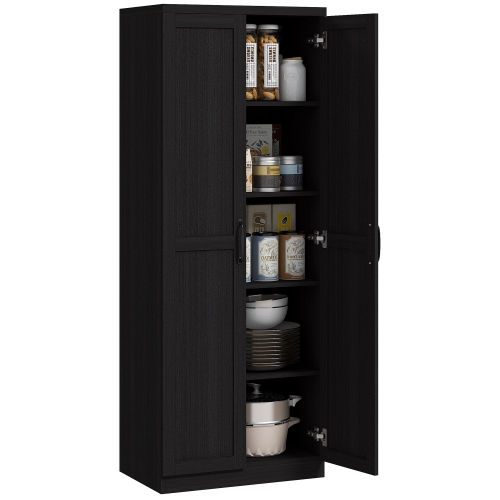
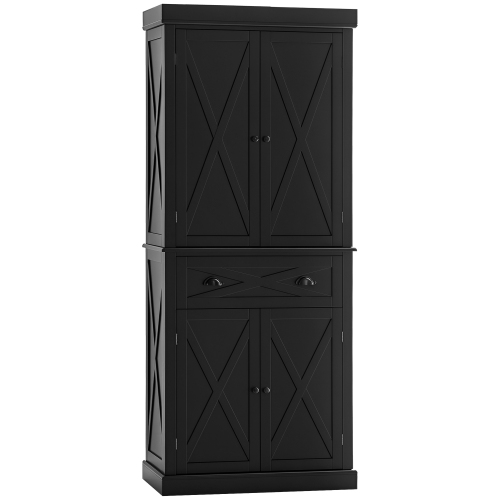
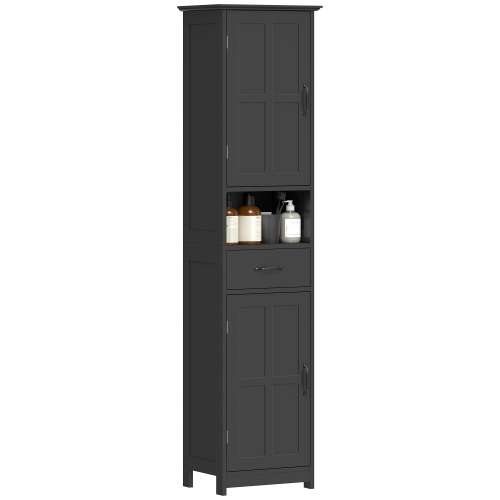
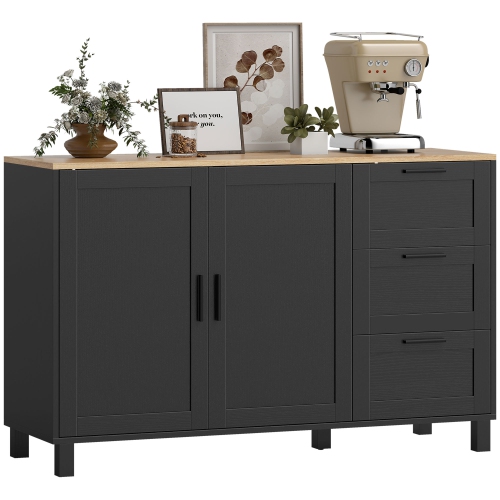
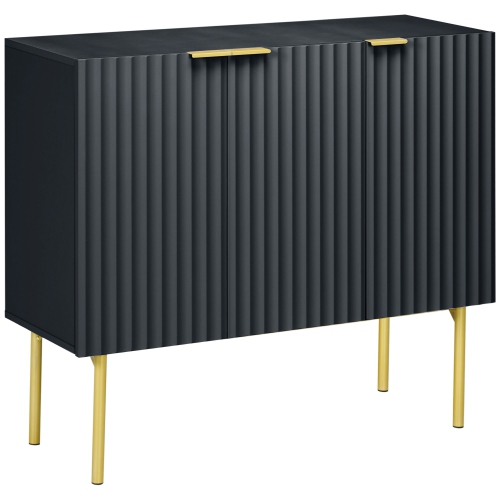
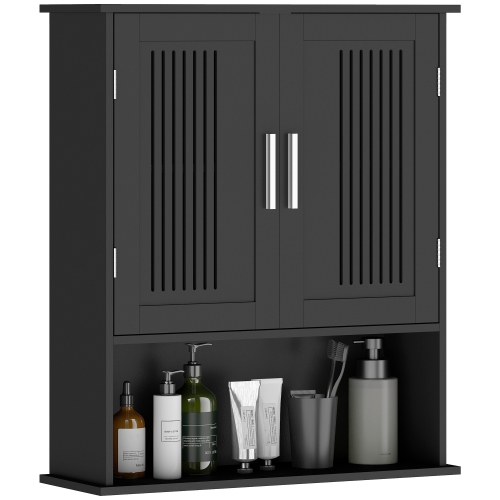
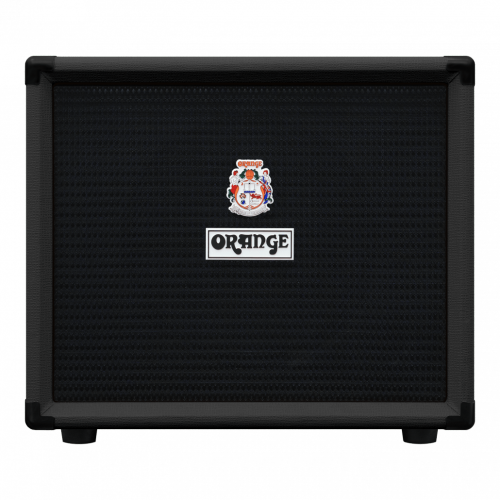
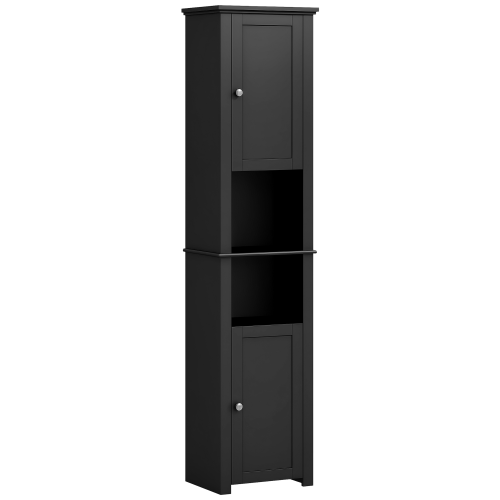
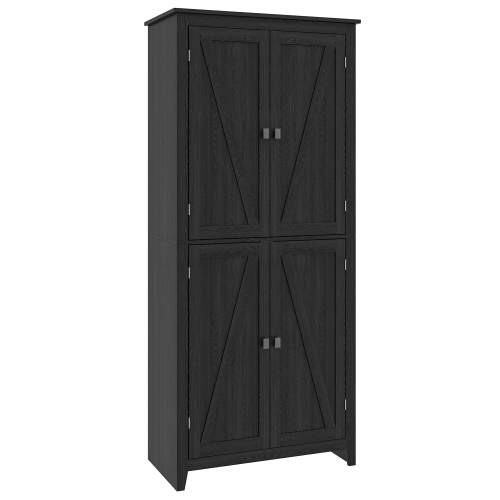
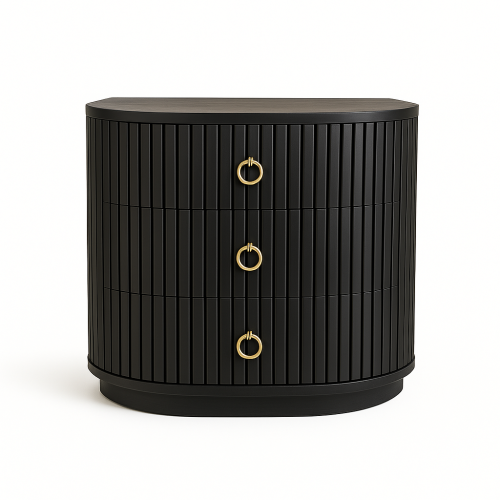
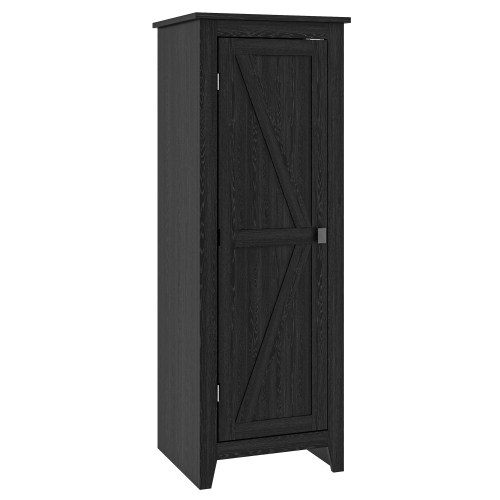
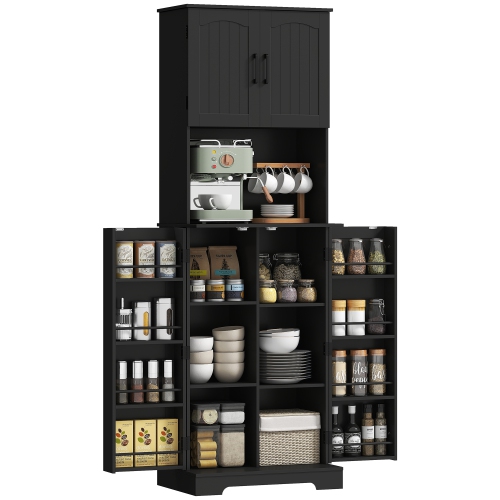
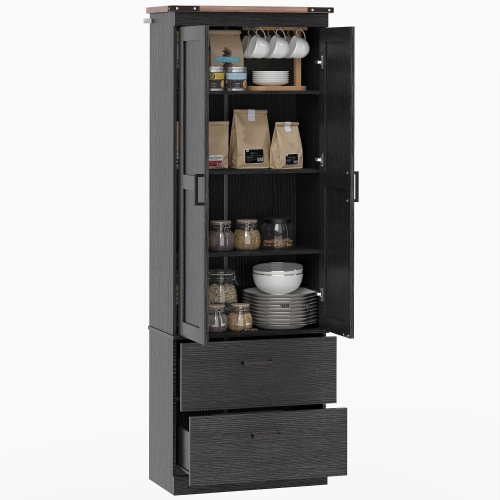
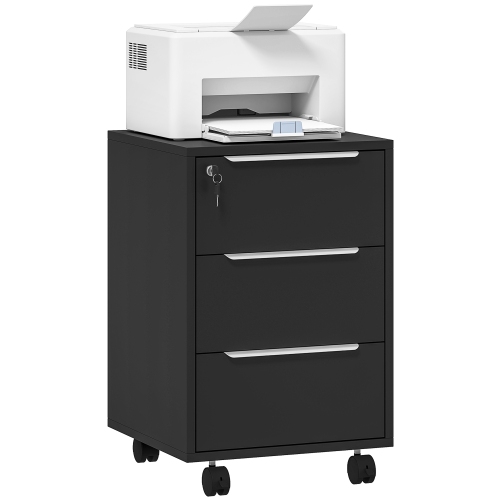
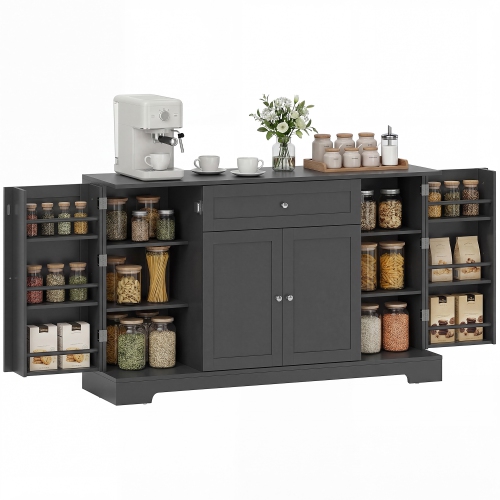
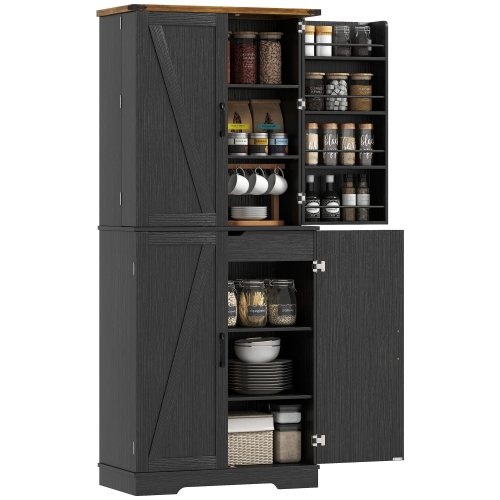
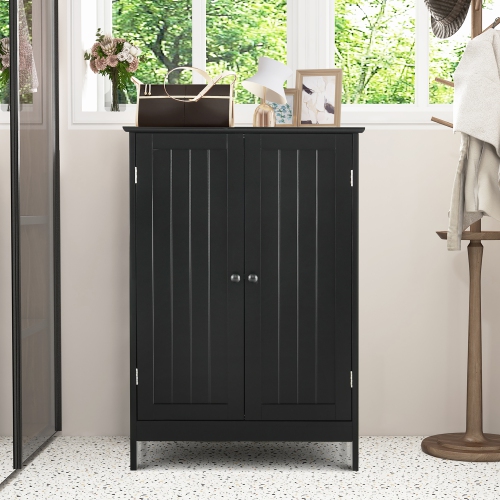
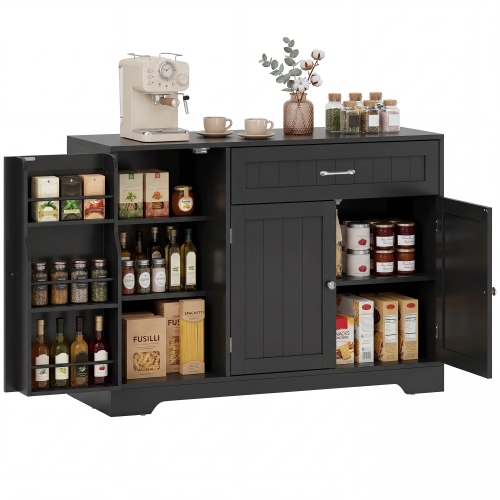
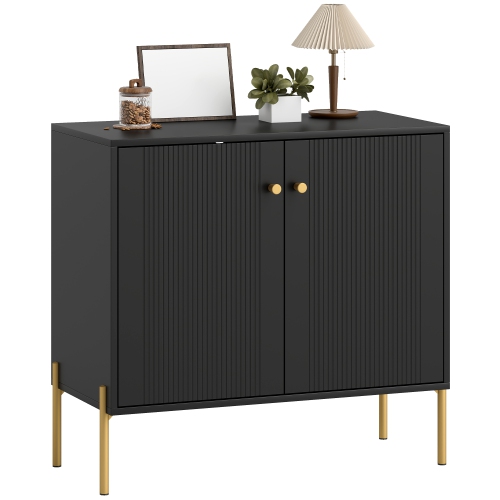
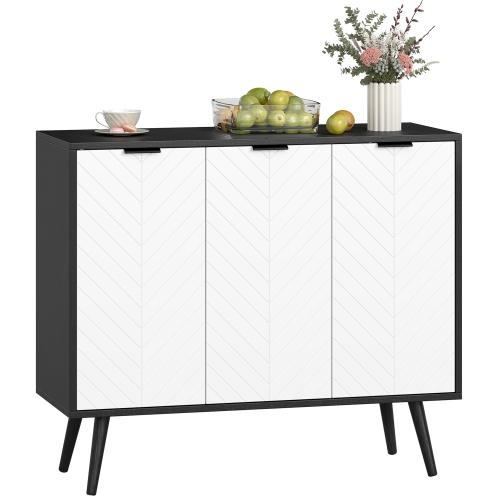
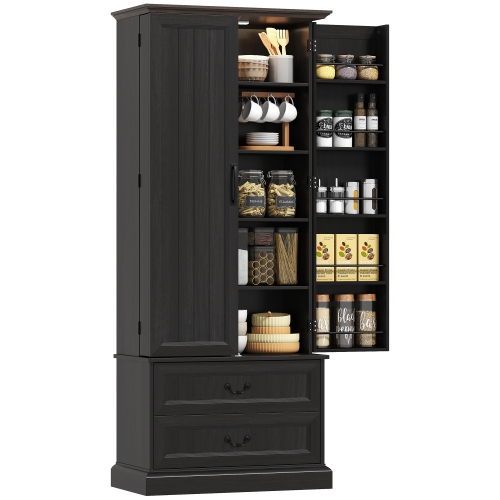
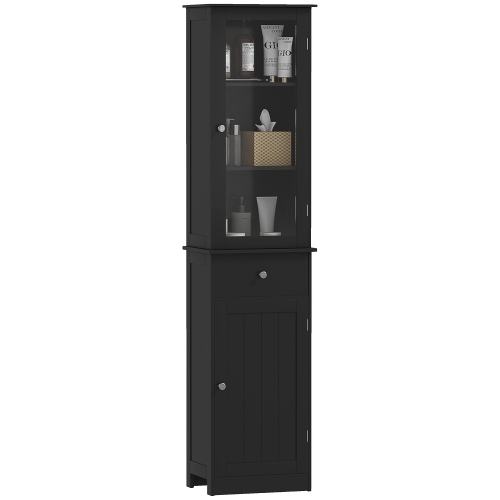
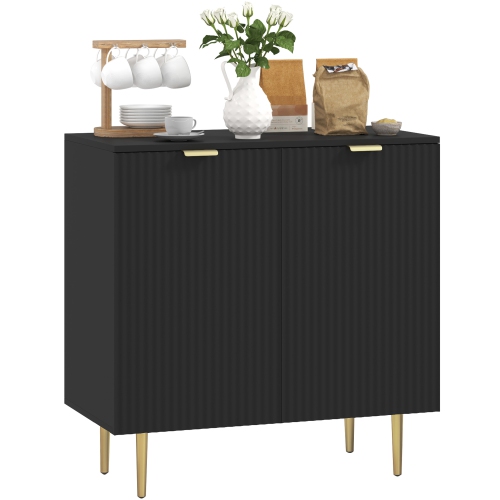

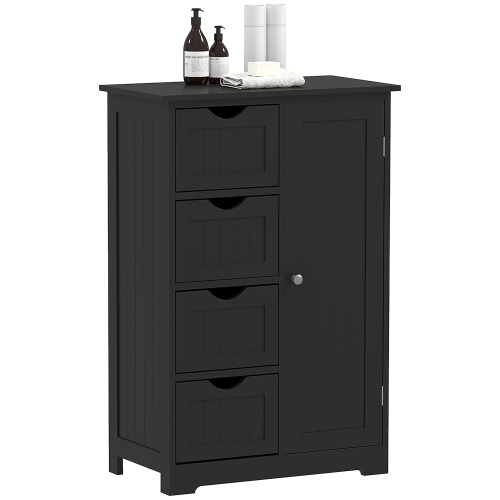
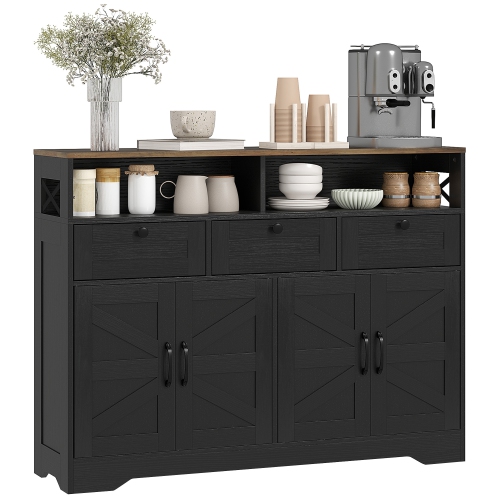
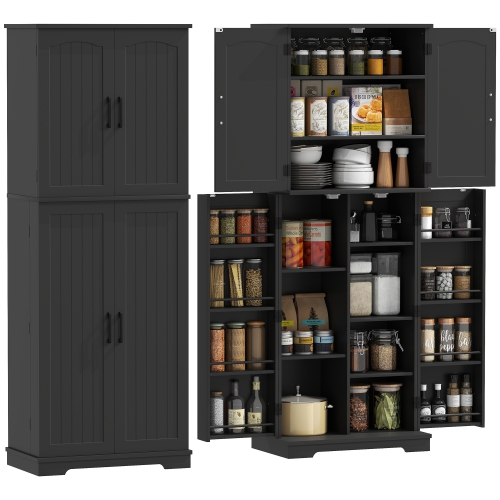
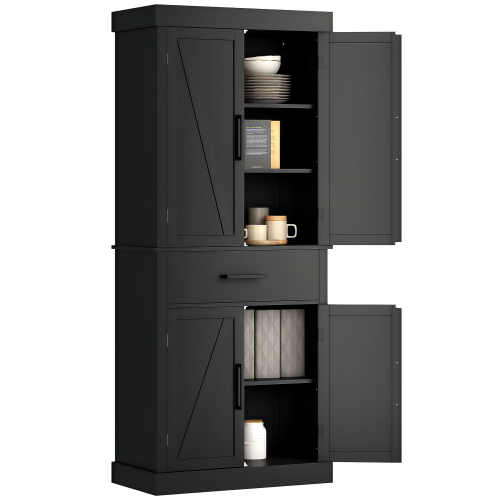
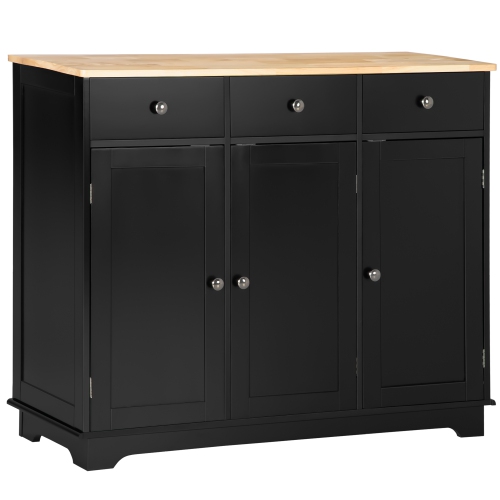
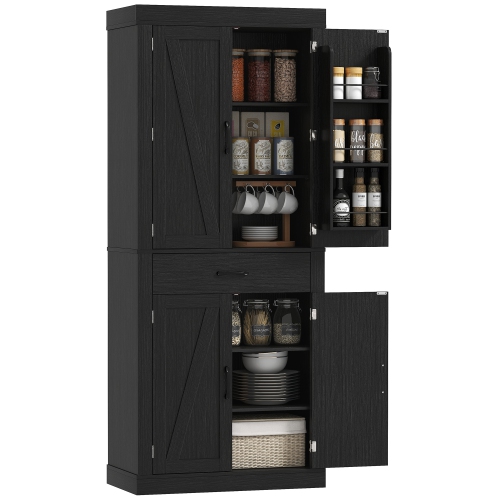


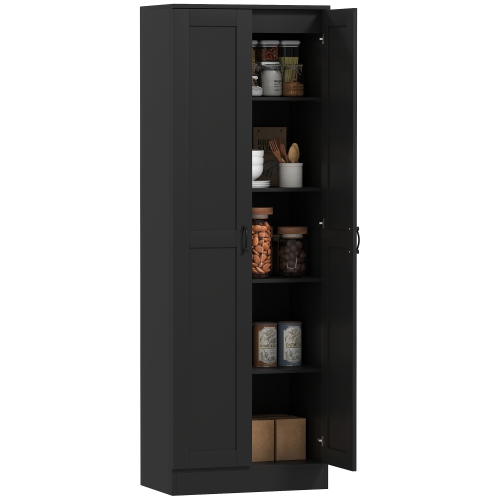
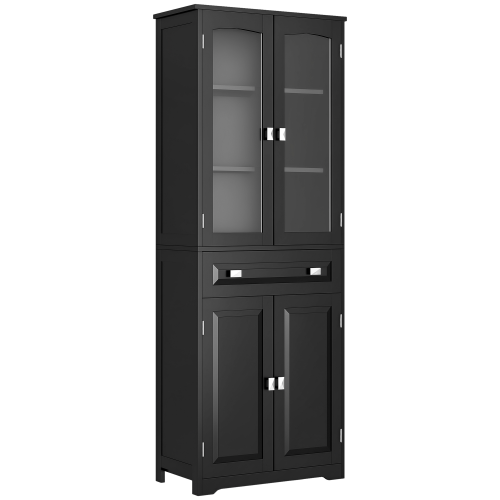
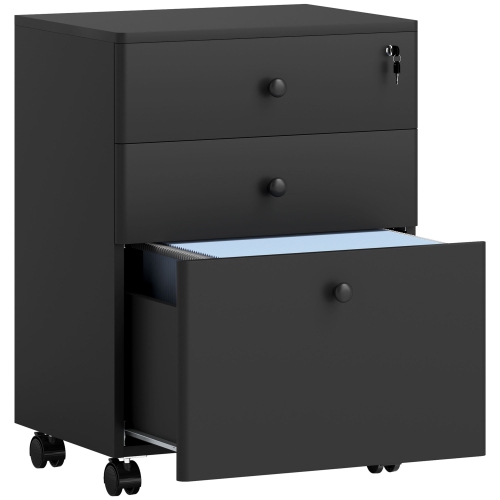
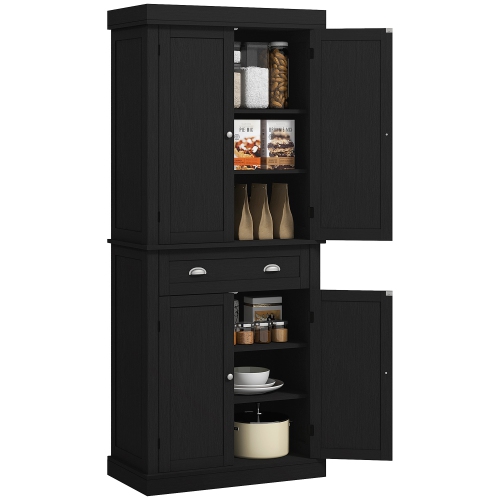
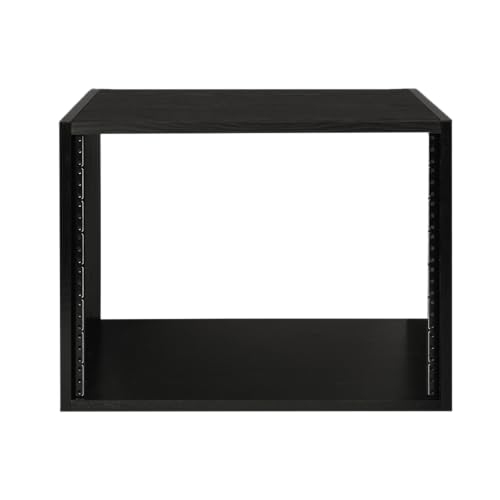
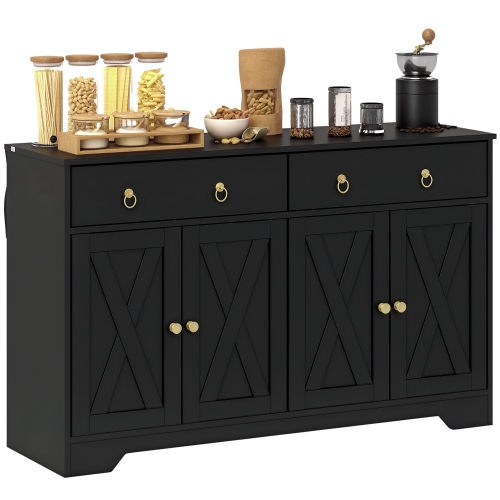
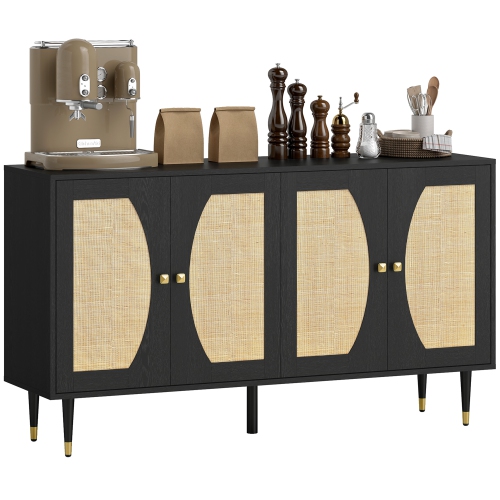
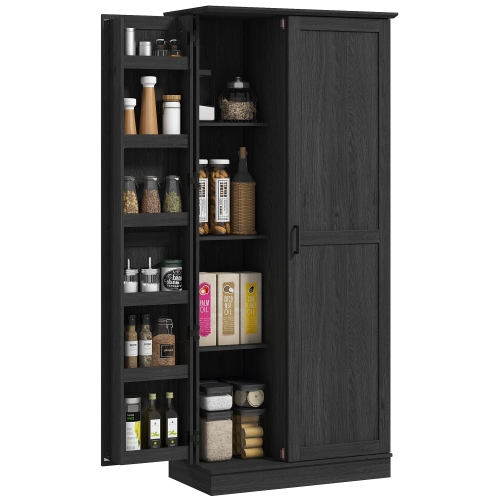
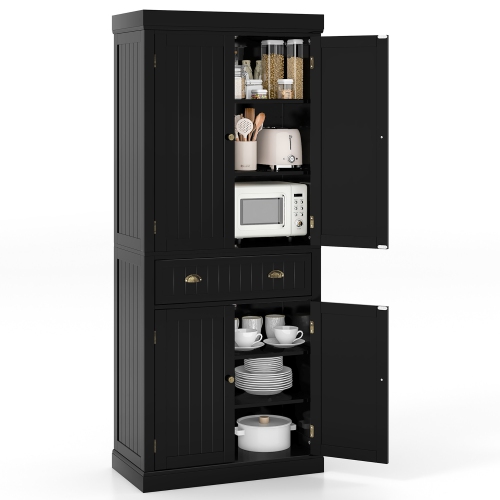

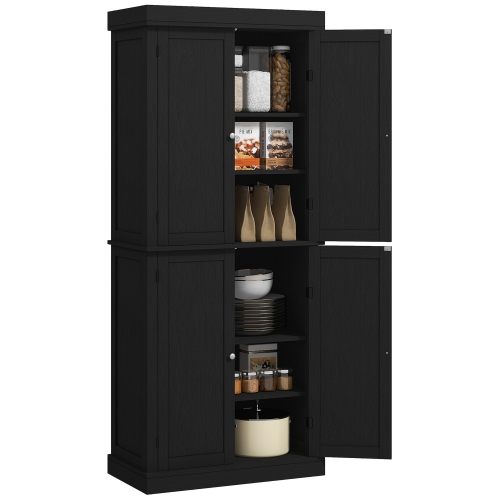
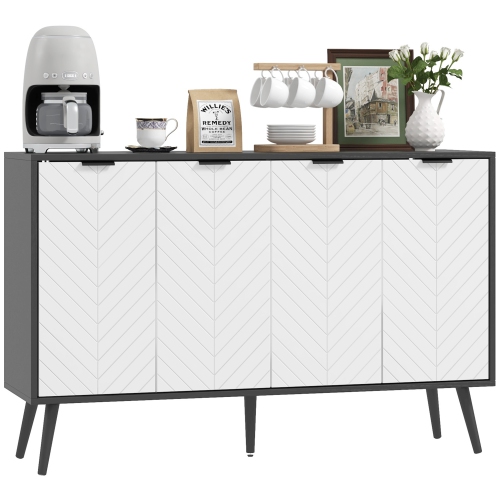
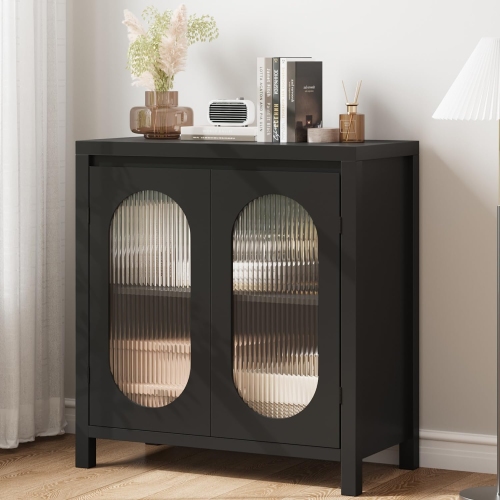
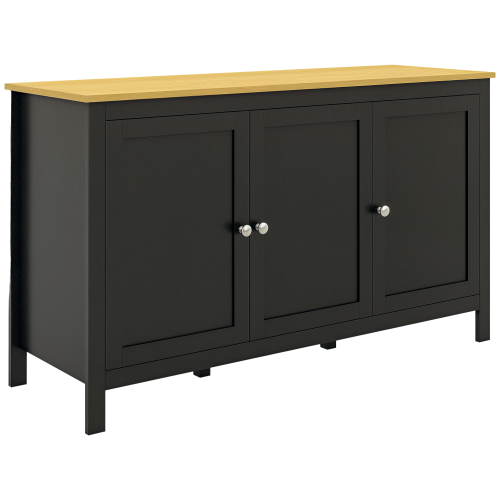
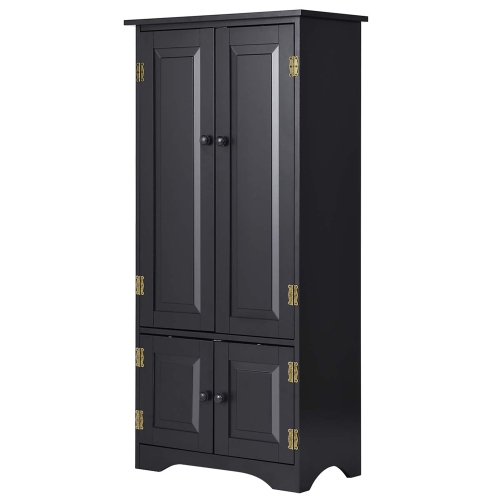
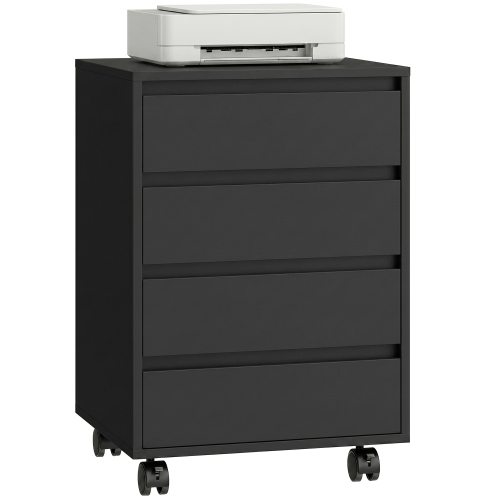
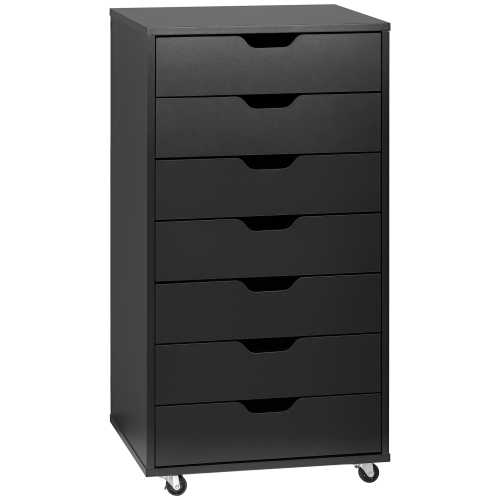
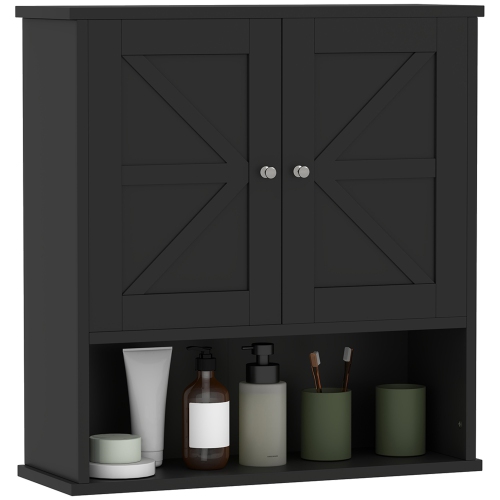
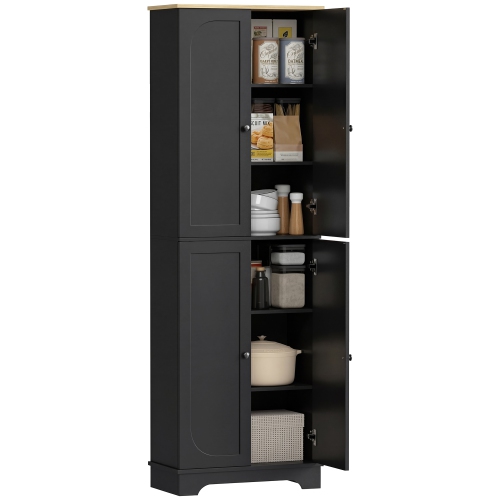
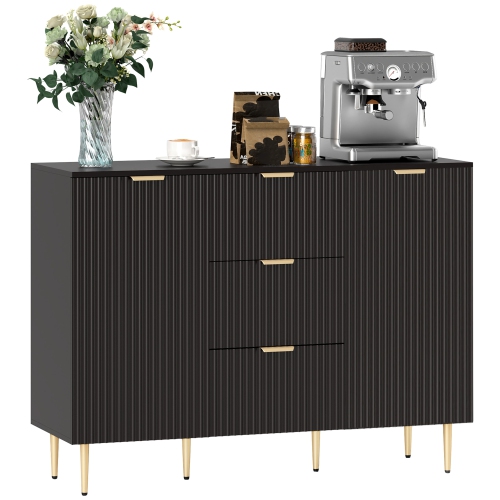
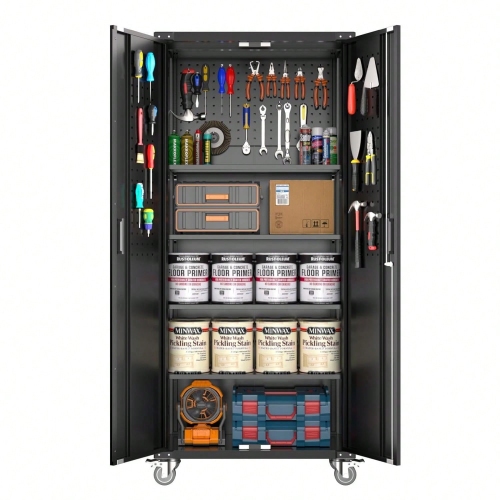
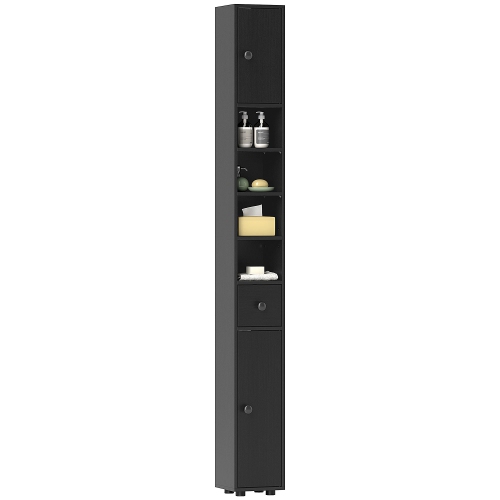

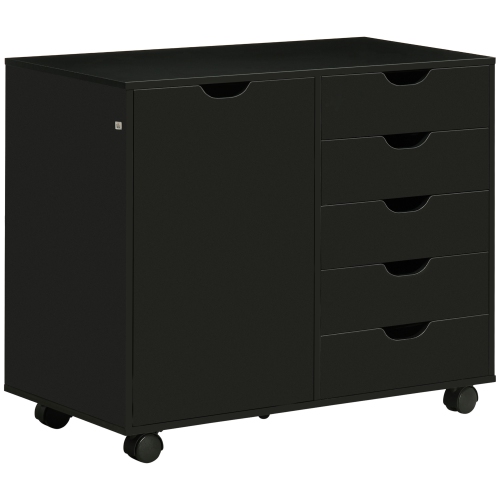


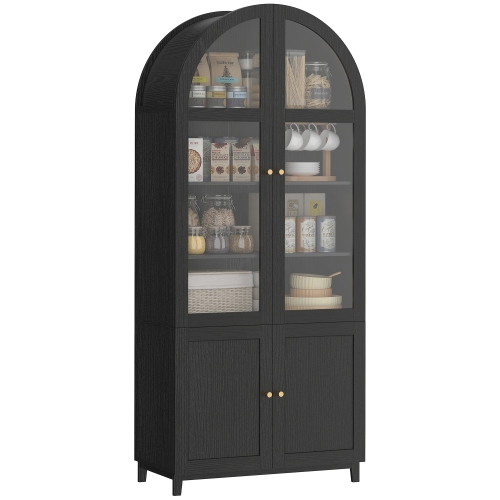
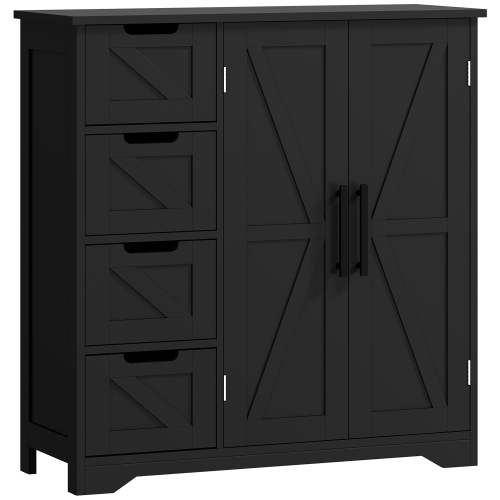
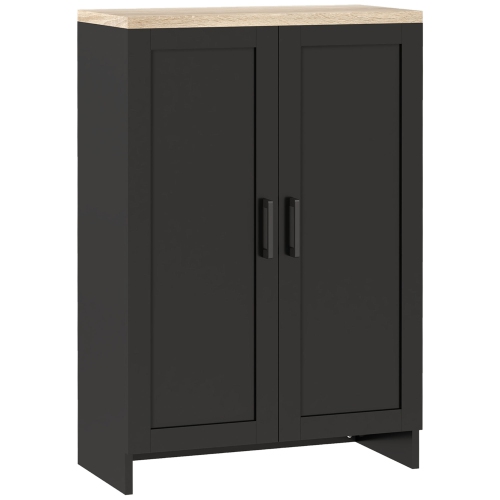
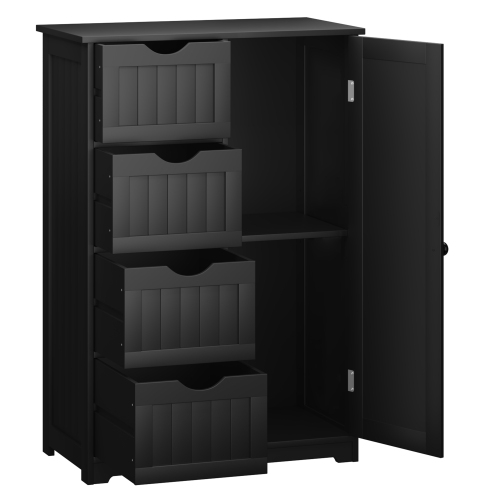
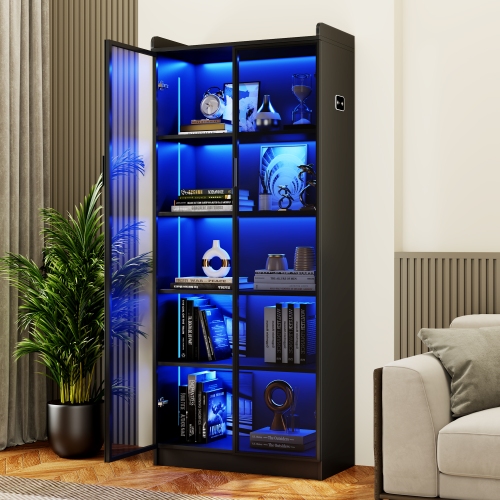
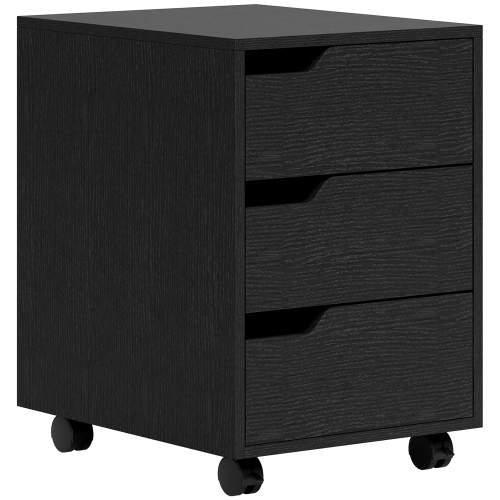
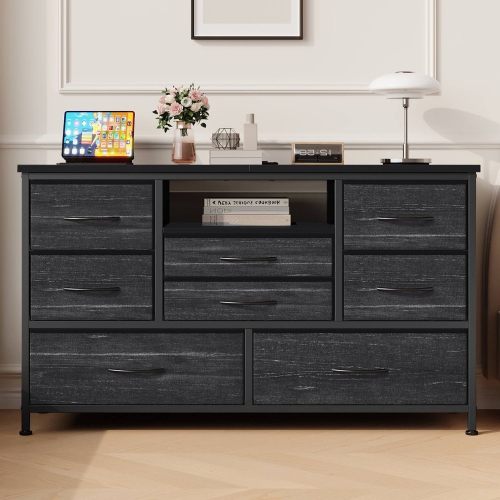
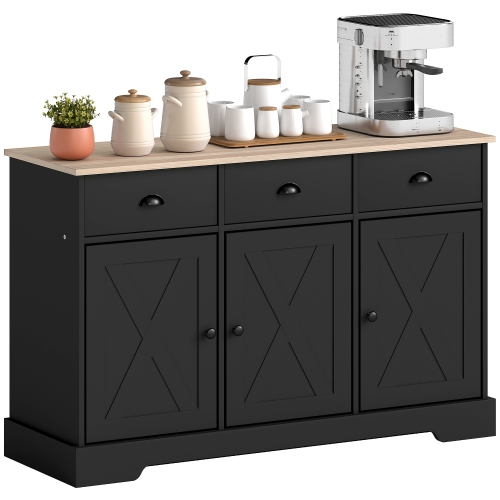
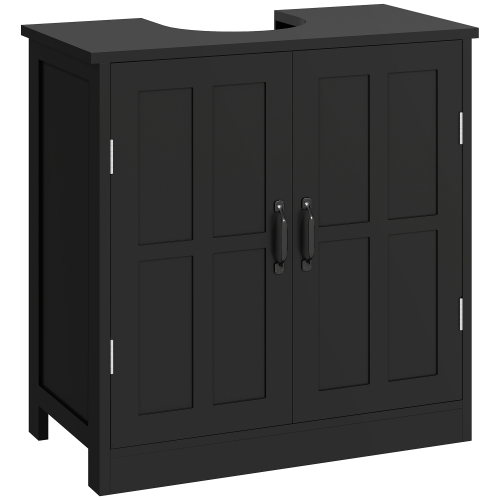
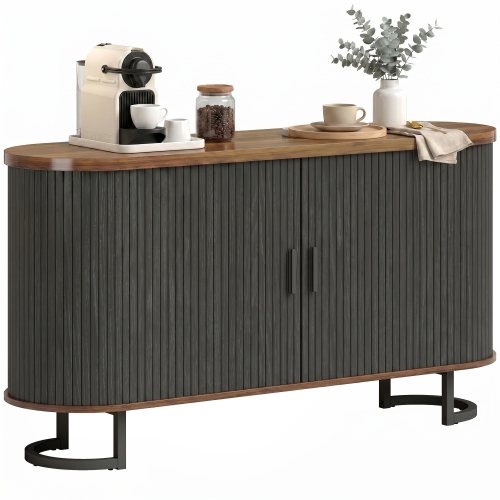

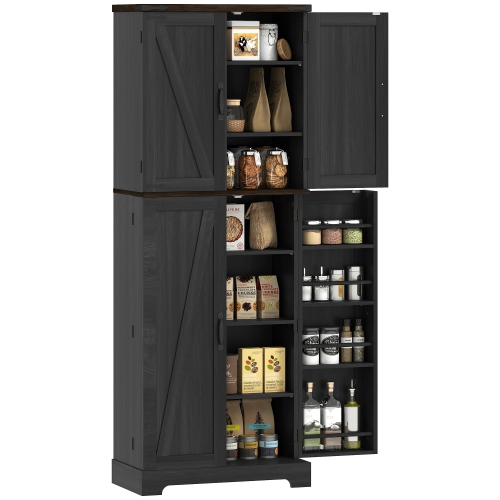
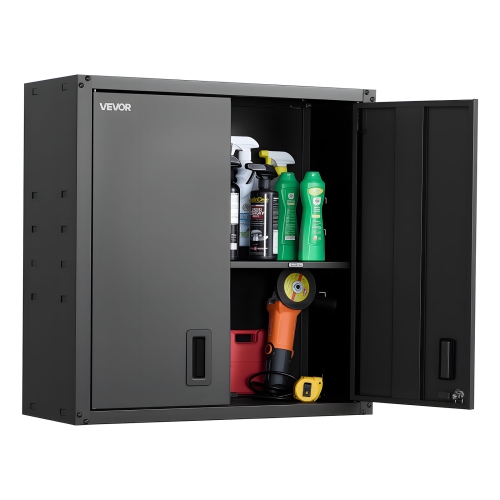
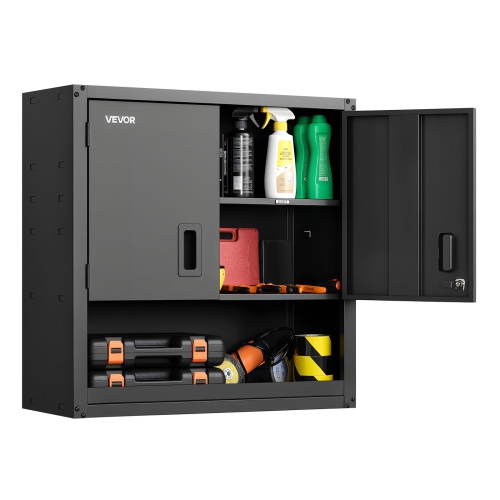
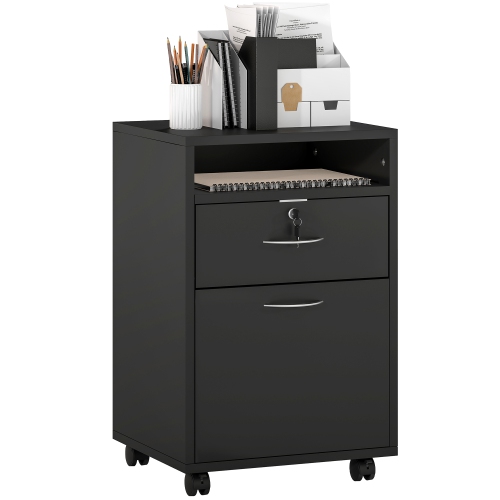
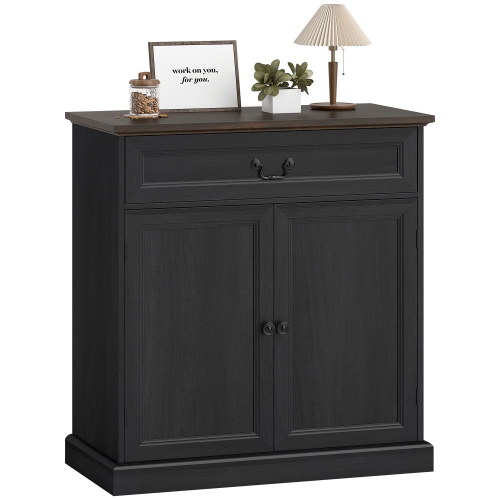
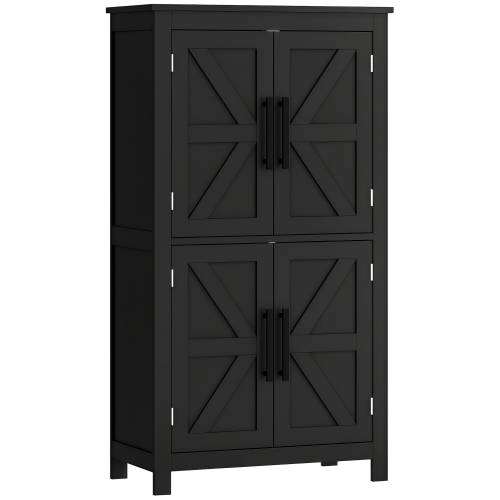
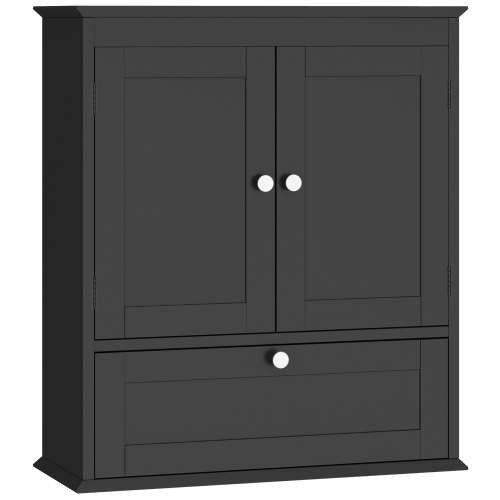

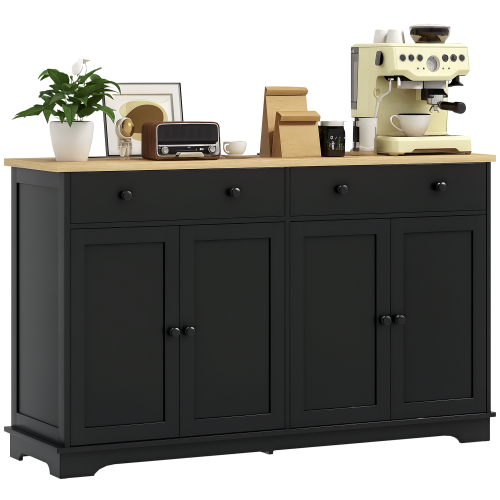
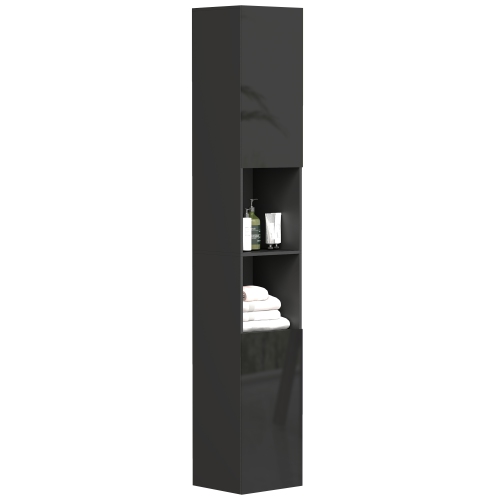
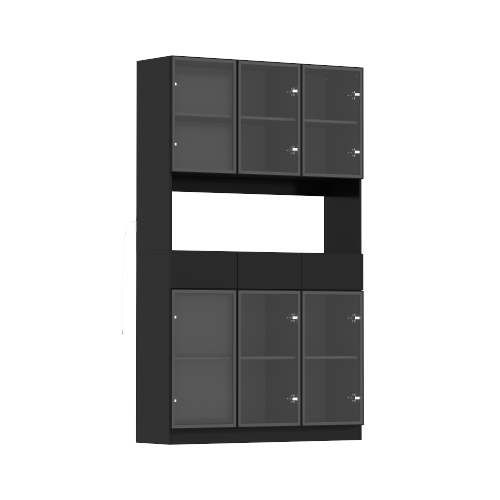

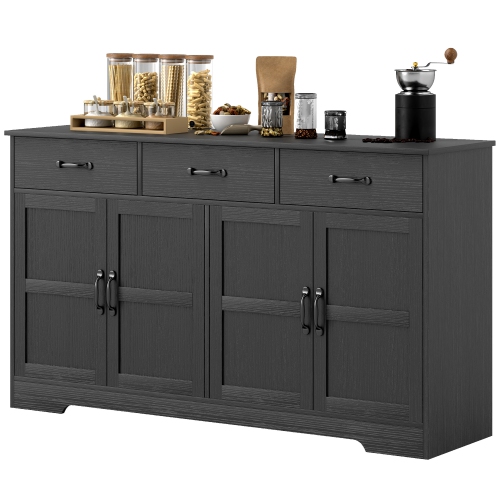
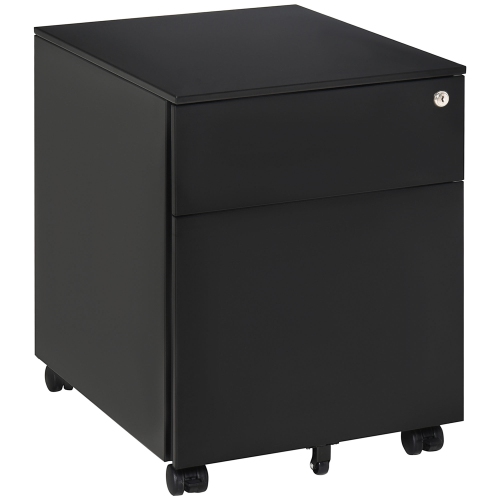
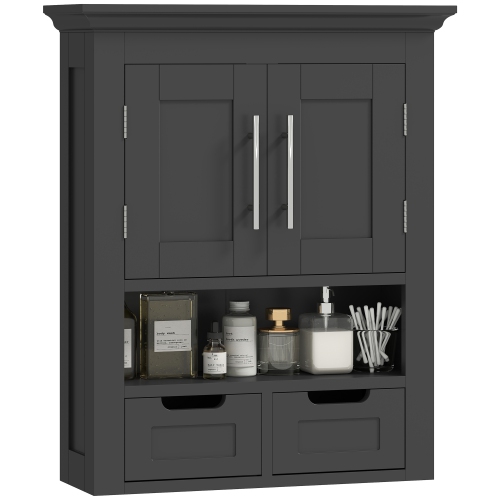
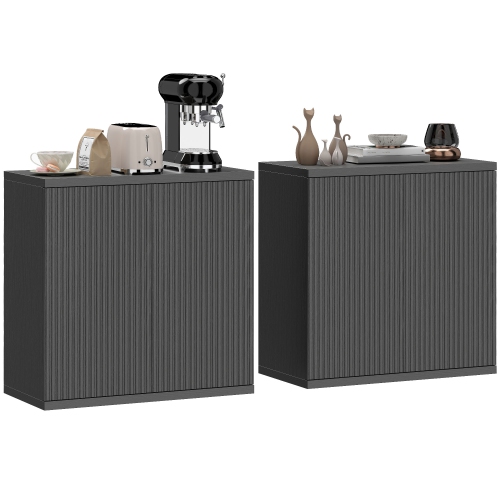
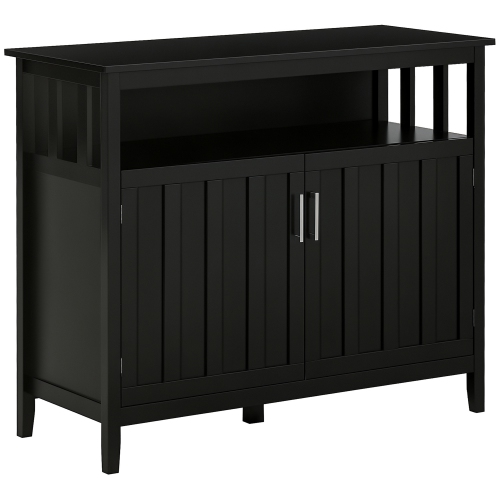
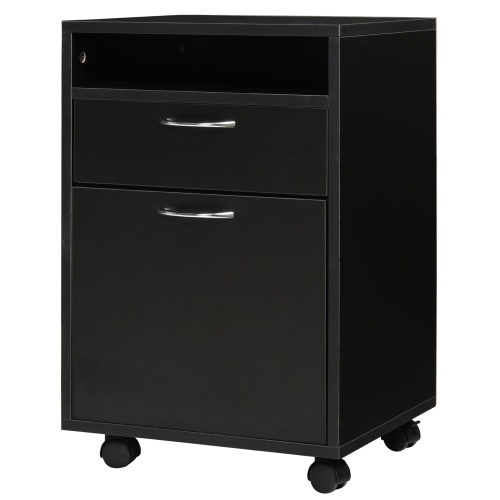
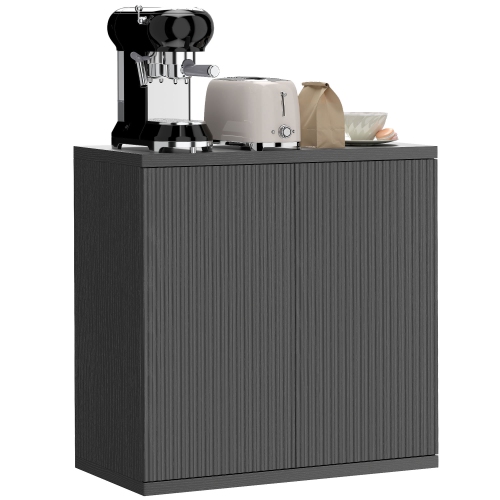
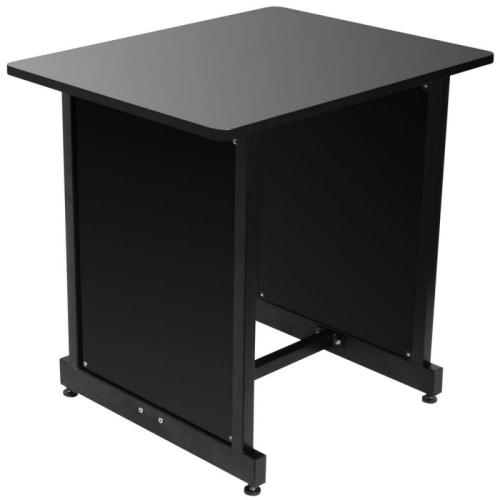
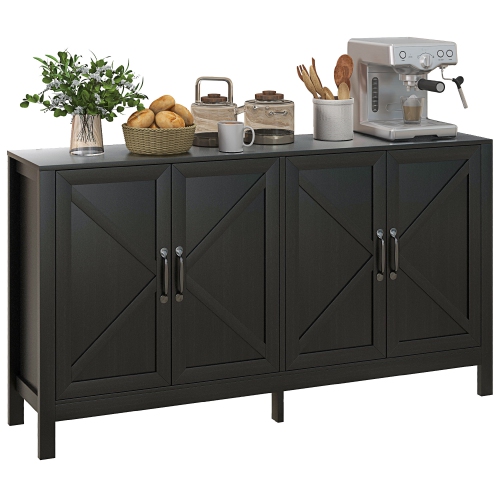
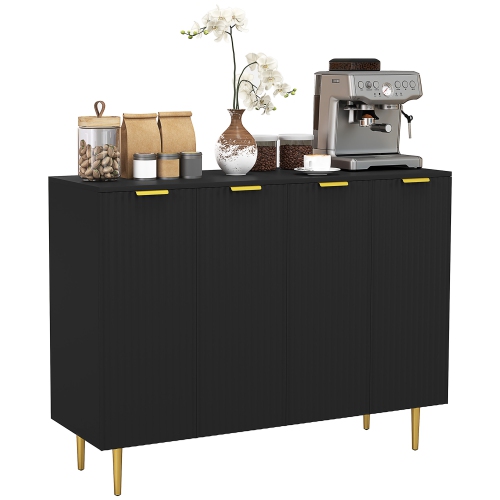
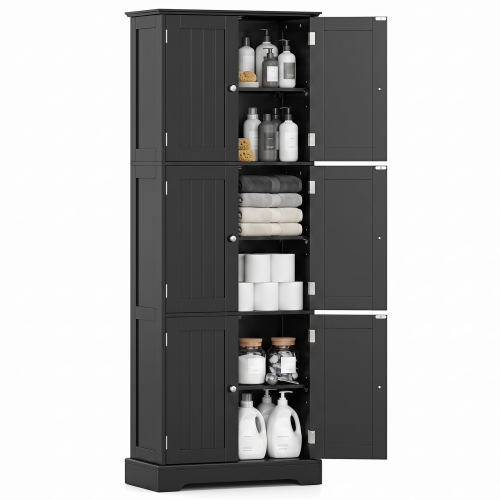
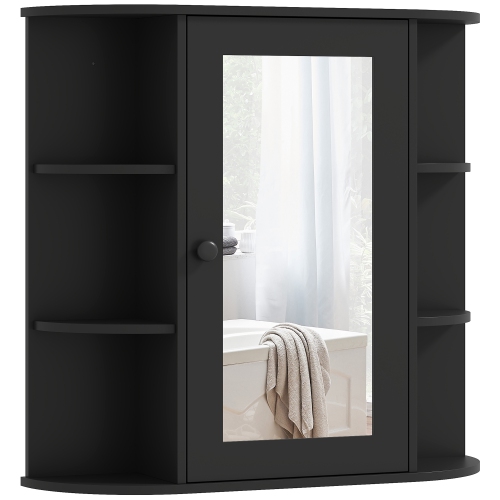
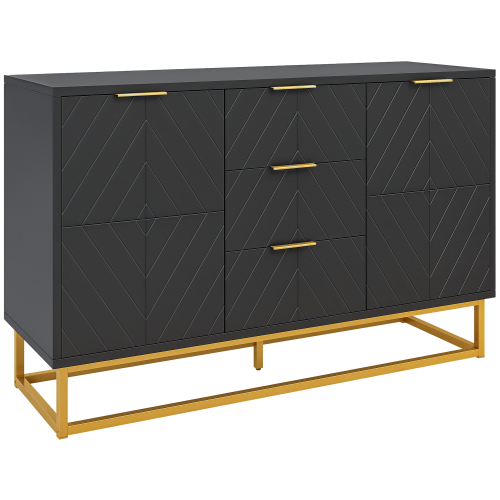

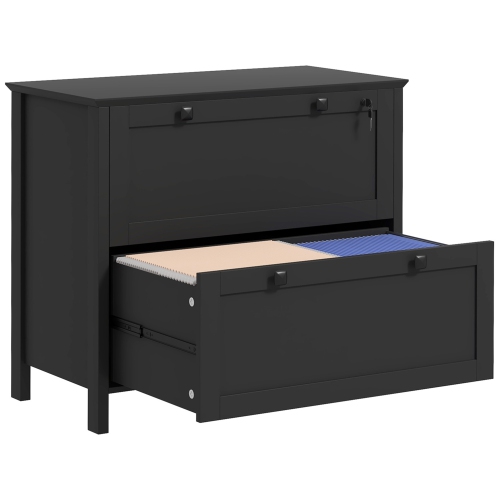
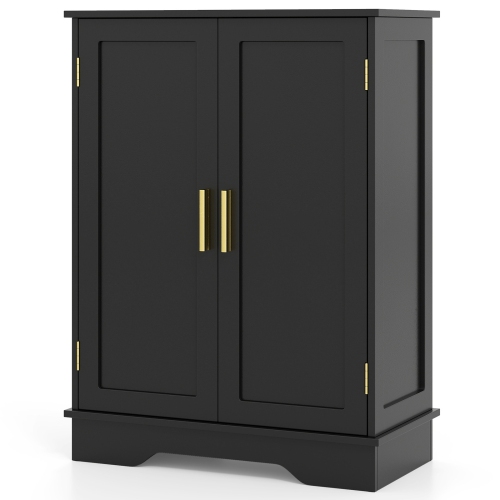
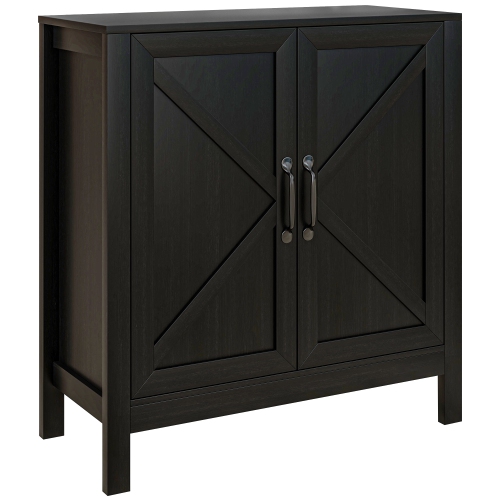
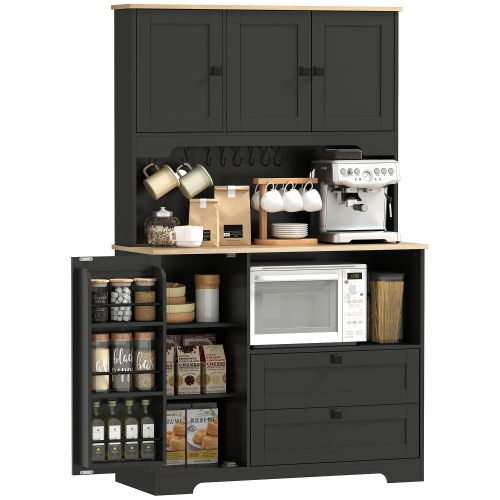
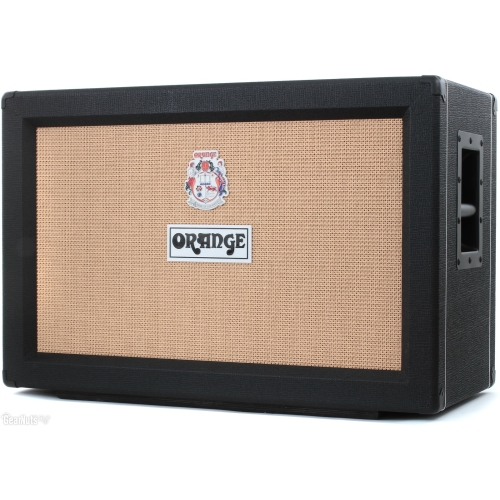
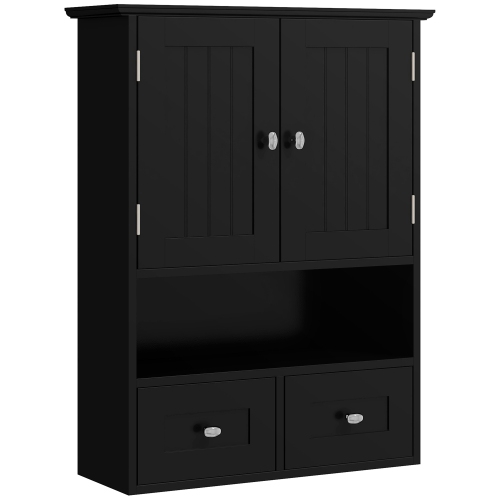
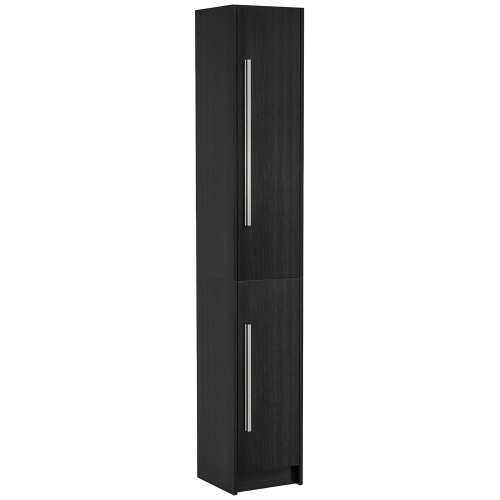
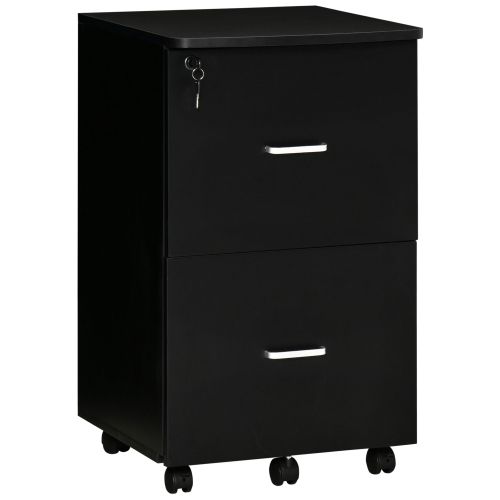
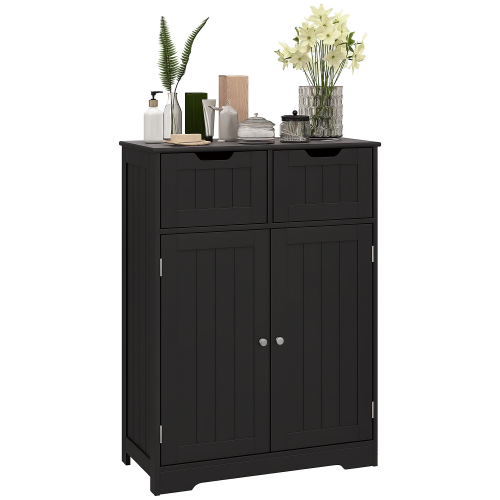
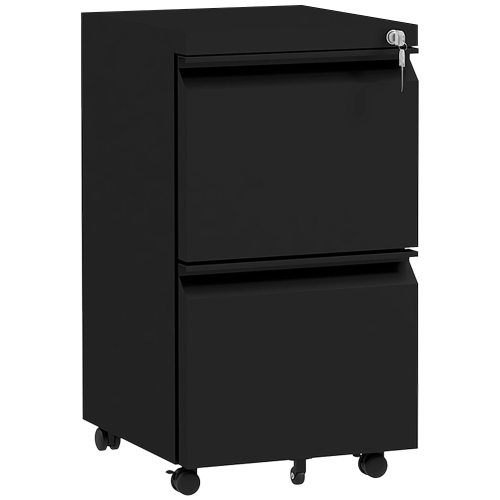
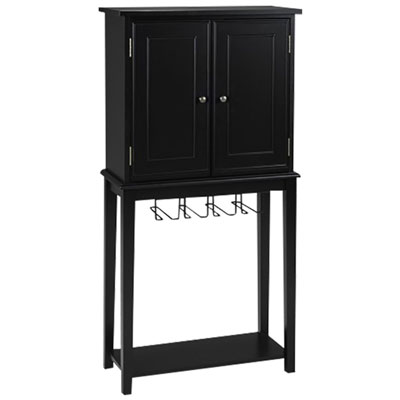
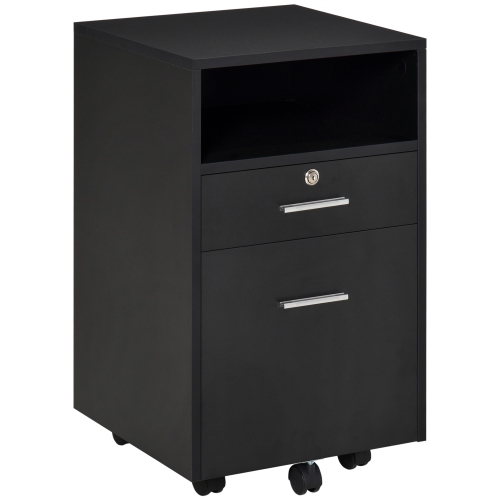
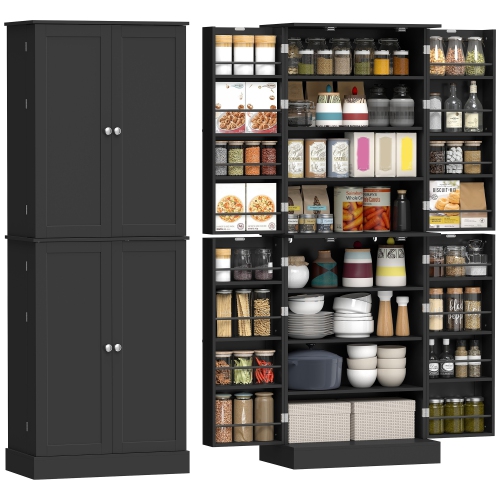
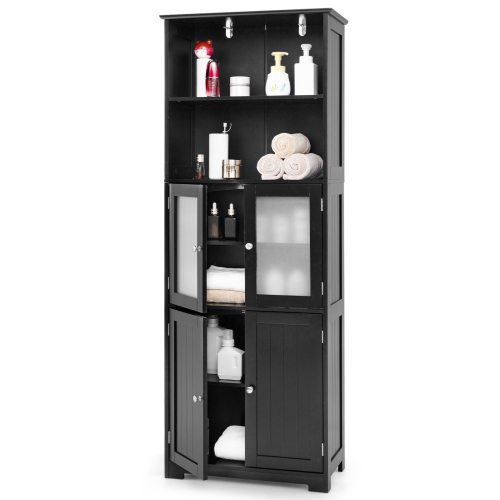
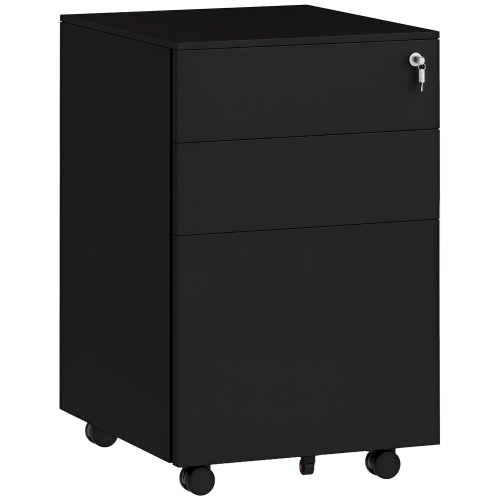
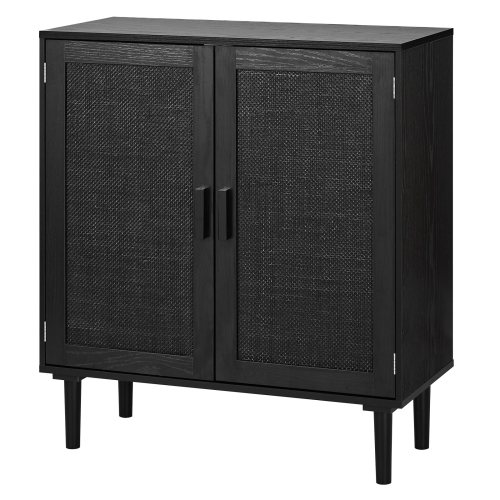

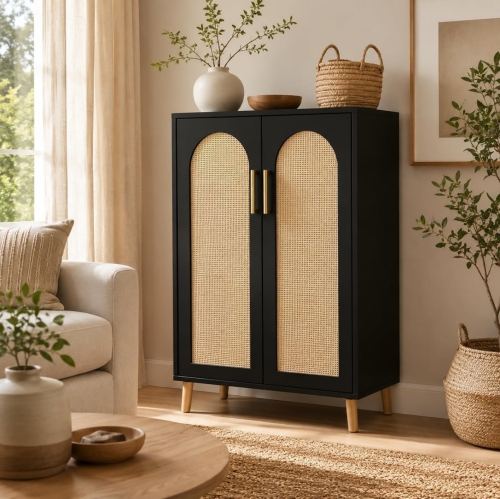
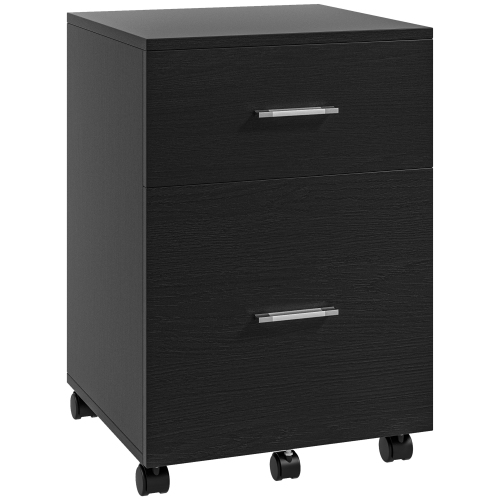
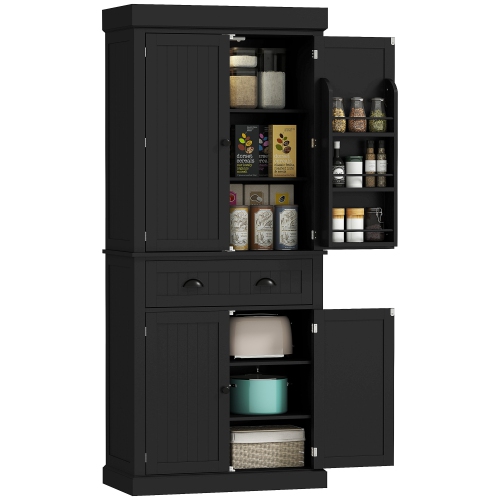

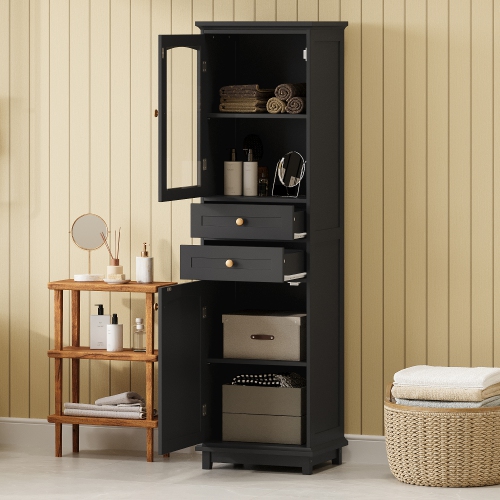
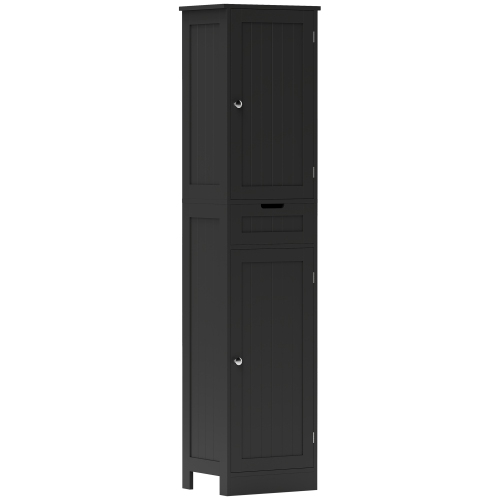

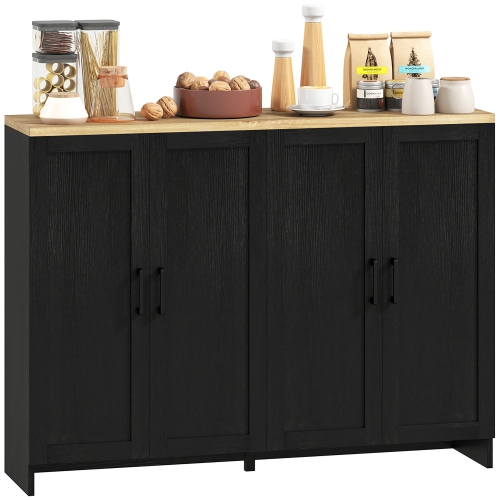
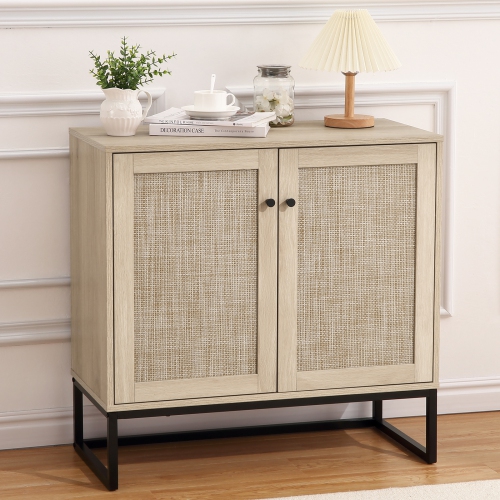

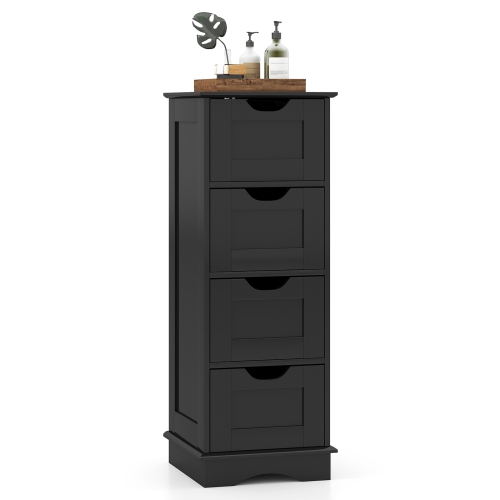
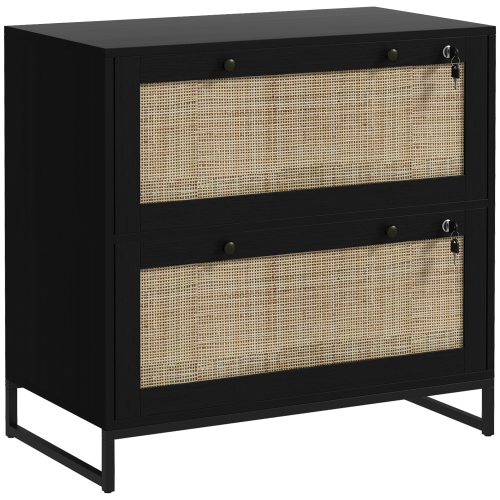

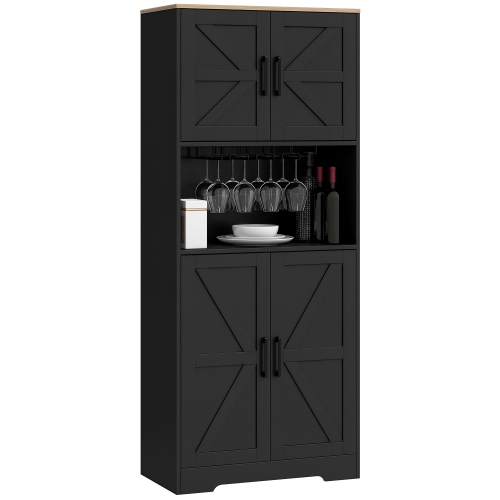
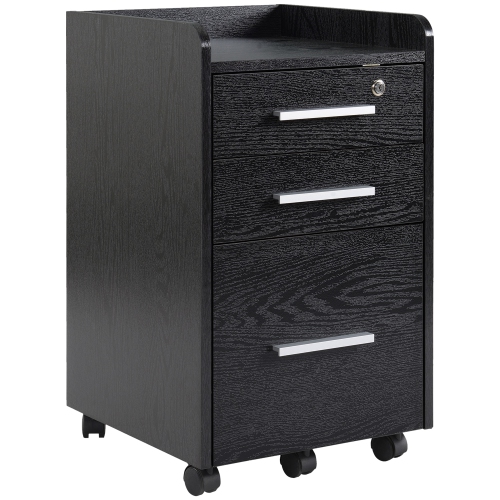
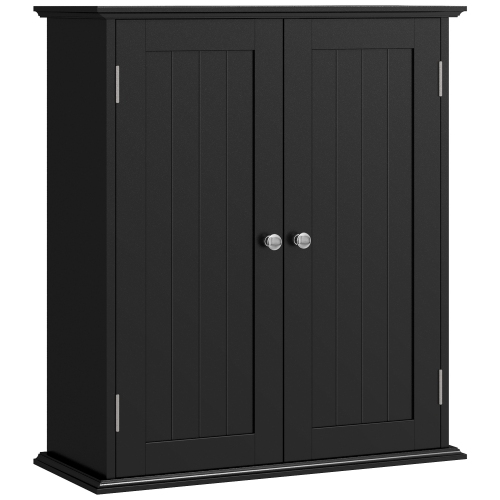
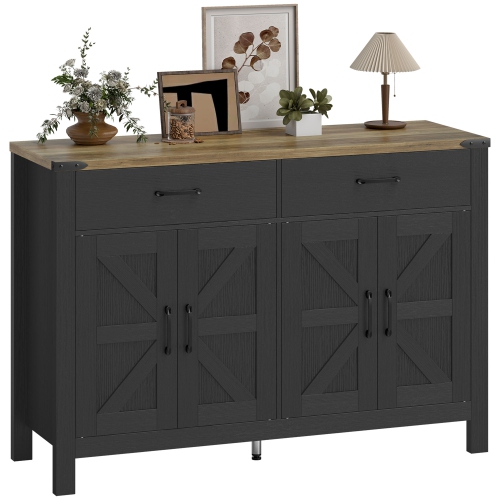
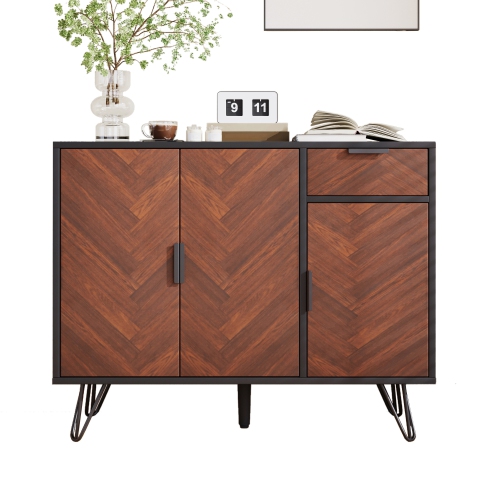
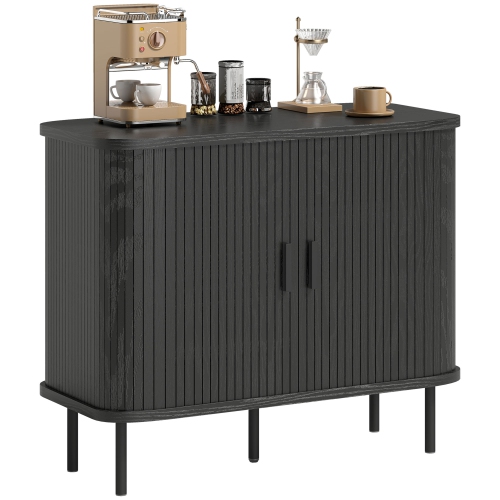
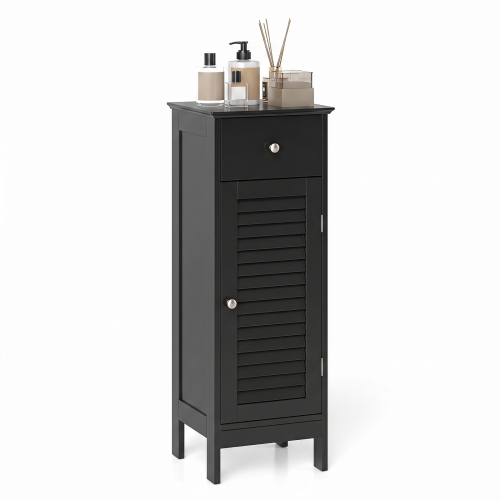
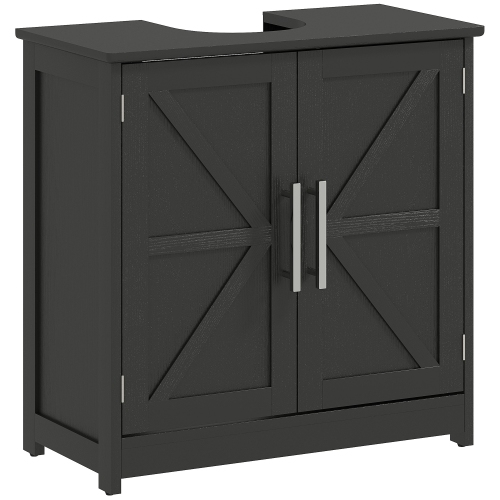
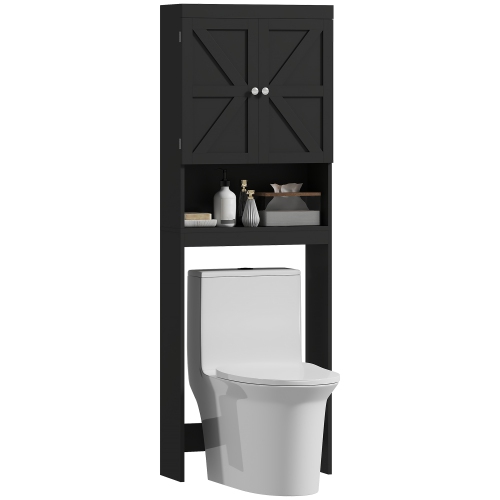
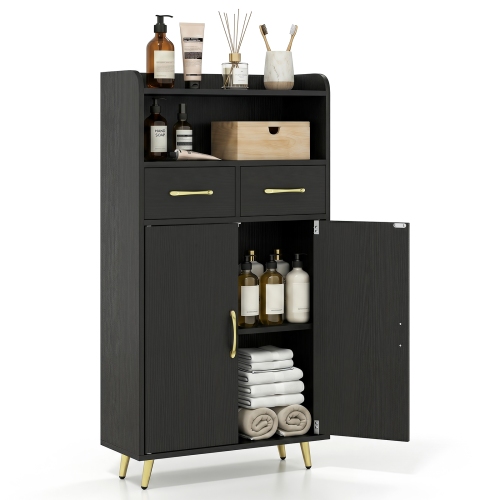
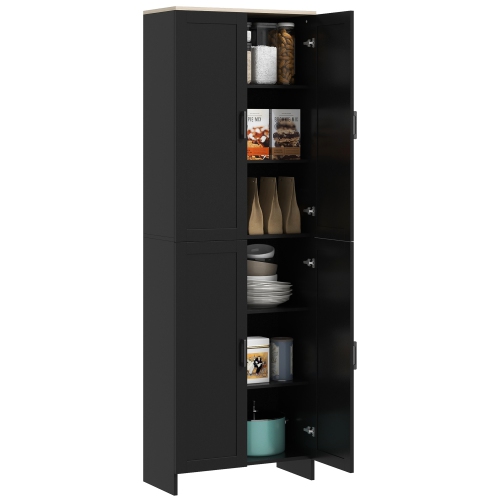
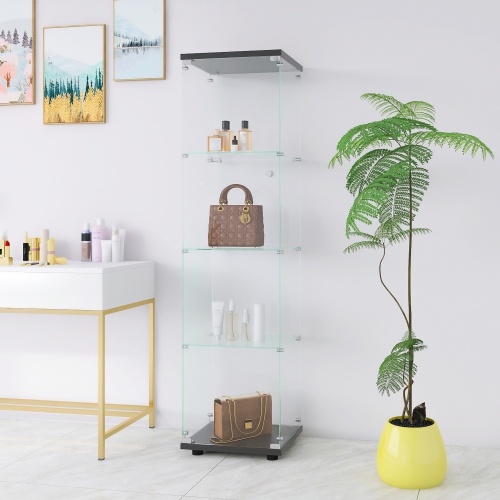
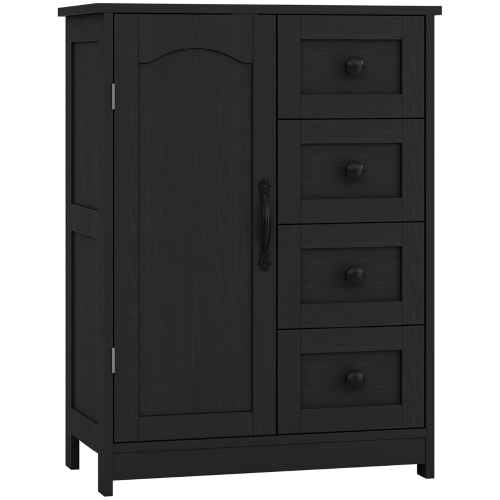
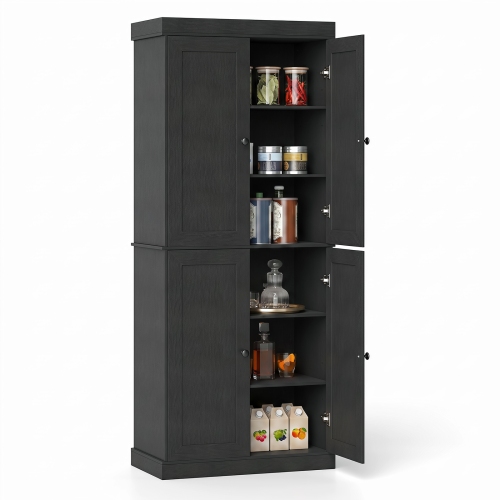
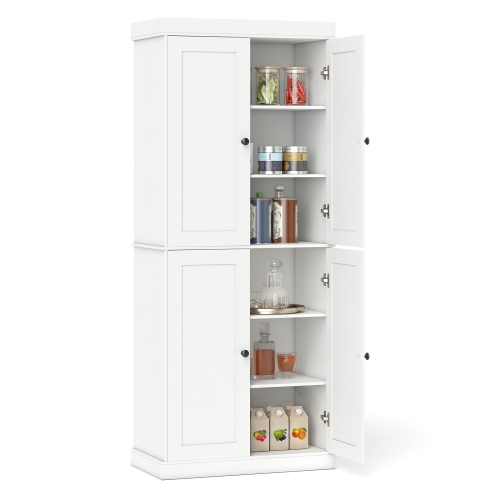
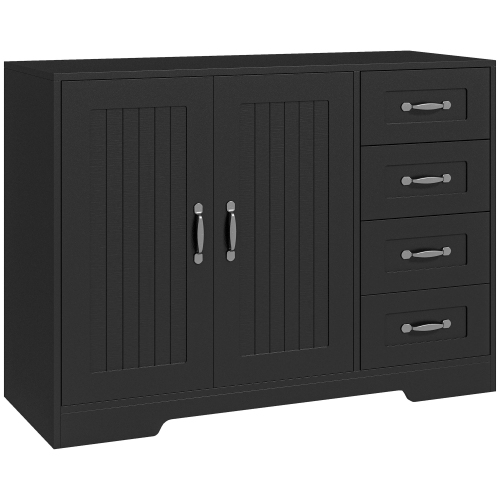
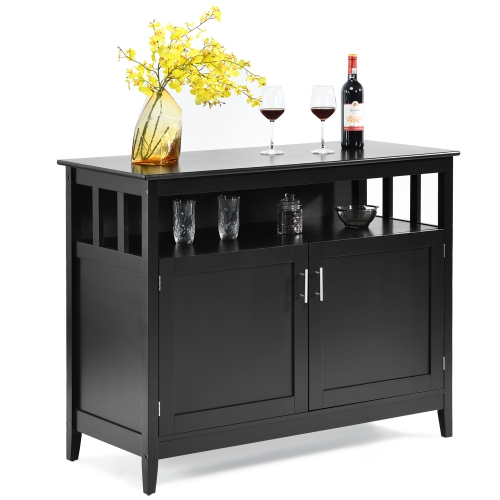
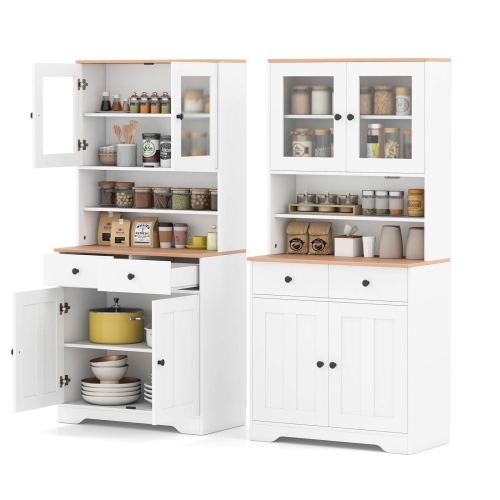
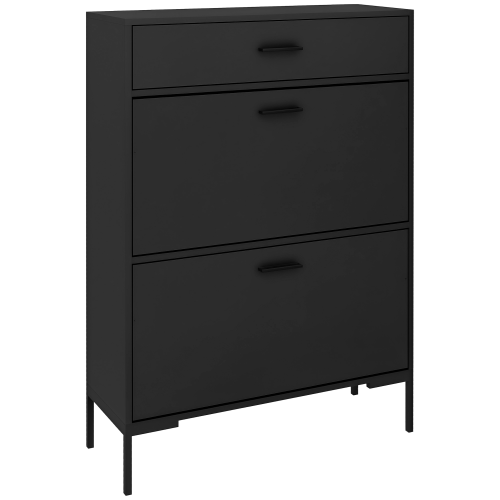
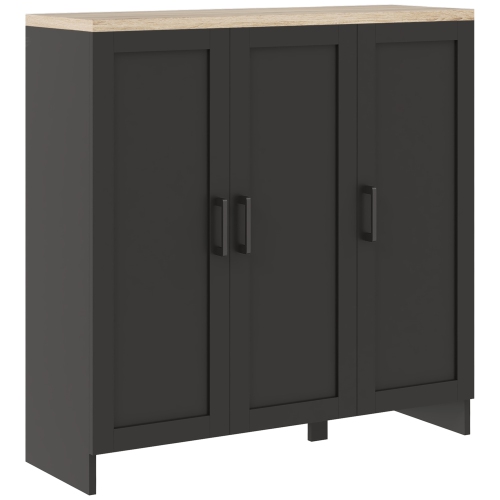
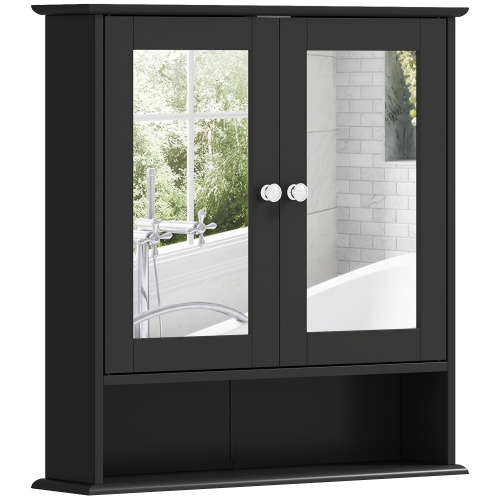
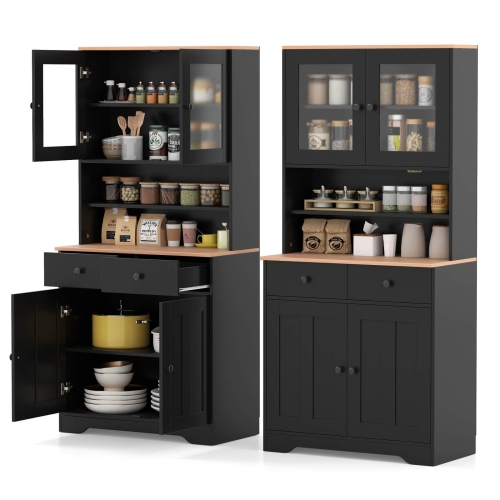
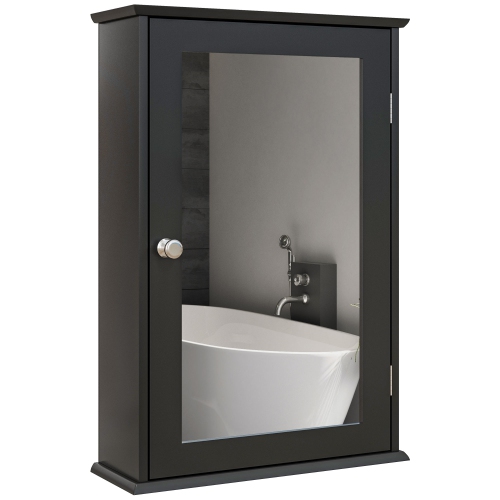
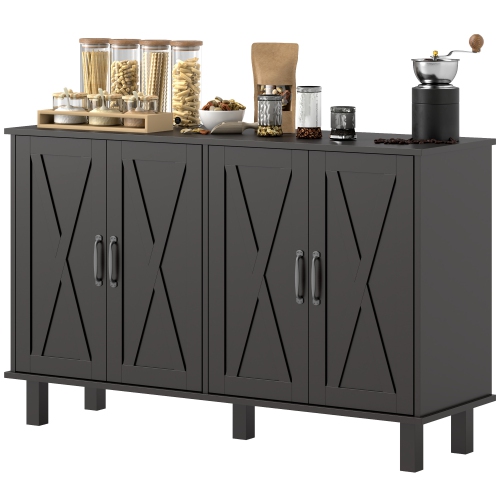
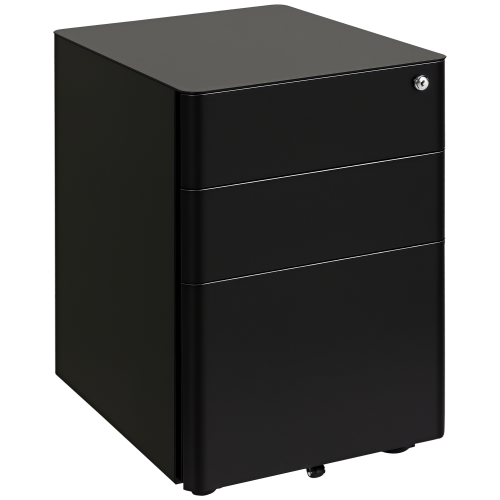
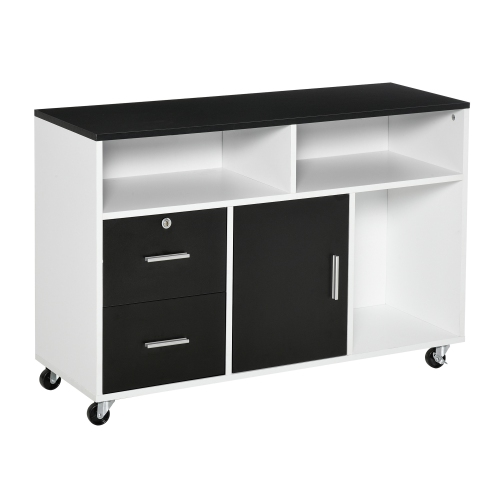

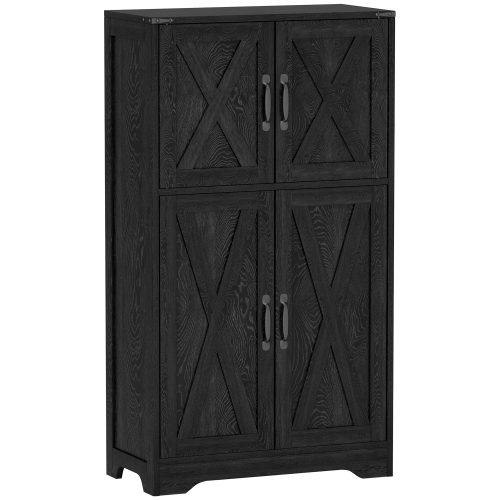


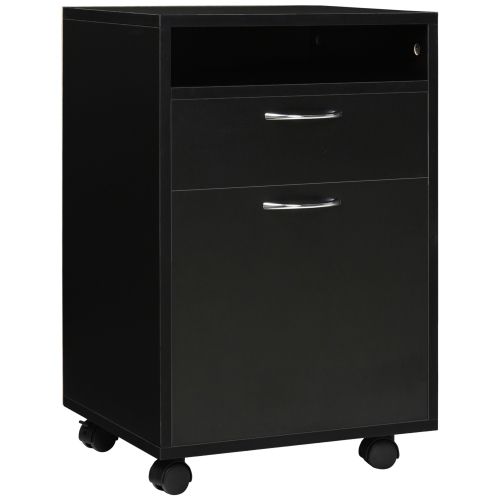
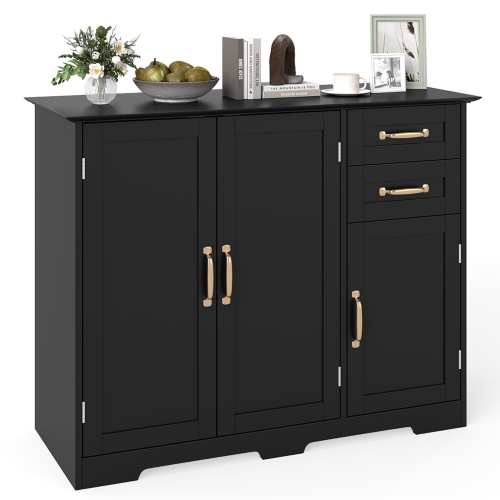
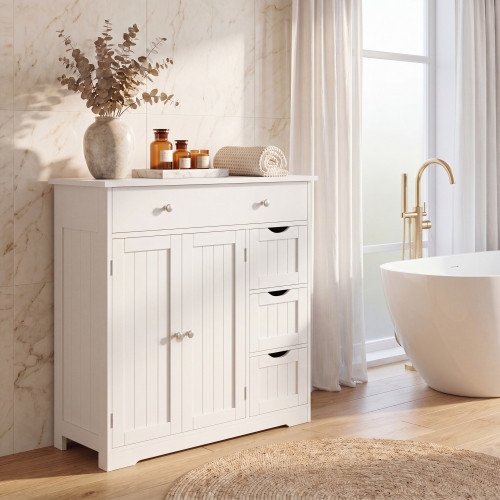
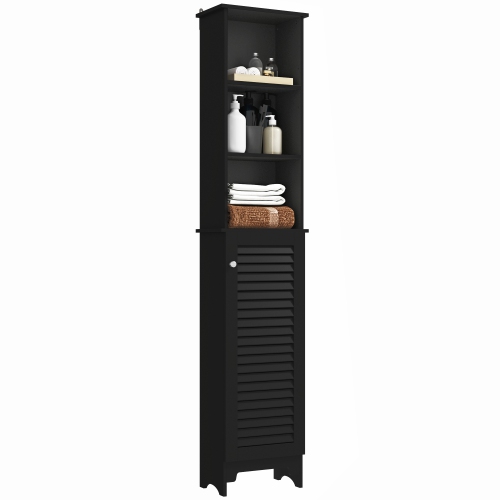
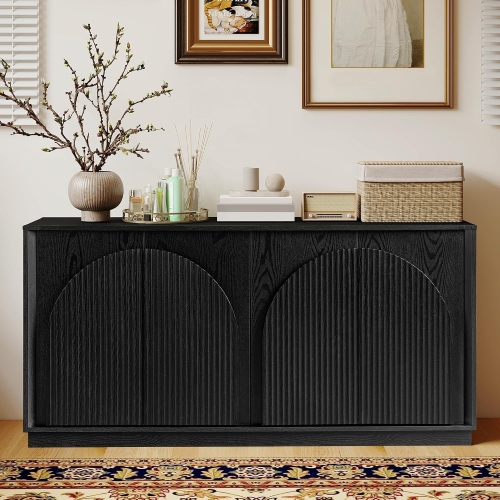
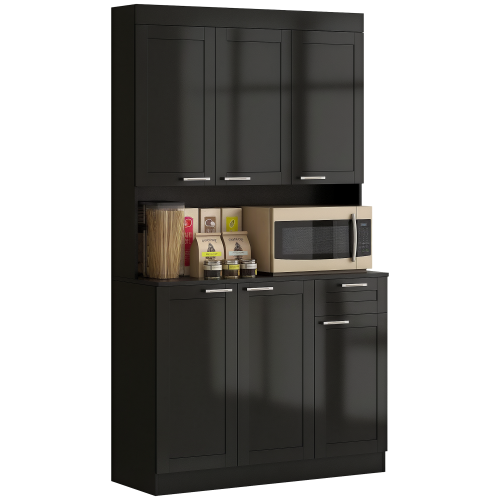
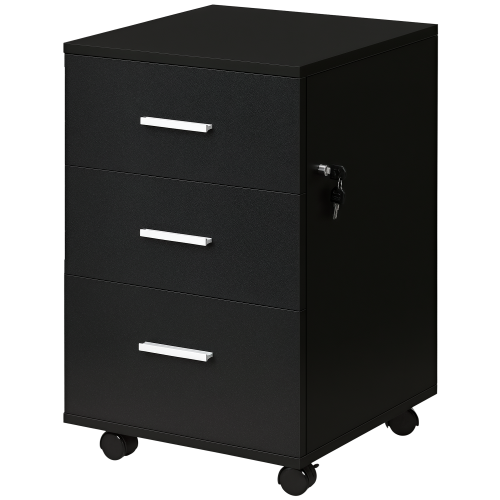
Bold contrast with everyday essentials tucked out of sight
Black cabinets bring a strong visual anchor to a room while keeping everyday essentials organized and out of sight. The category spans freestanding storage cabinets, kitchen pantries, bathroom cupboards, sideboards, wall-mounted units, and utility cabinets, with different proportions and interior layouts suited to each task. A tall black storage cabinet can make use of a narrow stretch of wall, while a low, wide cabinet provides concealed storage beneath artwork or beside a dining table. In a kitchen, pantry-style cabinets help group dry goods, small appliances, and serving pieces; in a living room, closed doors keep board games, cables, and paperwork from dominating the space. Black bathroom cabinets create contrast against pale tile, provided their materials and finish are suitable for exposure to moisture. The effect depends as much on the door profile and surrounding surfaces as on the colour itself. Flat fronts and understated handles create a clean, contemporary look, while framed doors, visible wood grain, or substantial hardware feel more traditional. Against white walls, black cabinetry looks crisp and defined. Beside oak flooring, woven textiles, or warm-toned wood furniture, it adds depth without requiring every furnishing to match. Matte, satin, and glossy finishes each catch light differently: matte surfaces soften reflections, satin offers a subtle sheen, and gloss produces sharper highlights. None is automatically better at concealing fingerprints or dust, since the coating, surface texture, and lighting all affect what shows. Black can make a large cabinet feel visually substantial, so its placement matters. A cabinet with raised legs or glass-fronted sections can look less heavy than a solid unit that reaches the floor. Nearby lamps or suitable task lighting can also help define dark doors and make contents easier to see. For a stronger colour accent, red cabinets offer an alternative to black’s more neutral presence. Black remains easy to carry across adjoining spaces through smaller details such as door handles, picture frames, and lighting fixtures.
Materials and construction influence how a black cabinet feels in daily use and how well it holds up to the contents inside. Solid wood brings natural variation and can support a substantial piece of furniture, though its performance still depends on joinery, finishing, and care. Engineered wood, including medium-density fibreboard and particleboard, is often used for smooth painted or laminated surfaces. Well-finished edges are particularly important near sinks, cleaning supplies, or any area where spills may occur, because exposed wood-based cores can swell when wet. A wood veneer offers a real-wood surface over a supporting core, while laminate and other applied finishes create a more uniform appearance. Powder-coated steel suits utility storage and workspaces where a firmer, practical surface is useful, but scratches should receive attention according to the manufacturer’s care instructions to help prevent corrosion. Glass doors make it easier to locate glassware or display a collection, although they leave contents visible and need their own cleaning routine. Inside the cabinet, shelf thickness, support placement, and stated weight limits matter more than exterior size alone. A shelf filled with canned goods places different demands on its supports than one holding folded linens. Adjustable shelves make room for tall cereal containers, pitchers, or cleaning bottles, while fixed shelves may contribute to the cabinet’s structure. Drawers help separate small accessories that otherwise drift to the back of a deep cupboard. Hinges should move smoothly, doors should meet evenly, and handles should feel comfortable when opened with one hand. Soft-close hardware can reduce slamming, but it does not replace sturdy assembly or correct door alignment. For a media cabinet, ventilation and cable openings are important if electronics will operate inside; a sealed storage cupboard is not necessarily suitable for powered equipment. In a home office, a cabinet intended for files needs an interior layout that accommodates the required paper size and filing method. Locks can limit casual access, but they should not be treated as a substitute for storage specifically designed for hazardous materials or valuables.
Fit is about more than finding enough wall space for the cabinet’s width. Height, depth, door swing, drawer extension, and the route into the room all affect whether a piece will work comfortably. In a compact condo, a shallow cabinet may preserve a clear walkway better than a deeper unit with more storage. Beside a dining table, there needs to be enough room to pull out a chair and open the cabinet without the two colliding. Tall pantry cabinets require clearance above and around them for assembly and positioning, and baseboards can prevent a flat-backed unit from sitting flush against a wall. Wall-mounted cabinets need appropriate fasteners and a supporting wall structure suited to the loaded weight. Freestanding units should be level, and anti-tip hardware should be installed wherever the manufacturer specifies it, particularly in homes with children or pets. Heavier contents belong on lower shelves to reduce top-heaviness and make lifting easier. Intended use also helps determine a comfortable layout: frequently used dishes are easier to reach near waist height, spare towels can sit higher, and craft supplies benefit from smaller compartments or removable organizers. Renters may prefer freestanding furniture for flexibility, though any required anchoring still needs to be addressed. Families, home-office users, and hobbyists can each use the same black finish in quite different ways, from hiding backpacks in an entryway to sorting paperwork or keeping project materials together. Regular care helps preserve that finish. A soft cloth removes dust without the abrasion of a rough scrubber, and spills should be wiped up promptly rather than left along seams or door edges. Follow the manufacturer’s directions for cleaners, avoid soaking surfaces, and test any permitted cleaning solution in an inconspicuous spot. Felt pads beneath objects can help protect cabinet tops, while occasional checks of hinges, shelf supports, and assembly fittings keep the furniture working as intended. With suitable dimensions, well-supported storage, and a finish matched to its setting, a black cabinet can serve as both a useful organizing piece and a deliberate part of the room’s design.
Top selling and popular products
-
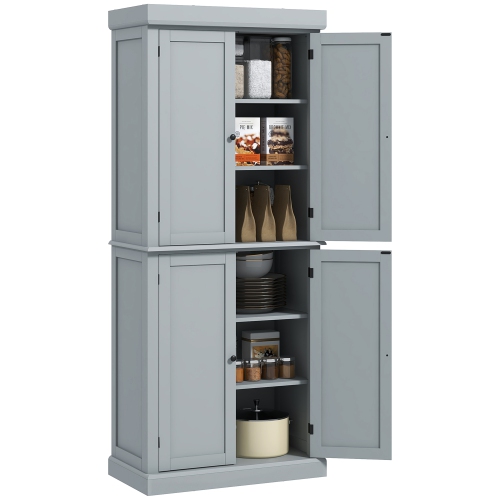 Your price for this item is $285
-
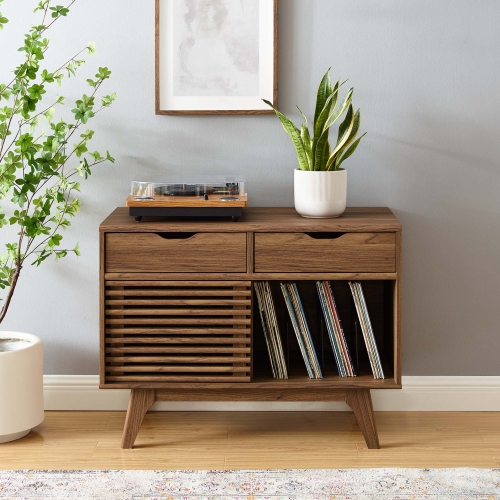 Your price for this item is $452.93
-
 Your price for this item is $155.99
-
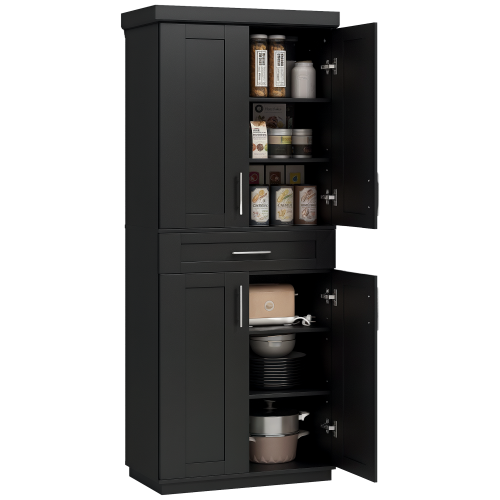 Your price for this item is $269.99
-
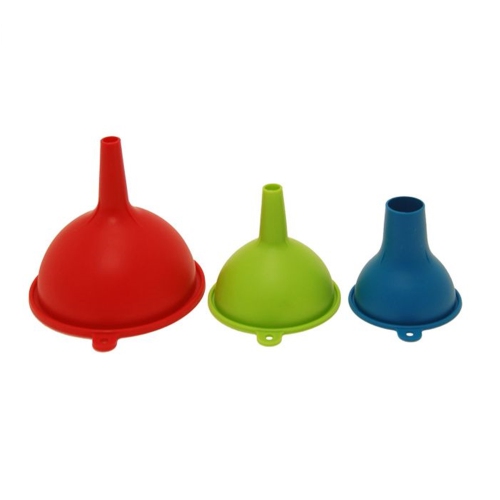 Your price for this item is $12.97
-
 Your price for this item is $155.99
-
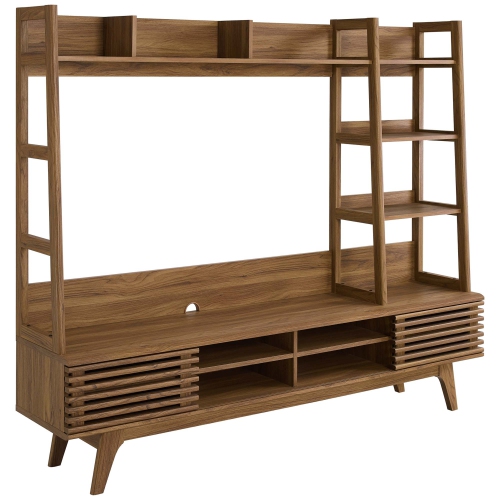 Your price for this item is $885.06
-
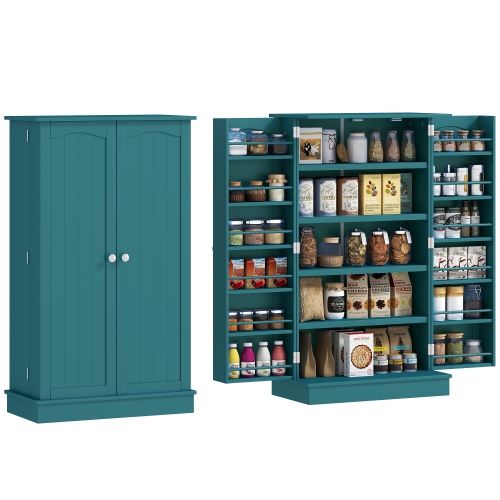 Your price for this item is $132.99
Discover more categories related to Black Cabinets
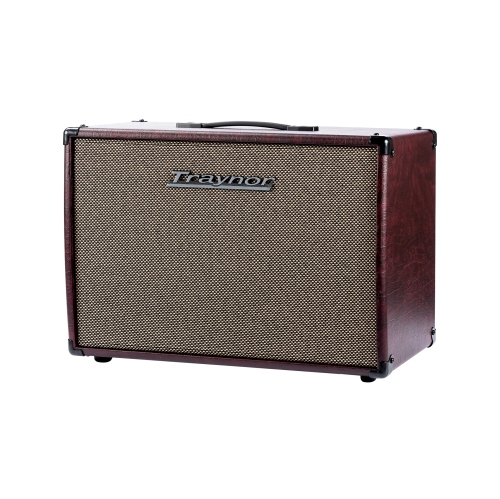

Top Collections:
Best Black Friday Deals This Year, Best Black Friday Deals On Electronics, Kindle Devices, Dyson Airwrap, Best Cameras for Sports Photography, Best Budget Office Chairs, Canon G7X Cameras, PS5 Pro Consoles, Best Black Friday Deals On Apple Products, XBOX One S Consoles
Some products may be subject to Environmental Handling Fees
(EHF) depending on your province.
Learn more about EHFs.