Blue Cabinets
Blue cabinets are a great way to add a pop of color to your room. They can also be used to create a calming atmosphere, as blue is often associated with tranquility. Whether you’re looking to update your kitchen, bathroom, or another area of your home, blue cabinets can be a great choice. Here are some of the great options.
Sort

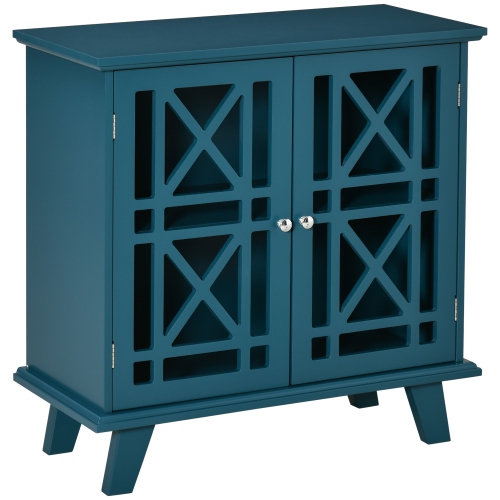

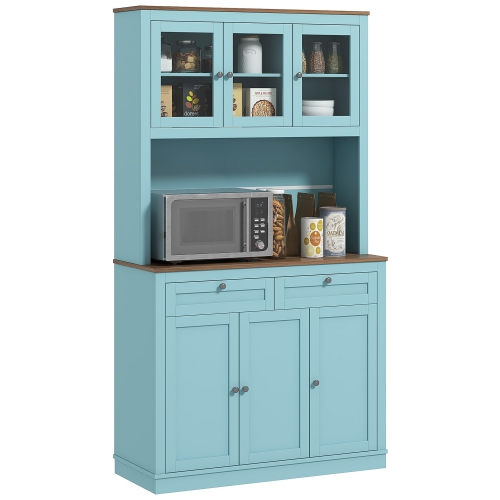
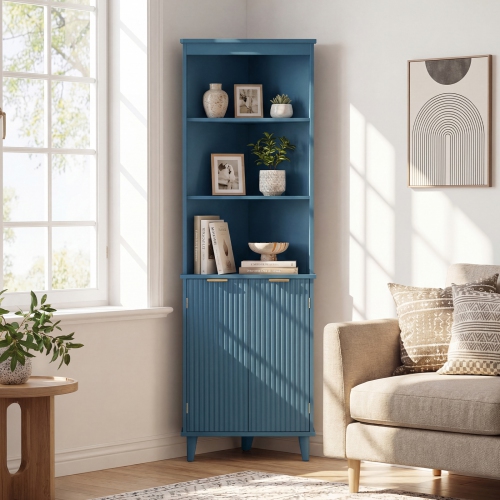
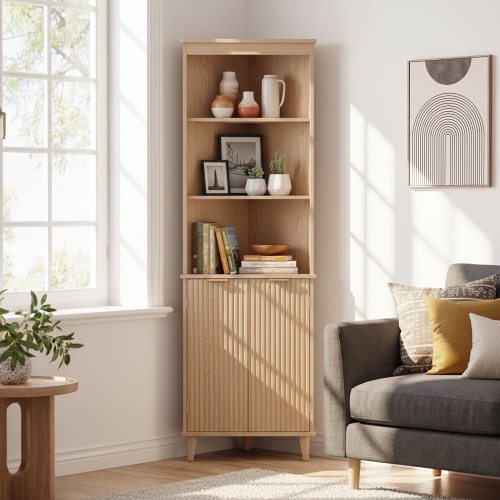


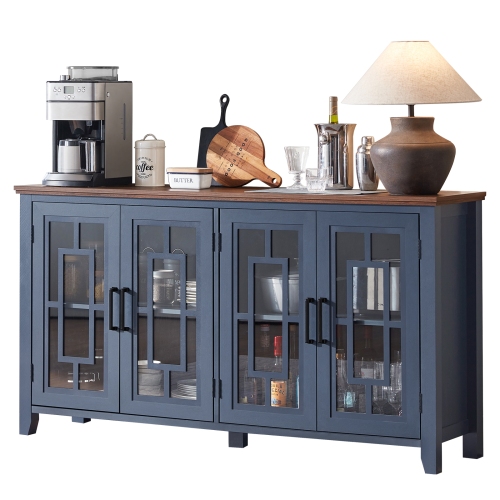
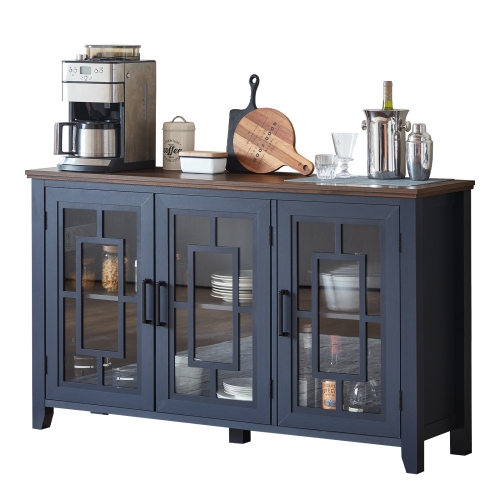


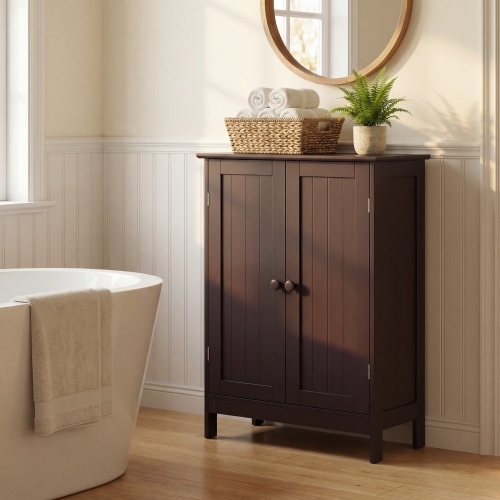


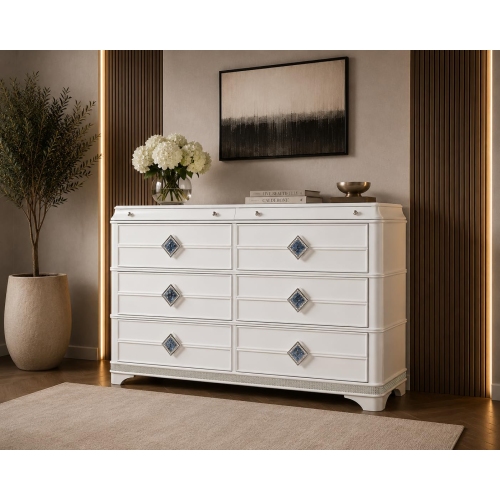
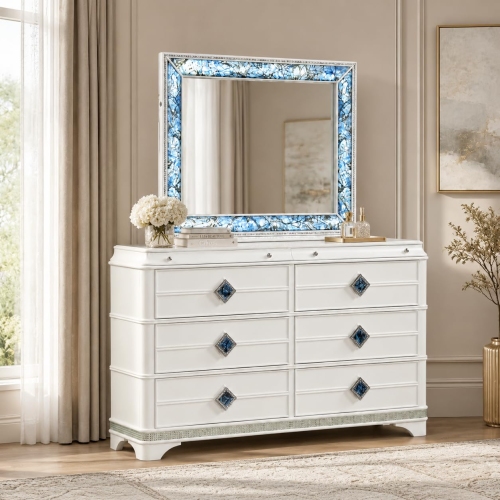
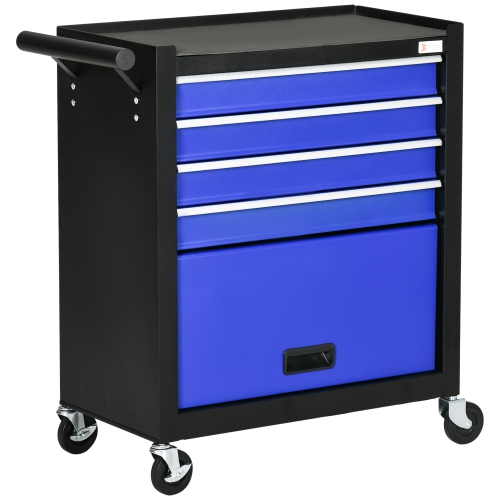
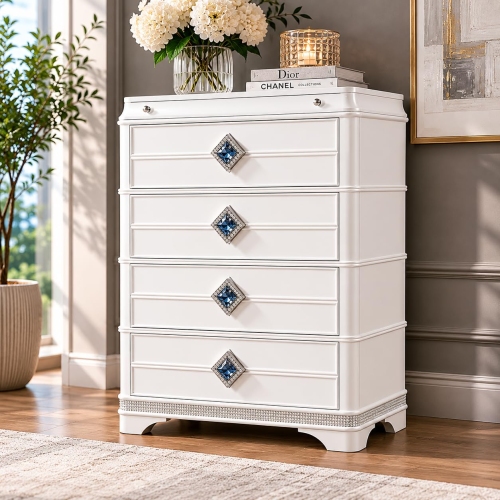
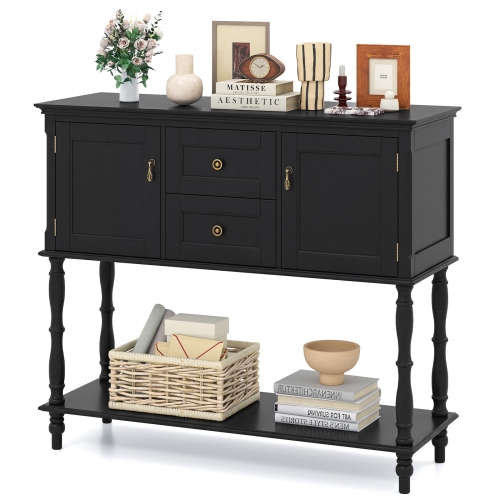
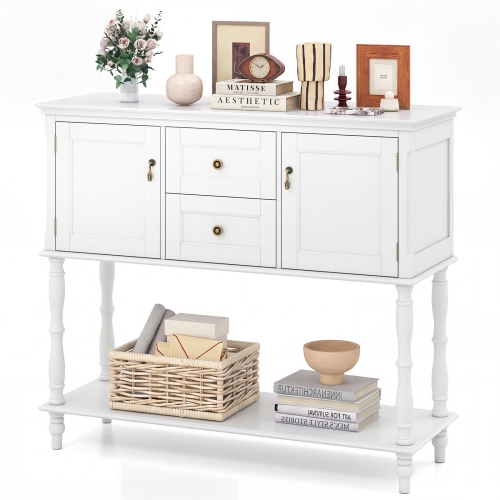
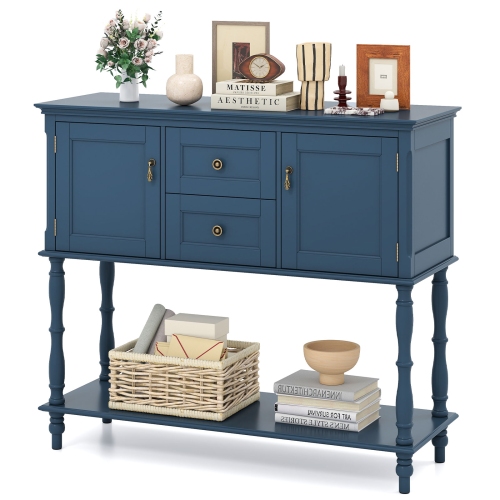
From soft blue accents to bold navy storage
Blue cabinets combine practical storage with a colour that can feel soft and understated or rich and expressive, depending on the shade and finish. In a kitchen, pale blue cabinetry creates a gentle contrast with white countertops, while navy gives lower cabinets or an island a more defined presence. Mid-tone blues sit comfortably between those looks, bringing colour into a room without making every other surface compete for attention. The same versatility extends beyond the kitchen: a blue storage cabinet can hold table linens in a dining room, keep paperwork behind closed doors in a home office, or give everyday essentials a place near an entryway. Different door styles also shape the overall impression. Recessed-panel doors suit many traditional, farmhouse, and transitional spaces, while flat fronts create cleaner lines in a modern room. Glass-front doors keep dishes or favourite objects visible, whereas solid fronts provide a quieter backdrop when shelves hold a mix of household supplies. Blue pairs naturally with warm wood, white, cream, grey, and stainless steel, making it adaptable to existing flooring, appliances, and furniture. Brushed brass hardware can add warmth to a deep blue finish, while chrome or brushed nickel keeps the contrast cooler and more subtle. Black handles create a sharper outline, particularly against lighter shades. Lighting matters as much as the surrounding materials: a blue that appears crisp beside a window may look softer under warm indoor lighting, and a dark finish can read almost charcoal in a shaded corner. A physical finish sample, when possible, offers a more useful impression than a screen image alone. For a coordinated room, repeating a small amount of blue in a rug, fabric, or wall art can connect the cabinet to the rest of the space without matching every detail. Those drawn to a warmer colour statement can also explore red cabinets as a contrasting direction for storage furniture.
The materials beneath a blue finish influence a cabinet’s weight, maintenance needs, and ability to handle daily use. Solid wood brings natural variation and can respond to changes in indoor humidity, while plywood offers layered construction commonly used for cabinet boxes and shelves. Medium-density fibreboard, often called MDF, provides a smooth surface for painted doors, though its edges and any unsealed areas need protection from moisture. Particleboard is another material used in cabinet construction; its performance depends in part on panel thickness, surface covering, edge sealing, and how securely the hardware is fitted. Painted surfaces create an even field of colour, while stained wood may allow grain to show through the blue tone. Laminate and other applied finishes offer a different surface character, with care requirements that vary by construction. For kitchen and dining storage, tightly finished edges and easy-to-wipe surfaces are particularly useful around spills, splashes, and frequent handling. In a bathroom, suitability for damp conditions matters more than colour alone, and a general-purpose accent cabinet should not be assumed to have the same moisture resistance as bathroom cabinetry. Hardware deserves equal attention. Hinges should support the doors evenly, drawer runners should move smoothly under their intended load, and handles should feel comfortable during repeated use. Soft-close features, where included, can reduce the abrupt sound of doors and drawers closing, although they do not replace sound construction. Adjustable shelves make it easier to accommodate tall serving pieces, folded linens, or storage baskets, while fixed shelves may provide a straightforward layout for consistent storage needs. Shelf and drawer weight limits are especially important for stacks of dishes, books, or small appliances. A cabinet that looks substantial is not necessarily designed for a heavy load. Durability comes from the combination of materials, joints, finish, and hardware, rather than any single feature, so the intended contents and frequency of use help put those details in context.
A blue cabinet needs to fit both the room and the routines around it. Overall width, height, and depth establish its footprint, but doors, drawers, handles, baseboards, and nearby furniture all affect how comfortably it works once in place. In a compact dining area, a shallow cabinet can keep linens and serving essentials close without narrowing the route around the table. A deeper cabinet may offer more storage, yet still needs enough clearance for someone to open it and reach the back of a shelf. Interior measurements can differ noticeably from exterior dimensions, particularly when a cabinet has thick doors, a substantial frame, or several compartments. In kitchens, replacement cabinetry also needs to suit the existing layout, countertop support, appliance clearances, and any plumbing or electrical services nearby; freestanding storage furniture is not automatically a substitute for fitted kitchen cabinets. Delivery access and assembly space matter too, especially in condos, apartments, or homes with narrow stairways. Tall cabinets and other furniture requiring restraints should be anchored according to the manufacturer’s instructions, with suitable fixings for the wall construction. For families, closed storage can help keep shared spaces orderly, but cabinet doors alone do not make cleaning products, medicines, or other hazards safe from children. Day-to-day care is usually simplest when spills are wiped promptly with a soft cloth and surfaces are dried rather than left damp. Manufacturer-approved cleaning methods help protect paint, laminates, and hardware; abrasive pads and harsh cleaners can damage some finishes. Keeping cabinet surfaces away from prolonged heat, standing water, and unnecessary friction also helps preserve their appearance. Dark blue finishes may show pale dust or fingerprints more readily under certain lighting, while lighter blues can make scuffs more noticeable, so placement and handling both play a part. Whether used by a busy household, someone furnishing a first apartment, or a host organizing dining essentials, blue cabinets offer a practical way to introduce colour while giving everyday belongings a defined place.
Top selling and popular products
-
 Your price for this item is $109.31
-
 Your price for this item is $200.83
-
 Your price for this item is $90
-
 Your price for this item is $100
-
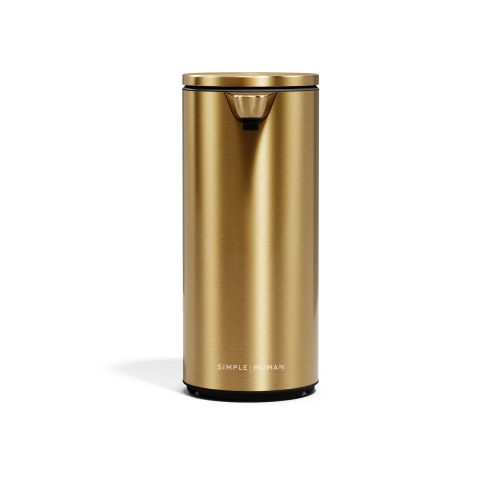 Your price for this item is $100
-
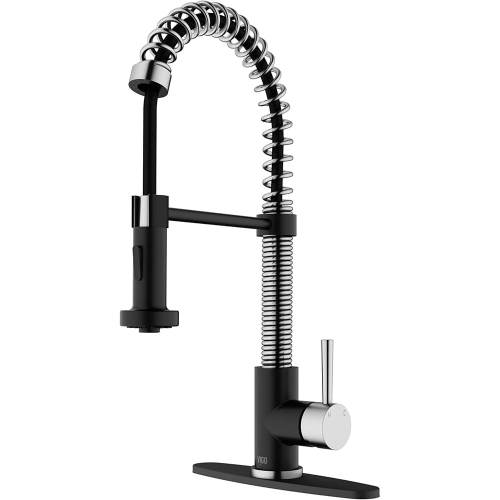 Your price for this item is $426.55
-
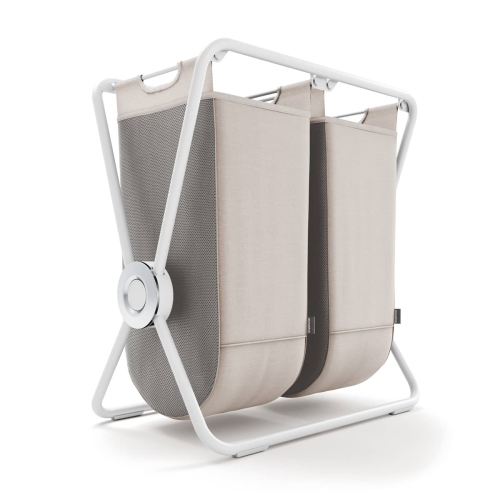 Your price for this item is $300
-
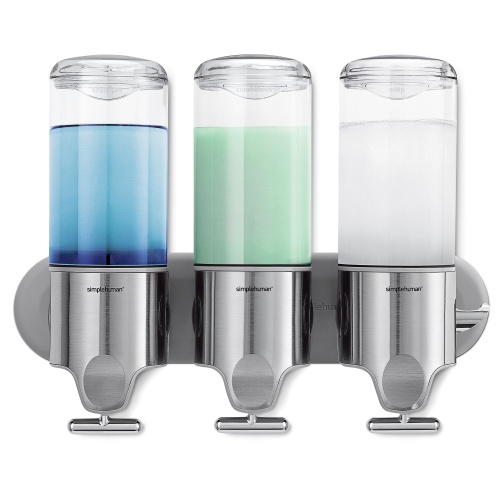 Your price for this item is $120
Discover more categories related to Blue Cabinets


Top Collections:
Pokemon Centers, Kindle Devices, Best Cameras for Sports Photography, Pokémon 30th Celebration Cards, Canon G7X Cameras, Samsung Galaxy Phones, iPhone 15 Apple, Best Black Friday Deals On Electronics, Jackery Power Stations, Solar Generators for Home
Some products may be subject to Environmental Handling Fees
(EHF) depending on your province.
Learn more about EHFs.