Black Ceiling Fans
A ceiling fan is a must-have for almost any home. It helps circulate air, which keeps your home cool during the summer and warm in the winter. Here are some great options in black.
Sort


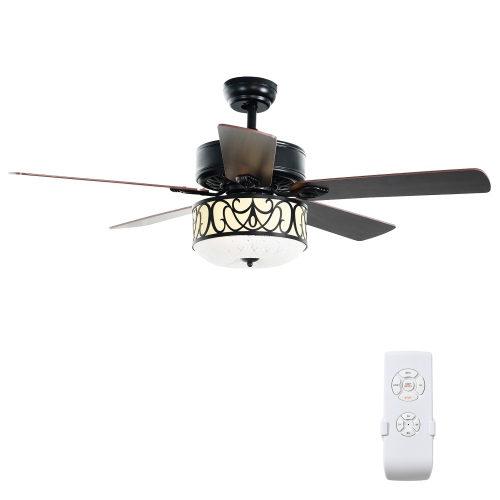
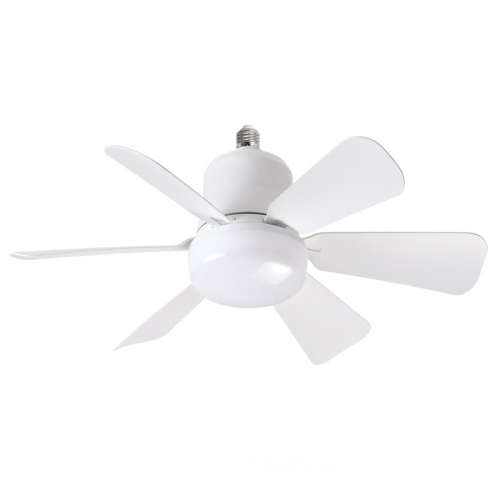
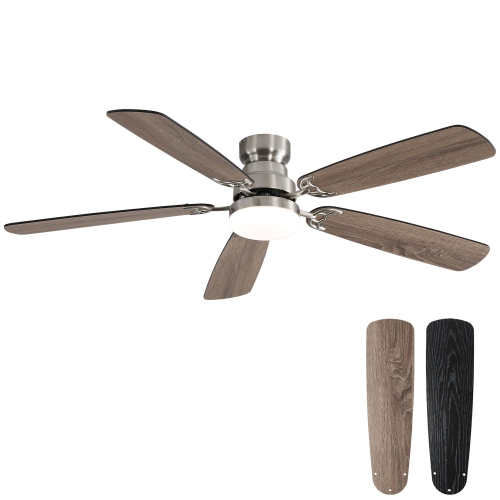
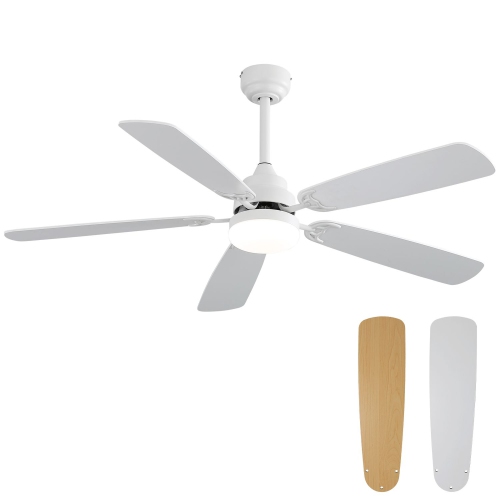


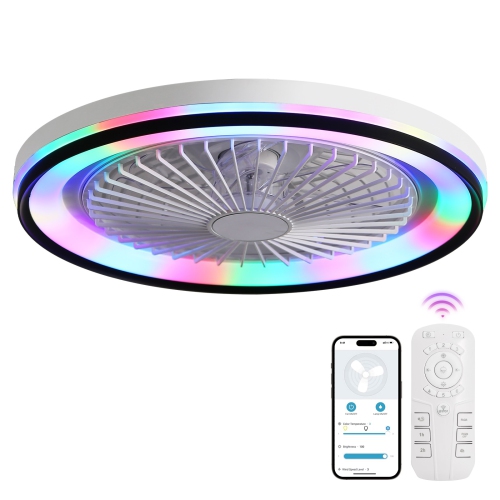
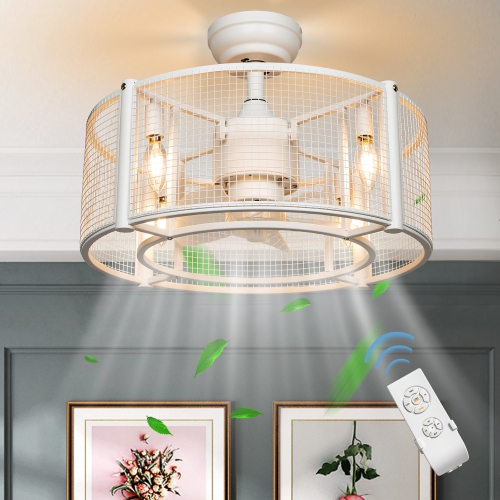
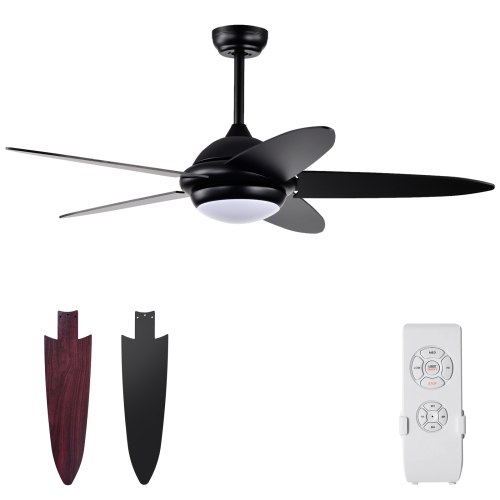
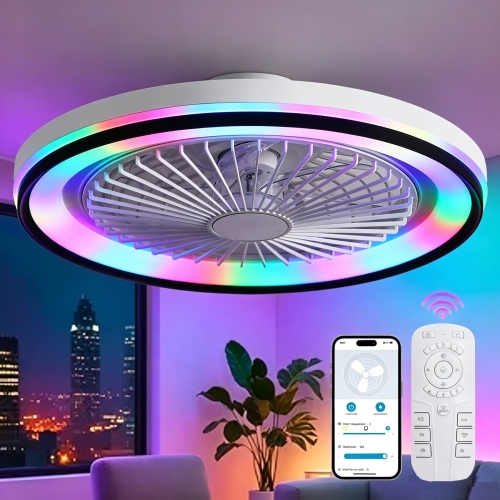



How a dark finish ties your room together
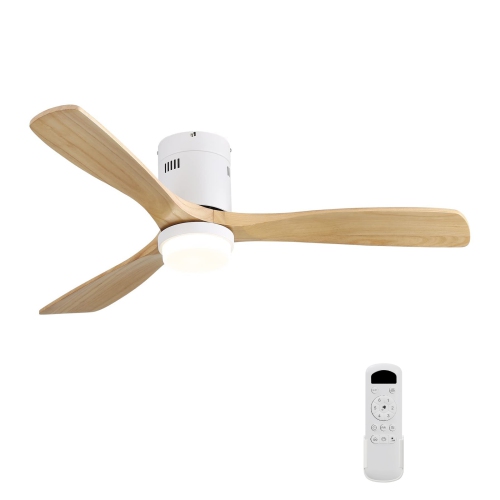
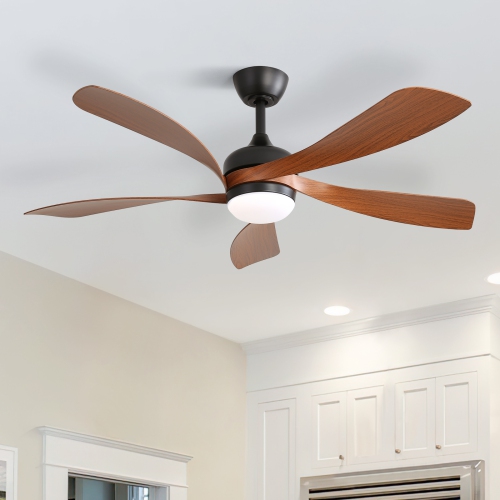
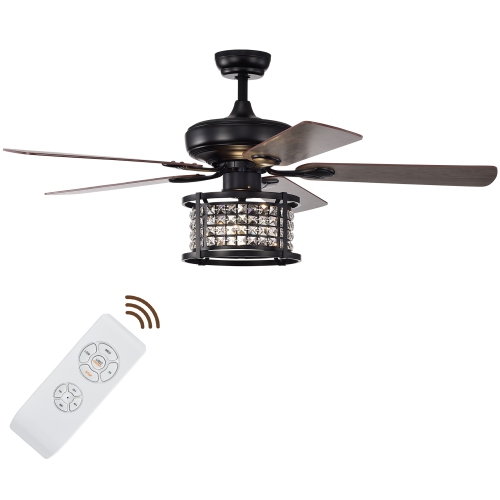
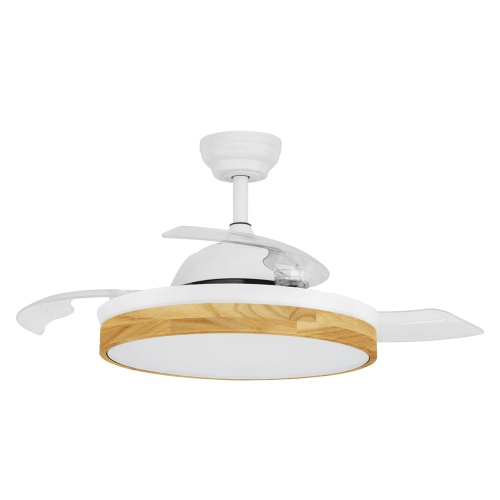
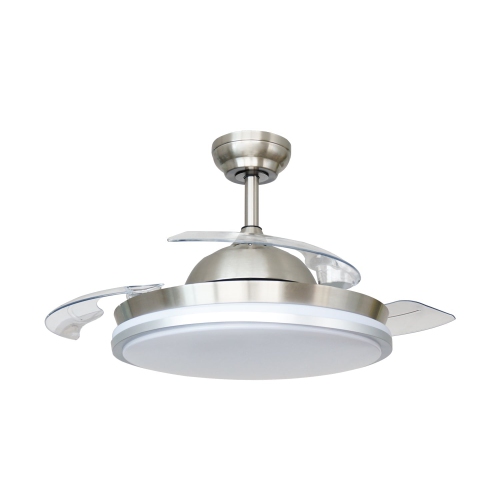
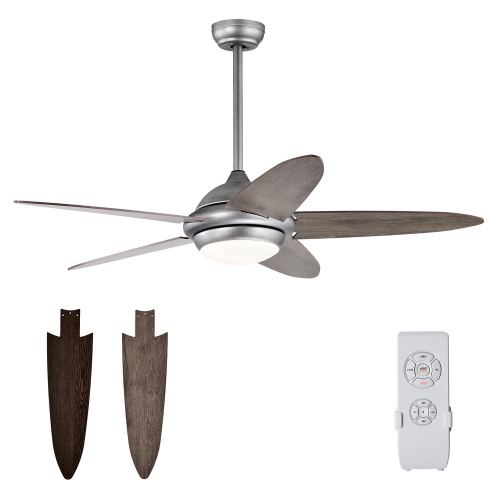
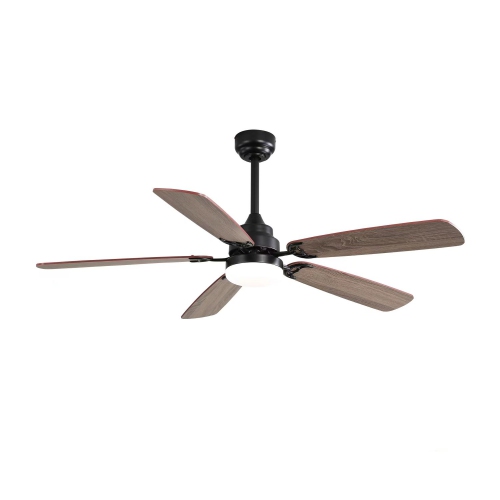
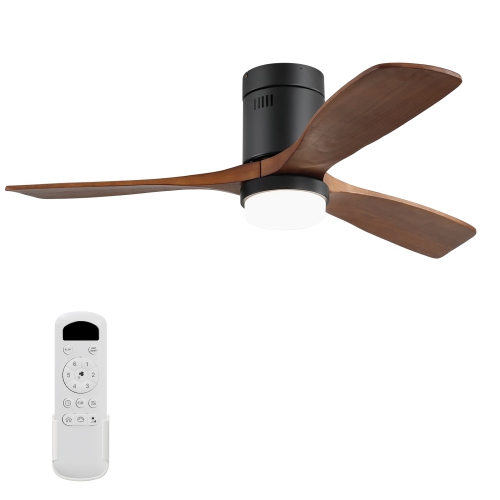
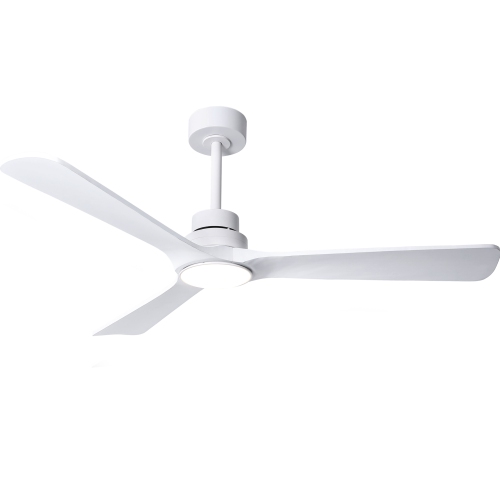
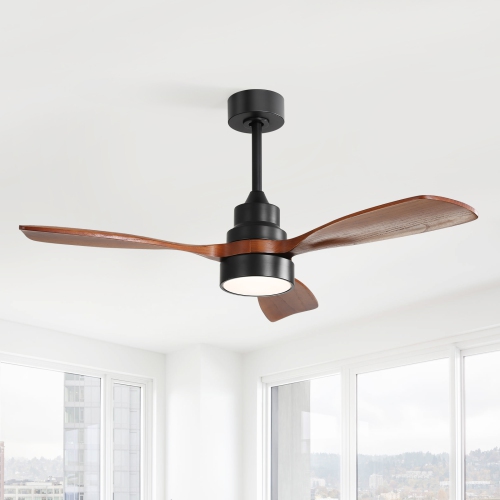
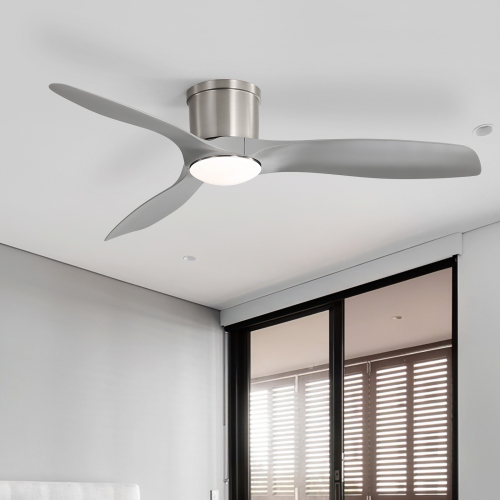
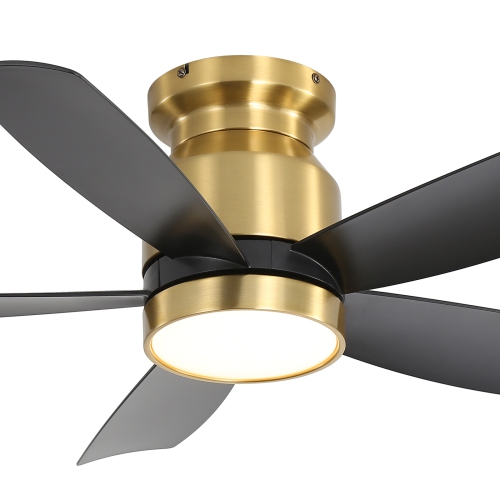
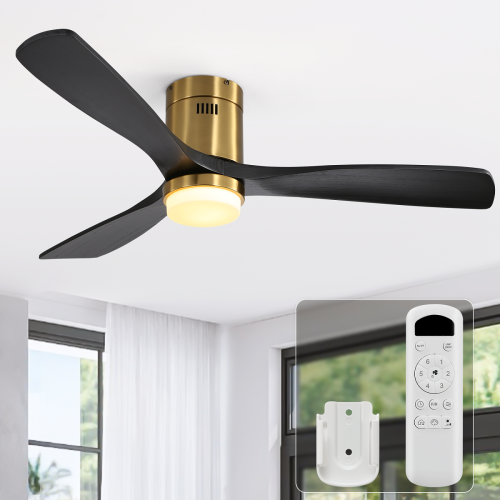
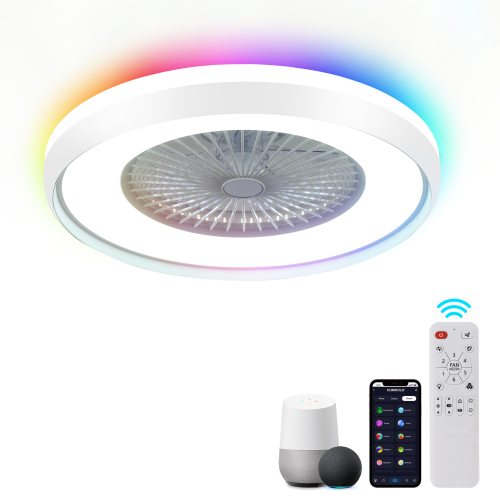
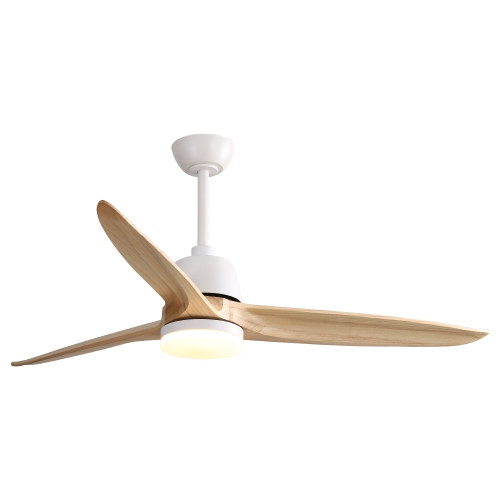
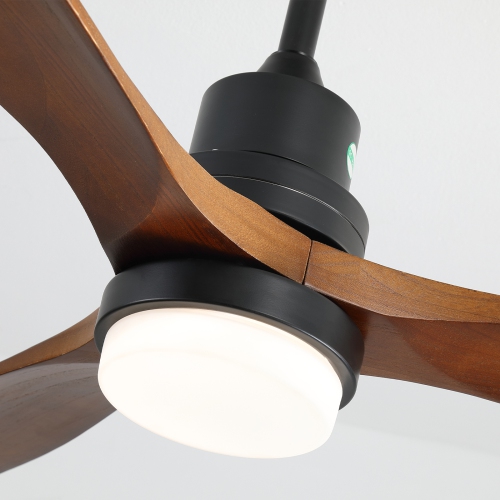
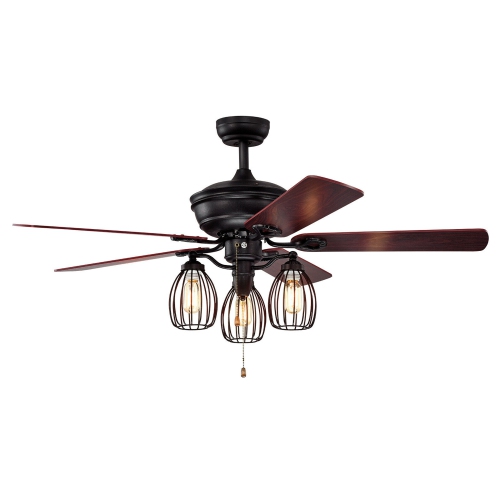
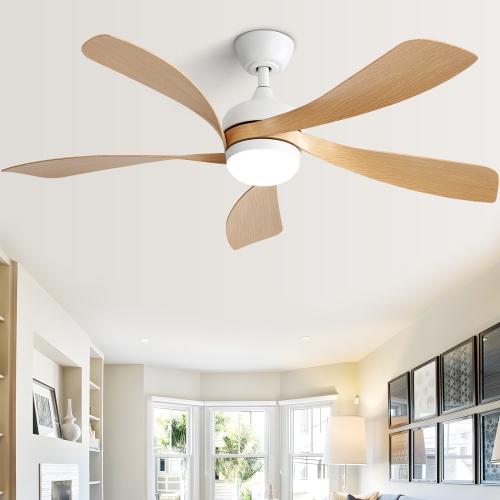
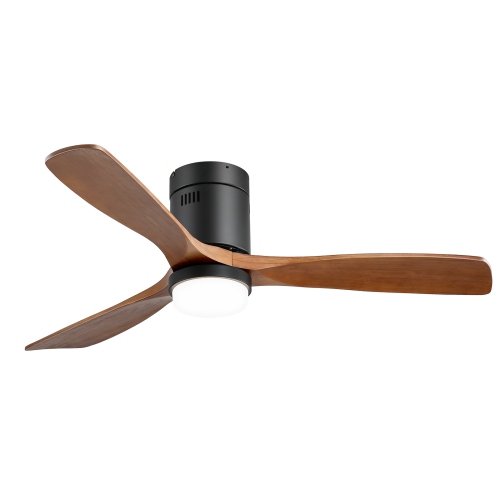
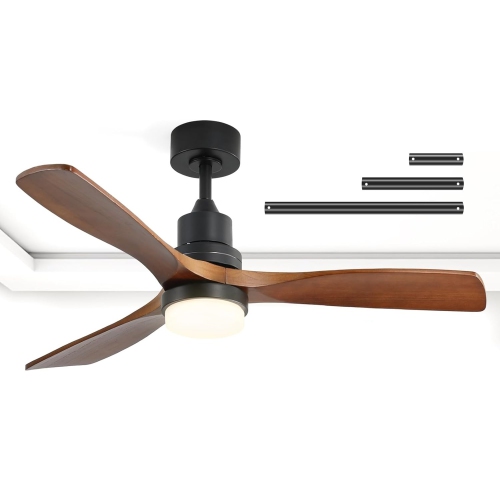
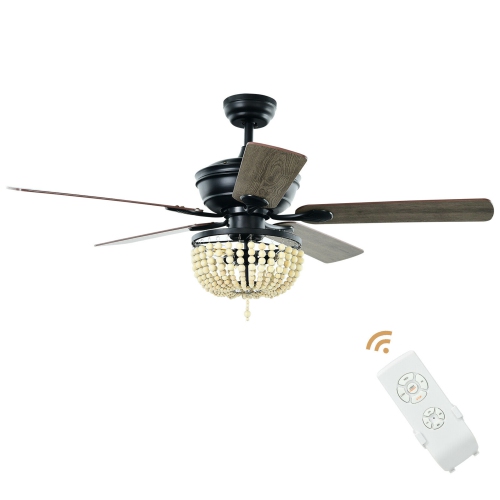
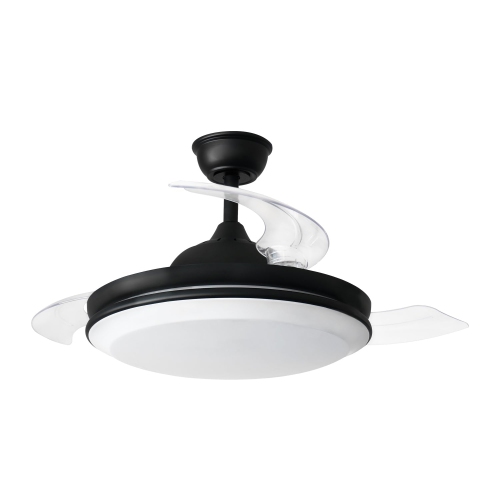
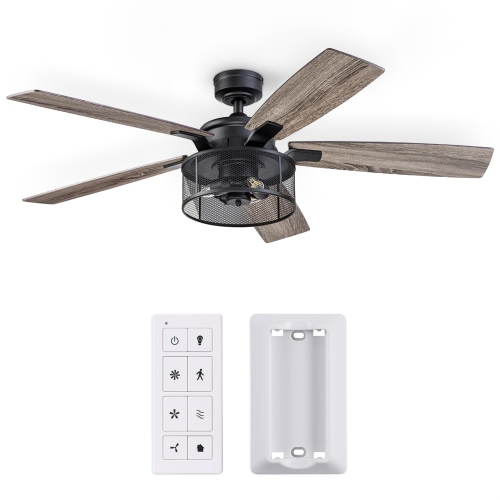
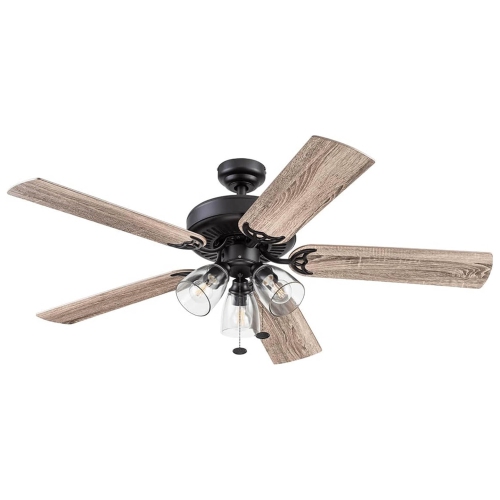
Black ceiling fans bring a strong visual outline to a room while providing air movement for everyday comfort. Against a white ceiling, a black finish becomes an intentional focal point, picking up details such as dark window frames, cabinet pulls, shelving, or a metal bed frame. Against a darker ceiling, the same finish can blend into the room for a quieter effect. The shape of the fan matters as much as its colour: broad, gently curved blades have a different presence from narrow, angular blades, while a compact motor housing can keep the overall look restrained. Matte black tends to soften reflections and suits spaces with textured fabrics, natural wood, and muted wall colours. Satin or glossier finishes catch more light and can complement polished hardware or glass accents. In an open living and dining area, repeating a black finish overhead can help connect furniture and fixtures without making every detail match. For a bedroom, a simpler silhouette may feel less visually busy above the bed; in a home office, clean lines can sit comfortably alongside a desk lamp and monitor setup. Blade materials add another layer of character. Depending on the design, blades may be made from solid wood, engineered wood, metal, or moulded plastic, each with its own weight, surface texture, and care requirements. A wood-look surface is not necessarily solid wood, so material descriptions are worth checking when a particular grain or construction matters. Black blades offer a unified appearance, while a black housing paired with wood-toned blades introduces contrast. For a room where visible grain should play a larger role, wood ceiling fans offer a related direction that pairs naturally with timber furniture and flooring. The most convincing choice usually feels connected to the room’s existing details rather than added as an isolated statement, whether the space is a compact condo bedroom, a family room, or a dedicated workspace.
Proportion and mounting are central to how well a black ceiling fan fits its intended space. Blade span describes the diameter of the circle formed by the moving blades, not the length of a single blade, and it should be considered alongside the room’s floor area and layout. A fan that looks balanced over a small seating area may feel undersized in a broad, open room. Conversely, an oversized silhouette can dominate a narrow bedroom even when its finish matches the furnishings. Manufacturer room-size recommendations provide a useful starting point, but ceiling height, nearby walls, tall wardrobes, exposed beams, and the position of doors also affect placement. Low-profile or flush-mount designs sit closer to the ceiling, while downrod-mounted fans extend farther into the room and may suit taller spaces. Sloped ceilings require particular attention to the permitted mounting angle and any compatible hardware. In every case, the installed fan needs the blade clearances and floor clearance specified by the manufacturer. An existing light fixture location is not automatically suitable: the electrical box and supporting structure must be rated to carry a ceiling fan and its moving load. A qualified electrician can assess the connection, support, and control compatibility before installation. Airflow ratings are also useful when comparing designs, because blade count alone does not establish how much air a fan moves. Motor design, blade pitch, span, and operating speed all contribute to performance. For a bedroom or reading nook, low-speed operation and sound characteristics deserve attention; for a larger shared room, a broader range of settings may be more useful. A fan circulates air rather than supplying fresh outdoor air, so it does not replace ventilation. Placement should also account for everyday activities: steady airflow may be welcome over a sofa, but directly above a craft table it can disturb lightweight paper or fabric. Matching the fan to the way the room is used makes its practical benefits easier to enjoy.
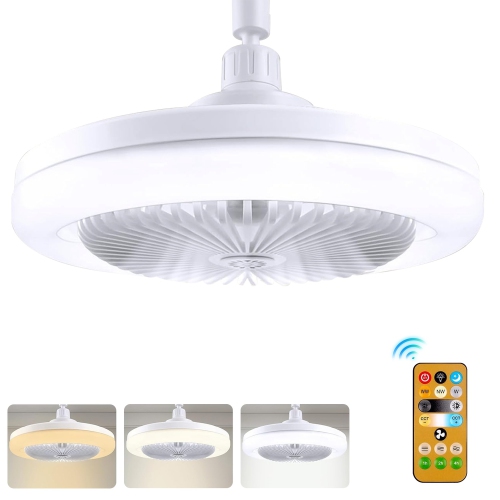
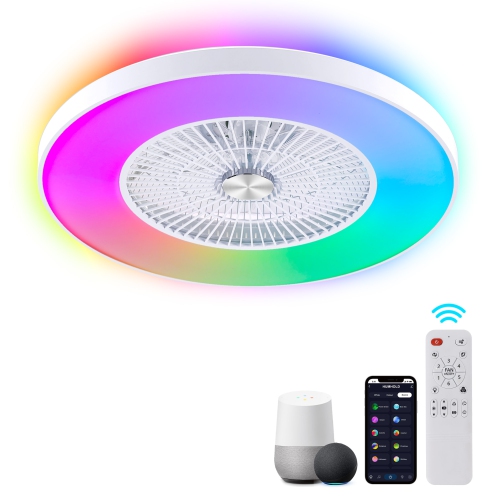
Lighting, controls, and routine care shape the day-to-day experience of living with a black ceiling fan. A design with an integrated light can combine two functions at one ceiling connection, which is useful where there is limited space for separate fixtures. A fan without a light keeps the ceiling silhouette simpler and works well in a room already served by recessed lighting, wall lights, or floor lamps. Where lighting is included, light output, dimming compatibility, and the appearance of the diffuser matter more than the size of the light fitting alone. A broad diffuser can soften the look of the light source, while the housing and blade arrangement influence how the fixture appears from below. Replaceable bulbs and integrated LED modules have different maintenance requirements, so checking how the light source can be serviced helps set expectations. Controls may include pull chains, a handheld remote, a wall control, or connected features, depending on the design. A remote can be convenient beside a bed or sofa, while an accessible wall control gives household members and guests a familiar place to adjust settings. Where Wi-Fi control is supported, check the required connection, app compatibility, and whether a separate accessory is needed. Fan motors require suitable controls; a standard lighting dimmer should not be used to adjust motor speed unless the manufacturer expressly permits it. For care, disconnect power as directed before cleaning, use secure access equipment, and remove dust with a soft cloth without bending or pulling on the blades. Abrasive cleaners can damage black finishes, and excess moisture may affect some blade materials. Balanced blades, secure fittings, and installation according to the supplied instructions help limit wobble and unnecessary noise. A persistent change in sound or movement calls for inspection rather than simply increasing the speed. Finally, match the location rating to the space: a fan intended for a living room is not automatically suitable for a bathroom or covered outdoor area. Appropriate materials, finish care, and correct installation all contribute to lasting performance and a fixture that remains an attractive part of the room.
Proportion and mounting are central to how well a black ceiling fan fits its intended space. Blade span describes the diameter of the circle formed by the moving blades, not the length of a single blade, and it should be considered alongside the room’s floor area and layout. A fan that looks balanced over a small seating area may feel undersized in a broad, open room. Conversely, an oversized silhouette can dominate a narrow bedroom even when its finish matches the furnishings. Manufacturer room-size recommendations provide a useful starting point, but ceiling height, nearby walls, tall wardrobes, exposed beams, and the position of doors also affect placement. Low-profile or flush-mount designs sit closer to the ceiling, while downrod-mounted fans extend farther into the room and may suit taller spaces. Sloped ceilings require particular attention to the permitted mounting angle and any compatible hardware. In every case, the installed fan needs the blade clearances and floor clearance specified by the manufacturer. An existing light fixture location is not automatically suitable: the electrical box and supporting structure must be rated to carry a ceiling fan and its moving load. A qualified electrician can assess the connection, support, and control compatibility before installation. Airflow ratings are also useful when comparing designs, because blade count alone does not establish how much air a fan moves. Motor design, blade pitch, span, and operating speed all contribute to performance. For a bedroom or reading nook, low-speed operation and sound characteristics deserve attention; for a larger shared room, a broader range of settings may be more useful. A fan circulates air rather than supplying fresh outdoor air, so it does not replace ventilation. Placement should also account for everyday activities: steady airflow may be welcome over a sofa, but directly above a craft table it can disturb lightweight paper or fabric. Matching the fan to the way the room is used makes its practical benefits easier to enjoy.
Lighting, controls, and routine care shape the day-to-day experience of living with a black ceiling fan. A design with an integrated light can combine two functions at one ceiling connection, which is useful where there is limited space for separate fixtures. A fan without a light keeps the ceiling silhouette simpler and works well in a room already served by recessed lighting, wall lights, or floor lamps. Where lighting is included, light output, dimming compatibility, and the appearance of the diffuser matter more than the size of the light fitting alone. A broad diffuser can soften the look of the light source, while the housing and blade arrangement influence how the fixture appears from below. Replaceable bulbs and integrated LED modules have different maintenance requirements, so checking how the light source can be serviced helps set expectations. Controls may include pull chains, a handheld remote, a wall control, or connected features, depending on the design. A remote can be convenient beside a bed or sofa, while an accessible wall control gives household members and guests a familiar place to adjust settings. Where Wi-Fi control is supported, check the required connection, app compatibility, and whether a separate accessory is needed. Fan motors require suitable controls; a standard lighting dimmer should not be used to adjust motor speed unless the manufacturer expressly permits it. For care, disconnect power as directed before cleaning, use secure access equipment, and remove dust with a soft cloth without bending or pulling on the blades. Abrasive cleaners can damage black finishes, and excess moisture may affect some blade materials. Balanced blades, secure fittings, and installation according to the supplied instructions help limit wobble and unnecessary noise. A persistent change in sound or movement calls for inspection rather than simply increasing the speed. Finally, match the location rating to the space: a fan intended for a living room is not automatically suitable for a bathroom or covered outdoor area. Appropriate materials, finish care, and correct installation all contribute to lasting performance and a fixture that remains an attractive part of the room.
Top selling and popular products
-
 Your price for this item is $149.99
 -
 Your price for this item is $250.99
 -
 Your price for this item is $238.99
 -
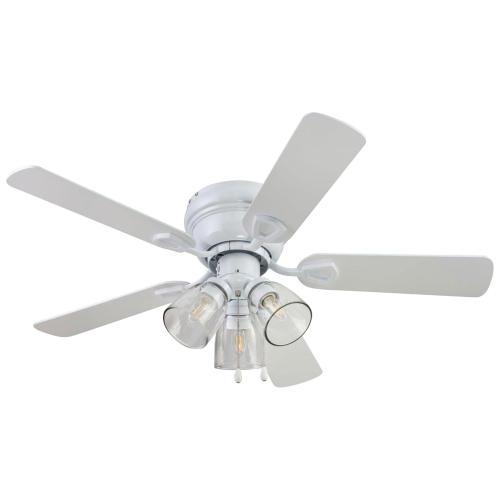 Your price for this item is $219.99
 -
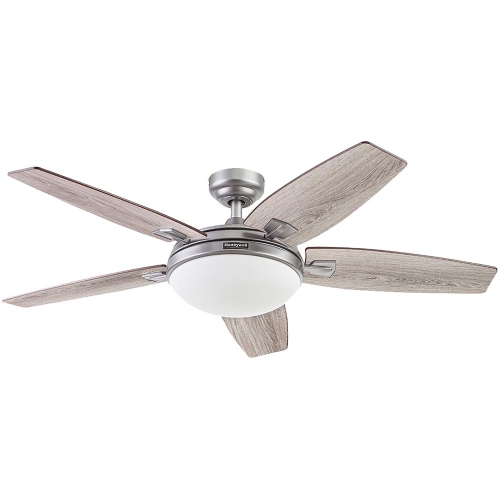 Your price for this item is $288.99
 -
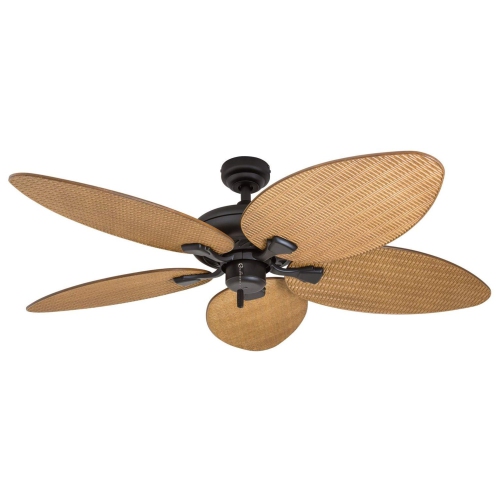 Your price for this item is $294.99
 -
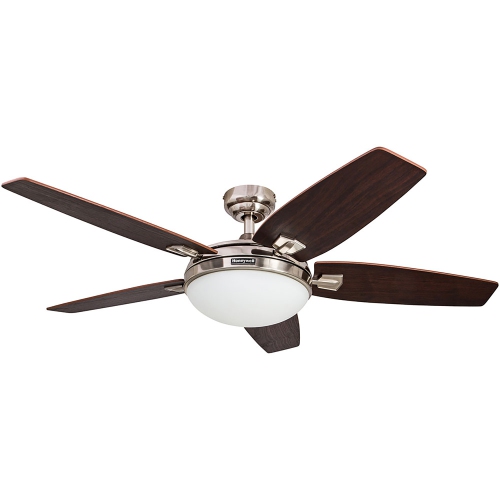 Your price for this item is $266.99
 -
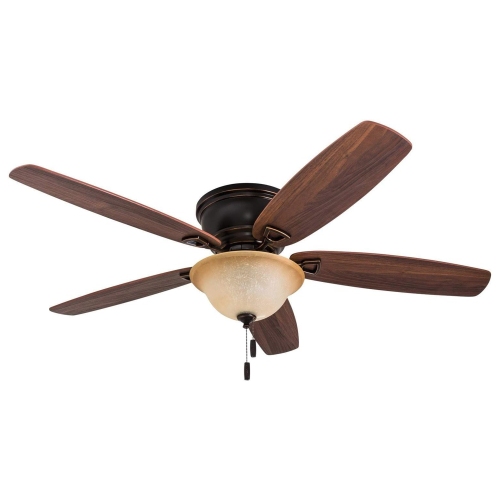 Your price for this item is $254.99
Discover more categories related to Black Ceiling Fans
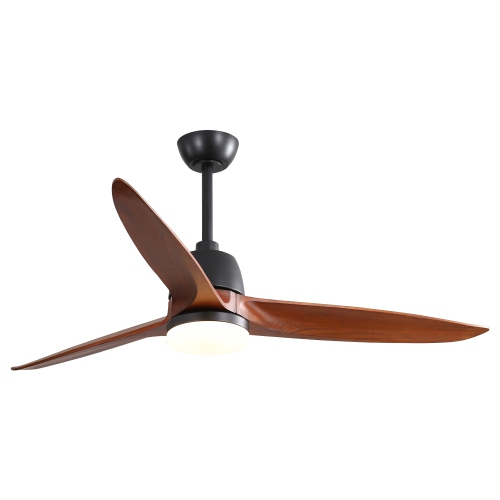

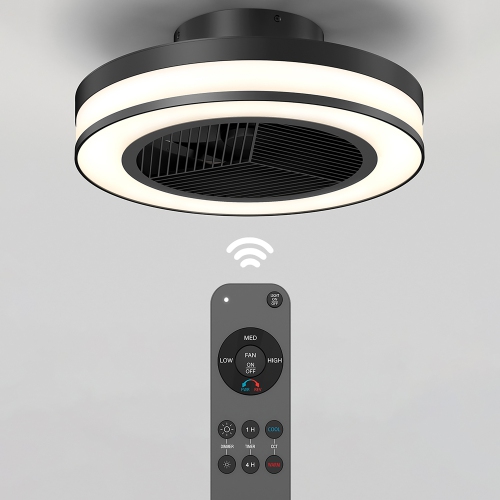
Top Collections:
Pokemon Centers, Kindle Devices, Best Budget Office Chairs, Apple iPhones 16, Best Laptops for Writers, iPhone 15 Apple, Canon G7X Cameras, Refurbished Apple Laptops, Alarm Clock, Motorola Razr Phones
Some products may be subject to Environmental Handling Fees
(EHF) depending on your province.
Learn more about EHFs.