Black Desks With Drawer
A Black Desk With Drawer adds a sleek and functional touch to any home office, study area, or workspace. Its versatile design complements a variety of décor styles while offering convenient storage for essentials. Whether you're setting up a dedicated workstation or looking to maximize organization in a compact space, a Black Desk With Drawer provides both style and practicality for your daily tasks. Explore options that can help you create an efficient and inviting environment for work, study, or creative projects.
Sort
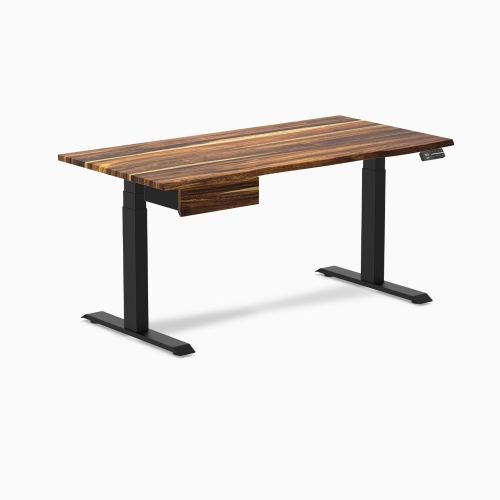
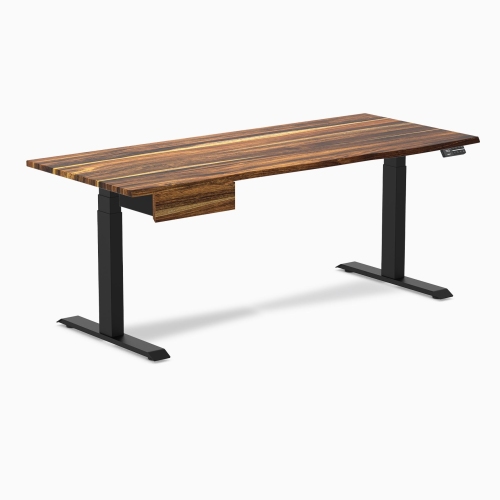
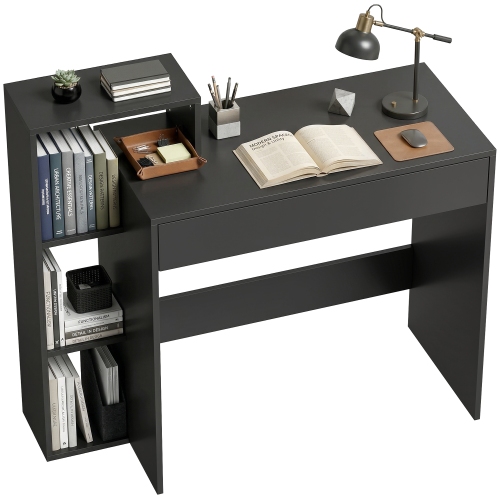
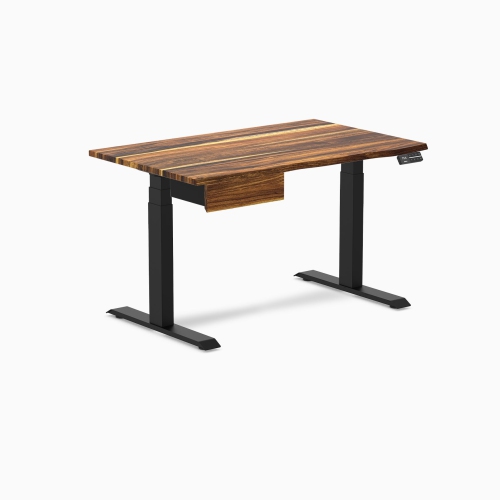
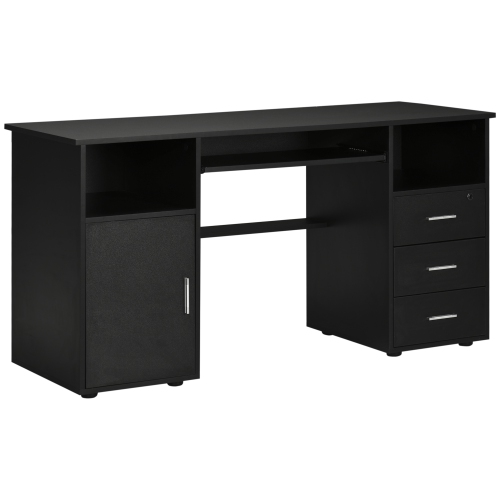
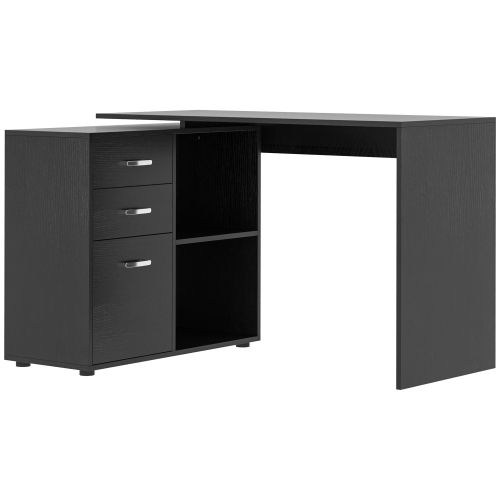
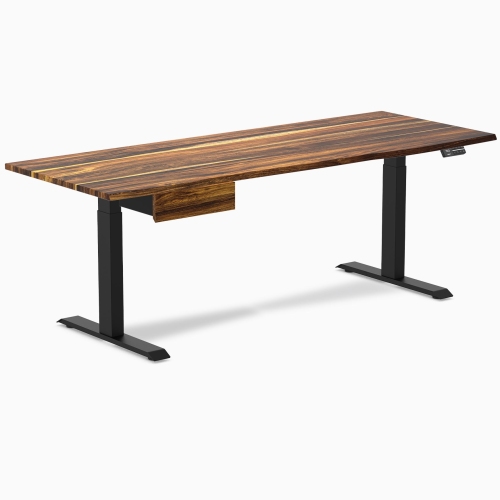
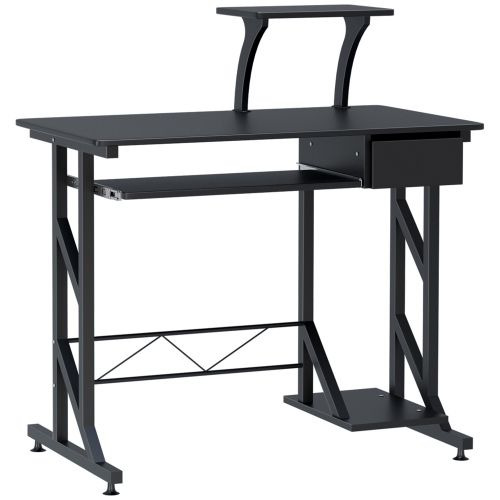
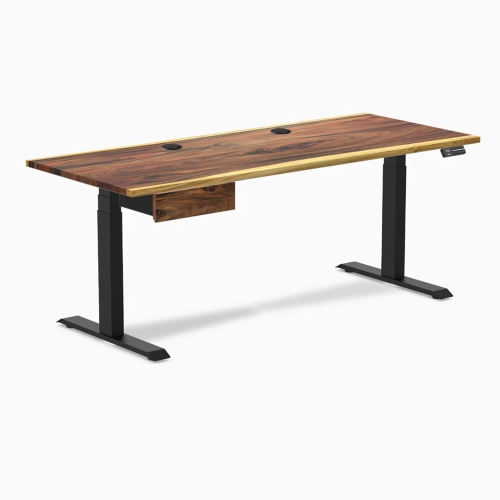
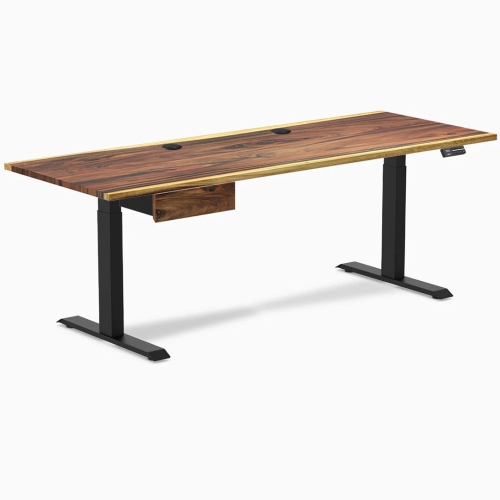
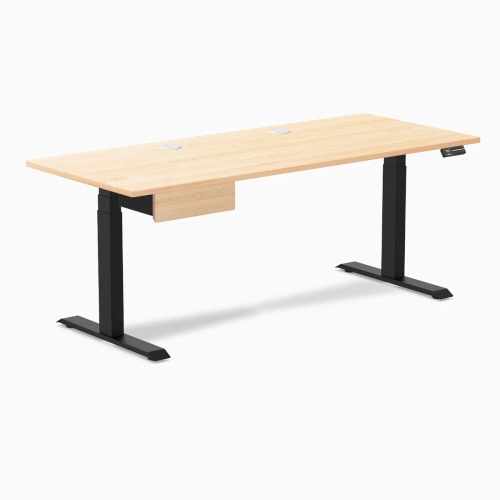
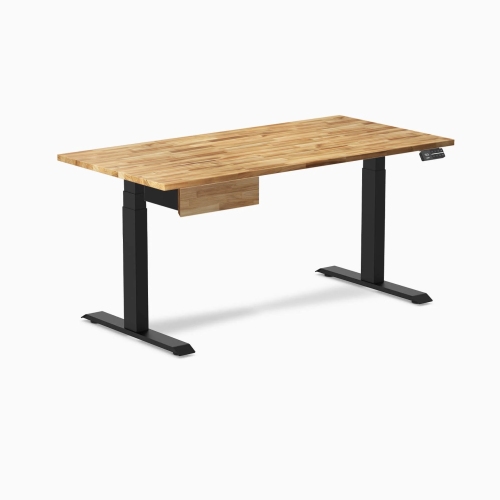
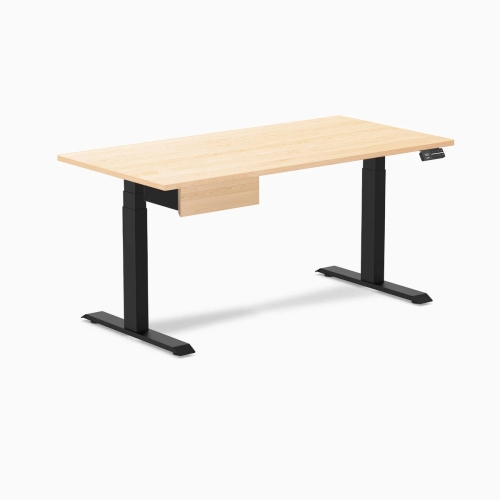
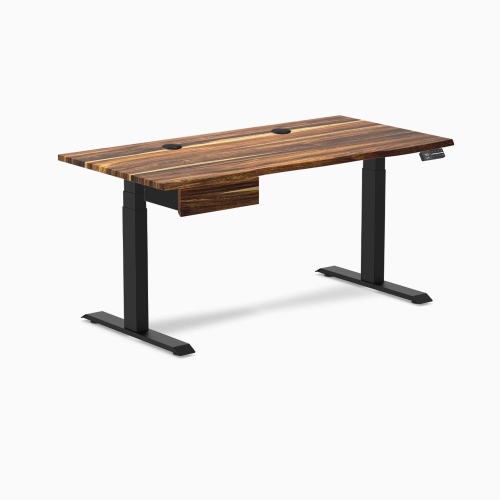
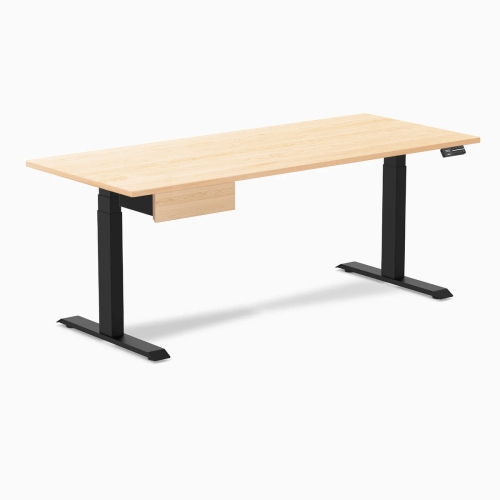
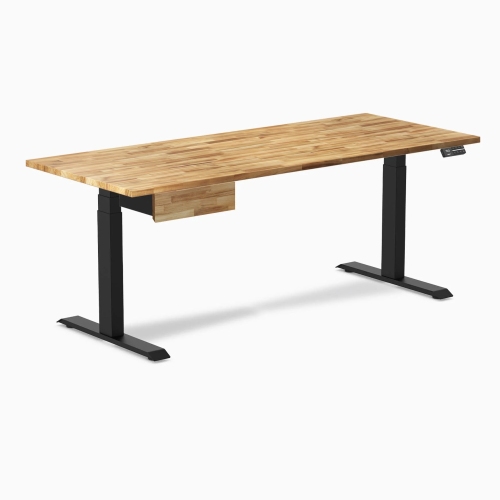
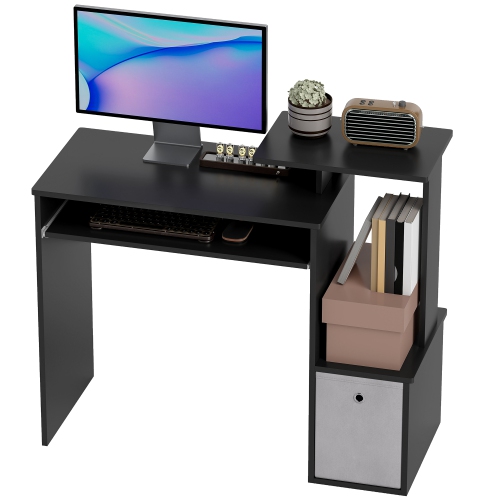
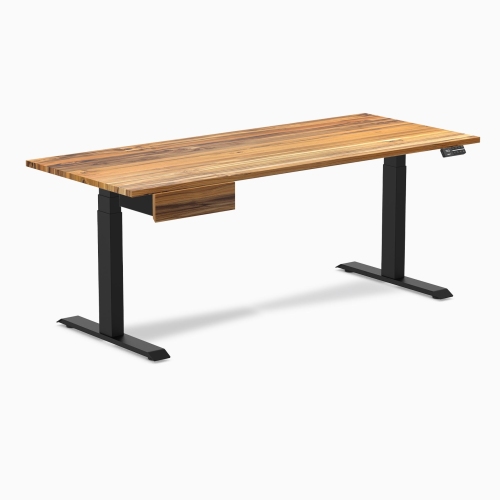
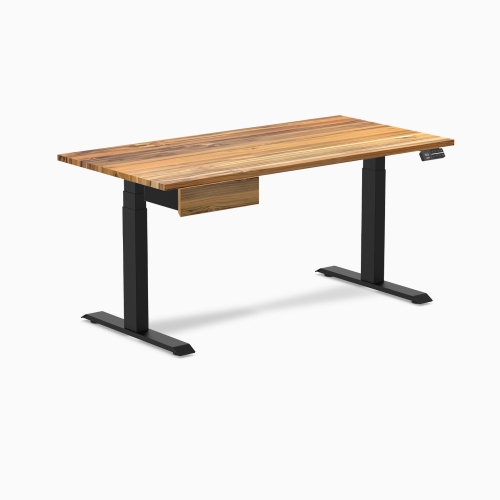
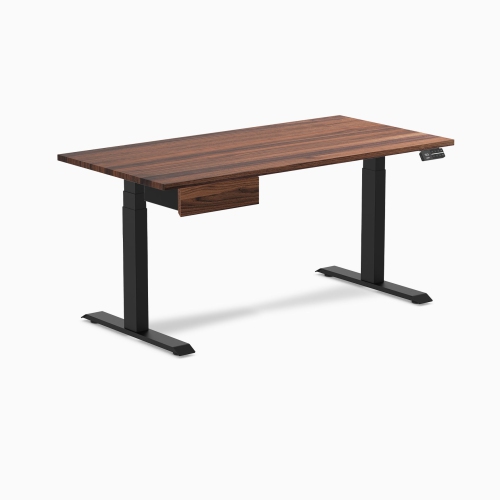
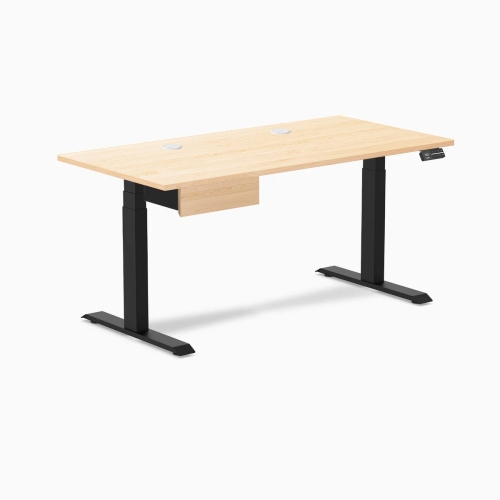
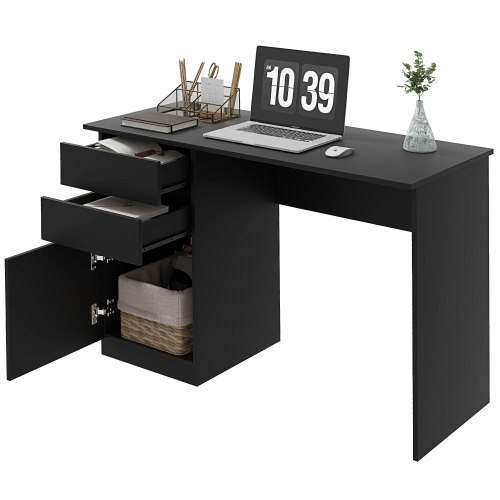
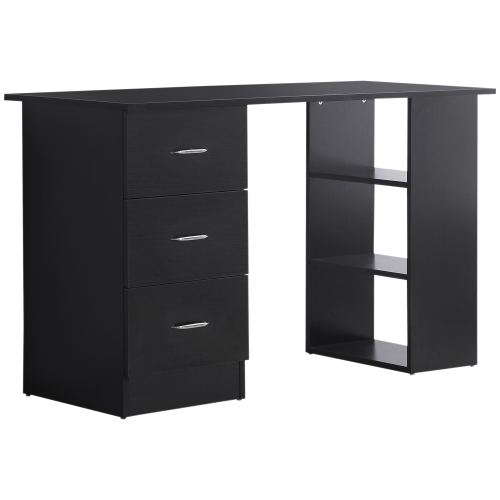
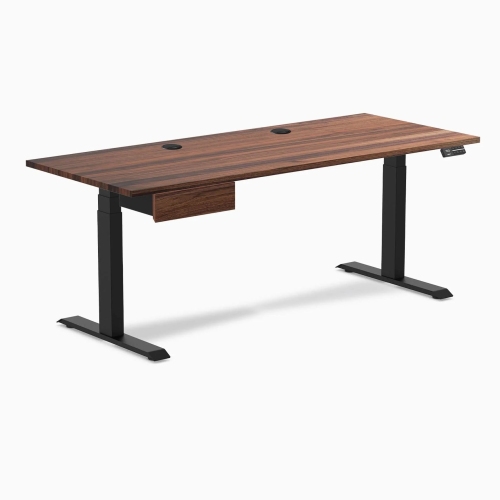
A defined workspace with everyday essentials tucked away
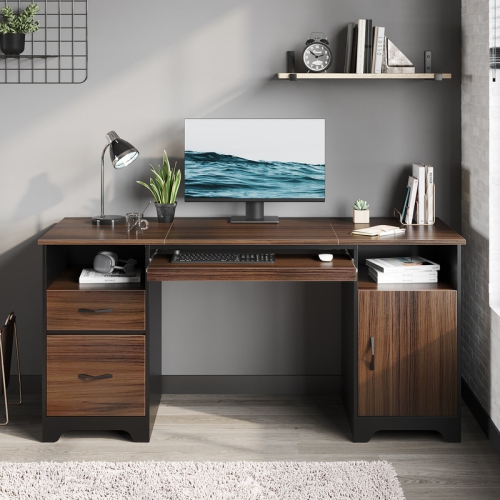
Black desks with drawers combine a work surface with enclosed storage for stationery, documents, charging accessories, and other everyday essentials. Their dark finish creates a defined workspace, while drawers help keep smaller belongings out of sight between tasks. A compact black writing desk with a single drawer can suit a bedroom study corner, while a wider desk with several drawers can support a home office used throughout the day. For students, having notebooks and writing supplies close at hand can make the transition from reading to assignments easier. For someone working from home, separate drawers can keep personal paperwork apart from work materials without requiring another storage unit. The overall shape matters as much as the drawer count: a straight desk fits neatly along a wall, while an L-shaped design can divide computer work and handwritten tasks across two surfaces. Black also works across a broad range of interior styles. Slim metal legs and simple drawer fronts have a lighter, more streamlined appearance, while thicker tops, panelled sides, and substantial handles create a stronger furniture presence. Against a pale wall, a black desk becomes a clear focal point; beside warm wood furniture, it adds contrast without introducing another wood tone. Materials influence both appearance and everyday performance. Solid wood can bring visible grain and natural variation beneath a black finish, while wood veneer offers a real-wood surface over a supporting core. Engineered wood with a laminate or melamine surface provides a more uniform appearance, although resistance to marks and moisture depends on the construction and finish. Metal frames can provide a slender supporting structure, with stability depending on the design, connections, and assembly. Matte black surfaces tend to look understated, while glossier finishes reflect more light and may make fingerprints more noticeable. These differences affect how a desk looks beside existing furniture and how much routine wiping it may need in a frequently used room.
A comfortable fit depends on the desk’s full dimensions, not just whether its top fits against a wall. Width determines how much room remains for a monitor, keyboard, notebook, and lamp; depth affects screen placement and the space available to rest forearms comfortably. A shallow desk can work well for occasional laptop use, but a separate keyboard and larger display generally need more front-to-back space. Drawer placement also changes how the desk feels when seated. A central drawer reduces the clearance beneath the desktop, while a side pedestal narrows the opening for the chair and legs. The usable knee space should accommodate the seated person and allow the chair to tuck in without its arms striking the underside. Nearby baseboards, wall outlets, door swings, and the space needed to pull the chair back can all affect placement. Drawers need room to open fully without hitting a bed, cabinet, or adjacent wall, particularly in a shared bedroom or multipurpose room. Inside storage deserves the same attention as the outer dimensions. A shallow drawer is useful for pens, sticky notes, and small accessories, whereas deeper drawers can hold bulkier supplies. Documents stored flat need sufficient internal width and depth, and hanging folders require a drawer specifically designed with suitable supports. Letter and legal files do not necessarily fit the same drawer. Smooth drawer movement, secure handles, and stops that help prevent accidental removal can make daily use more convenient. A drawer should not be treated as a keyboard tray unless it is designed for that purpose. For computer setups, cable openings and accessible rear edges can help route cords away from the work surface, when those features are included. Monitor arms require particular care: the desktop material, thickness, edge shape, and stated load limits must suit the mounting method. Leaving space for plugs and cable bends behind the desk also helps avoid pressing connections tightly against the wall.
Durability comes from the combination of suitable materials, sound construction, careful assembly, and everyday care. A desk that holds only a laptop and a notebook faces different demands from one supporting multiple displays and frequently opened storage. Published weight limits for the desktop and drawers are important, especially when equipment is concentrated in one area rather than spread across the surface. Tight, correctly installed fittings help keep the frame steady, and adjustable feet, where included, can help address small variations in the floor. Larger desks may be easier to assemble near their intended position, with enough space to protect the panels and follow the supplied instructions. Any included wall attachment or anti-tip hardware should be installed as directed. Once the desk is in use, a soft cloth and a cleaning method suited to its finish are generally preferable to abrasive pads or harsh cleaners. Spills should be wiped up promptly, with particular care around seams, drawer edges, and cable openings where liquid could reach underlying materials. A desk mat can protect a frequently used writing or mouse area, while a coaster helps keep drink rings away from the surface. Felt pads beneath movable accessories can reduce scuffing, and lifting equipment rather than dragging it helps protect the finish. Drawer organizers can keep charging cables from tangling with pens and make small essentials easier to find. Heavier contents should stay within the drawer’s stated capacity, without forcing the mechanism or overloading the front. These practical details help a black desk remain useful as routines change, whether it serves as a dedicated study station, a place to manage household paperwork, or a shared surface for occasional computer work. Rooms with charcoal upholstery, deep wood tones, or black shelving can also pair naturally with Dark Desks With Drawers. The most useful arrangement leaves enough clear desktop space to begin the next task while keeping the supplies used most often within easy reach.
Top selling and popular products
-
 Your price for this item is $97.99
-
 Your price for this item is $89.99
-
 Your price for this item is $84.99
-
 Your price for this item is $97.99
-
 Your price for this item is $649
-
 Your price for this item is $749
-
 Your price for this item is $649
-
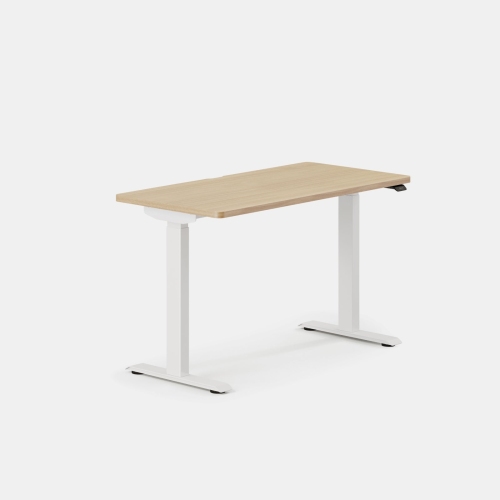 Your price for this item is $749
Discover more categories related to Black Desks With Drawer
Top Collections:
Best Black Friday Deals This Year, Best Black Friday Deals On Electronics, Kindle Devices, Pokemon Centers, Best Black Friday Deals On Apple Products, Best Cameras for Sports Photography, Dyson Airwrap, Pokémon 30th Celebration Cards, Apple iPhone 17 Pro, Canon G7X Cameras
Some products may be subject to Environmental Handling Fees
(EHF) depending on your province.
Learn more about EHFs.