Black Desks With Two Drawers
Looking for a sleek and functional addition to your home office or workspace? Our selection of black desks with two drawers offers the perfect blend of style and storage. Whether you're a student, professional, or simply in need of a dedicated workspace, these desks provide ample room to keep your essentials organized and within reach. Here are some great options available.
Sort
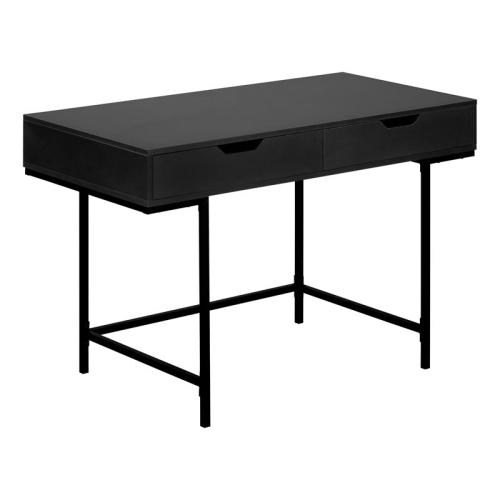

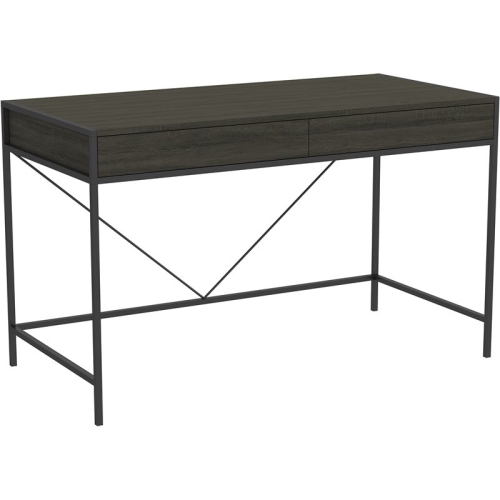
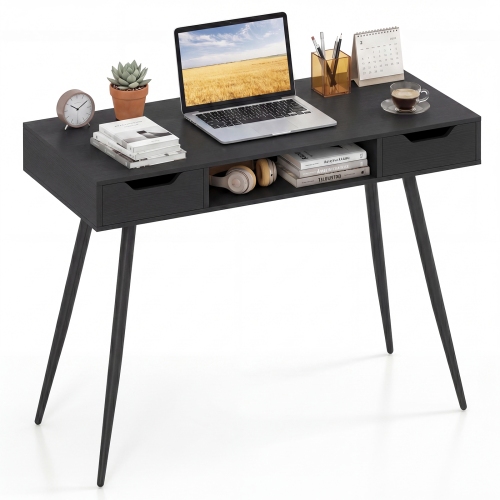
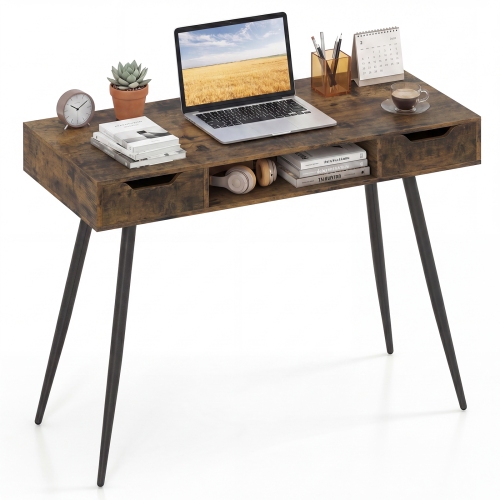
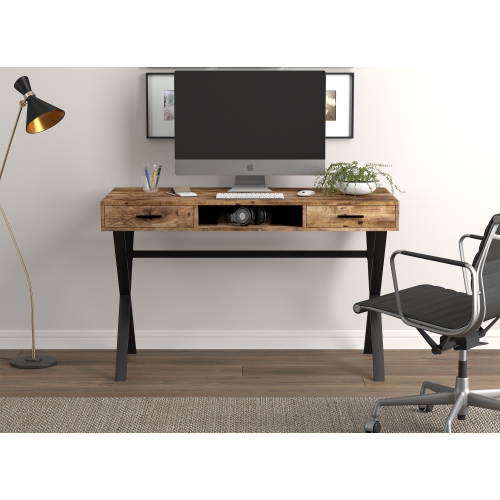
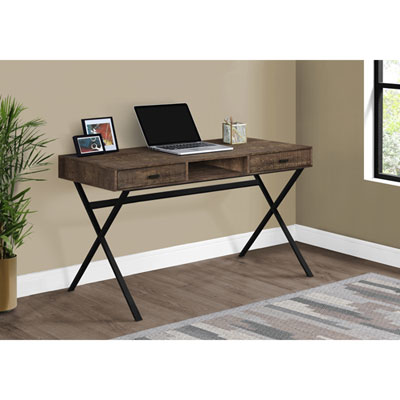
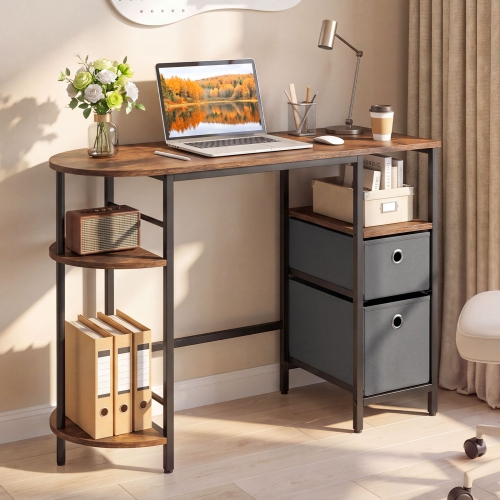
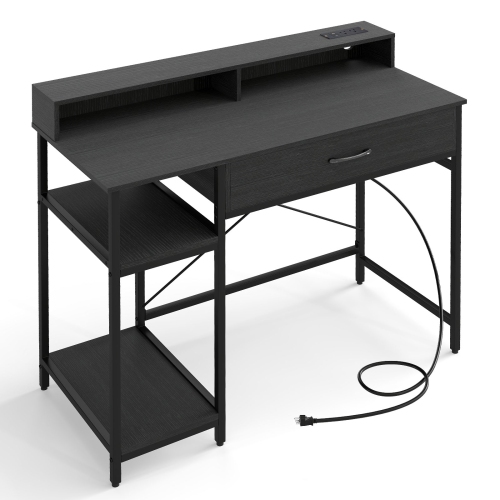
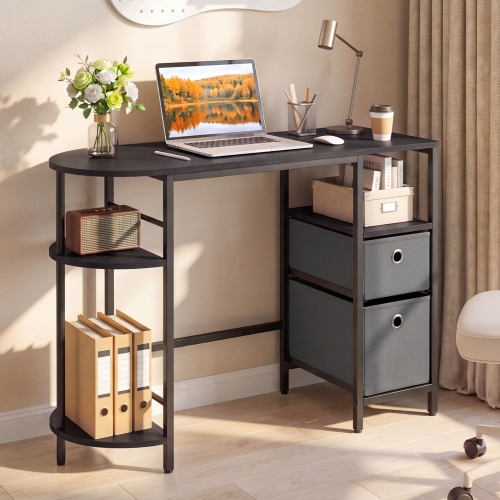
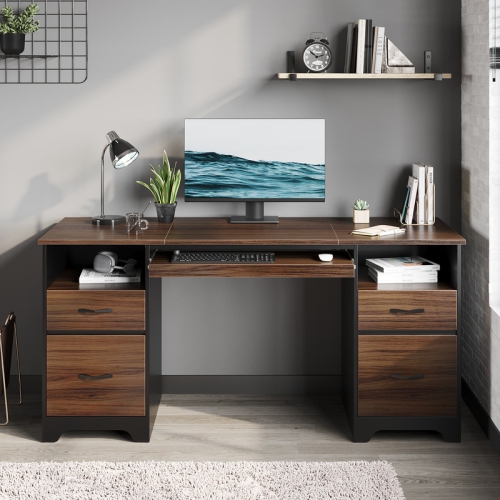
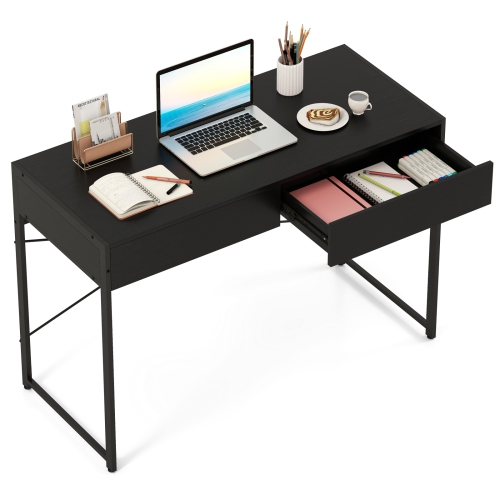
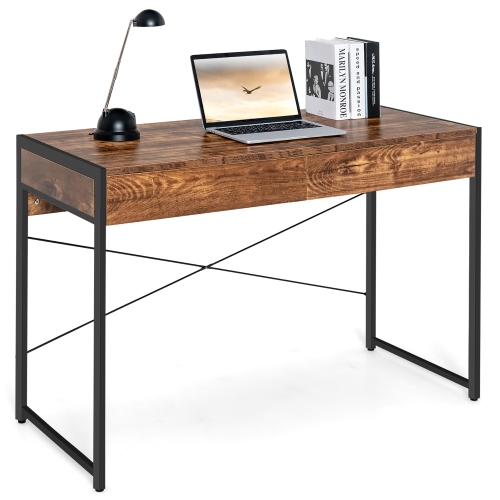
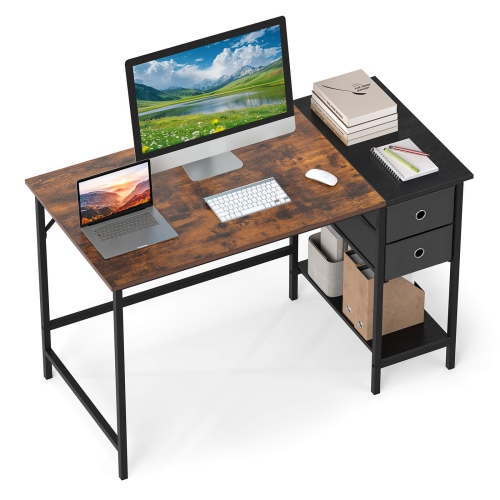
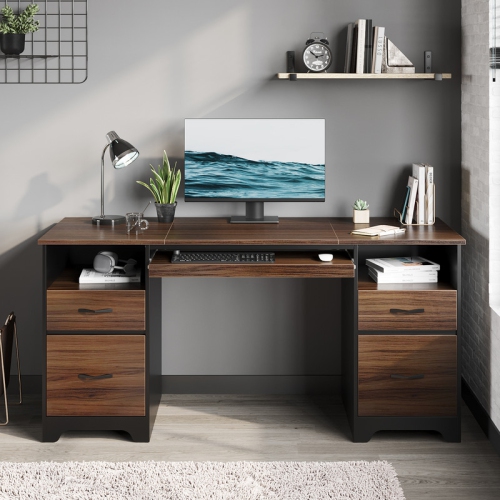
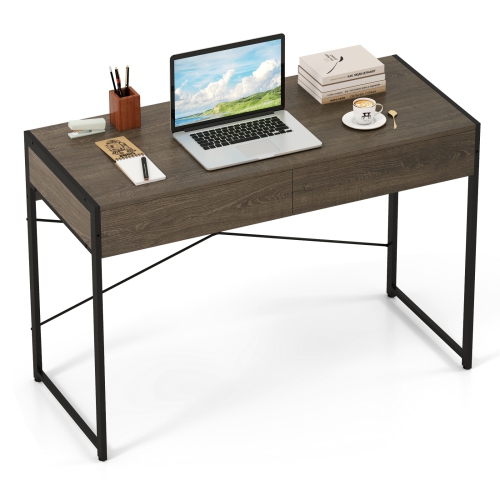
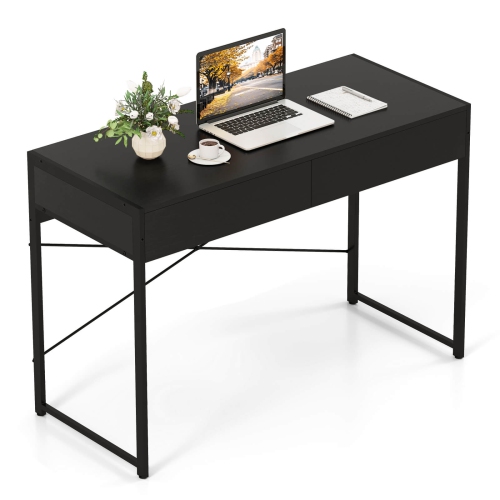
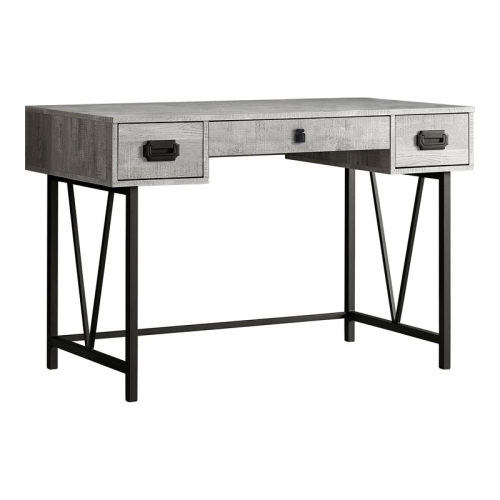
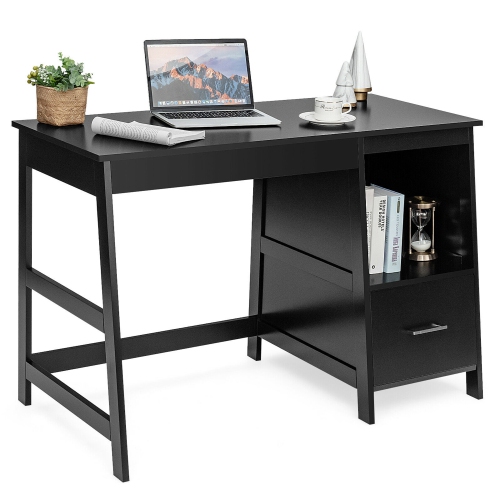
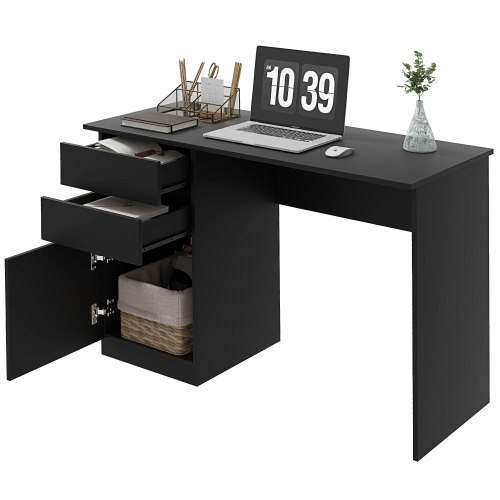
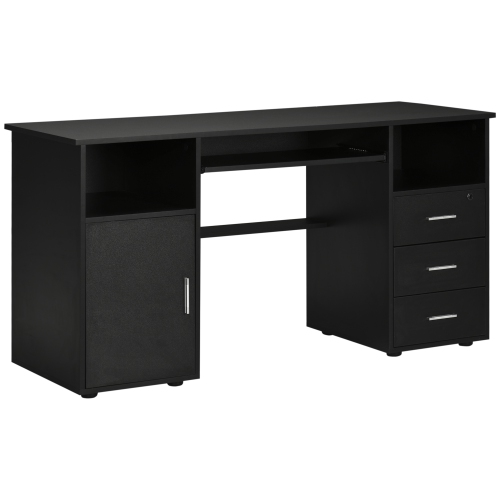

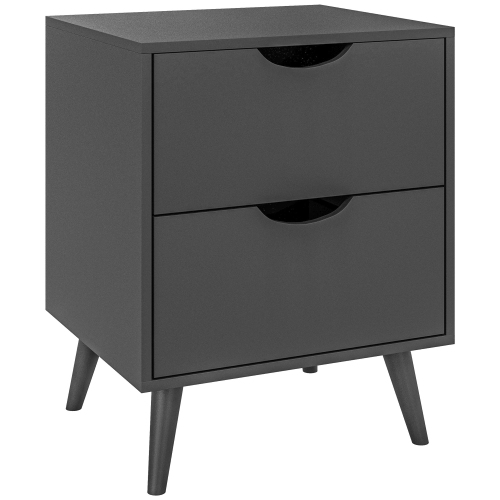
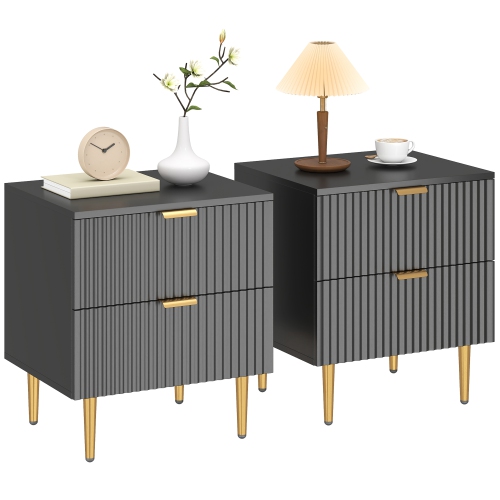
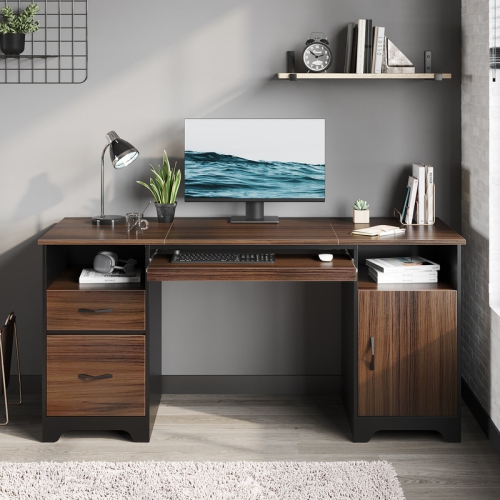
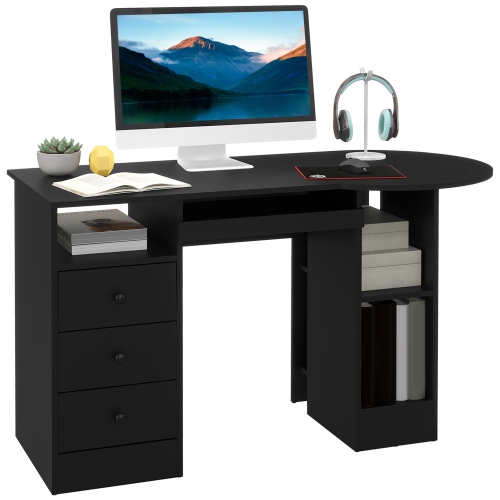
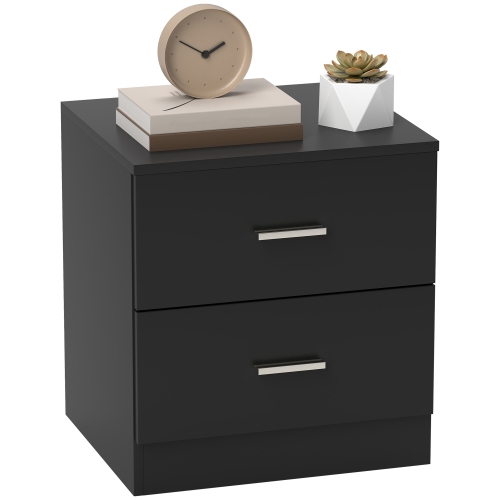
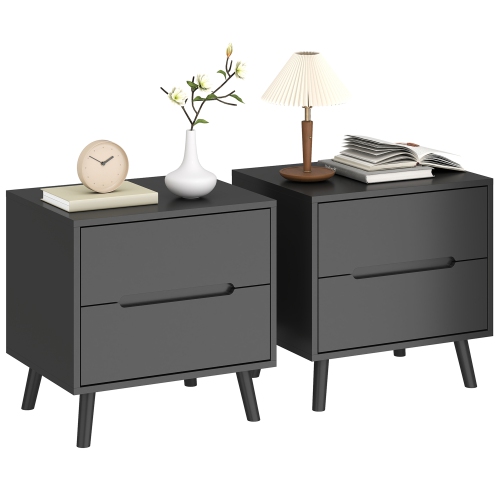
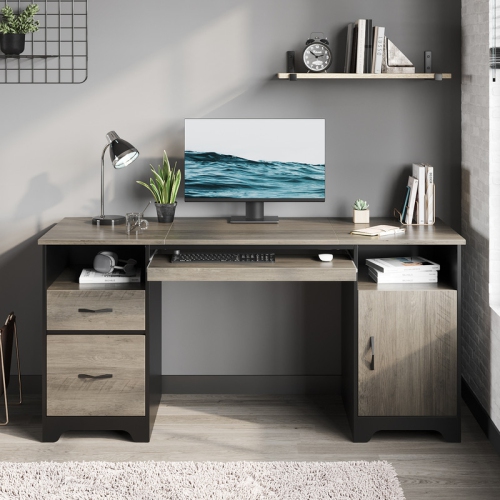
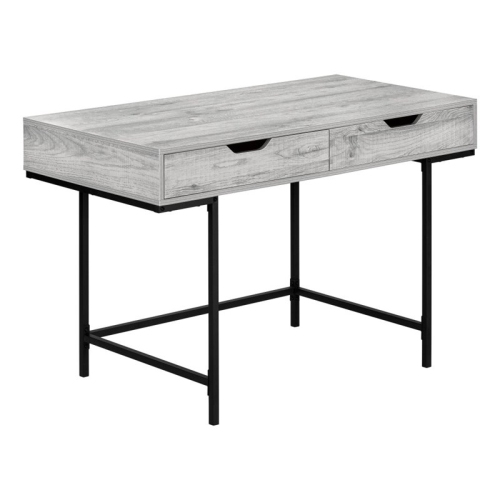
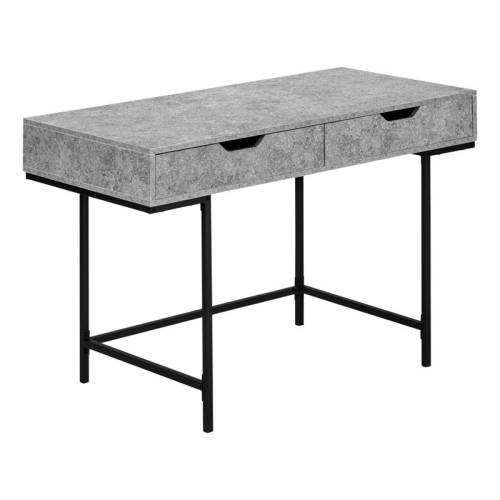
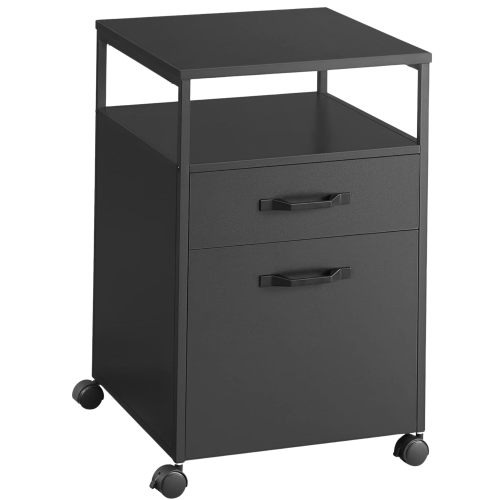
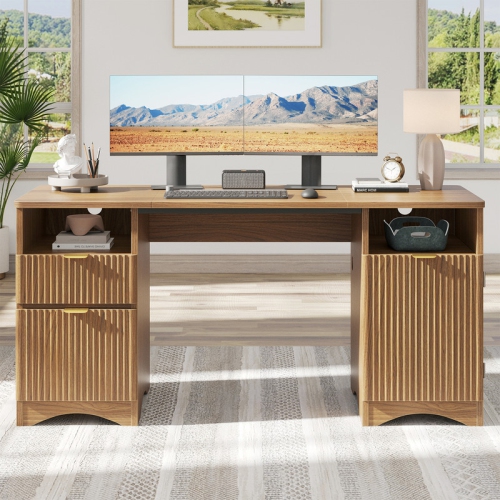
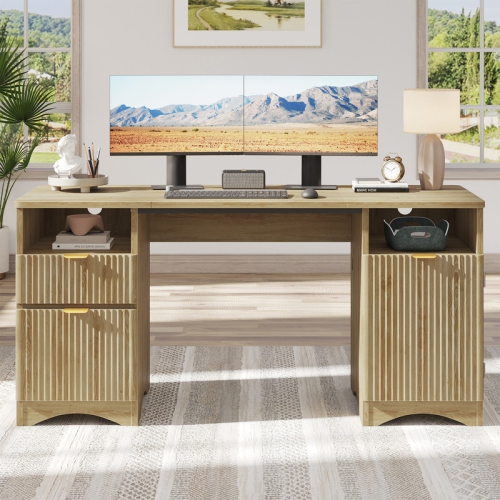
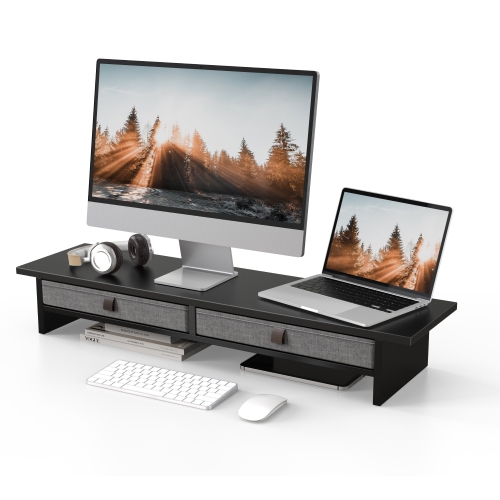
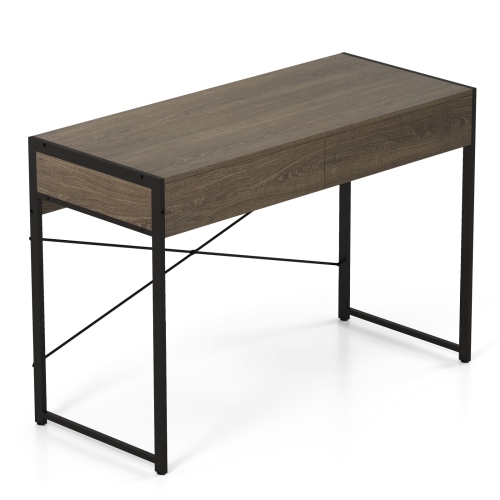
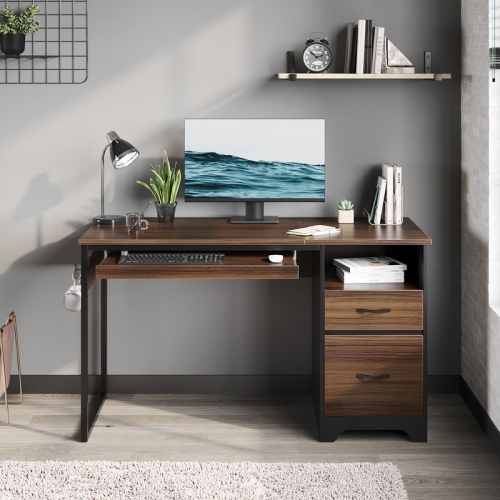
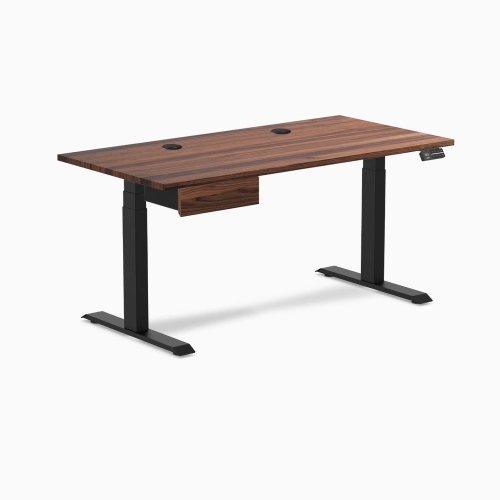
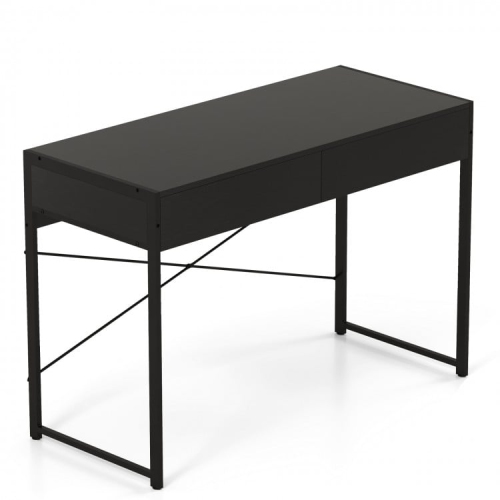
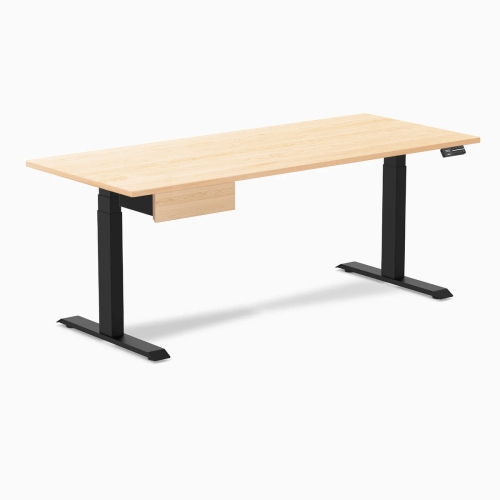
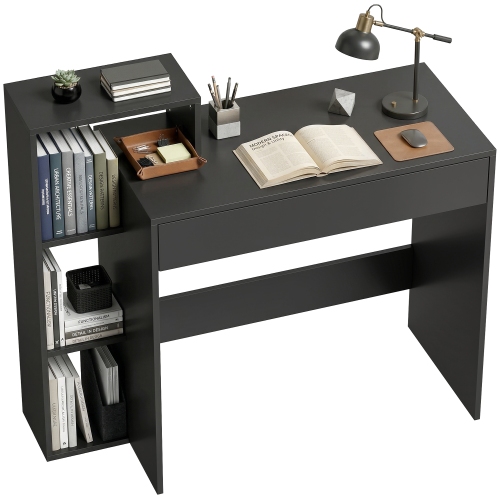
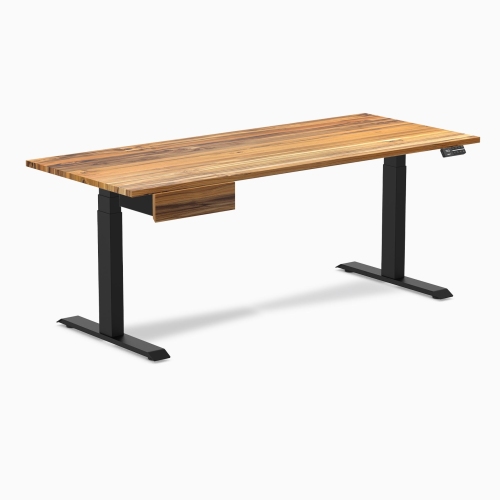
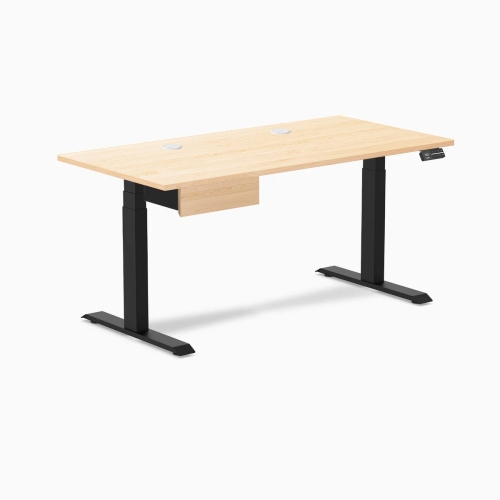
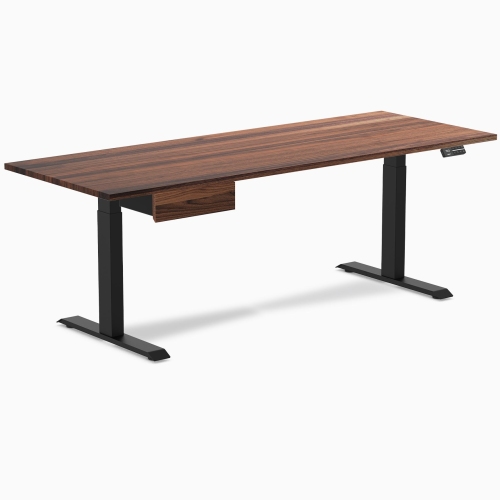
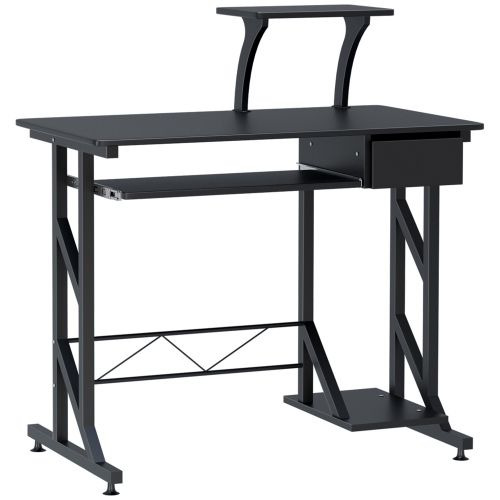

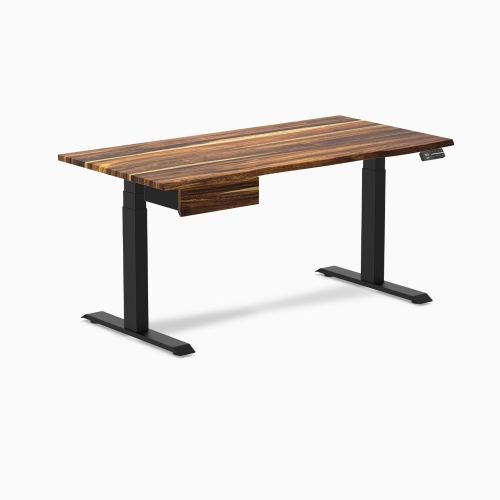
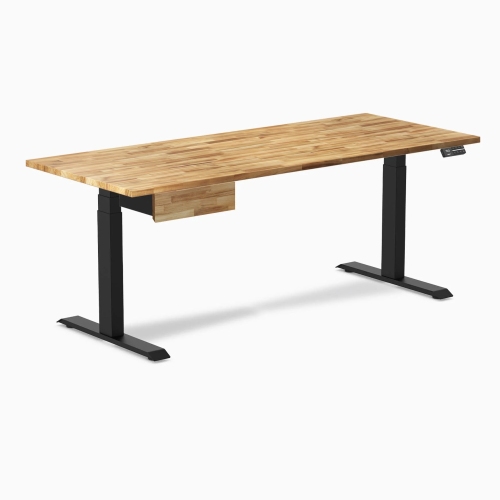
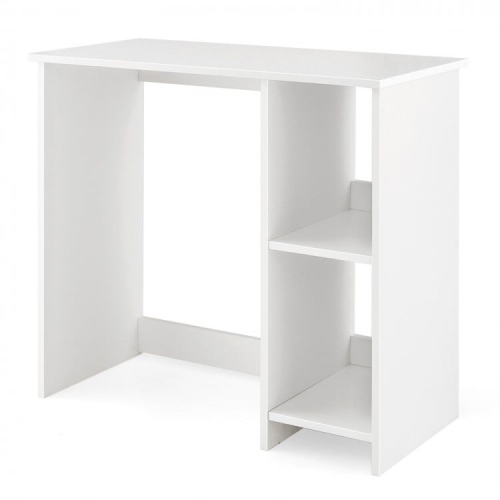
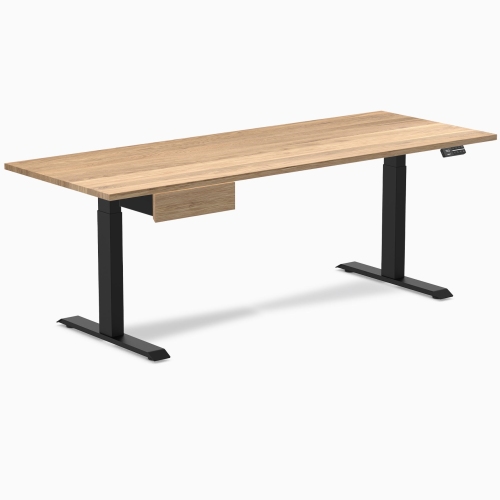
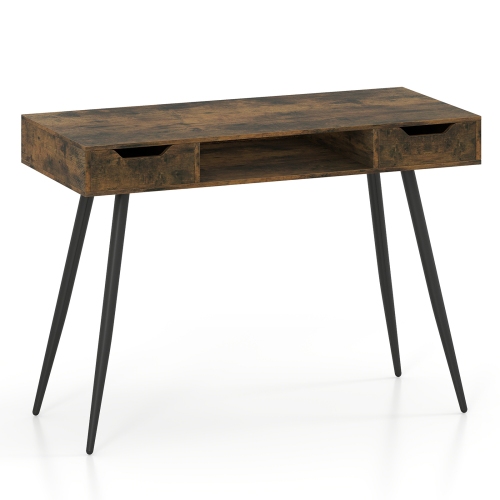
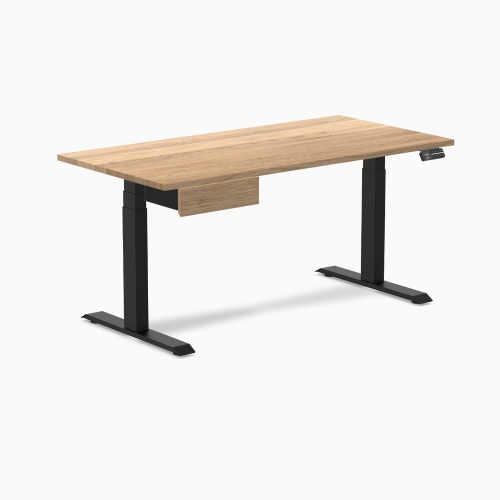
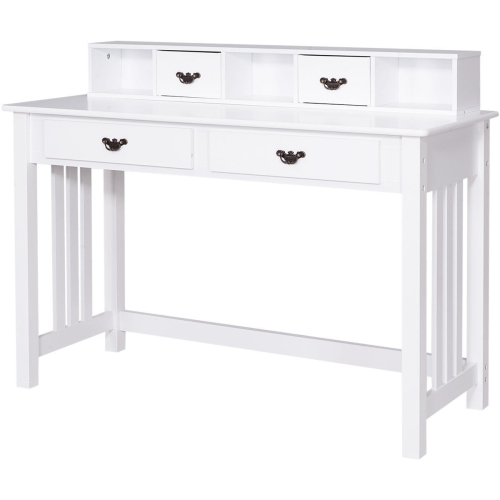
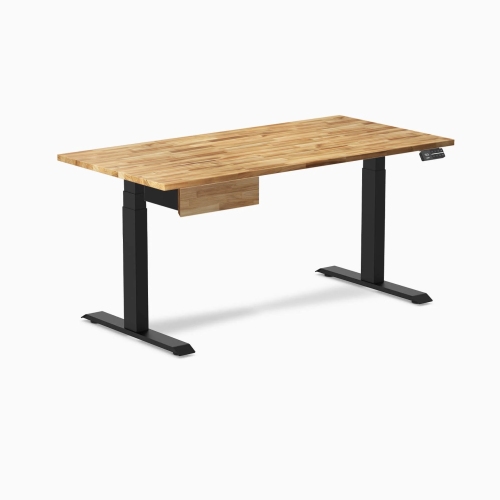
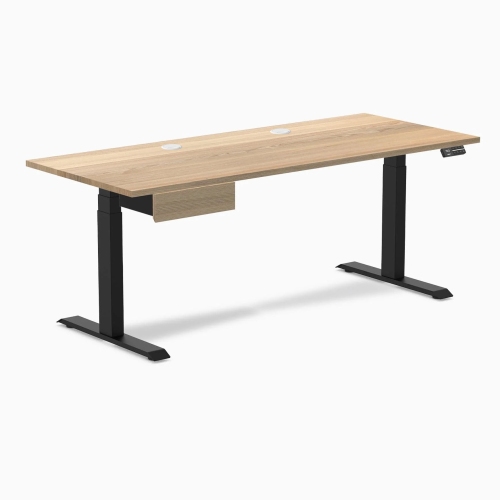
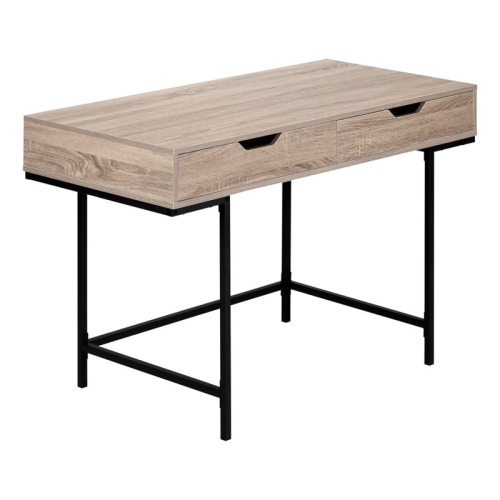
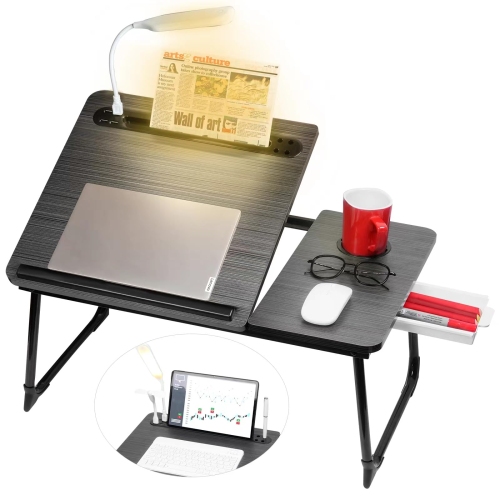
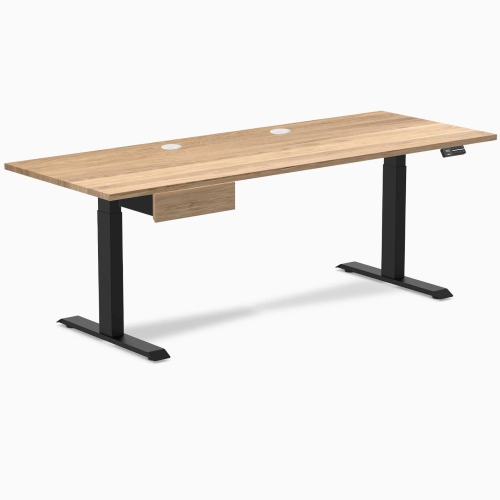
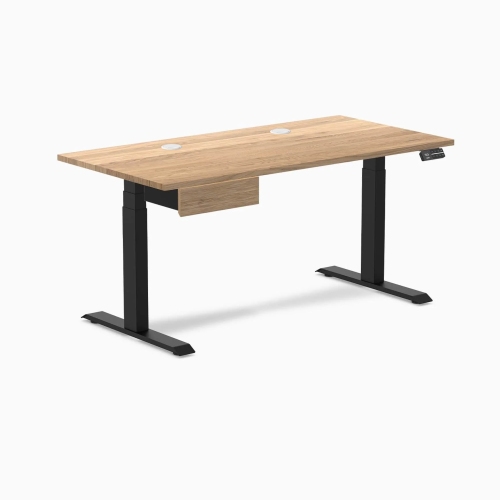

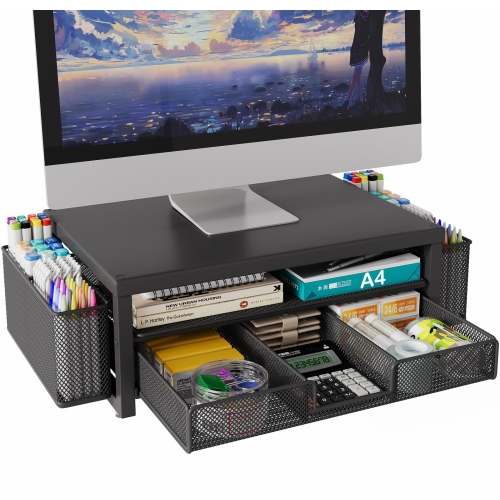
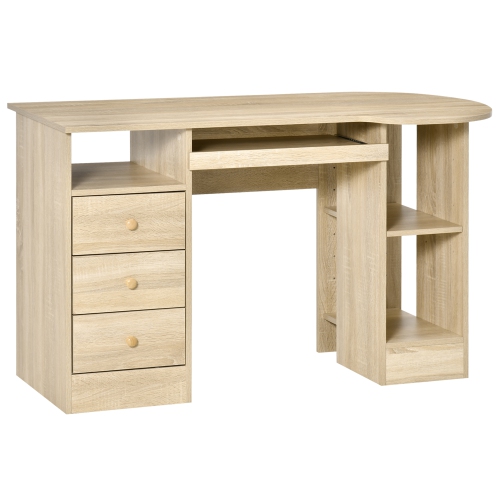
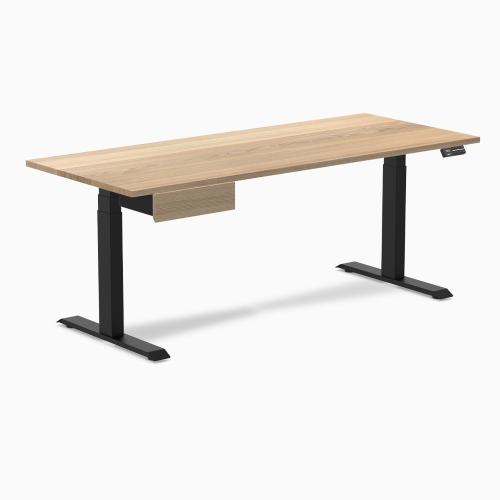
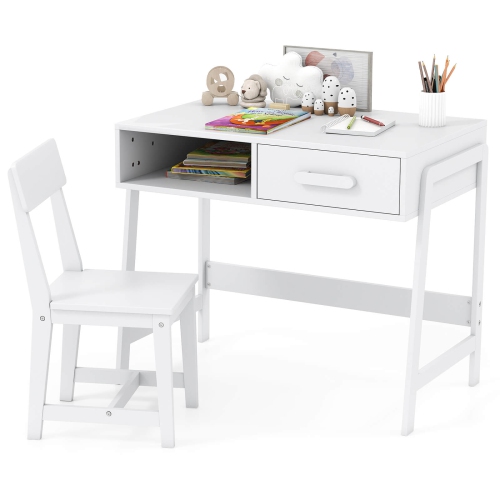
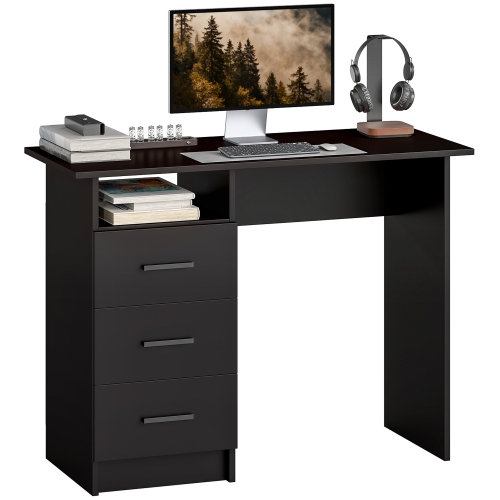
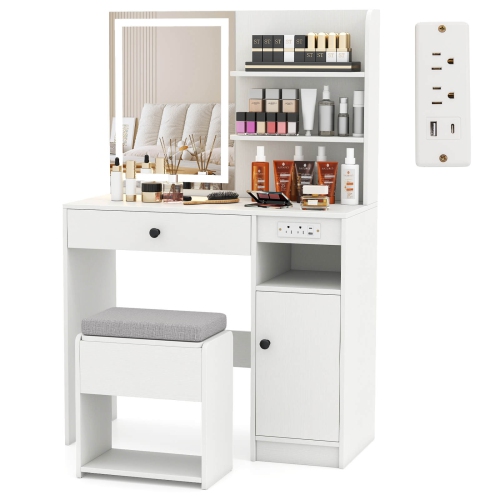
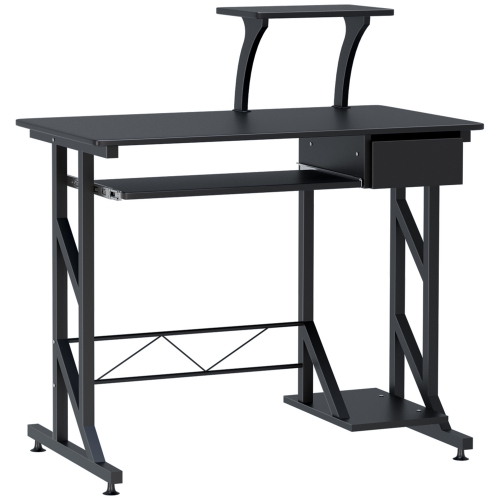
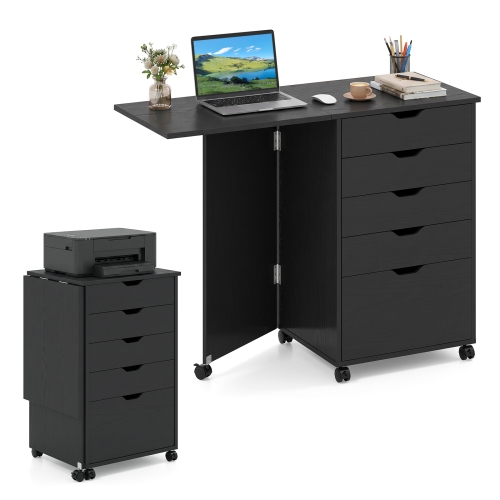
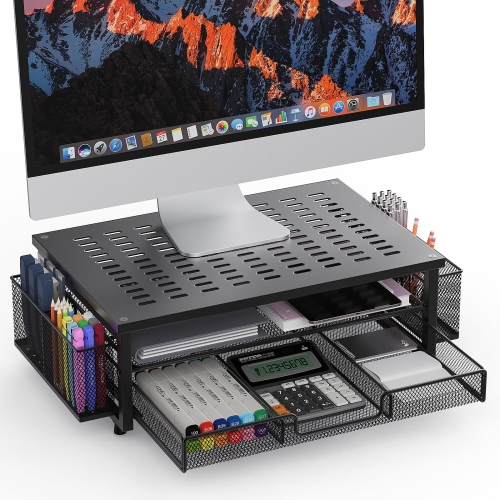


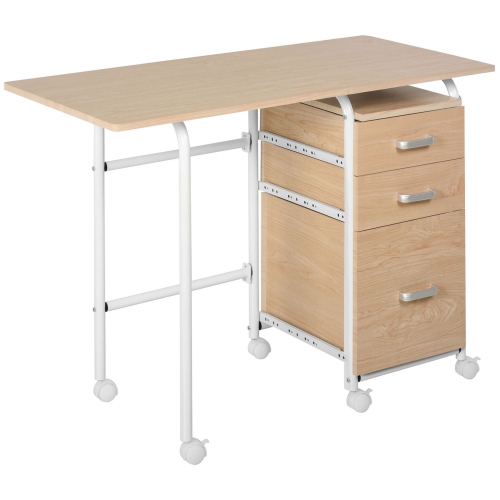
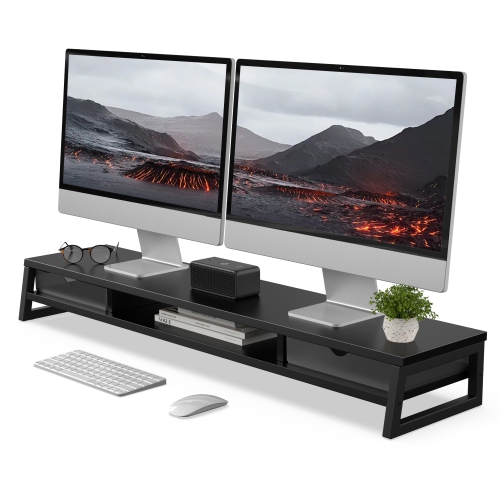
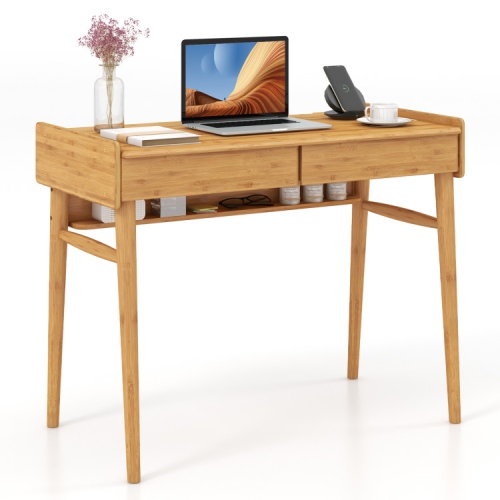
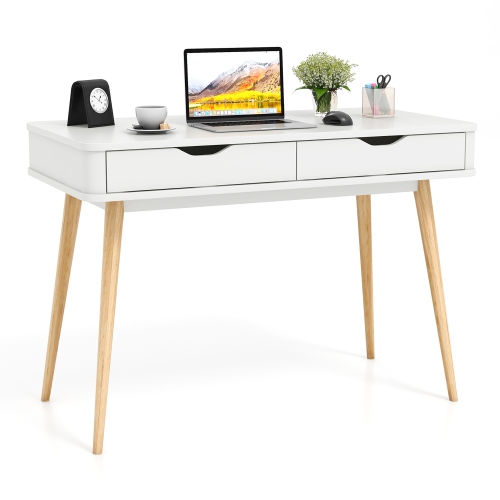





Why drawer layout matters as much as desktop size
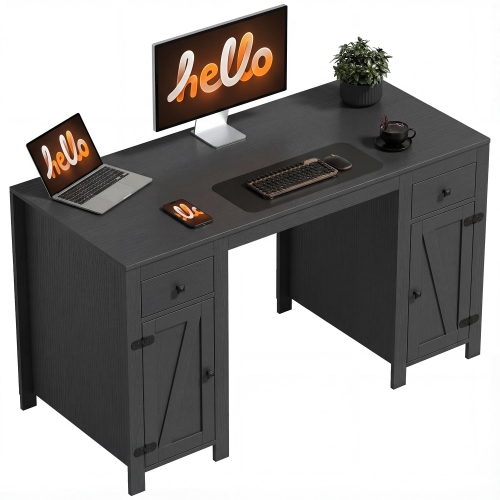
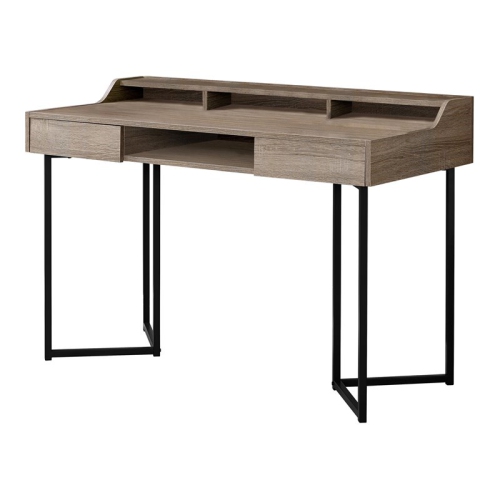
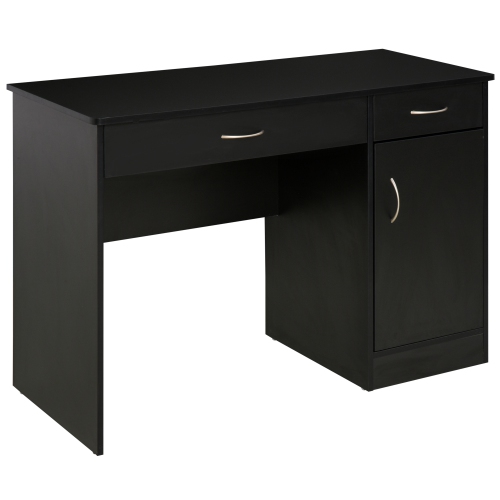
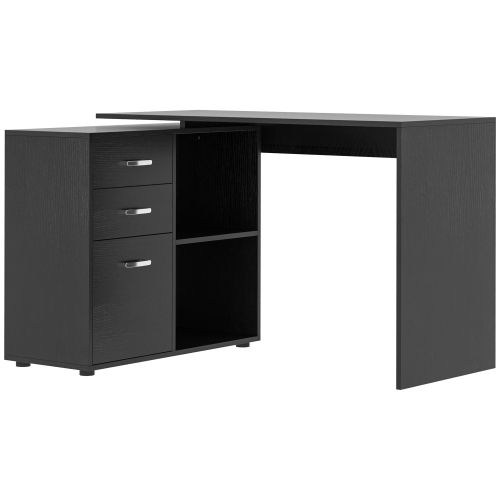
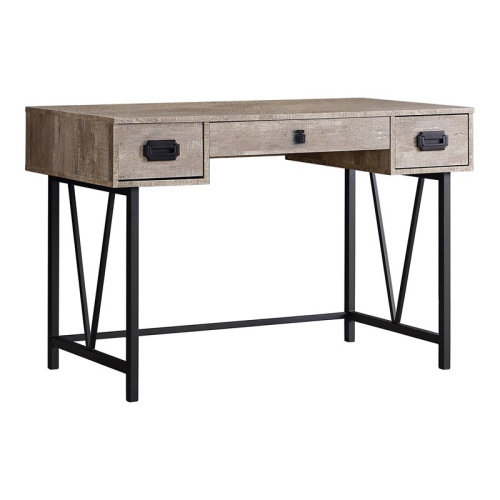
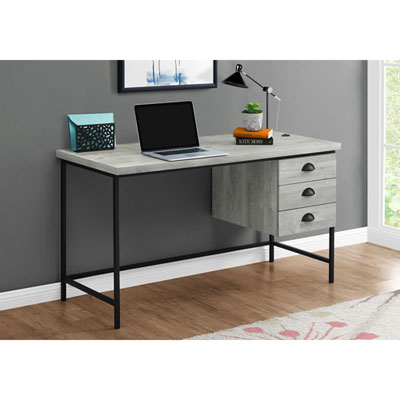
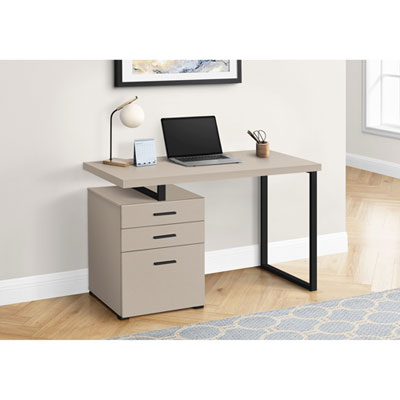
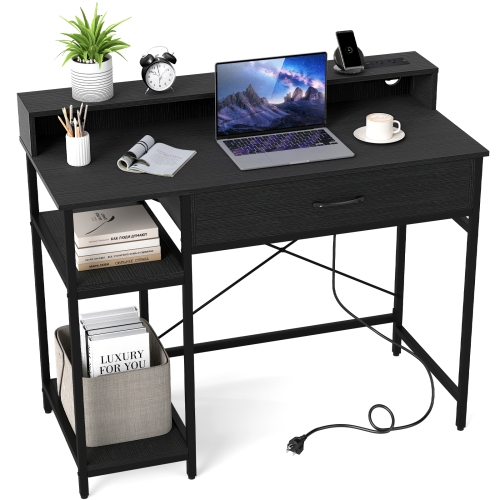
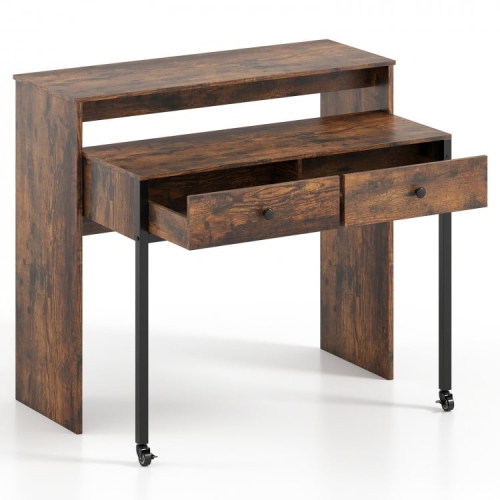
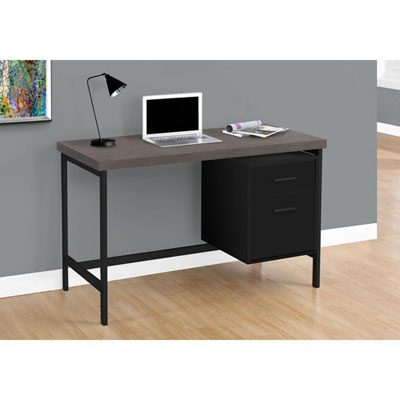
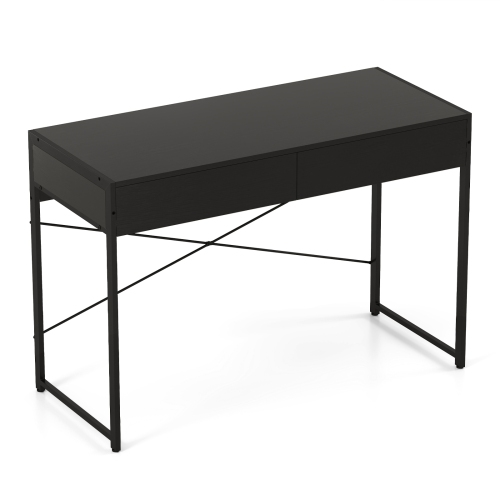
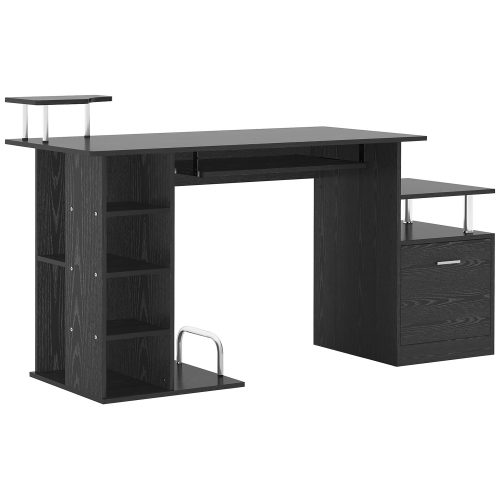
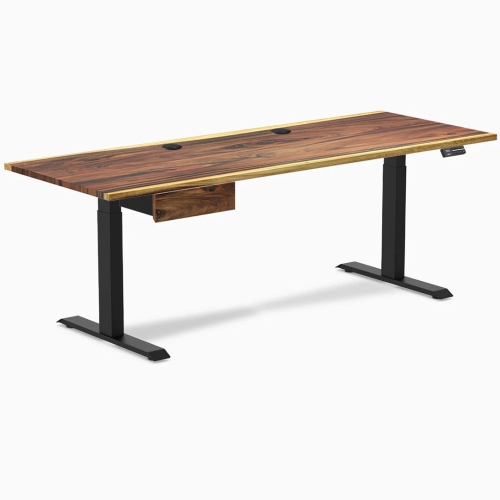
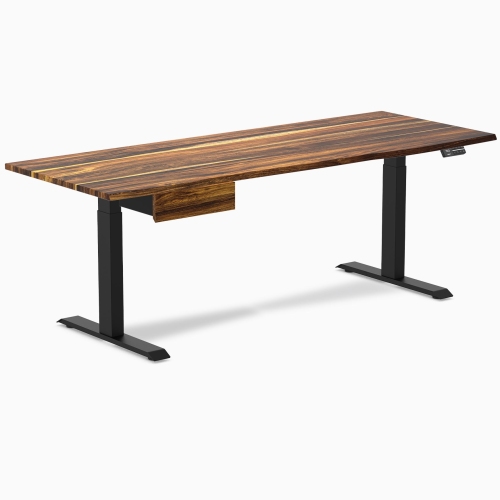
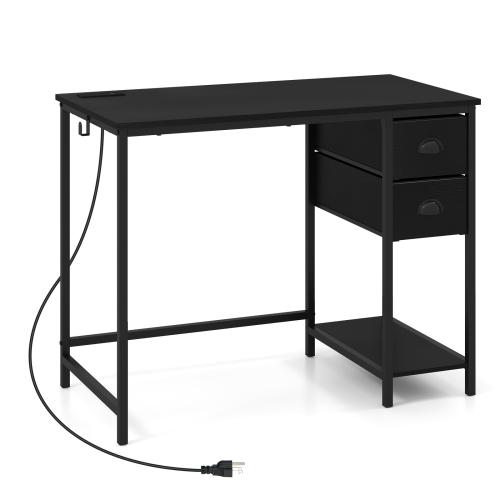
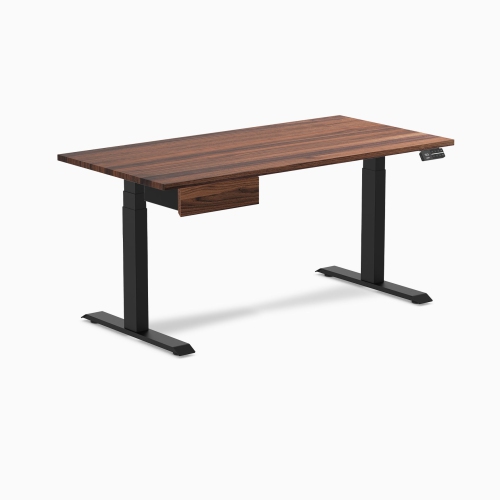
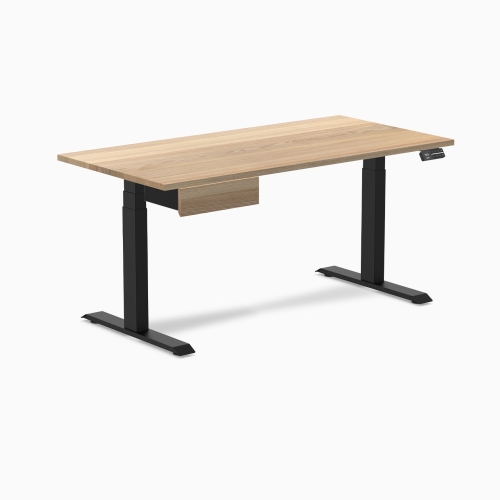
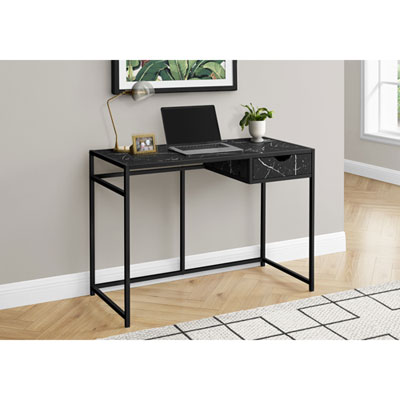
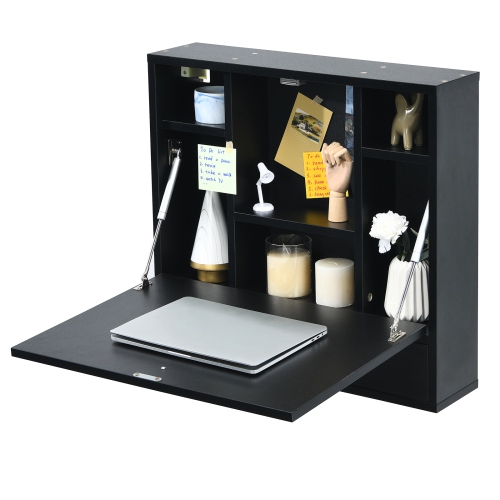
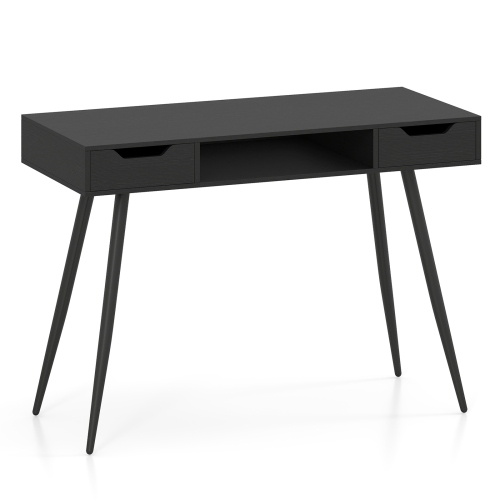
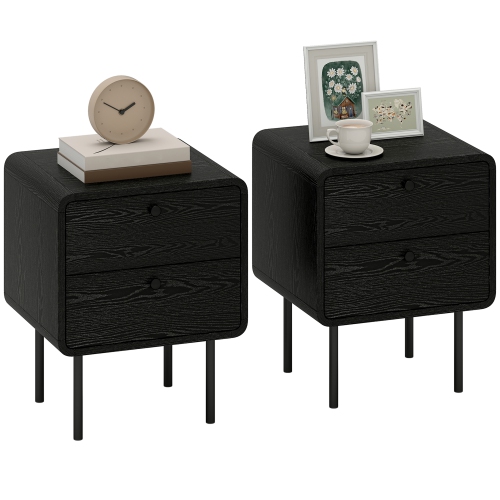
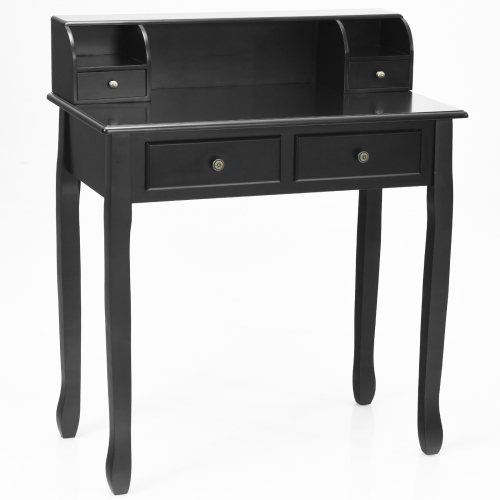
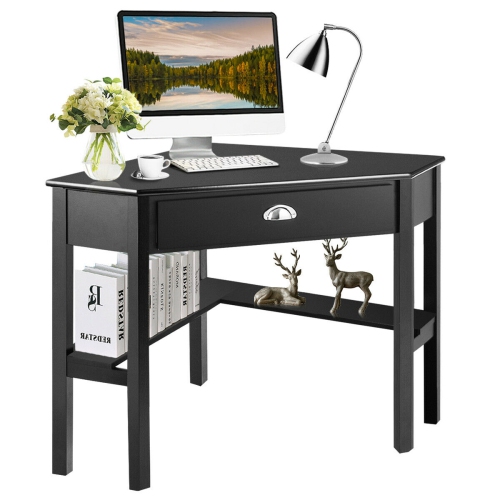
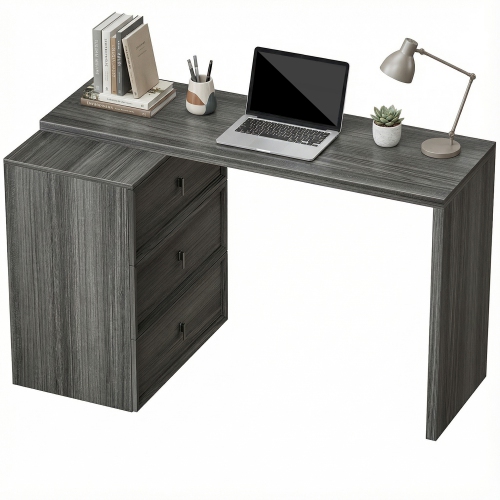
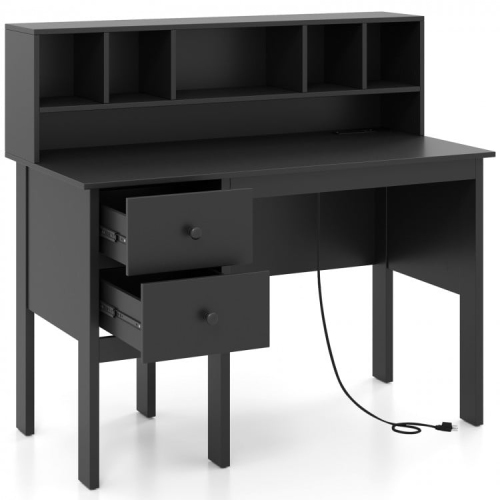
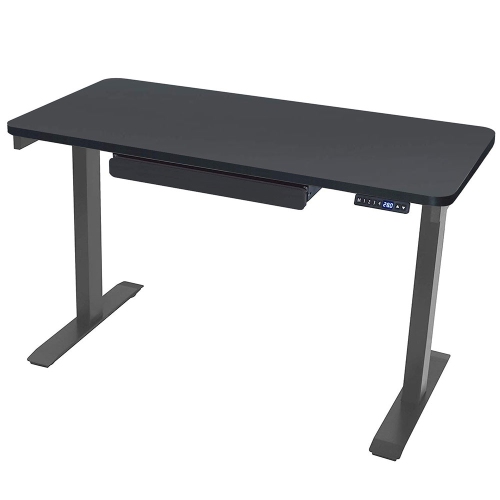
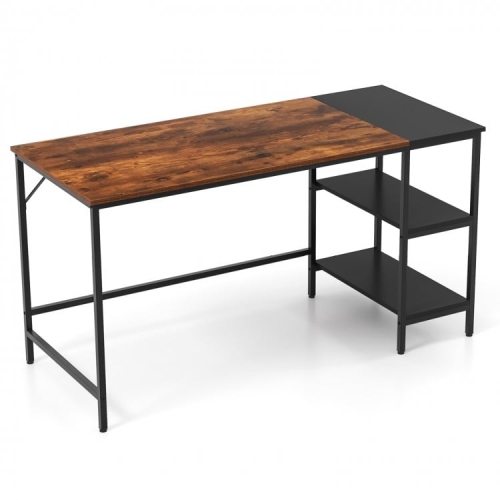
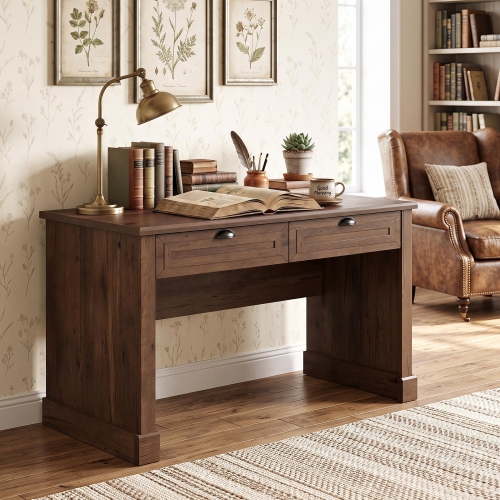
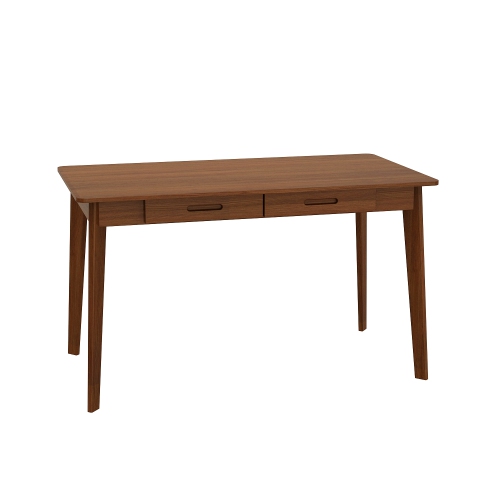
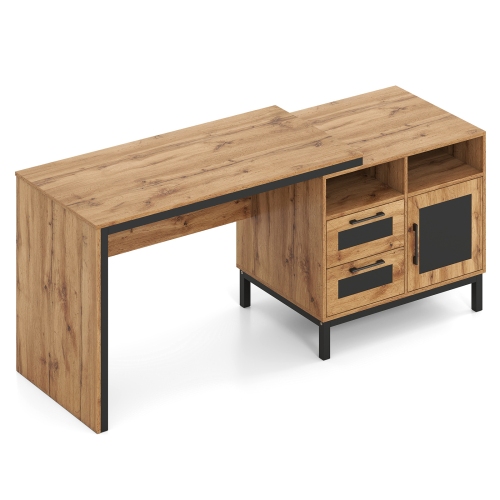
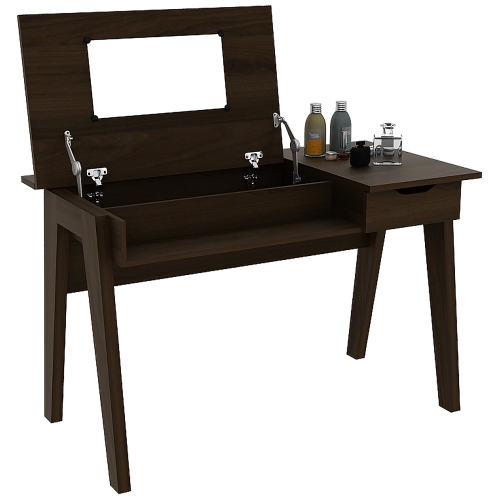
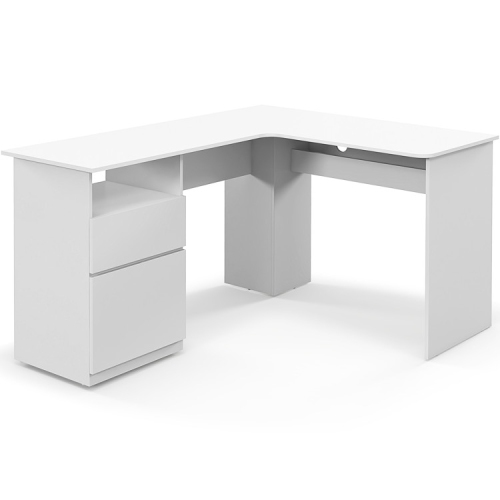
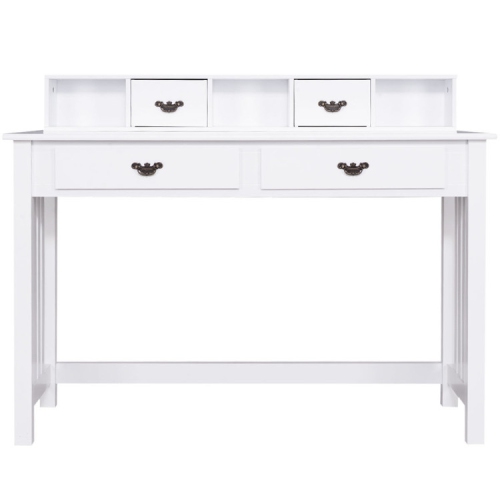
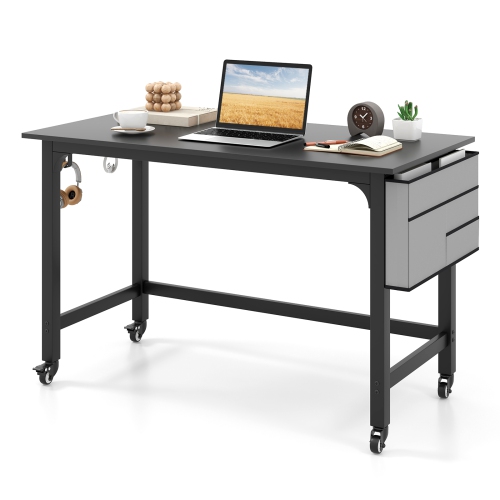
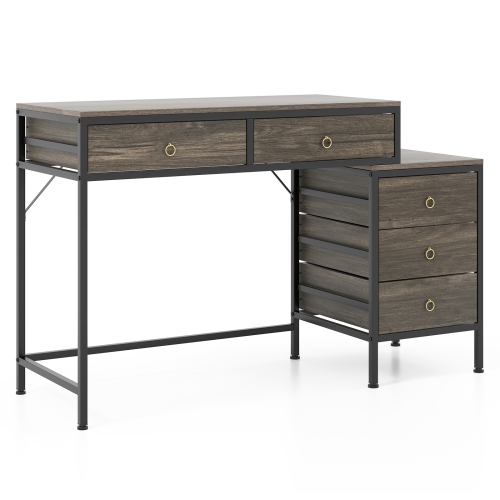
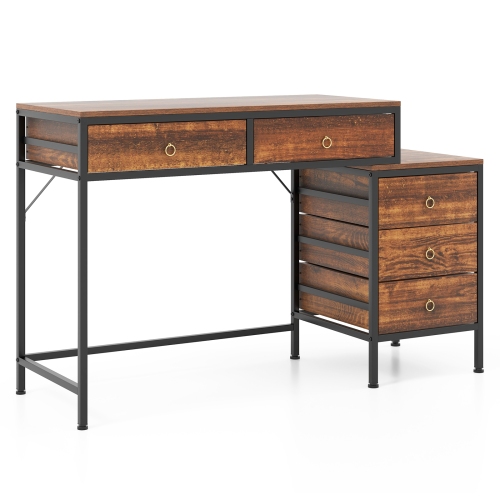
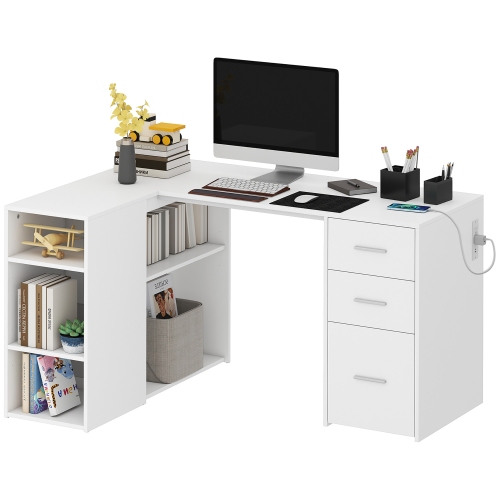
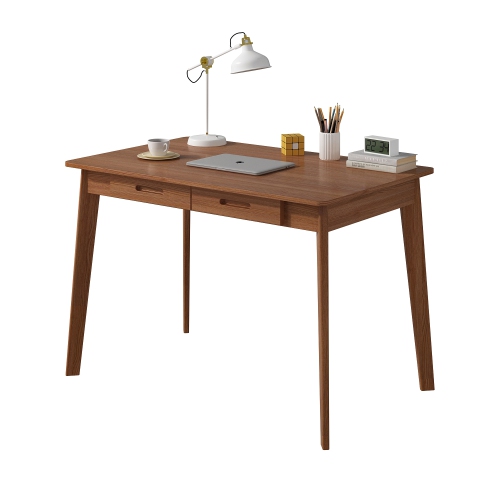
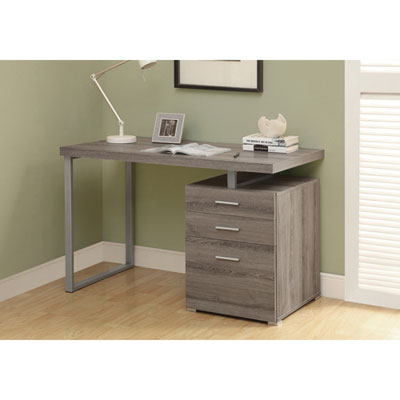
Black desks with two drawers combine a practical work surface with enclosed storage for everyday essentials, making them well suited to home offices, study corners, and multipurpose rooms. The two-drawer layout provides space to put away stationery, charging cables, notebooks, and other small supplies without requiring a separate storage cabinet. Drawer placement varies: a pair beneath the desktop can create a balanced appearance, while two drawers grouped on one side leave a larger uninterrupted opening for a chair. Neither arrangement guarantees the same storage capacity, since drawer depth and interior height can differ considerably between designs. The black finish gives these desks a defined presence that works with many furniture styles, from slim metal frames and simple rectangular tops to more substantial silhouettes with panelled sides. Against a light wall, a black desk creates a clear visual anchor; beside a dark bookcase, it can help form a coordinated workspace. Natural wood accents, a fabric chair, or a warm-toned task lamp can soften the contrast without taking attention away from the desk itself. Surface texture also affects the overall appearance. A smooth matte finish tends to look understated, while a satin or glossy surface reflects more light. Visible wood grain adds texture even when the overall colour is black. Materials deserve equal attention: solid wood, wood veneer, engineered wood, and metal each contribute different qualities, and the finish alone does not reveal how a desk is constructed. A laminate-covered surface can be convenient for routine wiping, while veneered surfaces offer the appearance of wood grain over a supporting core. The most suitable construction depends on the intended workload, the care requirements, and how often the furniture may need to be moved. For spaces that call for a broader selection of deep-toned finishes or different storage arrangements, Dark Desks With Drawers provides a related category to consider alongside black two-drawer designs.
A comfortable fit depends on more than whether the desktop fits along an empty wall. Width determines how much room remains for a laptop or monitor, an open notebook, and the small objects that tend to accumulate during a working day. Depth matters just as much: a shallow desk may suit occasional correspondence, while a deeper surface can provide more flexibility for positioning a separate keyboard and screen. Anyone using multiple displays should account for their stands, the desk’s stated weight capacity, and the space needed to keep equipment securely supported. Monitor arms also require compatible mounting conditions; an apron, rear panel, or drawer housing may interfere with a clamp even when the desktop appears wide enough. Below the surface, usable knee room can be reduced by drawer boxes or crossbars, so overall dimensions do not tell the whole story. A chair needs room to pull back, turn, and slide under the desk, with armrests clearing the underside where appropriate. For a desk placed beside a bed or in a shared living area, open drawers should not block the main walking route. Baseboards, nearby doors, and power outlets can also affect placement. Two drawers are particularly useful when their proportions match the things being stored. Shallow compartments can keep pens, sticky notes, and charging adapters within easy reach, whereas deeper drawers may accommodate thicker notebooks or small equipment. A drawer should not be assumed to hold hanging files unless its specifications explicitly support that use. Interior measurements, slide operation, and handle placement all influence everyday convenience. Smooth-running drawers are easier to use while seated, and accessible pulls can be more comfortable than a recessed grip for some people. Cable routing deserves attention too, especially where a black desk sits away from a wall and its rear surface remains visible. A clear route to an outlet helps prevent cords from trailing across a walkway or becoming caught behind drawers. Where a desk includes cable openings or a rear access gap, their position should work with the intended equipment layout rather than merely adding a feature that goes unused.
Durability comes from the relationship between the frame, desktop, drawers, hardware, and finish rather than from colour or weight alone. Secure joints and a stable base help a desk feel steady during typing or handwriting, while properly aligned drawer slides reduce sticking and uneven movement. Assembly quality matters, particularly for furniture that arrives in several sections: correctly fitted back panels, braces, and fasteners can all contribute to stability. If a desk will be relocated frequently, its construction and the manufacturer’s moving instructions deserve consideration, since dragging assembled furniture can strain joints or damage flooring. Daily care is usually straightforward, but it should follow the requirements of the particular surface. A soft cloth removes dust without unnecessary abrasion, and spills are best wiped up promptly so moisture does not sit along seams or drawer edges. Engineered wood surfaces can be especially vulnerable where protective coverings are damaged. Cleaning liquids should not be allowed to collect around hardware, and abrasive pads or strong solvents may dull or mark a black finish. Dark surfaces can make pale dust, fingerprints, and fine scratches more noticeable, although the effect varies with texture and sheen. A desk mat can protect the main writing area, and a coaster helps keep drink rings away from the desktop. Ventilation around electronic equipment remains important, so drawers are better used for storing unplugged accessories than for enclosing devices that generate heat during operation. For students, a two-drawer desk can separate writing supplies from personal accessories; for remote workers, it can keep work materials out of sight once the day is finished. It can also serve a household paperwork area or a compact creative workspace, provided the surface and storage match the activity. As a gift for someone setting up a study or first home office, the most useful choice reflects their room measurements, chair, equipment, and preferred layout. A well-proportioned black desk with two drawers brings those practical needs together without demanding a large bank of storage or an entire room devoted to work.
Top selling and popular products
-
 Your price for this item is $97.99
-
 Your price for this item is $89.99
-
 Your price for this item is $84.99
-
 Your price for this item is $97.99
-
 Your price for this item is $649
-
 Your price for this item is $749
-
 Your price for this item is $649
-
 Your price for this item is $649
Discover more categories related to Black Desks With Two Drawers
Top Collections:
Best Black Friday Deals This Year, Best Black Friday Deals On Electronics, Kindle Devices, Pokemon Centers, Best Black Friday Deals On Apple Products, Best Cameras for Sports Photography, Dyson Airwrap, Pokémon 30th Celebration Cards, Apple iPhone 17 Pro, Canon G7X Cameras
Some products may be subject to Environmental Handling Fees
(EHF) depending on your province.
Learn more about EHFs.