Black Display Cabinets
A black display cabinet is a great addition to almost any home. It can be used to store items such as books, DVDs, and CDs, but it can also be used to show off your style. A black display cabinet is an excellent way to add a modern look to almost any room, as black is a timeless and classic color. Here are some great options.
Sort
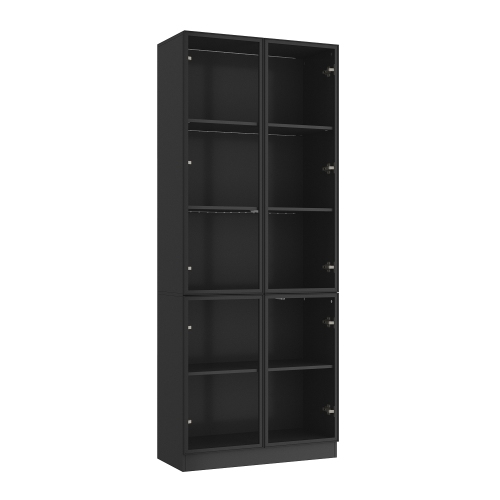
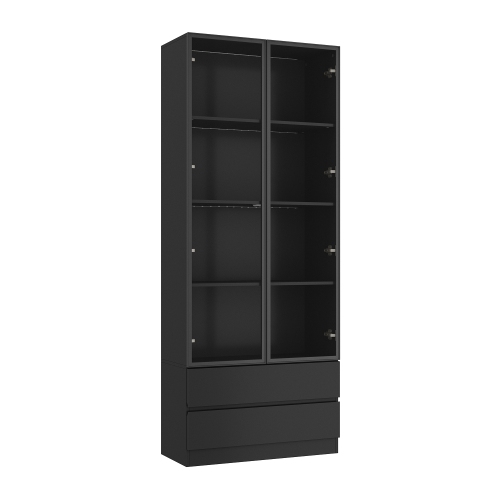
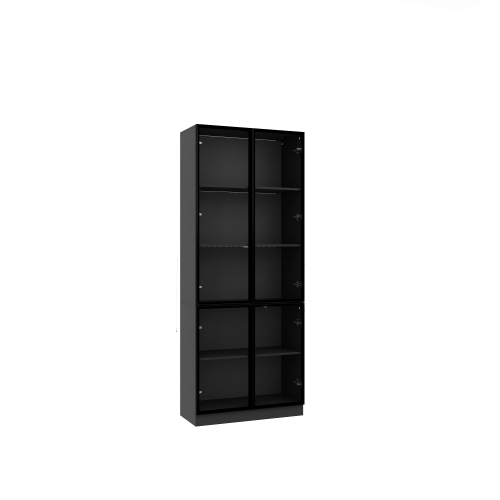
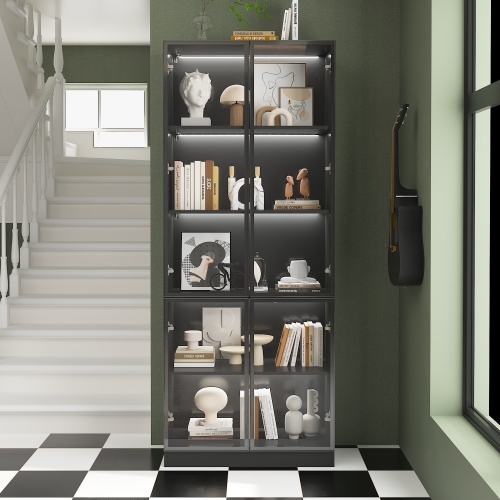
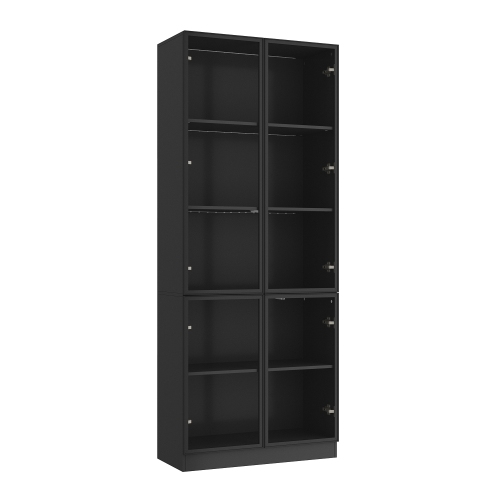
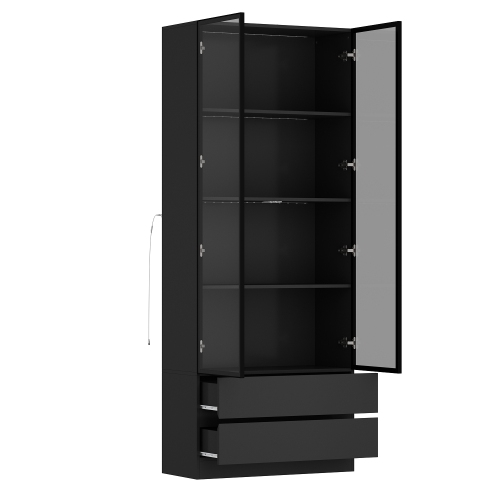
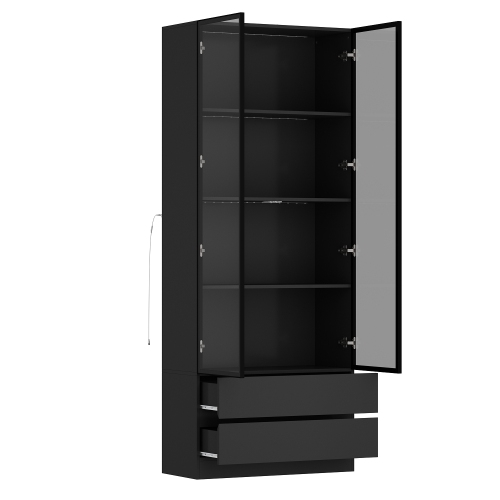
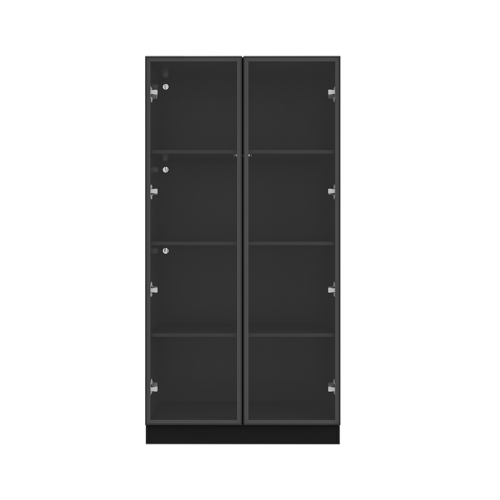
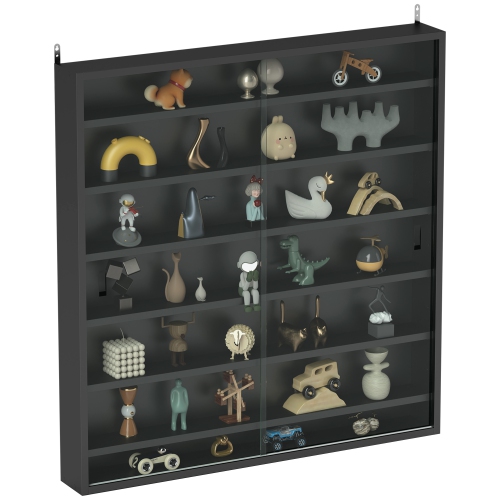
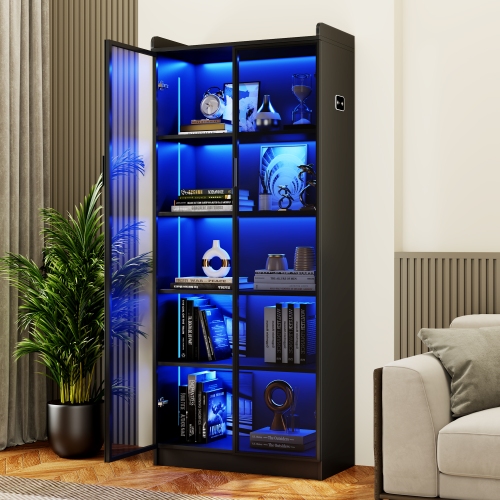
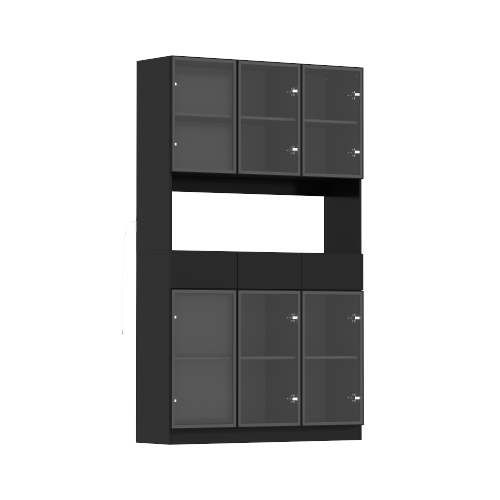





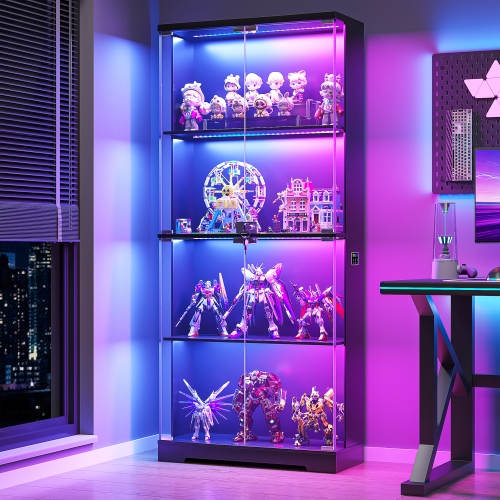
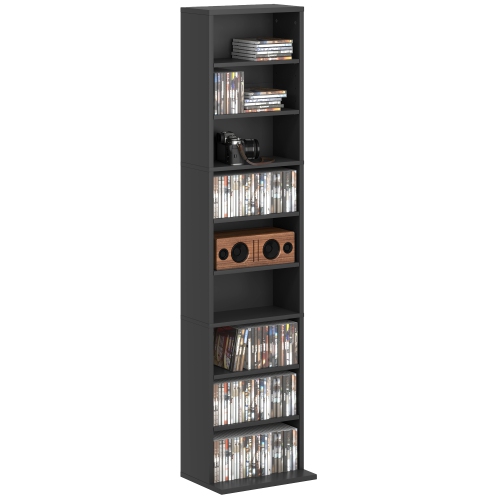

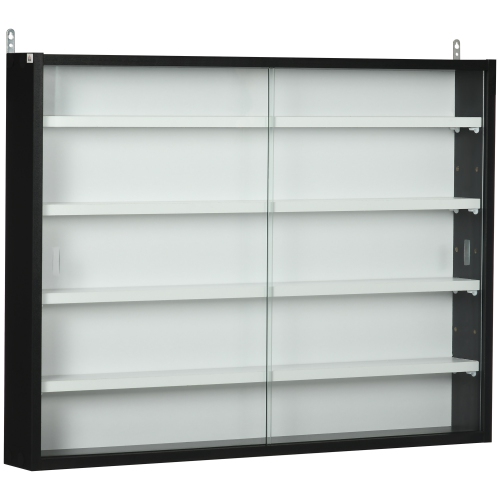


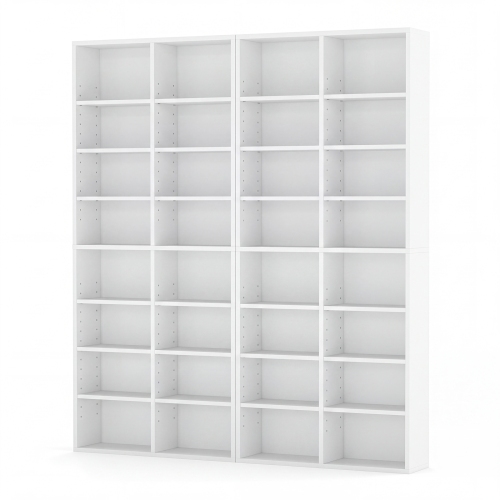
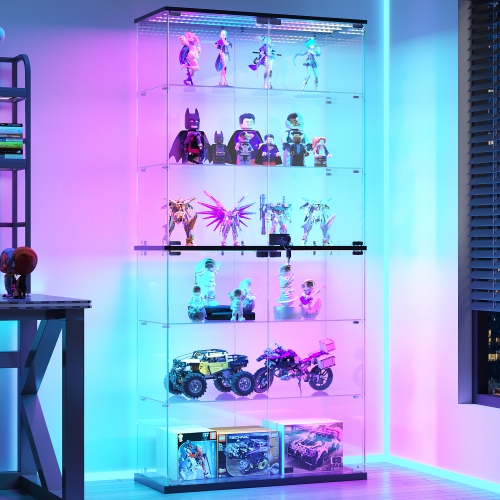
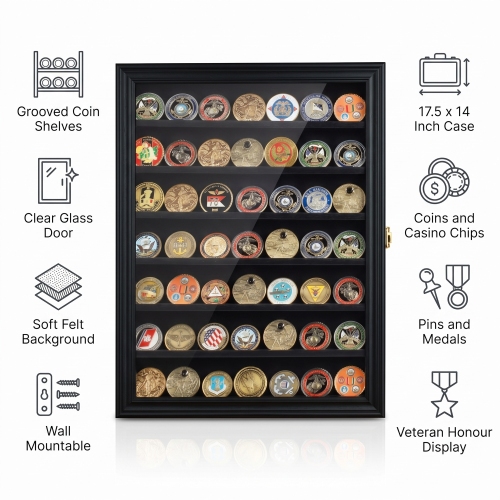

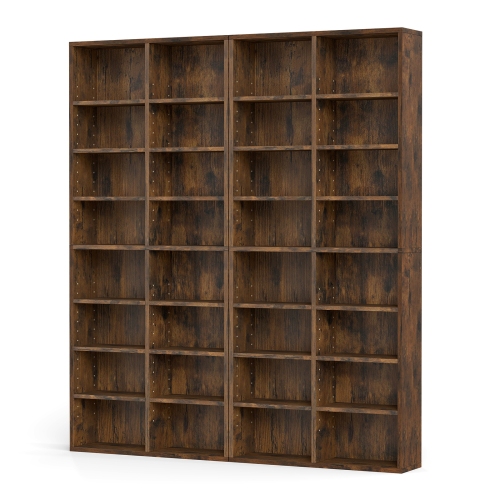
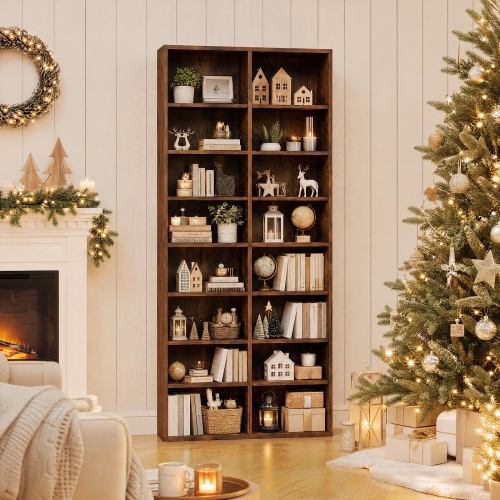
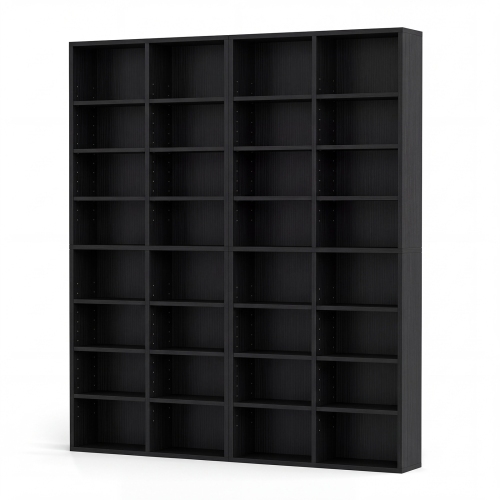
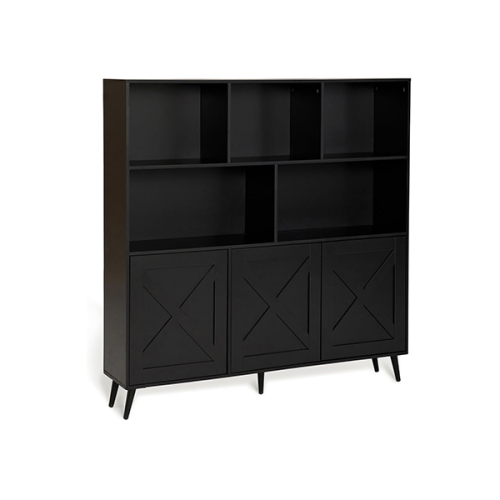
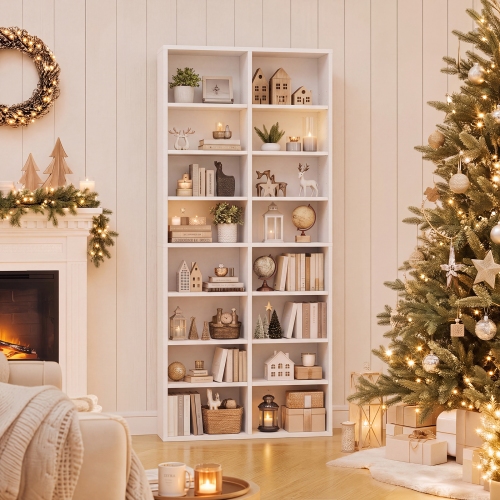
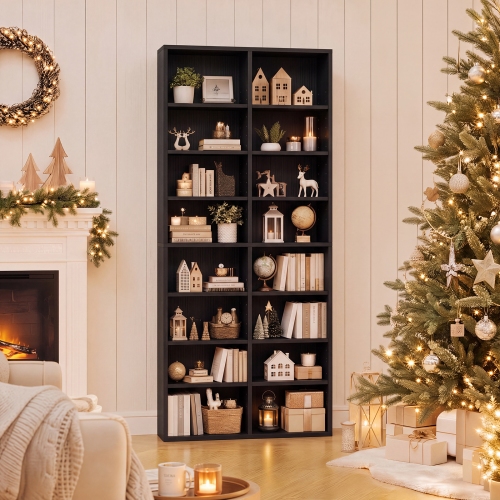
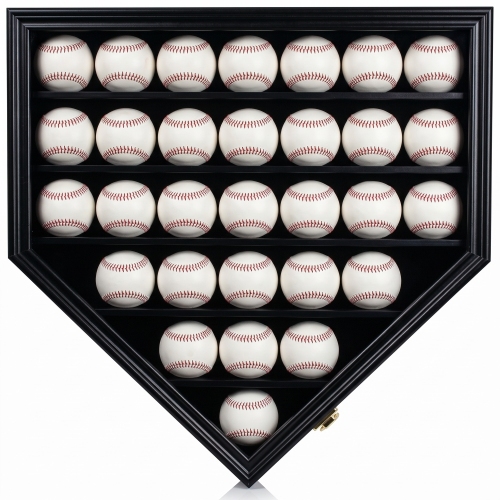

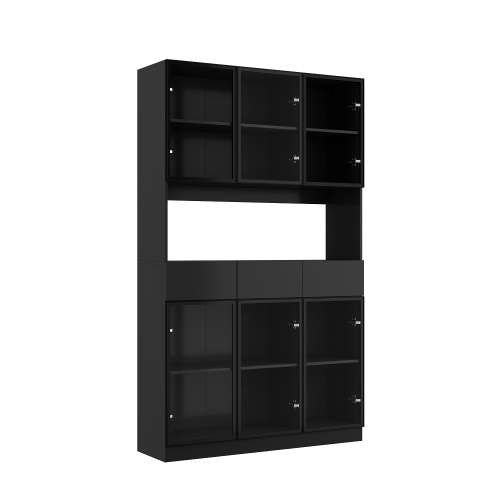
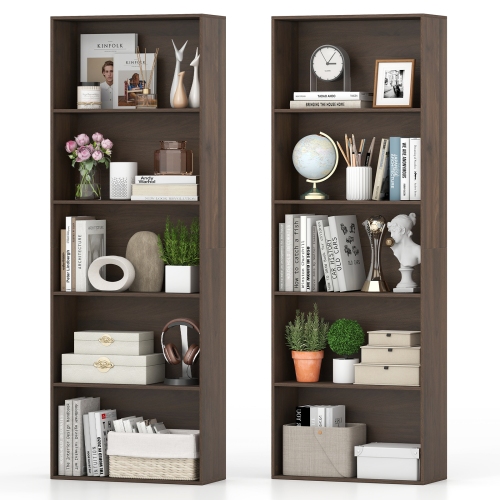
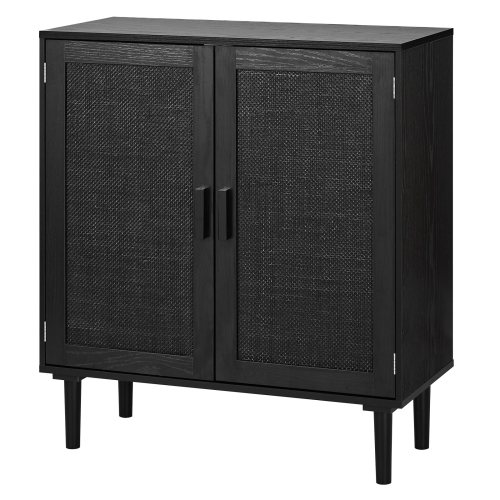
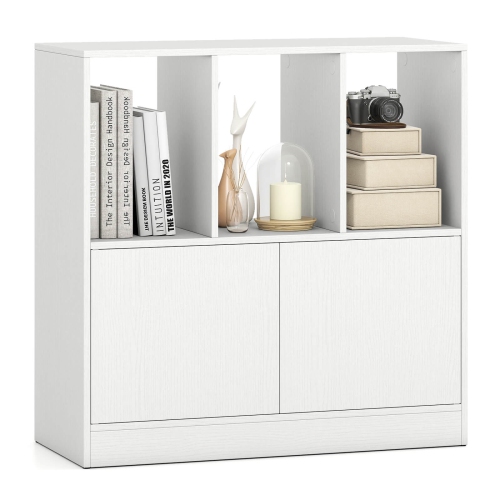
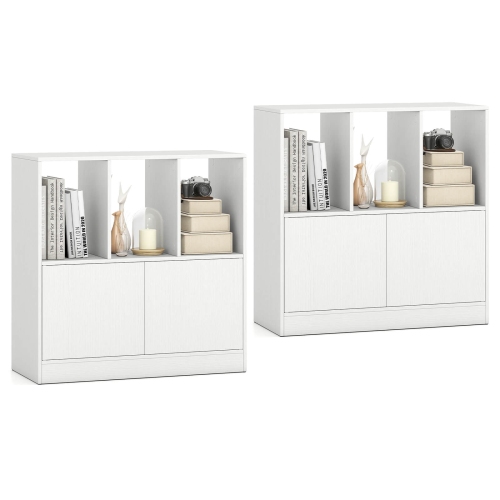
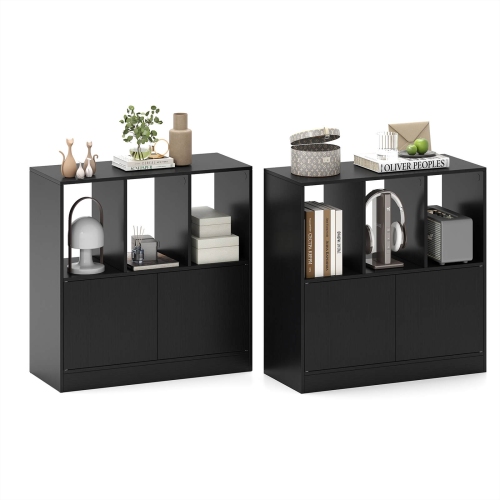
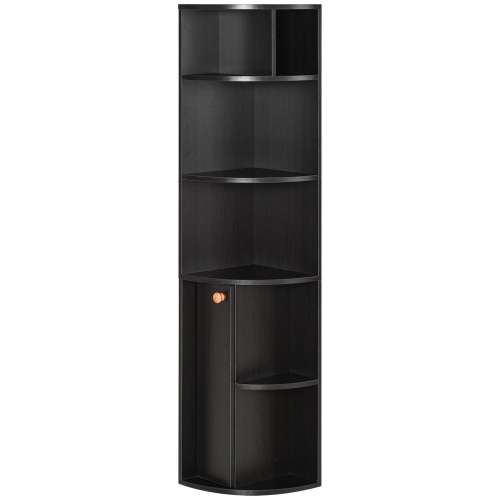
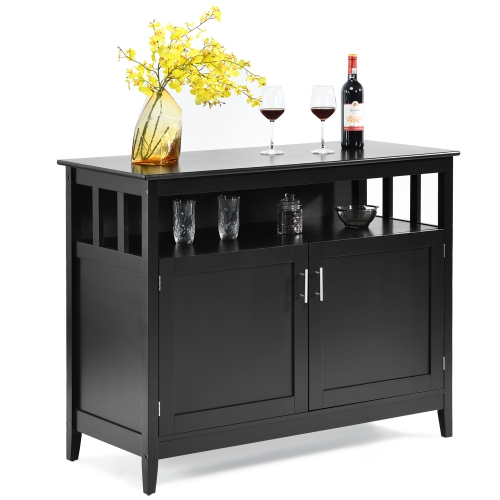
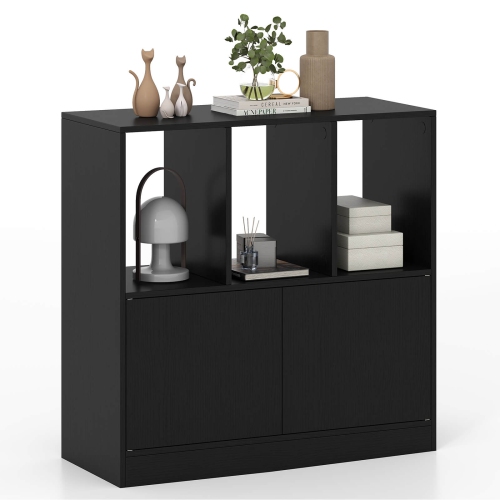
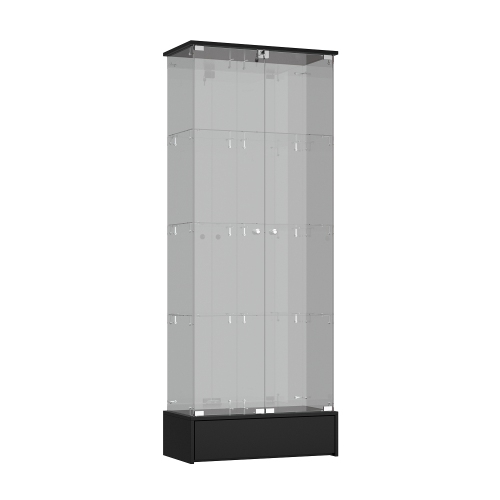

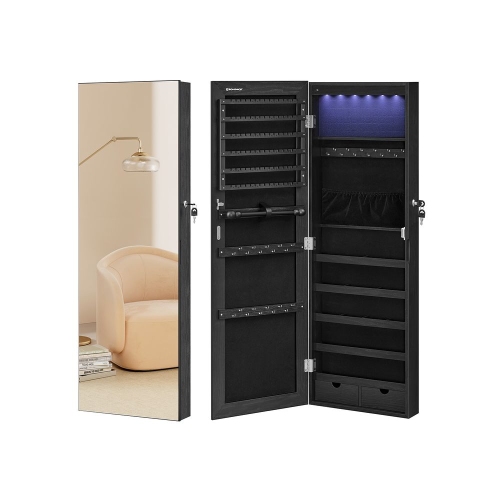
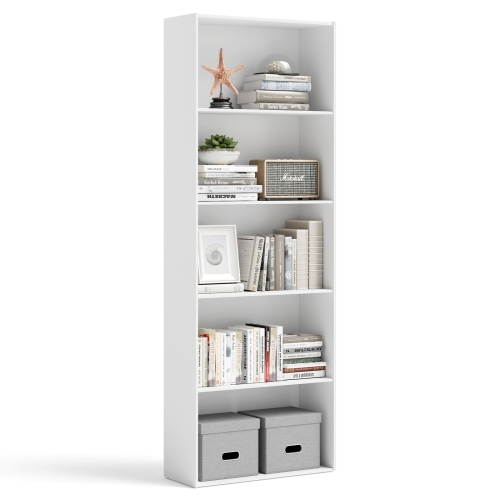
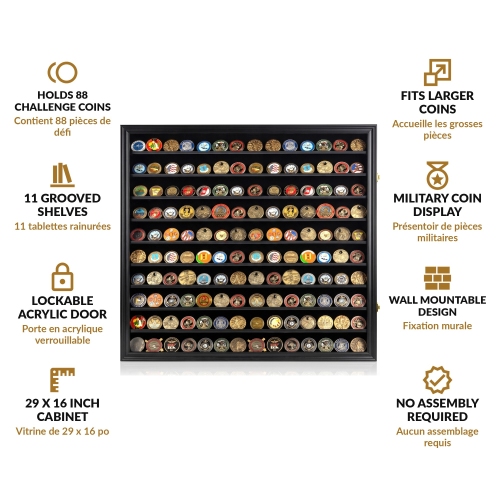
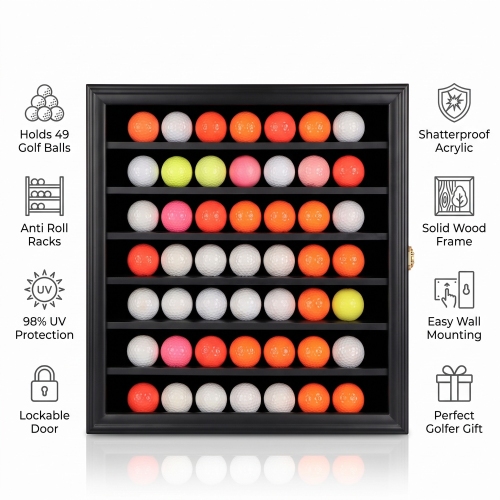
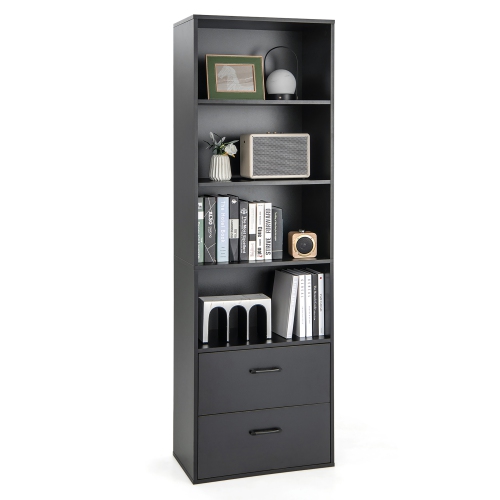
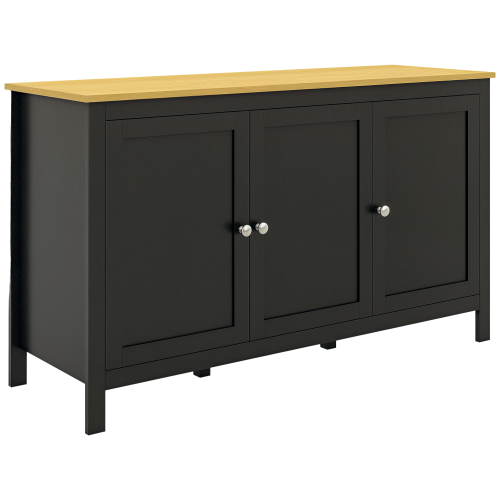
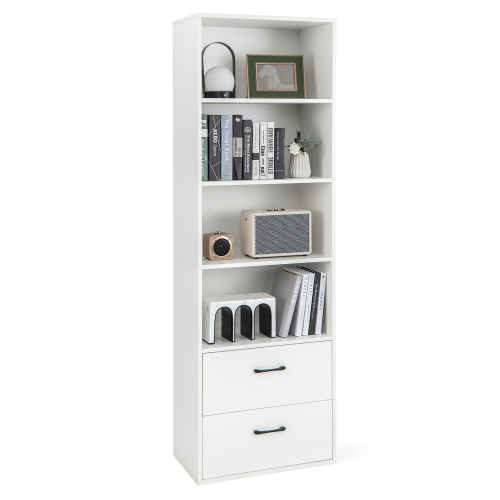
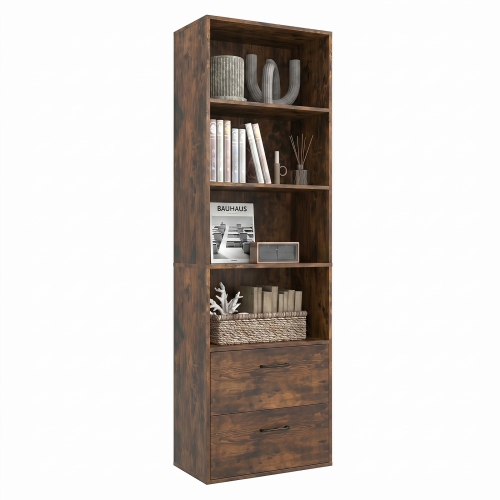
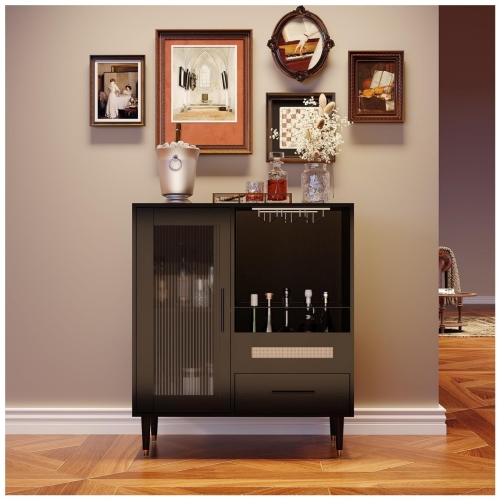
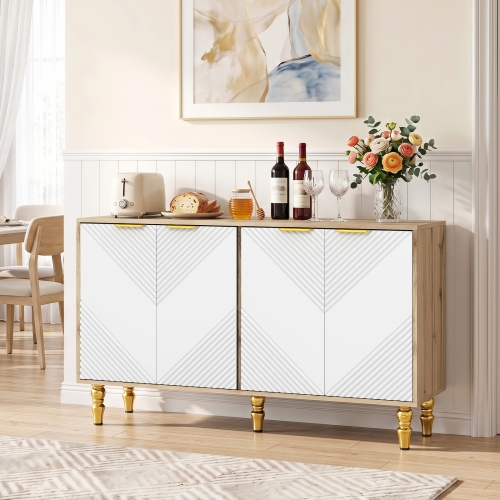
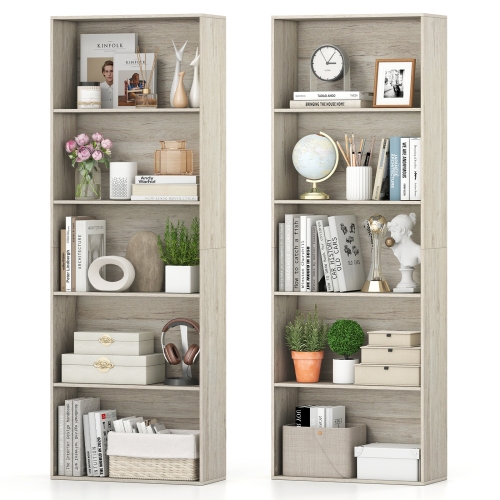
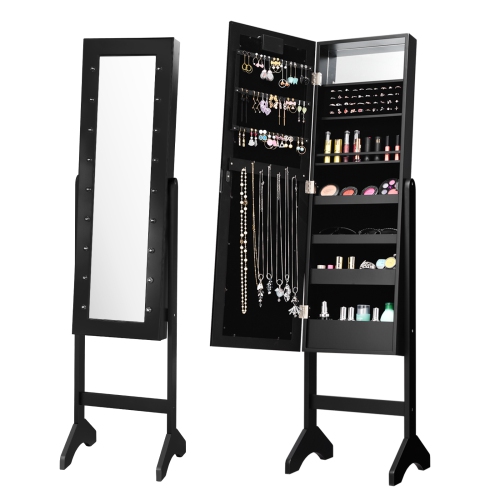
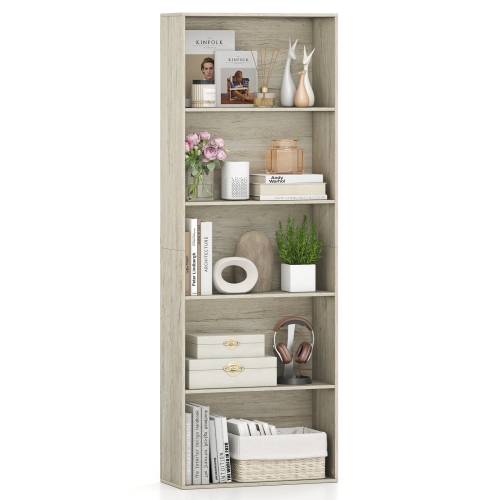
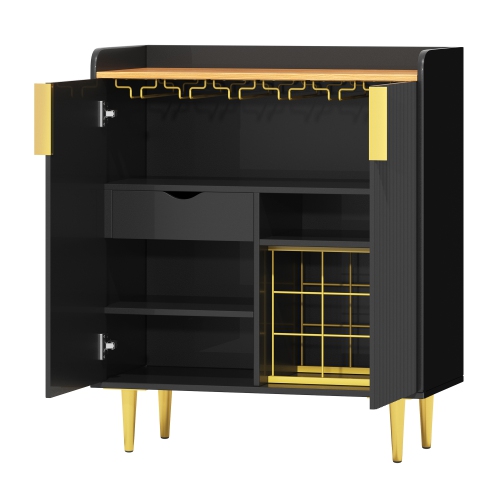
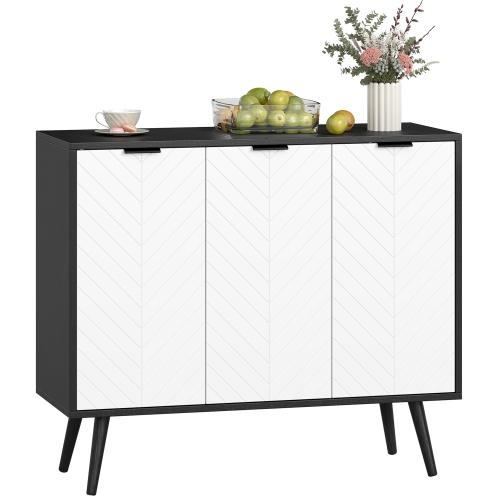
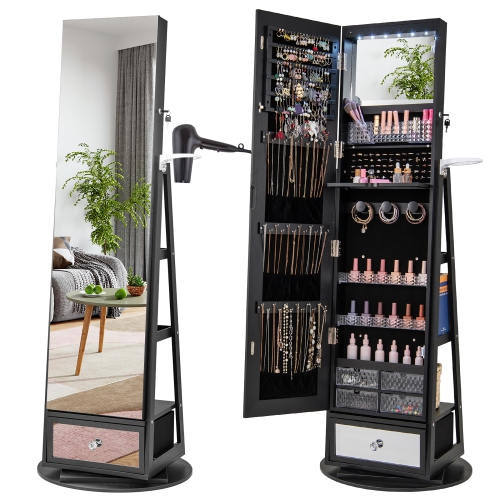
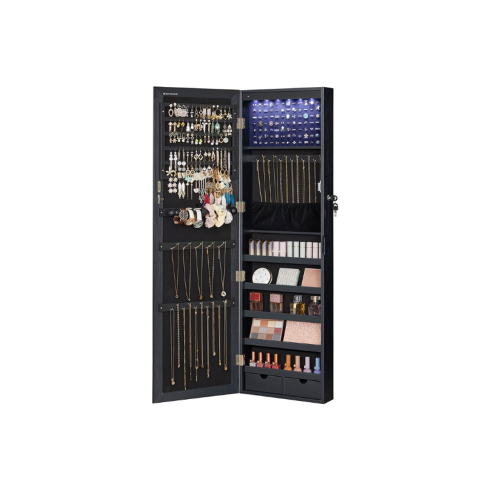
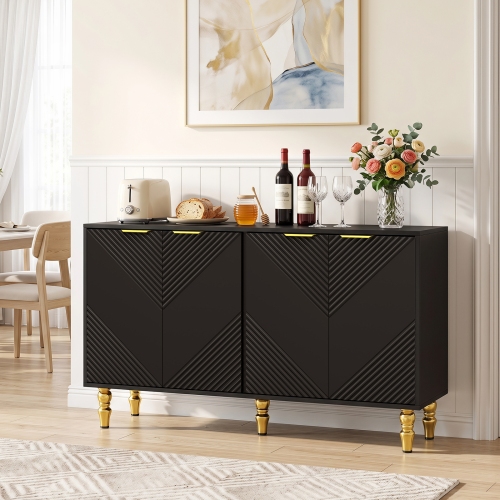
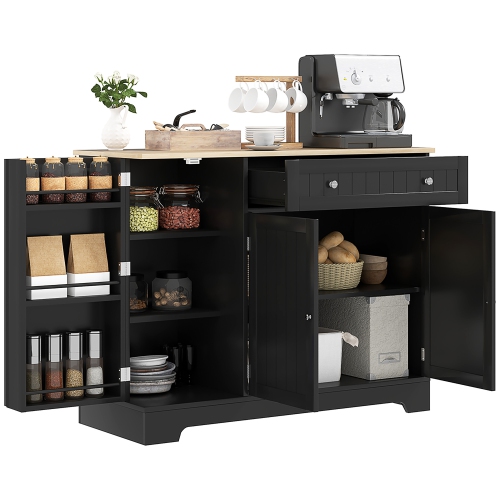
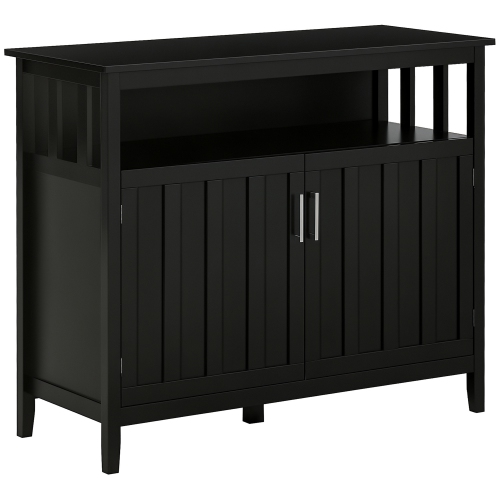

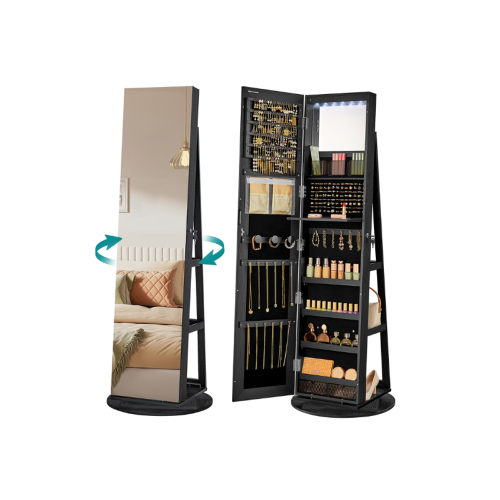
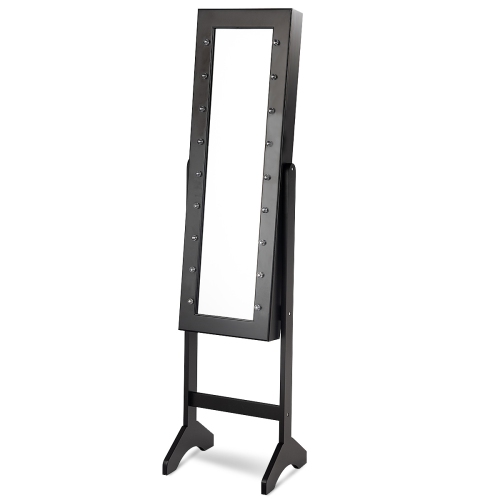
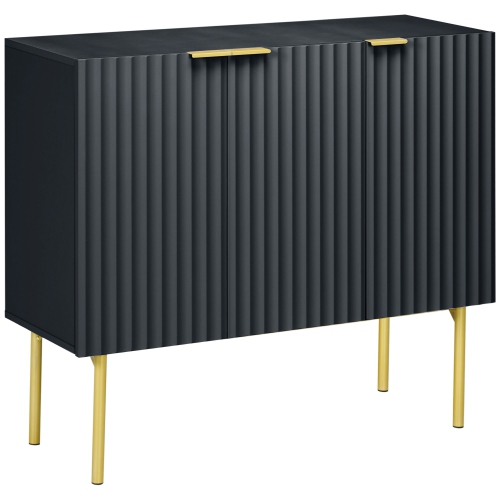
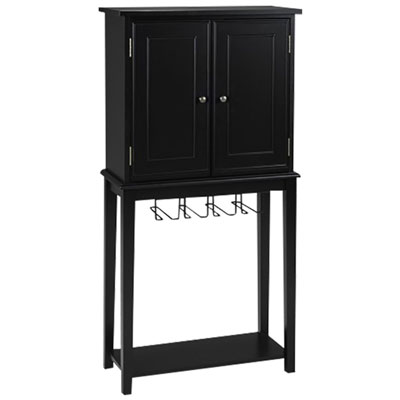

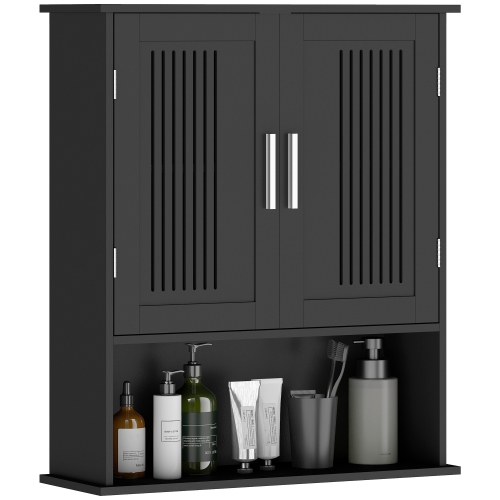
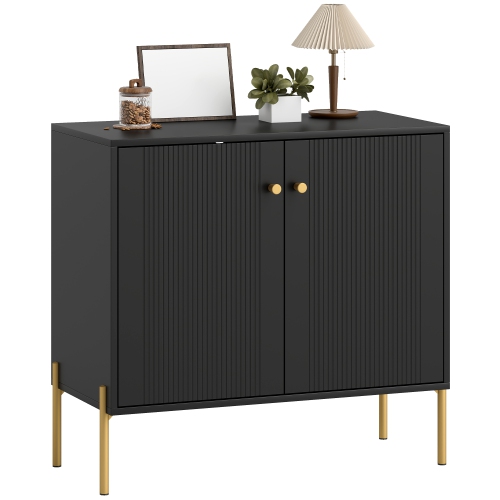
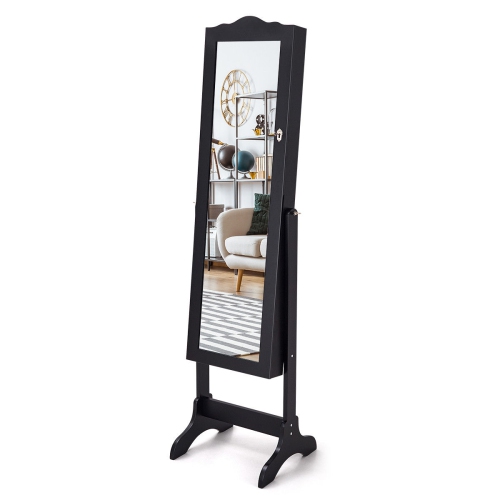
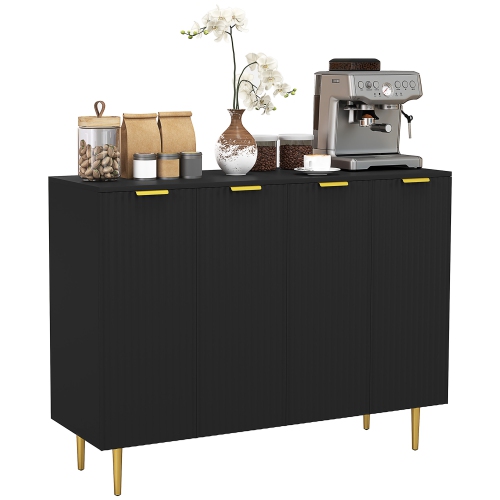
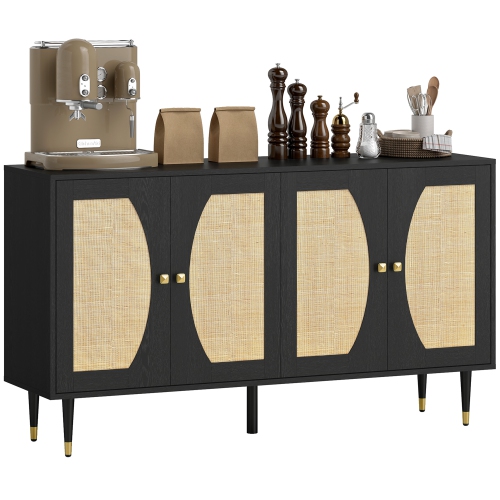
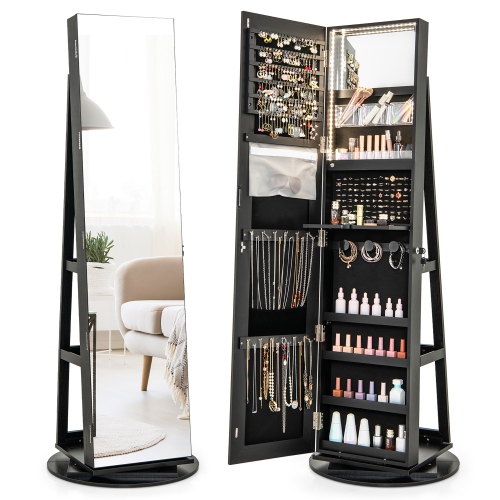
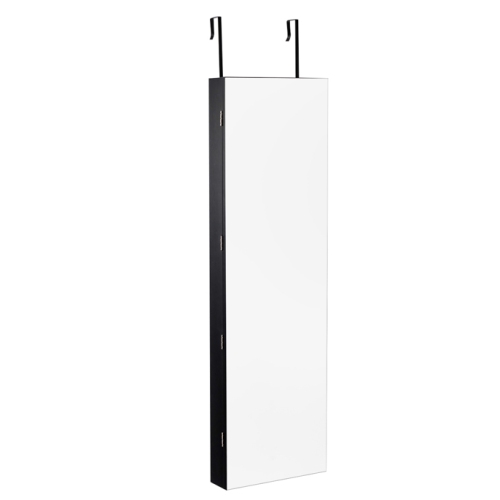
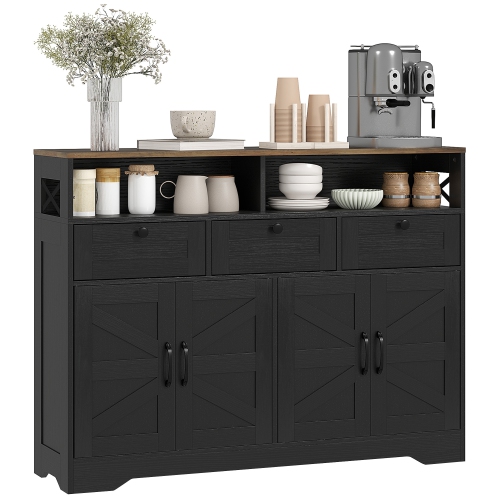
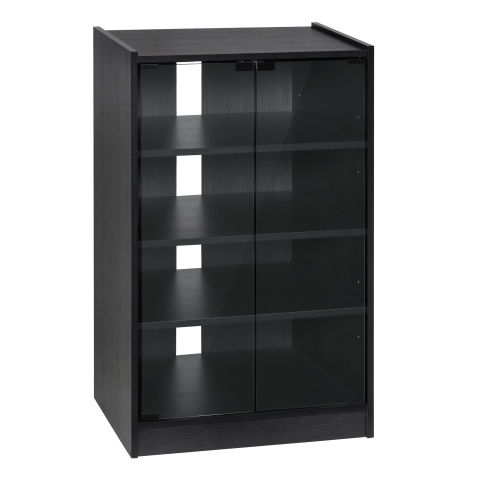
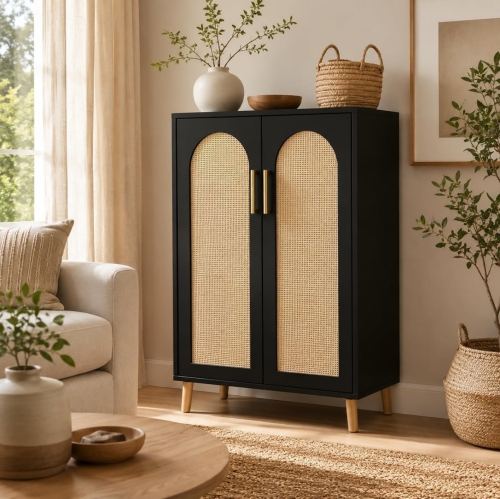
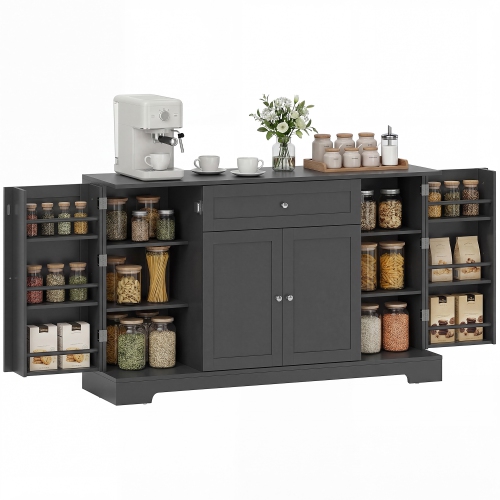

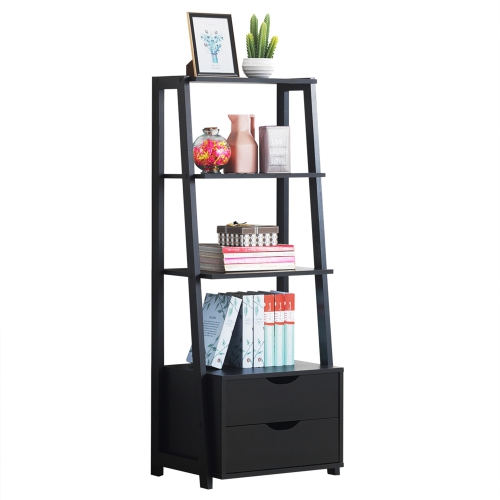
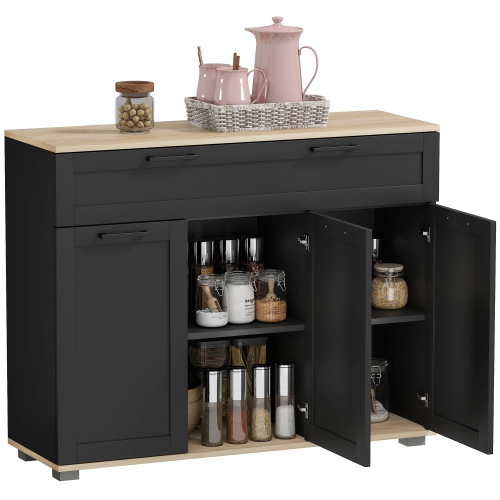
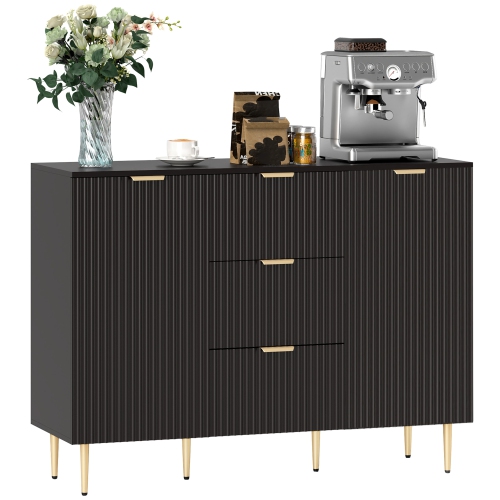
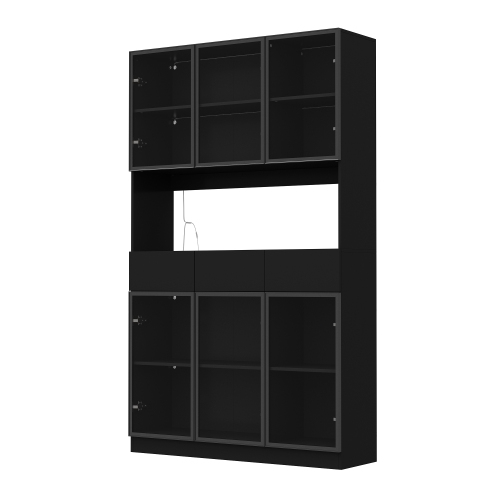
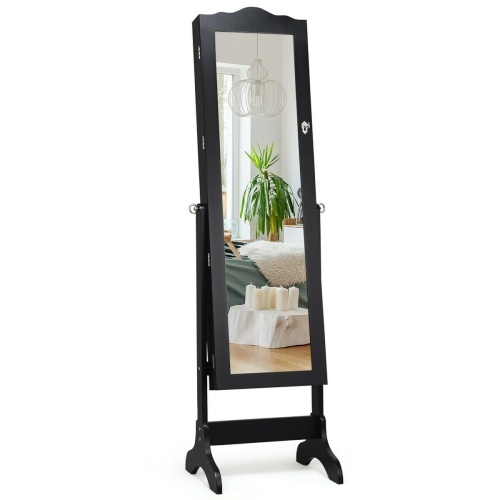
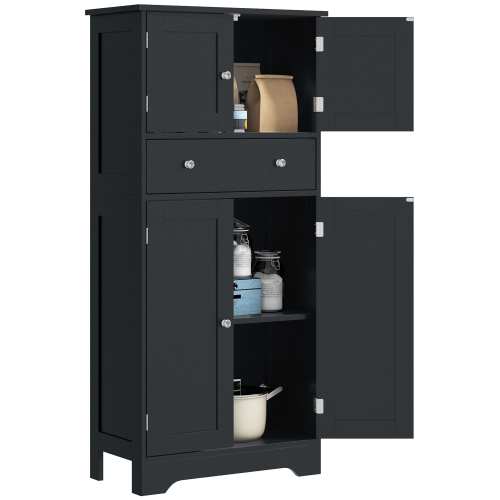
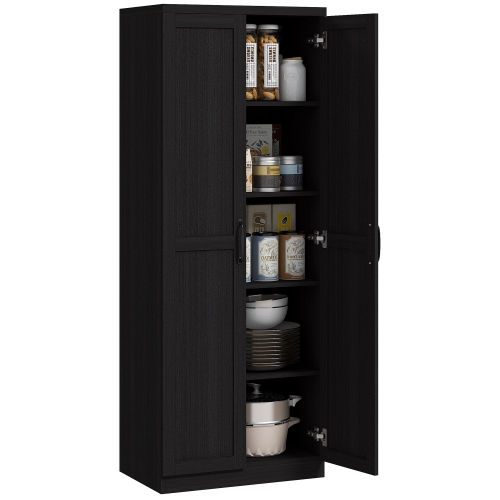
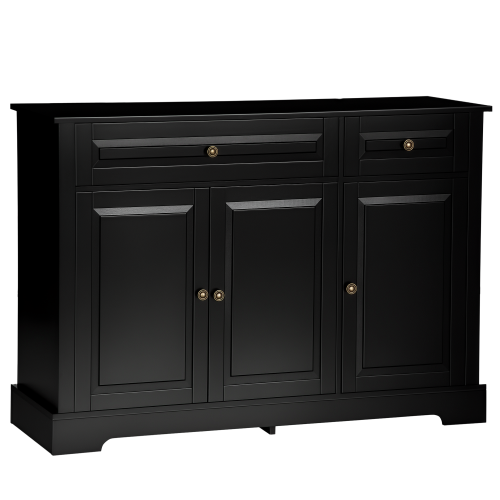
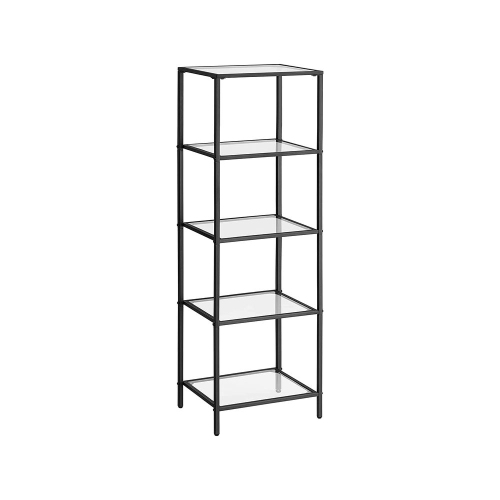
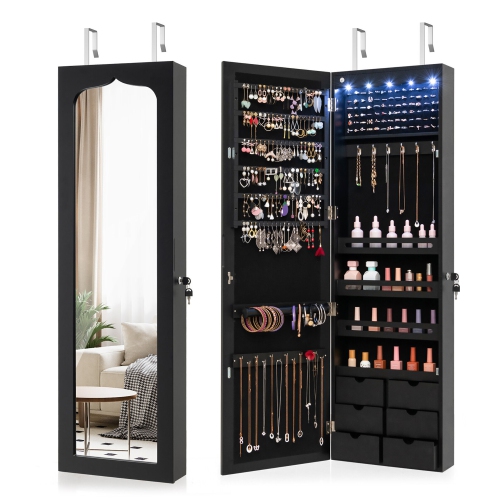
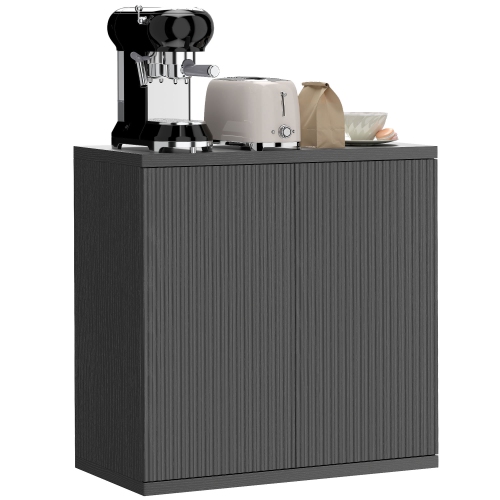

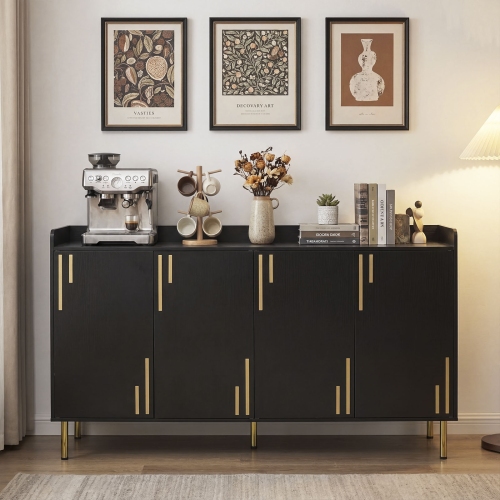
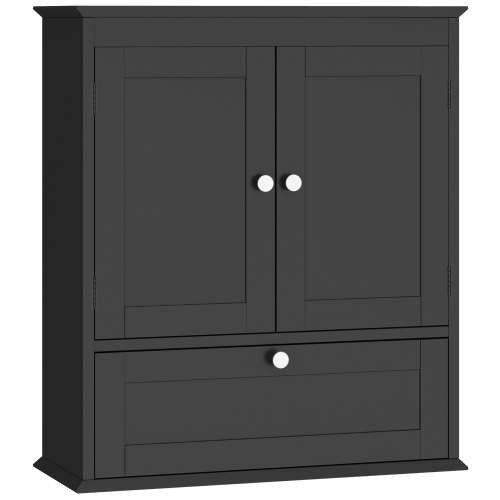
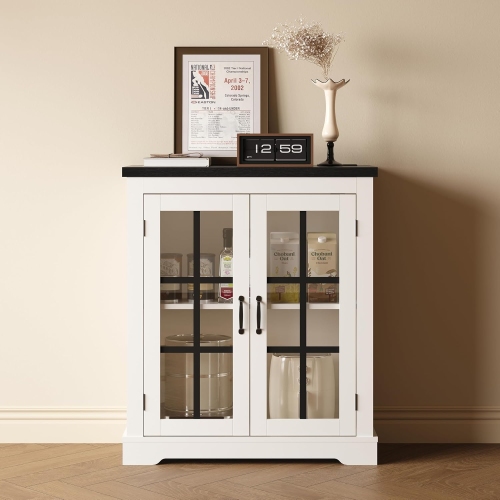
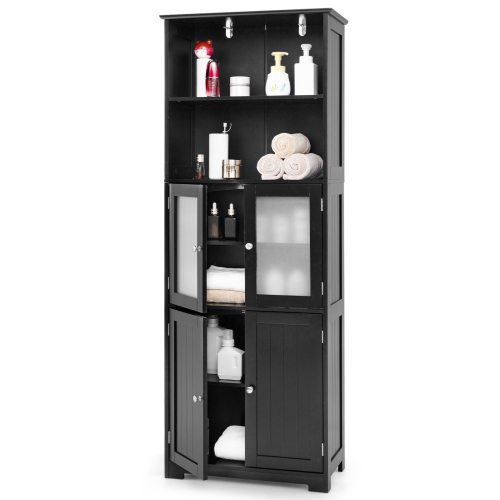
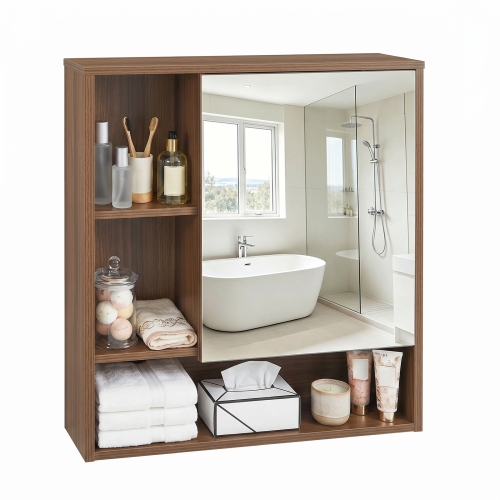
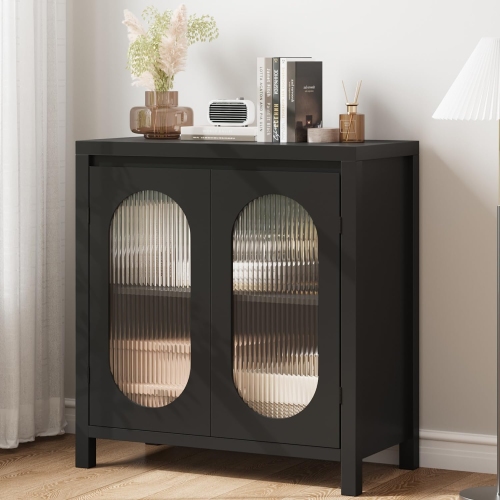
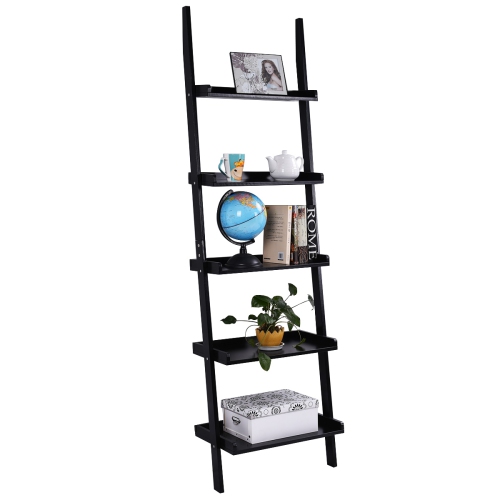
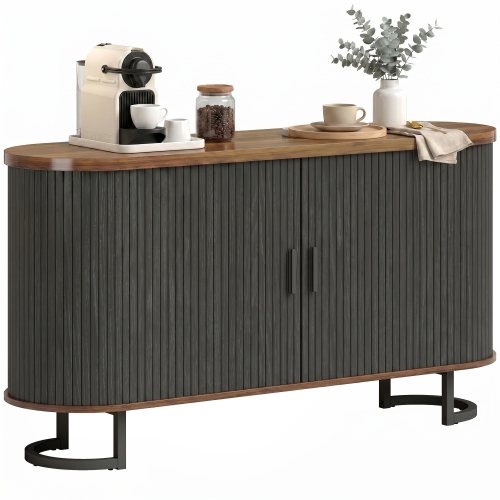
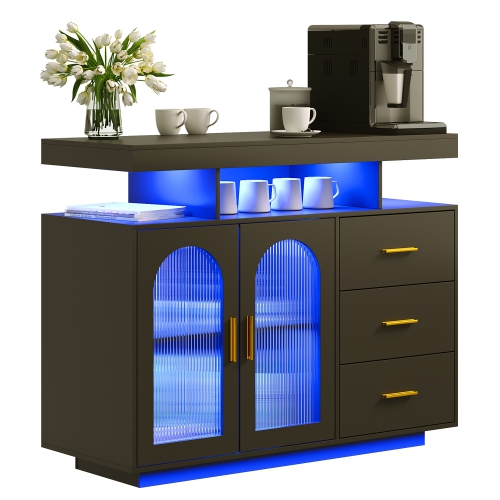
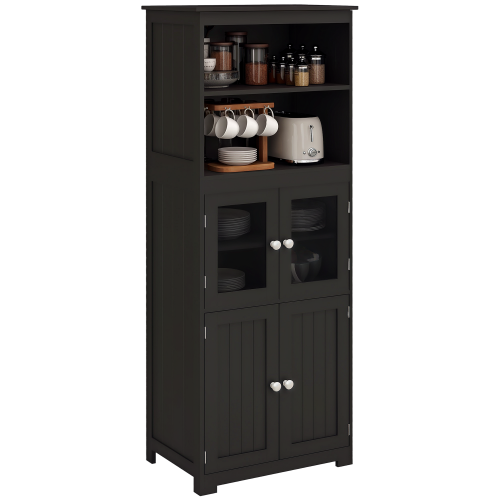
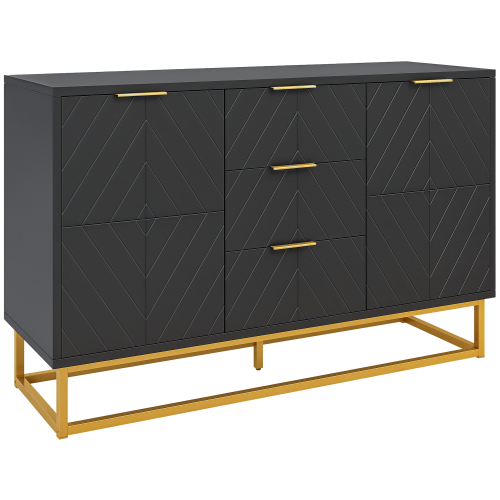
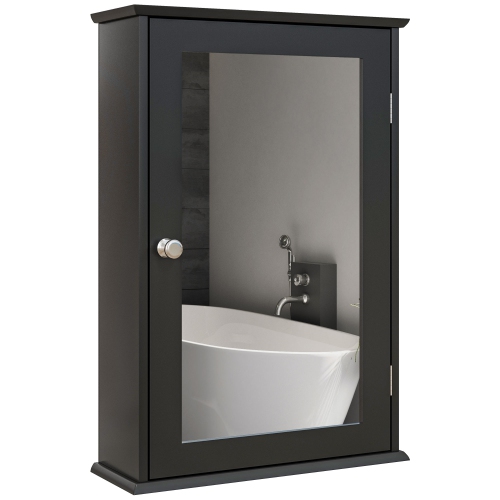
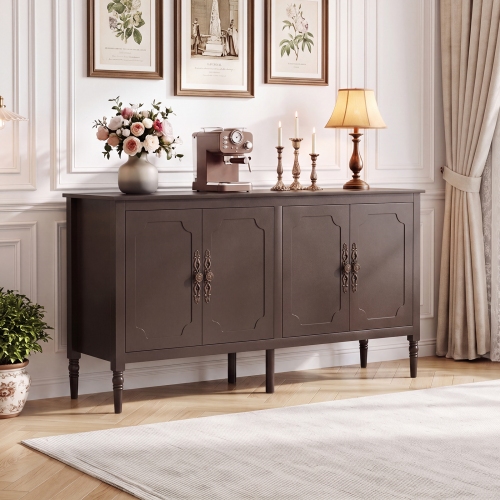
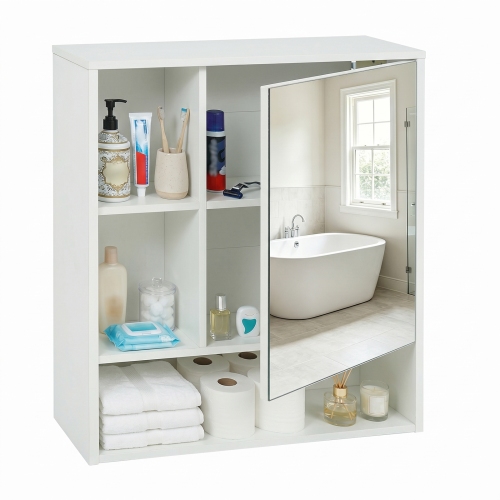
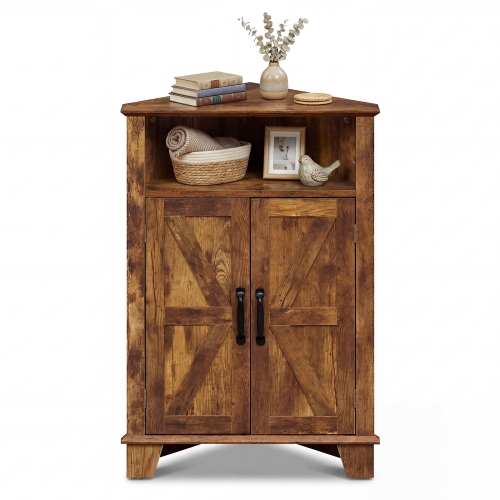
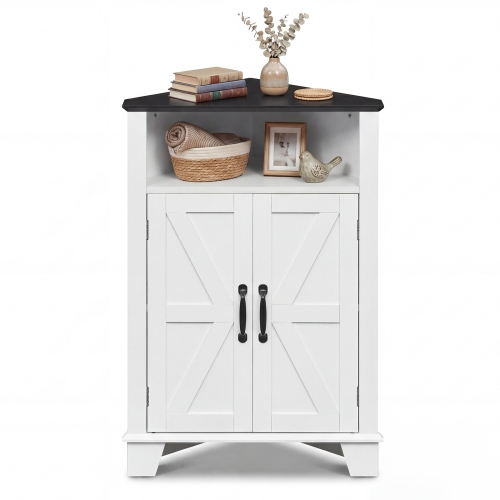
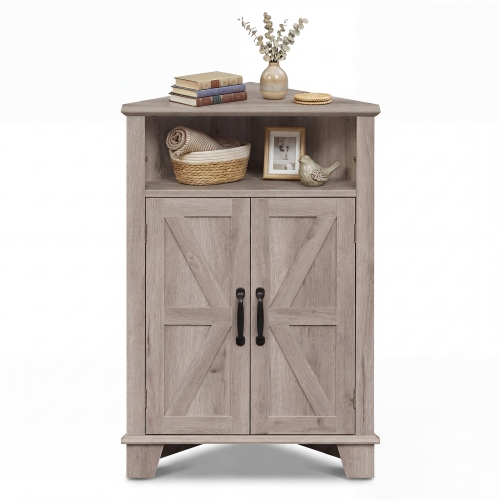
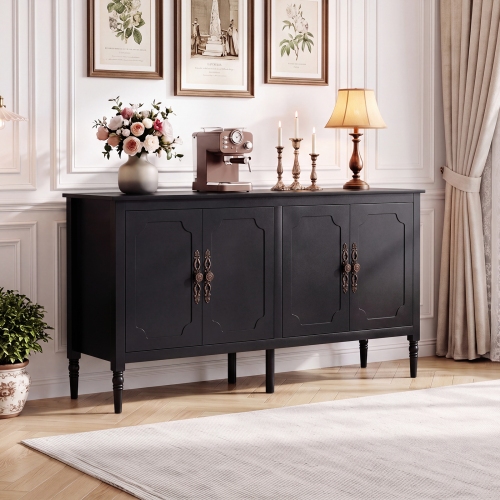
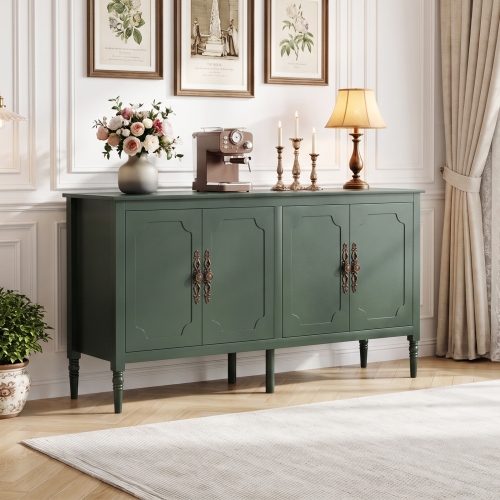
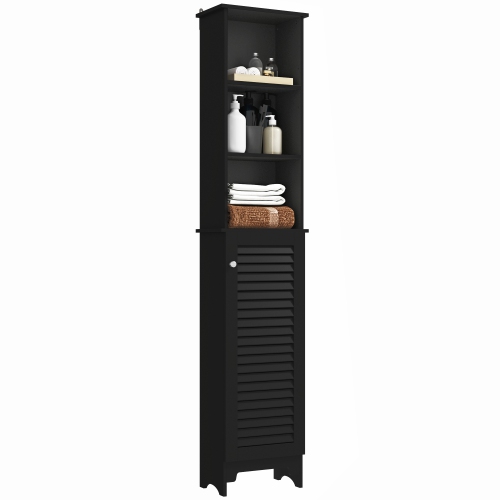
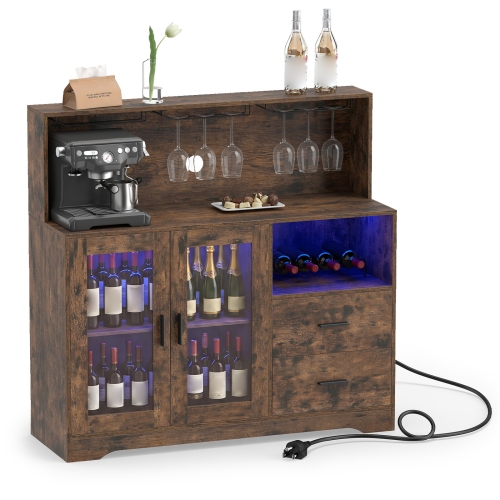

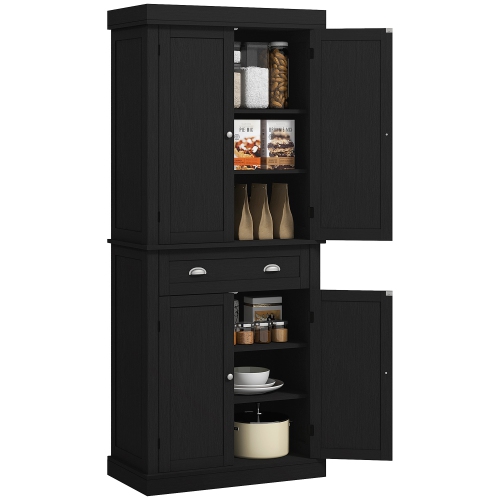
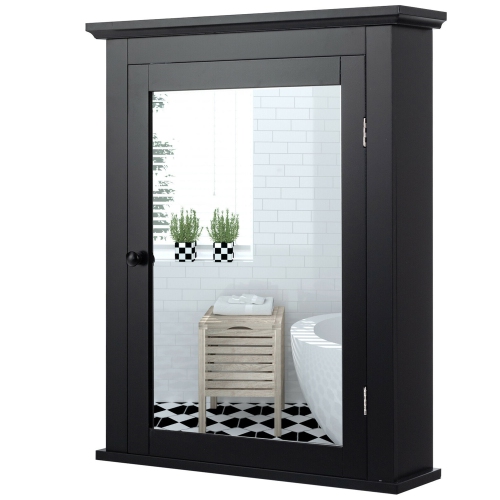
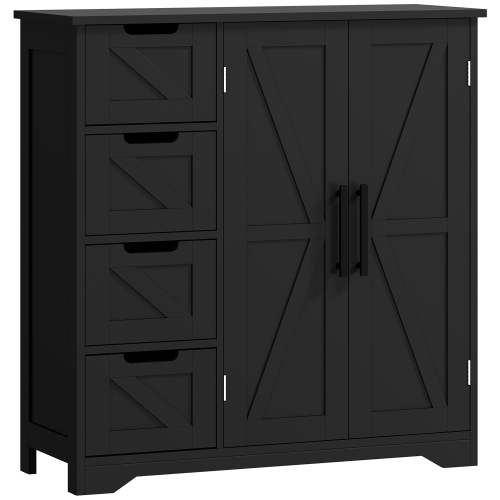
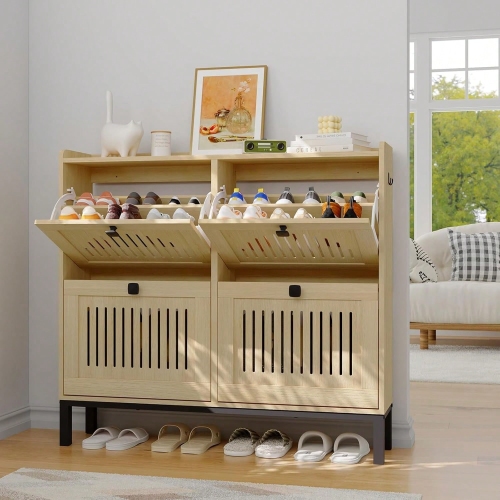
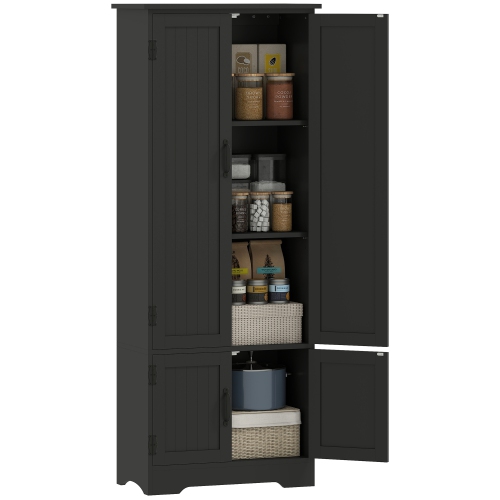
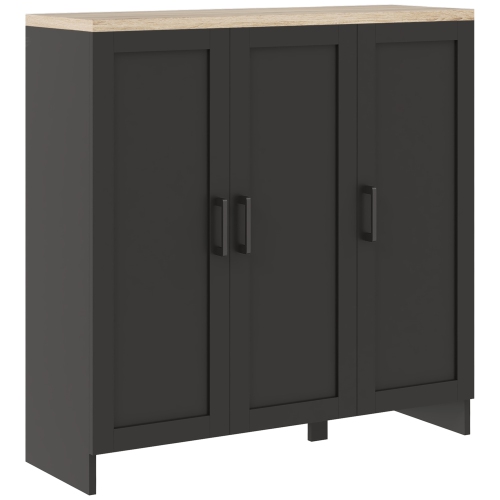
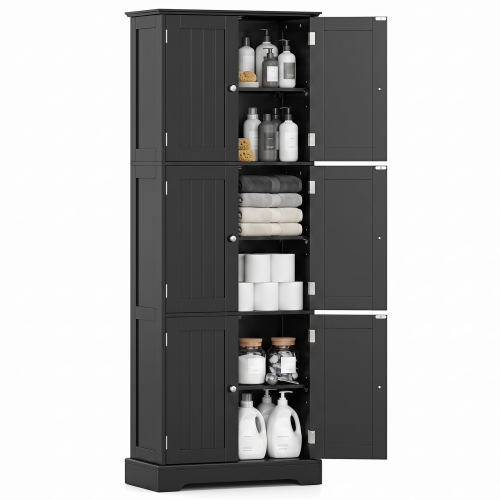
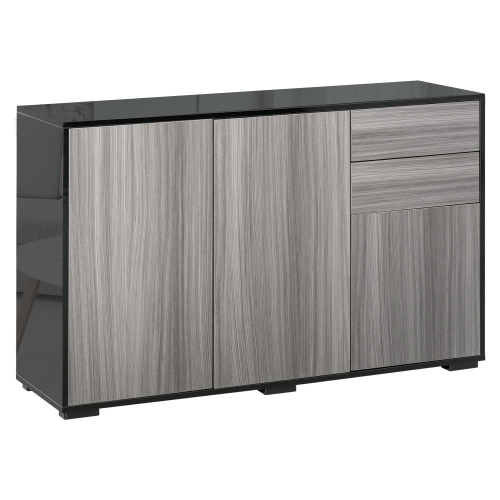
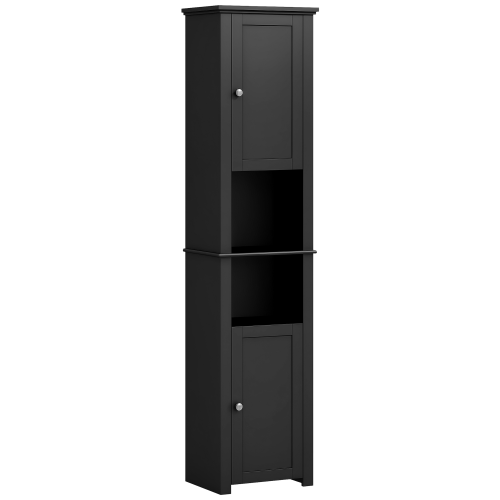
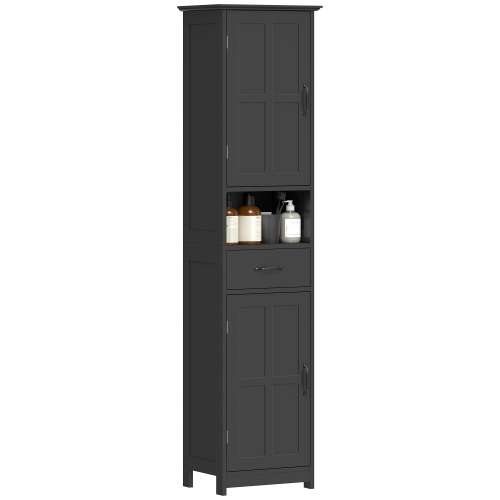
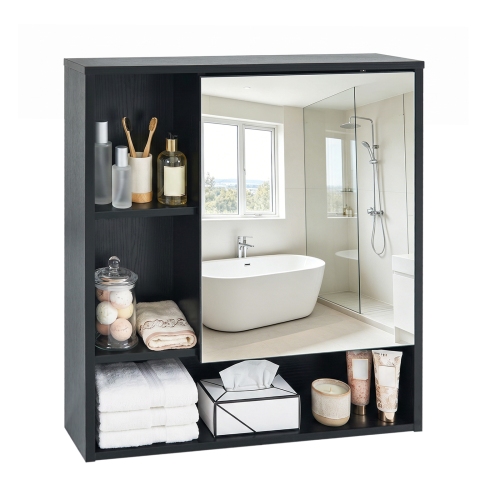
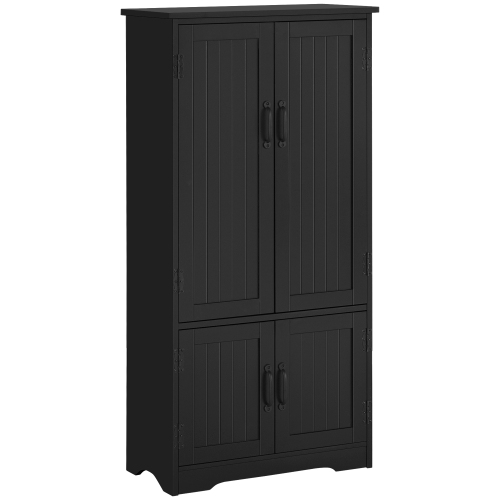
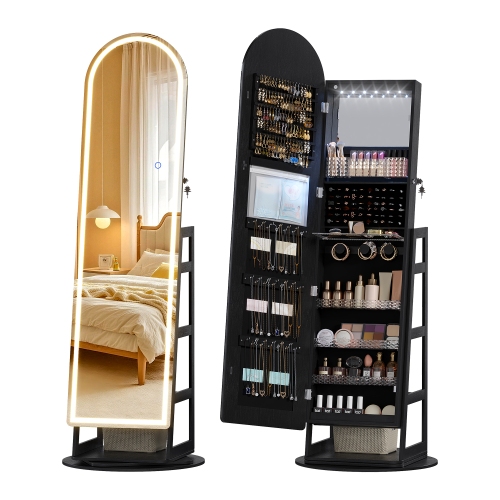
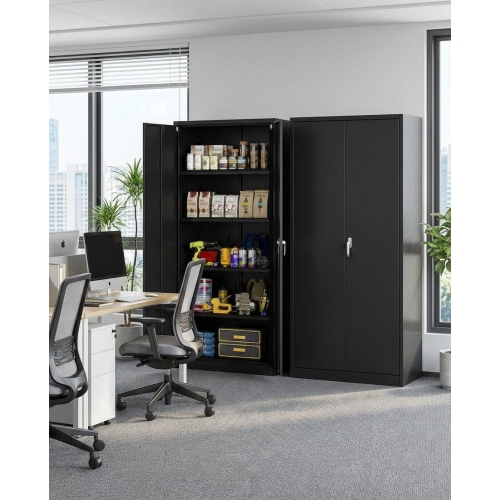
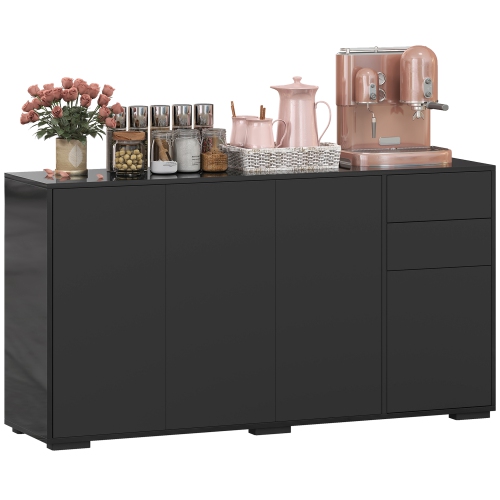

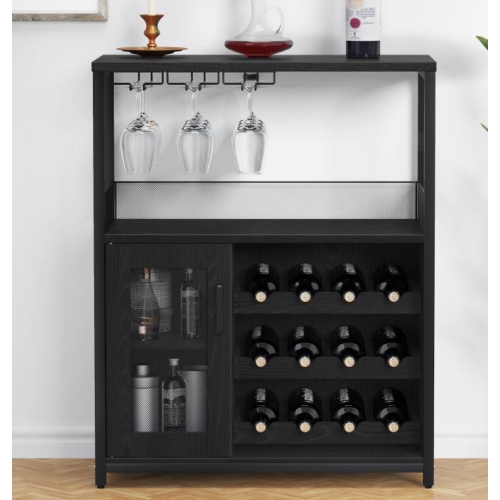
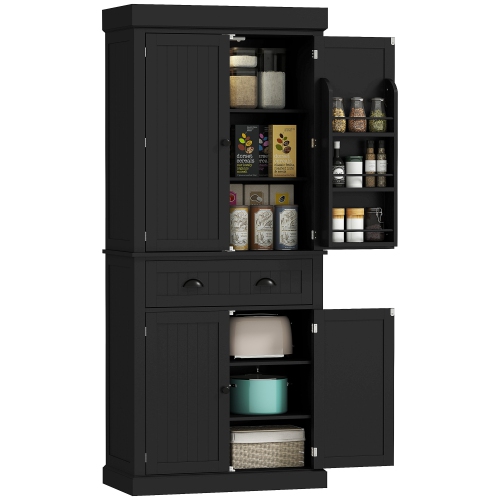

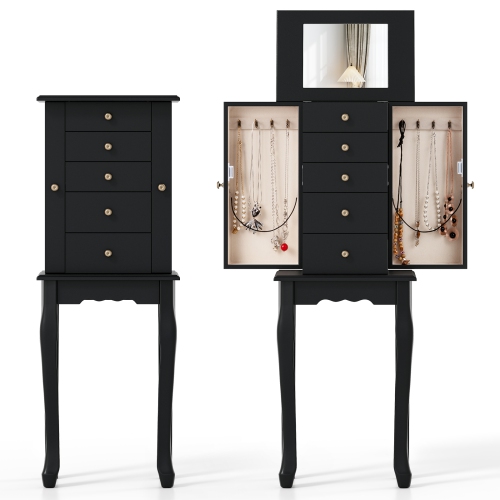
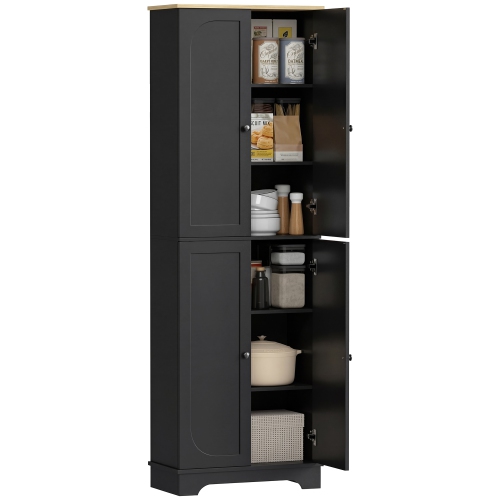

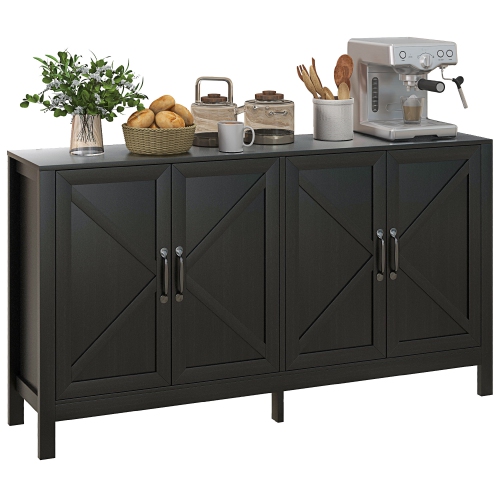
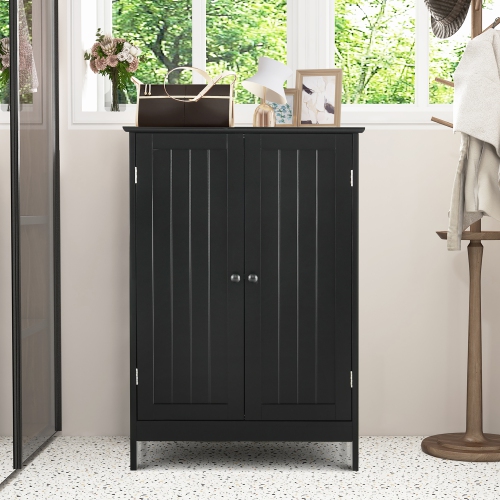
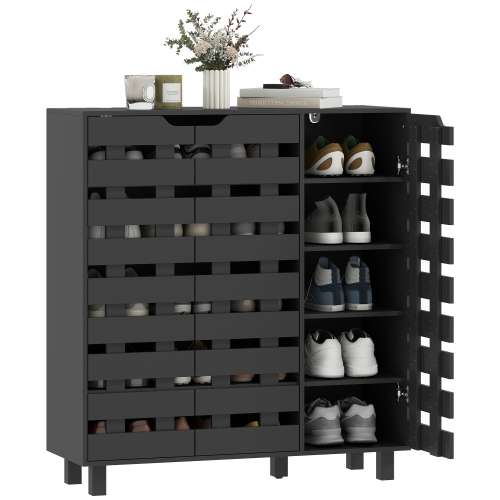
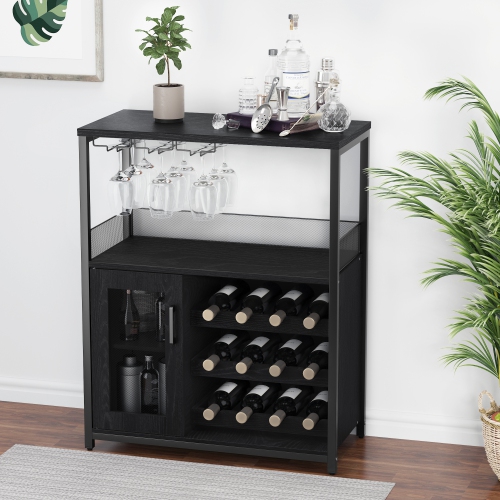
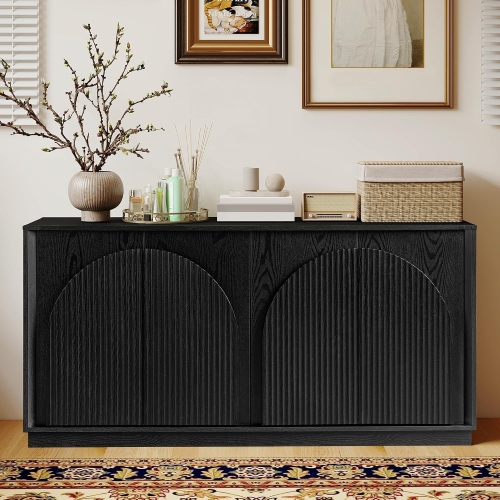
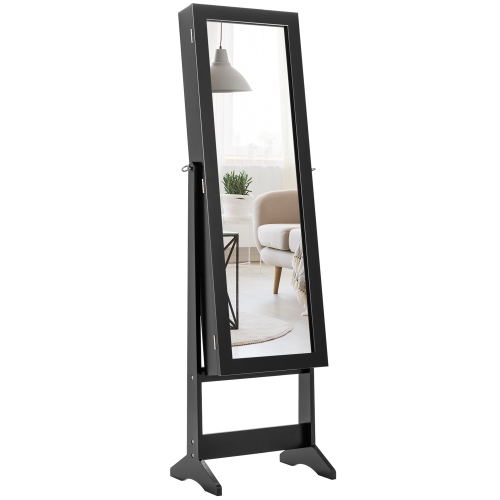
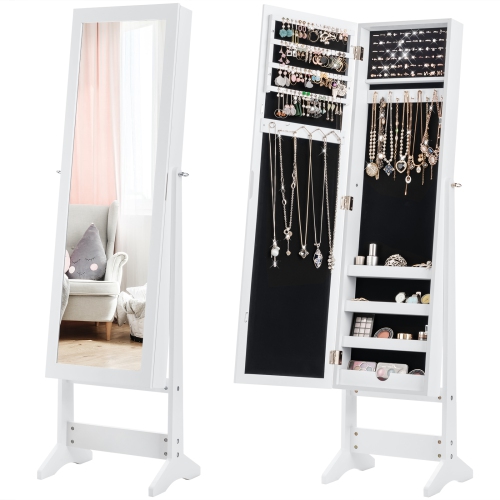
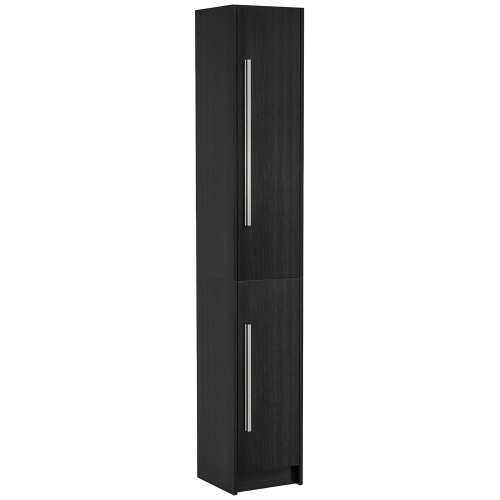

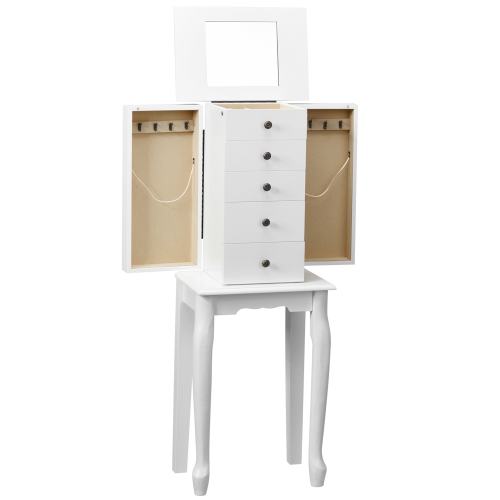
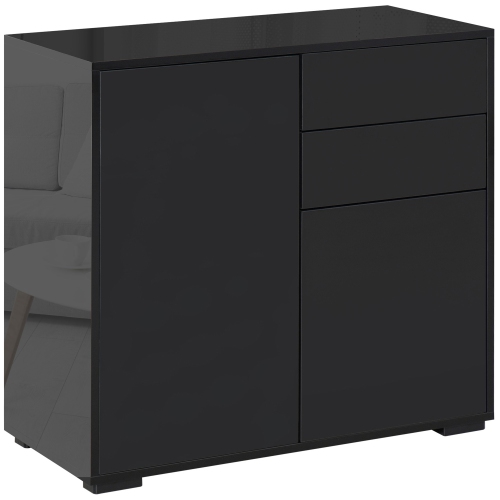

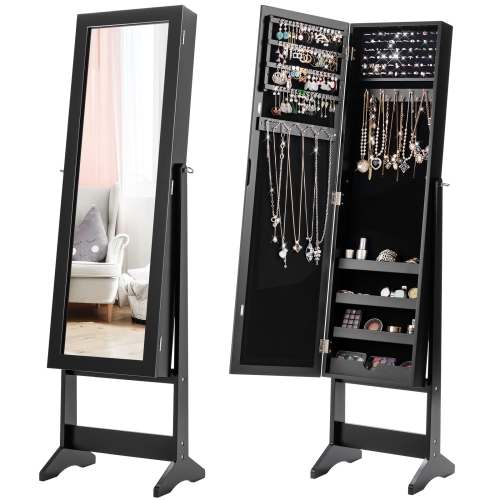
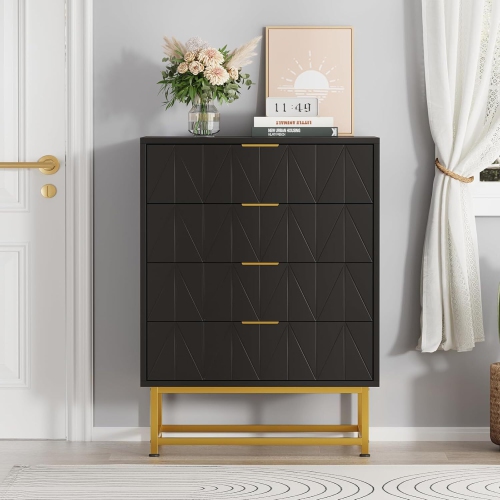
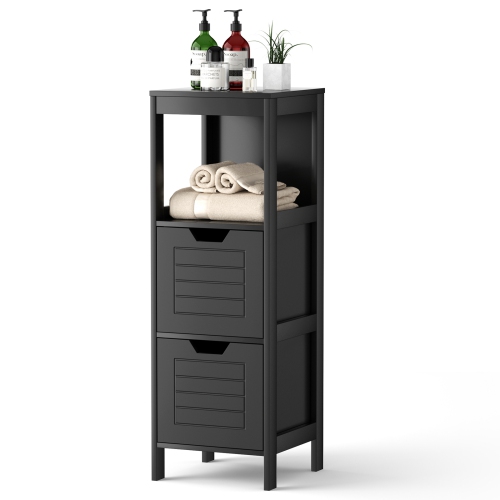
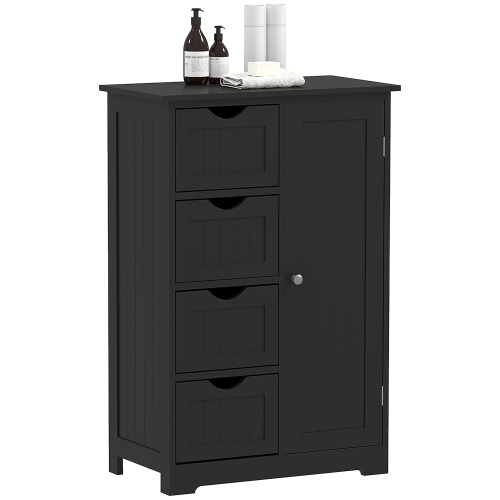
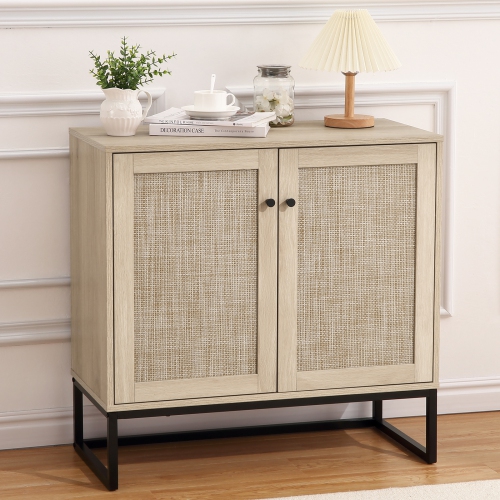
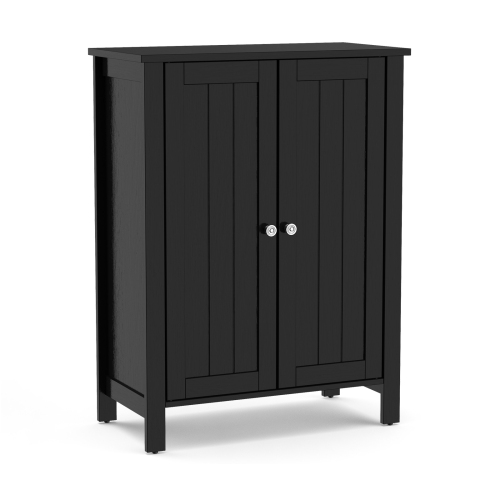
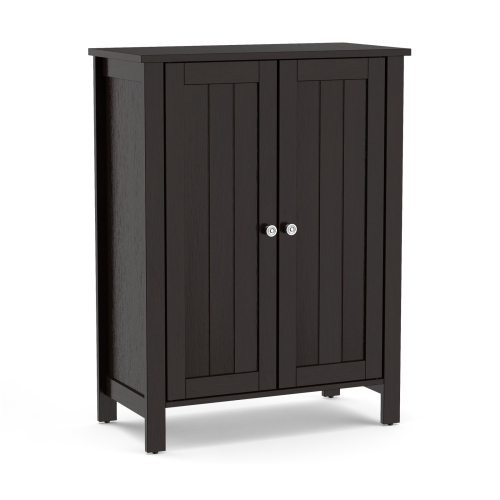
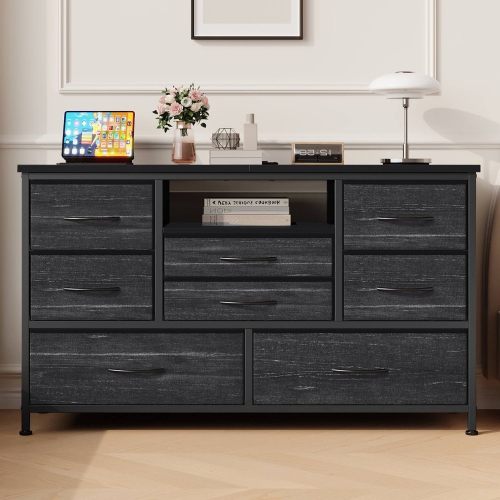

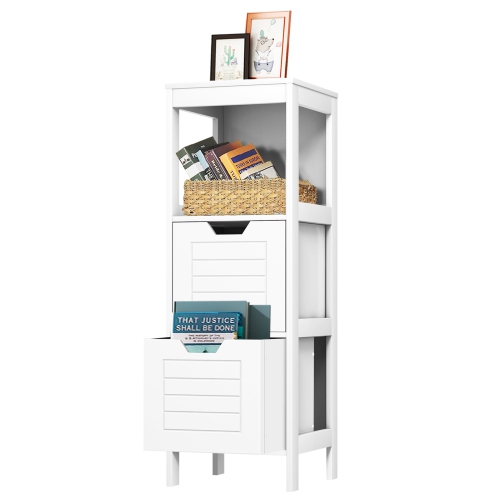
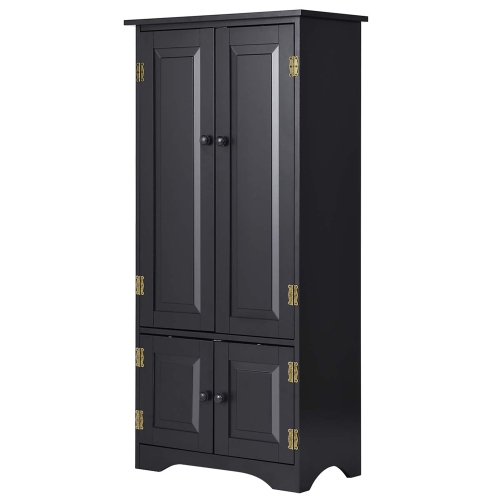
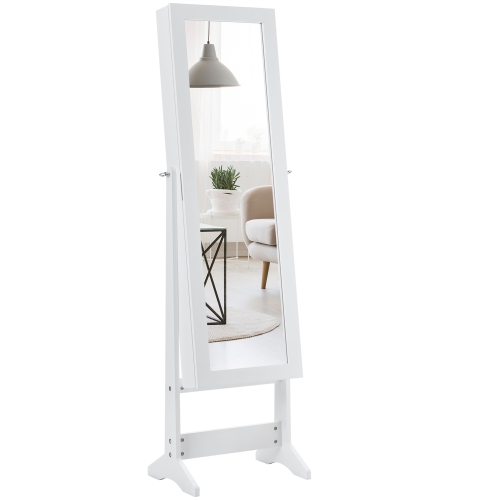
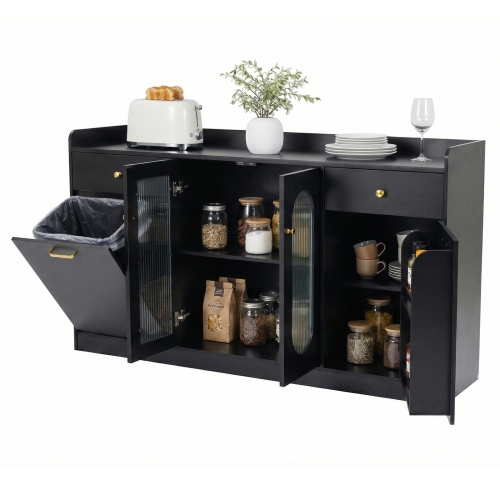
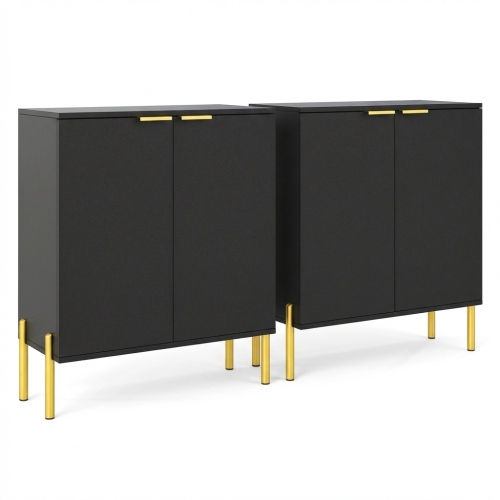
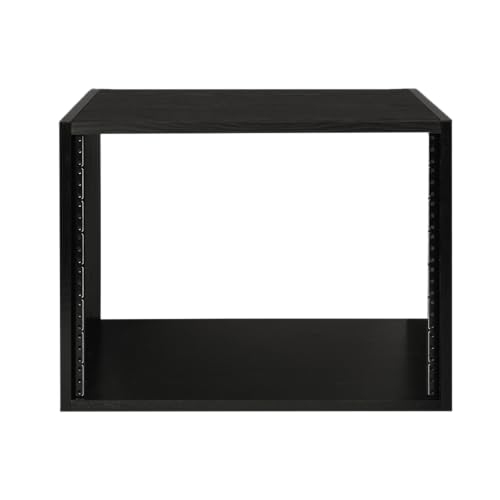

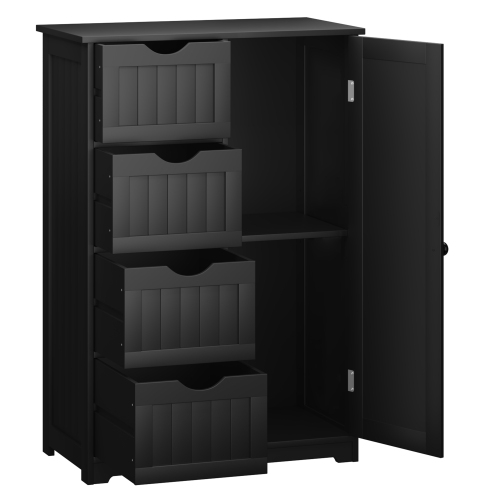
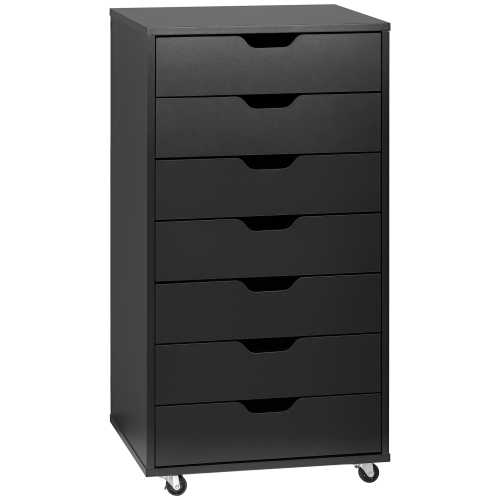
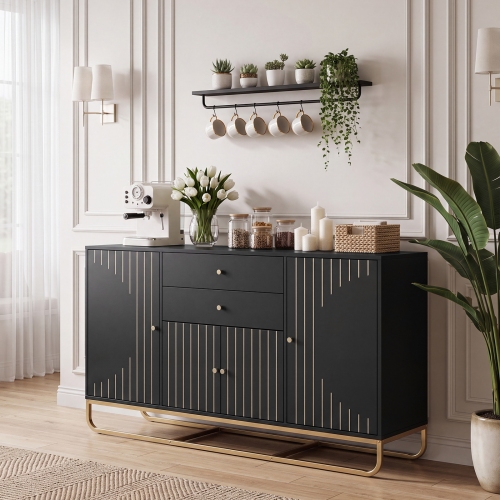
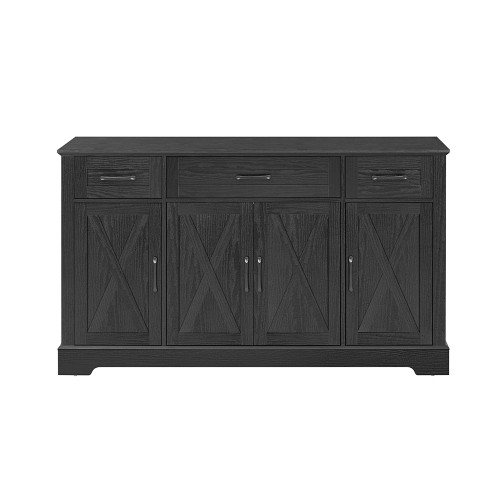
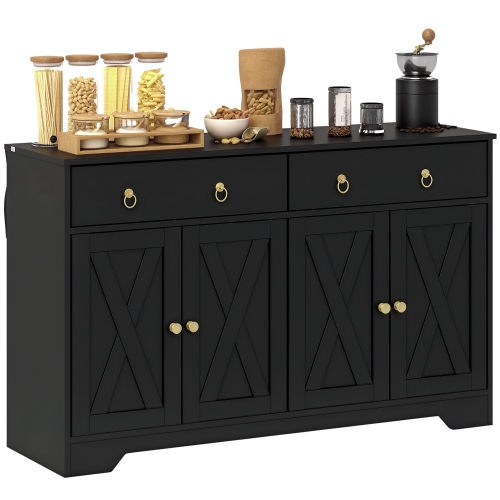
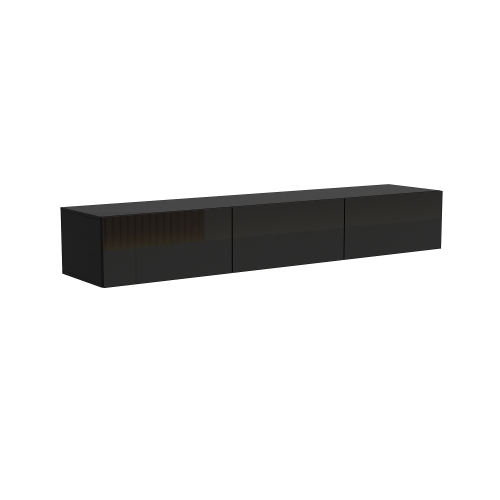
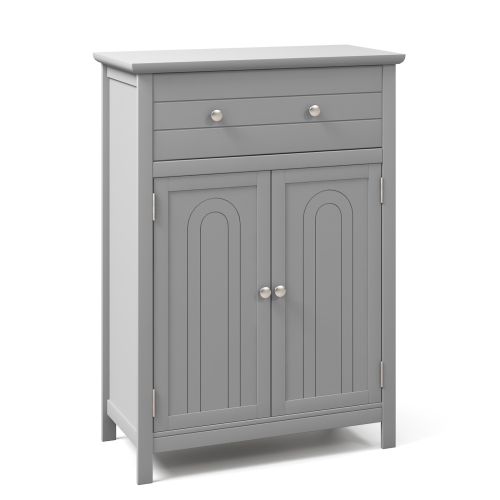
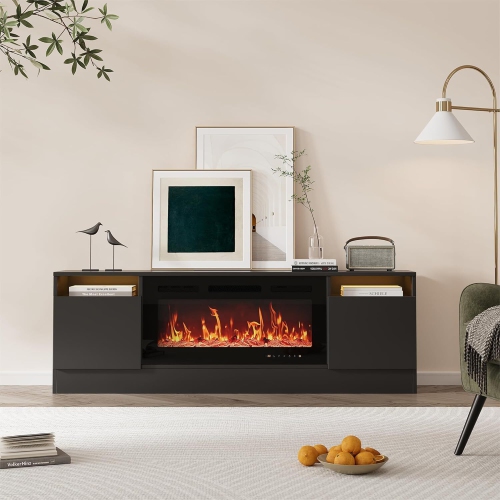
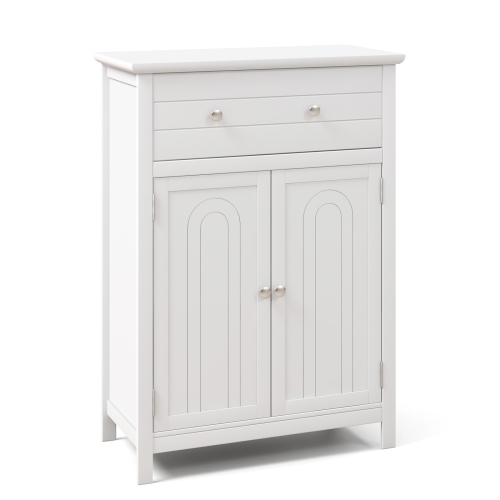
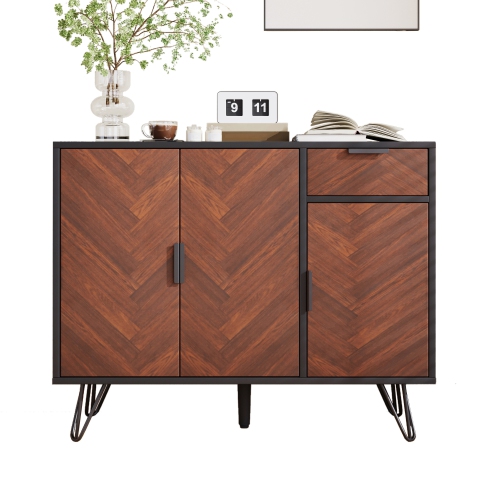
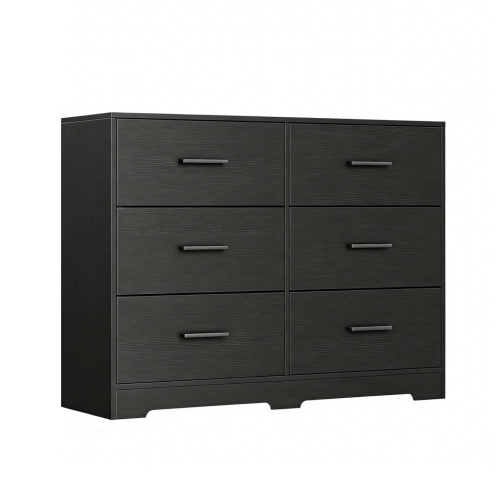
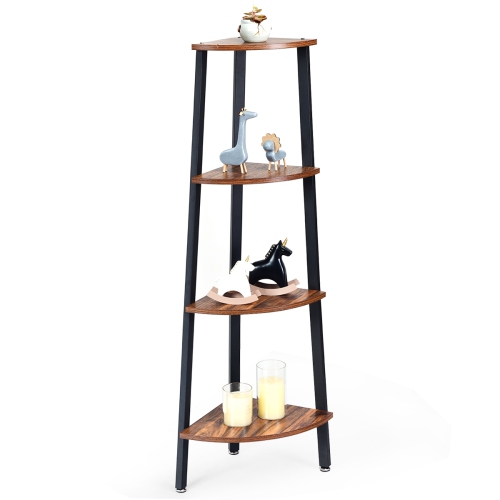
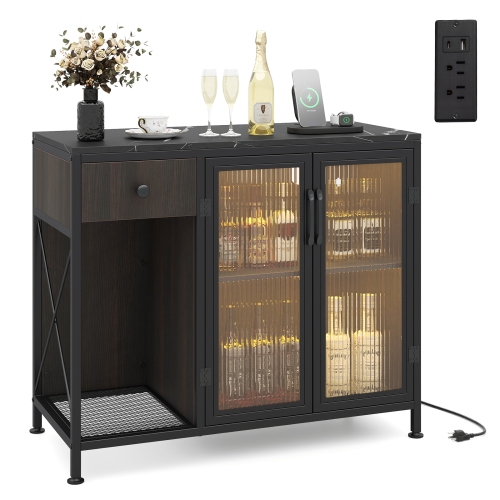
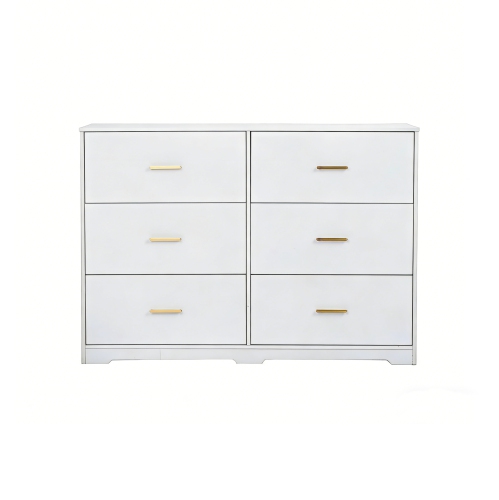
A dark frame that lets treasured pieces stand out
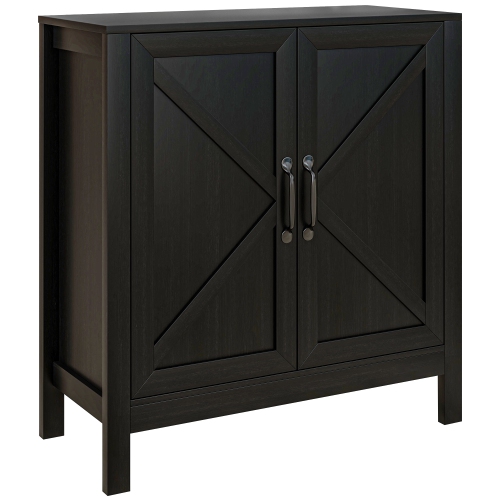
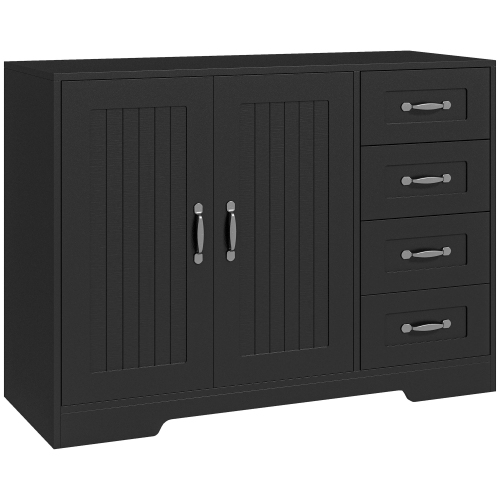
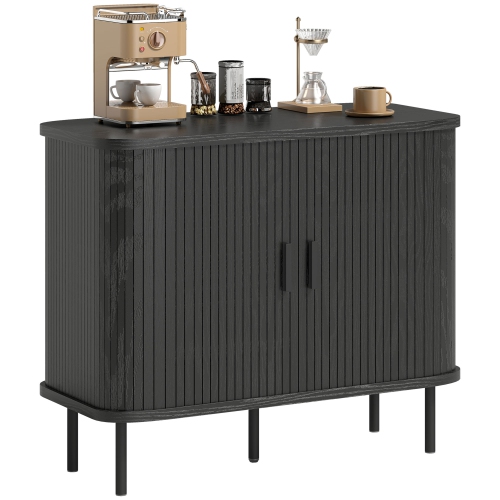
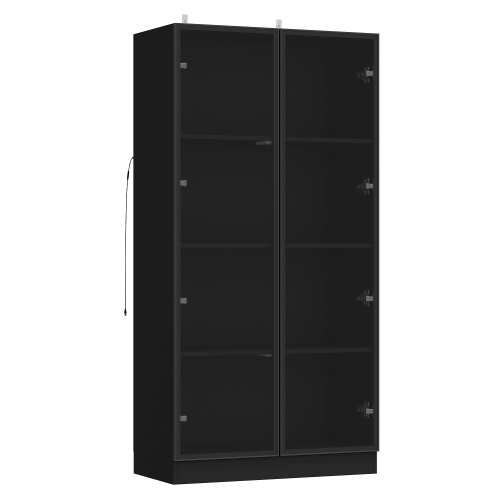
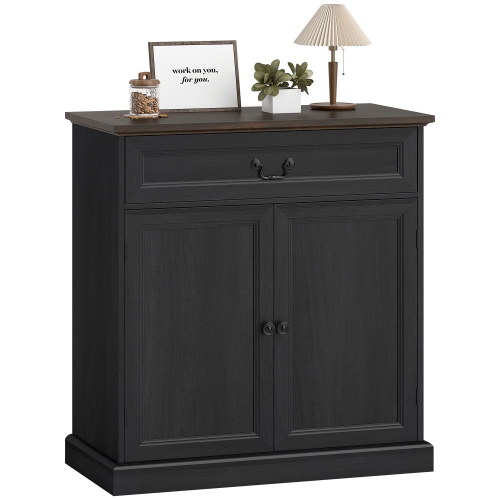
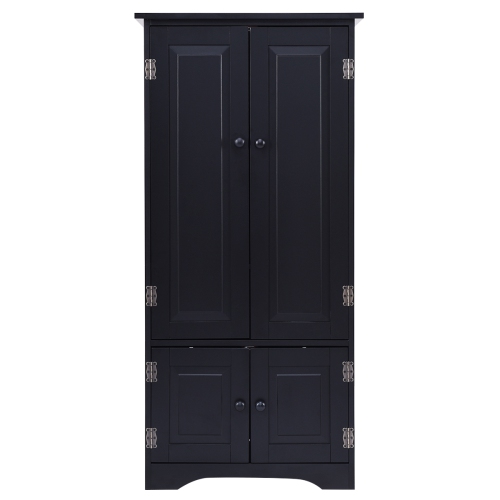
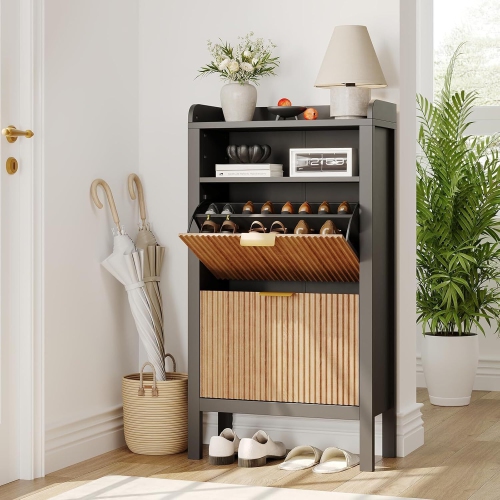
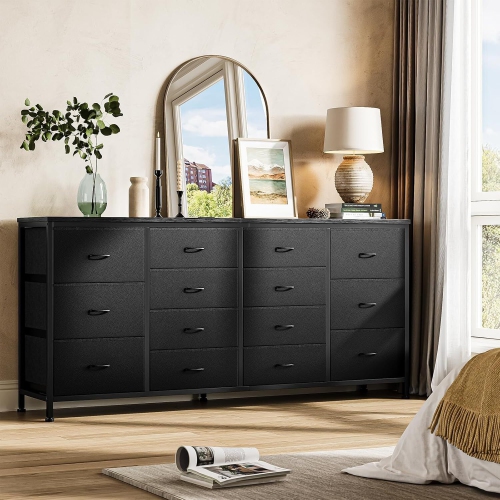
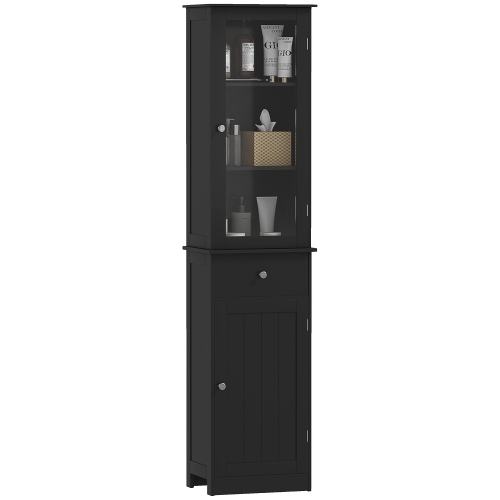
Black display cabinets give treasured possessions a defined place in a room, combining the practicality of enclosed storage with the visual appeal of open shelving. A dark frame can bring structure to a collection of glassware, highlight the pale edges of ceramic dishes, or provide a quiet backdrop for books and framed photographs. The effect depends as much on the cabinet’s proportions and finish as on its colour. Slim metal frames and clear glass tend to look light and understated, while thicker wood frames and panelled lower doors create a more substantial furniture presence. A matte black finish offers a softer look under room lighting; a glossy surface reflects more light and can make the cabinet feel more prominent. In a living room, a tall cabinet can balance the height of a bookcase or sit alongside a media unit without leaving every possession in view. In a dining area, glass-front storage keeps serving pieces visible and close to the table while helping limit dust between uses. A home office might use the same type of furniture for professional awards, reference books, or a carefully arranged collection that adds personality to the workspace. Black also works comfortably with a wide range of surrounding materials, including warm oak, brushed metal, textured upholstery, and pale stone. Matching every furniture finish is not necessary: repeating a black detail in a lamp, picture frame, or chair leg can help connect the cabinet to the room. Clear doors suit contents meant to be seen in detail, while fluted or tinted glass softens the view and puts more emphasis on outlines and colour. Cabinets that combine display shelves with closed compartments are useful when attractive pieces and everyday supplies need to share one footprint. For collectors, hosts, and households with keepsakes passed down through generations, that balance can make a display cabinet useful well beyond its initial arrangement.
Fit involves more than finding a spare section of wall. The cabinet’s width, depth, and height all affect how comfortably it sits beside other furniture, and the space needed to open its doors matters just as much. In a dining room, a cabinet should leave enough clearance for chairs to pull out and for someone to pass behind a seated guest. Near an entrance or hallway, a shallow profile can keep the walking route comfortable, but the interior still needs to accommodate the intended contents. A wide serving platter, for example, may require more shelf depth than its appearance suggests, especially once the door frame and hinges are taken into account. Interior shelf measurements are therefore more useful than exterior dimensions alone. Adjustable shelves allow taller vases or albums to sit upright, while fixed shelves can suit a collection with consistent dimensions. Shelf weight limits also matter: a row of hardcover books puts different demands on a cabinet than a few small ornaments. Weight should remain within the stated limits for each shelf and the cabinet overall, with heavier contents positioned lower where practical. For a compact dining nook, apartment living room, or modest collection, small display cabinets can provide a contained display area without taking over the room. A tall, narrow shape makes use of vertical space, while a lower, wider cabinet creates a different visual balance and may leave room above for artwork. Delivery access deserves attention too, particularly where tight stair turns, narrow doorways, or lifts restrict the size of assembled furniture that can pass through. Placement on a level surface, correct assembly, and any wall anchoring specified by the manufacturer are important, especially in homes with children or pets. A locking door may help control access to fragile contents, but it does not replace proper anchoring. Door handles, magnetic catches, and hinges should also suit daily use, so reaching for a favourite bowl feels straightforward rather than awkward.
Materials and construction influence how a black display cabinet looks, feels, and wears over time. Solid wood can show natural grain through a dark stain, giving the surface variation rather than a completely uniform appearance. Wood veneer offers a real wood surface over a supporting core, while painted or laminated engineered wood can provide a smooth, consistent black finish. Metal frames often create crisp lines, though the quality of the coating and the treatment of joints affect how well those surfaces withstand regular handling. Glass brings its own considerations: clear panels show contents distinctly but also reveal fingerprints, and shelves need the thickness, support, and load rating appropriate to their intended use. Where tempered glass is specified, it is designed to break differently from ordinary glass, but it still needs protection from hard impacts and damaged edges. Everyday durability also comes down to details such as securely fitted backs, well-supported shelves, smoothly operating hinges, and doors that close without rubbing. Care should follow the instructions for each material rather than treating the whole cabinet as one washable surface. A soft cloth is generally useful for routine dusting, while moisture should not be left around wood joints, panel edges, or hardware. Glass cleaner should be suitable for the panel and kept away from adjoining finishes; applying it to a cloth rather than spraying broadly can help control where it goes. Black surfaces can make pale dust and handling marks noticeable, particularly in strong side light, so accessible shelves and easy-to-reach corners make upkeep less of a chore. Direct sunlight may fade displayed possessions and affect some finishes, while nearby heat sources can be unsuitable for certain cabinet materials. If integrated lighting is part of the design, its power requirements, cable route, and controls should work with the chosen location. A thoughtfully arranged interior needs little crowding: taller pieces at the back, smaller objects toward the front, and open space between groups let individual shapes remain visible. That approach also makes cleaning and retrieving frequently used pieces easier, keeping the cabinet practical as well as personal.
Top selling and popular products
-
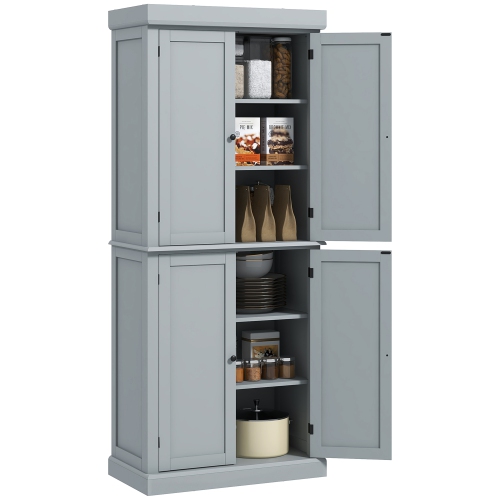 Your price for this item is $285
-
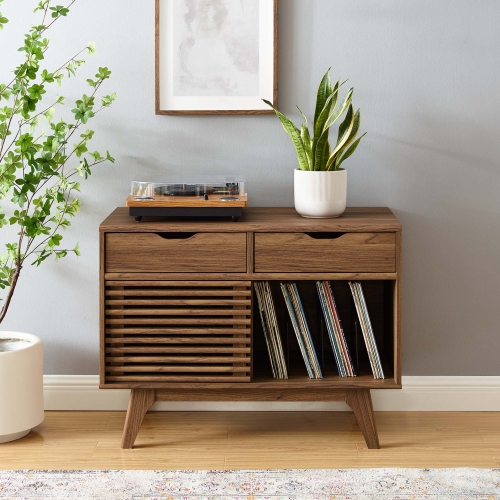 Your price for this item is $452.93
-
 Your price for this item is $155.99
-
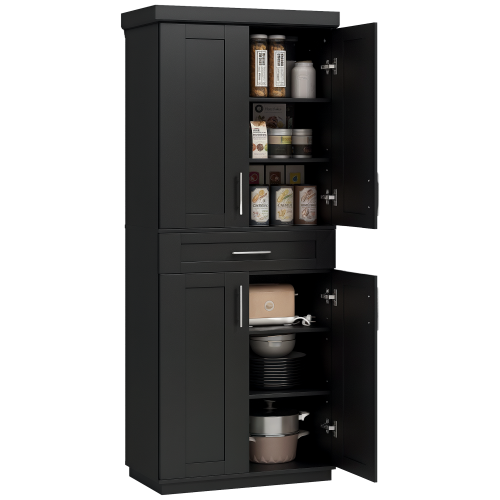 Your price for this item is $269.99
-
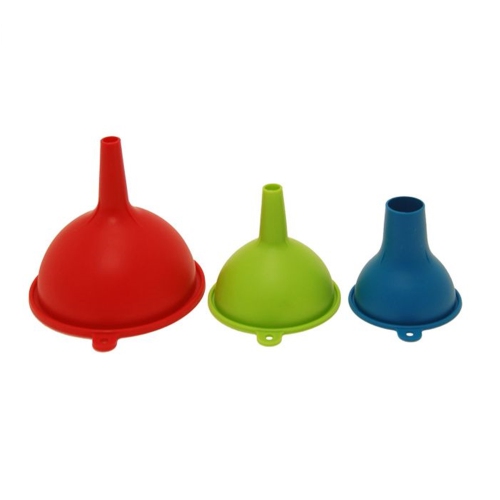 Your price for this item is $12.97
-
 Your price for this item is $155.99
-
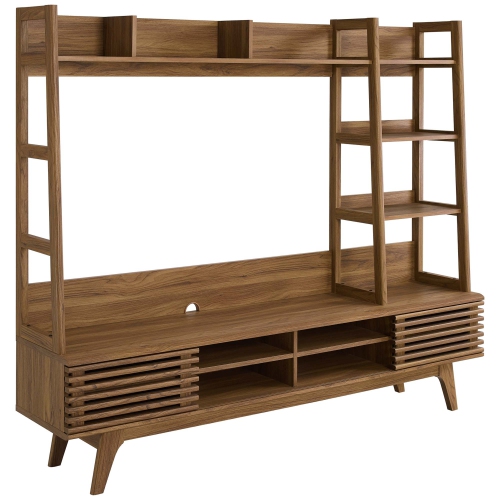 Your price for this item is $885.06
-
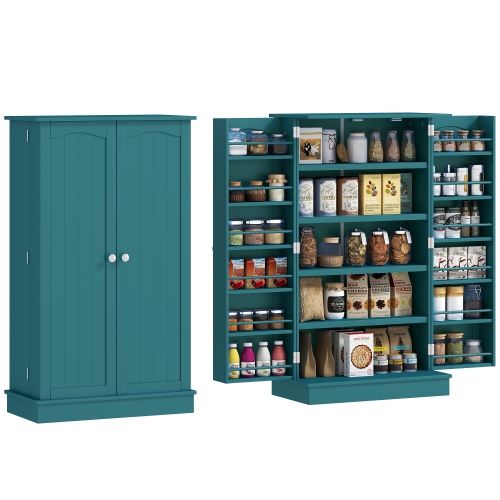 Your price for this item is $132.99
Discover more categories related to Black Display Cabinets
Top Collections:
Best Black Friday Deals This Year, Best Black Friday Deals On Electronics, Kindle Devices, Dyson Airwrap, Best Cameras for Sports Photography, Best Budget Office Chairs, Canon G7X Cameras, PS5 Pro Consoles, Best Black Friday Deals On Apple Products, XBOX One S Consoles
Some products may be subject to Environmental Handling Fees
(EHF) depending on your province.
Learn more about EHFs.