Modern Display Cabinets
A display cabinet is the perfect addition to any home or office, offering a stylish way to showcase your favorite items while keeping them organized and easily visible. Whether you’re looking to highlight collectibles, store decorative pieces, or create an attractive focal point in your space, there are a wide variety of options to suit every taste and need. Explore different sizes, finishes, and designs to find the ideal display cabinet that complements your décor and enhances your living or work environment.
Sort
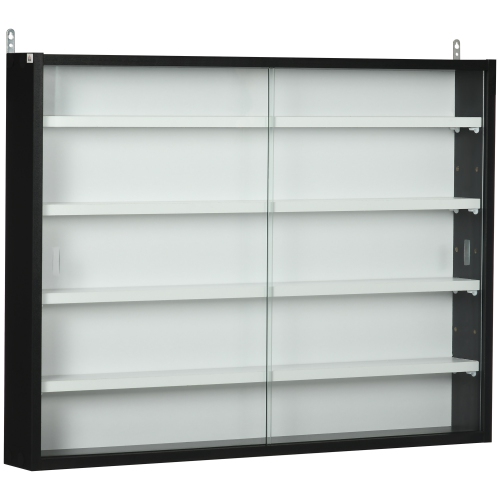
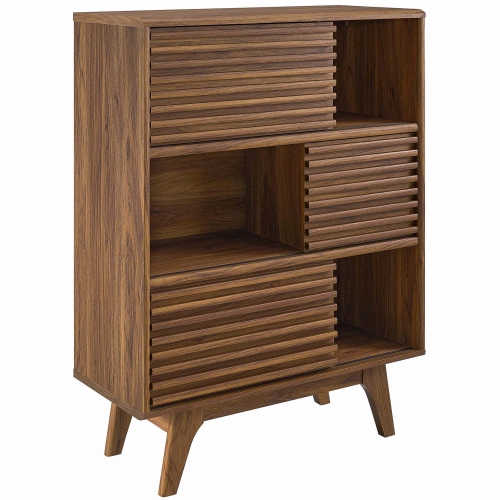
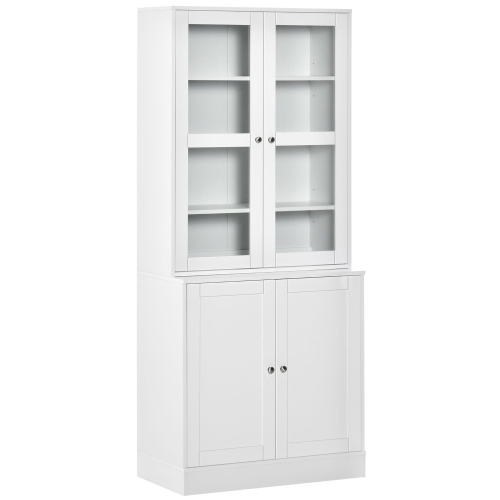
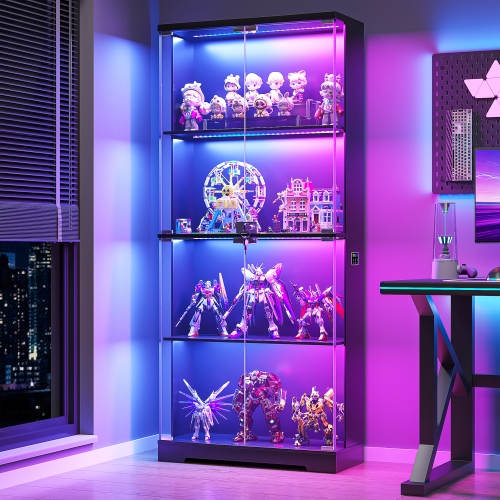
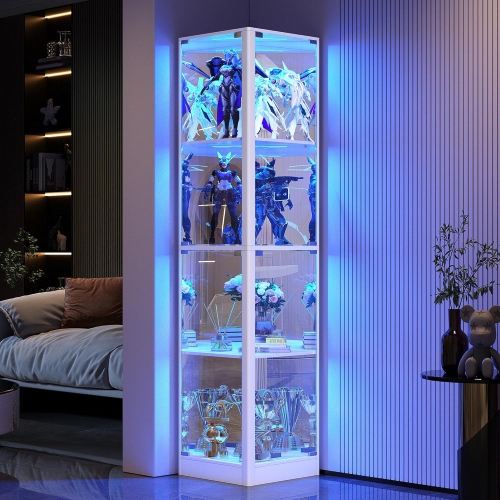
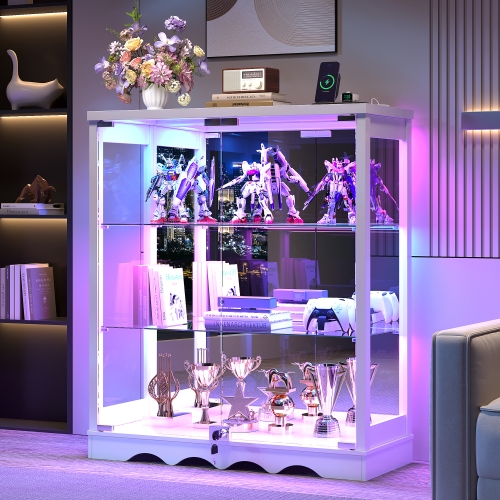
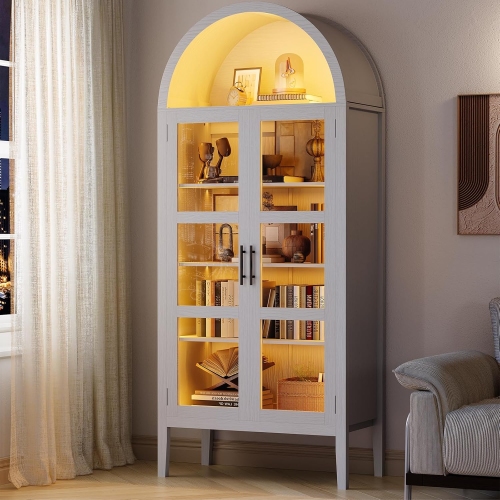
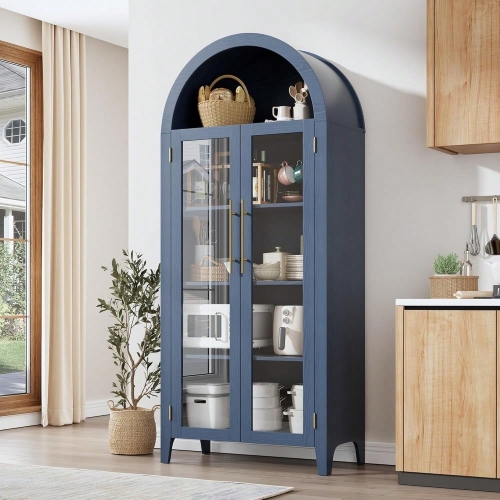
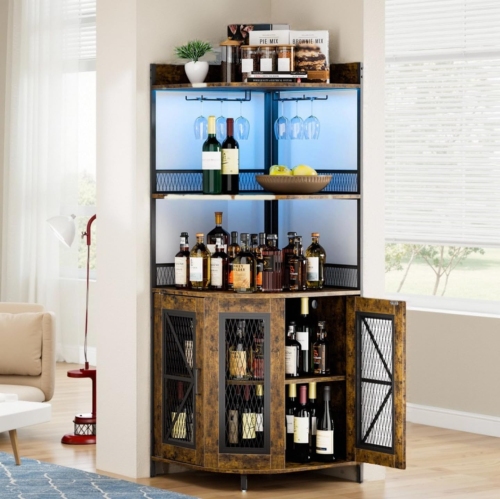

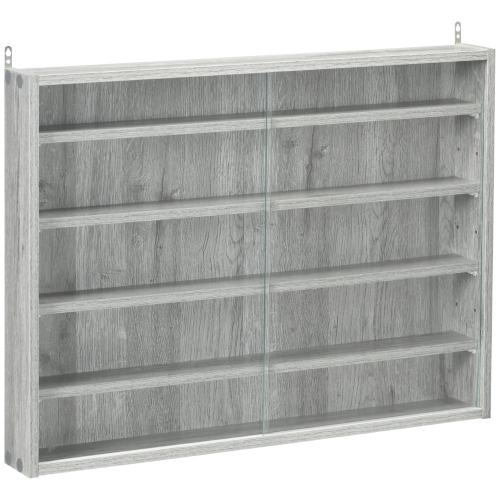
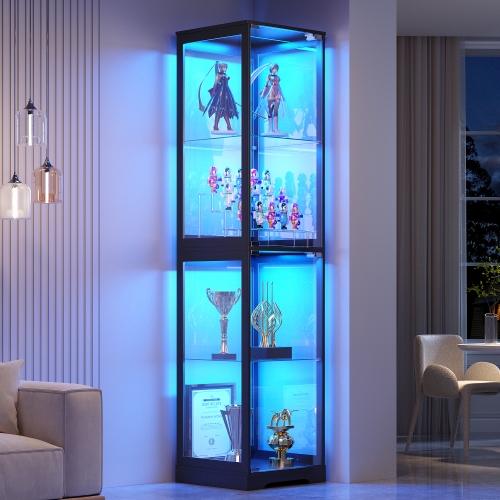
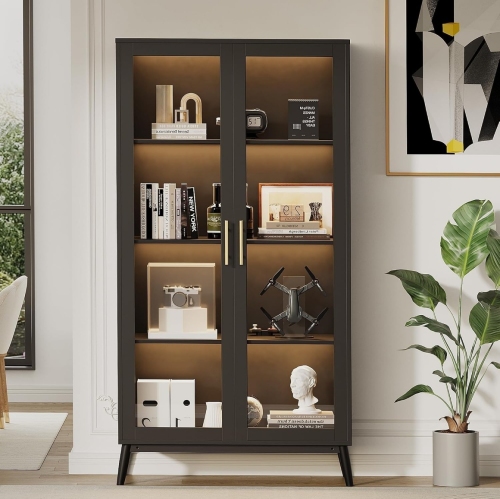
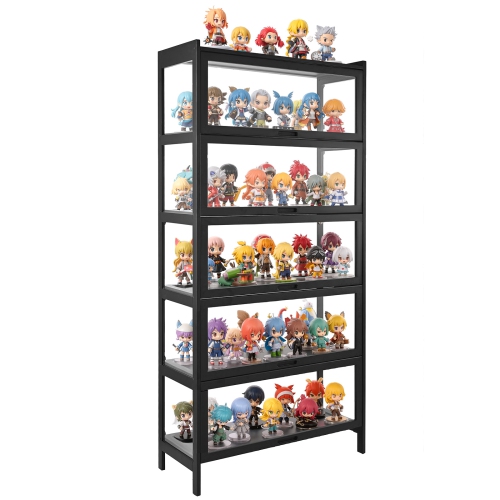
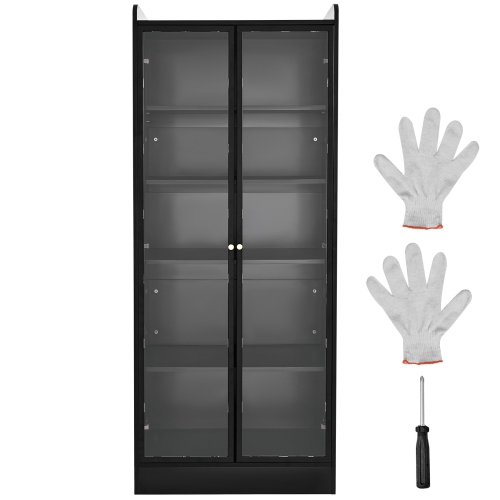
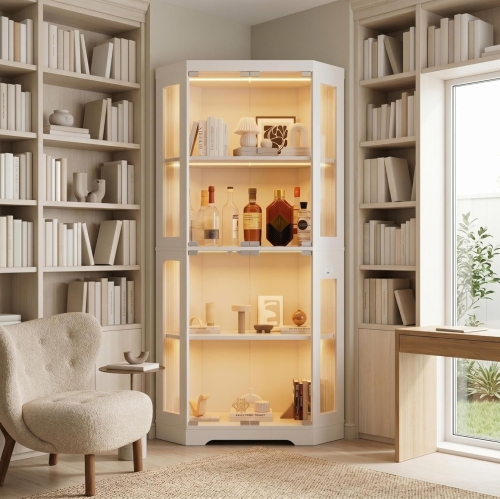
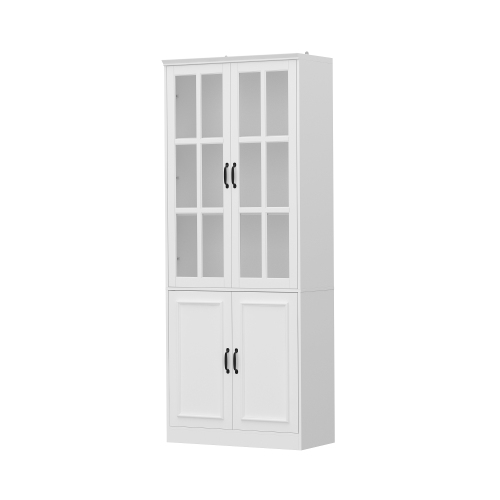
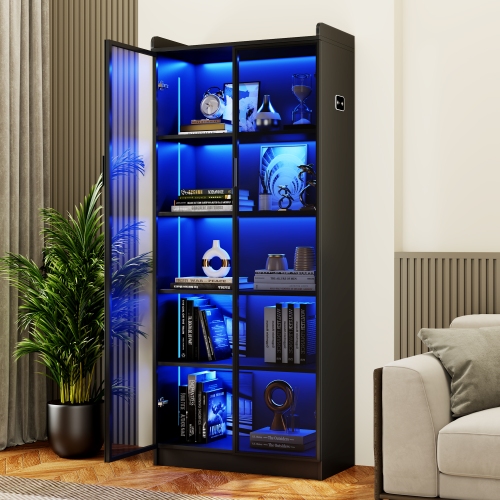

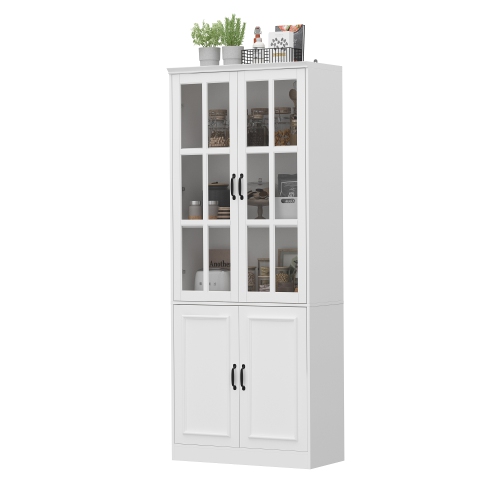
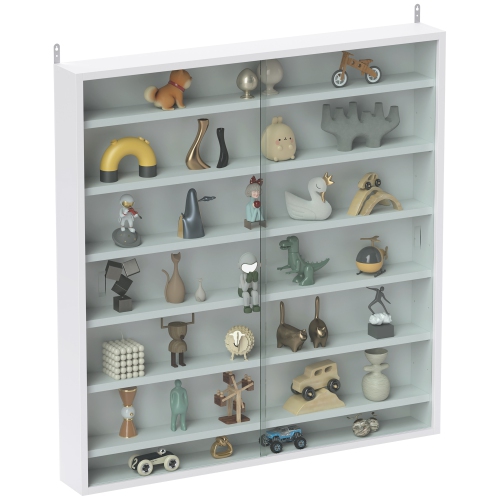
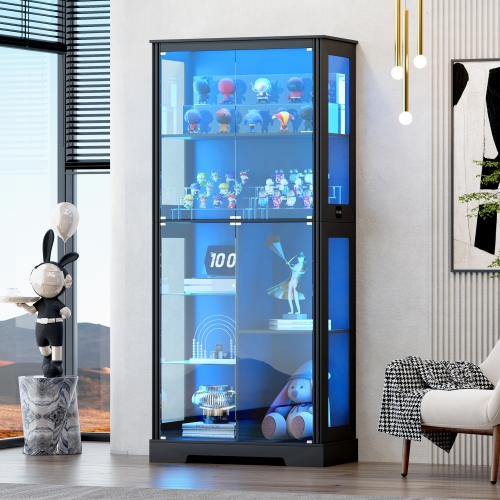
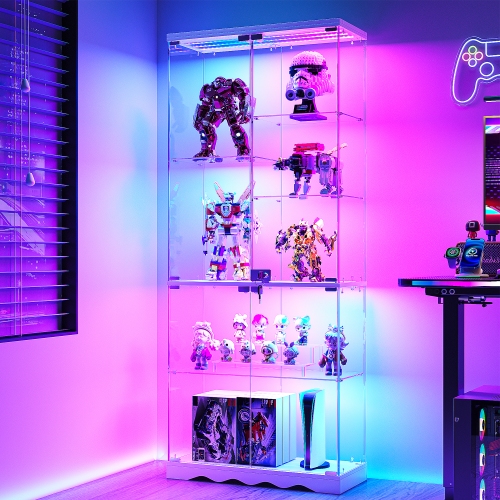
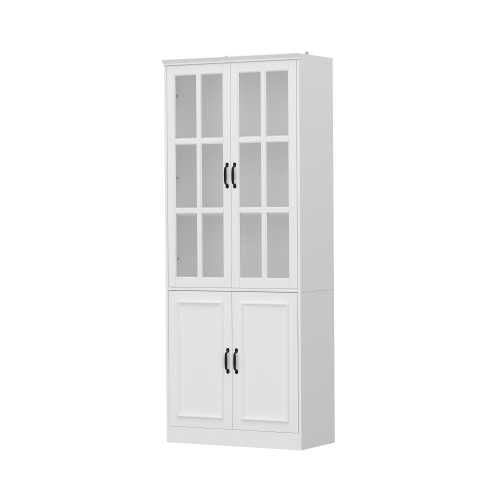
Favourite pieces on display with everyday essentials tucked away
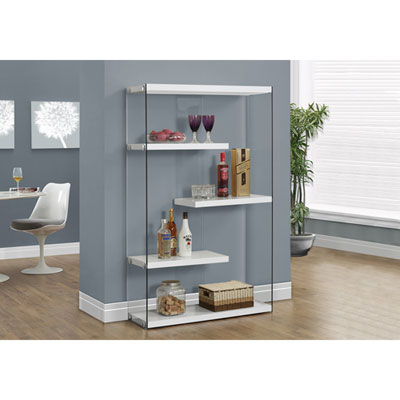
Modern display cabinets combine visible storage with clean-lined furniture design, creating a place to arrange glassware, ceramics, books, collectibles, and other possessions without leaving every surface open. Their defining features often include simple silhouettes, restrained hardware, glass doors, and a balance of transparent and solid materials. Some designs favour a nearly uninterrupted view through glass sides and shelves, while others pair a glazed upper section with enclosed cupboards or drawers below. That mix can be especially useful in a dining room, where serving pieces remain visible while table linens and less decorative essentials stay tucked away. In a living room, a cabinet can give a collection a clear home rather than scattering it across a coffee table, mantel, and bookcase. Within the broader range of Display Cabinets, modern styles can feel understated, architectural, or softly contemporary depending on their proportions and finishes. Slender metal framing gives the contents a defined outline, pale wood tones bring warmth, and dark finishes create contrast against lighter walls. Clear glass keeps the focus on what is inside; fluted or tinted glass offers a more filtered view, with visibility varying by texture and colour. A tall, narrow cabinet makes use of vertical space beside a media console or in a compact dining area, while a wider cabinet can anchor a wall and provide a lower, more expansive display. Minimal detailing does not have to mean a sparse arrangement. A few larger ceramics, a row of well-spaced glassware, or a collection grouped by colour can each suit the same simple cabinet. Leaving some space between objects makes their shapes easier to appreciate and gives the arrangement room to change. The result is furniture that serves a practical storage purpose while allowing personal interests, travel finds, or family keepsakes to become part of the room.
The right fit involves more than the cabinet’s width and height. Overall depth affects how far it projects into a room, while usable shelf depth determines whether a broad serving platter, a deep bowl, or a display stand can sit comfortably behind closed doors. Door clearance matters beside a dining table, near a hallway, or anywhere a chair might be pulled back into the opening path. Hinged doors need room to swing, whereas sliding doors reduce that clearance requirement but may limit access to one section at a time. Baseboards, wall outlets, floor vents, and nearby furniture can also affect placement, particularly when a cabinet needs to sit close to the wall. In a smaller room, glass sides and a raised base can preserve sightlines, although transparent furniture still needs adequate walking space around it. Adjustable shelves are useful for collections with mixed heights, allowing room for tall stemware or sculptural pieces without wasting the entire space above shorter objects. Fixed shelves offer a consistent arrangement, so their spacing deserves attention when the intended contents are already known. Shelf load limits are equally important: a group of heavy ceramics or books can place very different demands on a cabinet than lightweight ornaments. The manufacturer’s stated capacity, assembly requirements, and anchoring instructions should determine how the furniture is used. Wall anchoring is particularly important for tall cabinets and in homes with children or pets; closed doors alone do not make a display childproof. Door handles, catches, and locks, where included, also affect everyday access. Interior lighting can add definition to a display, especially in a deeper cabinet, but integrated lights require a suitable power connection and a clear route for the cable. Adjustable brightness, where offered, provides flexibility between highlighting a collection and maintaining comfortable room lighting. For photographs, textiles, and delicate keepsakes, placement away from direct sunlight helps reduce fading, while lighting should be suitable for the materials on display. A cabinet that suits both the room and its contents is easier to use without constant rearranging.
Materials and construction influence how a modern display cabinet looks, feels, and holds up to regular use. Solid wood brings natural grain variation, while wood veneer provides a real-wood surface over a supporting core. Engineered wood with a laminate or painted finish can create a consistent appearance, with durability depending on the surface, edge treatment, and quality of construction. Metal frames offer a crisp outline, though their finish and joints still benefit from careful handling during assembly and moves. Glass contributes lightness and visibility; tempered glass, when specified, has different breakage characteristics from ordinary glass but is not unbreakable. Shelf supports, hinges, door alignment, and a stable base all matter alongside the main materials. Doors that open smoothly and shelves that sit securely make a noticeable difference when glassware is taken out frequently rather than displayed untouched. Care should follow the cabinet manufacturer’s directions, since a cleaner suitable for glass may not be suitable for nearby wood, painted surfaces, or metal coatings. A soft cloth helps remove dust without scratching, and applying an appropriate cleaner to the cloth rather than spraying across mixed surfaces offers better control around edges and joints. Abrasive pads, excessive moisture, and dragging objects across shelves can damage finishes. Felt or suitable protective pads beneath rough ceramic bases may help, provided they are compatible with the shelf surface. Glass doors can reduce everyday dust settling on a collection, but cabinet interiors and shelf corners still need occasional cleaning. For homes where the display changes often, easy access and flexible shelving may matter more than elaborate detailing. For a long-standing collection, generous spacing and a quiet finish can keep attention on the objects themselves. A cabinet can also make a thoughtful household gift for a collector or someone furnishing a shared living space, although dimensions and finish preferences are best confirmed beforehand. Whether used for treasured keepsakes, dining essentials, or a carefully arranged hobby collection, a modern display cabinet works best when its appearance and storage layout suit daily life.
Top selling and popular products
-
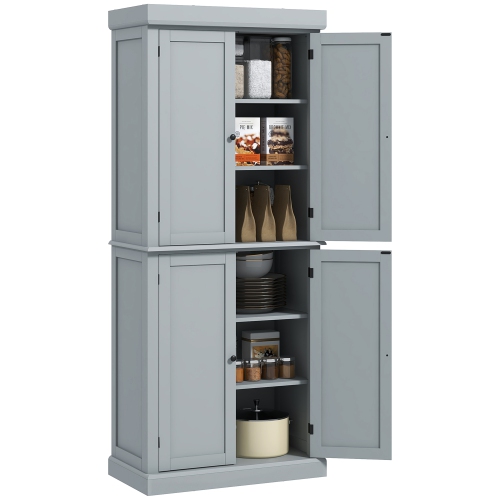 Your price for this item is $285
-
 Your price for this item is $155.99
-
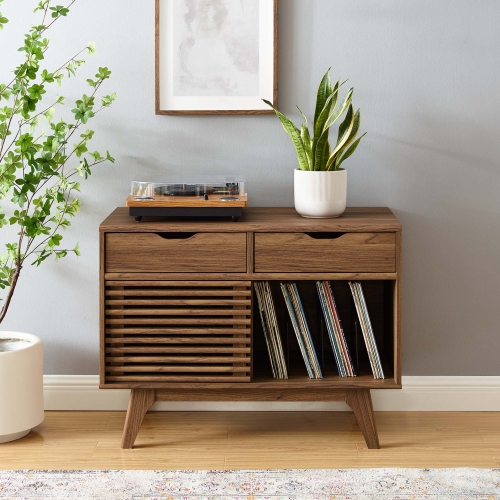 Your price for this item is $452.93
-
 Your price for this item is $269.99
-
 Your price for this item is $12.97
-
 Your price for this item is $155.99
-
 Your price for this item is $885.06
-
 Your price for this item is $132.99
Discover more categories related to Modern Display Cabinets
Top Collections:
Best Black Friday Deals This Year, Best Black Friday Deals On Electronics, Kindle Devices, Dyson Airwrap, Best Cameras for Sports Photography, Best Budget Office Chairs, Canon G7X Cameras, PS5 Pro Consoles, Best Black Friday Deals On Apple Products, XBOX One S Consoles
Some products may be subject to Environmental Handling Fees
(EHF) depending on your province.
Learn more about EHFs.