Black Framed Glass Doors
Black Framed Glass Doors add a bold, modern touch to any space, offering a sleek way to define rooms while maintaining an open, airy feel. Perfect for both residential and commercial settings, these doors combine style and functionality to enhance the look of interiors. Whether you're updating your home or redesigning your office, Black Framed Glass Doors provide a versatile solution that complements a wide range of décor styles. Explore options that bring a contemporary edge and timeless appeal to your environment.
Sort


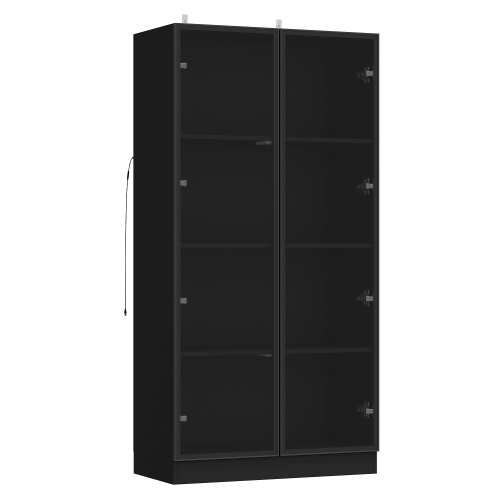


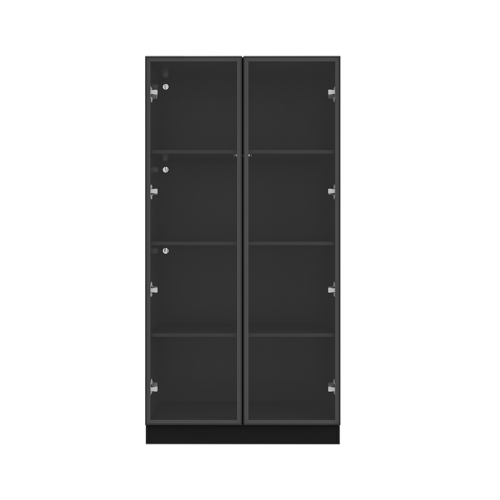
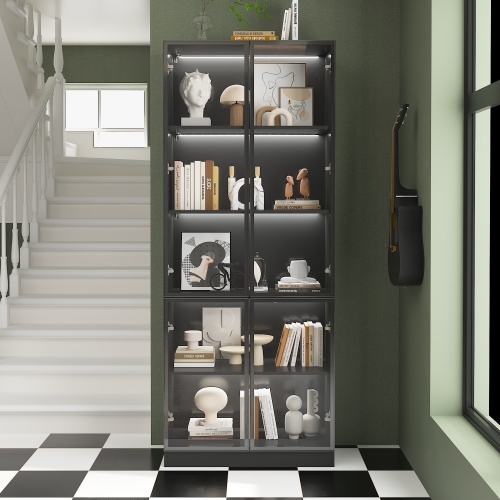
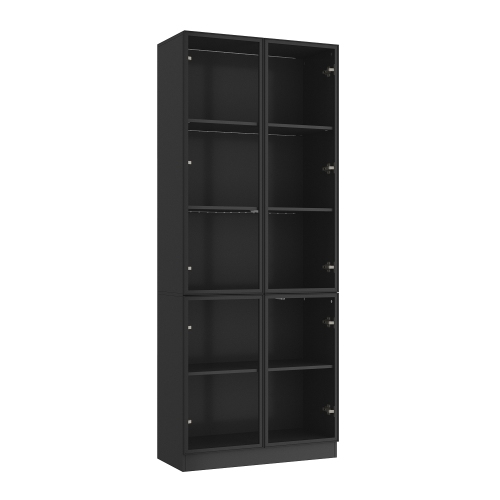
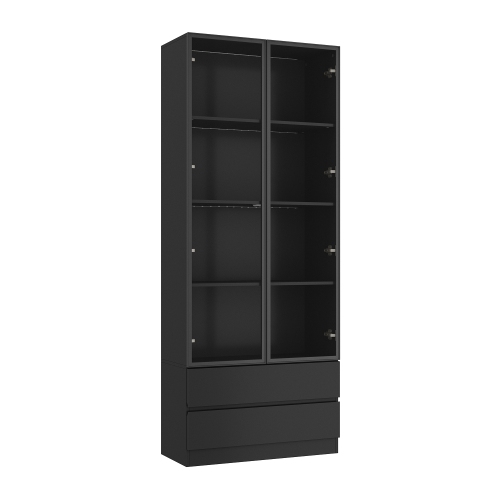
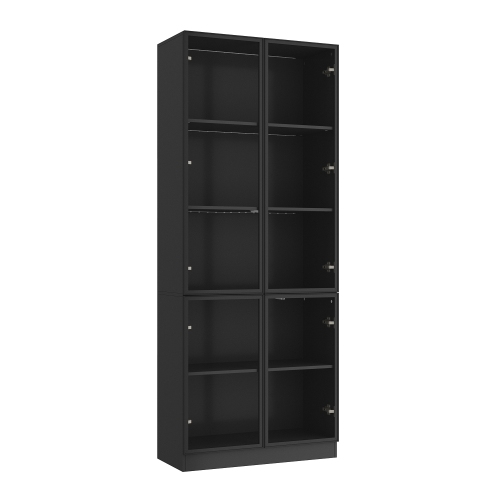

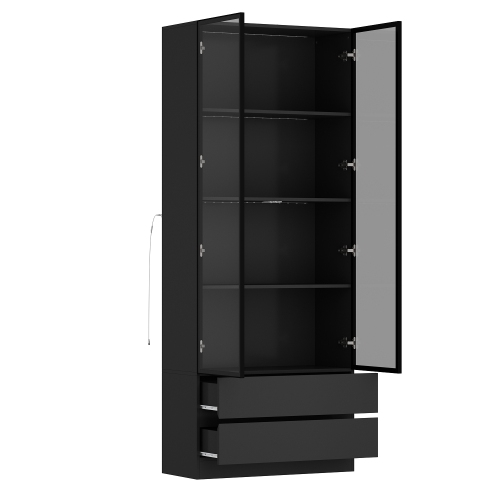
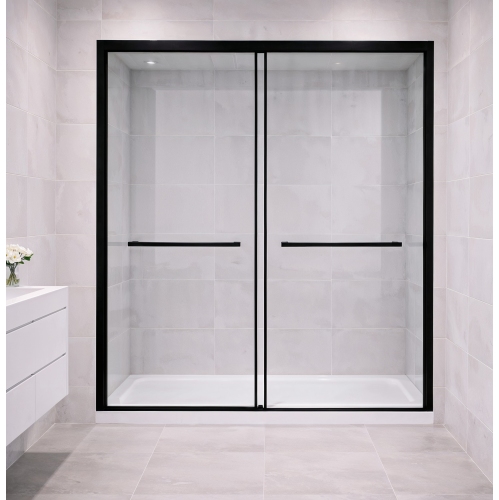
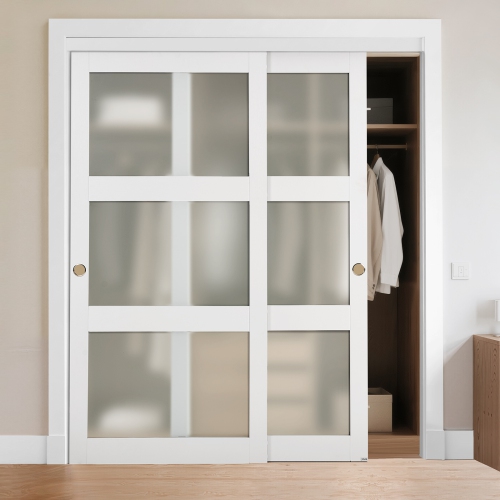

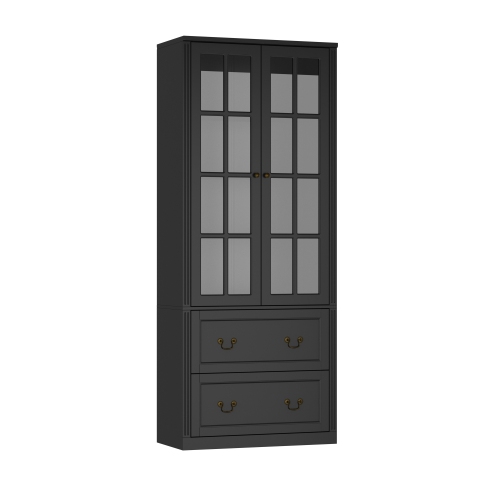

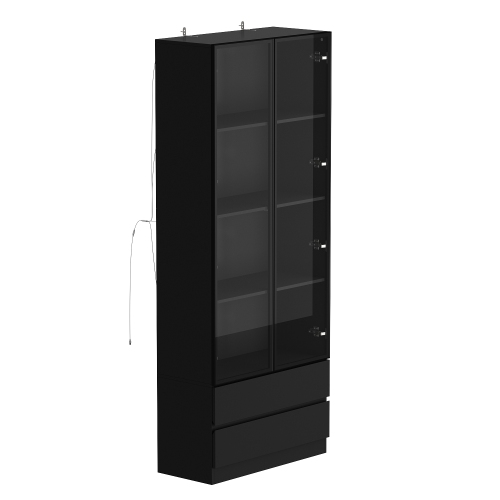

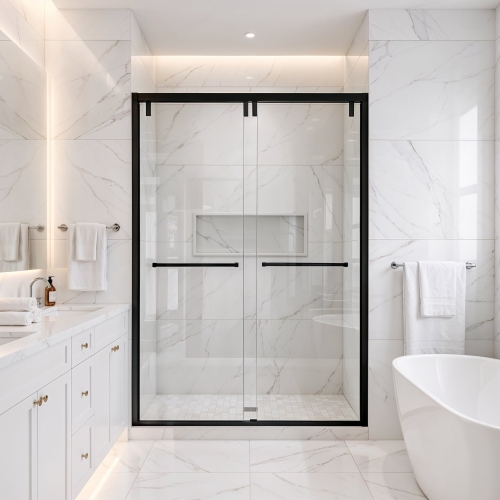
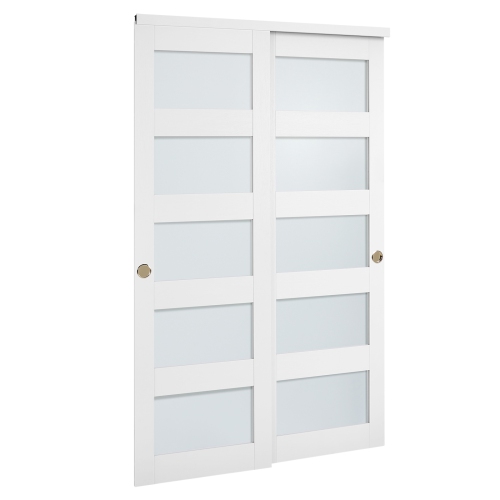

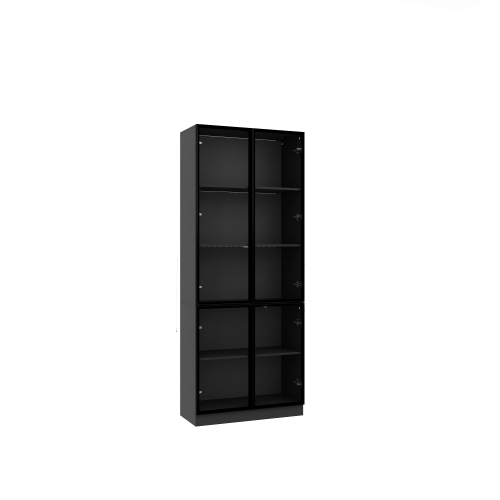

Defined spaces without closing off light or views
Black framed glass doors give a room definition without replacing an open view with a solid wall. Their dark outlines draw attention to the architecture of a doorway, while the glass allows light to pass between adjoining spaces. In an open living area, that combination can create a distinct dining room or home office while preserving a visual connection to the rest of the home. Along a hallway, a glazed entrance can reveal the room beyond rather than making the passage feel closed in. The frame’s proportions make a noticeable difference: narrow profiles tend to look understated, while wider borders and divided panes create a stronger graphic presence. A simple rectangle can sit comfortably beside flat-panel cabinetry and clean-lined furniture, whereas a grid pattern can complement traditional millwork, exposed brick, or industrial-inspired interiors. Black also provides a useful point of connection with other finishes, from cabinet handles and pendant lights to stair railings. The finishes do not need to match perfectly, but a similar sheen can help them feel considered together. Matte surfaces generally have a softer appearance, while satin or glossier finishes catch more light and make the frame more prominent. Clear glass keeps sightlines open and suits spaces where visibility is welcome, such as a dining room entrance or a separate sitting area. More obscured glazing can be a better match for rooms where seeing every detail is less desirable. In a pantry, for example, the amount of transparency determines whether shelving becomes part of the room’s appearance or remains a quieter backdrop. Furniture placement matters, too: a glass door frames whatever sits behind it, whether that is a tidy bookcase, a kitchen island, or a well-used desk. For households balancing shared space with separate activities, black framed glass doors offer a way to establish boundaries while keeping rooms visually connected. The result depends as much on the view through the glass as on the door itself.
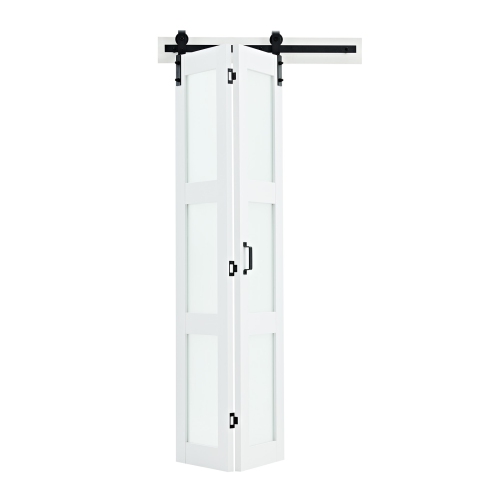
The way a door opens is just as important as its appearance, particularly where several activities share a compact floor plan. A hinged door needs a clear swing path, including space around nearby furniture, light switches, and adjoining doors. Double doors create a broader opening between rooms, although their meeting edges and hardware need to work with the intended layout. Sliding designs avoid a traditional swing arc, making them useful where a dining chair or desk would otherwise sit in the way. They still need somewhere to travel: a surface-mounted panel requires unobstructed wall space, while a pocket arrangement depends on suitable space within the wall. Track position, floor guides, handles, and stops all affect how comfortably the opening functions in daily use. A door that looks balanced in a photograph can feel awkward if its handle meets a cabinet or its open panel covers an essential outlet. Fit therefore involves more than the width and height of the opening. Frame depth, floor clearance, the condition of the surrounding structure, and the position of hinges or mounting points also influence installation. Glass panels can be heavy, so the supporting structure and hardware must be suitable for the complete assembly. Professional measurement and installation can be especially valuable for large panels, paired doors, or openings that are not square. Frame material contributes to both the look and the handling. Steel can support a crisp, substantial appearance, while aluminum can offer a slimmer-looking assembly with less weight, depending on construction. Painted wood or engineered frames can bring a different profile and may require different care at edges and joints. The finish should suit the intended location and frequency of use, particularly around handles where hands make repeated contact. Interior doors should not be assumed suitable for an exterior entrance, and glass alone does not establish security or sound control. Those qualities depend on the entire door system, including its frame, glazing, seals, hardware, and installation.
Glass selection shapes the everyday experience of living with black framed doors. Clear glazing offers the most direct view, but reflections and fingerprints are often more noticeable against a bright adjoining room. Textured, reeded, or frosted finishes can soften the view while still admitting light, with the degree of obscurity varying by treatment and lighting. For spaces where privacy is a greater priority, Frosted Glass Doors offer a different balance between openness and screening. Obscured glass does not necessarily conceal silhouettes, especially when someone stands close to the panel with a light behind them, so its suitability depends on how the room is used. Safety glazing is another important distinction. Tempered and laminated glass behave differently when damaged, and the appropriate choice depends on the door’s design, location, and applicable building requirements. Thickness alone is not a substitute for the correct glazing specification. In homes with children or pets, clear sightlines, controlled closing, and hardware positioned away from pinch points deserve particular attention. High-contrast frames help outline the doorway, but large uninterrupted panes can still be difficult to notice from some angles. Everyday care is usually straightforward when it follows the manufacturer’s directions. A soft, lint-free cloth helps lift fingerprints from glass, while a suitable non-abrasive cleaner can remove ordinary marks without scratching the surface. Spraying cleaner onto the cloth rather than saturating frame joints helps limit residue around seals and corners. Painted, coated, and anodized finishes may have different cleaning requirements, so harsh chemicals and abrasive pads are best avoided unless expressly permitted. Sliding tracks also benefit from being kept free of grit and household debris, which can interfere with smooth movement. Hinges, rollers, and handles should remain secure and operate without forcing the panel. With a suitable frame, appropriate glazing, and hardware matched to daily use, black framed glass doors can remain a practical architectural feature rather than simply a decorative accent. Their lasting appeal comes from that balance of strong lines, useful separation, and light shared between rooms.
Top selling and popular products
-
 Your price for this item is $109.31
-
 Your price for this item is $200.83
-
 Your price for this item is $90
-
 Your price for this item is $100
-
 Your price for this item is $100
-
 Your price for this item is $426.55
-
 Your price for this item is $300
-
 Your price for this item is $120
Discover more categories related to Black Framed Glass Doors


Top Collections:
Pokemon Centers, Best Cameras for Sports Photography, Kindle Devices, Samsung Galaxy Phones, Canon G7X Cameras, Pokémon 30th Celebration Cards, Refurbished Apple Laptops, iPhone 15 Apple, Laptops for Students, Budget Smartphones
Some products may be subject to Environmental Handling Fees
(EHF) depending on your province.
Learn more about EHFs.