Contemporary Interior Glass Doors
Contemporary Interior Glass Doors offer a stylish way to enhance the look and feel of any living space. Their sleek design brings a modern touch to homes and offices, creating an open and inviting atmosphere. Perfect for those looking to add a sense of sophistication, Contemporary Interior Glass Doors seamlessly blend with a variety of interior styles while maximizing natural light. Explore an array of options to find the ideal fit for your space and elevate your décor with these elegant door solutions.
Sort
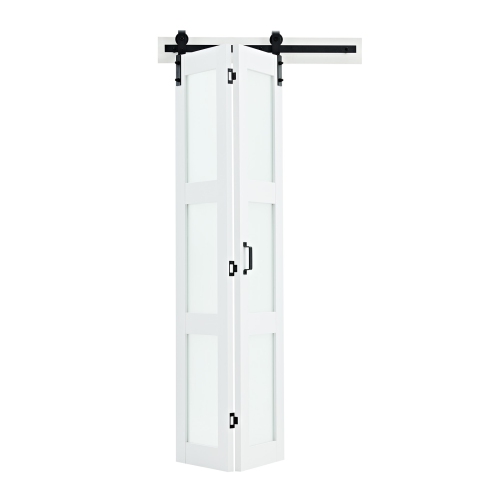
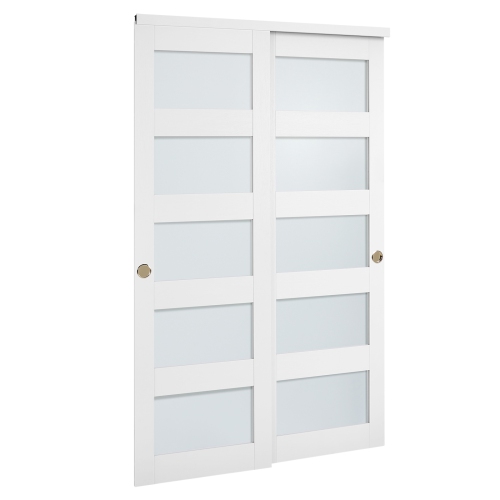
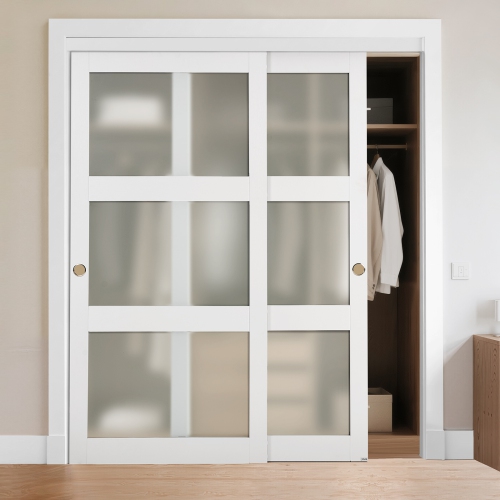
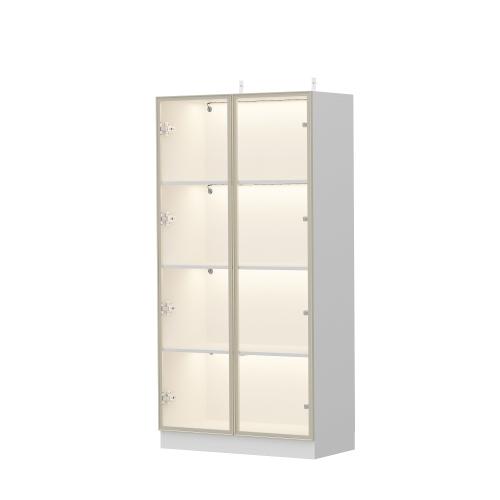
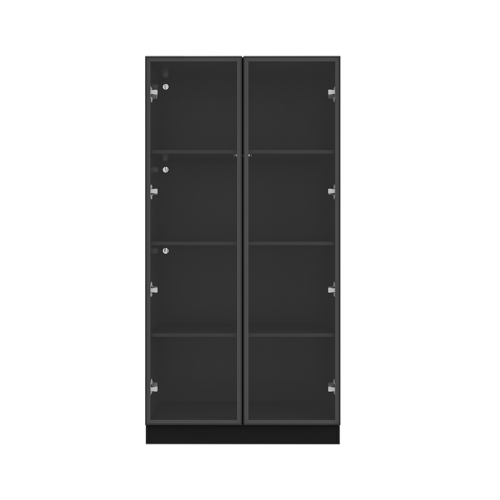

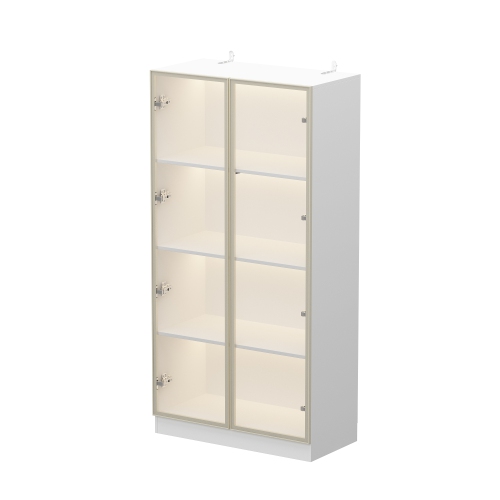
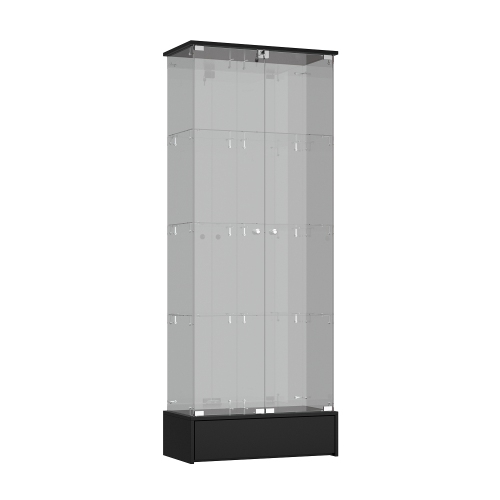
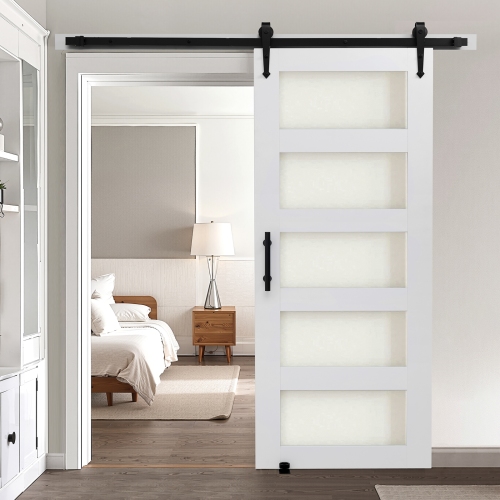
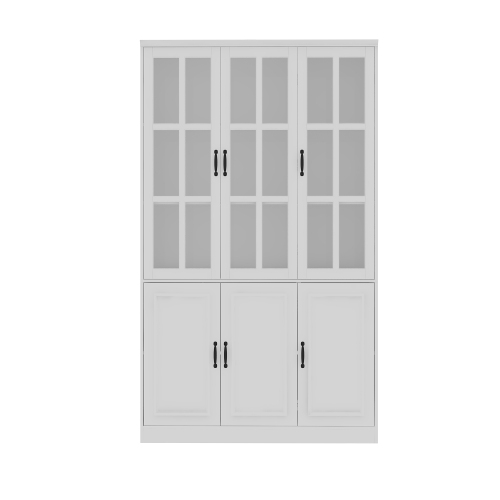
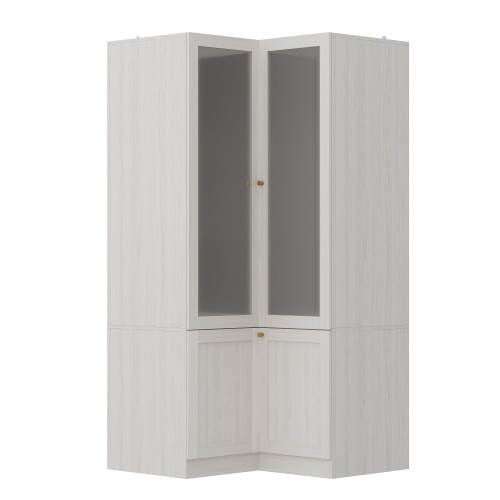
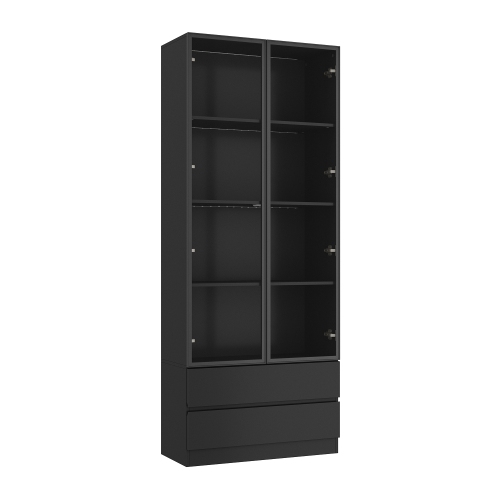
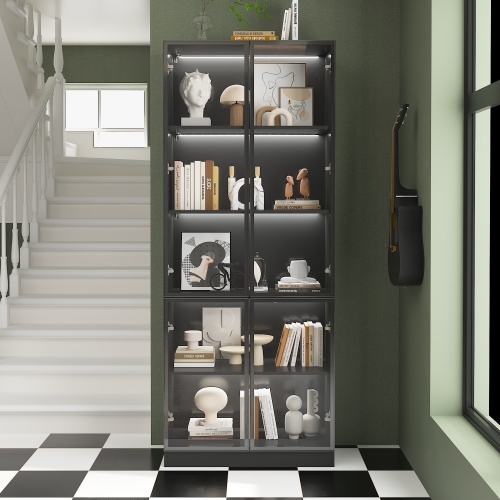
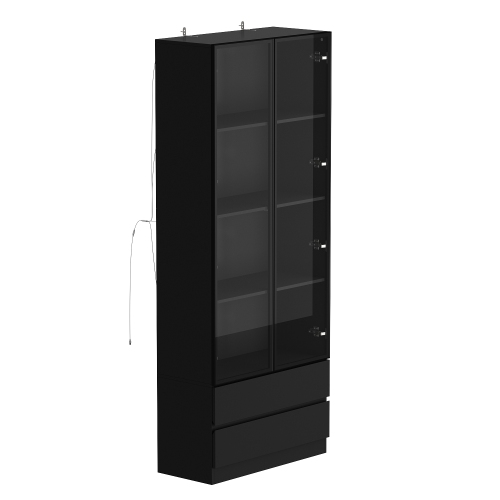
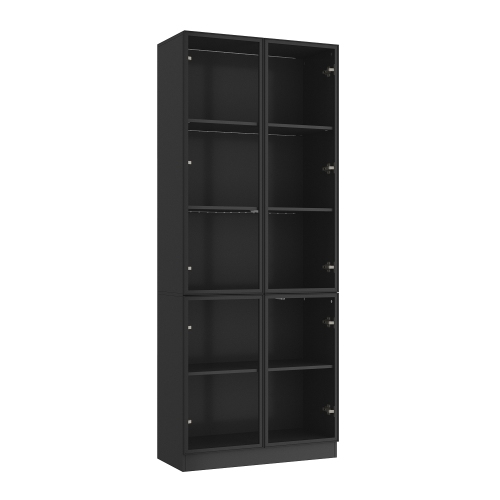
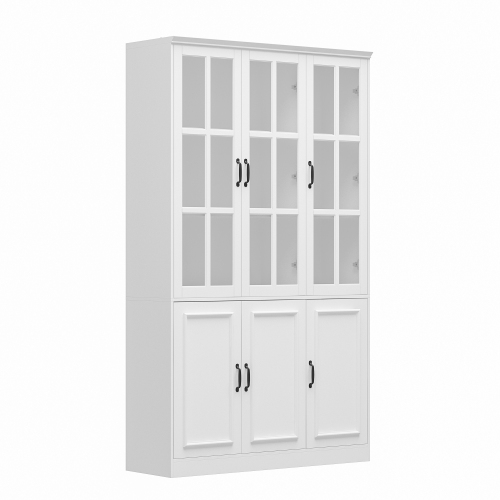
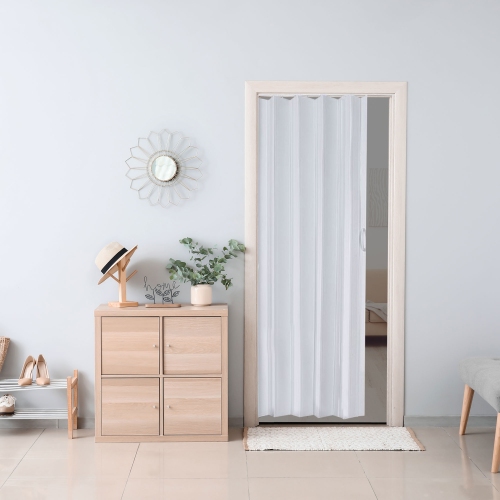
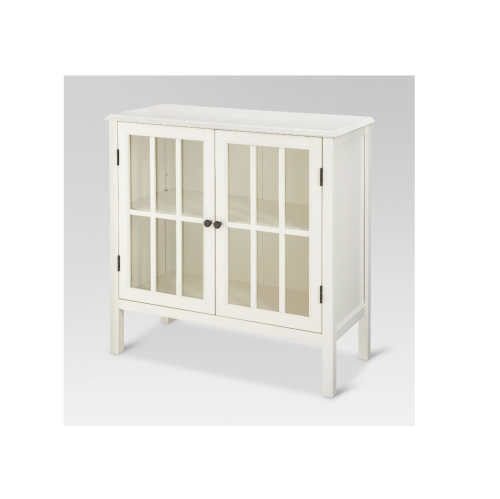
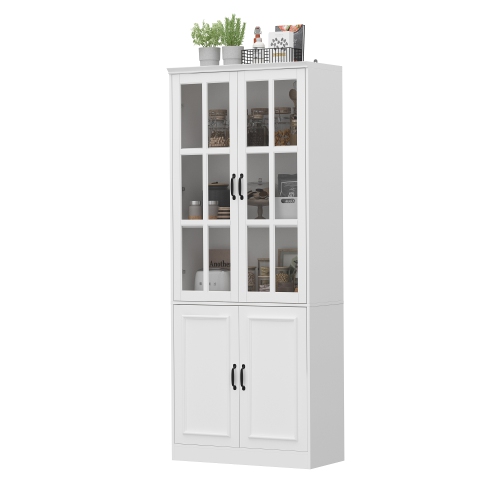
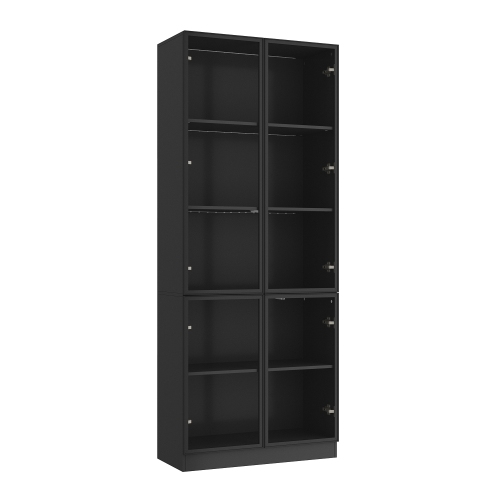
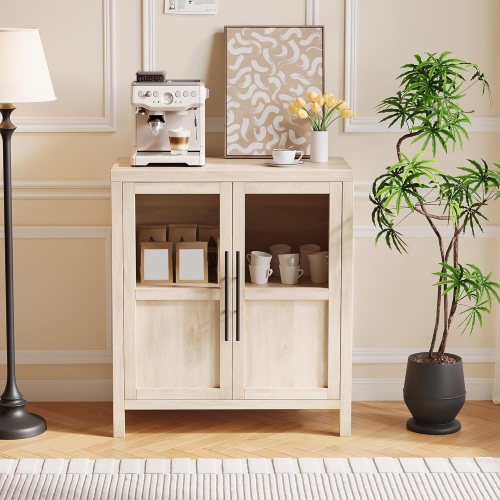
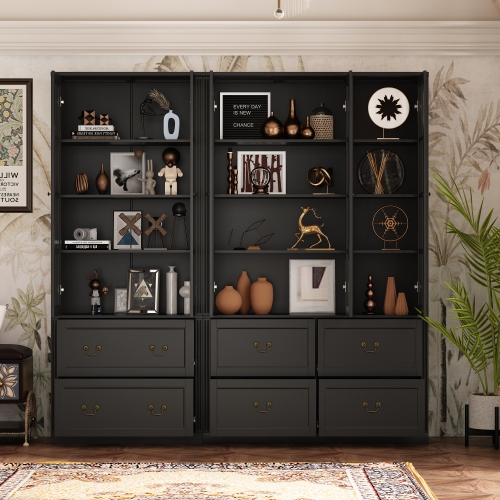
Defined spaces that still feel open and connected
Contemporary interior glass doors combine clean lines, restrained framing, and glass panels to divide rooms without making them feel visually closed off. They can bring a sense of connection to a home office, dining room, hallway, or den while giving each space a more defined purpose. In a narrow corridor, a glazed door can let light from an adjoining room reach farther into the home; between a kitchen and dining area, it can preserve sightlines while creating a physical boundary. Clear glass provides the most open view and works well where visibility matters more than privacy. Frosted glass diffuses light and obscures detail, making it useful for offices, bedrooms, and some bathroom layouts, although silhouettes may still be visible when someone stands close to the panel. Fluted glass adds vertical texture and softens the view through the door, with the degree of privacy depending on the pattern, glass thickness, and lighting on either side. Neither frosted nor fluted glass should be assumed to provide complete visual privacy. Slim black frames give a crisp outline against pale walls and can complement dark cabinet hardware or metal furniture legs. White frames tend to blend into lighter trim, while wood frames introduce grain and warmth without losing the simplicity associated with contemporary interiors. Aluminum frames can create a slender profile, and steel-framed designs often have a more pronounced architectural presence. A single large panel feels different from several smaller panes: uninterrupted glazing emphasizes openness, while horizontal or vertical divisions introduce rhythm and can echo nearby cabinetry or shelving. The right balance depends on the room rather than a single design rule. A busy living area may benefit from quieter detailing, while a plain hallway can carry a stronger frame pattern. For a coordinated look across different rooms, explore Interior Doors for Modern Homes alongside glass designs suited to each opening.
The opening style has as much influence on daily use as the appearance of the glass. Hinged interior glass doors offer a familiar operation and can close against a frame, but their swing needs unobstructed floor space. That clearance matters beside a desk, near a bathroom vanity, or in a hallway where another door opens nearby. Sliding glass doors travel beside an opening rather than swinging into the room, which can make furniture placement easier in compact spaces. Surface-mounted sliding or barn-style doors need enough clear wall space for the panel to move fully aside, and switches, artwork, baseboards, and nearby furniture can affect that path. Pocket doors slide into a wall cavity and leave the adjacent wall more usable, but the cavity and supporting hardware must be compatible with the building’s construction. Pivot doors create a distinctive opening movement, though their pivot position changes the usable passage width and the space needed on both sides. Fit also depends on whether a door is supplied as a slab or as a pre-hung assembly. A slab is the door panel without a surrounding frame and needs compatible dimensions, hinges, and hardware preparation when used with an existing opening. A pre-hung door comes mounted in its frame, which can simplify alignment when the existing frame is being replaced or a new opening is being finished. Nominal door dimensions are not the same as rough-opening requirements, and allowances for the frame, finished flooring, and installation clearances vary by design. Handing, swing direction, handle placement, and latch compatibility also affect how comfortably a door works in its intended room. Wider openings may suit paired doors, while a single panel often fits a smaller office or passage more naturally. Accessibility is another practical consideration: clear passage width, manageable opening force, and easy-to-grip handles can matter more than the panel’s overall dimensions. Professional assessment is particularly useful for large or heavy glass doors, pocket installations, and openings that need structural changes.
Materials, hardware, and glass construction determine how a contemporary interior glass door holds up to everyday use. Tempered glass is heat-treated for greater strength than ordinary annealed glass and is designed to break into small fragments rather than long, sharp shards. Laminated glass contains an interlayer that can help retain fragments if the glass breaks. These are different constructions, and suitability depends on the door design, applicable safety requirements, and the manufacturer’s specifications. Glass edges are vulnerable to impact, so sound framing, correct alignment, and hardware rated for the panel’s weight are important. A door that drags, rattles, or strikes its frame is not simply an annoyance; it may indicate an adjustment or installation issue that deserves attention. Solid wood frames offer a natural appearance but can respond to changes in indoor moisture, while engineered wood, metal, and mixed-material frames have their own care and finishing requirements. In bathrooms and laundry areas, finishes and hardware need to be suitable for the expected moisture exposure; an interior glass door is not automatically designed for use as a shower enclosure. Privacy and sound control should also be considered separately. Obscured glass changes what can be seen, but it does not by itself improve sound isolation. Gaps around a sliding panel can allow conversations to carry, whereas a well-fitted hinged assembly with appropriate seals may provide a more effective boundary. For a home office used for calls, the complete door assembly matters more than the appearance of the pane. Everyday care is generally straightforward when cleaning follows the manufacturer’s directions. A soft cloth and an approved, non-abrasive cleaner help remove fingerprints without scratching glass or damaging frame finishes, while textured panes may need extra attention along their grooves. Tracks should remain free of debris, and hinges, rollers, handles, and fasteners benefit from periodic inspection. In homes with children or pets, visible framing, controlled closing, and suitable safety glazing support practical daily use. Together, these details help a glass door feel like a lasting part of the room rather than a purely decorative addition.
Top selling and popular products
-
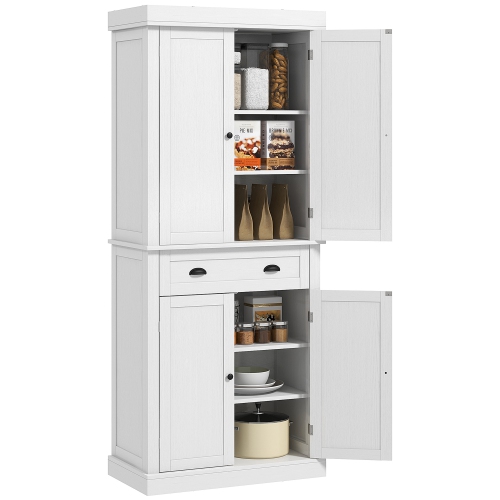 Your price for this item is $274.99
-
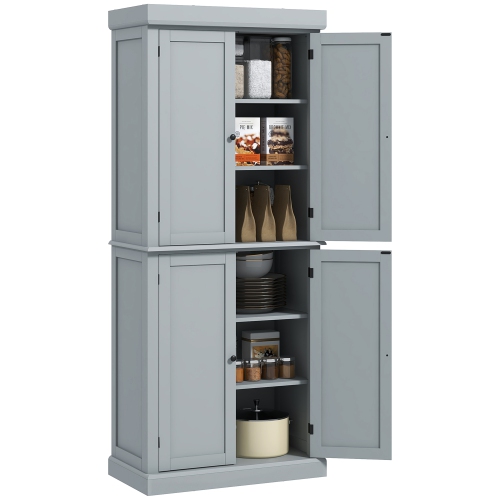 Your price for this item is $299.99
-
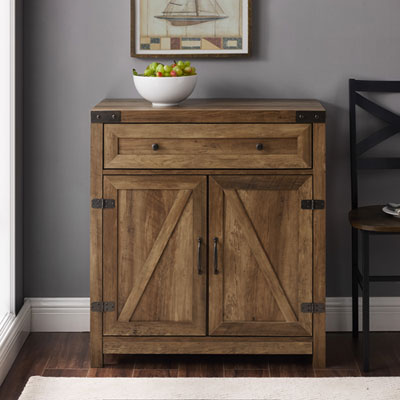 Your price for this item is $401.99
-
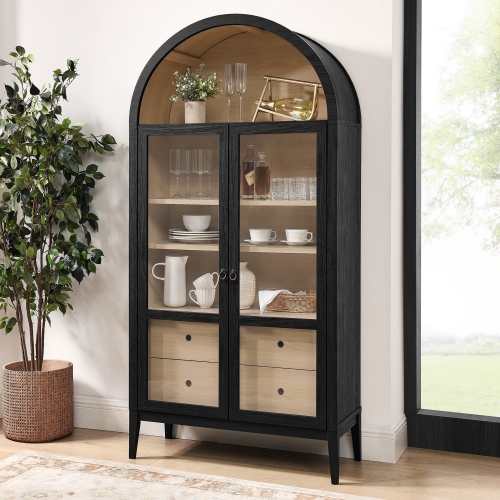 Your price for this item is $1155.71
-
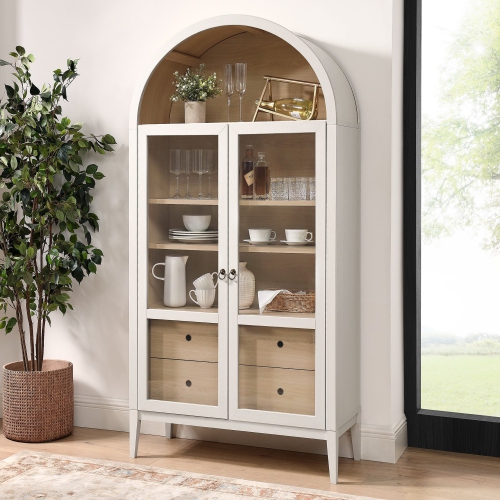 Your price for this item is $1155.71
-
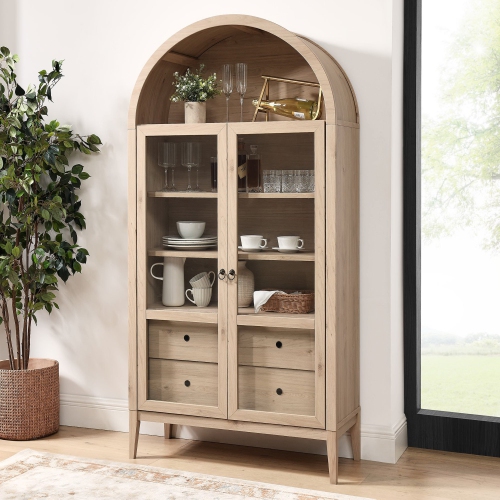 Your price for this item is $1155.71
-
 Your price for this item is $593.99
-
 Your price for this item is $144.99
Discover more categories related to Contemporary Interior Glass Doors


Top Collections:
Pokemon Centers, Best Cameras for Sports Photography, Kindle Devices, Samsung Galaxy Phones, Canon G7X Cameras, Pokémon 30th Celebration Cards, Refurbished Apple Laptops, iPhone 15 Apple, Laptops for Students, Budget Smartphones
Some products may be subject to Environmental Handling Fees
(EHF) depending on your province.
Learn more about EHFs.