Black Mesh Ergonomic Office Chairs
Black Mesh Ergonomic Office Chairs offer a sleek and modern seating solution designed to enhance any workspace. With their contemporary appearance, these chairs effortlessly complement both home offices and professional environments. Discover a range of options that combine style and comfort, making it easier to stay focused and productive throughout the workday. Explore Black Mesh Ergonomic Office Chairs to find the perfect fit for your office setup.
Sort
Why breathable mesh is only part of chair comfort
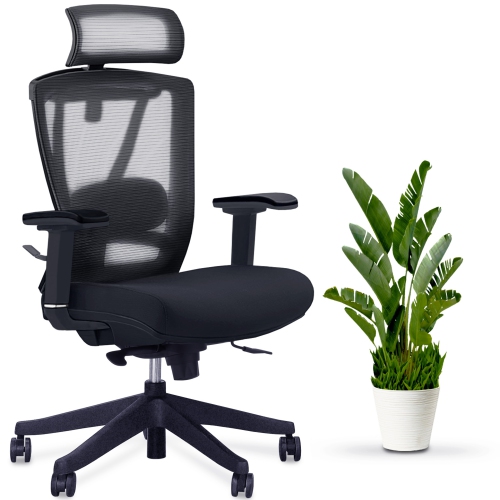
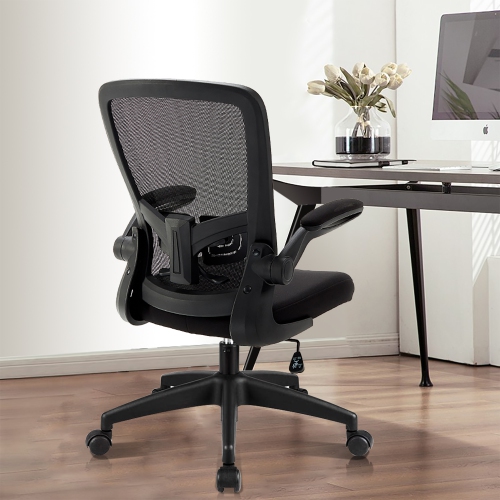
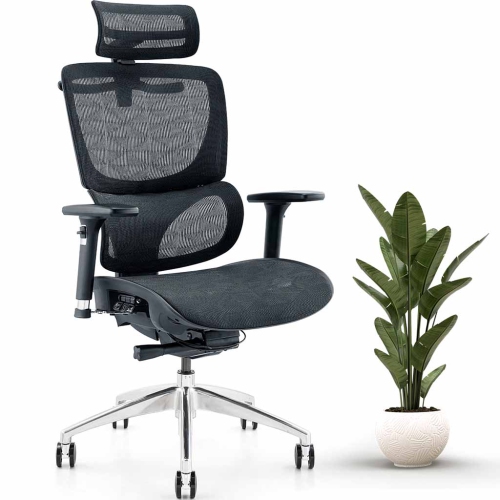
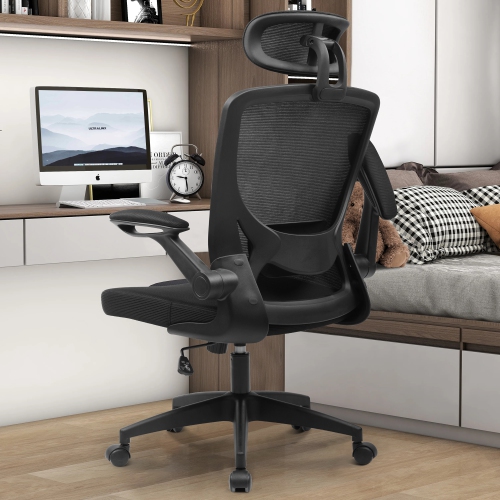
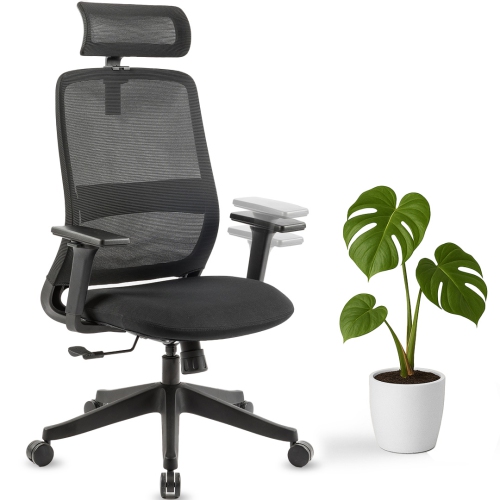
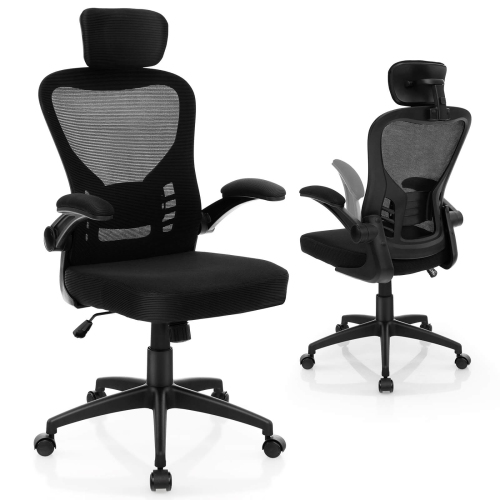
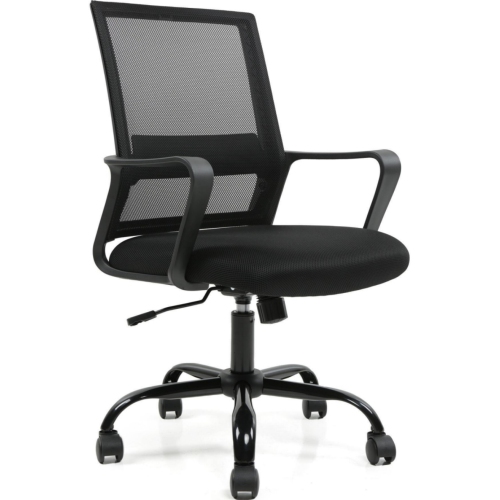
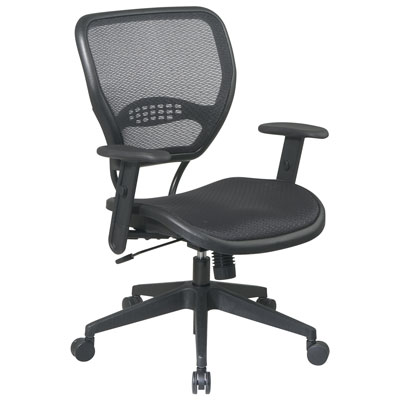
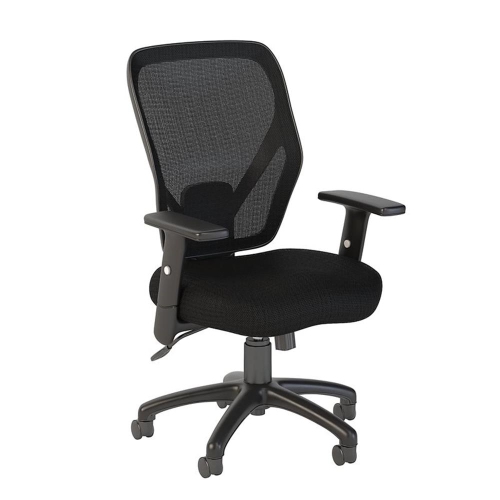
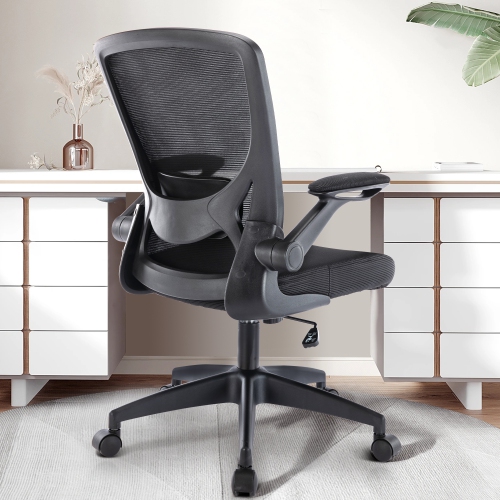
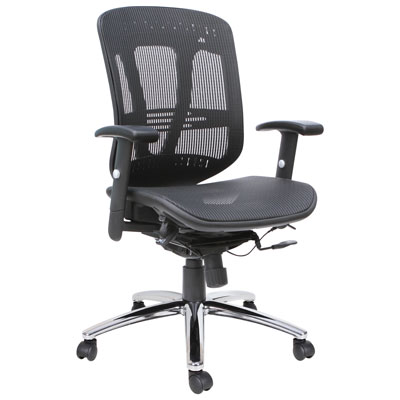
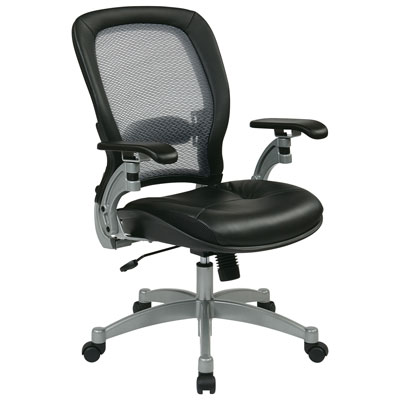
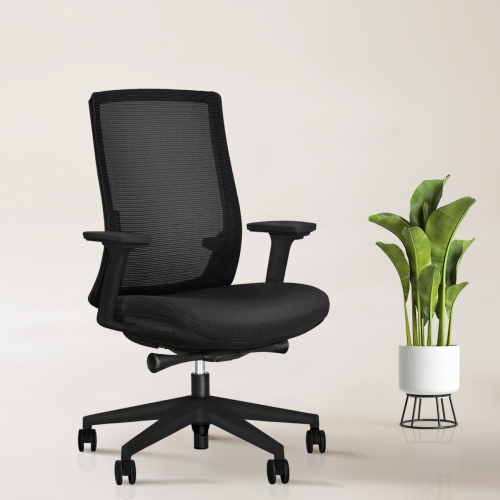
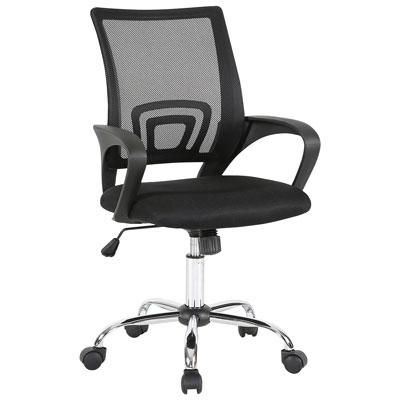
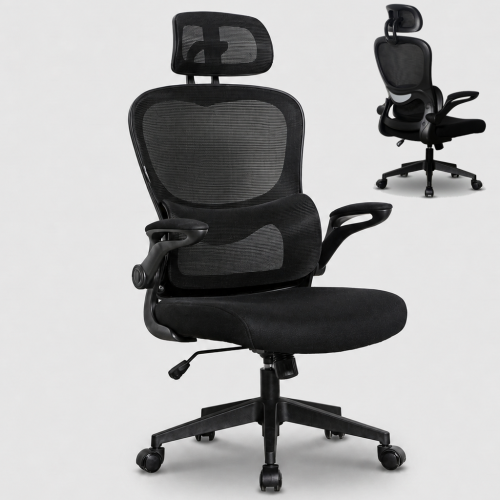
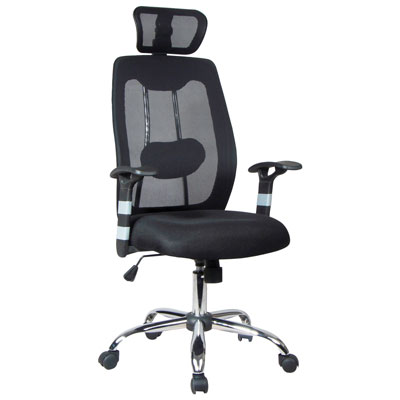
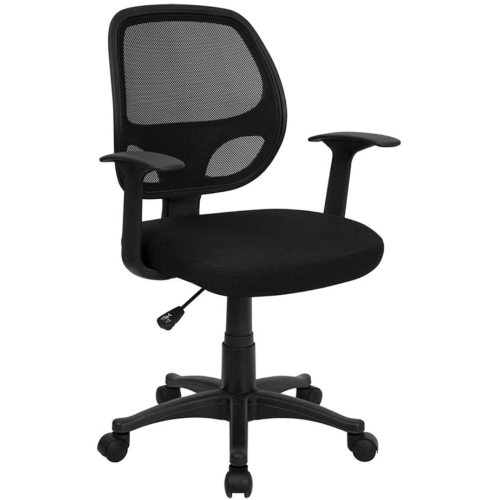
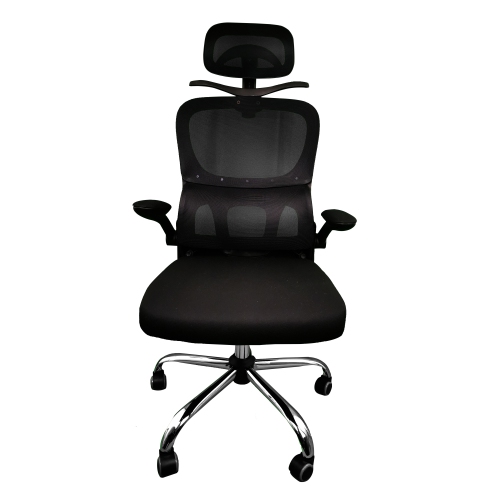
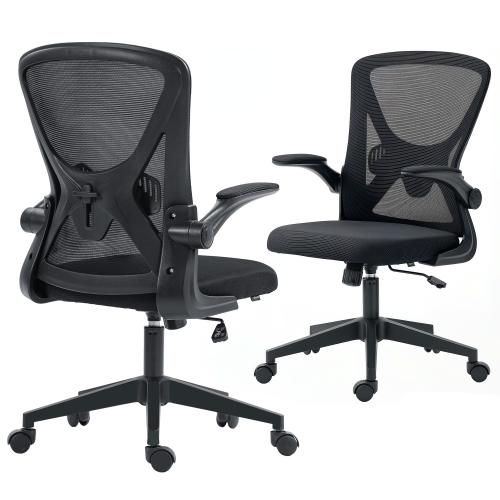
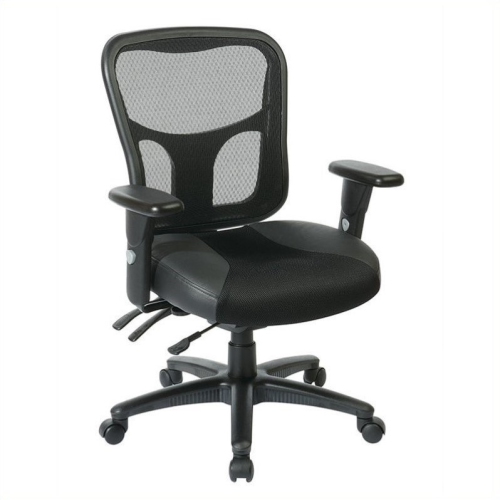
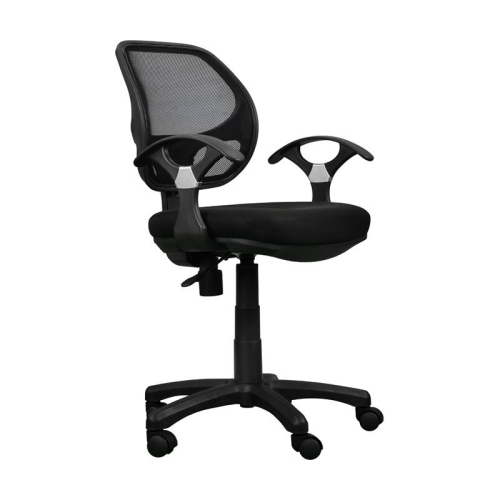
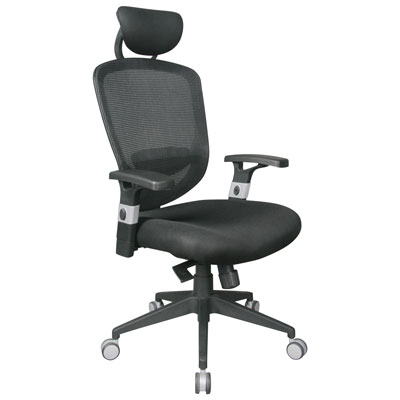
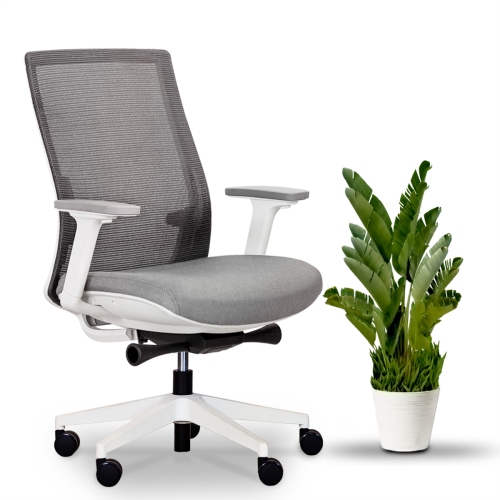
Black mesh ergonomic office chairs combine a breathable backrest with supportive contours and adjustable features for desk-based work. Their appeal is practical: the open weave allows air to circulate, while the black finish pairs easily with a wood desk, metal shelving, or a compact workstation tucked into a living room. For someone moving between spreadsheets, video calls, and handwritten notes, a well-fitted chair provides support without getting in the way of everyday movement. Mesh construction varies, however, and the difference matters. Some chairs pair a mesh back with a foam-padded, fabric-covered seat; others use tensioned mesh across both the seat and back. A padded seat generally offers a softer initial feel, while a mesh seat has a more suspended feel that depends on the weave, tension, and shape of its supporting frame. Neither construction guarantees a better fit for every person. Seat width, usable depth, and the placement of the frame edges all influence how comfortable a chair feels over a working session. A mid-back design can suit a study corner or shared workstation, while a taller backrest offers more contact along the upper back. An optional headrest may be useful when reclining between tasks, provided its position suits the user’s height rather than pushing the head forward. Black mesh also has a restrained appearance that works in professional offices and multipurpose rooms without adding a large block of solid upholstery. Coordinated black frames keep the look subtle, while metal bases can add visual contrast. Students, remote workers, and people managing household paperwork may all appreciate this combination of understated styling and everyday function. For a shared desk, adjustment range is especially important: a chair that fits one household member well may need substantial changes to accommodate another. The most useful features are those that match the person, the desk, and the way the workspace is used.
Ergonomic fit comes from the relationship between the chair’s dimensions, its adjustments, and the person sitting in it, rather than from the label alone. Seat-height adjustment should allow the feet to rest on the floor or a suitable footrest while keeping the working surface within comfortable reach. At a fixed-height desk, raising the chair to bring the elbows closer to keyboard height may make a footrest helpful. Seat depth deserves just as much attention. With the back supported, there should be a small gap between the front edge of the seat and the backs of the knees; an overly deep seat can make it difficult for a shorter person to use the backrest fully. A sliding seat offers more flexibility when users have different leg lengths. Lumbar support should meet the natural inward curve of the lower back without feeling like a hard ridge. Depending on the design, this support may be built into the backrest or adjustable in height, depth, or both. Armrests can support the forearms during some tasks, but they should not force the shoulders upward or prevent the chair from moving close to the desk. Height-adjustable arms help with positioning, while width, pivot, or forward-and-back adjustments offer additional ways to match the working posture. Flip-up arms are practical where clearance is tight, although that feature alone does not provide the same fit options as independently adjustable arm pads. Tilt tension controls the resistance felt when leaning back, and a tilt lock holds the backrest at supported positions where that function is included. These mechanisms vary, so the description should distinguish between a simple rocking action and a coordinated seat-and-back recline. A swivel base makes it easier to turn towards a nearby drawer or second work surface without repeatedly twisting through the torso. For a broader look at seating beyond mesh construction, Black Ergonomic Desk Chairs offers a related category to explore. Whatever the construction, a supportive chair works best alongside sensible desk positioning and regular changes of posture, rather than as a reason to remain seated without breaks.
Durability depends on more than whether a chair has a metal or moulded frame. Mesh attachment points, the quality of the seat support, the stability of the base, and the operation of adjustment mechanisms all contribute to how the chair holds up to repeated use. Firm, evenly tensioned mesh should provide support without leaving the user resting against a hard crossbar or seat edge. Over time, fraying, loose attachment points, or noticeable sagging can affect both comfort and function. A padded seat has different wear considerations, including how well its foam retains its shape and whether the covering resists abrasion from daily movement. The stated weight capacity should suit the user, but that figure is not a substitute for checking seat dimensions or any stated usage rating. Someone furnishing a desk for occasional correspondence has different needs from a person using the same chair throughout a full workday. Castors also need to suit the flooring. Wheels intended for carpet may behave differently on a smooth surface, and floor-compatible castors or an appropriate chair mat can help protect the floor and control rolling. Overall measurements matter in smaller rooms: the base needs room to turn, the backrest needs clearance to recline, and the arms must fit beneath the desk if the chair is to tuck away neatly. Routine care is usually straightforward, but the manufacturer’s directions should take priority. A vacuum with a soft brush attachment can lift dust from the mesh, while permitted spot-cleaning methods can address marks without soaking the seat or adjustment hardware. Abrasive brushes and harsh cleaners may damage fibres or finishes. Periodic checks for loose fasteners, trapped debris around the wheels, and changes in stability help identify maintenance needs. As a gift for a student or someone setting up a home office, an ergonomic chair is most thoughtful when their measurements and preferences are known. A comfortable fit, accessible controls, and practical care requirements matter far more than a long list of adjustments that never get used.
Ergonomic fit comes from the relationship between the chair’s dimensions, its adjustments, and the person sitting in it, rather than from the label alone. Seat-height adjustment should allow the feet to rest on the floor or a suitable footrest while keeping the working surface within comfortable reach. At a fixed-height desk, raising the chair to bring the elbows closer to keyboard height may make a footrest helpful. Seat depth deserves just as much attention. With the back supported, there should be a small gap between the front edge of the seat and the backs of the knees; an overly deep seat can make it difficult for a shorter person to use the backrest fully. A sliding seat offers more flexibility when users have different leg lengths. Lumbar support should meet the natural inward curve of the lower back without feeling like a hard ridge. Depending on the design, this support may be built into the backrest or adjustable in height, depth, or both. Armrests can support the forearms during some tasks, but they should not force the shoulders upward or prevent the chair from moving close to the desk. Height-adjustable arms help with positioning, while width, pivot, or forward-and-back adjustments offer additional ways to match the working posture. Flip-up arms are practical where clearance is tight, although that feature alone does not provide the same fit options as independently adjustable arm pads. Tilt tension controls the resistance felt when leaning back, and a tilt lock holds the backrest at supported positions where that function is included. These mechanisms vary, so the description should distinguish between a simple rocking action and a coordinated seat-and-back recline. A swivel base makes it easier to turn towards a nearby drawer or second work surface without repeatedly twisting through the torso. For a broader look at seating beyond mesh construction, Black Ergonomic Desk Chairs offers a related category to explore. Whatever the construction, a supportive chair works best alongside sensible desk positioning and regular changes of posture, rather than as a reason to remain seated without breaks.
Durability depends on more than whether a chair has a metal or moulded frame. Mesh attachment points, the quality of the seat support, the stability of the base, and the operation of adjustment mechanisms all contribute to how the chair holds up to repeated use. Firm, evenly tensioned mesh should provide support without leaving the user resting against a hard crossbar or seat edge. Over time, fraying, loose attachment points, or noticeable sagging can affect both comfort and function. A padded seat has different wear considerations, including how well its foam retains its shape and whether the covering resists abrasion from daily movement. The stated weight capacity should suit the user, but that figure is not a substitute for checking seat dimensions or any stated usage rating. Someone furnishing a desk for occasional correspondence has different needs from a person using the same chair throughout a full workday. Castors also need to suit the flooring. Wheels intended for carpet may behave differently on a smooth surface, and floor-compatible castors or an appropriate chair mat can help protect the floor and control rolling. Overall measurements matter in smaller rooms: the base needs room to turn, the backrest needs clearance to recline, and the arms must fit beneath the desk if the chair is to tuck away neatly. Routine care is usually straightforward, but the manufacturer’s directions should take priority. A vacuum with a soft brush attachment can lift dust from the mesh, while permitted spot-cleaning methods can address marks without soaking the seat or adjustment hardware. Abrasive brushes and harsh cleaners may damage fibres or finishes. Periodic checks for loose fasteners, trapped debris around the wheels, and changes in stability help identify maintenance needs. As a gift for a student or someone setting up a home office, an ergonomic chair is most thoughtful when their measurements and preferences are known. A comfortable fit, accessible controls, and practical care requirements matter far more than a long list of adjustments that never get used.
Top selling and popular products
-
 Your price for this item is $114.99
 -
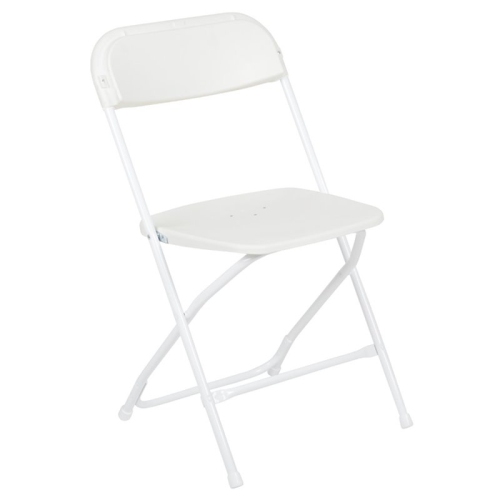 Your price for this item is $123
 -
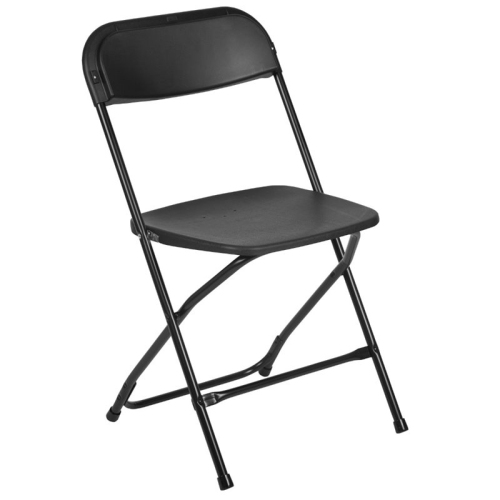 Your price for this item is $139.99
 -
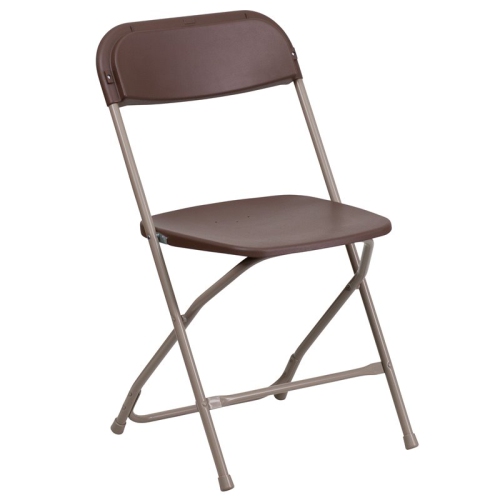 Your price for this item is $139.99
 -
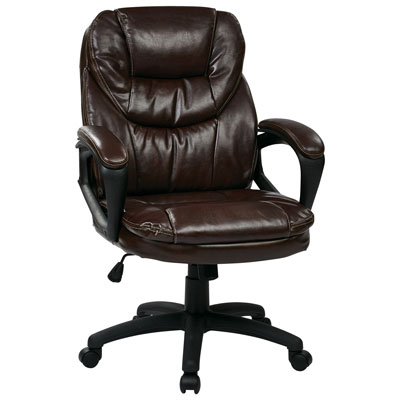 Your price for this item is $203.98
 -
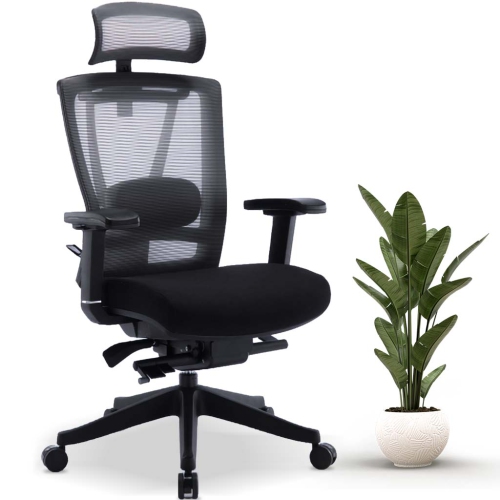 Your price for this item is $379.99
 -
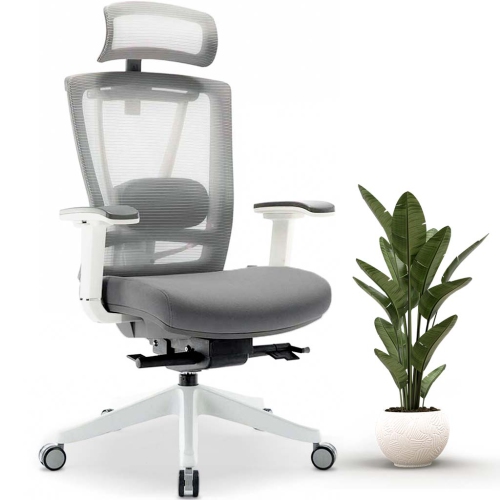 Your price for this item is $379.99
 -
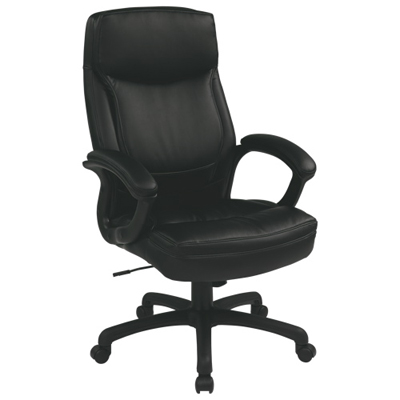 Your price for this item is $594.99
Discover more categories related to Black Mesh Ergonomic Office Chairs
Top Collections:
Pokemon Centers, Kindle Devices, Best Budget Office Chairs, Apple iPhones 16, Best Laptops for Writers, iPhone 15 Apple, Canon G7X Cameras, Refurbished Apple Laptops, Alarm Clock, Motorola Razr Phones
Some products may be subject to Environmental Handling Fees
(EHF) depending on your province.
Learn more about EHFs.