Blue Mesh Office Chairs
Upgrade your office space with these sleek and stylish blue mesh office chairs. Designed to provide comfort and functionality, these chairs are perfect for long hours at your desk. Their breathable mesh backrest provides optimal airflow, keeping you cool and comfortable throughout the day. Here are some great options for you.
Sort
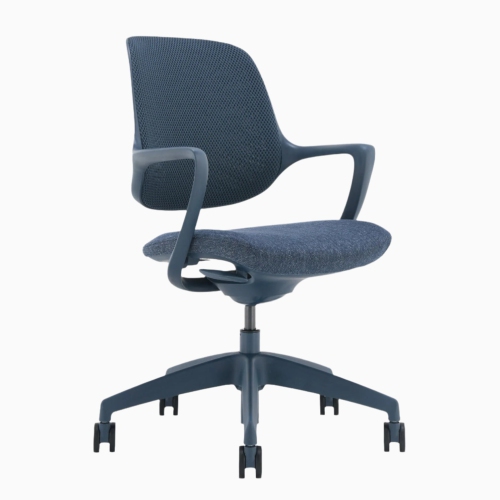
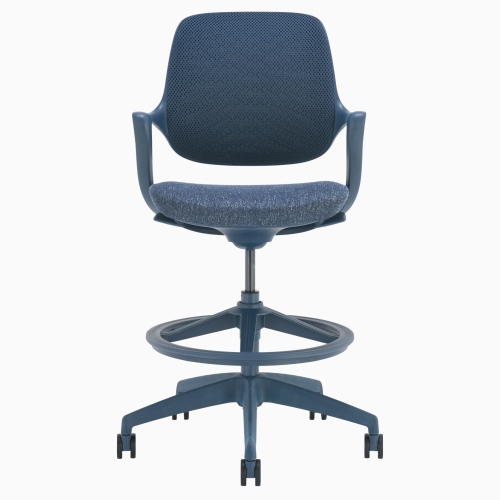
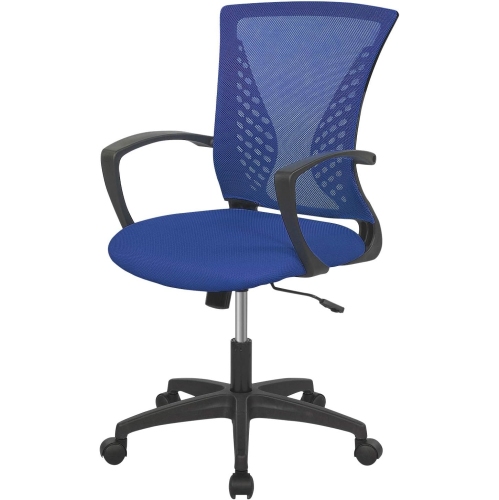
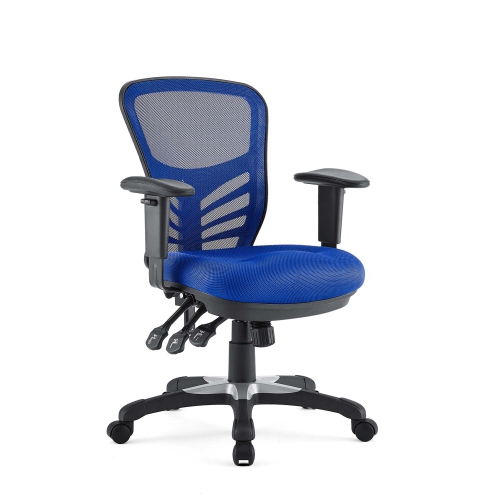
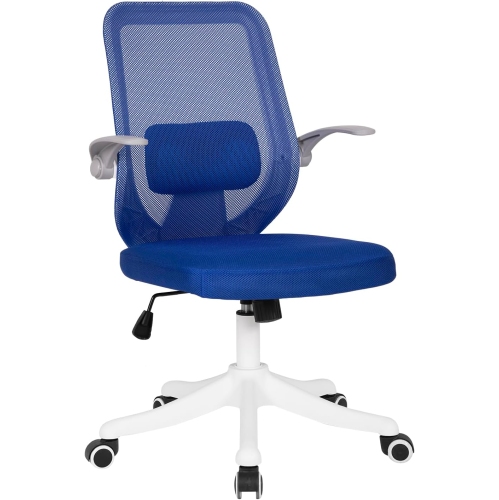
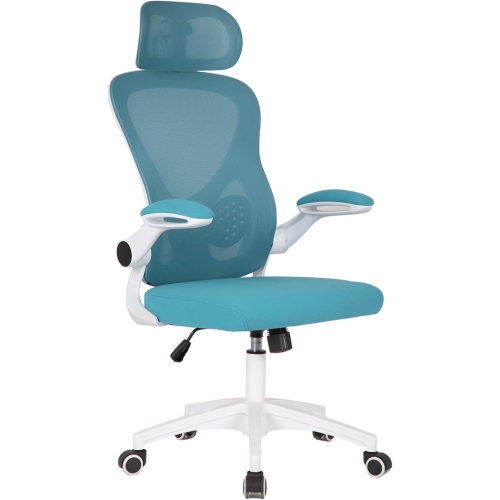
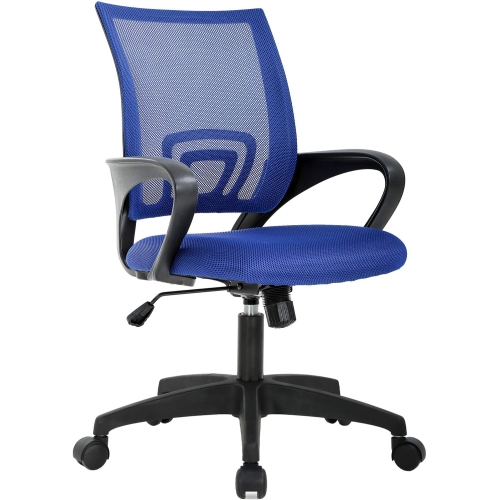
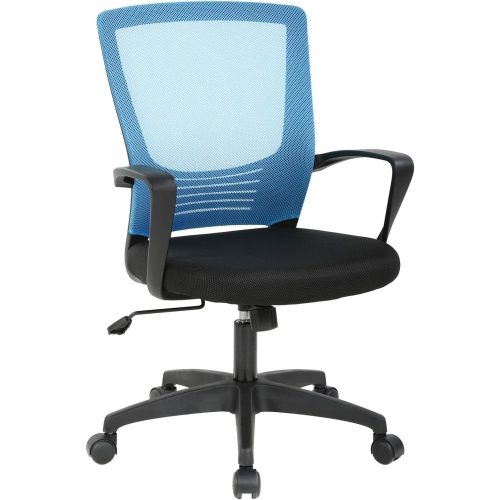


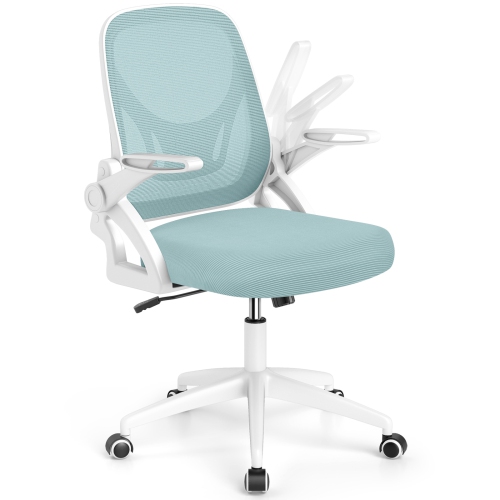
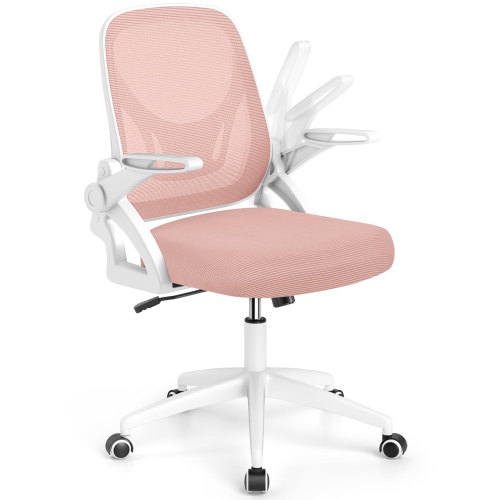
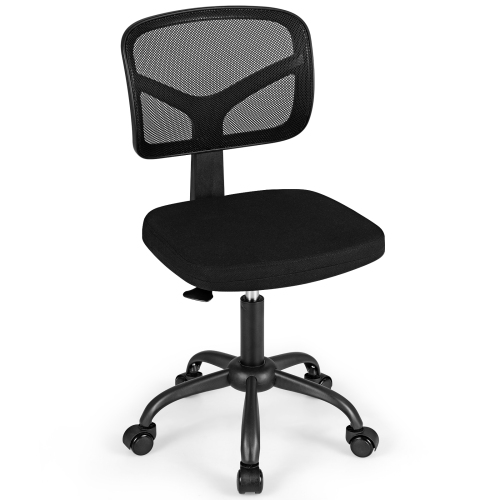
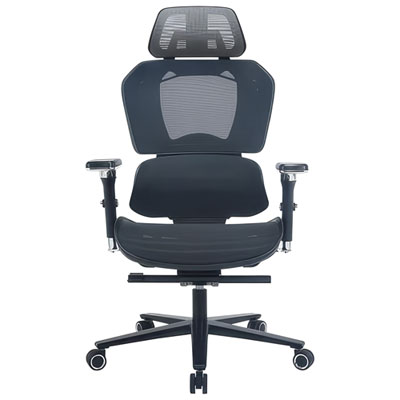
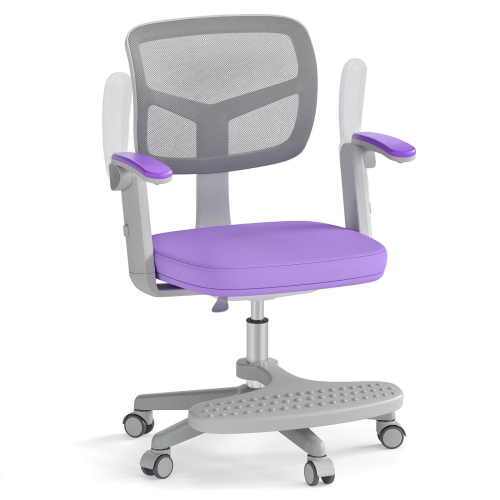
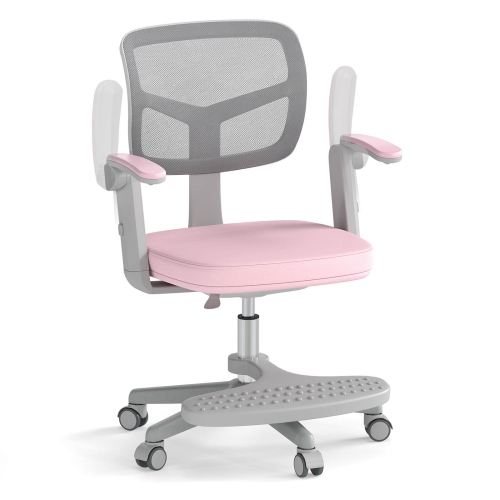
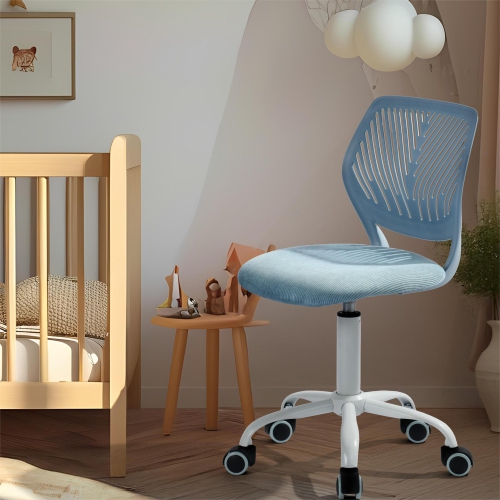
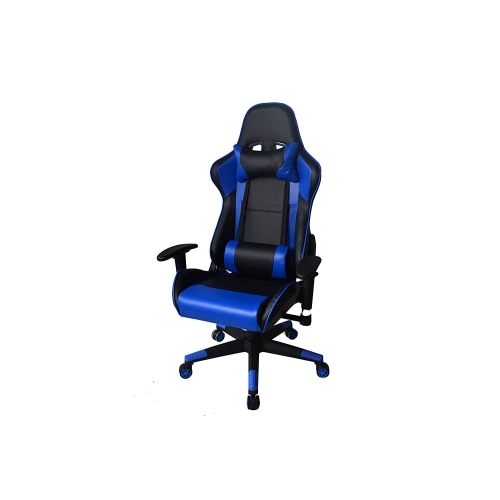
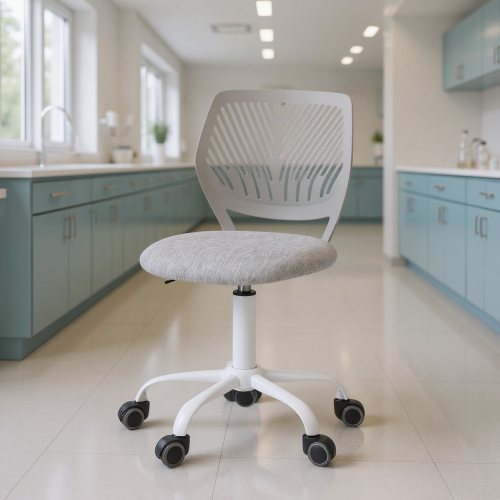
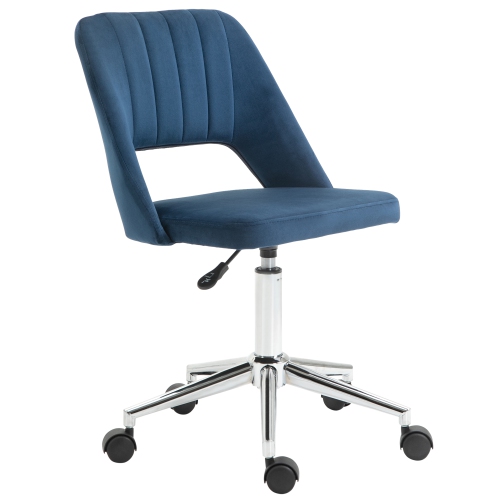
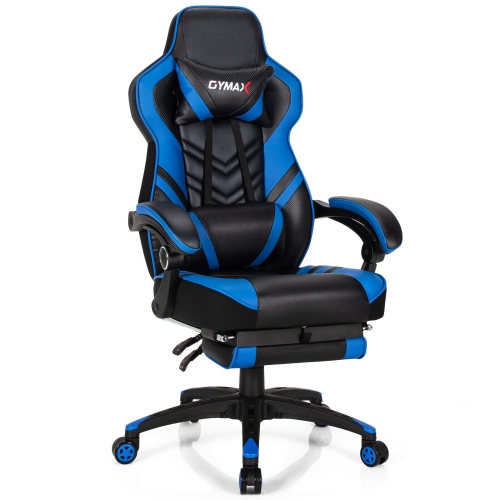
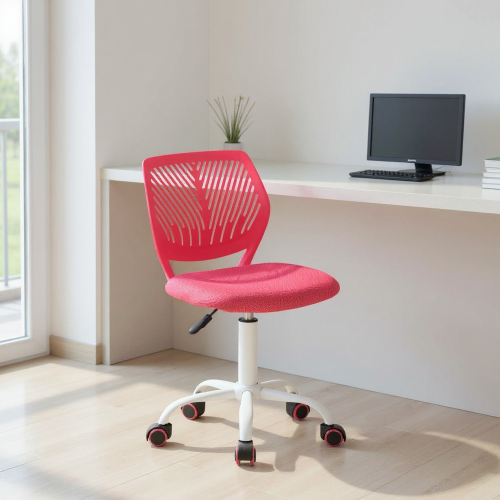
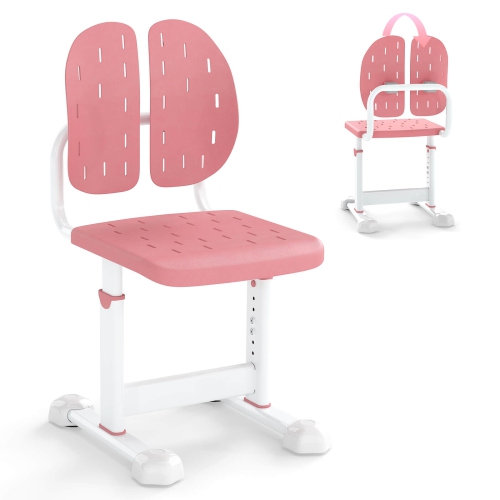
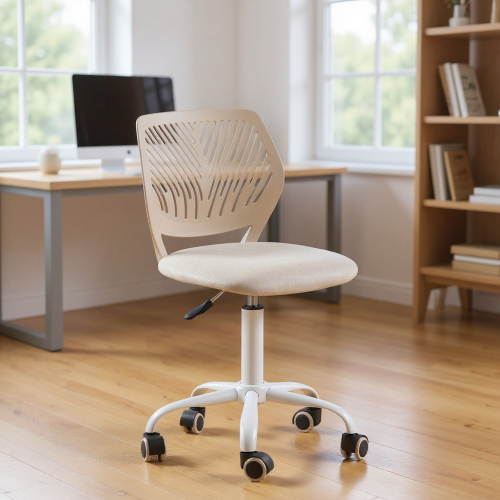
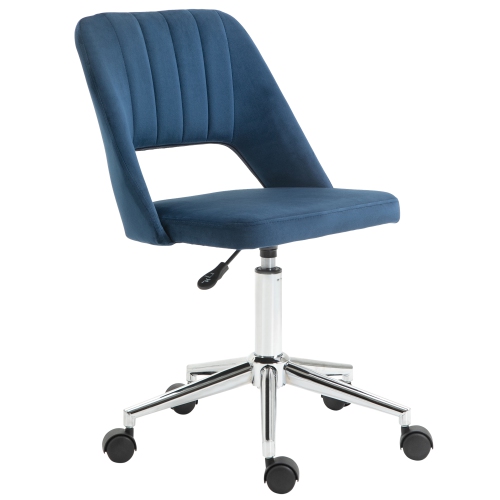
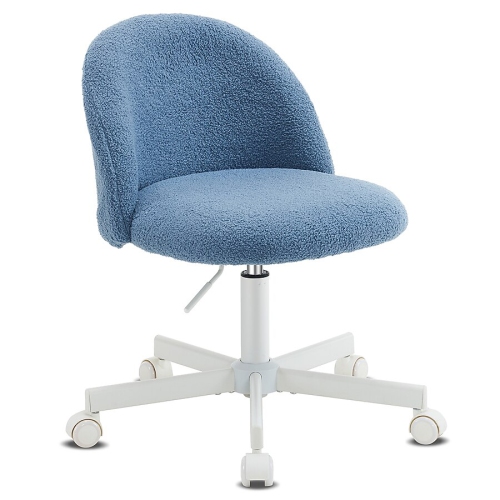
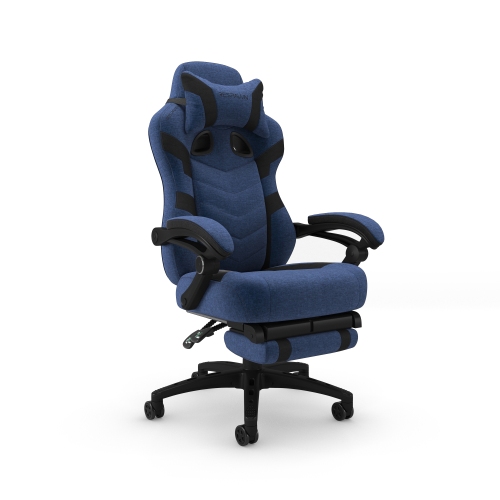
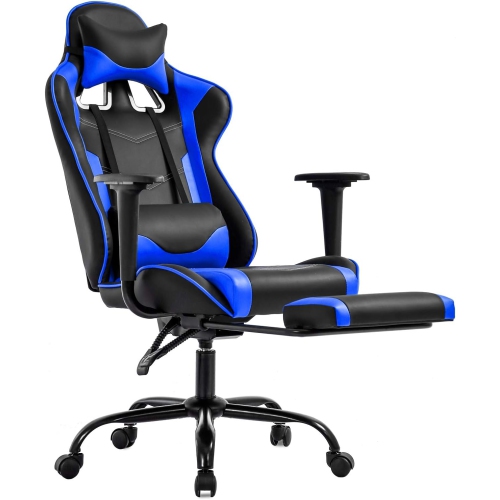
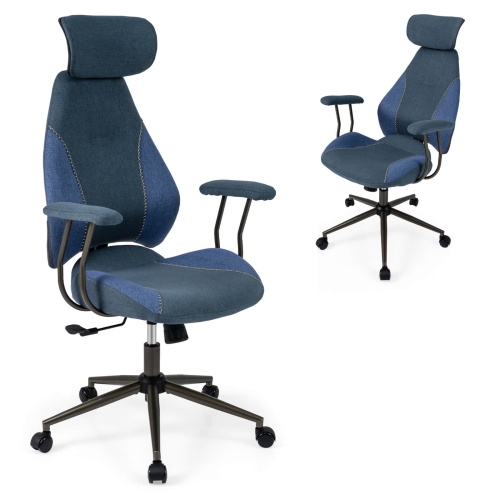
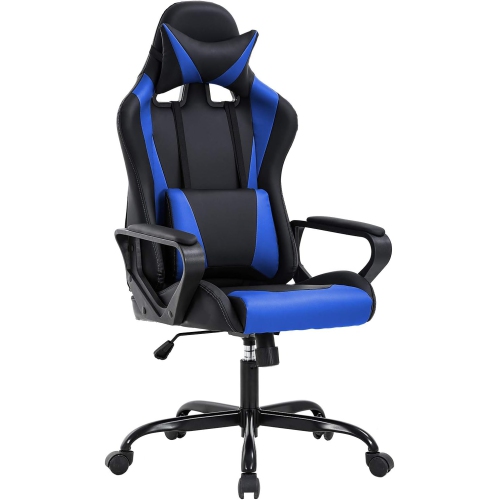
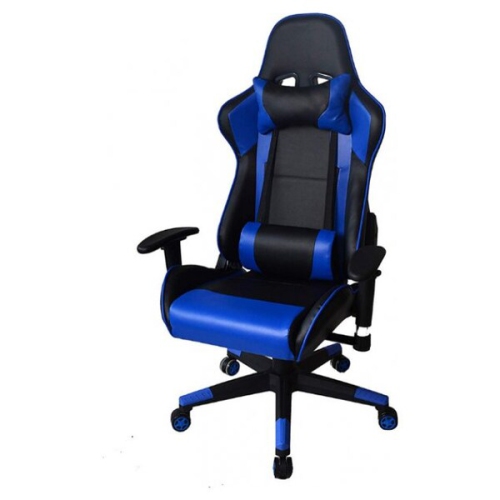
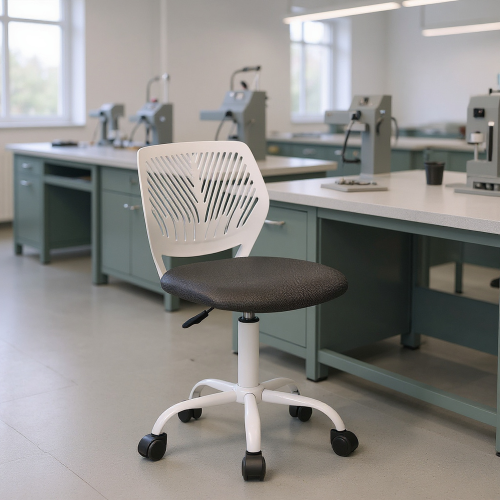
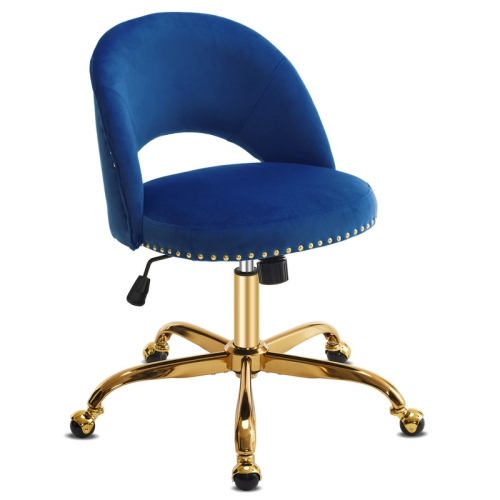
Why chair comfort goes beyond a splash of blue
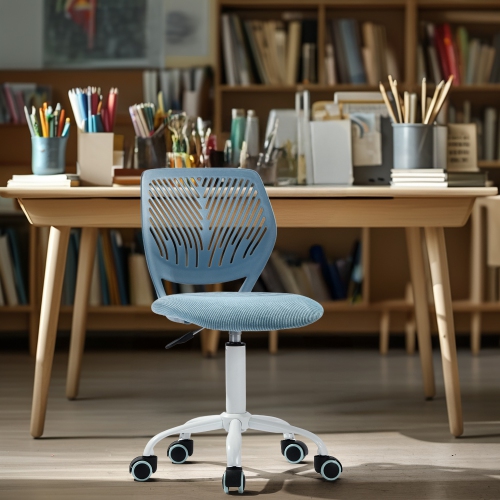
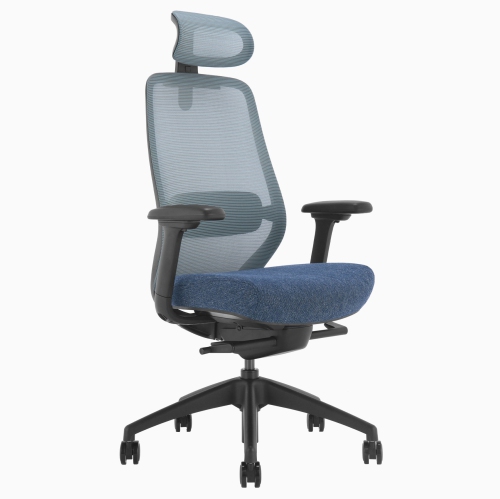
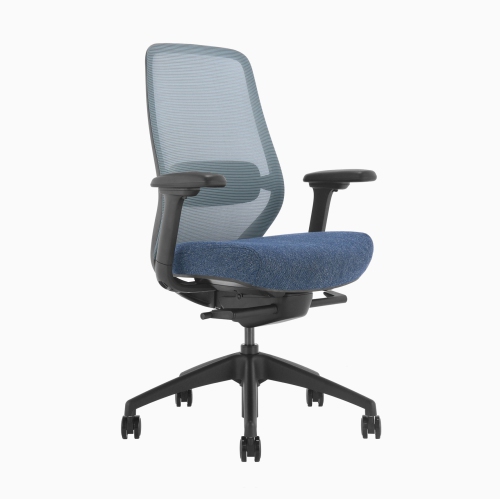
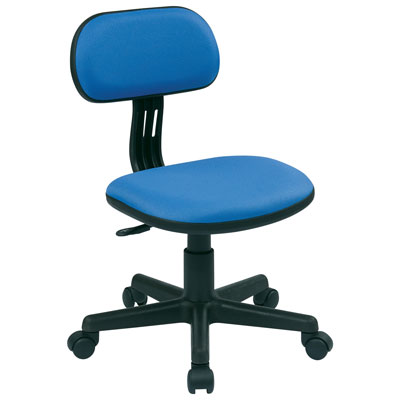
Blue mesh office chairs pair a distinctive colour with an open-weave backrest, making them a practical choice for home offices, study areas, and shared workspaces. The mesh allows air to circulate through the back of the chair, while the blue upholstery can introduce colour without overwhelming a room. Navy and deeper blue tones sit comfortably beside dark wood desks, black monitor stands, and charcoal storage cabinets; brighter blues create a more noticeable accent against white furniture or pale walls. The shade can look different depending on the weave, backing material, and room lighting, so close-up images are useful for understanding both colour and texture. Construction matters just as much as appearance. A mesh-back chair with a cushioned fabric seat offers a different sitting experience from a chair with mesh across both the back and seat. Padding provides a softer contact surface, while a tensioned mesh seat has a more suspended feel. Neither construction suits everyone equally, particularly when the chair will be used for several hours at a time. For remote work, coursework, gaming between assignments, or managing household paperwork, useful features may include adjustable seat height, lumbar support, armrests, and a backrest that reclines or tilts. These features vary by design, and a chair described as ergonomic still needs to fit the person and the desk. A compact task chair can work well in a bedroom study corner, while a taller backrest may suit someone who wants support across more of the upper back. In a multipurpose room, a blue mesh chair can also make a work area feel distinct from the surrounding furniture without requiring a separate office. Its visual weight is worth considering: an open mesh back can appear less solid than a fully upholstered back, although the actual footprint still depends on the base, arms, and seat dimensions. A blue seat, blue backrest, or combination of both will also change how strongly the colour stands out.
Fit begins with the relationship between the seat, the person using it, and the work surface. When seated, feet should rest securely on the floor or on a suitable footrest, with enough space behind the knees to avoid pressure from the front edge of the seat. Seat height specifications are therefore more useful than the chair’s overall height alone. Seat depth is another important measurement: a deep seat may feel spacious to a taller person but leave someone with shorter legs sitting forward, away from the back support. Where available, a sliding seat can help adjust that distance. Seat width should allow comfortable movement without making the armrests too far apart to use naturally. Lumbar support may be built into the curve of the backrest or provided through a separate adjustable section; its position should suit the lower back rather than press into an awkward spot. For someone who moves between typing, reading, and video calls, a tilt mechanism can make it easier to change position. Tilt tension controls how much resistance is felt when leaning back, while a tilt lock holds the chair in a permitted position, depending on the mechanism. A headrest is optional rather than essential, and its height and angle matter more than its presence alone. Armrests deserve similar attention. Adjustable arms may help support the forearms during desk work, but fixed arms can prevent a chair from sliding under a low desktop. Measure the clearance beneath the work surface, including any drawer or support rail, rather than relying only on the desk’s stated height. In a small workstation, being able to tuck the chair away can make the surrounding room easier to use. Shared desks benefit from controls that are easy to reach and adjust, especially when users have different heights. The chair’s stated weight capacity and recommended dimensions should also match its intended user. Even a well-fitted chair works best alongside sensible screen and keyboard placement, with opportunities to stand, stretch, and change position throughout the day.
Durability in blue mesh office chairs depends on the complete construction, not simply whether the base is metal or the backrest looks substantial. The mesh should be securely attached to its frame, with an even surface and finished edges that do not rub against clothing. A supportive frame helps the backrest retain its shape, while the seat’s padding, upholstery, and underlying structure all influence how it feels with repeated use. Fabric-covered seats can collect lint and crumbs around seams, and exposed mesh can catch on sharp accessories, so routine care is useful in a busy workspace. Follow the manufacturer’s cleaning directions, remove loose dust gently with an appropriate vacuum attachment or soft brush, and test any permitted cleaning solution on an inconspicuous area first. Avoid soaking padded seats or using harsh cleaners that could affect the fabric, mesh, or finish. Armrest surfaces and adjustment levers also benefit from regular attention, particularly at a desk used by several people. Floor compatibility is another practical detail. Castors intended for carpet may behave differently on hardwood, laminate, or tile, and a suitable chair mat can help protect the surface beneath the desk. Replacement castors should be compatible with the chair rather than chosen on appearance alone. Allow room for the base to turn without striking nearby cabinets, and check that the chair can move comfortably between the desk and any shelving behind it. During assembly, follow the supplied instructions and check fasteners as directed; unusual movement, damaged mesh, or a failing height mechanism should not be ignored. Colour remains a personal choice, but it is easier to coordinate when considered alongside the room’s largest surfaces. Blue can echo artwork, storage bins, or a desk accessory, while a more neutral alternative such as Gray Mesh Office Chairs may suit a quieter palette. The most useful choice brings together that visual preference with the right dimensions, controls, materials, and support for everyday work.
Top selling and popular products
-
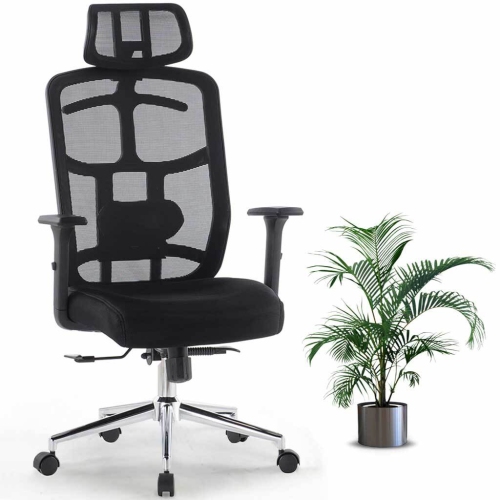 Your price for this item is $126.99
-
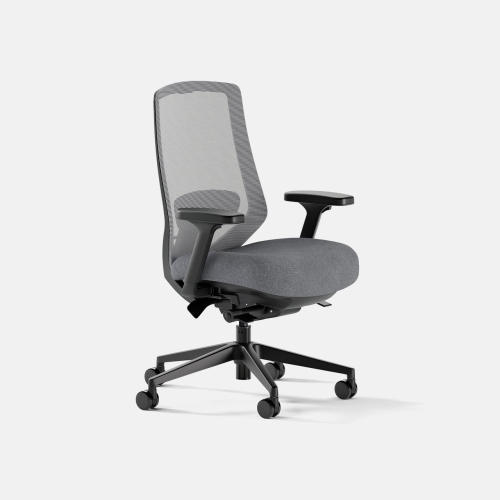 Your price for this item is $599
-
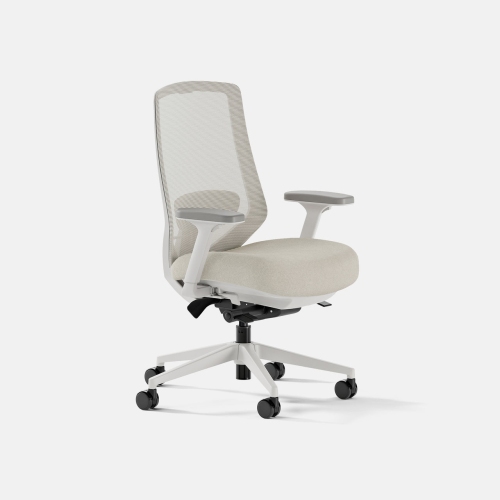 Your price for this item is $599
-
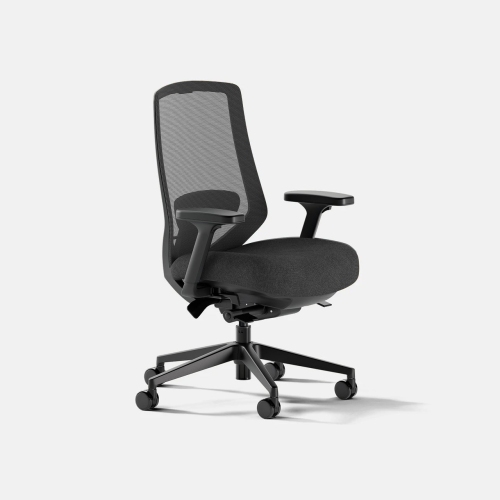 Your price for this item is $599
-
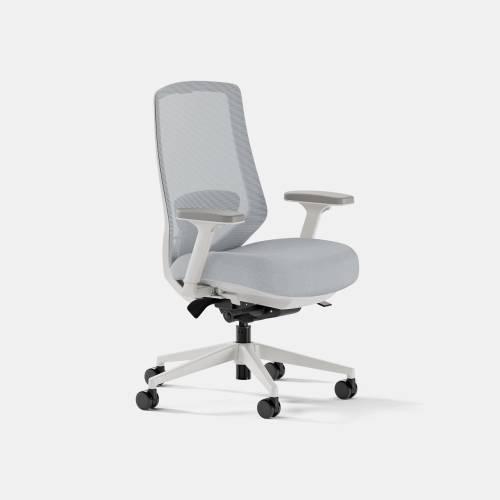 Your price for this item is $599
-
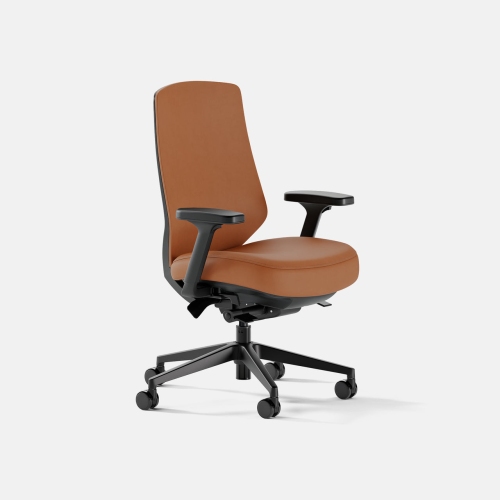 Your price for this item is $649
-
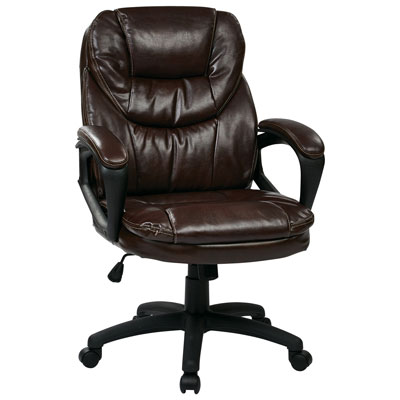 Your price for this item is $459.99
-
 Your price for this item is $429
Discover more categories related to Blue Mesh Office Chairs
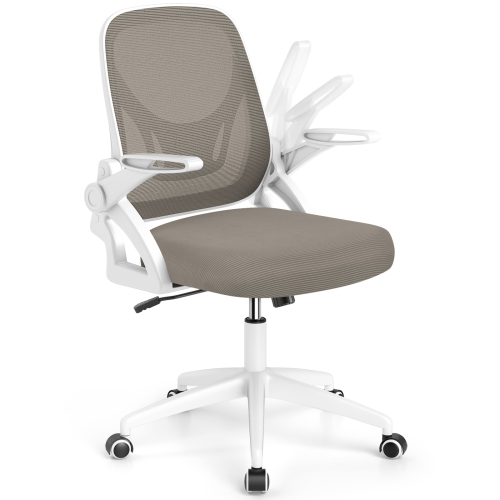
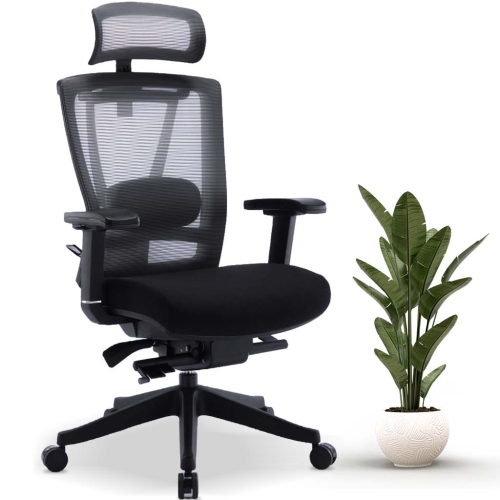
Top Collections:
Best Black Friday Deals This Year, Best Black Friday Deals On Electronics, Kindle Devices, Pokemon Centers, Best Black Friday Deals On Apple Products, Best Cameras for Sports Photography, Dyson Airwrap, Pokémon 30th Celebration Cards, Apple iPhone 17 Pro, Canon G7X Cameras
Some products may be subject to Environmental Handling Fees
(EHF) depending on your province.
Learn more about EHFs.