Black Metal Coffee Tables
If you're looking for a coffee table that will add a touch of style to your living room or family room, then a black metal coffee table is a great choice. These tables are available in many different styles and designs, so you can easily find one that will match the rest of your decor. Here are some of our favorites.
Sort






































Why the tabletop matters as much as the frame
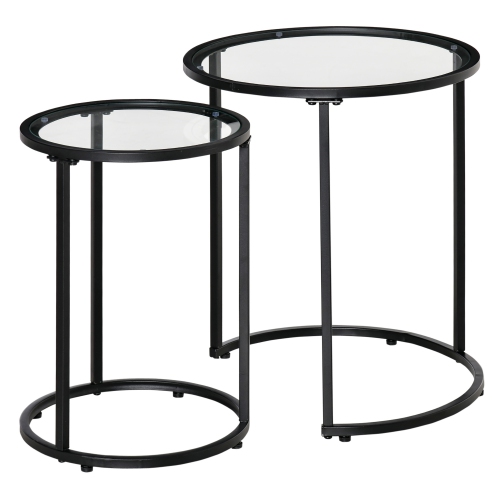
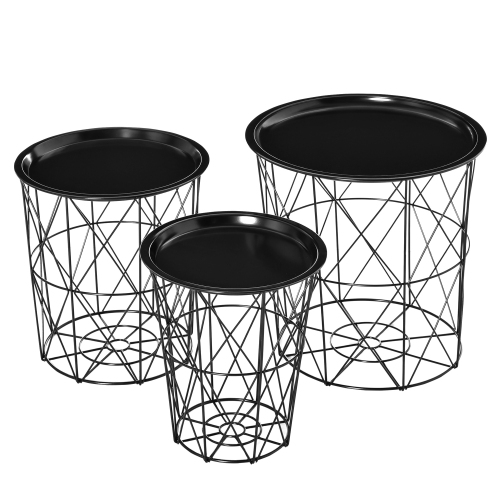
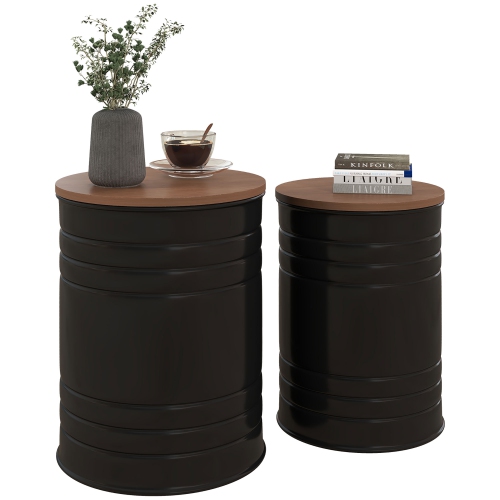
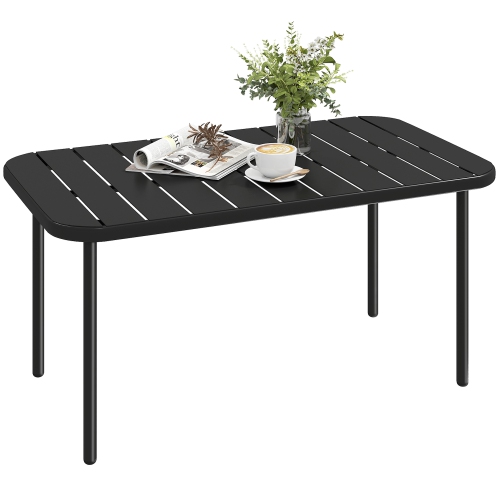
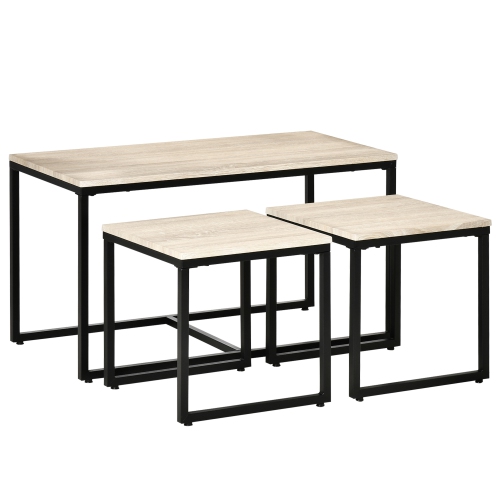
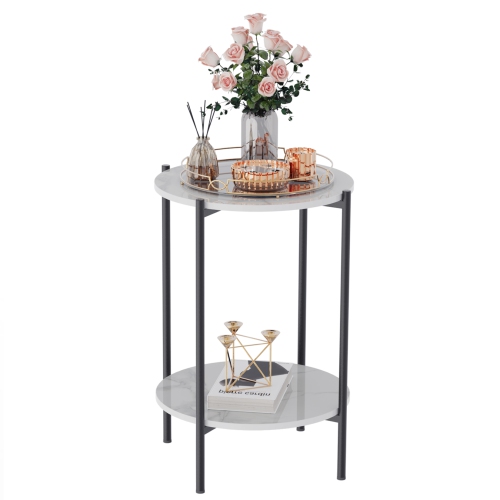
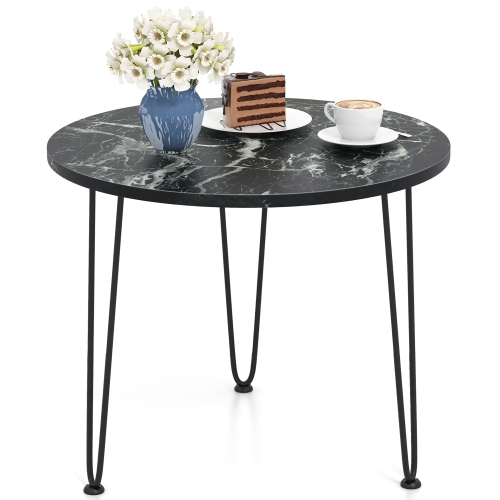
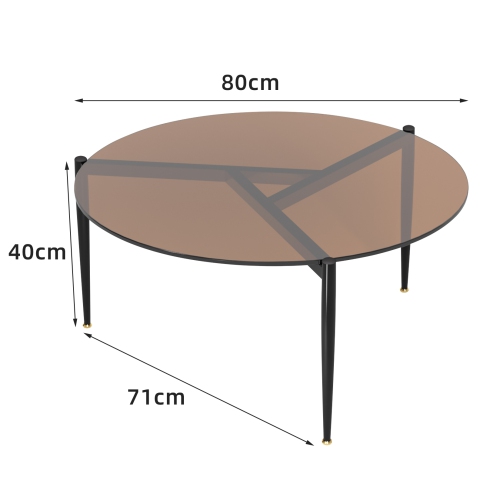
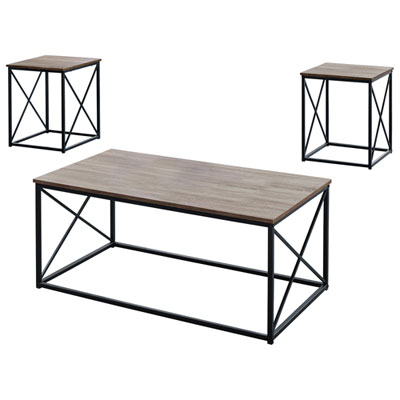
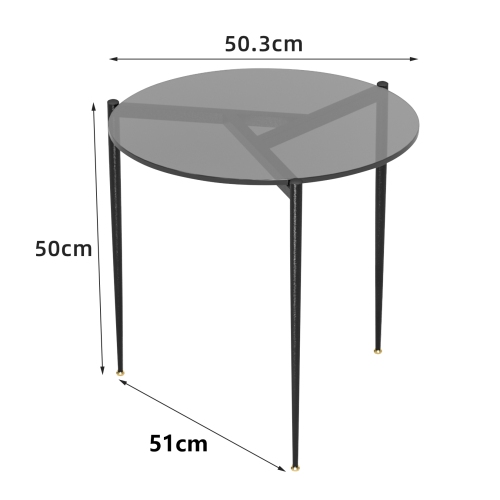
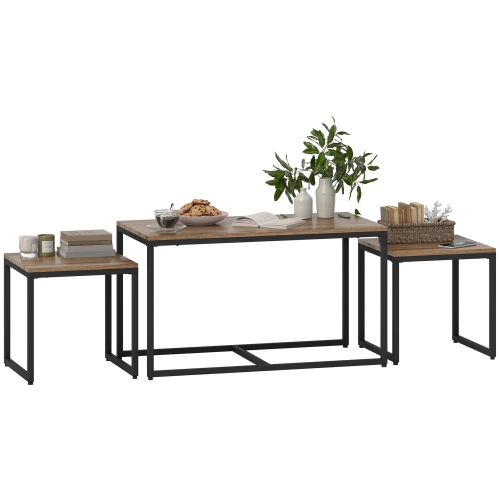
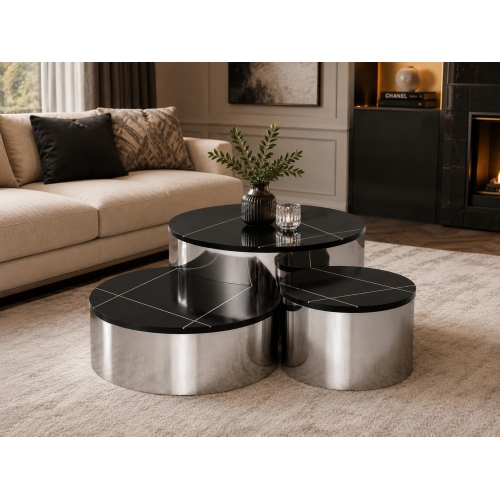
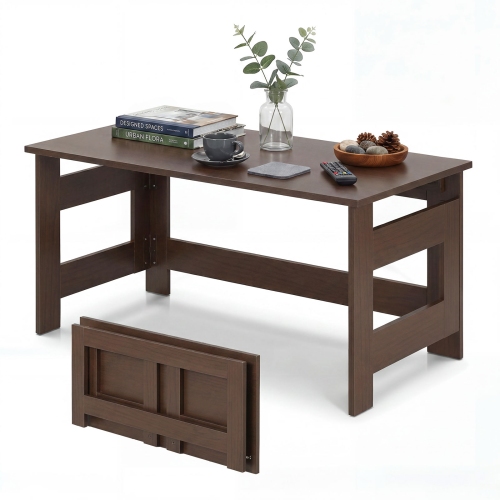
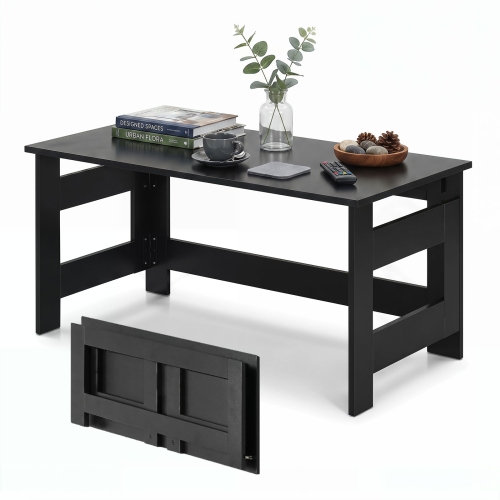
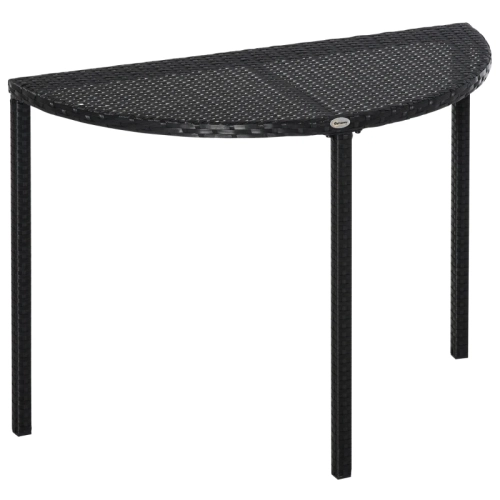
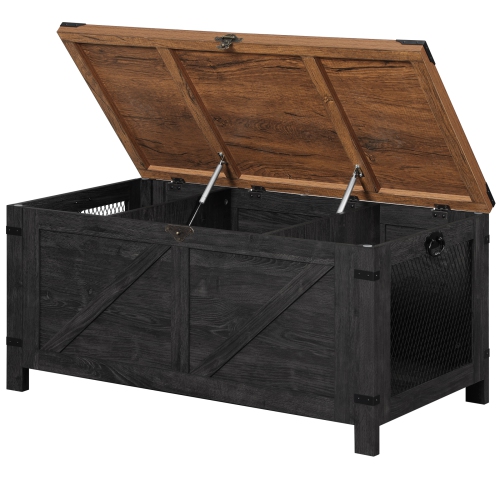
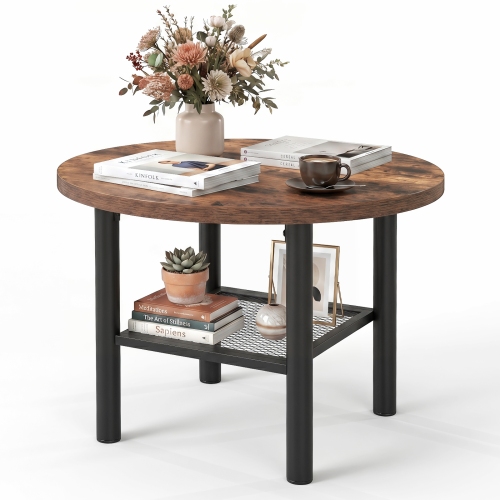
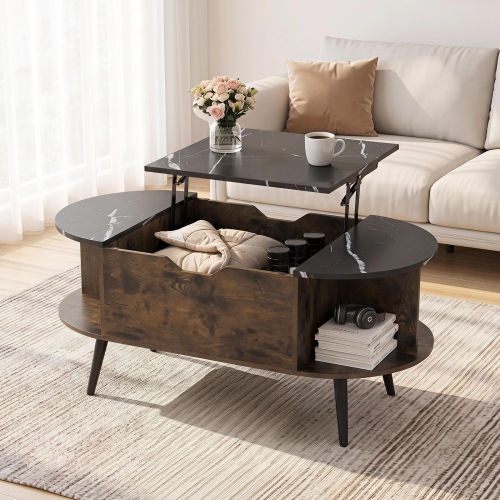
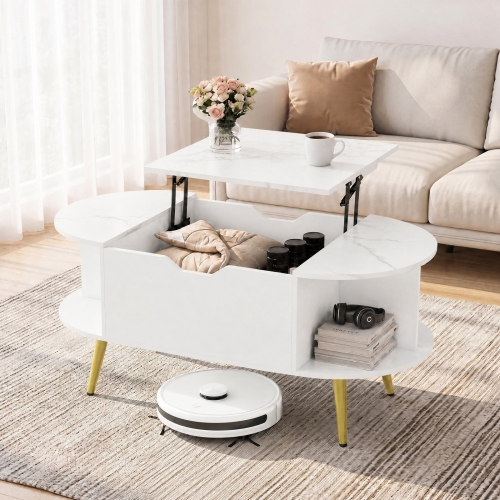
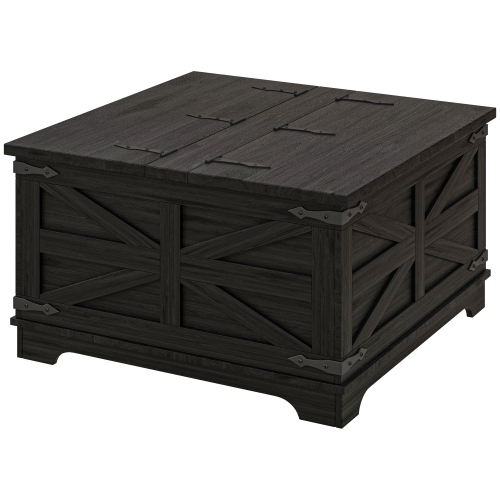
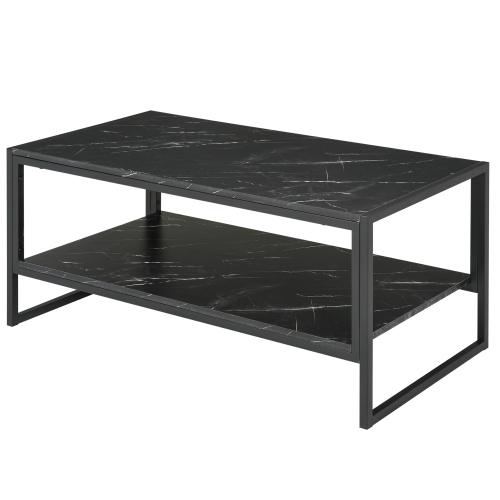
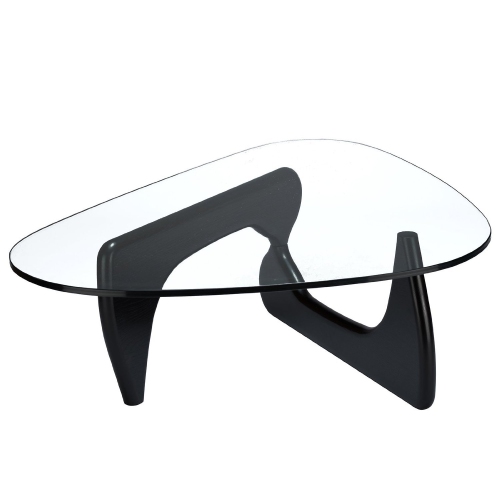
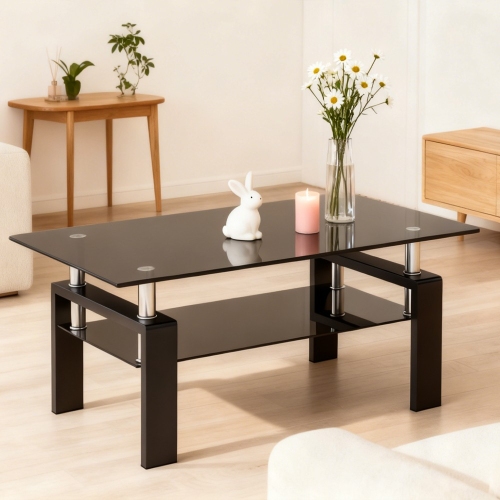
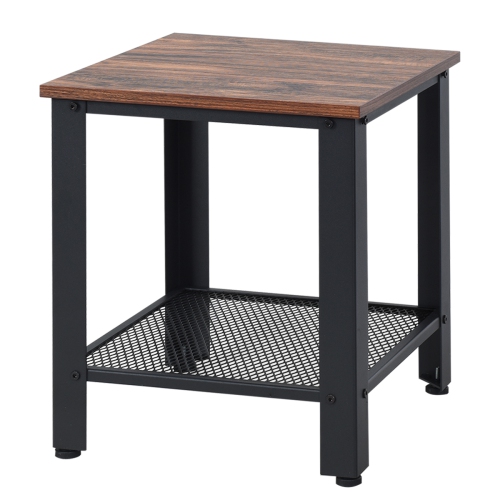
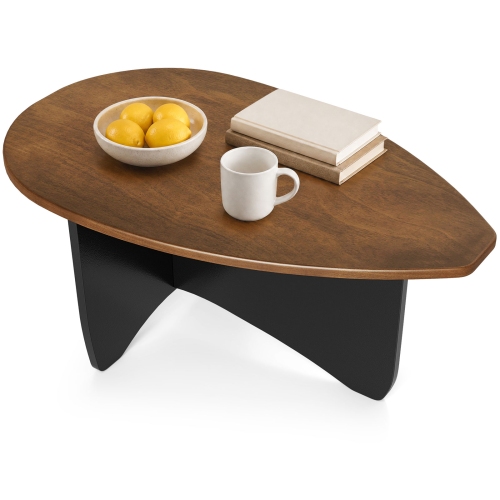
Black metal coffee tables bring a strong outline and a practical central surface to a living room, combining a dark finish with shapes that range from slim, open frames to substantial drum bases. The category includes tables made largely from metal as well as designs that pair black metal legs or frames with wood, glass, or stone-look tops. That distinction matters: the frame influences stability and appearance, while the tabletop determines much of the everyday feel and care. Steel is common in slender, structured designs, while iron can appear in heavier forms or textured details; construction and dimensions matter more than the material name alone when assessing weight and sturdiness. A matte black finish creates a quieter, understated look, whereas a satin or glossy finish catches more light and makes the table’s outline more noticeable. Against a pale rug or light-coloured sofa, black metal adds definition without requiring a large piece of furniture. Beside leather upholstery, exposed brick, or warm wood, it can reinforce an industrial look; paired with soft fabrics and rounded seating, the same finish provides contrast without making the room feel stark. Open bases leave more of the floor visible, while enclosed bases make a stronger visual statement and conceal less tidy views beneath the tabletop. For a lighter-looking surface, black metal and glass coffee tables combine a defined frame with a transparent top that allows a rug’s pattern to remain visible. Glass also makes the contents of a lower shelf more noticeable, so storage and styling become part of the overall appearance. Wood-topped designs introduce grain and warmth, while an all-metal top offers a more uniform look. These differences help explain why tables with the same black finish can suit very different rooms, from a compact apartment lounge to a spacious family seating area.
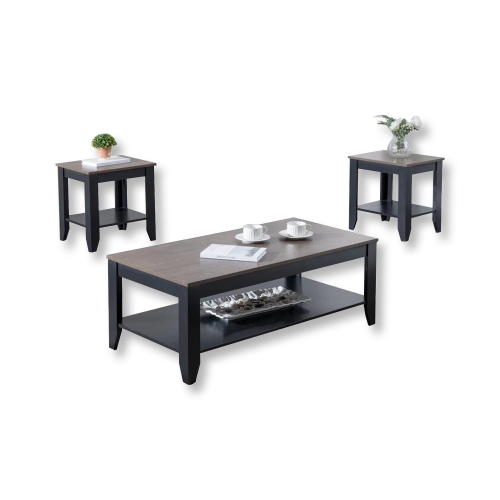
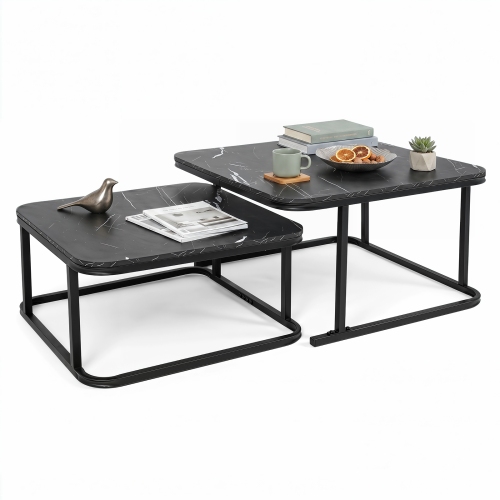
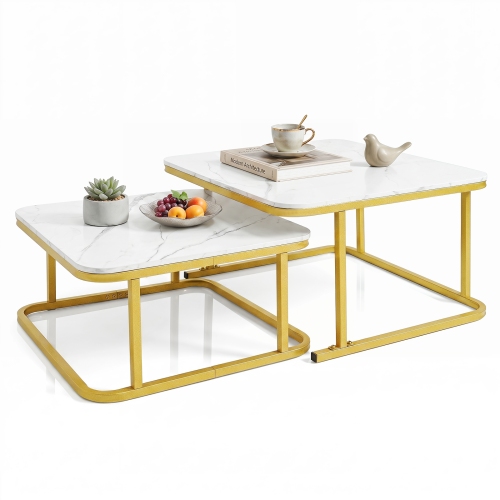
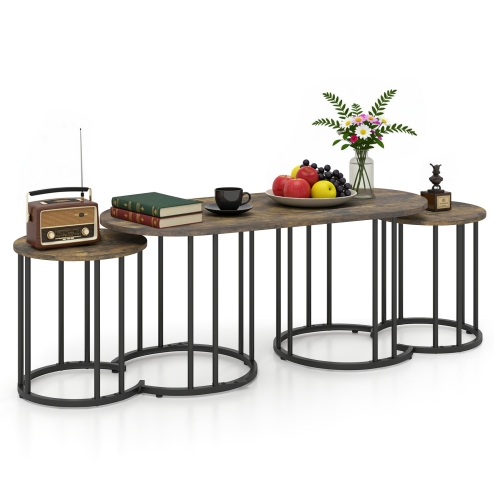
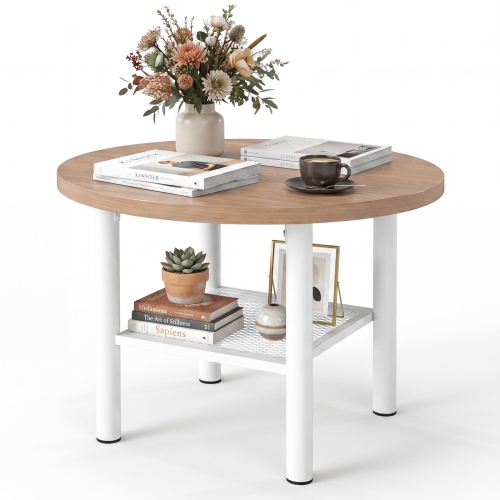
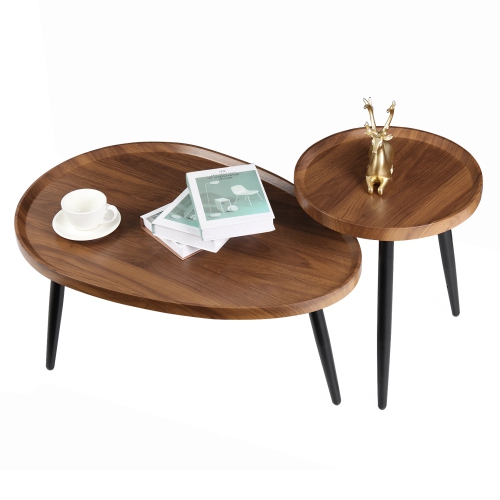
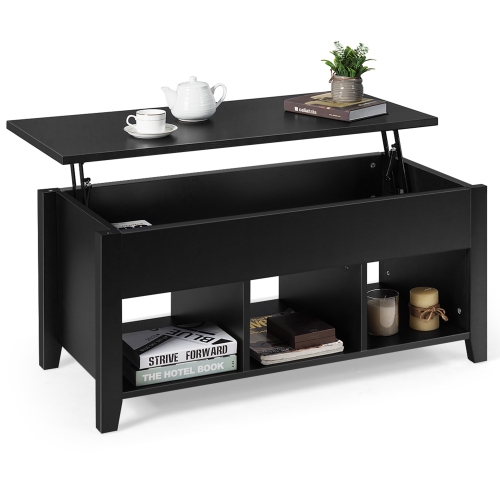
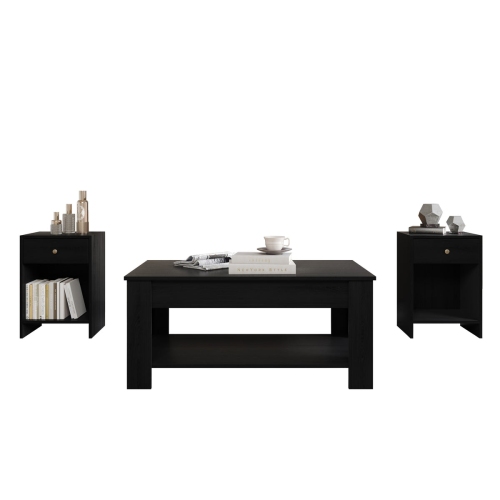
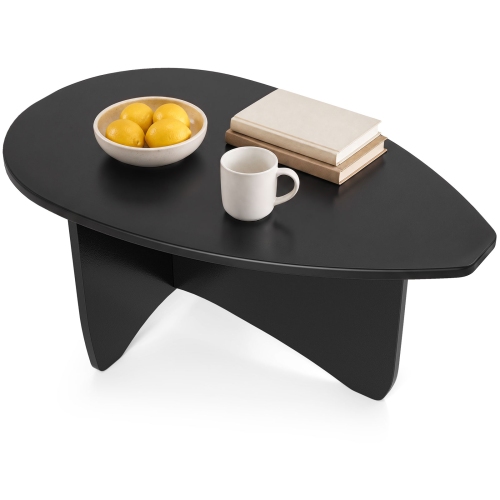
Proportion and placement have a greater effect on everyday comfort than an elaborate silhouette. A coffee table generally works best when its surface sits close to the height of the sofa cushions, or slightly below them, so a drink or remote is within easy reach. A length around two-thirds of the sofa can be a useful starting point, although a sectional, a pair of facing sofas, or an unusually deep seat may call for a different proportion. Leaving approximately 40 to 45 cm between the table and seating often provides room for legs while keeping the surface accessible; a route used to walk through the room may need more clearance. Rectangular black metal coffee tables offer a long surface alongside a standard sofa, with space to separate a serving tray from books or a small display. Square shapes can work well within a broad seating arrangement, especially where several people need access from different sides. Round and oval tables remove projecting corners from the layout and can make movement around closely spaced furniture feel less awkward, although their edges still require care around children. Nesting designs provide overlapping surfaces that can spread out for guests and tuck together afterwards, provided there is enough floor space for both arrangements. Storage changes how the table serves the room, too. A lower shelf can hold reading material, baskets, or board games, leaving the top clearer for drinks and snacks. Drawers conceal small accessories but need enough opening clearance beside the sofa. In a room used for television, conversation, and occasional laptop tasks, the most useful layout balances a clear tabletop with accessible storage. A standard coffee table is usually lower than a desk, so extended computer use may be more comfortable elsewhere; lift-top designs require attention to their raised height, mechanism, and stated load limits. The right fit supports the activities that actually happen around the seating rather than simply filling an empty patch of floor.
Durability depends on the finish, joints, tabletop, and care routine as much as on the presence of metal. Powder-coated steel can provide a hard-wearing surface for normal indoor use, but no coating makes a table immune to scratches, chips, or damage from dragging heavy objects across it. Exposed edges, welded joints, and the points where the top meets the base deserve attention because these areas affect both appearance and stability. A broad base or well-braced frame can reduce movement, though the finished table should still be assessed on a level floor and used within its stated weight capacity. Heavy construction is not automatically a sign of better suitability: a substantial table may feel reassuring in a large room but be inconvenient where furniture is moved regularly for cleaning or flexible seating. Adjustable feet, where included, can help accommodate minor floor unevenness, and suitable floor protectors can reduce marks on wood or tile. For routine cleaning, a soft cloth and prompt attention to spills are usually more useful than vigorous scrubbing. A lightly dampened cloth followed by drying often suits coated metal, but the manufacturer’s care directions take priority, particularly for textured finishes or mixed-material tops. Abrasive pads, harsh cleaners, and prolonged moisture can damage some surfaces. Coasters help protect against drink rings, while trivets keep hot dishes from contacting the finish directly. Glass tops may show fingerprints, wood surfaces have their own moisture sensitivities, and stone-look materials vary in composition, so each part of the table may need different treatment. Assembly also affects performance: correctly fitted hardware and occasional checks for loosened fasteners help maintain a steady surface. For households with young children or pets, secure tops, stable bases, and the absence of accessible sharp details are worthwhile considerations. A black metal coffee table can also make a thoughtful housewarming gift when the recipient’s room dimensions and preferences are known, offering a useful furnishing whose shape, storage, and finish can remain relevant through changes in seating and accessories.
Top selling and popular products
-
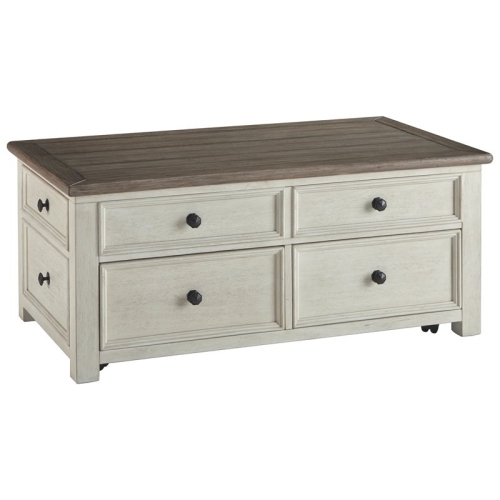 Your price for this item is $949
-
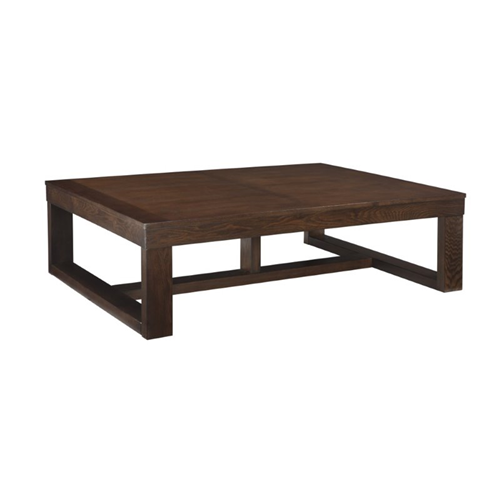 Your price for this item is $449
-
 Your price for this item is $649
-
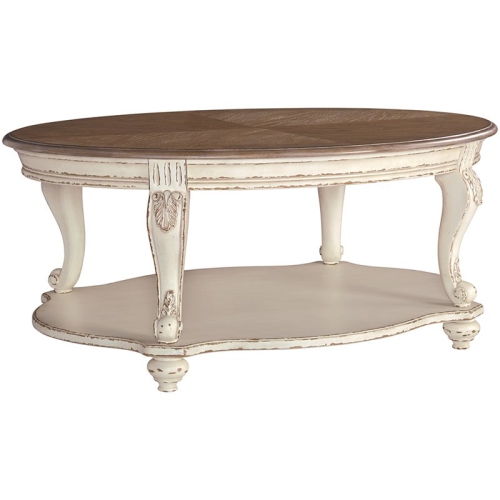 Your price for this item is $599
-
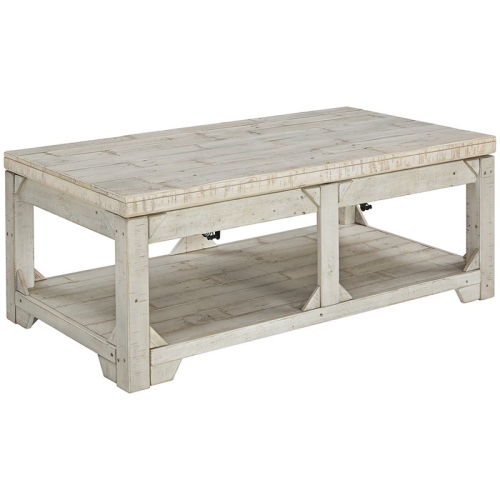 Your price for this item is $549
-
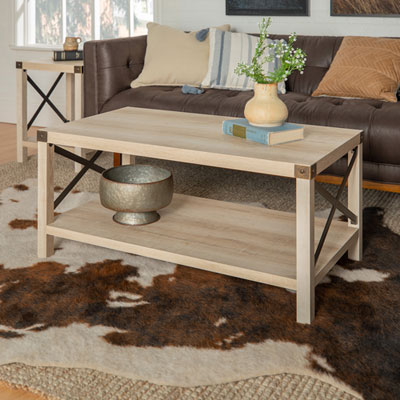 Your price for this item is $311.99
-
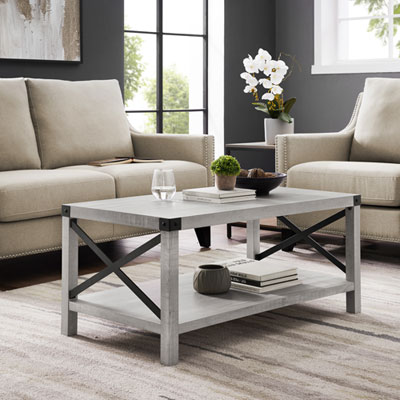 Your price for this item is $249.99
-
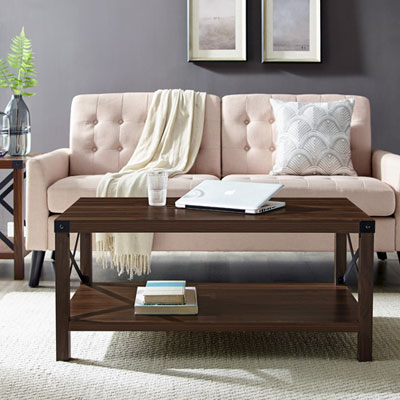 Your price for this item is $311.99
Discover more categories related to Black Metal Coffee Tables


Top Collections:
Pokemon Centers, Kindle Devices, Best Cameras for Sports Photography, Pokémon 30th Celebration Cards, Apple iPhones 16, Canon G7X Cameras, iPhone 15 Apple, Flip Phones, Samsung Galaxy Phones, Alarm Clock
Some products may be subject to Environmental Handling Fees
(EHF) depending on your province.
Learn more about EHFs.