Large Ottomans
Transform your living space with these large ottomans. These versatile pieces not only provide extra seating and storage but also add a touch of style to any room. Whether you're looking for a cozy footrest to complement your sofa or a statement piece to anchor your living room, these large ottomans have something for every taste and decor. From sleek and modern designs to plush and luxurious options, you'll find the perfect ottoman to enhance your home's aesthetic.
Sort
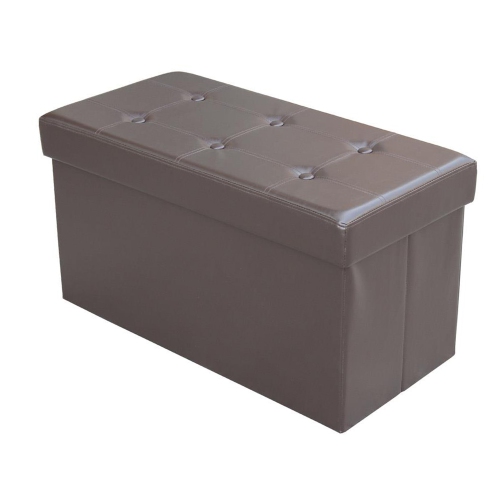
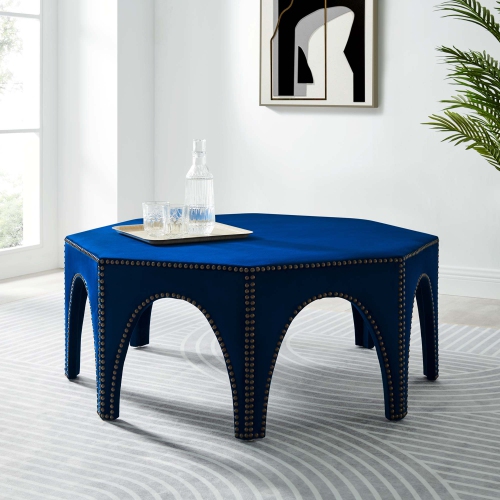
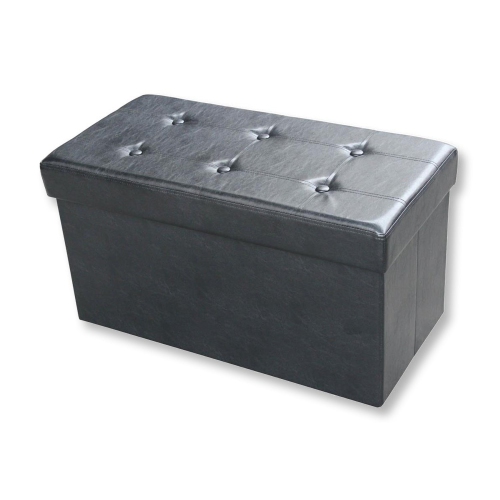
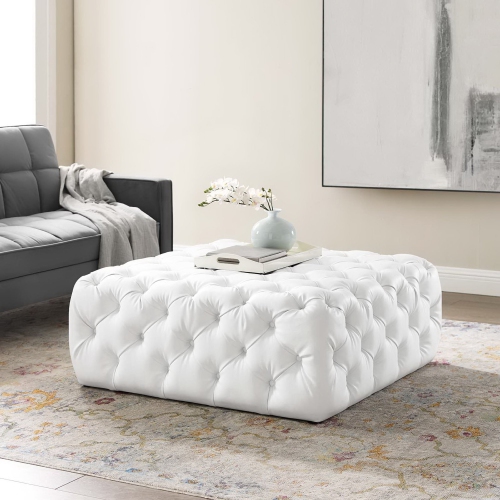
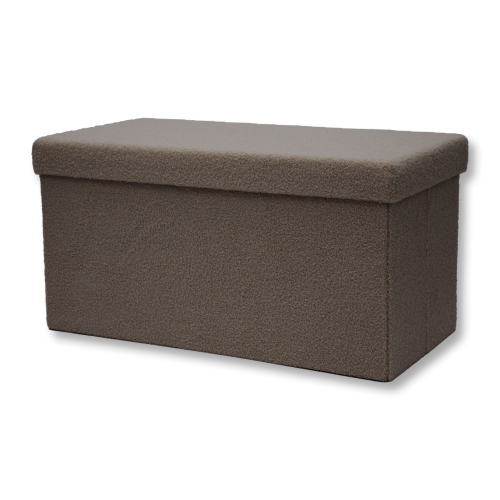
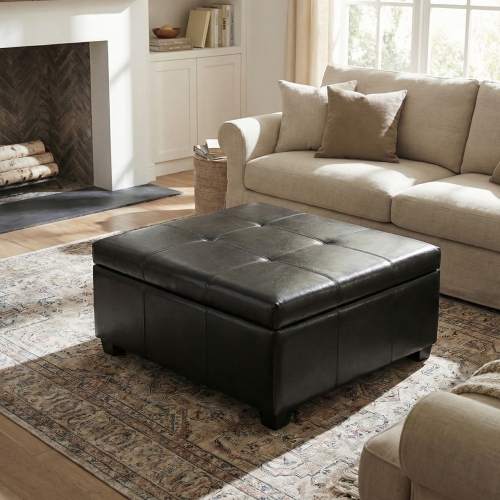
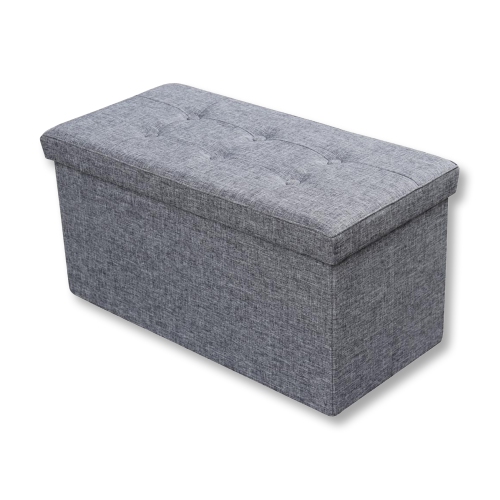
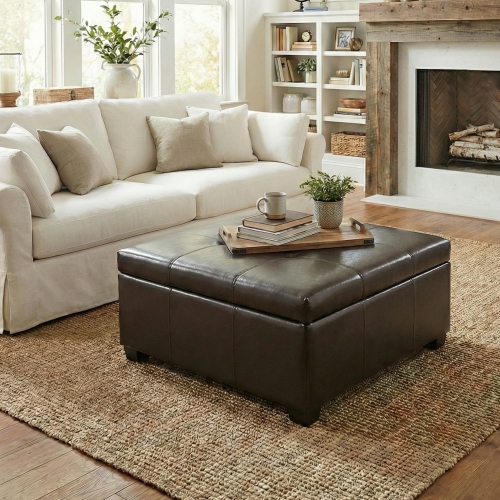
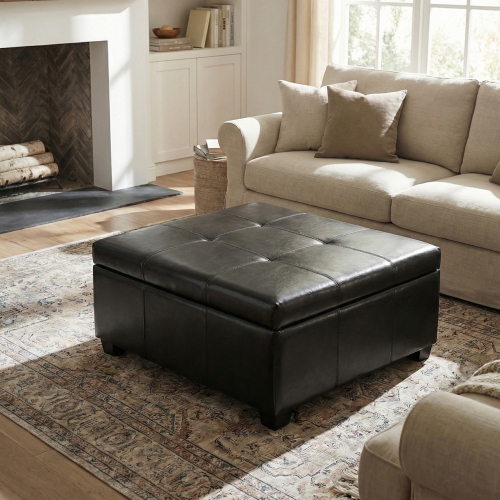
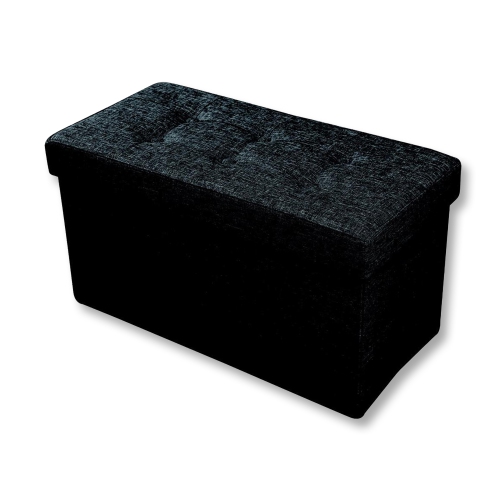
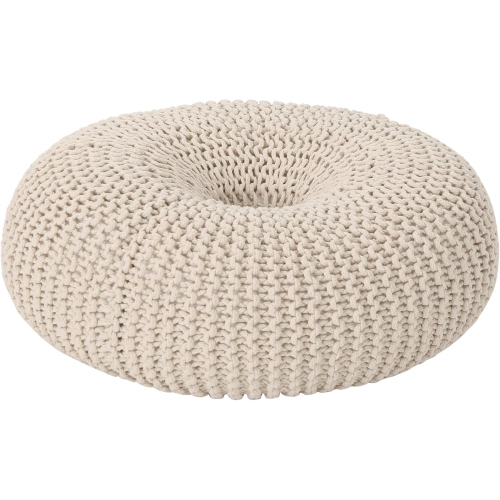
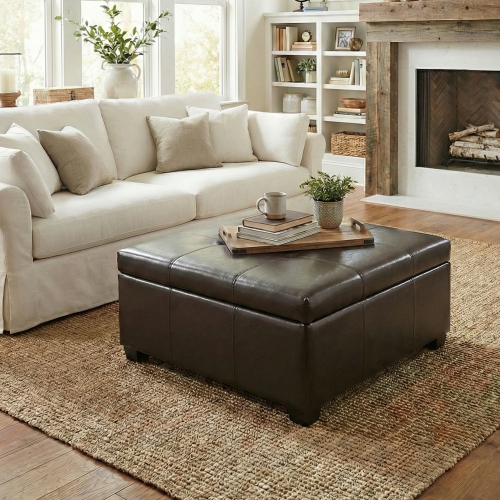
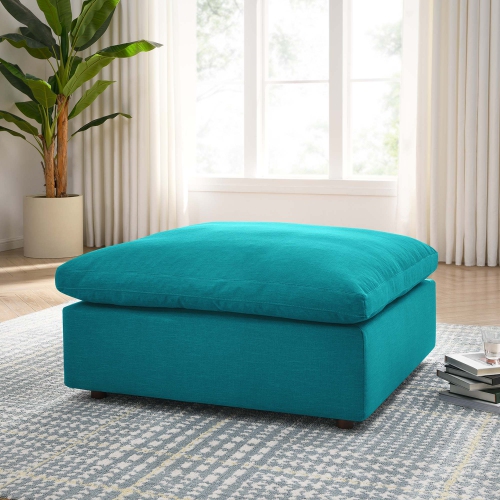
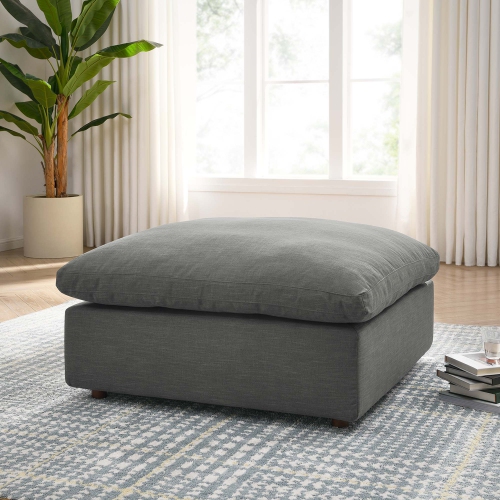
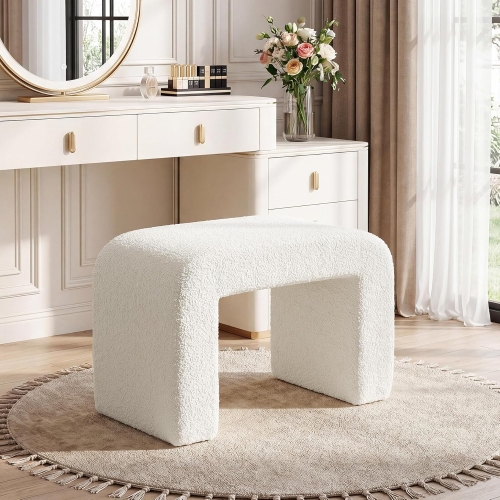
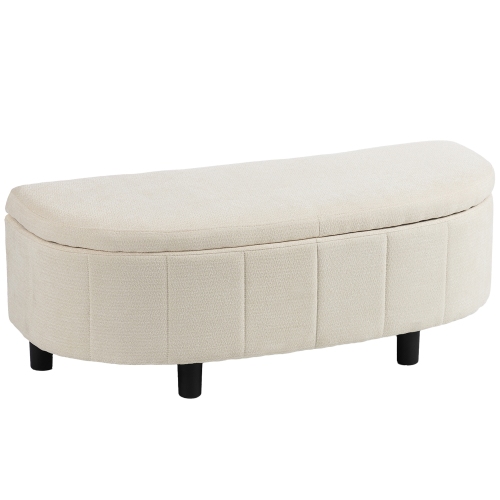
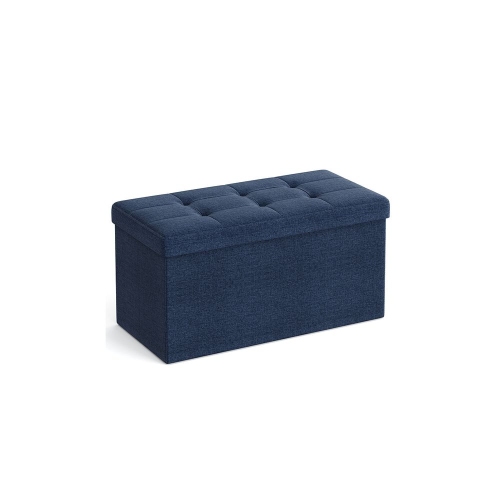

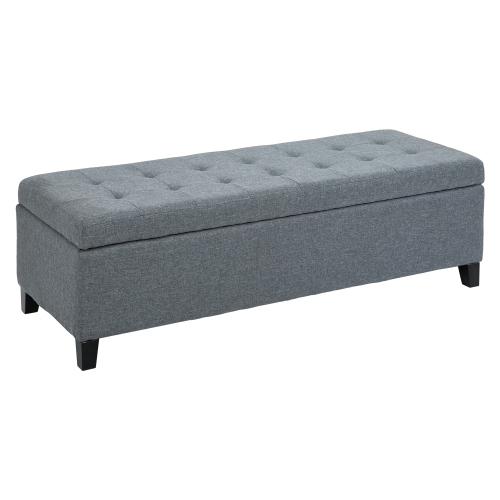
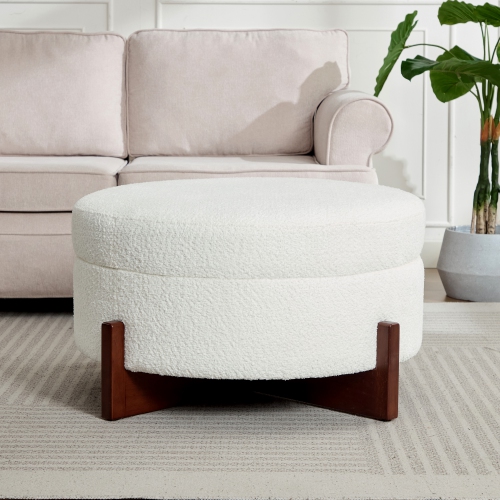
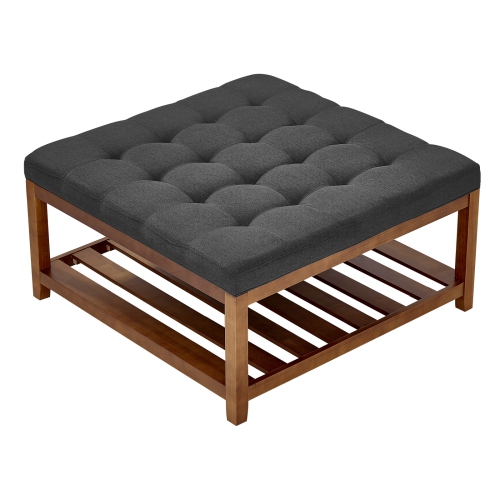
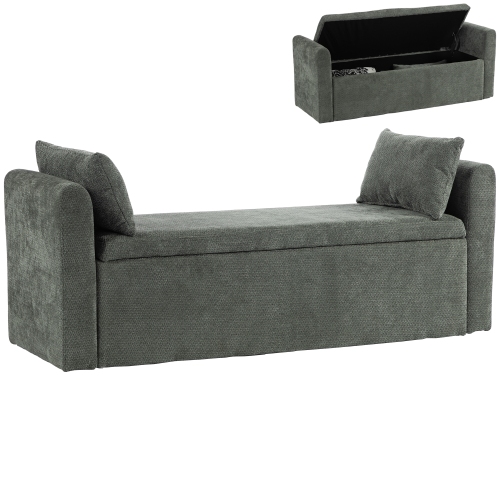
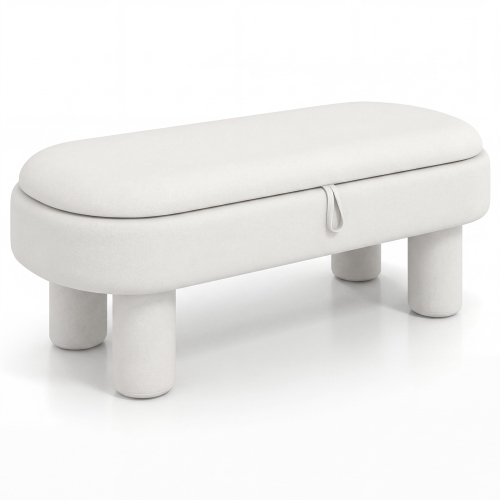
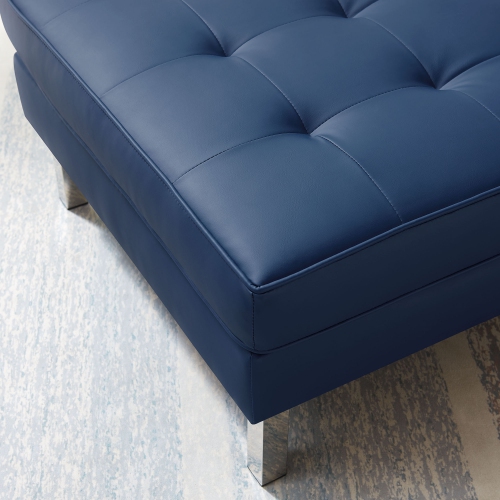
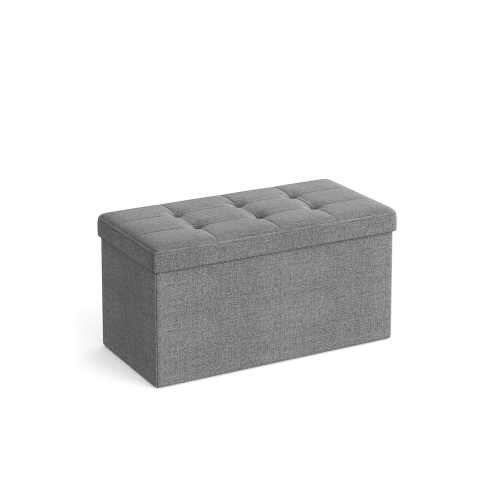
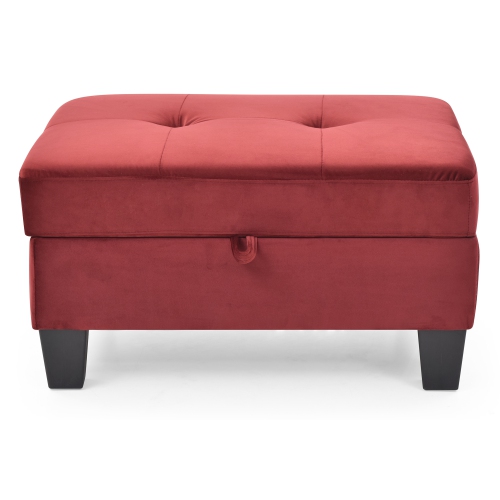
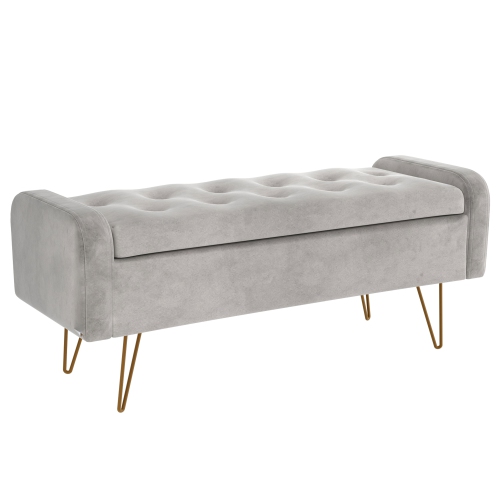
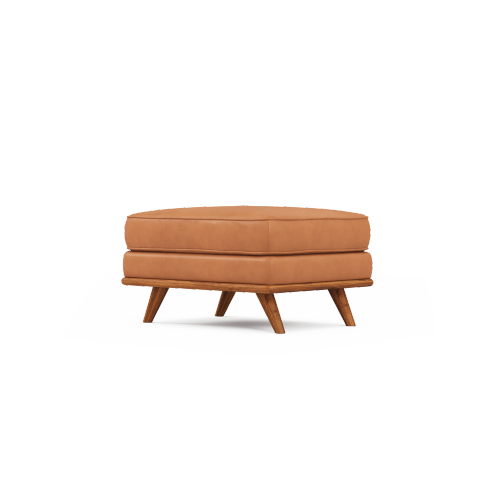
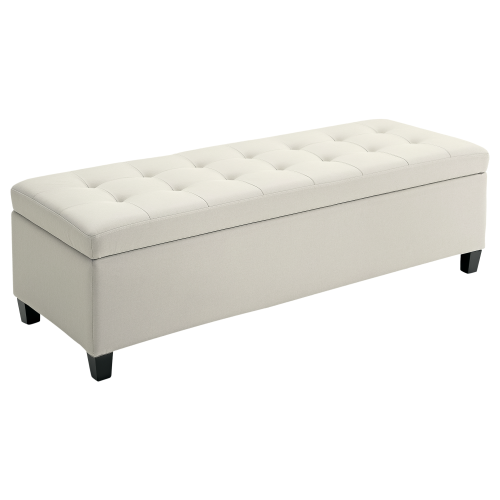
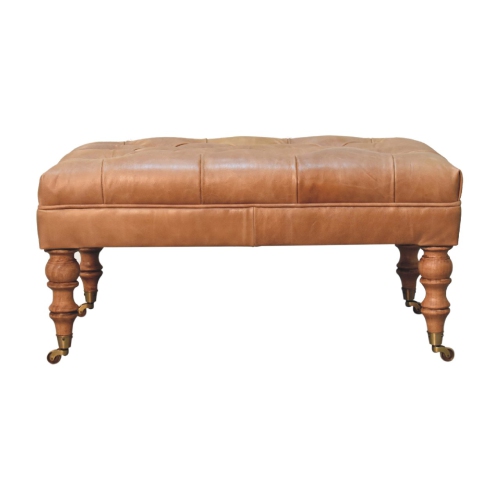
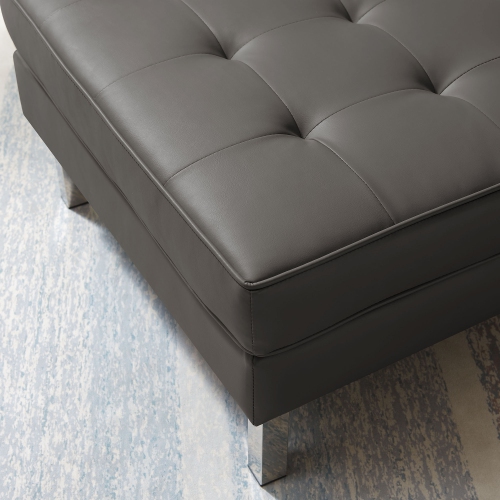
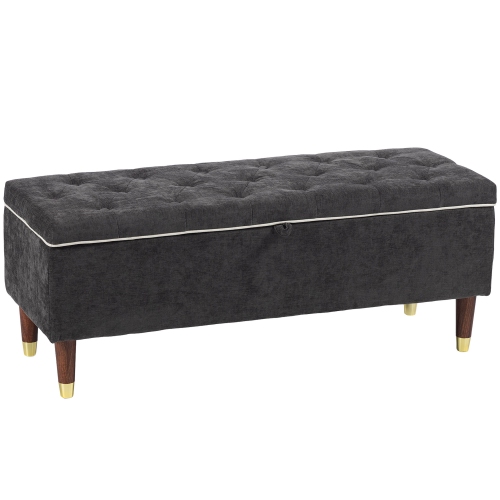
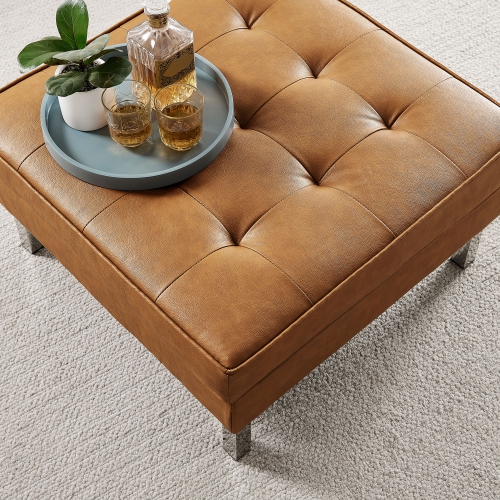
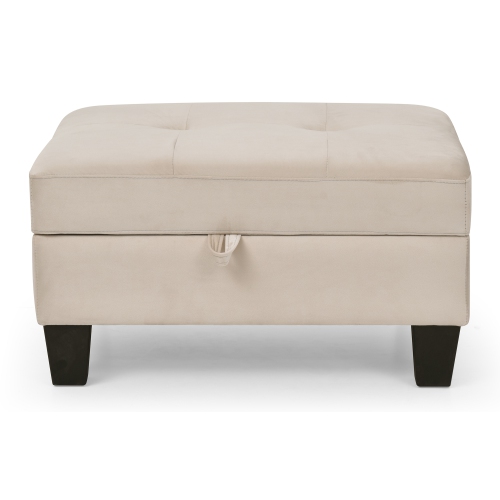
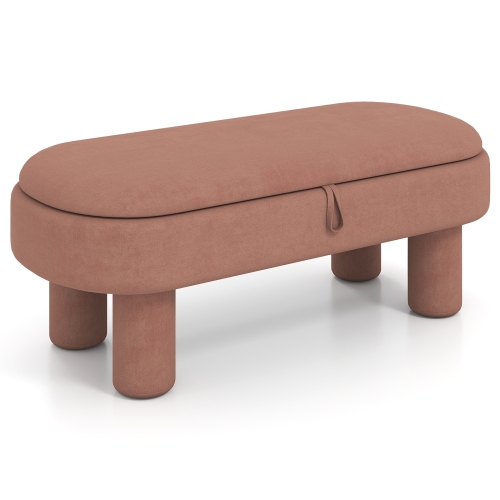
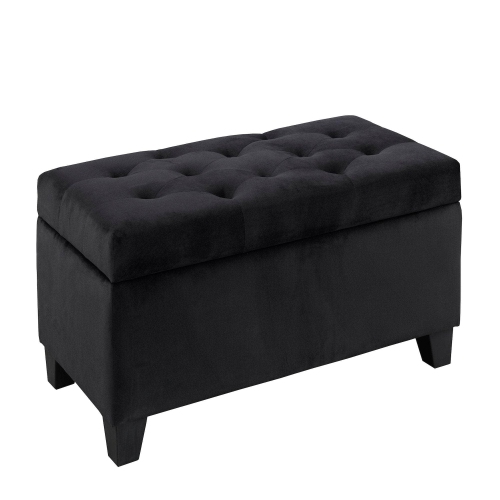
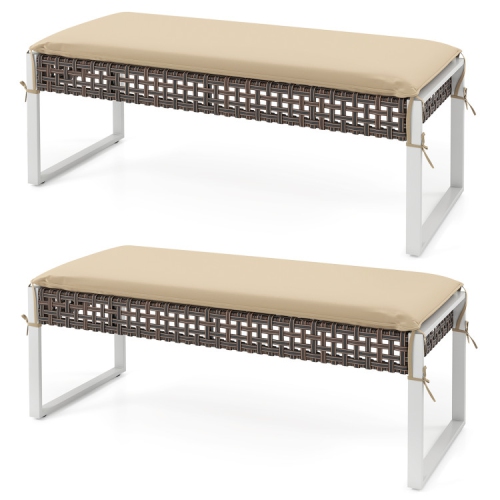
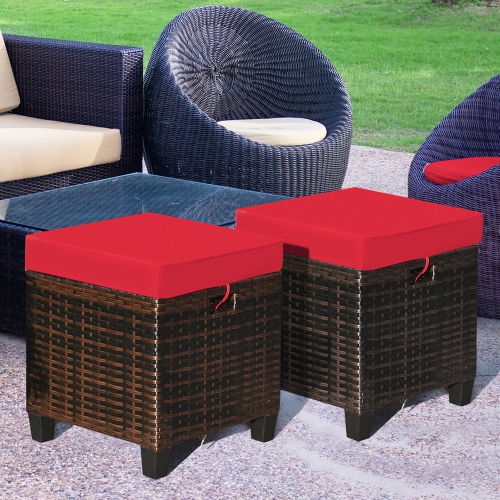
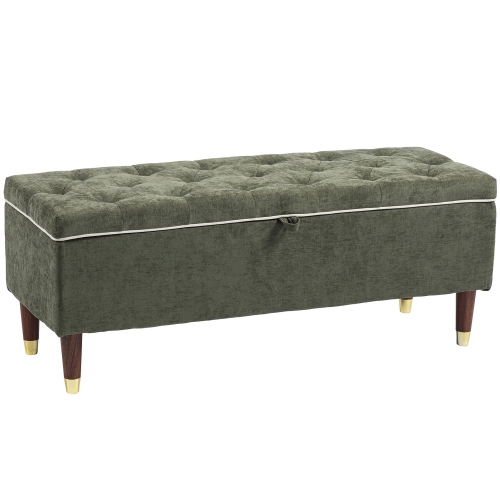
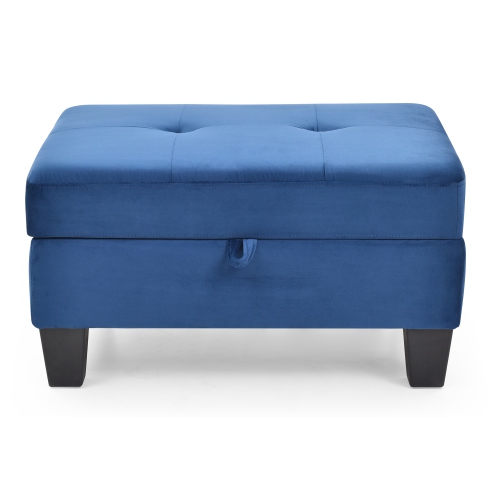
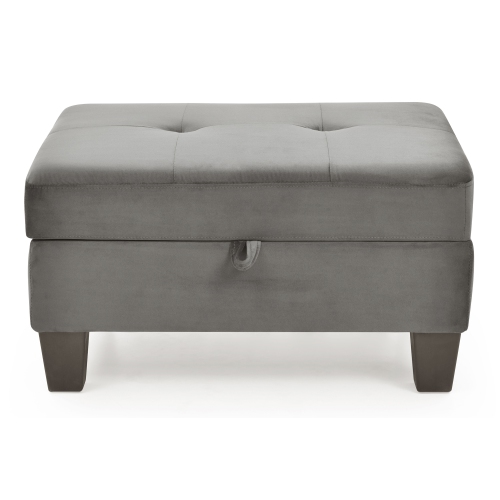



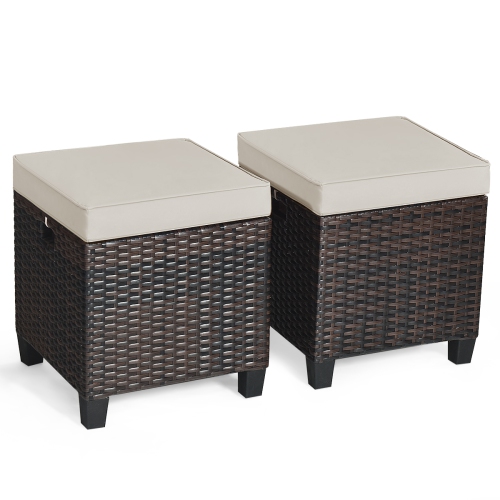
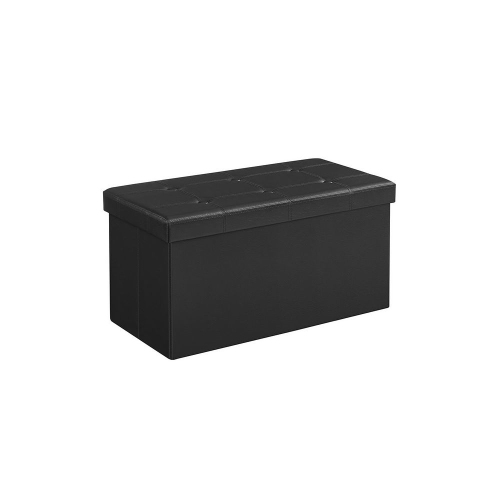
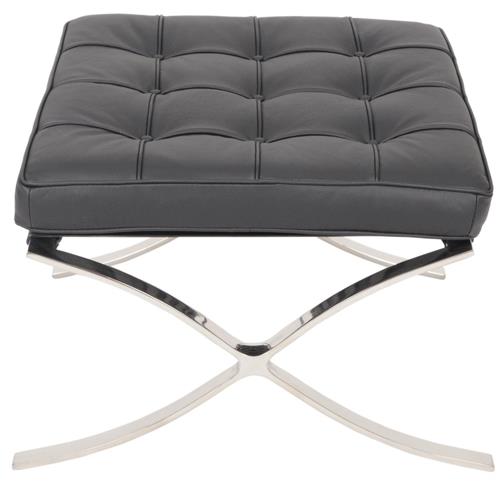

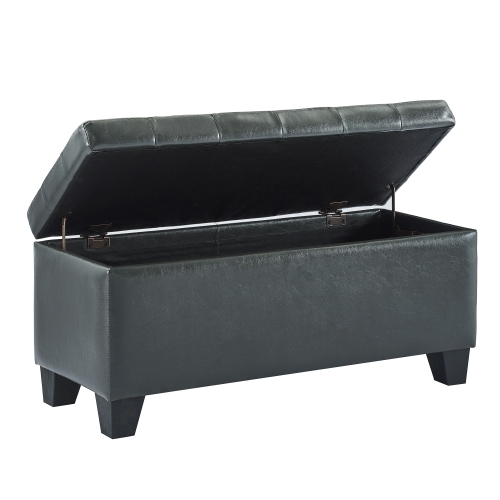

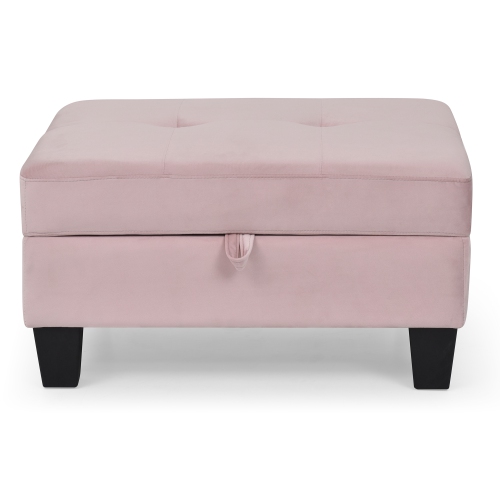
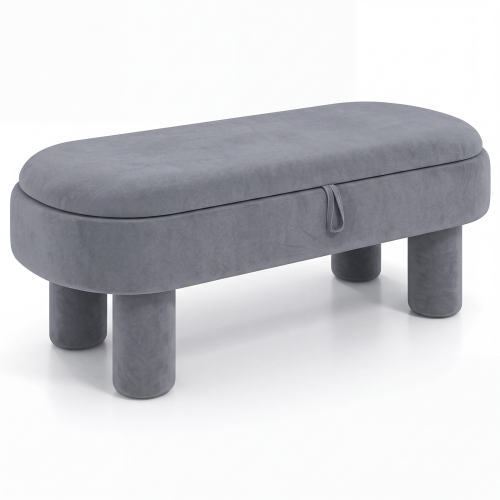
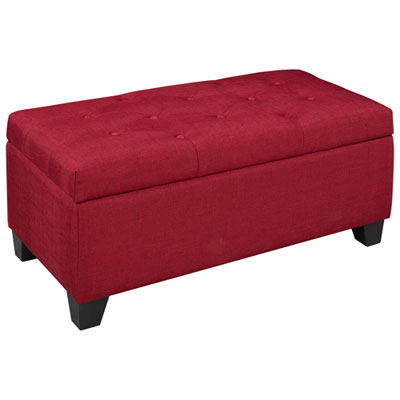
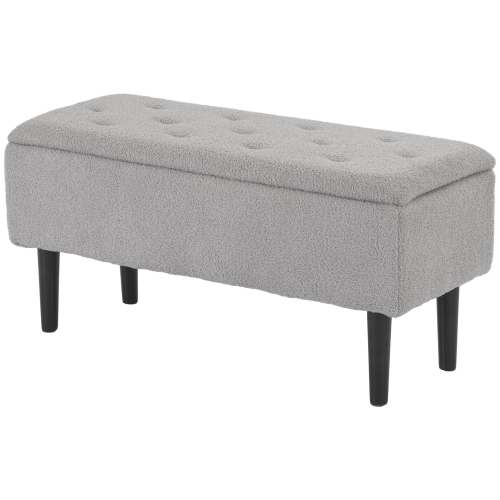
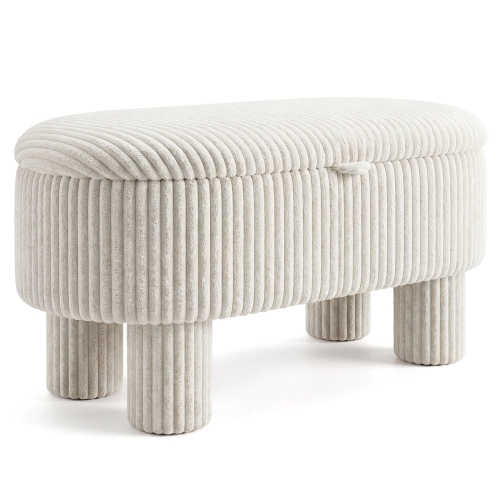
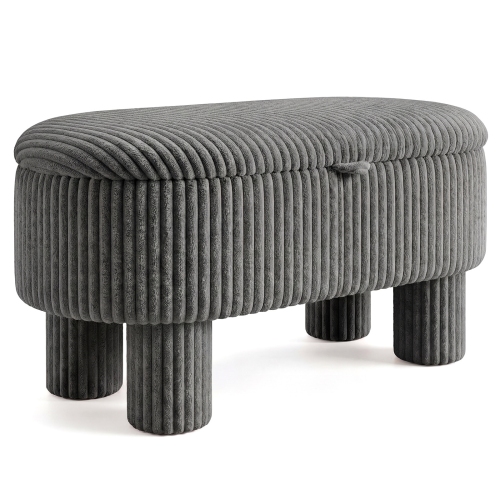
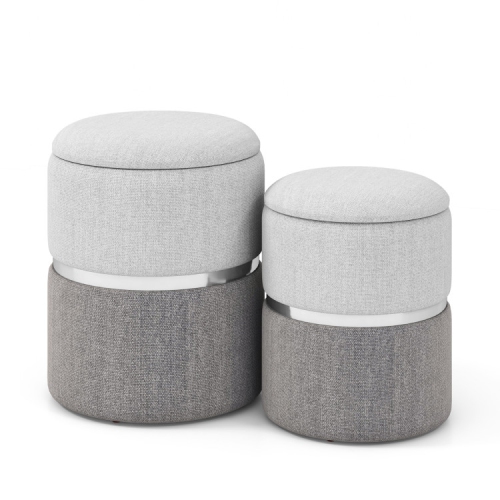
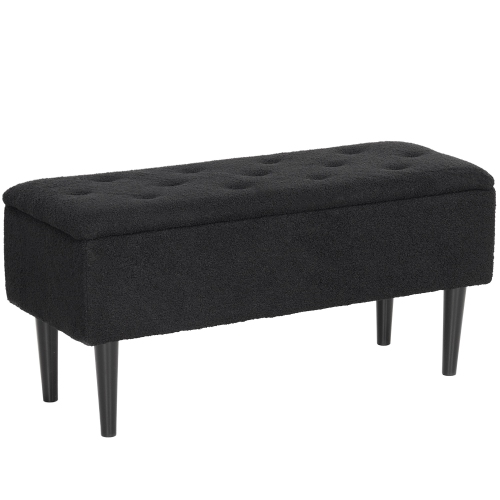




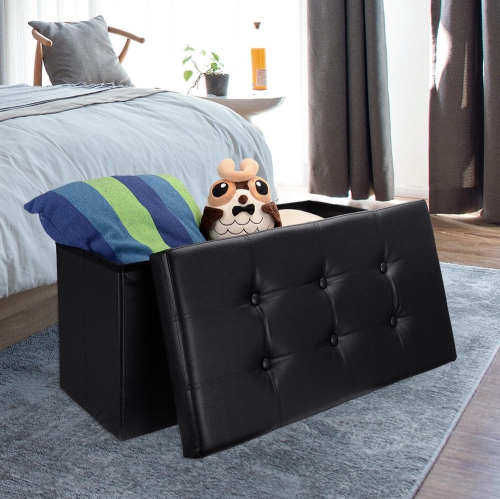
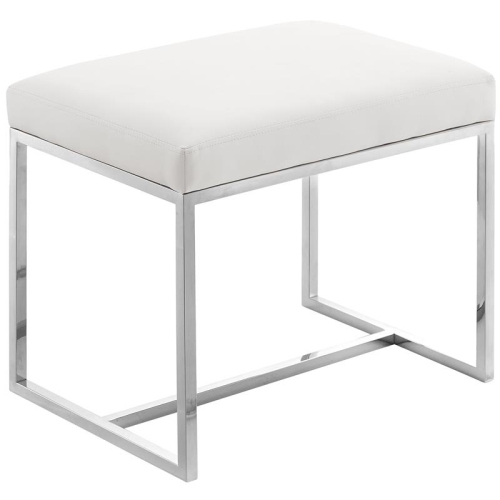
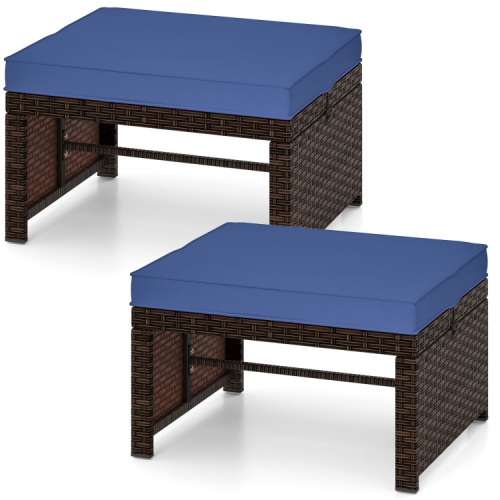
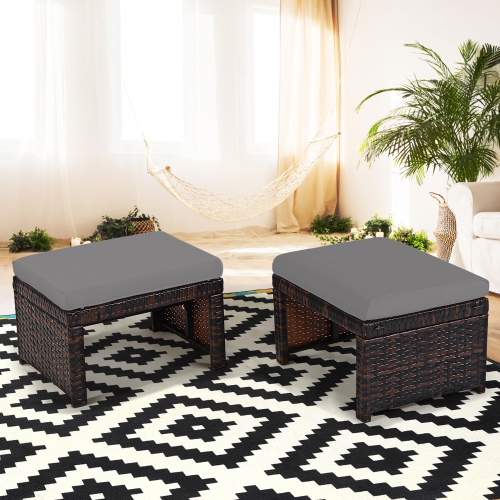
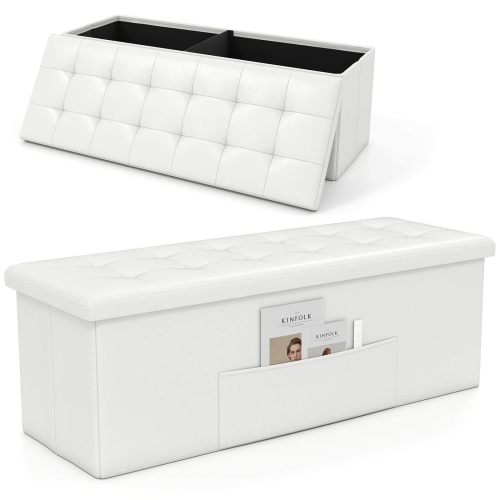

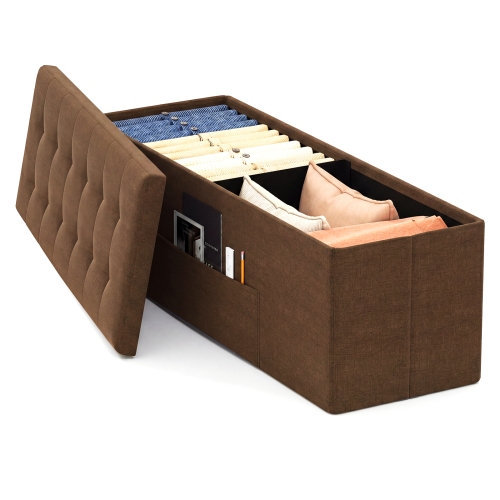
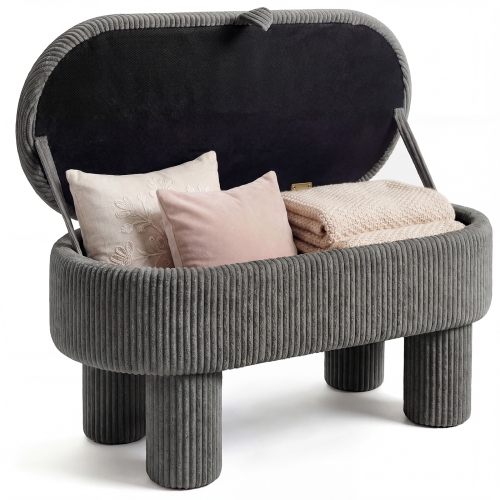
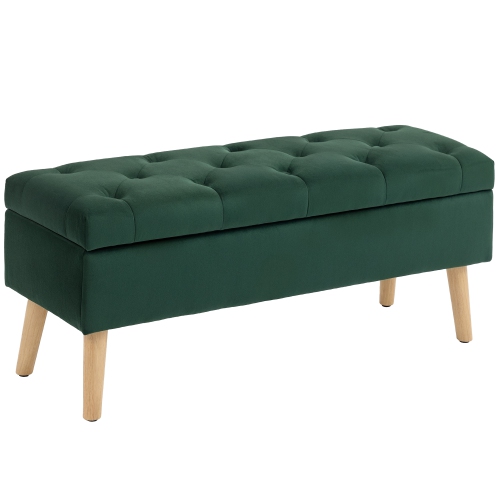
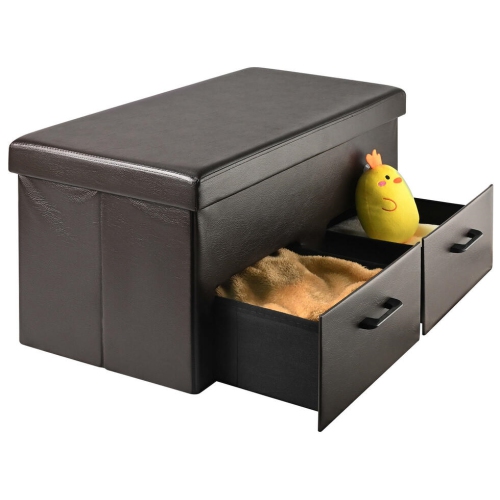
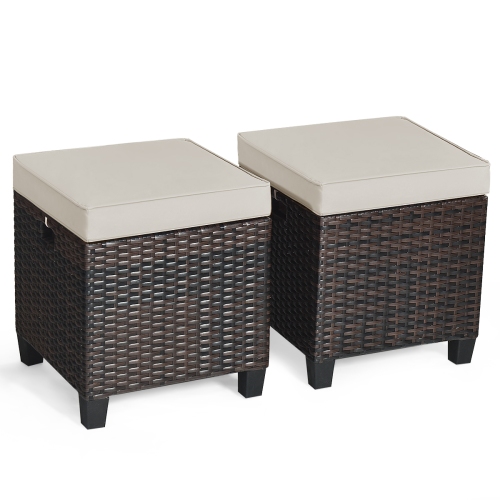
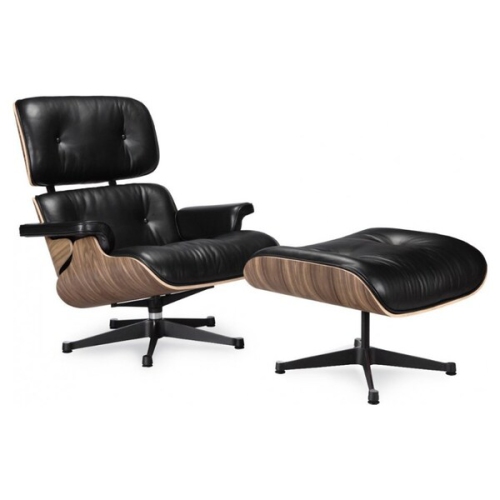

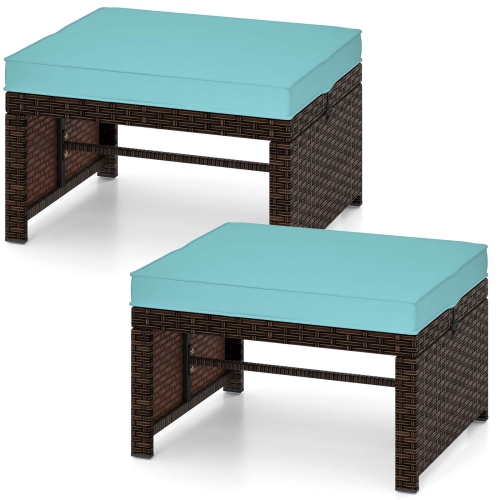
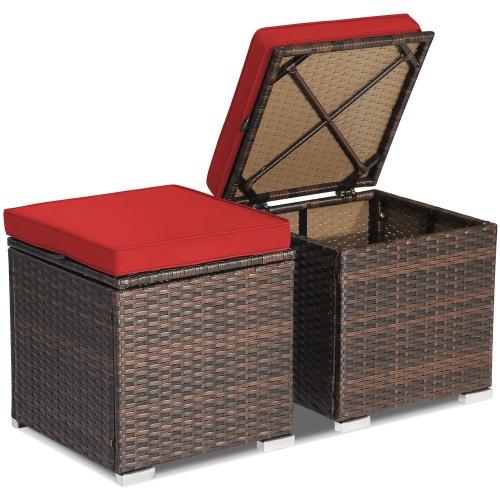

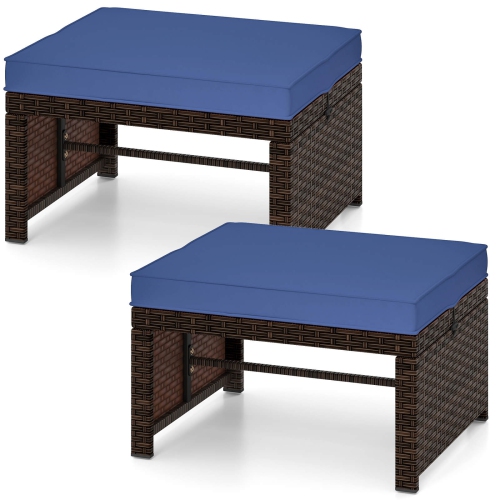

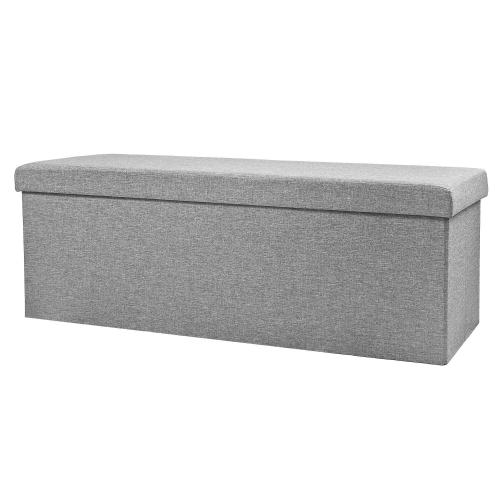
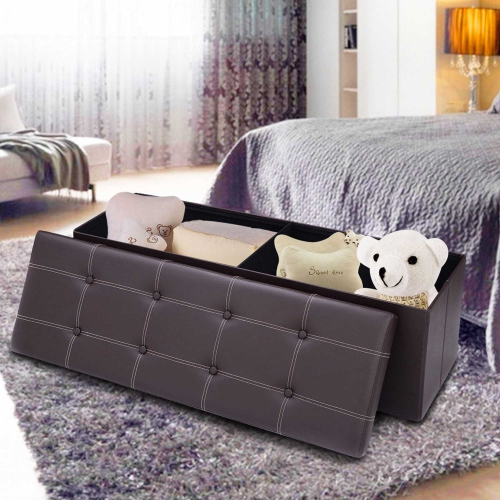
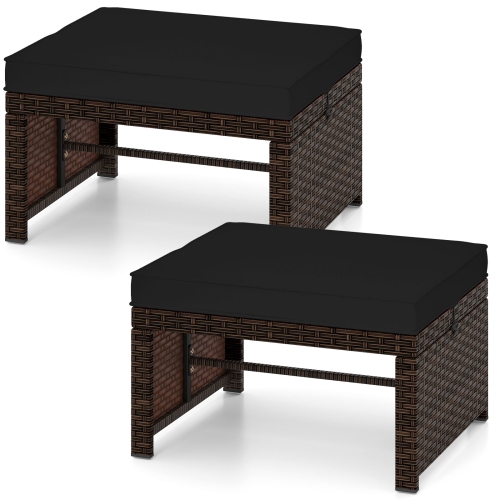
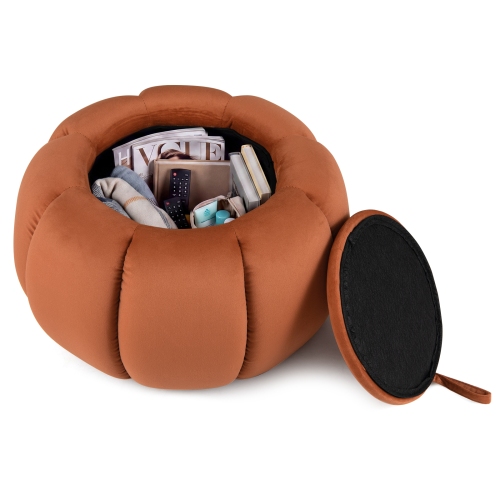
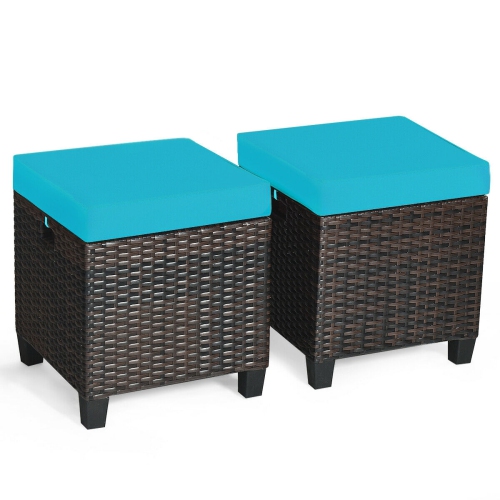

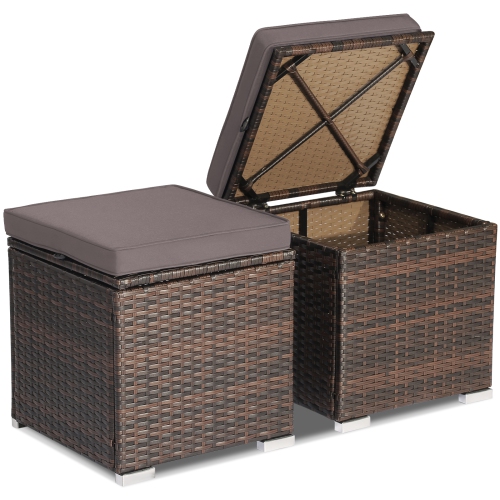




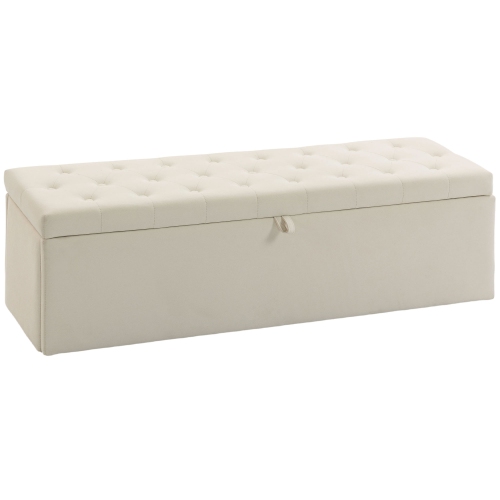
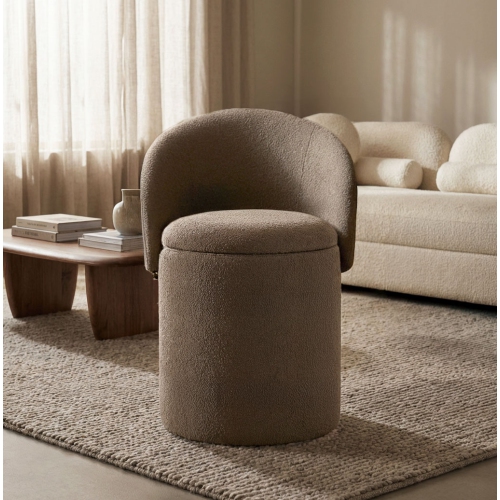

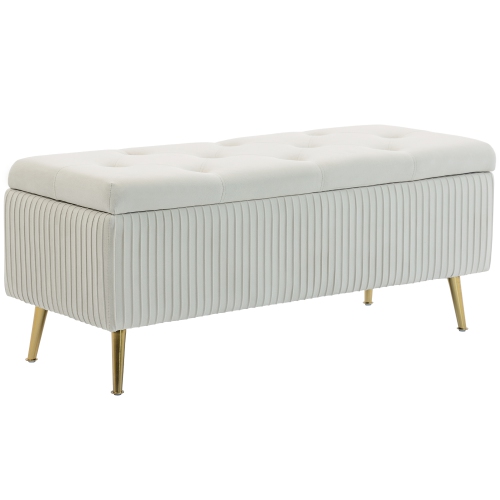
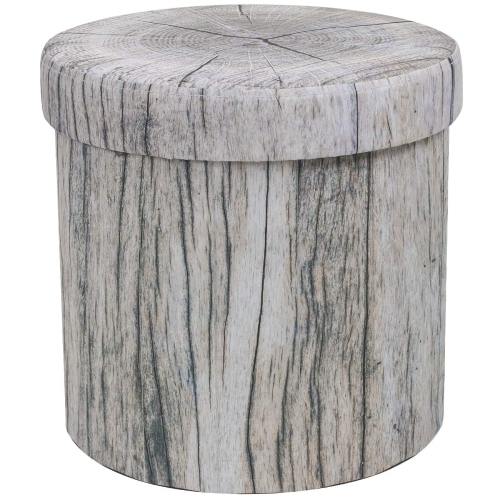

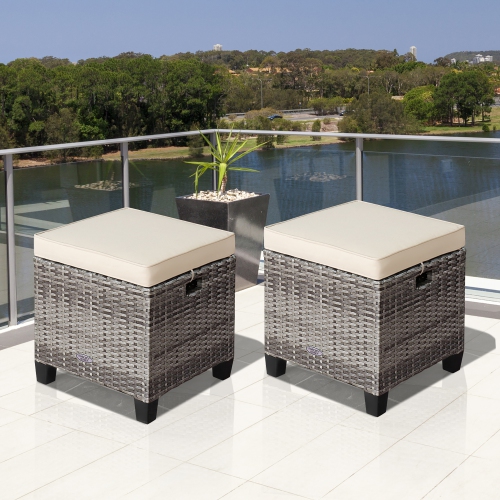
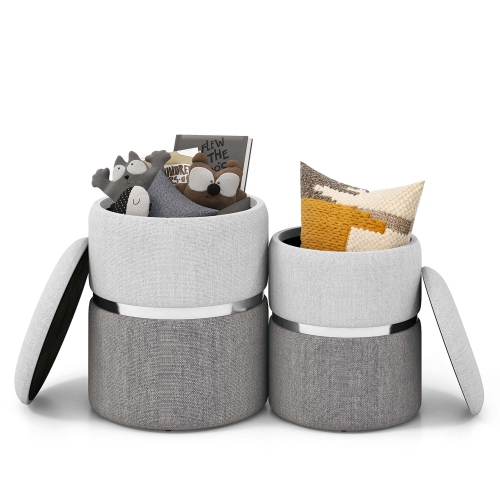

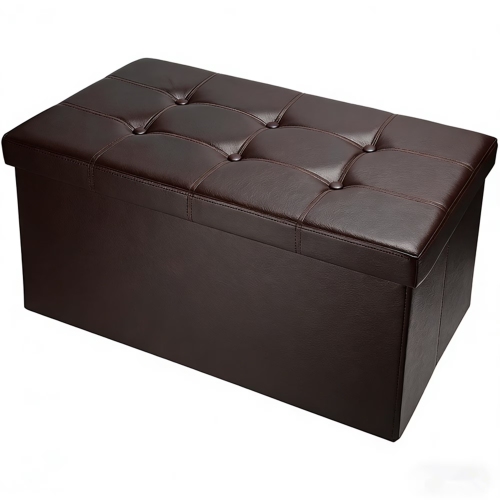
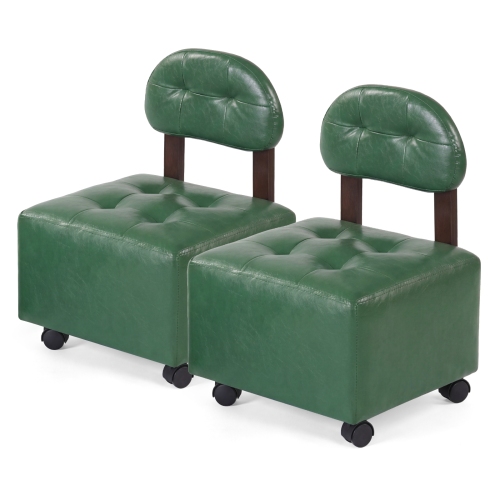
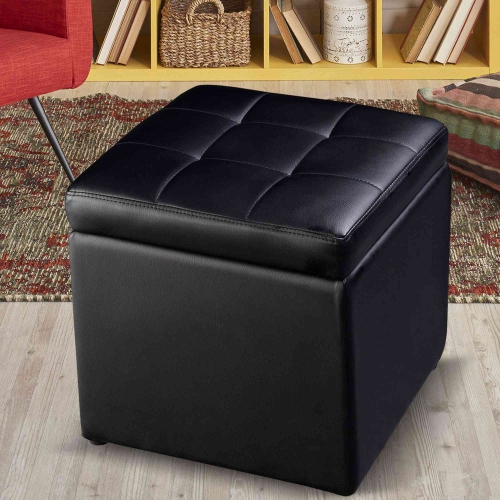
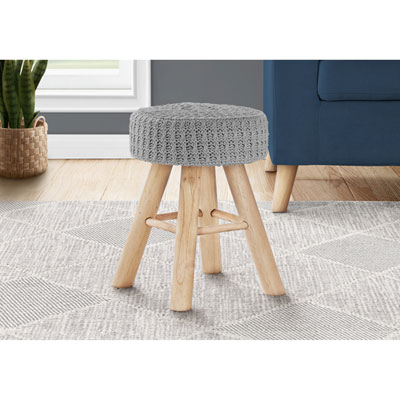
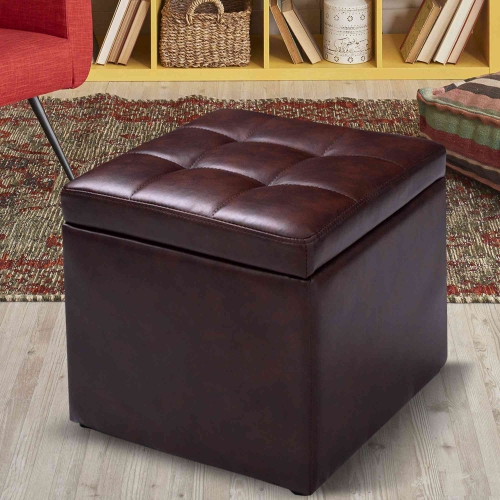
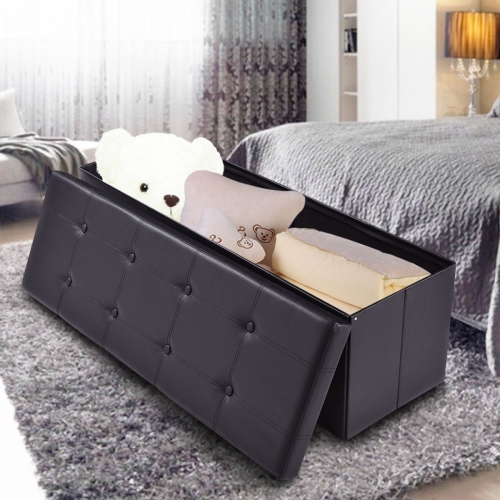
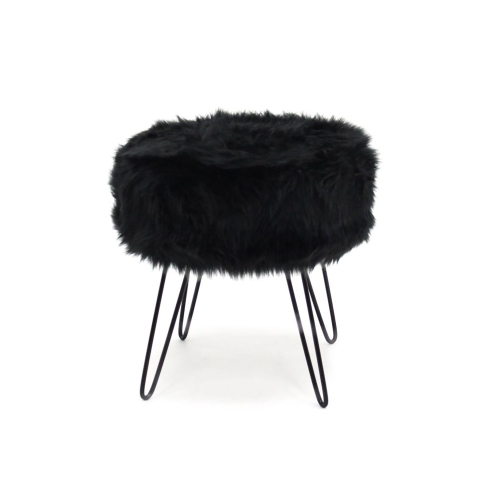
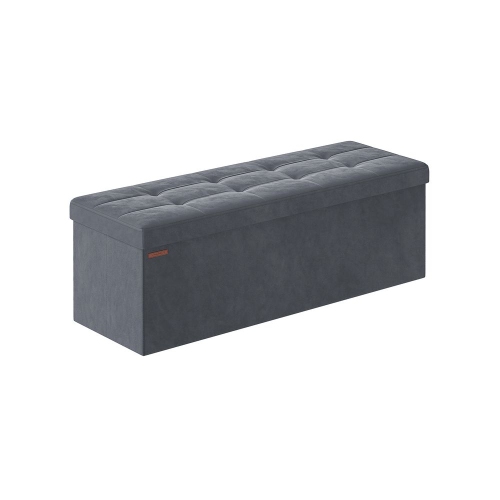
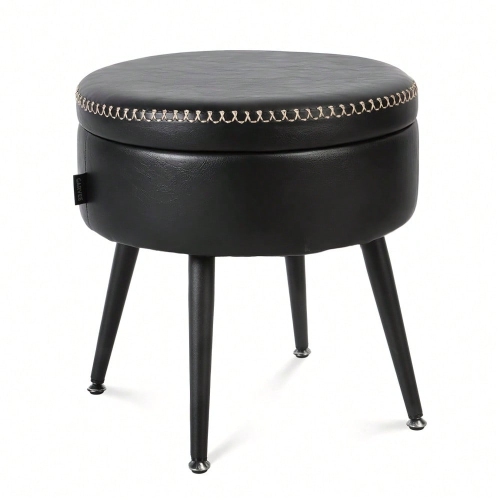
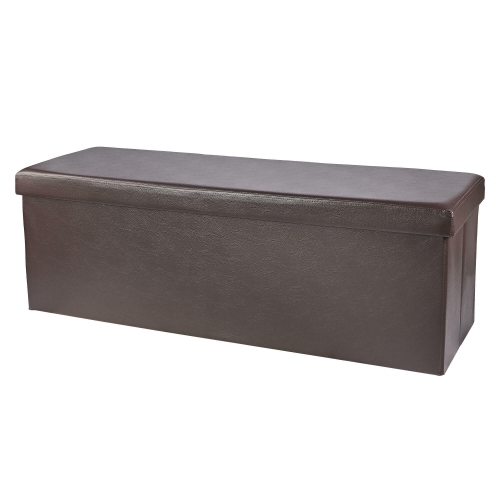


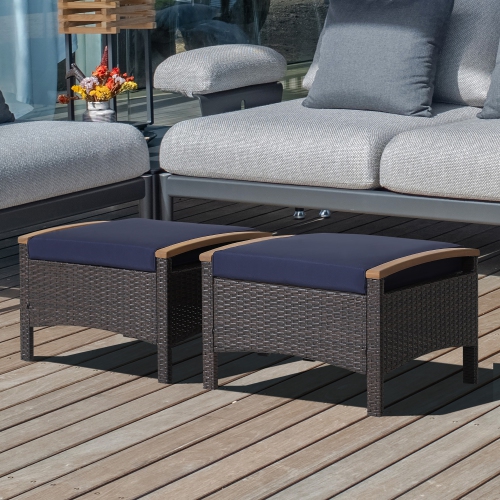
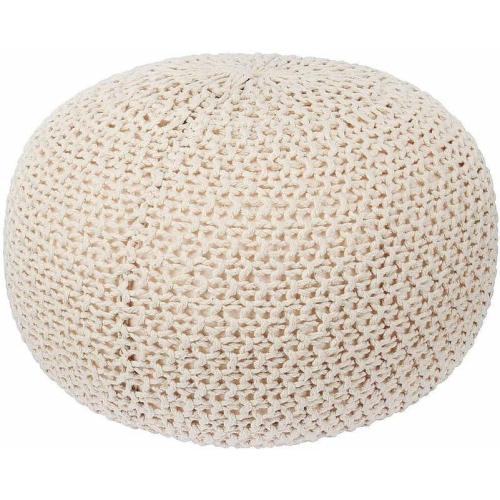
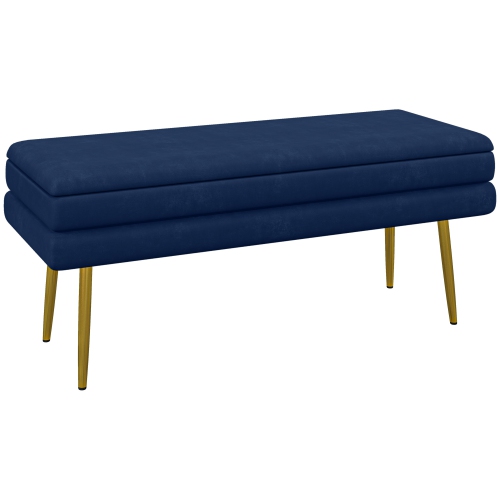
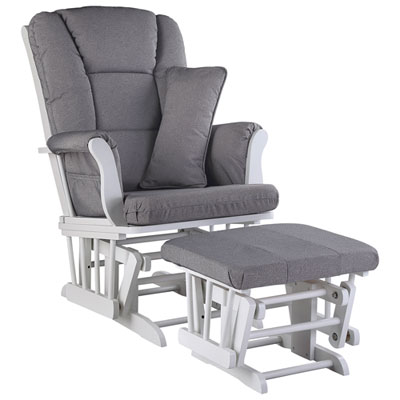
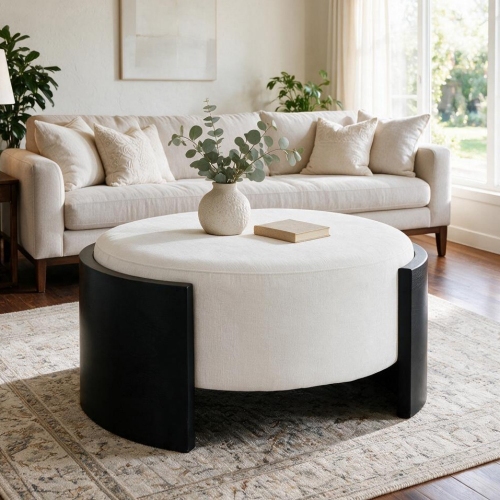
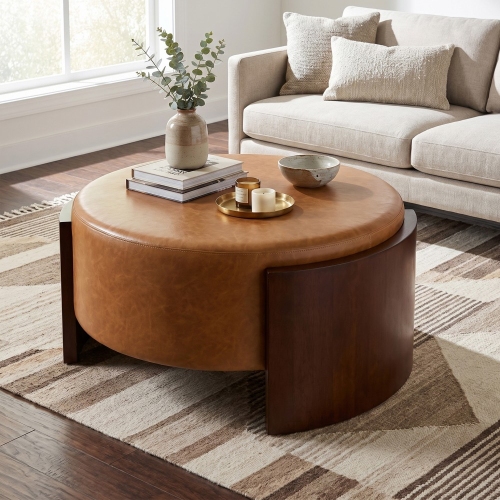
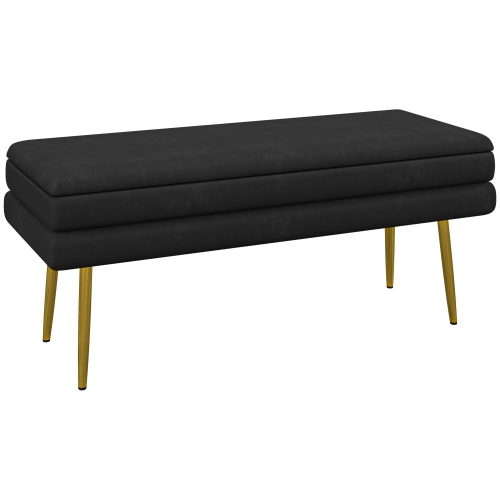
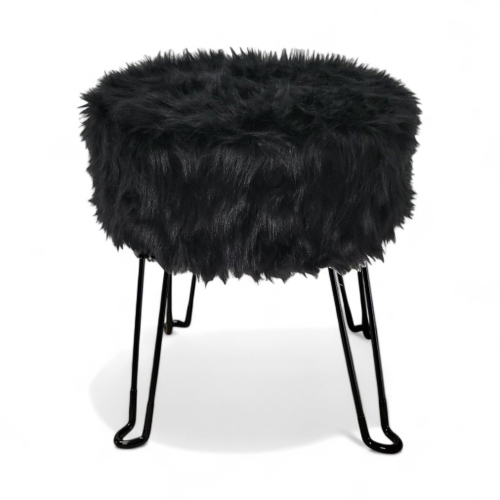
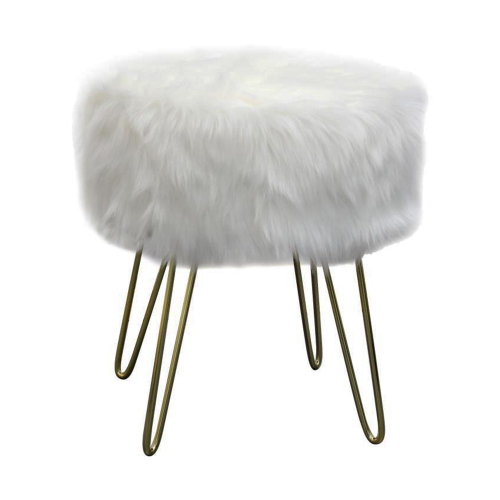
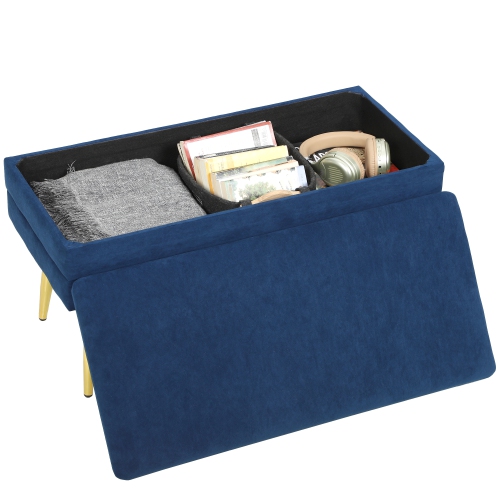
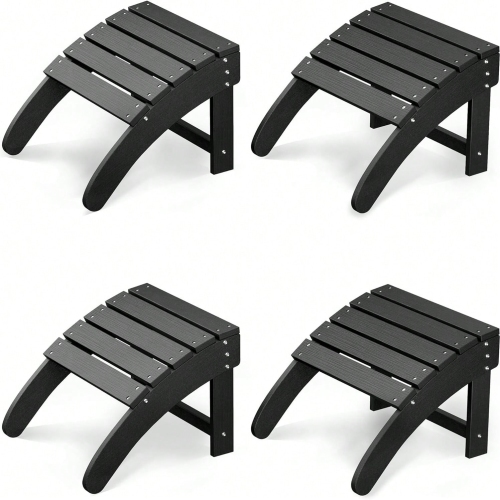
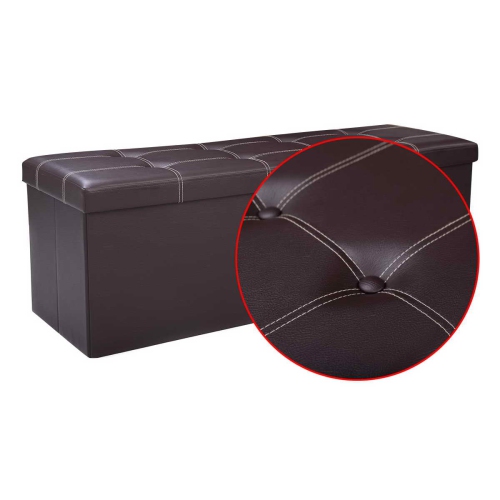
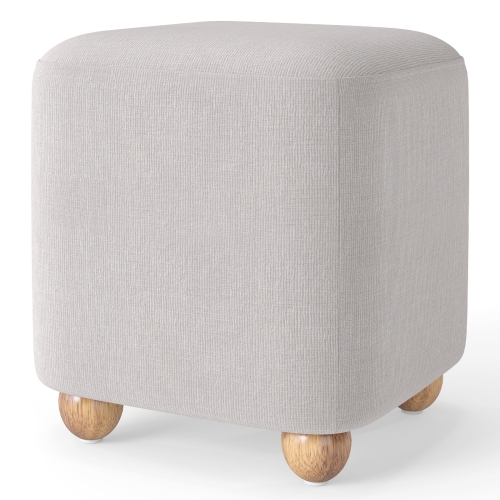
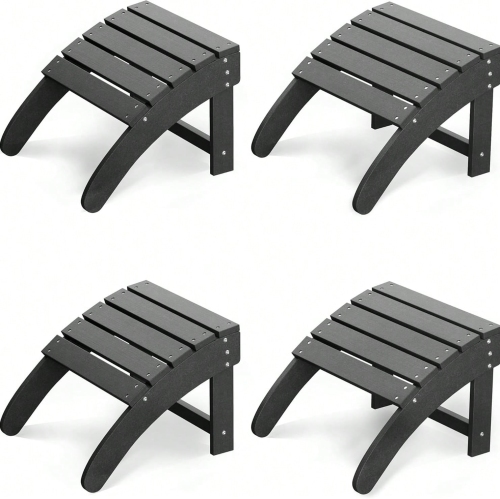
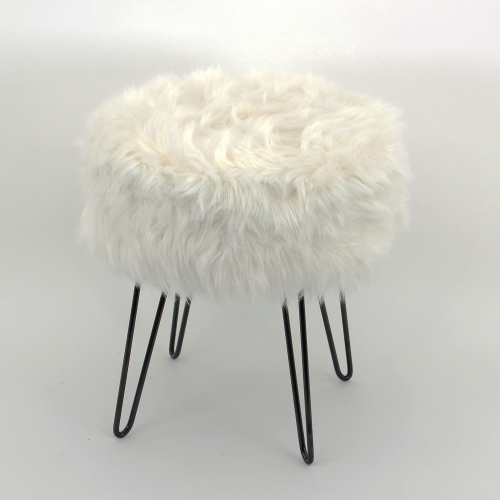
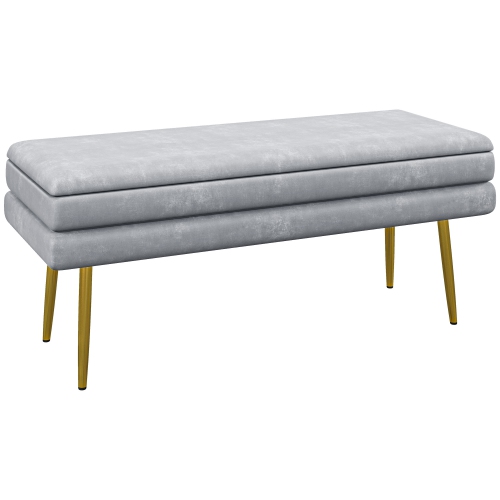
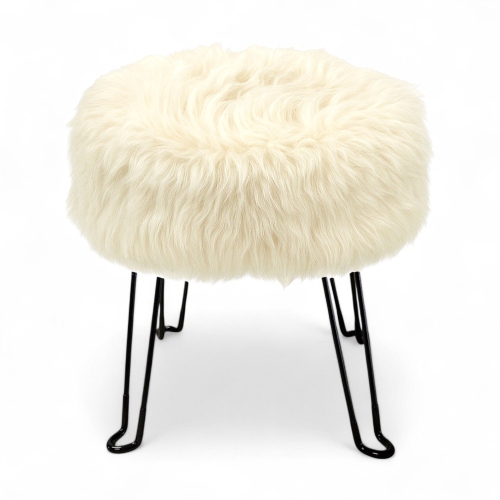
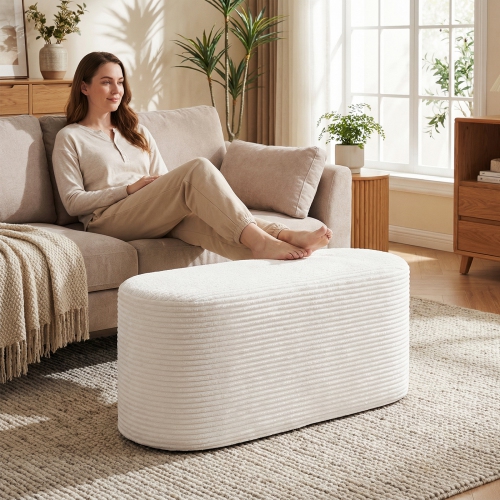

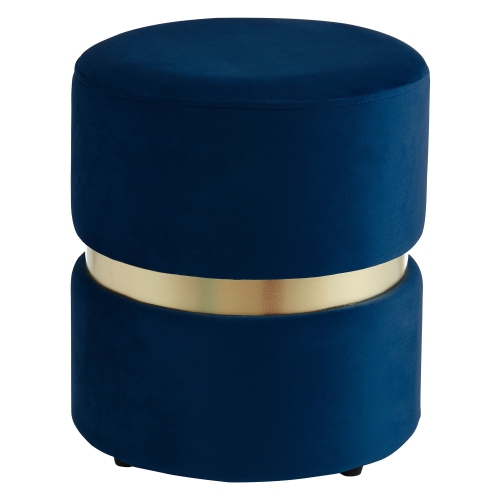
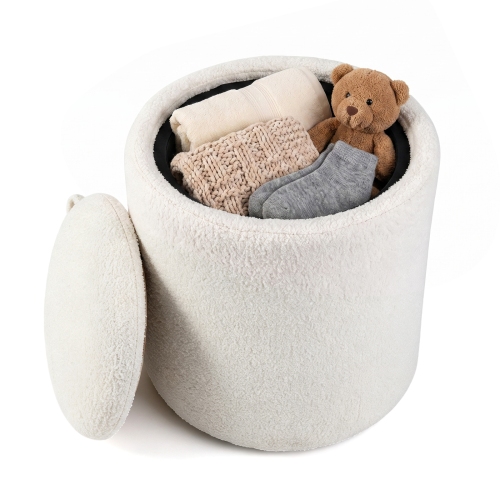
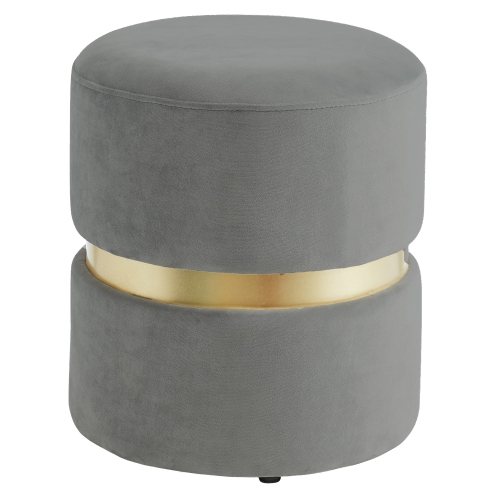
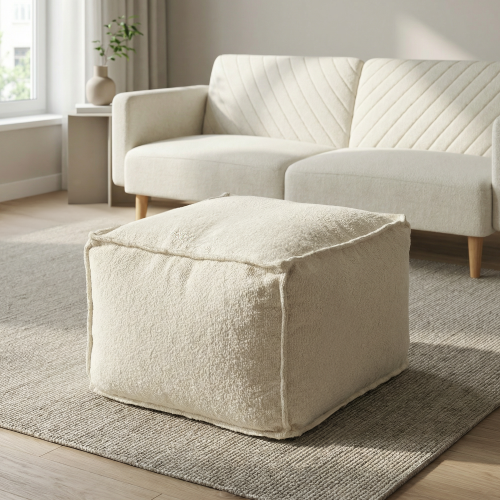
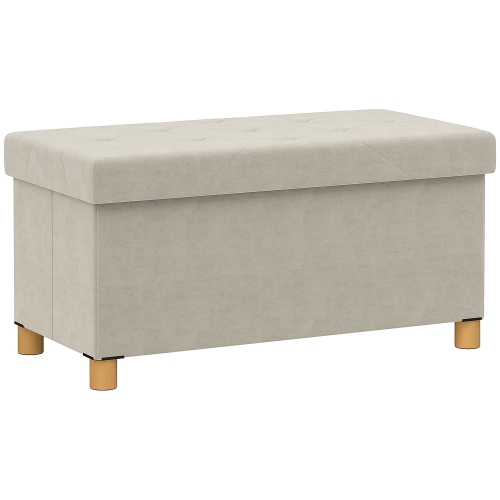
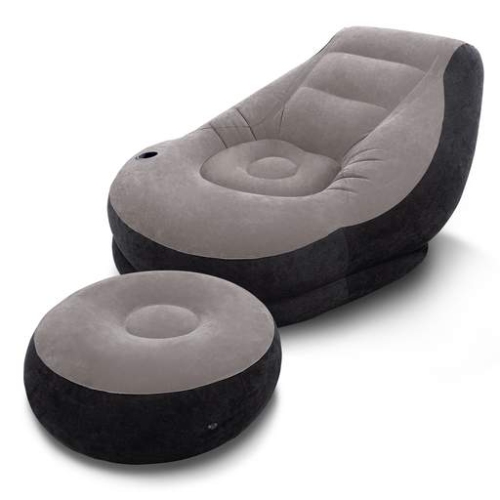
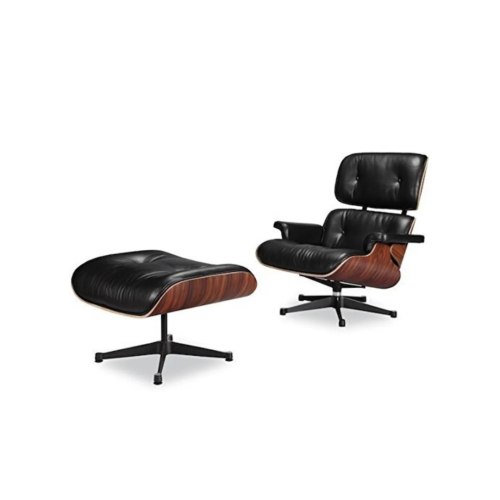
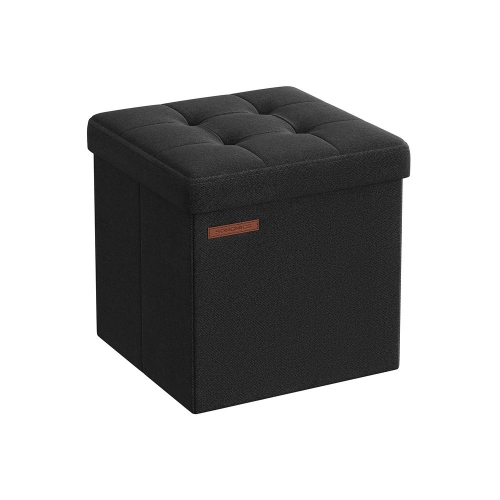
More than a footrest for everyday living
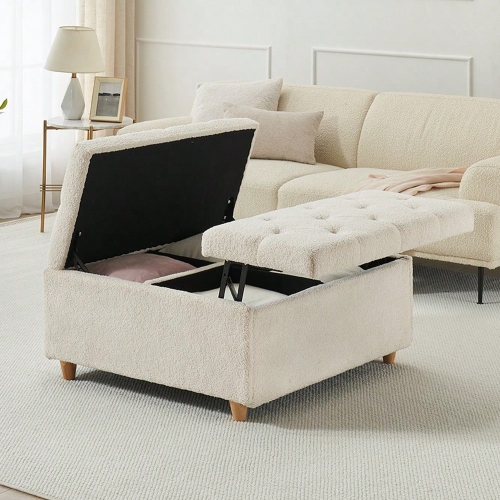
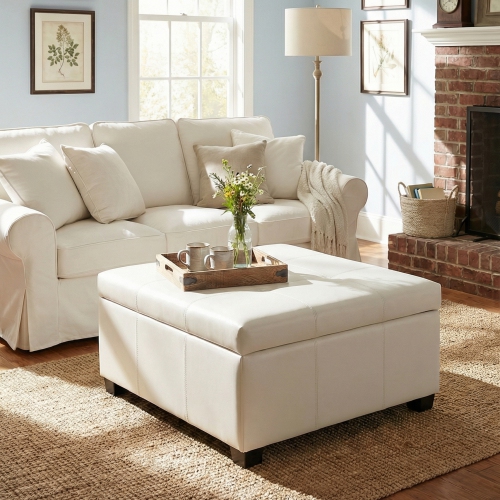
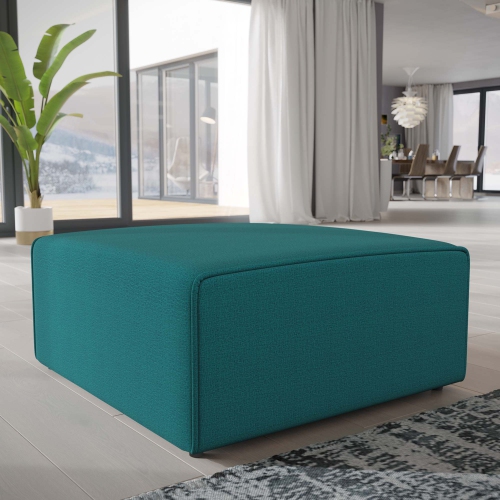
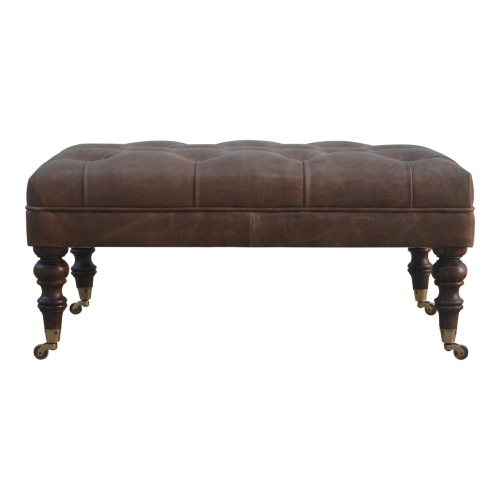
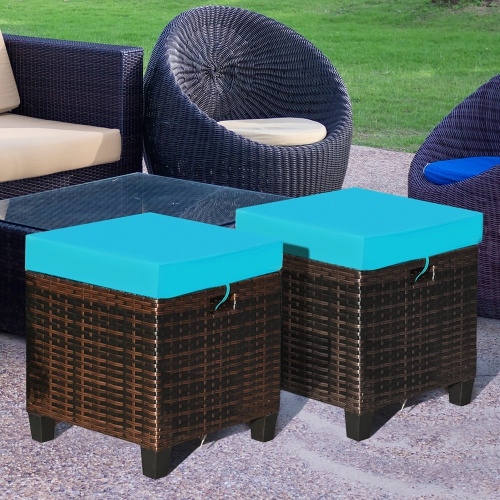
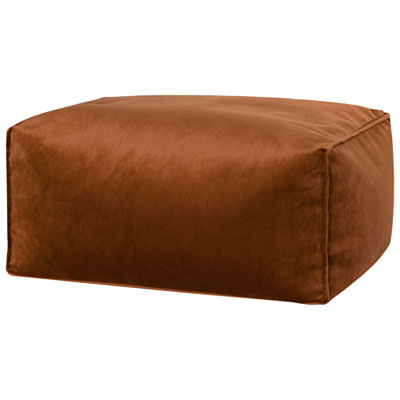
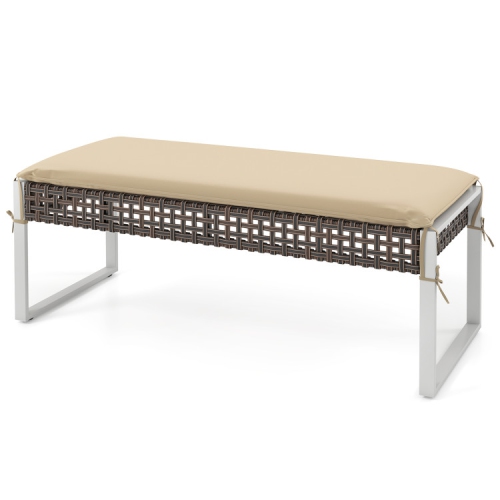
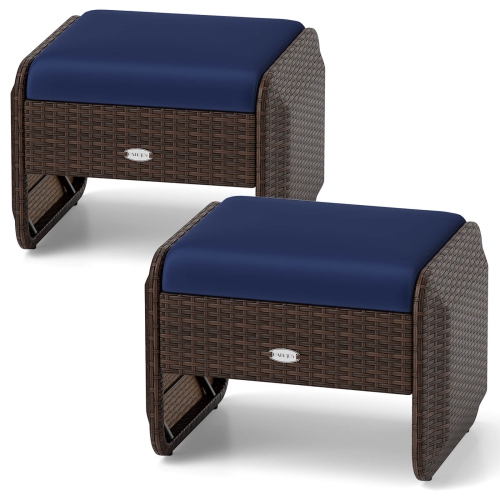
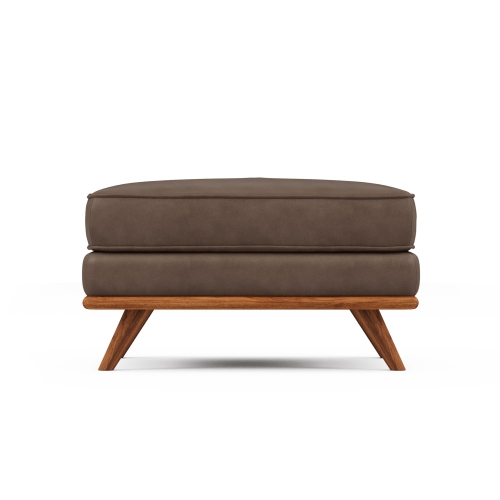
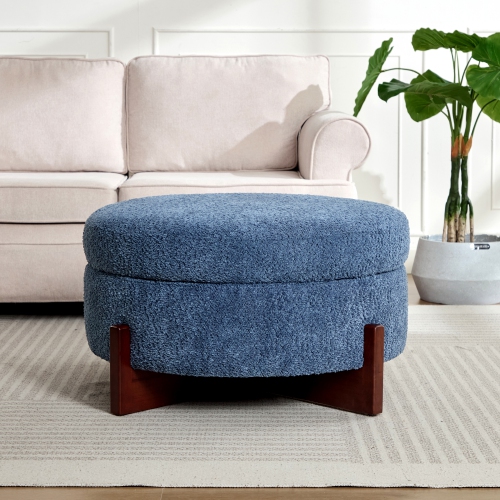
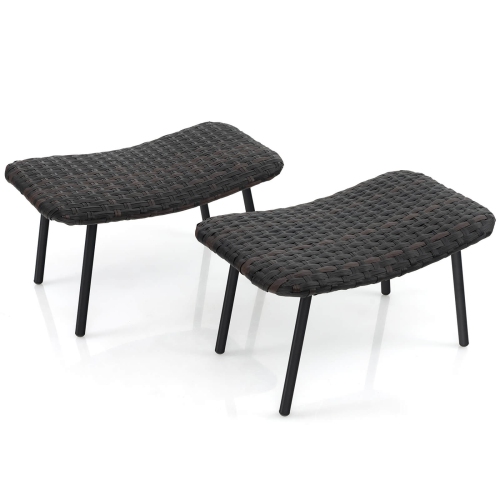
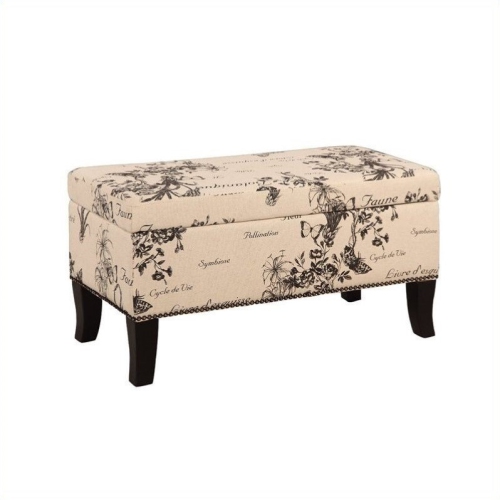
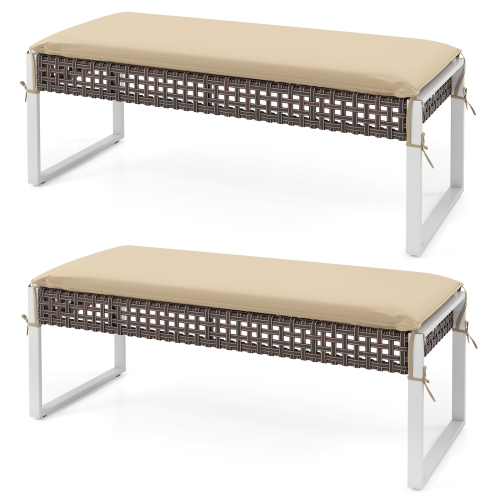
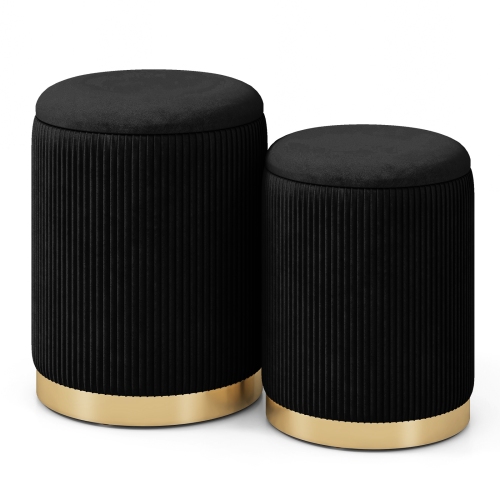
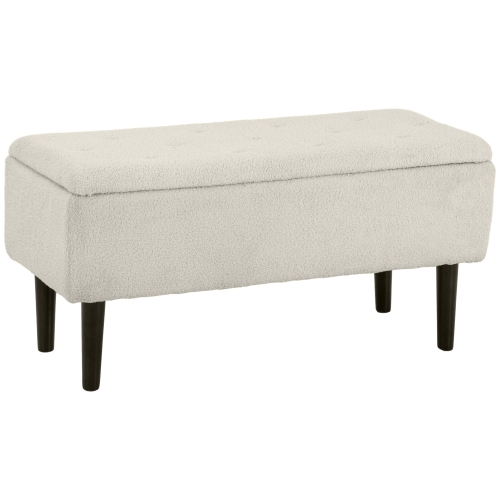
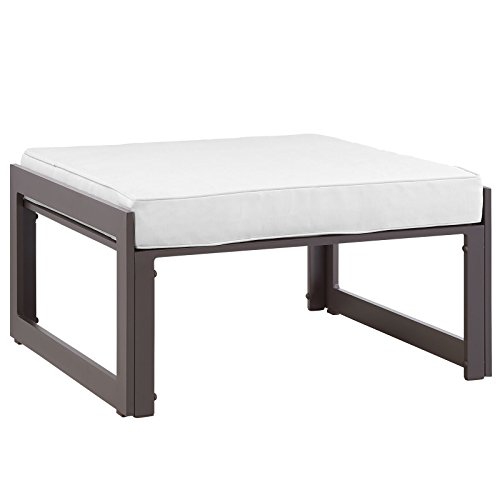
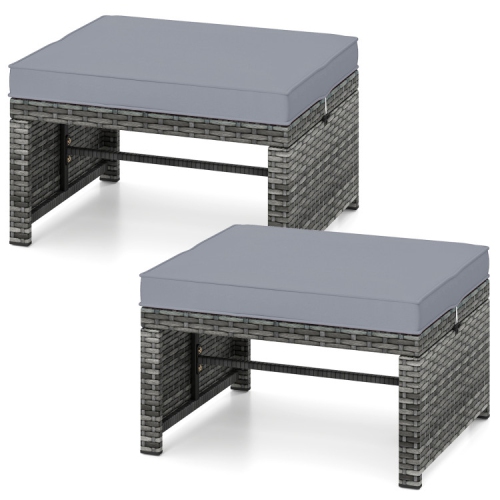
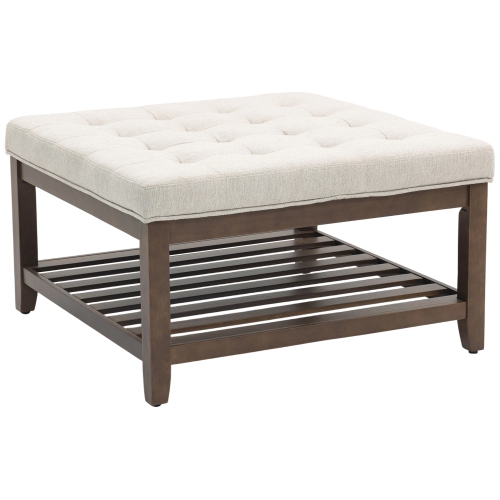
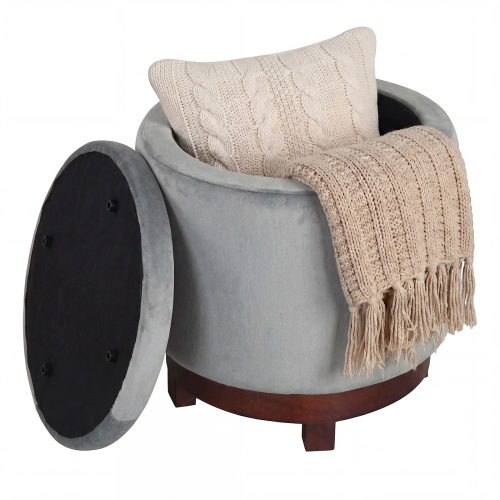
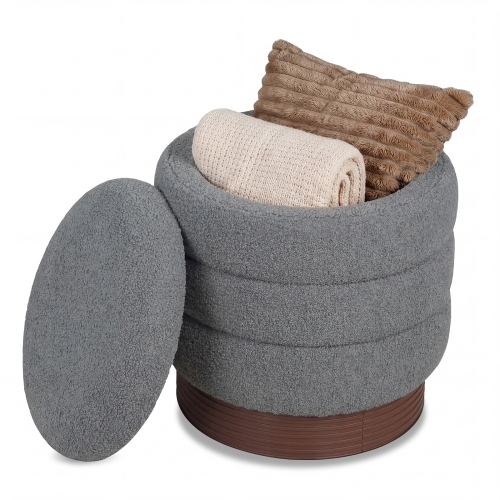
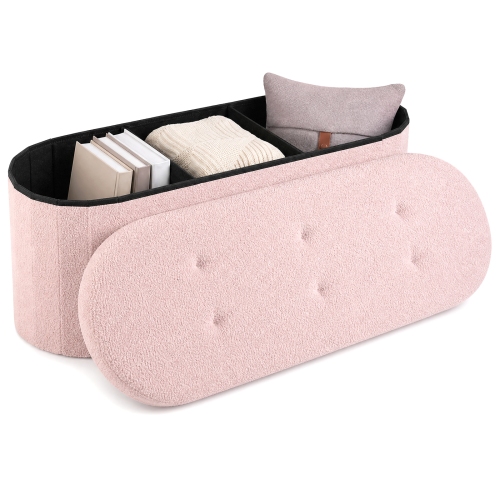
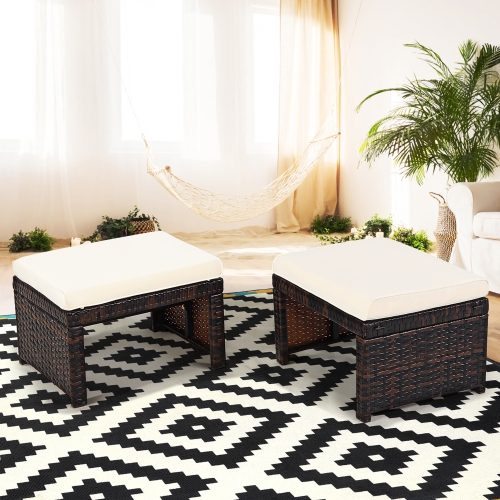
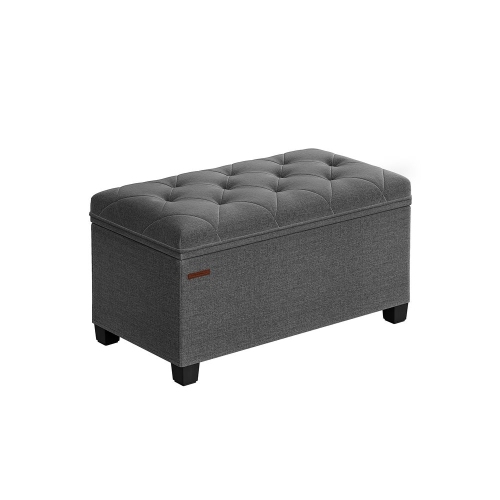
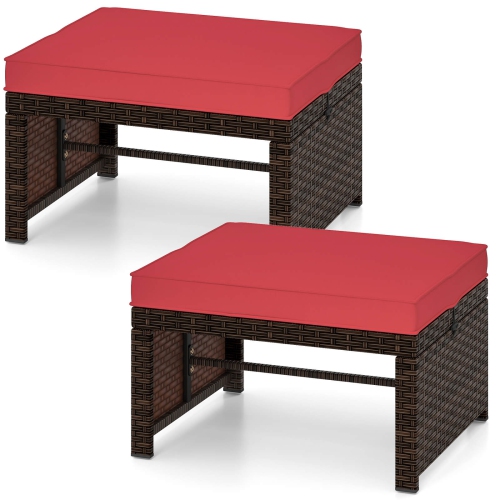
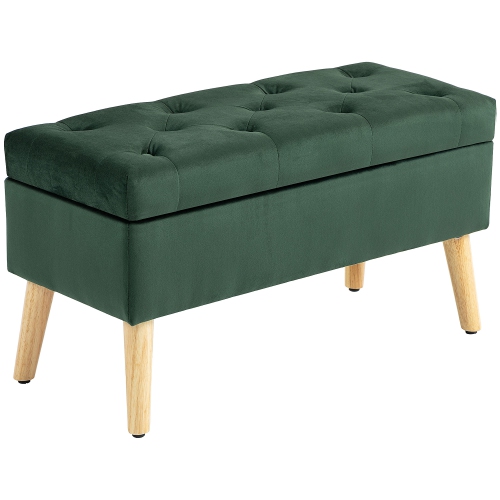
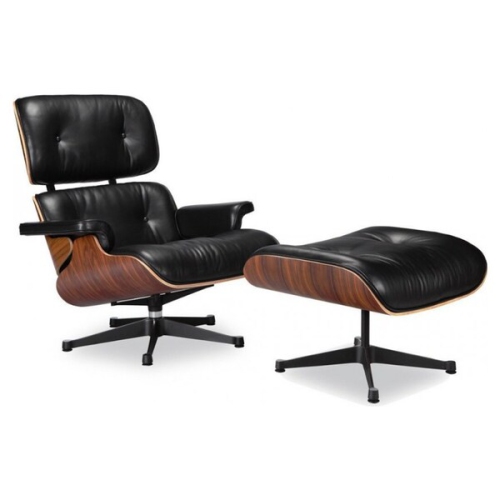
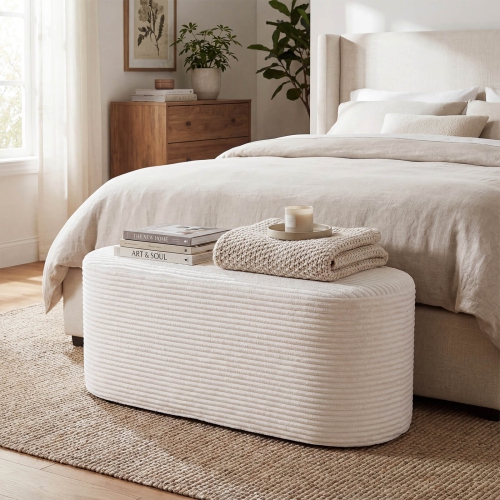
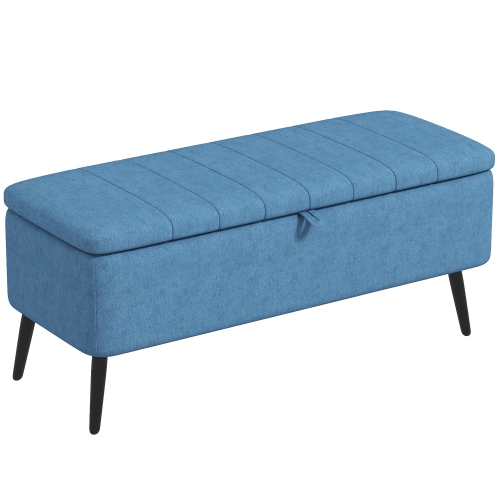
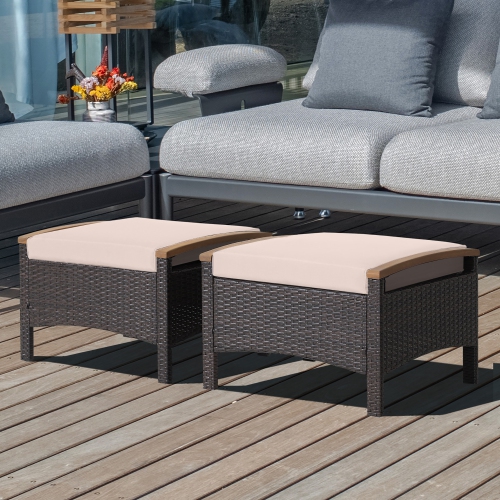
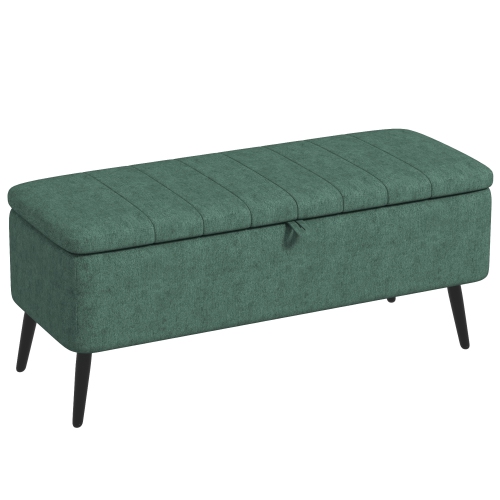
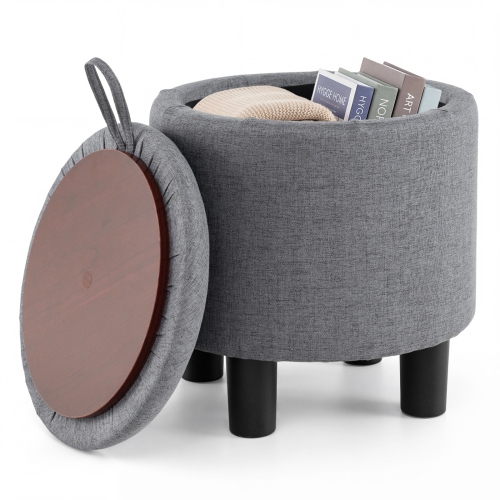
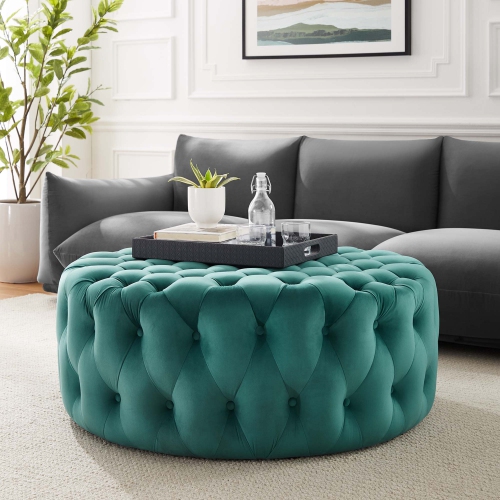
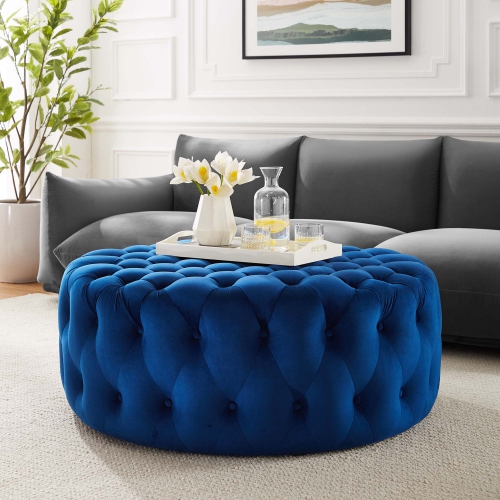
Large ottomans are generously sized upholstered furnishings that can serve as footrests, shared lounging space, and coffee table alternatives when paired with a suitable tray. Designs built and rated for sitting can also provide extra seating, making them useful in living rooms where the same space hosts quiet evenings, conversation, and casual gatherings. Their broad surfaces help anchor a seating arrangement without introducing another tall piece of furniture. In front of a sofa, a large rectangular ottoman gives more than one person room to stretch out; beside a sectional, a square shape can fill the open centre and keep the layout feeling balanced. A round silhouette offers a different effect, softening the straight lines of sofas, shelving, and media units. For seating arrangements that favour curved edges, Round Ottomans offer shapes that work naturally with conversation areas. The right proportions depend on more than the size of the room. Sofa height, seat depth, nearby doors, and the paths people take through the space all influence how comfortably an ottoman fits. A footrest generally feels most comfortable at or slightly below the height of the sofa cushion, while a surface intended for occasional sitting needs a supportive top and an appropriate weight capacity. A broad ottoman can look inviting in a spacious room but feel cumbersome if it blocks access to a chair or makes a drawer difficult to open. Mapping its footprint on the floor with removable tape makes that relationship easier to picture, especially around a sectional with a chaise. There should be enough space to walk through the seating area without turning sideways, while keeping the ottoman close enough to use comfortably. Low profiles preserve sightlines across an open-plan room, and exposed legs can make a substantial piece appear lighter. Upholstered bases that sit closer to the floor create a more grounded look, particularly alongside deep, generously cushioned seating.
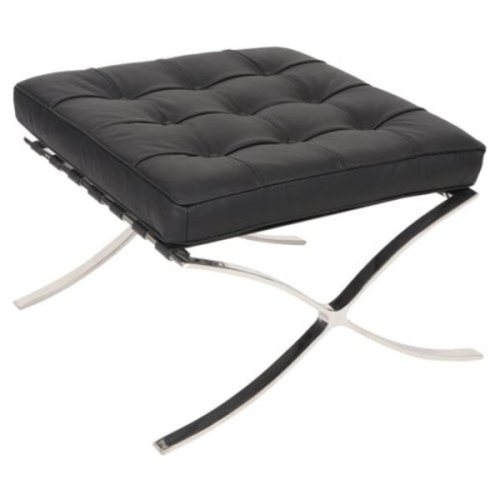
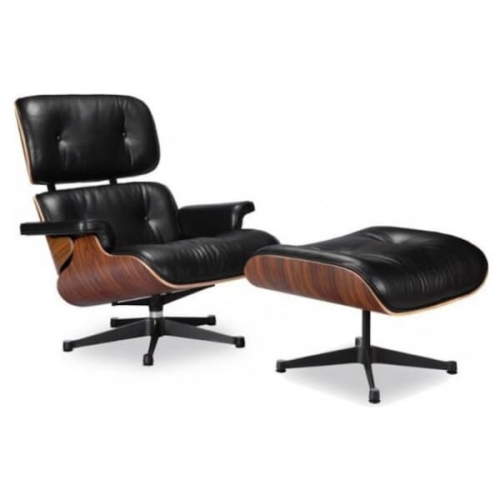
Materials and construction shape how a large ottoman feels in daily use, from the softness beneath bare feet to the way its upholstery responds to regular contact. Woven fabric offers a familiar, comfortable finish, with texture helping distinguish the ottoman from a nearby sofa even when both share a similar colour. Tightly woven upholstery is often a practical consideration for busy living rooms, although performance depends on the particular fabric rather than appearance alone. Looped textures bring dimension but may catch on pet claws, while plush pile fabrics can show shading as the surface is brushed in different directions. Genuine leather develops creases and character with use, and its care requirements differ from those of faux leather or fabric. Faux leather offers a smooth finish, but cleaning methods and resistance to wear vary by material and construction. Upholstery details matter just as much as the overall look. Secure seams, neatly finished corners, and a stable frame contribute to a piece that feels dependable when feet are lifted onto it or someone sits down, where seating is permitted. Cushioning also changes the experience: a softer top suits relaxed lounging, while firmer padding provides a steadier base for a serving tray. Deep tufting adds visual interest but creates recesses where crumbs and lint can collect. A flatter surface is generally easier to brush off and can be more convenient when the ottoman regularly doubles as a table. Colour provides another way to connect the piece to the room without matching every furnishing. A warm neutral can sit quietly beside patterned cushions, while a richer shade can become the focal point of a restrained seating area. In a room with a leather sofa, a fabric ottoman introduces a softer contrast; with a textured sofa, a smoother finish can keep the arrangement from feeling too busy. Substantial padding and attractive upholstery are appealing, but neither replaces the importance of sound construction and suitability for the intended use.
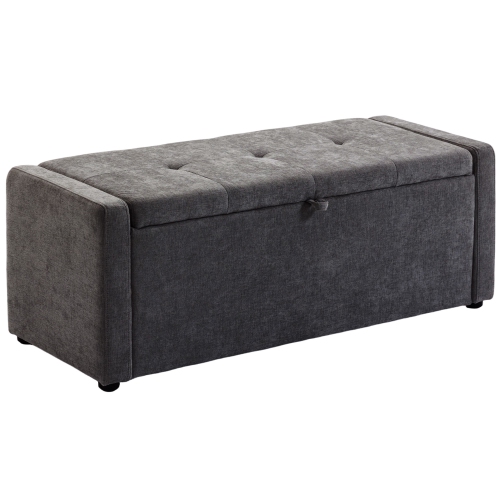
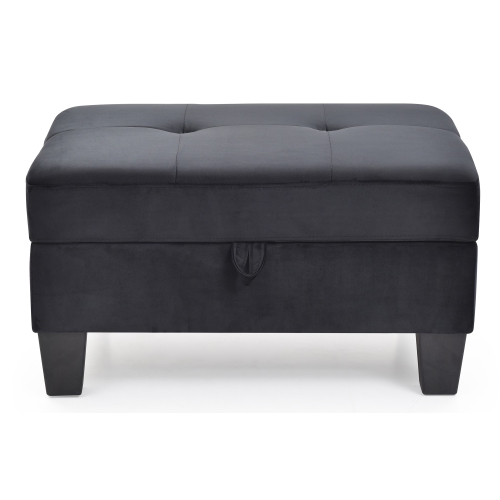
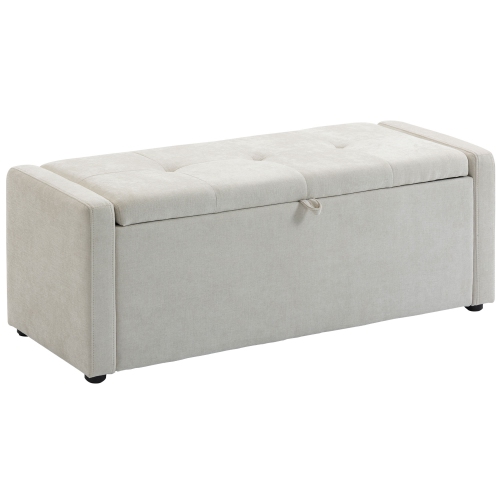
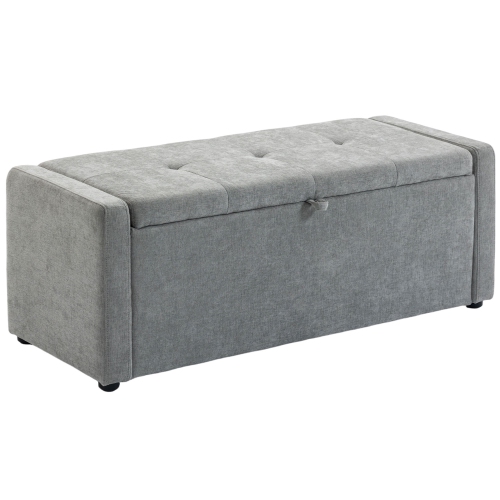
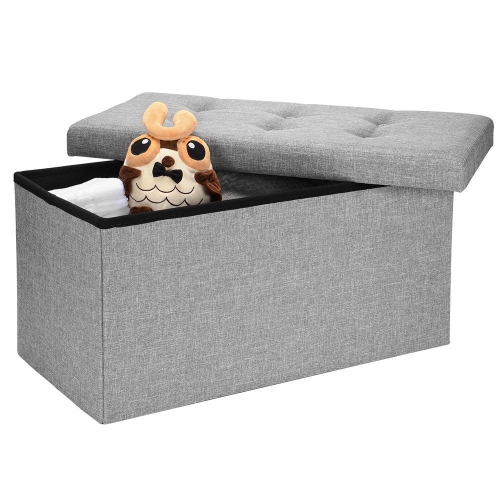
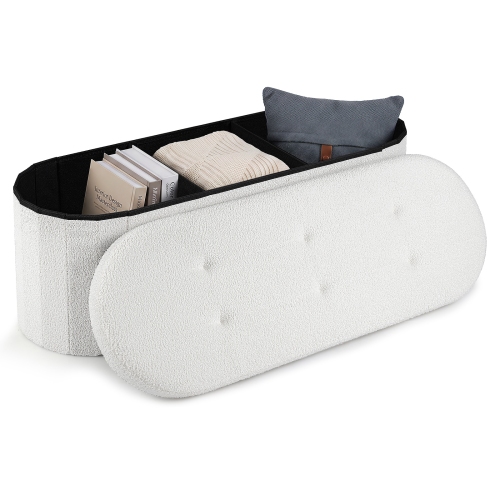
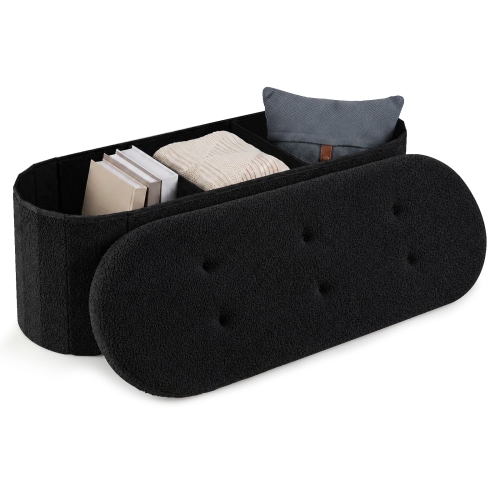
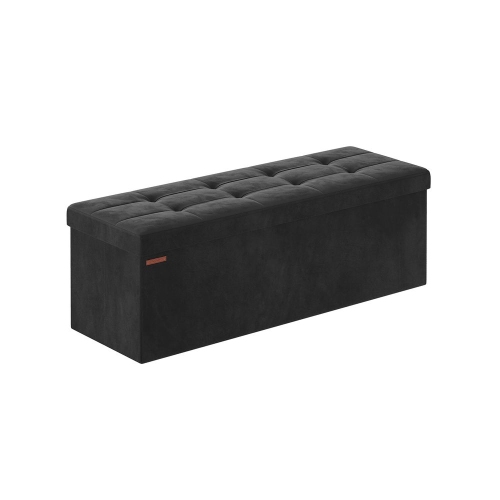
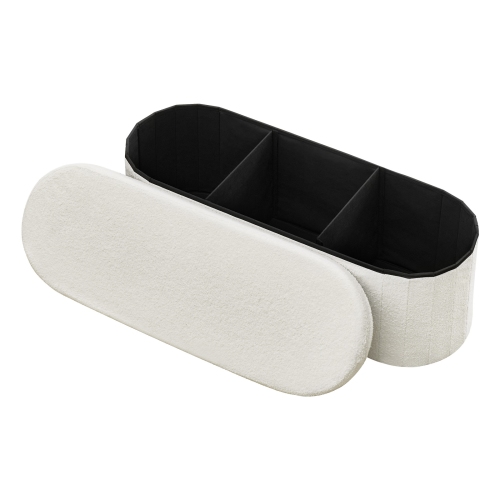
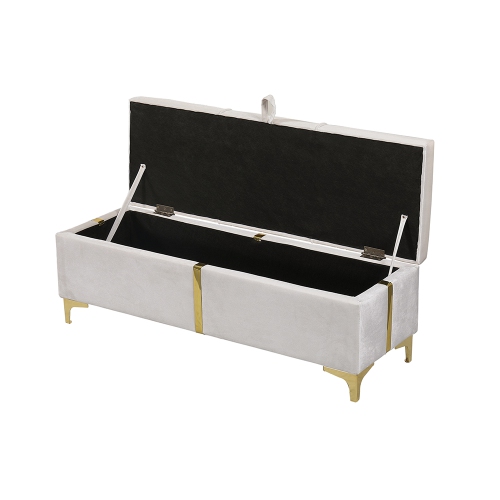
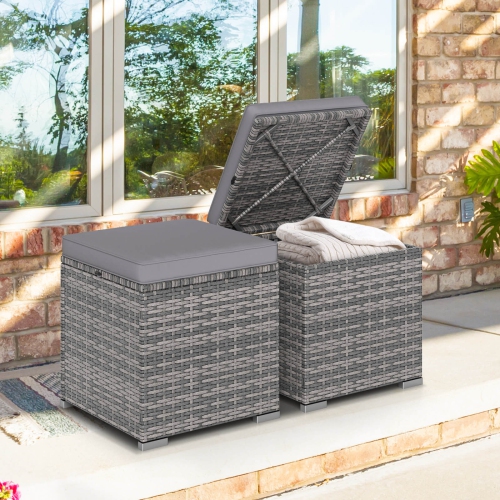
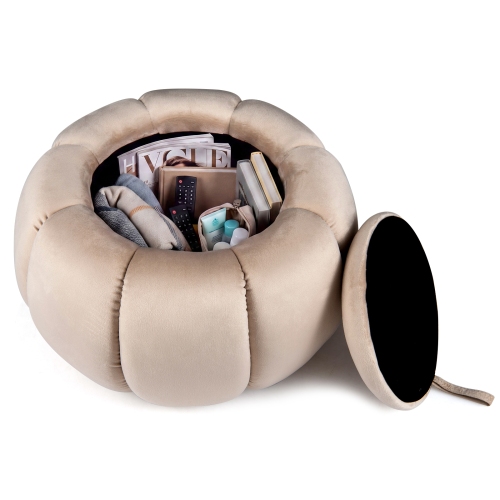
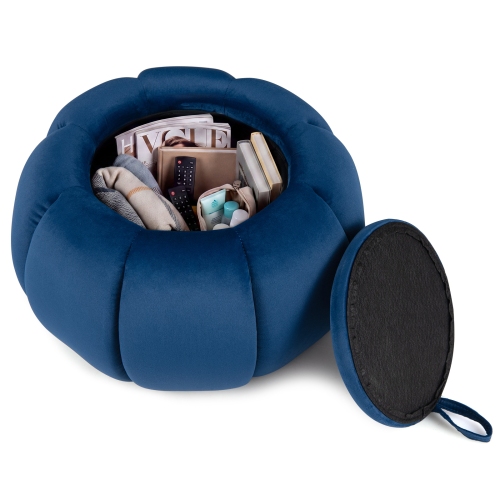
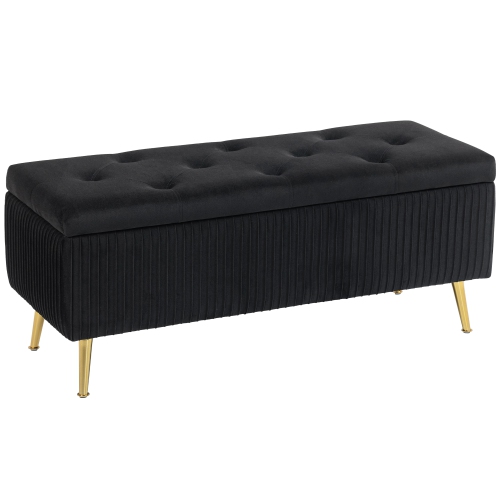
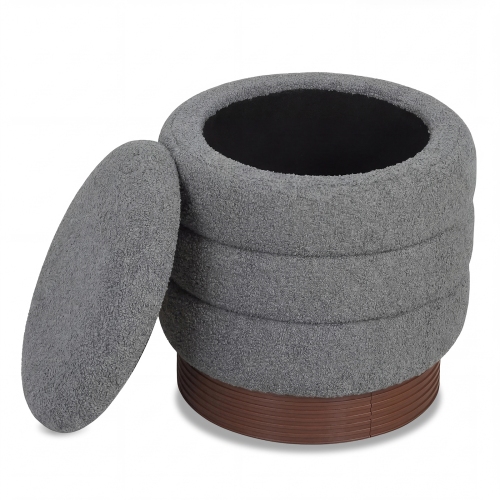
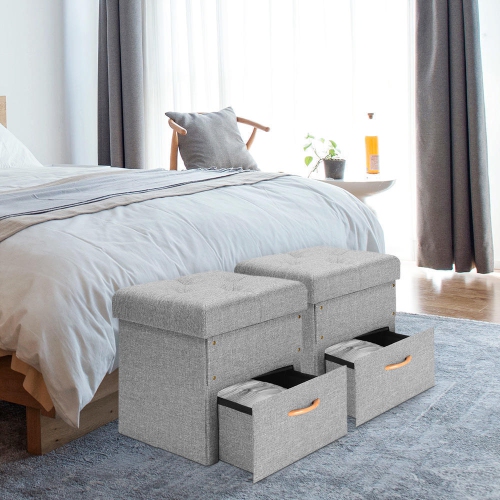
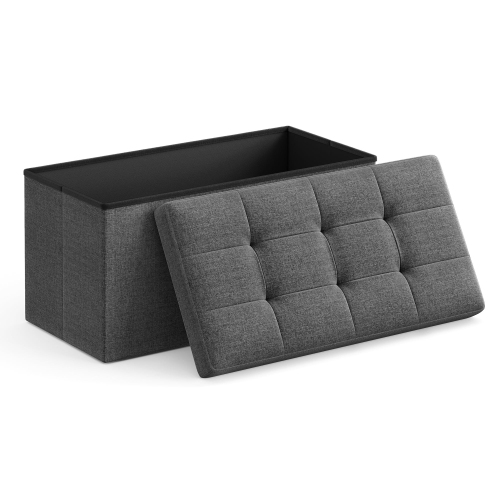
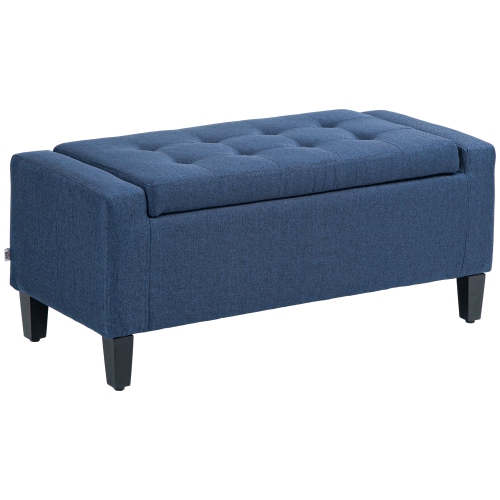
Large storage ottomans add another function by placing an enclosed compartment beneath the upholstered top. That space can hold throws, cushion covers, board games, or other everyday belongings that are useful near the sofa but do not need to remain in view. Usable interior dimensions matter more than the exterior footprint alone, since thick padding, framing, and hinge mechanisms can reduce the room inside. A generous compartment is particularly helpful in a smaller home where the living room also serves as a reading spot, gathering place, or occasional workspace. Lift-top designs need clearance to open, and a heavy lid may be less convenient if the compartment is accessed several times a day. Hinged and removable tops each change how the ottoman is used, so the opening style deserves attention alongside capacity. Where children are present, lid supports, closing mechanisms, and the manufacturer’s safety directions are important considerations; a storage compartment is never a play space. For table use, a rigid tray creates a more defined resting place for remotes or a book, but it does not make every cushioned surface stable enough for drinks. An ottoman also does not replace a firm work surface for a laptop, whose ventilation openings need to remain unobstructed. Day-to-day care is usually straightforward when it follows the upholstery label. Regular vacuuming with a suitable attachment helps remove grit from seams and tufting before it becomes embedded. Spills are best addressed promptly using the recommended method, with unfamiliar cleaning solutions tested in an inconspicuous area first. Direct sunlight can alter some upholstery colours, and nearby heat sources may affect leather and other finishes. Moving a large ottoman by its frame rather than dragging it by a lid or upholstered edge helps protect its construction and the floor beneath it. With proportions, materials, and intended use working together, a large ottoman can become a well-used part of the room: somewhere to put feet up after a long day, gather around a game, or keep familiar comforts close at hand.
Top selling and popular products
-
 Your price for this item is $644.99
-
 Your price for this item is $978.99
-
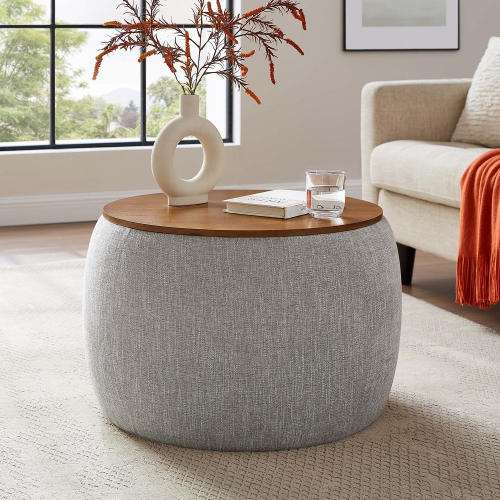 Your price for this item is $286.83
-
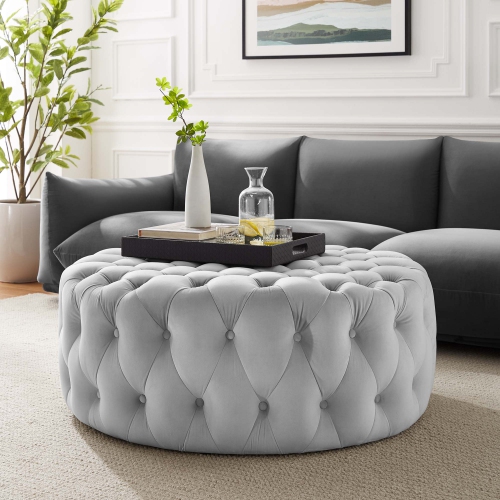 Your price for this item is $765.09
-
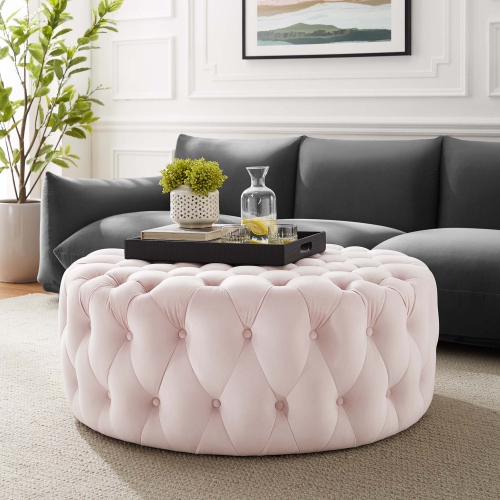 Your price for this item is $765.09
-
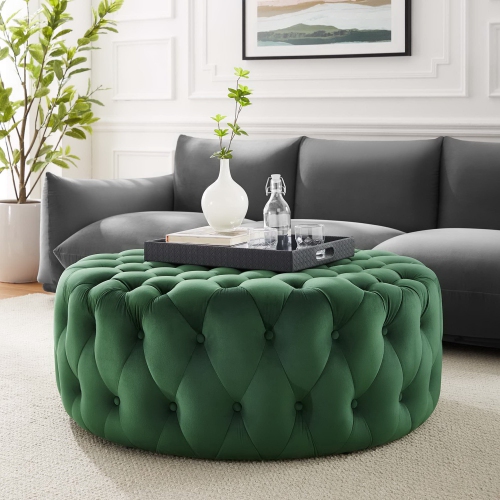 Your price for this item is $765.09
-
 Your price for this item is $765.09
-
 Your price for this item is $765.09
Discover more categories related to Large Ottomans
Top Collections:
Best Black Friday Deals This Year, Best Black Friday Deals On Electronics, Kindle Devices, Dyson Airwrap, Best Cameras for Sports Photography, Best Budget Office Chairs, Canon G7X Cameras, PS5 Pro Consoles, Best Black Friday Deals On Apple Products, XBOX One S Consoles
Some products may be subject to Environmental Handling Fees
(EHF) depending on your province.
Learn more about EHFs.