Black Table Tops
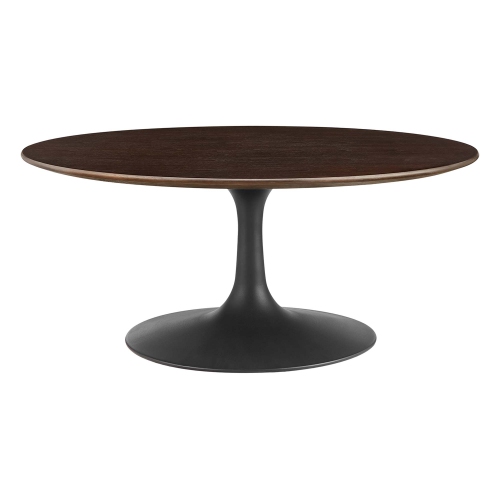
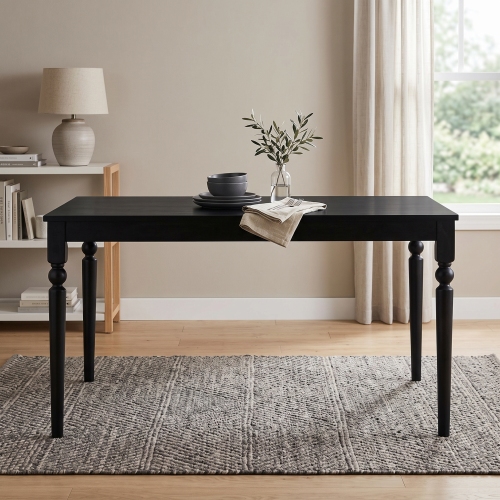
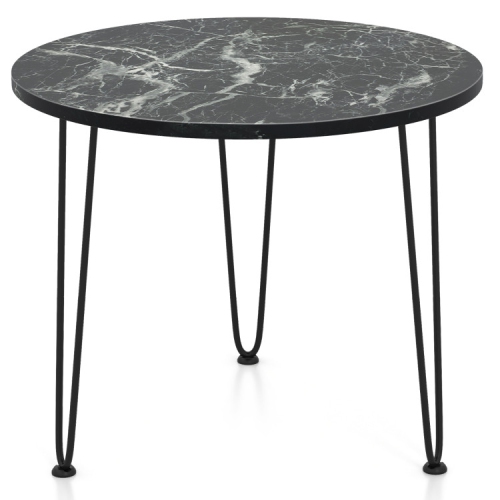
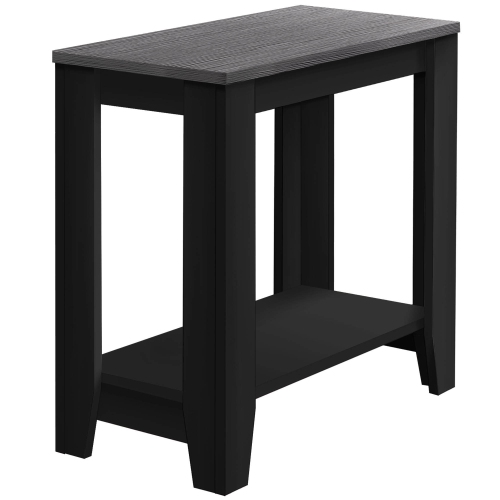
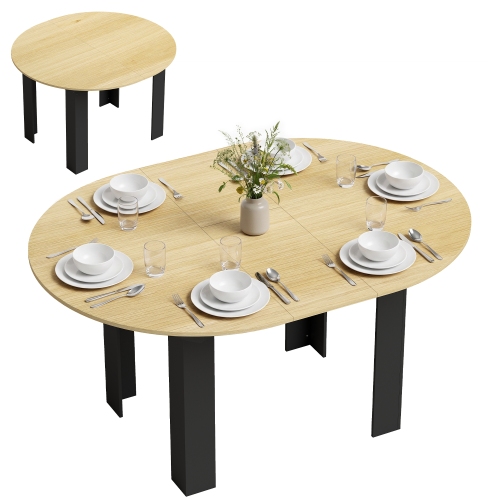
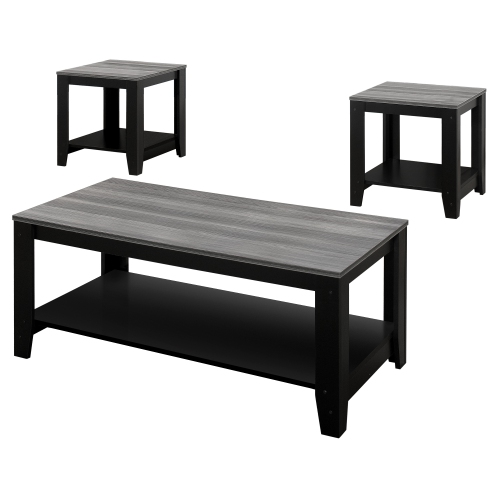
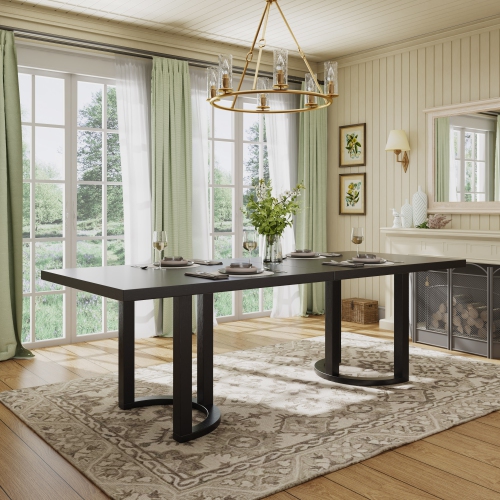
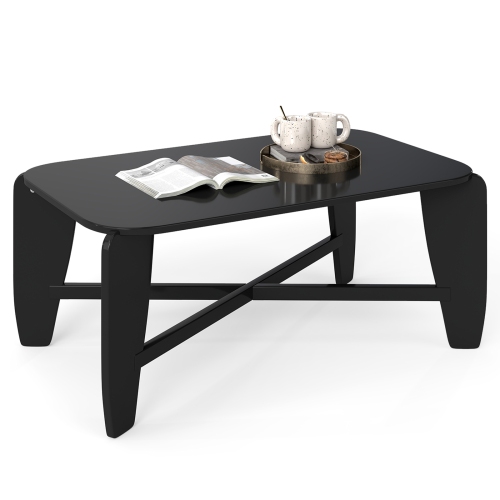
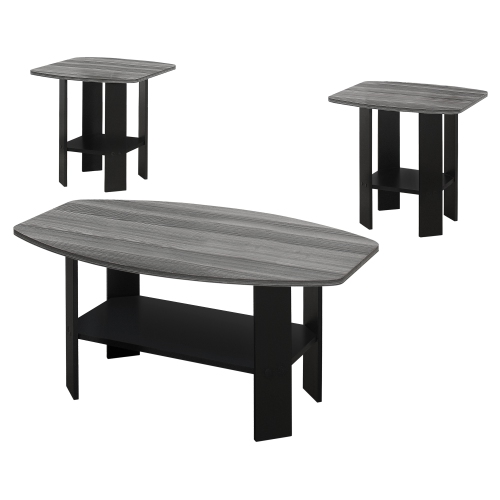
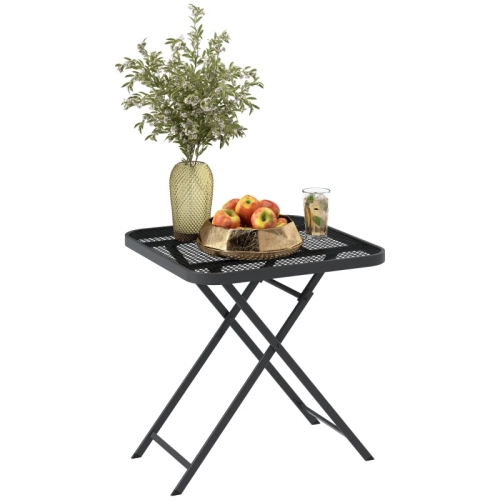
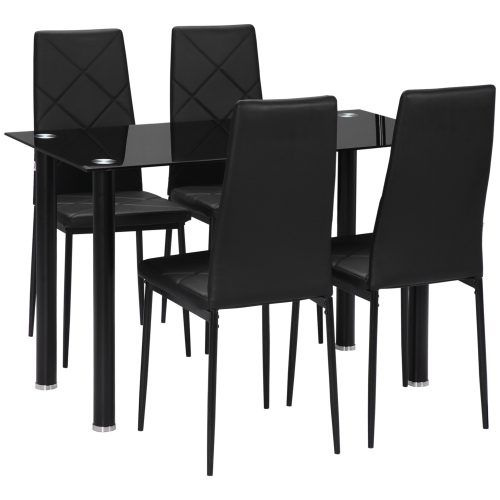
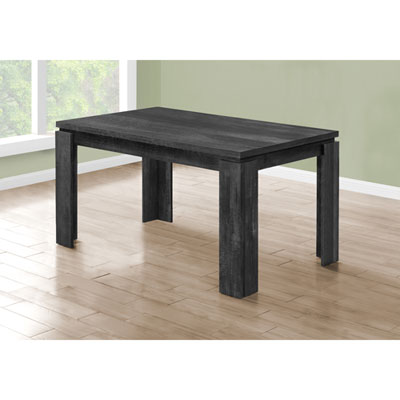
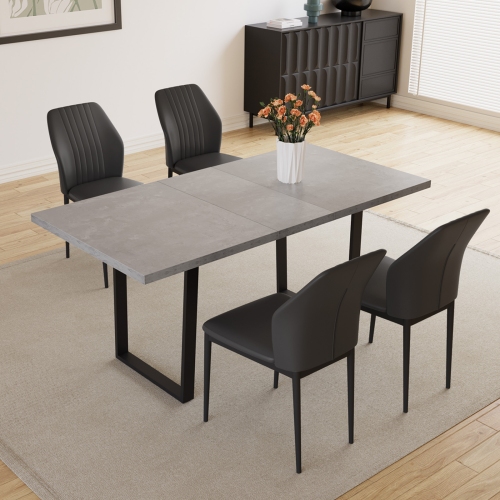
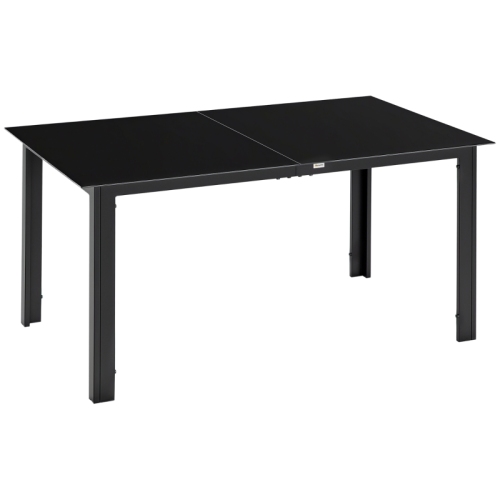
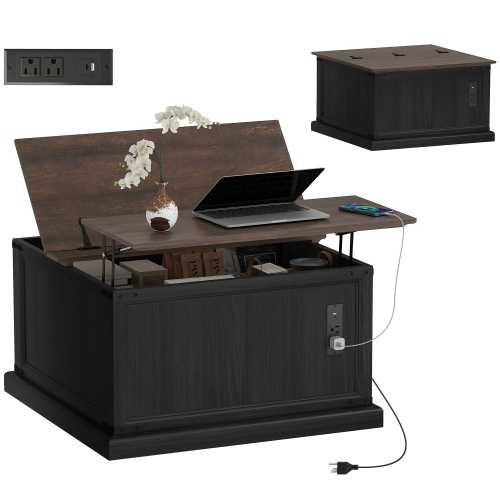
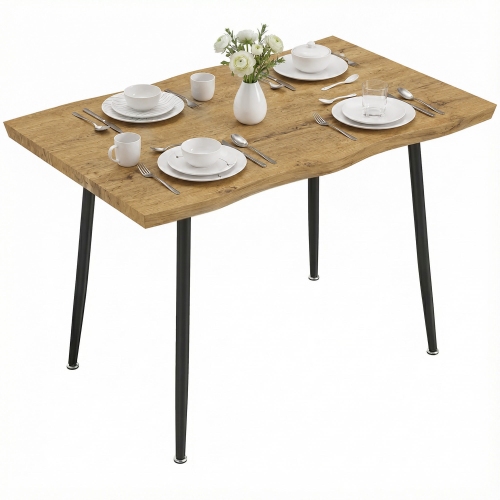
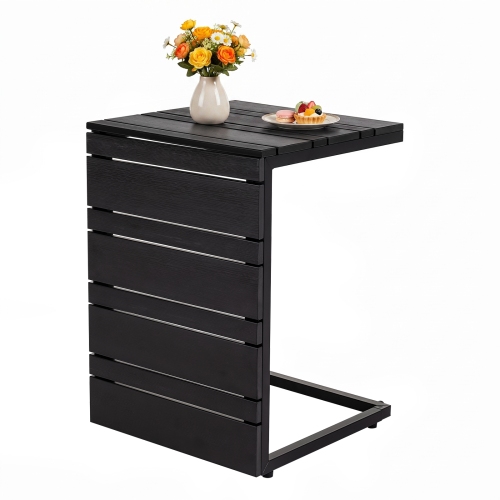
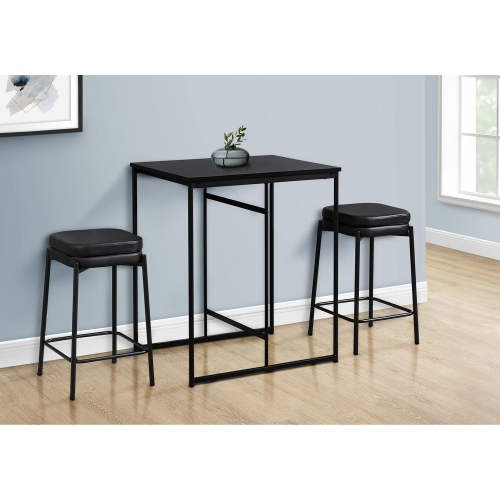
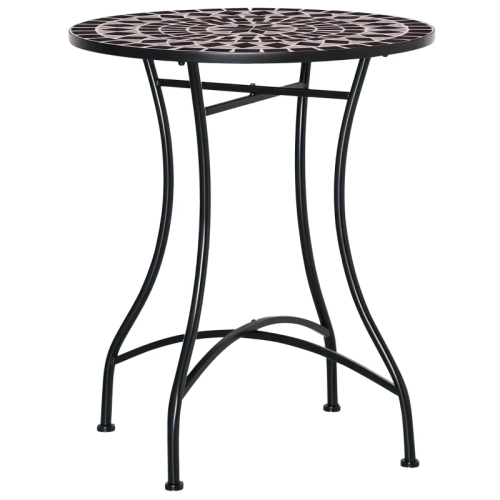
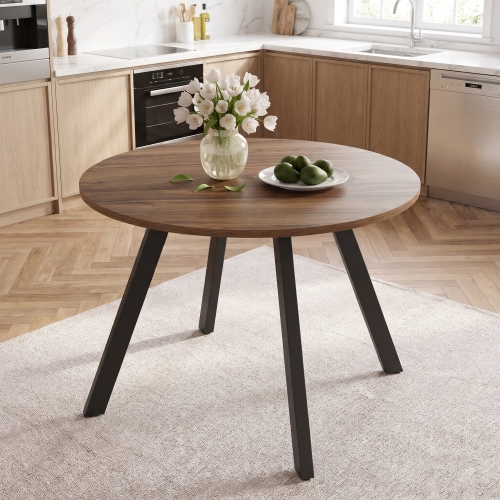
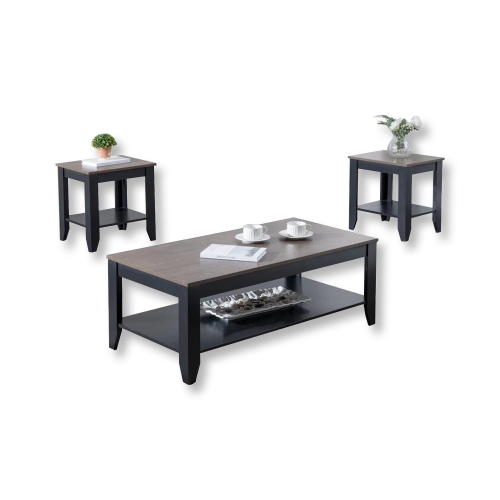
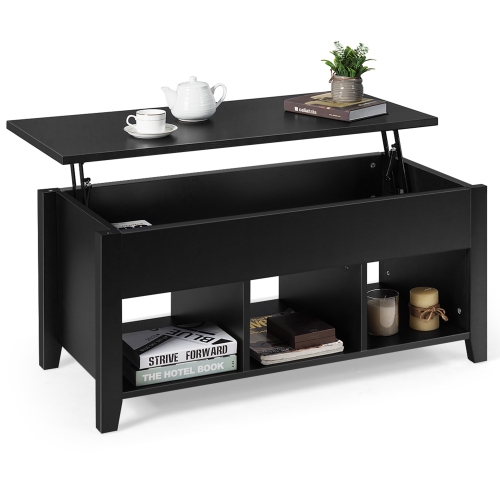
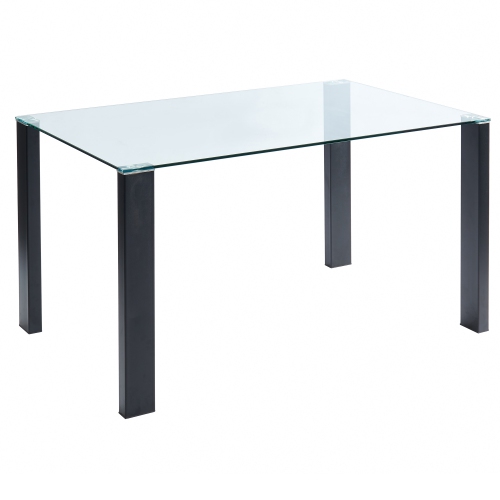
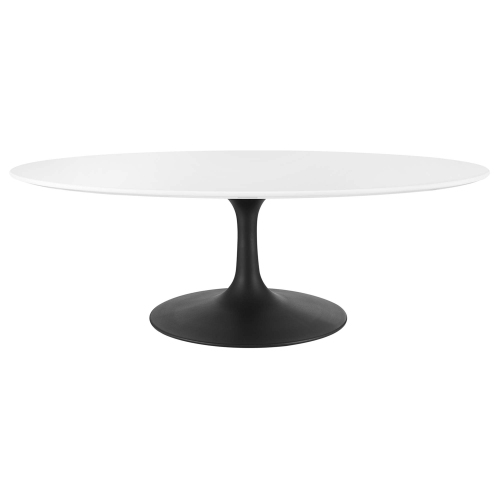
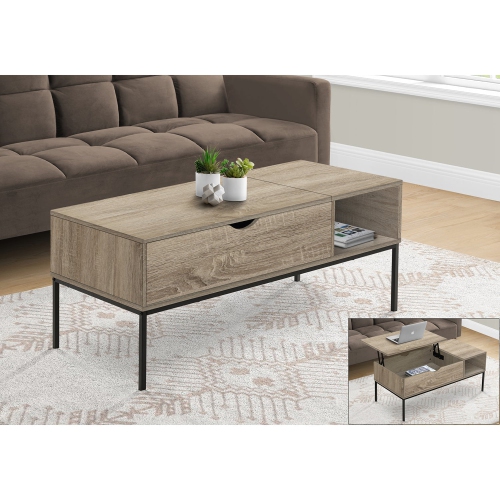
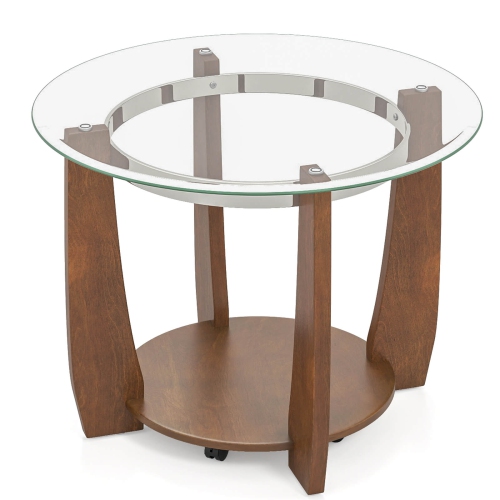
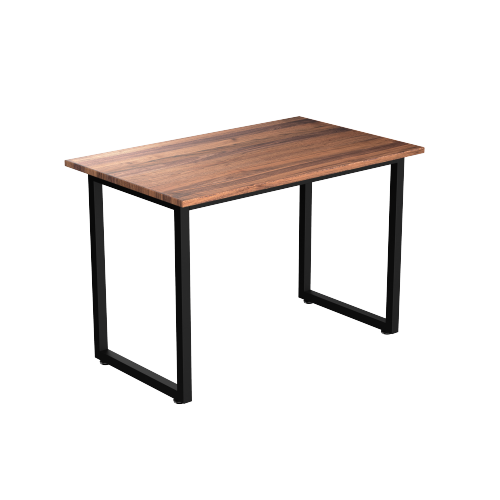
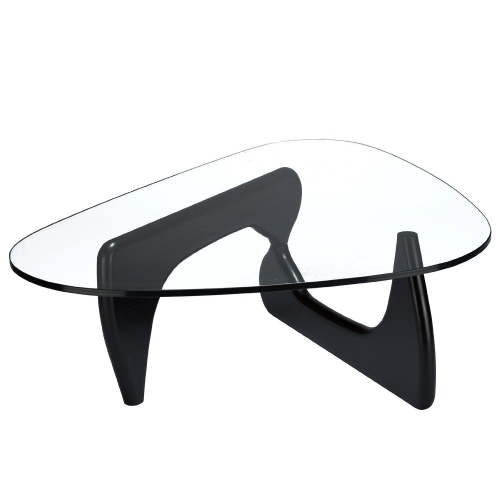
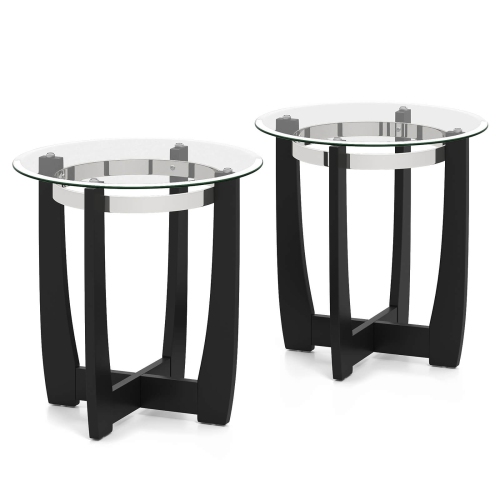
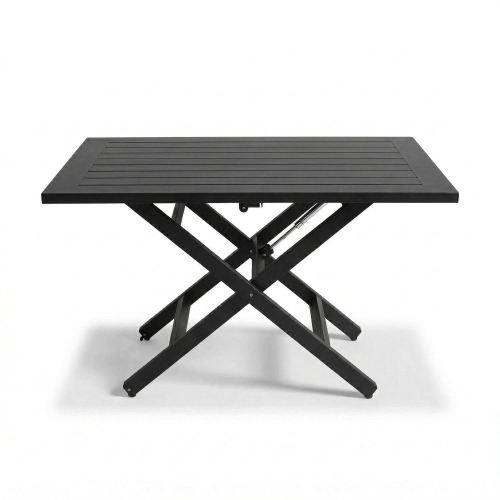
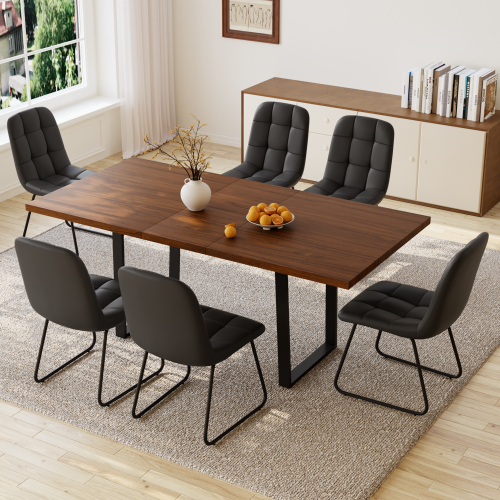
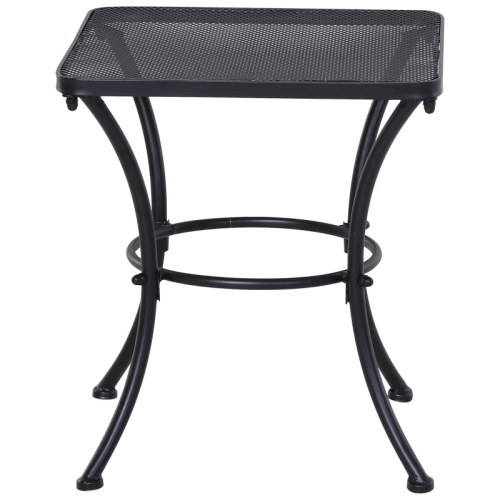
Black table tops are a classic and timeless addition to almost any home. Whether used as a dining table, coffee table, or end table, black table tops are a great way to add a touch of sophistication to almost any room. They are also extremely versatile, as they can be used in both modern and traditional settings. Here are some options available.
Sort

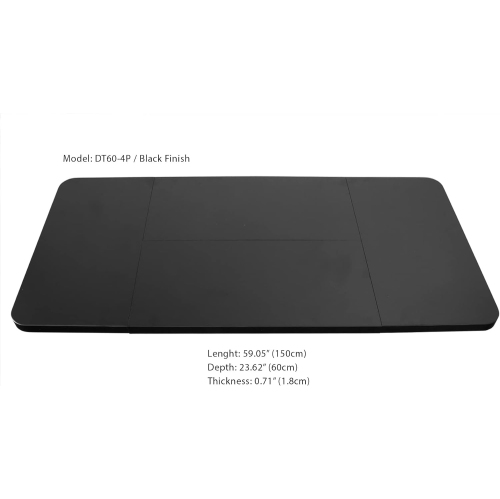

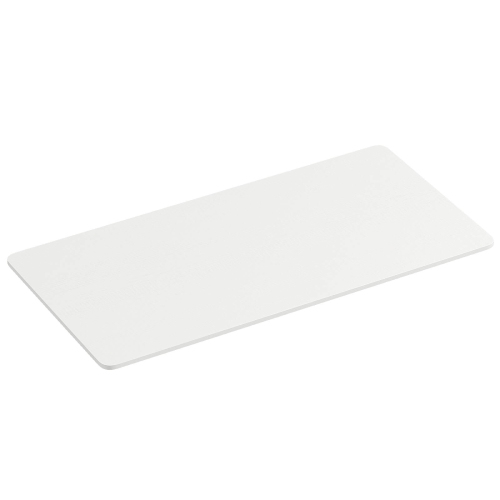
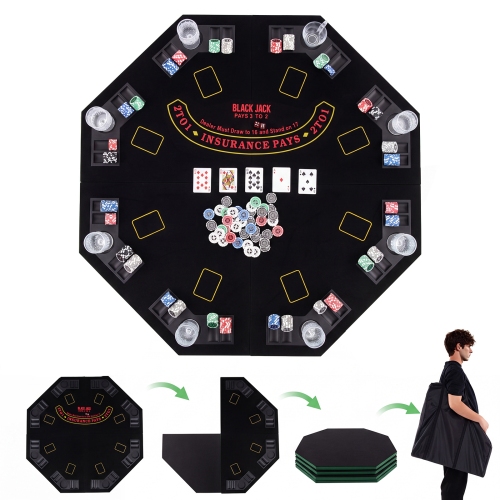
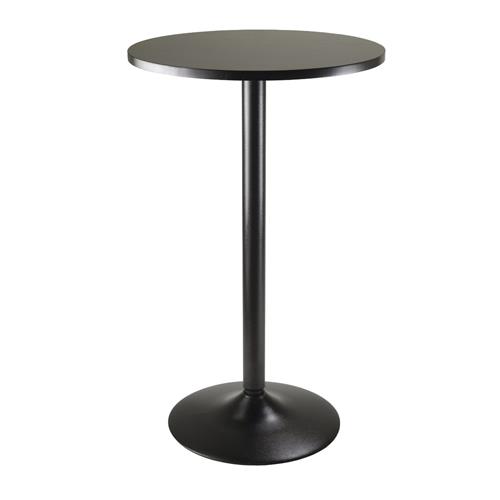
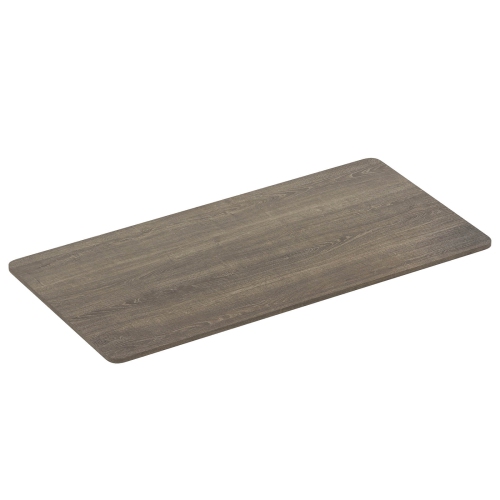

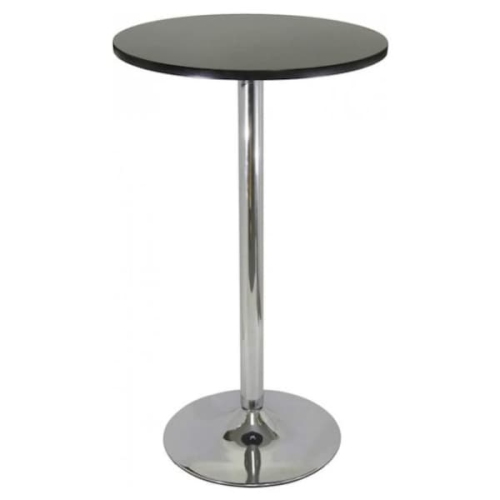

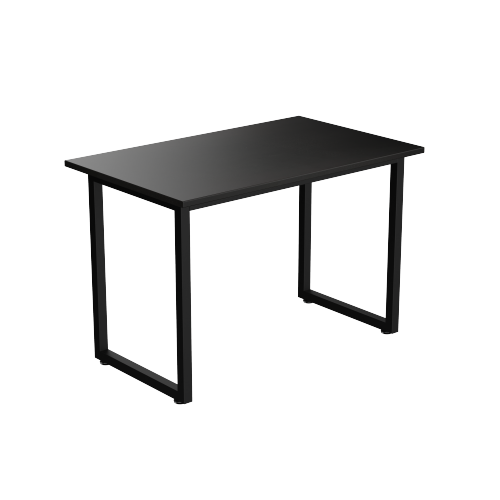
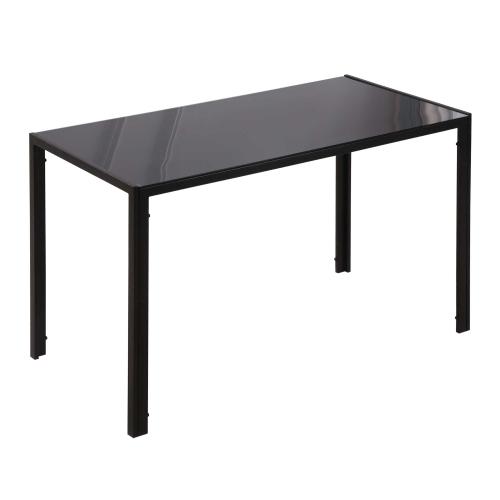
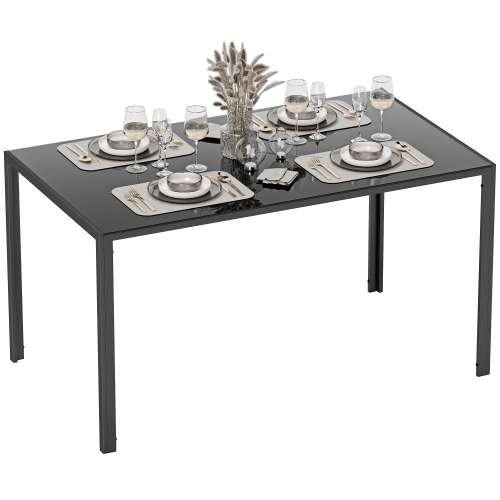
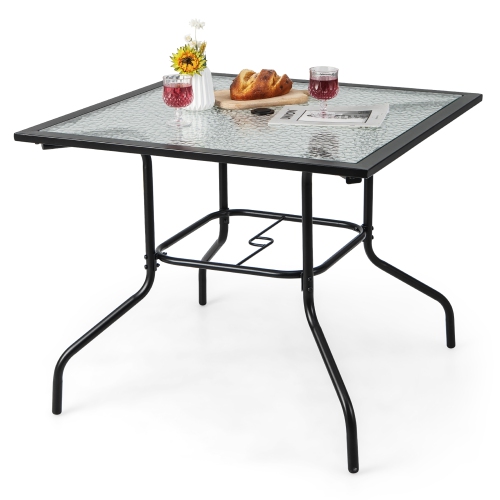
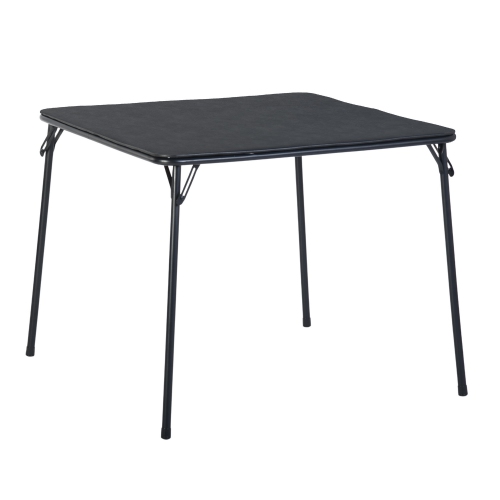
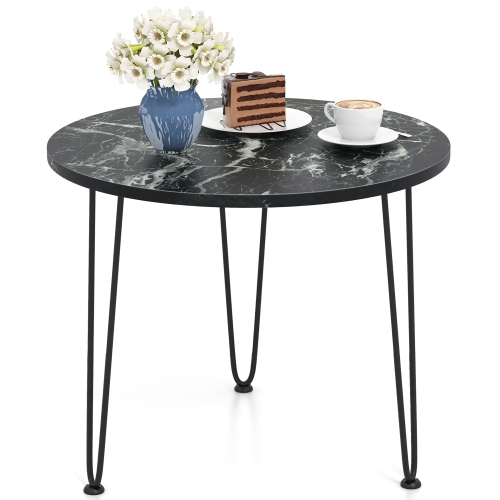


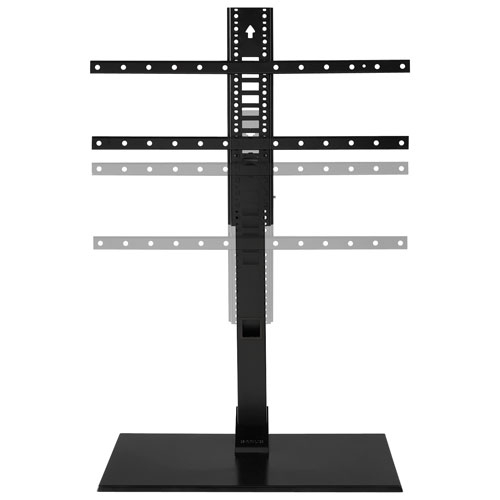
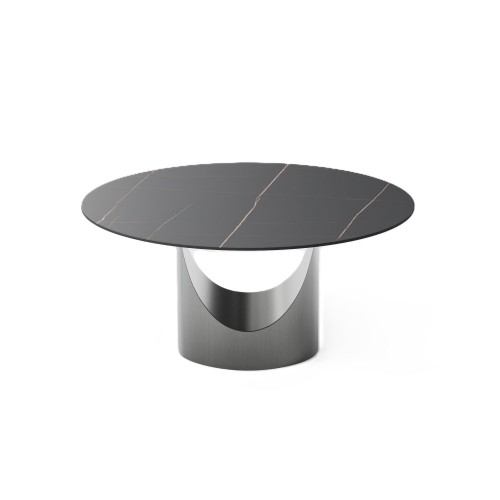
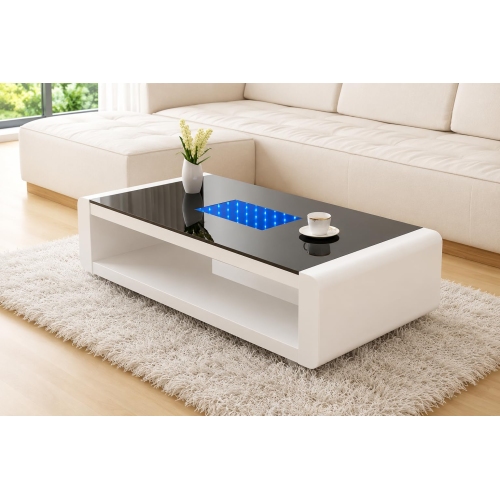
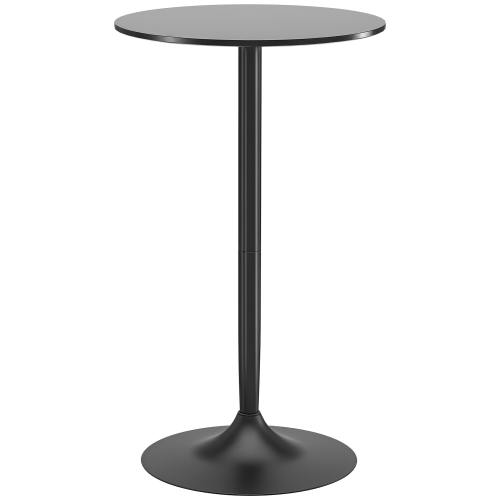
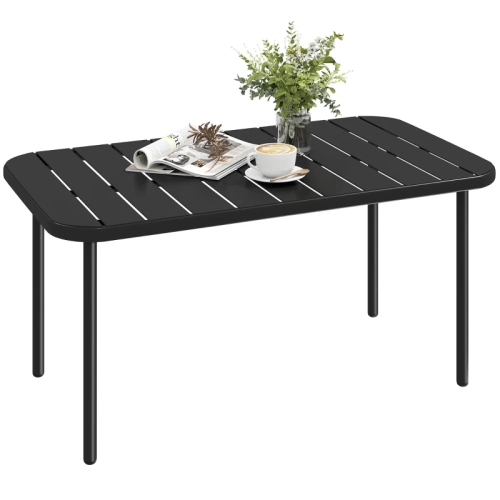
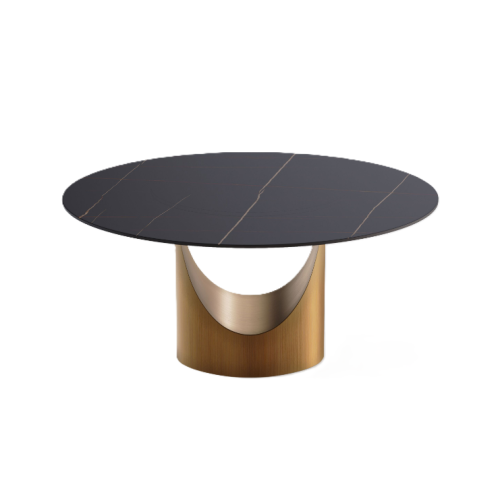
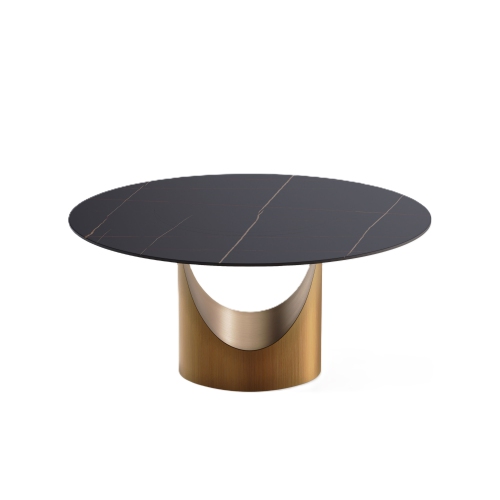
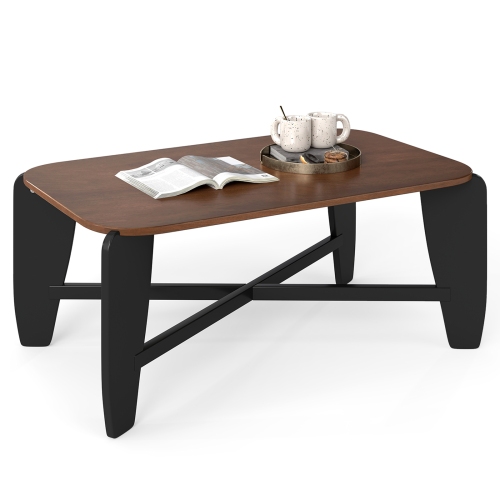


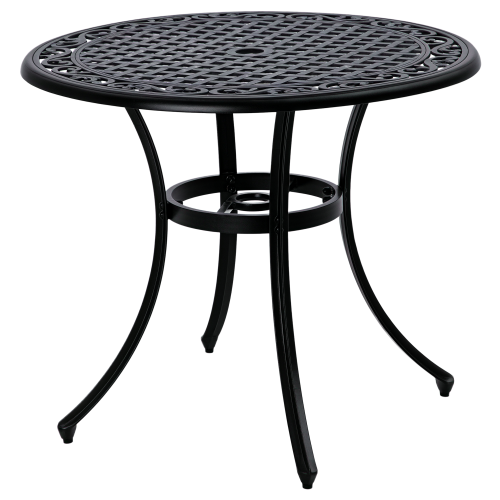
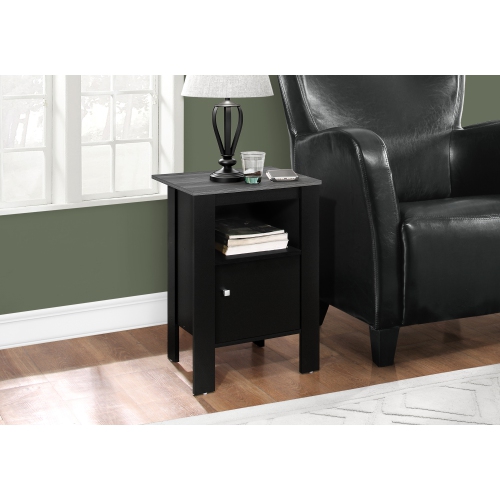
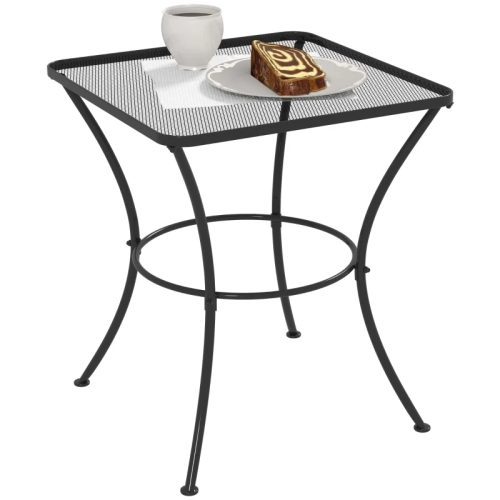
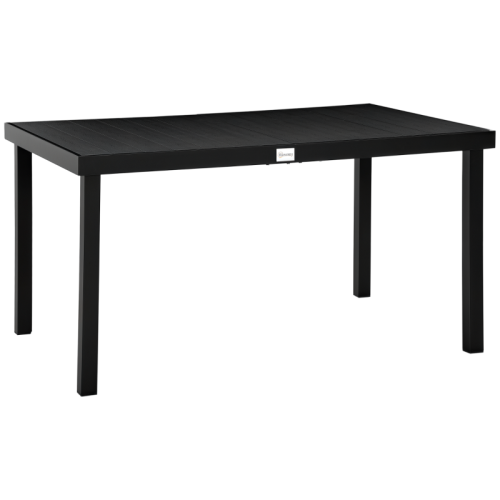
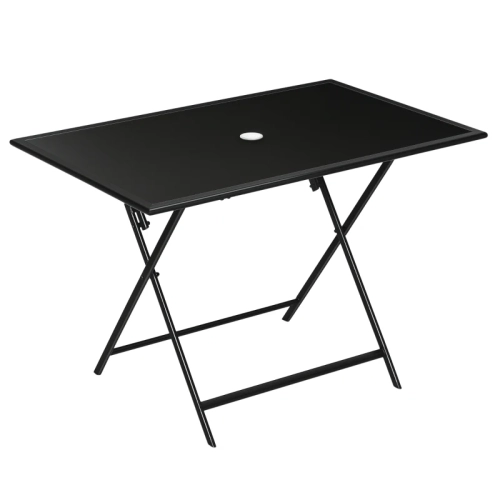
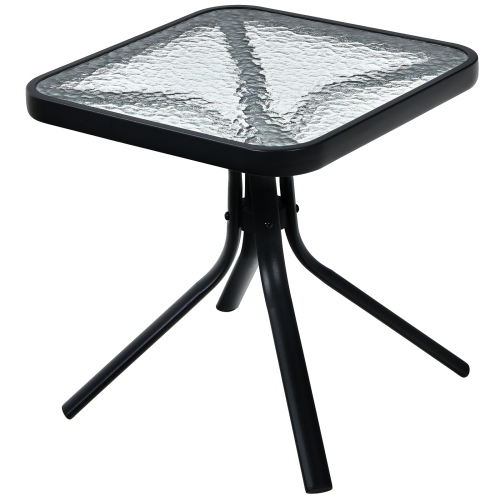

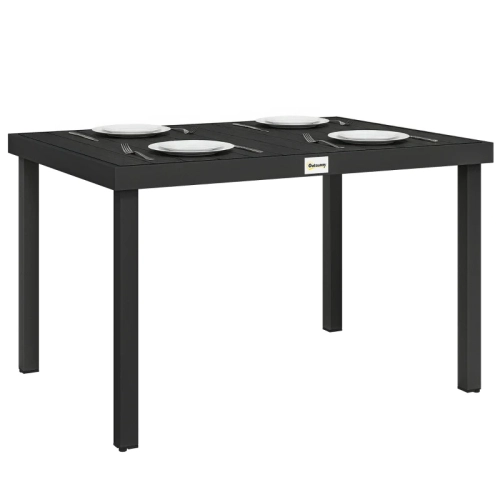
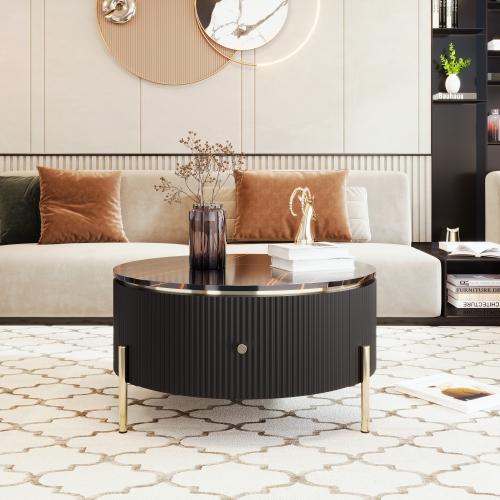
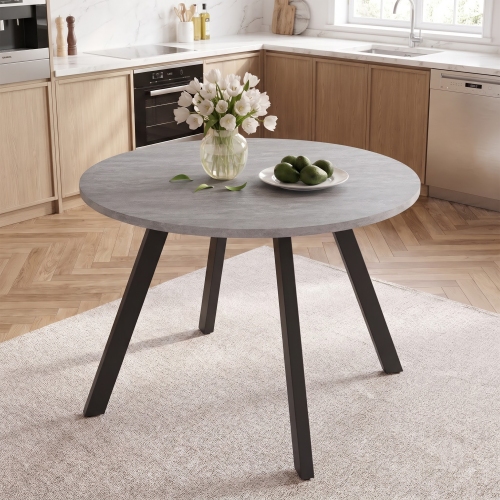
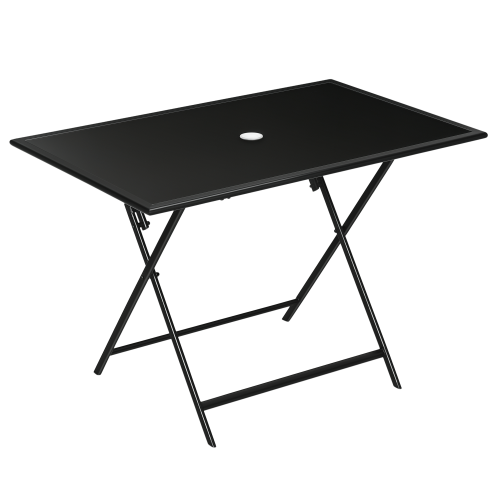
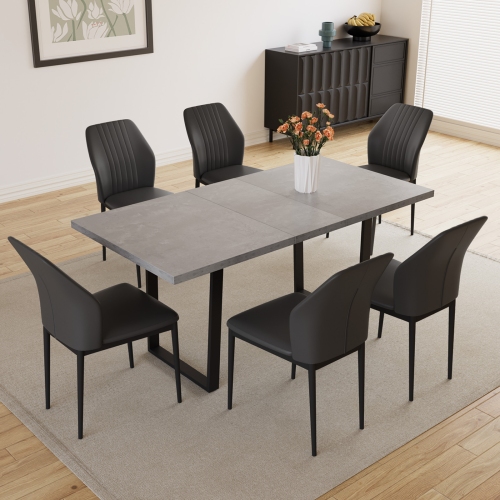
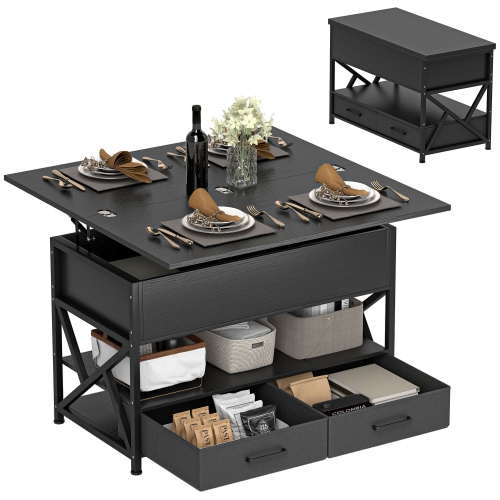
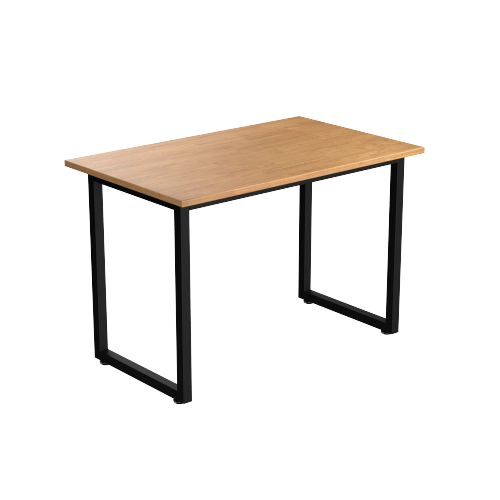
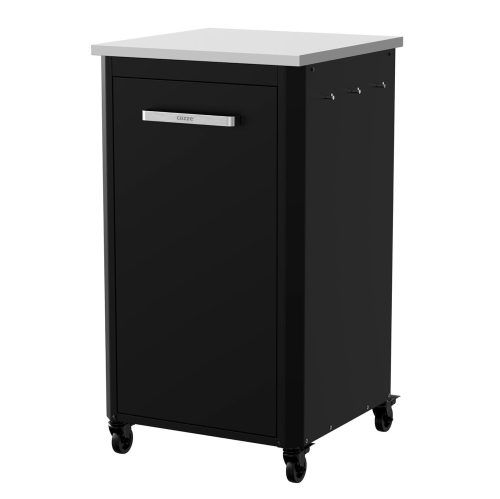
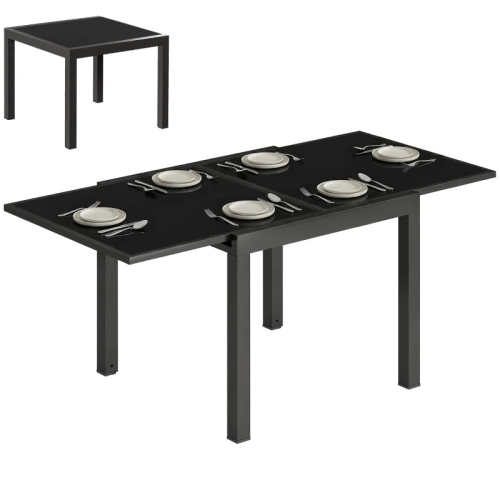

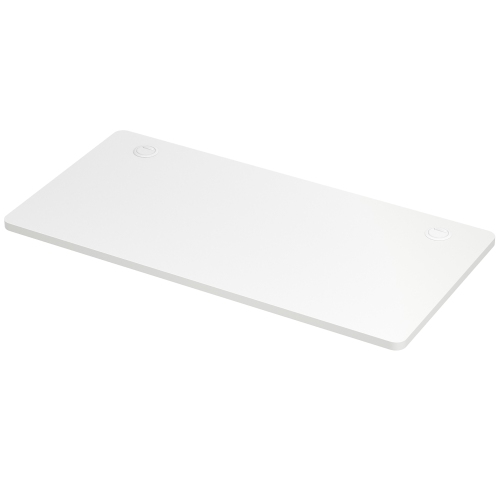
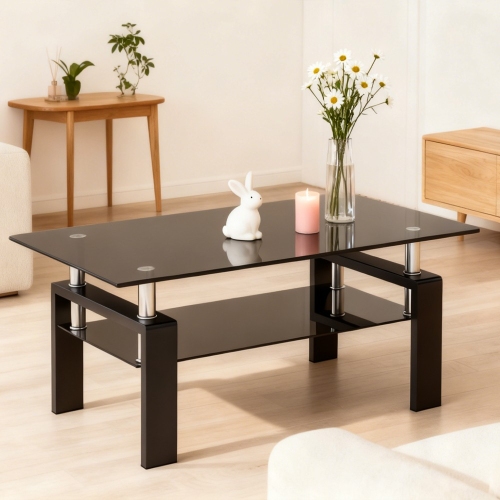
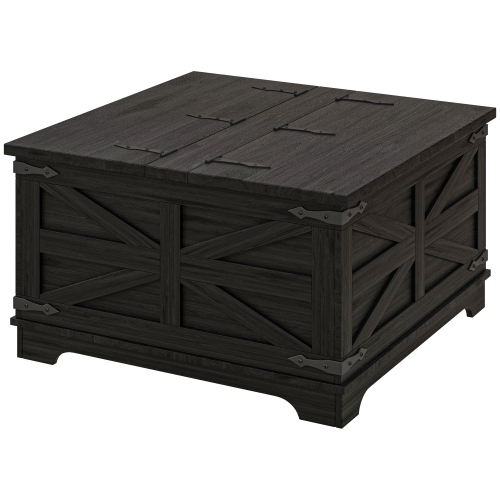
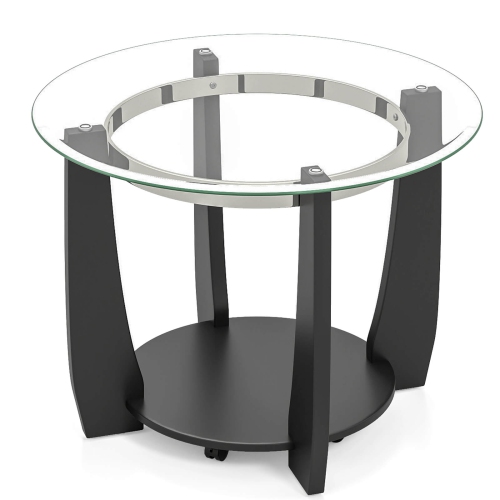
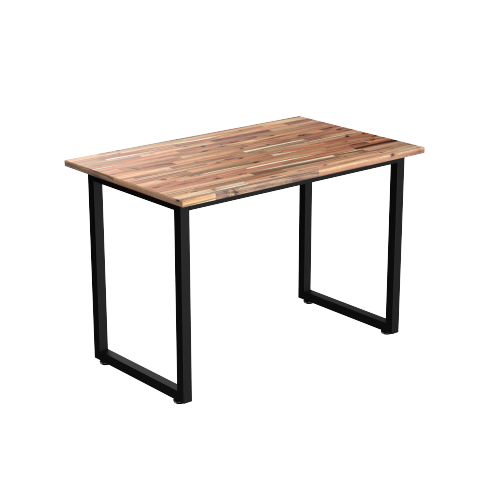
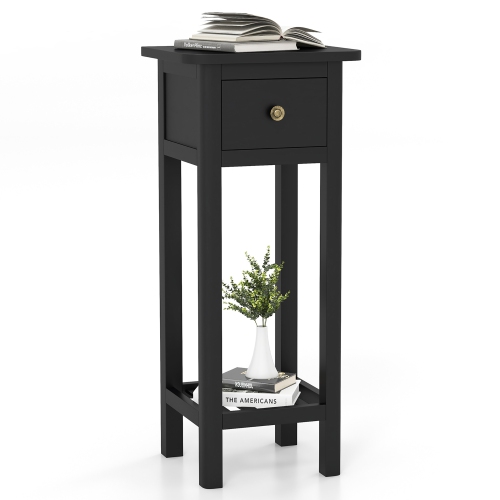
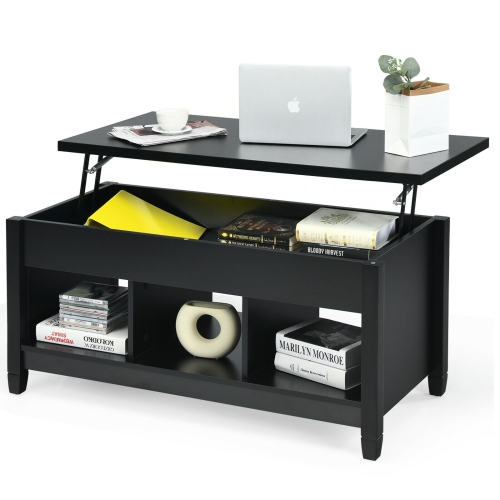
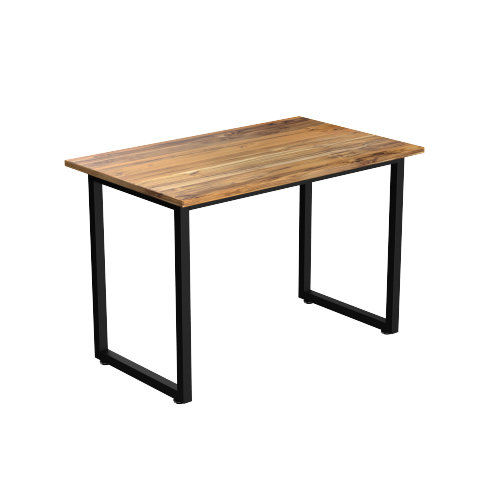
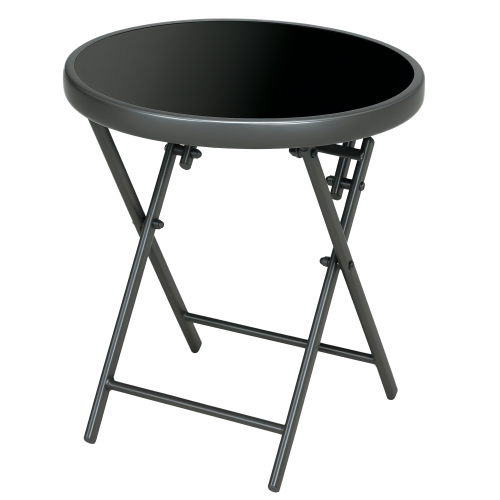
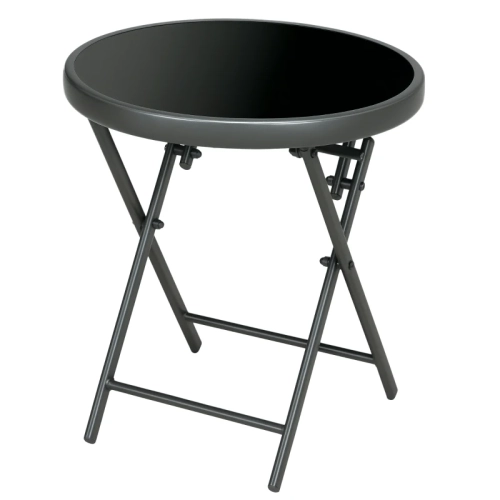
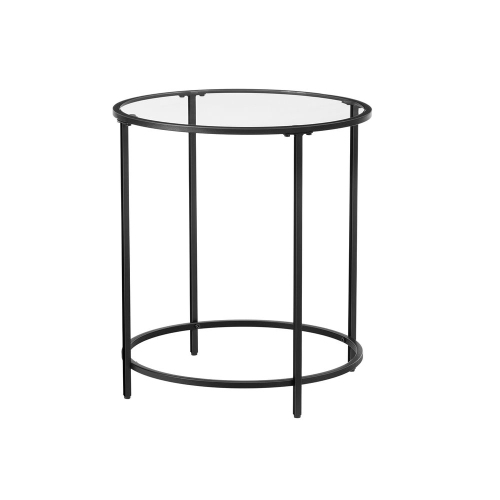
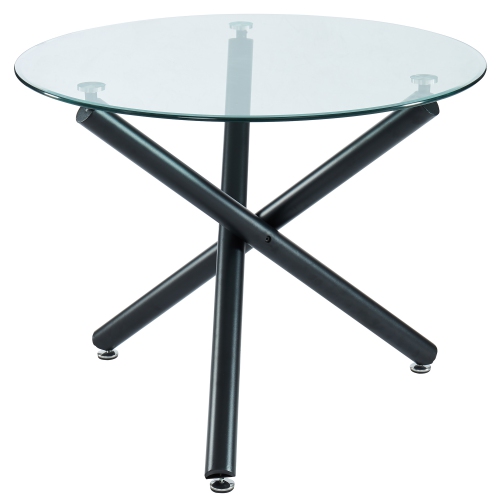
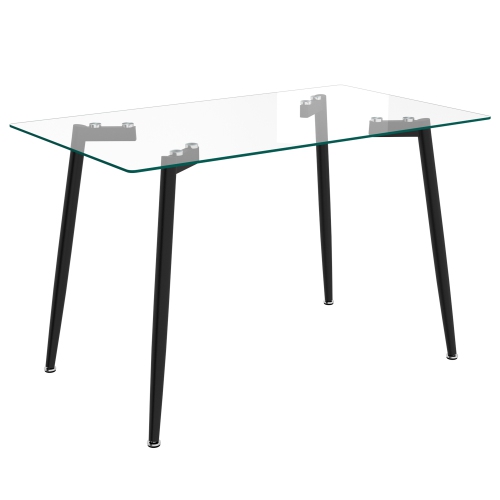
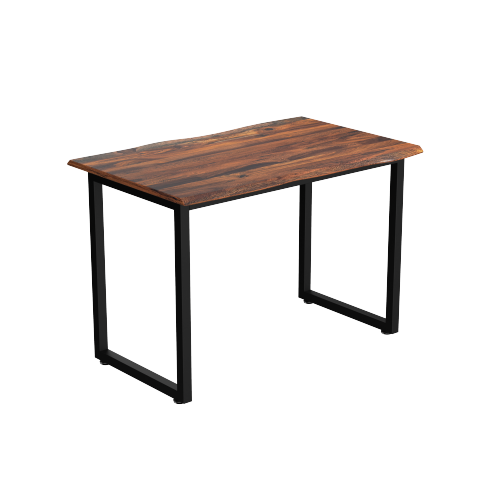
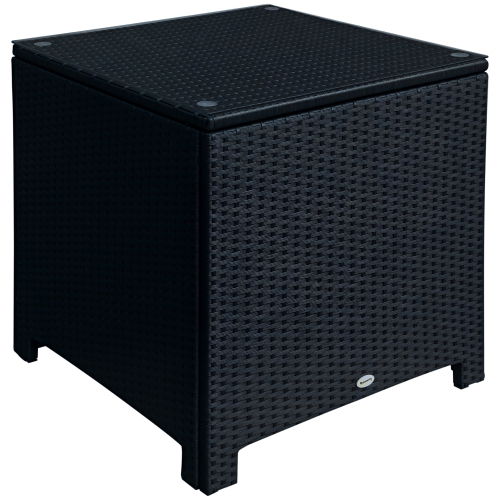
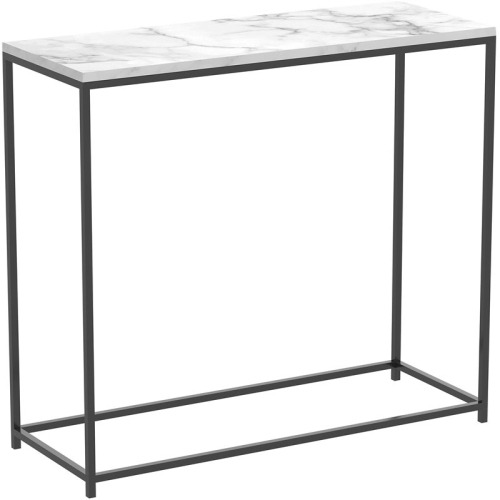
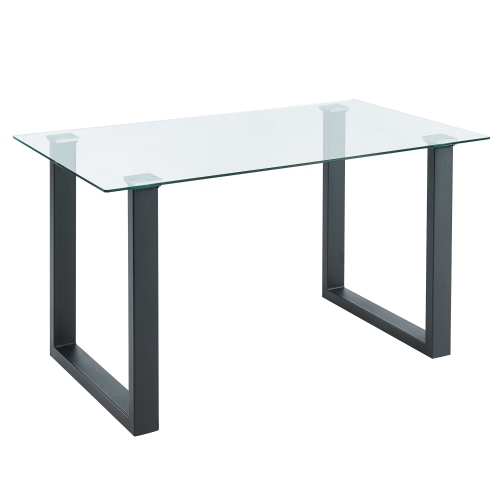

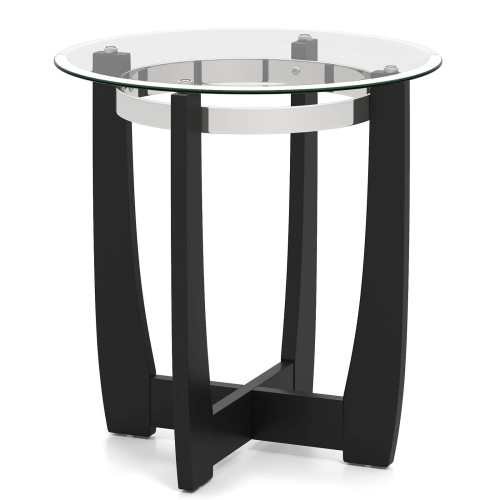

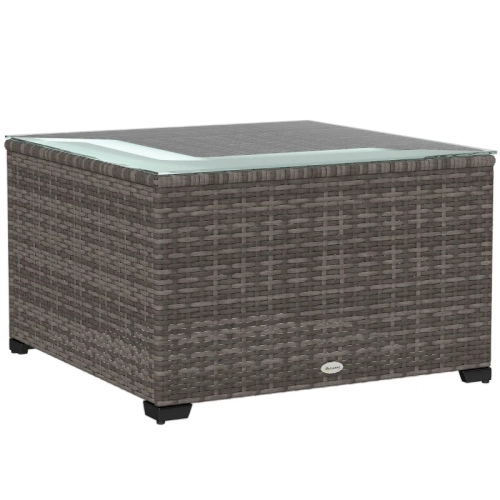
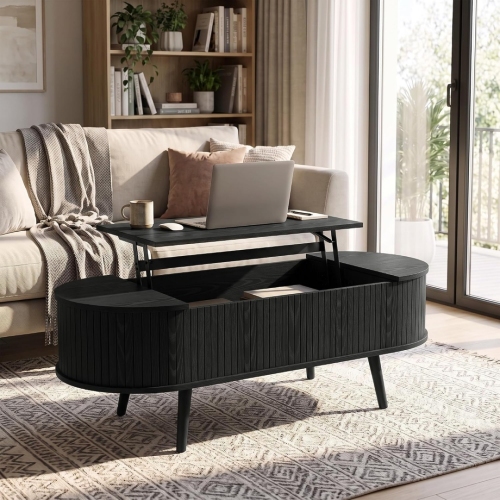
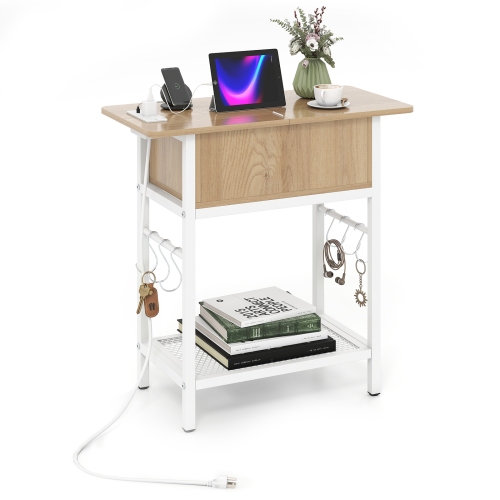
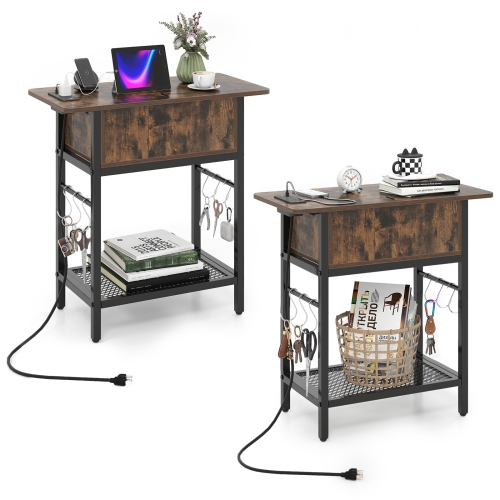
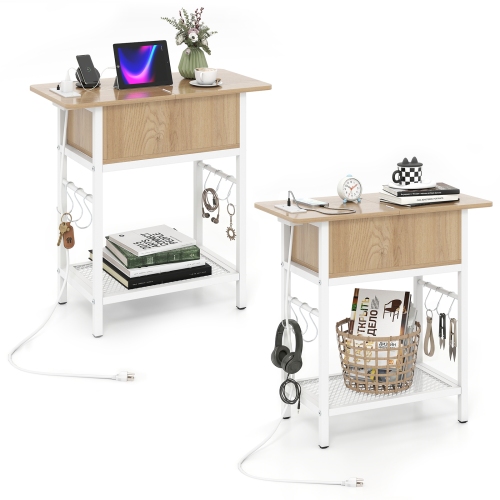
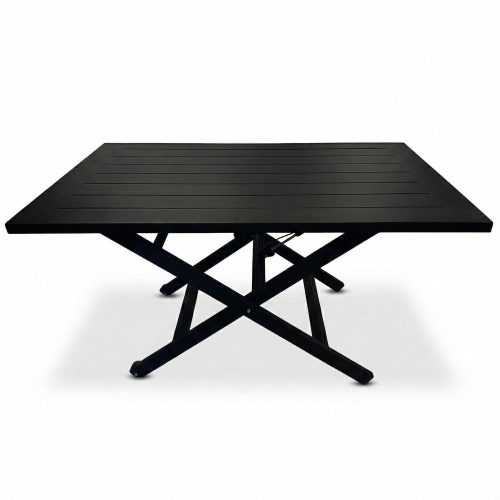
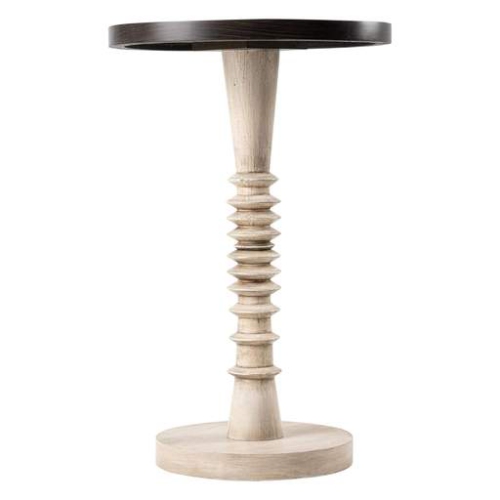
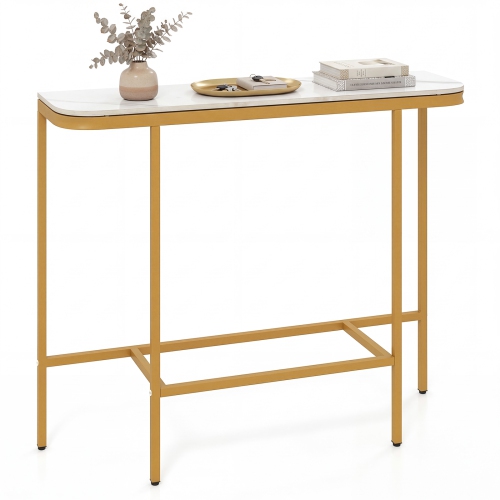
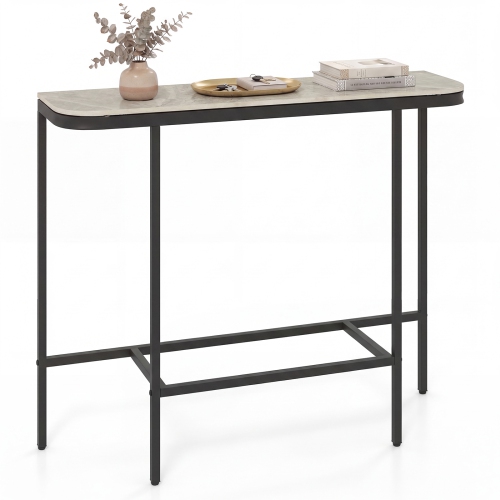
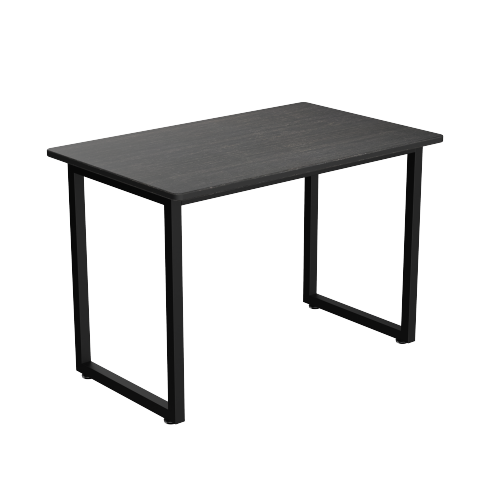
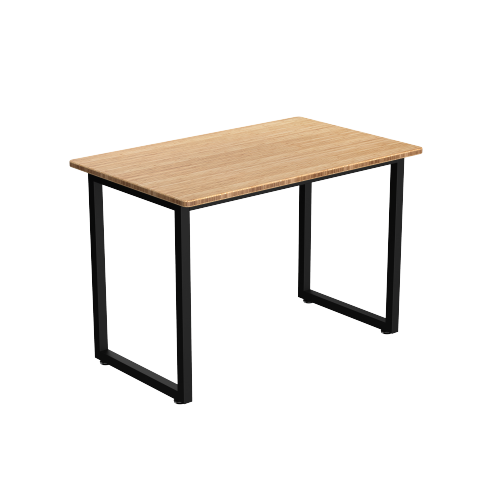
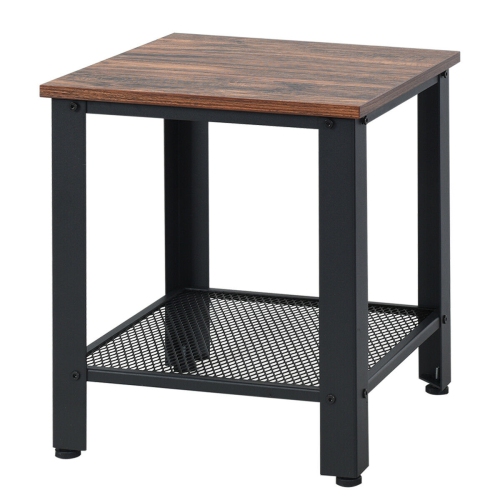
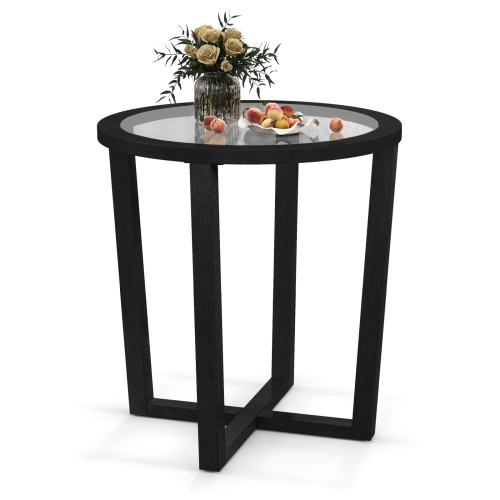
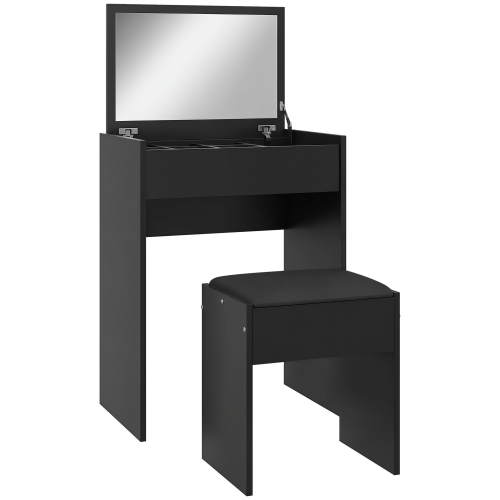
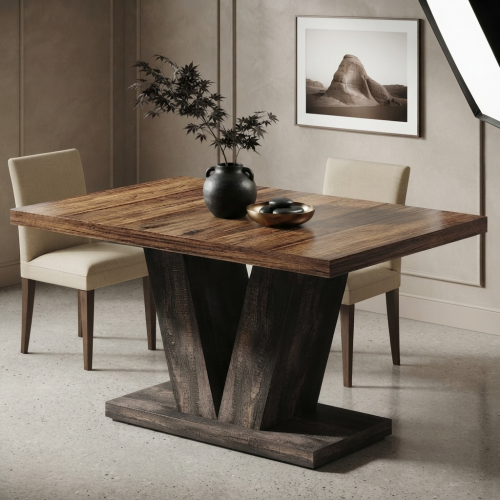
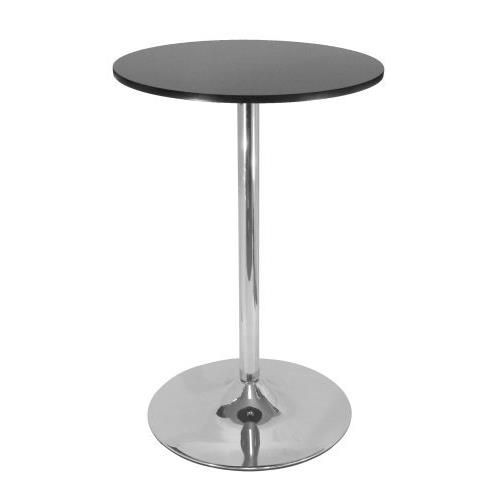
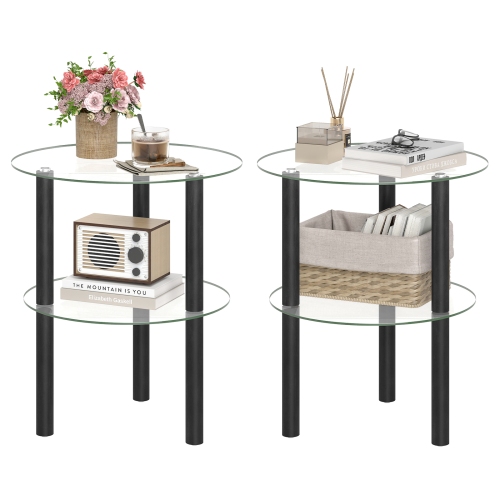
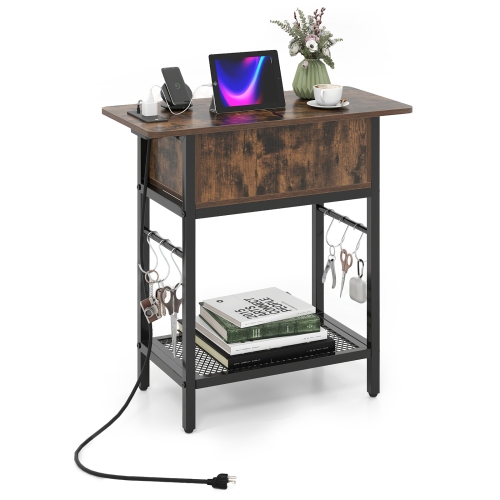
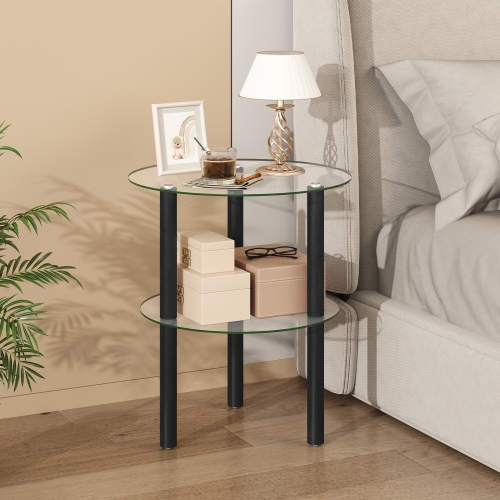


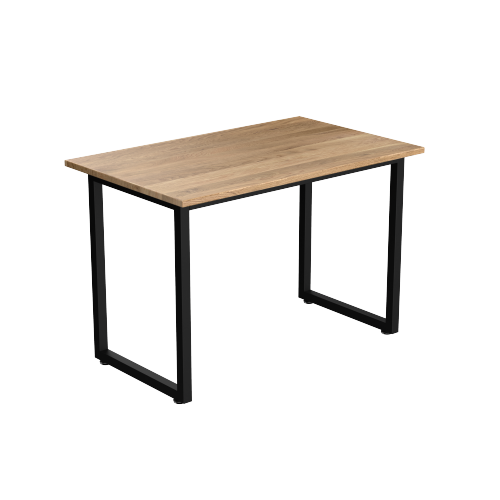
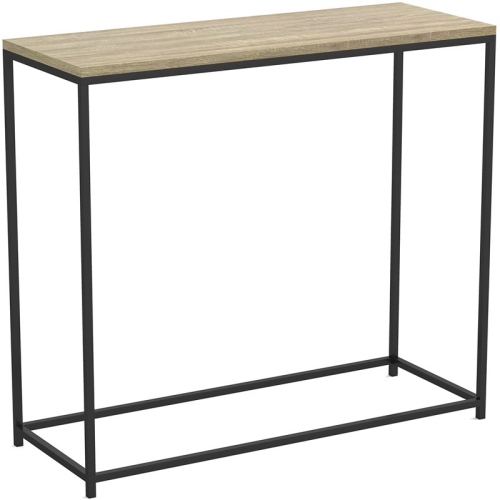
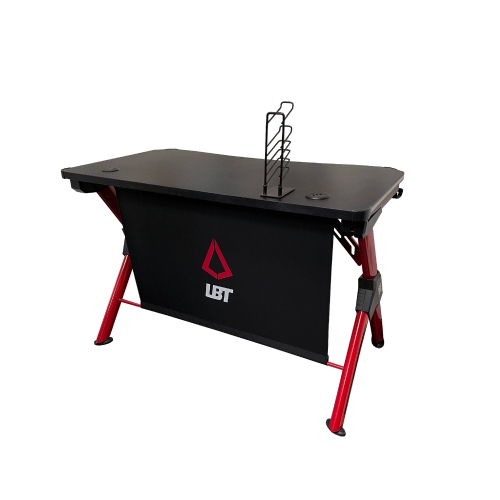
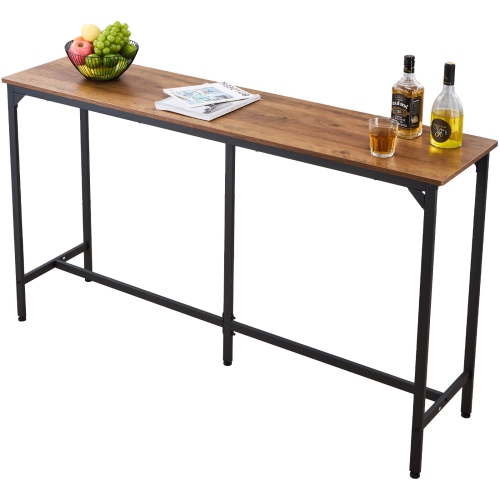
Why tabletop proportions matter as much as finish
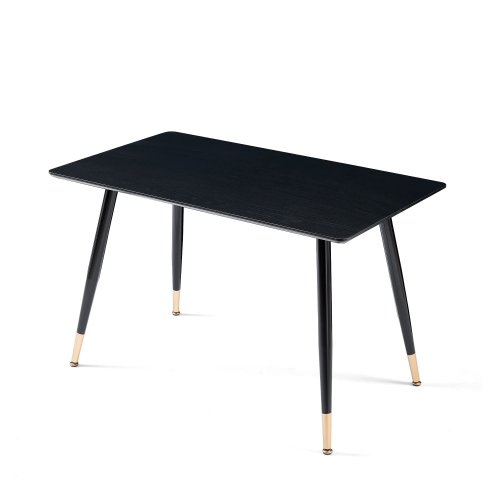
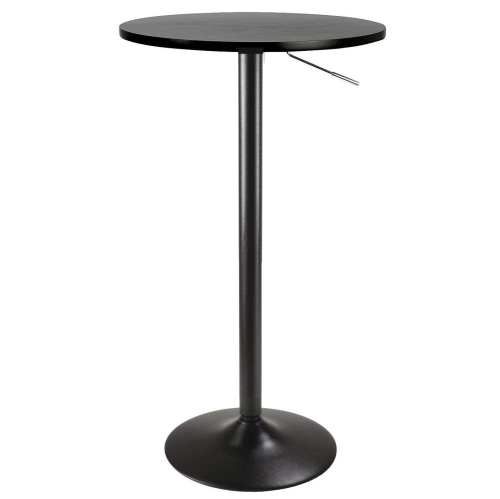
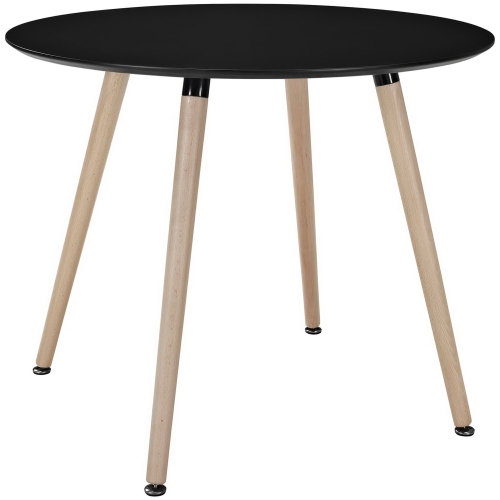
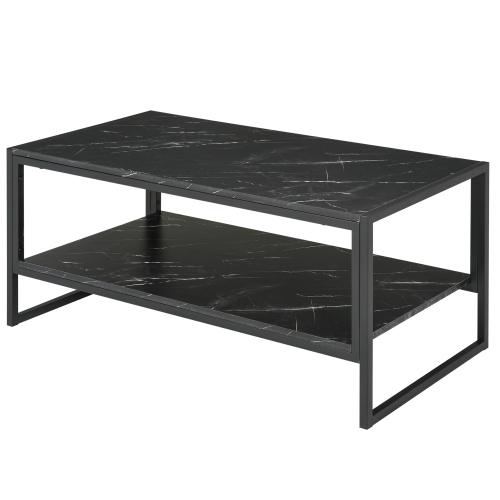
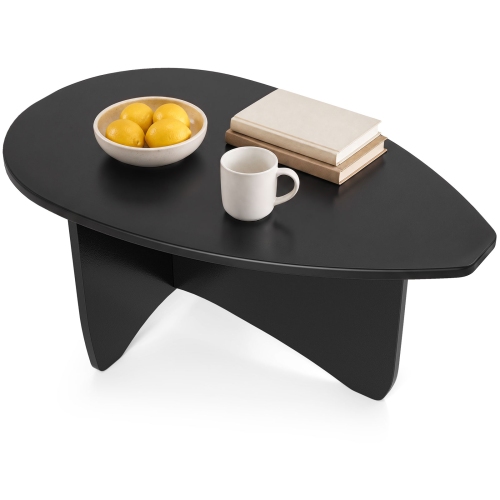
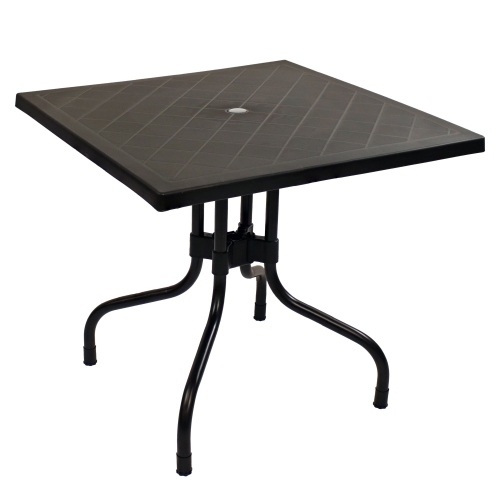
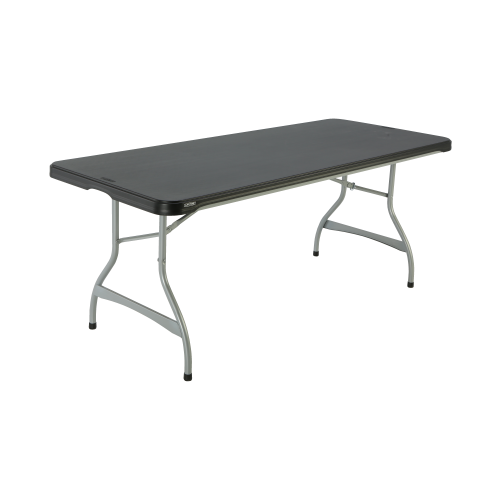
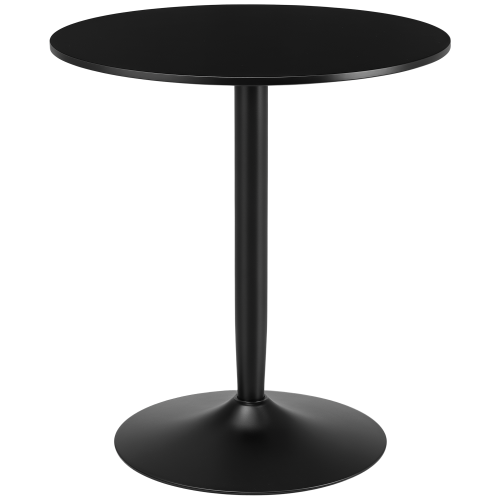
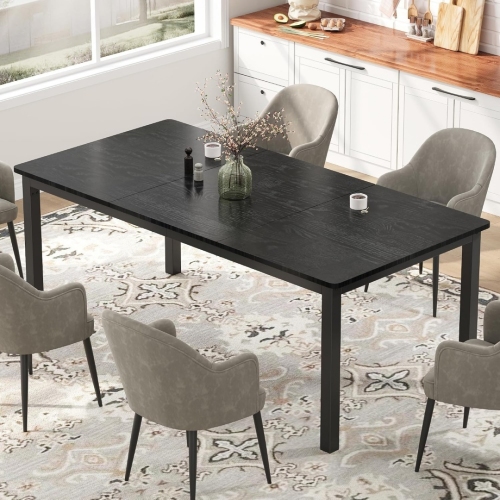
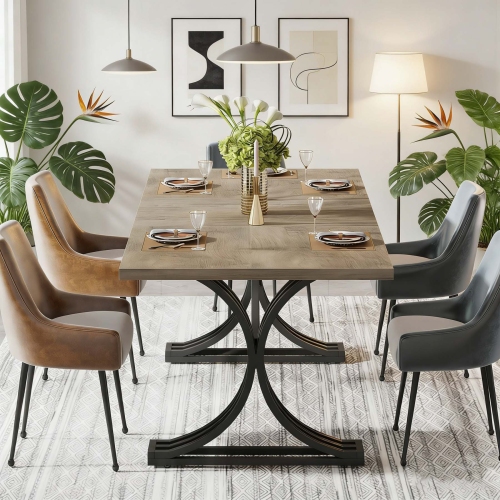
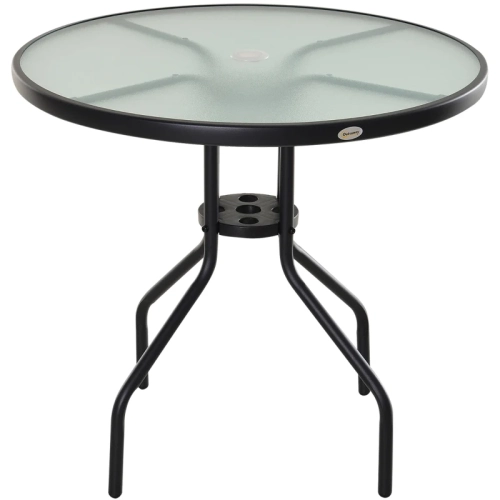
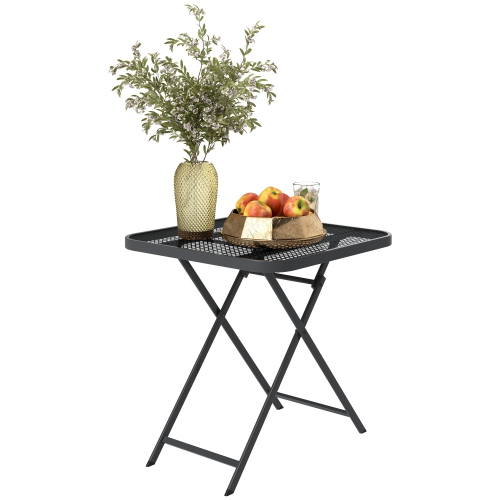
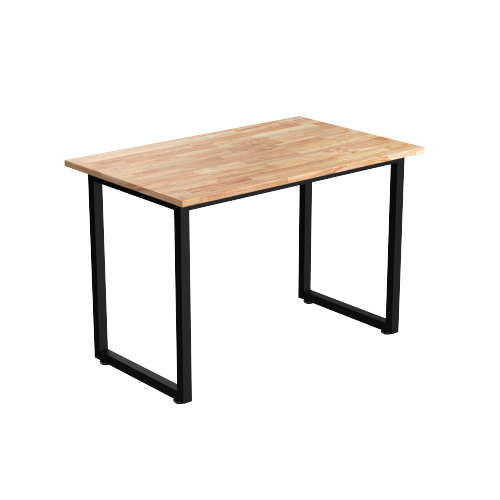
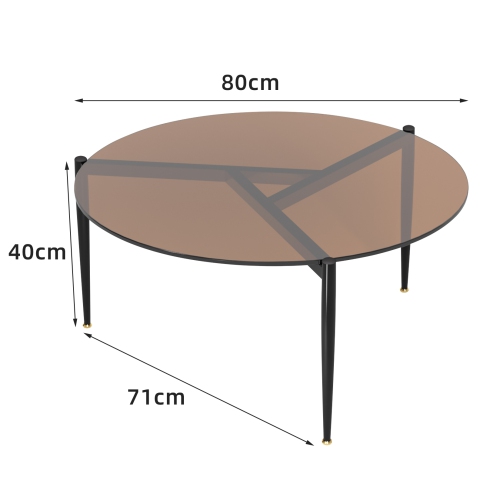
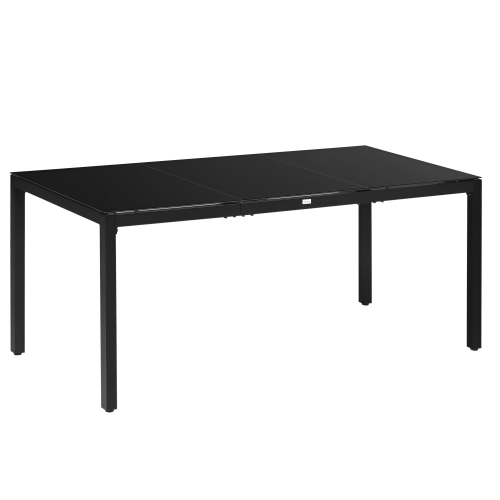
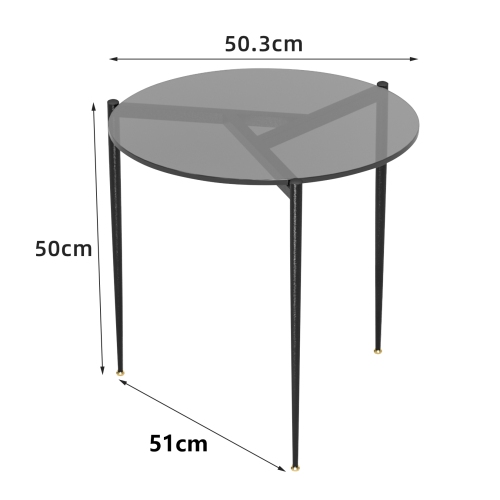
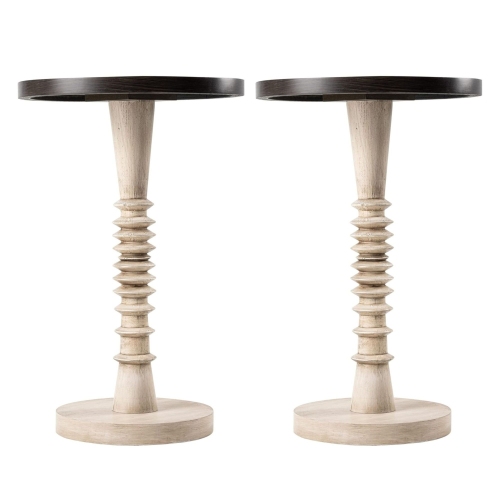
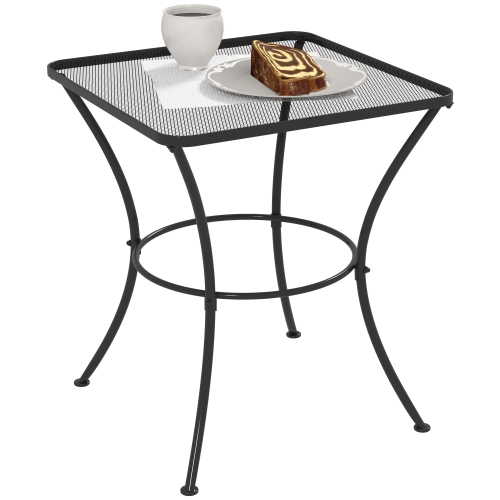
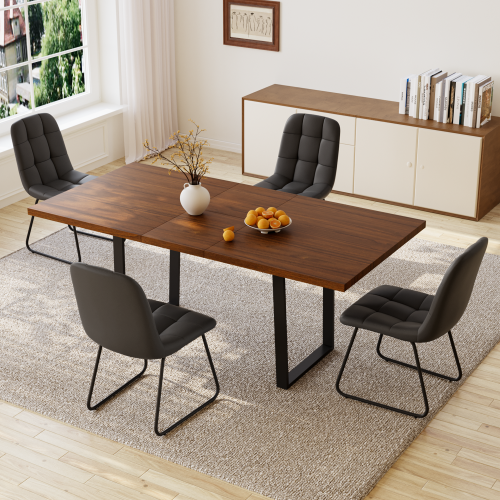
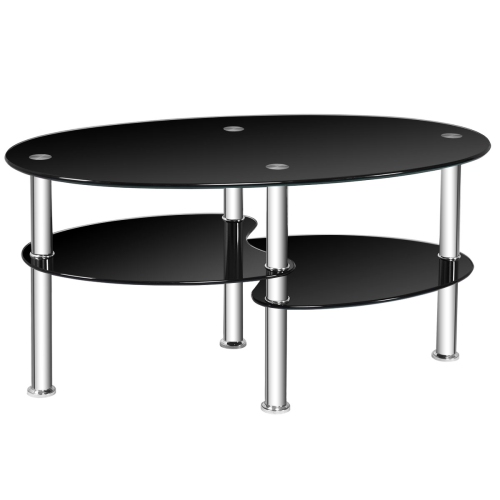
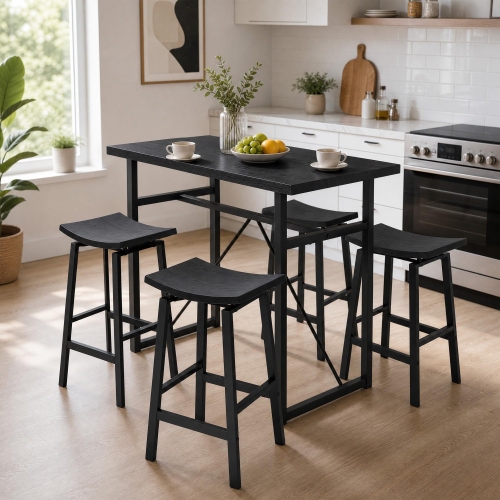
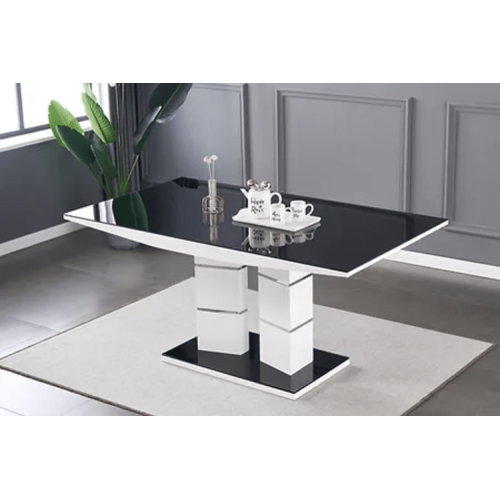
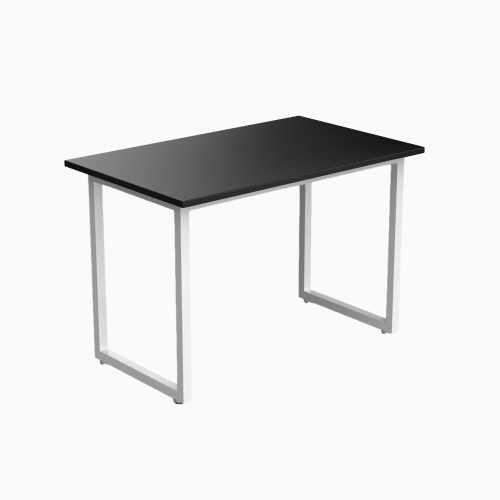
Black table tops provide a versatile surface for dining tables, desks, coffee tables, and shared workspaces, with a colour that can feel understated or bold depending on the material and finish. A matte black top on slim metal legs suits a compact apartment dining area, while a black surface paired with a substantial wood base can bring warmth and contrast to a larger room. The colour also works well alongside upholstered chairs, pale cabinetry, natural wood flooring, and brushed metal accents without requiring every furnishing to match. Shape makes a practical difference to how the table feels in use. Round tops encourage conversation and have no projecting corners, which can be helpful where people pass close to the table. Square tops create a balanced arrangement for smaller seating areas, while rectangular and oval tops offer more room for shared meals, paperwork, or a board game spread across the centre. Actual dimensions matter more than shape alone: a broad pedestal base, bulky chair arms, or a nearby cabinet can change how comfortably the space functions. For dining, allowing approximately 60 cm of table edge per person is a useful starting point, with additional room for wide chairs or generous place settings. Around 90 cm between the table edge and a wall or other obstruction can help chairs pull out comfortably, although busy walkways may need more space. A desk surface has different demands, including enough depth for a monitor at a comfortable viewing distance and room for a keyboard without pushing everything to the front edge. For a coffee table, the relationship to the sofa and surrounding seating is usually more important than dining-style clearance. These everyday proportions help a black tabletop feel like a natural part of the room rather than a surface that simply fits within its floor plan.
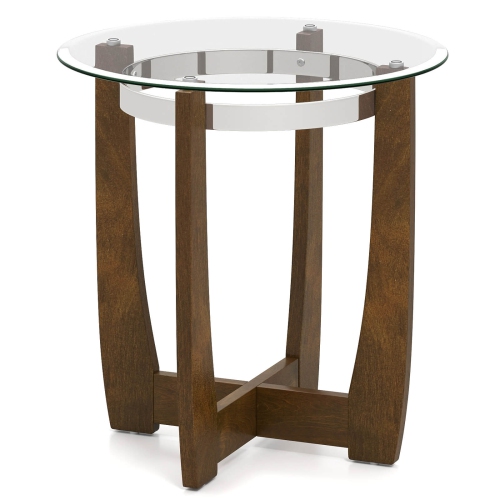
Material determines much of a black tabletop’s texture, weight, maintenance, and resistance to everyday wear. Solid wood has natural grain and variation that may remain visible beneath a black stain, giving the surface more visual depth than a completely opaque coating. A painted wood top can create a more uniform look, although its resistance to marks depends on the coating and how it is used. Wood veneer offers a real wood surface over a supporting core, but its thinner face limits how much refinishing it can tolerate. For a comparison of grain patterns and wood-based finishes, Wood Table Tops offers a related material category. Laminate tops typically pair a decorative surface with an engineered wood core, creating an even black finish that can be straightforward to wipe down after meals or desk work. Their edges and seams deserve attention because moisture that reaches an unprotected core can cause swelling. Glass gives black a different character: a dark glass surface can reflect nearby lighting and make a room feel more polished, but fingerprints, dust, and streaks may be more noticeable than on a textured finish. Glass intended for table use should meet the relevant safety requirements, and tempered glass cannot be cut or drilled after manufacture. Stone, ceramic, and engineered stone surfaces can offer a substantial appearance, though weight, edge strength, sealing needs, and care requirements vary by material. Metal brings another look, ranging from smooth powder-coated finishes to more visibly textured surfaces. Across materials, matte finishes soften reflections, while gloss creates sharper highlights. Neither finish automatically guarantees better scratch resistance; the construction and protective coating matter more. A lightly textured black surface may disguise small smudges, but deep grooves can hold crumbs. In a dining area used for homework as well as meals, a relatively smooth surface can make writing, wiping, and setting down glasses more comfortable.
The fit between a black table top and its base is just as important as its appearance. A replacement top needs compatible dimensions, sufficient support, and an attachment method suited to both the surface and the frame. A base that supported a lightweight top may not be appropriate for a heavier stone or glass replacement, and an oversized top on a narrow base can become unstable when someone leans on its edge. Mounting-hole positions, screw length, support plates, and the amount of overhang all affect the finished table. Tabletop thickness also changes the overall height and the space available above chair arms, knees, or desk equipment. On an adjustable desk, the combined weight of the top and everything placed on it needs to stay within the frame’s stated capacity. For shared dining spaces or workplaces, surfaces intended for that level of use are preferable to assuming a household top will perform the same way. Day-to-day care is usually simplest when it follows the material’s instructions: a soft cloth, prompt spill removal, and a suitable mild cleaner can help preserve the finish without unnecessary abrasion. Black surfaces often make pale crumbs, water spots, and fine dust easy to see, so a quick wipe after use can have a noticeable effect. Trivets under hot dishes, coasters beneath drinks, and protective pads under heavy accessories help reduce avoidable marks, even on surfaces described as durable. Cutting directly on the top or dragging ceramic dishes across it can damage finishes that otherwise handle regular use well. Edge profiles also deserve consideration in busy homes. Rounded or gently bevelled edges can feel more comfortable against forearms during a long work session, while pronounced corners may be less convenient beside a narrow walkway. For households that move furniture frequently, the weight and ease of disassembly matter alongside the finish. A well-matched black tabletop balances these practical details with the room’s proportions, providing a dependable surface for everything from a quiet breakfast to a full afternoon of work.
Top selling and popular products
-
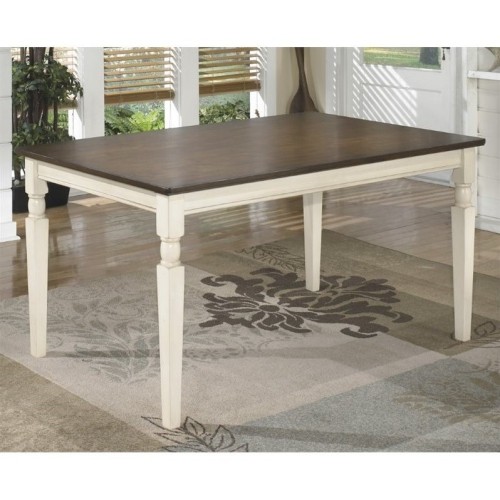 Your price for this item is $399
-
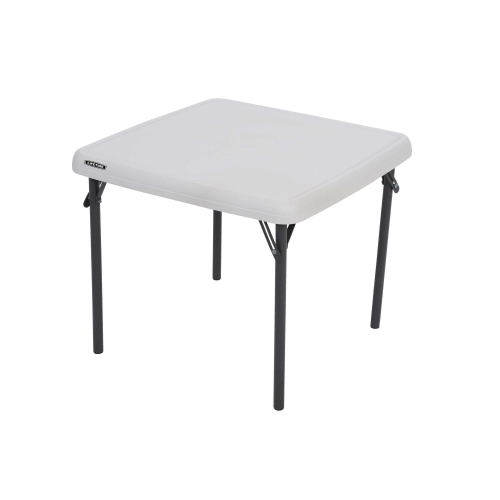 Your price for this item is $74.99
-
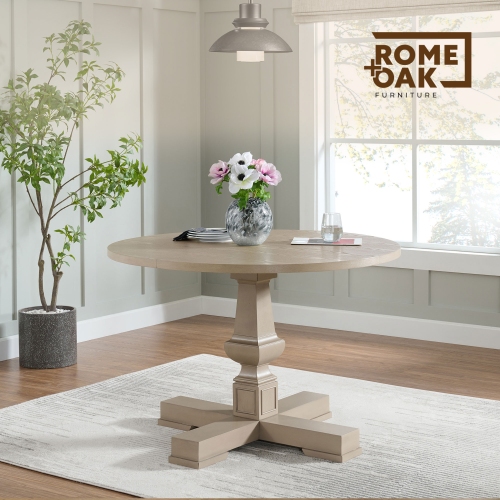 Your price for this item is $971.99
-
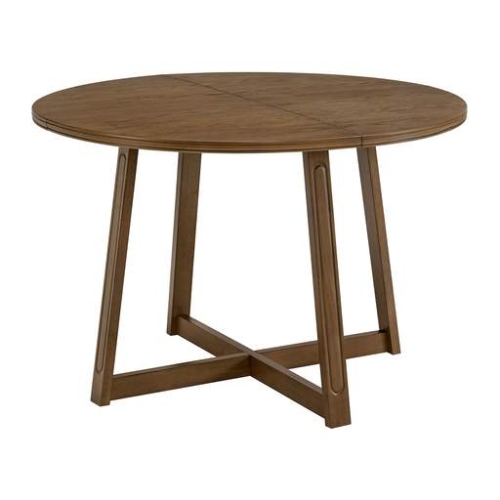 Your price for this item is $796.99
-
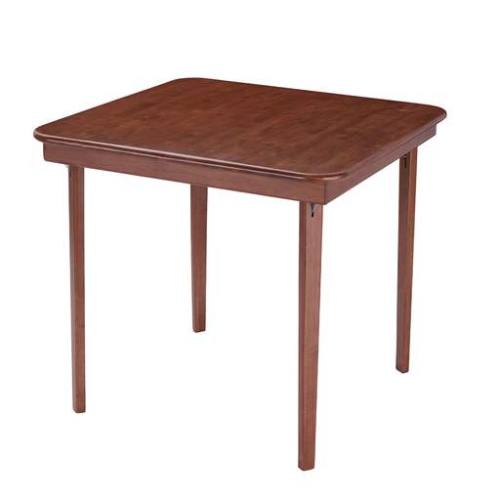 Your price for this item is $413.99
-
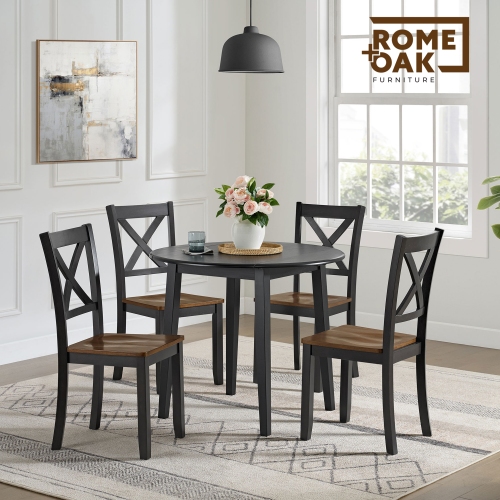 Your price for this item is $392.99
-
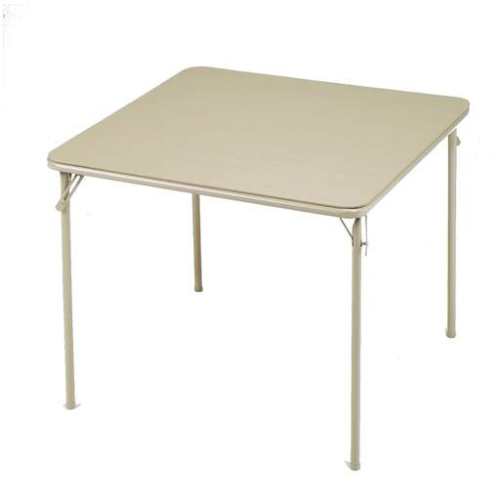 Your price for this item is $243.99
-
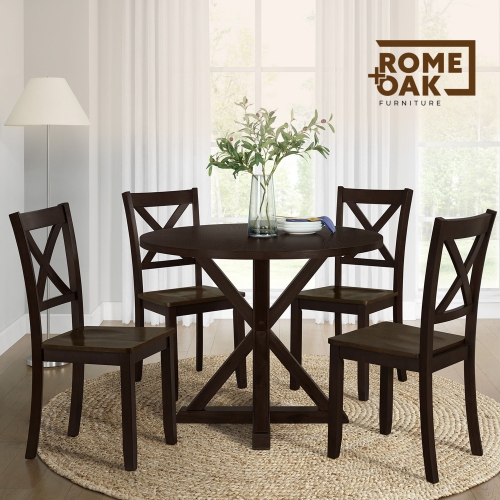 Your price for this item is $827.99
Discover more categories related to Black Table Tops


Top Collections:
Best Black Friday Deals This Year, Best Black Friday Deals On Electronics, Kindle Devices, Pokemon Centers, Best Black Friday Deals On Apple Products, Best Cameras for Sports Photography, Dyson Airwrap, Pokémon 30th Celebration Cards, Apple iPhone 17 Pro, Canon G7X Cameras
Some products may be subject to Environmental Handling Fees
(EHF) depending on your province.
Learn more about EHFs.