Large Table Tops
Transform your space with a large tabletop that seamlessly combines style and functionality. Whether you're setting up a home office, crafting station, or dining area, a spacious tabletop provides the perfect foundation for all your needs. Explore our diverse selection to find the ideal size and finish that complements your decor while offering ample room for work, play, or entertaining guests. With a focus on quality and design, our collection ensures that you can create a versatile environment tailored to your lifestyle. Discover how a large tabletop can elevate the look and utility of any room in your home.
Sort

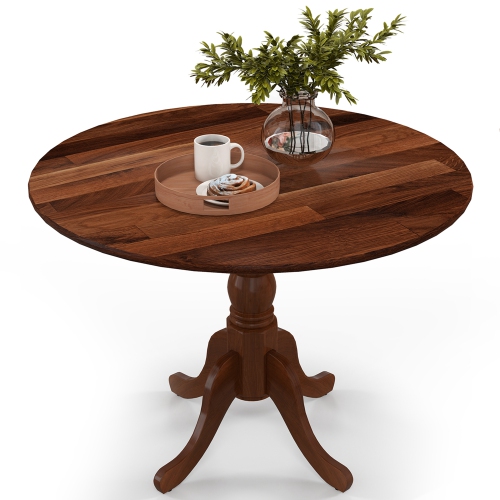

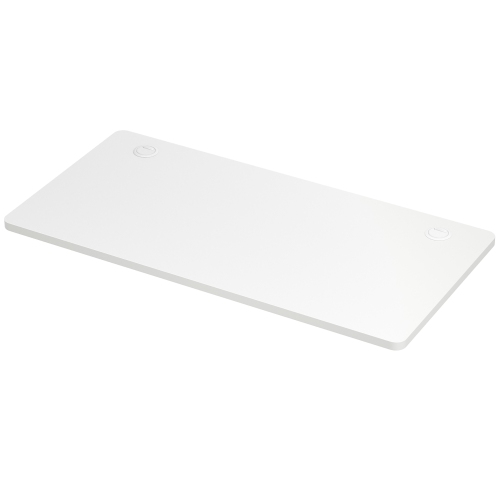
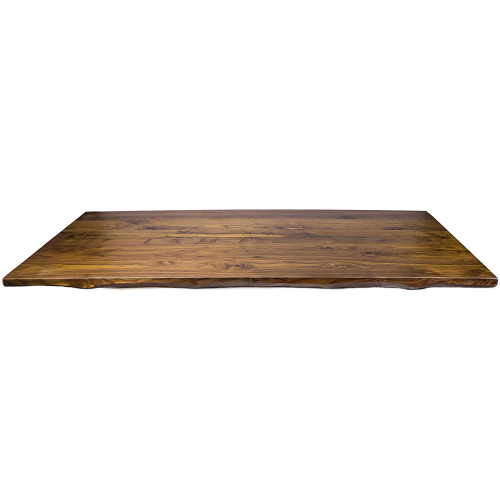

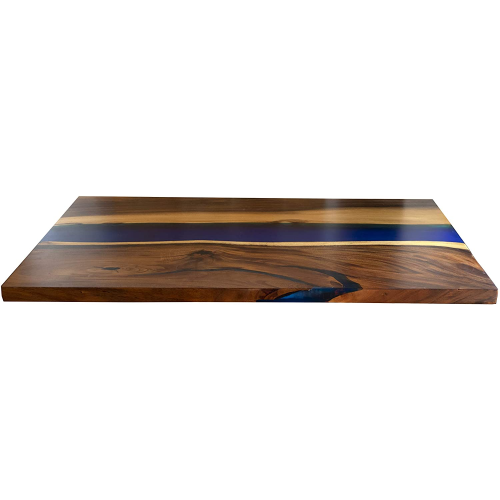
A spacious surface starts with the right fit
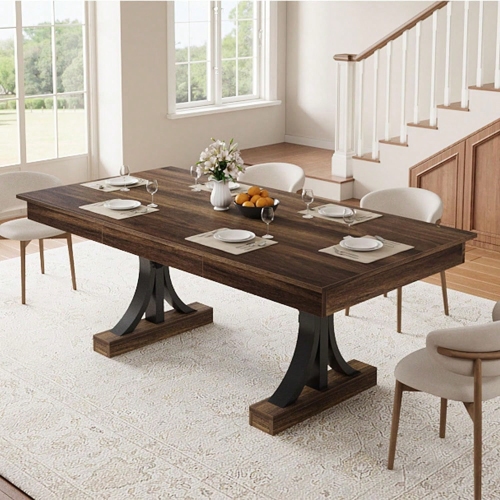
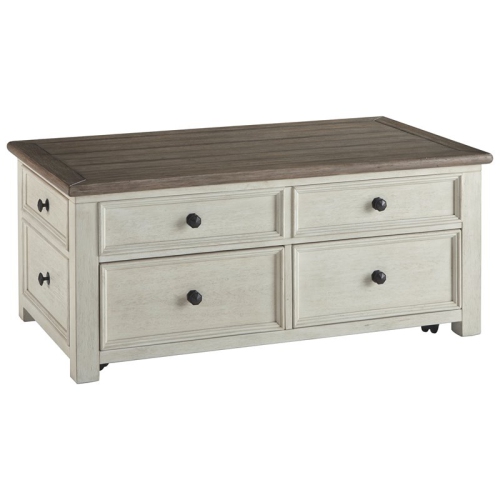
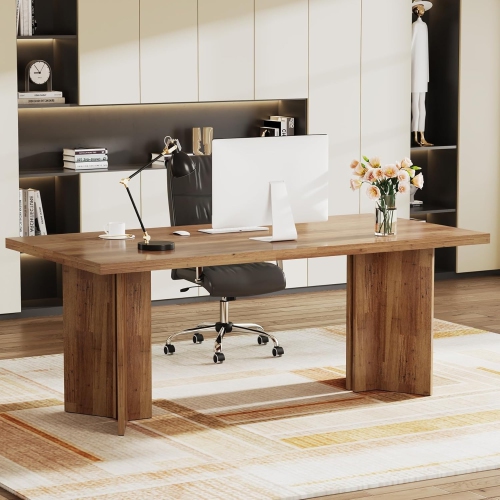
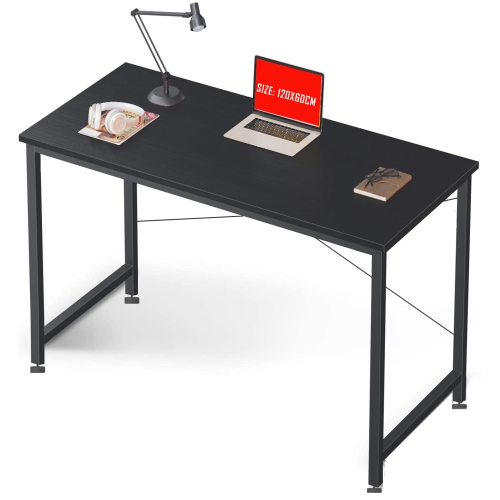
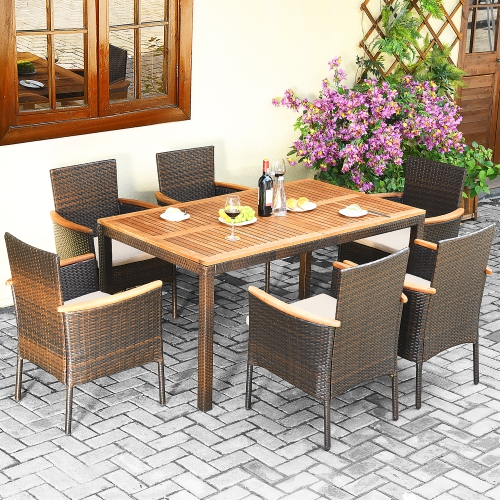
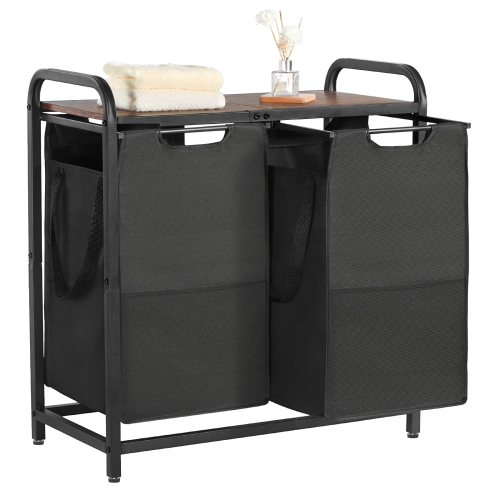
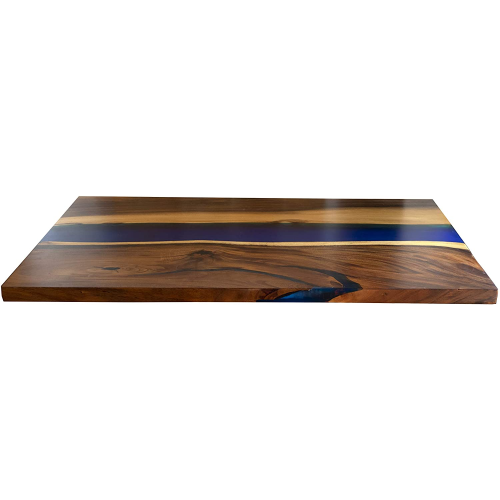
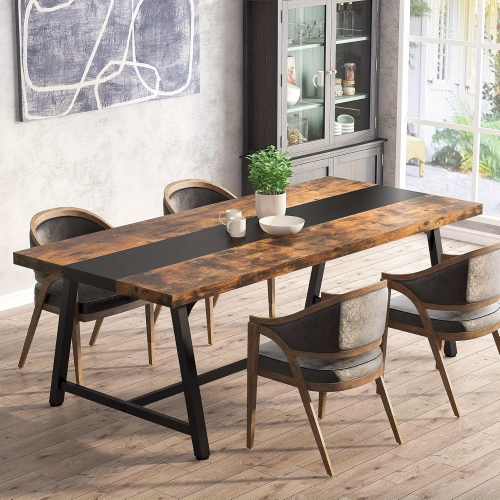
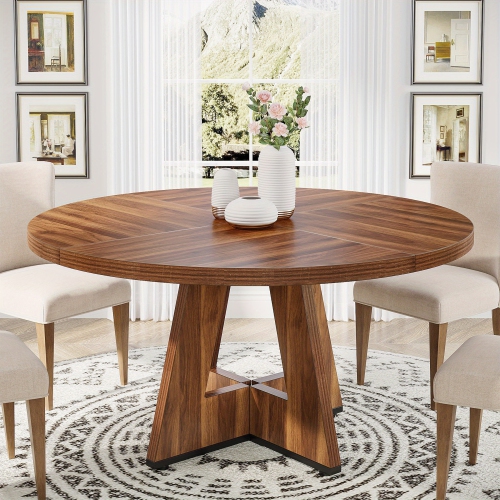
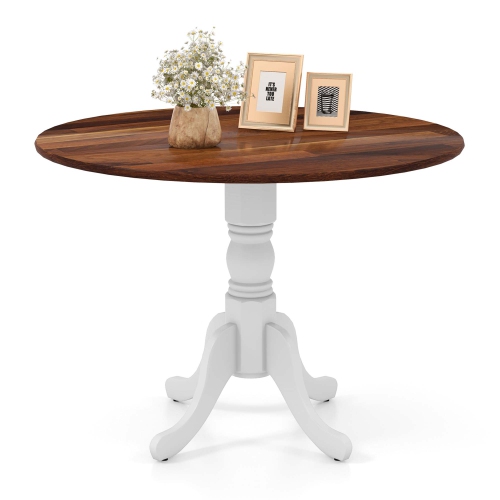
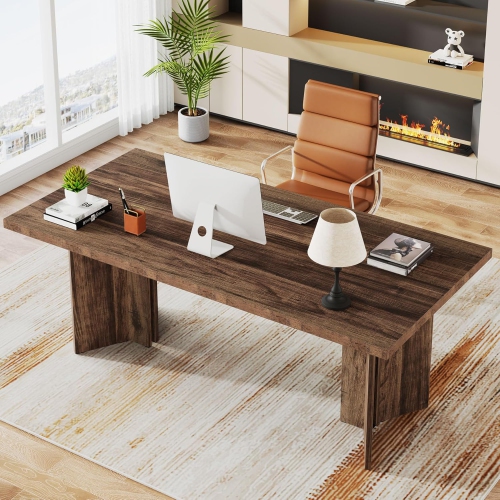
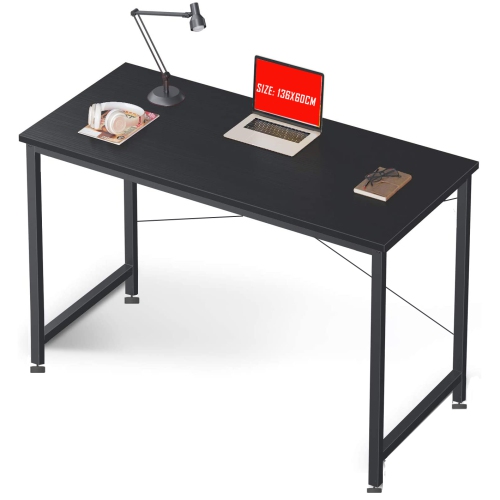
Large table tops provide a generous surface for dining, working, making things, and spending time together, with the flexibility to pair the top with a suitable base. A broad rectangular surface can give a family room for serving dishes alongside place settings, while a deep desktop can accommodate a monitor, keyboard, and open notebook without pushing everything to the edge. For hobbyists, the extra space can mean laying out fabric, assembling a puzzle, or keeping tools within reach during a project. The right proportions depend as much on the room and the supporting base as on the tabletop itself. A long, narrow top may suit a shared workspace against a wall, whereas a wider surface offers more room for people seated opposite one another. Round tops bring everyone towards the centre and remove projecting corners; oval shapes combine a long dining surface with curved ends that can make nearby walkways feel less crowded. Rectangular and square shapes fit neatly into many room layouts, although chair movement and access still need space beyond the tabletop’s footprint. A 72-inch table top, for example, does not have a fixed seating capacity: chair width, leg placement, and the amount of elbow room each person prefers all affect the fit. Pedestal bases can leave more freedom for seating, while trestle supports and corner legs occupy different areas beneath the surface. In a dining room that doubles as a homework station, a spacious top can move easily between everyday routines without requiring a separate piece of furniture for each task. During the cooler months, that shared surface may host everything from a quiet afternoon of crafts to a full evening meal. Its usefulness comes from balancing usable area with a comfortable layout, rather than simply choosing the largest dimensions a room can contain.
Materials give large table tops much of their character, affecting their weight, texture, upkeep, and suitability for different activities. Solid wood brings natural grain variation and a warm feel, with differences in colour and pattern that make a broad surface visually interesting. Its response to indoor humidity is part of its nature, so appropriate construction and mounting matter, especially across wider tops. Some solid wood surfaces can be refinished, although the existing finish and construction determine what is practical. Wood veneer offers a real wood surface over a core material, often giving a consistent profile while retaining visible grain. Because the veneer layer is thin, it needs different treatment from solid timber and generally offers less scope for sanding. Laminate is a practical option for busy dining areas, desks, and craft spaces where easy wiping is important. Its surface can have a wood-look pattern, a stone-look finish, or a uniform colour, while the quality of the core and edge treatment influences how well it handles everyday use. Moisture left around seams, exposed edges, or mounting holes can cause damage even when the main surface wipes clean easily. Stone and engineered stone surfaces bring substantial weight and a distinctive appearance, but their care requirements vary by composition and finish. Natural stone may need sealing, and resistance to heat, stains, and scratching should never be assumed from appearance alone. Glass creates a lighter visual impression in a room, although fingerprints are more noticeable and exposed edges need thoughtful placement. For an industrial look or a surface suited to particular work tasks, Metal Table Tops offer another material direction, with performance depending on the metal, coating, and construction. Across materials, a matte finish can soften reflected light around screens or overhead fixtures, while a polished finish creates a brighter, more reflective effect. Rounded or bevelled edges also change the feel of a top, particularly where forearms rest during typing or children gather for activities.
Fit and support are especially important when a tabletop spans a large area. Length and width describe the surface, but thickness, weight, underside construction, and mounting requirements determine whether it belongs on a particular base. A thicker top is not automatically suitable for a longer unsupported span; the material, internal structure, and placement of supports all influence stability and resistance to sagging. Dining bases, desk frames, and adjustable-height frames have different attachment arrangements and load limits. For a height-adjustable desk, the combined weight of the top and everything placed on it needs to remain within the frame’s stated capacity. Monitor arms introduce another consideration, since their clamps concentrate force in a small area and may not suit every edge profile or core construction. A stable pairing also leaves enough knee room beneath the surface and enough clearance between chair arms and any apron or support rails. Existing screw holes should not be assumed to match a new top, and fasteners need to suit both its material and thickness without breaking through the upper face. Large or heavy surfaces can also require more than one person to move safely, with doorways, stair turns, and the route into the room affecting delivery and placement. Once installed, everyday care helps preserve both appearance and function. Coasters, placemats, and protective pads reduce direct contact with moisture, hot dishes, and abrasive objects, while a cutting mat provides a separate working layer for crafts. Spills are best wiped up promptly with a soft cloth and a cleaner suitable for the finish; soaking edges or using harsh abrasive pads can damage otherwise durable surfaces. For wood, steady indoor humidity and some distance from strong heat sources help limit movement. Outdoor use requires an explicitly suitable top as well as compatible supports and hardware, since an indoor dining surface is not necessarily made for exposure to rain or temperature swings. With the material, base, and room working together, a large tabletop becomes a dependable surface for meals, focused work, and the projects that need a little more room to spread out.
Materials give large table tops much of their character, affecting their weight, texture, upkeep, and suitability for different activities. Solid wood brings natural grain variation and a warm feel, with differences in colour and pattern that make a broad surface visually interesting. Its response to indoor humidity is part of its nature, so appropriate construction and mounting matter, especially across wider tops. Some solid wood surfaces can be refinished, although the existing finish and construction determine what is practical. Wood veneer offers a real wood surface over a core material, often giving a consistent profile while retaining visible grain. Because the veneer layer is thin, it needs different treatment from solid timber and generally offers less scope for sanding. Laminate is a practical option for busy dining areas, desks, and craft spaces where easy wiping is important. Its surface can have a wood-look pattern, a stone-look finish, or a uniform colour, while the quality of the core and edge treatment influences how well it handles everyday use. Moisture left around seams, exposed edges, or mounting holes can cause damage even when the main surface wipes clean easily. Stone and engineered stone surfaces bring substantial weight and a distinctive appearance, but their care requirements vary by composition and finish. Natural stone may need sealing, and resistance to heat, stains, and scratching should never be assumed from appearance alone. Glass creates a lighter visual impression in a room, although fingerprints are more noticeable and exposed edges need thoughtful placement. For an industrial look or a surface suited to particular work tasks, Metal Table Tops offer another material direction, with performance depending on the metal, coating, and construction. Across materials, a matte finish can soften reflected light around screens or overhead fixtures, while a polished finish creates a brighter, more reflective effect. Rounded or bevelled edges also change the feel of a top, particularly where forearms rest during typing or children gather for activities.
Fit and support are especially important when a tabletop spans a large area. Length and width describe the surface, but thickness, weight, underside construction, and mounting requirements determine whether it belongs on a particular base. A thicker top is not automatically suitable for a longer unsupported span; the material, internal structure, and placement of supports all influence stability and resistance to sagging. Dining bases, desk frames, and adjustable-height frames have different attachment arrangements and load limits. For a height-adjustable desk, the combined weight of the top and everything placed on it needs to remain within the frame’s stated capacity. Monitor arms introduce another consideration, since their clamps concentrate force in a small area and may not suit every edge profile or core construction. A stable pairing also leaves enough knee room beneath the surface and enough clearance between chair arms and any apron or support rails. Existing screw holes should not be assumed to match a new top, and fasteners need to suit both its material and thickness without breaking through the upper face. Large or heavy surfaces can also require more than one person to move safely, with doorways, stair turns, and the route into the room affecting delivery and placement. Once installed, everyday care helps preserve both appearance and function. Coasters, placemats, and protective pads reduce direct contact with moisture, hot dishes, and abrasive objects, while a cutting mat provides a separate working layer for crafts. Spills are best wiped up promptly with a soft cloth and a cleaner suitable for the finish; soaking edges or using harsh abrasive pads can damage otherwise durable surfaces. For wood, steady indoor humidity and some distance from strong heat sources help limit movement. Outdoor use requires an explicitly suitable top as well as compatible supports and hardware, since an indoor dining surface is not necessarily made for exposure to rain or temperature swings. With the material, base, and room working together, a large tabletop becomes a dependable surface for meals, focused work, and the projects that need a little more room to spread out.
Top selling and popular products
-
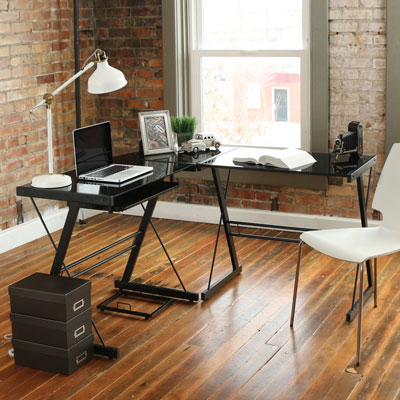 Your price for this item is $304.99
 -
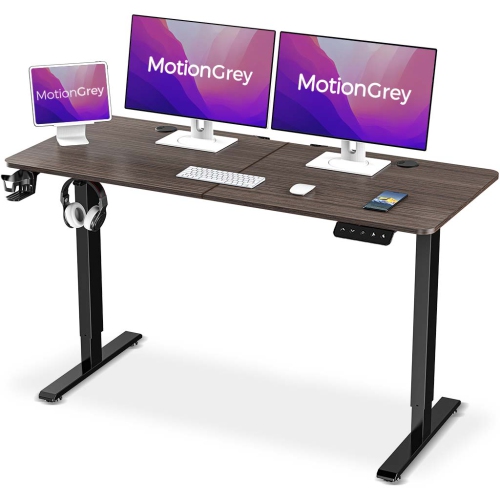 Your price for this item is $93.99
 -
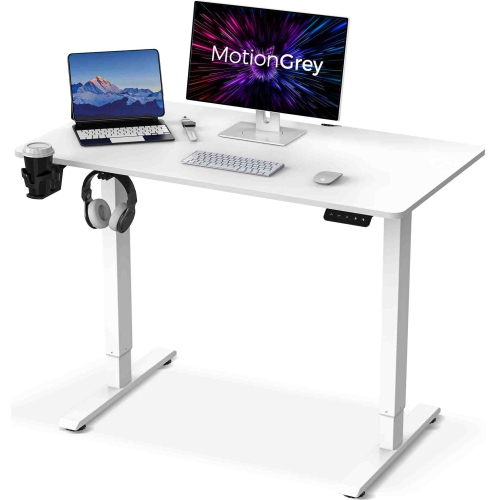 Your price for this item is $84.55
 -
 Your price for this item is $99.95
 -
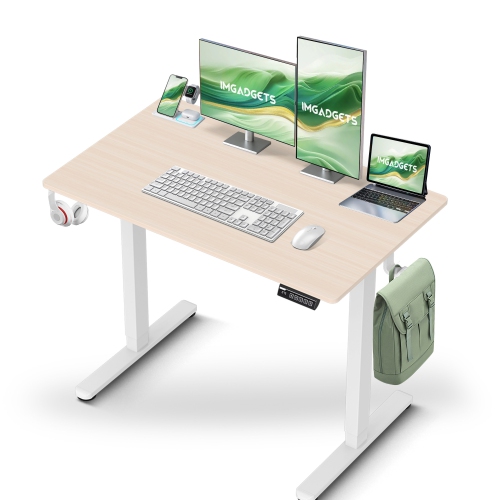 Your price for this item is $74.97
 -
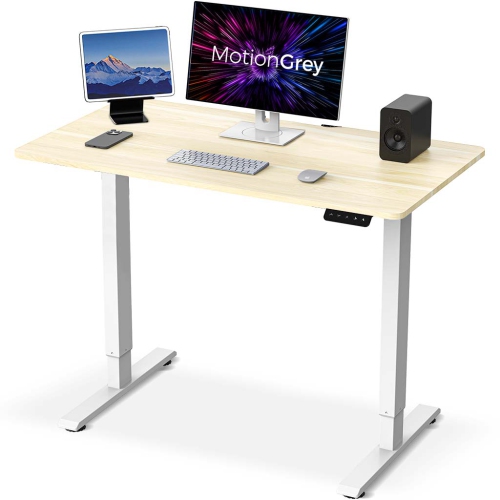 Your price for this item is $83.95
 -
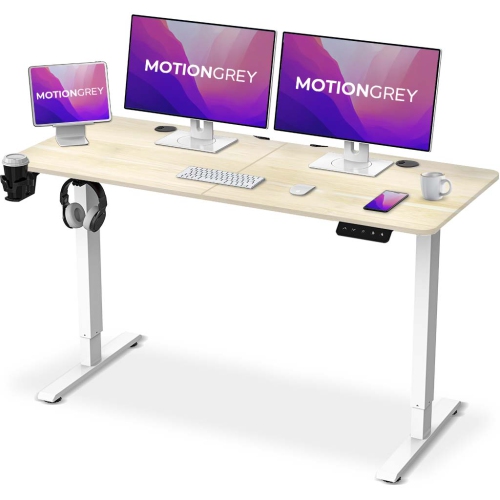 Your price for this item is $93.99
 -
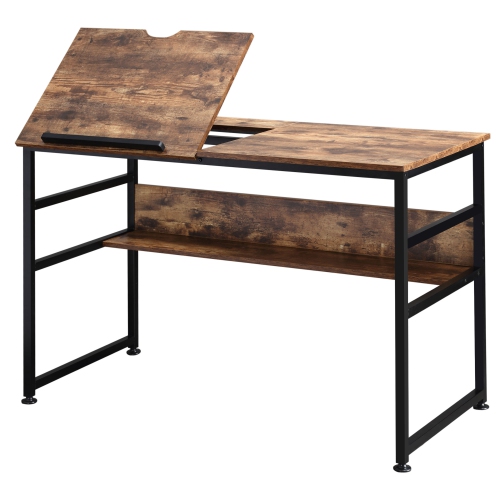 Your price for this item is $174.99
Discover more categories related to Large Table Tops
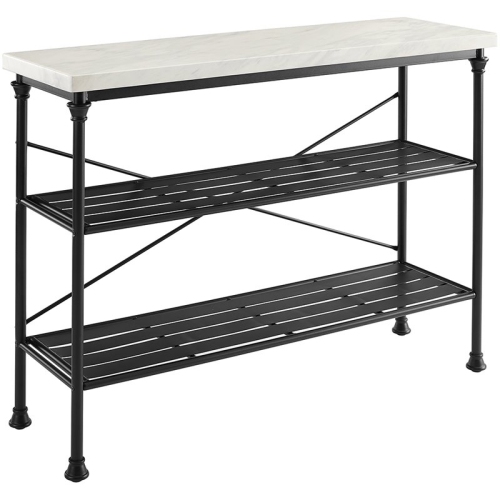
Top Collections:
Pokemon Centers, Budget 4K TVs, Kindle Devices, Canon G7X Cameras, Apple iPhones 16, iPhone 15 Apple, Laptops for Business Work, Flip Phones, Xiaomi Phones, Refurbished Apple Laptops
Some products may be subject to Environmental Handling Fees
(EHF) depending on your province.
Learn more about EHFs.