Blackout Window Shades
Create a peaceful oasis in your home with our selection of blackout window shades. Perfect for those who value privacy, light control, and a good night's sleep, blackout shades provide optimal darkness by blocking out unwanted sunlight. Whether you're looking to enhance your bedroom, living room, or home office, these stylish and functional window treatments are sure to elevate any space while offering energy-saving benefits. Say goodbye to glare and hello to a more comfortable environment with our blackout window shades.
Sort

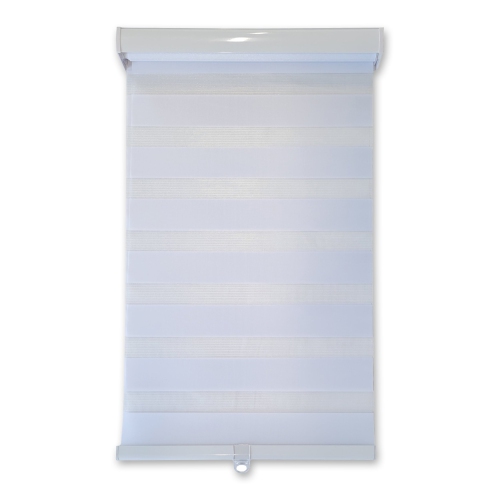
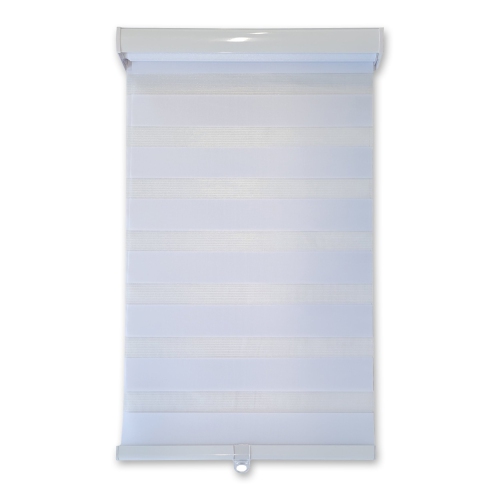
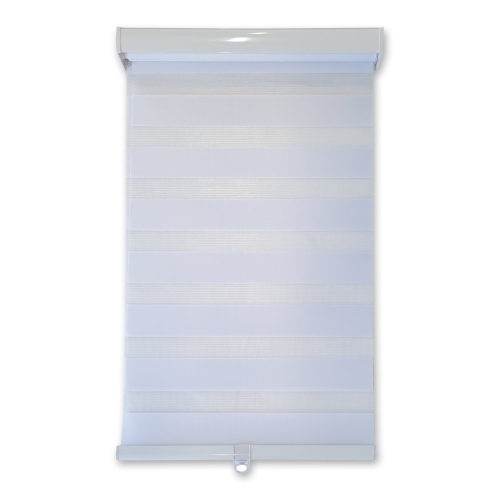
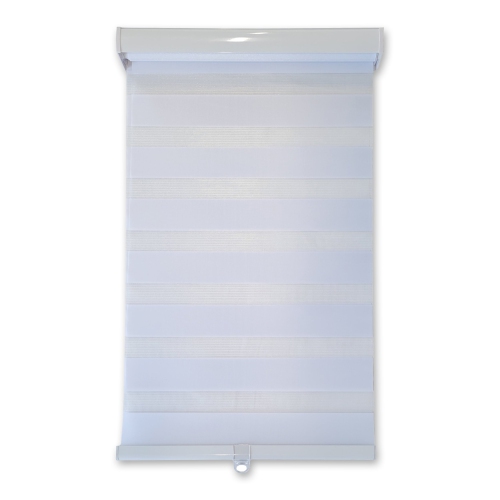
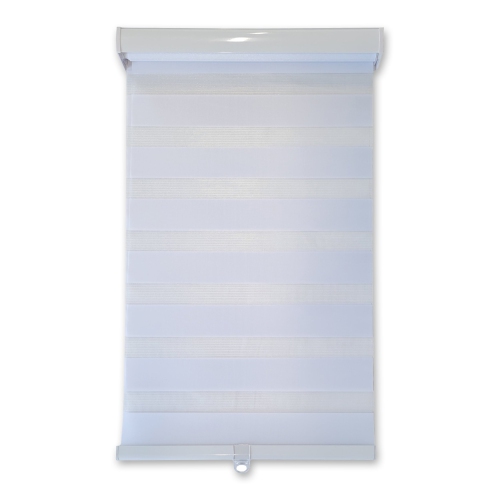
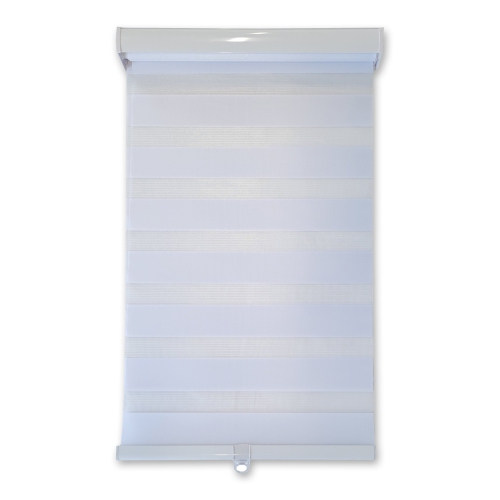
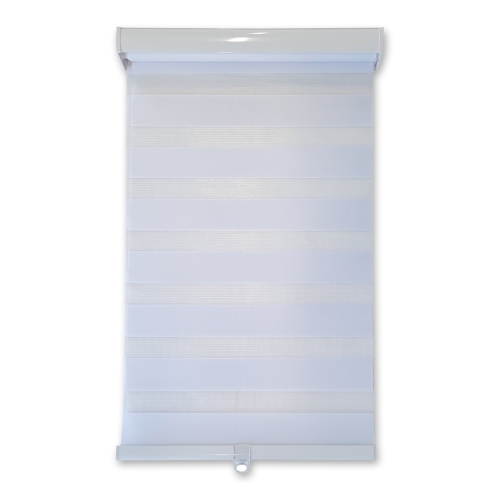

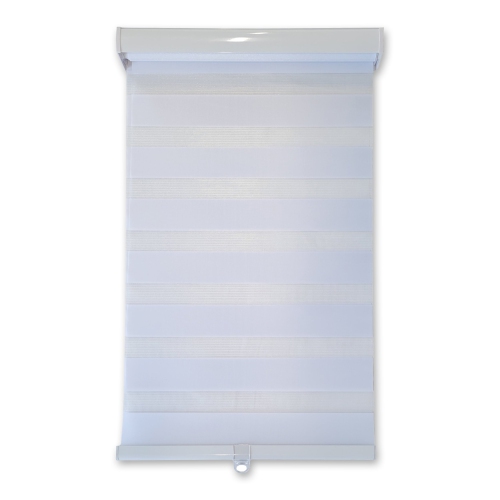
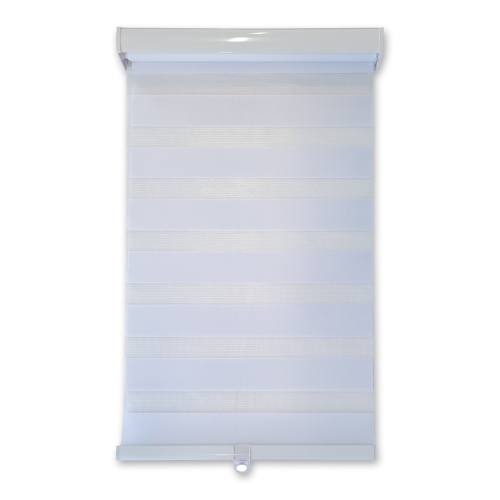
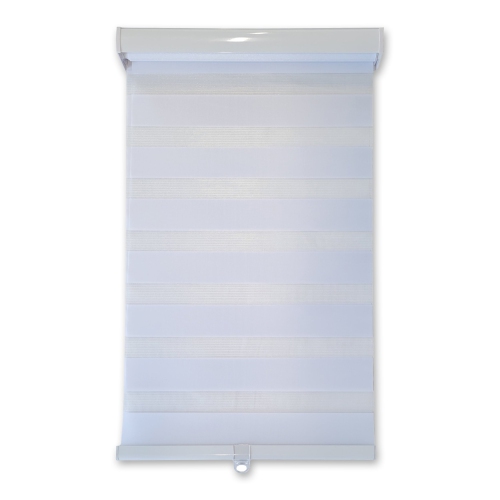
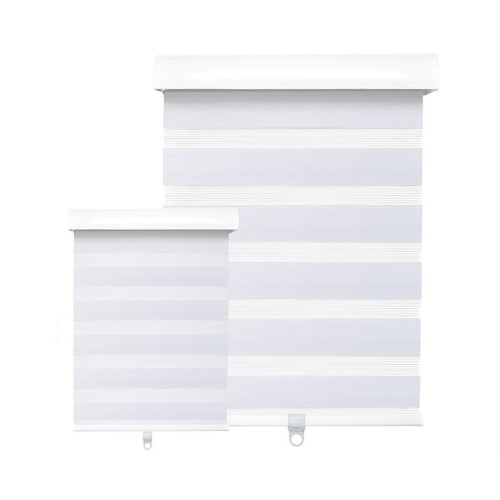
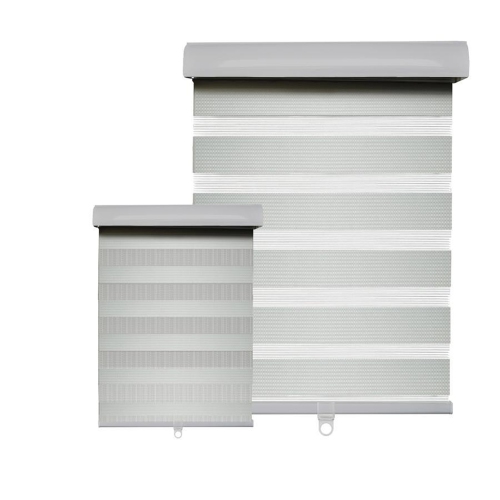
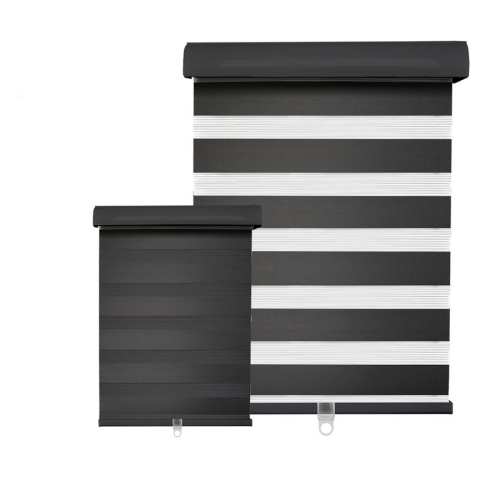
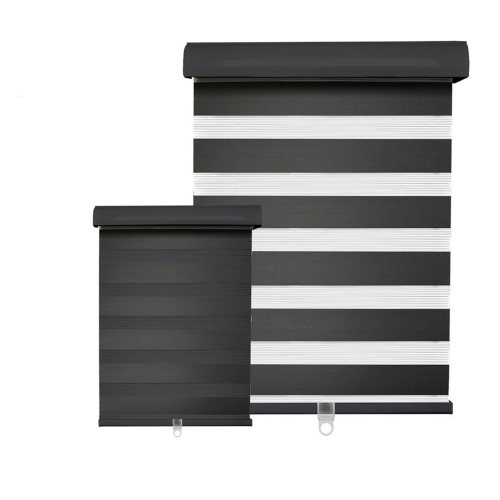
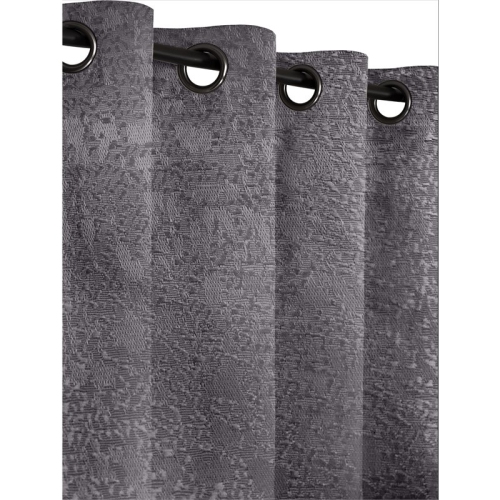
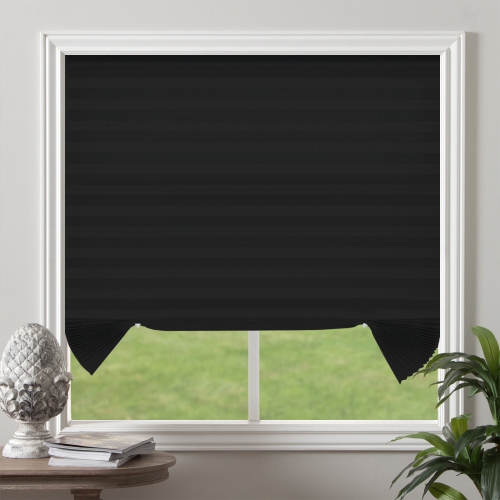
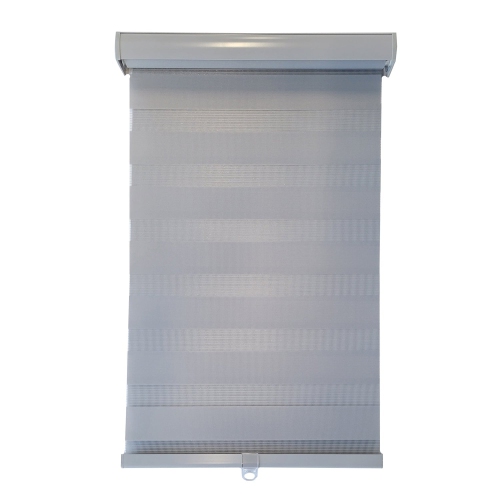
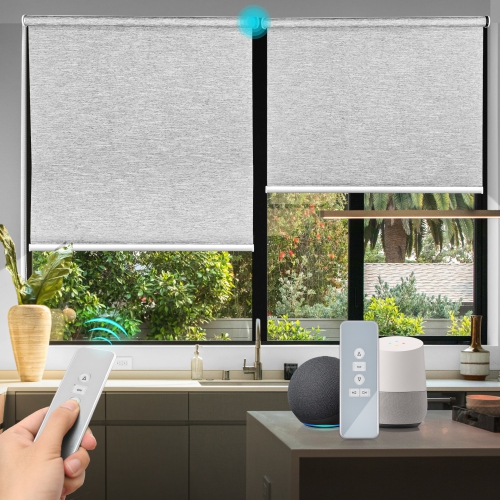
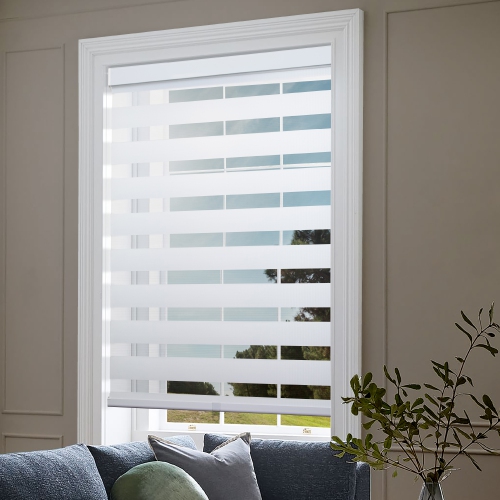
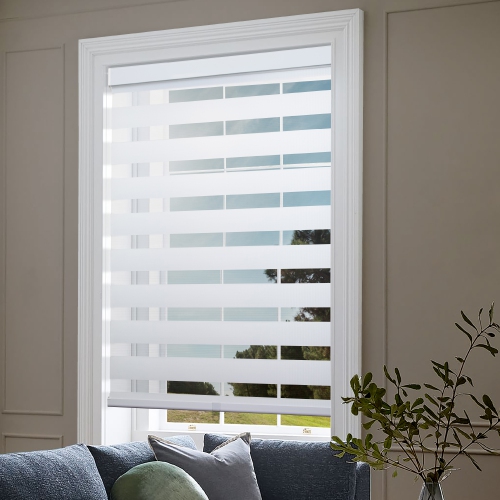
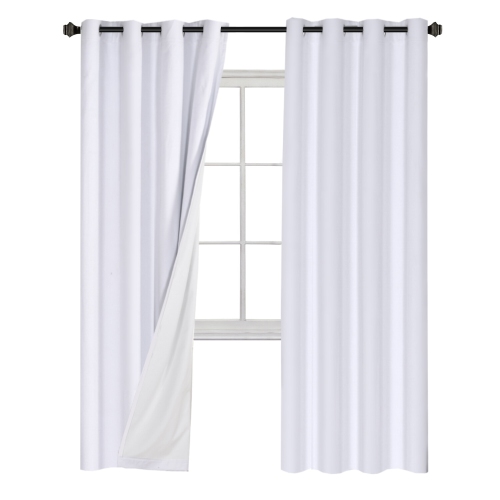
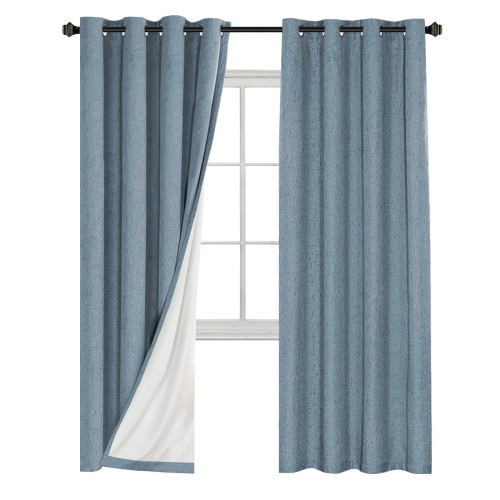
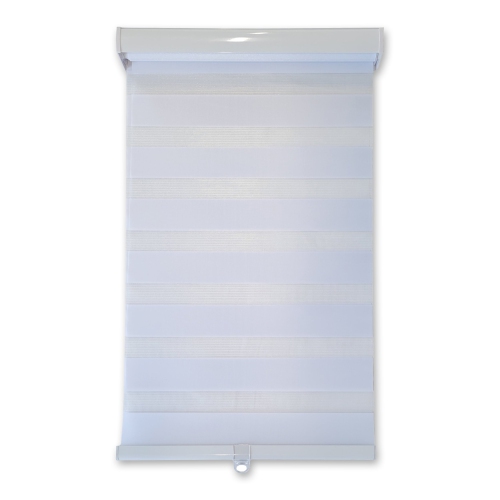
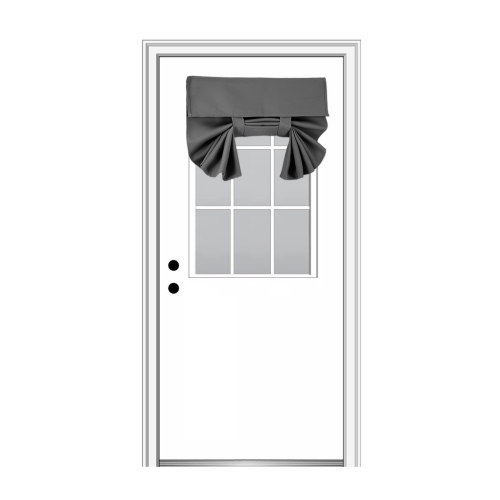
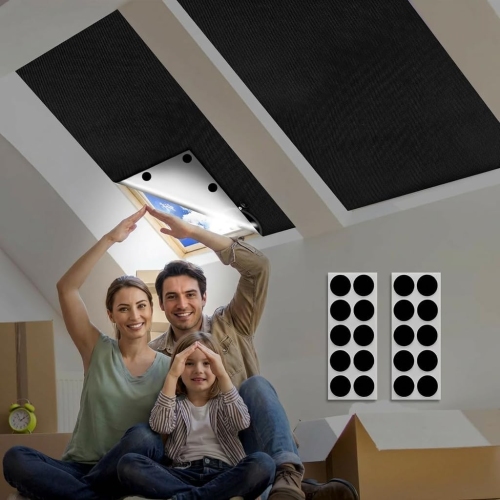
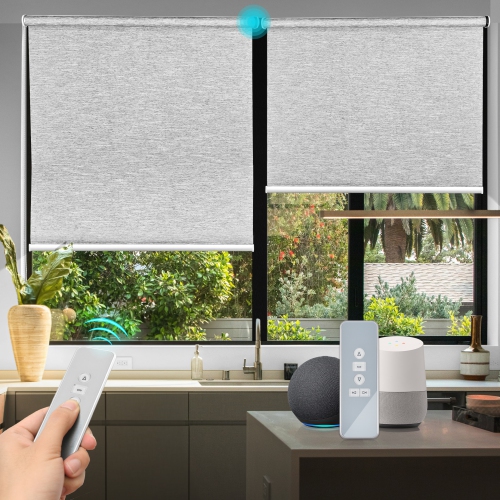
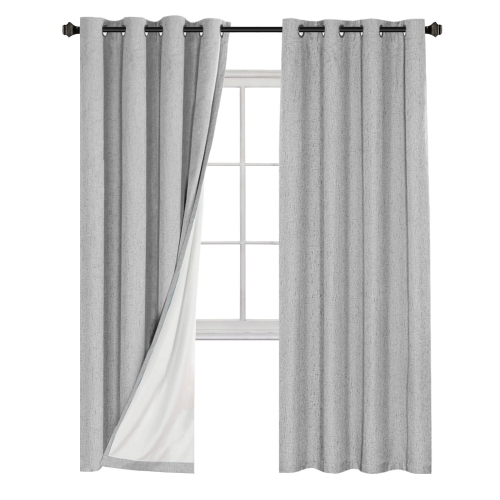
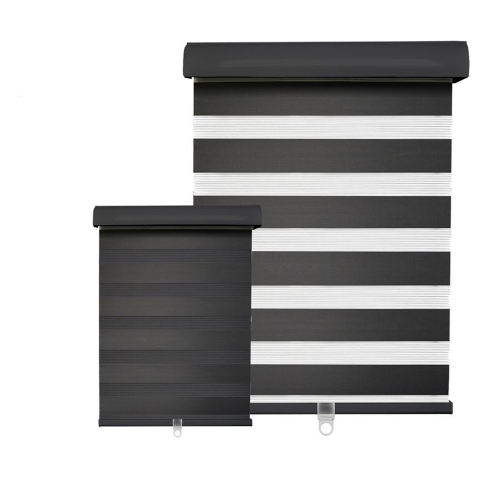
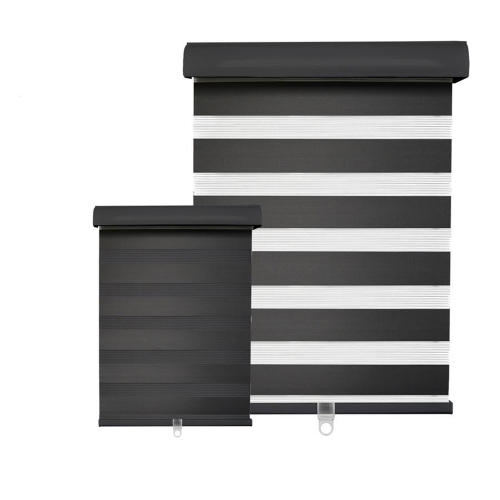
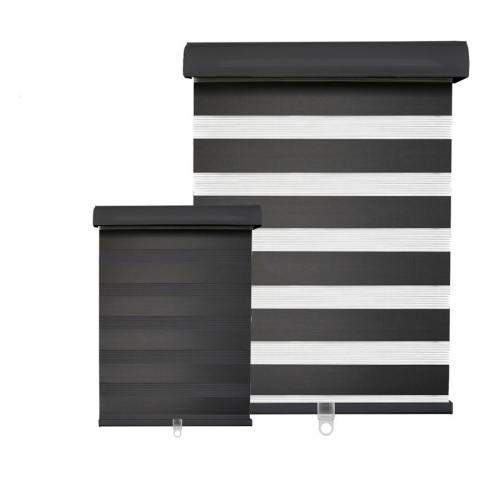
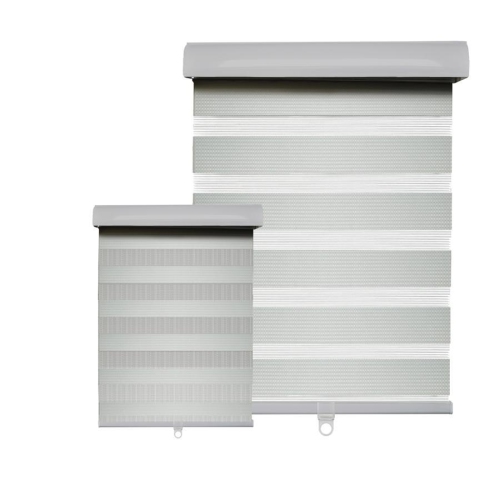
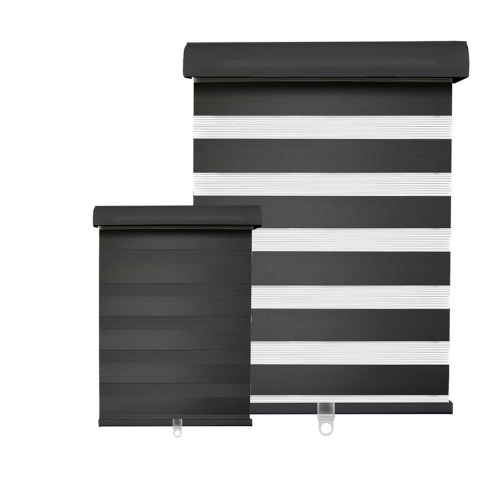
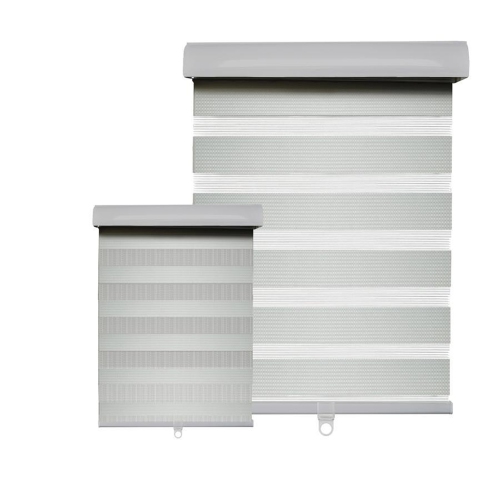
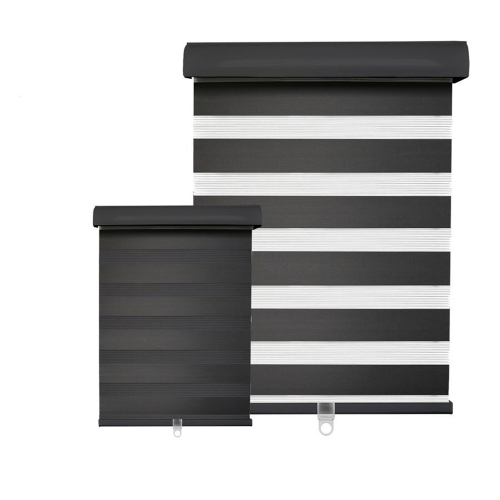
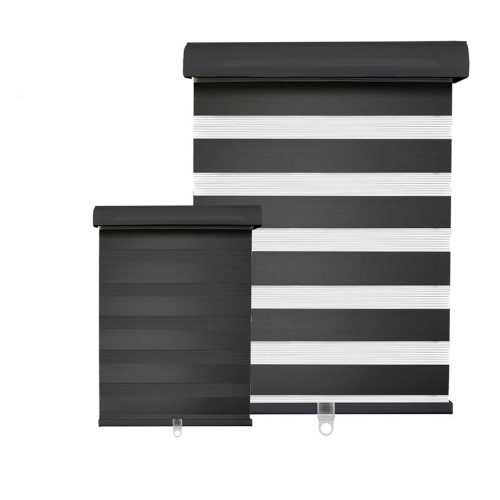
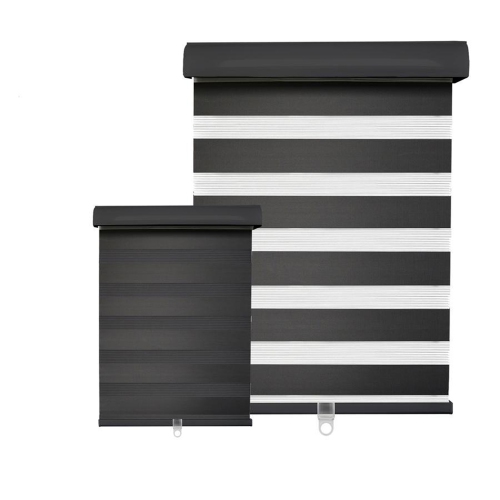


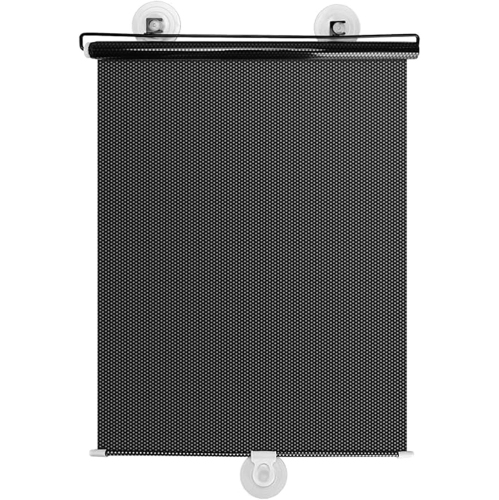
Darker rooms depend on more than shade fabric
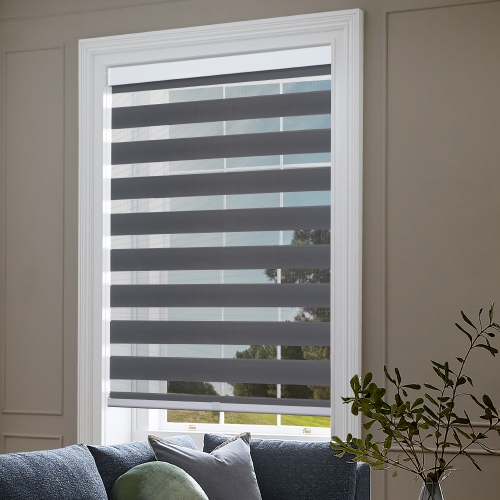
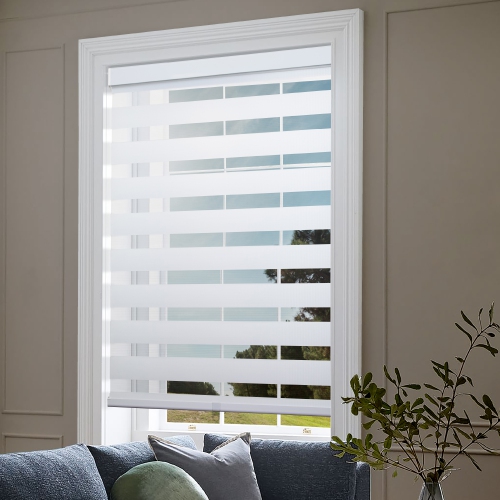
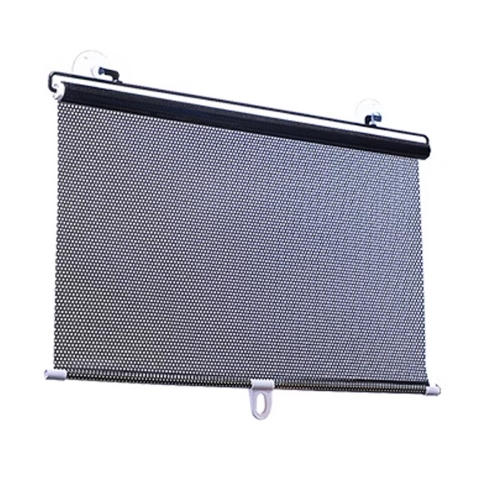
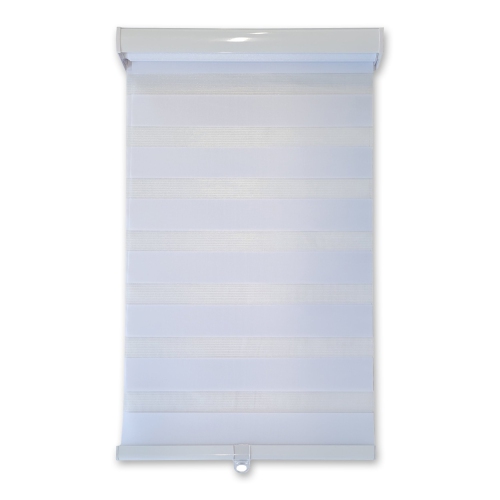
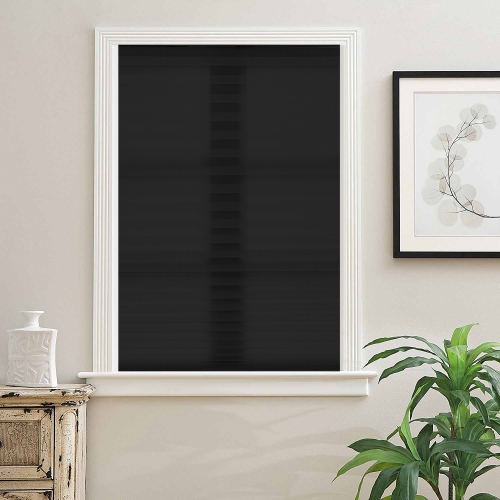
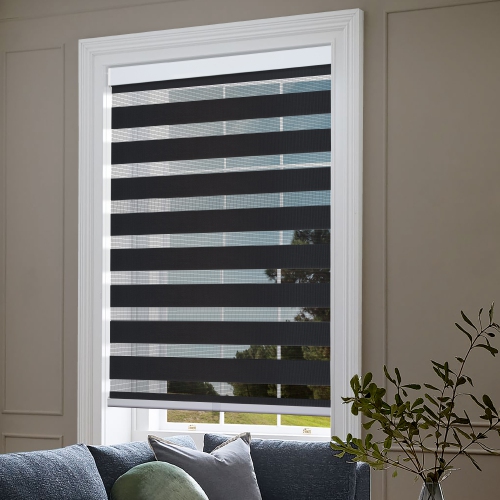
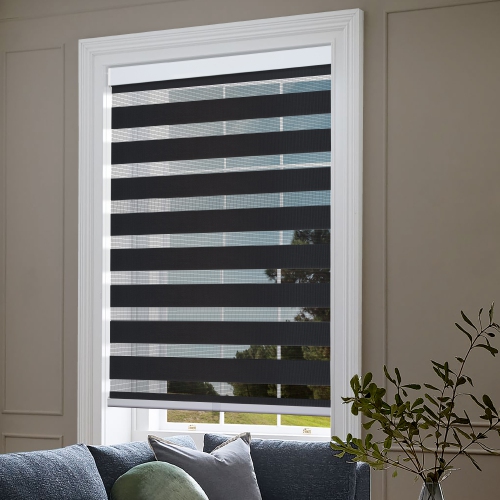
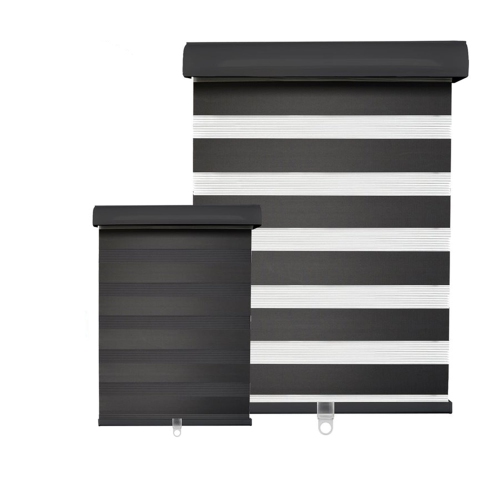
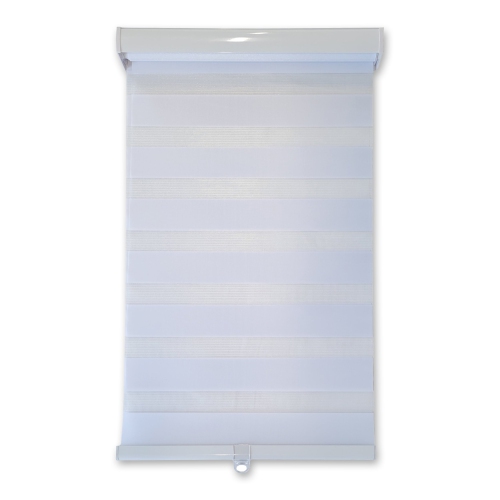
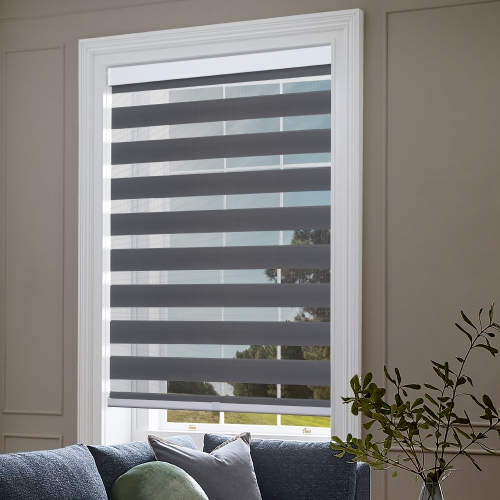
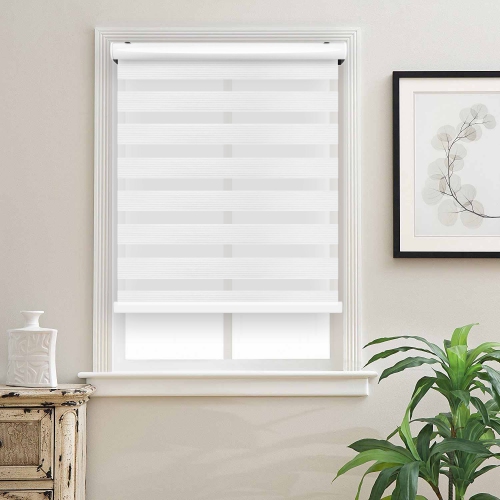
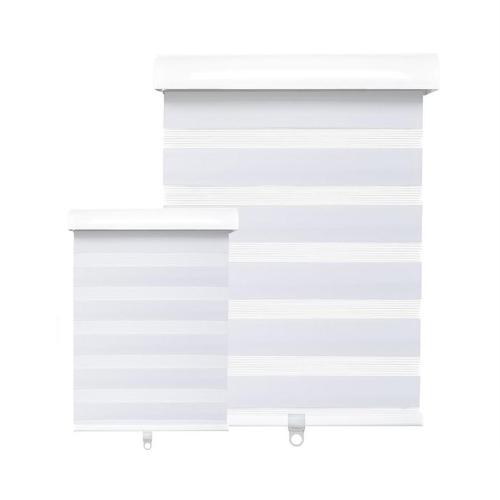
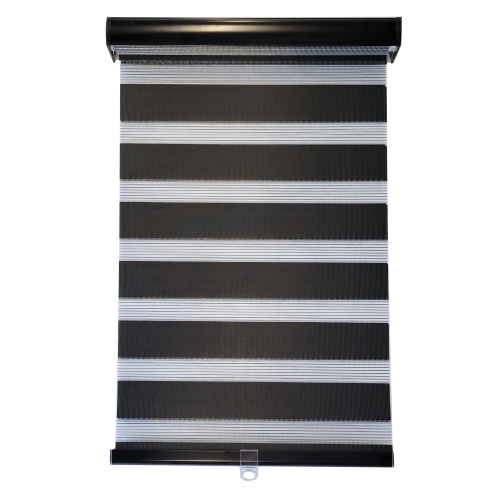
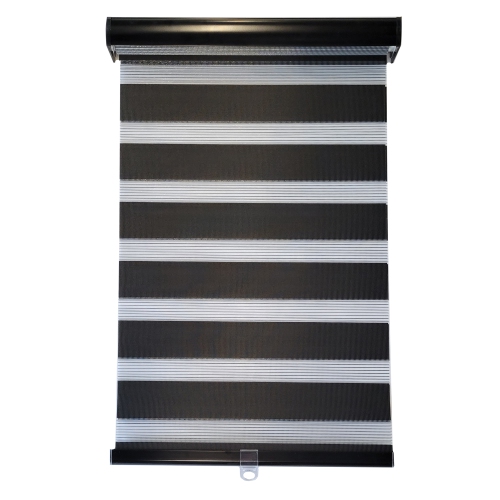
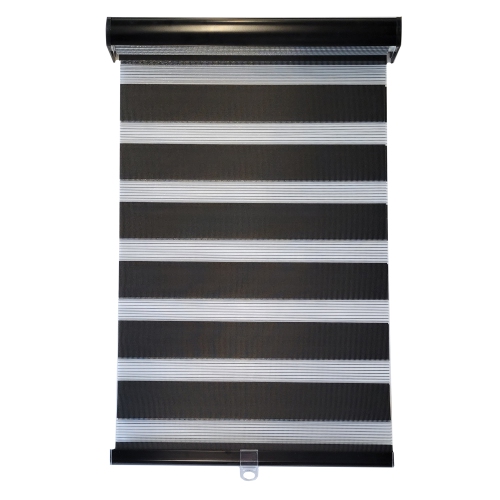
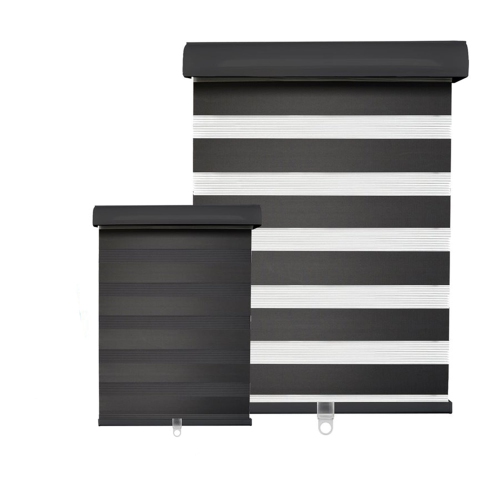
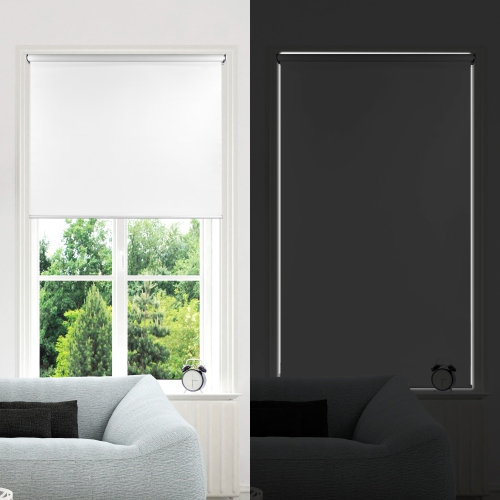
Blackout window shades are designed to block light through the shade material, helping create darker, more private rooms for sleep, rest, and screen time. Unlike light-filtering shades, which soften daylight while allowing some brightness to pass through, blackout fabrics have an opaque backing, coating, or layered construction that limits light transmission. The distinction matters in a bedroom facing a street lamp, a nursery used for afternoon naps, or a media room where sunlight washes out the picture on a television. Blackout material can block nearly all light passing through it, but the darkness of the whole room depends on the fit: narrow gaps along the sides, top, or bottom can still admit light. A well-fitted shade reduces those bright edges, while overlapping curtains or compatible light-blocking side channels can help where a darker result is needed. Roller shades offer a simple profile, with fabric that rolls onto a tube above the window and leaves the sill relatively clear when raised. Cellular shades, also called honeycomb shades, have folded pockets that hold air and can help slow heat transfer at the window. Their blackout performance comes from the fabric and its construction, rather than the honeycomb shape alone. Roman-style shades bring a softer, folded appearance, though they need an opaque lining or equivalent construction to provide blackout performance. These different styles suit different routines: a compact roller shade can keep a small bedroom feeling uncluttered, while a cellular shade can add a useful layer between a seating area and cold window glass during the cooler months. People comparing window-covering styles can also explore Blackout Blinds for related light-control options. For shift workers sleeping during daylight, children settling down before sunset, or anyone whose bedroom catches an early sunrise, the main benefit is more control over brightness without needing to rearrange the room around the window.
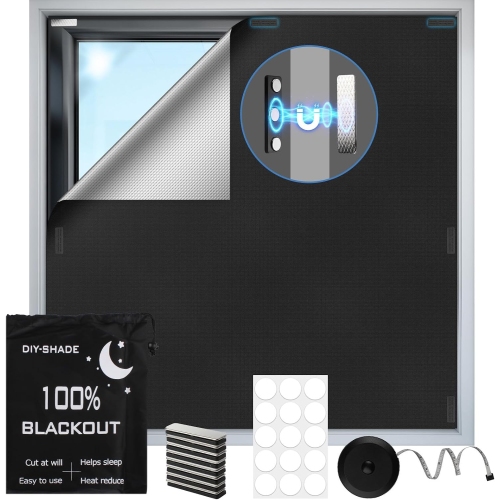
Materials and fit shape how blackout window shades look and perform in everyday use. Polyester fabrics are common because they can hold their shape well and offer a smooth or lightly textured finish; coated fabrics and laminated backings provide an additional barrier to light. A woven-looking surface can add softness beside upholstered furniture, while a smooth finish works well with clean-lined shelving and simple window trim. Colour alone does not determine how much light a shade blocks. A white or cream shade with an opaque backing can provide blackout performance, whereas a dark, loosely woven fabric may still allow daylight through. The room-facing colour can therefore complement bedding, wall paint, or flooring without being the sole measure of light control. Mounting position is equally important. An inside mount sits within the window recess for a neat, built-in appearance, but it requires enough depth for the brackets and operating components, and it typically leaves some clearance around the shade. An outside mount sits above or around the opening, allowing the shade to overlap the surrounding wall or trim and help reduce edge light. Measuring the opening at several points helps account for window frames that are not perfectly square, particularly in older homes. Listed width may refer to the complete assembly rather than the fabric itself, so the distinction between overall width and actual coverage matters. Window handles, locks, deep sills, and nearby cupboard doors also affect clearance. On a wide window, one large shade gives continuous coverage, while separate shades allow independent adjustment but may leave a light gap between sections. In a rental or a space where drilling is restricted, a mounting system specifically designed for that situation may be useful, provided the surface and shade weight meet its requirements. Secure hardware and an appropriate fit help the shade operate smoothly instead of rubbing against trim, catching on a handle, or sitting unevenly when lowered.
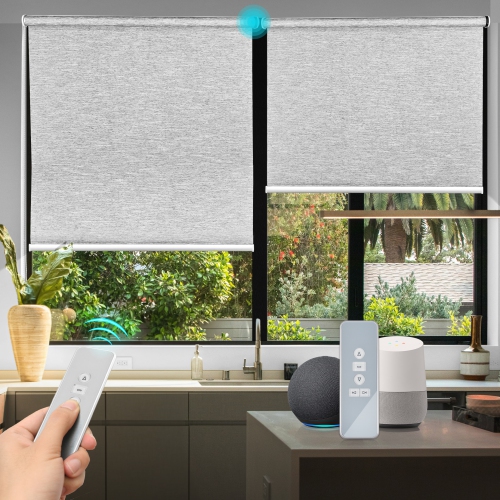
Daily use brings other practical details into focus, from the way a shade opens to how easily its surface can be cleaned. Cordless operation keeps accessible pull cords out of the room and offers a straightforward way to adjust light by moving the bottom rail. In homes with children or pets, a design without accessible cords is an important safety consideration, and cribs, beds, and climbable furniture should remain away from windows and window coverings. Motorized shades can make tall or hard-to-reach windows easier to manage, especially behind a desk or above a wide piece of furniture. Controls vary: some use a dedicated remote, while others support timers or connected-home features. Power requirements, battery access, and compatibility deserve attention because not every motorized shade connects directly to Wi-Fi or works with every smart-home system. Smooth travel, a level bottom rail, sturdy brackets, and fabric that resists fraying all contribute to durability, particularly on shades opened and closed several times a day. Care depends on the material and backing. Gentle dusting or vacuuming with a soft brush attachment may be suitable, while spot cleaning should follow the manufacturer's directions; soaking, strong cleaners, or vigorous scrubbing can damage coatings or distort layered fabrics. In kitchens and bathrooms, moisture resistance and ease of cleaning matter as much as darkness, and a fabric intended for a dry bedroom may not suit a steamy window. Blackout shades can also support privacy when fully lowered, although uncovered edges and gaps still deserve attention, especially on ground-floor windows after indoor lights are switched on. Their insulating effect varies with construction, coverage, and the window itself; cellular designs can help reduce heat transfer, but no shade replaces sound glazing or proper draught sealing. In a home office, lowering a shade can tame glare during a video call, then raising it restores daylight between tasks. In a guest bedroom, straightforward controls let visitors adjust the room without fuss. Across these settings, blackout window shades combine light control with a finished window treatment, with the most useful balance coming from suitable materials, dependable operation, and coverage matched to the room's daily rhythm.
Materials and fit shape how blackout window shades look and perform in everyday use. Polyester fabrics are common because they can hold their shape well and offer a smooth or lightly textured finish; coated fabrics and laminated backings provide an additional barrier to light. A woven-looking surface can add softness beside upholstered furniture, while a smooth finish works well with clean-lined shelving and simple window trim. Colour alone does not determine how much light a shade blocks. A white or cream shade with an opaque backing can provide blackout performance, whereas a dark, loosely woven fabric may still allow daylight through. The room-facing colour can therefore complement bedding, wall paint, or flooring without being the sole measure of light control. Mounting position is equally important. An inside mount sits within the window recess for a neat, built-in appearance, but it requires enough depth for the brackets and operating components, and it typically leaves some clearance around the shade. An outside mount sits above or around the opening, allowing the shade to overlap the surrounding wall or trim and help reduce edge light. Measuring the opening at several points helps account for window frames that are not perfectly square, particularly in older homes. Listed width may refer to the complete assembly rather than the fabric itself, so the distinction between overall width and actual coverage matters. Window handles, locks, deep sills, and nearby cupboard doors also affect clearance. On a wide window, one large shade gives continuous coverage, while separate shades allow independent adjustment but may leave a light gap between sections. In a rental or a space where drilling is restricted, a mounting system specifically designed for that situation may be useful, provided the surface and shade weight meet its requirements. Secure hardware and an appropriate fit help the shade operate smoothly instead of rubbing against trim, catching on a handle, or sitting unevenly when lowered.
Daily use brings other practical details into focus, from the way a shade opens to how easily its surface can be cleaned. Cordless operation keeps accessible pull cords out of the room and offers a straightforward way to adjust light by moving the bottom rail. In homes with children or pets, a design without accessible cords is an important safety consideration, and cribs, beds, and climbable furniture should remain away from windows and window coverings. Motorized shades can make tall or hard-to-reach windows easier to manage, especially behind a desk or above a wide piece of furniture. Controls vary: some use a dedicated remote, while others support timers or connected-home features. Power requirements, battery access, and compatibility deserve attention because not every motorized shade connects directly to Wi-Fi or works with every smart-home system. Smooth travel, a level bottom rail, sturdy brackets, and fabric that resists fraying all contribute to durability, particularly on shades opened and closed several times a day. Care depends on the material and backing. Gentle dusting or vacuuming with a soft brush attachment may be suitable, while spot cleaning should follow the manufacturer's directions; soaking, strong cleaners, or vigorous scrubbing can damage coatings or distort layered fabrics. In kitchens and bathrooms, moisture resistance and ease of cleaning matter as much as darkness, and a fabric intended for a dry bedroom may not suit a steamy window. Blackout shades can also support privacy when fully lowered, although uncovered edges and gaps still deserve attention, especially on ground-floor windows after indoor lights are switched on. Their insulating effect varies with construction, coverage, and the window itself; cellular designs can help reduce heat transfer, but no shade replaces sound glazing or proper draught sealing. In a home office, lowering a shade can tame glare during a video call, then raising it restores daylight between tasks. In a guest bedroom, straightforward controls let visitors adjust the room without fuss. Across these settings, blackout window shades combine light control with a finished window treatment, with the most useful balance coming from suitable materials, dependable operation, and coverage matched to the room's daily rhythm.
Top selling and popular products
-
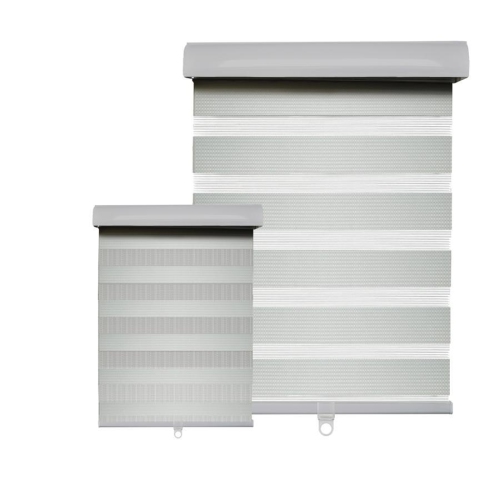 Your price for this item is $57.97
 -
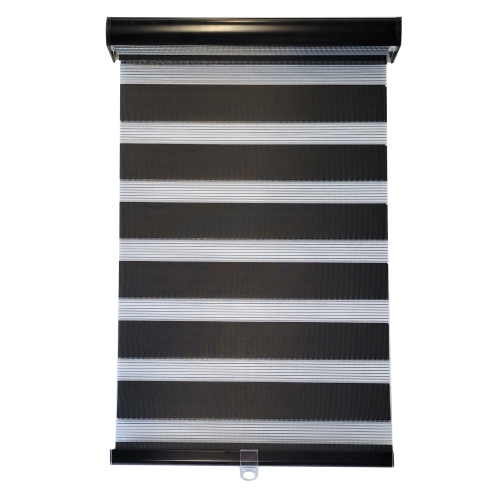 Your price for this item is $119.97
 -
 Your price for this item is $134.97
 -
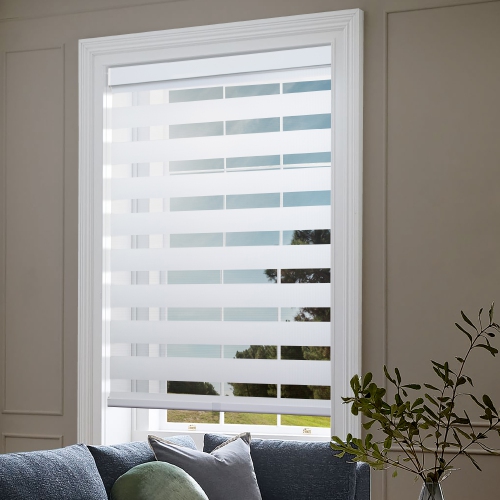 Your price for this item is $61.99
 -
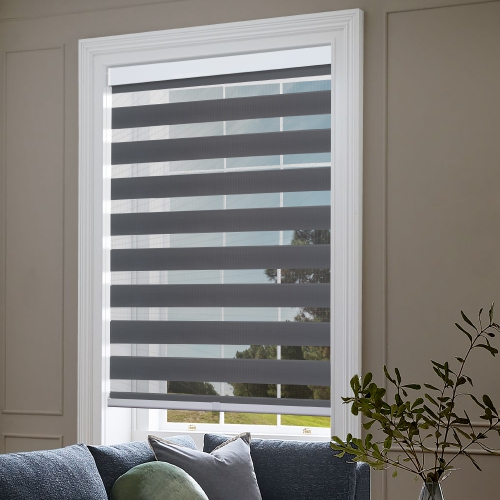 Your price for this item is $75.99
 -
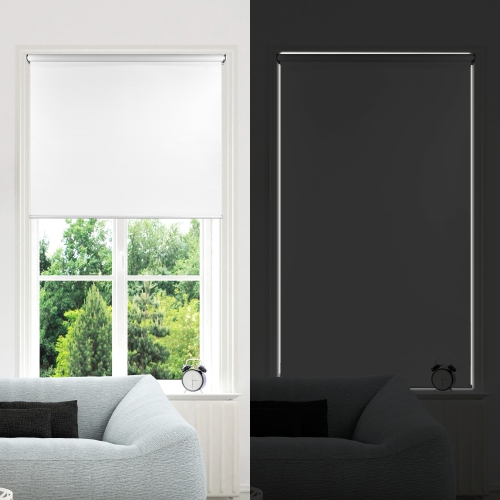 Your price for this item is $33.99
 -
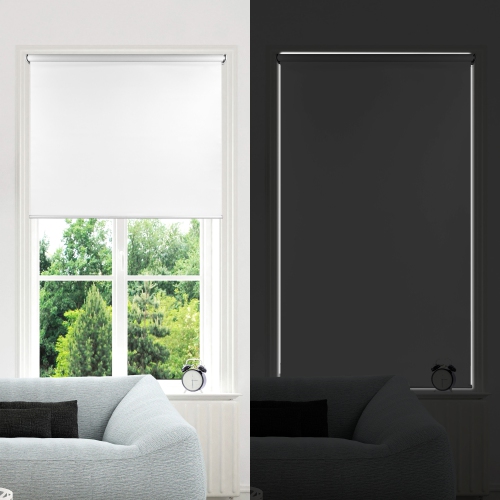 Your price for this item is $46.99
 -
 Your price for this item is $46.99
Discover more categories related to Blackout Window Shades
Top Collections:
Pokemon Centers, Kindle Devices, Best Budget Office Chairs, Apple iPhones 16, Canon G7X Cameras, iPhone 15 Apple, Alarm Clock, Refurbished Apple Laptops, Flip Phones, Best Laptops for Writers
Some products may be subject to Environmental Handling Fees
(EHF) depending on your province.
Learn more about EHFs.