Window Shades
Enhance the ambiance of your living space with our selection of window shades, designed to offer both style and functionality. Whether you're looking to add a touch of elegance to your home decor or seeking practical solutions for light control and privacy, our range of window shades has you covered. From sleek and modern designs to classic and timeless options, find the perfect window shades to complement almost any room in your home.
Sort






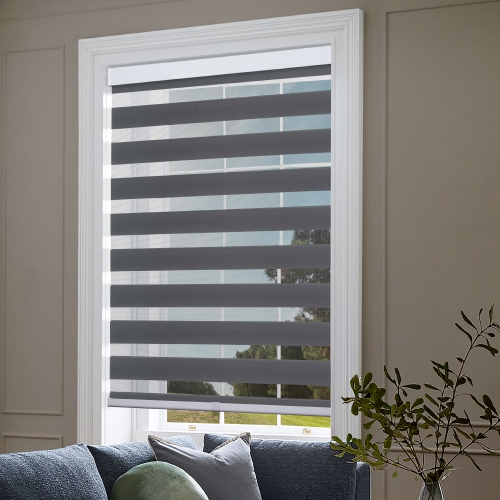

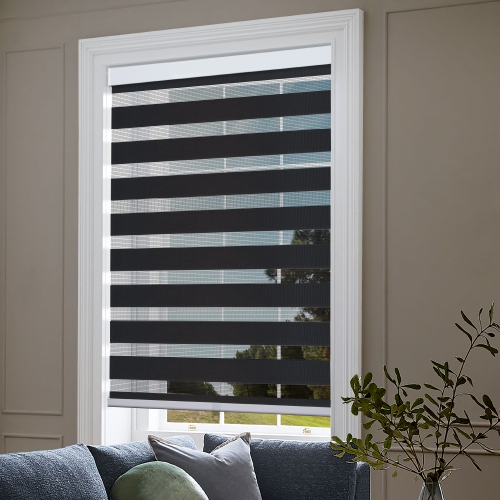
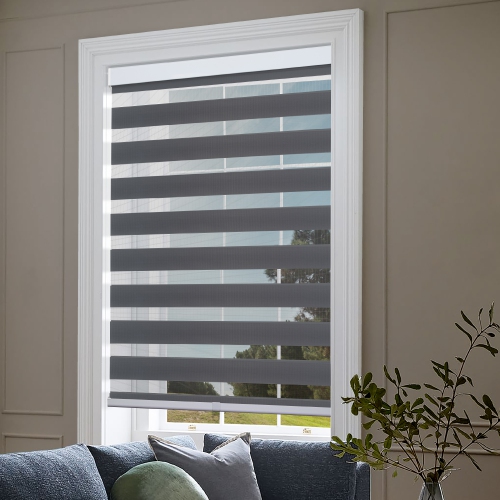
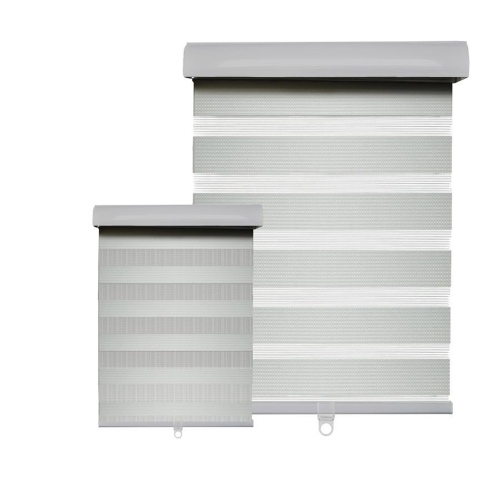



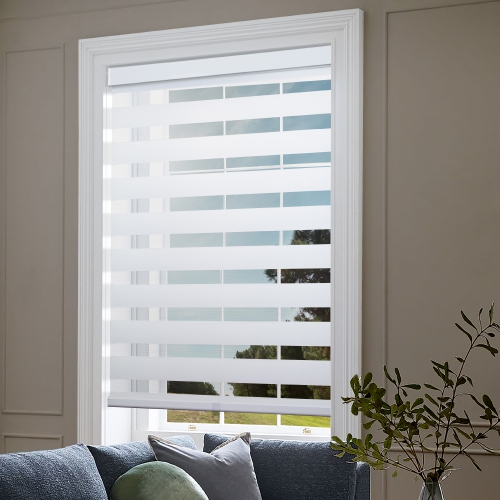
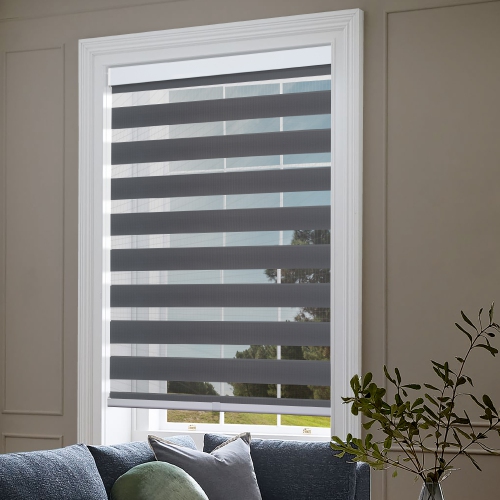
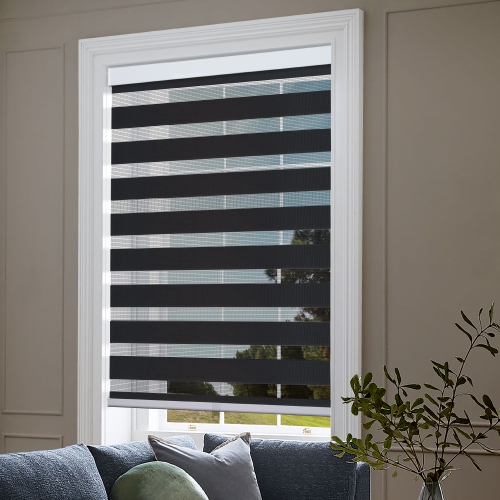

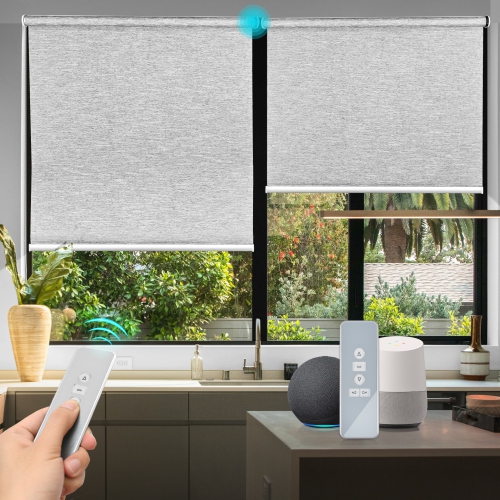



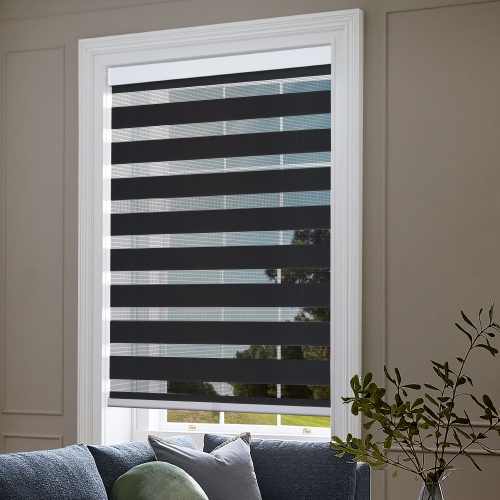
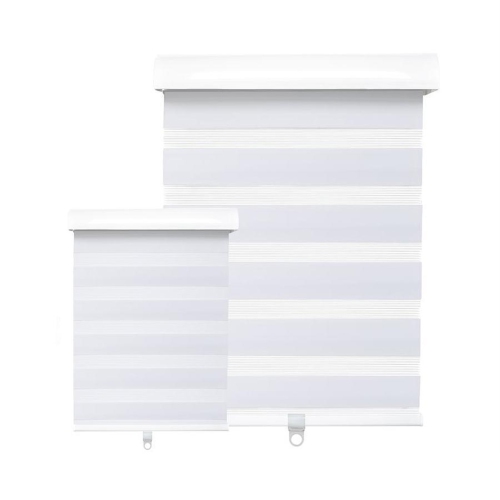
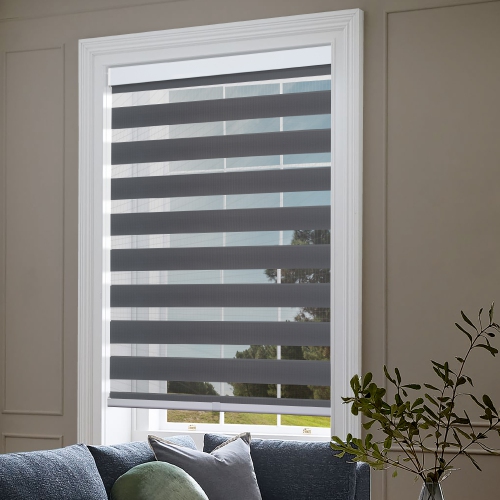
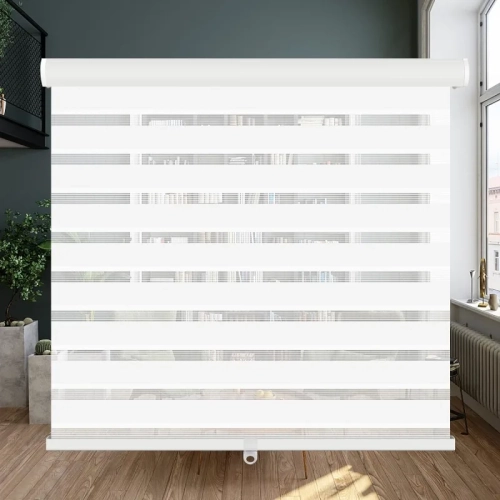







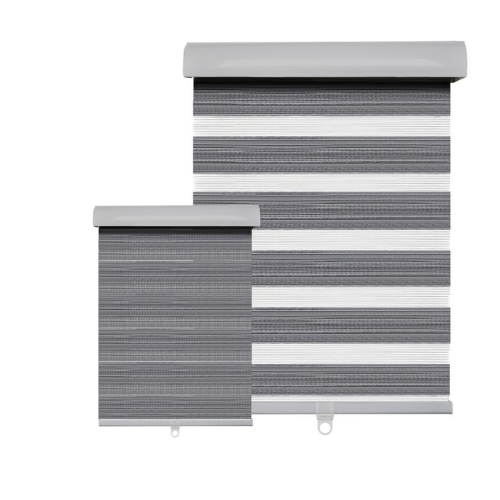
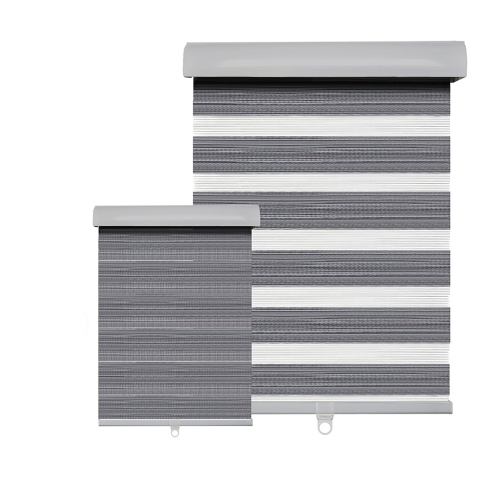
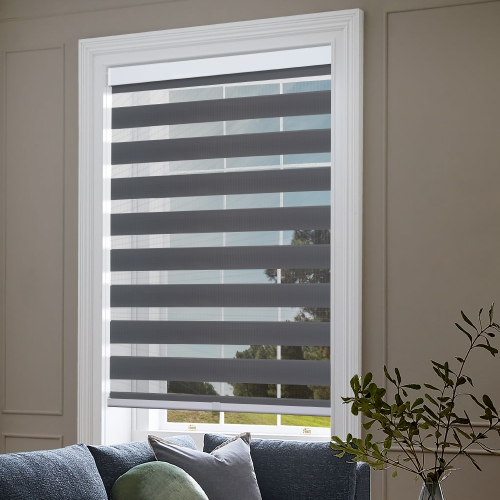
How shade design affects light control and privacy
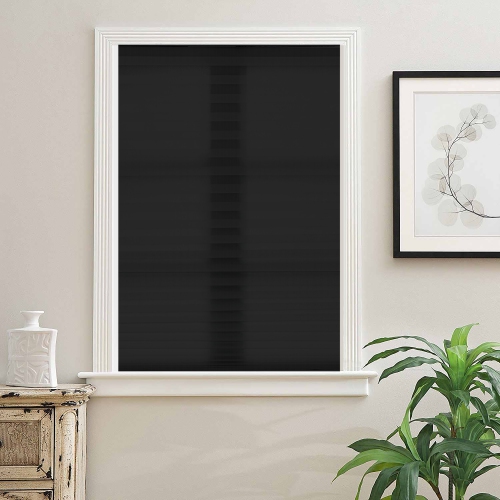
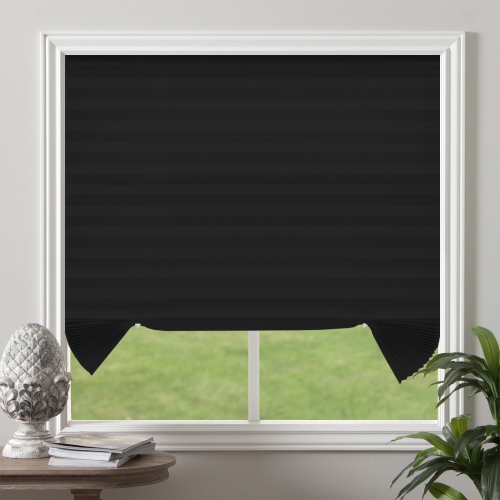
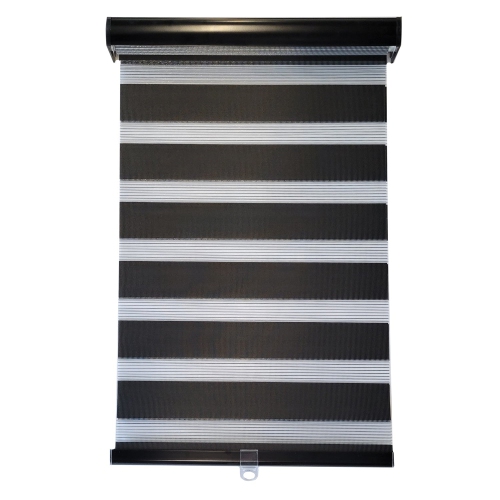
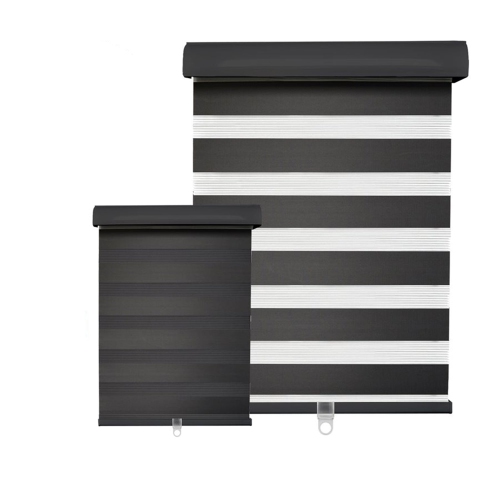
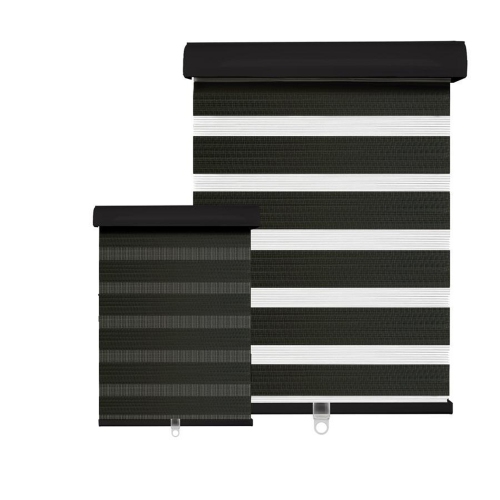
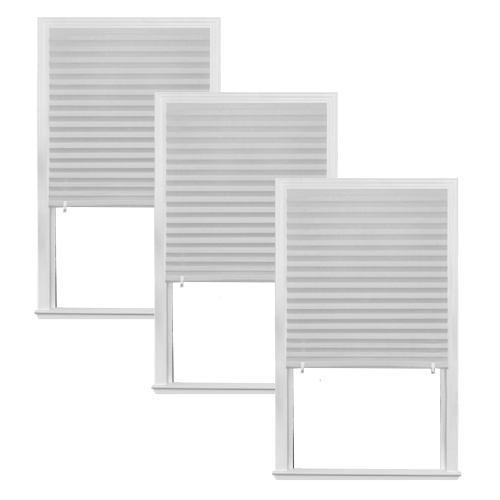
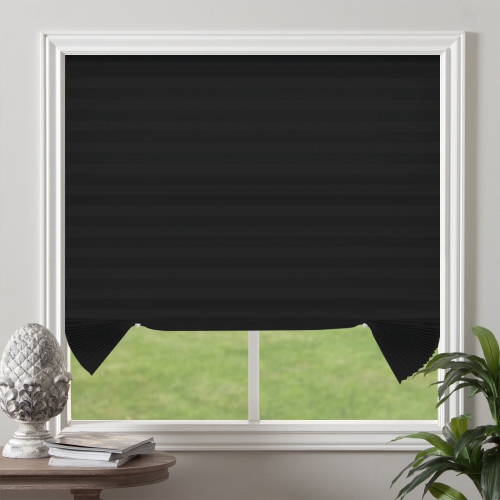
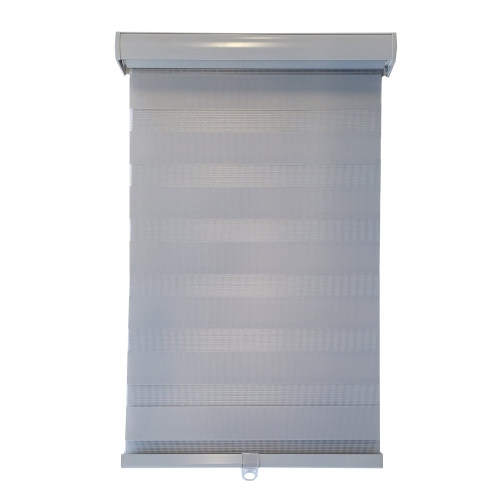
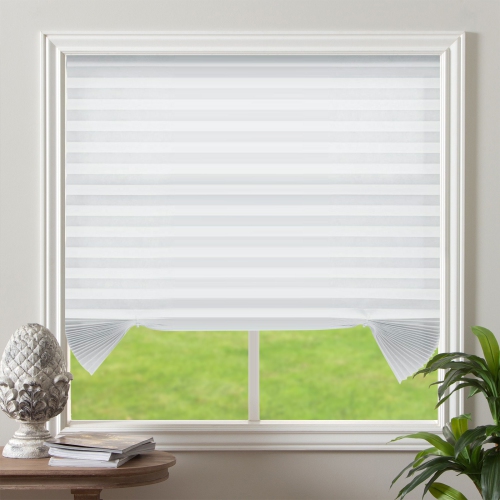
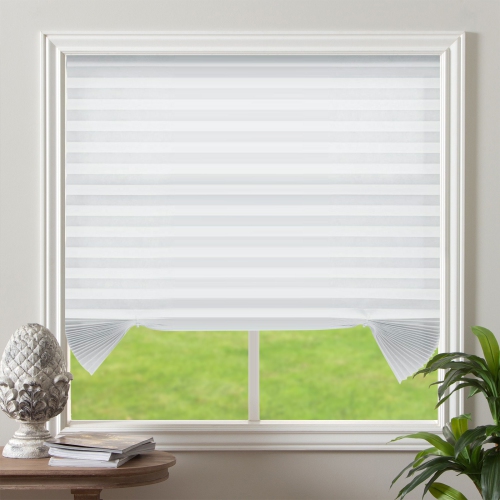
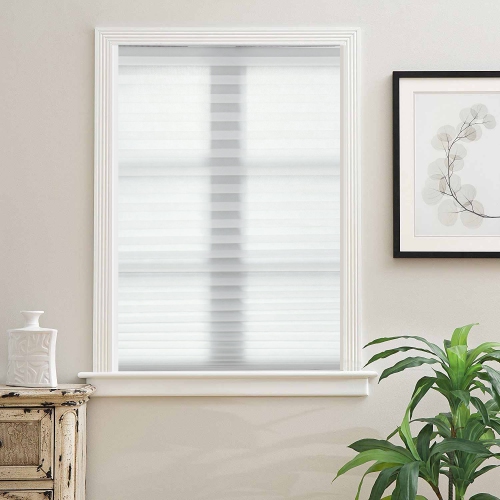
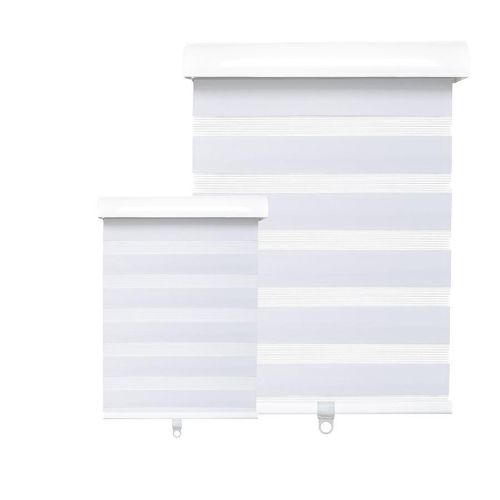
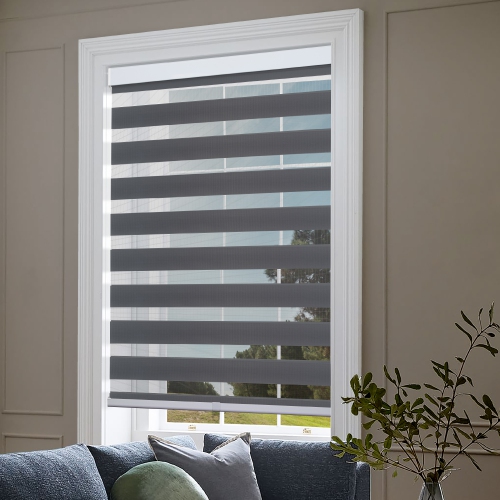
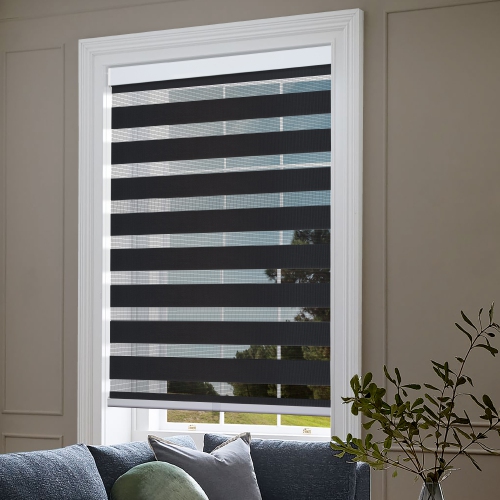
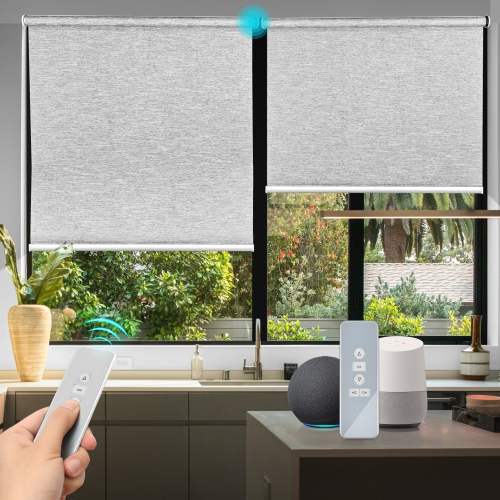
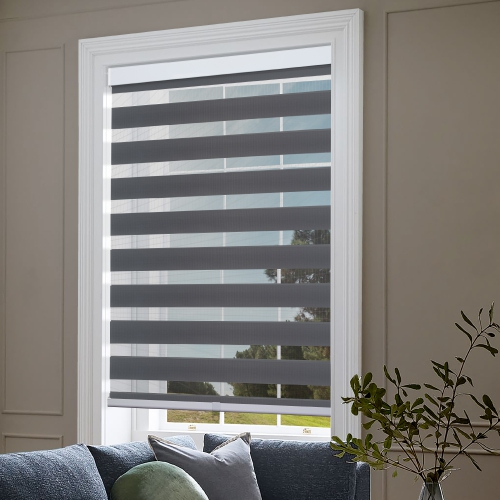
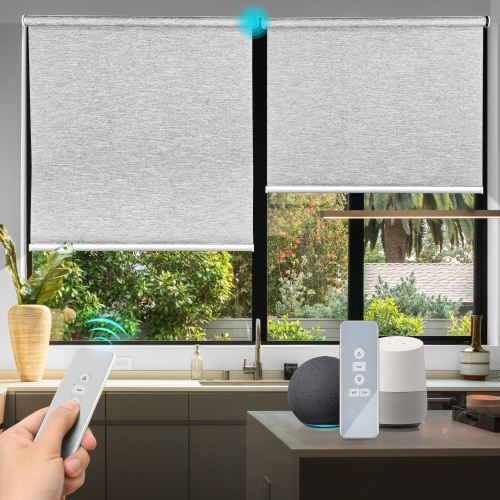
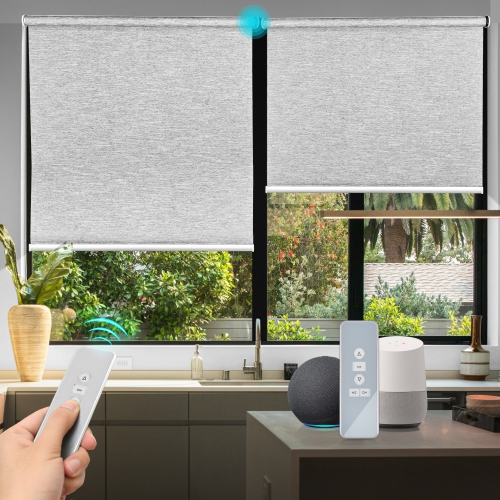
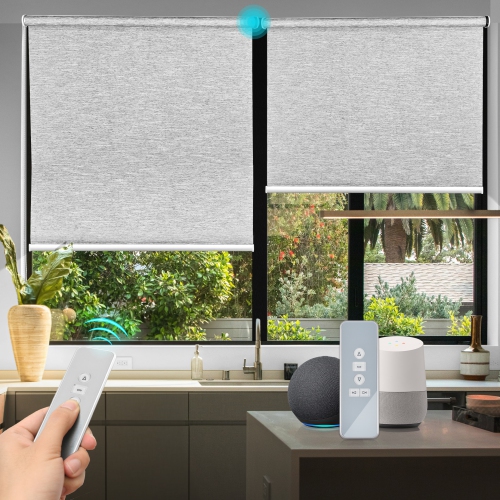
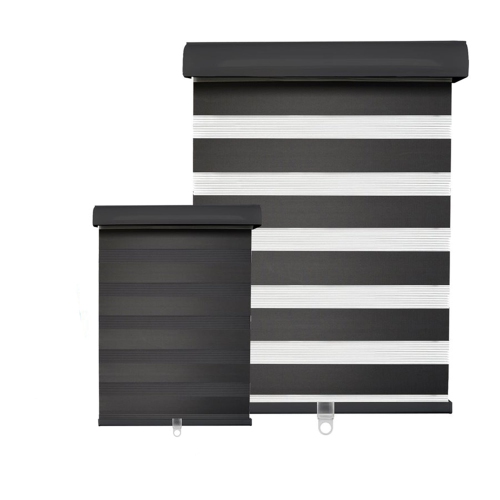
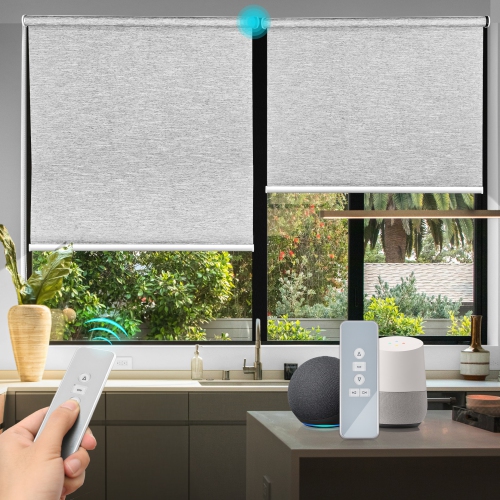
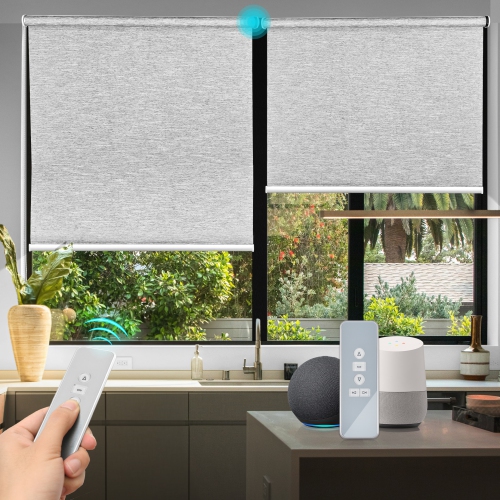
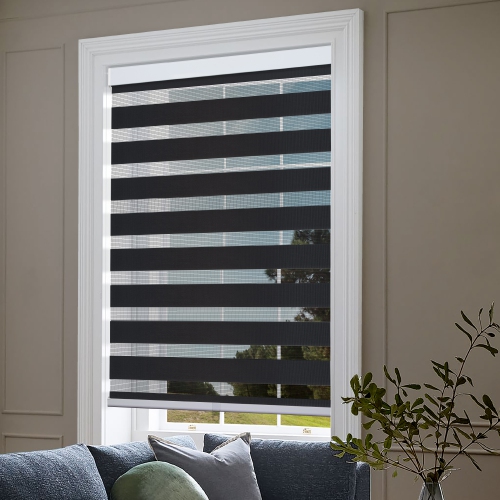
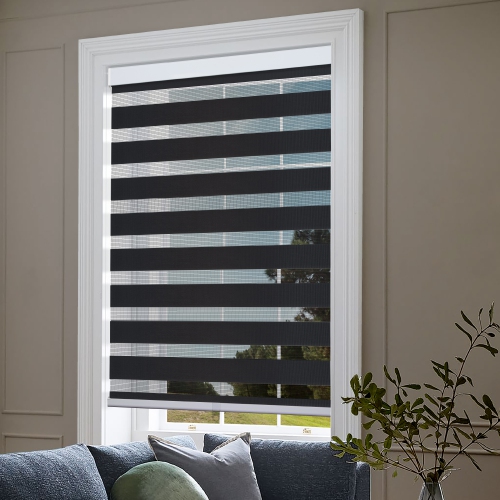
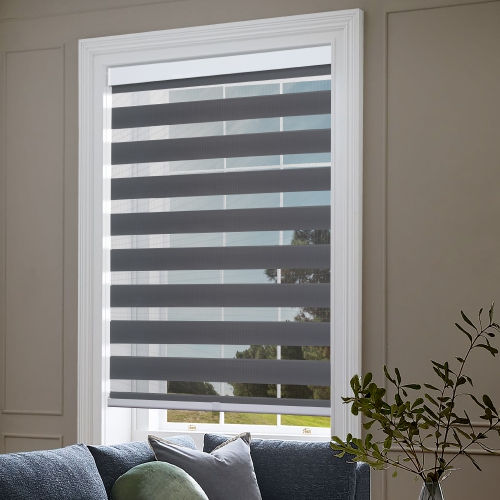
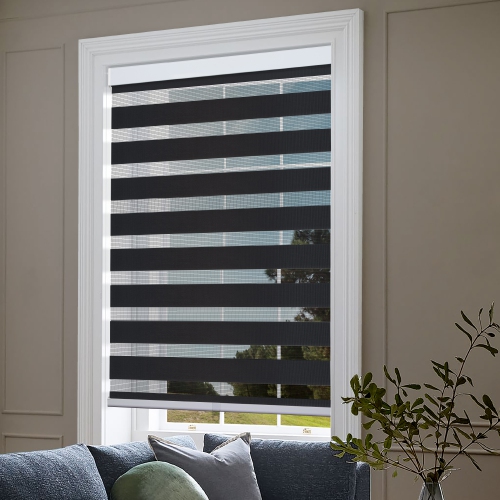
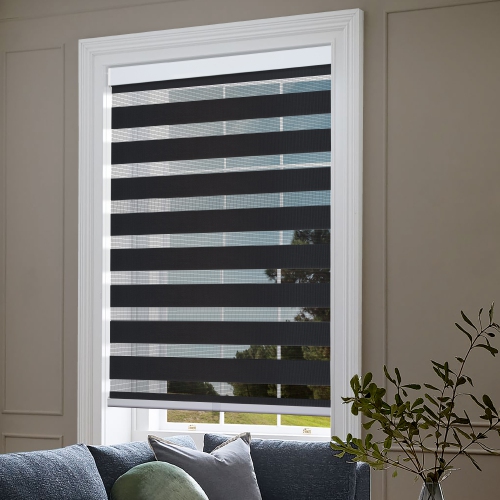
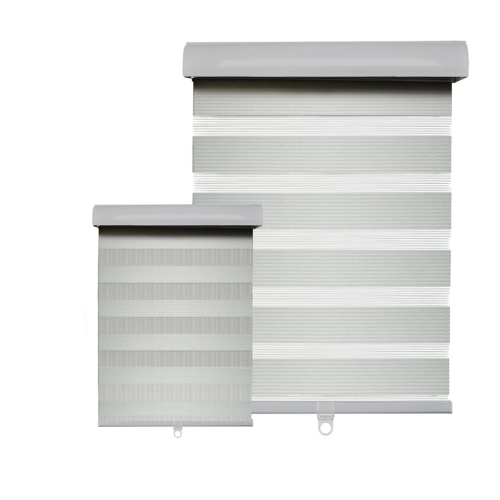
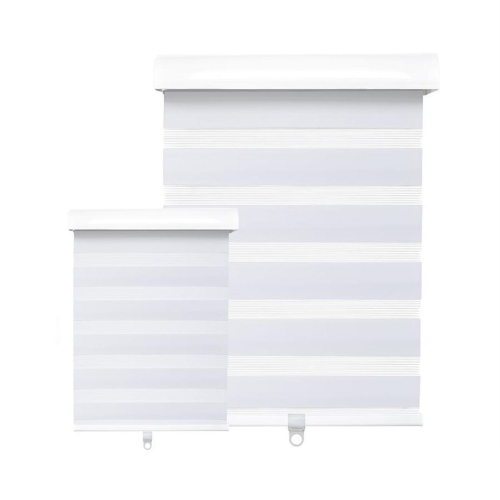
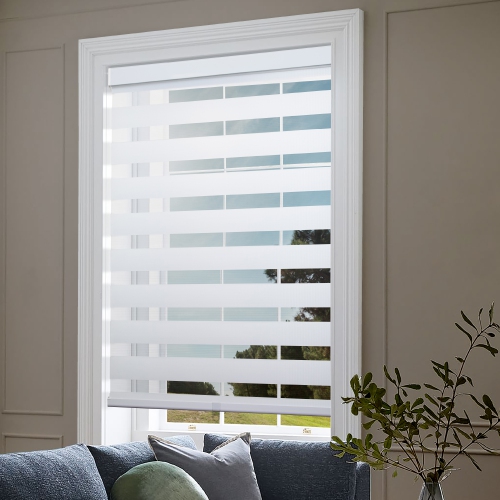
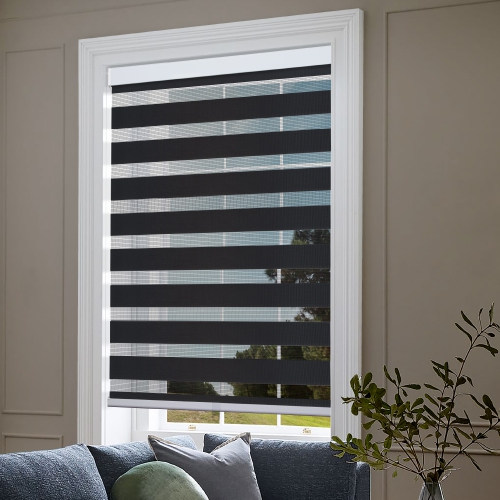
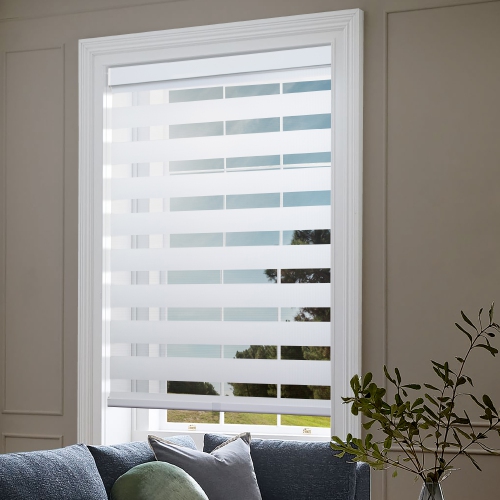
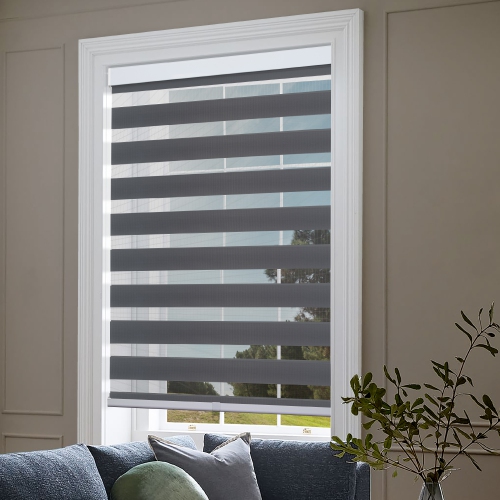
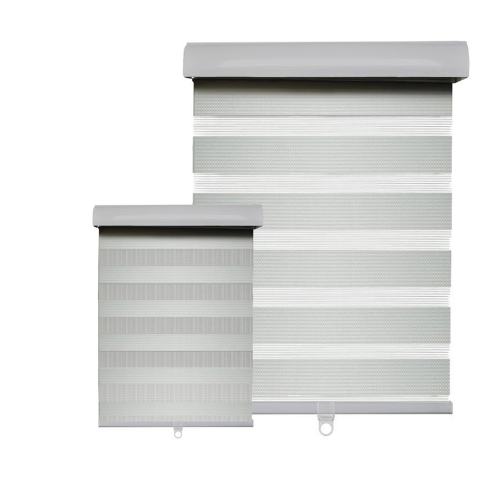
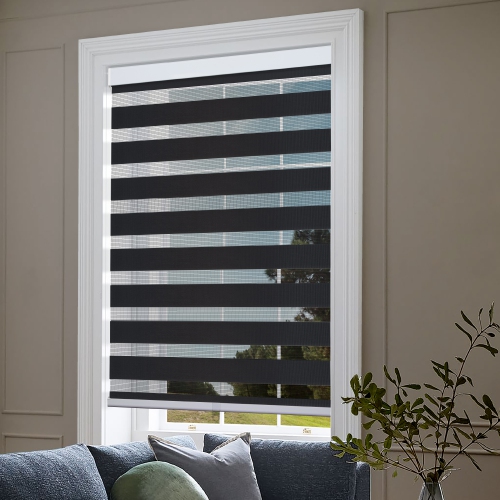
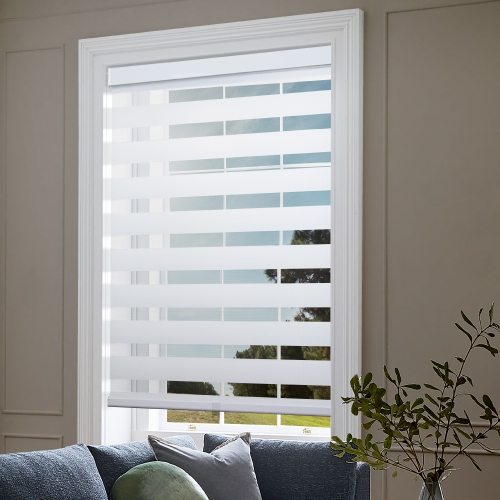
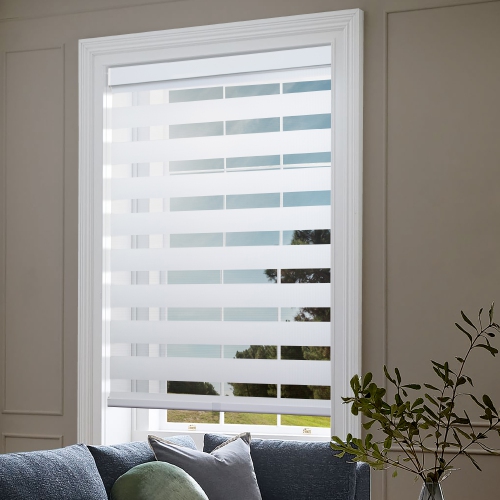
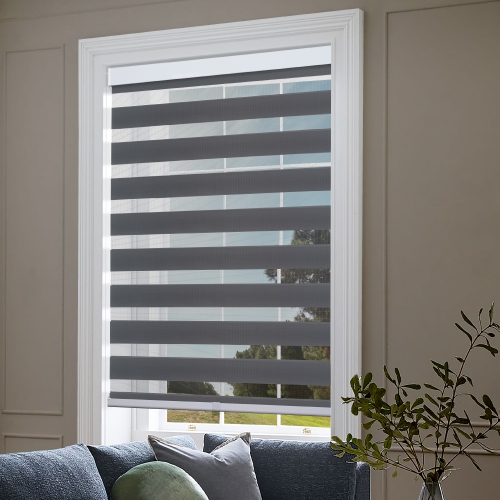
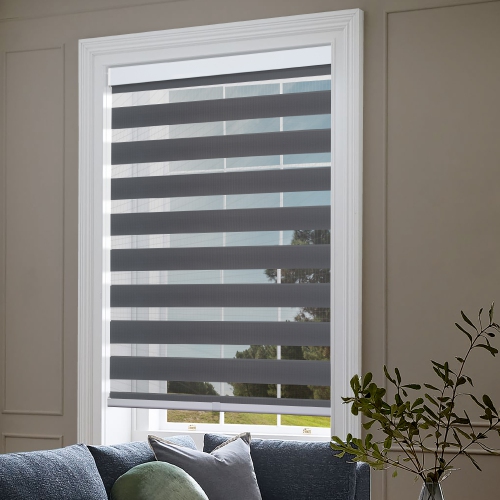
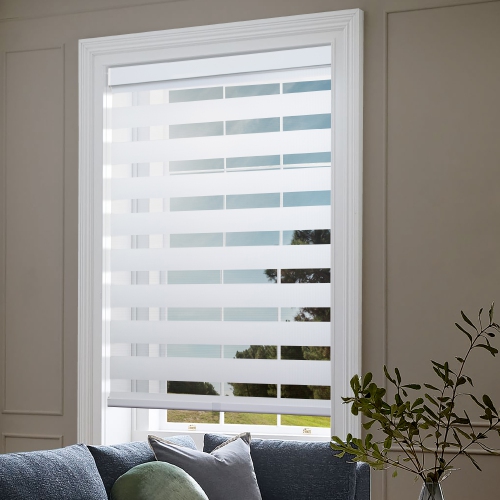
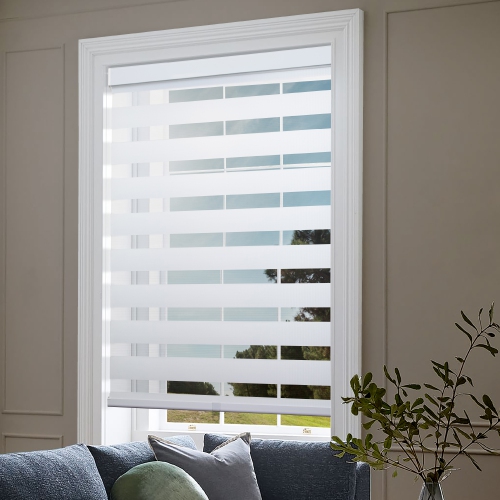
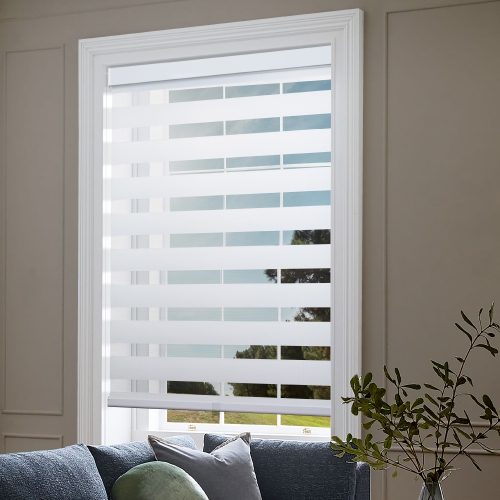
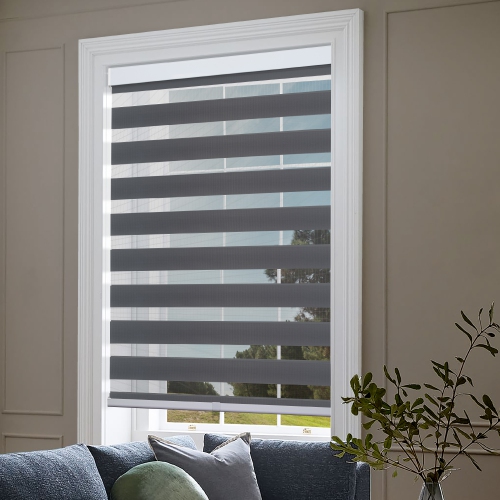
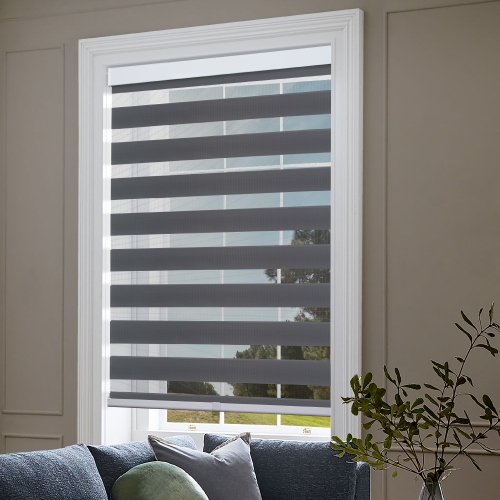
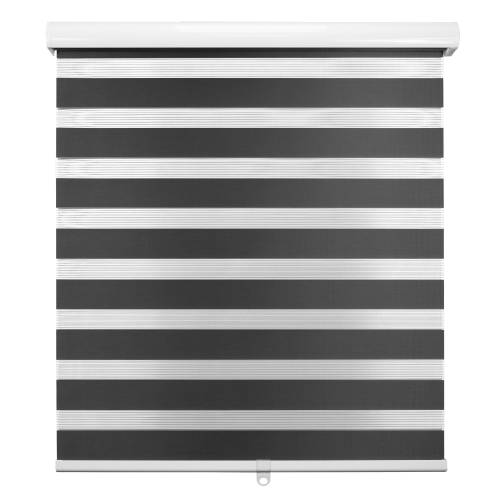
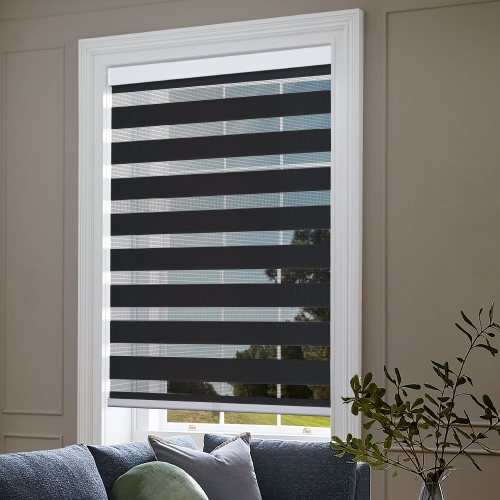
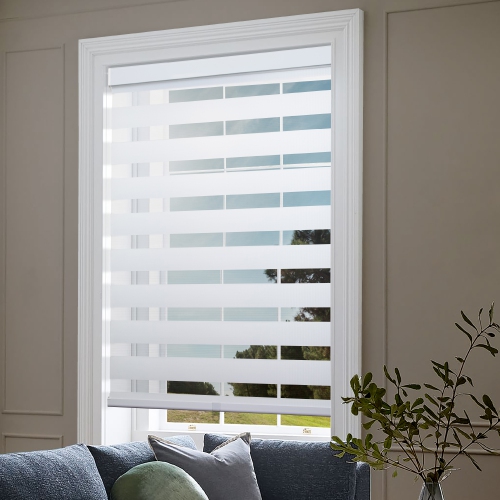
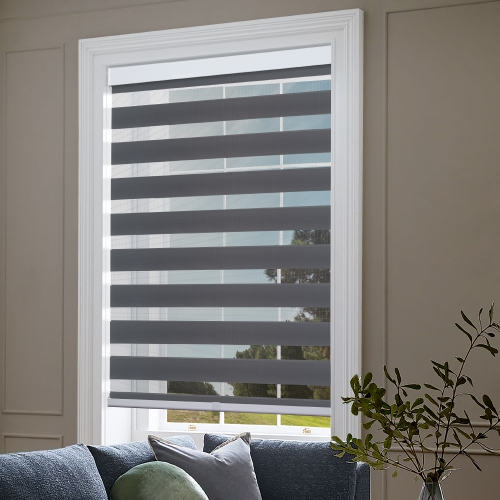
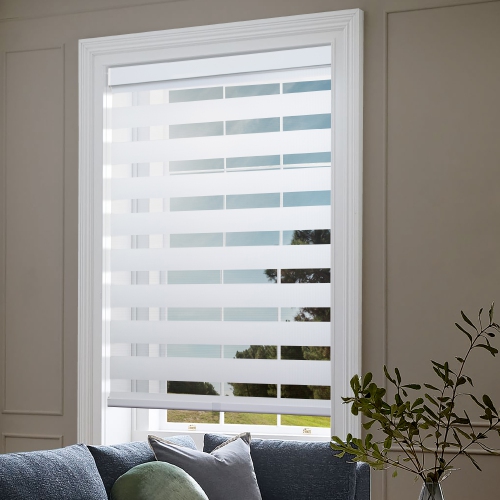
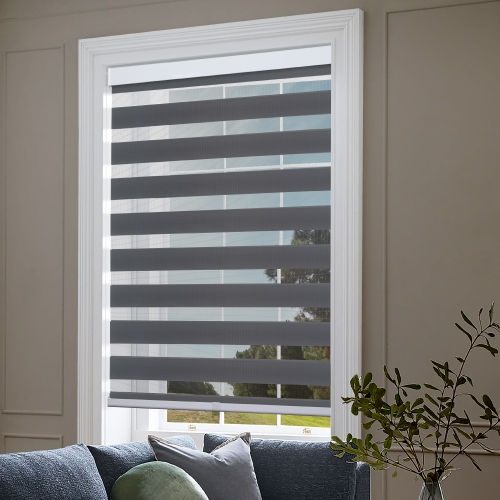
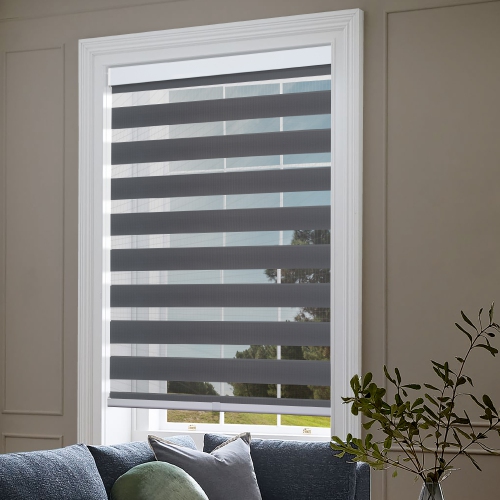
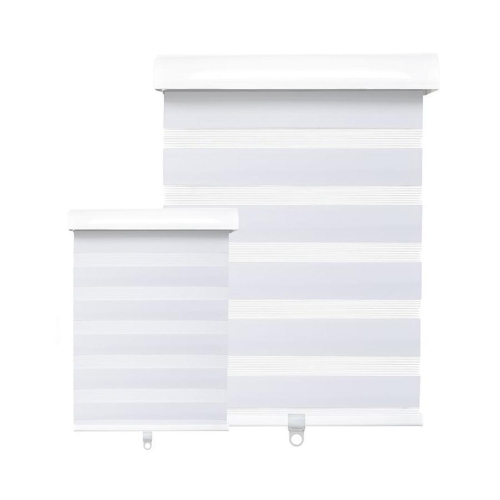
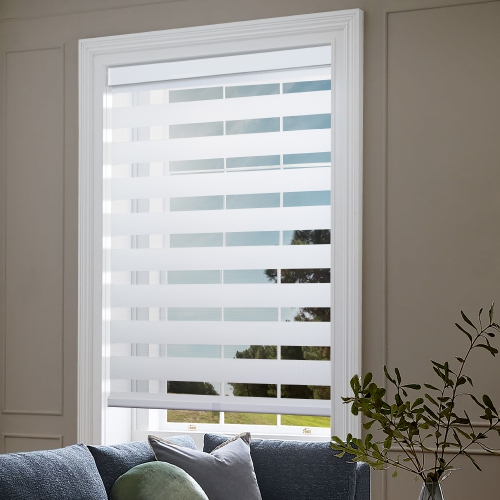
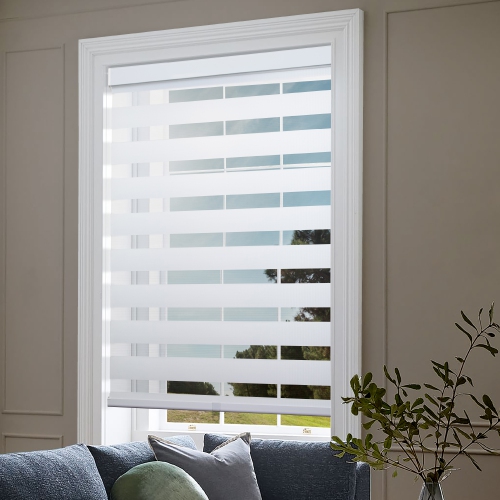
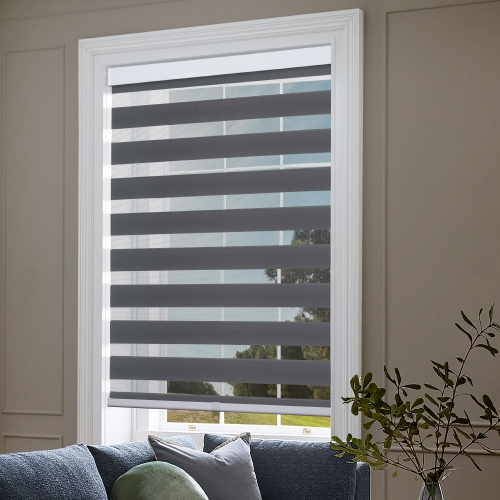
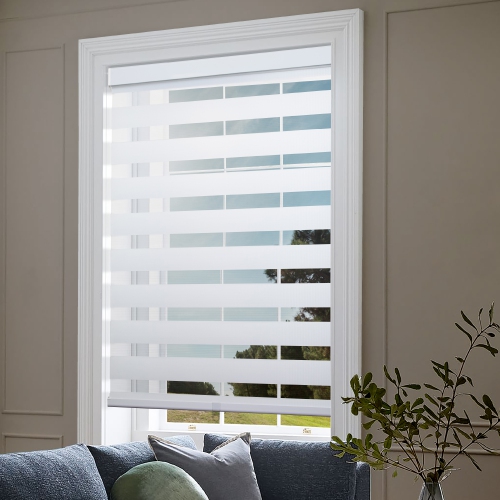
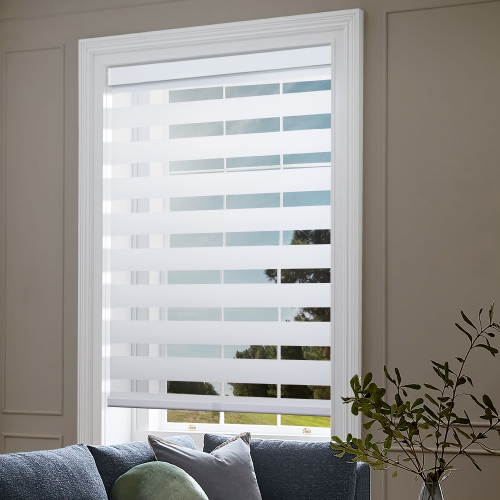
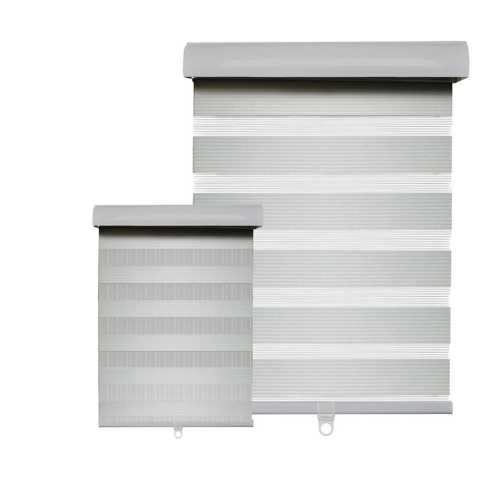
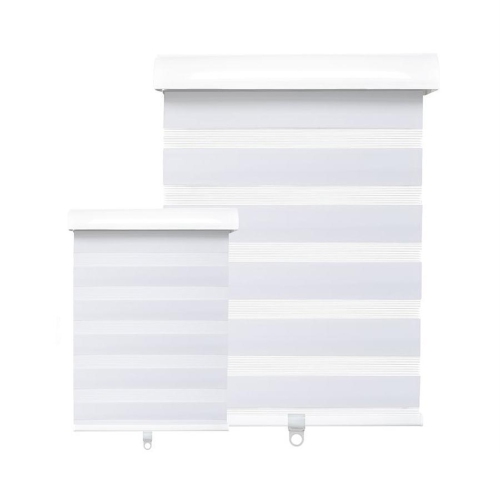
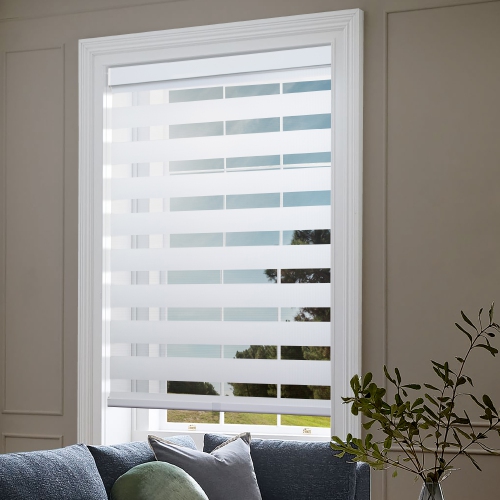
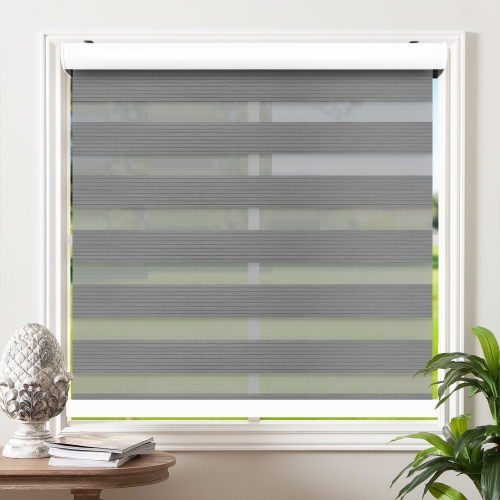
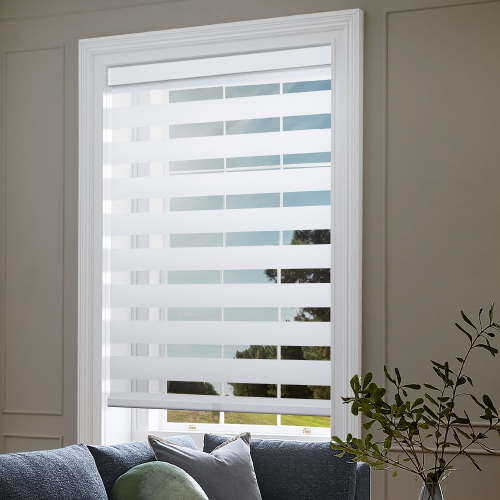
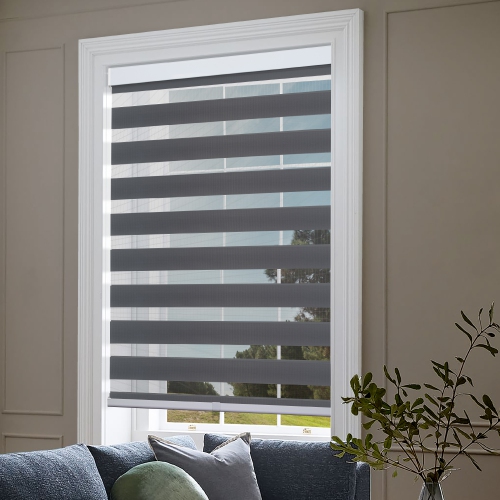
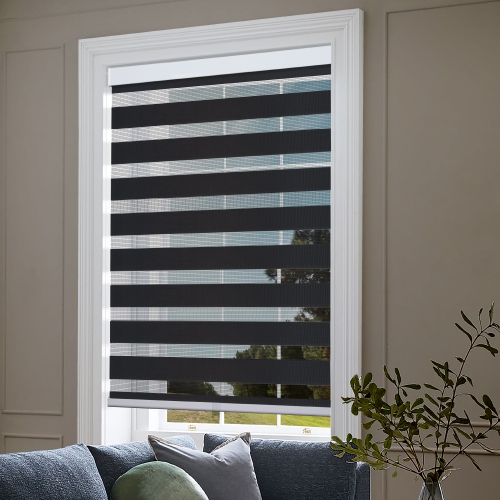
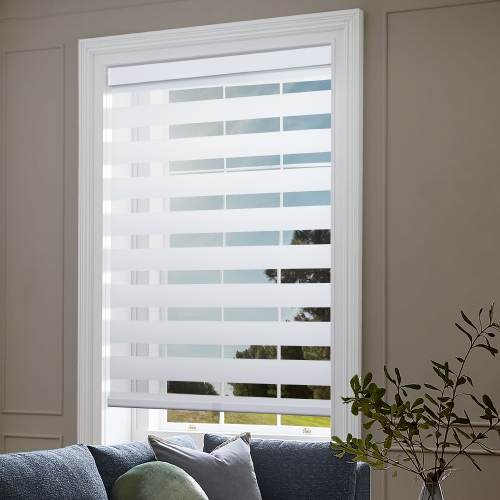
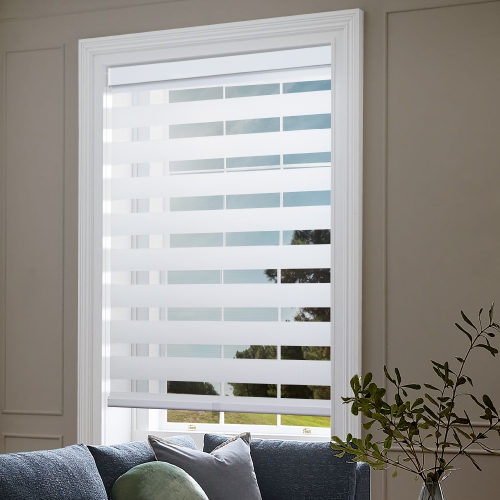
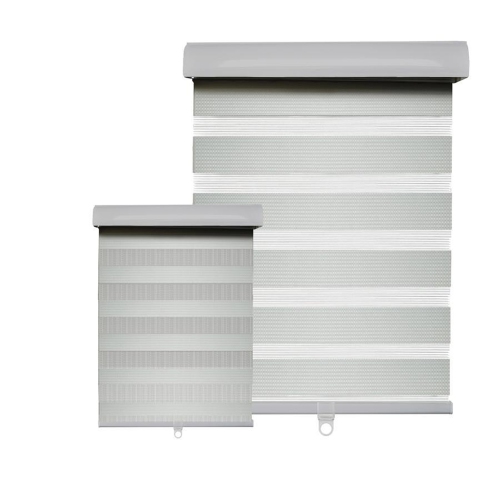
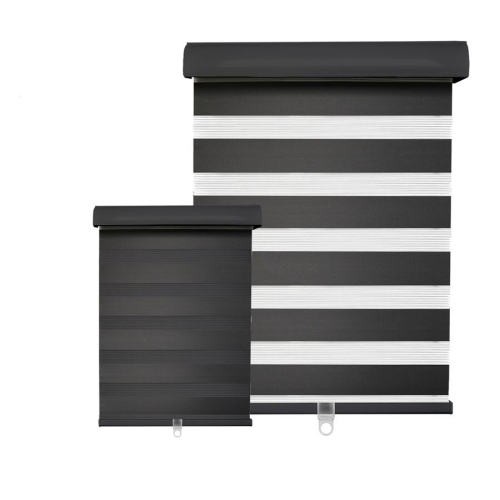
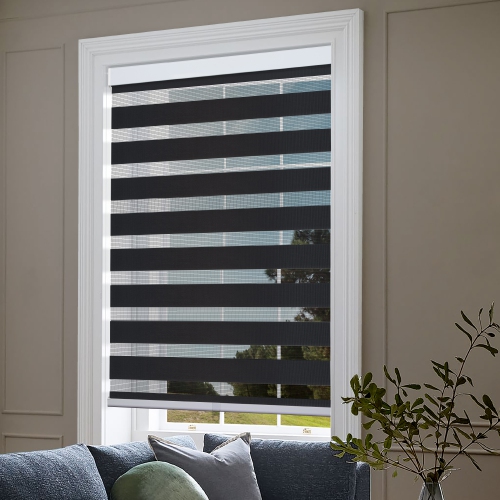
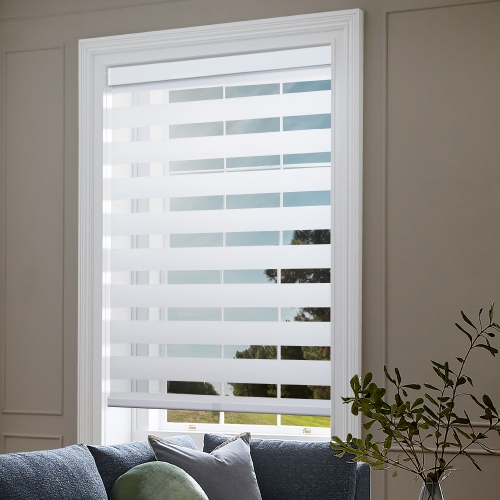
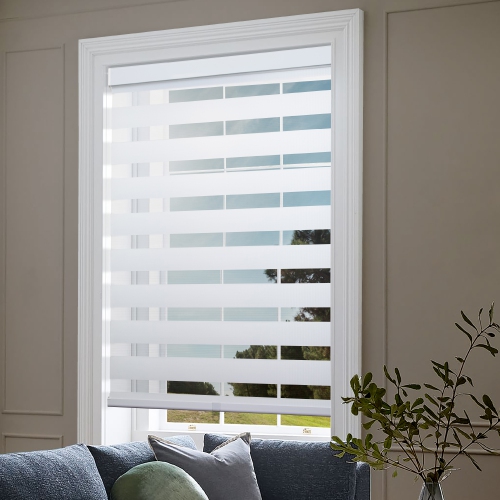
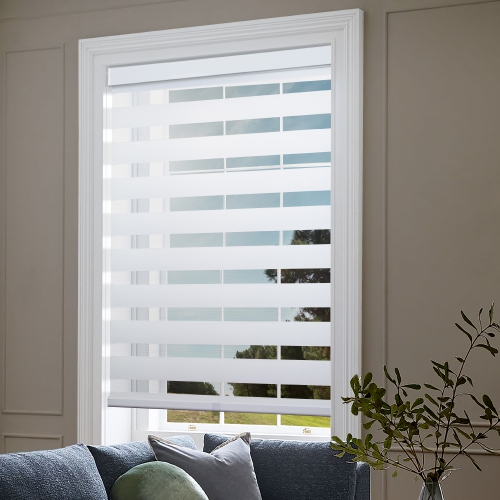
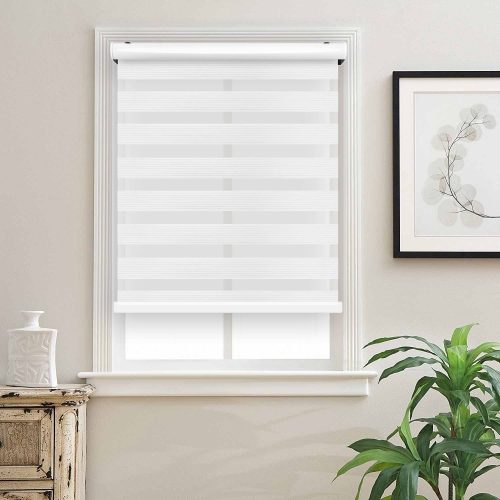
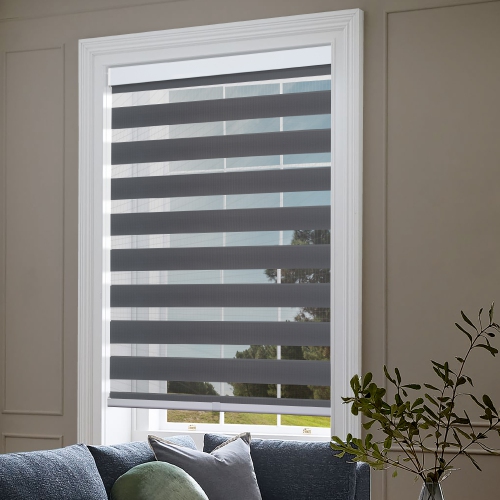
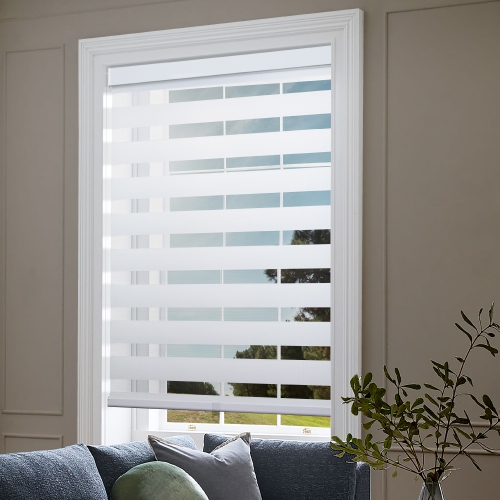
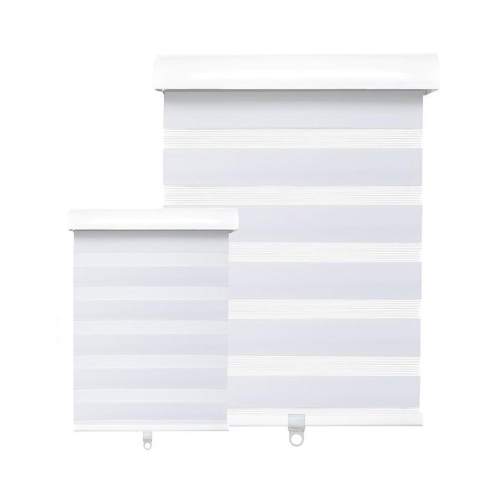
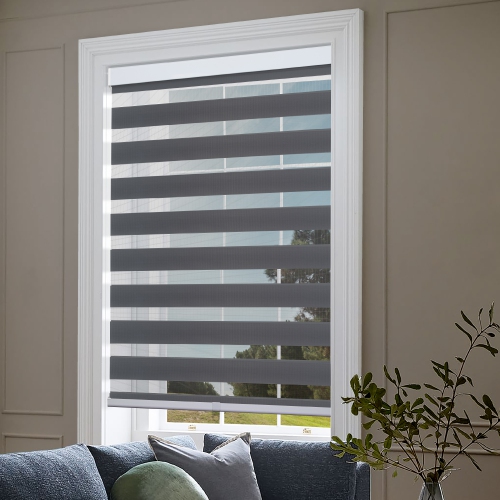
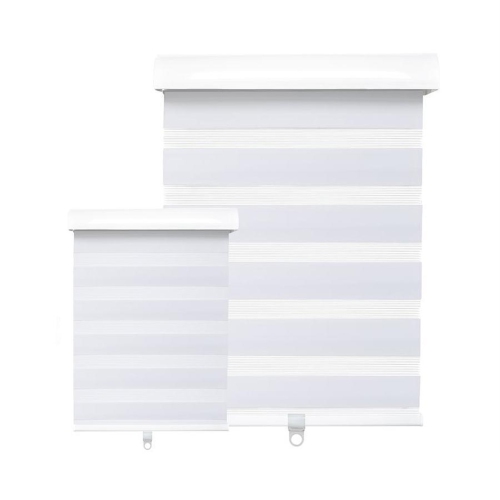
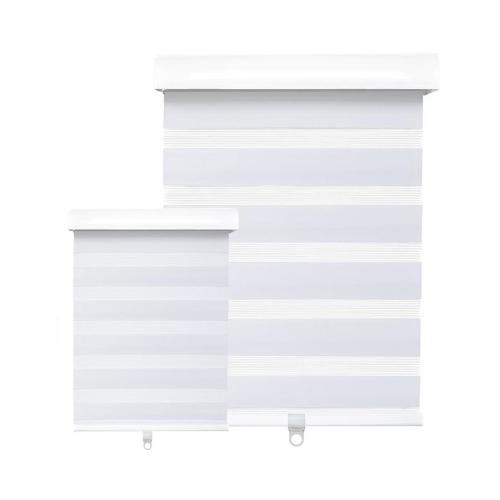
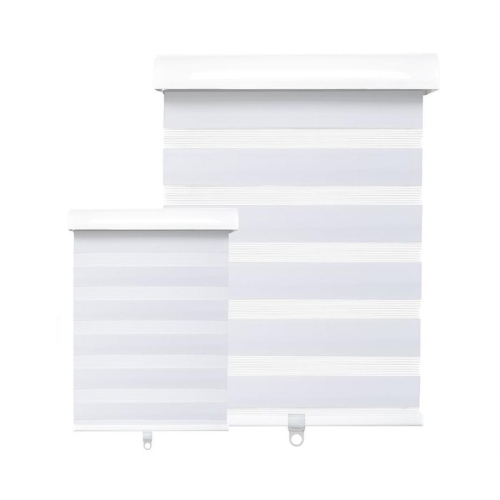
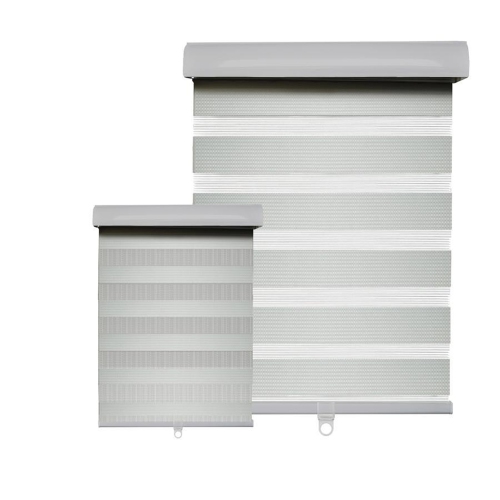
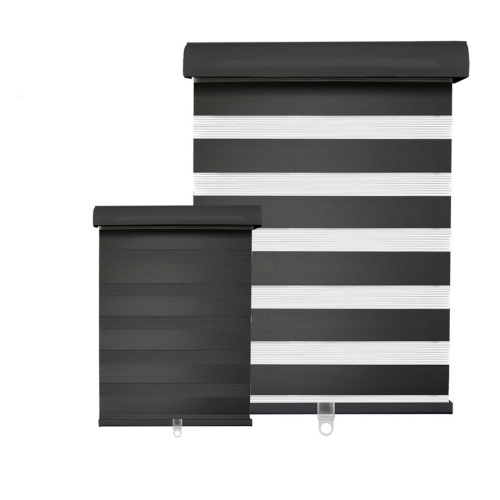
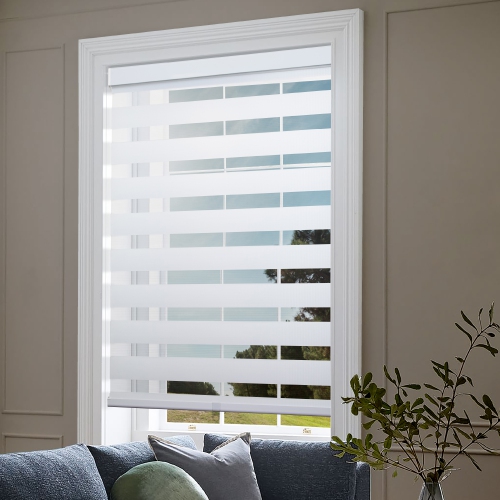
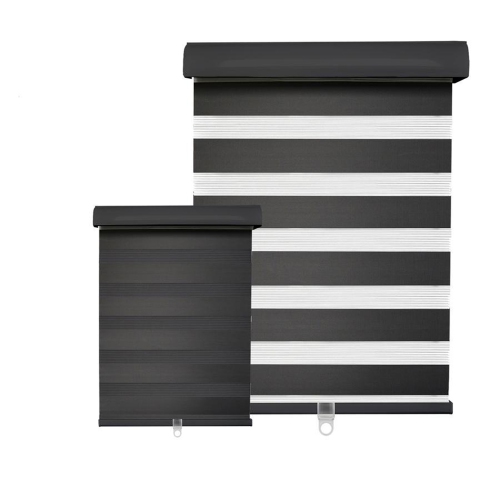
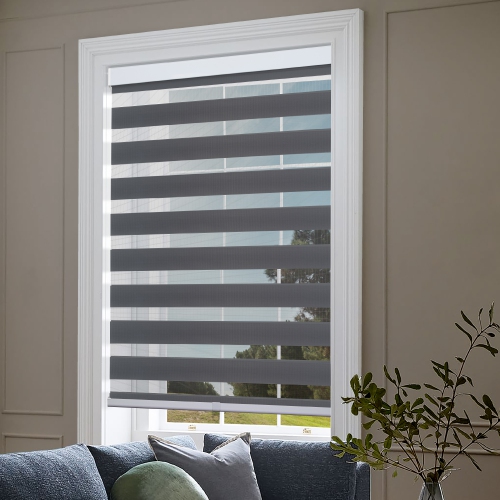
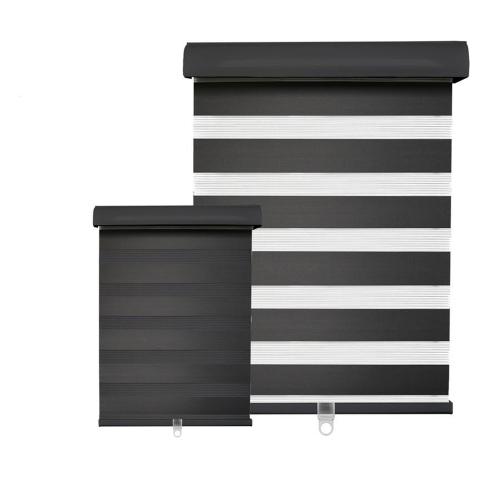
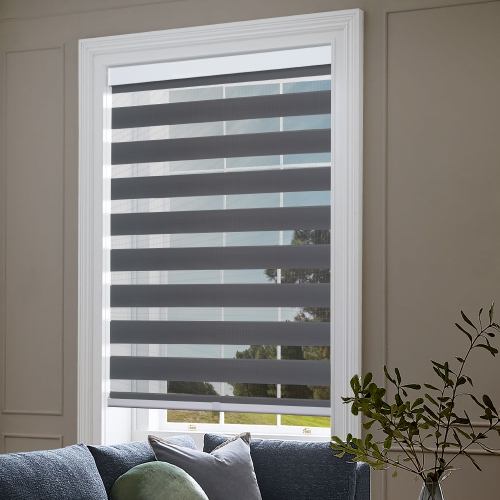
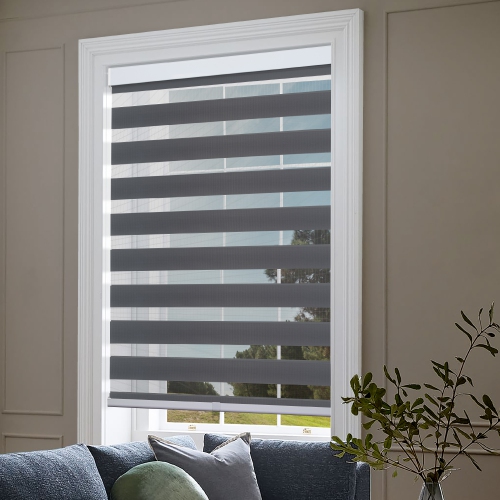
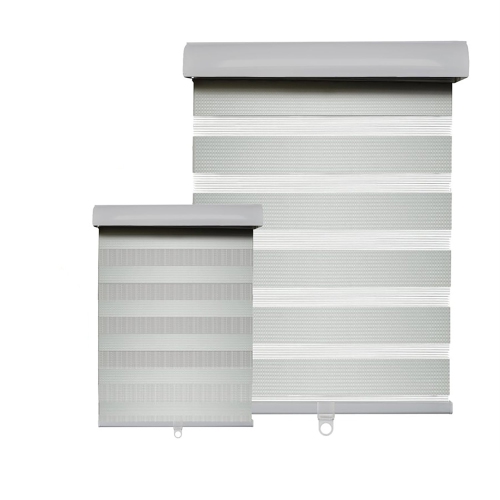
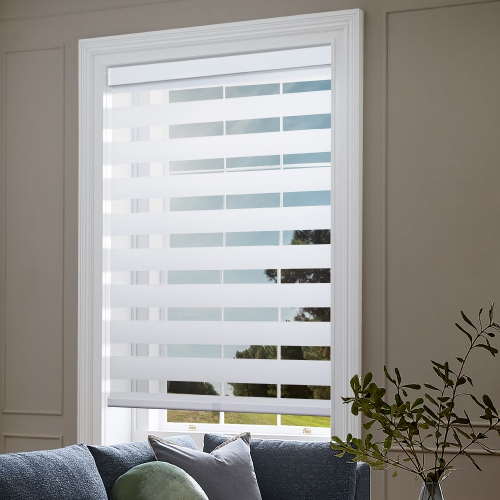
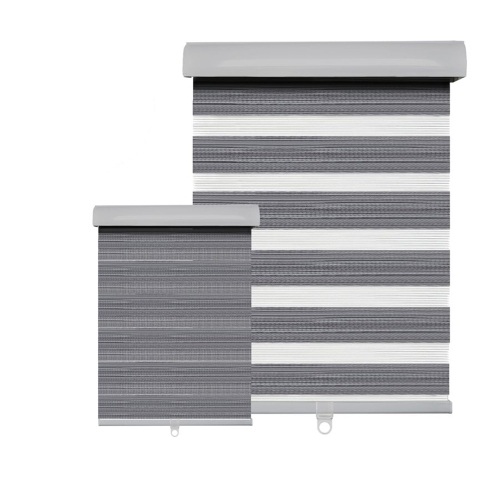
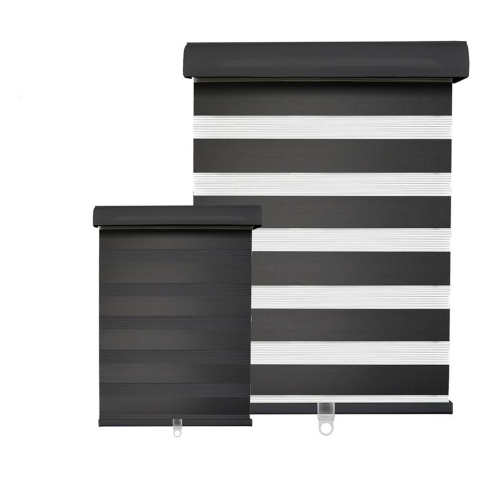
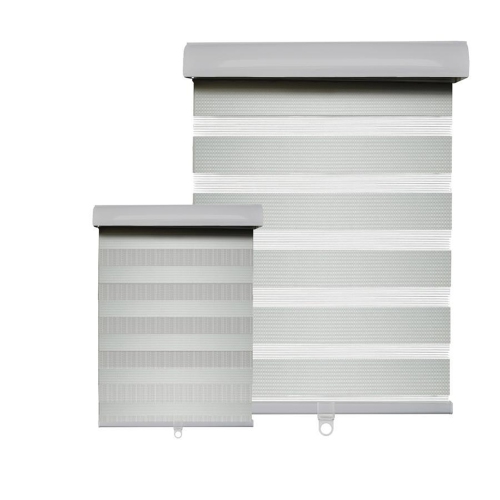
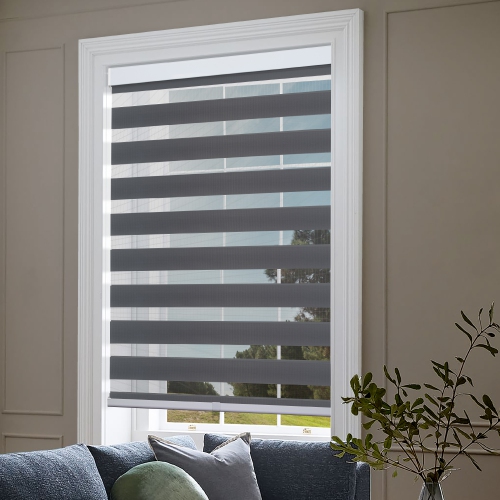
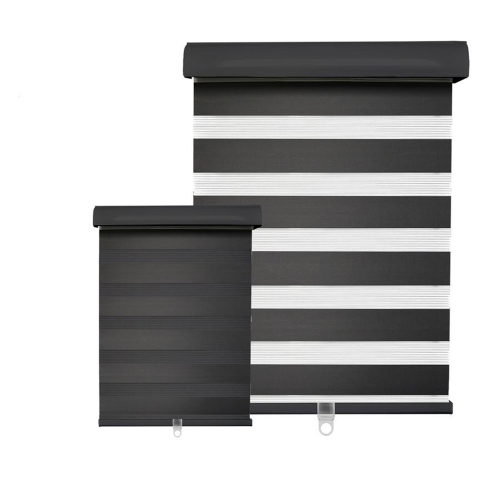
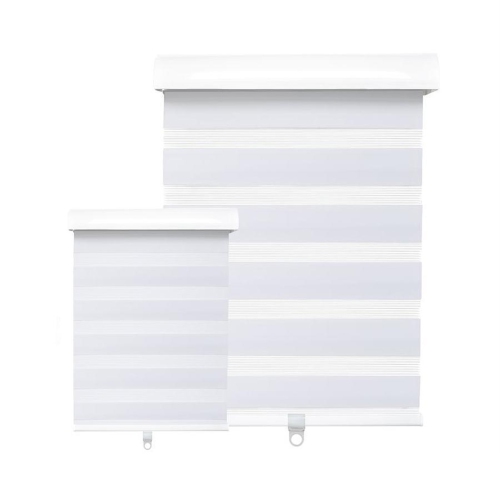
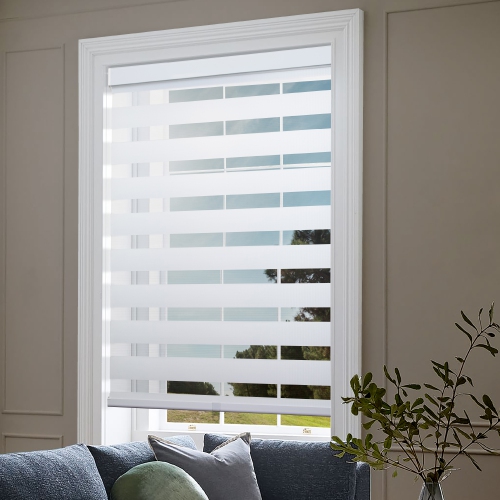
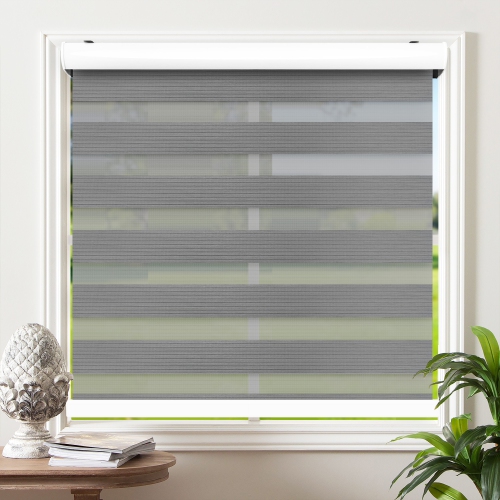
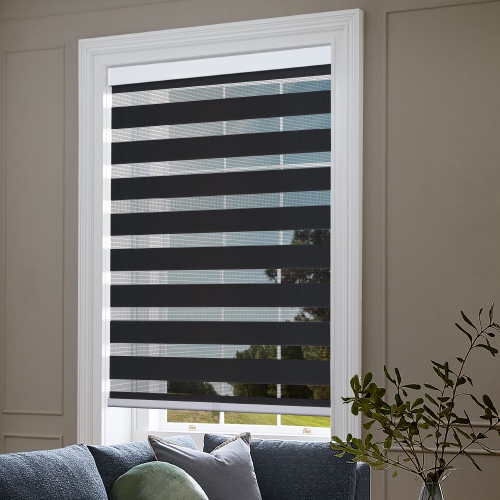
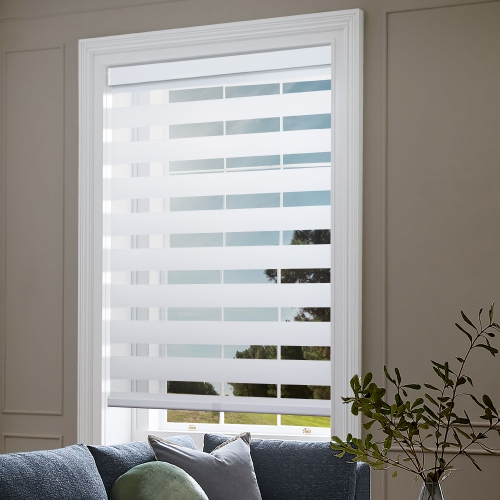
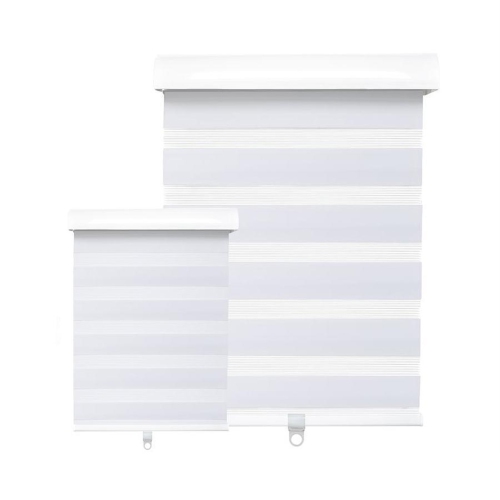
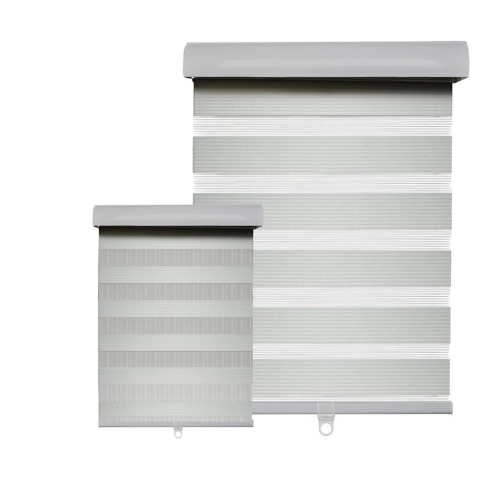
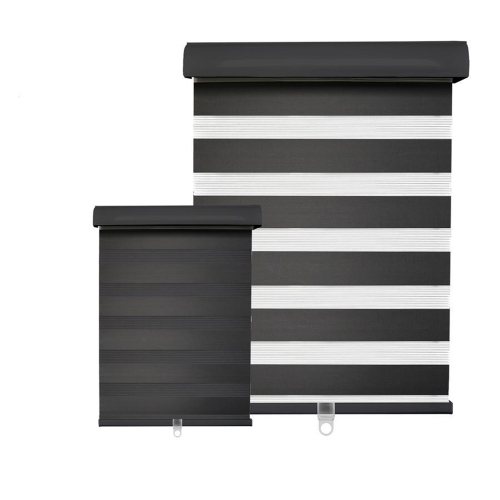
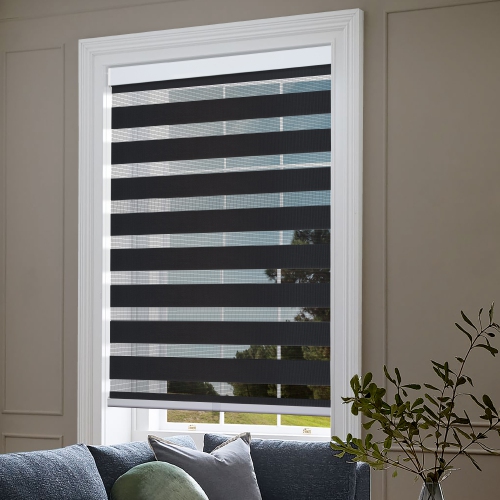
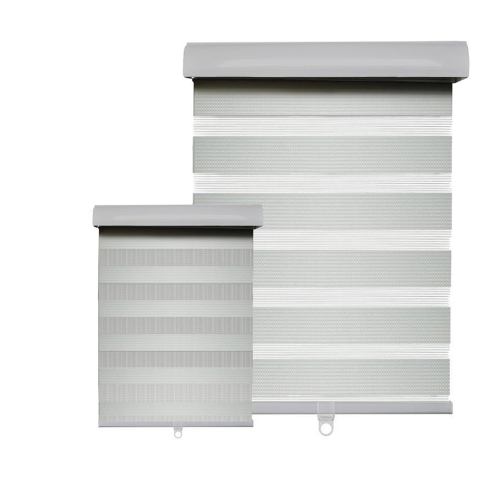
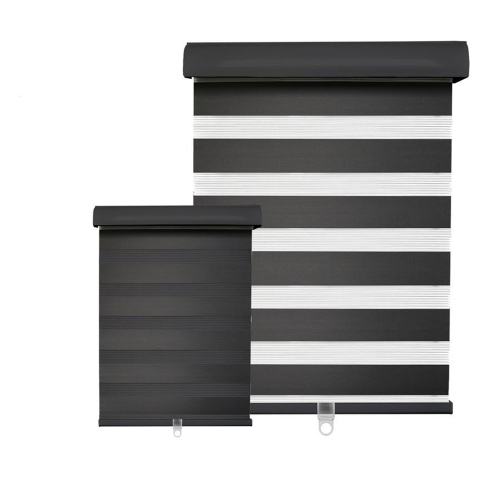
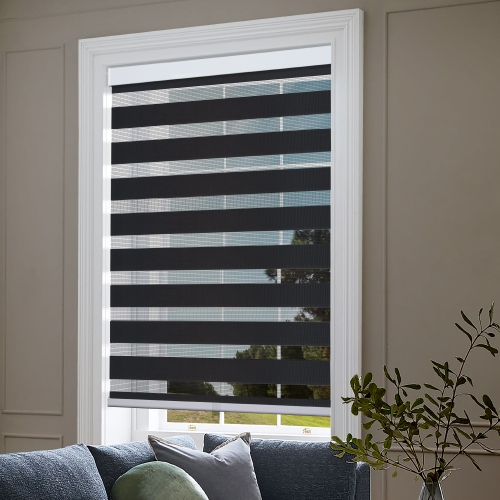
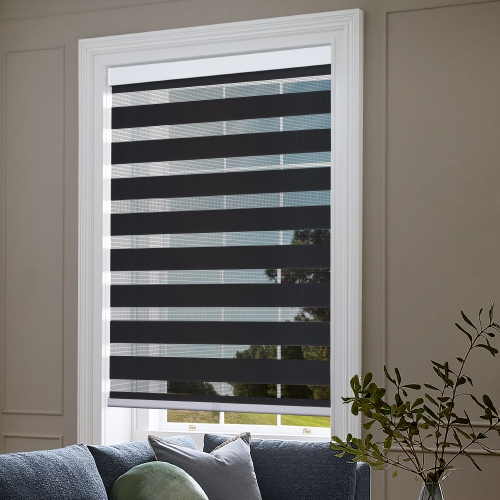
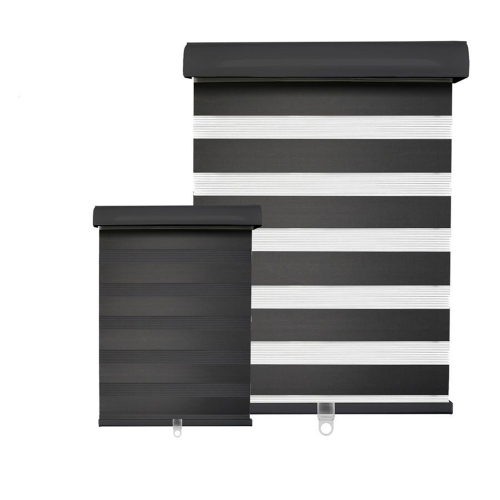
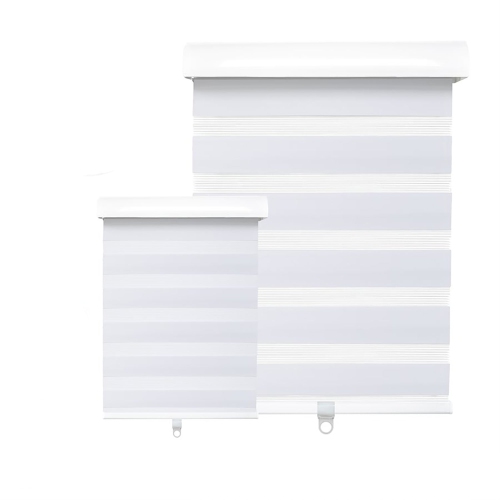
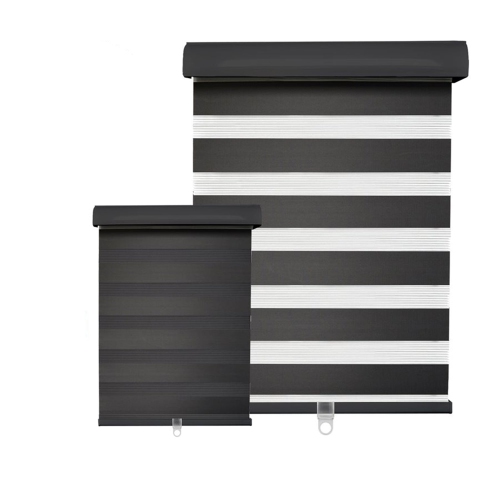
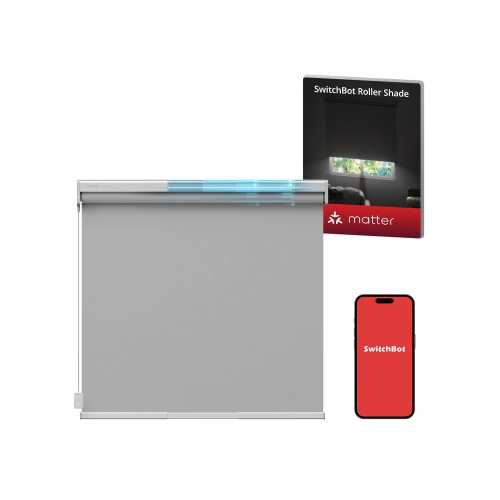
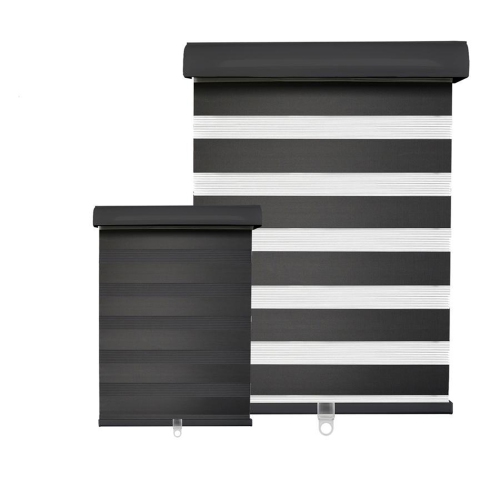
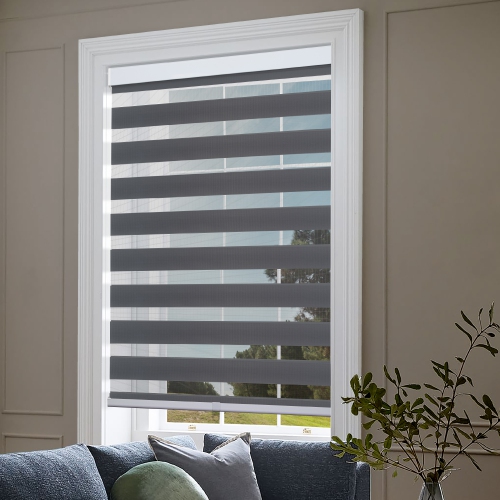
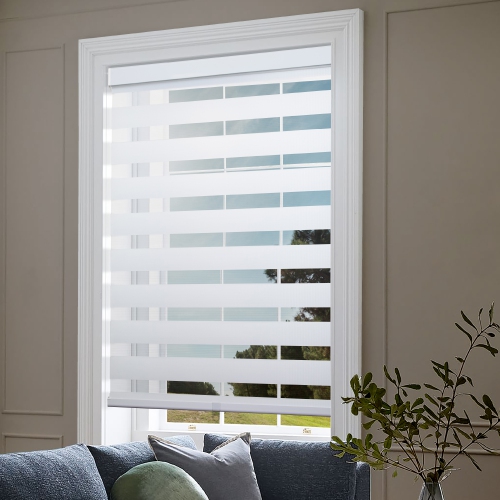
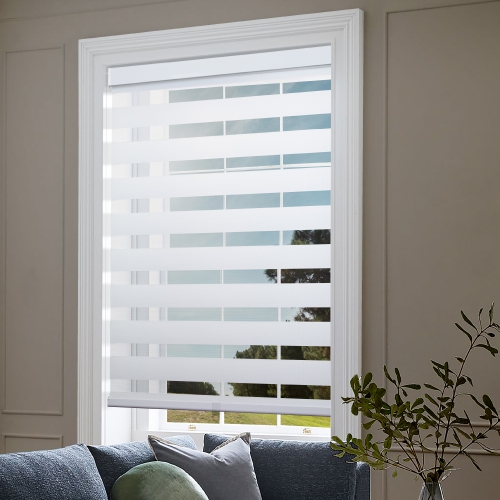
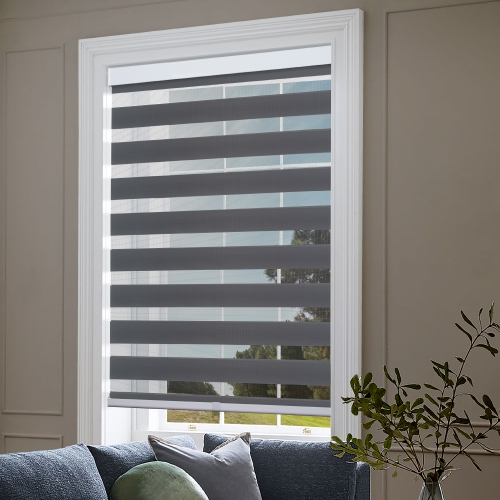
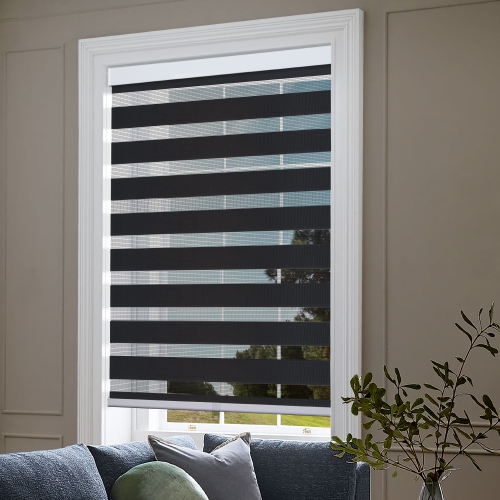
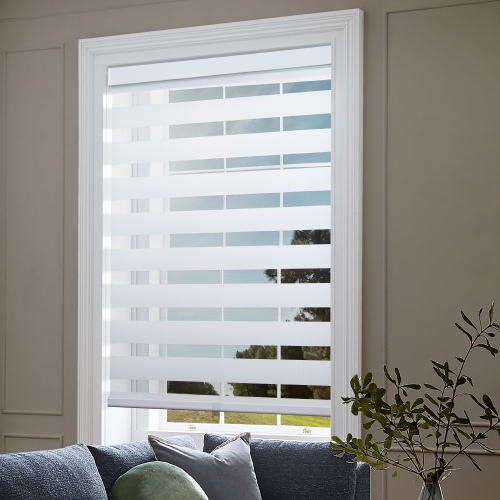
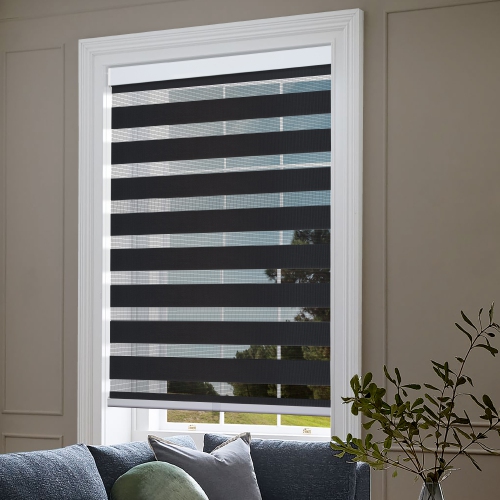
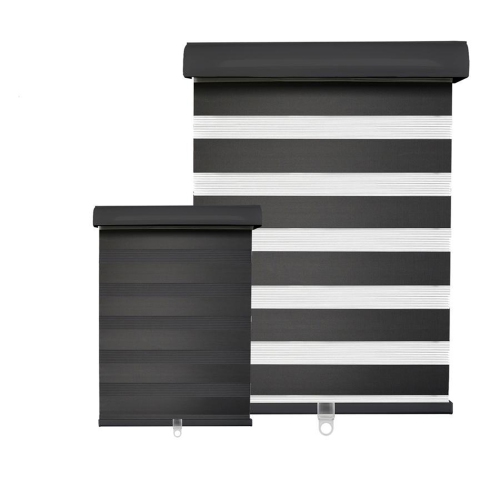
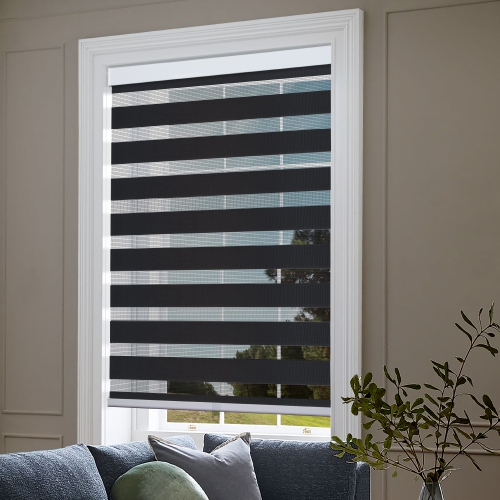
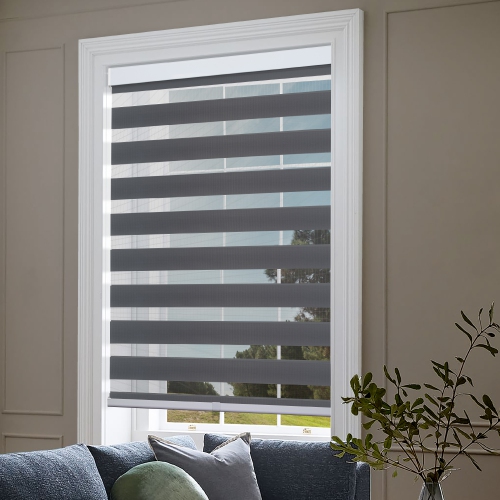
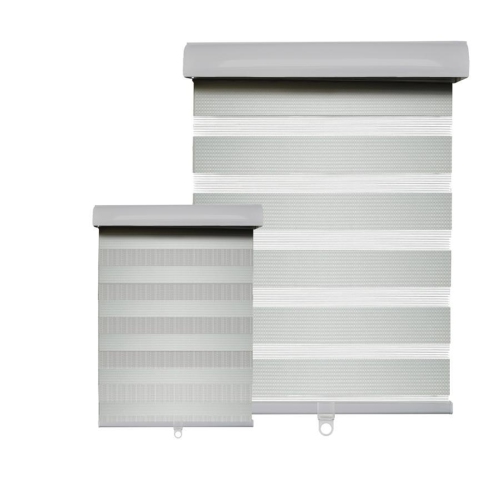
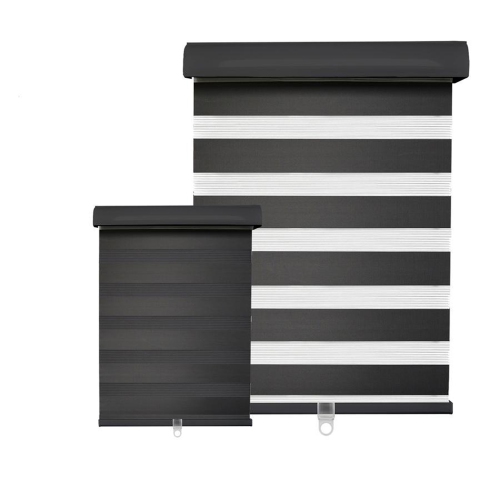
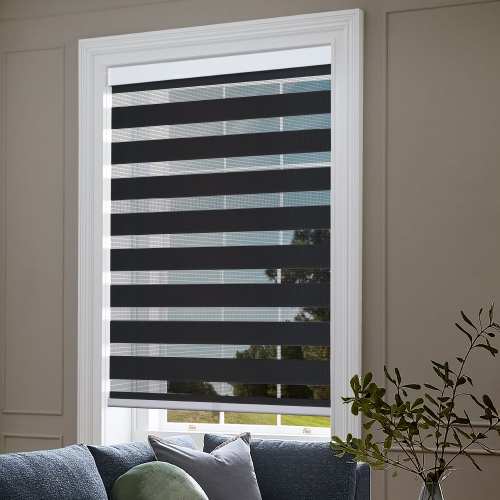
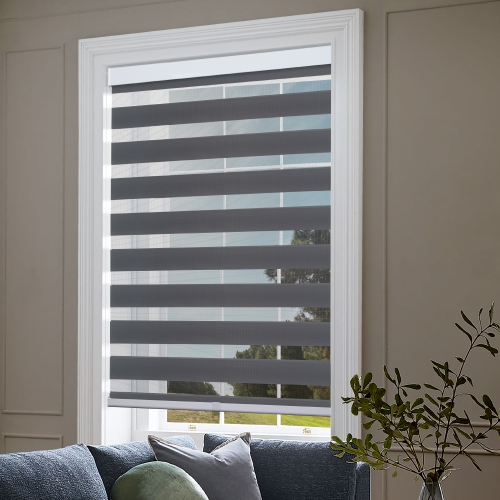
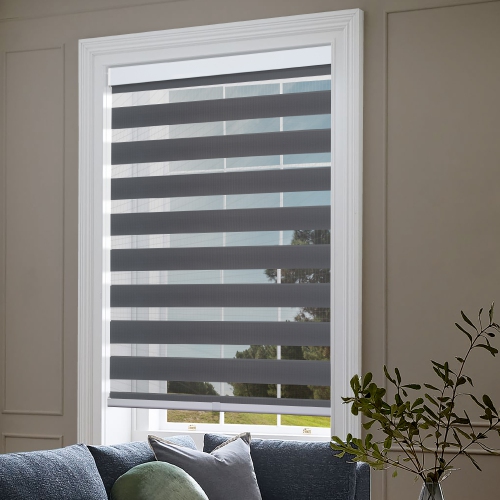
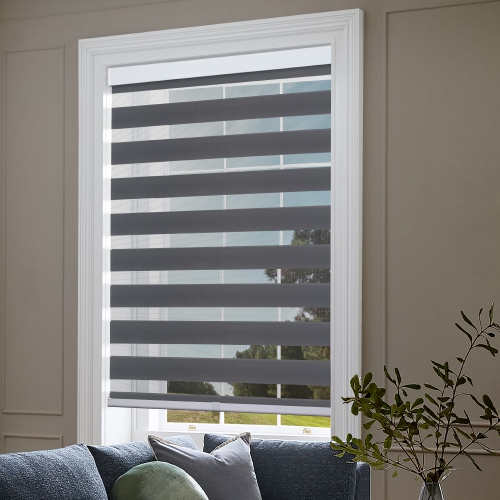
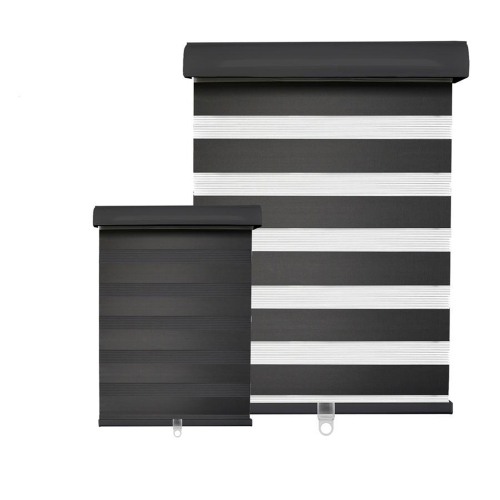
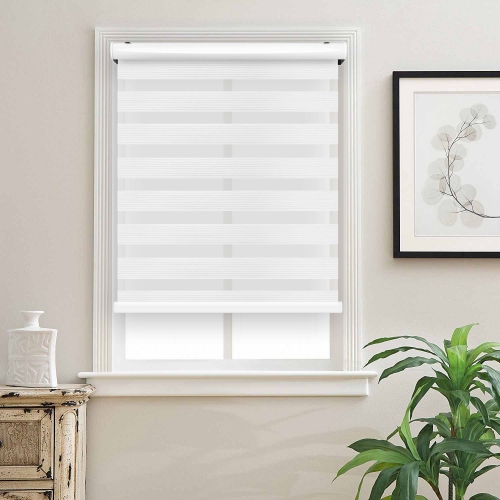
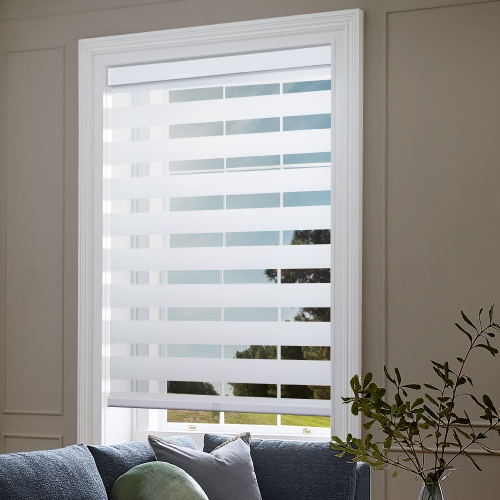
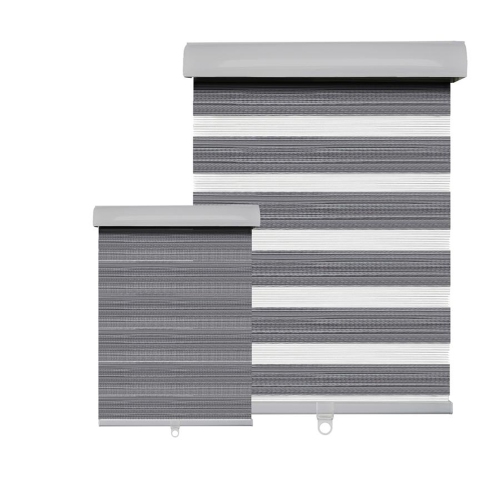
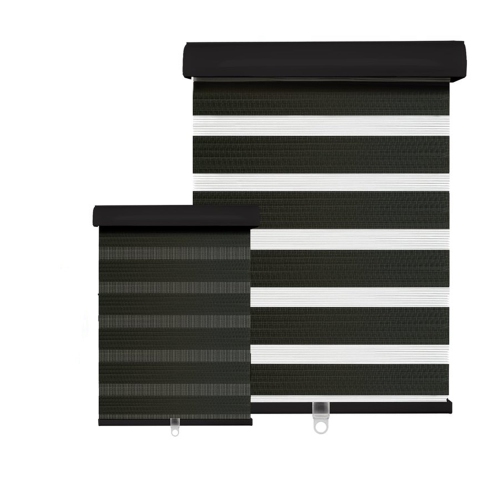
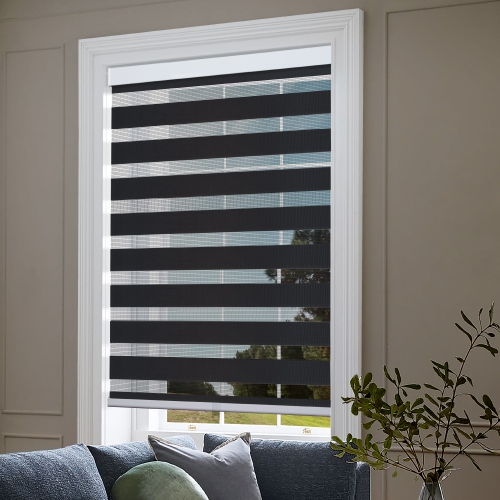
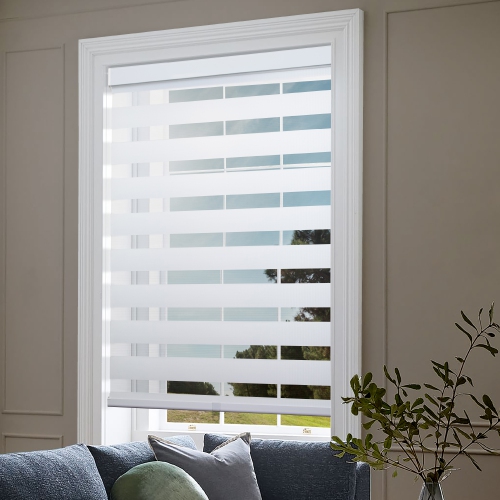
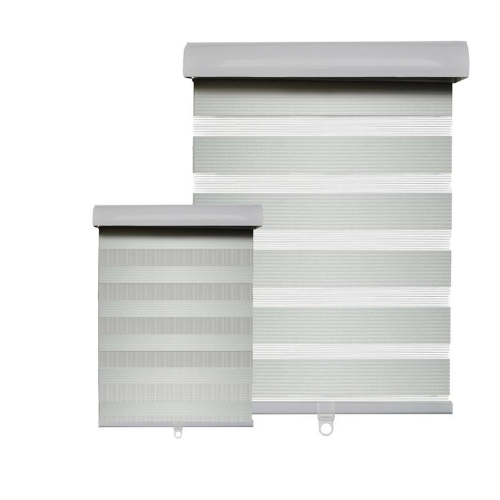
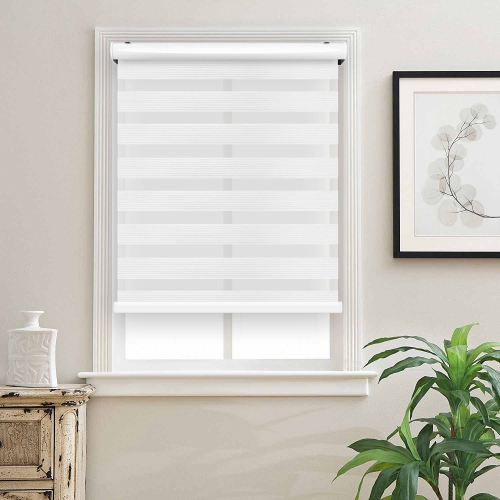
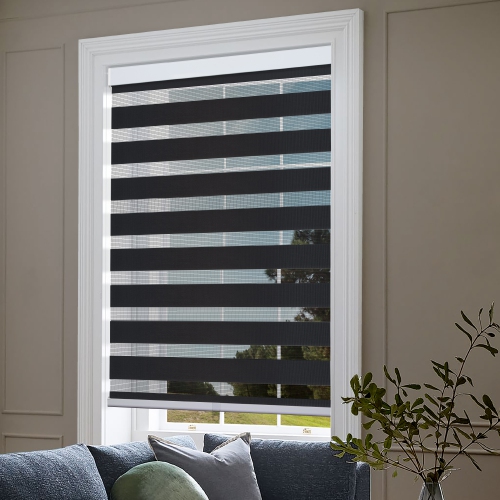
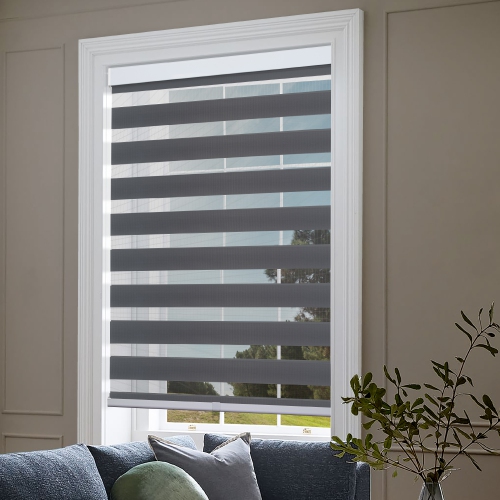
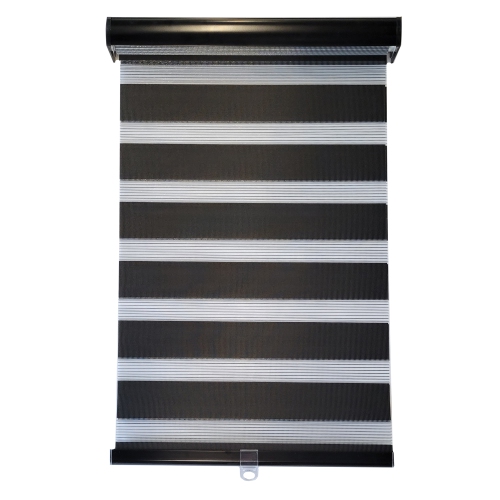
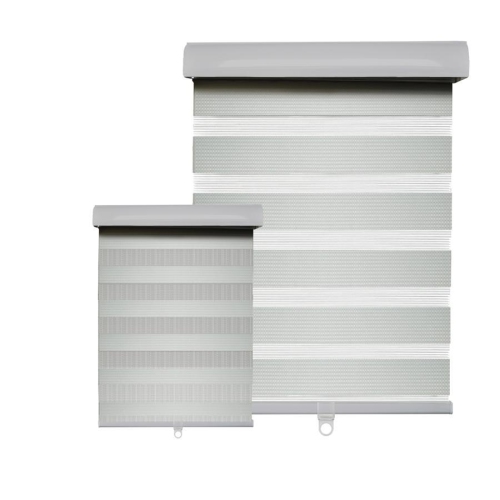
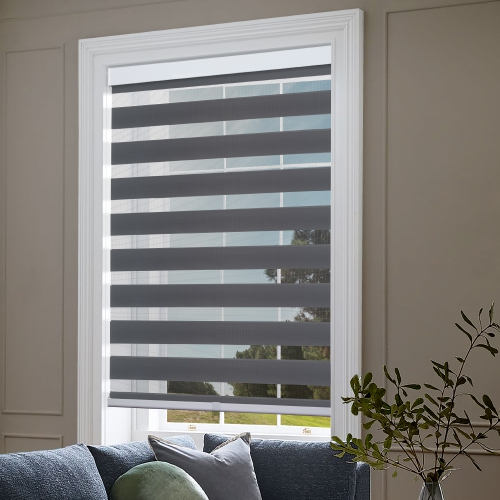
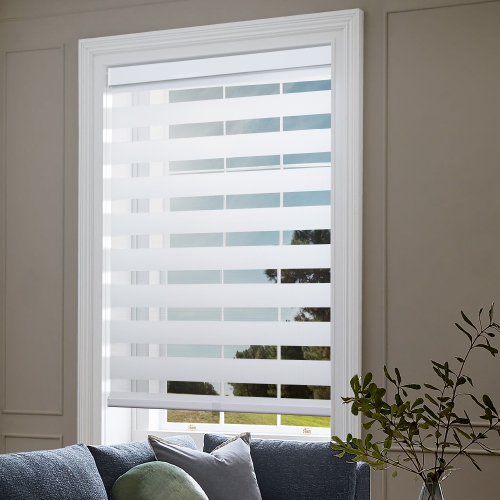
Window shades are fabric, woven, or paper window coverings that raise, lower, or roll to adjust light and privacy. Unlike slatted coverings, most shades present a continuous surface when lowered, giving windows a clean finish that can sit quietly behind curtains or stand on its own. Their construction makes a noticeable difference to both appearance and everyday use. Roller shades wrap around a tube at the top of the window, leaving a compact profile when raised and a smooth panel when closed. They suit spaces where simple lines matter, such as a home office with a desk beneath the window or a living room with an uncluttered layout. Roman shades form broad fabric folds as they rise, adding a softer, more tailored look that works well alongside upholstered furniture. Cellular shades have a honeycomb structure with pockets of air between layers, combining a pleated appearance with an insulating design. Standard pleated shades have crisp, accordion-like folds but do not necessarily have the same layered construction. Lightweight paper shades can serve as temporary coverings during a move or a room update, although they are generally less suited to repeated handling than more durable fabric designs. Woven shades bring visible texture to a room, with privacy depending on the openness of the weave and whether a lining is included. Layered shades, sometimes called zebra shades, use alternating sheer and opaque bands that overlap to change the amount of light passing through. For a different approach to light adjustment, Window Blinds offer slatted designs that can tilt rather than relying only on raising or lowering a panel. Within the shade category, the right balance comes from how the room is used: a dining space may call for softly diffused light, while a bedroom may benefit from a denser fabric and closer coverage around the window. Colour, texture, and the shape of the raised shade also influence how the covering fits into the room.
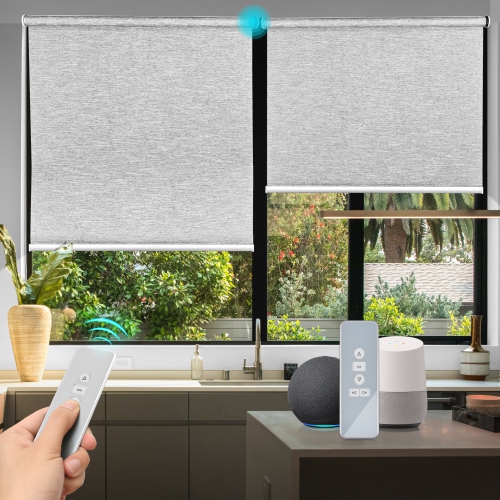
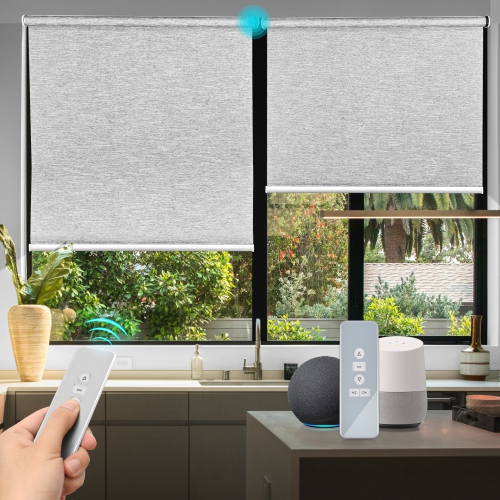
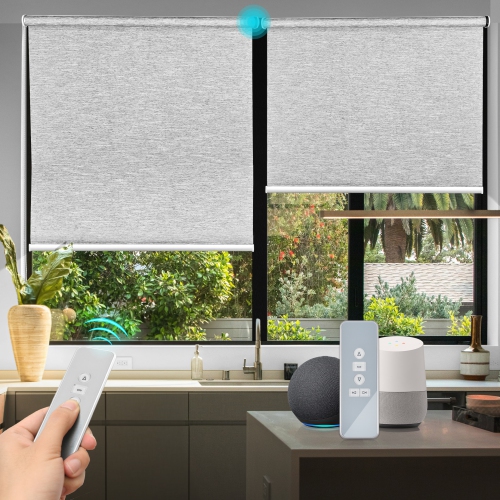
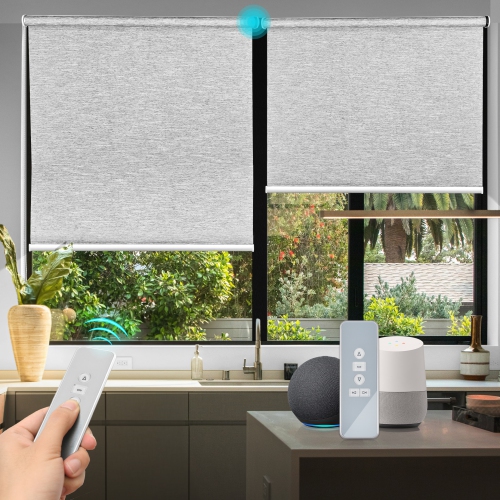
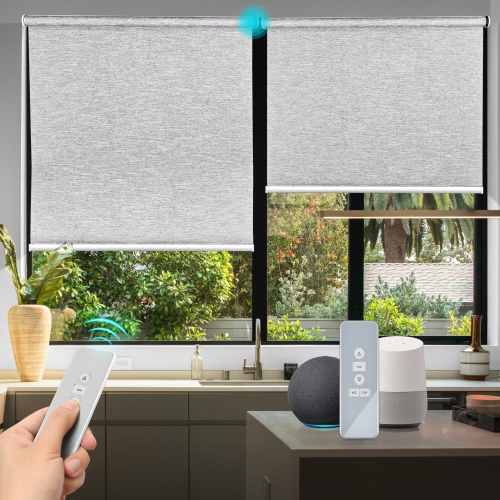
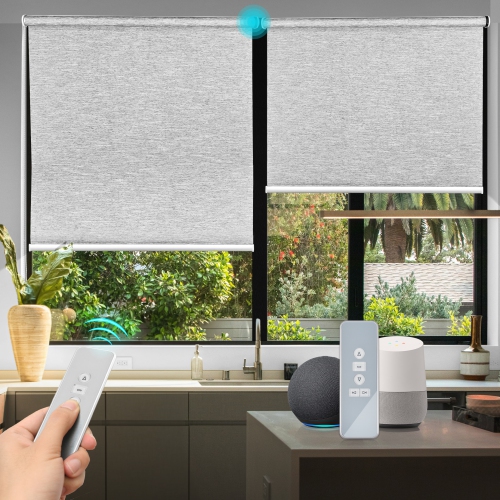
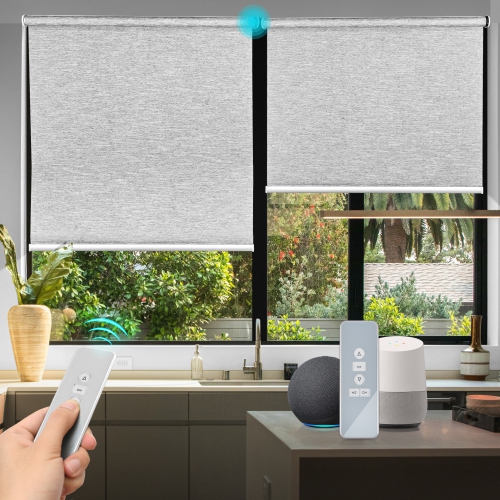
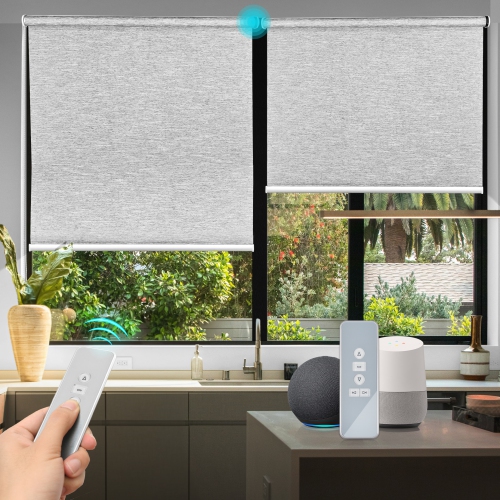
Light filtering, room darkening, and blackout describe different levels of light control, rather than interchangeable finishes. Light-filtering shades soften incoming daylight and reduce harsh brightness while keeping a room visibly bright. They can make a reading corner more comfortable or take the edge off reflections near a computer screen, but privacy varies with fabric density and lighting conditions. A material that limits the view inside during the day may reveal silhouettes when interior lights are on after dark. Sheer fabrics and open weaves provide the least visual separation unless paired with another covering. Room-darkening shades block more light and can suit bedrooms, television areas, and spaces used for daytime rest. Blackout fabrics are designed to stop light passing through the material itself, though the installed shade may still allow light around its edges. That distinction matters for shift workers, light-sensitive sleepers, and anyone arranging a nursery: fabric opacity alone does not guarantee a fully dark room. Mounting style, overlap, and any compatible side channels affect the result. Materials bring their own practical differences. Polyester fabrics often offer a smooth finish and straightforward care, while textured blends create a softer look with more visible depth. Natural woven materials can have variations in tone and spacing that are part of their character, but an added lining may be needed for stronger privacy. In a kitchen, a shade positioned away from cooking splashes is easier to maintain than one directly beside a food preparation area. Bathroom use calls for materials and hardware specifically suited to moisture exposure, rather than assuming every fabric shade can handle the same conditions. Cordless operation avoids dangling operating cords and is an important consideration in homes with children or pets. Window coverings should meet applicable Canadian safety requirements, and cribs, beds, and climbable furniture belong away from windows and any accessible cords. For hard-to-reach windows or people with limited reach or dexterity, compatible motorized operation can make routine adjustments easier without requiring access to the top of the frame.
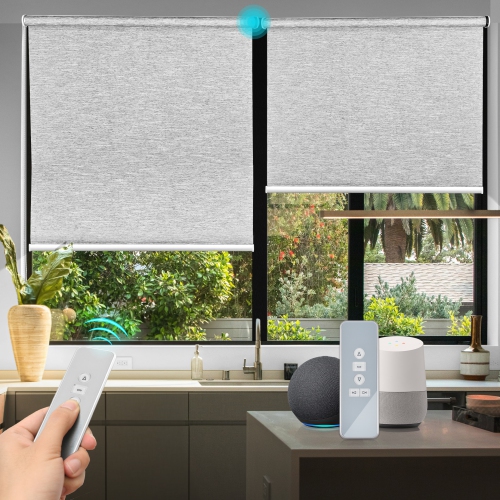
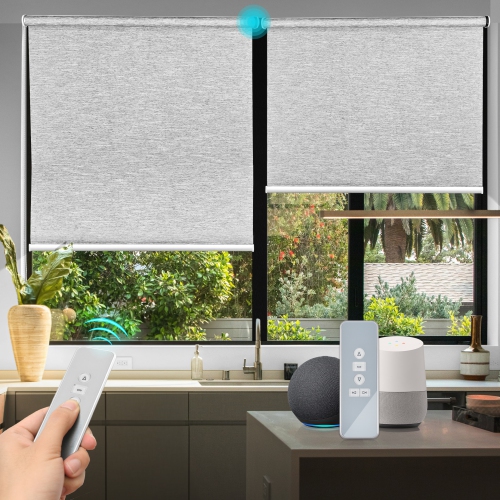
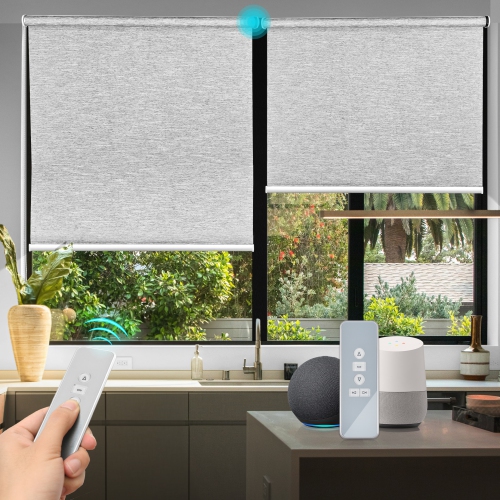
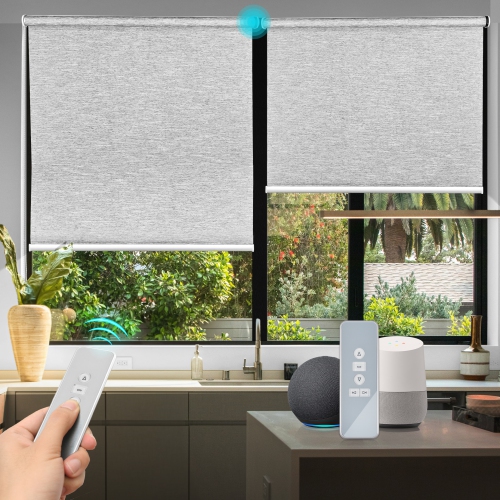
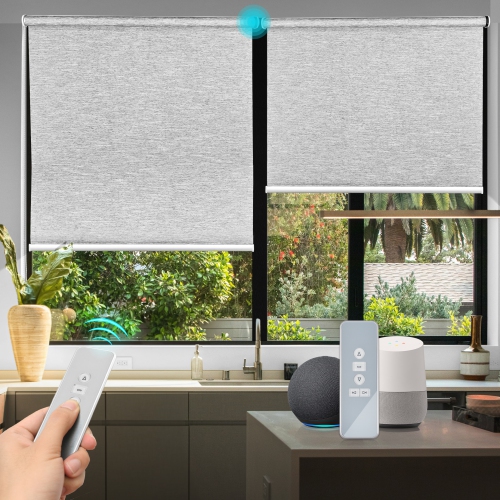
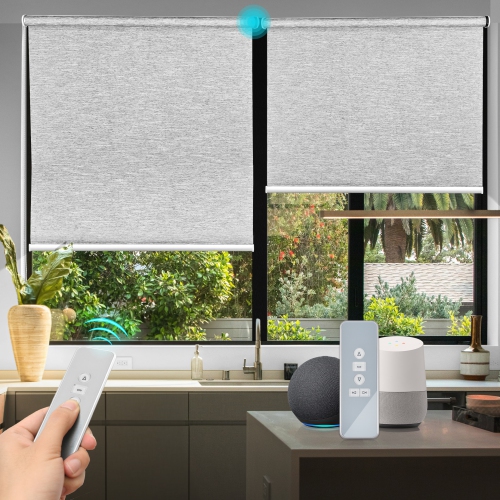
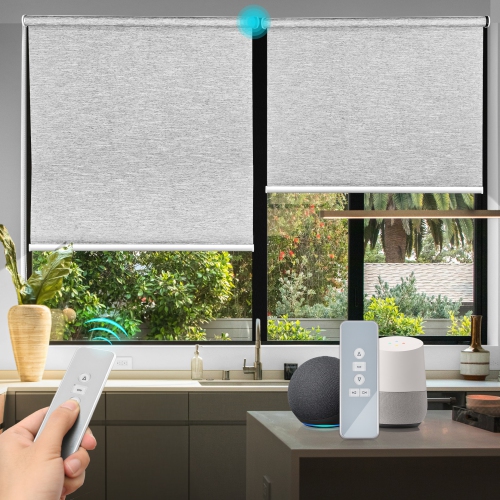
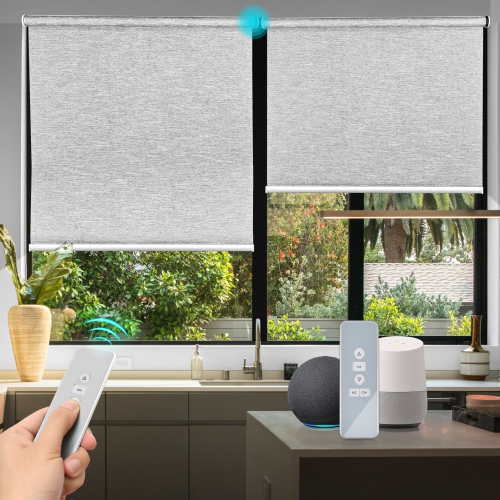
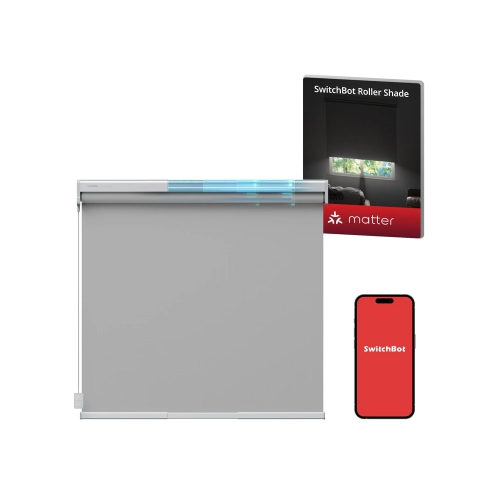
Fit has as much influence on the finished appearance as fabric or colour. An inside-mounted shade sits within the window recess, showing off the surrounding trim and keeping the covering close to the glass. It needs sufficient recess depth for its brackets and operating mechanism, with extra clearance where handles, locks, or other hardware project inward. An outside-mounted shade attaches above or around the opening and can extend beyond the frame, which helps cover shallow recesses and reduce some edge gaps. The window opening, shade fabric, and complete bracket-to-bracket assembly may have different widths, so the manufacturer's measurement definitions matter. Fabric on a roller shade is often narrower than the full mechanism, a detail worth accounting for where privacy at the sides is important. Older frames may not be perfectly square; measurements at several points help reveal differences that a single measurement can miss. The space occupied by a raised shade also matters, particularly above a door or a window that opens inward. Secure installation depends on brackets and fasteners appropriate to the mounting surface, while adhesive or tension-mounted designs require compatible surfaces and should only be used as directed. For daily use, a smooth operating mechanism and a sturdy bottom rail help the shade move evenly, especially on wider windows. Motorized designs may use batteries or a wired power supply, and remote, app, or voice control depends on the individual system and any required accessories. Care is usually simpler when dust is removed regularly with a soft cloth or a vacuum attachment on a gentle setting, provided the material's care instructions permit it. Spot cleaning should follow those same instructions, since soaking or vigorous rubbing can damage coatings, linings, and bonded layers. Paper coverings need particularly gentle handling. Across a room with several windows, matching mounting heights and fabric finishes creates a cohesive look, while different opacity levels can address different needs. Thoughtful sizing, suitable materials, and an operating style that feels comfortable make window shades a practical part of everyday routines, from opening up a workspace to creating privacy at the end of the day.
Top selling and popular products
-
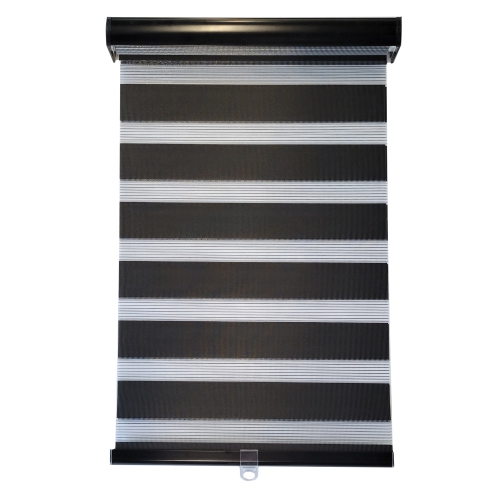 Your price for this item is $201.99
-
 Your price for this item is $230.99
-
 Your price for this item is $194.99
-
 Your price for this item is $76.66
-
 Your price for this item is $45.99
-
 Your price for this item is $82.99
-
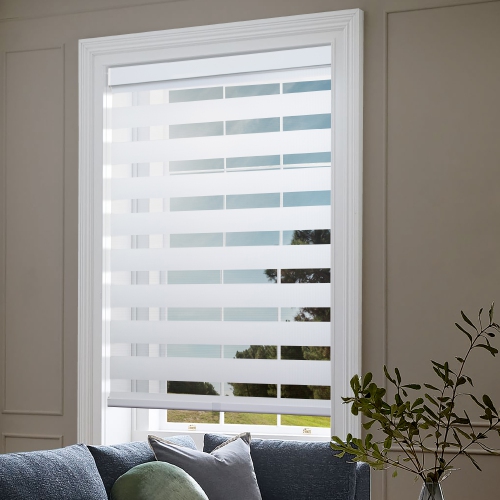 Your price for this item is $84.99
-
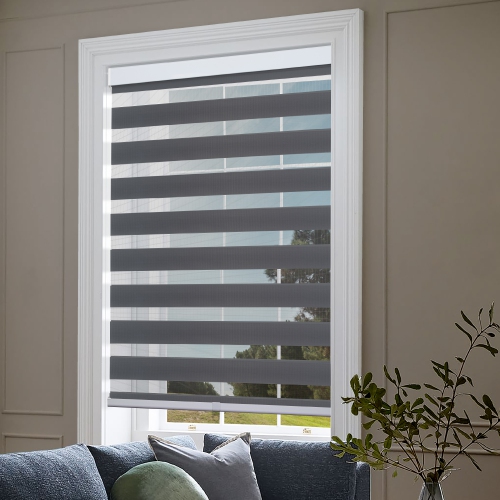 Your price for this item is $80.99
Discover more categories related to Window Shades
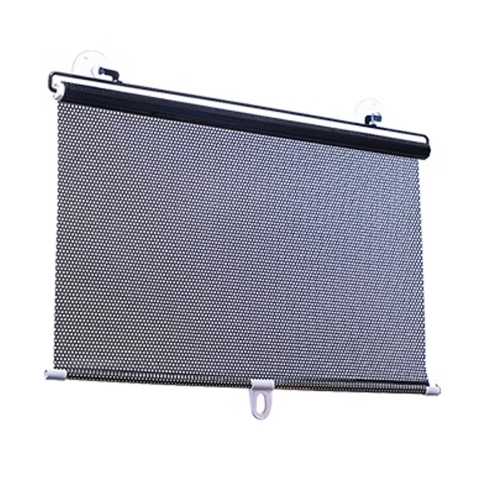
Top Collections:
Pokemon Centers, Pokémon 30th Celebration Cards, Best Budget Office Chairs, Kindle Devices, Best Cameras for Sports Photography, Canon G7X Cameras, Best Black Friday Deals On Electronics, Best Laptops for Writers, iPhone 15 Apple, Jackery Power Stations
Some products may be subject to Environmental Handling Fees
(EHF) depending on your province.
Learn more about EHFs.