Blue Leather Ottomans
Add a touch of sophistication and style to your living space with our collection of blue leather ottomans. Whether you're aiming for a modern and sleek look or a more traditional and timeless feel, our selection of blue leather ottomans offers something for every taste and decor. Explore our range today and discover the perfect addition to your home.
Sort







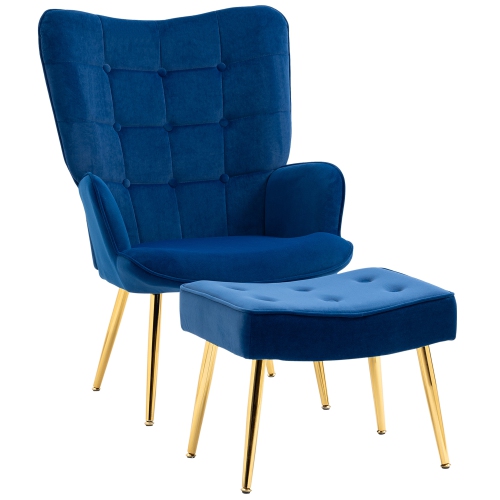


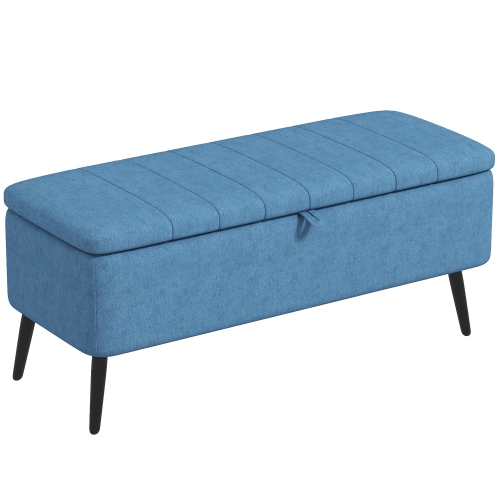


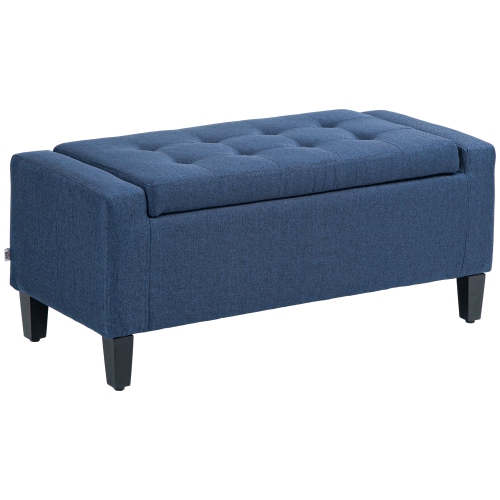

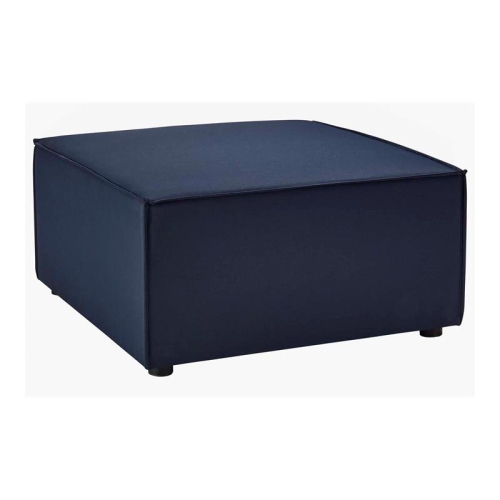


A blue accent that earns its floor space
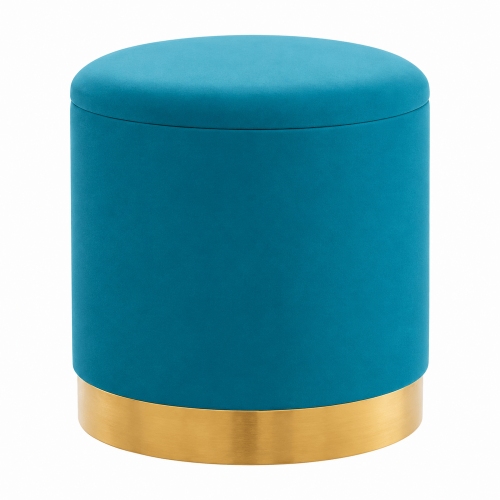
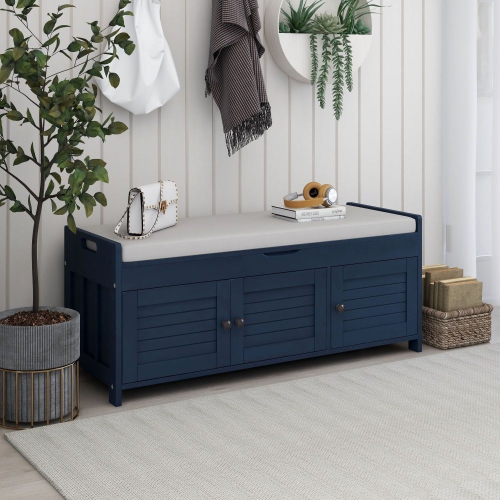
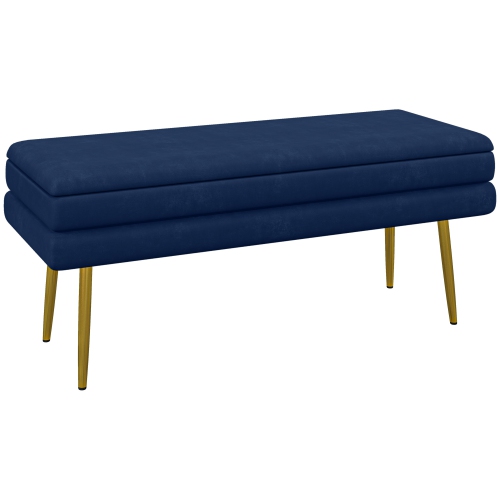
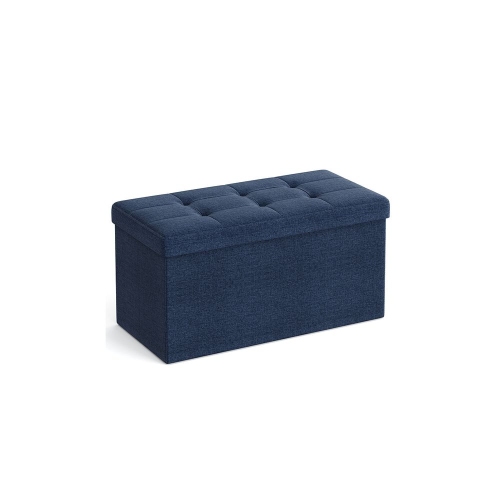
Blue leather ottomans bring a cushioned surface and a distinct touch of colour to living rooms, bedrooms, and reading corners. Their main role is often as a footrest, but designs intended for seating, storage, or use with a tray can serve several purposes within the same room. Blue offers a broad range of looks: navy feels understated beside a charcoal sofa, denim blue sits comfortably with oak and cream upholstery, and brighter cobalt creates a more noticeable accent against pale walls. Within the wider range of Leather Ottomans, blue upholstery offers an alternative to familiar brown and black finishes without requiring an entirely new furniture palette. The shape influences both appearance and placement. A square ottoman can anchor a compact seating arrangement, while a rectangular design stretches across a longer sofa and gives two people room to rest their feet. Round ottomans soften the straight lines of a sectional or media console, and smaller leather poufs can sit beside an armchair without taking over the floor space. A pouf generally has a low, upholstered profile without exposed legs, although its firmness and internal support vary by construction. Raised wooden legs can lend an ottoman a mid-century look, while a fully upholstered base gives it a more substantial presence. Tufting adds depth and pattern; smooth upholstery keeps the silhouette simple and provides a more even surface beneath a serving tray. Proportion matters as much as style. For comfortable use as a footrest, an ottoman is usually best close to, or slightly below, the sofa’s seat height. Its width and depth should leave enough space for people to pass through the room without turning sideways. In a smaller apartment, a compact blue leather ottoman can provide a useful resting spot in front of a chair while remaining easy to reposition when guests arrive. In a larger room, a broader shape can help connect separate seats into a cohesive conversation area.
The feel and long-term appearance of blue leather ottomans depend on the upholstery, its finish, and the construction beneath it. Genuine leather has natural grain variation, and some finishes show subtle differences in tone across the surface. Full-grain leather retains the hide’s outer grain, while top-grain leather has been worked to create a more uniform appearance; neither term alone describes how resistant the finished upholstery will be to marks or spills. Aniline leather typically shows more of the hide’s natural character and can be more sensitive to staining, whereas pigmented finishes generally provide more surface protection. Semi-aniline finishes fall between these approaches, combining visible grain with a light protective coating. These distinctions are especially noticeable in blue, where a softly varied finish can look quite different from a smooth, evenly coloured surface. Faux leather is a synthetic alternative rather than genuine hide, and bonded leather is a composite material made with leather fibres and binders. Material descriptions help distinguish these constructions when appearance alone is not enough. Beneath the upholstery, frame strength, joints, suspension, and cushioning determine how supportive an ottoman feels and how well it holds its shape. A firm foam top can feel steady under the feet, while a softer pillow-style cushion offers a more yielding surface. Foam density and firmness are different qualities, so a plush feel does not by itself indicate how the filling will perform over time. Reinforced corners, secure legs, and neatly finished seams are useful construction details, particularly where an ottoman will be moved regularly. Decorative stitching and tufted buttons add character, but they also introduce recesses where crumbs or dust can collect. Households with pets may prefer a finish suited to frequent cleaning, although no leather surface is completely scratch-proof. For anyone planning to use an ottoman as an extra seat, a stated seating function and weight capacity matter more than its sturdy appearance. A footrest is not automatically designed to support a seated adult, and a firm top does not necessarily make it suitable for standing or climbing.
Storage ottomans add another practical dimension, keeping throws, cushions, or reading material close to the sofa without leaving them in view. The usable interior space is often smaller than the outside dimensions suggest because the frame, upholstery, and lid take up room. A hinged top also needs clearance to open, particularly when the ottoman sits beside a wall or beneath a window ledge. Lift mechanisms vary, and a lid with support hardware should not be assumed to be child-safe unless its specifications say so. Removable tops offer a different arrangement but need somewhere to rest while the compartment is open. For a blue leather ottoman used in place of a coffee table, a rigid tray provides a steadier base for a book or remote control; drinks still require care because cushioning can shift under pressure. Castors make larger designs easier to move, while fixed legs may suit a position where movement is less desirable. Appropriate floor protectors help reduce marks on wood or tile, and the ottoman’s overall weight matters if it will regularly move between a chair and the centre of the room. Everyday care is usually straightforward when it follows the upholstery maker’s recommendations. A soft, dry cloth removes loose dust, and seams can be cleaned gently with a suitable soft brush attachment. Spills are best blotted promptly rather than rubbed into the surface. Leather cleaners and conditioners need to match the specific finish, since products intended for one type of leather may darken or damage another. Household solvents, abrasive cleaners, and excessive moisture can affect the coating or colour. Direct sunlight and nearby heating vents can also contribute to fading or drying over time. Placement away from these exposures helps preserve the intended look. With suitable dimensions, supportive construction, and a finish that fits the household’s routines, a blue leather ottoman can become a familiar part of daily use: a place to put tired feet after a long day, keep a favourite throw within reach, or add seating when the design is rated for it.
Top selling and popular products
-
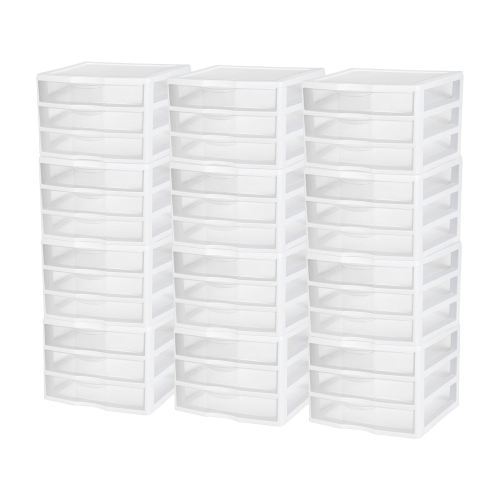 Your price for this item is $653.99
-
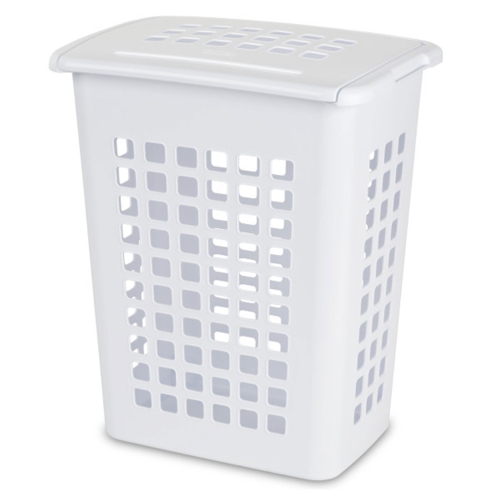 Your price for this item is $958.99
-
 Your price for this item is $765.09
-
 Your price for this item is $124.99
-
 Your price for this item is $107.99
-
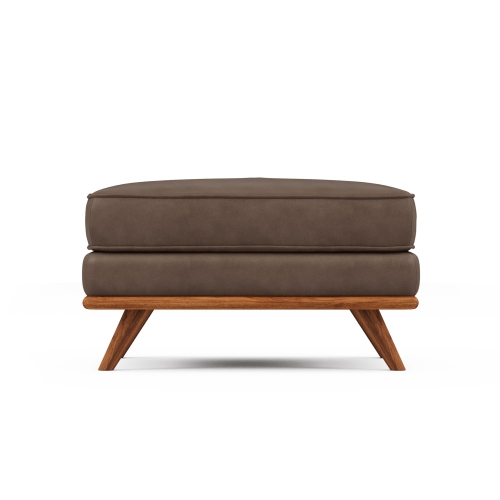 Your price for this item is $899.99
-
 Your price for this item is $129.99
-
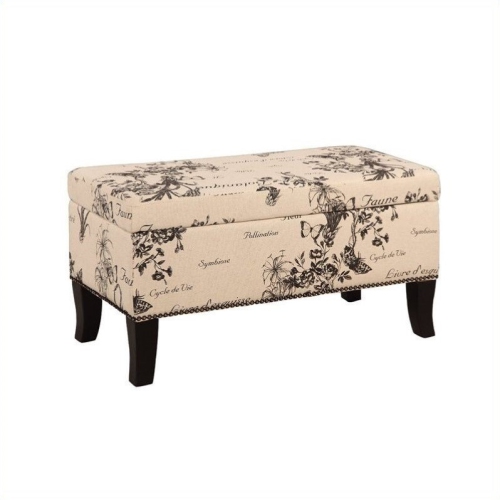 Your price for this item is $289
Discover more categories related to Blue Leather Ottomans


Top Collections:
Best Black Friday Deals This Year, Best Black Friday Deals On Electronics, Kindle Devices, Pokemon Centers, Best Black Friday Deals On Apple Products, Best Cameras for Sports Photography, Dyson Airwrap, Pokémon 30th Celebration Cards, Apple iPhone 17 Pro, Canon G7X Cameras
Some products may be subject to Environmental Handling Fees
(EHF) depending on your province.
Learn more about EHFs.