Leather Ottomans
A leather ottoman is a great way to add style and comfort to your living room. An ottoman is a great place to rest your feet, but it's also a great place to set down a drink or some other small items. Here are some of the best leather ottomans on the market today.
Sort




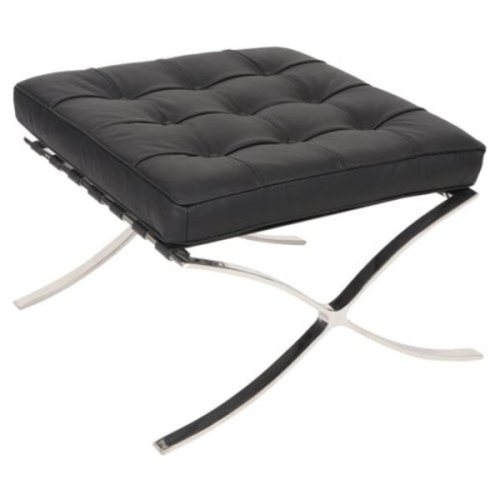


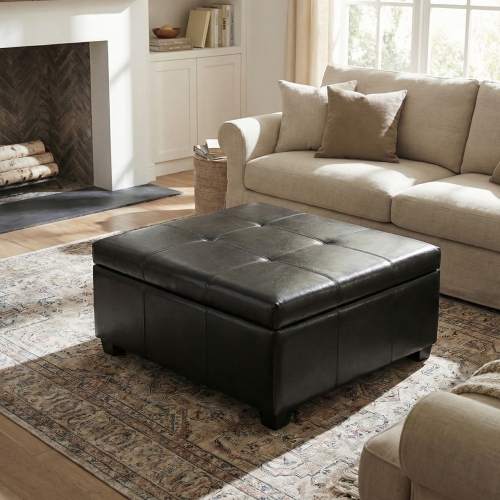


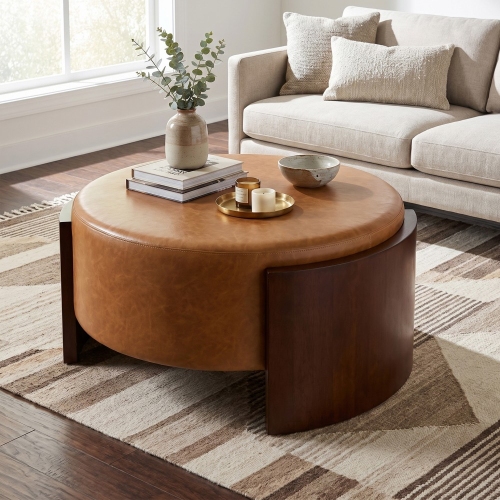


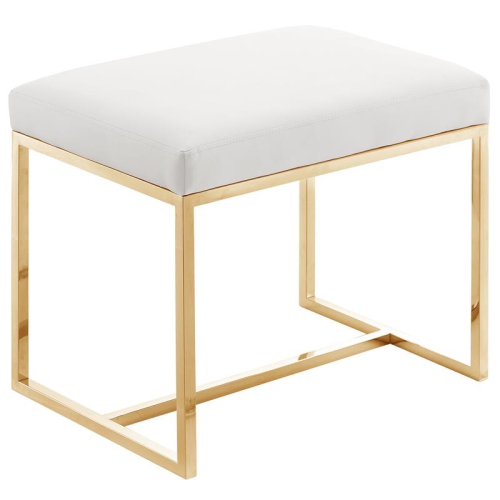
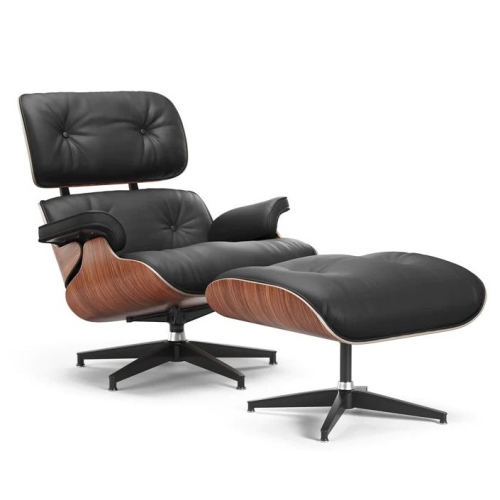
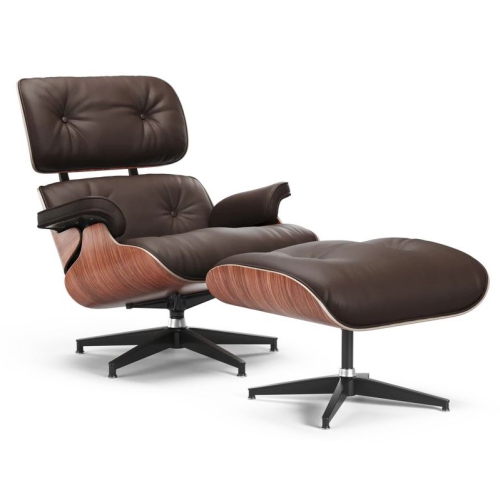


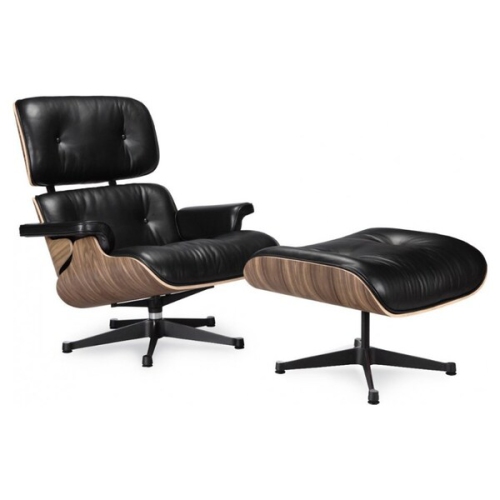
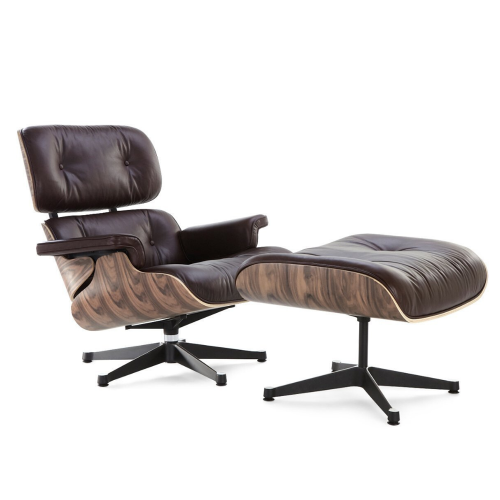
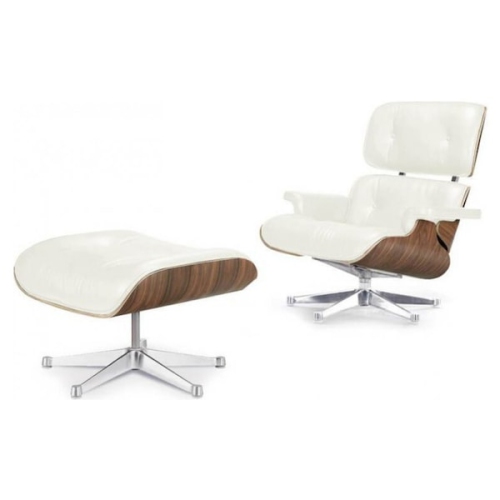
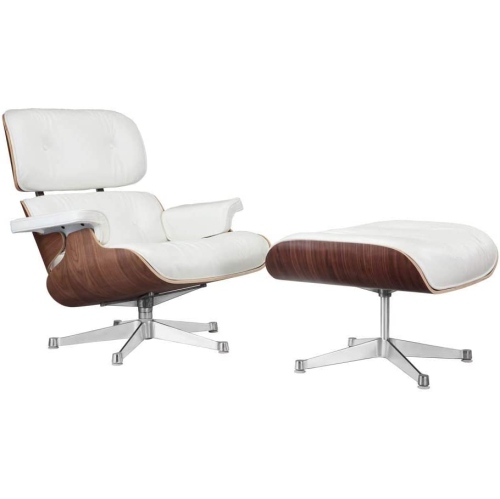

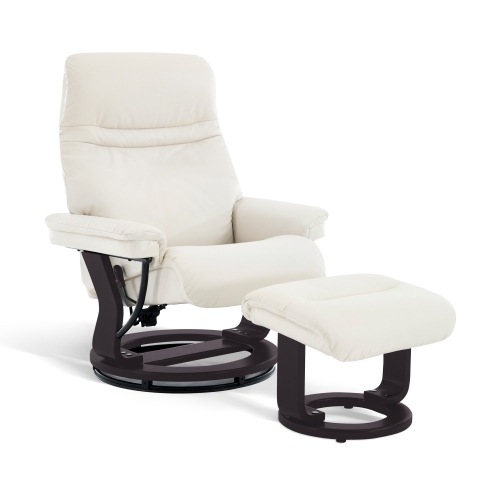
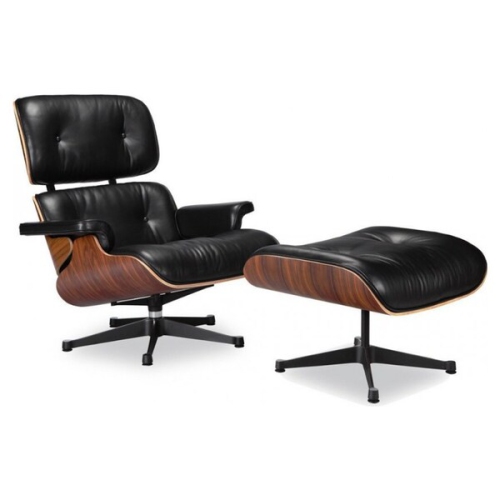
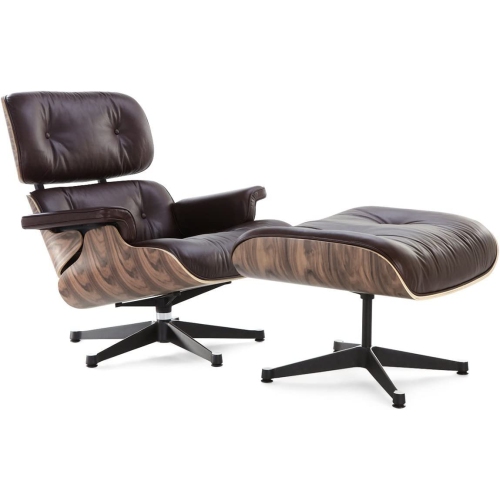
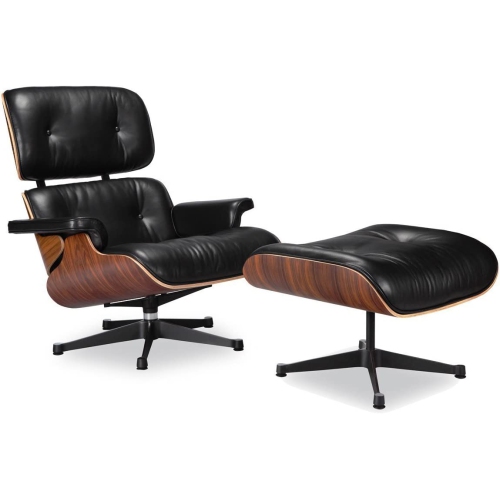
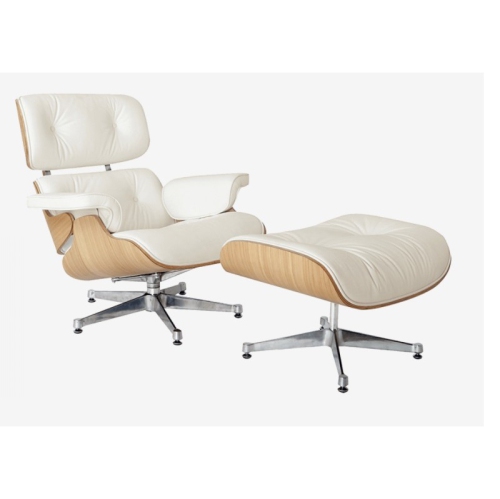

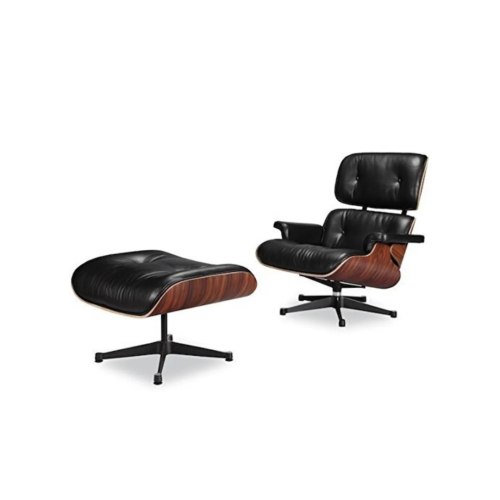
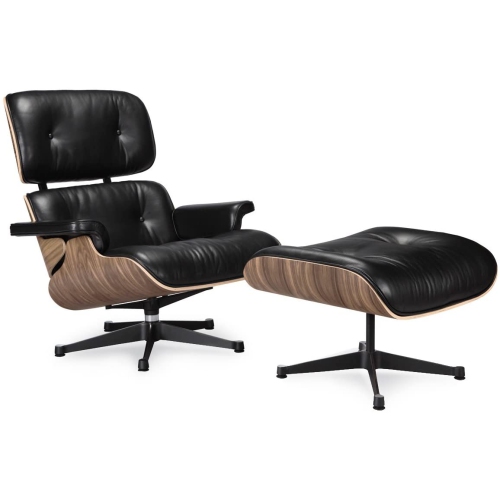
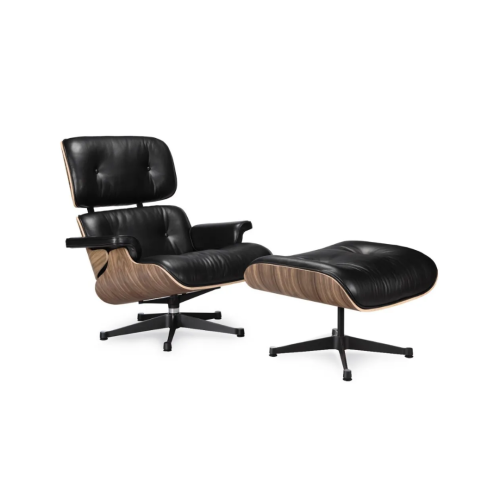
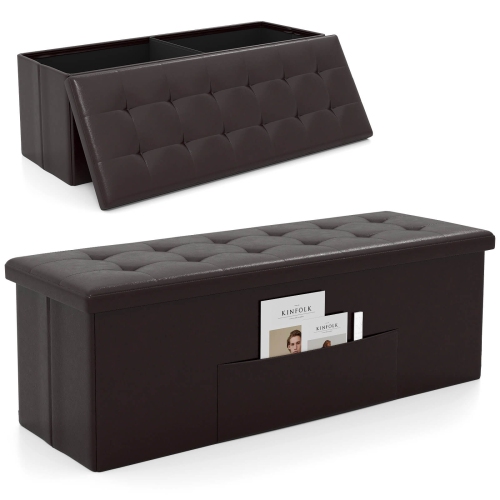
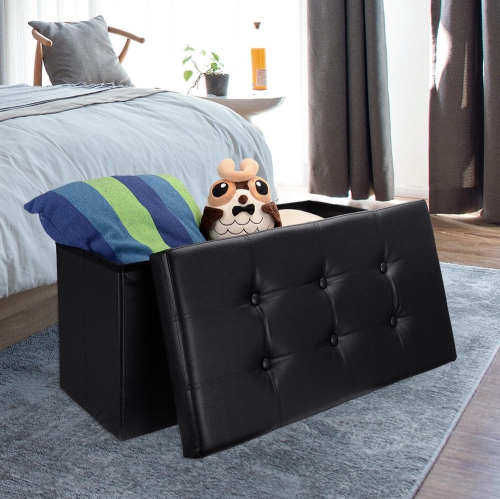

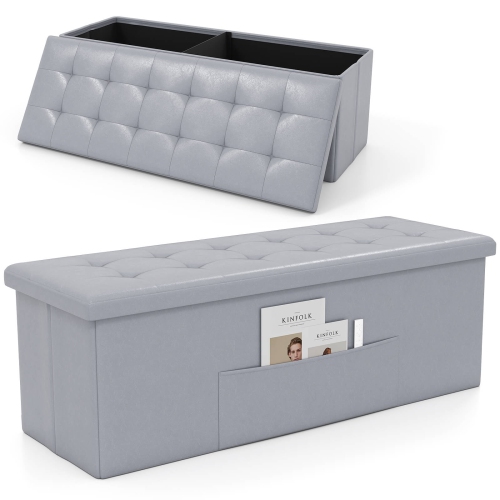


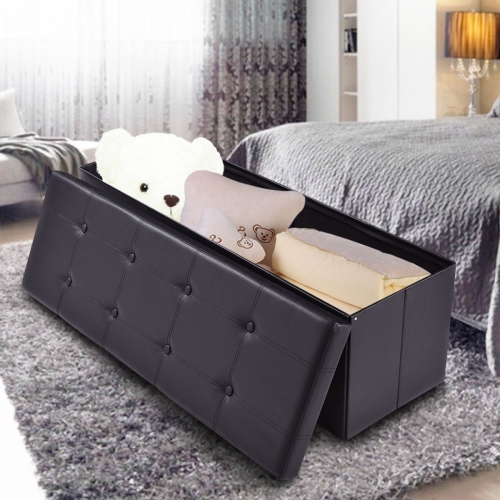


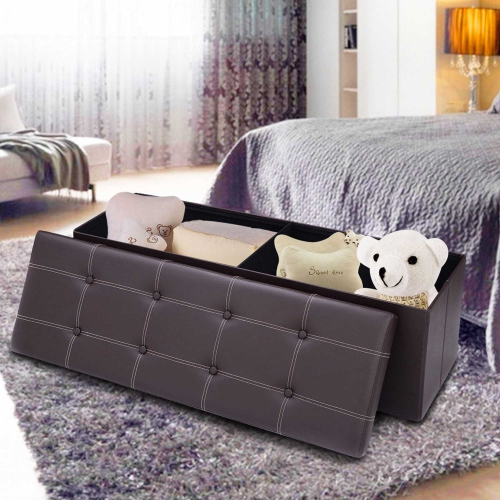
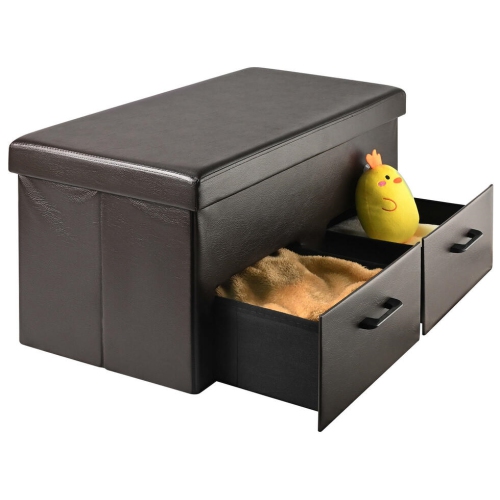

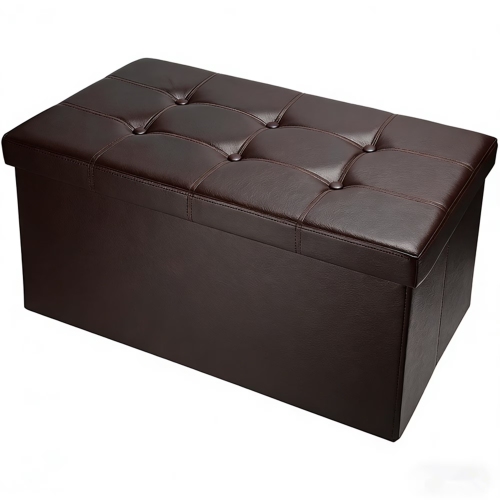
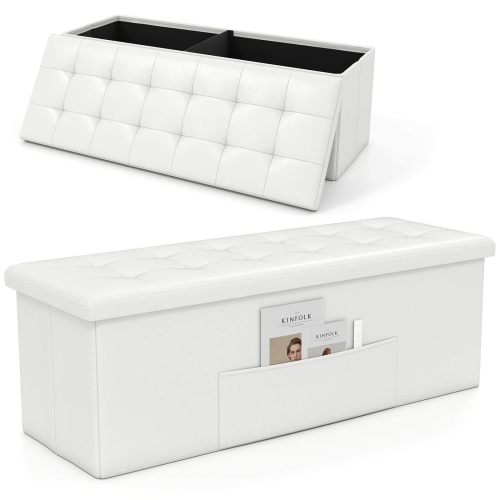
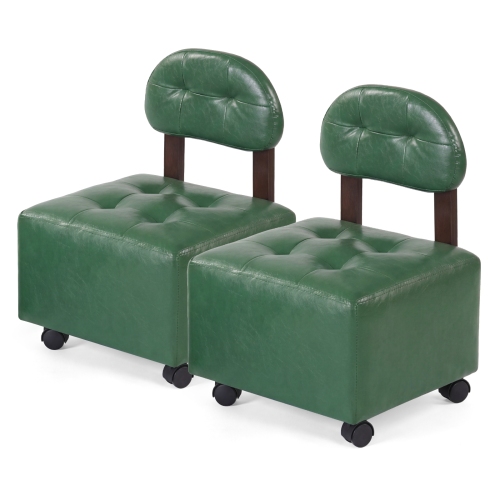
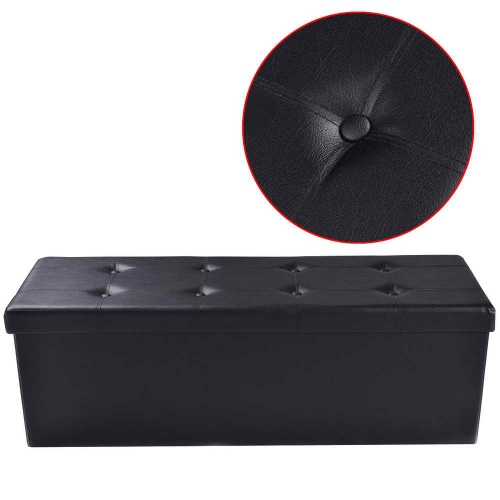
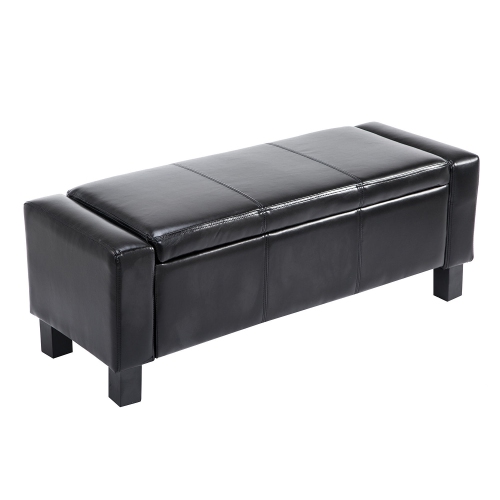

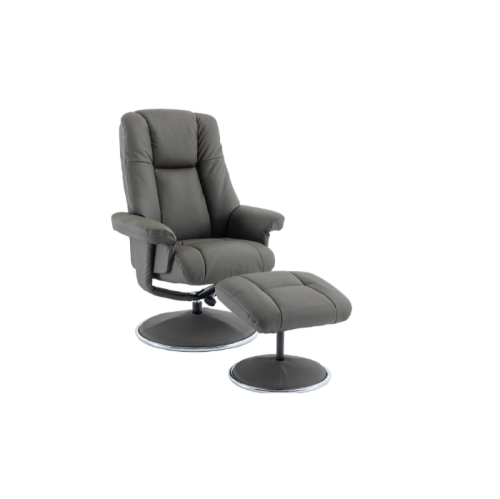

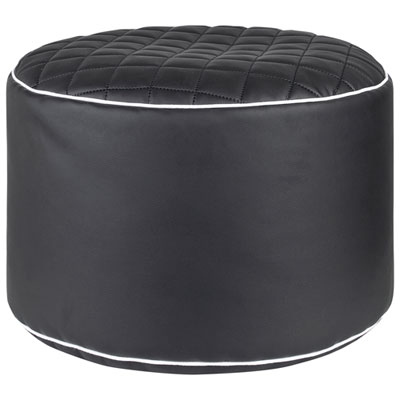

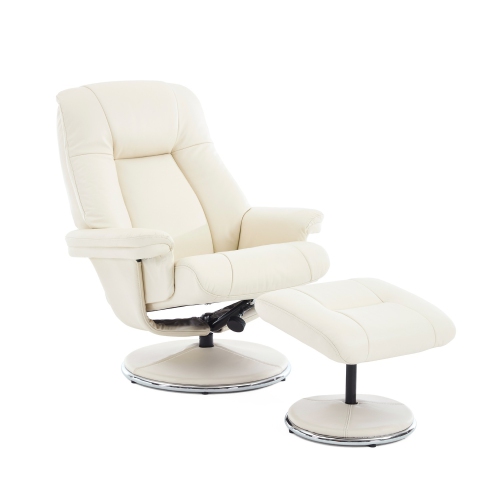
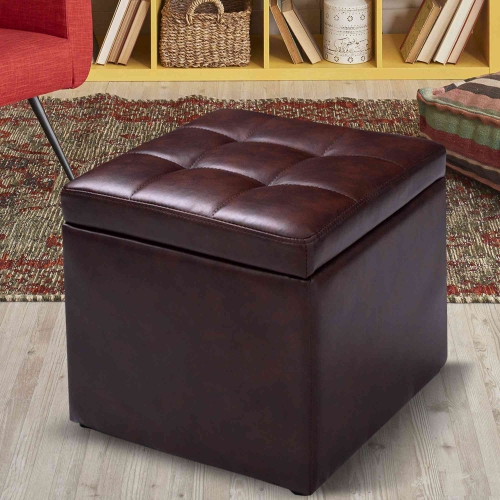
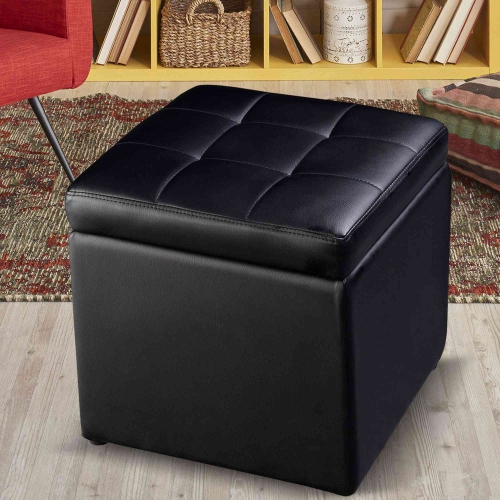
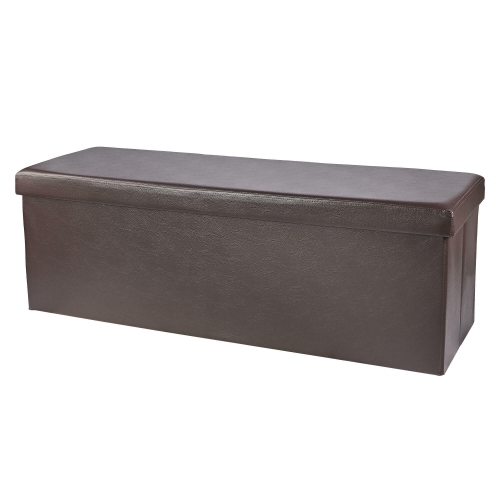

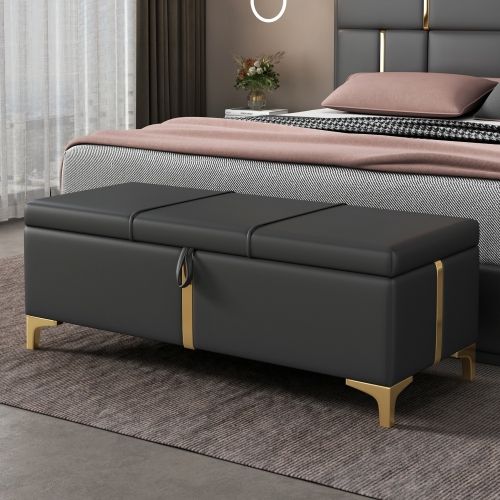
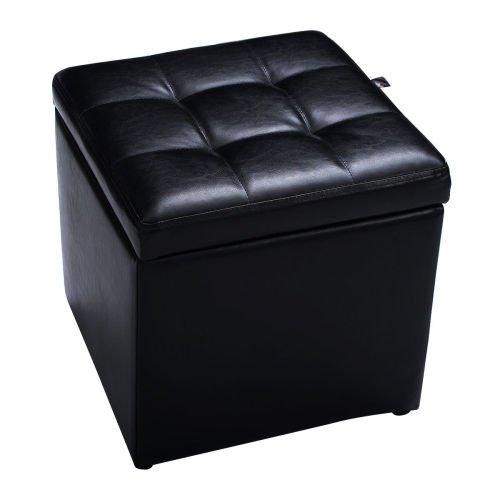
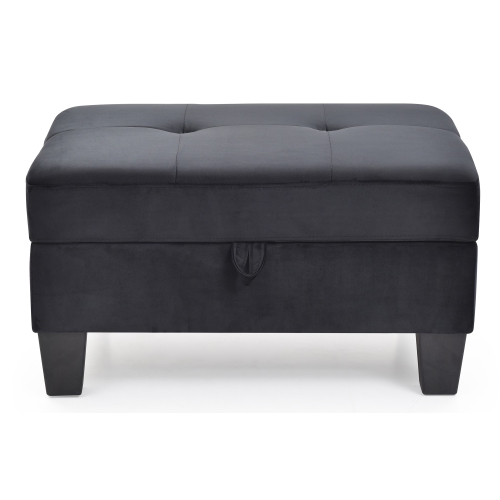
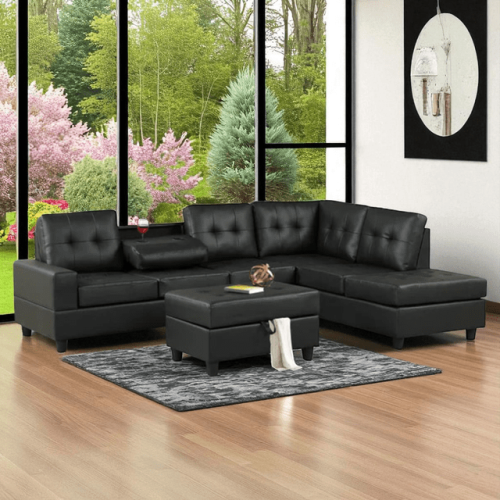
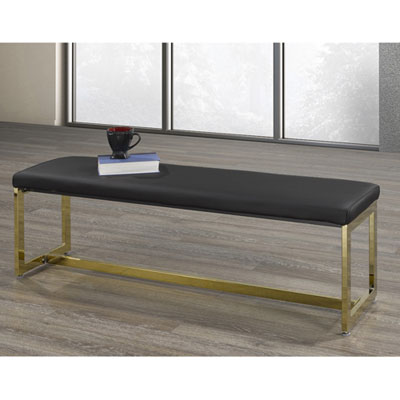

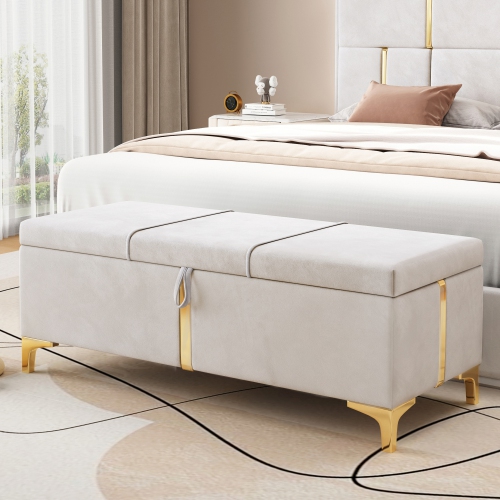
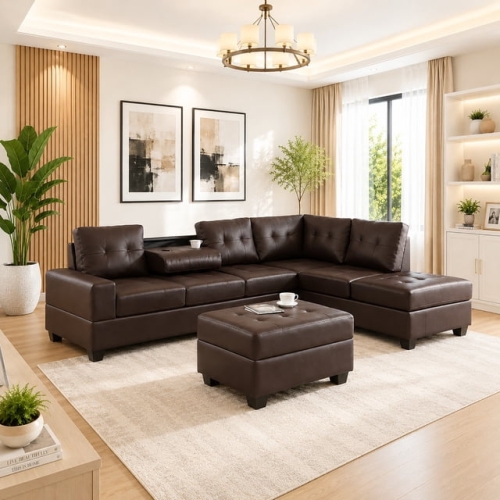
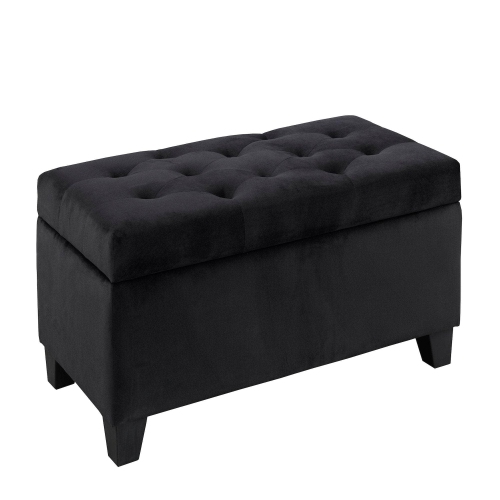


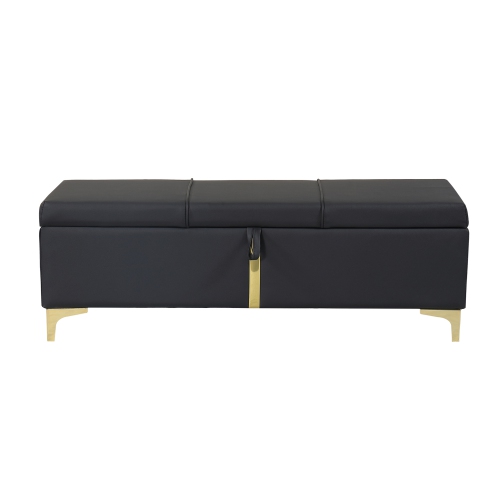
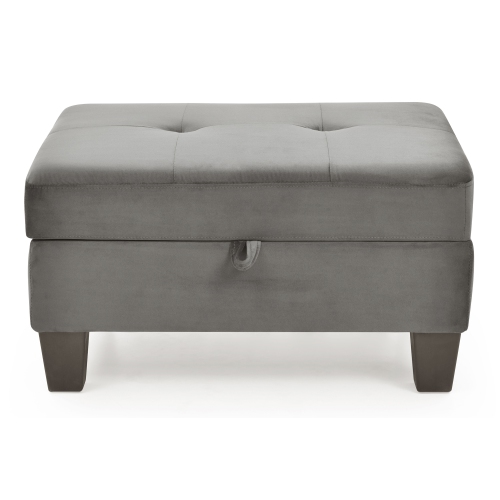

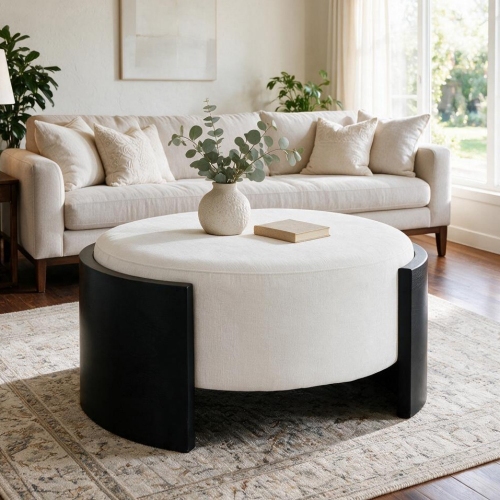
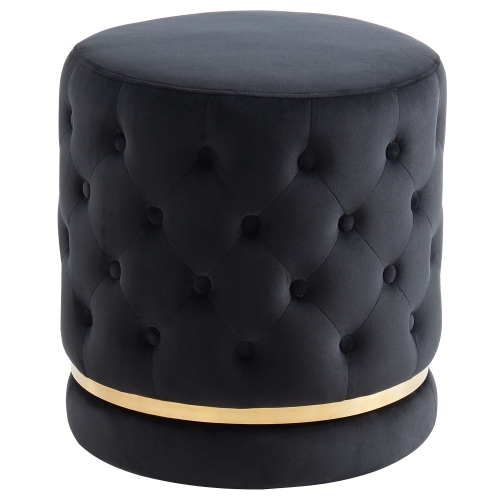

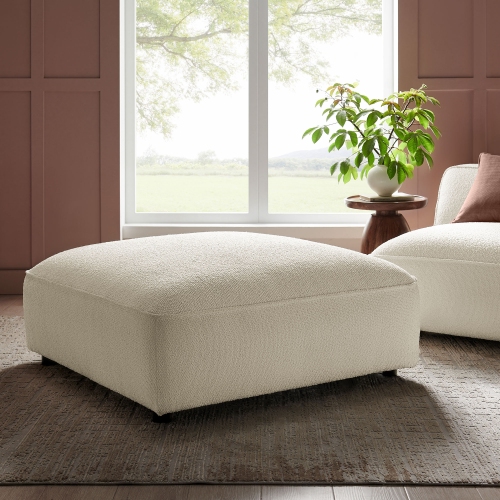
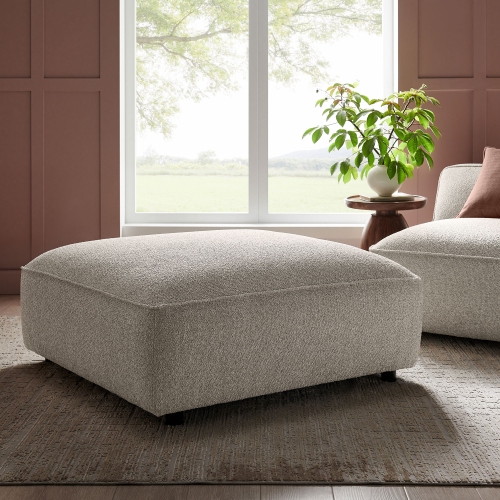
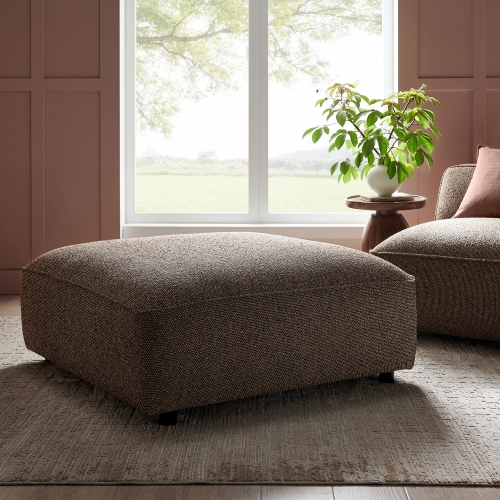

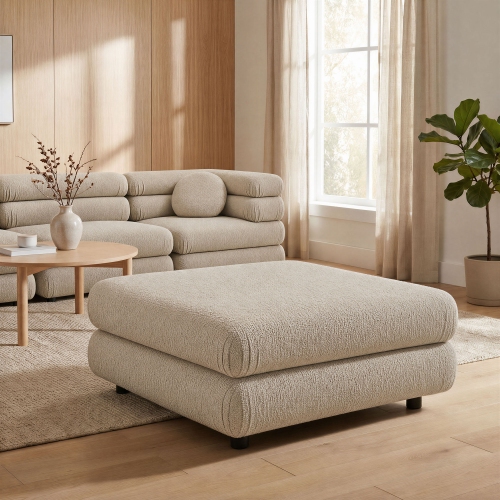


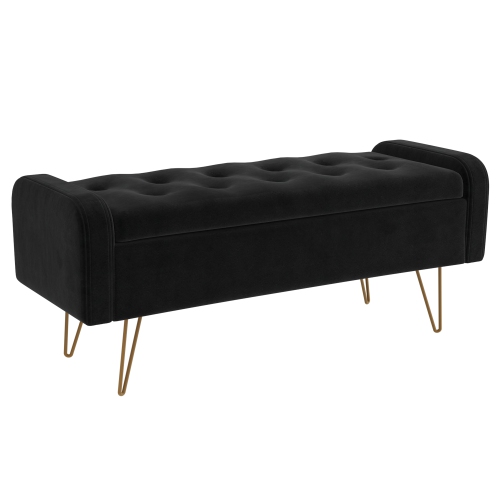
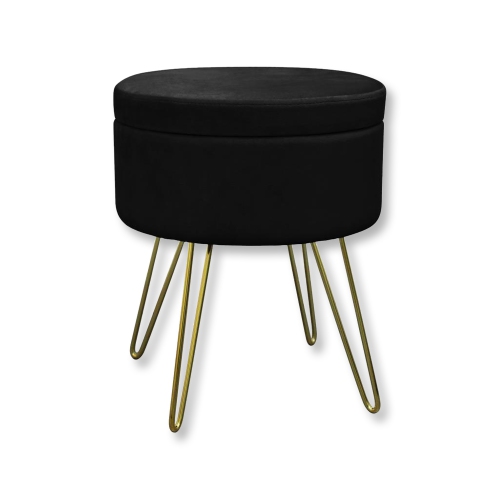

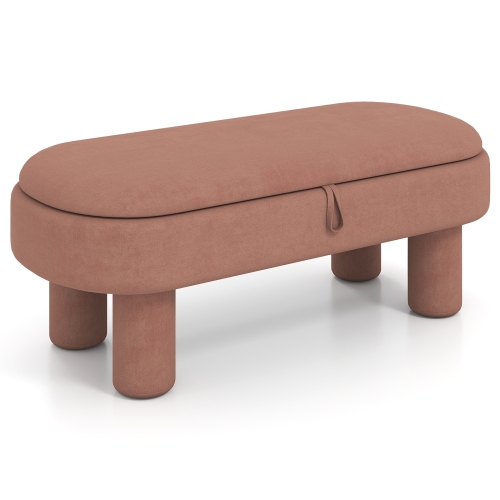
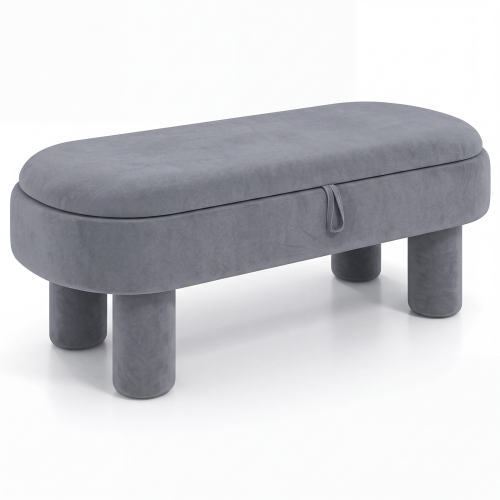
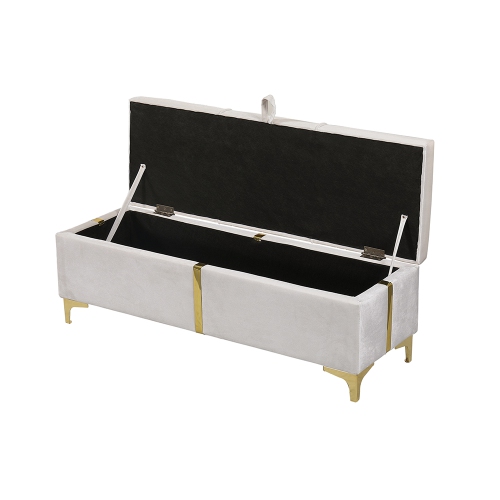

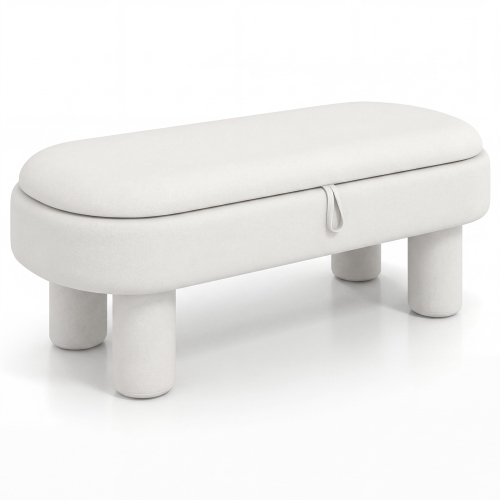


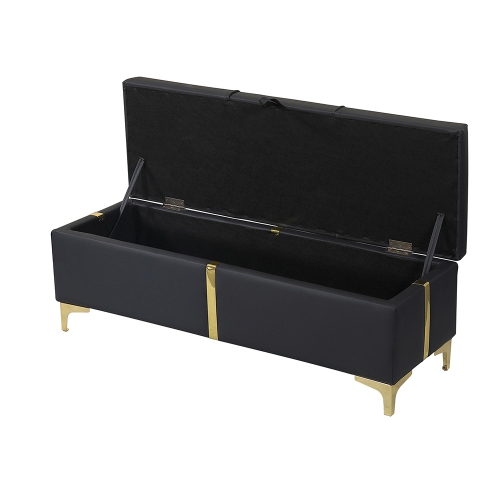


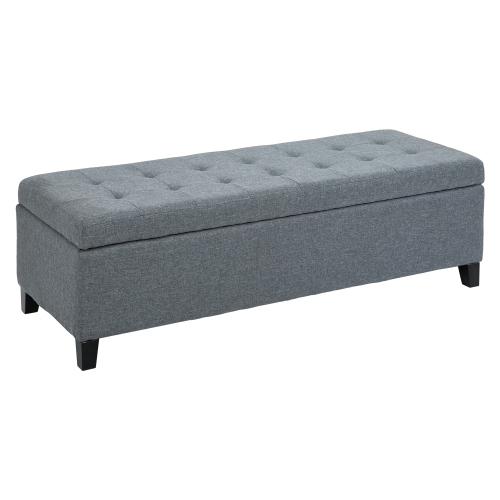

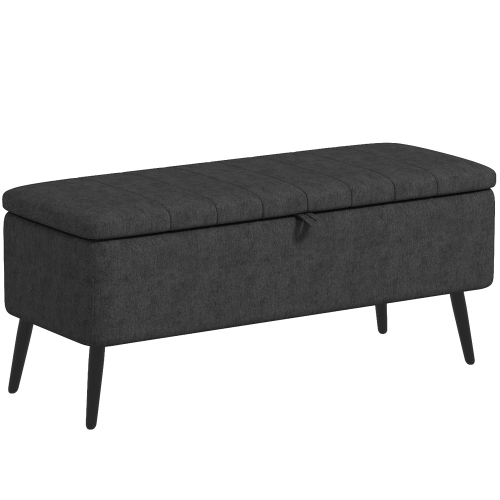
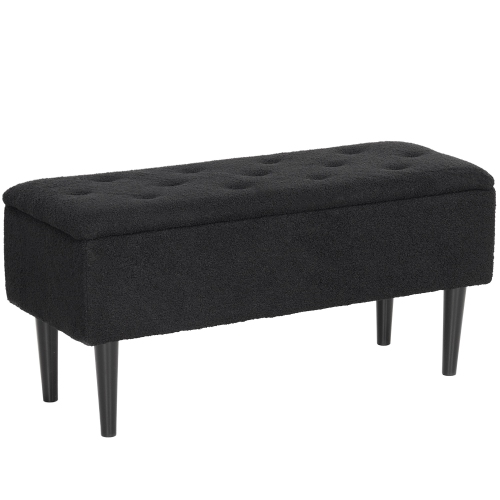
More than a footrest for your favourite seat
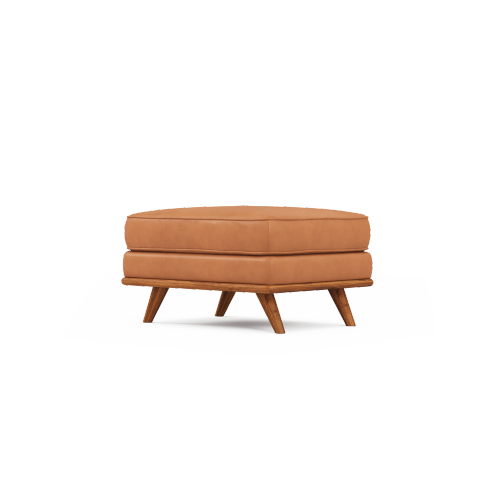
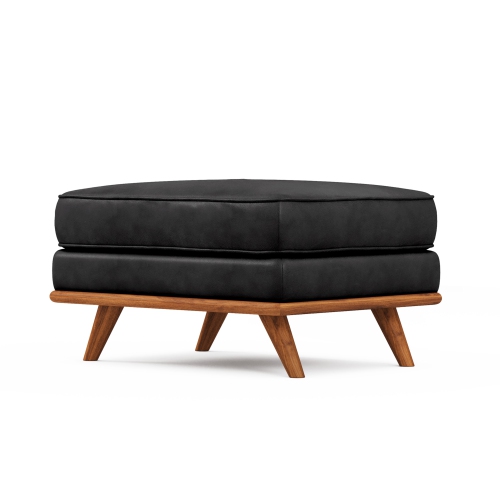
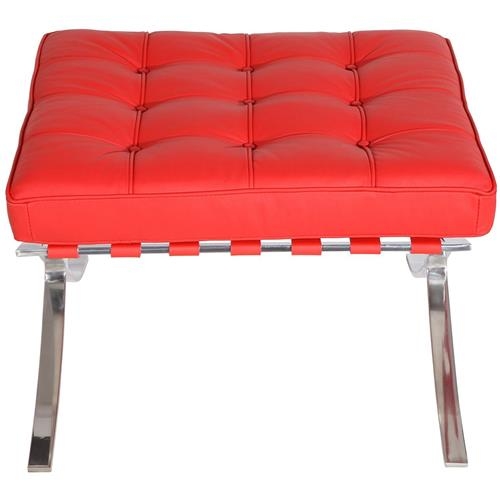
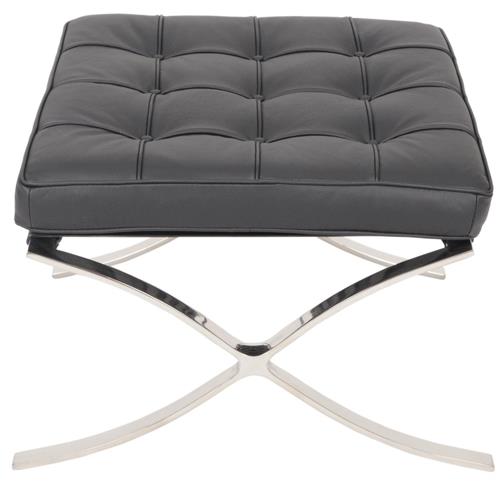
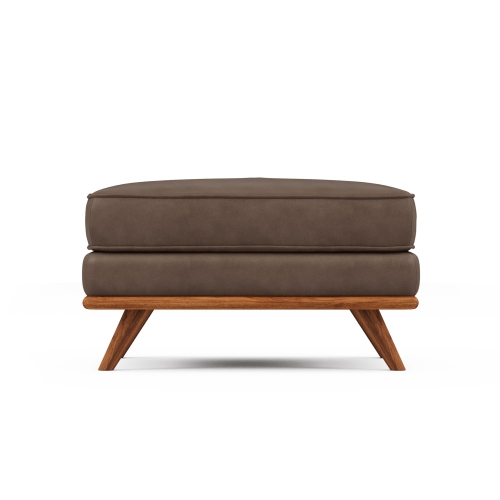
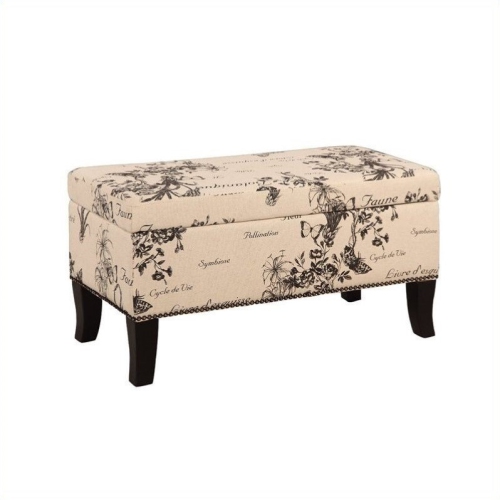
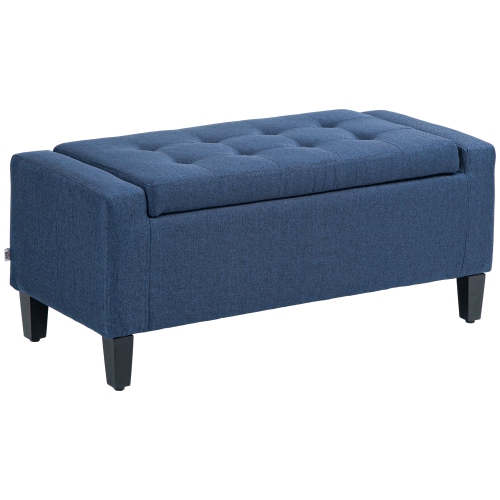
Leather ottomans bring a comfortable footrest, a useful surface, and a distinctive upholstered accent into living rooms, bedrooms, and reading spaces. Their appeal lies in the combination of a soft, padded form and a material that can look tailored, richly textured, or gently lived-in, depending on its finish. A low rectangular ottoman pairs naturally with a sofa, giving more than one person room to stretch out without introducing another full-sized seat. A square shape can anchor a seating arrangement, while a round ottoman softens the lines of angular furniture and leaves no sharp corners along its upholstered edge. Small cube styles work beside an armchair or tuck beneath an open console when not in use, provided there is enough clearance. Longer bench-style designs suit the foot of a bed, where they offer a convenient place to sit while getting dressed if they are rated for seating. Details such as deep button tufting, stitched panels, piping, and exposed wooden legs influence the overall character as much as the silhouette. Smooth upholstery and slim metal bases tend to feel streamlined; turned legs and tufted tops have a more traditional presence. Black, brown, tan, cream, and grey each create a different relationship with surrounding furniture. A cognac-toned leather ottoman can add warmth beside a neutral fabric sofa, while a dark finish can give a pale seating area a stronger visual anchor. Matching the ottoman exactly to the sofa is not essential: repeating a wood tone, leg finish, or accent colour elsewhere in the room can make a mixed arrangement feel intentional. For spacious seating areas, Large Ottomans can provide the proportions needed to balance a wide sofa or sectional. The most useful shape depends on how the room is used, whether that means putting feet up during a film, keeping a throw close at hand, or providing an occasional seat when friends visit.
Upholstery descriptions matter because leather ottomans can differ considerably in texture, finish, and care requirements. Full-grain leather retains the hide’s natural grain, so variations in markings and tone are part of its appearance. Top-grain leather has had some surface treatment and may have a more uniform look, although its softness and protective finish vary. Aniline leather generally shows more natural character and is more vulnerable to spills and staining; semi-aniline and pigmented finishes offer different levels of surface protection. The term genuine leather identifies real leather but does not, by itself, explain the grade, thickness, or finish. Bonded leather contains leather fibres combined with binding materials, while faux leather is a manufactured alternative rather than animal hide. These materials should not be treated as interchangeable when assessing wear or choosing cleaning products. Smooth, coated upholstery may be easier to wipe down than a more absorbent finish, but no covering is immune to damage from sharp objects, pet claws, or repeated friction. Natural leather can develop creases and a patina with use, whereas peeling or flaking is not the same kind of surface change. Beneath the upholstery, the frame, padding, and base determine how an ottoman feels and holds its shape. A supportive frame and secure joints help limit movement, while the amount and density of cushioning affect whether the top feels firm and structured or soft and yielding. A plush, deeply tufted top can be comfortable beneath tired legs, but a flatter, firmer surface is generally more practical for supporting a serving tray. Upholstered furniture intended for seating should have a stated weight capacity appropriate to its users; a footrest should not automatically be treated as a chair. Leg height also changes the effect: raised designs leave visible floor space beneath, while a base that sits close to the floor gives the ottoman a more substantial presence. These differences matter in a busy family room, a quiet reading corner, or a bedroom where the ottoman will serve a particular daily purpose.
Fit is about more than whether an ottoman can be squeezed into an open patch of floor. In front of a sofa or armchair, a top that sits close to the seat height, or slightly lower, usually makes a comfortable footrest; the best relationship depends on the seating and the person using it. Enough space between the ottoman and the seat allows legs to move naturally, while clear routes around the furniture keep doorways, drawers, and recliner mechanisms usable. Measuring the full footprint, including projecting legs, is especially helpful in compact rooms. A round design may make movement around a small seating area feel easier, while a broad rectangular top can work well within the open side of a sectional. When an ottoman doubles as a coffee table, a rigid tray provides a more stable place for a remote, a book, or a drink, though upholstered surfaces still need protection from heat and spills. Storage ottomans add another function by keeping throws, cushions, or board games out of sight. Their usefulness depends on the interior dimensions and how easily the lid opens with nearby furniture in place, not simply on the size of the exterior. Hinges, lid supports, and the manufacturer’s safety information deserve attention, particularly in homes with children. Routine care is usually straightforward but should always suit the specific upholstery. A soft, dry cloth or gentle vacuum attachment can remove dust from seams and tufting; spills are best blotted promptly rather than rubbed into the surface. Cleaning solutions and conditioners should be approved for the leather finish, with any unfamiliar product tested first in an inconspicuous area. Harsh household cleaners, excessive water, and abrasive tools can damage upholstery. Keeping leather away from prolonged direct sunlight and nearby heat sources helps reduce the risk of fading and drying. With suitable proportions, construction, and care, a leather ottoman can become a well-used part of the room rather than an accent that rarely earns its floor space.
Top selling and popular products
-
 Your price for this item is $653.99
-
 Your price for this item is $958.99
-
 Your price for this item is $765.09
-
 Your price for this item is $124.99
-
 Your price for this item is $107.99
-
 Your price for this item is $899.99
-
 Your price for this item is $289
-
 Your price for this item is $129.99
Discover more categories related to Leather Ottomans
Top Collections:
Best Black Friday Deals This Year, Best Black Friday Deals On Electronics, Kindle Devices, Pokemon Centers, Best Black Friday Deals On Apple Products, Best Cameras for Sports Photography, Dyson Airwrap, Pokémon 30th Celebration Cards, Apple iPhone 17 Pro, Canon G7X Cameras
Some products may be subject to Environmental Handling Fees
(EHF) depending on your province.
Learn more about EHFs.