Boat Towing Ropes
When it comes to towing your boat safely and securely, having the right equipment is essential. Our selection of boat towing ropes offers durability, strength, and reliability to make sure you can transport your watercraft with peace of mind. Whether you're heading out for a day on the water or need to transport your boat to a new location, these high-quality ropes are designed to meet your towing needs. Explore our range of boat towing ropes to find the perfect solution for your boating adventures.
Sort
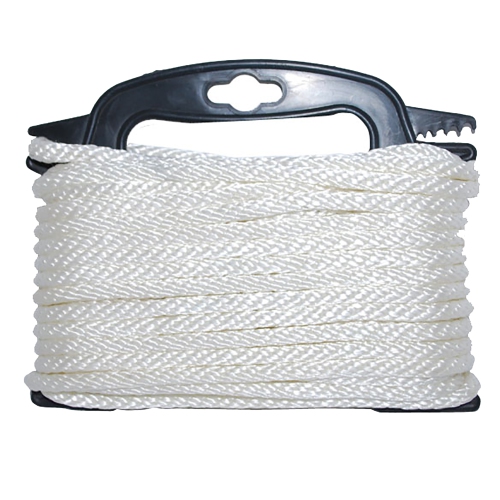
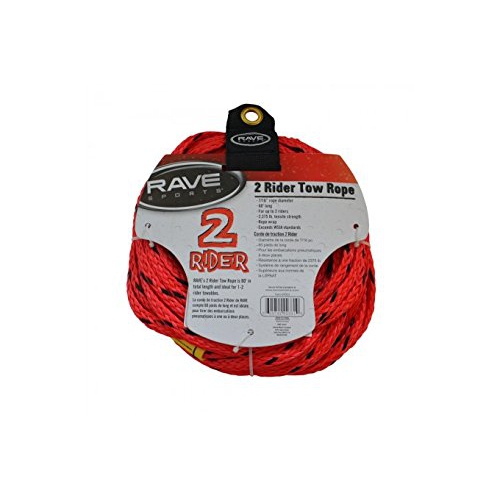
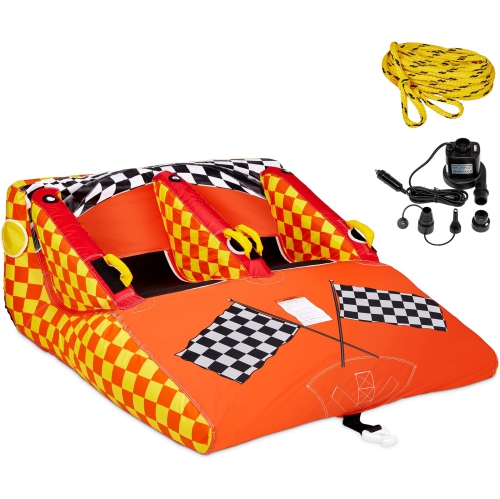

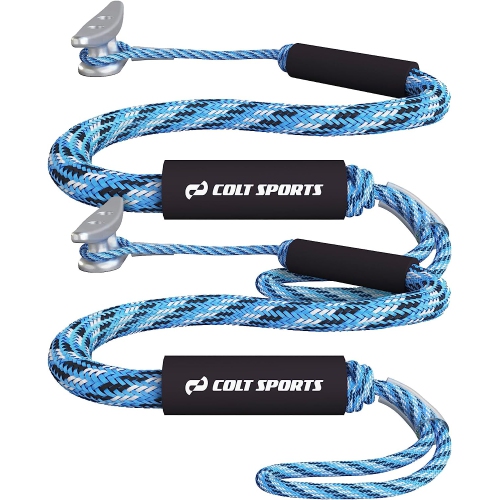

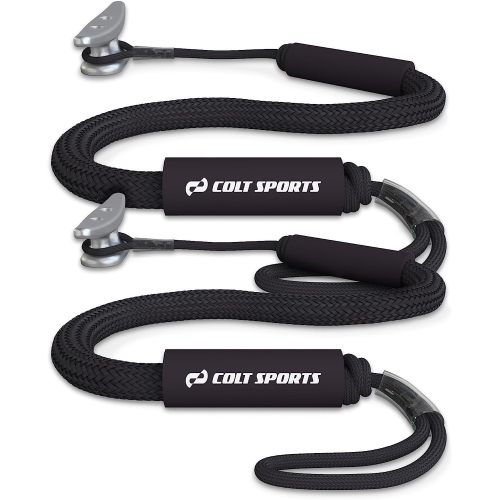
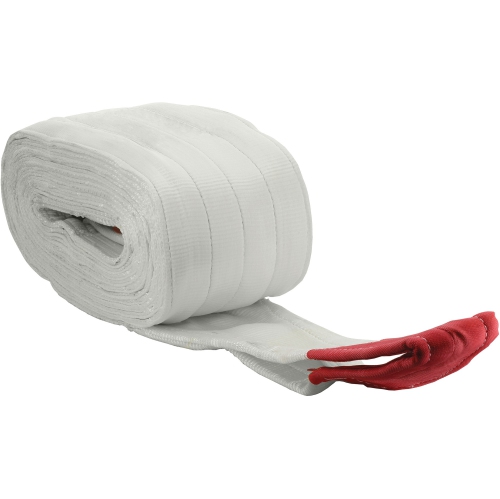
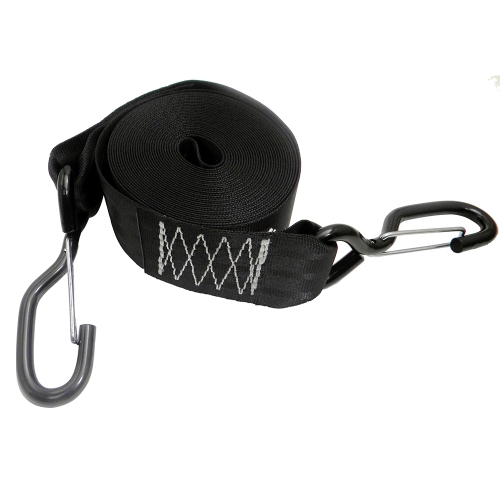
Strength, flexibility, and visibility for days on the water
Boat towing ropes are designed for different jobs on the water, so choosing the right line begins with identifying what you plan to tow. Watersports ropes are made for pulling inflatables, tubes, wakeboarders or skiers behind a recreational boat, while marine towing lines are intended for moving another vessel. These two categories should not be treated as interchangeable. A tube rope is built to provide a comfortable, controlled connection between the boat and a towable, whereas an emergency or vessel-towing line must handle much greater loads, changing tension and the considerable weight of a disabled boat. For family recreation, look for a watersports rope with a clearly stated rider rating and break strength that matches the total capacity of the towable. Common ratings include 2,000, 3,000, 4,000 and 6,000 pounds, with higher ratings generally suited to larger towables or more riders. Always check the towable manufacturer’s requirements as well as the rope specifications, since the safe capacity is determined by the complete setup rather than the rope alone. A line rated for one rider should not be used for a three- or four-person tube simply because it appears long or sturdy. The weight of the riders, the towable and the force created as the tube crosses the wake all contribute to the load. Families often appreciate ropes rated for one to four riders because they can support different outings, from a gentle ride with a younger passenger to a livelier afternoon with several experienced riders. For a memorable day on the lake, the right rope keeps the connection predictable while the boat’s driver maintains a steady speed and a wide view of the tow area.
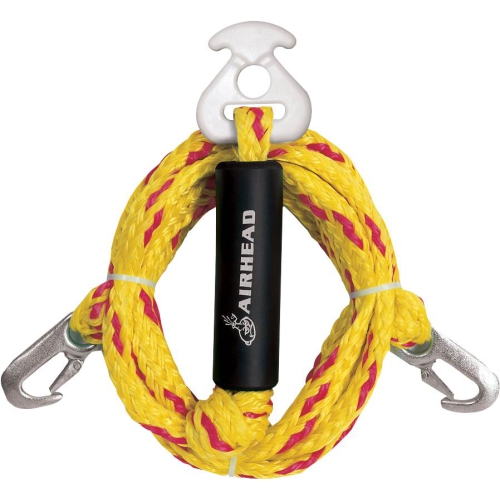
Length is another important consideration when comparing boat towing ropes. Many watersports lines measure approximately 50 to 60 feet and use multiple sections that can be added or removed to adjust the distance behind the boat. A shorter configuration can make it easier to keep a beginner closer to the boat and inside the smoother part of the wake, while a longer setup gives experienced riders more room to move and can place a tube or board farther from the boat’s turbulence. Multi-section ropes are useful for families and groups because the same line can be adapted to different riders, towables and water conditions. Look for a floating rope that remains visible on the surface after it is released, making retrieval easier and reducing the chance of it settling out of sight near the propeller. Hollow-braid polypropylene is commonly used for watersports because it floats, handles repeated wetting and offers a practical balance of flexibility and strength. UV-resistant construction can help the line stand up to regular exposure during boating season, although every rope should still be rinsed with fresh water, allowed to dry fully and stored away from direct sunlight when not in use. Inspect the entire length before each outing for fraying, flattened sections, cuts, hard spots or damaged loops, and retire a rope that has been exposed to a severe shock load even if the damage is not obvious. A rope keeper, storage bag or neatly coiled compartment can prevent tangles when equipment is packed aboard. Before getting underway, attach the line only to an approved tow point, confirm that the connection is secure and ensure the rope cannot reach the propeller. A spotter should watch the rider, communicate with the driver and help identify when the rope is slack, tangled or ready to be retrieved. These simple habits are especially helpful as the weather warms and families spend longer days moving between quiet coves, open water and busy waterfront areas. A well-chosen rope can also make a practical gift for a new boat owner, a family adding a towable to its weekend activities or an experienced rider replacing a worn line before cooler months arrive.
Towing another boat is a separate task that calls for purpose-built marine equipment and careful planning. A light-duty watersports rope is not a substitute for a high-strength, low-stretch or shock-absorbing line made for vessel towing. Boats create substantial resistance, and sudden changes in speed, waves or direction can place intense strain on the connection. For larger boats, particularly vessels in the range of 20 to 30 feet, heavier marine lines may measure roughly 3/4 inch to 1 inch in diameter, although the correct size depends on the boat’s weight, hull design, conditions and the manufacturer’s recommendations. A towing bridle can help distribute the load evenly across the stern cleats of the towing boat instead of concentrating force at one attachment point. Connections should be made to approved hardware, checked for chafe and kept clear of sharp edges, and the towing arrangement should allow both vessels to move without the line entering the propeller’s path. A boat being towed should have a competent person aboard whenever possible, and both operators should agree on signals, speed and turning instructions before the line is tightened. In an emergency, reduce unnecessary strain, keep people clear of a taut line and contact local marine assistance when conditions exceed the crew’s experience or equipment. The same care applies when selecting a rope for regular recreational use: compare the rope’s intended purpose, length, construction, floating ability, break strength and compatibility with the towable or boat. If your main activity is pulling riders, browse Boat Towable Tubes to pair the line with an appropriate inflatable. If the goal is to move a disabled vessel, focus on specialized marine towing equipment rather than recreational tow lines. Matching the rope to the job helps create smoother outings, simplifies preparation at the dock and gives everyone aboard greater confidence when the water becomes busy, breezy or unexpectedly challenging.
Length is another important consideration when comparing boat towing ropes. Many watersports lines measure approximately 50 to 60 feet and use multiple sections that can be added or removed to adjust the distance behind the boat. A shorter configuration can make it easier to keep a beginner closer to the boat and inside the smoother part of the wake, while a longer setup gives experienced riders more room to move and can place a tube or board farther from the boat’s turbulence. Multi-section ropes are useful for families and groups because the same line can be adapted to different riders, towables and water conditions. Look for a floating rope that remains visible on the surface after it is released, making retrieval easier and reducing the chance of it settling out of sight near the propeller. Hollow-braid polypropylene is commonly used for watersports because it floats, handles repeated wetting and offers a practical balance of flexibility and strength. UV-resistant construction can help the line stand up to regular exposure during boating season, although every rope should still be rinsed with fresh water, allowed to dry fully and stored away from direct sunlight when not in use. Inspect the entire length before each outing for fraying, flattened sections, cuts, hard spots or damaged loops, and retire a rope that has been exposed to a severe shock load even if the damage is not obvious. A rope keeper, storage bag or neatly coiled compartment can prevent tangles when equipment is packed aboard. Before getting underway, attach the line only to an approved tow point, confirm that the connection is secure and ensure the rope cannot reach the propeller. A spotter should watch the rider, communicate with the driver and help identify when the rope is slack, tangled or ready to be retrieved. These simple habits are especially helpful as the weather warms and families spend longer days moving between quiet coves, open water and busy waterfront areas. A well-chosen rope can also make a practical gift for a new boat owner, a family adding a towable to its weekend activities or an experienced rider replacing a worn line before cooler months arrive.
Towing another boat is a separate task that calls for purpose-built marine equipment and careful planning. A light-duty watersports rope is not a substitute for a high-strength, low-stretch or shock-absorbing line made for vessel towing. Boats create substantial resistance, and sudden changes in speed, waves or direction can place intense strain on the connection. For larger boats, particularly vessels in the range of 20 to 30 feet, heavier marine lines may measure roughly 3/4 inch to 1 inch in diameter, although the correct size depends on the boat’s weight, hull design, conditions and the manufacturer’s recommendations. A towing bridle can help distribute the load evenly across the stern cleats of the towing boat instead of concentrating force at one attachment point. Connections should be made to approved hardware, checked for chafe and kept clear of sharp edges, and the towing arrangement should allow both vessels to move without the line entering the propeller’s path. A boat being towed should have a competent person aboard whenever possible, and both operators should agree on signals, speed and turning instructions before the line is tightened. In an emergency, reduce unnecessary strain, keep people clear of a taut line and contact local marine assistance when conditions exceed the crew’s experience or equipment. The same care applies when selecting a rope for regular recreational use: compare the rope’s intended purpose, length, construction, floating ability, break strength and compatibility with the towable or boat. If your main activity is pulling riders, browse Boat Towable Tubes to pair the line with an appropriate inflatable. If the goal is to move a disabled vessel, focus on specialized marine towing equipment rather than recreational tow lines. Matching the rope to the job helps create smoother outings, simplifies preparation at the dock and gives everyone aboard greater confidence when the water becomes busy, breezy or unexpectedly challenging.
Top selling and popular products
-
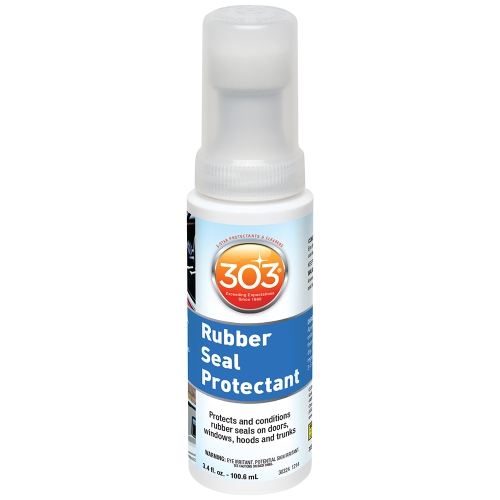 Your price for this item is $30.58
 -
 Your price for this item is $30.54
 -
 Your price for this item is $38.85
 -
 Your price for this item is $92.99
 -
 Your price for this item is $917.79
 -
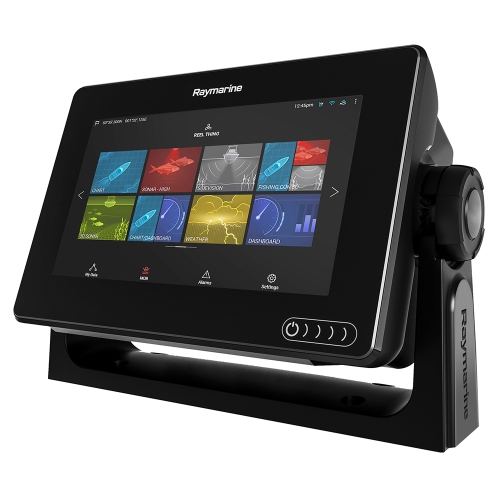 Your price for this item is $844.31
 -
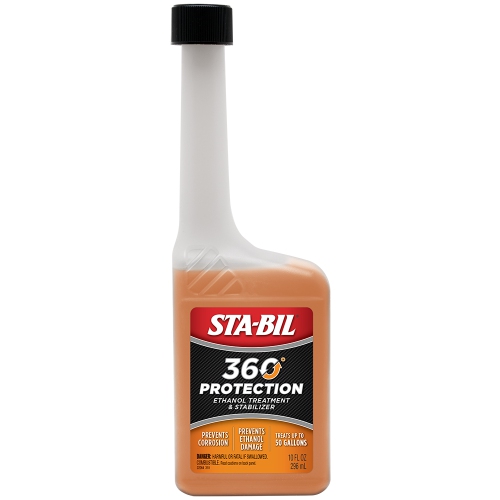 Your price for this item is $30.62
 -
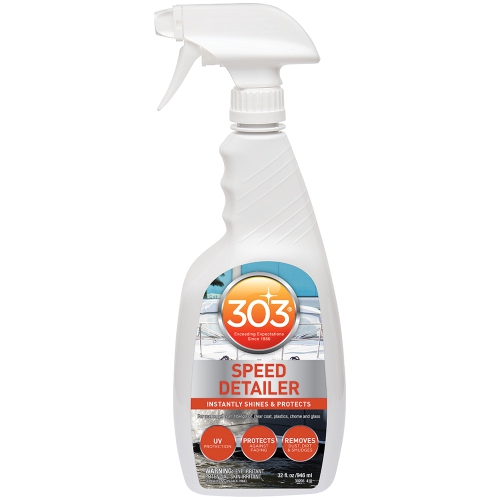 Your price for this item is $34.93
Discover more categories related to Boat Towing Ropes
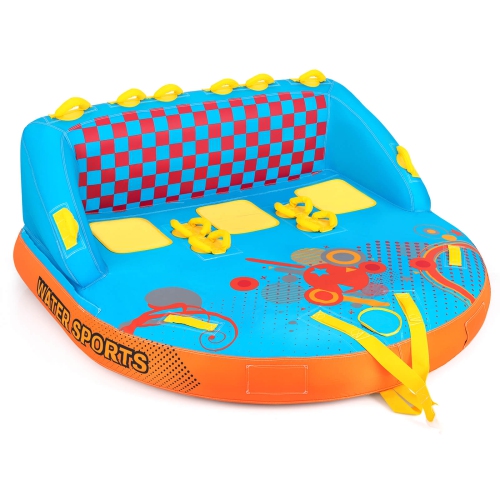
Top Collections:
Pokemon Centers, Kindle Devices, Best Budget Office Chairs, Apple iPhones 16, Canon G7X Cameras, iPhone 15 Apple, Alarm Clock, Refurbished Apple Laptops, Flip Phones, Best Laptops for Writers
Some products may be subject to Environmental Handling Fees
(EHF) depending on your province.
Learn more about EHFs.