Marine Ropes
Navigating the waters with ease and safety requires reliable marine ropes that can withstand the elements and provide secure anchoring. Whether you're a seasoned sailor or a novice boater, having high-quality ropes on board is essential for various maritime activities. From docking to towing, these versatile ropes are designed to meet the demands of marine environments, offering durability, strength, and flexibility. Explore our selection of marine ropes crafted for performance and peace of mind on your next aquatic adventure.
Sort
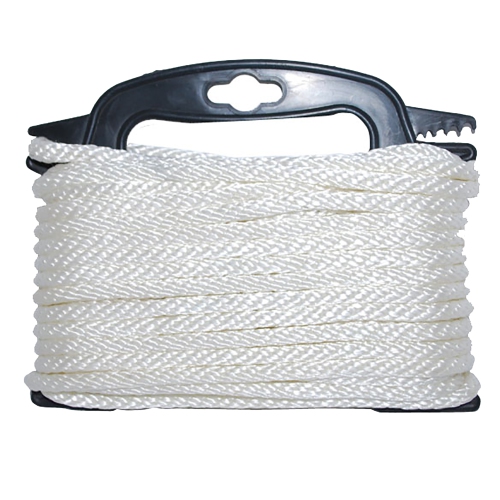

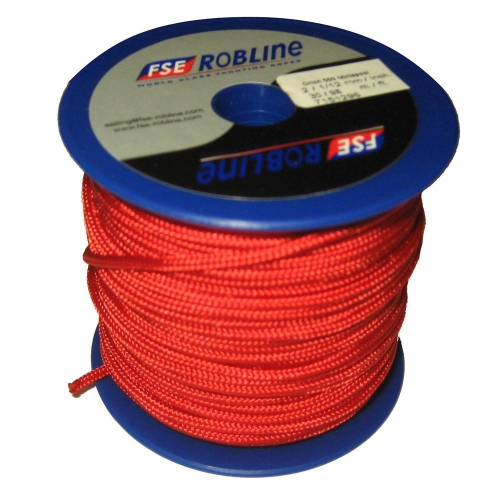
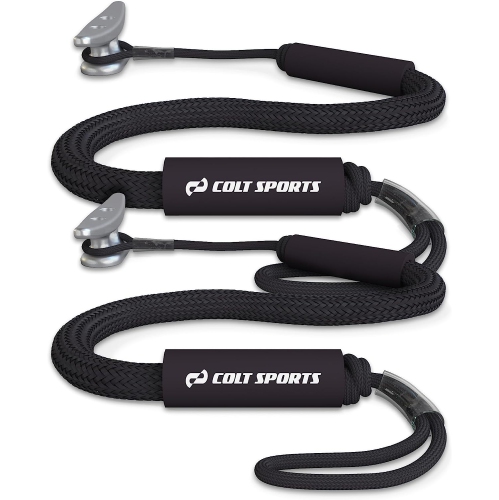
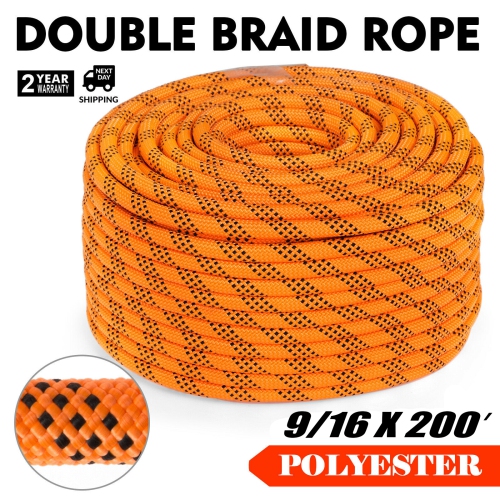
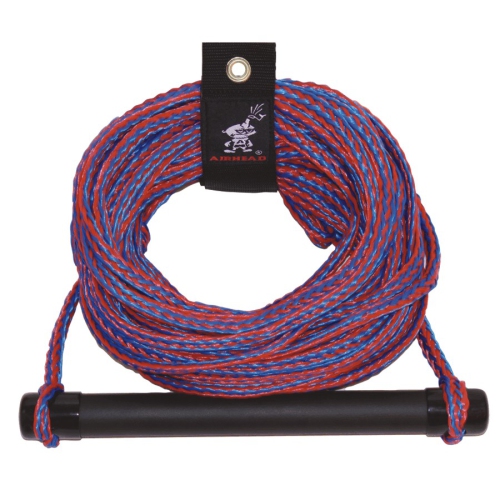
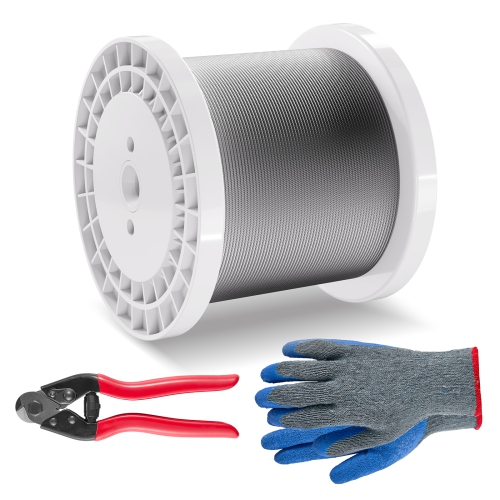
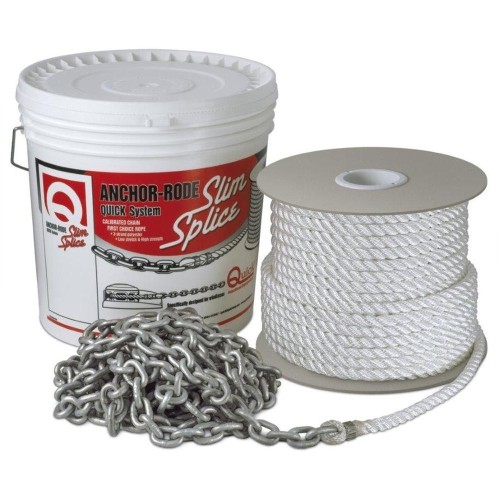
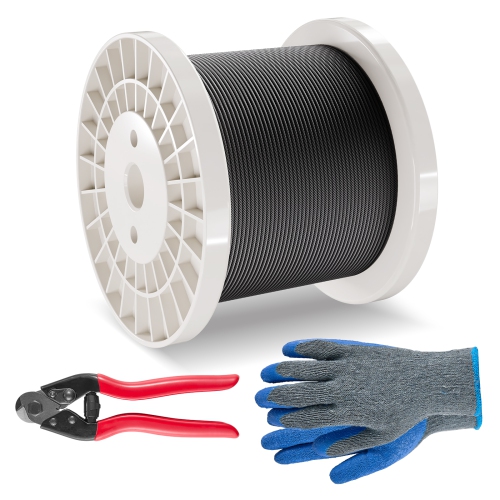

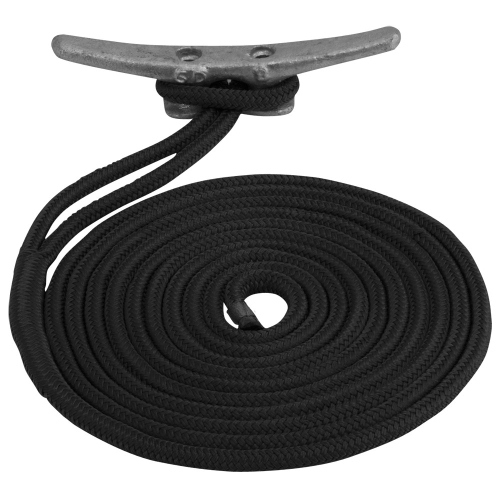
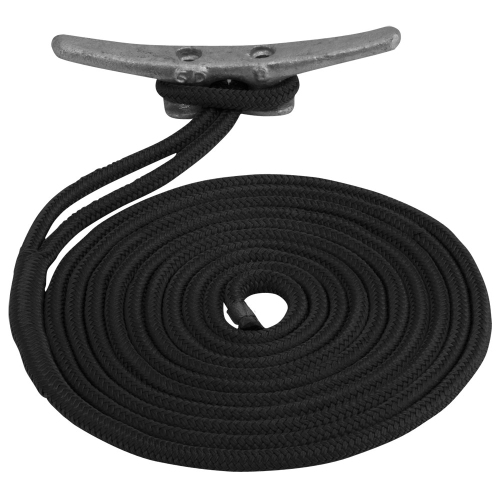
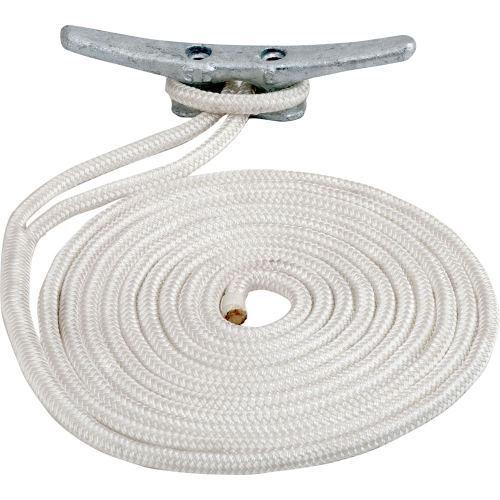
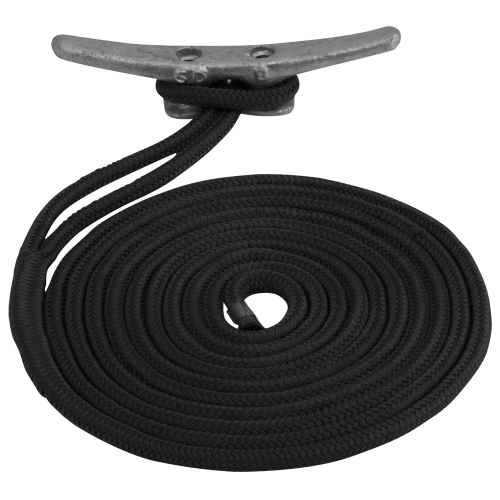

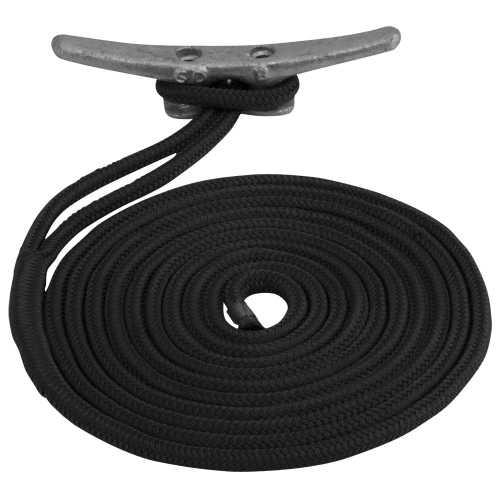
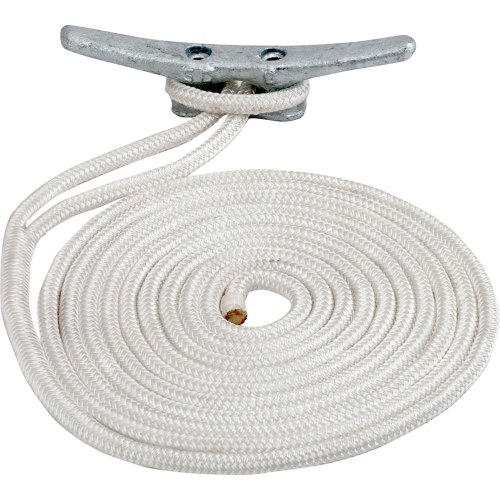
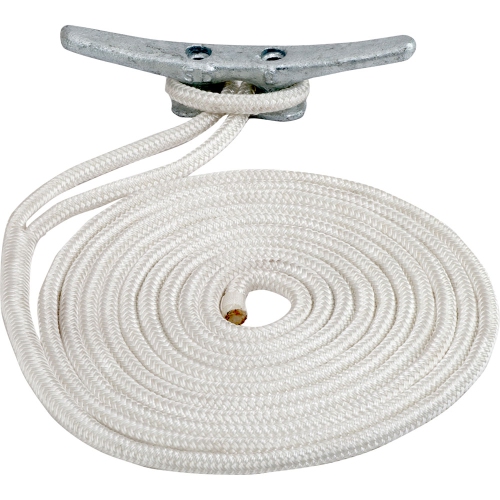
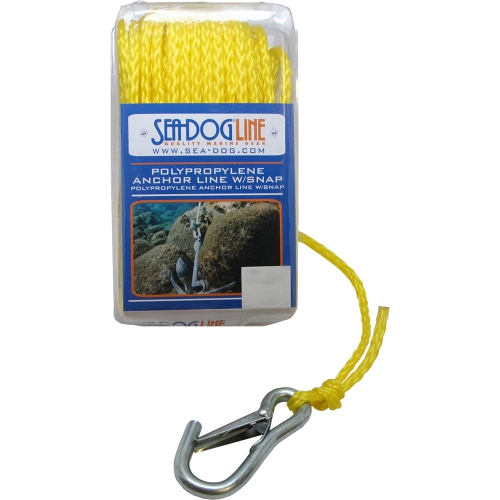

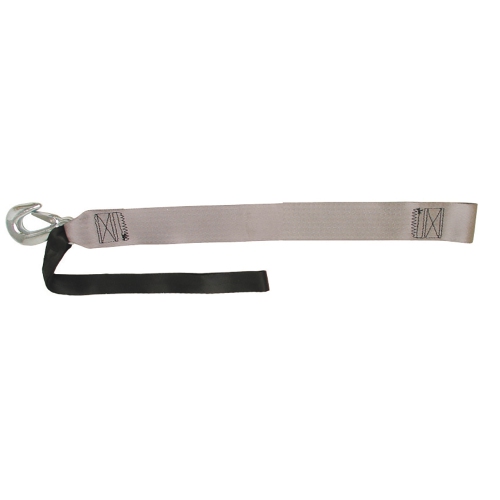
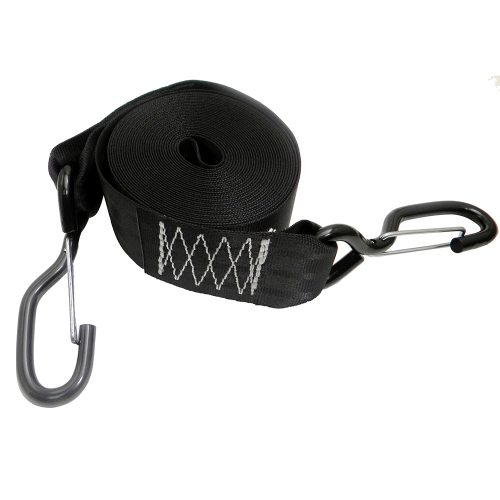
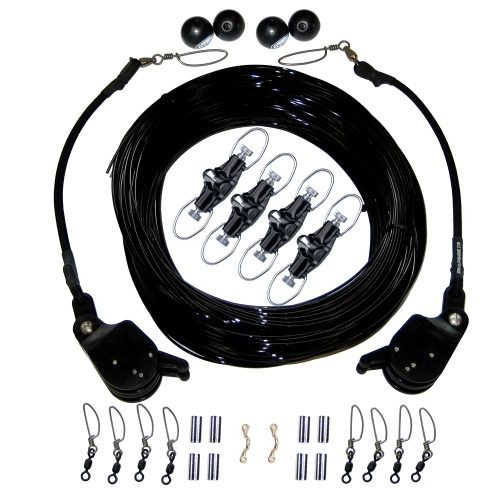
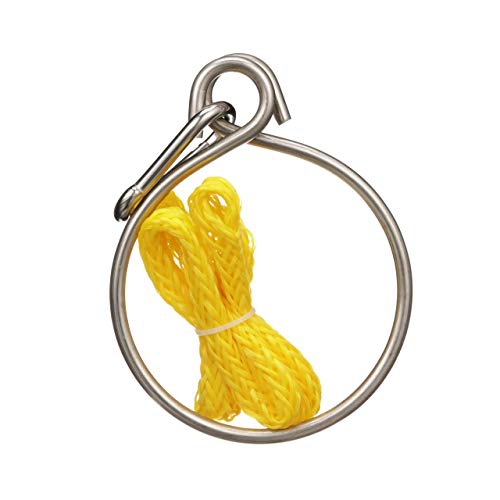
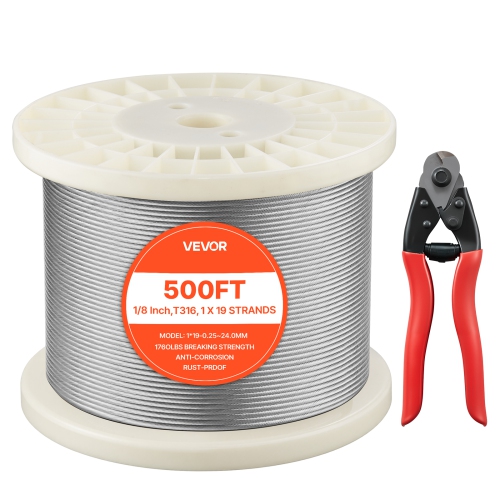

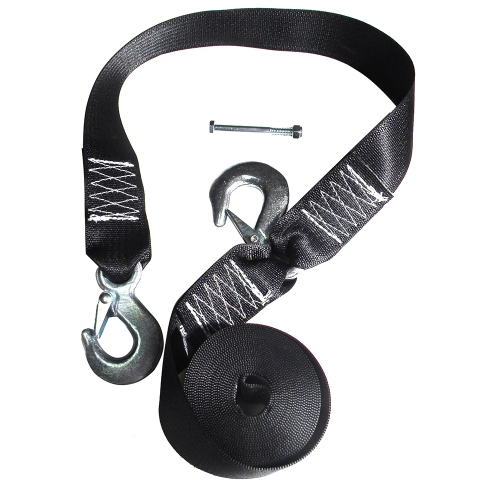
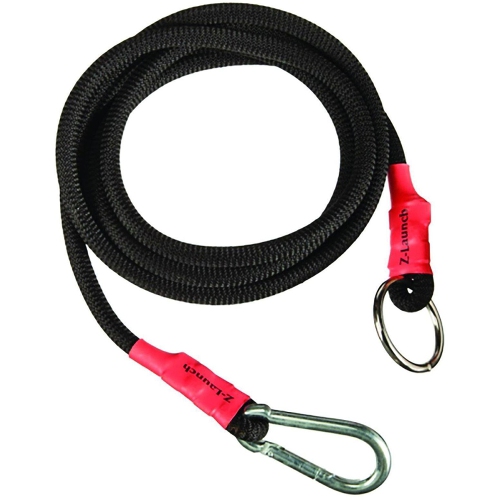
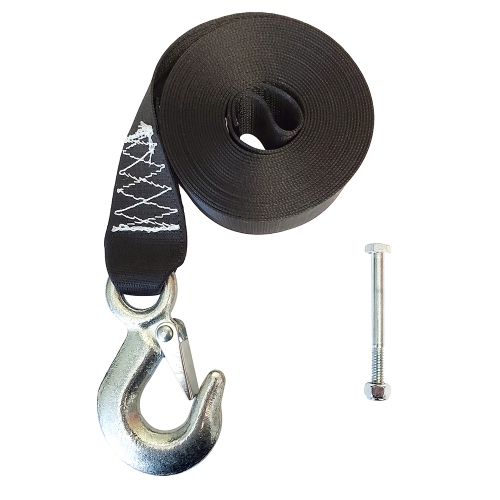
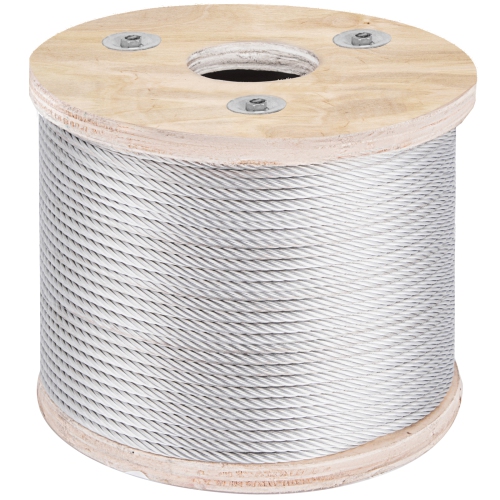
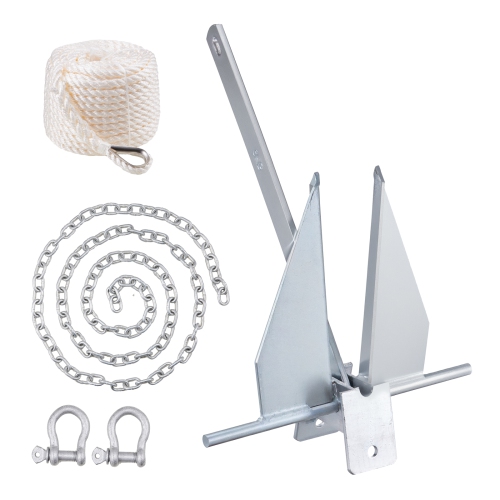
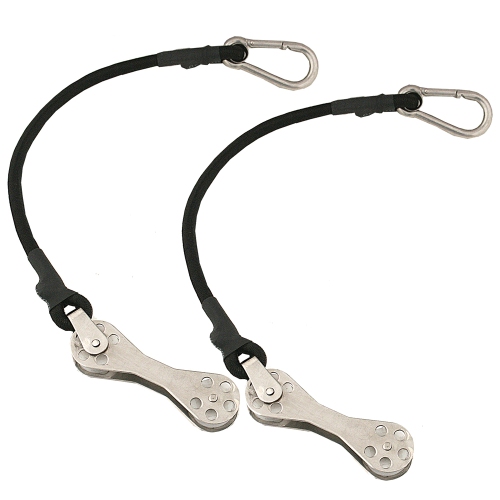
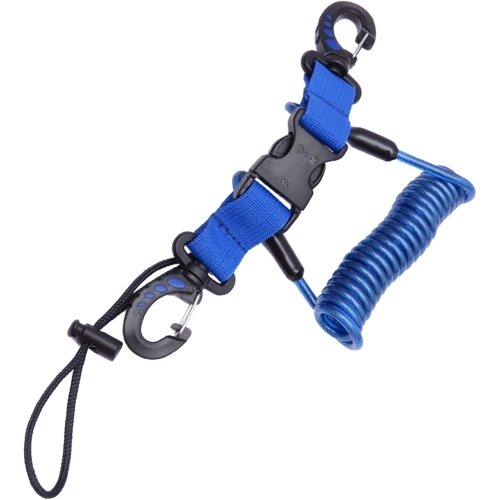
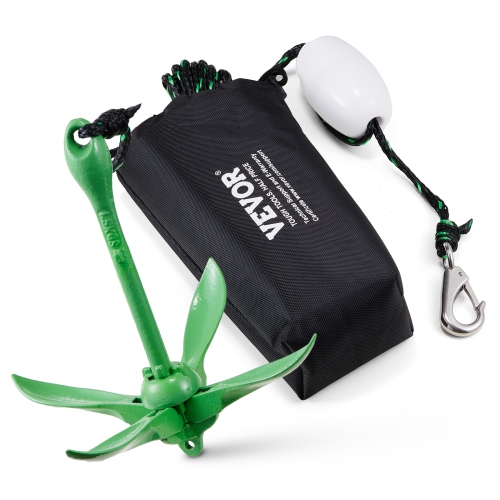
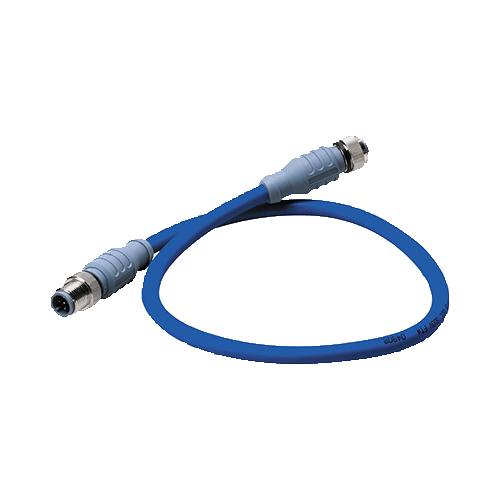
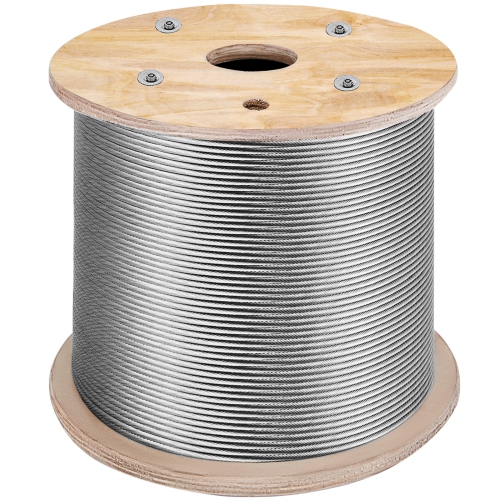
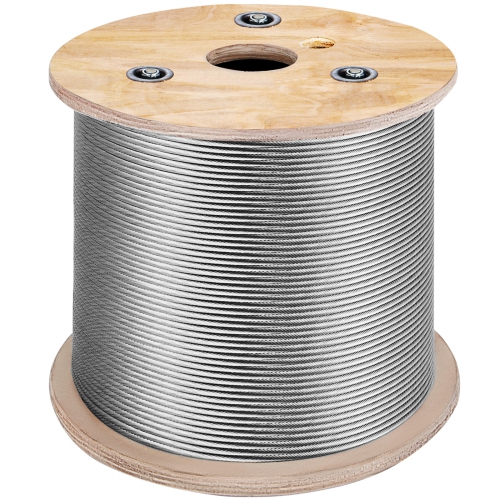
Why rope material matters for every boating task
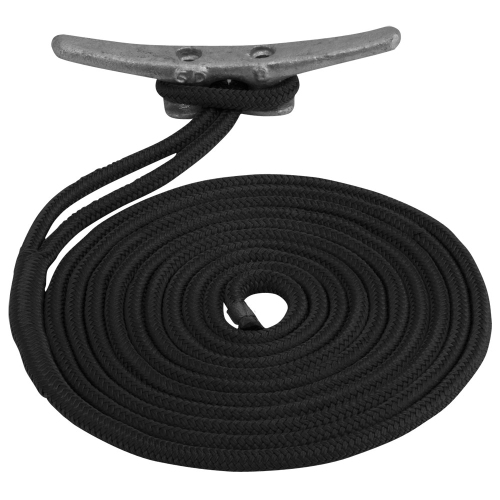
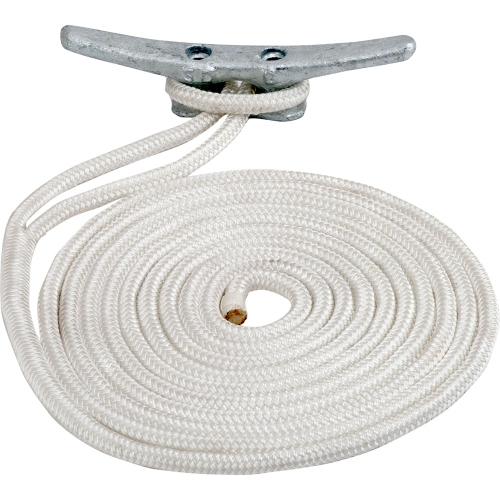
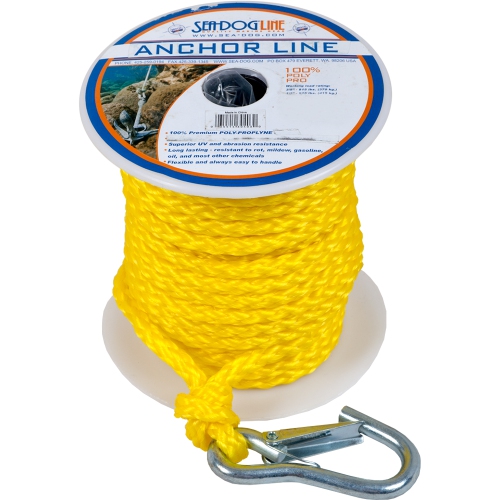
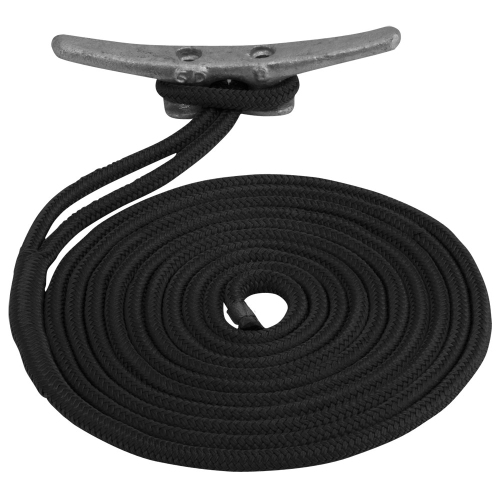
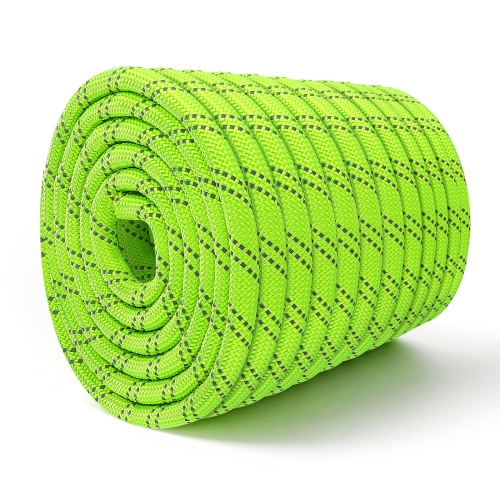
Marine ropes are cordage designed for tasks aboard boats and around docks, including securing vessels, connecting anchors, handling sails, and managing equipment. Their suitability depends on the fibre, construction, diameter, and rated capacity, rather than appearance alone. A dock line needs to cushion movement, while a sail-control line often needs to hold its length under tension. Nylon marine rope is valued for its elasticity and ability to absorb shock loads, making it a common choice for dock lines, mooring lines, and the rope portion of an anchor rode. That stretch helps soften the pull as a boat moves against its lines, although the rope still needs suitable clearance and protection wherever it touches hardware. Polyester rope stretches less than nylon and offers good resistance to sunlight and abrasion, making it useful for many sheets, halyards, and other sail-handling applications. Its more stable length also suits tasks where repeated adjustment would be inconvenient. Polypropylene rope is lightweight and floats, which can make it useful for certain floating utility lines and purpose-built marine applications. Its resistance to sunlight and wear varies with the formulation and protective treatment, so floating capability should not be mistaken for suitability for every boating task. High-modulus polyethylene, commonly abbreviated to HMPE, provides high strength relative to its weight with very little stretch. It is used in specialized rigging and other demanding marine applications, but its low elasticity calls for careful attention to the complete system and the loads involved. No single fibre is best for every position on a vessel. For a small recreational boat tied alongside a floating dock, the cushioning of nylon may matter more than minimal stretch. On a sailboat, a line used to raise a sail may need a different balance of stretch, grip, and handling. Matching the material to the job helps distinguish genuinely useful marine cordage from rope that merely looks suitable beside the water.
Construction affects how marine ropes feel in the hand, move through fittings, and respond to repeated use. Three-strand rope has a familiar twisted profile and can be suitable for traditional spliced eyes when the fibre and intended application allow it. Double-braided rope combines a braided core with a braided cover, often providing a smooth, flexible feel that is comfortable to handle and convenient to coil. The way a braided rope carries its load varies by design: some constructions share the load between core and cover, while others rely primarily on the core. This distinction matters when considering splices, wear, or compatibility with deck equipment. Diameter also has several roles beyond strength. A thicker line may be easier to grip, but it still needs to fit a cleat, fairlead, block, clutch, or windlass correctly. A rope that is too large can bind or prevent hardware from operating properly; one that is too small may not grip as intended. For anchor rodes, compatibility can include the rope construction, diameter, chain size, and the windlass manufacturer's requirements. Length depends on the application, attachment points, and space needed for the boat to move safely. Dock lines need enough usable length for their intended arrangement, including appropriate attachment and adjustment, rather than simply reaching the nearest cleat. Pre-spliced eyes can simplify attachment, provided their dimensions suit the hardware and the splice is appropriate for the rope. Chafe sleeves and suitable fairleads can help protect sections that rub against dock edges or fittings. Colour can make lines easier to distinguish on deck, particularly where several controls sit close together, but it does not establish strength or intended use. Breaking strength and working load are also different measures, and neither should be interpreted without the manufacturer's guidance. Knots, splices, wear, and loading conditions can change the capacity of an assembled line. Where the task involves substantial pulling forces beyond routine boat handling, Heavy Duty Ropes offers a related category to consider, with suitability still depending on the stated application and specifications.
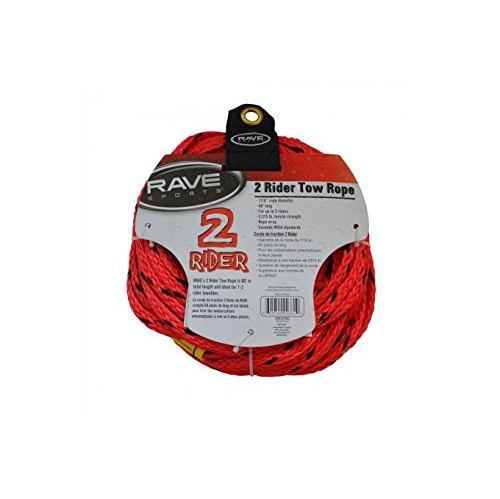
Durability is closely tied to the contact points and handling habits a rope encounters throughout its working life. A line running over a rough dock edge, rubbing against a cleat, or passing through a damaged fairlead can deteriorate even when the fibre itself has good abrasion resistance. Regular inspection is particularly important near splices, eyes, knots, and sections that repeatedly bend around fittings. Frayed covers, cut strands, hard or flattened areas, glazing from friction, and damage to exposed fibres all deserve attention; significant damage calls for taking the line out of service and assessing it against the manufacturer's replacement guidance. Surface appearance alone cannot confirm that a heavily loaded rope remains sound. Salt and grit can collect between fibres, so rinsing with fresh water after saltwater use helps remove residue. Cleaning methods should follow the rope manufacturer's instructions, with harsh chemicals, strong detergents, and unnecessary heat avoided. Allowing rope to dry before storing it in a ventilated space helps keep it clean and manageable, while separation from fuels, solvents, sharp tools, and abrasive surfaces reduces avoidable damage. Neatly flaked or appropriately coiled lines are easier to deploy without tangles, and keeping loose rope away from propellers and moving machinery is essential. Purpose matters just as much during use: a general utility rope is not automatically suitable for towing, lifting, watersports, or supporting a person. Those applications require equipment specifically intended and rated for the task. Tensioned lines can recoil if they fail, making safe positioning and correct handling important even when the rope appears substantial. For boat owners, sailors, anglers, and people maintaining waterfront docks, well-matched marine ropes are practical equipment used repeatedly rather than occasional accessories. They can also make a thoughtful boating gift when the recipient's required material, dimensions, and application are known. The most useful choice is one that fits the vessel's hardware, supports the intended task, and remains straightforward to inspect, handle, and care for between outings.
Top selling and popular products
-
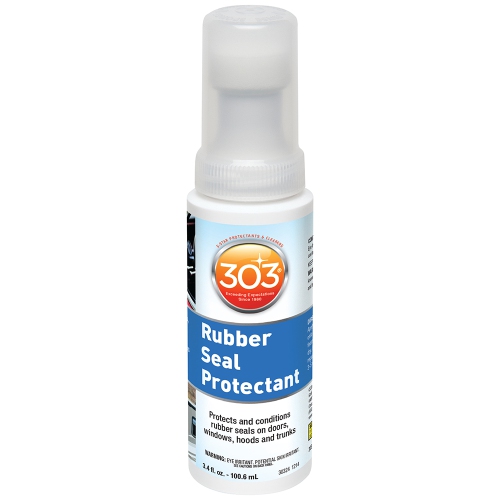 Your price for this item is $28.18
-
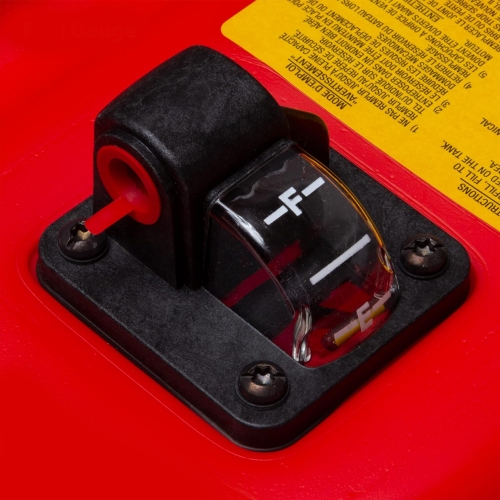 Your price for this item is $226.99
-
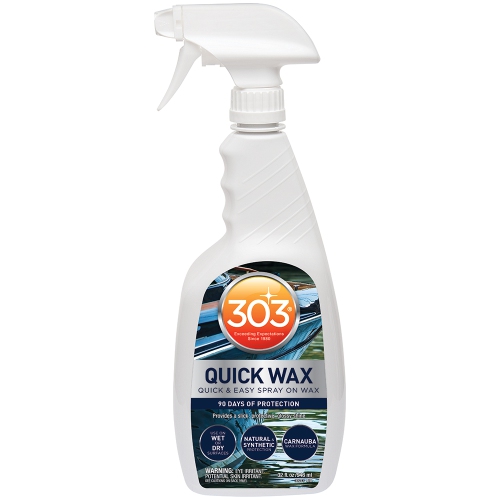 Your price for this item is $38.85
-
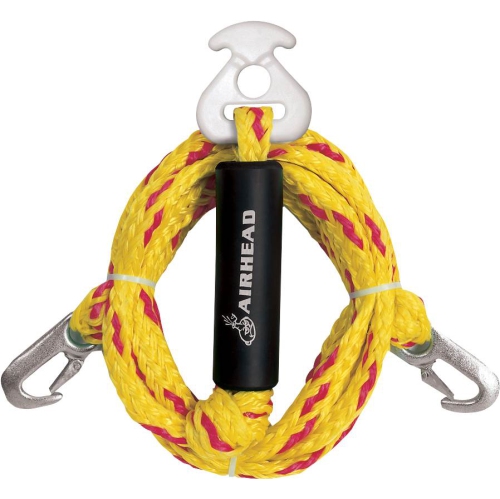 Your price for this item is $91.99
-
 Your price for this item is $32.05
-
 Your price for this item is $35.35
-
 Your price for this item is $837.99
-
 Your price for this item is $63.24
Discover more categories related to Marine Ropes
Top Collections:
Best Black Friday Deals This Year, Best Black Friday Deals On Electronics, Kindle Devices, Pokemon Centers, Best Black Friday Deals On Apple Products, Best Cameras for Sports Photography, Dyson Airwrap, Pokémon 30th Celebration Cards, Apple iPhone 17 Pro, Canon G7X Cameras
Some products may be subject to Environmental Handling Fees
(EHF) depending on your province.
Learn more about EHFs.