Boat Tie Downs
Secure your boat with confidence using high-quality boat tie-downs. Whether you're heading out for a day of fishing or embarking on an exciting water adventure, having reliable tie-downs is essential for keeping your boat securely in place during transport. At Best Buy, we offer a wide selection of boat tie-downs that are designed to withstand the elements and provide maximum security. With various styles and sizes available, you can find the perfect tie-down to suit your needs and ensure peace of mind on every journey.
Sort
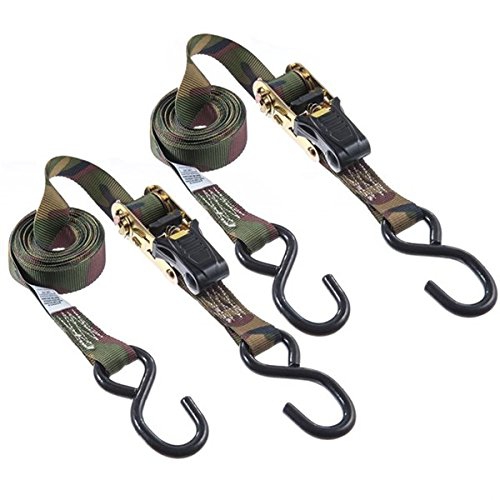
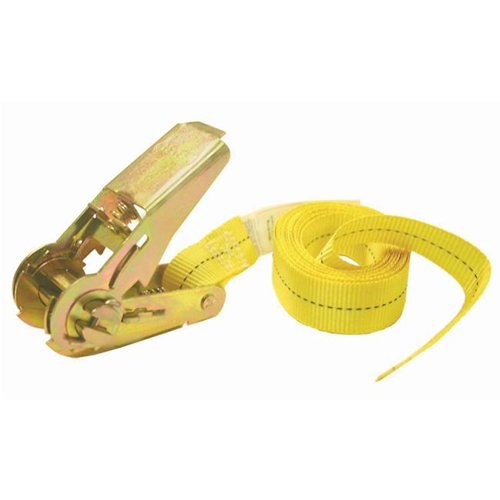
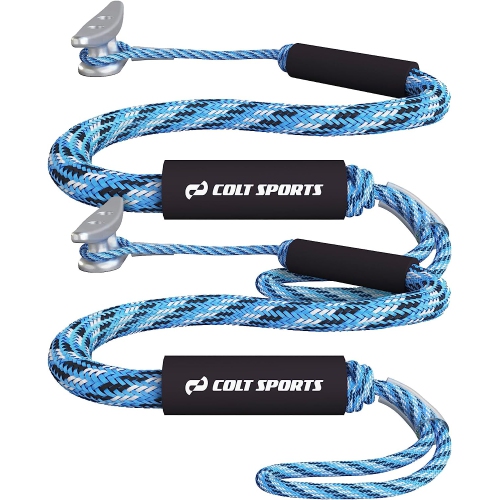
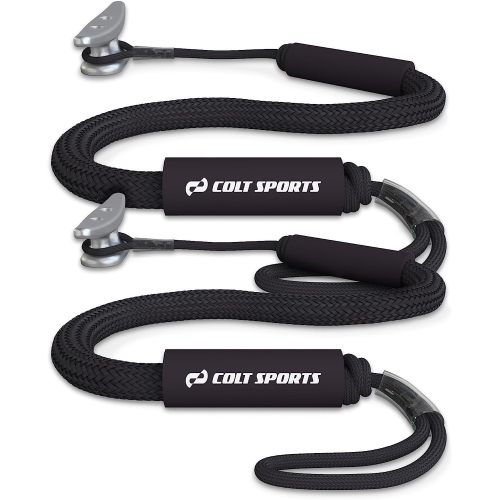
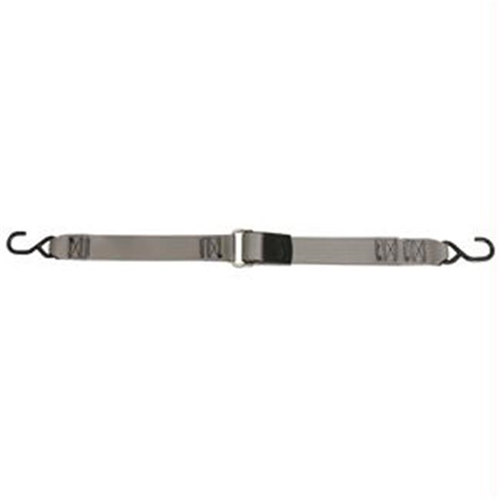
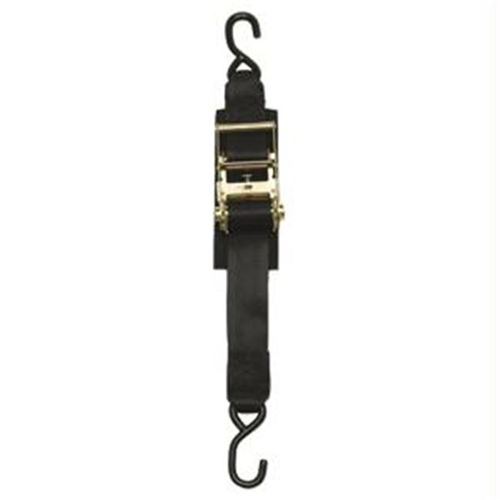
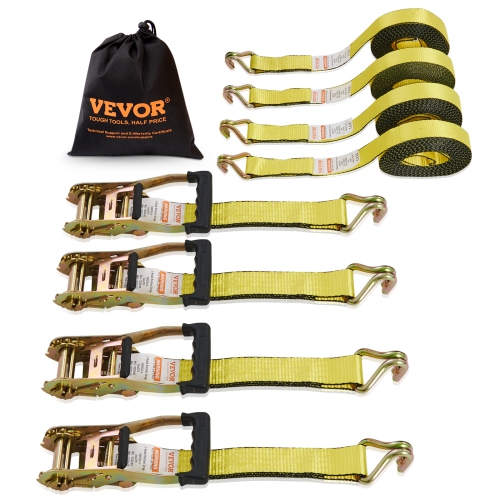
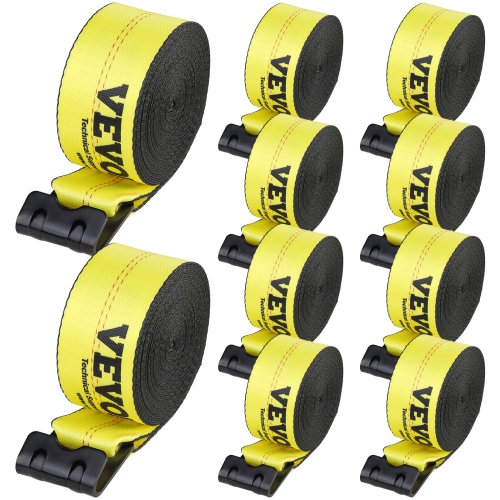

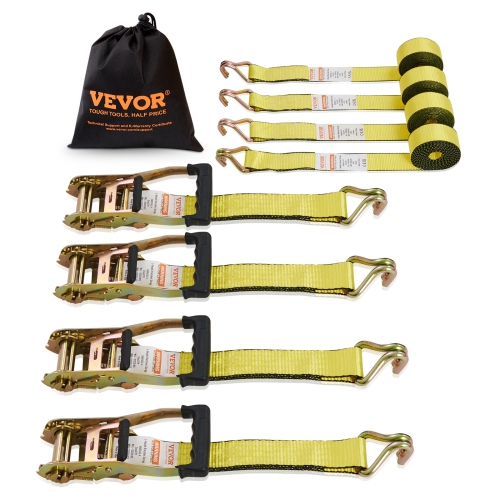
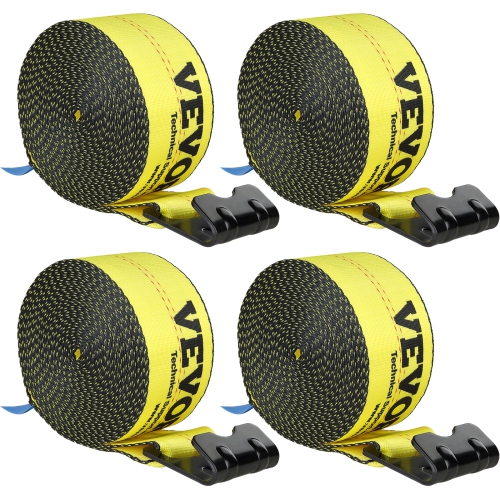
Secure towing starts with the right strap fit
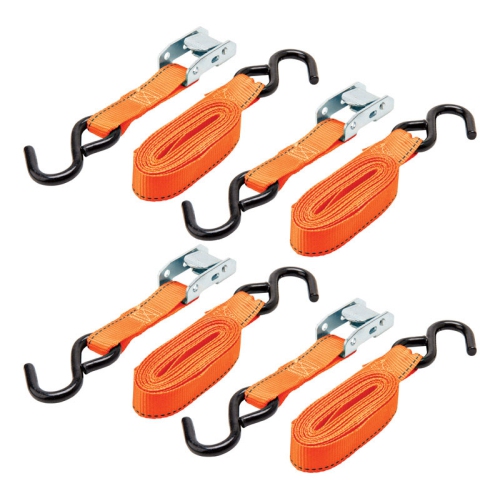
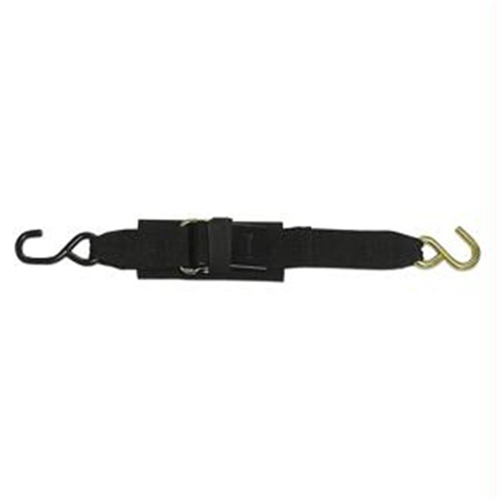
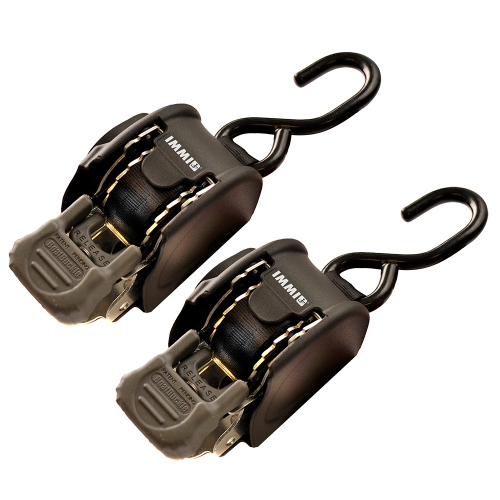
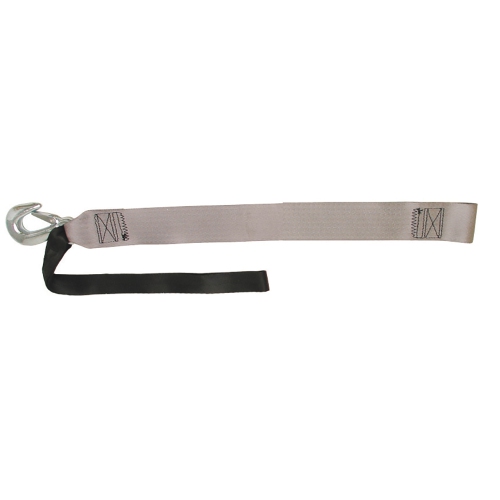
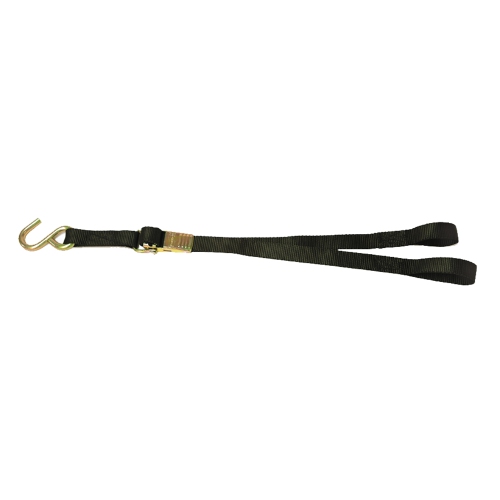
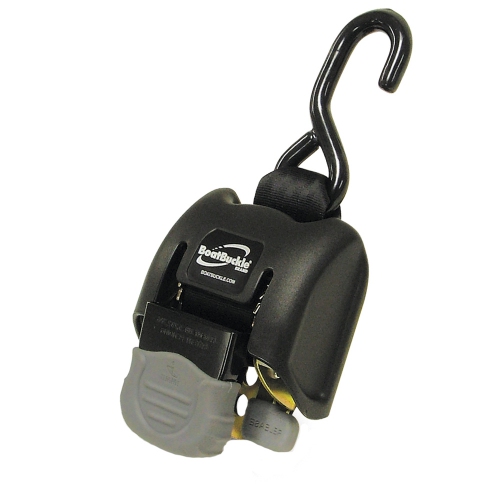
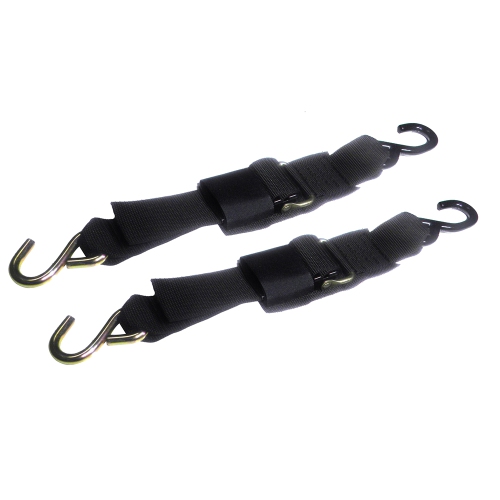
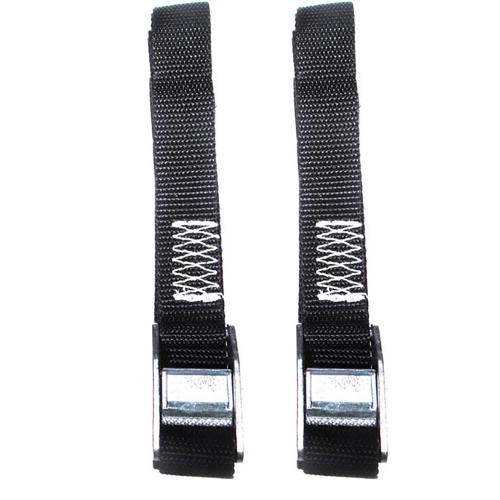
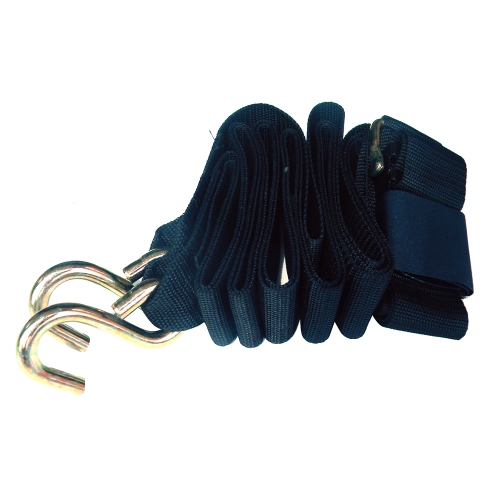
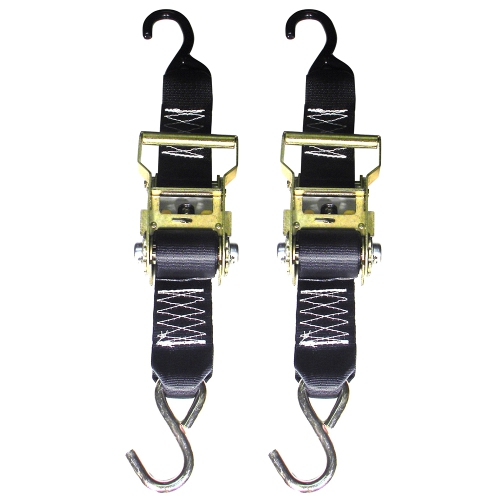
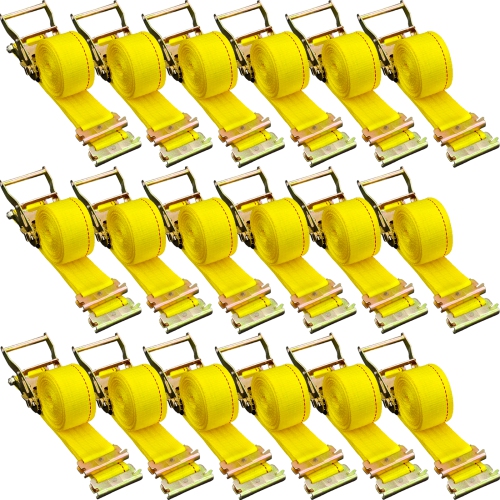
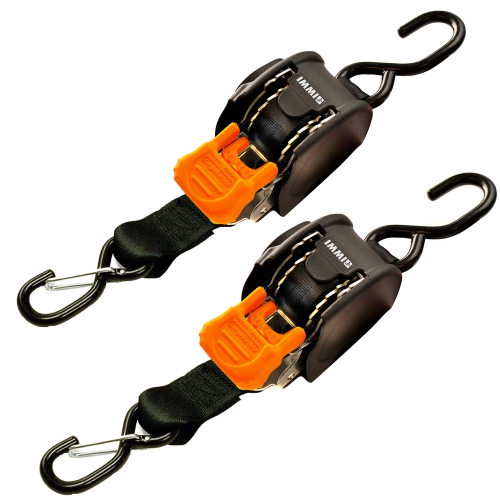
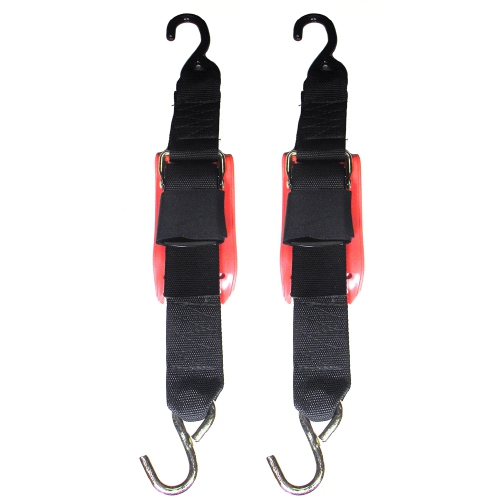
Boat tie downs help keep a boat secure while it is being transported on a trailer, whether you are heading to a nearby launch, crossing town for storage, or travelling farther for a weekend on the water. They are designed to hold the boat firmly against the trailer and reduce unwanted movement caused by braking, turning, uneven pavement, or changing road conditions. A proper tie down system typically works alongside the trailer winch, bow stop, rollers, bunks, and safety chains rather than replacing them. The rear of a boat can shift from side to side or lift slightly when a trailer moves over a dip, so strong straps positioned at the stern can provide important added stability. When choosing boat tie downs, consider the boat’s length, width, weight, hull shape, and trailer design, along with the attachment points available on both the trailer and the boat. Ratchet-style tie downs are popular because they make it easier to apply controlled tension, while wide webbing can spread pressure across a larger area. Look for durable materials, secure hooks that suit the trailer hardware, and a length that allows the straps to connect without awkward angles or excessive slack. The best fit should feel secure without forcing the strap across sharp edges, rubbing against painted surfaces, or pressing on delicate parts of the hull. A well-matched set can make the loading process feel more deliberate and less stressful, especially when the launch ramp is busy and there is a line of vehicles waiting behind you.
Before each trip, inspect the webbing for fraying, cuts, fading, melted spots, or areas that have become stiff from exposure to water and weather. Check the stitching, hooks, handles, buckles, and mounting points as well. A strap that looked fine at the end of the season may show wear after spending months in a garage, shed, or trailer compartment, particularly if it was stored damp or under tension. Keep the tie downs clean and allow them to dry thoroughly before storing them, and avoid twisting the webbing when tightening it. Once the boat is positioned correctly on the trailer, attach the straps to solid points and tighten them until the boat is held snugly, taking care not to over-tighten or distort the hull. The strap should not flap loosely in the wind, and any extra length should be secured so it cannot catch on a wheel, suspension component, or the road surface. It is also worth walking around the trailer after a short distance to confirm that everything remains tight and properly aligned. Cooler months can bring wet roads, frost, and sudden changes in traction, so checking the tie downs is especially useful when transporting a boat before storage or moving it between locations during the shoulder seasons. For people who tow more than one type of watercraft or trailer, comparing the hardware and load requirements can help determine whether a separate set of Trailer Tie Downs is a better choice for other hauling needs.
Boat tie downs are useful for boat owners, cottage families, fishing enthusiasts, watersports fans, and anyone who regularly transports a personal watercraft on a trailer. They can also be a practical gift for a new boat owner who is building a towing kit, preparing for a first launch, or replacing older equipment that has seen many seasons of use. For an experienced boater, a spare set can be helpful when a primary strap is misplaced, damaged, or needed for a second trailer. Think about how the tie downs will be used in real life: someone who launches at different ramps may appreciate quick-release operation and easy handling with wet hands, while a person who stores a boat at home may prioritize compact storage and straightforward installation. Boat owners often appreciate gear that makes routine tasks smoother, from backing down a ramp at dawn to securing the trailer after a long day when the hull, deck, and hardware are still damp. Tie downs should be used with the trailer’s other safety features and according to the boat and trailer manufacturers’ instructions, with the load balanced and the bow properly secured before travel. Taking a few extra moments to check the connection points can help protect the boat, trailer, and other road users. With the right size, construction, and fastening style, boat tie downs provide dependable support for transport and help turn a potentially tense part of boating into a familiar, confident part of the journey.
Before each trip, inspect the webbing for fraying, cuts, fading, melted spots, or areas that have become stiff from exposure to water and weather. Check the stitching, hooks, handles, buckles, and mounting points as well. A strap that looked fine at the end of the season may show wear after spending months in a garage, shed, or trailer compartment, particularly if it was stored damp or under tension. Keep the tie downs clean and allow them to dry thoroughly before storing them, and avoid twisting the webbing when tightening it. Once the boat is positioned correctly on the trailer, attach the straps to solid points and tighten them until the boat is held snugly, taking care not to over-tighten or distort the hull. The strap should not flap loosely in the wind, and any extra length should be secured so it cannot catch on a wheel, suspension component, or the road surface. It is also worth walking around the trailer after a short distance to confirm that everything remains tight and properly aligned. Cooler months can bring wet roads, frost, and sudden changes in traction, so checking the tie downs is especially useful when transporting a boat before storage or moving it between locations during the shoulder seasons. For people who tow more than one type of watercraft or trailer, comparing the hardware and load requirements can help determine whether a separate set of Trailer Tie Downs is a better choice for other hauling needs.
Boat tie downs are useful for boat owners, cottage families, fishing enthusiasts, watersports fans, and anyone who regularly transports a personal watercraft on a trailer. They can also be a practical gift for a new boat owner who is building a towing kit, preparing for a first launch, or replacing older equipment that has seen many seasons of use. For an experienced boater, a spare set can be helpful when a primary strap is misplaced, damaged, or needed for a second trailer. Think about how the tie downs will be used in real life: someone who launches at different ramps may appreciate quick-release operation and easy handling with wet hands, while a person who stores a boat at home may prioritize compact storage and straightforward installation. Boat owners often appreciate gear that makes routine tasks smoother, from backing down a ramp at dawn to securing the trailer after a long day when the hull, deck, and hardware are still damp. Tie downs should be used with the trailer’s other safety features and according to the boat and trailer manufacturers’ instructions, with the load balanced and the bow properly secured before travel. Taking a few extra moments to check the connection points can help protect the boat, trailer, and other road users. With the right size, construction, and fastening style, boat tie downs provide dependable support for transport and help turn a potentially tense part of boating into a familiar, confident part of the journey.
Top selling and popular products
-
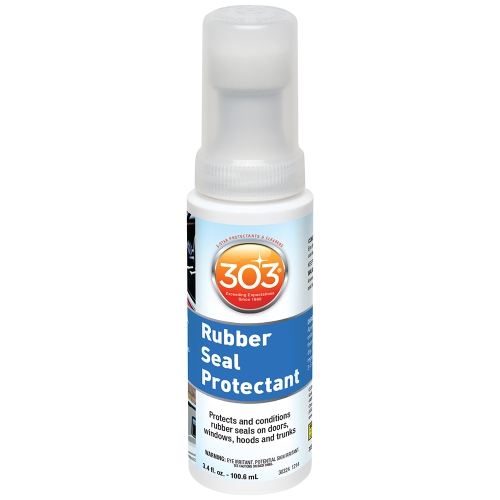 Your price for this item is $30.58
 -
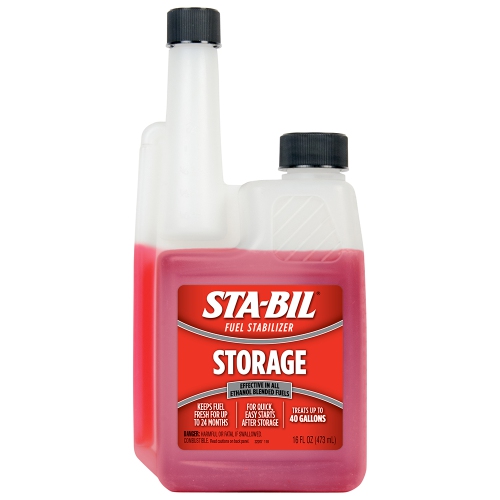 Your price for this item is $30.54
 -
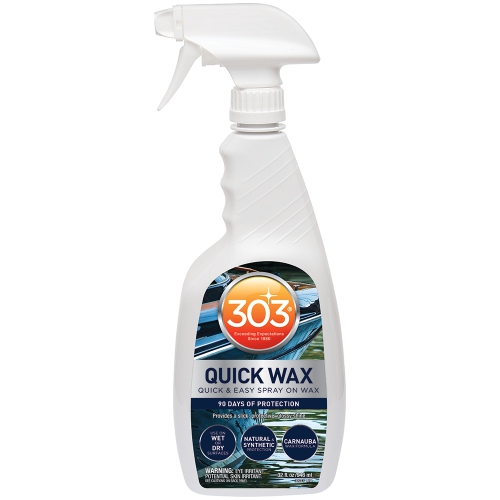 Your price for this item is $38.85
 -
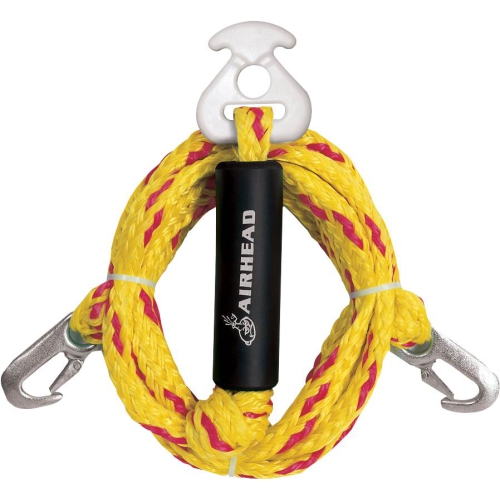 Your price for this item is $92.99
 -
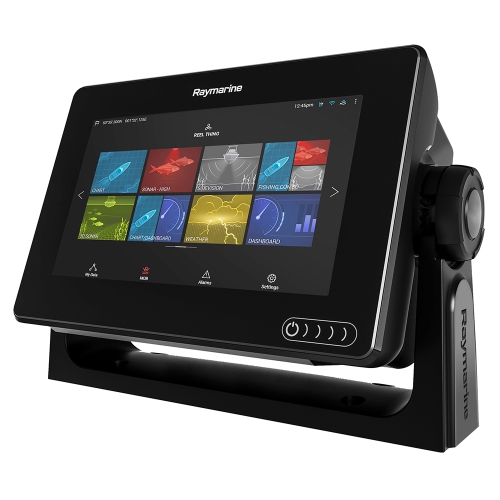 Your price for this item is $917.79
 -
 Your price for this item is $844.31
 -
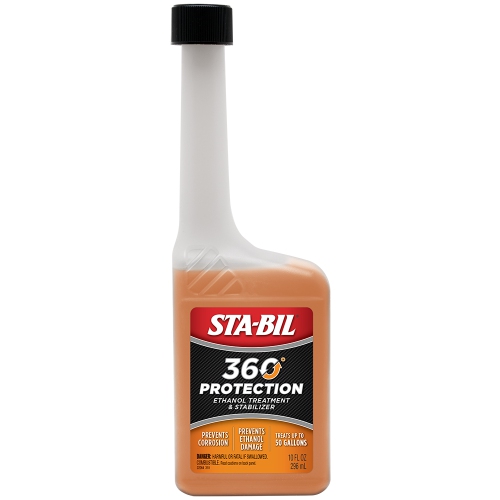 Your price for this item is $30.62
 -
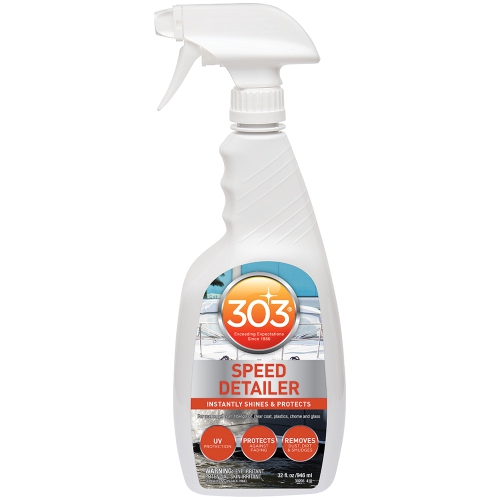 Your price for this item is $34.93
Discover more categories related to Boat Tie Downs
Top Collections:
Pokemon Centers, Kindle Devices, Best Budget Office Chairs, Apple iPhones 16, Canon G7X Cameras, iPhone 15 Apple, Alarm Clock, Refurbished Apple Laptops, Flip Phones, Best Laptops for Writers
Some products may be subject to Environmental Handling Fees
(EHF) depending on your province.
Learn more about EHFs.