Boite A Fleur En Bois
Transform your living space with the natural charm of a wooden flower box. These versatile and stylish pieces are perfect for showcasing your favorite plants and flowers, bringing a touch of nature indoors or enhancing your outdoor decor. Crafted from high-quality wood, these flower boxes offer durability and timeless appeal that complements any aesthetic. Whether you're looking to add a rustic touch to your home or create a cozy garden oasis, a wooden flower box is an excellent choice for both seasoned gardeners and budding plant enthusiasts alike. Explore the possibilities and elevate your space with the warmth and beauty of wood.
Sort




Important considerations for placement, drainage and seasonal planting
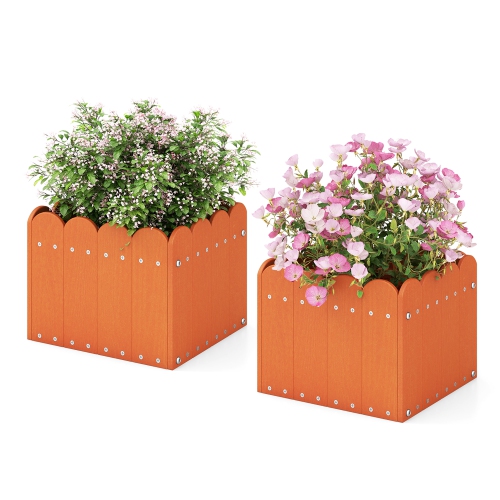
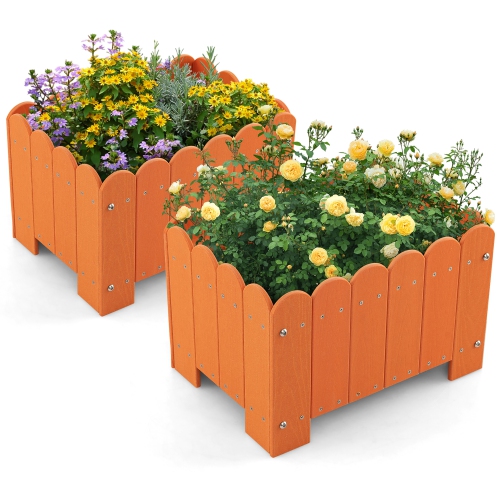
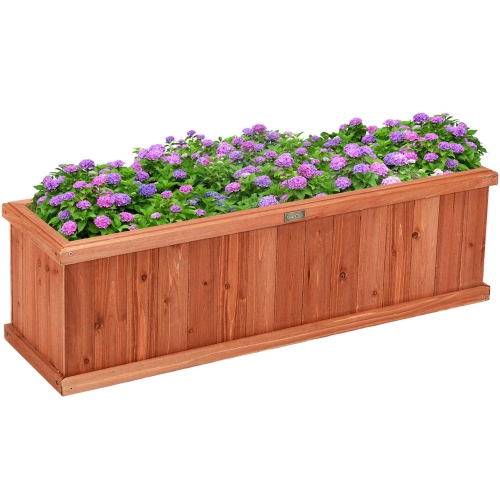
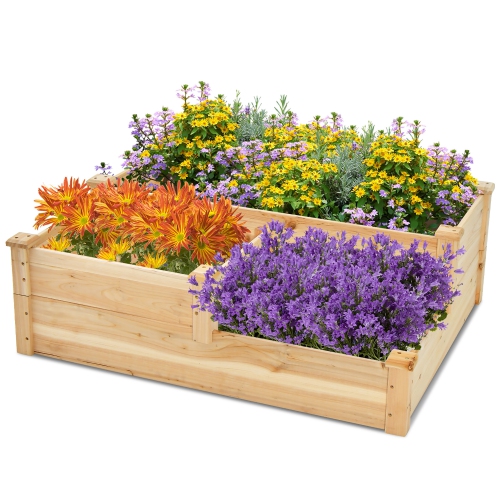
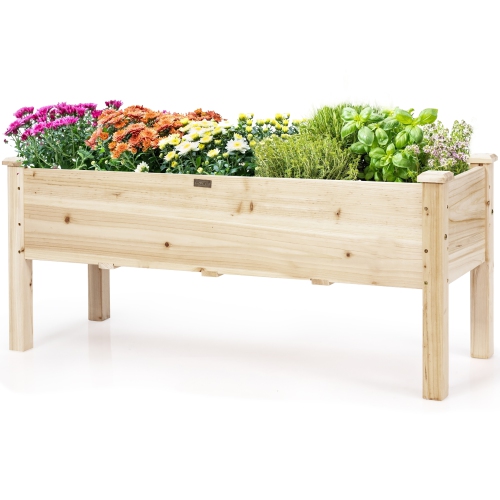
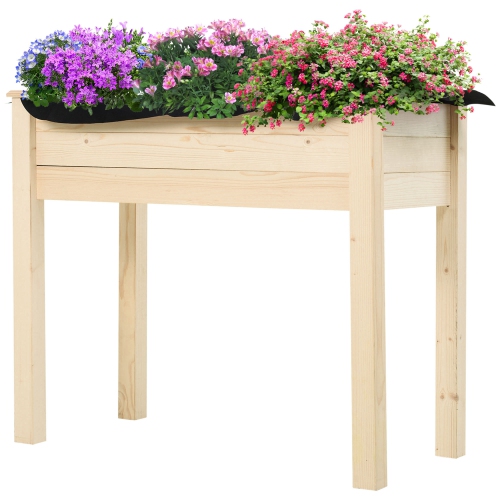
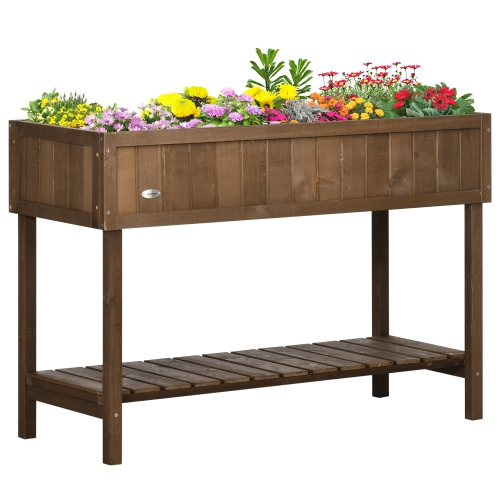
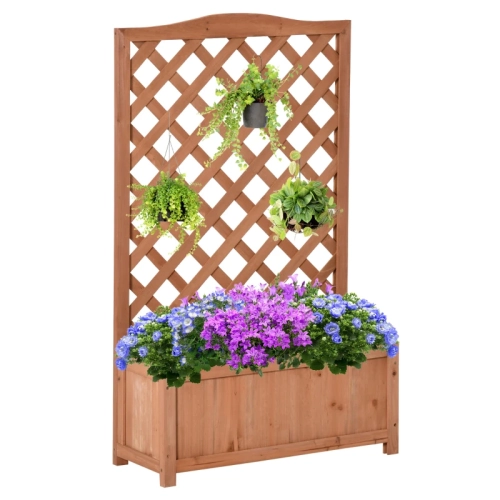
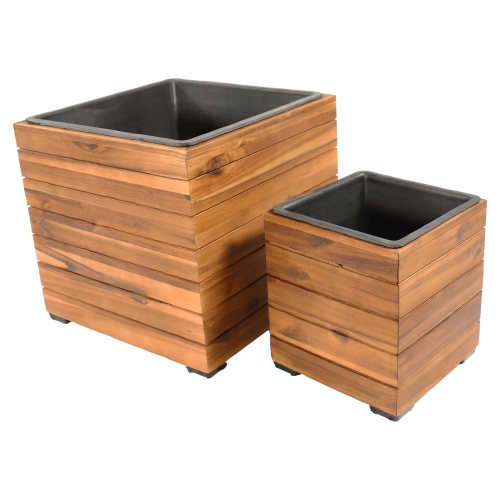
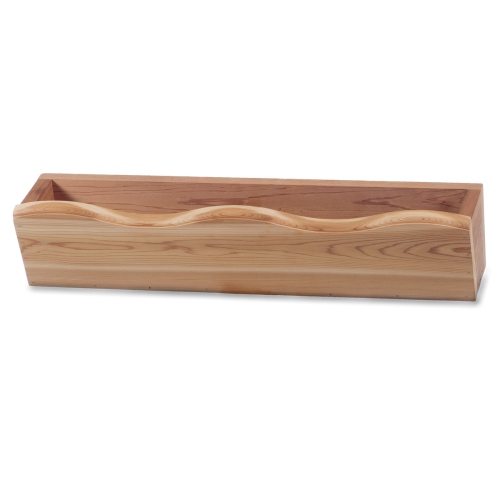
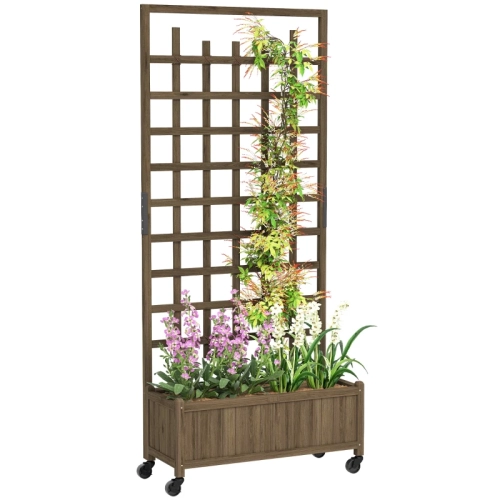
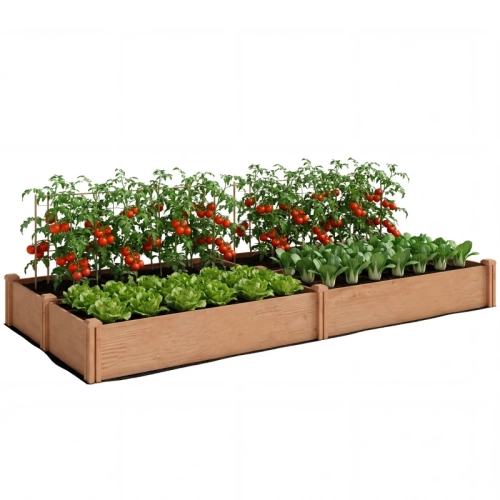
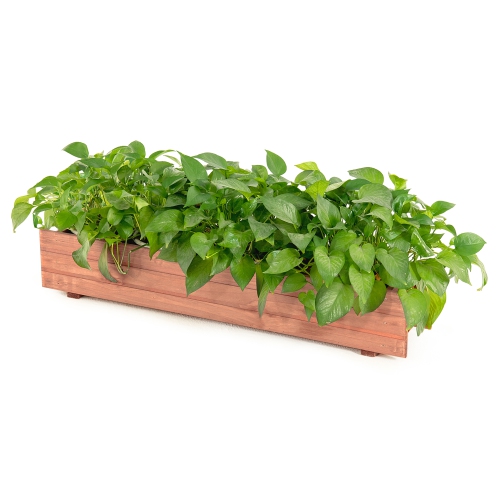
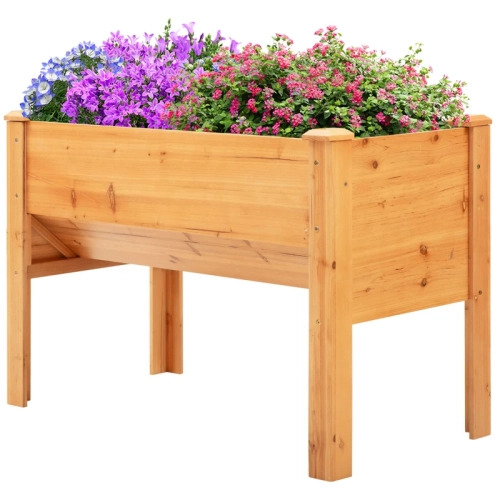
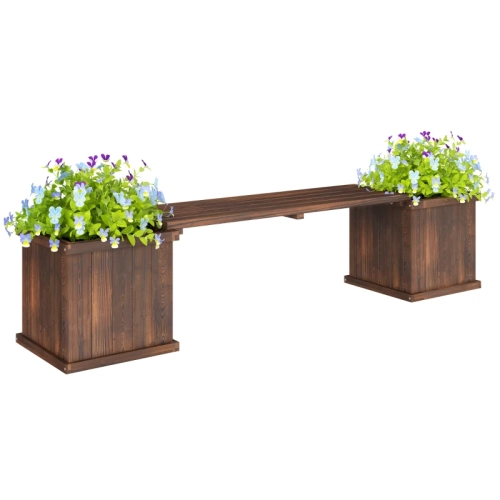
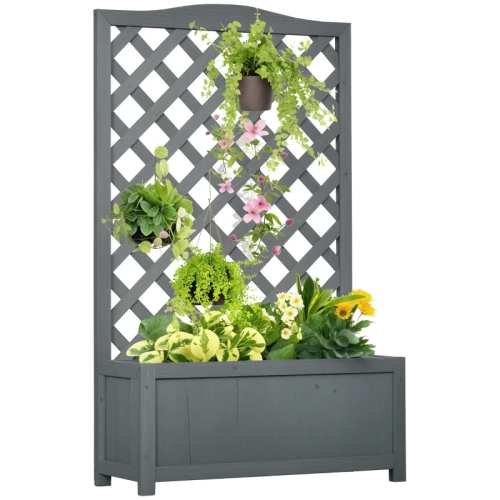
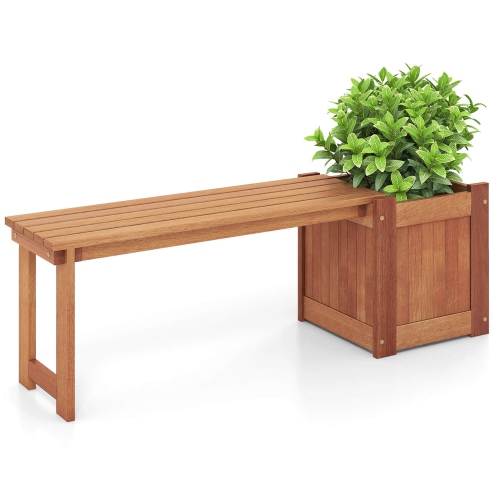
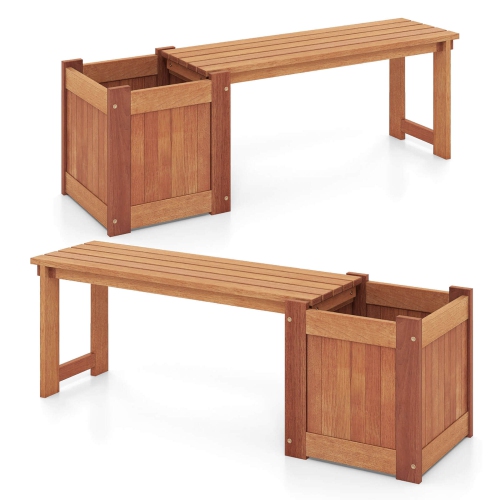
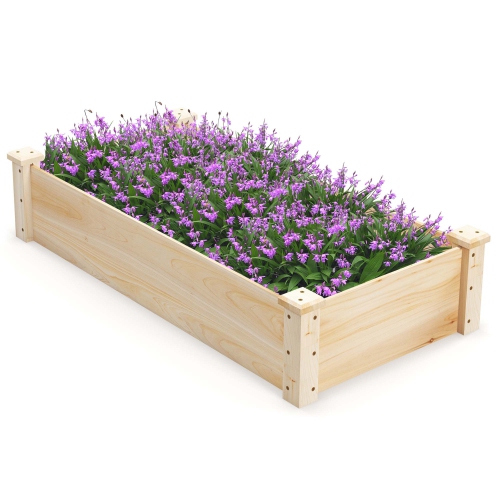
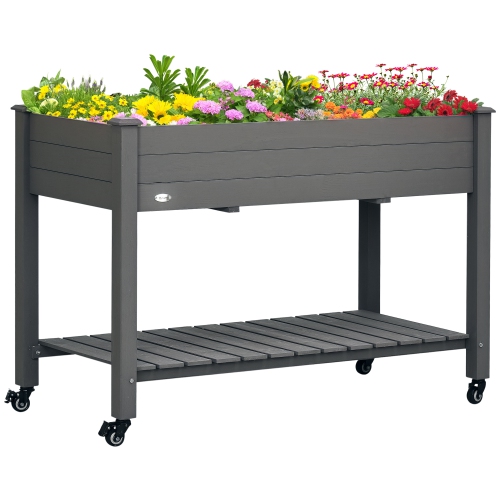
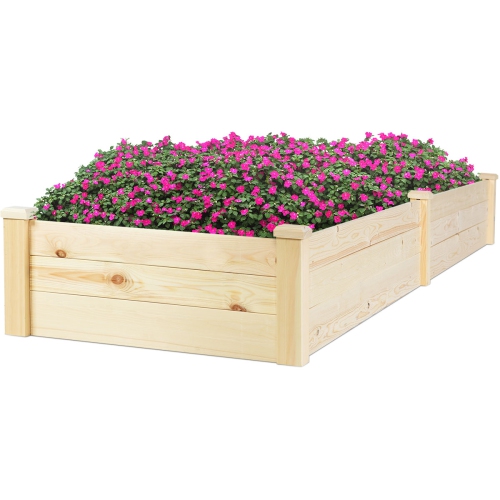
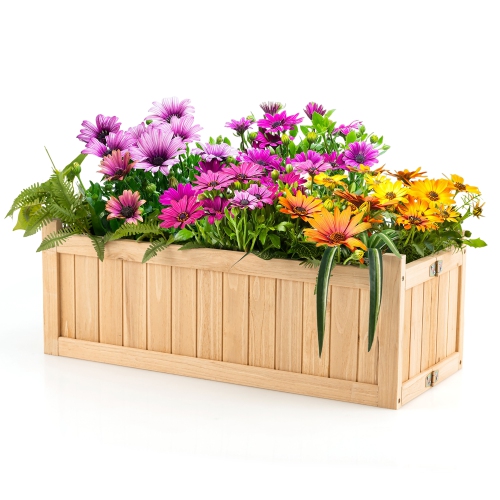
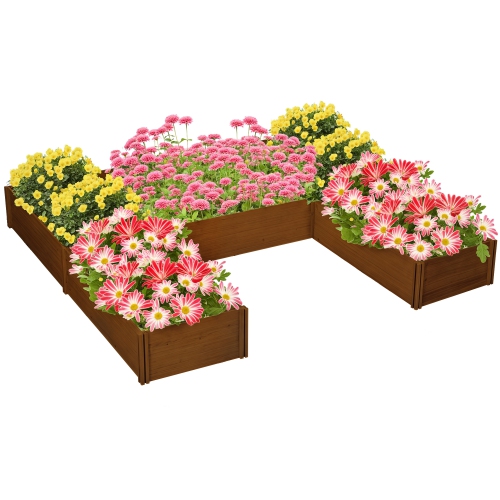
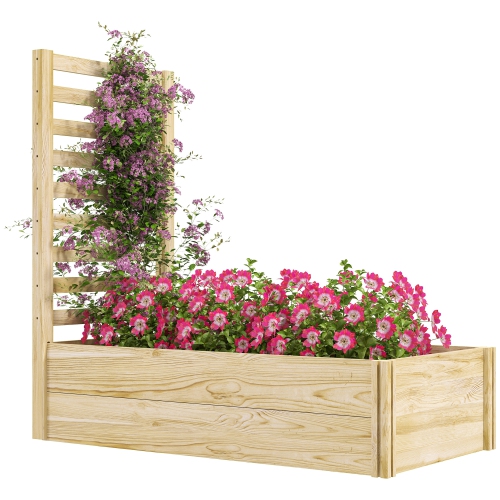
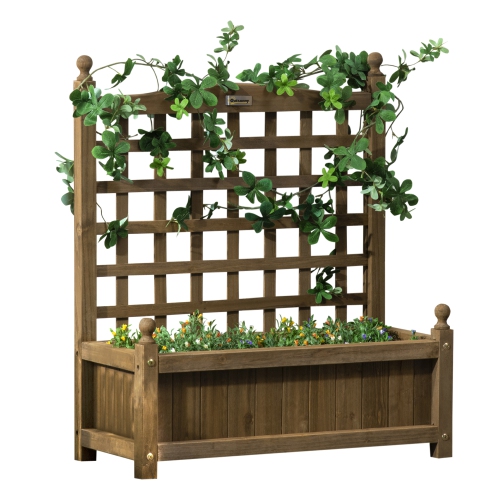
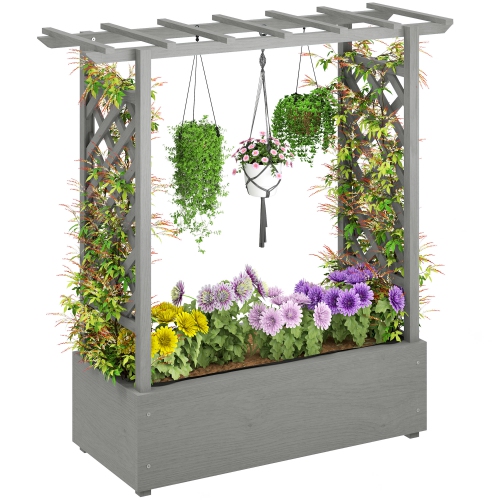
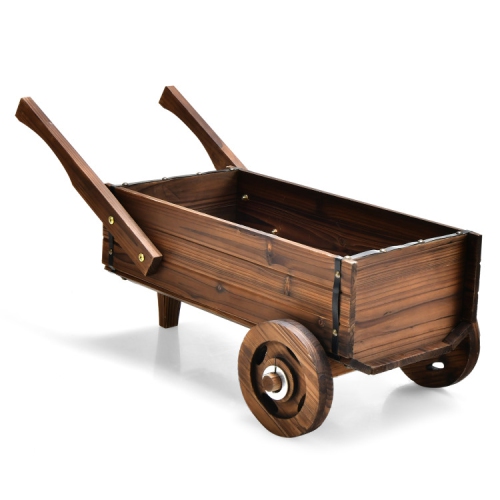
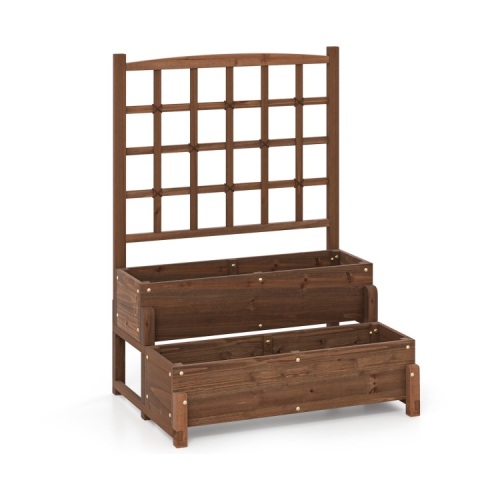
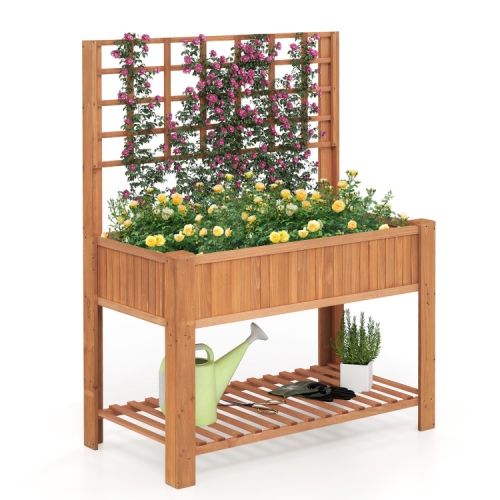
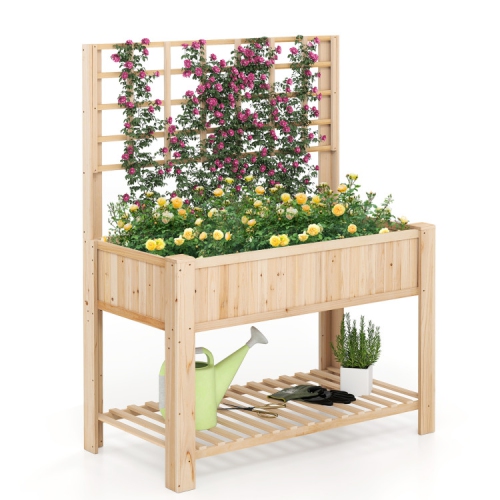
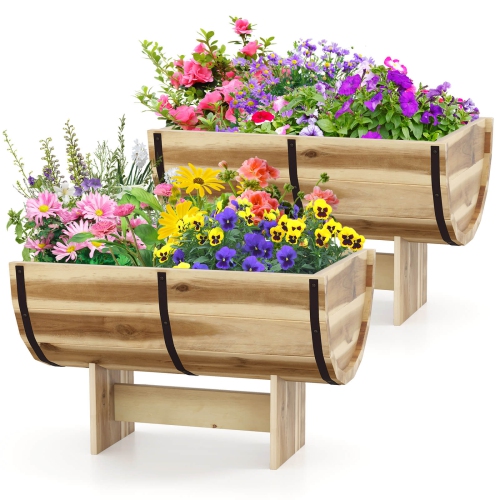
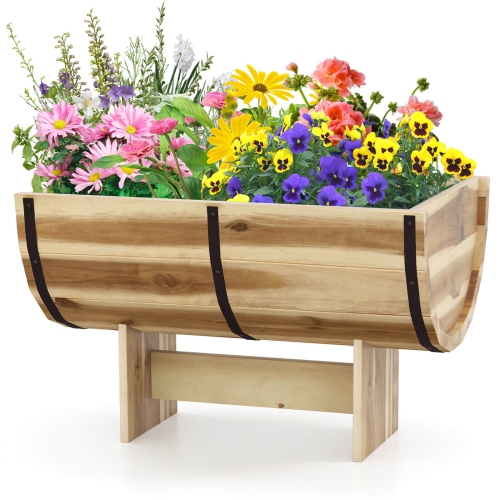
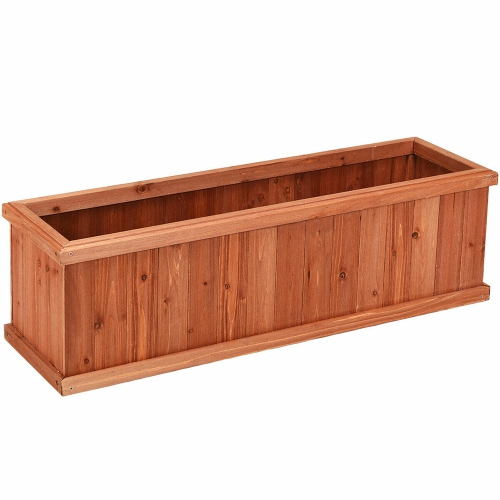
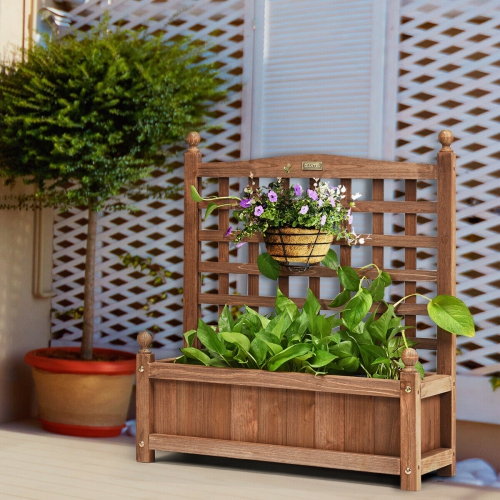
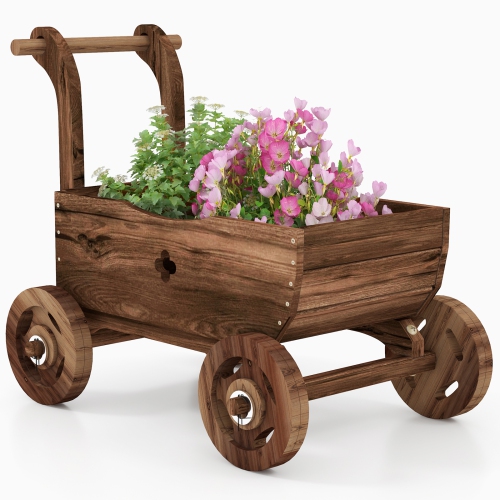
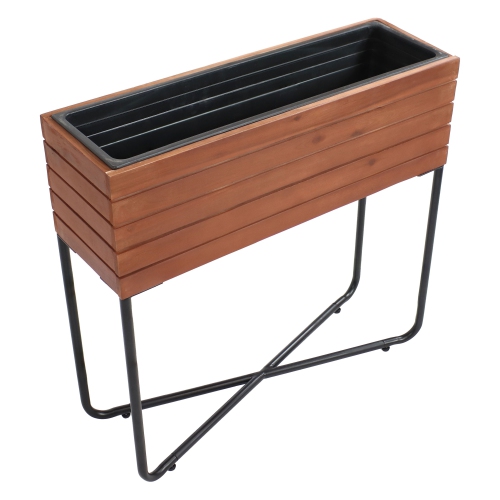
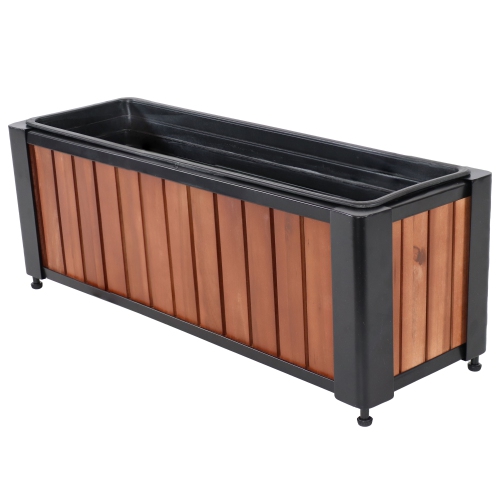
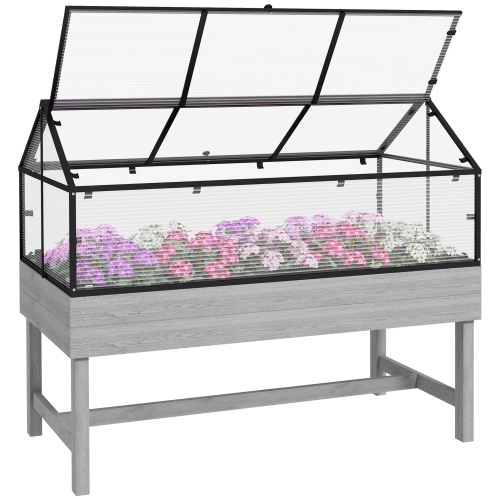
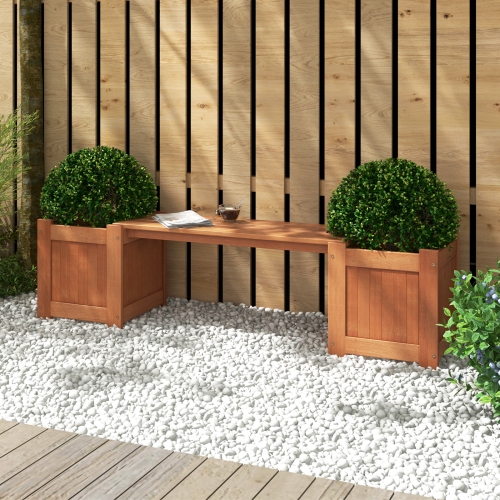
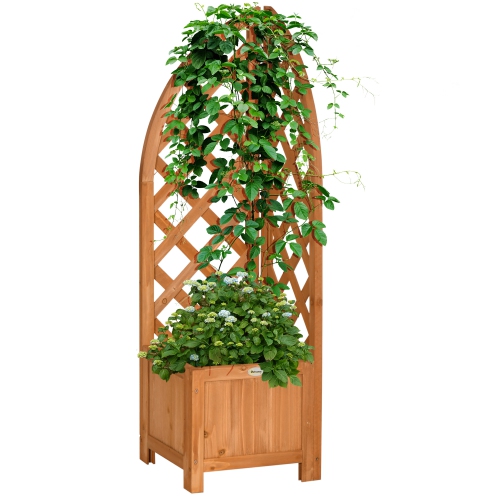
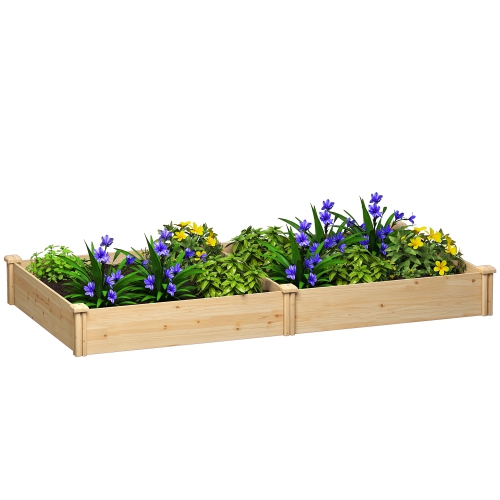
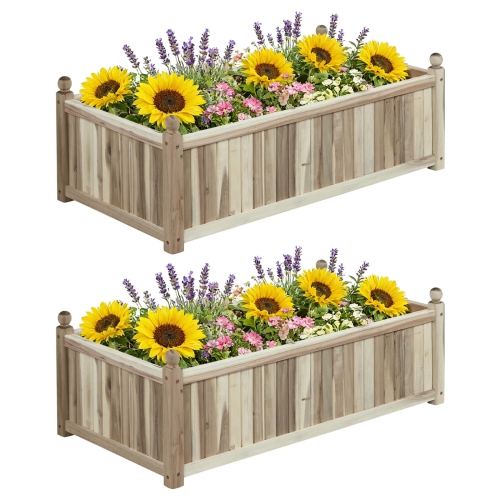
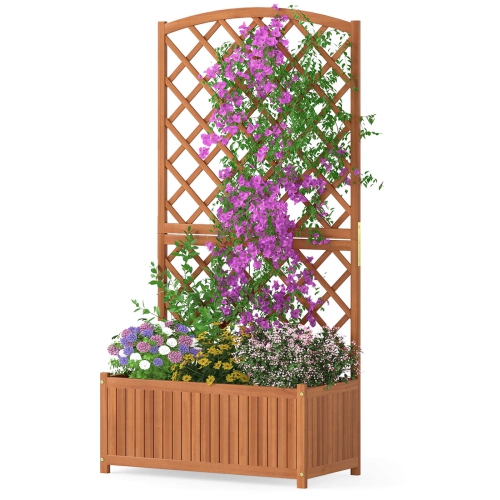
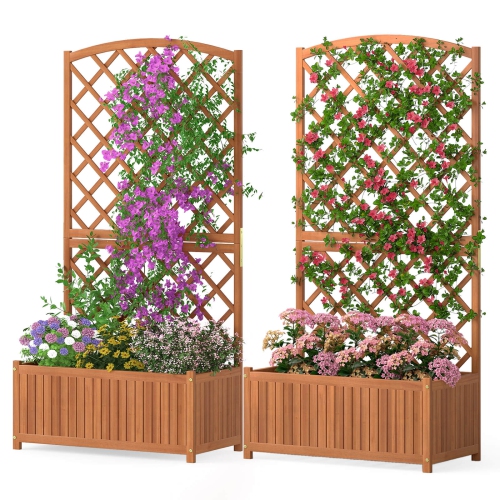
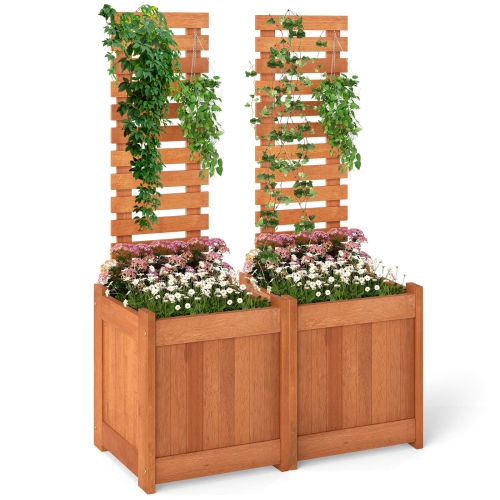
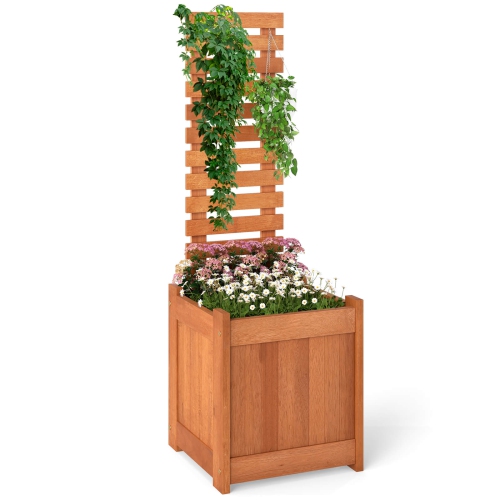
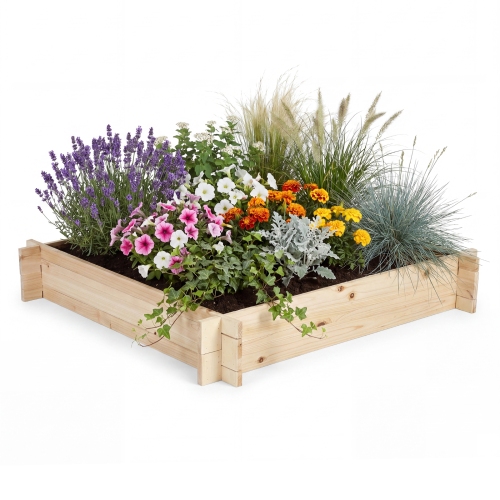
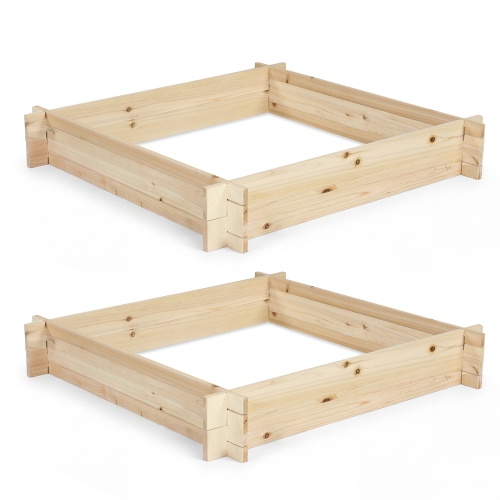
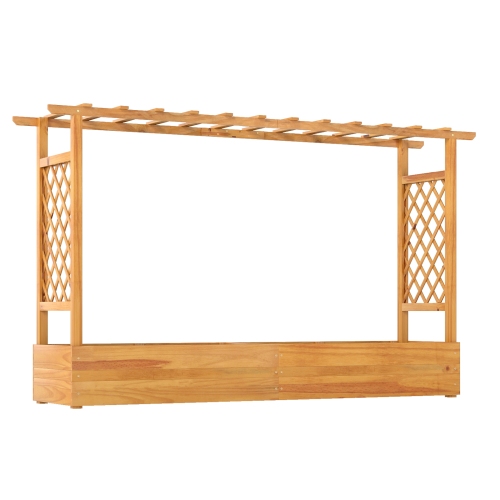
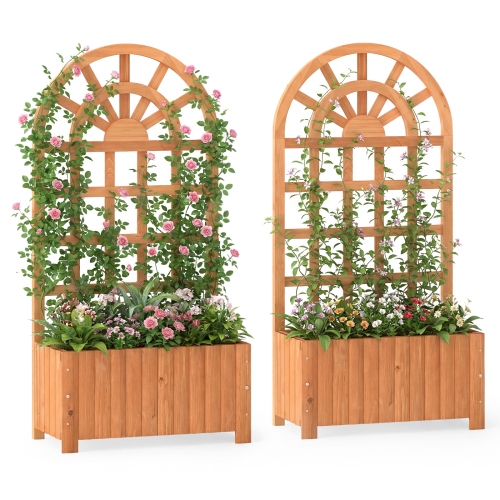
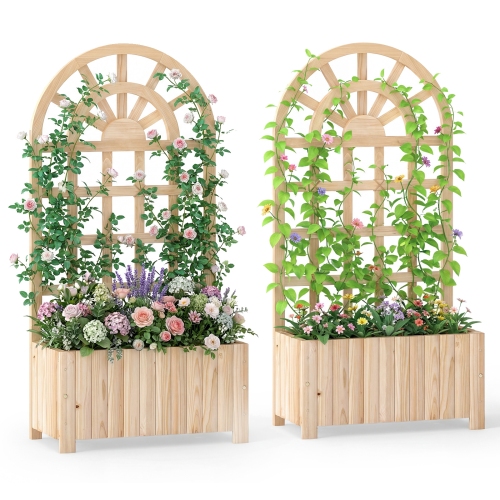
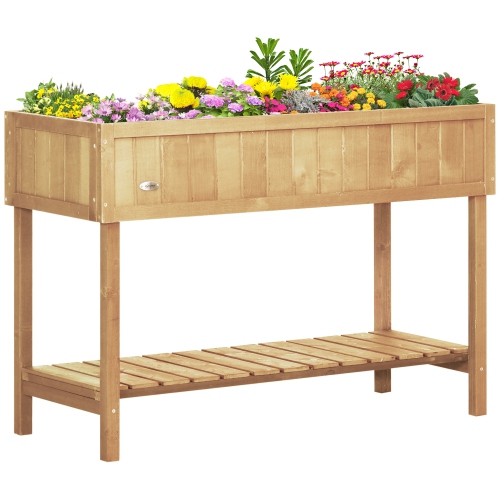
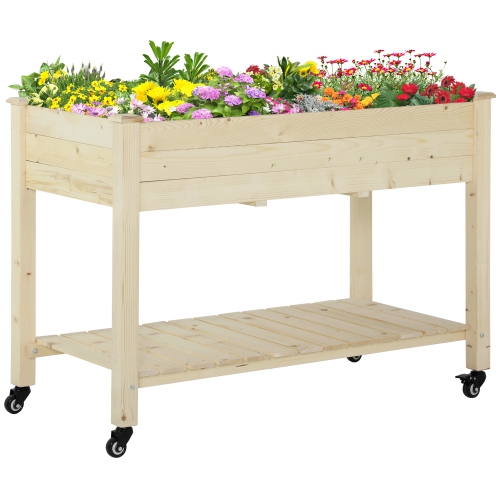
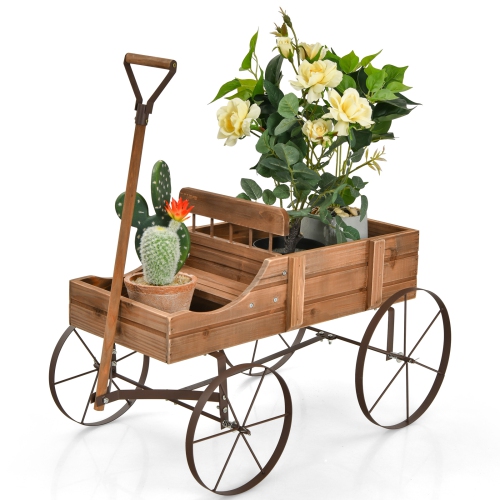
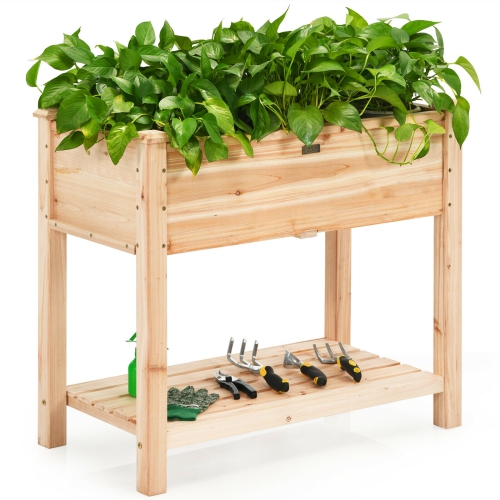
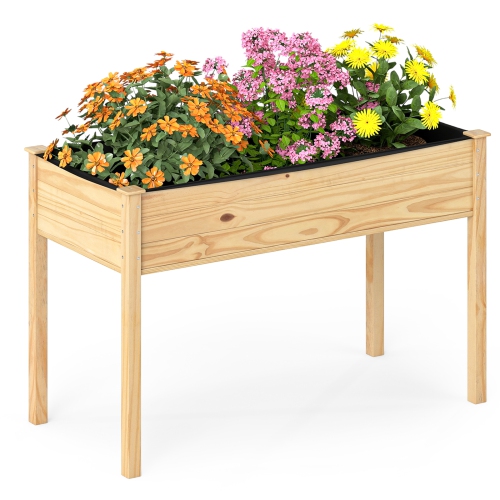
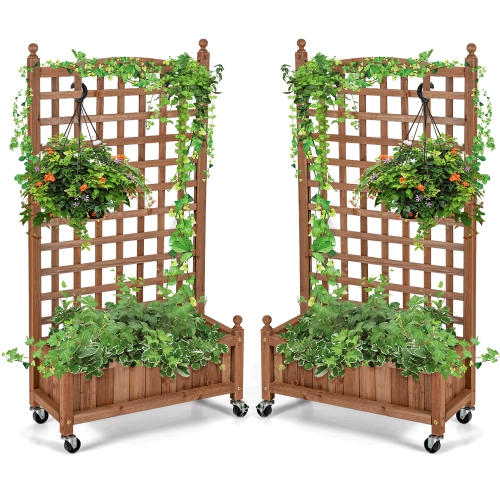
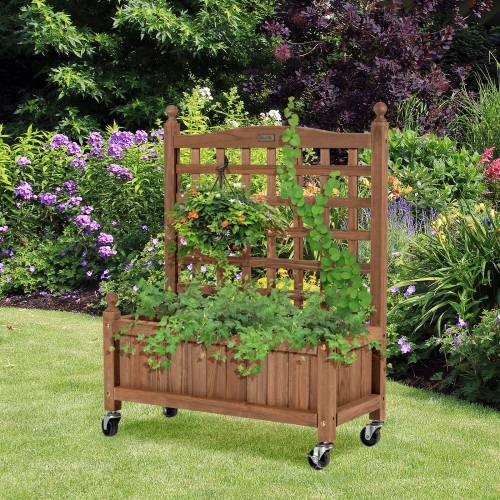
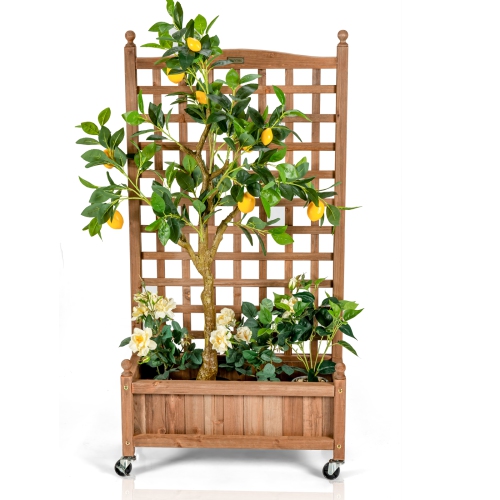
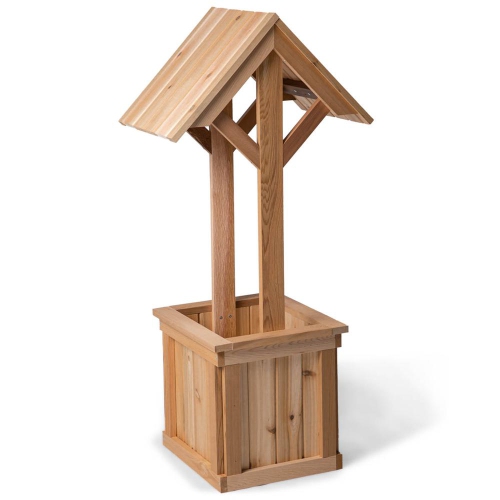
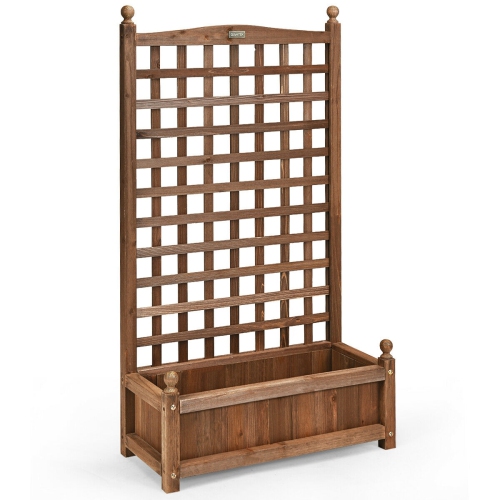
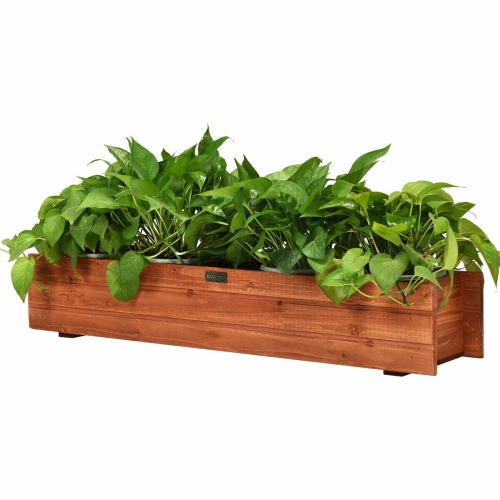
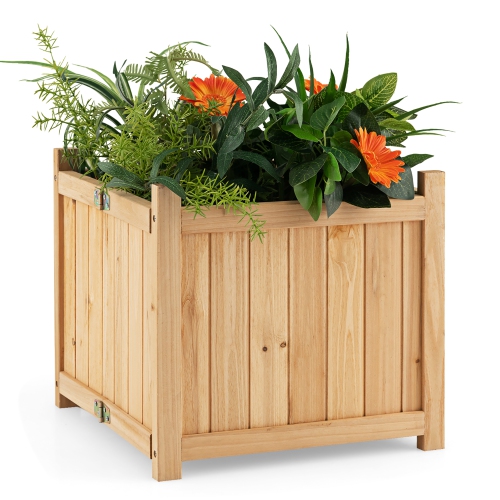
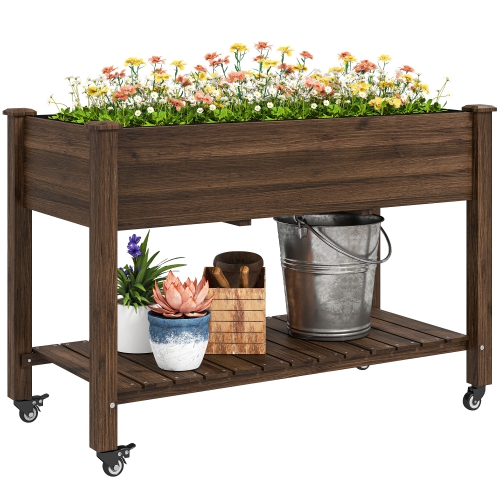
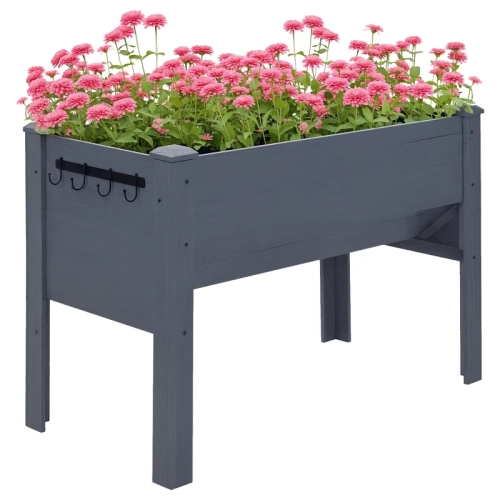
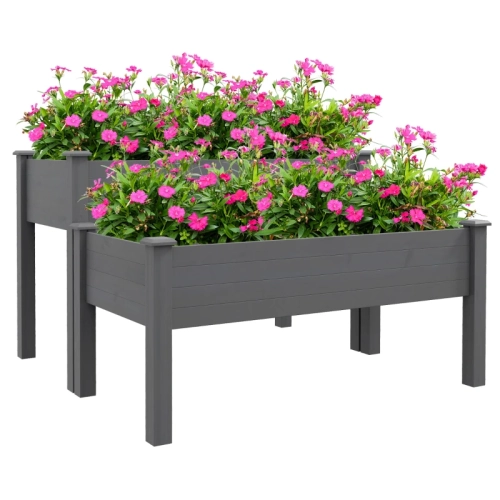
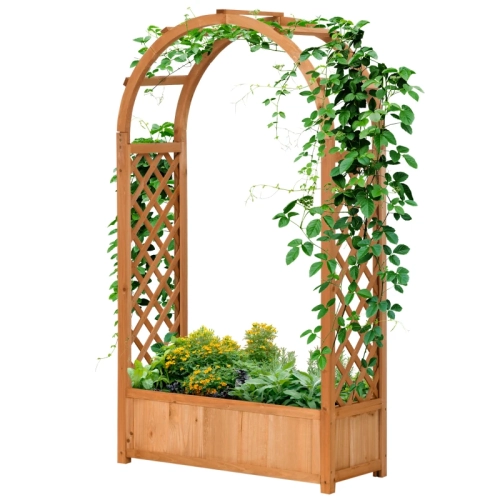
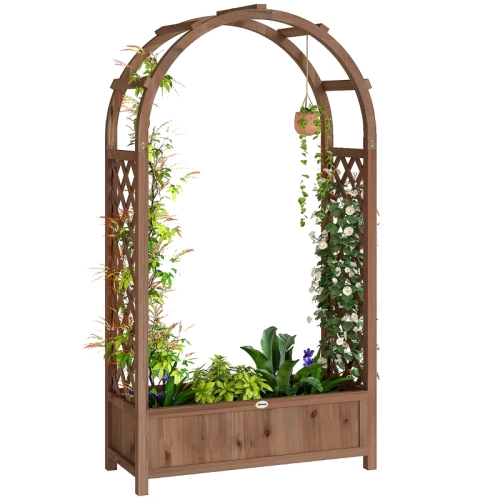
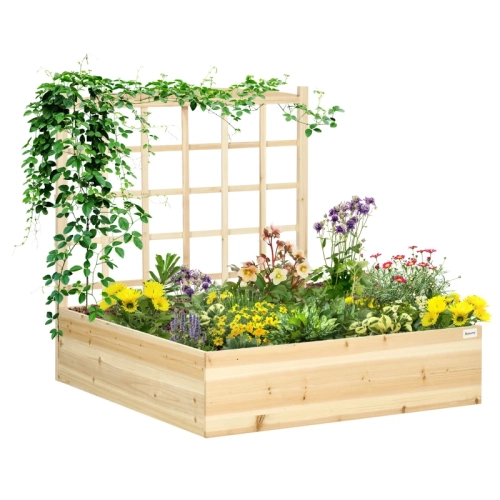
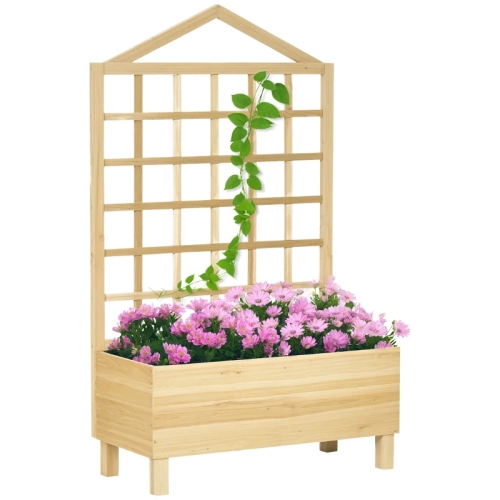
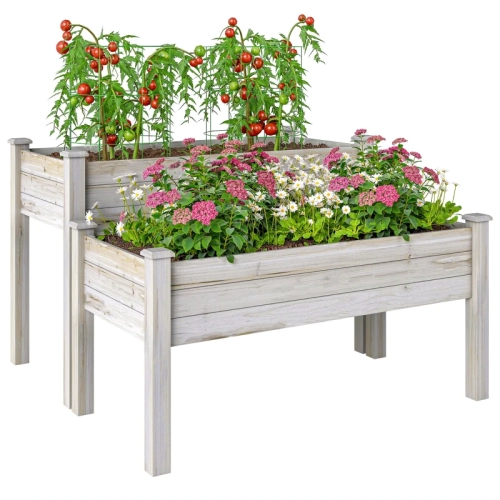
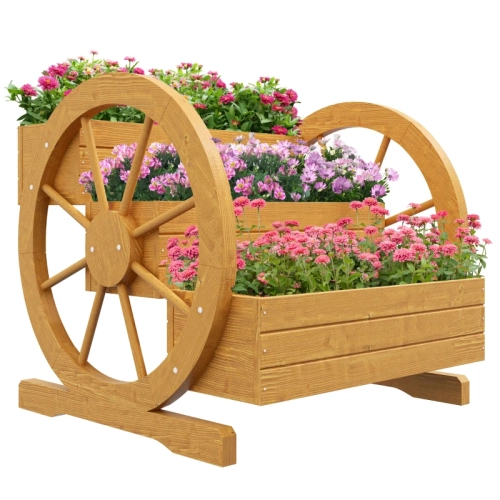
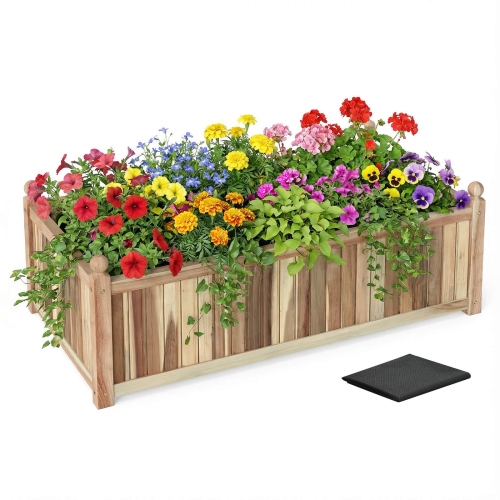
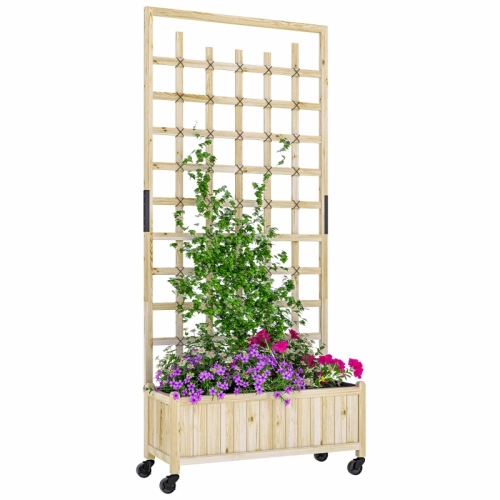
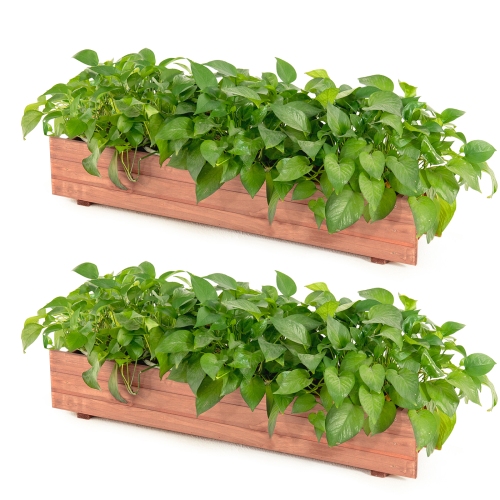
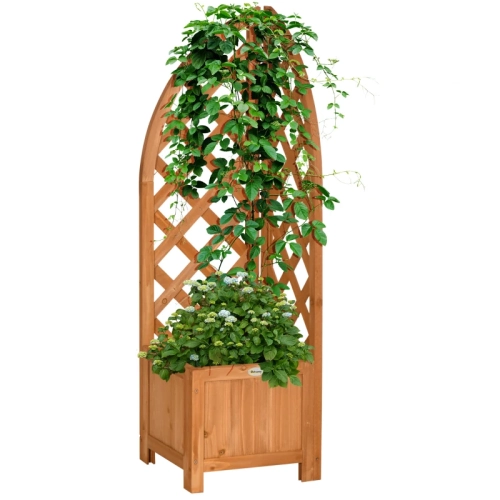
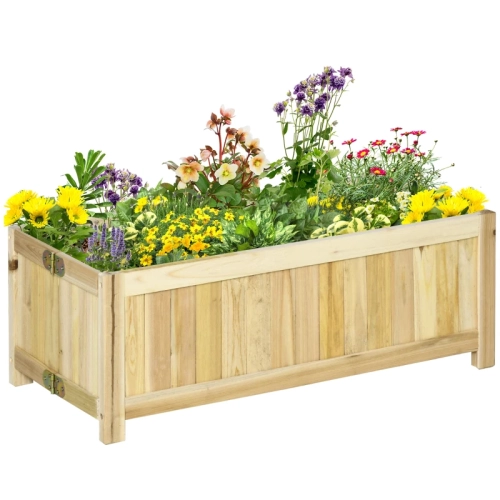
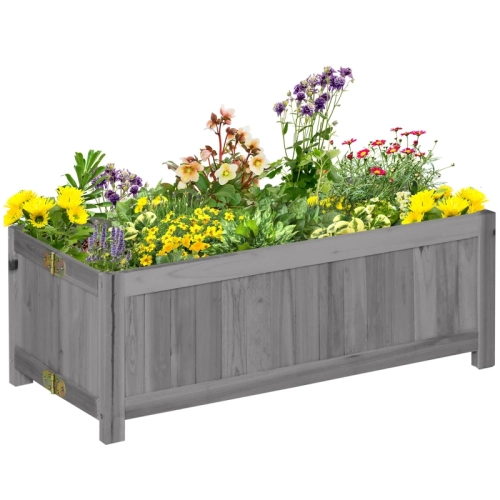
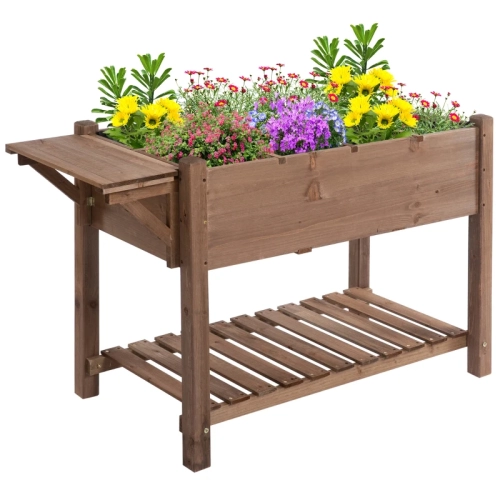
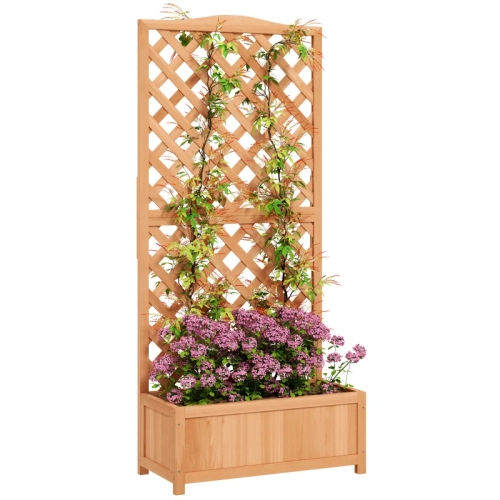
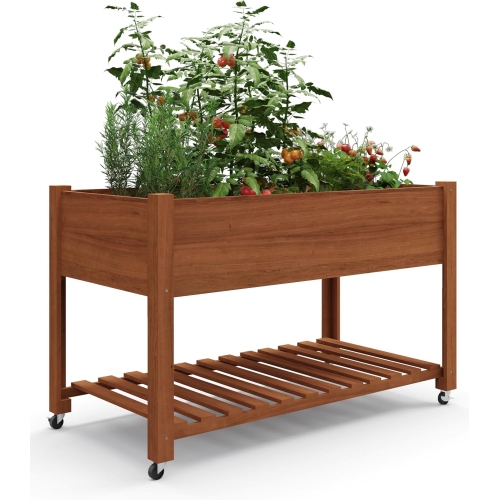
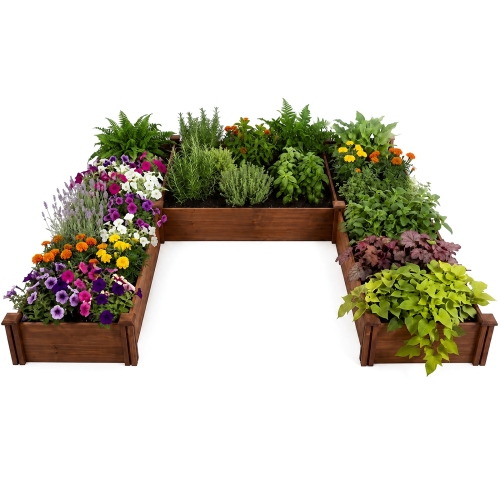
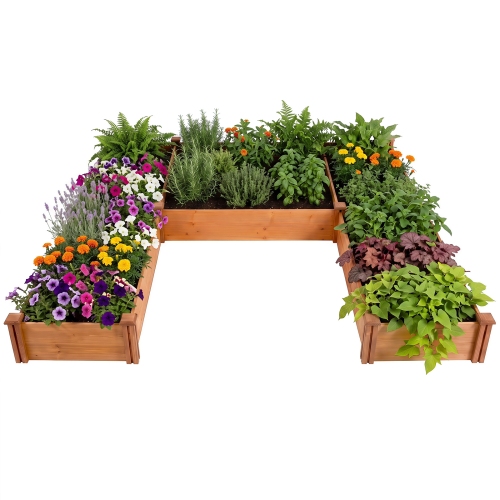
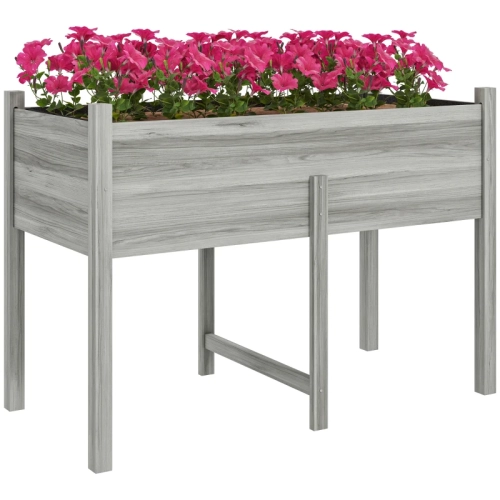
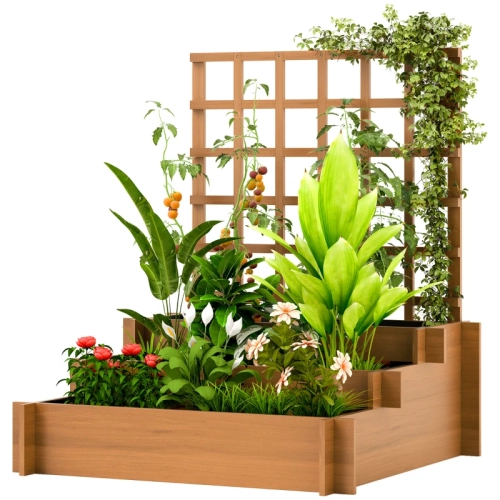
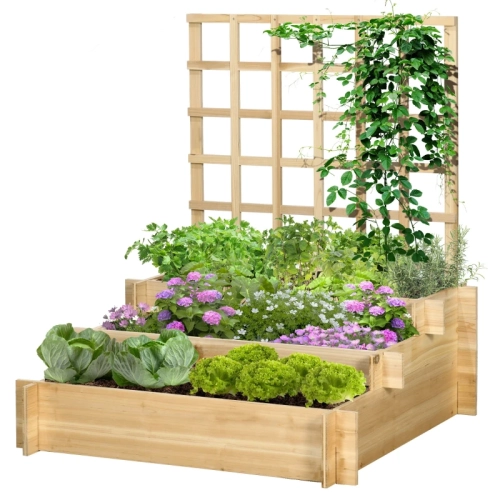
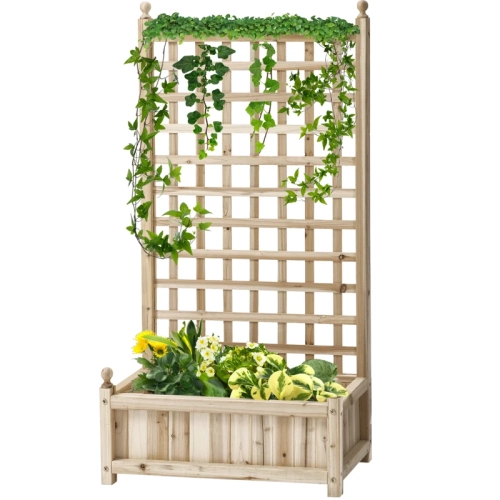
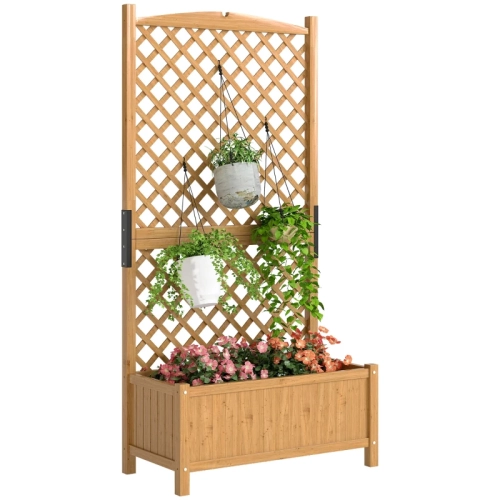
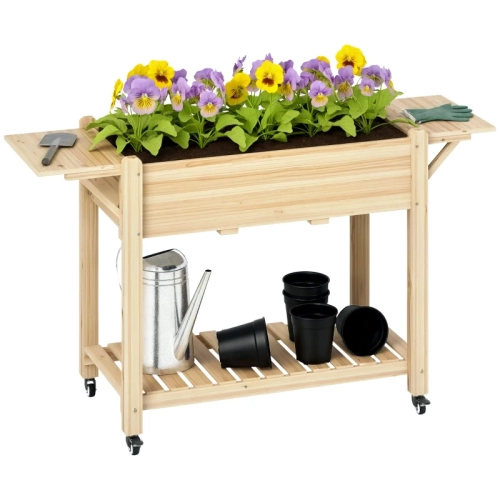
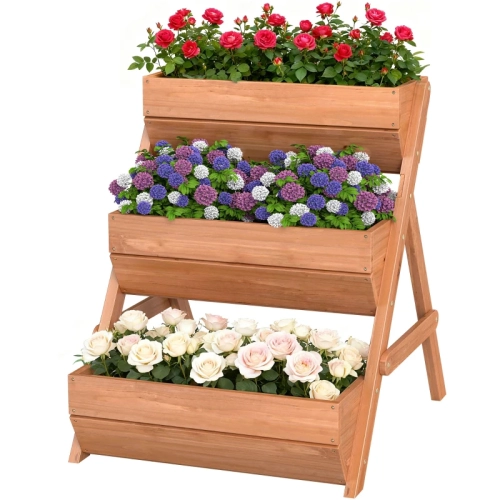
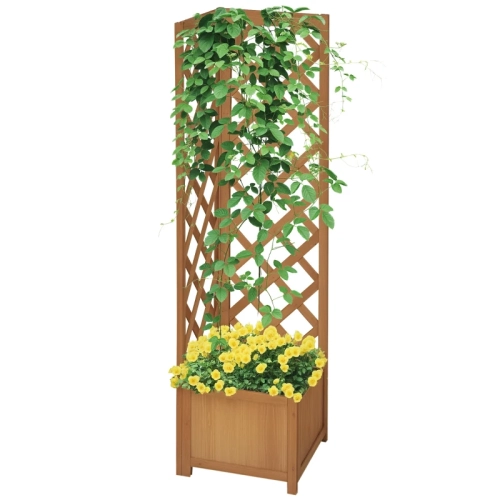
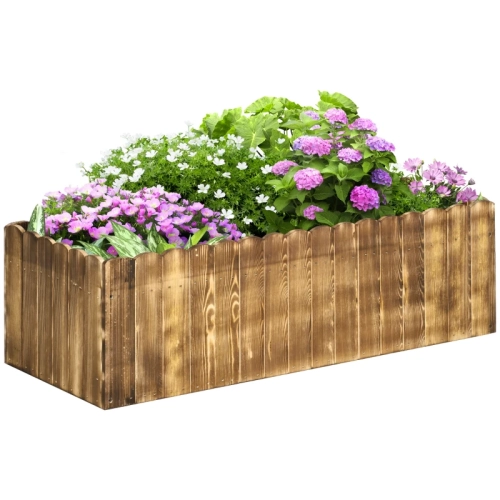
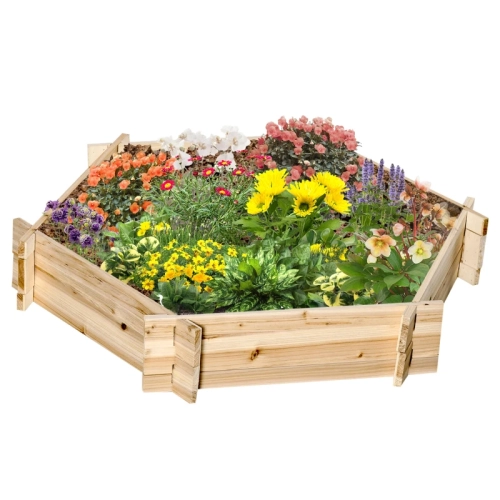
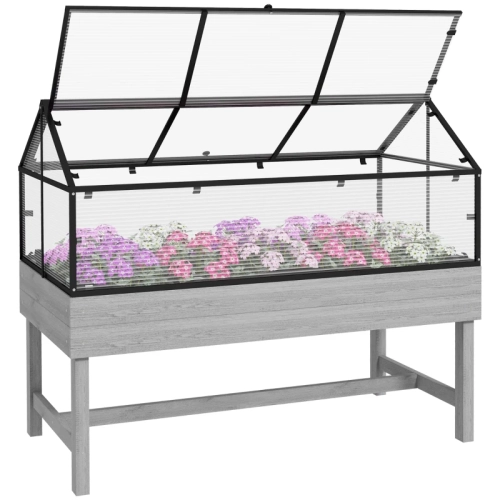
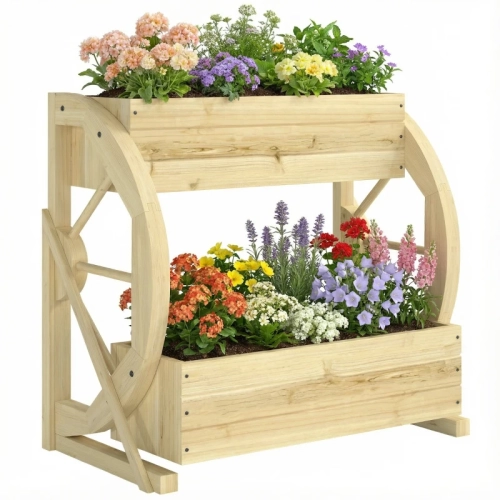
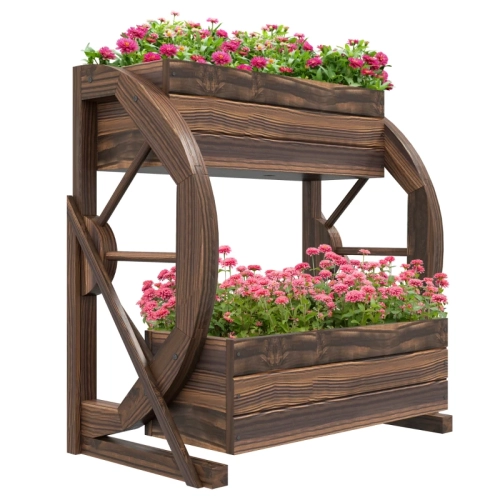
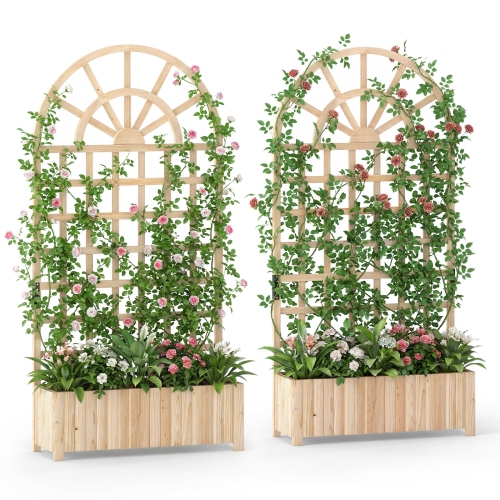
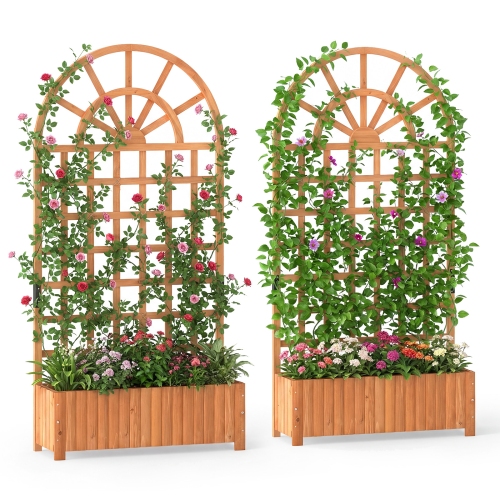
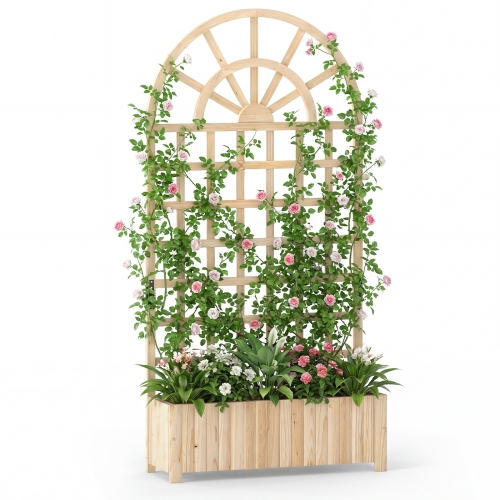
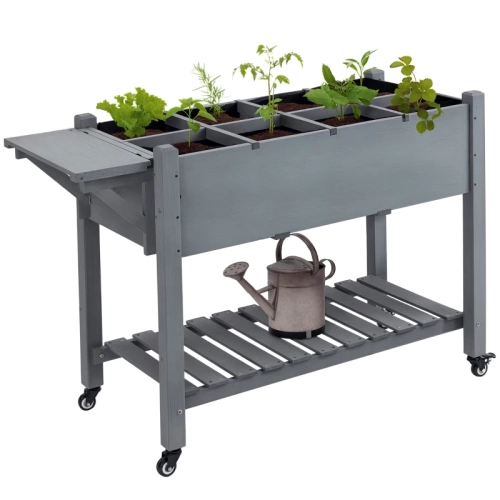
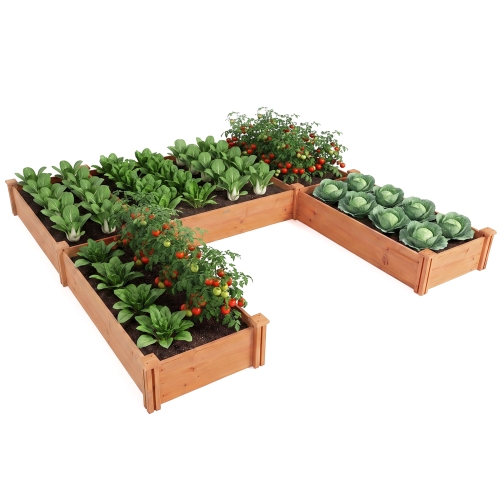
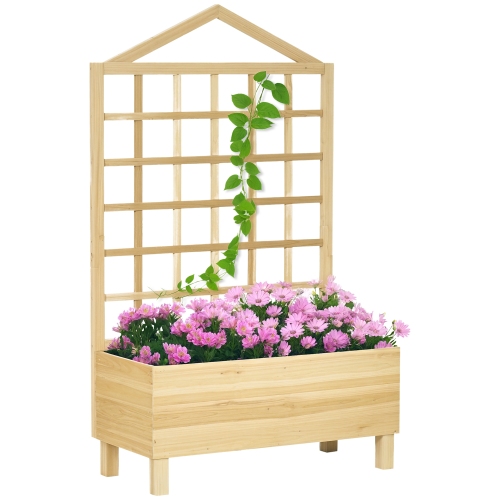
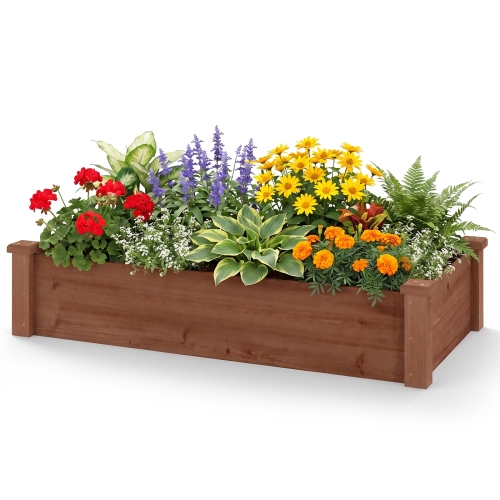
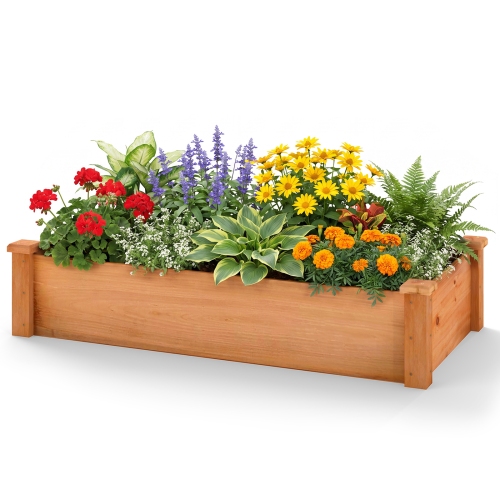
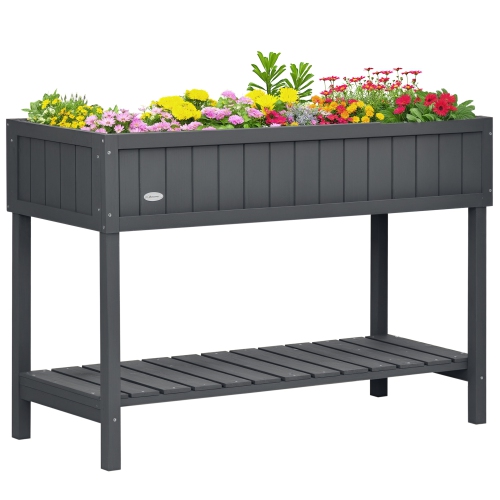
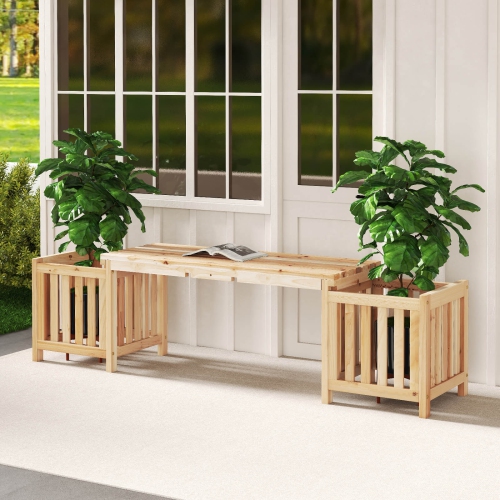
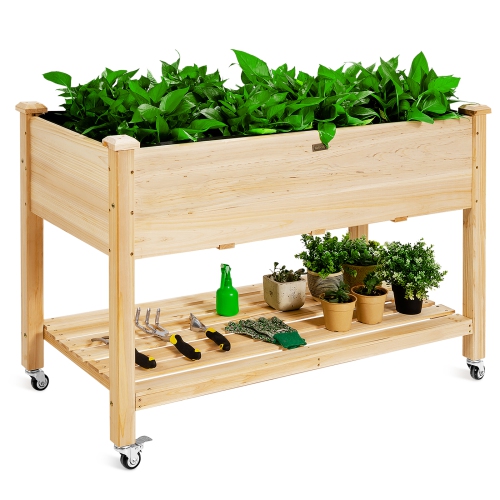
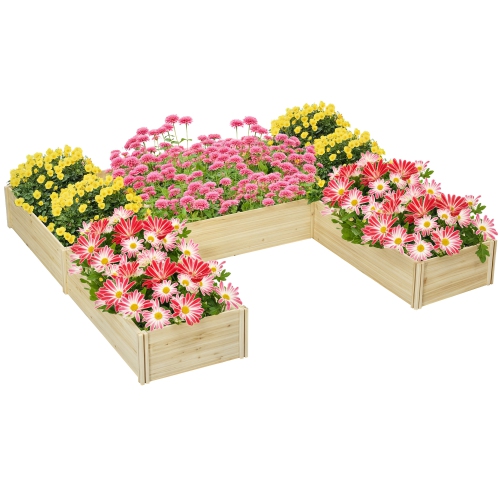
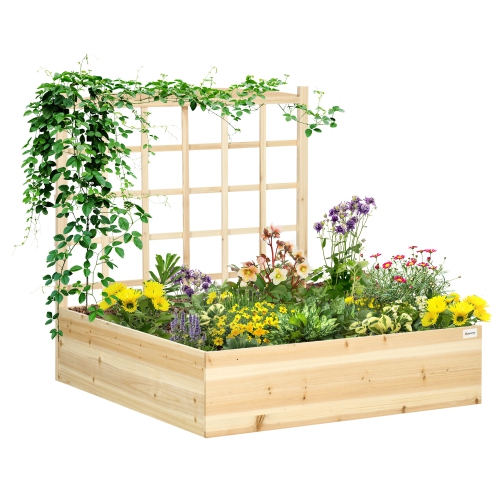
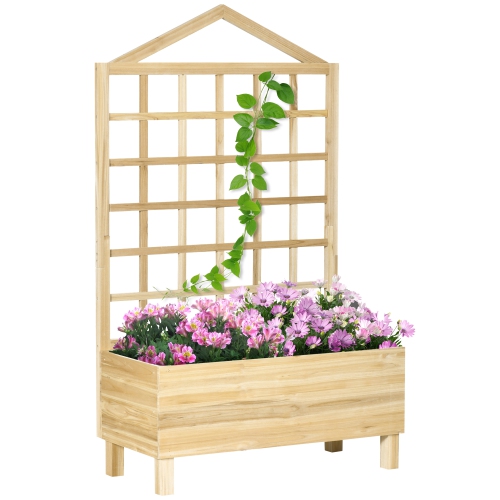
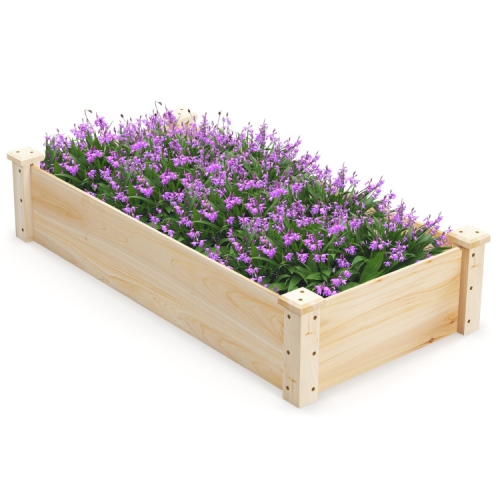
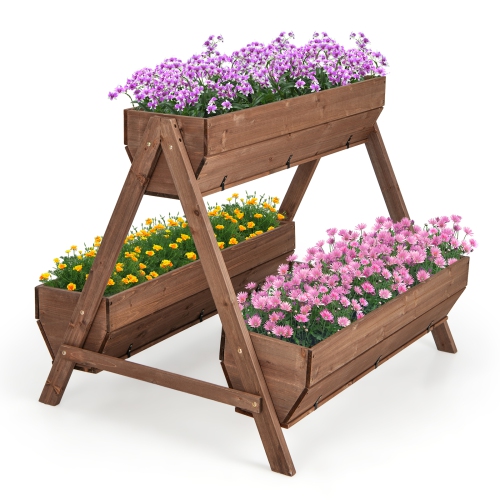
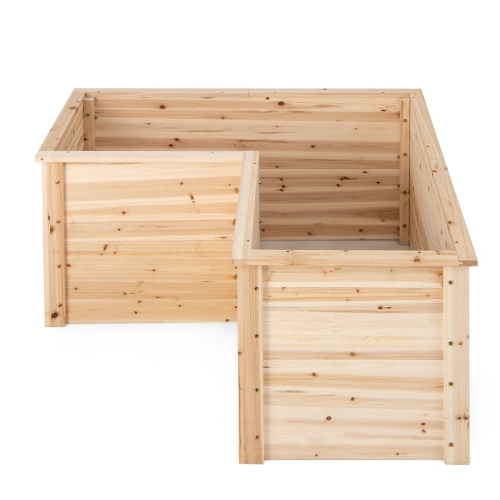
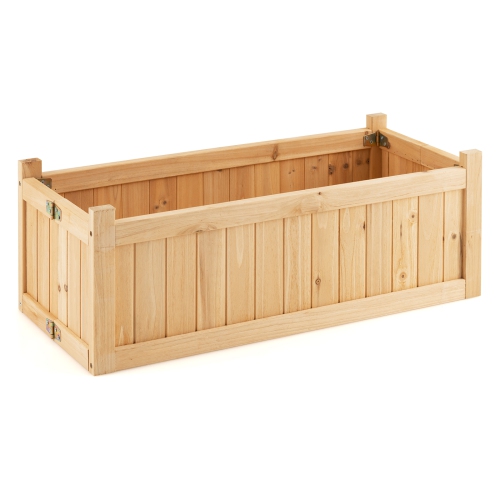
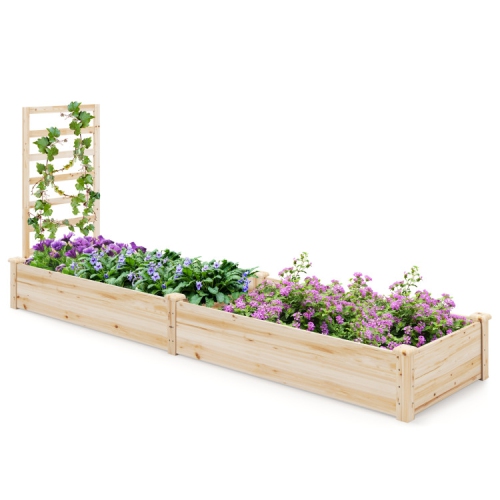
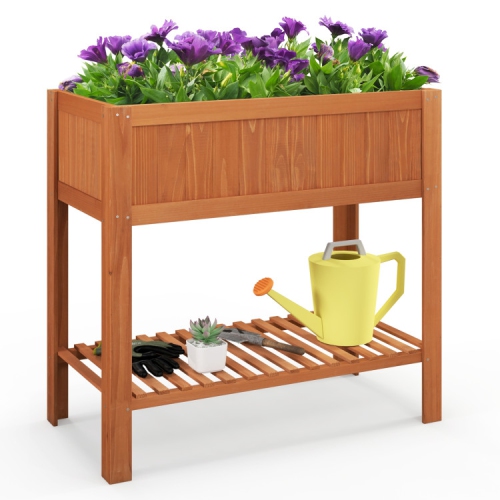
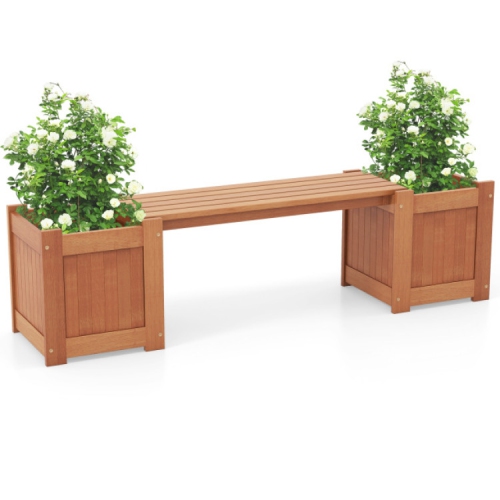
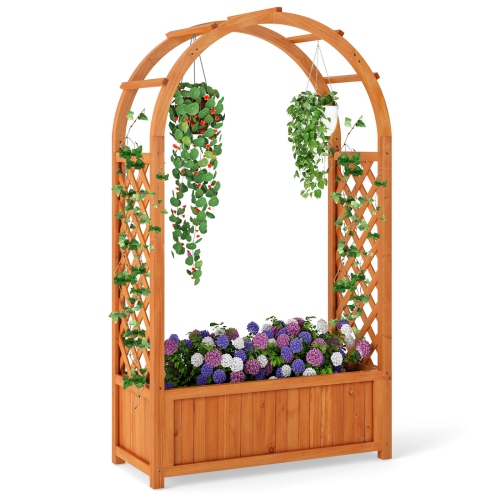
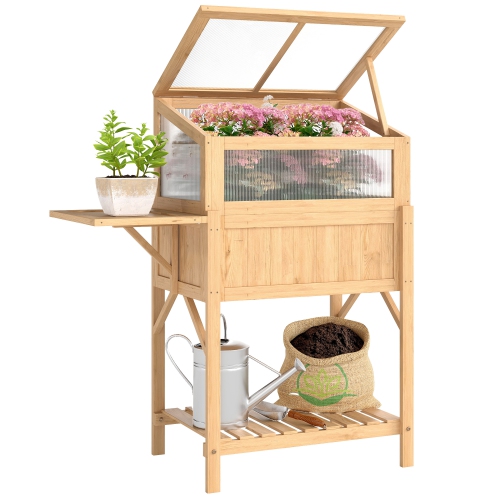
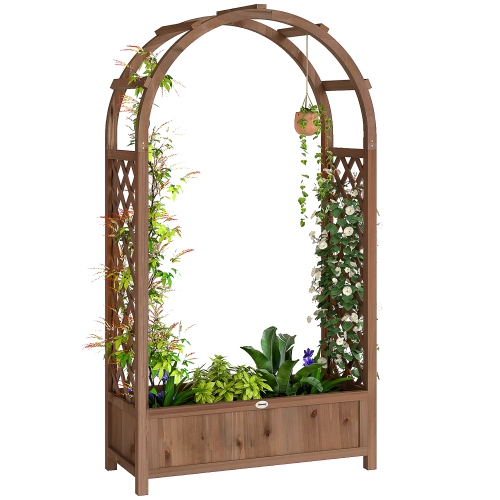
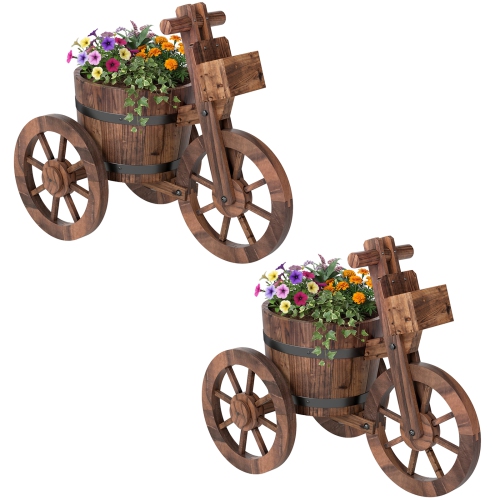
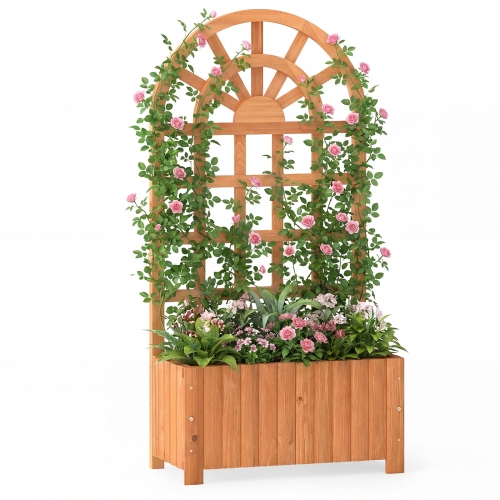
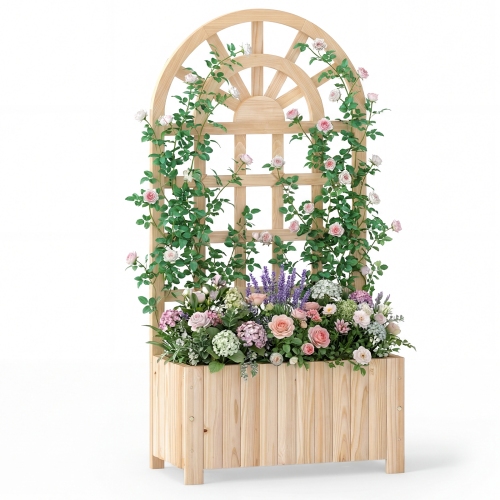
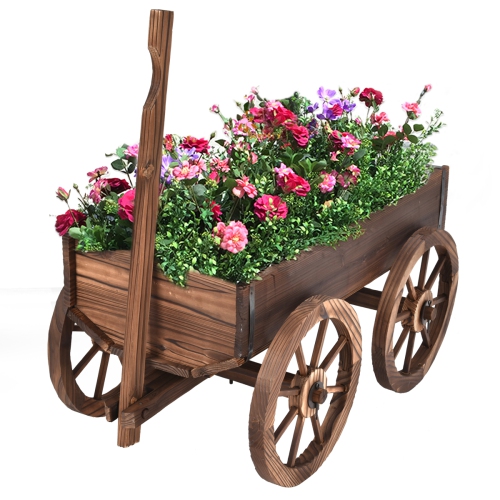
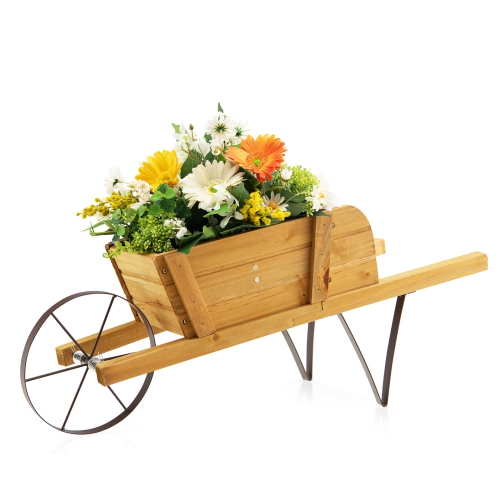
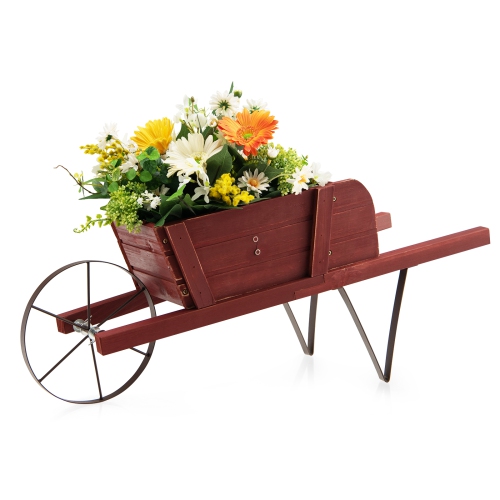
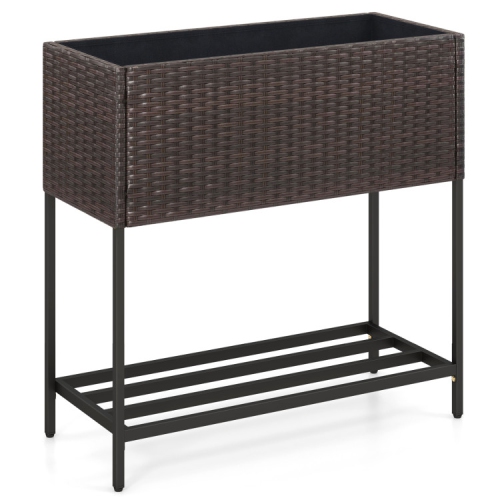
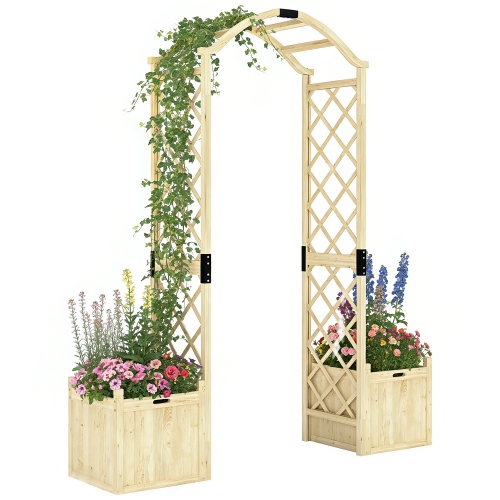
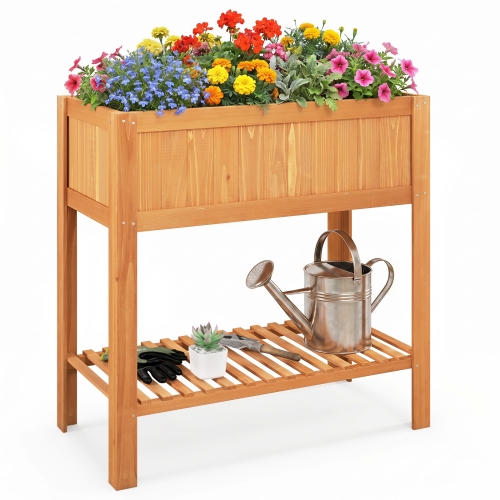
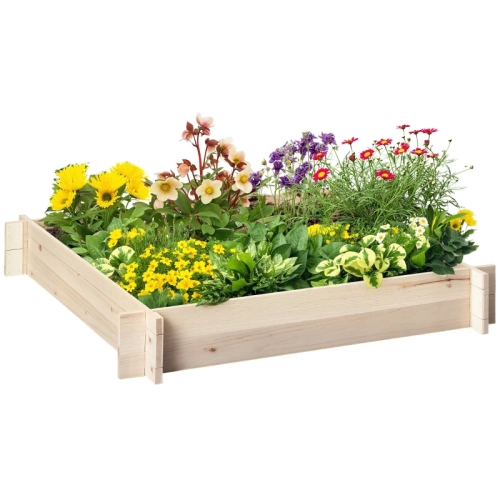
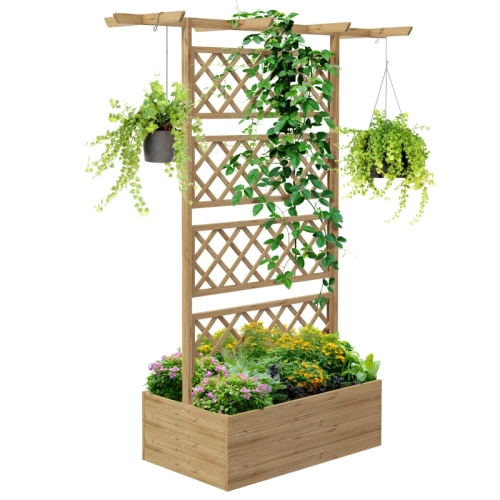
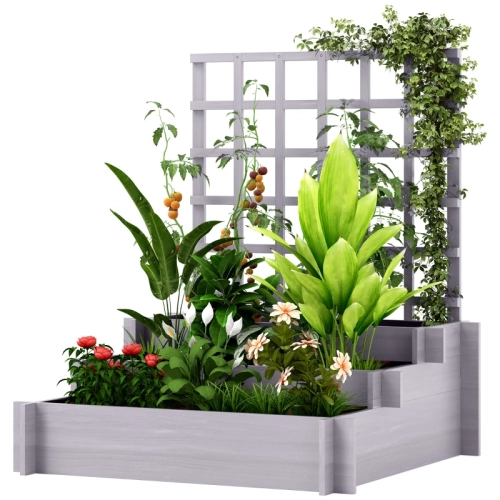
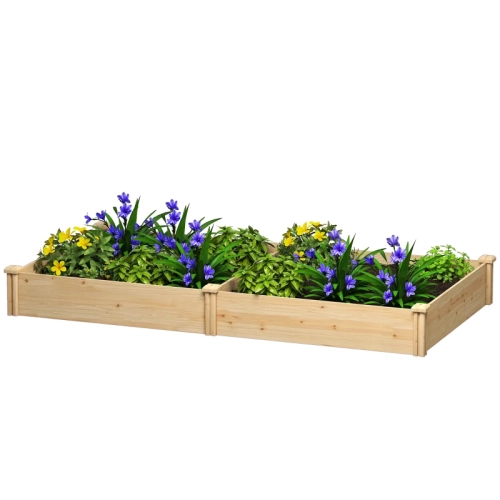
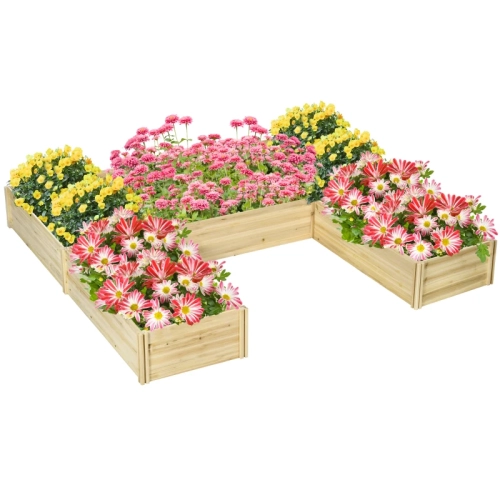
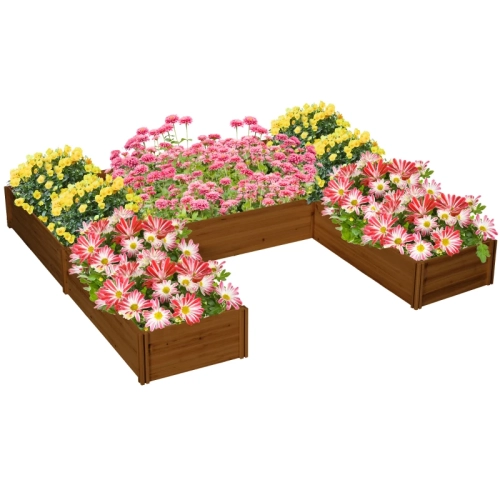
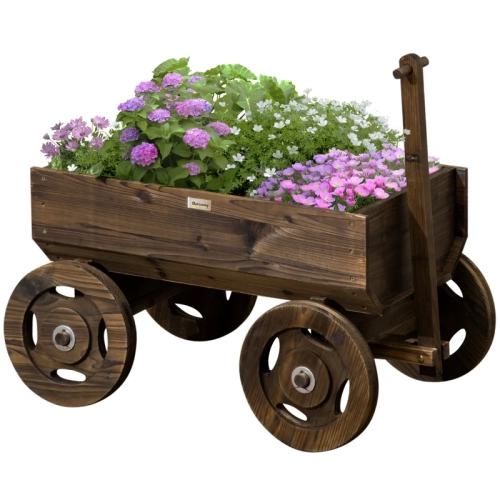
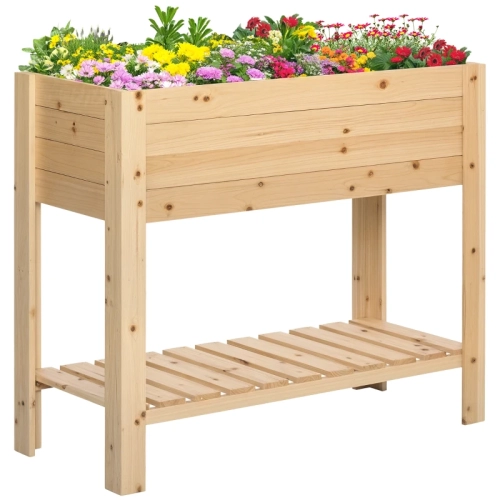
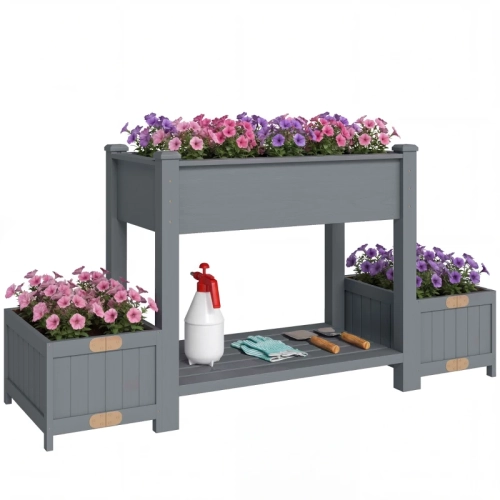
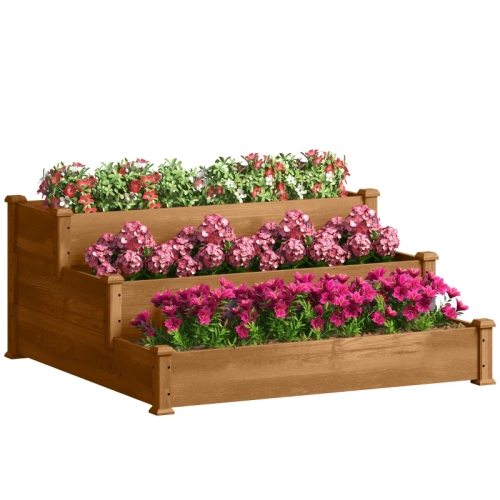
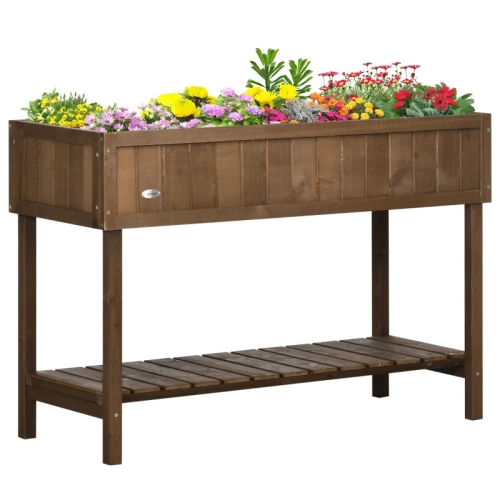
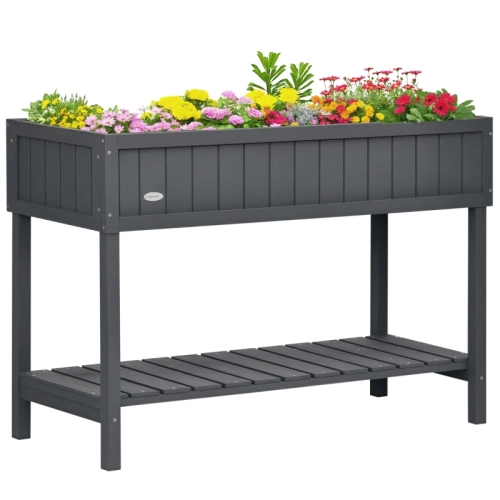
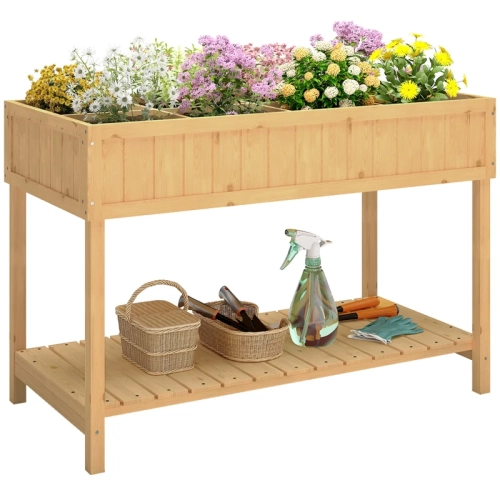
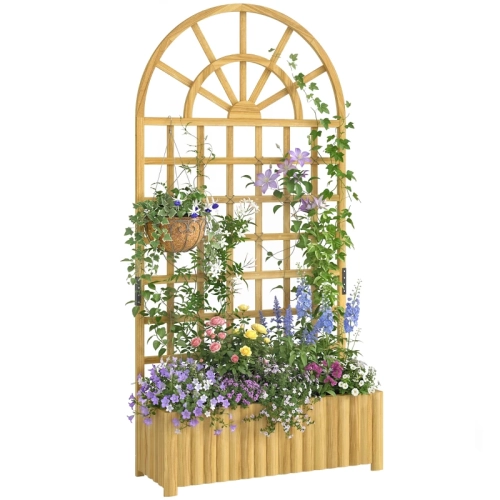
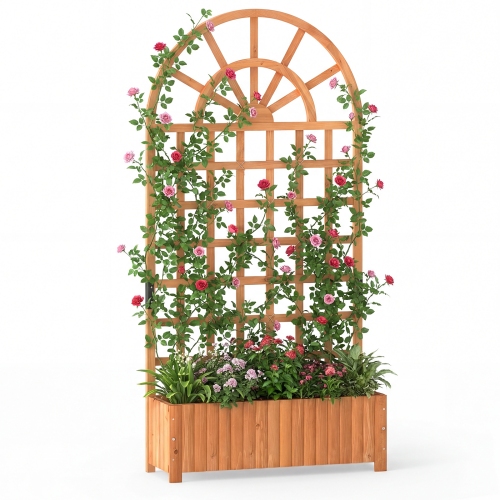
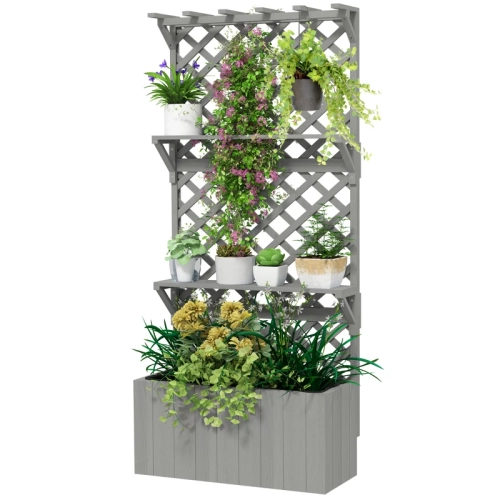
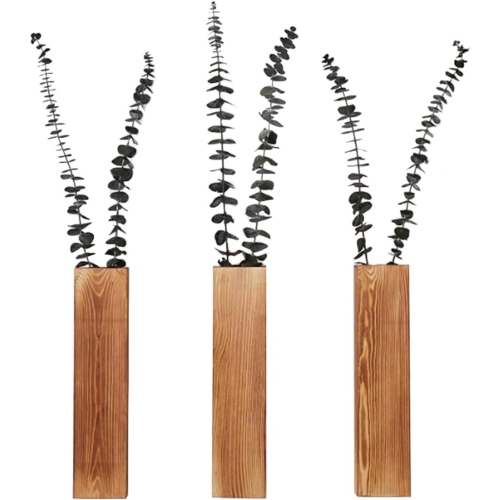
A wooden flower box, also known as a window box or planter box, brings the warmth and character of natural wood to balconies, patios, decks, front steps, windowsills and other outdoor spaces. These planters are designed for growing flowers, herbs and compact vegetables while adding structure to areas that may not have room for a traditional garden. A long rectangular box can create a colourful border along a railing, while a raised planter can help define a seating area or make a small balcony feel more inviting. For a coordinated look, explore the selection of Flower Boxes and compare shapes, sizes and placement options before choosing the best fit for your space. When selecting a wooden flower box, start by measuring the area where it will be placed, including the width of a windowsill, the depth of a balcony or the space available beside a doorway. Consider the planter’s overall length and height, as well as its filled weight. Soil becomes considerably heavier when wet, so a box intended for a balcony railing, shelf or elevated stand should be supported securely and used within the surface’s weight limits. Smaller boxes are easy to move and work well for seasonal arrangements or kitchen herbs, while larger models provide more room for roots and can make a stronger visual statement. Raised designs are especially practical for gardeners who prefer to work at a more comfortable height, reducing the need to bend while planting, watering and trimming. They can also help keep flowers and herbs away from busy walkways, pets or curious hands.
The type of wood is another important consideration. Cedar is a popular choice for outdoor planters because it has a natural ability to handle changing weather and resist decay, while other woods may offer a different colour, grain pattern or overall appearance. Look for sturdy construction, smoothly finished edges and joints that feel secure, particularly if the box will be moved or exposed to wind. A protective liner can help separate damp soil from the interior walls and slow moisture-related wear. Geotextile fabric or another suitable planter liner can be placed inside the box without blocking drainage, allowing water to leave while helping contain the growing medium. Drainage is essential: the bottom should have openings that let excess water escape after rain or watering. Without proper drainage, roots may remain saturated and flowers, herbs or vegetables may struggle. Place a tray beneath a box used indoors or on a finished surface when appropriate, while ensuring that water does not collect around the base. The planting depth also matters. Flowers with shallow roots can thrive in a more compact container, whereas herbs and small vegetables may need additional soil depth and space. Leave room at the top for watering, and choose a lightweight potting mix suitable for container gardening rather than filling the box with dense garden soil. A balanced arrangement often combines taller plants at the back, trailing varieties near the front and compact blooms or herbs in between, creating layers of colour and texture that can be enjoyed from inside the home as well as outdoors.
Wooden flower boxes suit a wide range of gardeners, from someone growing a first collection of balcony herbs to an experienced plant lover refreshing a porch or entertaining area. They can be a thoughtful housewarming gift, a practical present for someone with a sunny apartment, or an appealing choice for a family member who enjoys adding flowers around the home. They are also useful for renters and urban gardeners who want to grow plants without preparing a permanent garden bed. As the weather warms, a box filled with bright flowers can bring colour to an entrance or balcony, while herbs such as basil, parsley, mint and chives can keep fresh ingredients close to the kitchen. During the cooler months, the same planter can be repositioned to a sheltered location, replanted with cold-tolerant varieties where appropriate, or stored according to the manufacturer’s care recommendations. Sun exposure should guide both placement and plant selection: full-sun flowers need several hours of direct light, while shade-tolerant plants are better suited to covered balconies or north-facing areas. Watering needs vary with the weather, container size and plant type, so check the soil regularly rather than relying on a fixed schedule. A wooden flower box can also be used beyond traditional blooms, with compact peppers, lettuce, strawberries or culinary herbs providing an attractive and useful display. Before purchase, compare the dimensions, capacity, drainage design, liner requirements, assembly details and care instructions. With the right size and location, a wooden flower box can make everyday gardening feel approachable, add a welcoming touch to outdoor spaces and provide a simple way to enjoy living plants throughout the changing seasons.
The type of wood is another important consideration. Cedar is a popular choice for outdoor planters because it has a natural ability to handle changing weather and resist decay, while other woods may offer a different colour, grain pattern or overall appearance. Look for sturdy construction, smoothly finished edges and joints that feel secure, particularly if the box will be moved or exposed to wind. A protective liner can help separate damp soil from the interior walls and slow moisture-related wear. Geotextile fabric or another suitable planter liner can be placed inside the box without blocking drainage, allowing water to leave while helping contain the growing medium. Drainage is essential: the bottom should have openings that let excess water escape after rain or watering. Without proper drainage, roots may remain saturated and flowers, herbs or vegetables may struggle. Place a tray beneath a box used indoors or on a finished surface when appropriate, while ensuring that water does not collect around the base. The planting depth also matters. Flowers with shallow roots can thrive in a more compact container, whereas herbs and small vegetables may need additional soil depth and space. Leave room at the top for watering, and choose a lightweight potting mix suitable for container gardening rather than filling the box with dense garden soil. A balanced arrangement often combines taller plants at the back, trailing varieties near the front and compact blooms or herbs in between, creating layers of colour and texture that can be enjoyed from inside the home as well as outdoors.
Wooden flower boxes suit a wide range of gardeners, from someone growing a first collection of balcony herbs to an experienced plant lover refreshing a porch or entertaining area. They can be a thoughtful housewarming gift, a practical present for someone with a sunny apartment, or an appealing choice for a family member who enjoys adding flowers around the home. They are also useful for renters and urban gardeners who want to grow plants without preparing a permanent garden bed. As the weather warms, a box filled with bright flowers can bring colour to an entrance or balcony, while herbs such as basil, parsley, mint and chives can keep fresh ingredients close to the kitchen. During the cooler months, the same planter can be repositioned to a sheltered location, replanted with cold-tolerant varieties where appropriate, or stored according to the manufacturer’s care recommendations. Sun exposure should guide both placement and plant selection: full-sun flowers need several hours of direct light, while shade-tolerant plants are better suited to covered balconies or north-facing areas. Watering needs vary with the weather, container size and plant type, so check the soil regularly rather than relying on a fixed schedule. A wooden flower box can also be used beyond traditional blooms, with compact peppers, lettuce, strawberries or culinary herbs providing an attractive and useful display. Before purchase, compare the dimensions, capacity, drainage design, liner requirements, assembly details and care instructions. With the right size and location, a wooden flower box can make everyday gardening feel approachable, add a welcoming touch to outdoor spaces and provide a simple way to enjoy living plants throughout the changing seasons.
Top selling and popular products
-
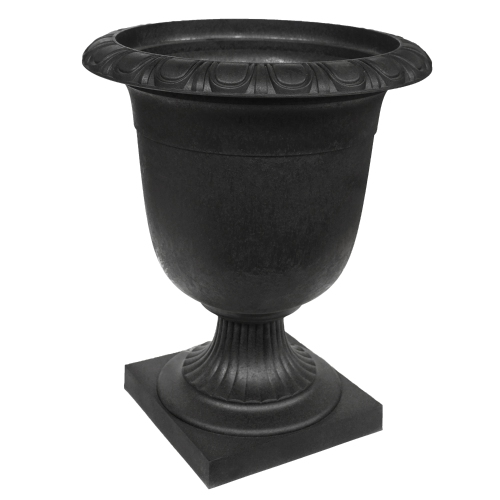 Your price for this item is $69.99
 -
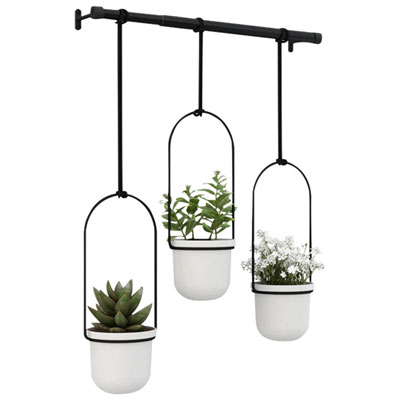 Your price for this item is $54.98
 -
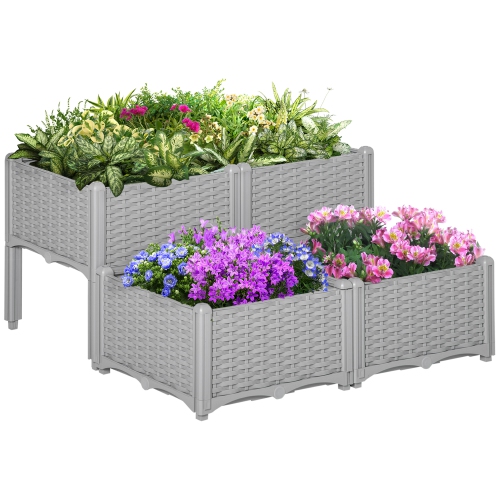 Your price for this item is $89.99
 -
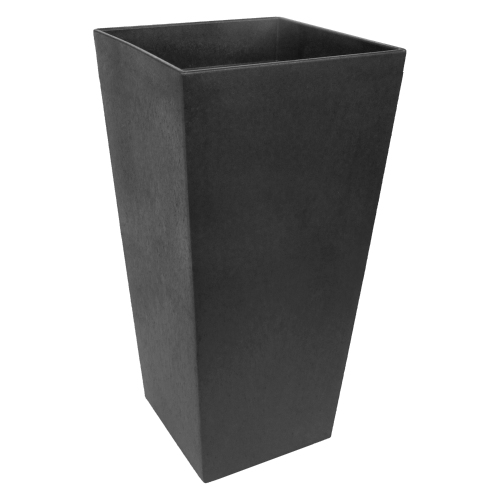 Your price for this item is $91.99
 -
 Your price for this item is $104.99
 -
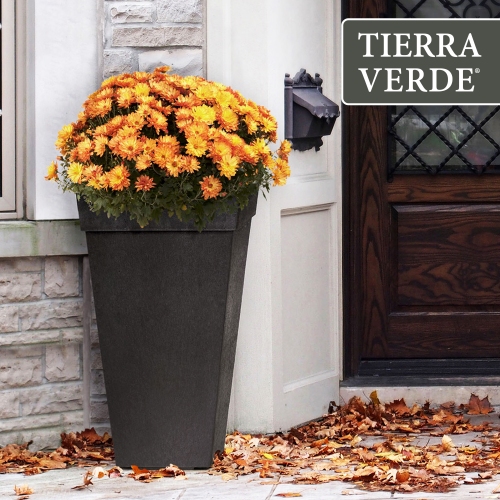 Your price for this item is $145.99
 -
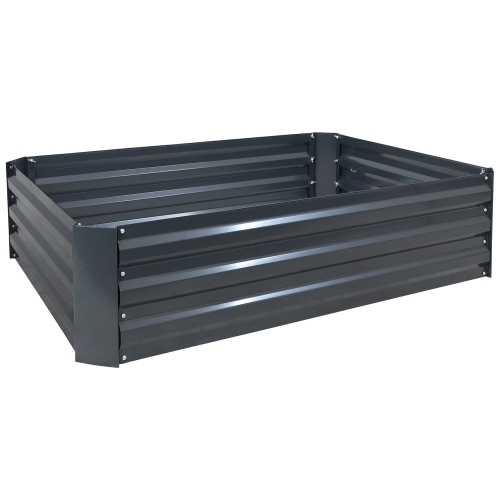 Your price for this item is $117.75
 -
 Your price for this item is $117.75
Discover more categories related to Boite A Fleur En Bois

Top Collections:
Pokemon Centers, Kindle Devices, Best Budget Office Chairs, Apple iPhones 16, Canon G7X Cameras, iPhone 15 Apple, Alarm Clock, Refurbished Apple Laptops, Flip Phones, Best Laptops for Writers
Some products may be subject to Environmental Handling Fees
(EHF) depending on your province.
Learn more about EHFs.