Flower Boxes
Enhance the beauty of your outdoor space with this selection of flower boxes. Perfect for adding a touch of charm to your garden, balcony, or patio, these versatile planters are designed to showcase your favorite flowers and plants in style. Whether you're looking to create a vibrant floral display or grow your own herbs and vegetables, this range of flower boxes offers a variety of sizes, materials, and designs to suit your gardening needs. Discover the perfect flower box to elevate your outdoor decor and bring a burst of color to your living space.
Sort
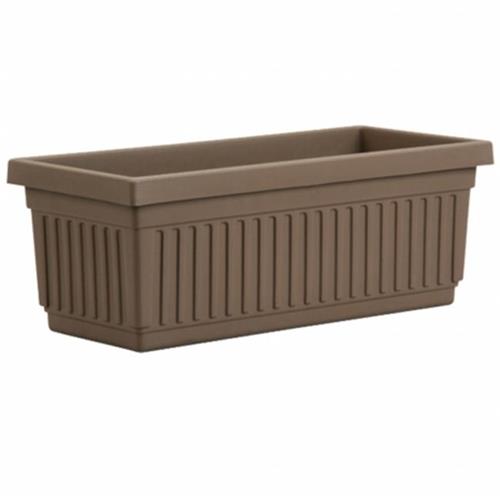
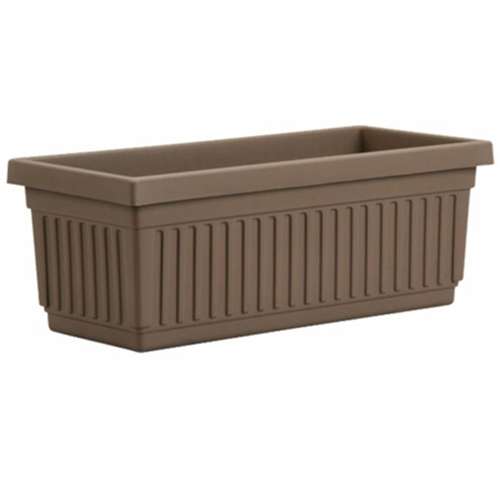


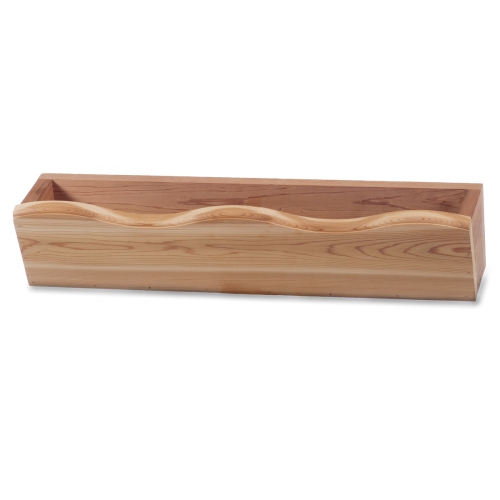
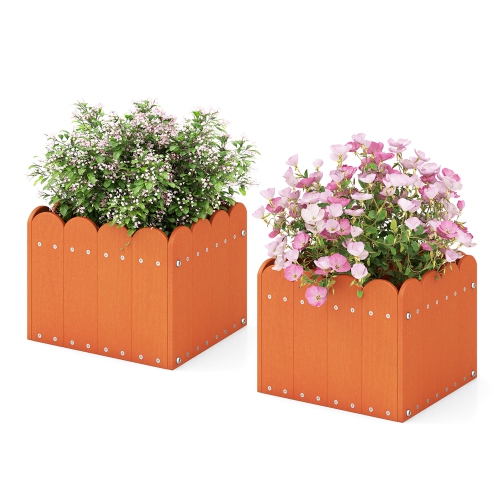
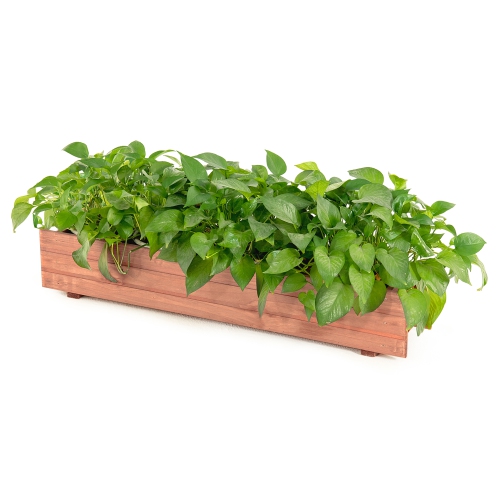

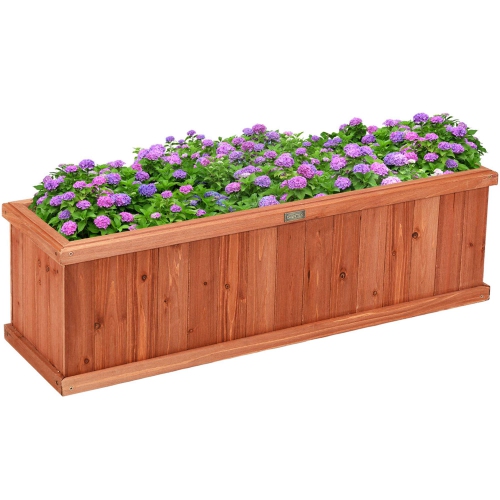
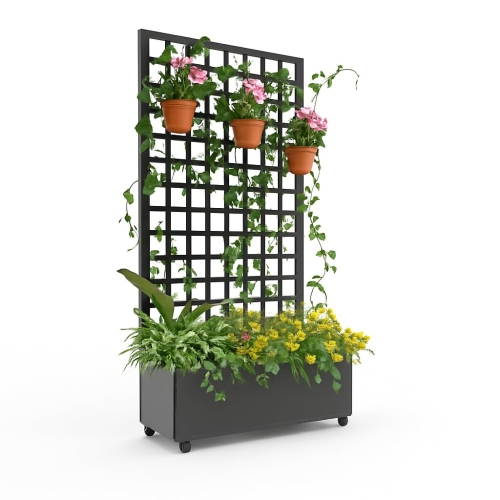
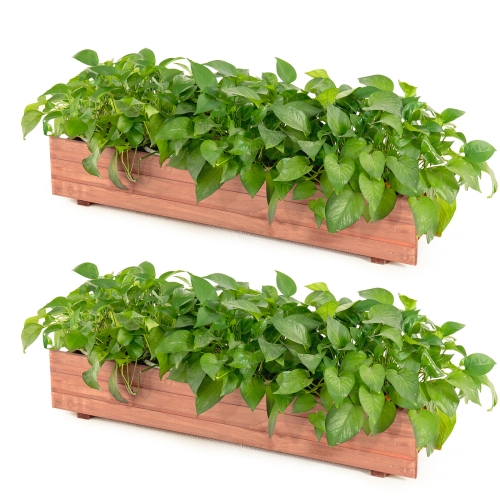
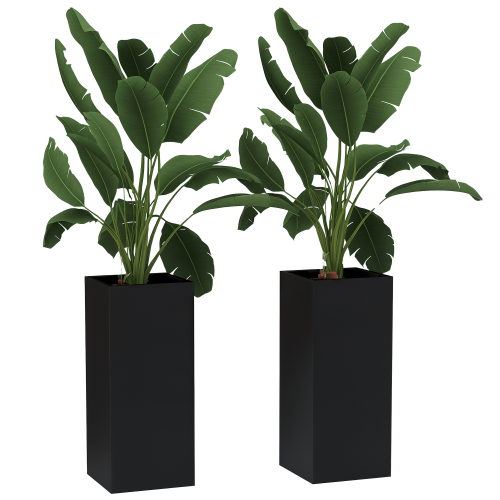
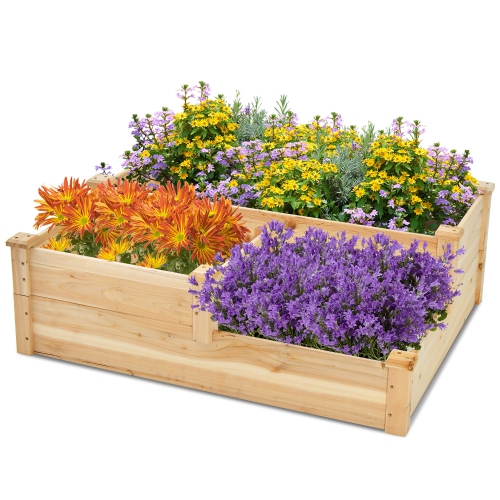
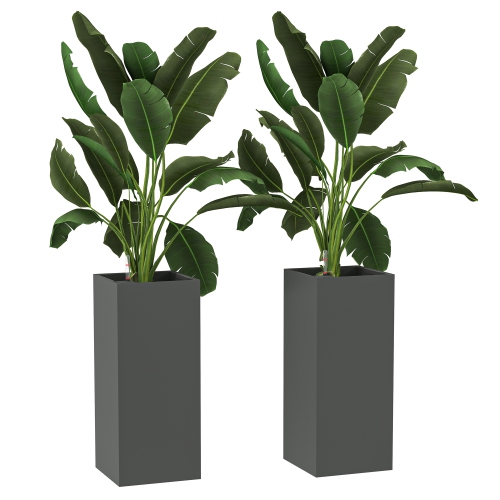
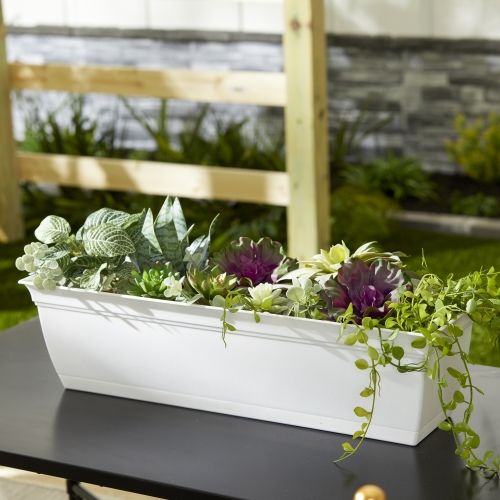
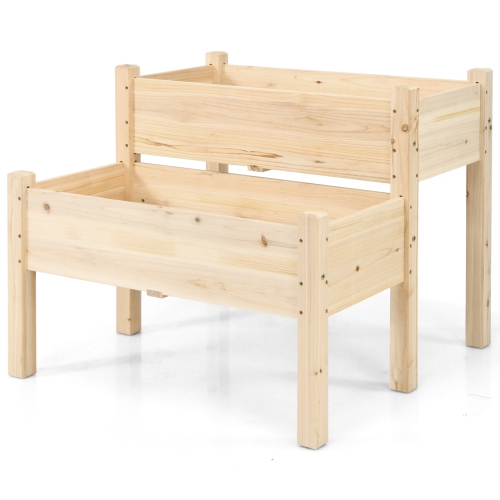
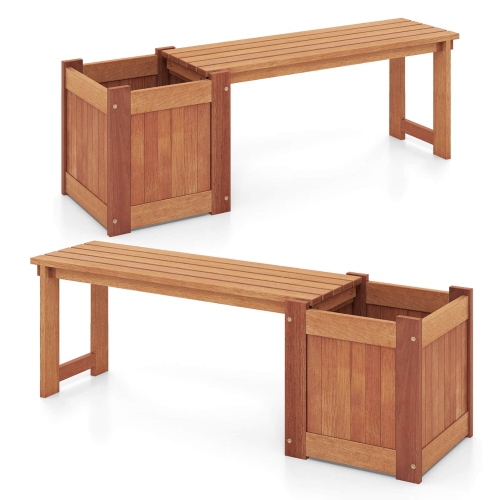
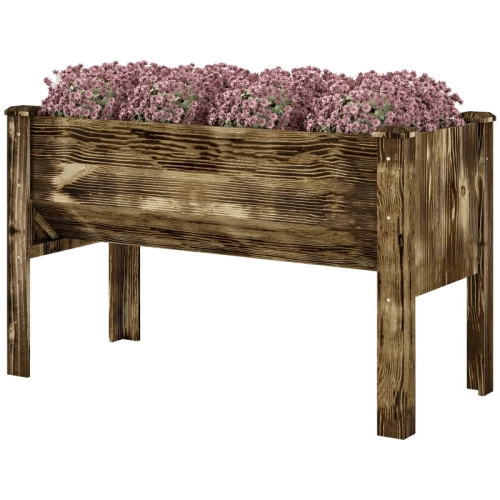
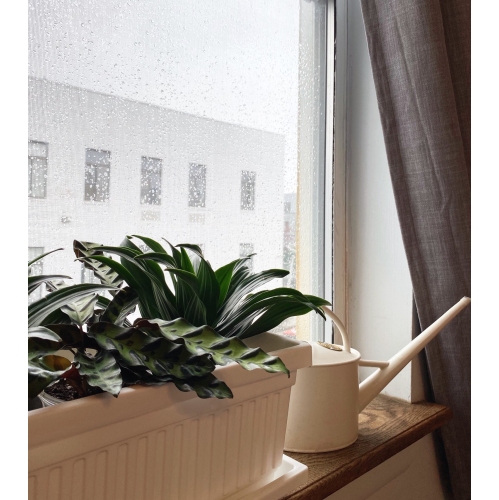
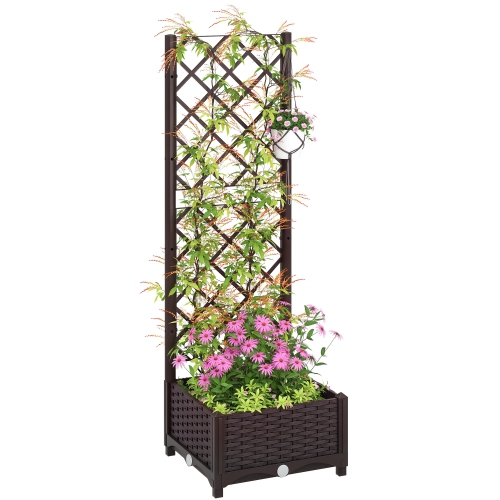
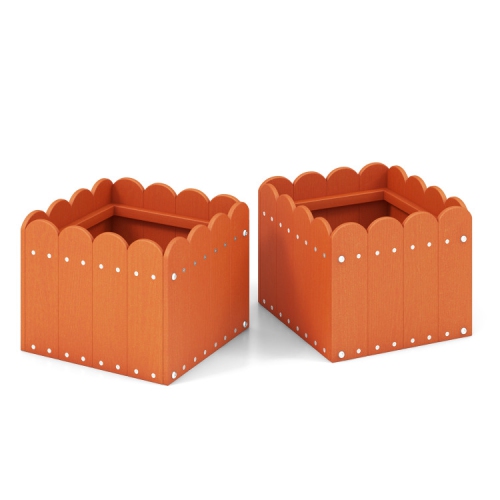
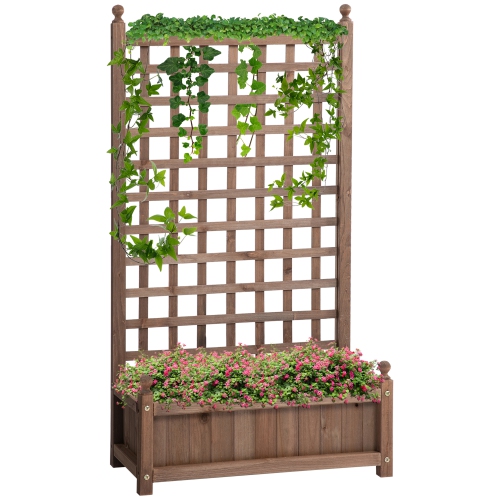
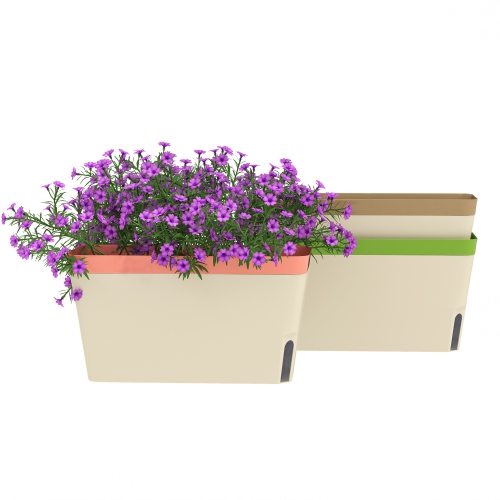
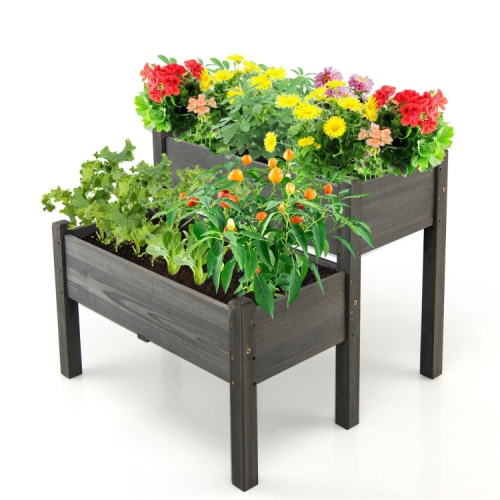
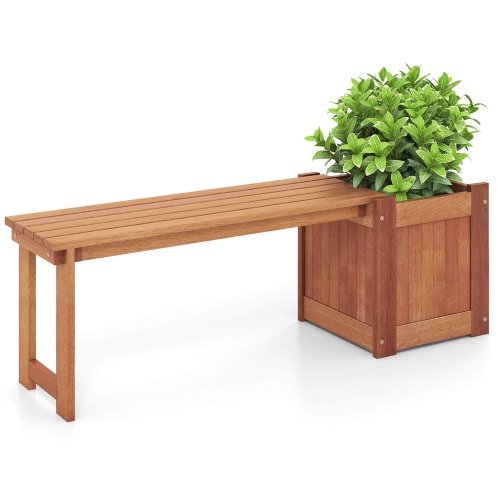
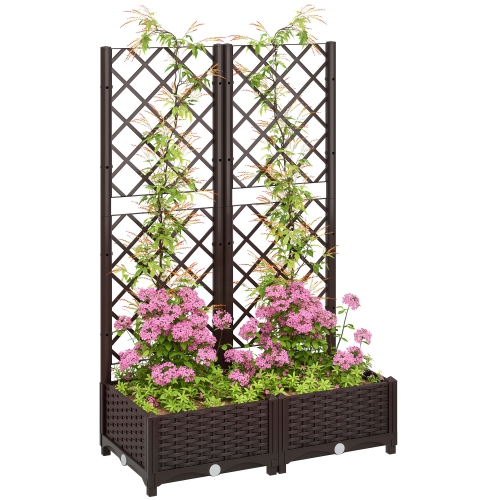
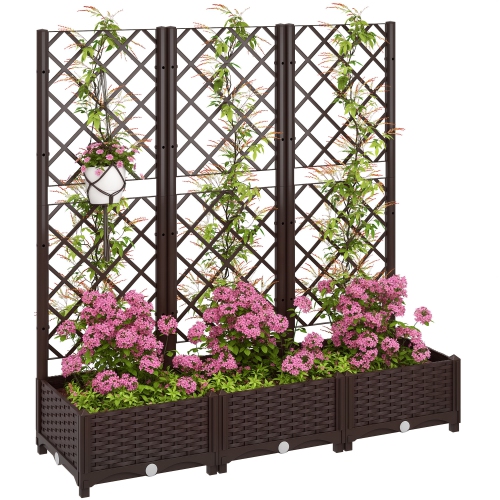
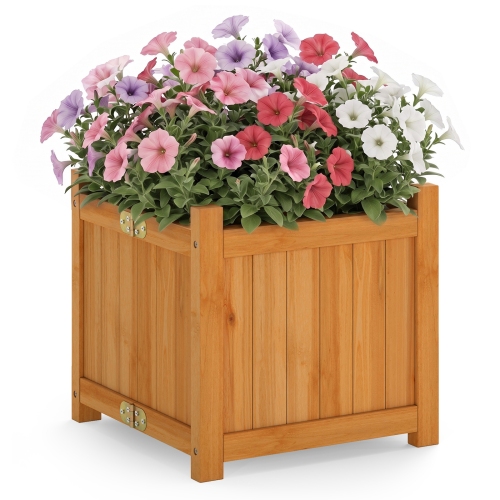
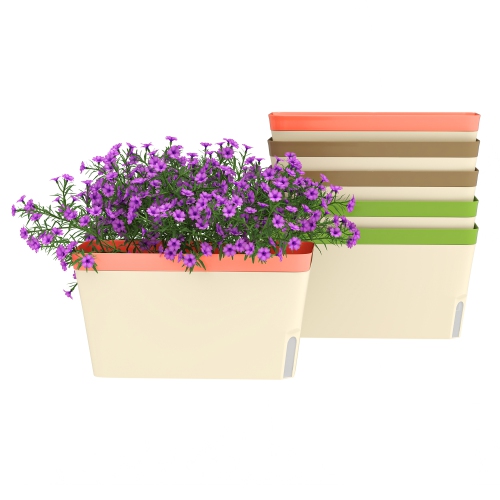
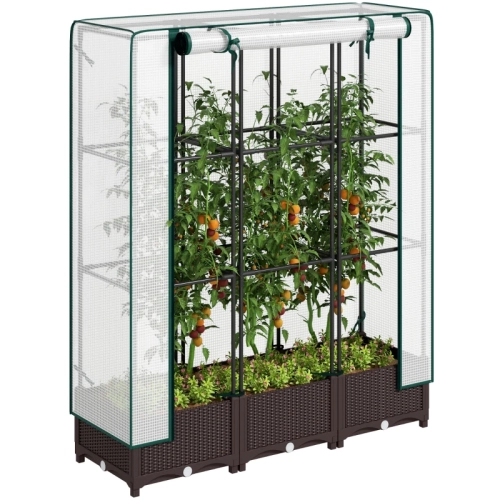
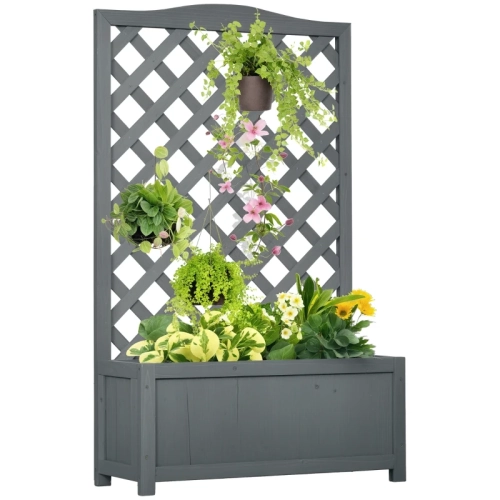
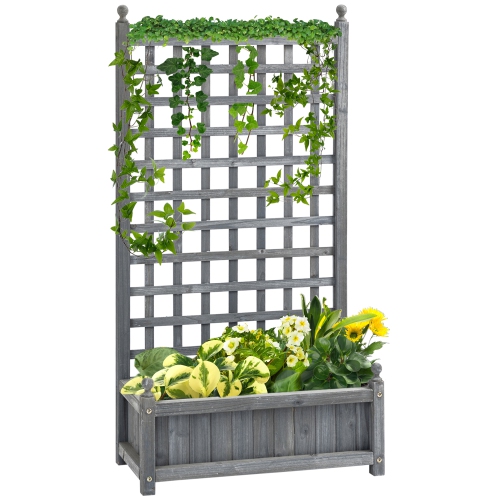
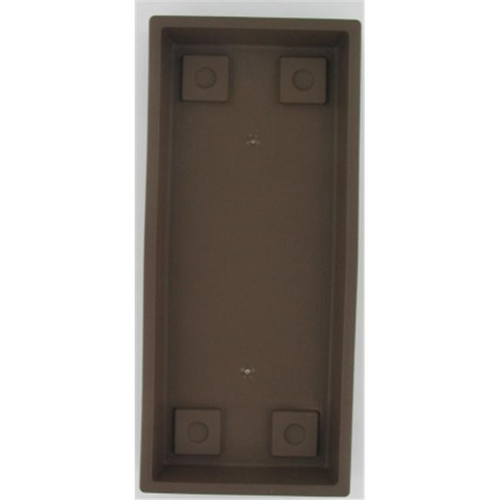
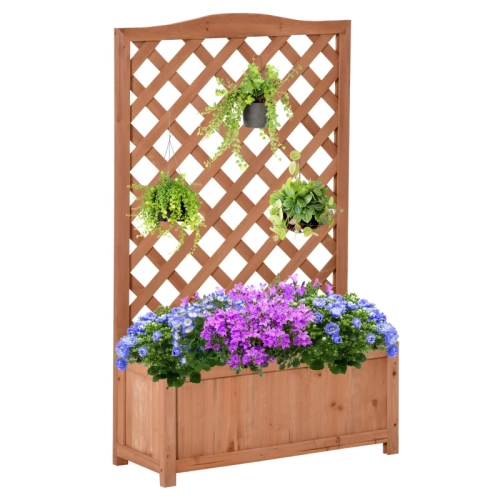
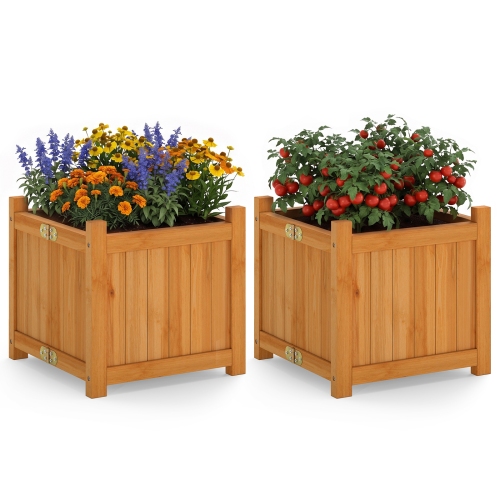
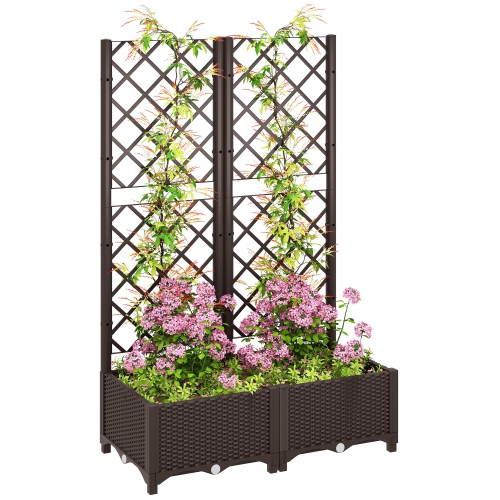
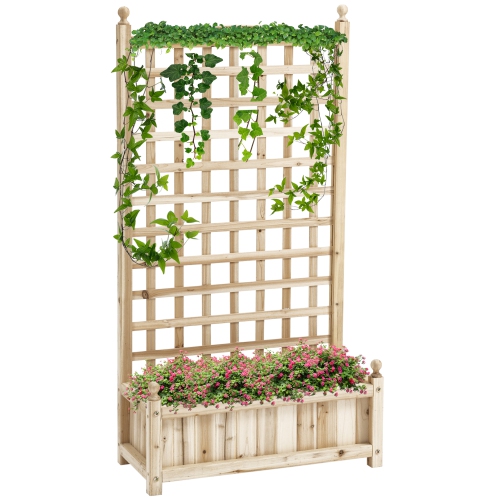
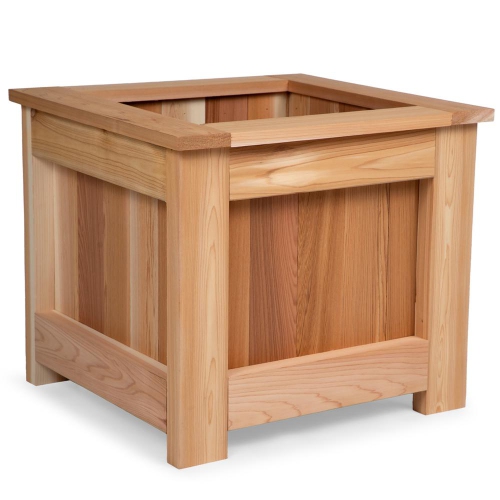

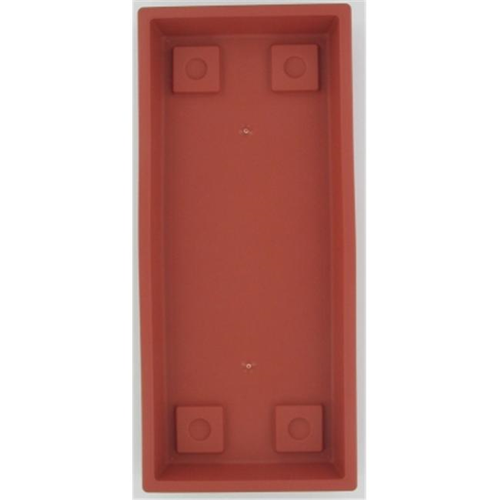
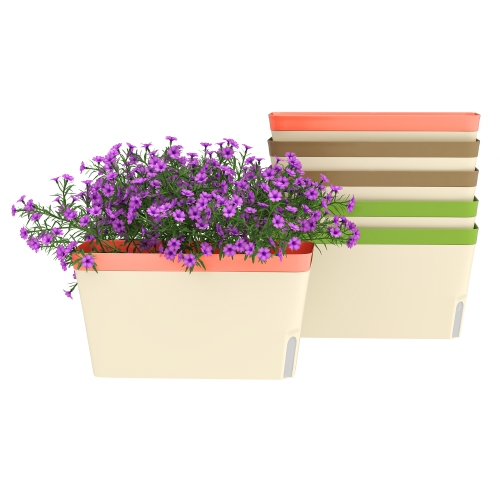
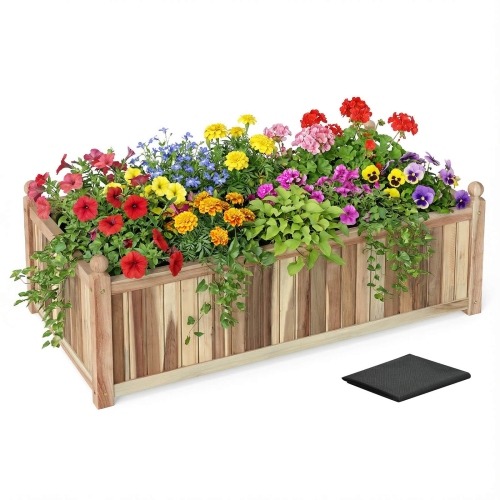
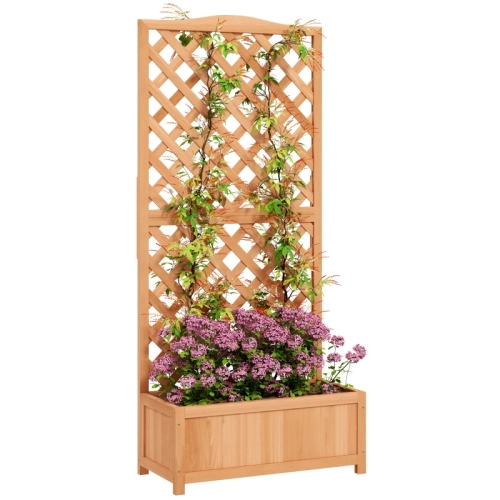

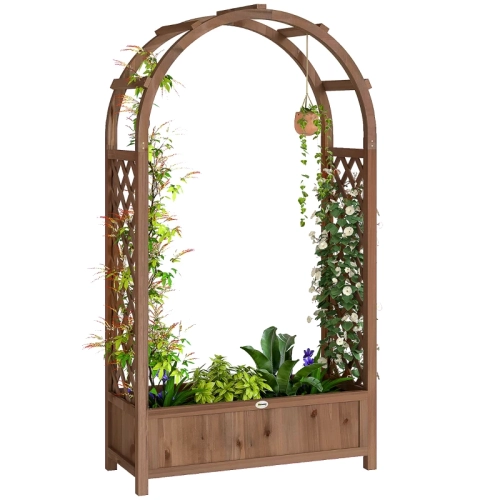

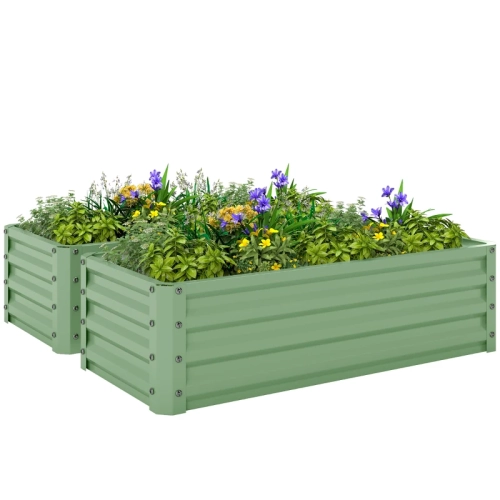
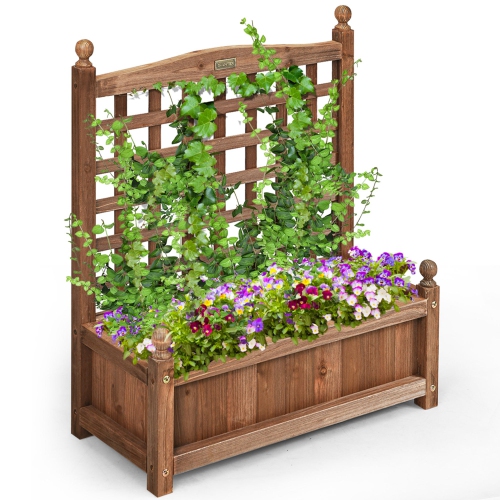
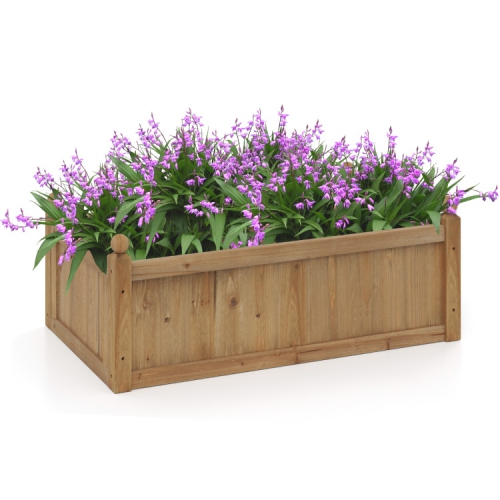
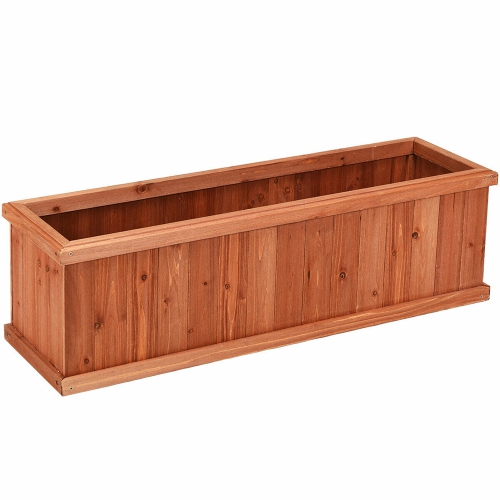

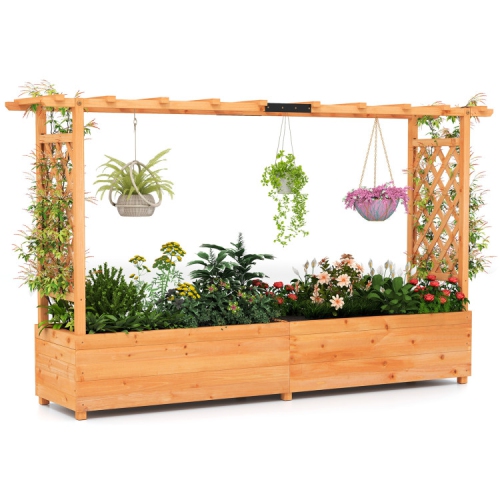
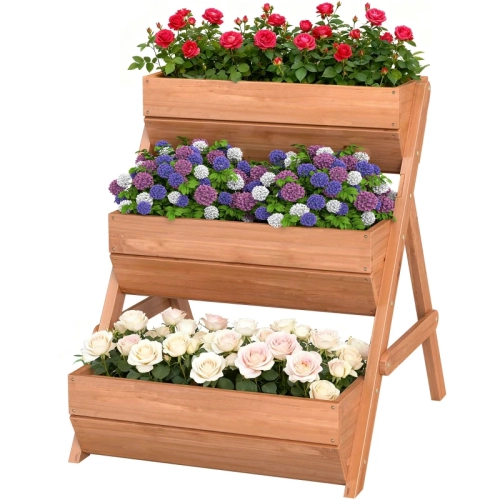
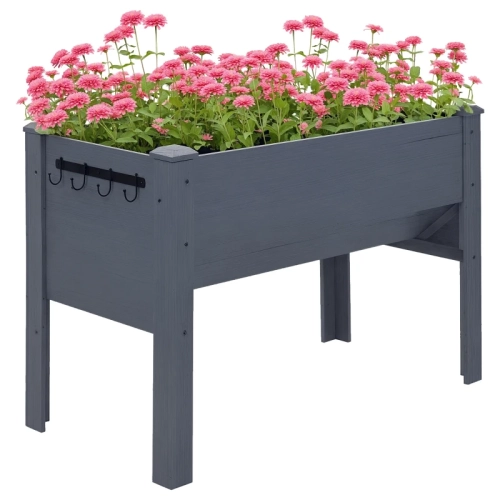


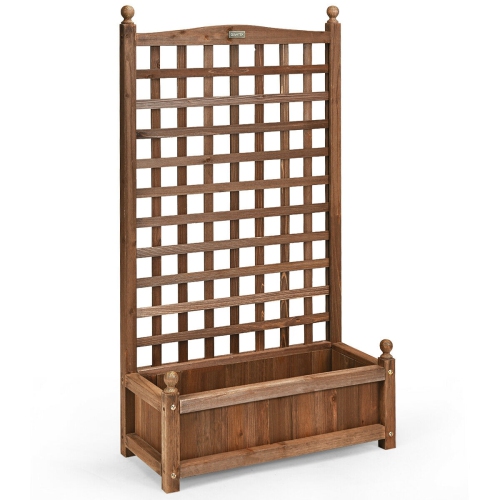

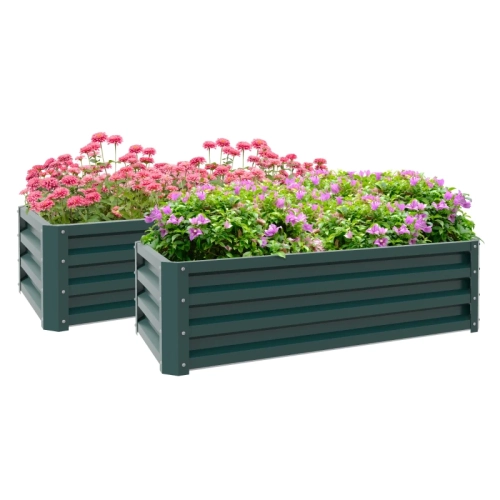
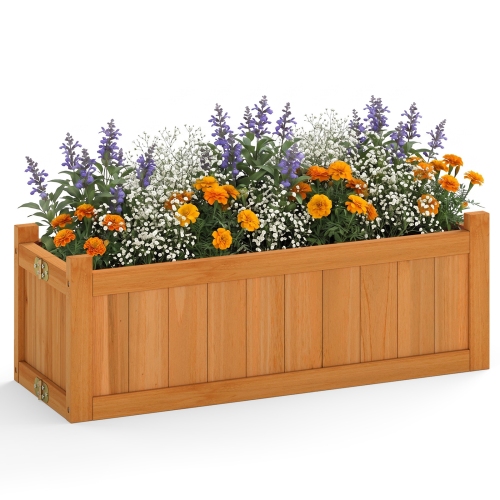
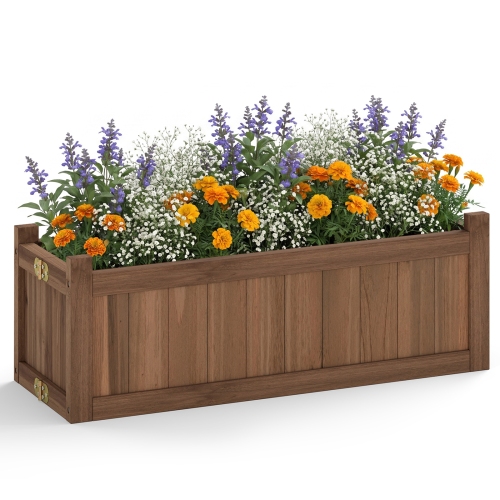
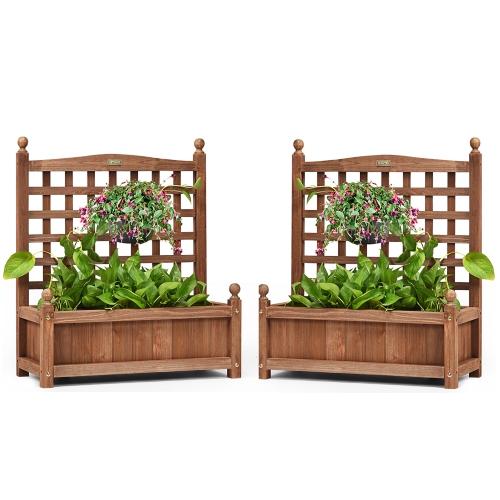
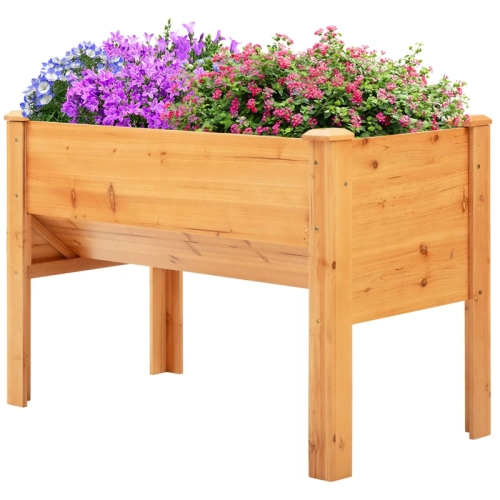



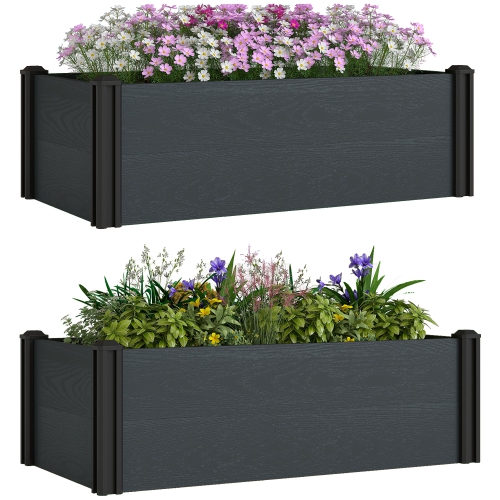
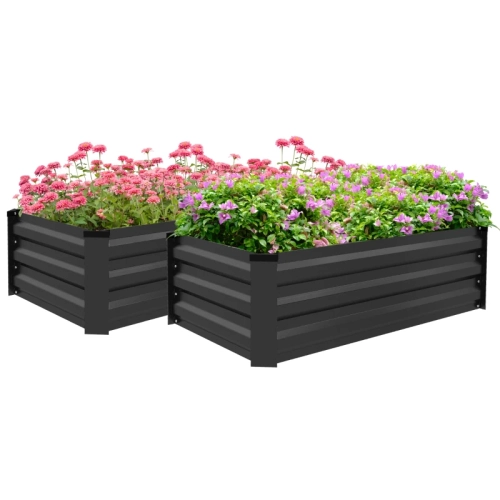
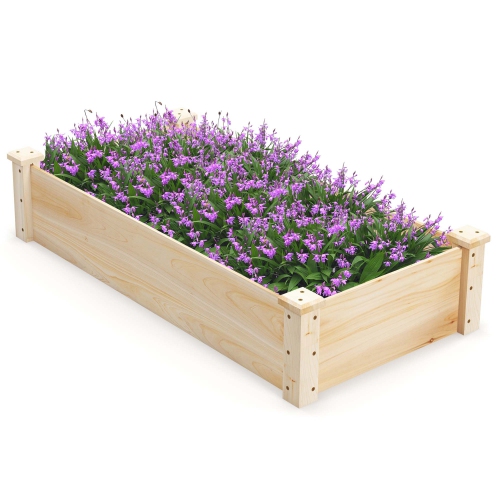
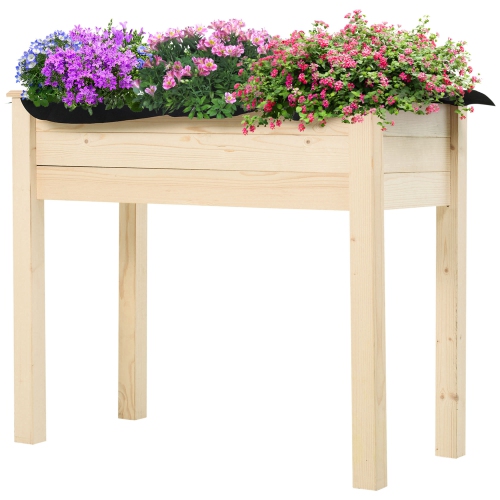
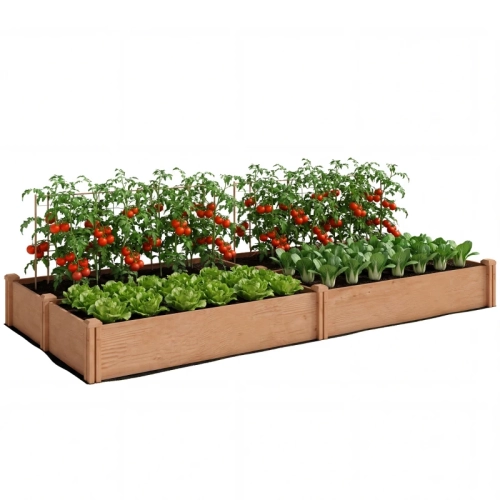
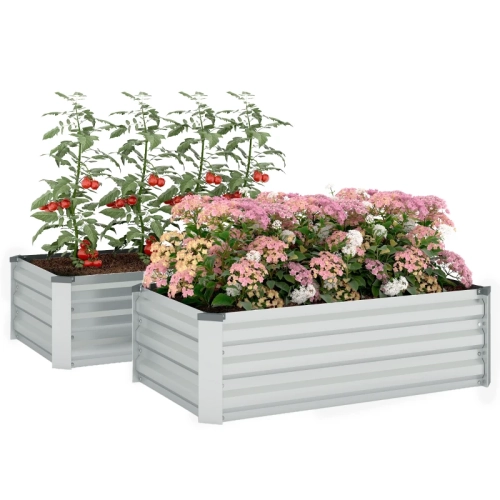
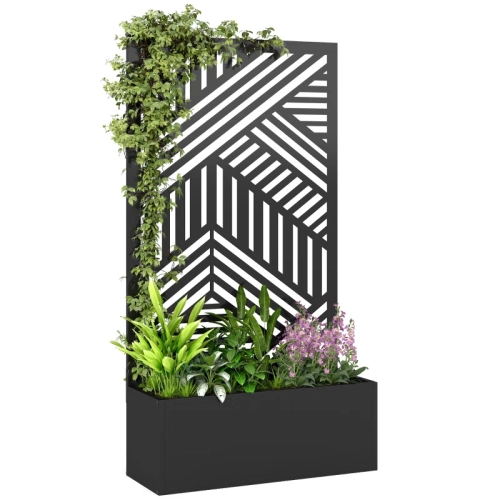
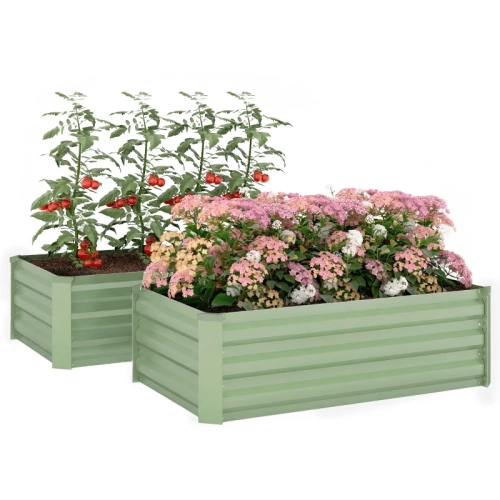

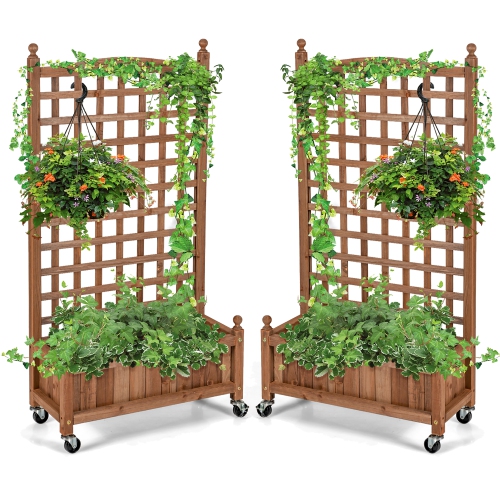
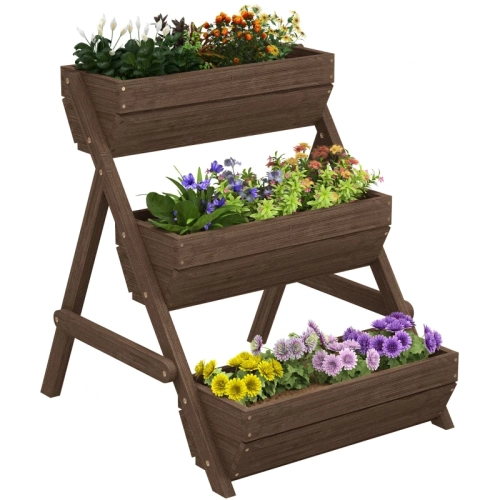
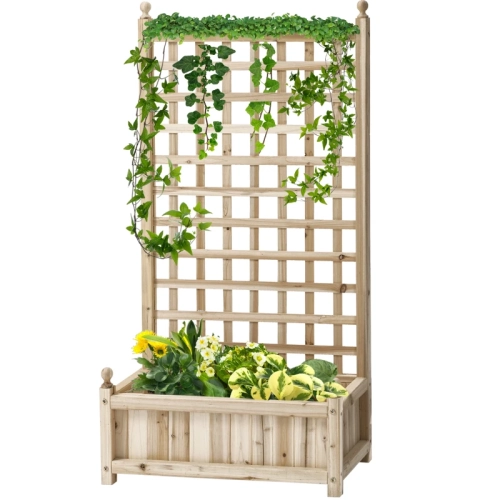
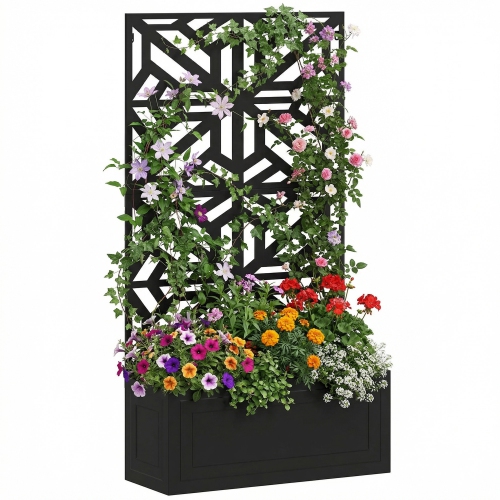
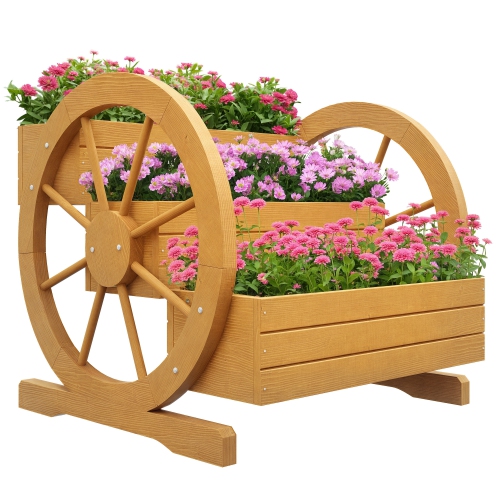
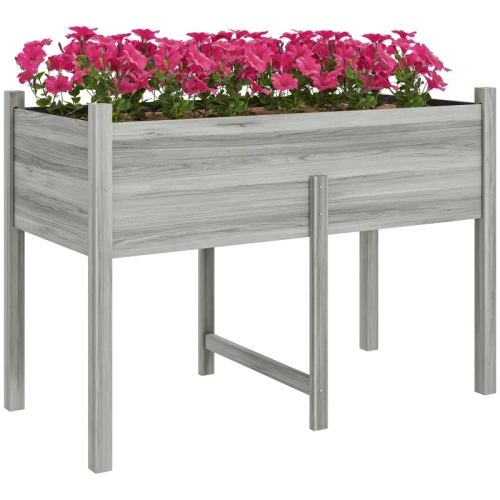
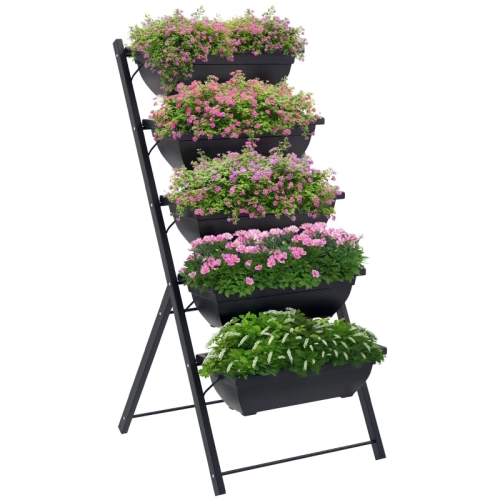
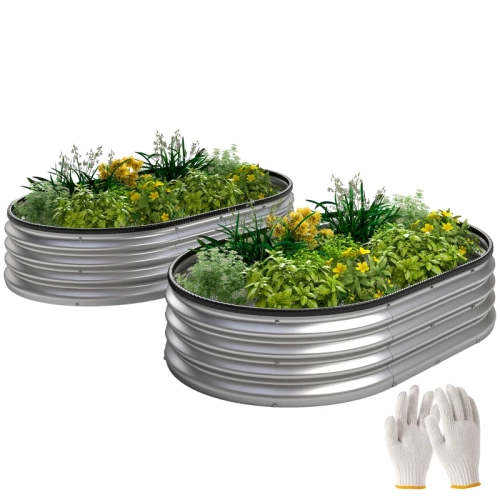
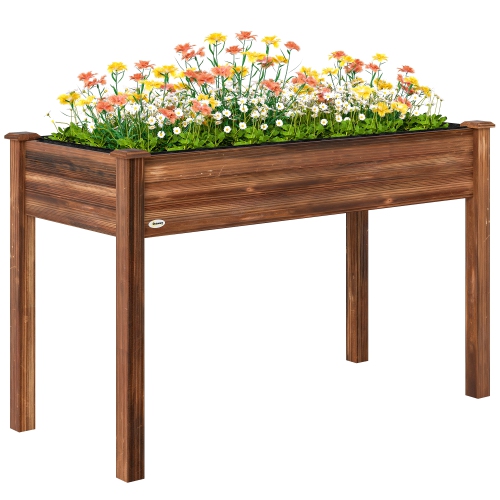

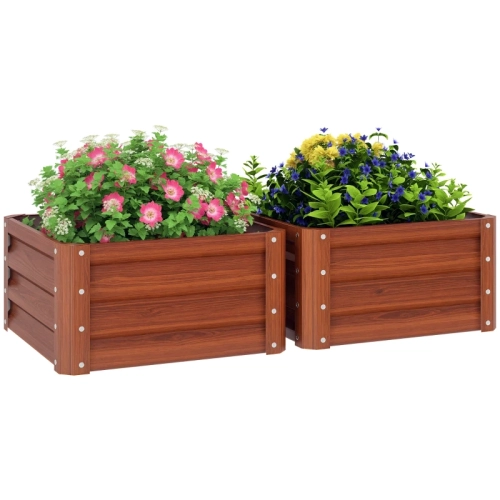

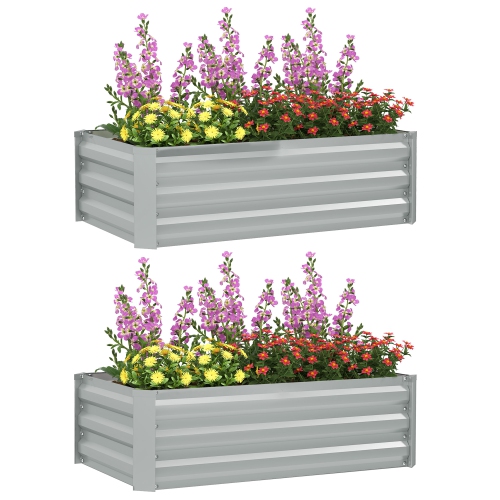
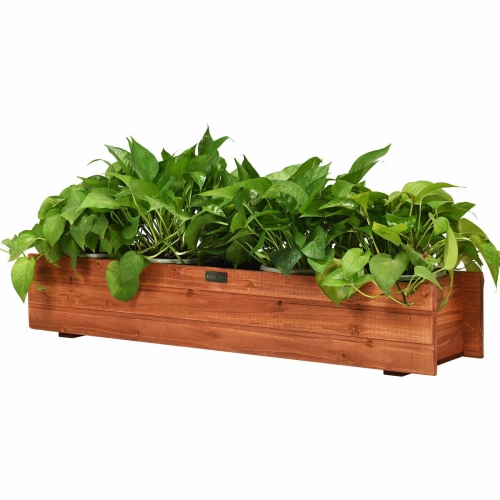
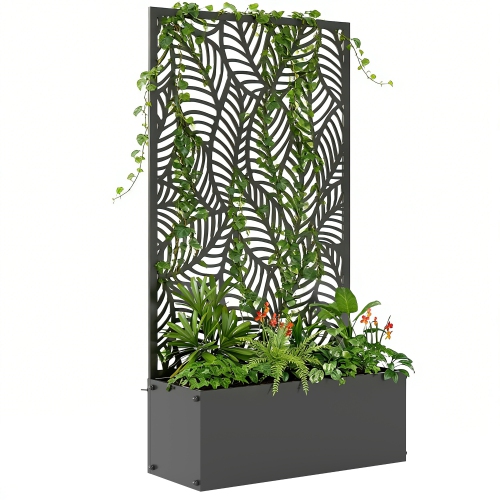
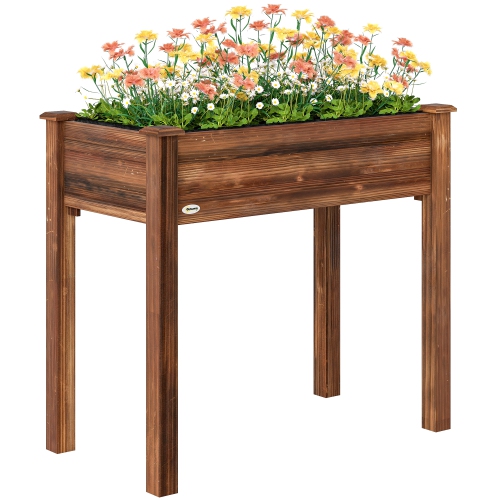
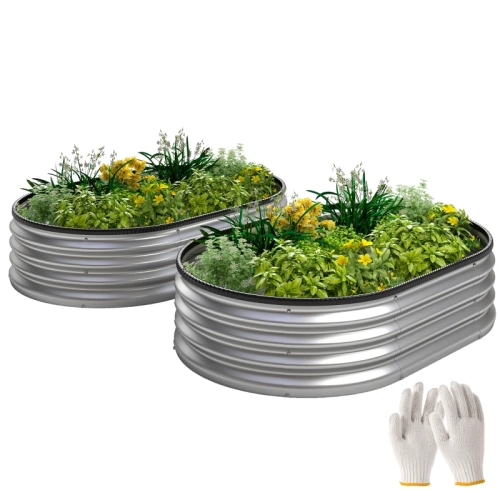
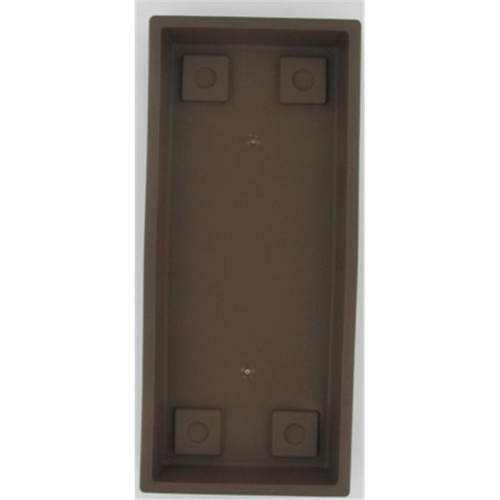
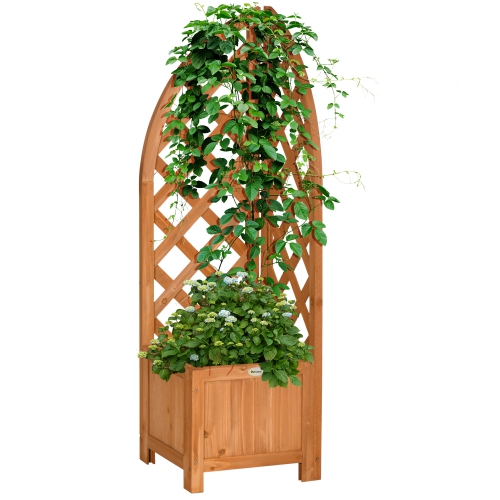
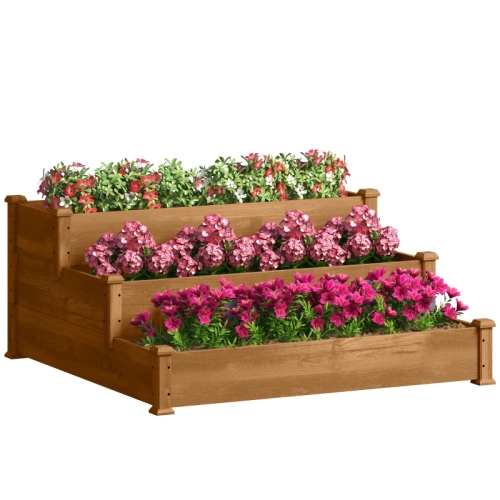
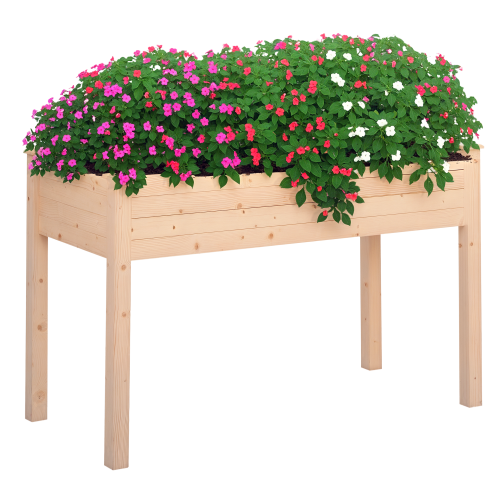
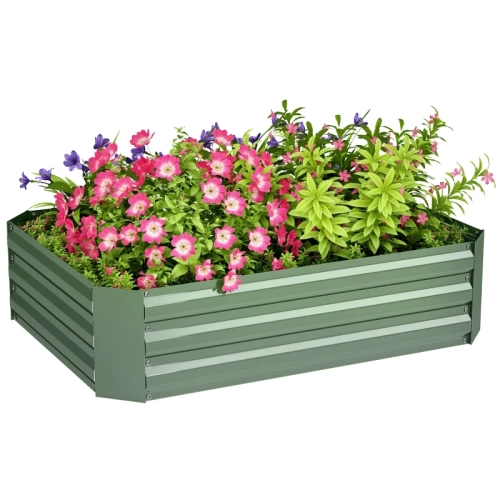
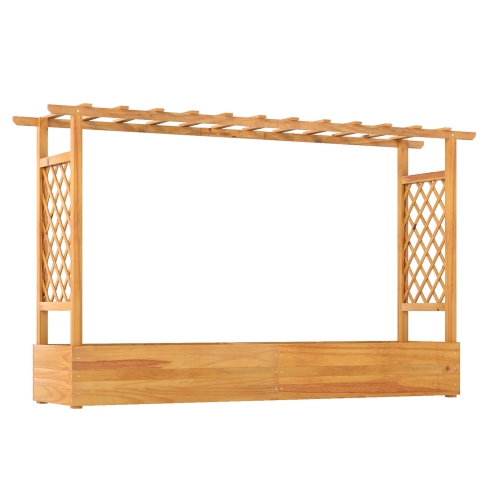
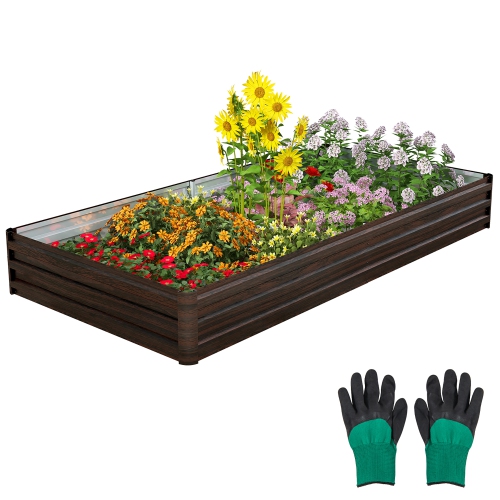
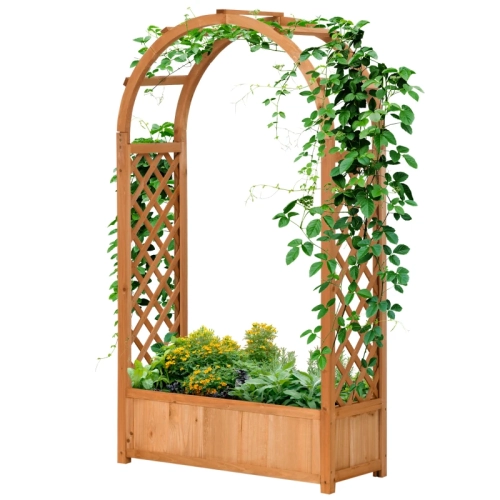
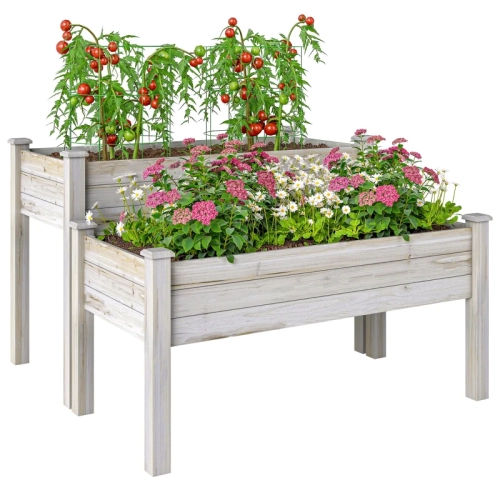
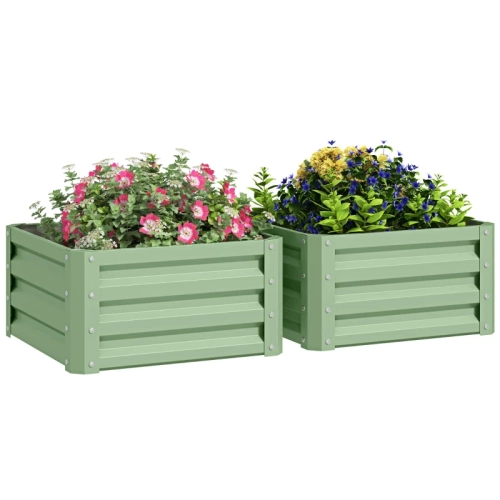
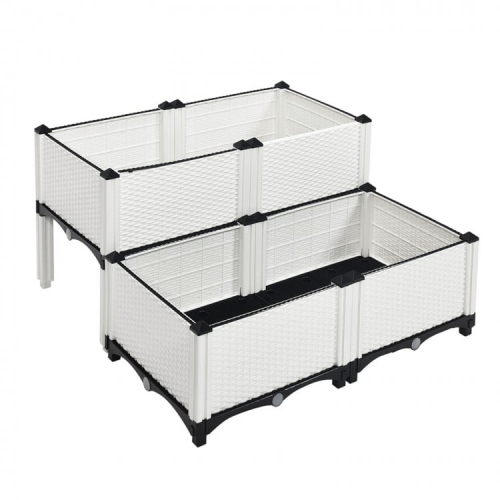
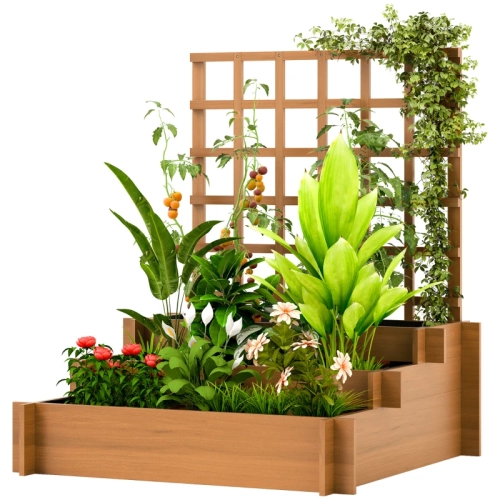
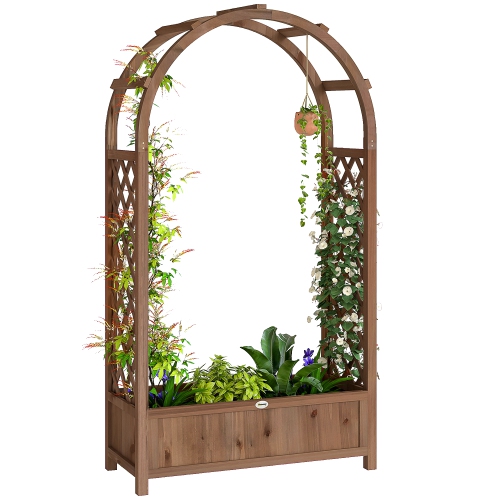
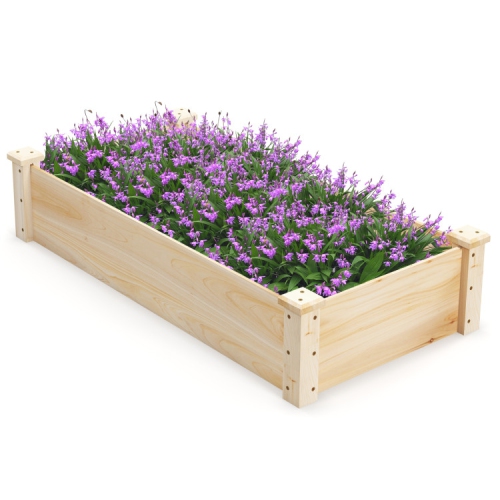
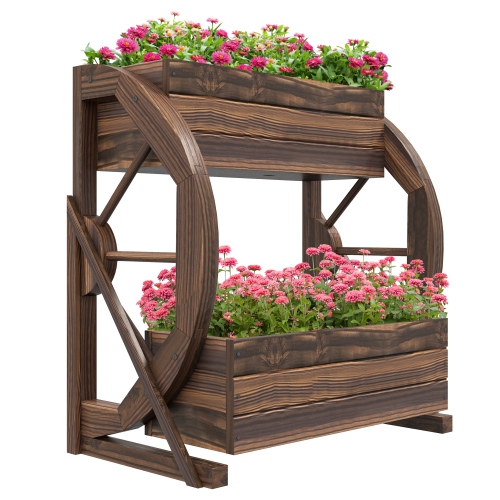
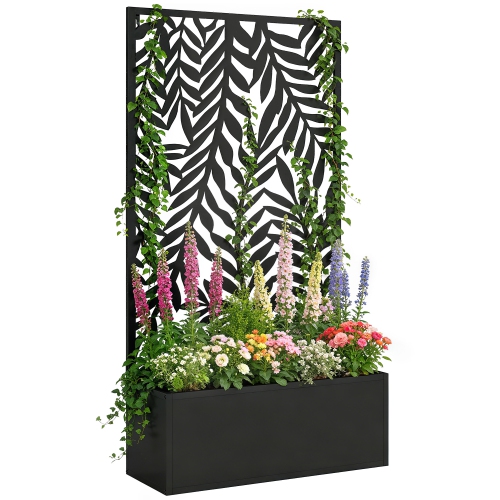
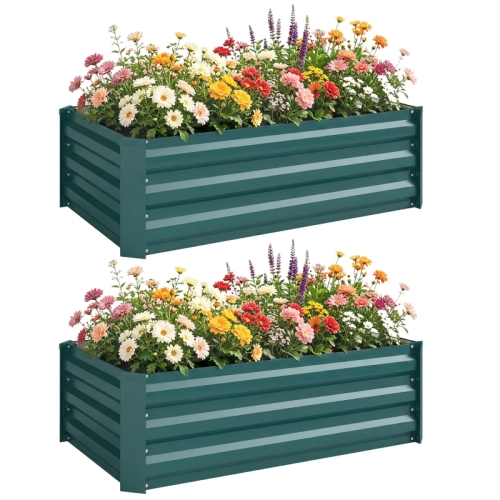
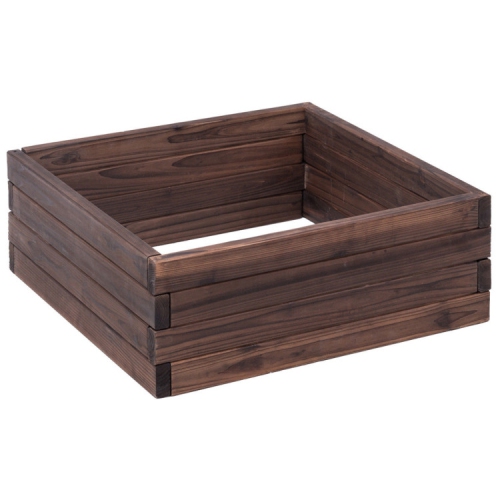
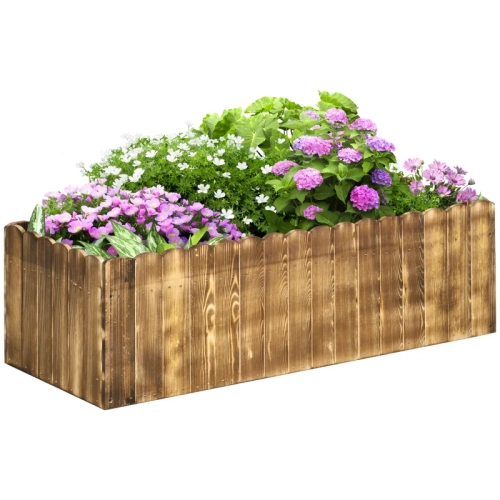
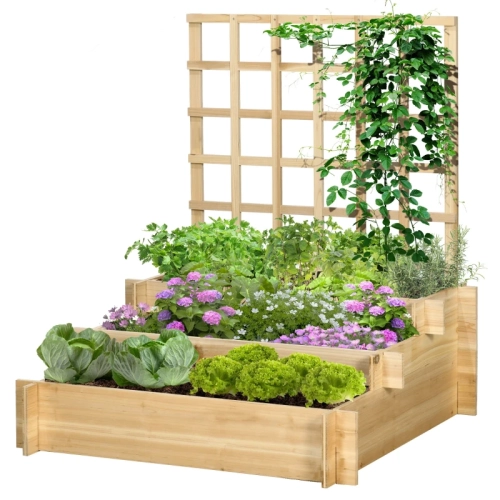
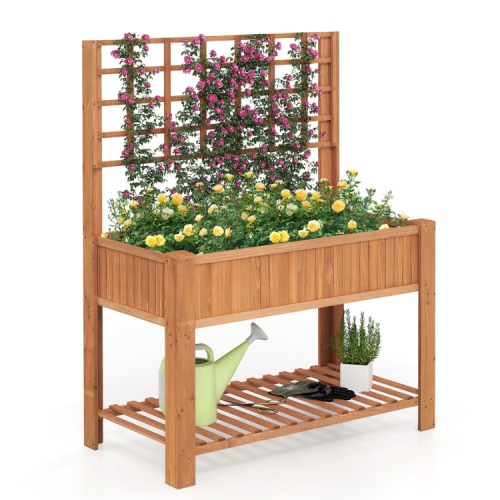
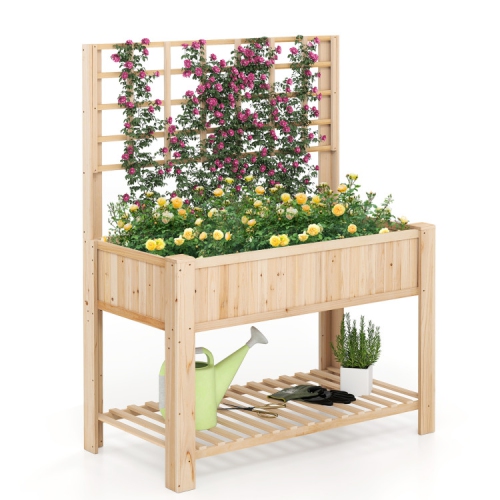

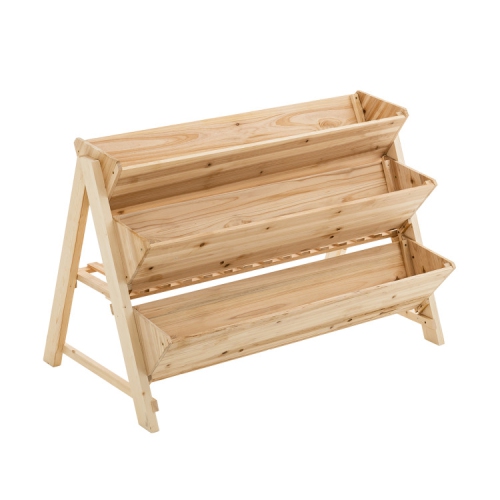
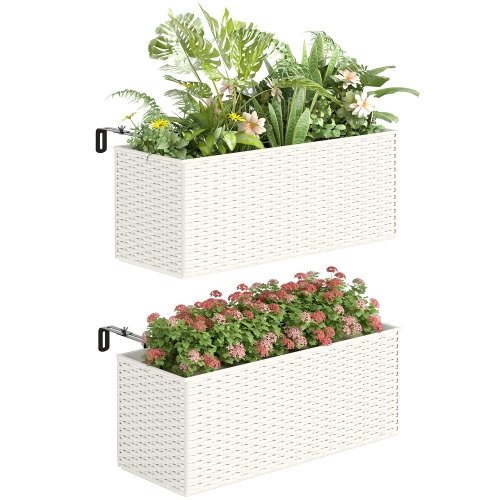
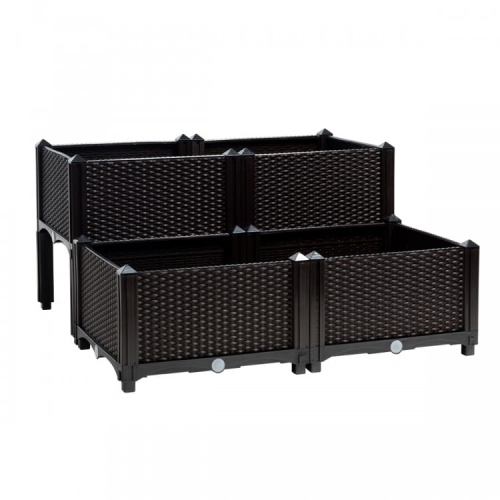
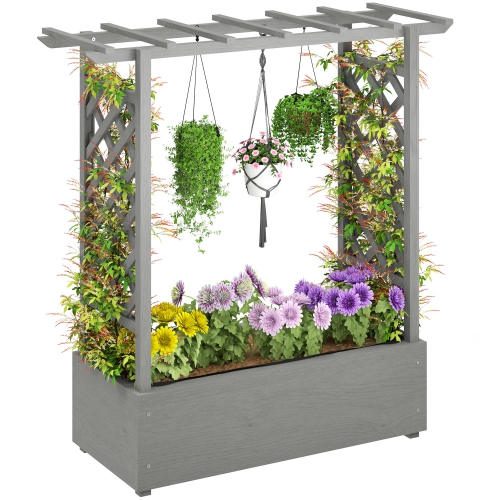
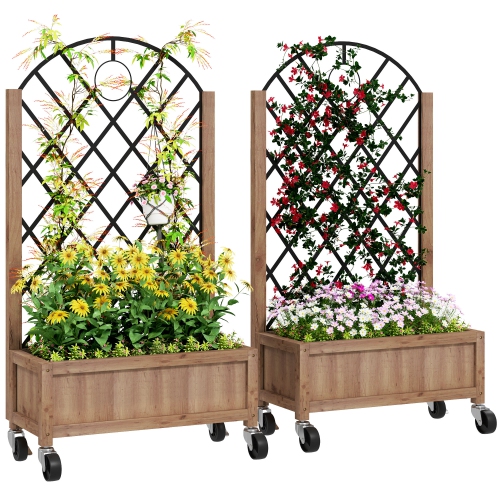
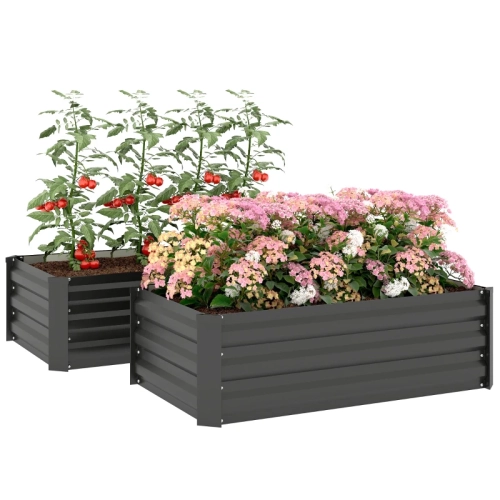

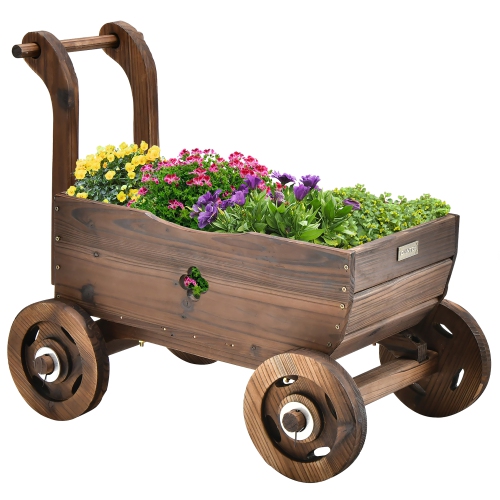

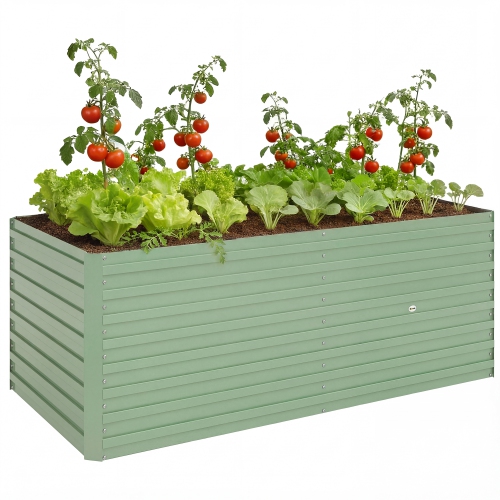
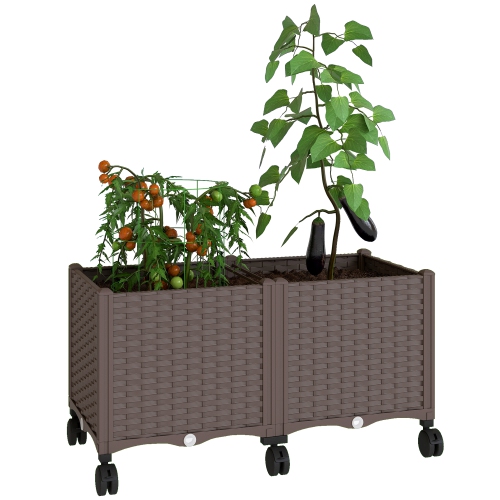

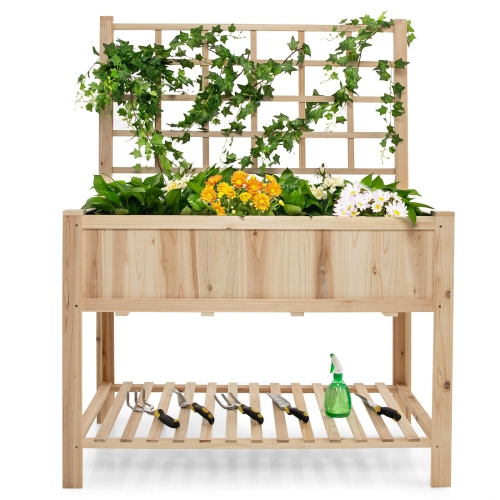
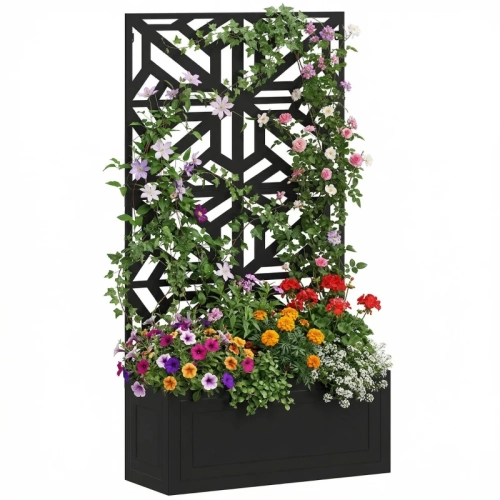
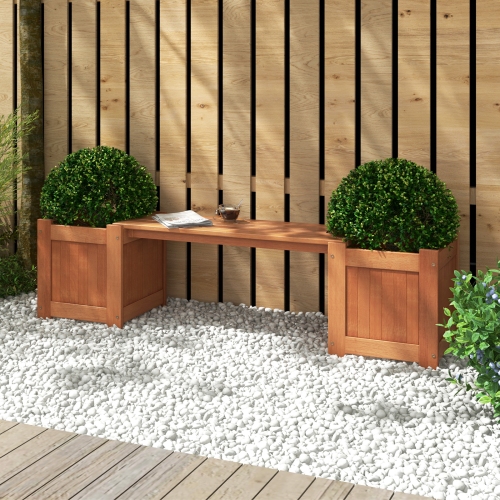
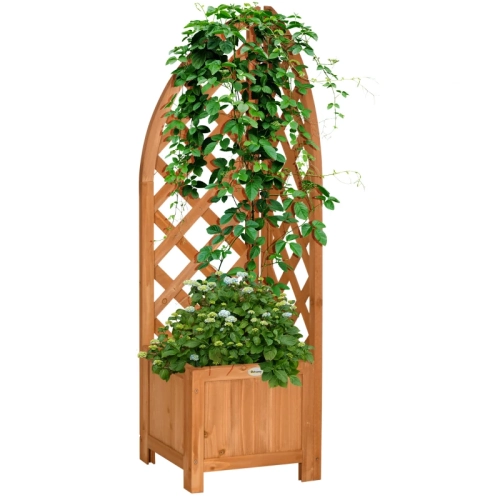
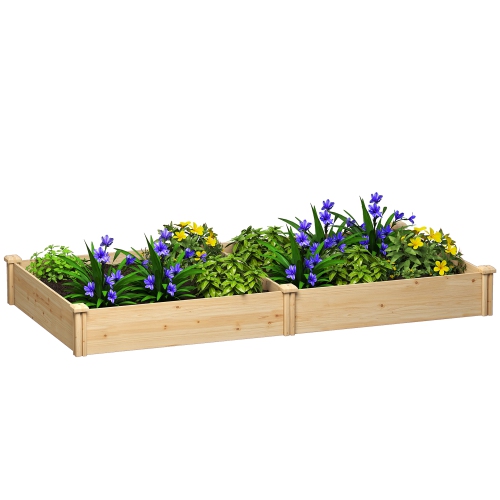
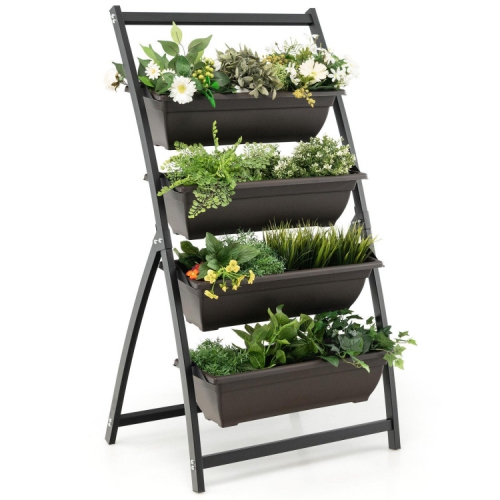
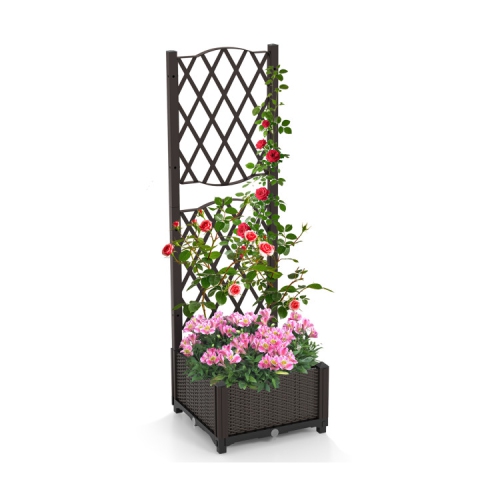
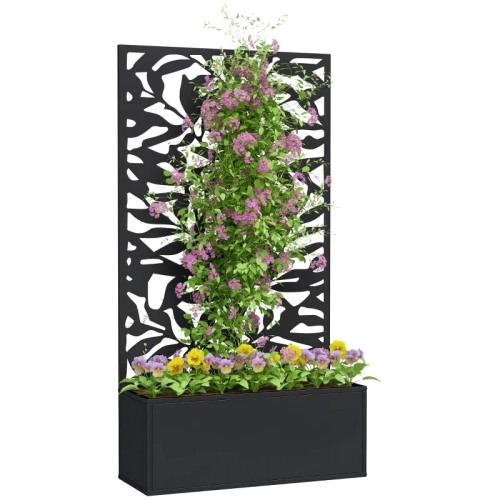
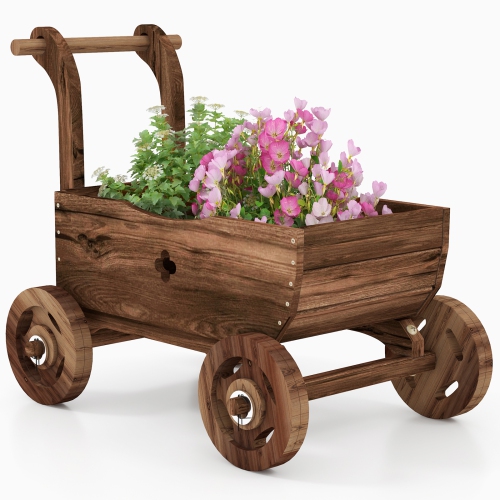
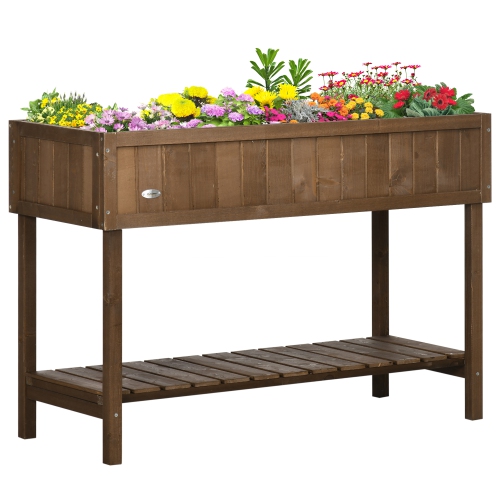
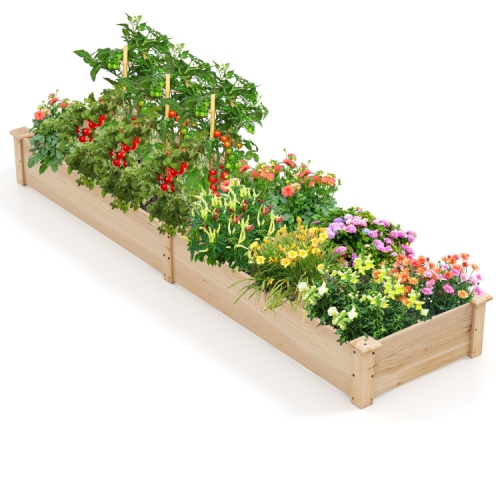
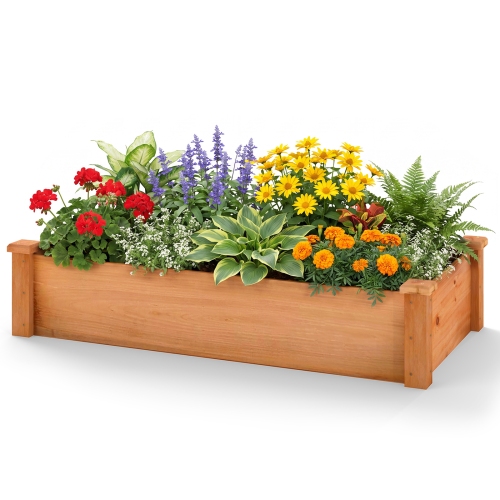
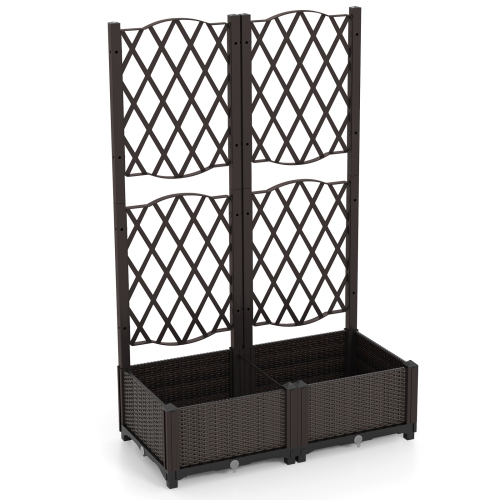
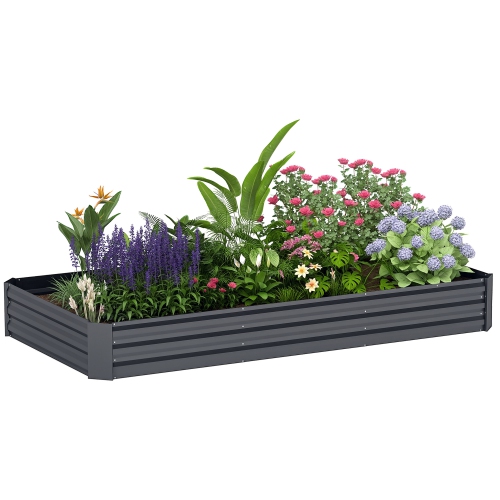
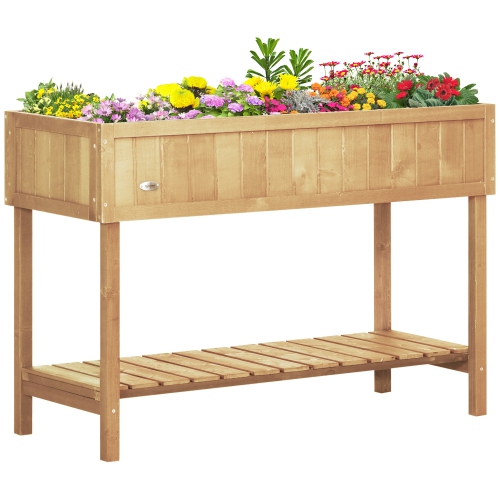
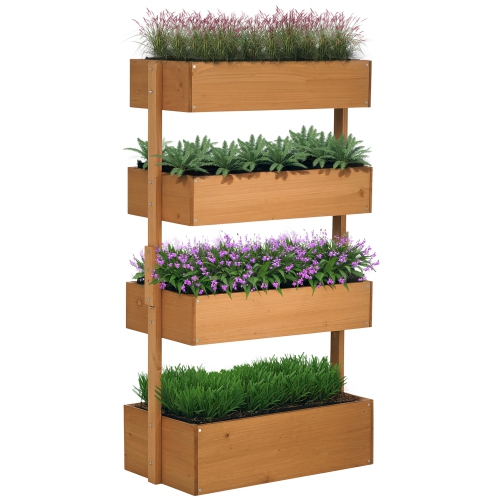
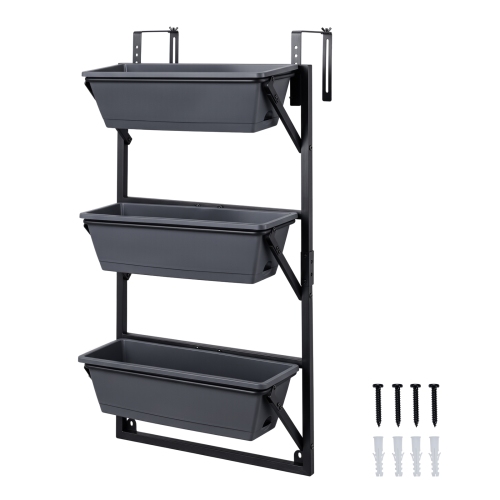
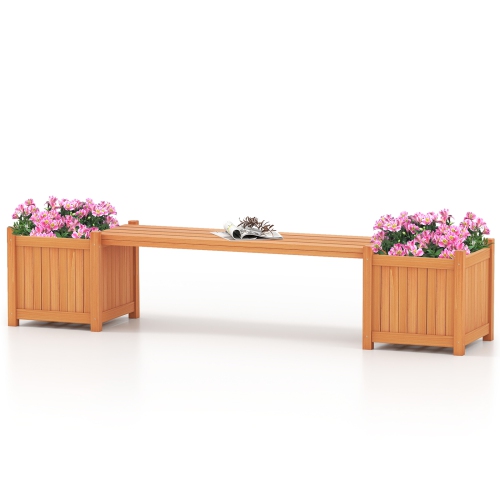
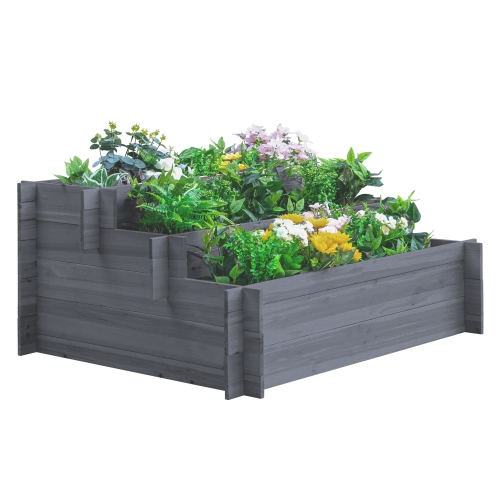

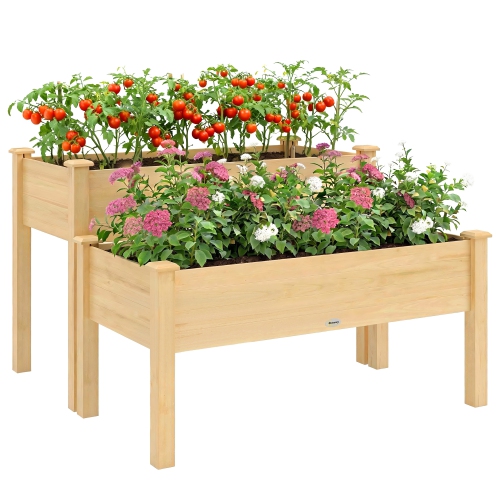
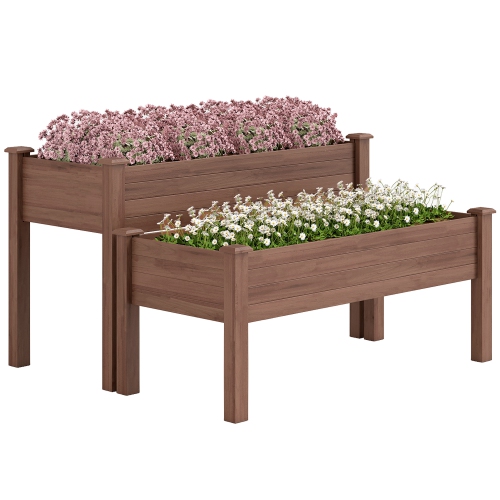
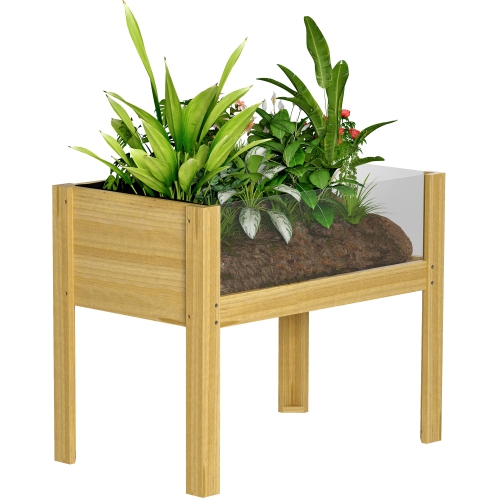
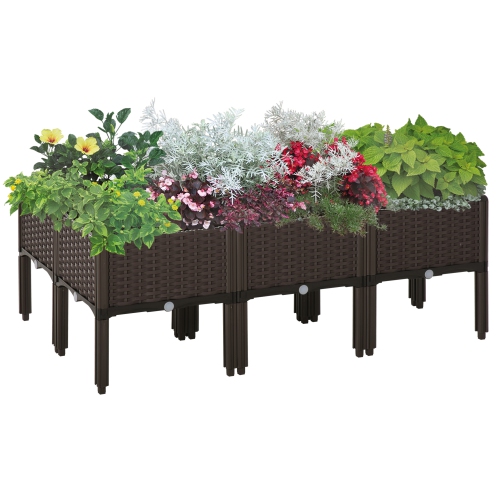
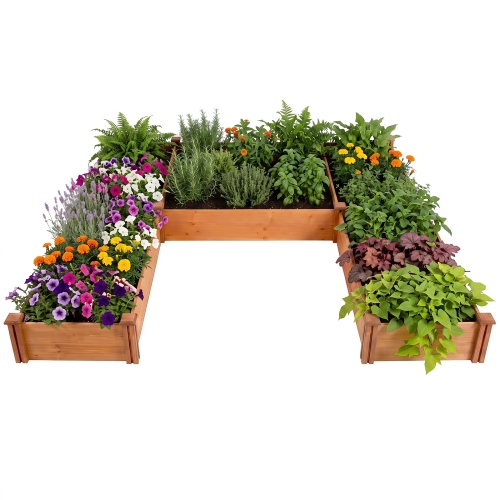

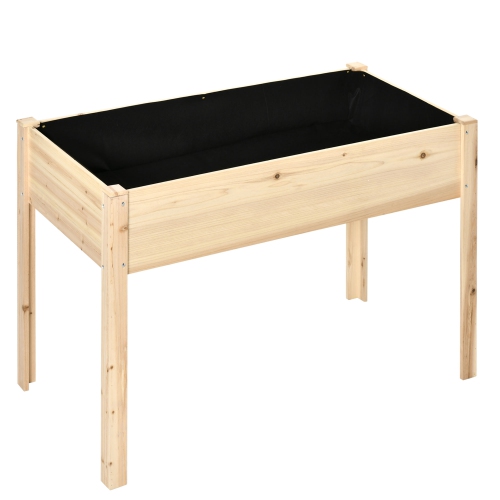
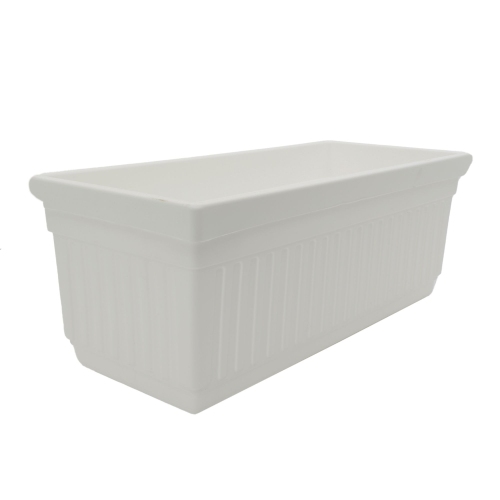
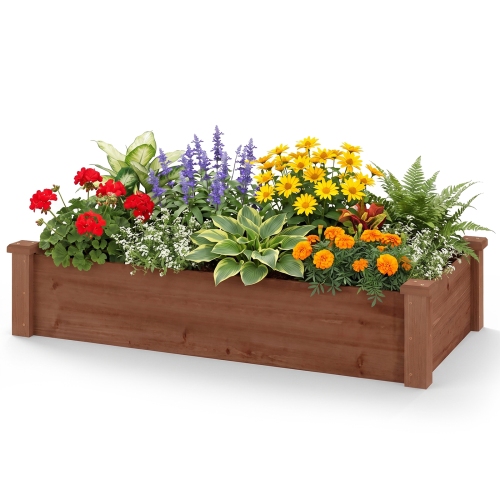
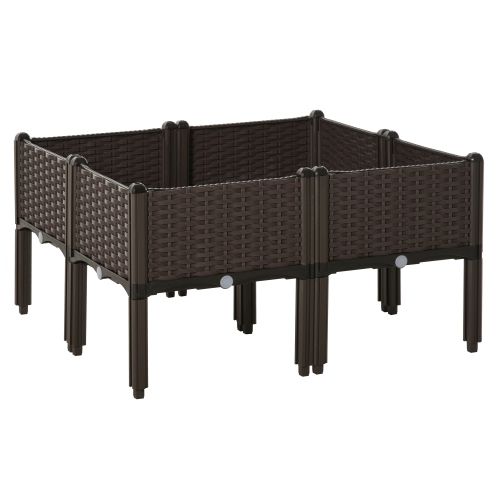
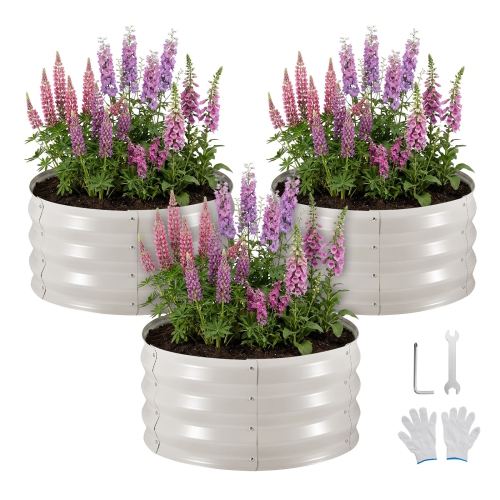
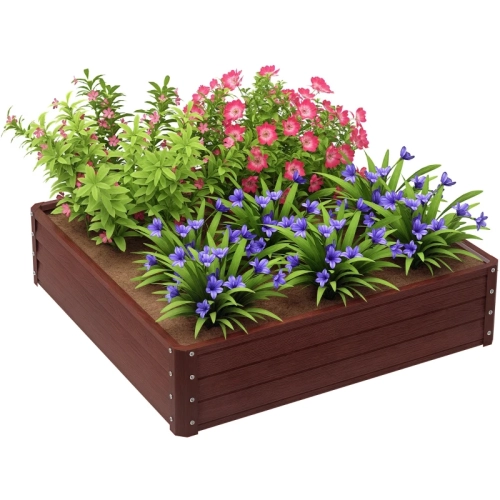

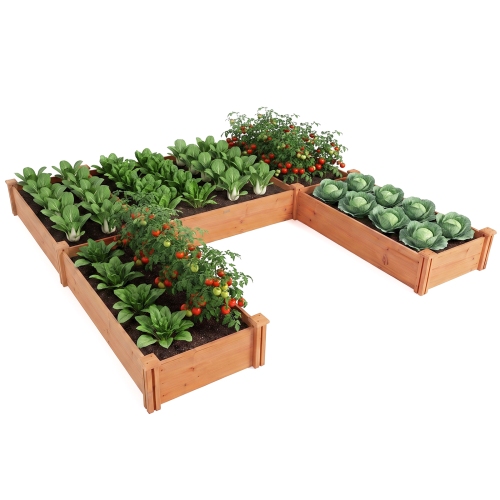
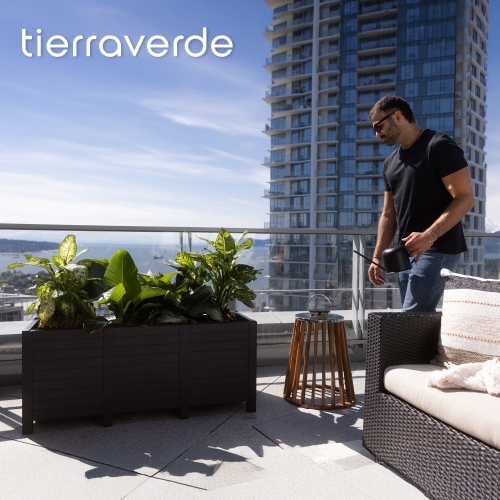
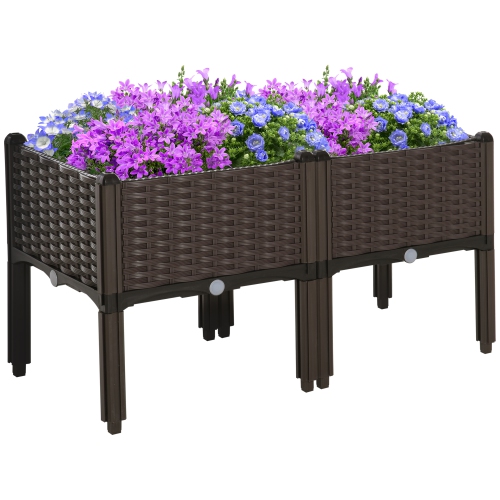
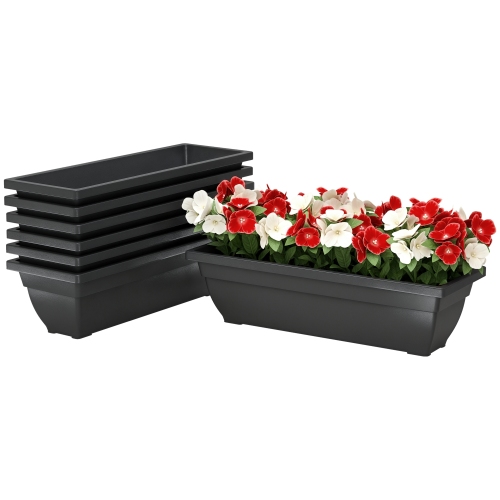
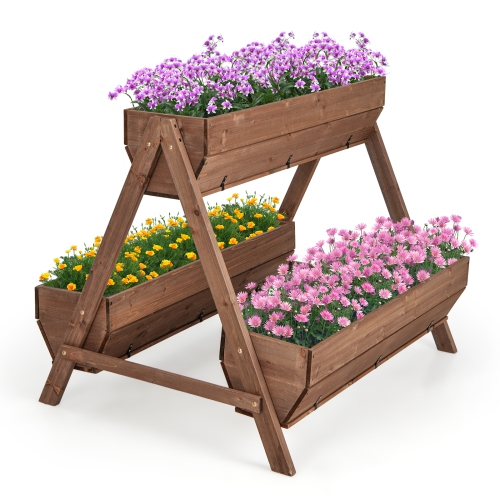
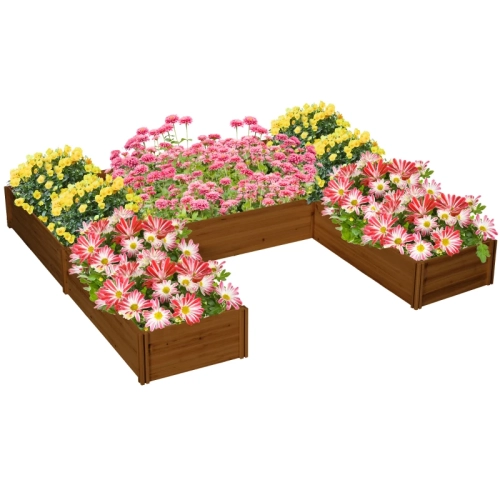
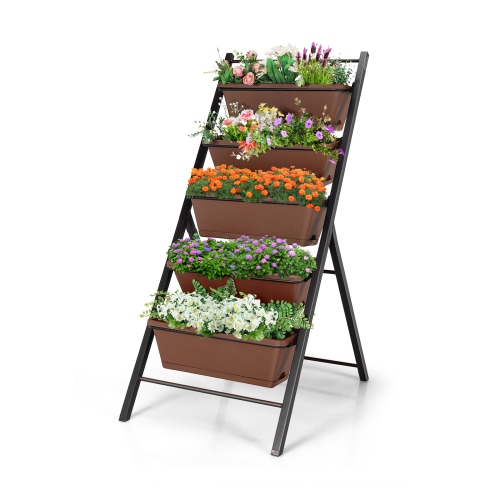
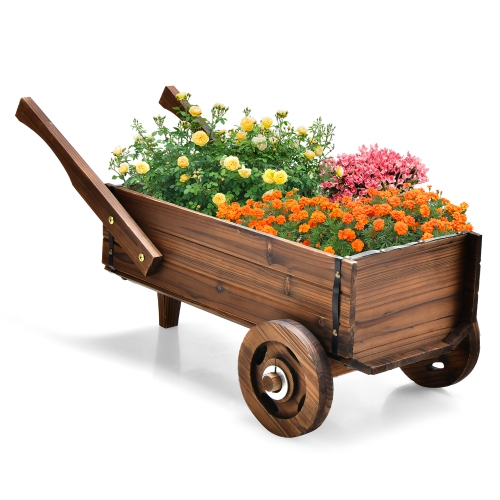
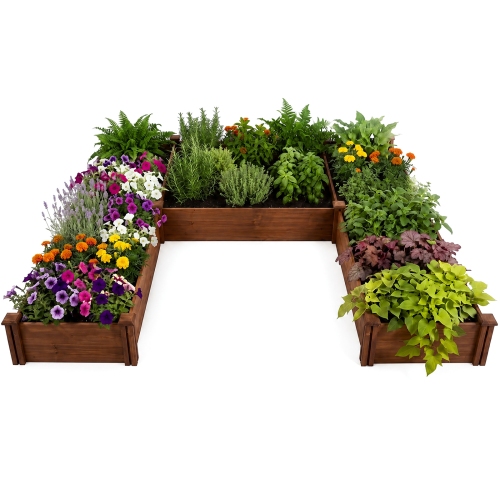
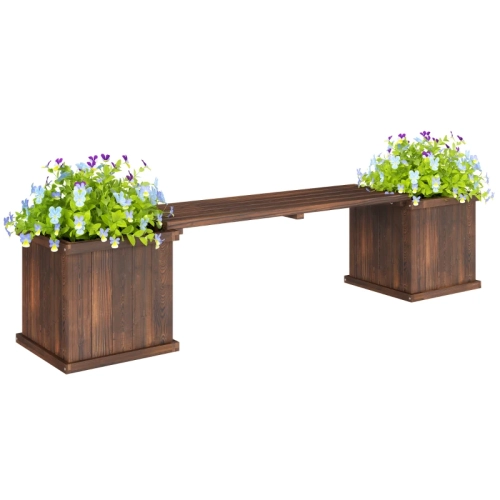

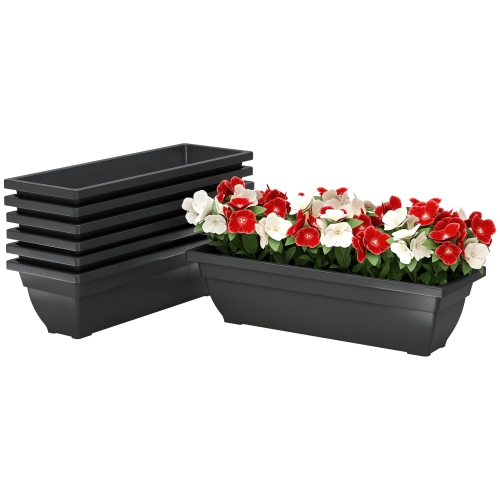
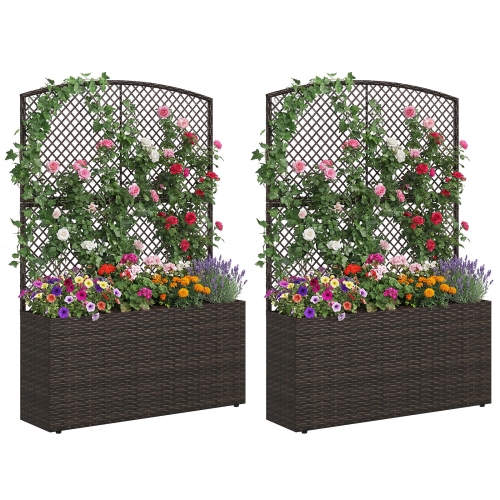
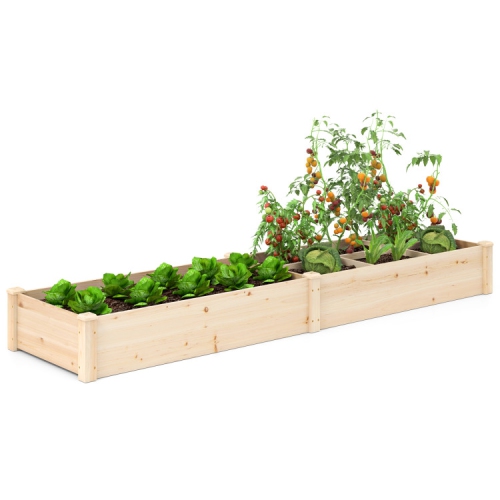
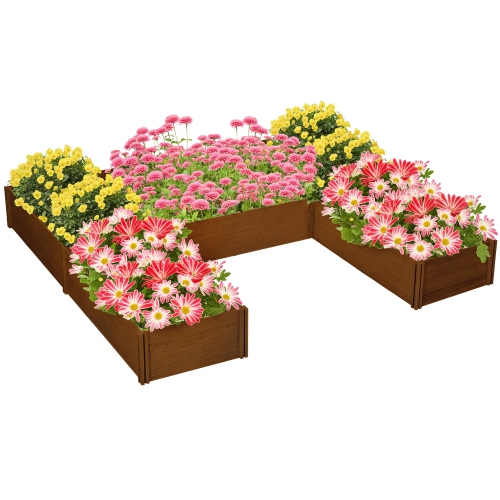
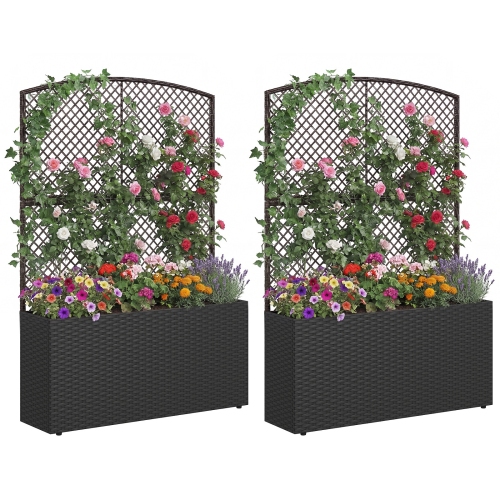
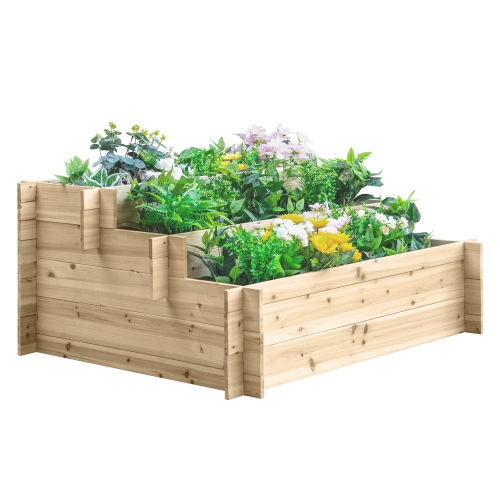

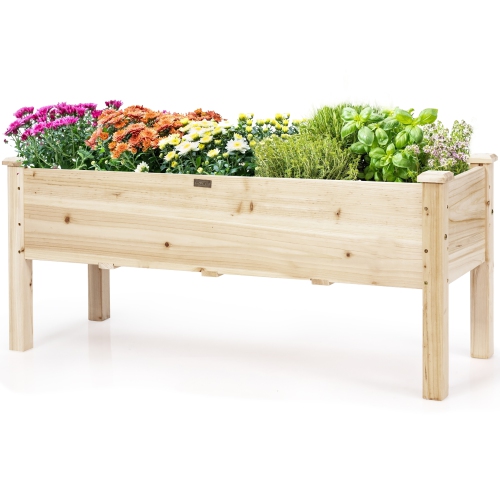

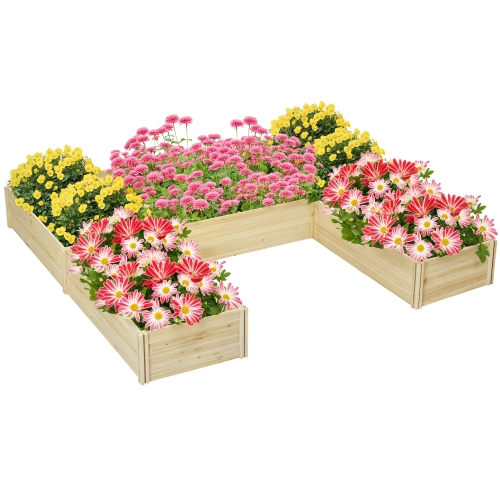

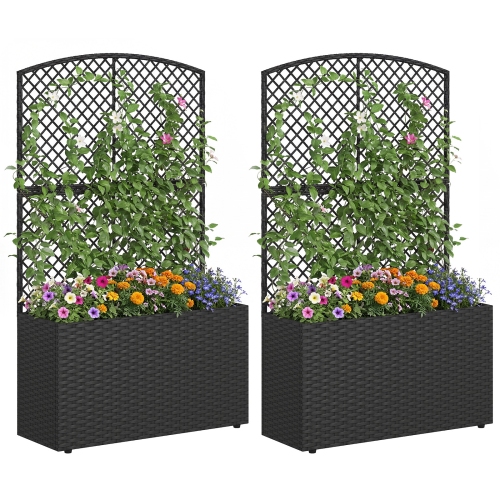
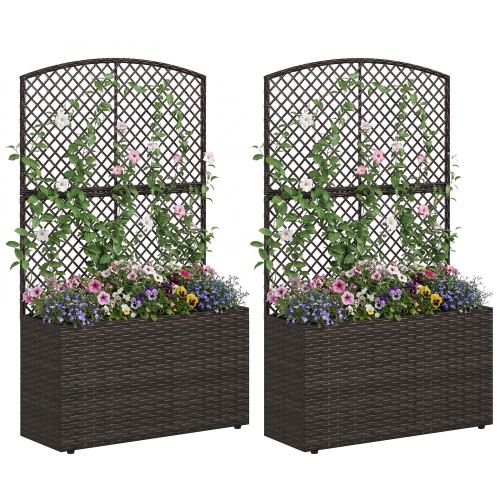
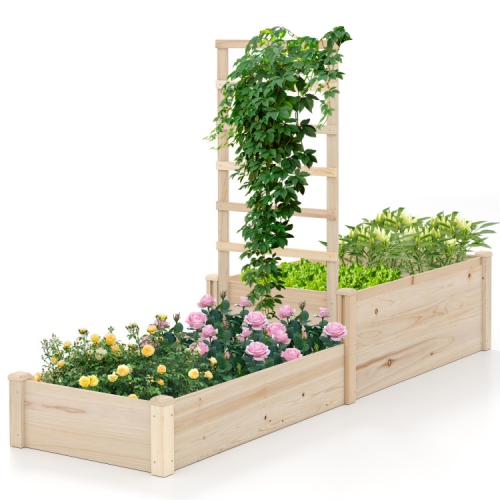
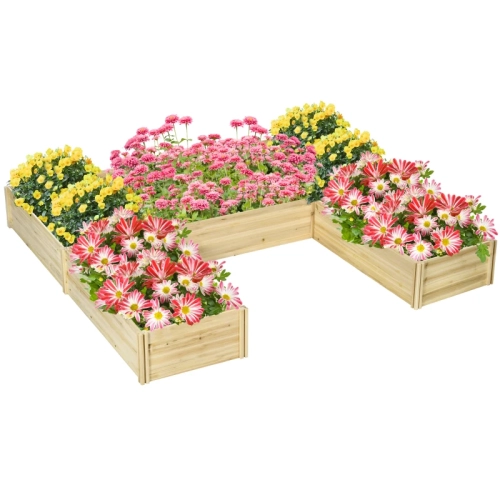
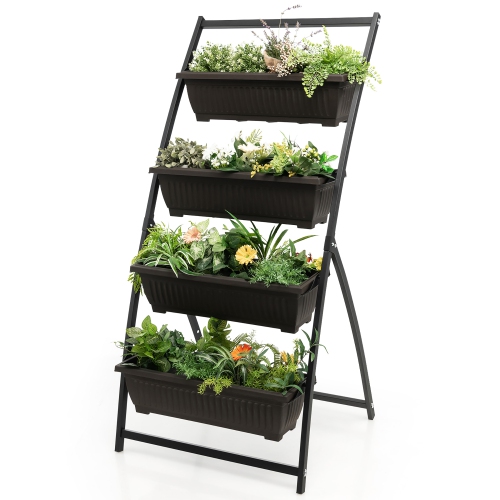
A continuous line of blooms without crowded pots
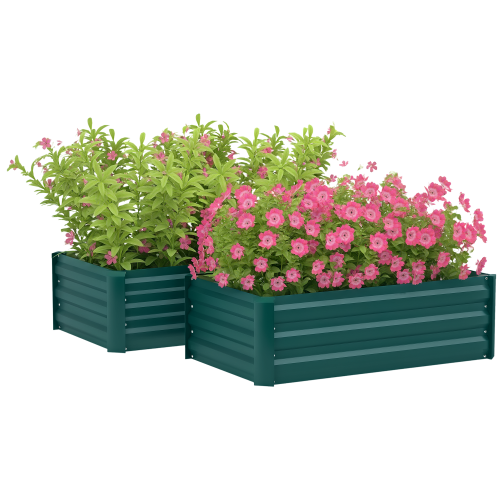
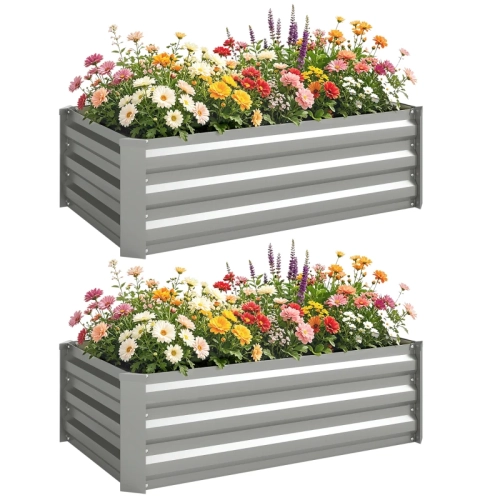
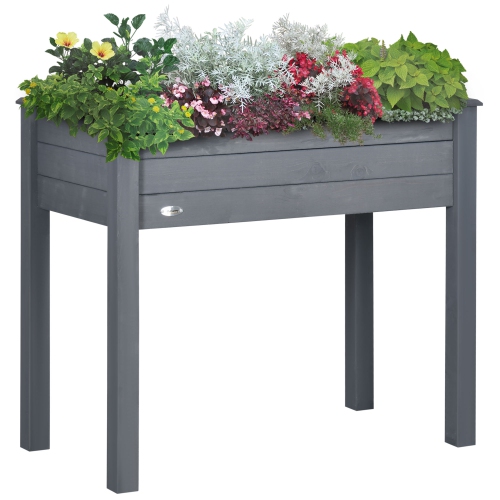
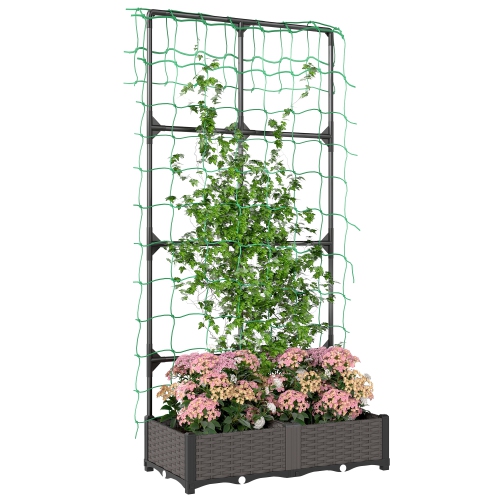
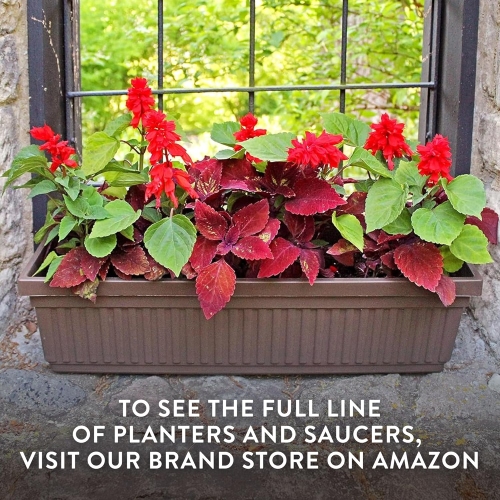
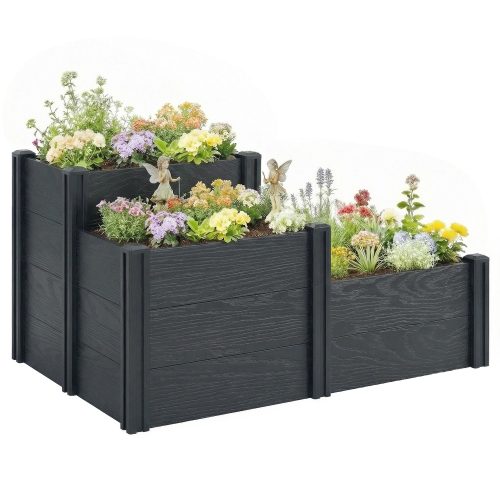
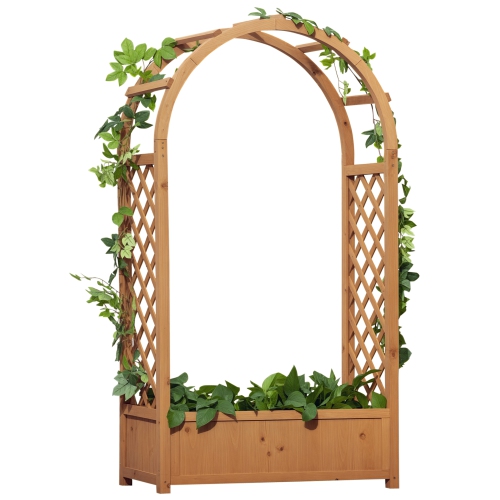
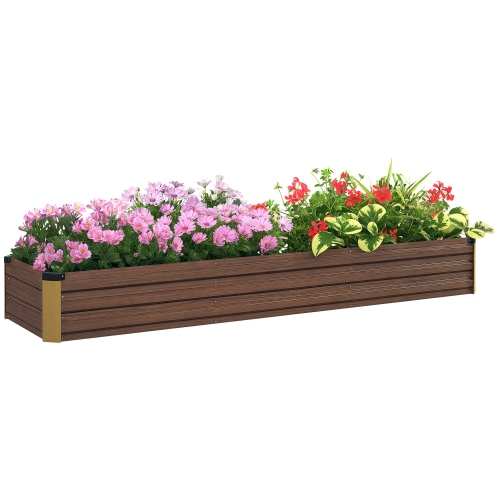
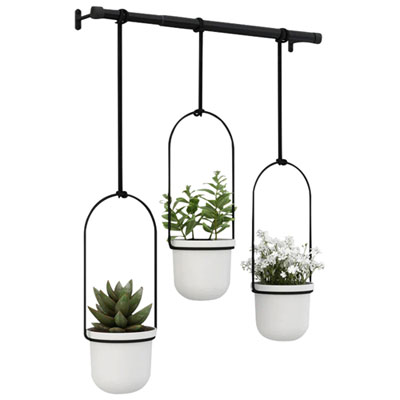
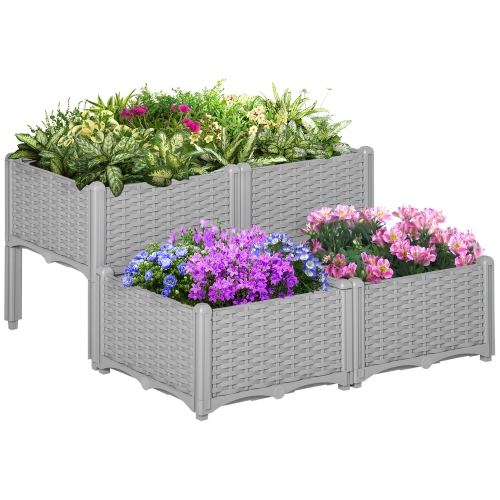
Flower boxes are long, contained planters that bring flowers and greenery to windows, balconies, patios, and indoor spaces. Their rectangular shape creates a continuous band of planting, making them useful wherever a row of separate pots would feel crowded or uneven. A box beneath a window can frame the view with blooms, while one beside a seating area can soften the edge of a paved surface without taking up much floor space. The main types are window boxes, railing planters, and freestanding flower boxes, each suited to a different placement. Window boxes attach below a window or sit on a properly supported ledge; railing planters fit over or fasten to compatible balcony and deck rails; freestanding boxes rest on the ground or a raised base. Indoor flower boxes can also hold individual nursery pots, keeping several plants together in a neat arrangement while allowing each pot to be removed for watering. The distinction between a planter intended for direct planting and an outer container intended to conceal pots matters: direct planting generally needs drainage, while an outer container must be checked for collected water. Flower boxes overlap with the broader range of Plant Boxes, which can also accommodate herbs, foliage plants, and other planting arrangements when their dimensions and construction suit the roots. For flowers, length determines how much room there is to arrange plants side by side, but width and depth are just as important. A narrow trough may suit compact blooms yet leave too little space for a larger root ball. Plant spacing should account for mature growth rather than how full the box looks on planting day. A little open space between young plants gives roots room to spread and leaves room for watering. Grouping flowers with similar light and moisture needs also makes the arrangement easier to maintain, whether the aim is a bright line of colour beneath a kitchen window or a compact display near an entrance.
Material affects a flower box’s weight, appearance, care needs, and suitability for its intended position. Wood brings visible grain and a substantial feel that works well alongside timber furniture, fencing, and natural finishes. Its performance depends on the wood species, construction, and any protective treatment, so joints, base thickness, and care requirements deserve attention alongside appearance. Cedar is valued for its natural resistance to decay, though no wooden box is entirely maintenance-free. A liner may help limit direct contact between soil and wood, provided it does not obstruct drainage or trap water against the base. Plastic and resin flower boxes are generally lighter before planting, making them practical for people who rearrange their displays or need to lift containers for cleaning. Their strength varies with wall thickness, reinforcement, and material quality; a long box needs enough rigidity to hold its shape when filled. Metal flower boxes offer clean lines and can create a crisp contrast with trailing leaves and soft petals. Galvanized steel, coated steel, and aluminium differ in weight and resistance to corrosion, and scratches in some protective finishes may need attention according to the manufacturer’s directions. Metal containers may also use removable liners or inserts, which can simplify planting and cleaning. Appearance is only part of the decision, especially for a mounted box. Soil, plants, and water add considerable weight, so the filled load matters more than the empty container’s weight. Brackets and fasteners must suit both the planter and the supporting surface, and a railing planter needs to match the rail’s shape and dimensions rather than simply balance on top. For balconies, building rules and secure attachment are important considerations. A freestanding box avoids wall mounting, but still needs a level, stable surface and enough clearance to keep doors, walkways, and seating accessible. Raised designs can bring flowers within easier reach, although comfortable access depends on the box’s height, depth, and the user’s position. External measurements help establish whether a box fits its location, while internal measurements reveal the actual planting space.
Everyday care is easier when a flower box’s drainage and watering arrangement suit the place where it will be used. Drainage holes allow excess water to leave the root zone, but that water needs somewhere appropriate to go. A box above a walkway, on a balcony, or beside an indoor wall should not discharge onto people, neighbouring spaces, or surfaces vulnerable to moisture damage. A fitted tray can help catch runoff, though standing water should be emptied rather than left around the roots. Feet or a suitable stand can provide clearance beneath some freestanding designs, subject to the planter’s support requirements. For direct planting, a potting mix formulated for containers is usually more suitable than dense garden soil, which can compact and drain poorly in a confined space. Adding a layer of stones does not replace drainage holes and reduces the depth available for roots. Self-watering flower boxes use a reservoir to supply moisture through a wicking arrangement, but their usefulness depends on the plants, the design, and correct filling; they still need regular checks. Removable inserts can be helpful for someone who prefers to tend plants at a work surface rather than lean across a railing. They also make it easier to replace one part of an arrangement without emptying the whole box. Between plantings, removing old roots and washing the container according to its material helps keep it ready for reuse. Drainage openings, liners, brackets, and joints benefit from occasional inspection, particularly before a heavy box is refilled or remounted. These practical details make flower boxes appealing to apartment gardeners, homeowners working with narrow spaces, and anyone who enjoys a contained floral display. They can also make thoughtful housewarming or gardening gifts when the recipient’s space and preferred level of care are known. A manageable size, a suitable mounting method, and access for watering often matter more than an elaborate shape. With those basics in place, a flower box provides a defined space for planting without demanding a large garden.
Top selling and popular products
-
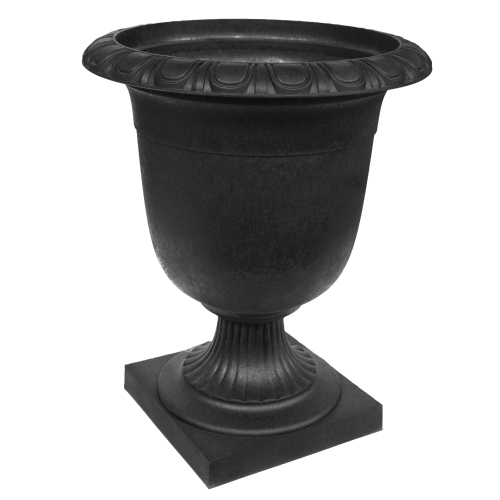 Your price for this item is $57.99
-
 Your price for this item is $54.98
-
 Your price for this item is $94.99
-
 Your price for this item is $79.99
-
 Your price for this item is $105.99
-
 Your price for this item is $141.99
-
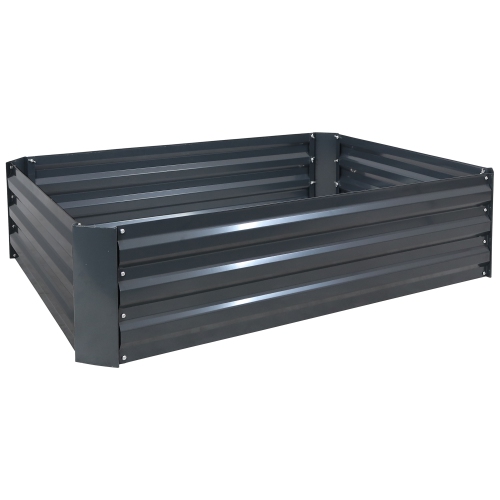 Your price for this item is $117.75
-
 Your price for this item is $117.75
Discover more categories related to Flower Boxes
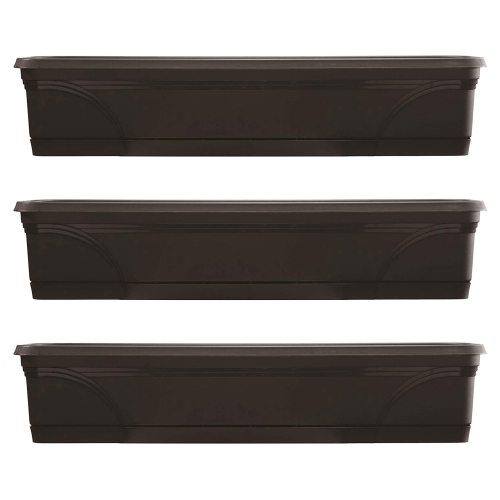
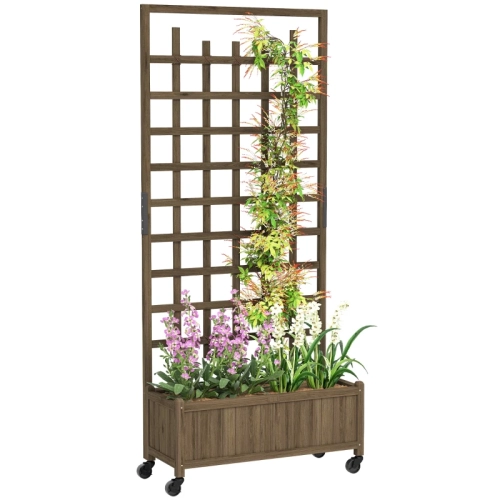
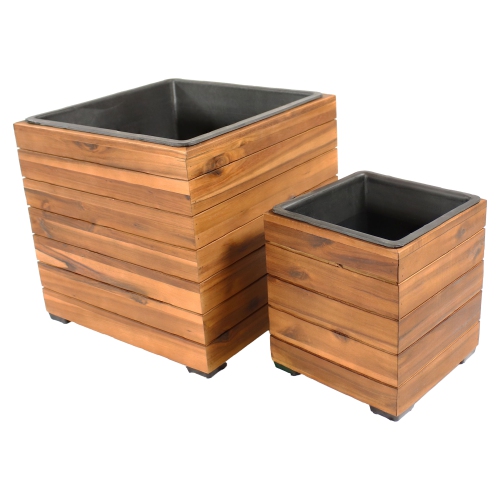
Top Collections:
Pokemon Centers, Kindle Devices, Best Budget Office Chairs, Canon G7X Cameras, Apple iPhones 16, Samsung Galaxy Phones, Refurbished Apple Laptops, Laptops for Students, iPhone 15 Apple, Budget Smartphones
Some products may be subject to Environmental Handling Fees
(EHF) depending on your province.
Learn more about EHFs.