Bookshelf Wall
Organize your favorite reads in style with our collection of bookshelf walls. Perfect for maximizing space and adding a touch of sophistication to any room, these versatile pieces are both functional and aesthetically pleasing. Whether you're looking to showcase your literary treasures or simply seeking a storage solution that complements your home decor, our selection of bookshelf walls offers a variety of sizes, styles, and finishes to suit your needs. Discover the perfect combination of form and function with our range of bookshelf walls today.
Sort
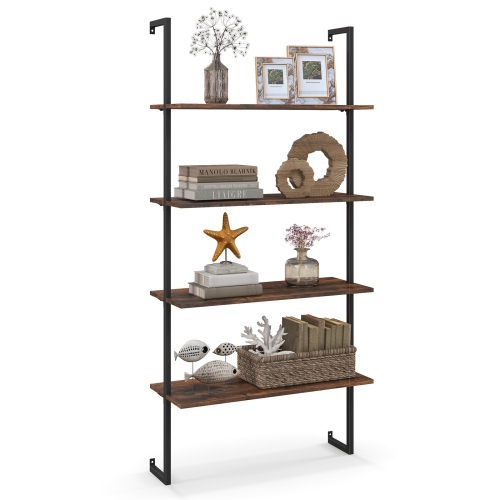
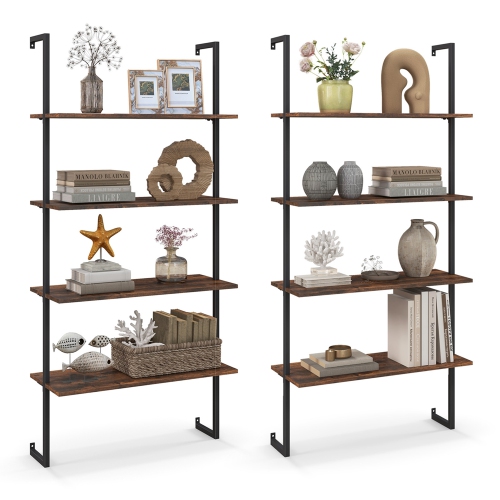
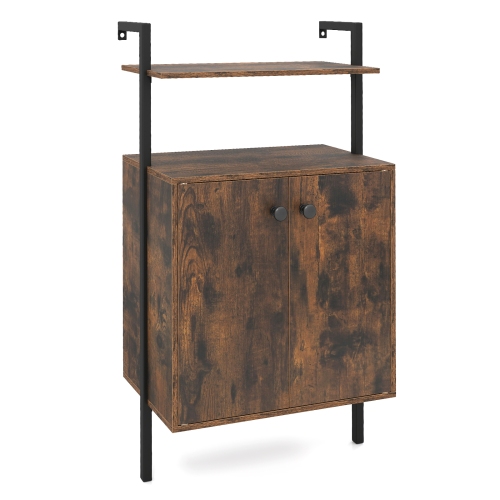
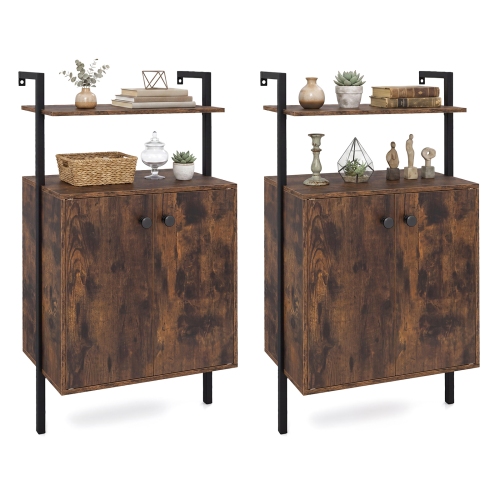
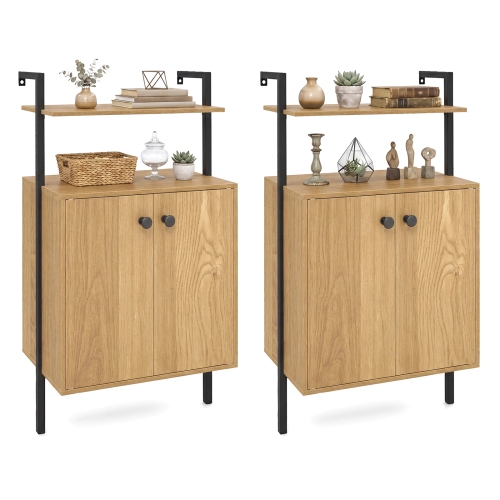
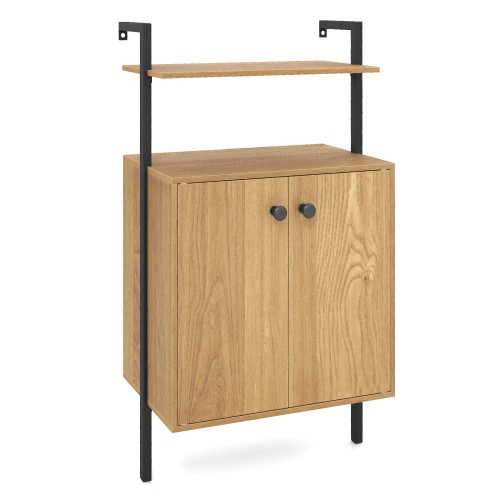
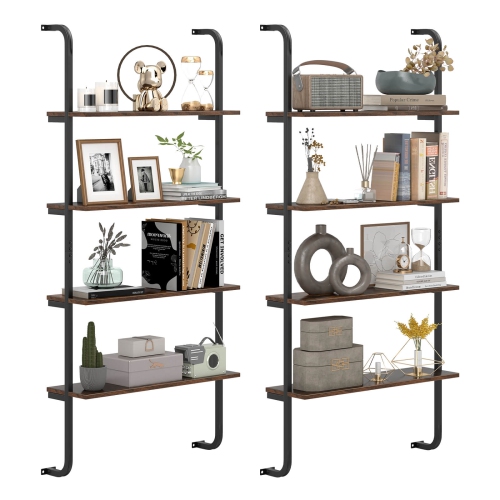
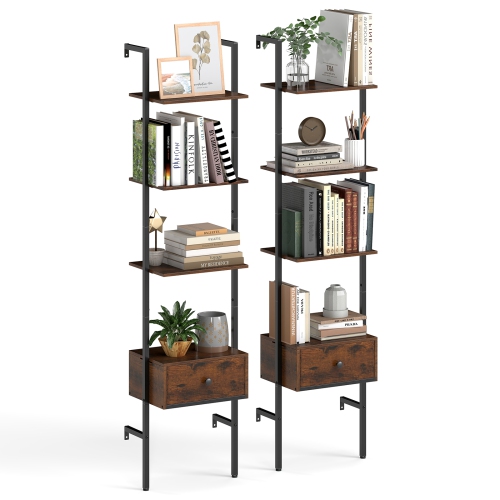
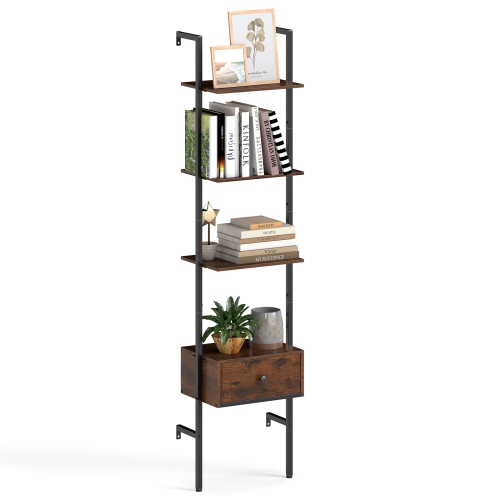
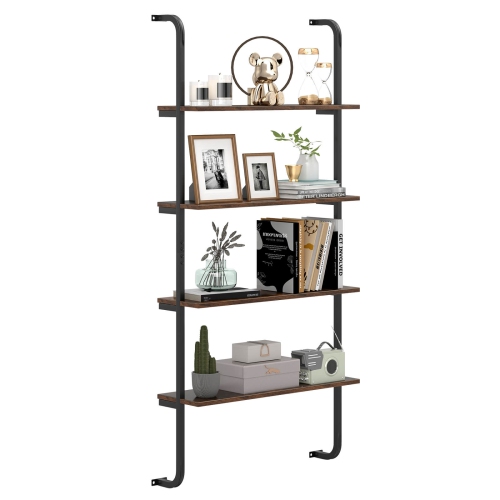
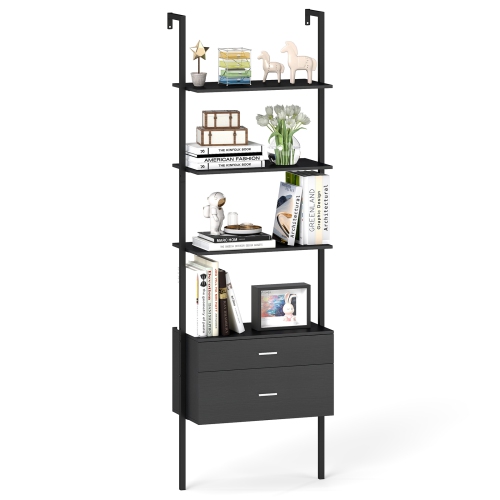
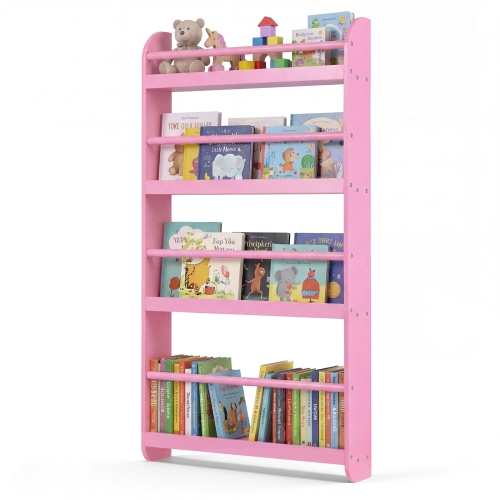
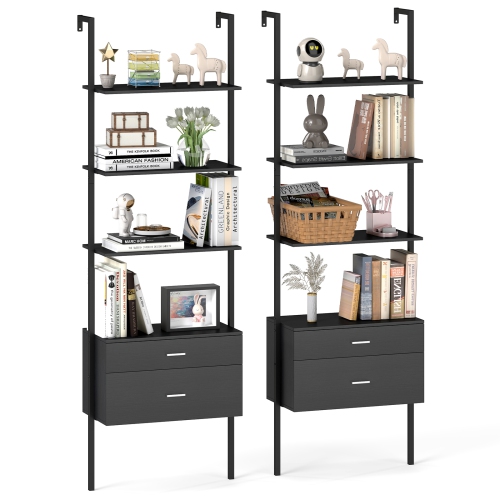
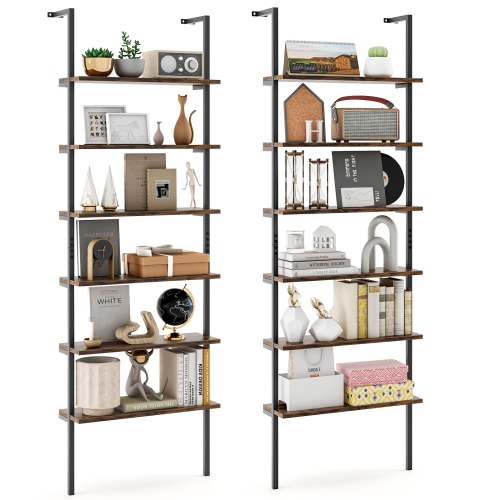
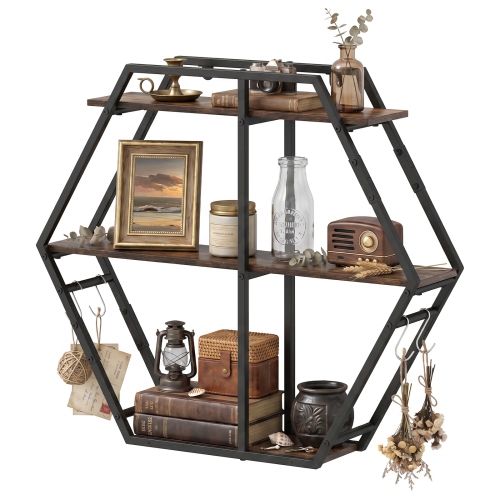
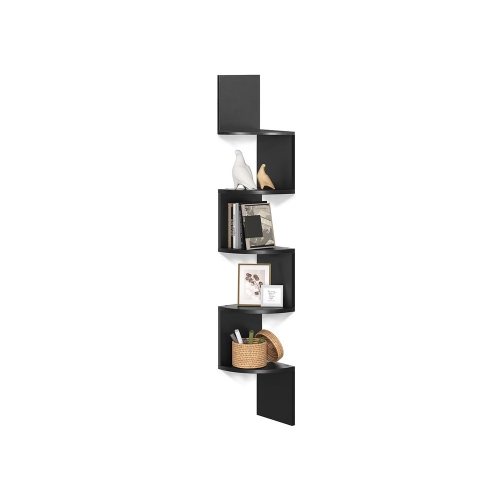
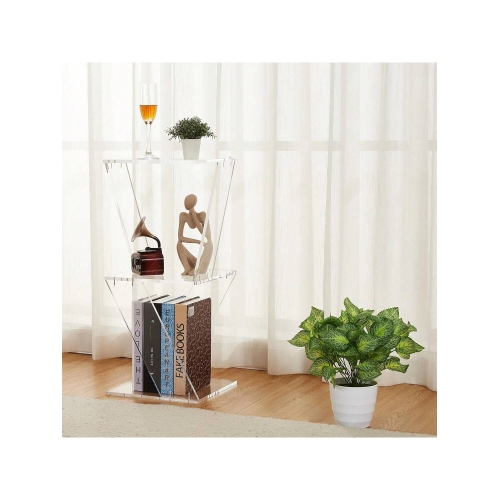
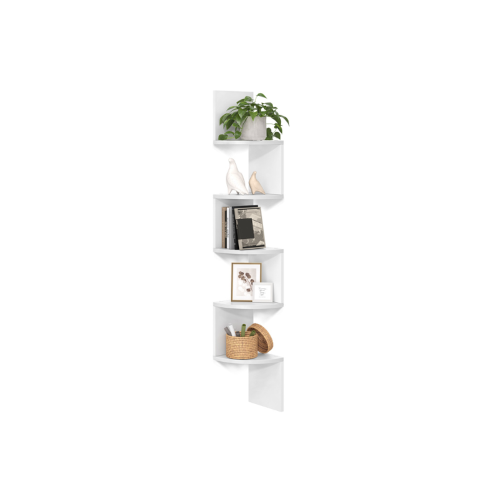
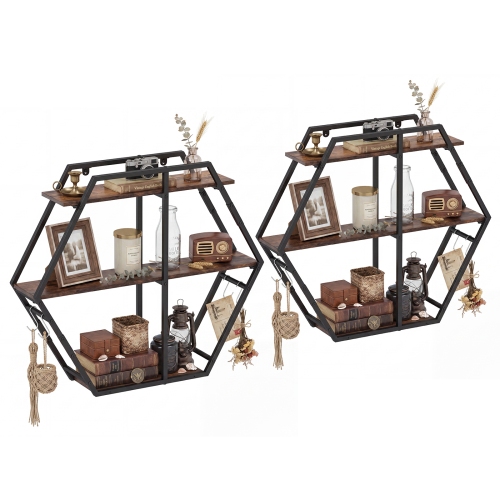
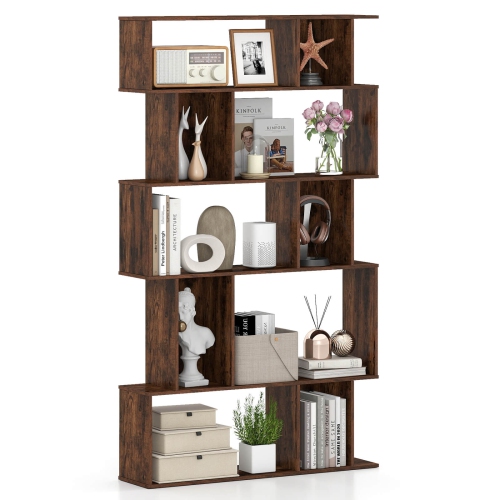
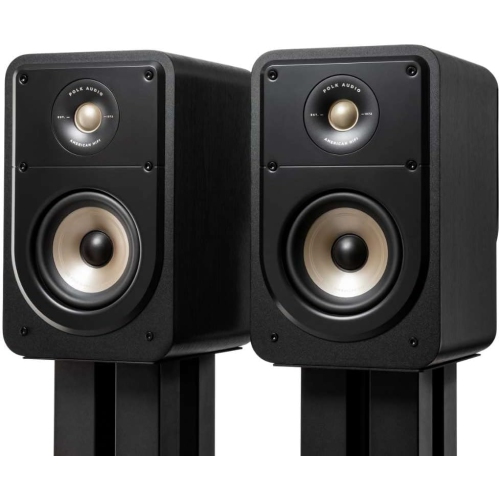
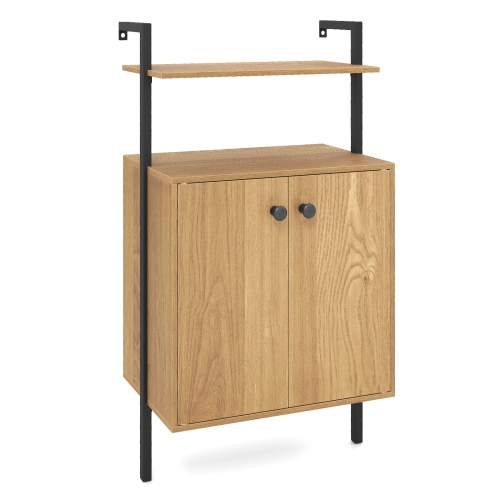
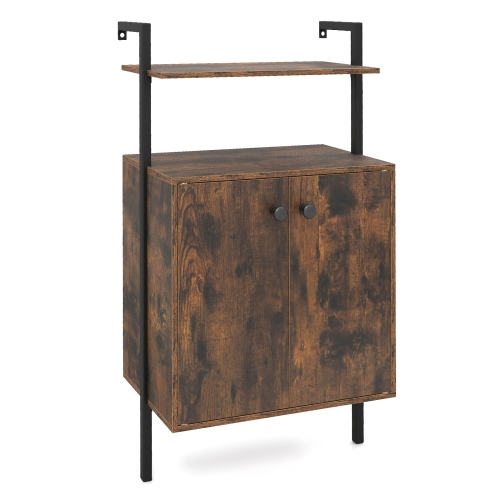
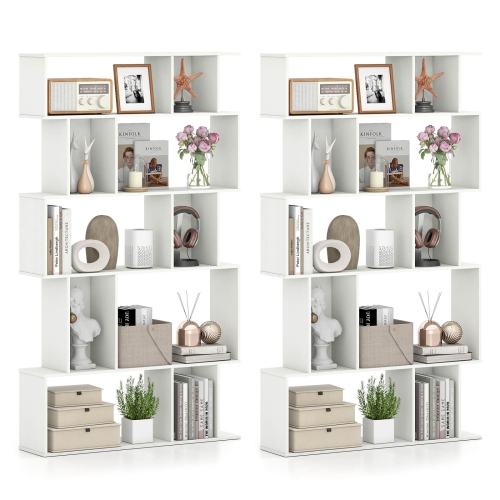
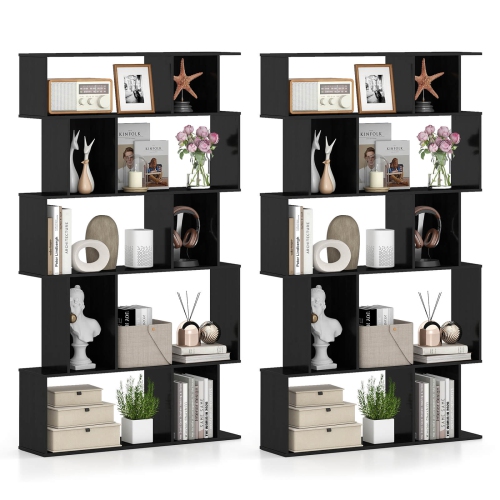
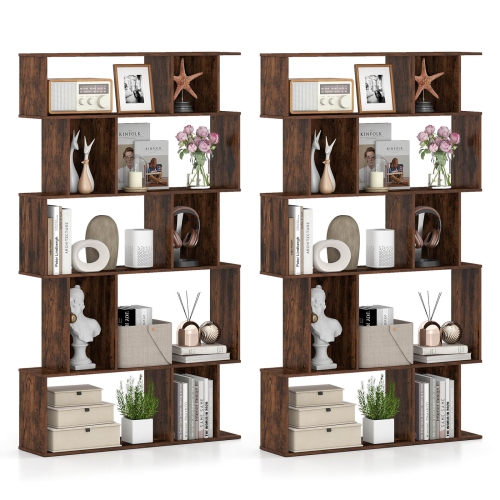
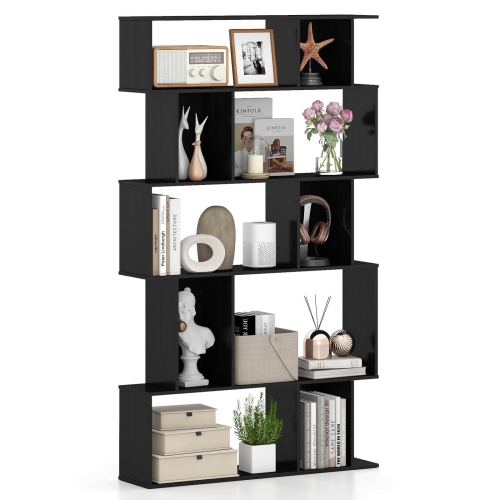
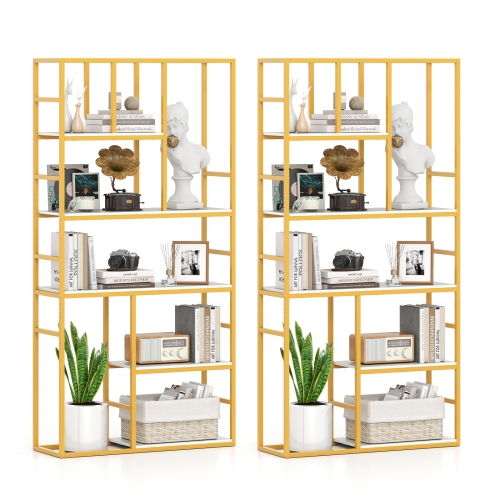
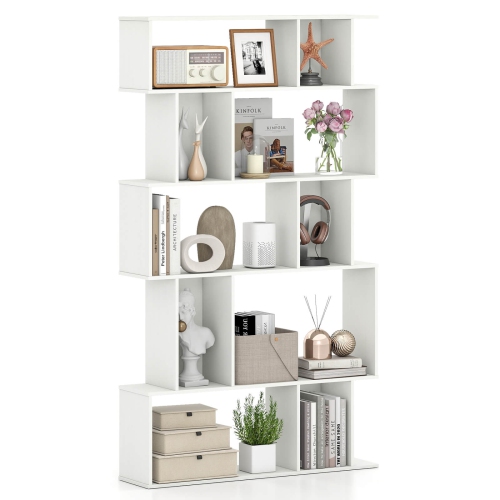
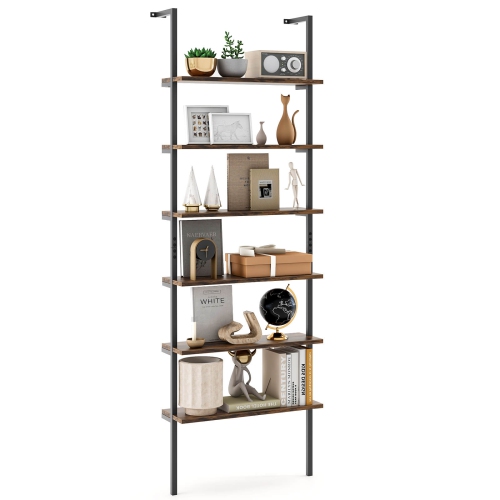
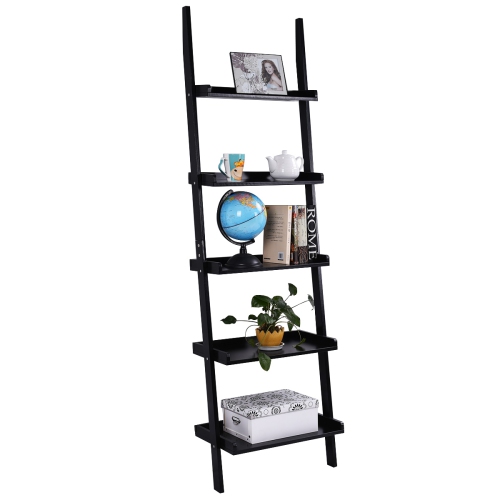
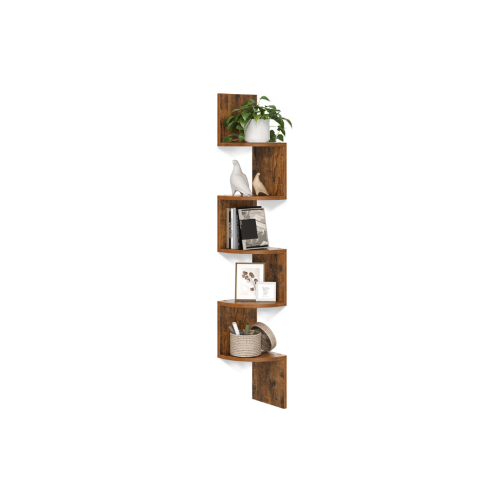
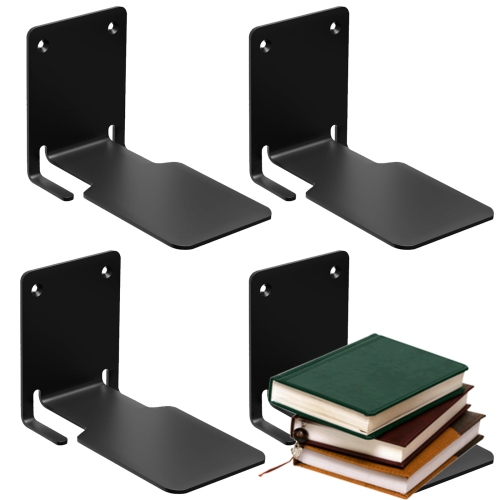
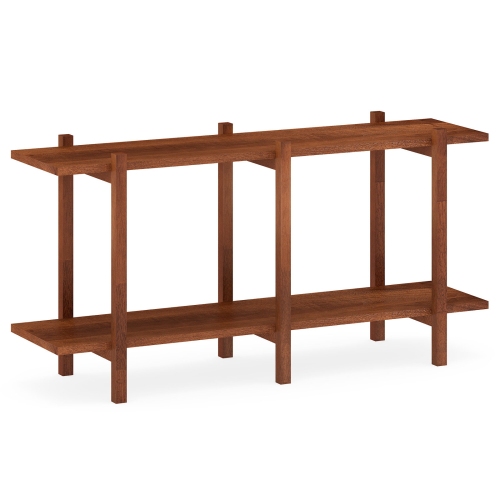
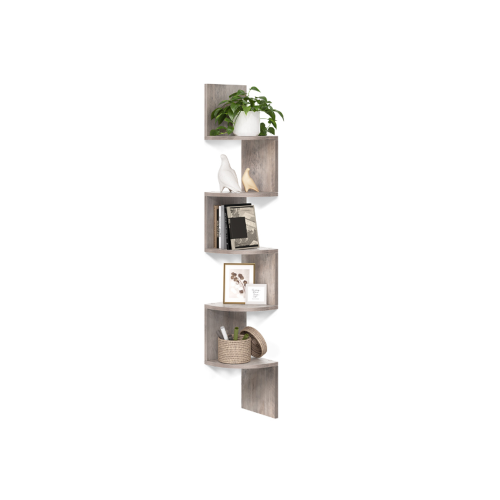
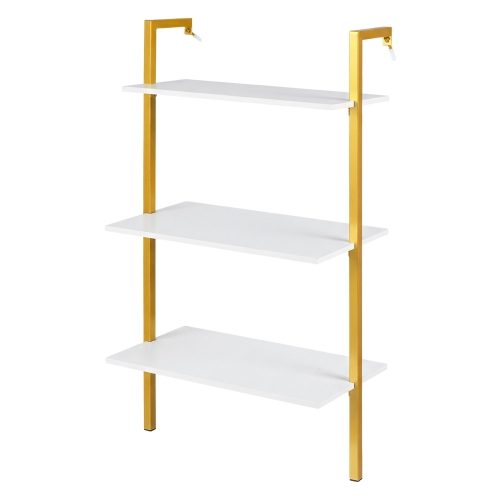
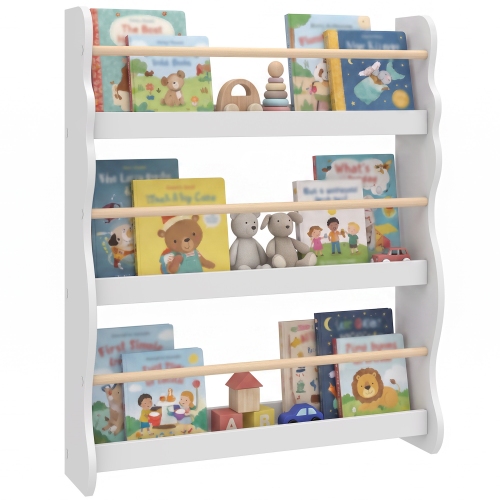
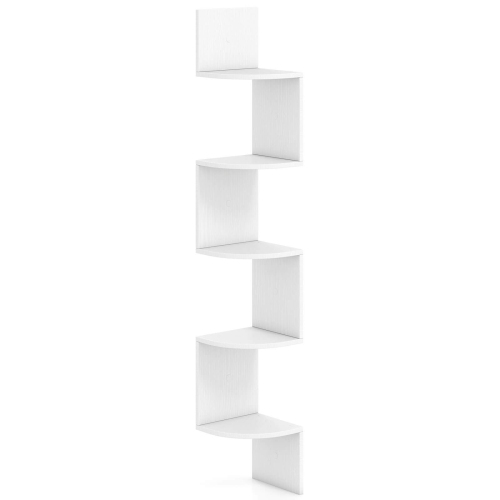
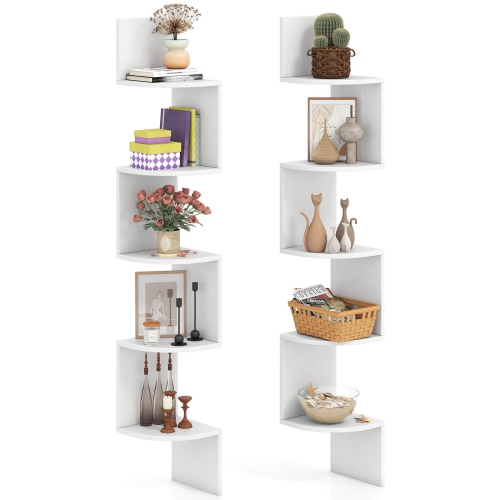
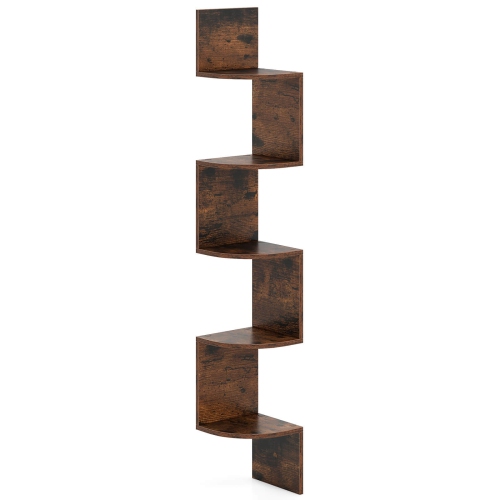
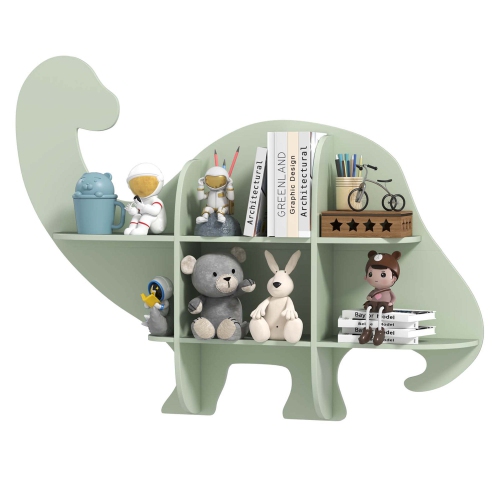
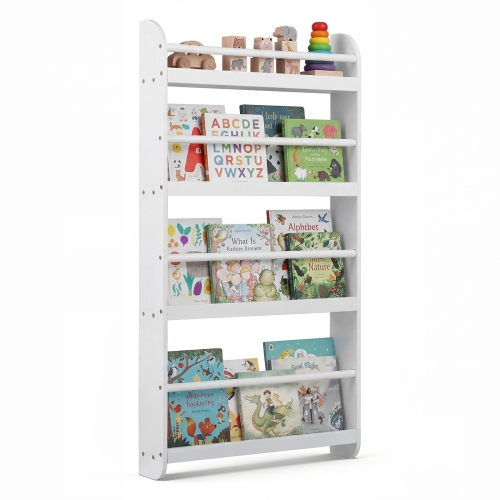
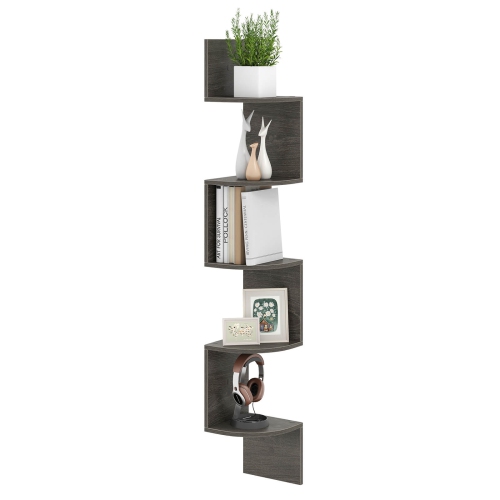
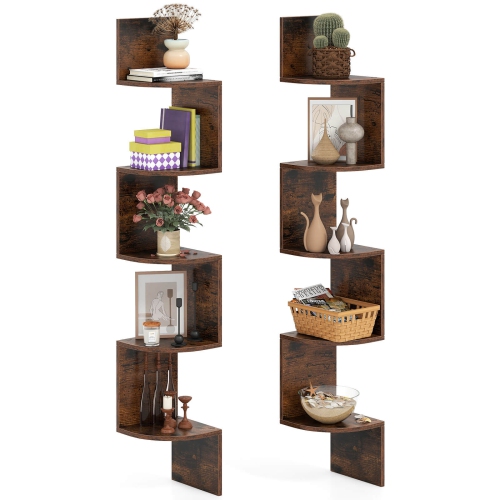
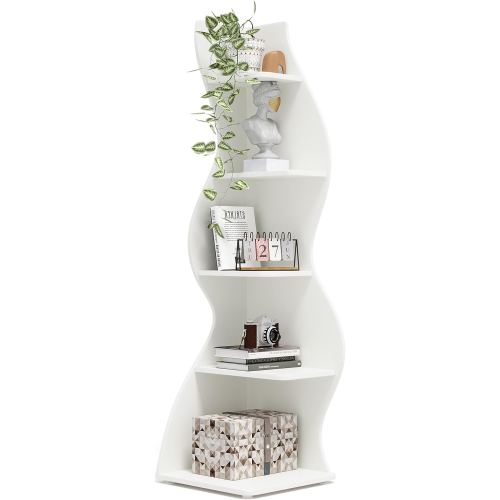

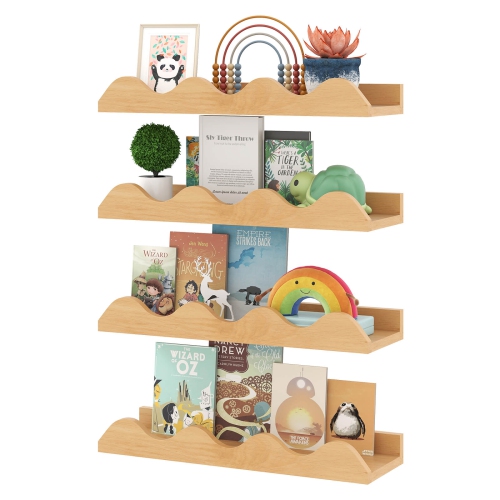
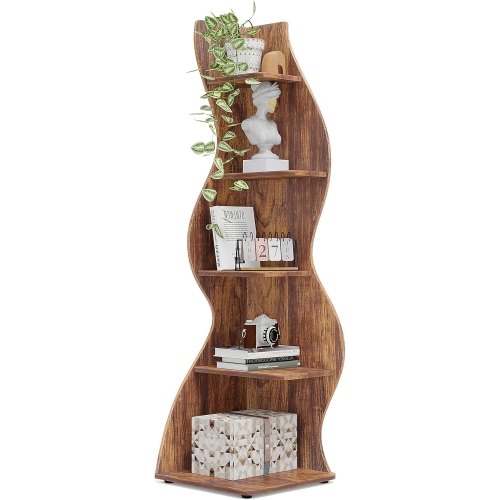
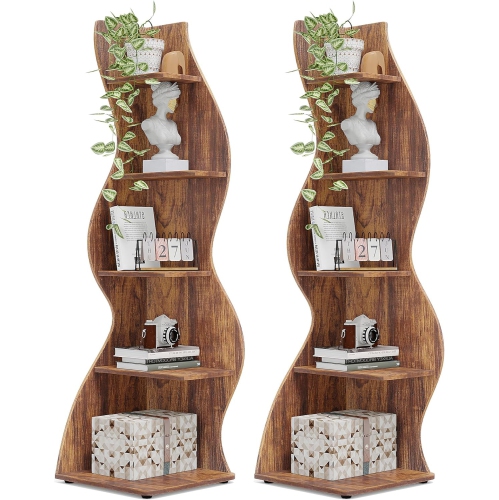
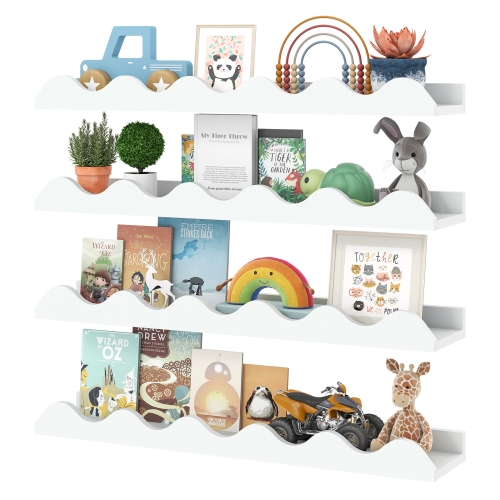
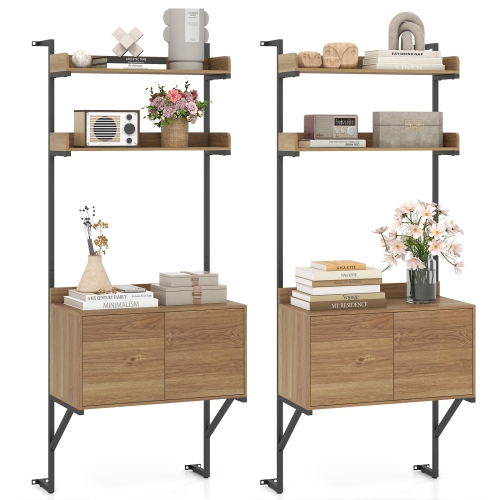
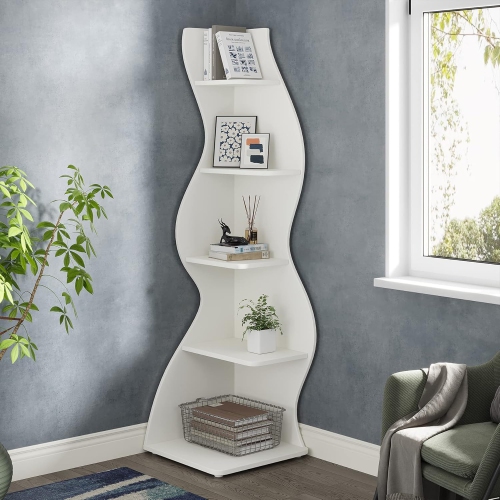
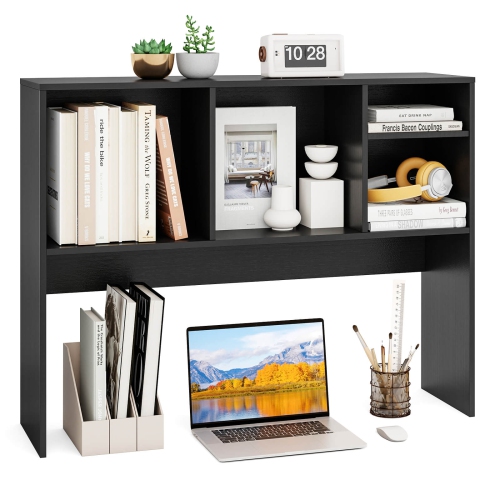
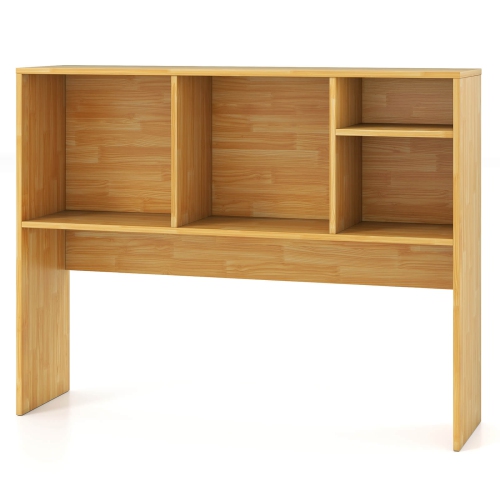
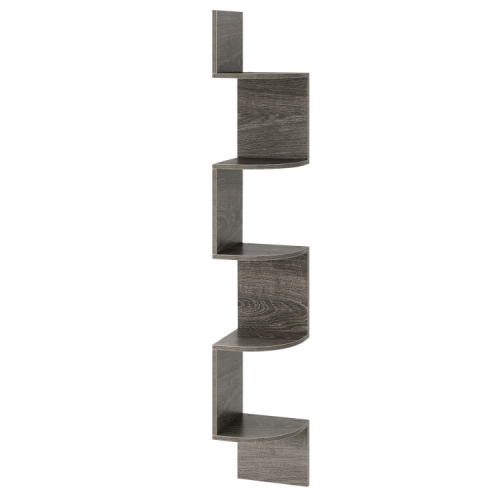
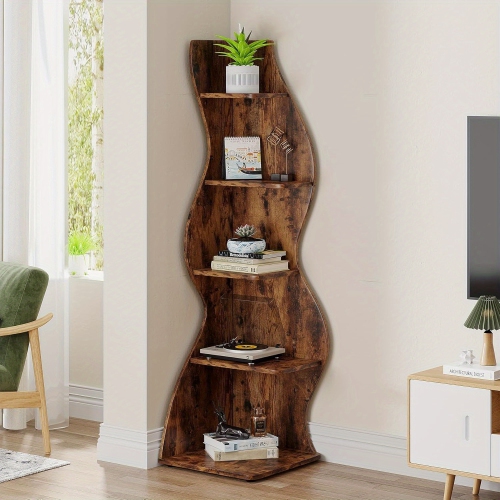
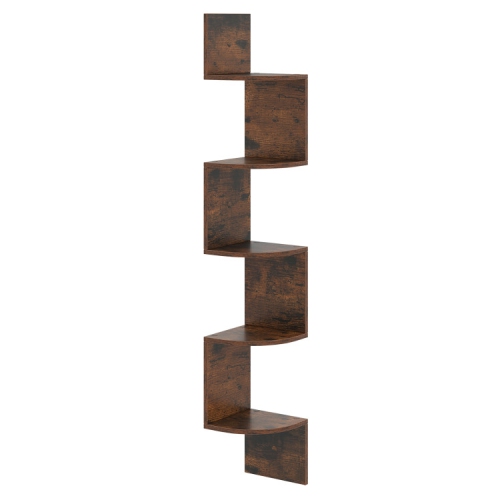
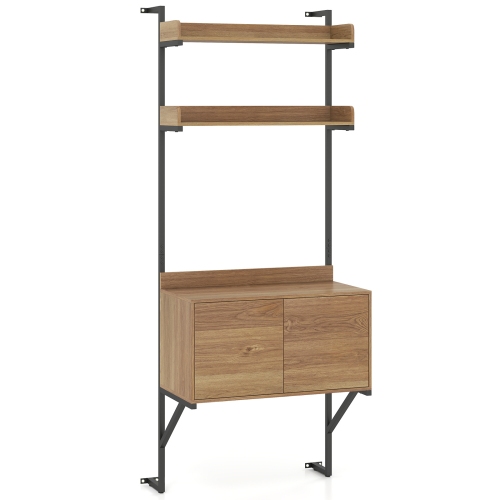
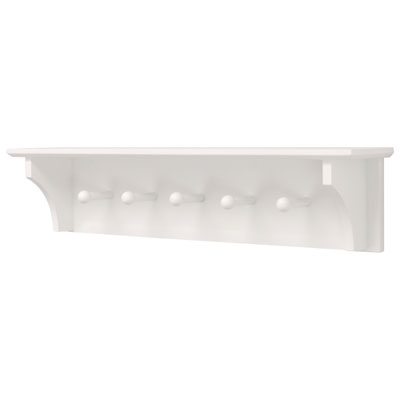

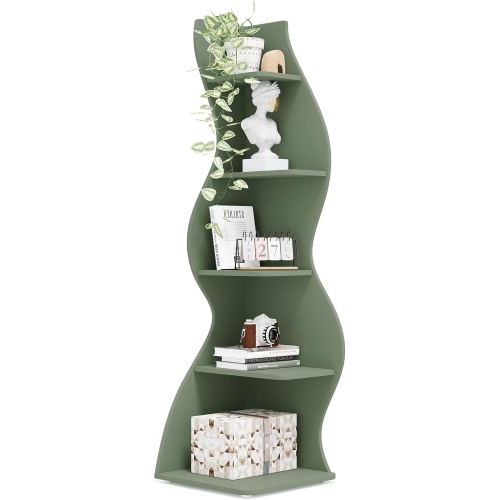
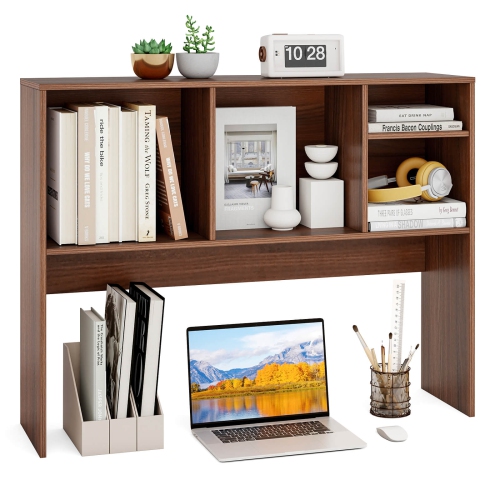
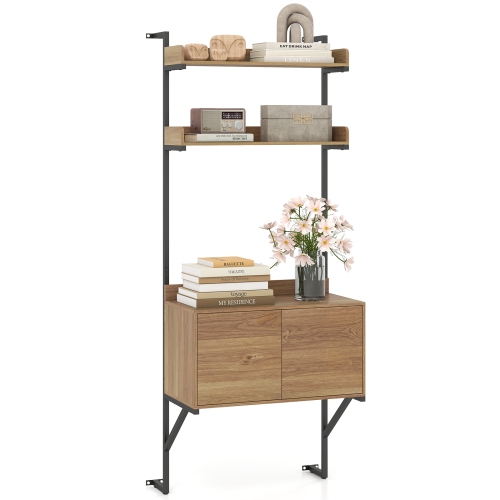
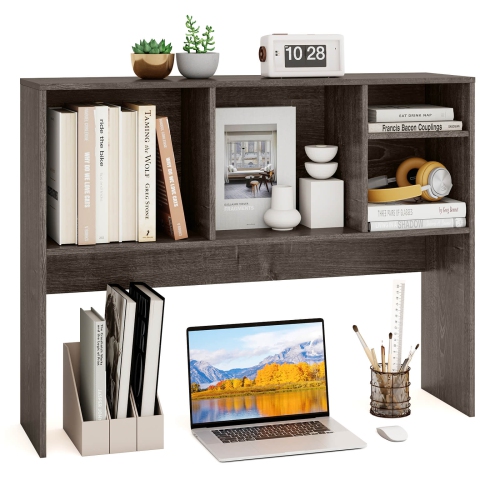
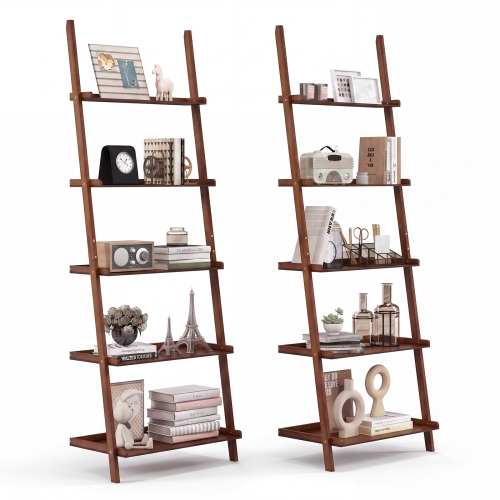
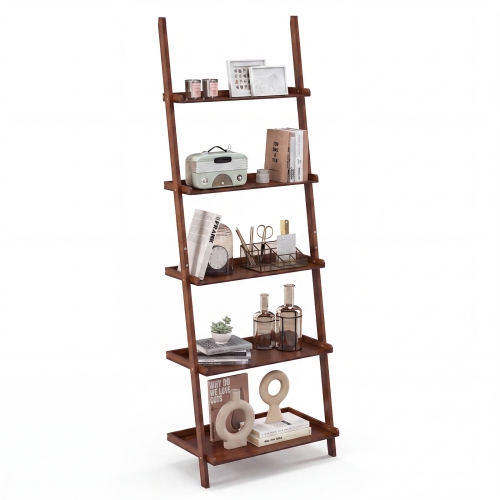
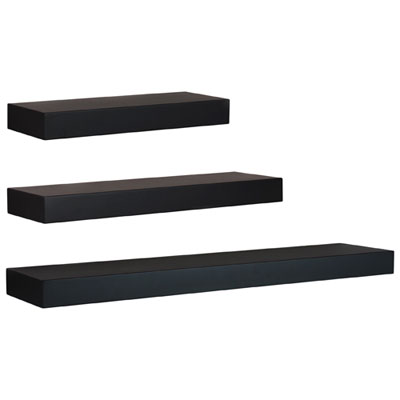
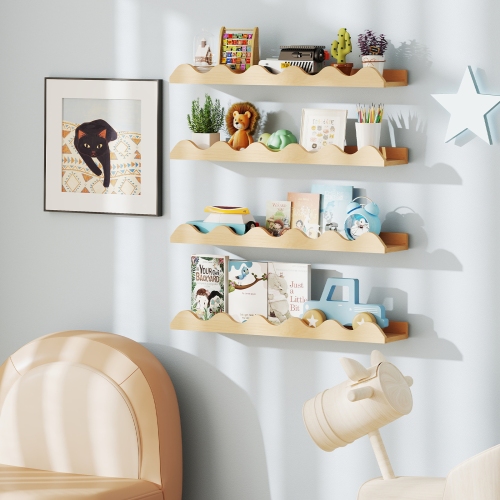
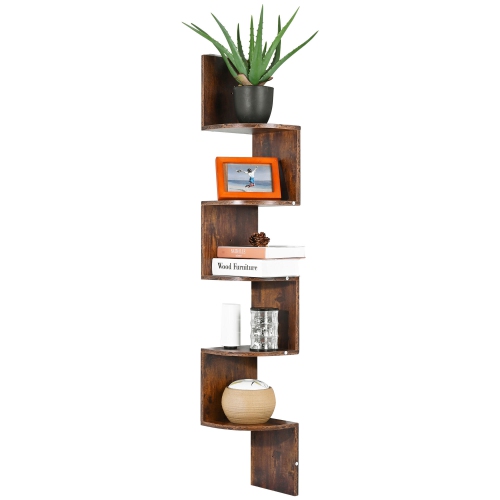
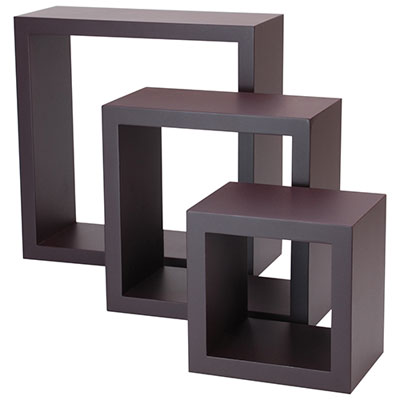
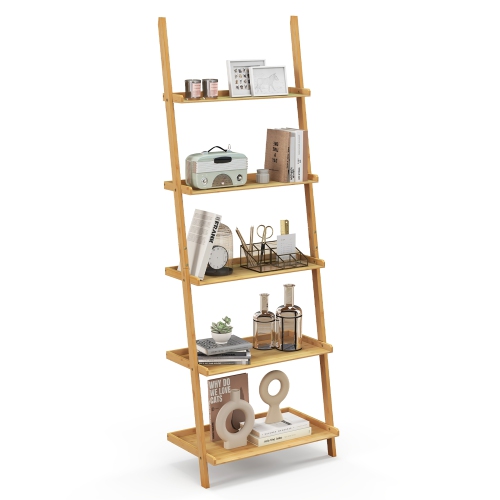
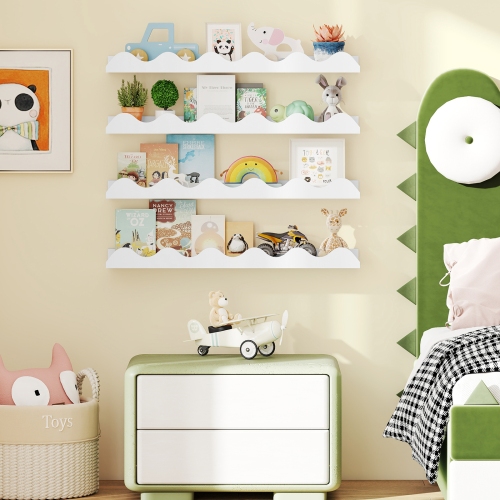
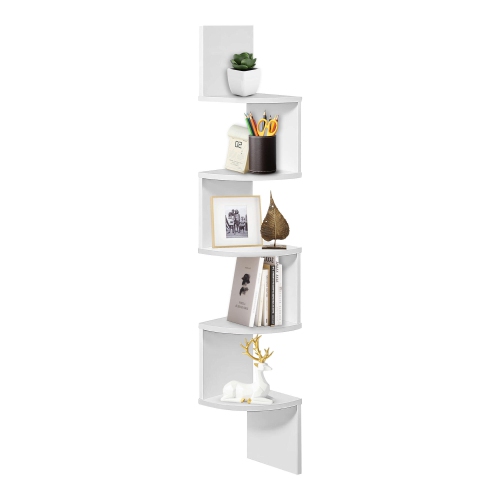
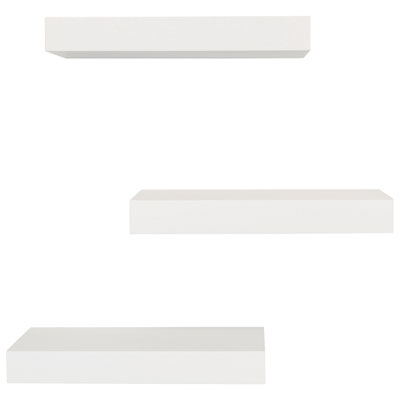
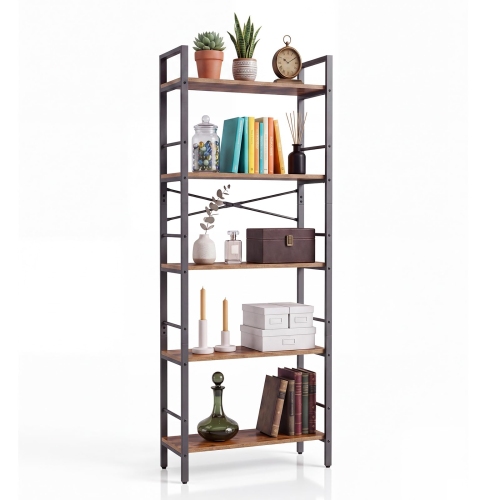
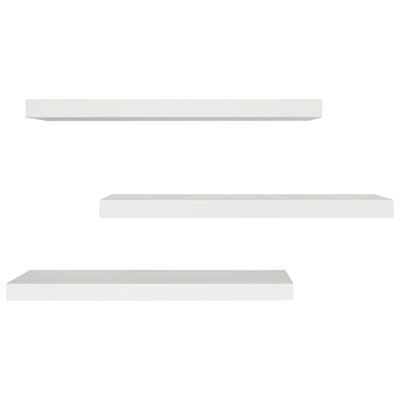
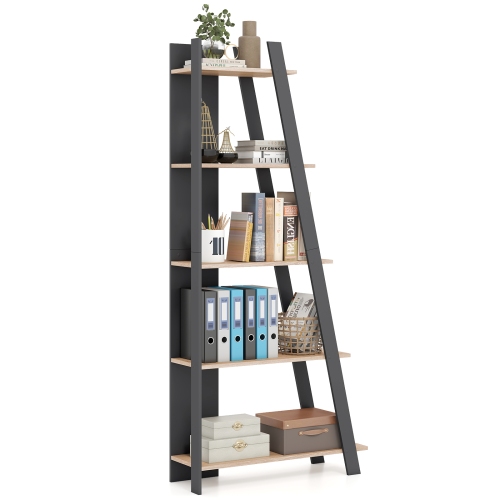
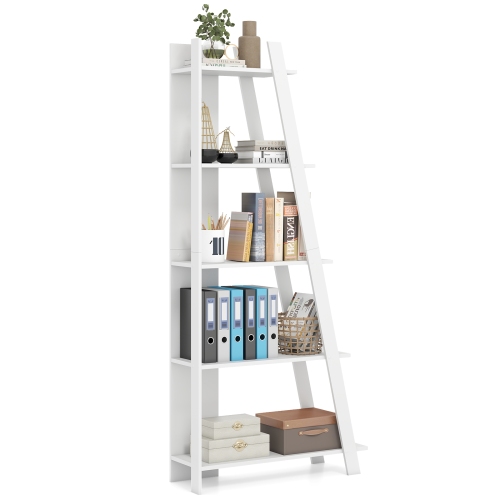
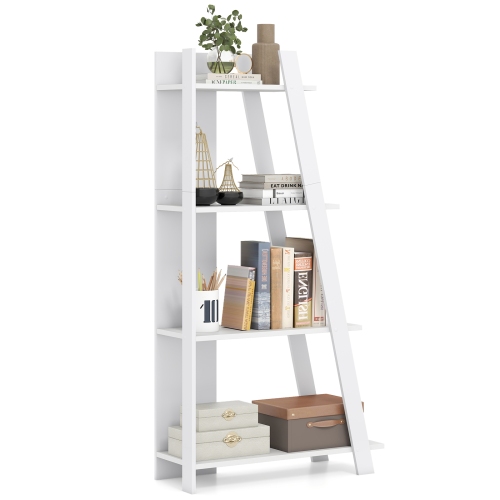
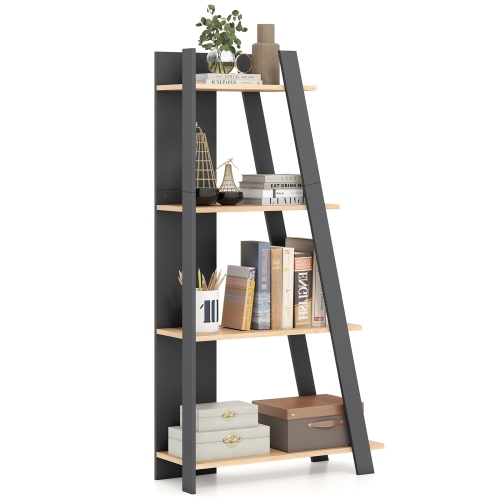
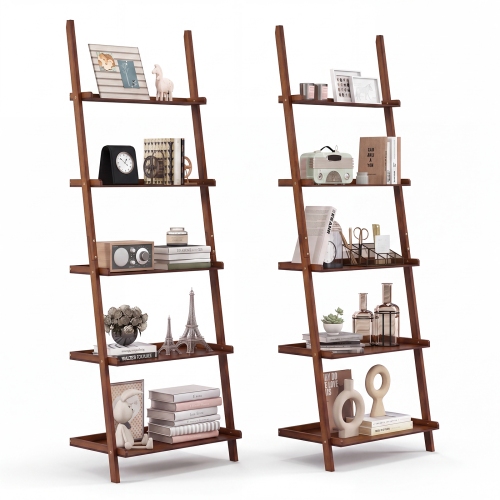
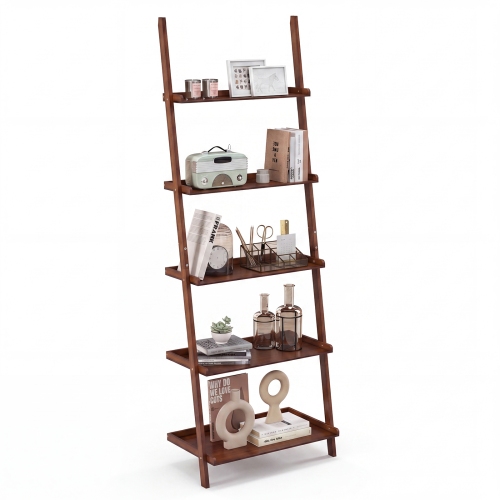
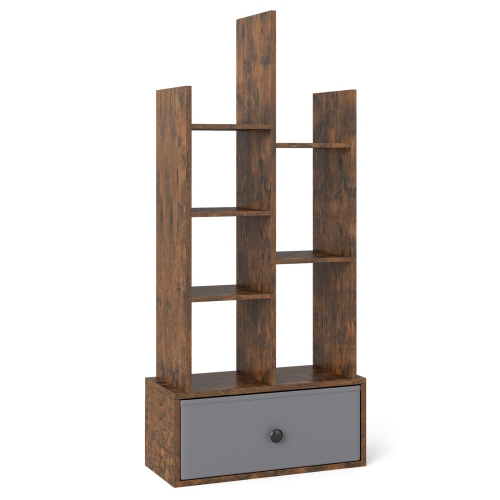

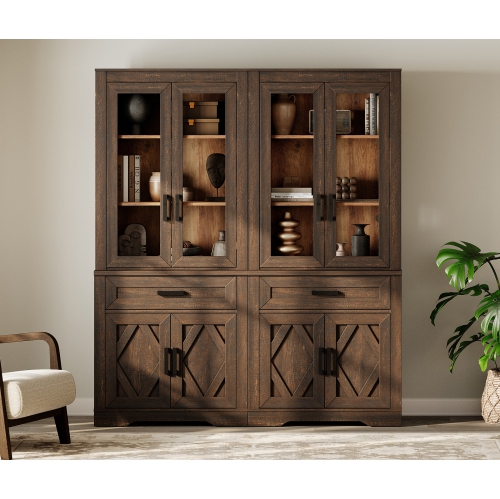
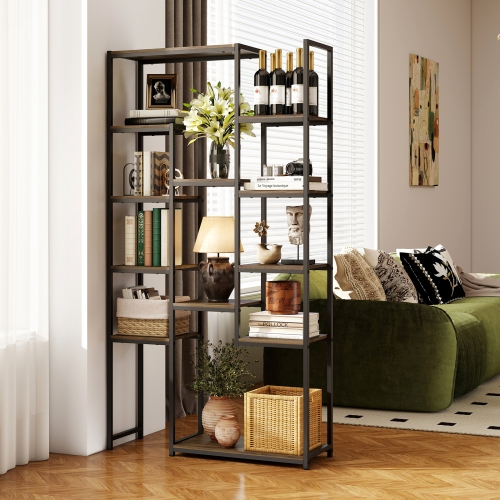
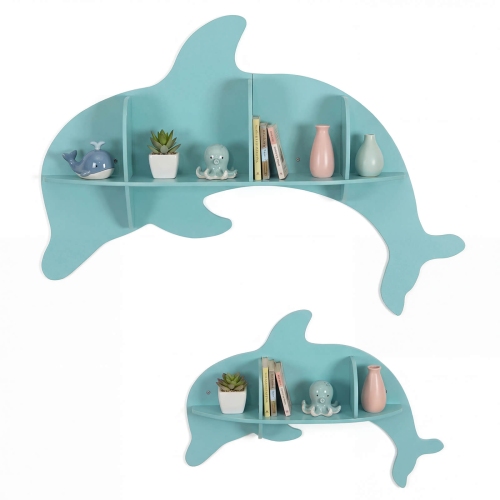
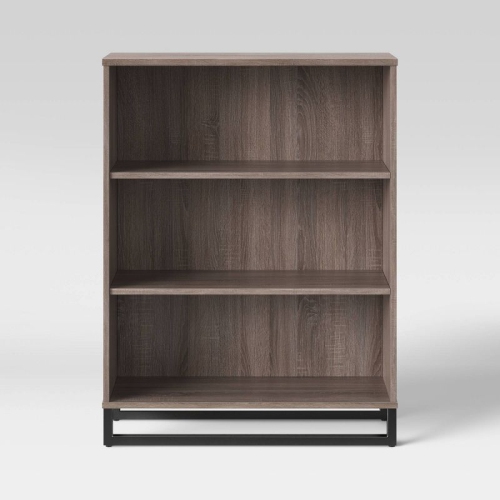
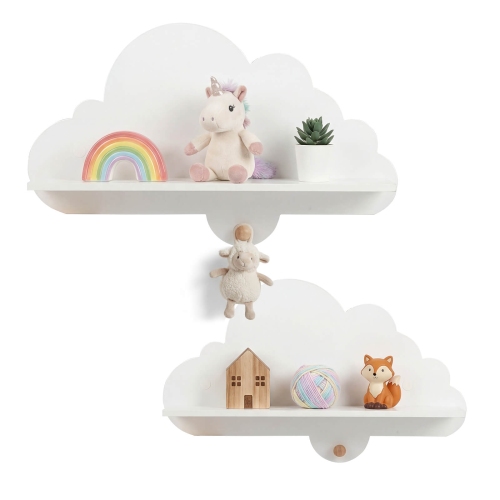
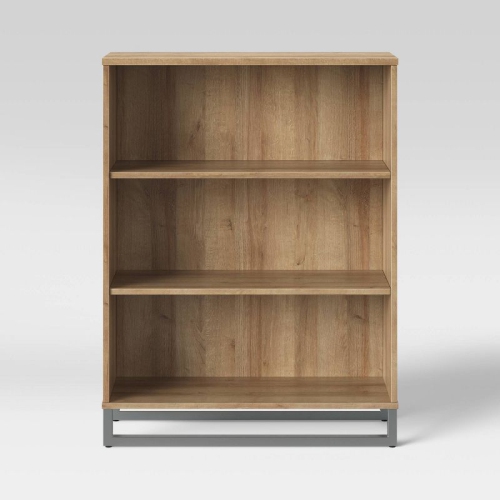
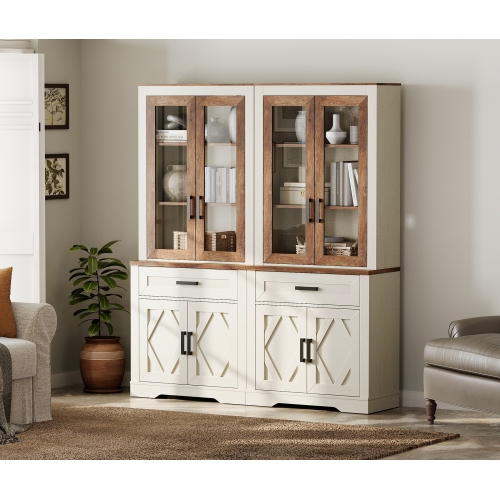
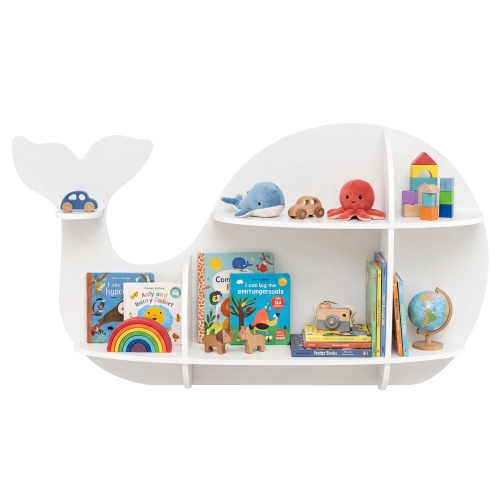
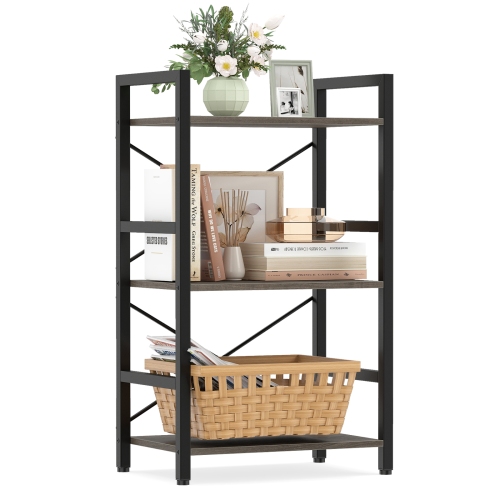
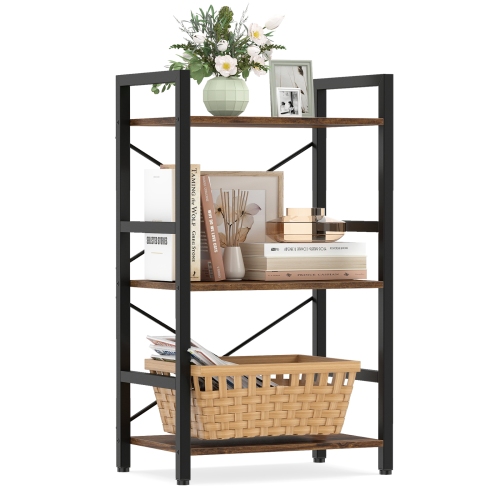
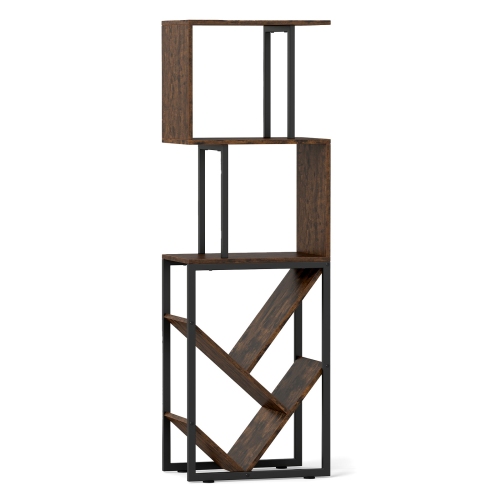
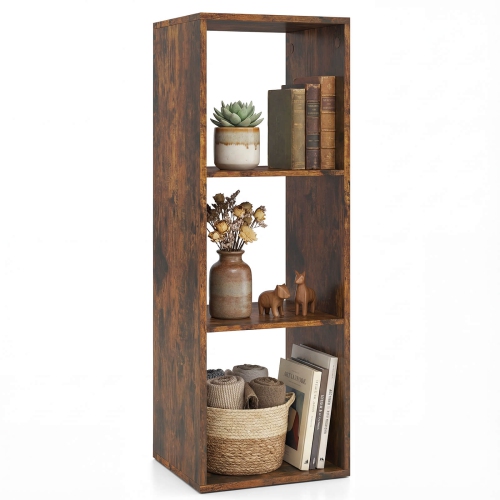
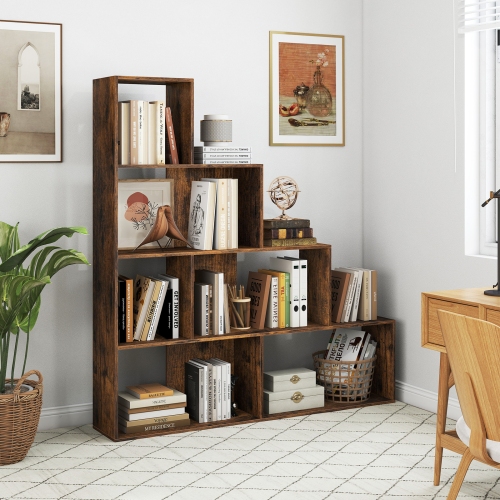
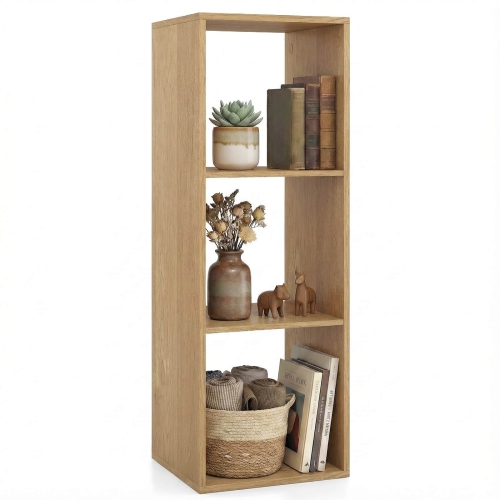
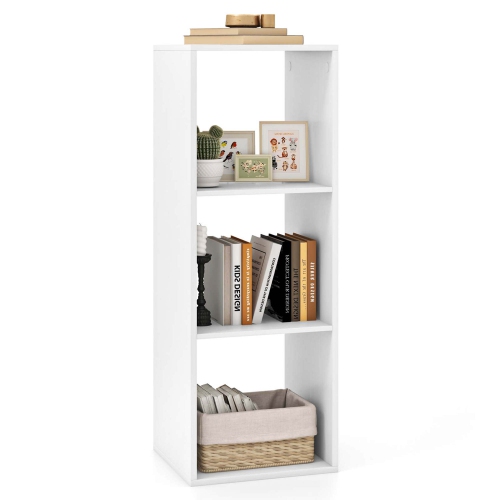
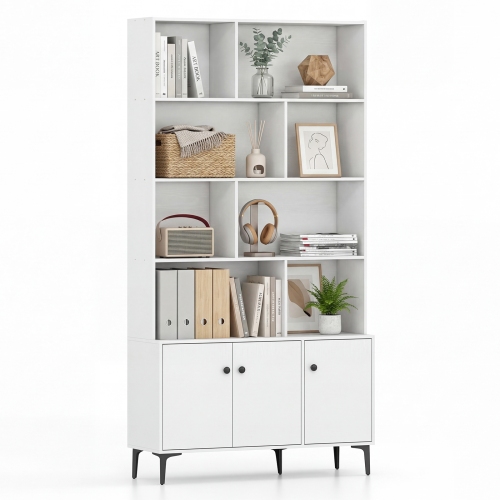
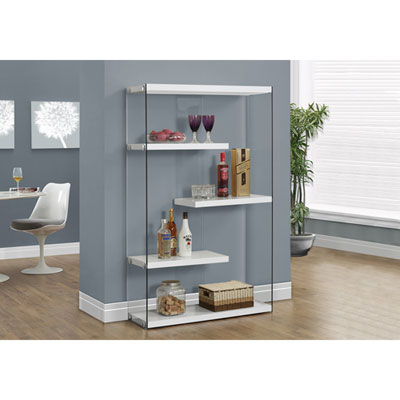
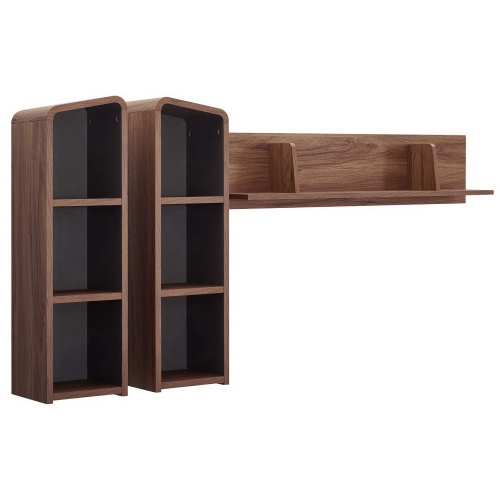
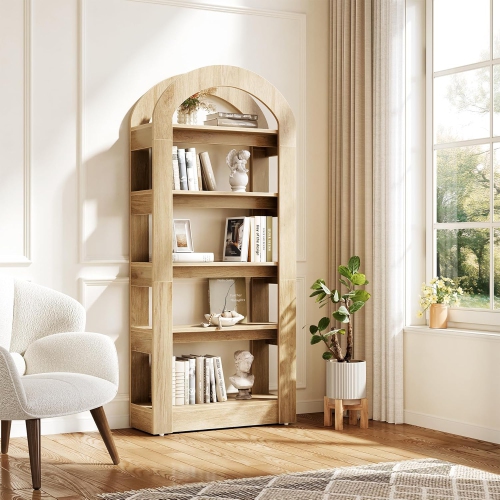
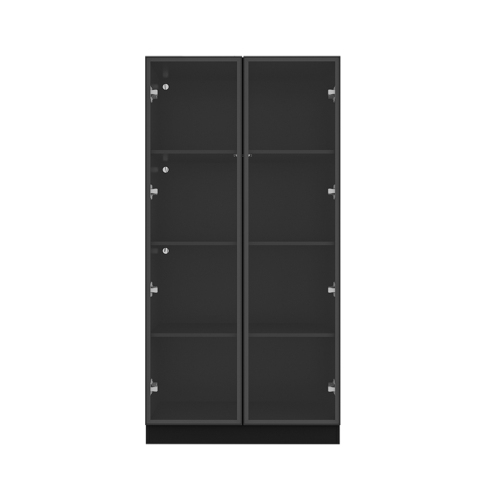
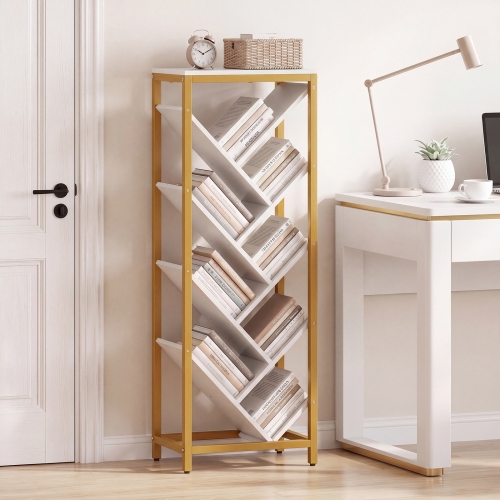
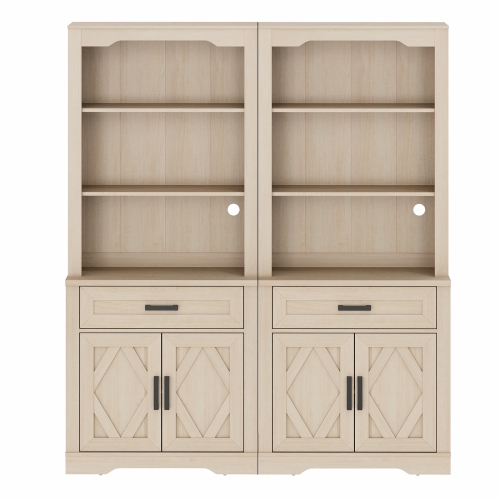
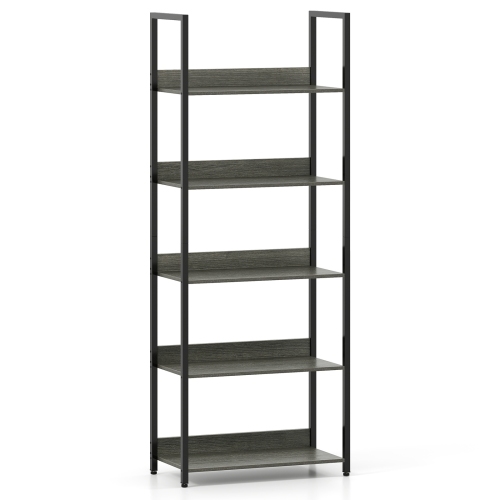
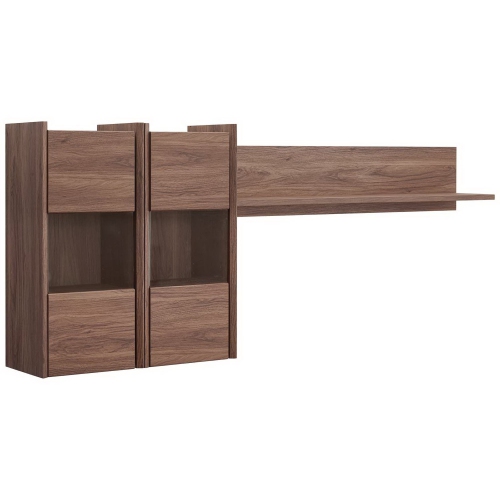
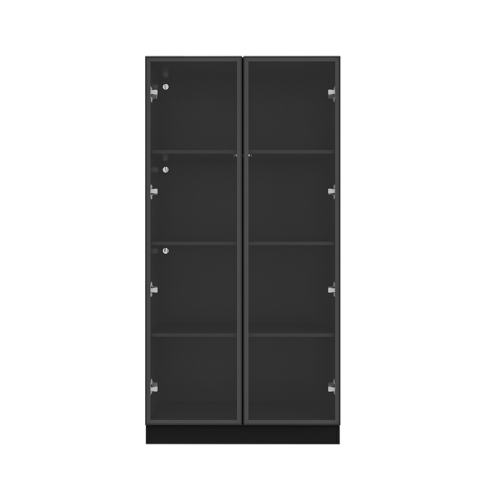
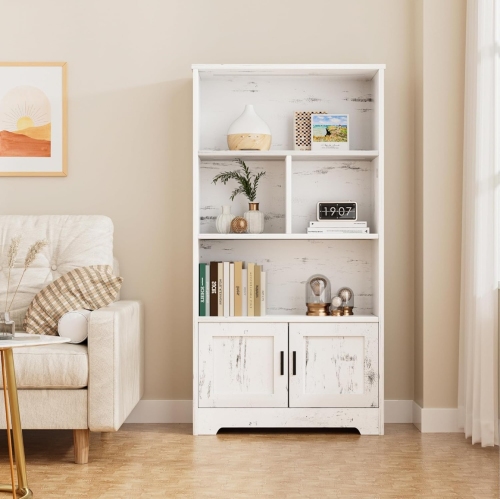
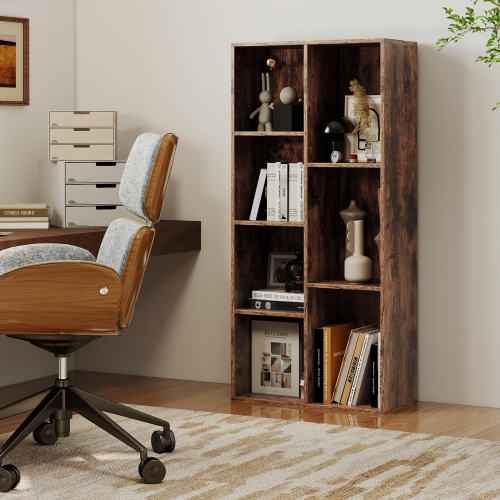
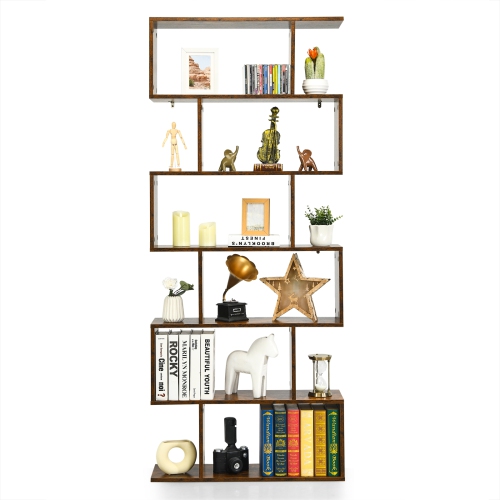
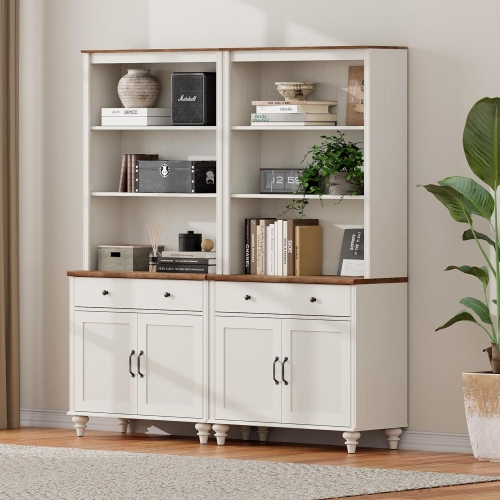
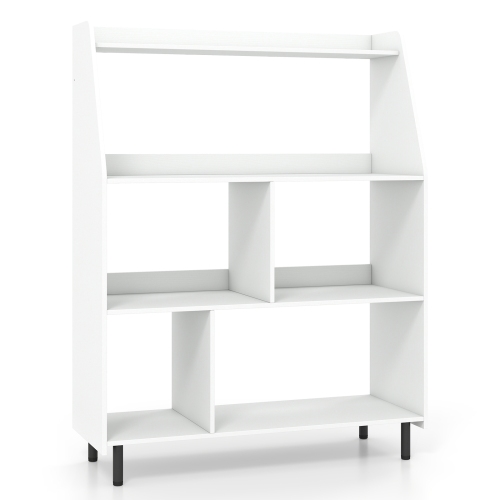
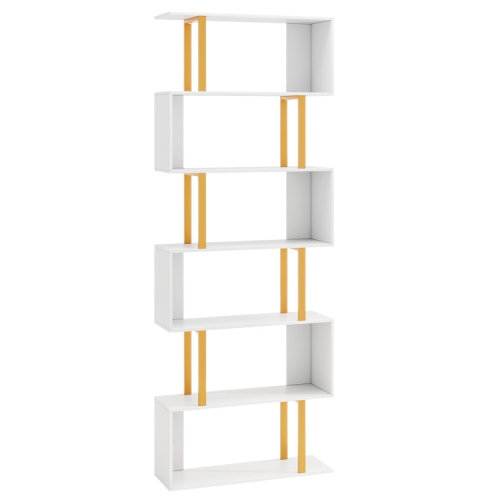
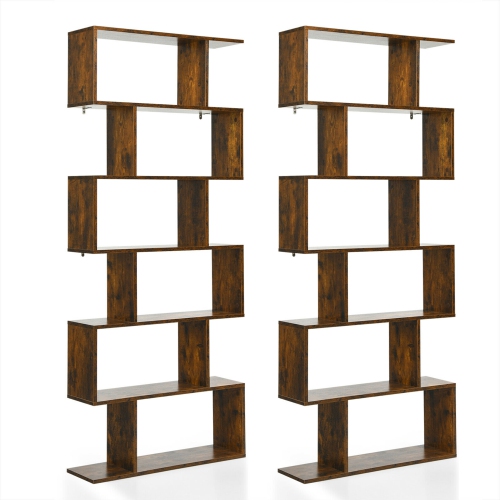

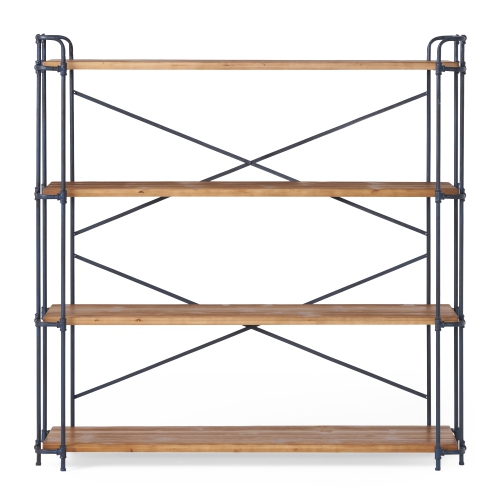
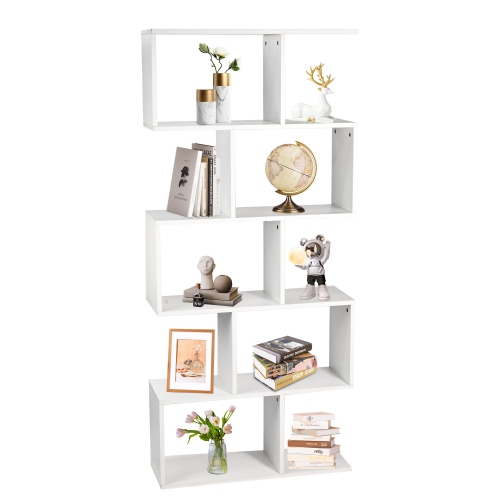
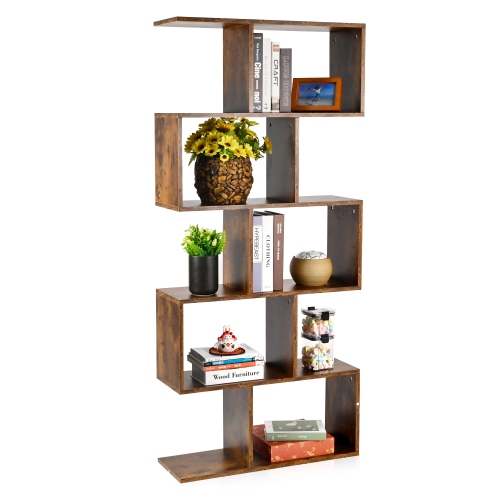
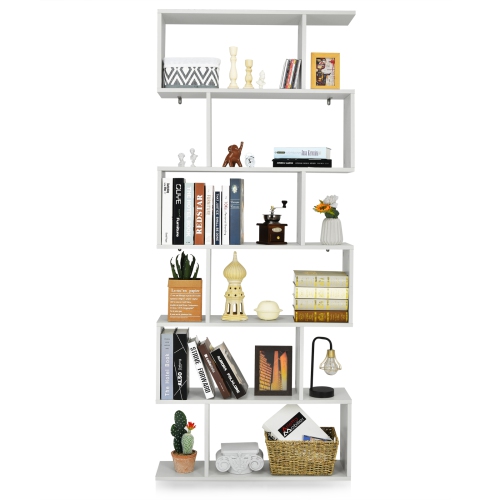
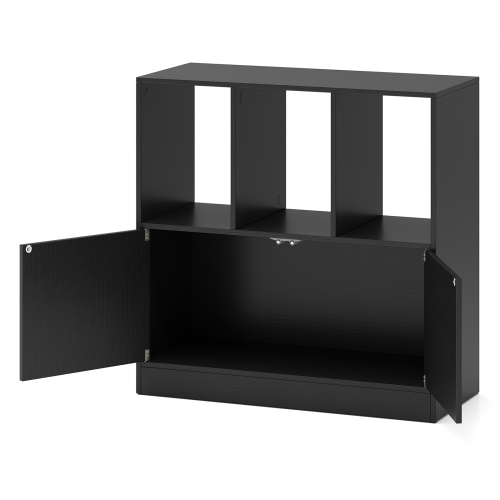
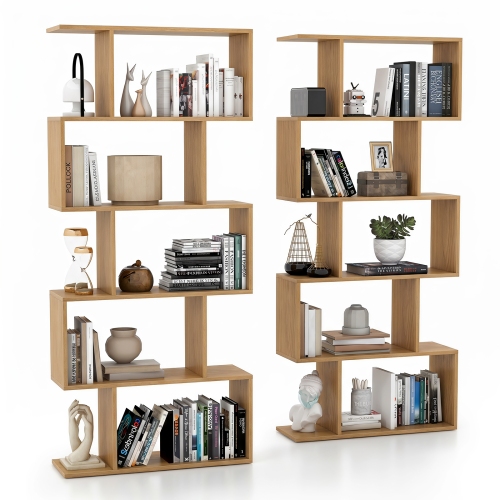
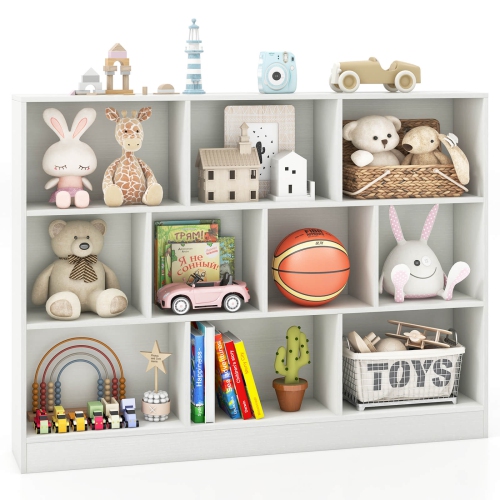
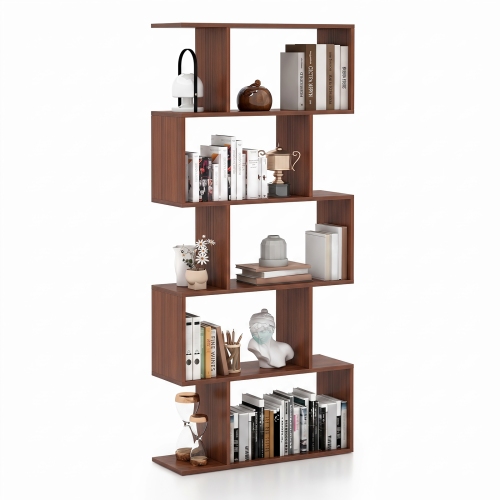
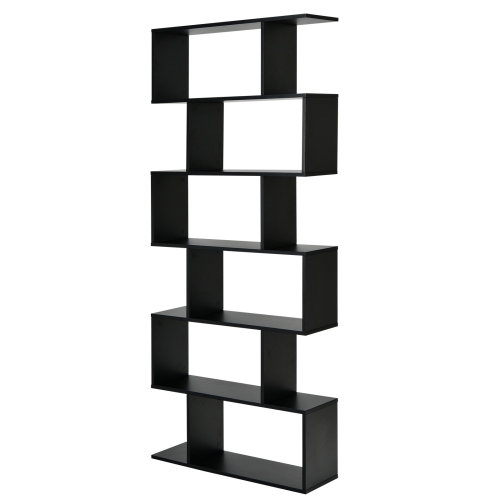

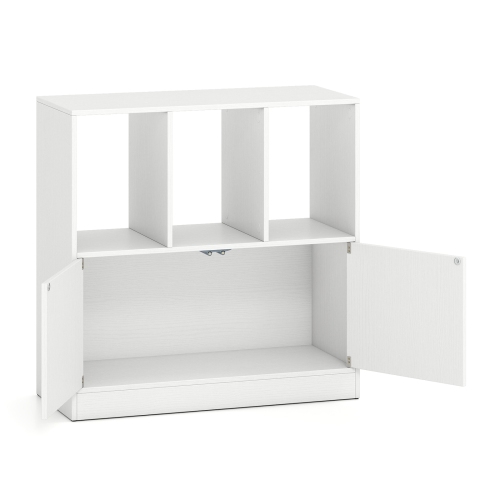
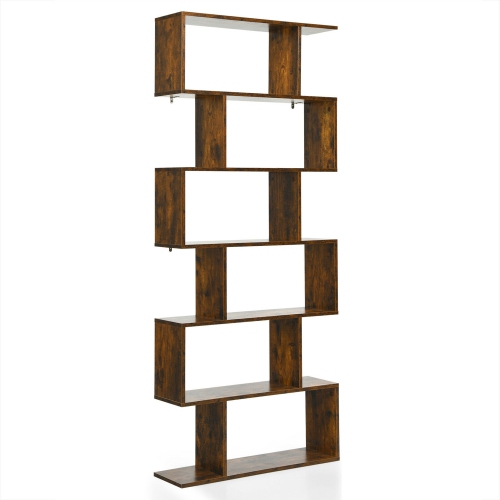
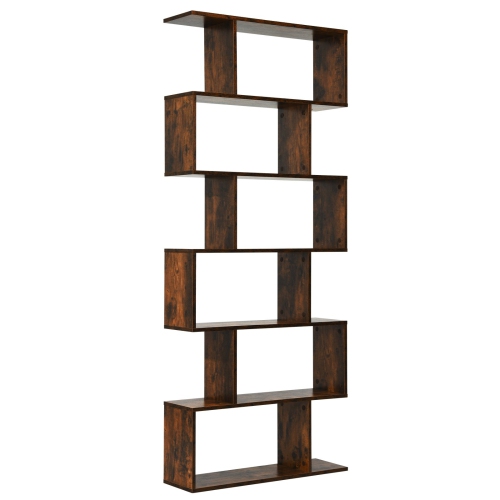
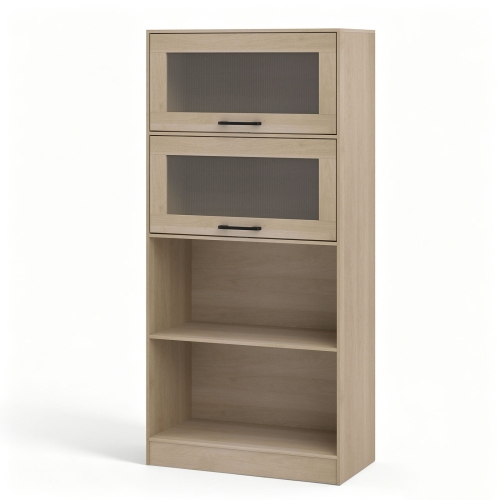
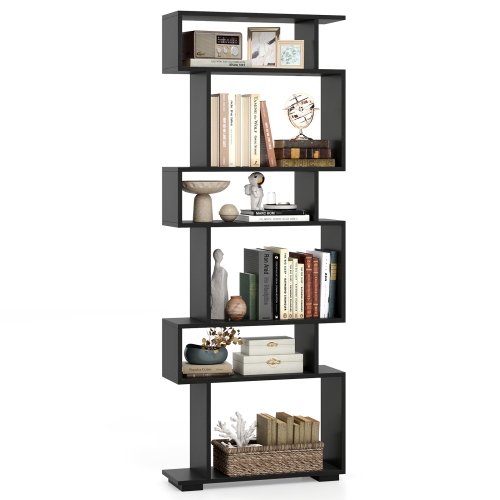
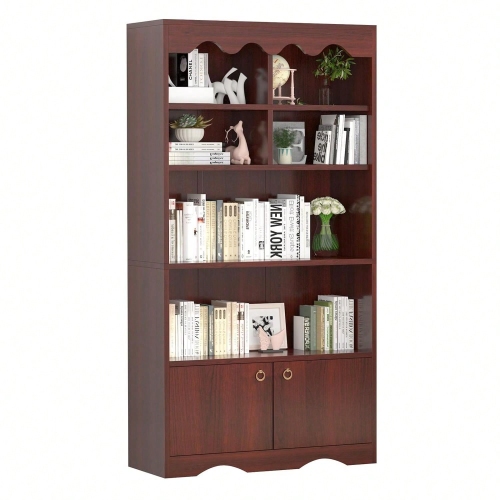
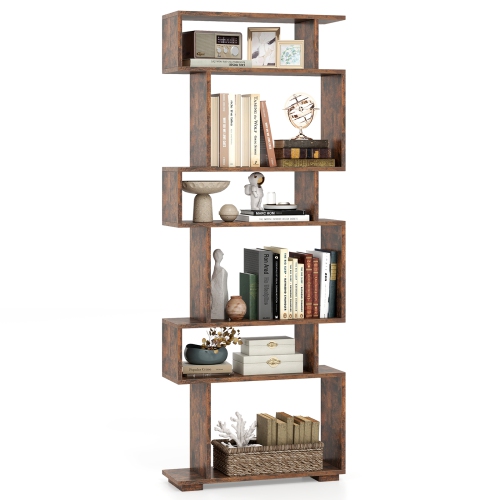
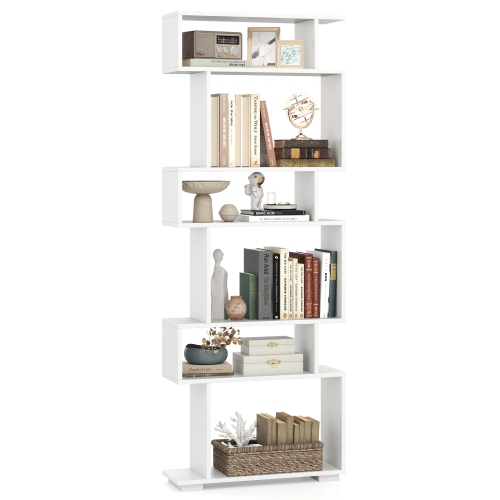
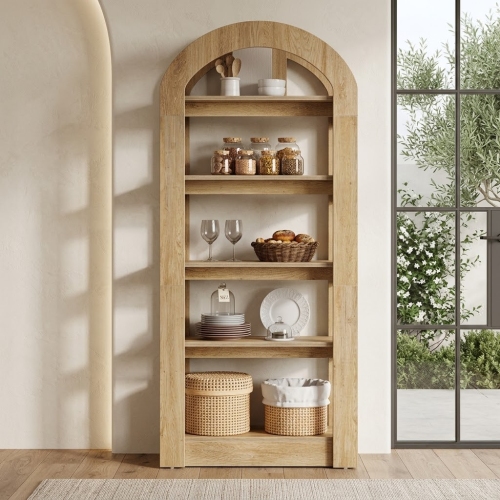
More room for books without crowding your floor
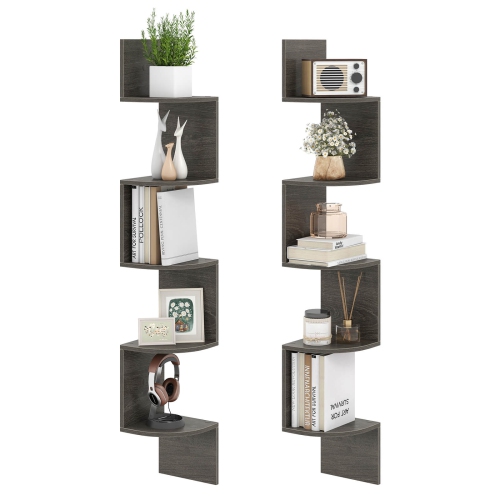
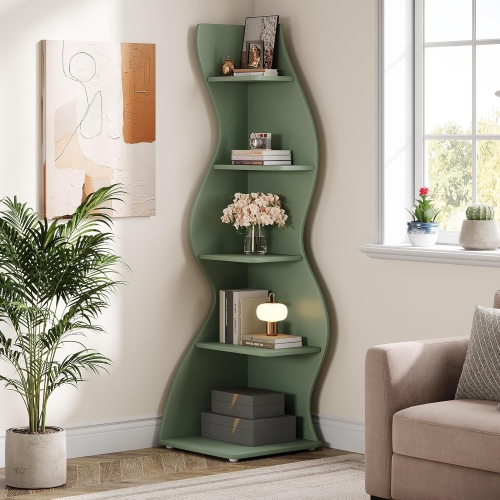
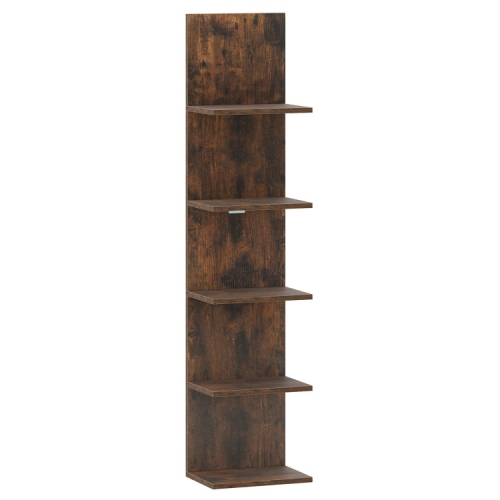
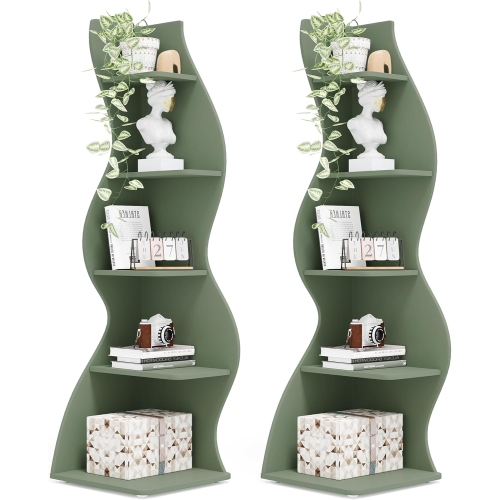
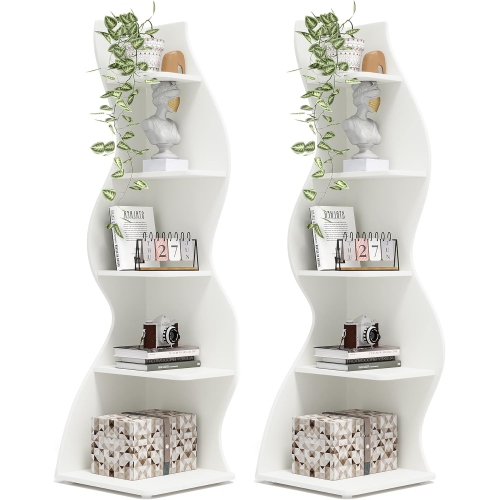
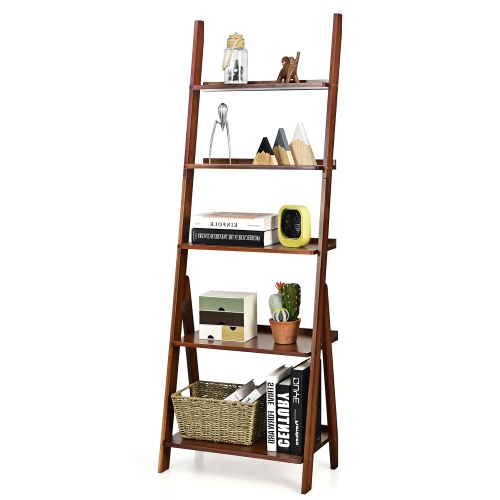
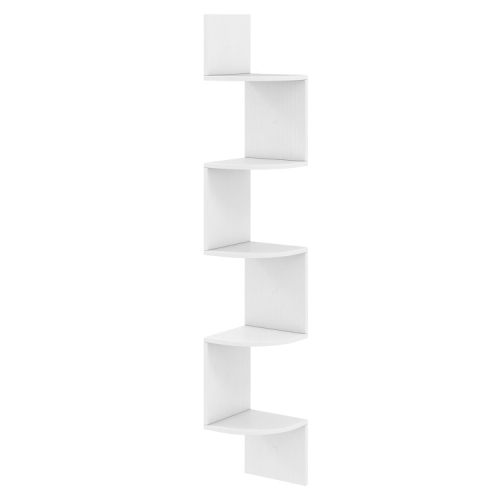
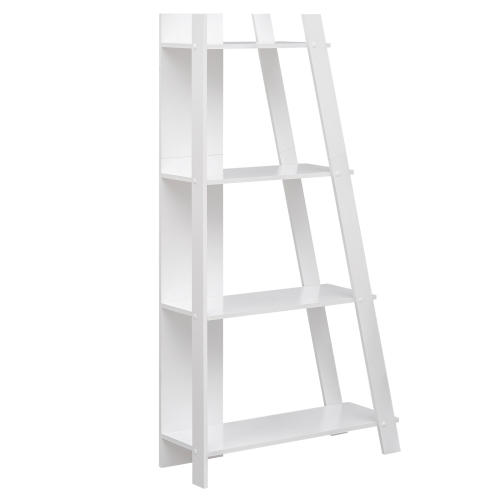
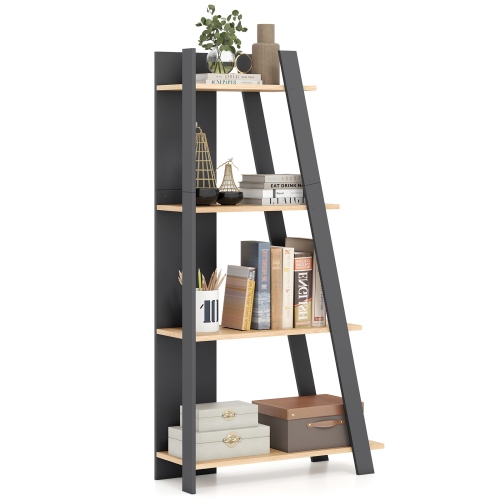
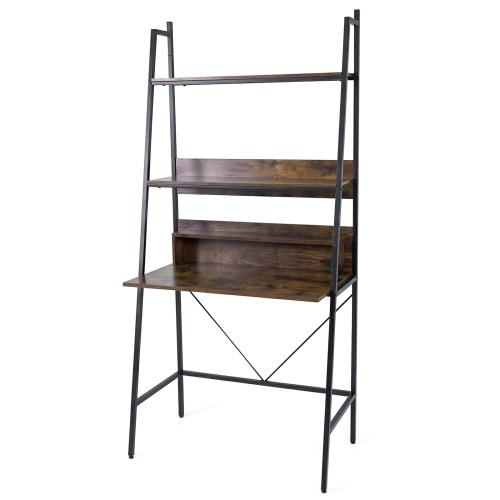
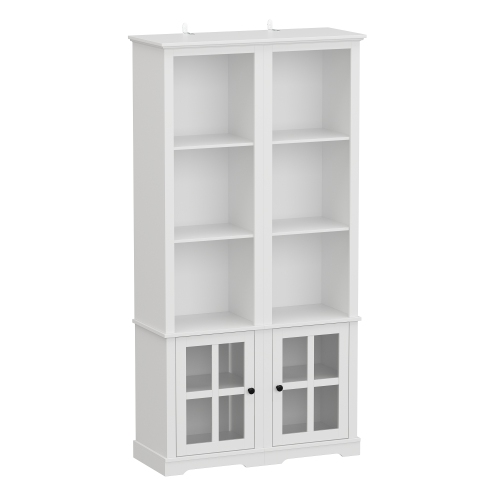
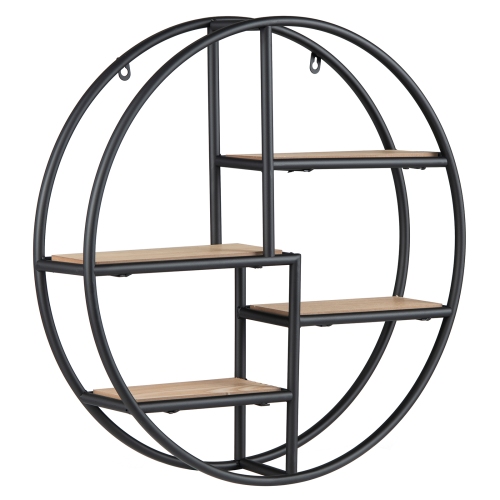
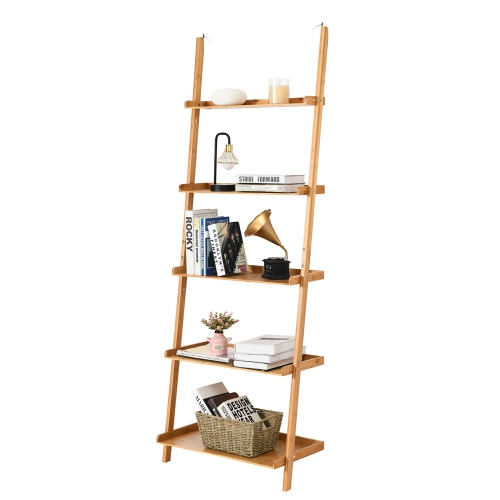
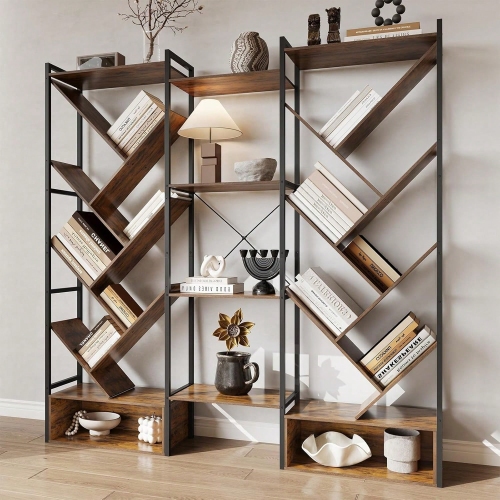
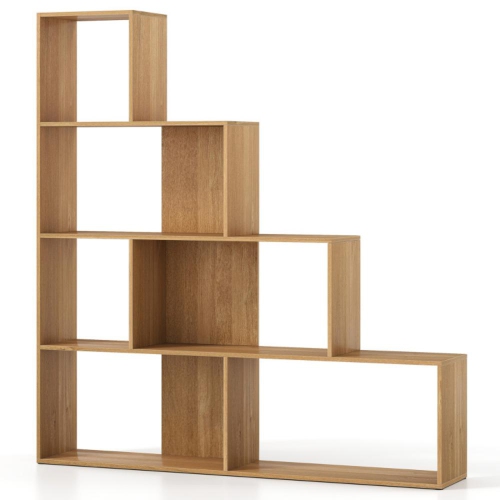
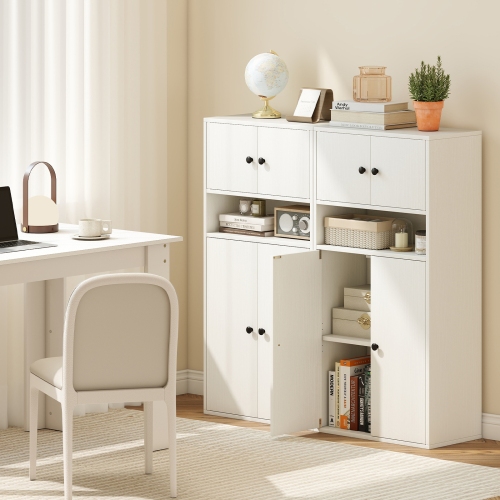
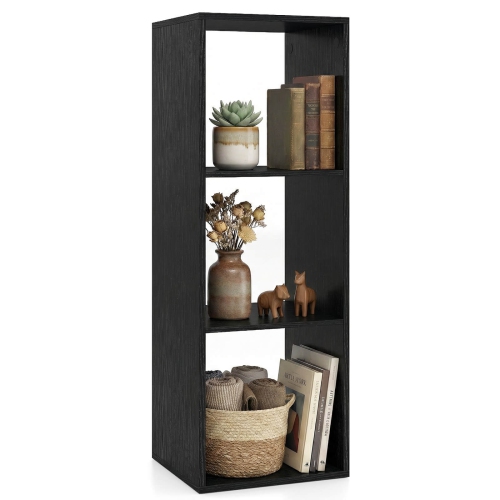
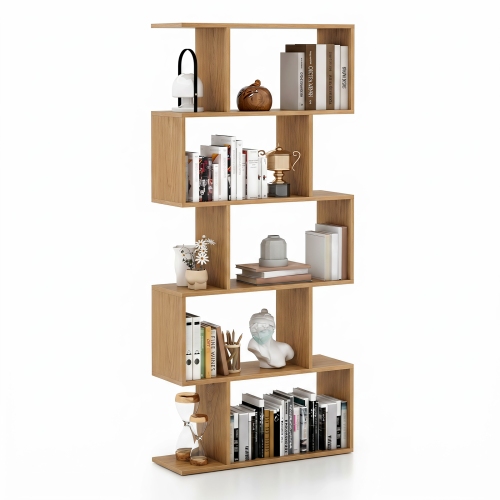
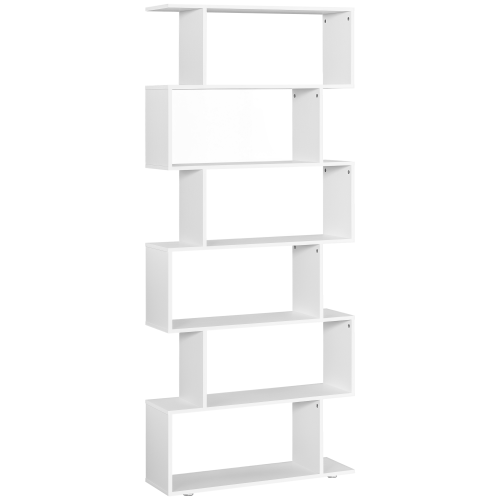
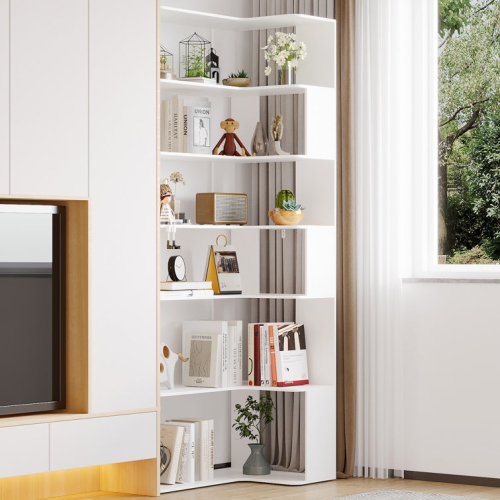
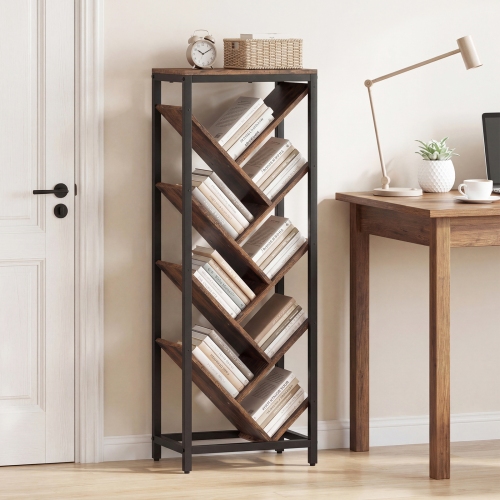
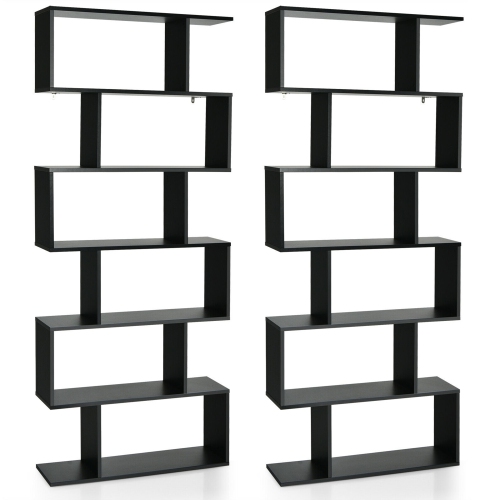
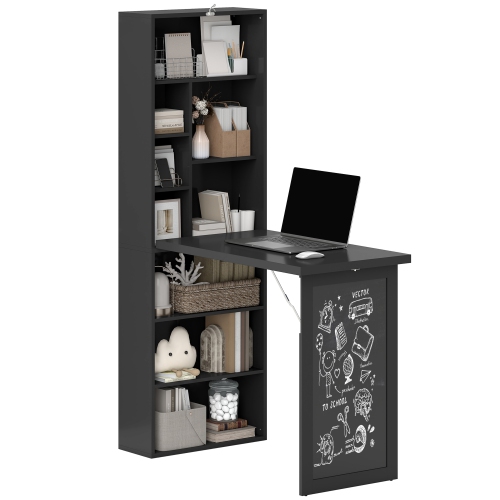
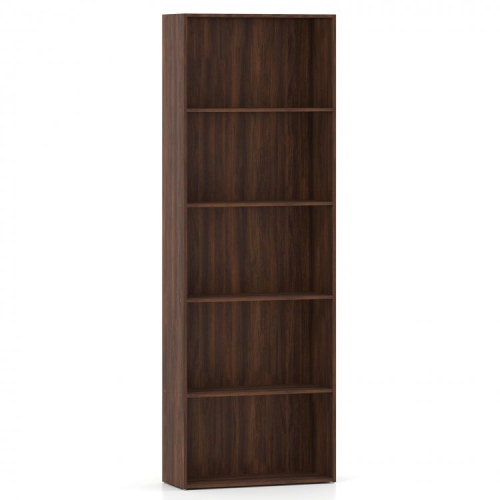
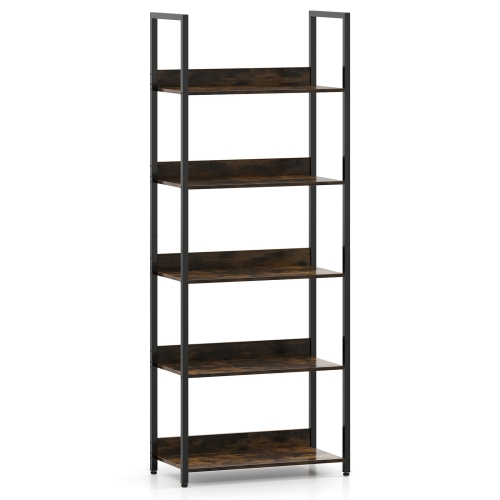
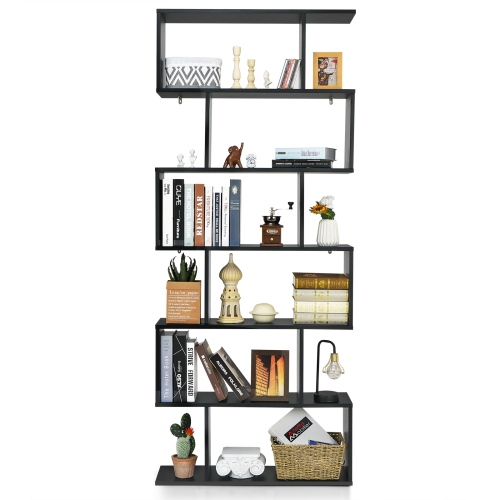
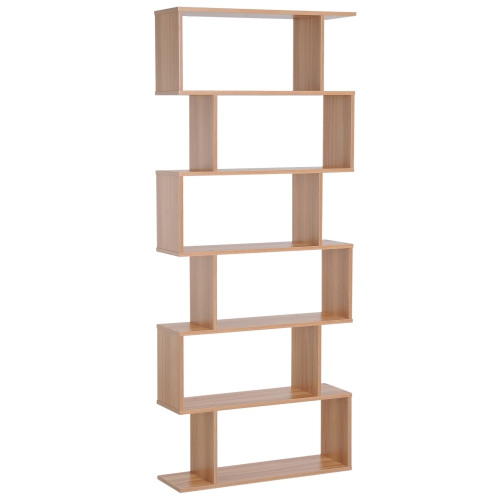
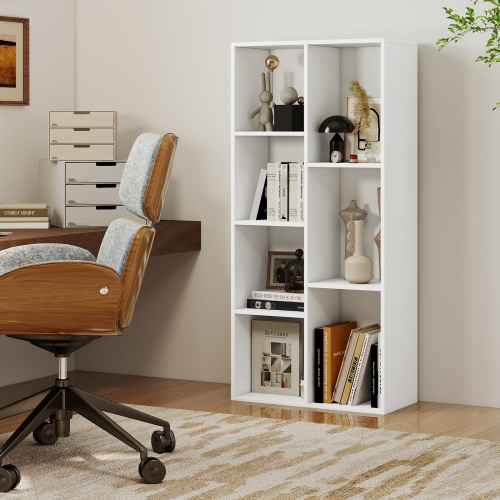
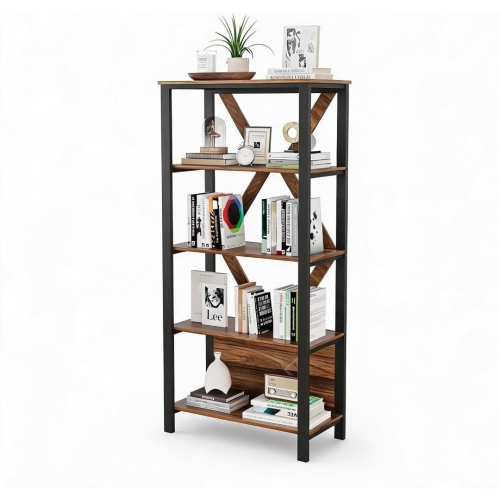
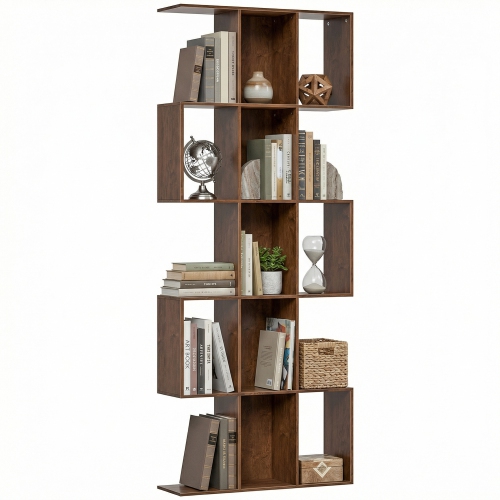
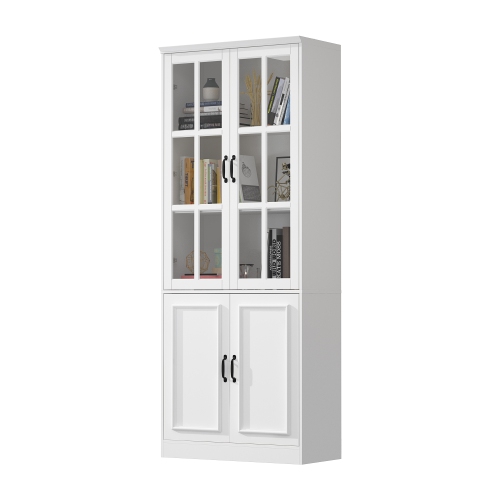
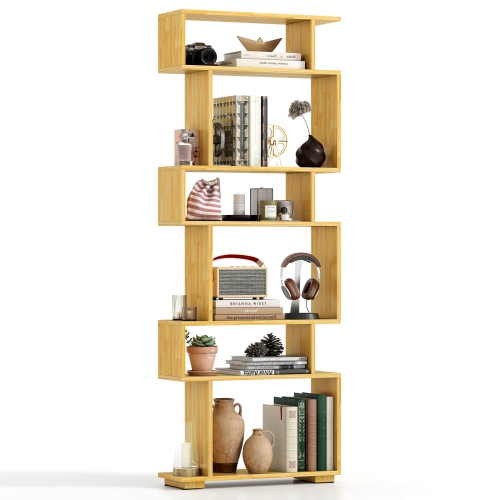
A bookshelf wall brings book storage and display together on a vertical surface, making room for a personal library without requiring a deep cabinet across the entire floor. The term can describe wall-mounted bookshelves, floating shelves arranged in rows, or a group of bookcases positioned together to create a larger storage wall. Each format has a different relationship to the room: mounted shelves leave the floor beneath them open, while freestanding bookcases provide storage that can be rearranged more readily, subject to their anchoring requirements. In a living room, a bookshelf wall can frame a reading chair and hold novels, framed photographs, and a few collected objects. In a home office, it can keep reference books and binders within reach without crowding the desktop. Bedrooms, dining areas, and compact apartments can also benefit from shelving that uses wall height rather than extending farther into a walkway. The most useful proportions depend on what the shelves will hold. A row of paperbacks needs less depth and vertical clearance than oversized art books, while a mixed collection benefits from adjustable shelves or compartments of different heights. Floating designs have a light visual profile, with concealed supports that let the shelf and its contents stand out. Bracketed shelves make their structure part of the design and can suit anything from a simple workspace to a more industrial-looking room. Ladder-style units offer an open outline, although their leaning shape and attachment requirements need to suit the intended location. A continuous arrangement can give a large collection a library-like presence, while a smaller cluster creates a place for a few favourite volumes. For a narrow junction between two walls, a Corner Wall Bookshelf can make use of an awkward area without carrying a full-width shelf across either wall. Corner formats are especially relevant beside a desk or reading nook where a conventional rectangular bookcase may project too far into the room.
Materials and construction influence both the appearance of a bookshelf wall and how it performs under everyday use. Solid wood offers natural grain and variation, with an appearance that can work alongside other wood furniture without needing an exact match. Engineered wood provides a consistent surface and is often finished with veneer, laminate, or paint; its strength depends on the shelf thickness, construction, supports, and stated load capacity rather than the finish alone. Veneer gives a surface a real wood grain, while laminate can provide a uniform colour or wood-look pattern that is straightforward to wipe clean according to the care instructions. Metal frames introduce slimmer structural lines and can pair well with wood shelves, particularly where an open appearance matters. Glass shelves create visual lightness, but their suitability for books depends on their design and specified weight limits. Books become heavy surprisingly quickly, especially when a long shelf is filled with hardcovers or textbooks. Shelf span, bracket placement, and the mounting system all matter, and a broad unsupported shelf may be more prone to sagging than a shorter, properly supported section. A stated load limit should be treated as a maximum under the installation conditions specified by the manufacturer, not as a promise that any wall or fastener will provide the same support. Drywall, masonry, and walls with wood or metal studs require appropriate fastening methods. Wall-mounted shelving needs installation into suitable structural support or with anchors approved for the wall type and intended load, following the supplied instructions. Tall freestanding bookcases also need the specified anti-tip restraints; placing a unit against a wall does not secure it. In homes with children or pets, keeping heavier books on lower shelves and preventing climbing are important parts of safe use. Fit extends beyond width and height. Shelf depth affects how far the arrangement enters the room, and nearby doors, light switches, outlets, and baseboards can limit placement. Clearance above a desk should account for the person using it, not just the objects on the shelf. An arrangement that looks balanced on an empty wall still needs to allow comfortable movement, easy access to books, and space for everyday furniture.
The character of a bookshelf wall comes from the balance between useful storage and the objects that make a room feel lived in. Closely spaced rows of books create a substantial, textured backdrop, while smaller groups separated by open space make individual covers, ceramics, or photographs more noticeable. White and pale finishes can blend with light walls, darker finishes can give the arrangement a stronger outline, and visible wood grain adds texture beside upholstered seating or a plain desk. Matching shelf lengths create a more ordered appearance; varied lengths can work around architectural features, provided each section has suitable support. For frequent readers, students, and people working from home, practical access usually matters more than a perfectly symmetrical display. Everyday reference books belong within comfortable reach, with less-used volumes higher up and bulky collections on shelves designed for their size and weight. In a shared household, separate sections can keep school reading, work materials, and leisure books organized without turning the room into a filing area. A bookshelf can also make a thoughtful housewarming or graduation gift when the recipient’s space, style, and installation preferences are known. A mounted design involves a commitment to wall fixings, so permission to drill is particularly relevant in a rental home. Long-term care is generally simple but should match the material and finish. Regular dusting with a soft cloth keeps shelf edges and book tops tidy, while any damp cleaning should follow the manufacturer’s directions and leave surfaces dry. Excess moisture can damage some wood-based materials, and abrasive cleaners may dull or scratch finishes. Direct sunlight may fade book spines and alter some finishes over time. Periodic checks of brackets, fasteners, shelf joints, and anti-tip attachments help identify loosening or movement before it becomes a larger concern. With proportions that suit the collection and construction that suits the load, a bookshelf wall can remain a useful part of the room as books are added, reading habits change, and favourite objects find a new place on display.
Top selling and popular products
-
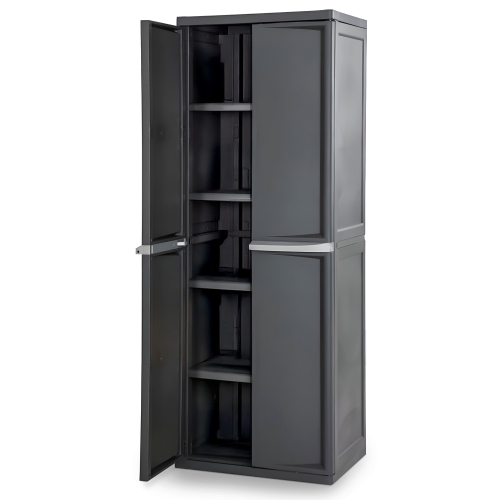 Your price for this item is $577.99
-
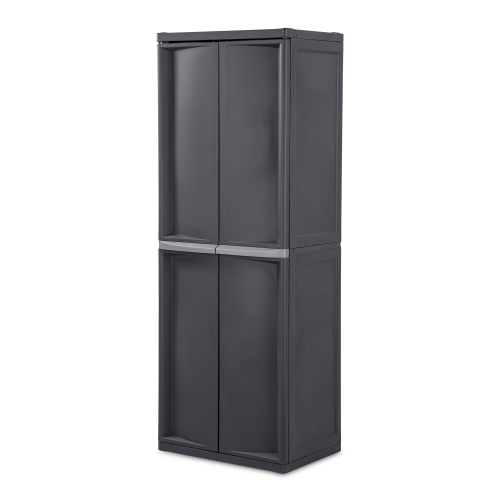 Your price for this item is $1167.99
-
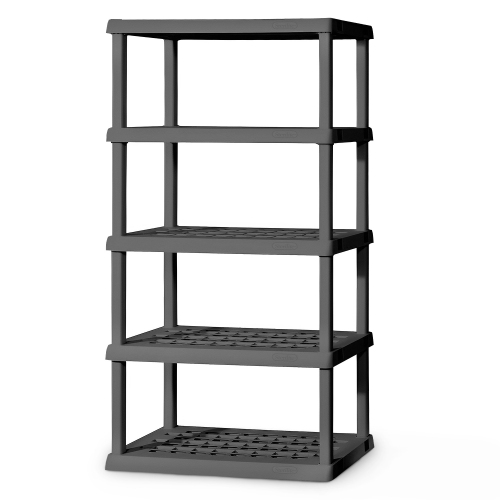 Your price for this item is $331.99
-
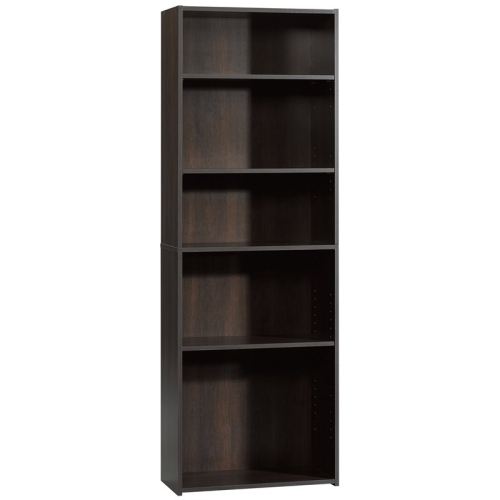 Your price for this item is $208.99
-
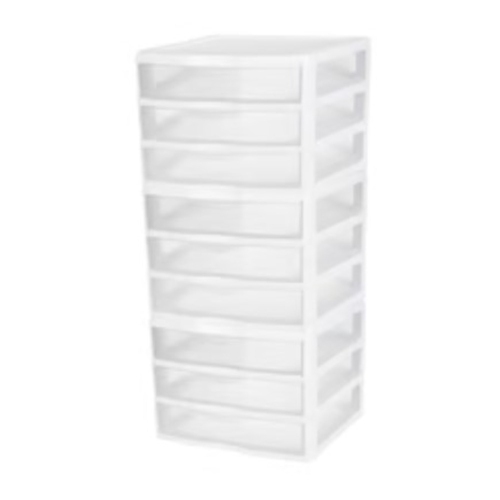 Your price for this item is $171.99
-
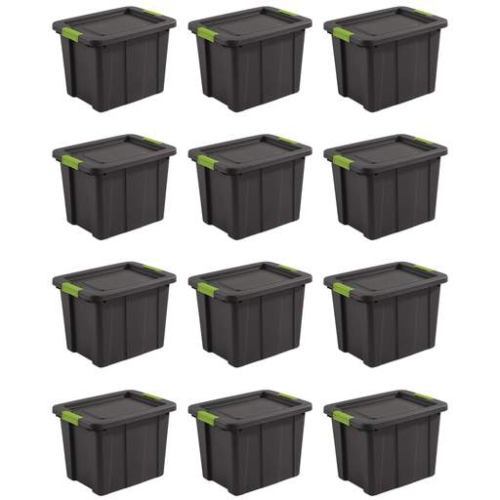 Your price for this item is $592.99
-
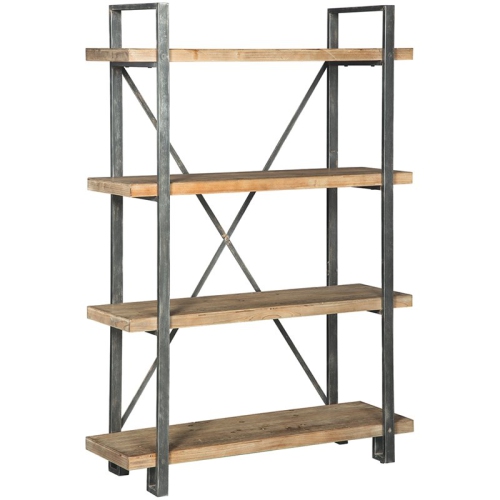 Your price for this item is $599
-
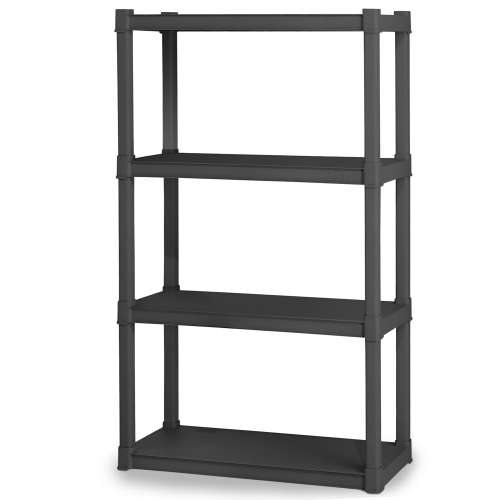 Your price for this item is $229.99
Discover more categories related to Bookshelf Wall
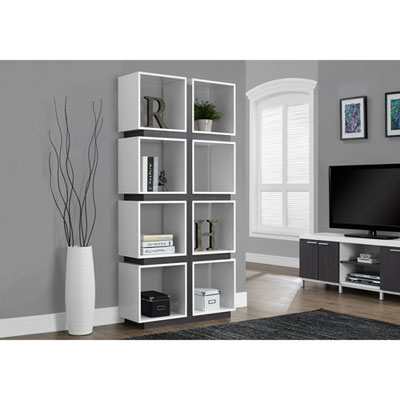
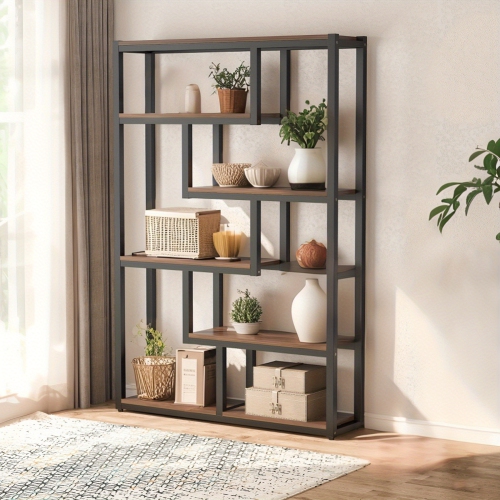
Top Collections:
Best Black Friday Deals This Year, Best Black Friday Deals On Electronics, Kindle Devices, Dyson Airwrap, Best Cameras for Sports Photography, Best Budget Office Chairs, Canon G7X Cameras, PS5 Pro Consoles, Best Black Friday Deals On Apple Products, XBOX One S Consoles
Some products may be subject to Environmental Handling Fees
(EHF) depending on your province.
Learn more about EHFs.