Branch Cutters
If you're looking to tackle your unruly backyard or garden with precision and ease, this selection of branch cutters is designed to help you effortlessly trim, prune, and shape your greenery for a neat and tidy outdoor space. Whether you're a seasoned gardener or just starting to flex your green thumb, these branch cutters are essential tools for maintaining the health and aesthetics of your plants and trees. With a variety of styles and features to choose from, finding the perfect branch cutter for your needs has never been simpler.
Sort
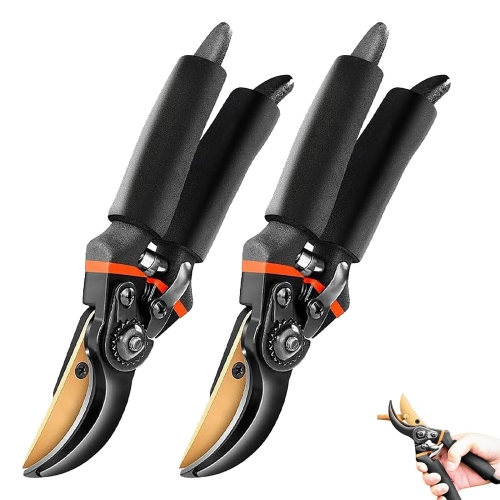
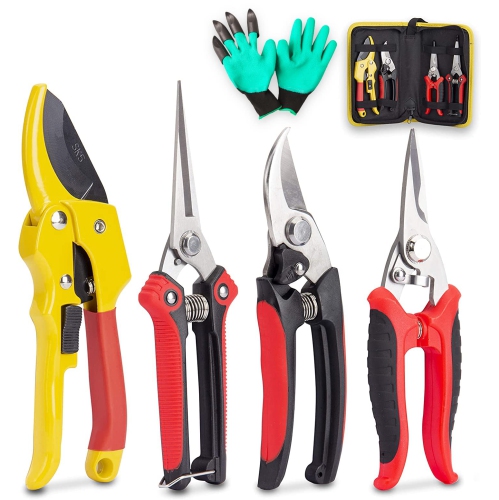
Branch Cutter
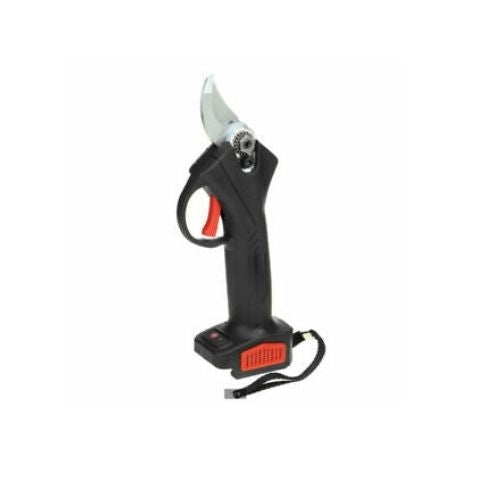
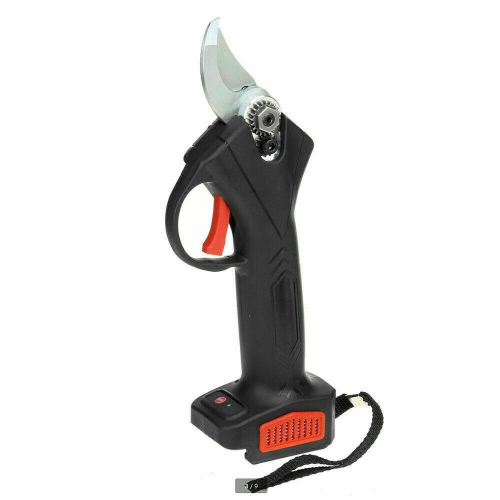
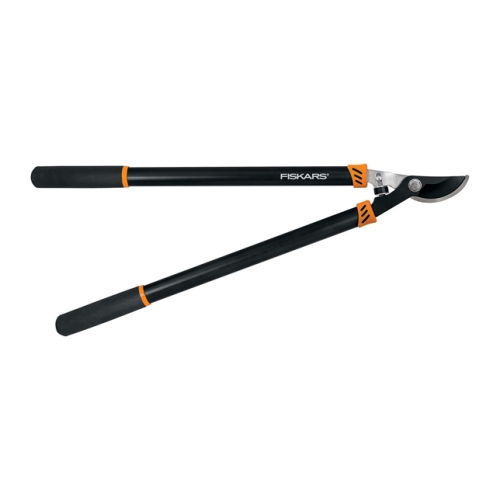
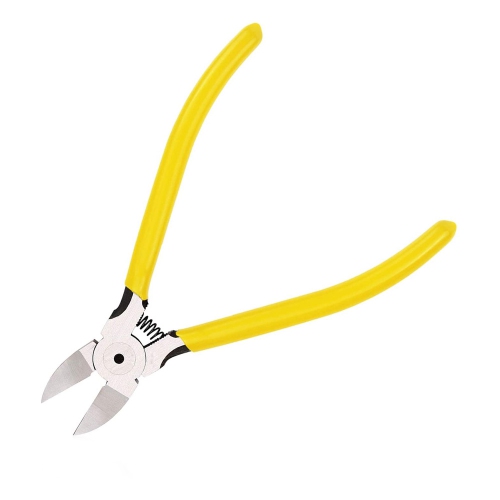
Branch cutters make it easier to shape trees, shrubs and climbing plants, remove damaged growth and keep outdoor spaces looking neat as the seasons change. The term can refer to several types of pruning tools, so choosing the right one starts with considering the size and location of the branches you plan to cut. Hand pruners, also called secateurs or pruning shears, are compact tools designed for small twigs, stems and branches, often up to about 3/4 inch thick. They are useful for routine trimming, cutting back new growth, removing spent flower stems and making precise cuts in shrubs, fruit trees and ornamental plants. Bypass pruners have two curved blades that pass one another like scissors, making a clean cut through live wood and delicate stems. Anvil pruners use a cutting blade that closes against a flat surface and can be helpful for dry, hard or dead wood. Look for comfortable handles, a secure locking mechanism and a cutting capacity that matches the plants in your yard. A good grip can make a noticeable difference during longer pruning sessions, especially when working around dense foliage or completing several small cuts in succession. For medium-sized branches that are too substantial for hand pruners, loppers offer greater leverage through their longer handles. Many loppers are suited to branches measuring roughly 1 to 2 inches, although the exact capacity depends on the design and the type of wood. Their extended handles also help you reach into the centre of a shrub while keeping your hands away from thorny stems. Ratcheting models can make thick cuts more manageable by completing them in stages, while straight-action loppers are convenient for quick, controlled trimming. When shopping, consider the tool’s weight, handle length, blade shape and whether the head can fit between closely spaced branches.
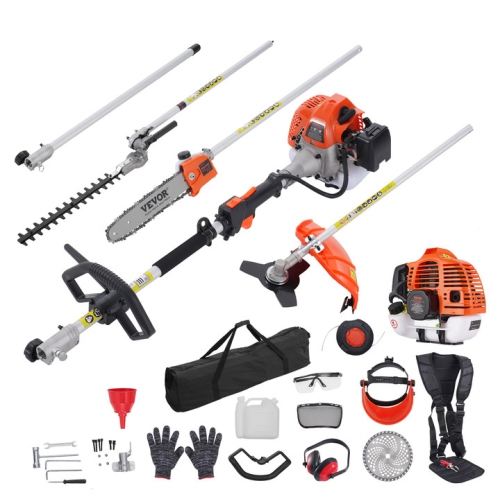
Branch cutters are also available for high branches and larger limbs. Pole pruners and pole saws combine a cutting head or saw blade with an extendable shaft, allowing you to reach overhead growth from the ground. They can be useful for raising a tree canopy, clearing small branches from around a walkway or removing dead limbs that are beyond the reach of standard hand tools. Some use a rope-and-pulley mechanism, while others have a manual cutting action or a powered head. A pole saw with a narrow, curved blade can work through branches that are too thick for loppers, but it is important to account for the weight and balance of the tool when it is fully extended. For branches larger than the capacity of loppers, a pruning saw is often the more suitable choice. Manual pruning saws generally feature coarse teeth and curved blades that help remove wood efficiently with a controlled back-and-forth motion. Powered pruners, battery-operated loppers and electric pole tools can reduce the effort needed for repeated cuts, making them appealing for larger properties, extensive hedges or anyone who finds manual squeezing and sawing tiring. For very thick limbs, powered saws may be required, but these tools call for appropriate training, protective equipment and careful attention to overhead hazards. Branch cutters are best selected according to branch thickness first, followed by height, frequency of use and the amount of force you are comfortable applying. Before cutting, check for unstable limbs, wires, fences and people nearby, and avoid working in wet or windy conditions. Clean, sharp blades help produce more controlled cuts, while wiping away sap and storing tools in a dry location helps keep them ready for the next task.
The right branch cutters can be useful for experienced gardeners, new homeowners, property managers and anyone who enjoys caring for trees and shrubs around a home or cottage. They can also make a practical gift for someone who has recently moved into a house with a yard, started a container garden or taken on the care of an established landscape. During the warmer part of the year, hand pruners are convenient for tidying fast-growing shoots and shaping flowering plants, while loppers can help manage branches that become difficult to handle with smaller tools. As the weather cools, branch cutters can be used to remove dead, broken or crossing growth and prepare certain plants for their dormant season, depending on the needs of the species. It is helpful to think about storage as well as cutting performance: a compact hand tool may fit easily in a garden tote, while long-handled loppers and pole tools need a secure place where blades cannot catch on clothing or other equipment. Features such as non-slip grips, replaceable blades, adjustable shafts and blade covers can add convenience for regular use. If several people will share the tools, choose a design that feels balanced and easy to control rather than selecting solely by maximum cutting capacity. Keep in mind that branch cutters are intended for pruning and cutting wood, not for wire, nails, plastic or other materials that can damage the blades. For other cutting needs around the home, explore Bread Cutters. With the correct branch cutter for each job, trimming can be more precise, less tiring and easier to fit into regular yard care.
Branch cutters are also available for high branches and larger limbs. Pole pruners and pole saws combine a cutting head or saw blade with an extendable shaft, allowing you to reach overhead growth from the ground. They can be useful for raising a tree canopy, clearing small branches from around a walkway or removing dead limbs that are beyond the reach of standard hand tools. Some use a rope-and-pulley mechanism, while others have a manual cutting action or a powered head. A pole saw with a narrow, curved blade can work through branches that are too thick for loppers, but it is important to account for the weight and balance of the tool when it is fully extended. For branches larger than the capacity of loppers, a pruning saw is often the more suitable choice. Manual pruning saws generally feature coarse teeth and curved blades that help remove wood efficiently with a controlled back-and-forth motion. Powered pruners, battery-operated loppers and electric pole tools can reduce the effort needed for repeated cuts, making them appealing for larger properties, extensive hedges or anyone who finds manual squeezing and sawing tiring. For very thick limbs, powered saws may be required, but these tools call for appropriate training, protective equipment and careful attention to overhead hazards. Branch cutters are best selected according to branch thickness first, followed by height, frequency of use and the amount of force you are comfortable applying. Before cutting, check for unstable limbs, wires, fences and people nearby, and avoid working in wet or windy conditions. Clean, sharp blades help produce more controlled cuts, while wiping away sap and storing tools in a dry location helps keep them ready for the next task.
The right branch cutters can be useful for experienced gardeners, new homeowners, property managers and anyone who enjoys caring for trees and shrubs around a home or cottage. They can also make a practical gift for someone who has recently moved into a house with a yard, started a container garden or taken on the care of an established landscape. During the warmer part of the year, hand pruners are convenient for tidying fast-growing shoots and shaping flowering plants, while loppers can help manage branches that become difficult to handle with smaller tools. As the weather cools, branch cutters can be used to remove dead, broken or crossing growth and prepare certain plants for their dormant season, depending on the needs of the species. It is helpful to think about storage as well as cutting performance: a compact hand tool may fit easily in a garden tote, while long-handled loppers and pole tools need a secure place where blades cannot catch on clothing or other equipment. Features such as non-slip grips, replaceable blades, adjustable shafts and blade covers can add convenience for regular use. If several people will share the tools, choose a design that feels balanced and easy to control rather than selecting solely by maximum cutting capacity. Keep in mind that branch cutters are intended for pruning and cutting wood, not for wire, nails, plastic or other materials that can damage the blades. For other cutting needs around the home, explore Bread Cutters. With the correct branch cutter for each job, trimming can be more precise, less tiring and easier to fit into regular yard care.
Top selling and popular products
-
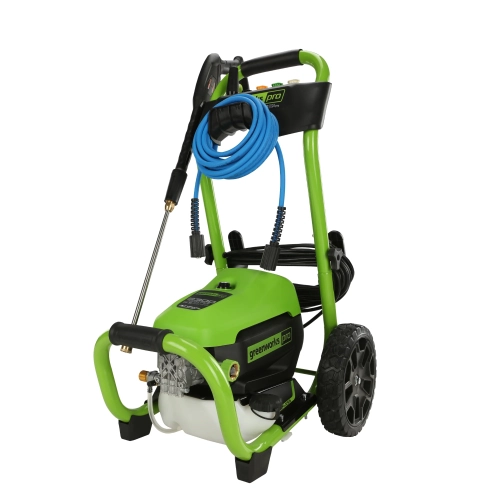 Your price for this item is $449.99
 -
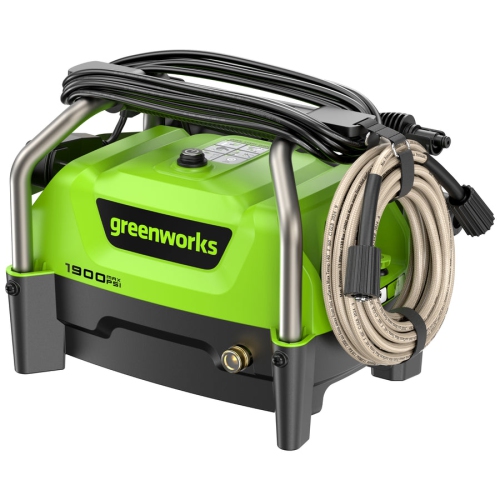 Your price for this item is $199.99
 -
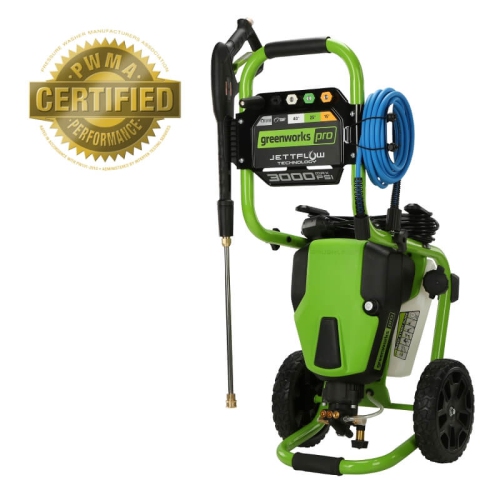 Your price for this item is $494.99
 -
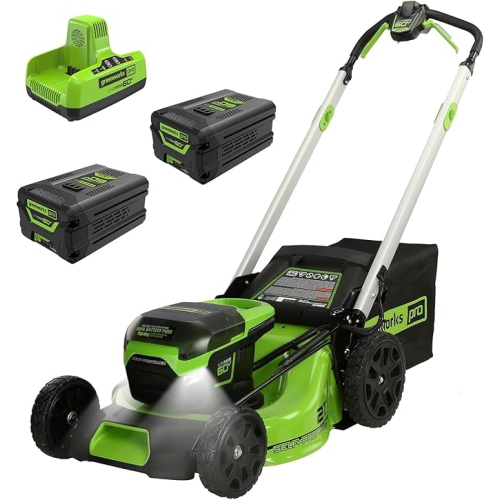 Your price for this item is $899.99
 -
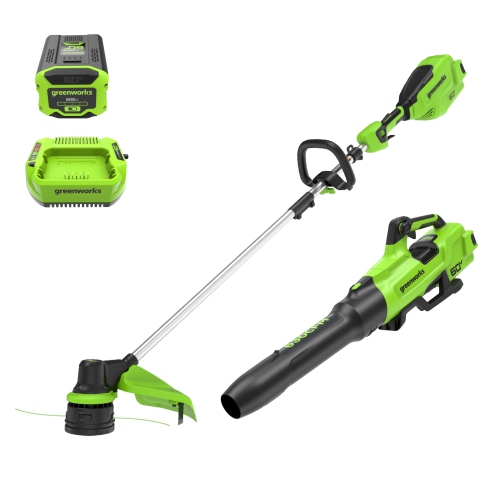 Your price for this item is $399.99
 -
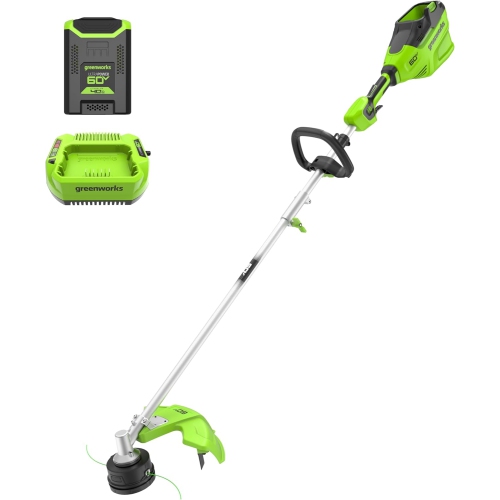 Your price for this item is $359.99
 -
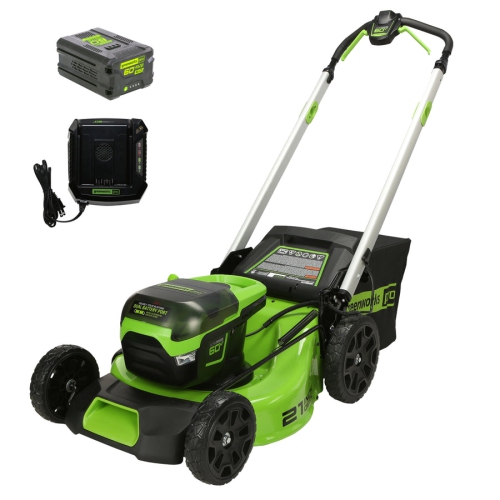 Your price for this item is $559.99
 -
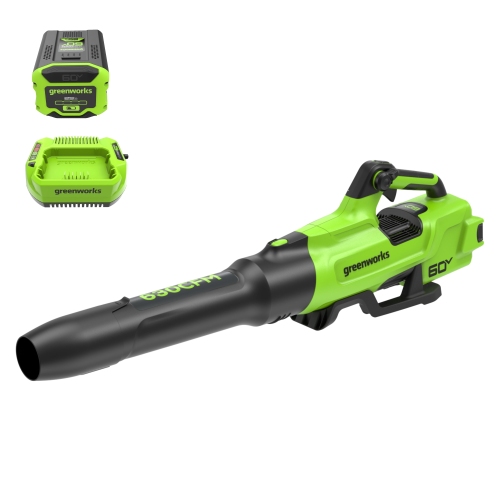 Your price for this item is $259.99
Discover more categories related to Branch Cutters
Top Collections:
Pokemon Centers, Kindle Devices, Budget Smartphones, Budget 4K TVs, Apple iPhones 16, Canon G7X Cameras, iPhone 15 Apple, Alarm Clock, Budget-Friendly Wireless Earbuds, iPhone 14 256GB
Some products may be subject to Environmental Handling Fees
(EHF) depending on your province.
Learn more about EHFs.