Bread Cutters
If you're looking to slice through your favorite loaf of bread with precision and ease, this selection of bread cutters offers the perfect solution for achieving uniform slices every time. Whether you prefer thick, hearty slices for toast or thin, delicate slices for sandwiches, a quality bread cutter is a must-have tool for almost any kitchen. Say goodbye to uneven cuts and hello to perfectly sliced bread with this range of efficient and user-friendly bread cutters.
Sort



Why the loaf matters as much as the blade
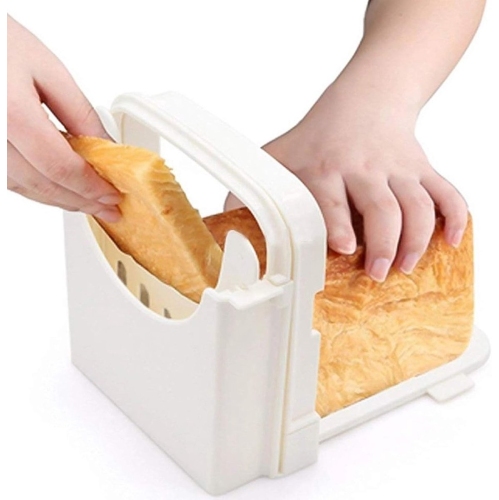
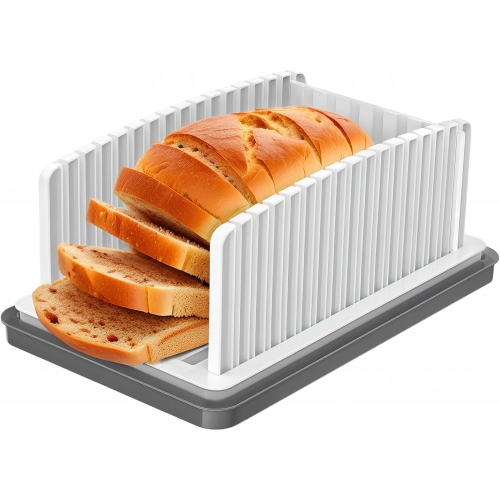
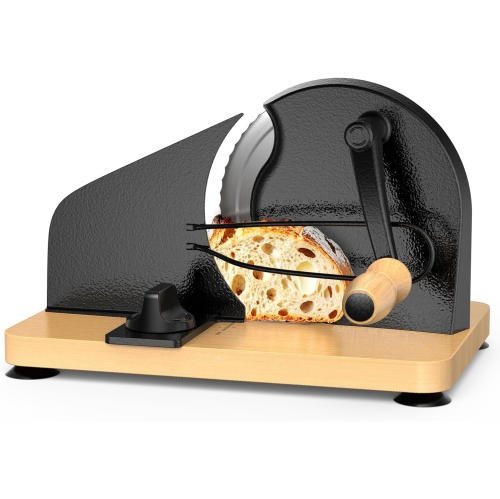
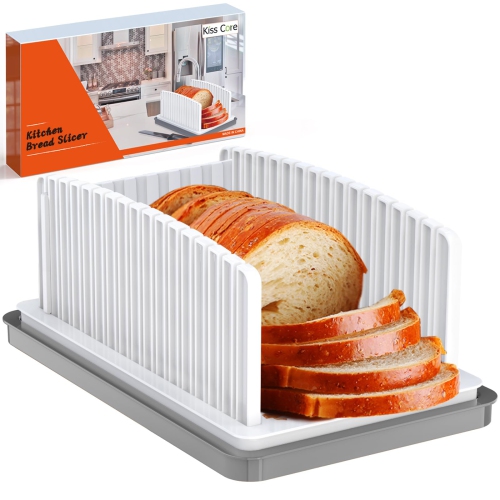
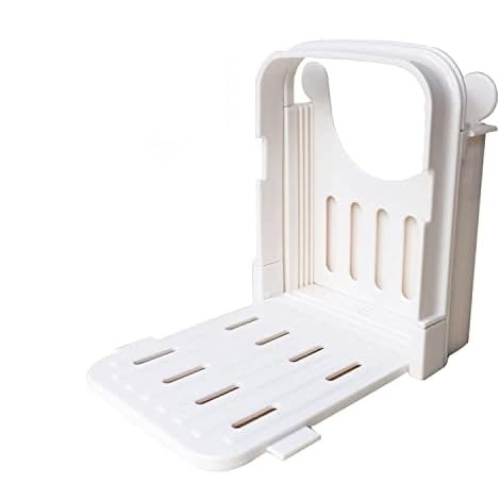
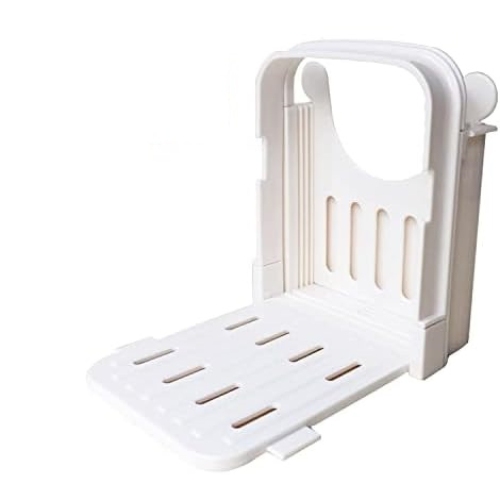
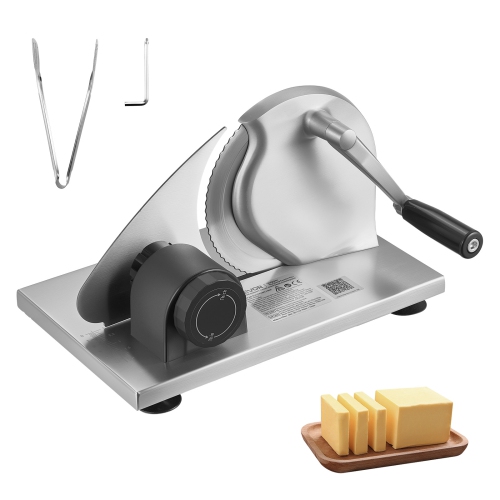
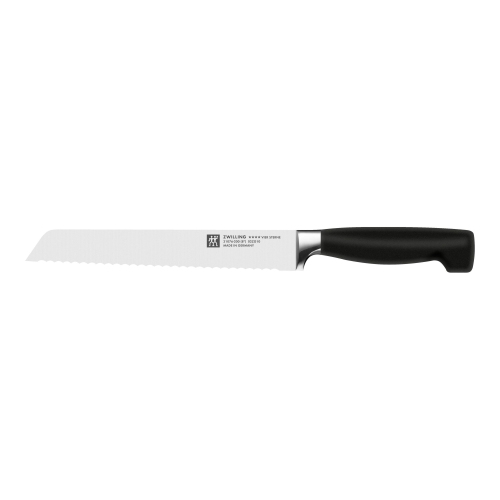
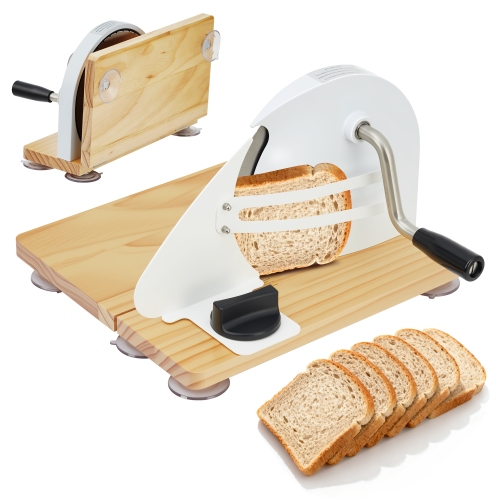
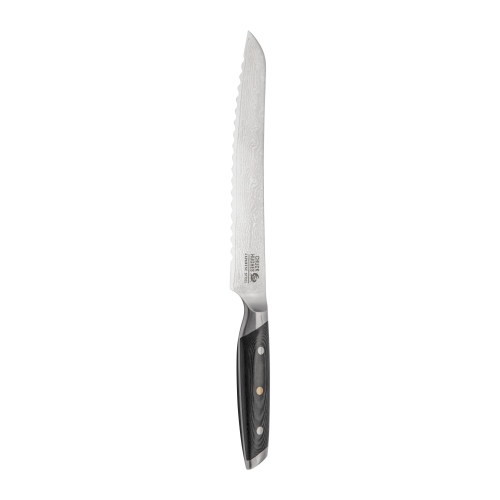
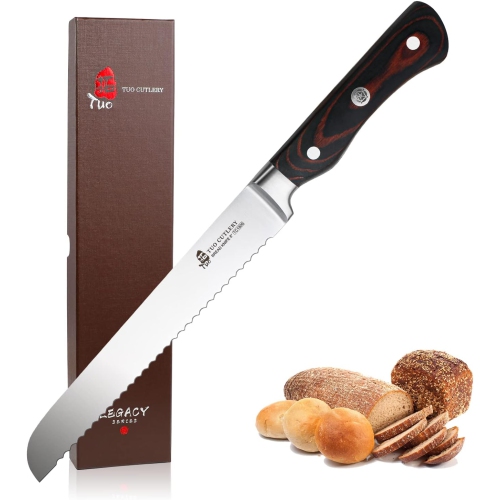
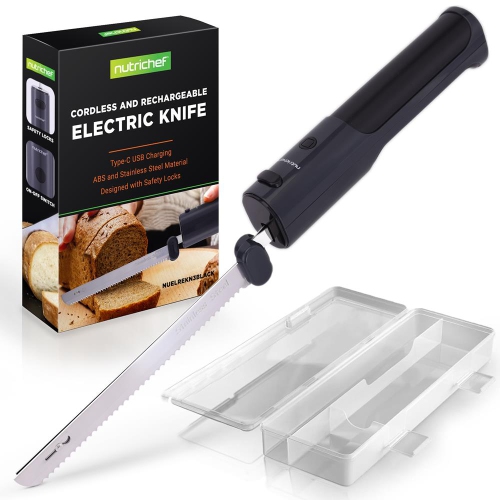
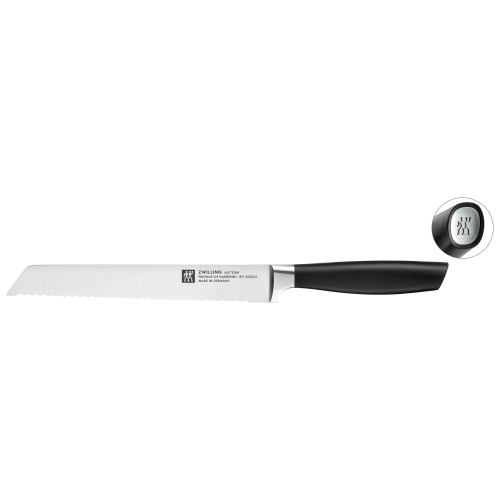
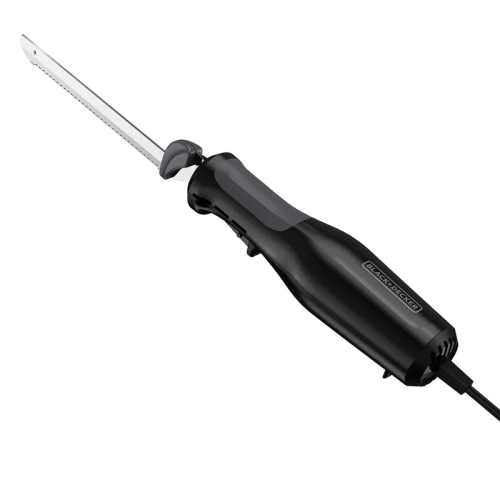
Bread cutters and slicers generally fall into three styles: manual guide boxes, hand-crank rotary slicers, and bread knives, including manual serrated knives and electric knives. A manual guide box holds the loaf between slotted sides that direct a separate knife, helping keep each cut straight from the top crust to the base. A hand-crank rotary slicer turns a circular blade as the loaf is fed toward it, and many designs let the user adjust slice thickness. A bread knife offers more freedom to follow the shape of a loaf, whether it’s a long baguette or a wide sourdough round. A manual serrated knife cuts with a sawing motion, while an electric knife typically uses two powered blades that move back and forth against each other. The practical difference often comes down to how much bread needs cutting and how uniform the slices need to be. A guide makes sense for a home baker who wants even slices from a sandwich loaf so the last piece isn’t a wedge. A rotary slicer can be useful for a household that regularly cuts whole loaves to portion and freeze. A knife takes up less space and works well when the same loaf is destined for thin toast one day and thick slices of French toast the next. With a guide, the inside width and height matter more than the overall dimensions: a tall loaf may sit above the slots, and a round loaf may be too wide to settle flat. The blade also needs enough usable length to span the loaf and move through the slots without the handle catching against the sides. For a rotary design, the usable cutting area and the range of thickness settings are worth comparing with the bread routinely served at home. An adjustable guide or slicer is especially handy when slices need to fit a toaster slot but also need to be thick enough to hold a generous sandwich filling.
Crust and crumb make a noticeable difference in how a bread cutter feels to use. A dense rye loaf calls for a steady cut, while a soft milk bread loaf can flatten if the blade needs much downward pressure. A sharp serrated edge grips a firm crust so the knife can start a cut without skating across the surface, and long, light strokes help avoid tearing the soft interior. Freshly baked bread is usually easier to slice once it has cooled and the crumb has set. An electric knife can reduce the amount of back-and-forth arm motion needed for repeated cuts, though the weight and shape of the handle still matter. A rotary slicer also benefits from a steady work surface and enough clearance for the crank to turn freely. On a crowded countertop, a folding guide or a knife with a blade cover may be easier to put away than a crank slicer, which needs room not only for the machine but also for the loaf and the slices coming off it. Materials affect both upkeep and how a cutter holds up over time. Stainless steel blades resist corrosion, but washing and drying them before storage helps keep the edge in good condition. Wood and bamboo guides have a solid feel, while lightweight plastic guides are easier to move and may be simpler to rinse, depending on the design. With any guide, rigid sides and a base that stays flat matter more to an even cut than a decorative finish. For regular use, a secure knife handle, a crank that turns smoothly without wobbling, or guide slots that don’t flex as the blade moves are useful signs of sturdy construction. A crumb tray can make cleanup easier, especially with a flour-dusted loaf that sheds bits of crust with every pass. For freehand slicing, the options on the Cutting Boards for Bread page include work surfaces to pair with a bread knife, leaving space to steady the loaf and set the finished slices aside.
Day-to-day care depends on how much of the cutter comes into contact with bread and whether those parts can be removed. Crumbs collect in guide slots, around a rotary blade and along the join between a knife blade and its handle. Brushing loose crumbs from a guide after each use keeps them from building up where the loaf rests. Wood and bamboo parts generally benefit from a quick wipe and thorough drying rather than soaking, while washable trays can be cleaned according to the maker’s directions. Electric knives should be unplugged before the blades are removed for cleaning, and rotary blades should be cleaned as directed for the particular design. Storing a bread knife in a sheath or a slot that fits the blade keeps the serrations from rubbing against other utensils. If the blade starts dragging through crust or leaving a ragged cut where it once sliced cleanly, a serrated edge may need a sharpening service equipped to handle it. Ease of cleaning and storage also makes a difference when choosing a bread cutter for someone else. A guide sized for a standard loaf pan is a thoughtful gift for a baker who makes the same sandwich bread regularly, while a long serrated knife may suit someone who brings home a different bakery loaf each time. A hand-crank slicer is more likely to earn its countertop space in a kitchen where bread is sliced in batches, rather than a few pieces at a time. For someone who serves bread at the table, a knife offers the flexibility to cut neat slices from a slender baguette or generous pieces from a country loaf without first fitting the bread into a guide. The patterns that matter most are the familiar ones: a loaf portioned for packed lunches, a few thick slices cut for breakfast, or a crusty round sliced just before it goes on the table.
Top selling and popular products
-
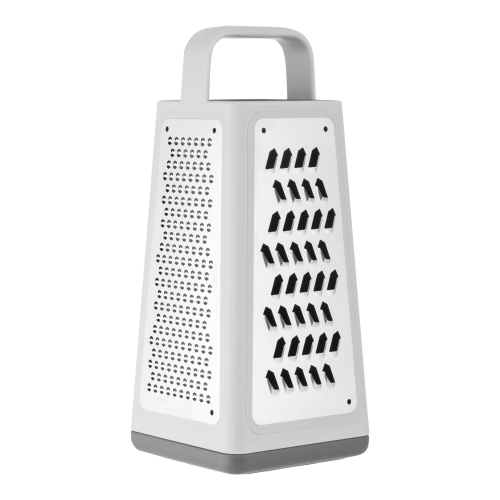 Your price for this item is $49.99
-
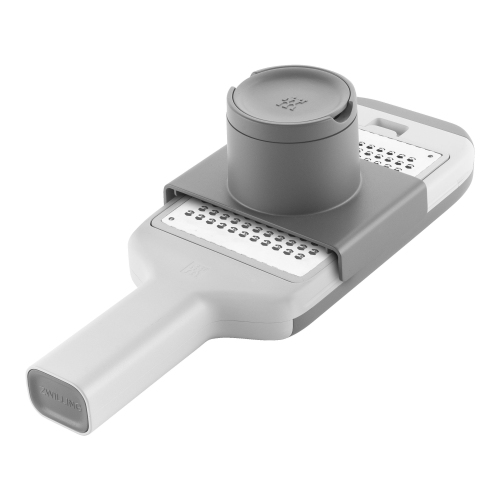 Your price for this item is $49.99
-
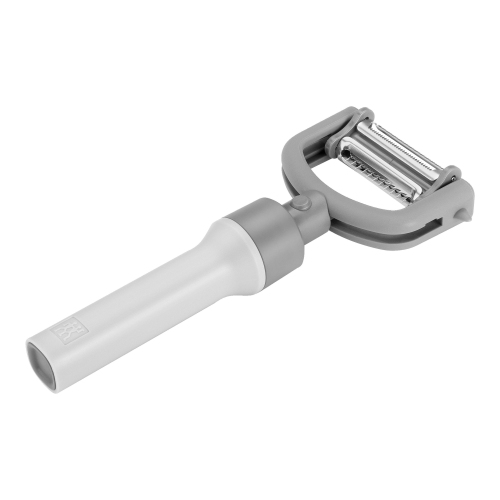 Your price for this item is $24.99
-
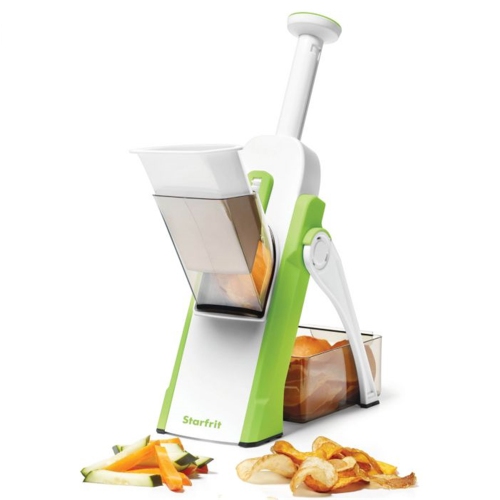 Your price for this item is $44.97
-
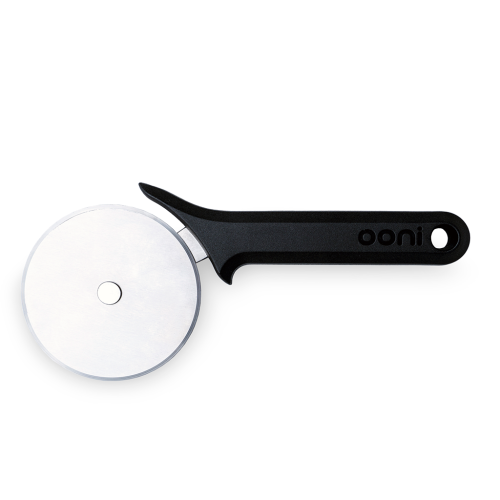 Your price for this item is $18.99
-
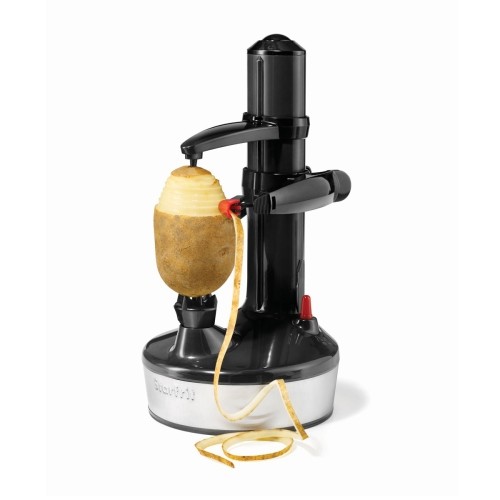 Your price for this item is $29.99
-
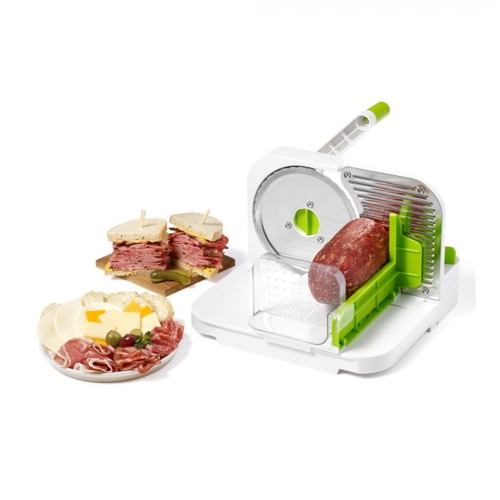 Your price for this item is $48.97
-
 Your price for this item is $29.99
Discover more categories related to Bread Cutters


Top Collections:
Best Black Friday Deals This Year, Best Black Friday Deals On Electronics, Kindle Devices, Dyson Airwrap, Best Cameras for Sports Photography, Best Budget Office Chairs, Canon G7X Cameras, PS5 Pro Consoles, Best Black Friday Deals On Apple Products, XBOX One S Consoles
Some products may be subject to Environmental Handling Fees
(EHF) depending on your province.
Learn more about EHFs.