Tree Pruning Shears
Looking to keep your trees in top shape? Our collection of tree pruning shears is here to help you effortlessly maintain the health and appearance of your beloved greenery. Whether you're a seasoned gardener or just starting out, these essential tools are designed to make pruning a breeze. With their sharp blades and ergonomic handles, our tree pruning shears provide precision and comfort, allowing you to trim branches with ease. Explore our wide selection of tree pruning shears and discover the perfect tool to keep your trees looking their best.
Sort
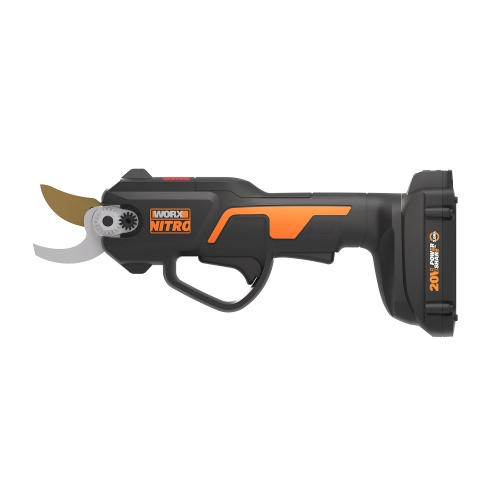
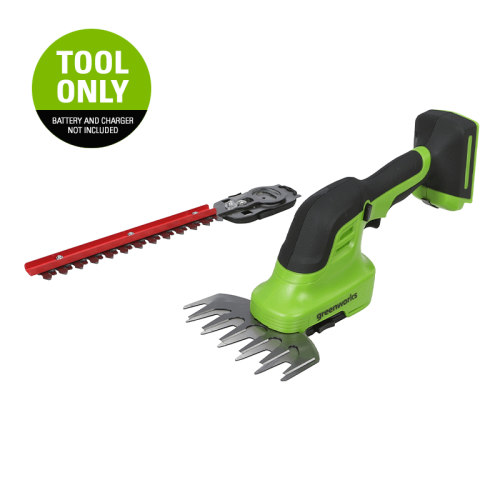
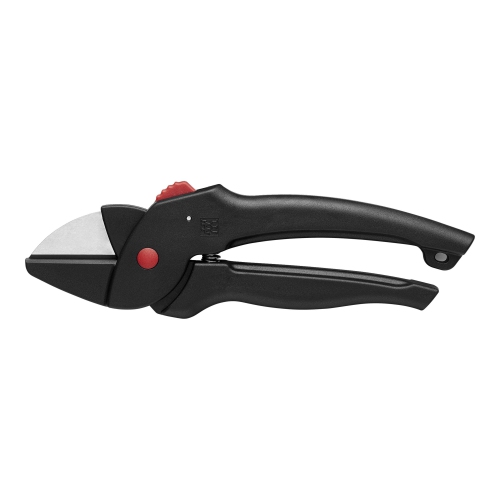
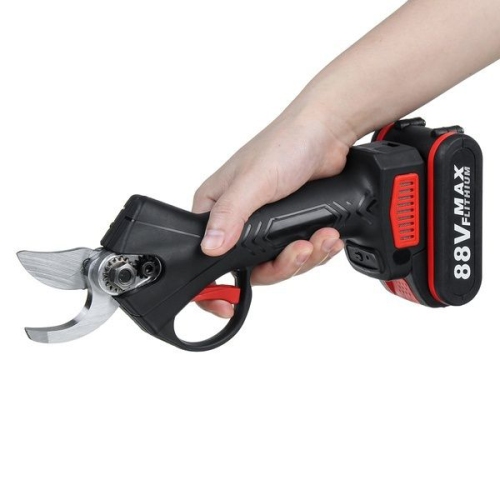
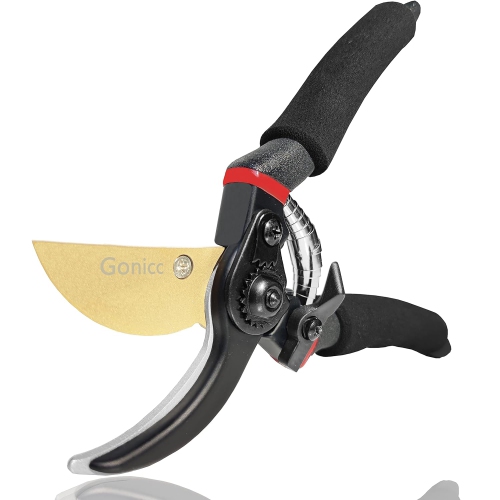
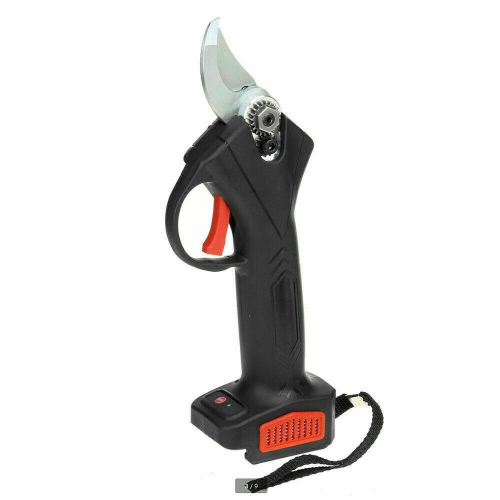
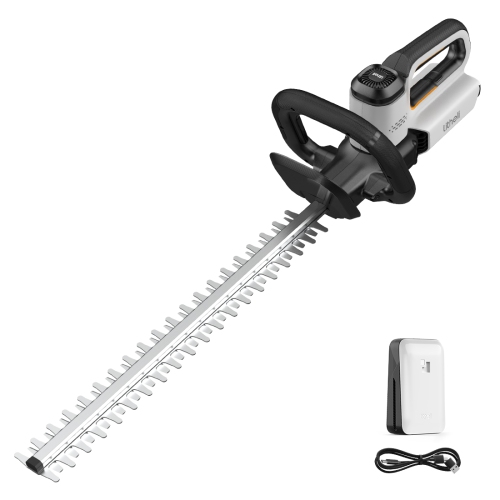
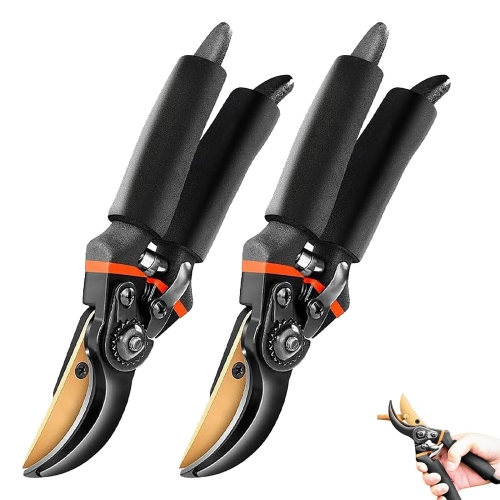
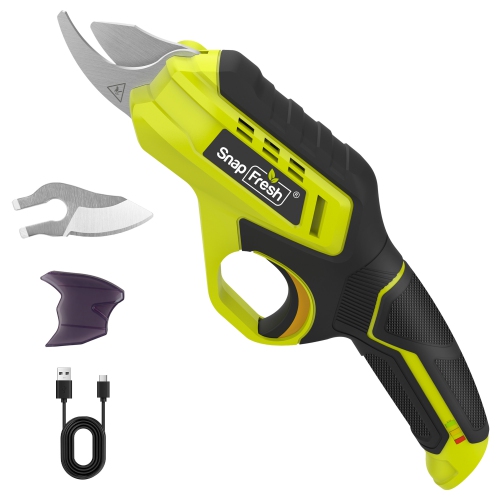
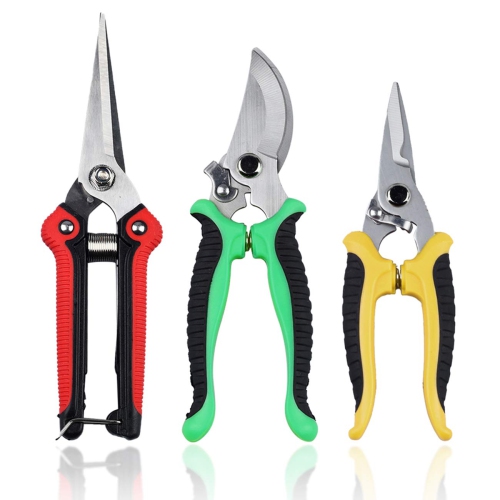

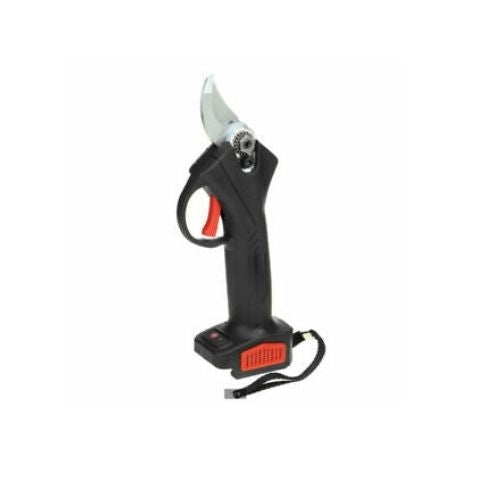
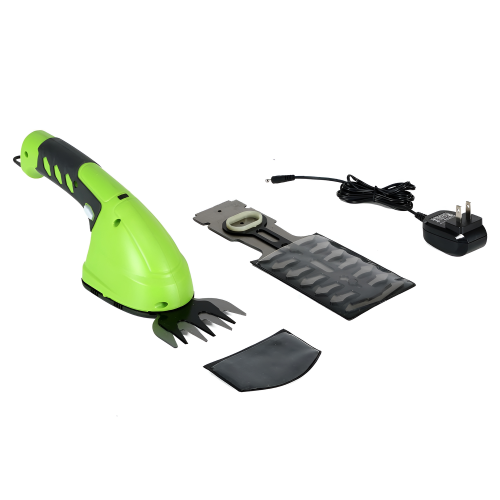
Cutting capacity and reach vary by branch size
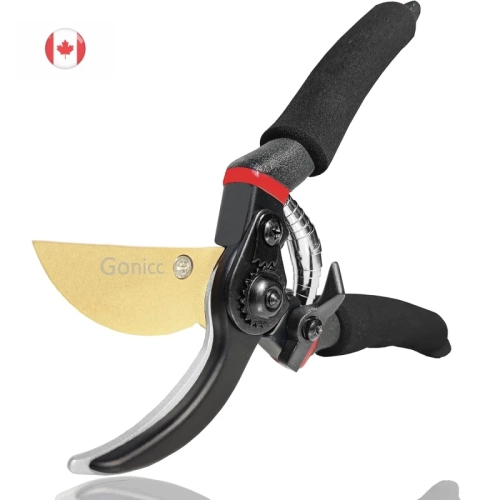
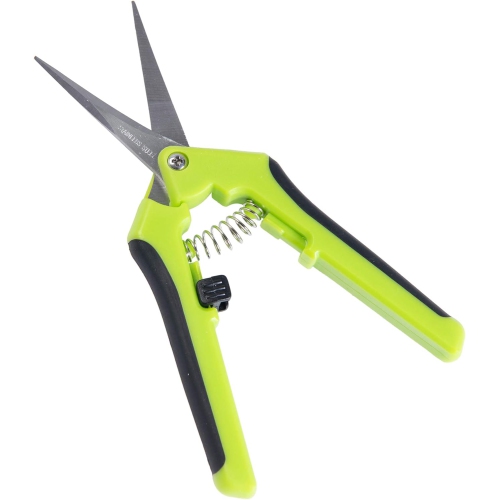
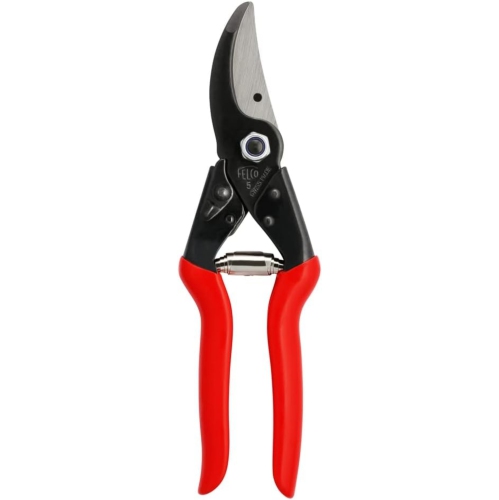
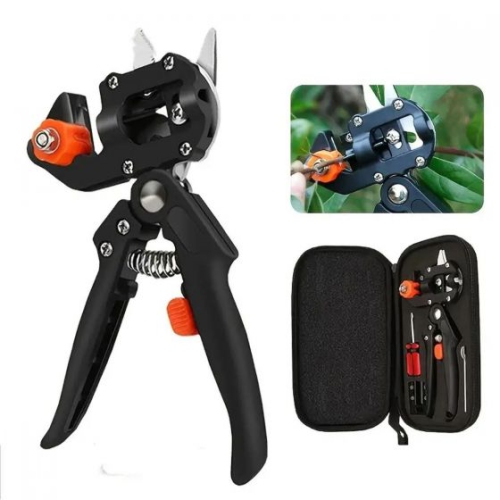
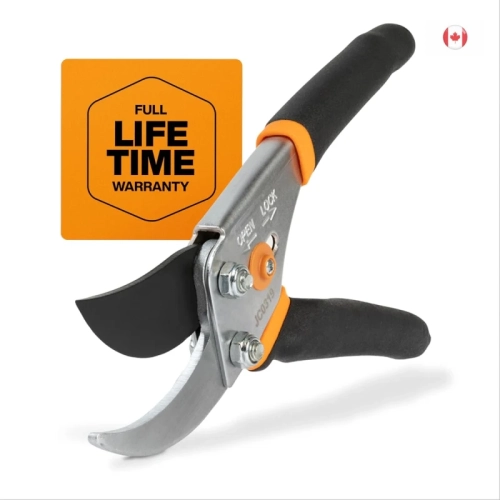
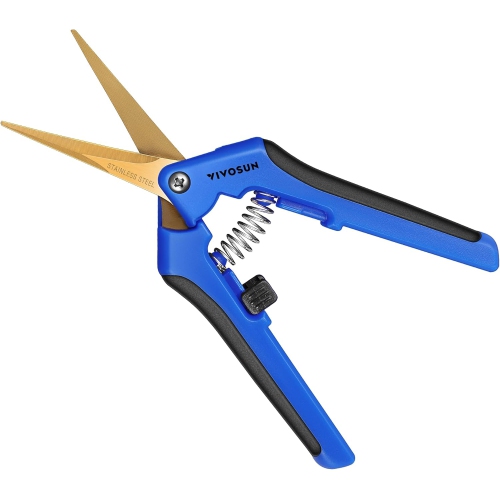
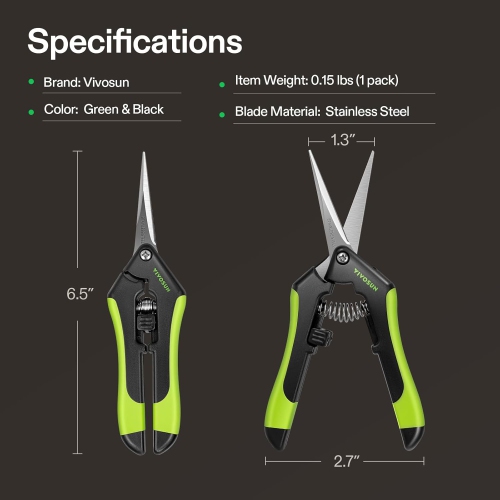
Tree pruning shears can make routine yard care more precise, comfortable, and manageable, whether you are shaping a young fruit tree, clearing thin branches from an established shade tree, or tidying shrubs around a property. The best choice depends primarily on the thickness and location of the growth you plan to cut. Hand pruners, also called secateurs, are well suited to small stems and branches up to about 3/4 inch thick. Their compact size makes them easy to carry in a pocket or tool bag while walking through the garden, and they offer the control needed for trimming new growth, removing small dead twigs, or making careful cuts near a branch collar. Bypass pruners have two curved blades that pass one another, much like scissors, making them a practical choice for live, flexible wood and green stems. Anvil pruners use a blade that closes against a flat surface and are often useful for dry, brittle, or dead wood. Matching the cutting style to the material can help produce cleaner results and reduce the effort required with each cut. If you regularly encounter branches larger than hand pruners can handle, long-handled loppers provide additional leverage and are generally designed for limbs up to approximately 1-1/2 inches in diameter, depending on the tool and the type of wood. The longer handles can also help you work around thorny growth or reach branches just beyond arm’s length without leaning into the plant.
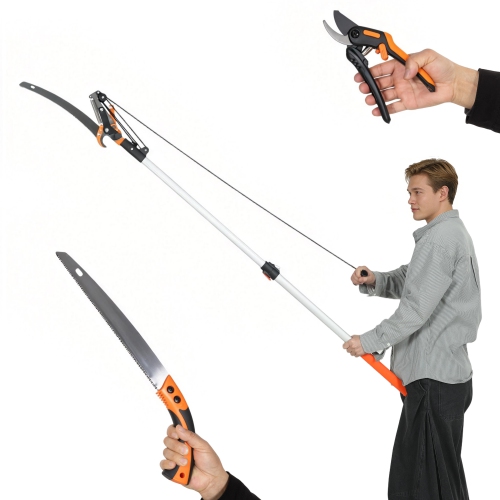
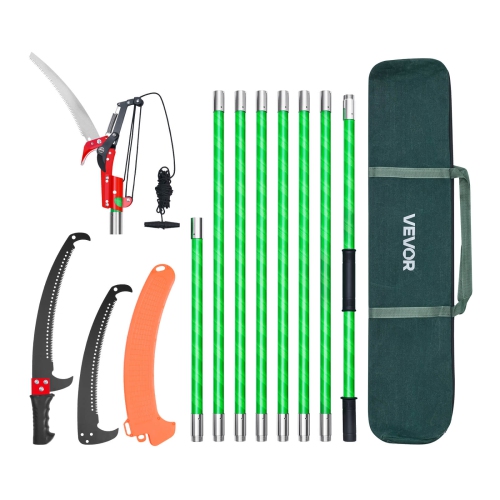
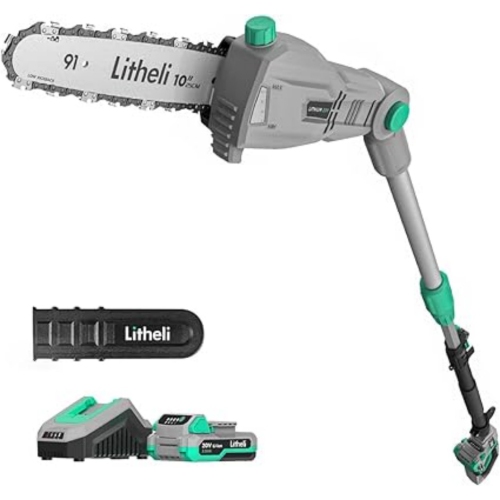
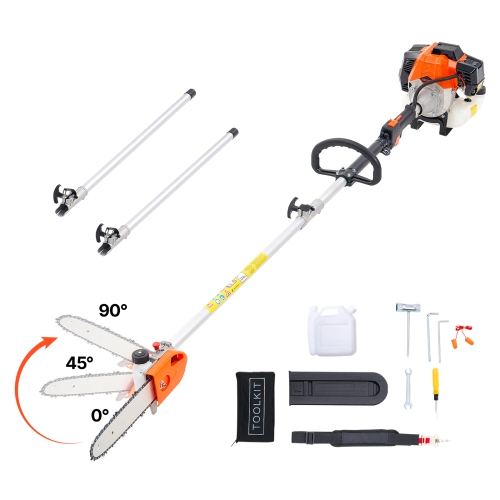
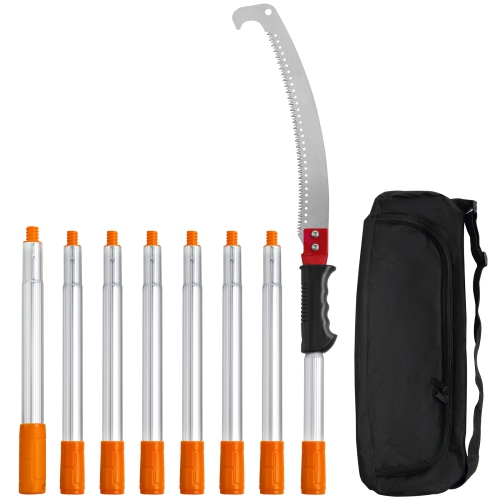
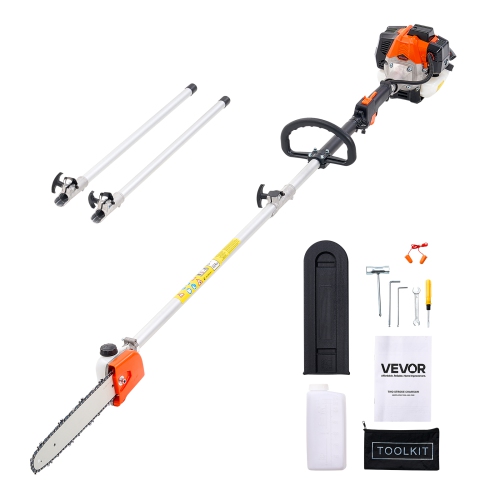
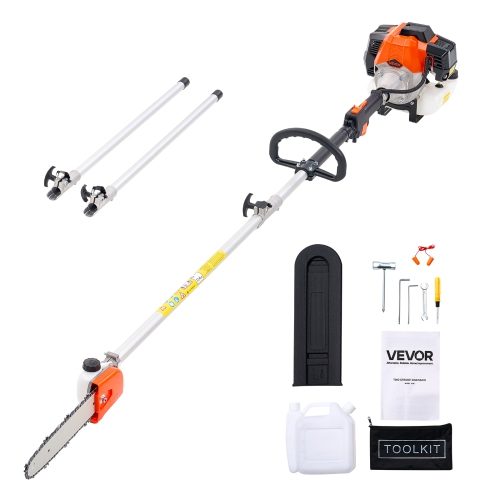
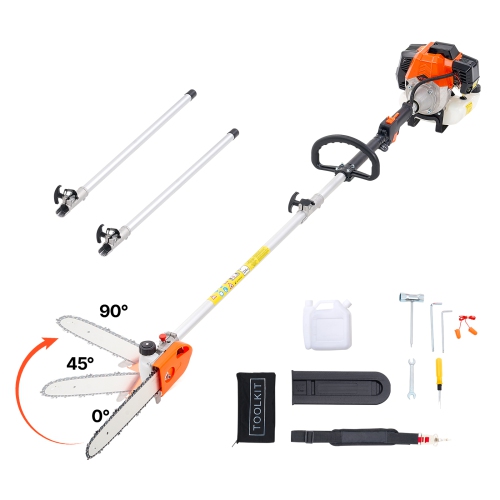
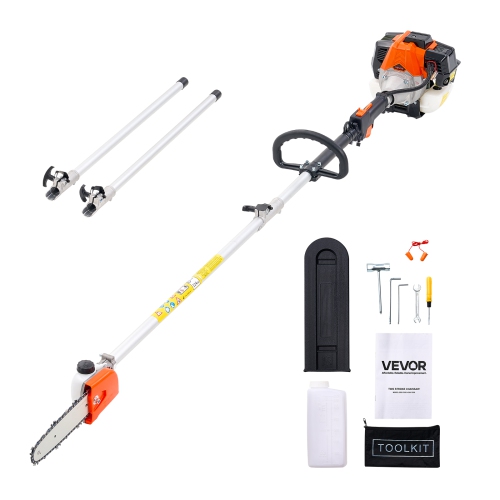
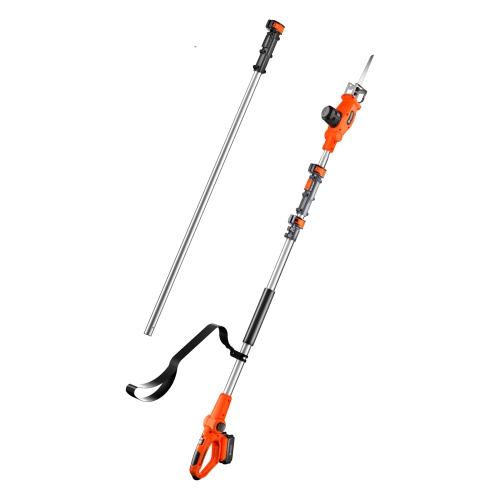
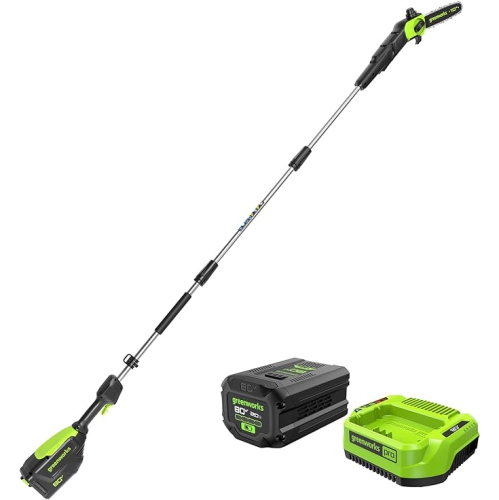
Reach is another important consideration when choosing tree pruning shears. A handheld tool is ideal for branches close to shoulder height, but higher limbs call for a pole pruner that can be operated from the ground. These tools commonly combine a cutting head with a pruning saw, allowing you to handle both smaller green growth and thicker limbs without climbing. Extension poles may reach several metres, with some designs extending to approximately 12 feet, although the practical height depends on your own reach, the tool’s balance, and the angle of the branch. A pole pruner can be especially useful for maintaining ornamental trees, removing low-hanging growth over walkways, and clearing small branches that would otherwise require a ladder. Working from the ground can make the task more stable, but it is still important to inspect the area before cutting. Keep people, pets, vehicles, and outdoor furniture away from the drop zone, and avoid pruning near overhead power lines. Wear protective eyewear and sturdy gloves, keep both feet firmly planted, and avoid forcing a blade through wood that exceeds its recommended capacity. For particularly high limbs, heavy branches, storm-damaged trees, or cuts that could affect the structure of a mature tree, professional assistance is the safer option. A dedicated pruning saw can be helpful when a branch is too thick for shears or loppers; shoppers comparing cutting tools may also wish to explore Tree Pruning Saws for larger cuts. The right tool should feel balanced in your hands, open and close smoothly, and provide enough handle length or extension to reach the work without awkward stretching. Ratcheting mechanisms may be useful for gardeners who prefer to make thicker cuts in several smaller squeezes, while rotating or cushioned handles can add comfort during longer sessions.
Tree pruning shears are useful throughout the changing seasons, from light shaping as the weather warms to clearing selected dead or damaged growth during the cooler months. Before pruning, take a slow walk around the tree and identify crossing branches, inward-growing shoots, suckers, and limbs that rub against one another. It is usually easier to create a tidy plan before making the first cut than to correct an uneven silhouette afterwards. Make clean cuts at the appropriate point, avoid tearing the bark, and do not remove more growth than the tree can reasonably support. Many gardeners keep a pair of hand pruners for delicate work and a heavier tool nearby for occasional larger branches, while homeowners with tall trees may prefer the added reach of a pole model. After use, brush away sap and wood fragments, wipe the blades clean, and store the tool in a dry place. Keeping blades sharp helps them pass through branches more cleanly and can make repetitive work less tiring; always follow the care instructions supplied with the tool when sharpening, lubricating, or replacing parts. These products can also make thoughtful gifts for new homeowners, gardeners building a first set of outdoor tools, or experienced plant enthusiasts who enjoy shaping trees and maintaining a well-kept yard. A compact pair can suit someone caring for balcony planters and small ornamental trees, while loppers or a pole pruner may be better for a property with mature landscaping. Consider the recipient’s trees, available storage space, hand comfort, and typical cutting height before choosing. With the correct style, capacity, and reach, tree pruning shears can help turn an overgrown branch, a crowded canopy, or a neglected corner of the yard into a more orderly and accessible outdoor space.
Reach is another important consideration when choosing tree pruning shears. A handheld tool is ideal for branches close to shoulder height, but higher limbs call for a pole pruner that can be operated from the ground. These tools commonly combine a cutting head with a pruning saw, allowing you to handle both smaller green growth and thicker limbs without climbing. Extension poles may reach several metres, with some designs extending to approximately 12 feet, although the practical height depends on your own reach, the tool’s balance, and the angle of the branch. A pole pruner can be especially useful for maintaining ornamental trees, removing low-hanging growth over walkways, and clearing small branches that would otherwise require a ladder. Working from the ground can make the task more stable, but it is still important to inspect the area before cutting. Keep people, pets, vehicles, and outdoor furniture away from the drop zone, and avoid pruning near overhead power lines. Wear protective eyewear and sturdy gloves, keep both feet firmly planted, and avoid forcing a blade through wood that exceeds its recommended capacity. For particularly high limbs, heavy branches, storm-damaged trees, or cuts that could affect the structure of a mature tree, professional assistance is the safer option. A dedicated pruning saw can be helpful when a branch is too thick for shears or loppers; shoppers comparing cutting tools may also wish to explore Tree Pruning Saws for larger cuts. The right tool should feel balanced in your hands, open and close smoothly, and provide enough handle length or extension to reach the work without awkward stretching. Ratcheting mechanisms may be useful for gardeners who prefer to make thicker cuts in several smaller squeezes, while rotating or cushioned handles can add comfort during longer sessions.
Tree pruning shears are useful throughout the changing seasons, from light shaping as the weather warms to clearing selected dead or damaged growth during the cooler months. Before pruning, take a slow walk around the tree and identify crossing branches, inward-growing shoots, suckers, and limbs that rub against one another. It is usually easier to create a tidy plan before making the first cut than to correct an uneven silhouette afterwards. Make clean cuts at the appropriate point, avoid tearing the bark, and do not remove more growth than the tree can reasonably support. Many gardeners keep a pair of hand pruners for delicate work and a heavier tool nearby for occasional larger branches, while homeowners with tall trees may prefer the added reach of a pole model. After use, brush away sap and wood fragments, wipe the blades clean, and store the tool in a dry place. Keeping blades sharp helps them pass through branches more cleanly and can make repetitive work less tiring; always follow the care instructions supplied with the tool when sharpening, lubricating, or replacing parts. These products can also make thoughtful gifts for new homeowners, gardeners building a first set of outdoor tools, or experienced plant enthusiasts who enjoy shaping trees and maintaining a well-kept yard. A compact pair can suit someone caring for balcony planters and small ornamental trees, while loppers or a pole pruner may be better for a property with mature landscaping. Consider the recipient’s trees, available storage space, hand comfort, and typical cutting height before choosing. With the correct style, capacity, and reach, tree pruning shears can help turn an overgrown branch, a crowded canopy, or a neglected corner of the yard into a more orderly and accessible outdoor space.
Top selling and popular products
-
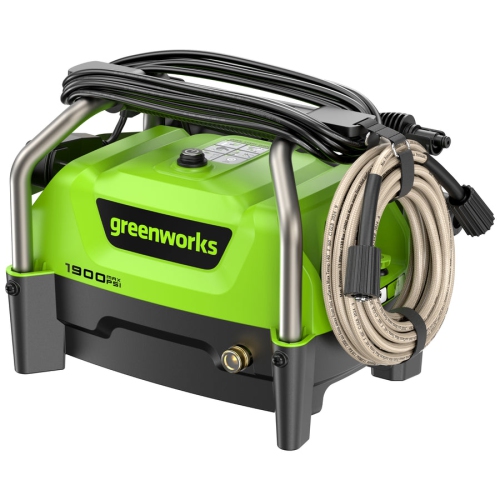 Your price for this item is $169.99
 -
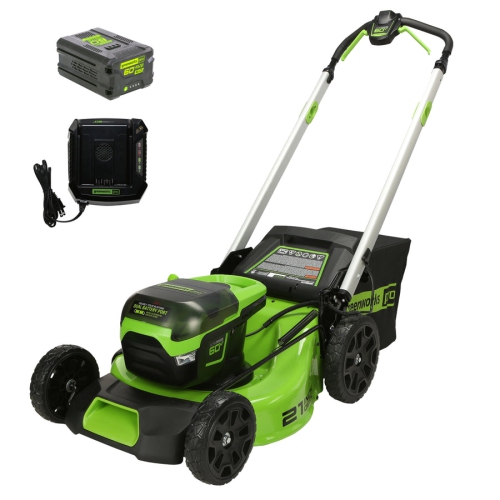 Your price for this item is $554.39
 -
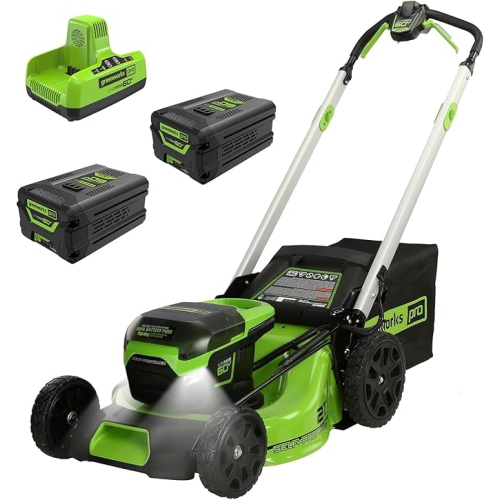 Your price for this item is $879.99
 -
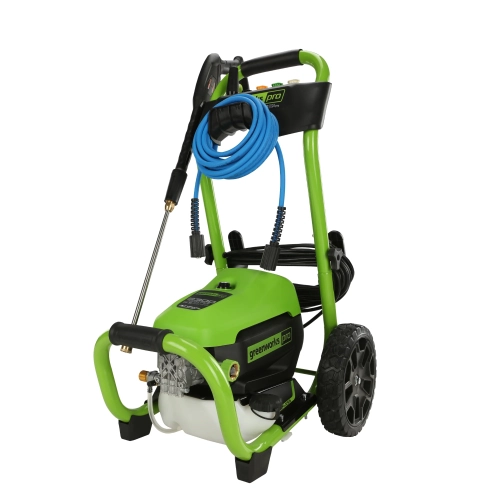 Your price for this item is $439.99
 -
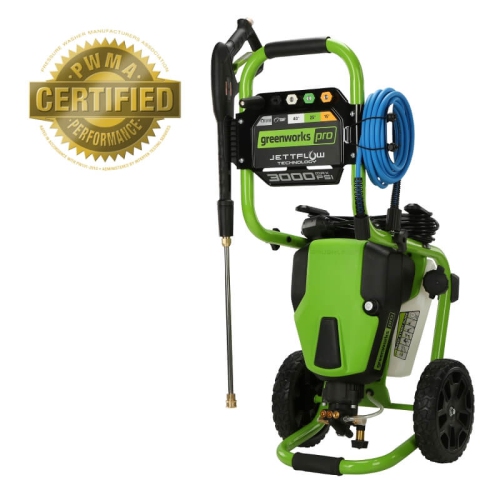 Your price for this item is $499
 -
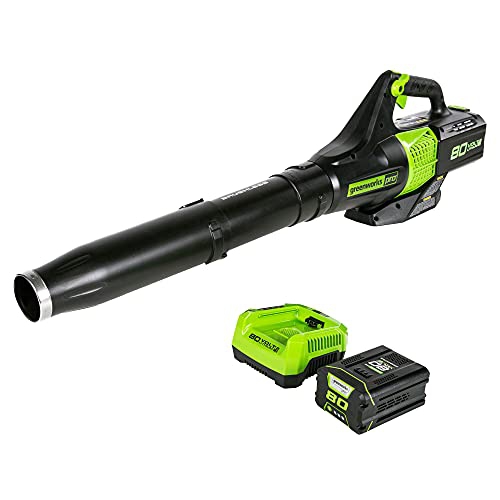 Your price for this item is $255
 -
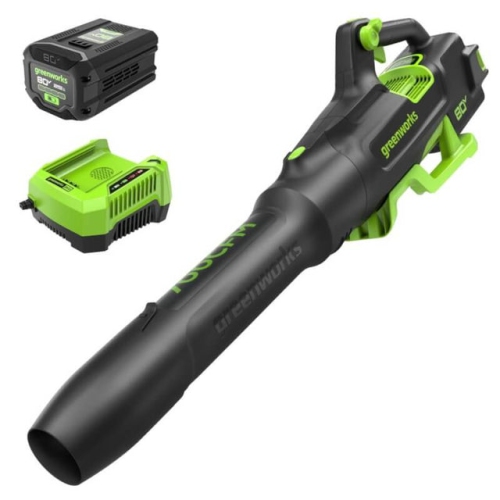 Your price for this item is $272
 -
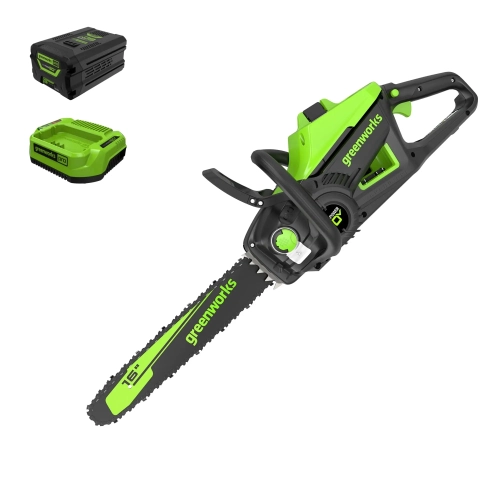 Your price for this item is $329.99
Discover more categories related to Tree Pruning Shears
Top Collections:
Pokemon Centers, Kindle Devices, Best Budget Office Chairs, Apple iPhones 16, Best Laptops for Writers, iPhone 15 Apple, Canon G7X Cameras, Refurbished Apple Laptops, Alarm Clock, Motorola Razr Phones
Some products may be subject to Environmental Handling Fees
(EHF) depending on your province.
Learn more about EHFs.