Bronze Home Decor
Elevate the style of your living space with our stunning collection of bronze home decor. From elegant figurines and intricate wall art to sleek candle holders and chic vases, our curated selection offers a touch of sophistication and warmth to any room. Whether you're looking to add a subtle metallic accent or make a bold statement with eye-catching pieces, our range of bronze home decor is sure to inspire your inner interior designer.
Sort
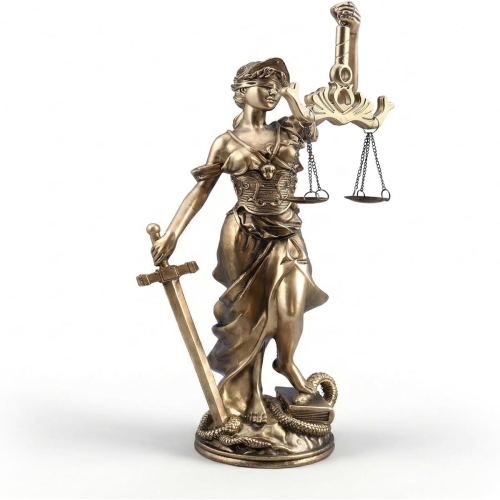


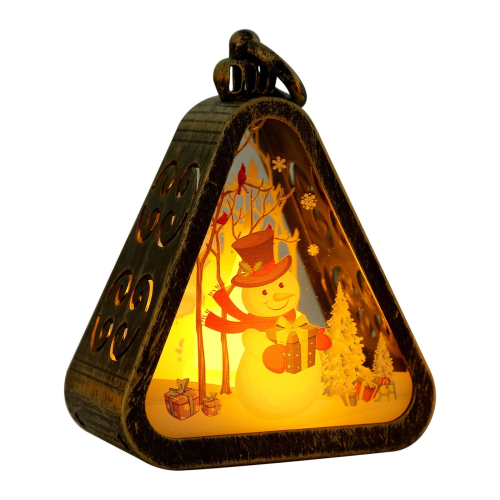
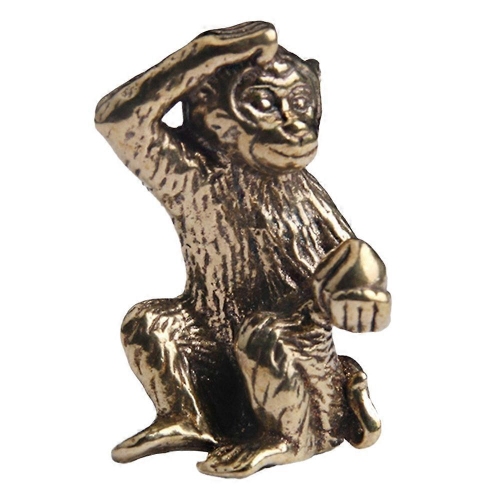
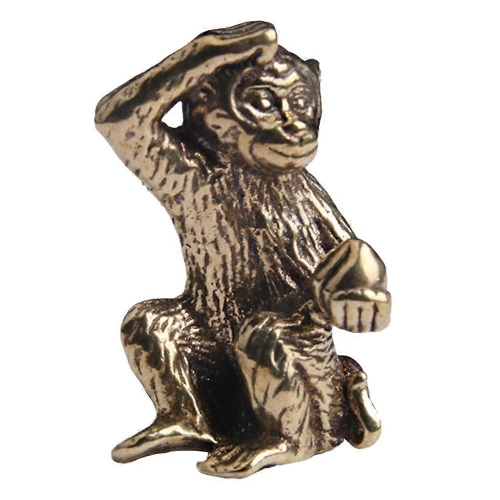
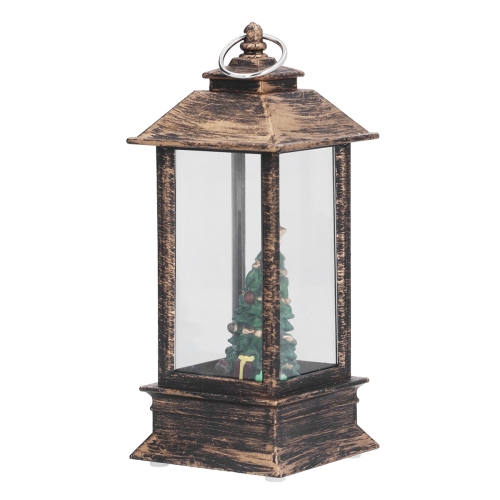

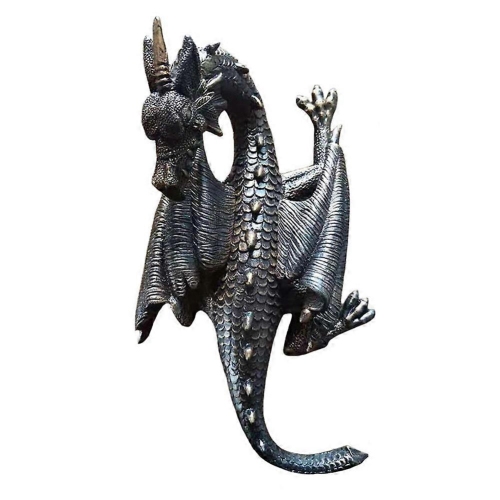
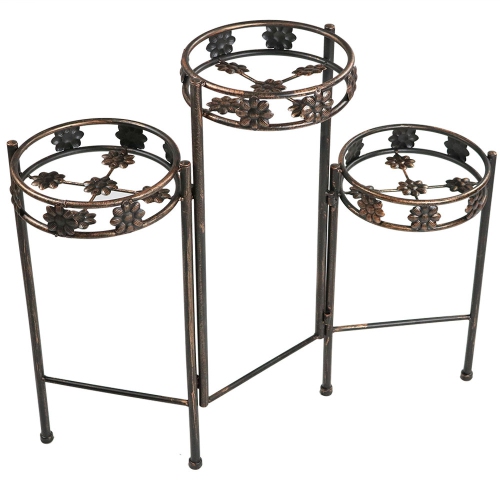
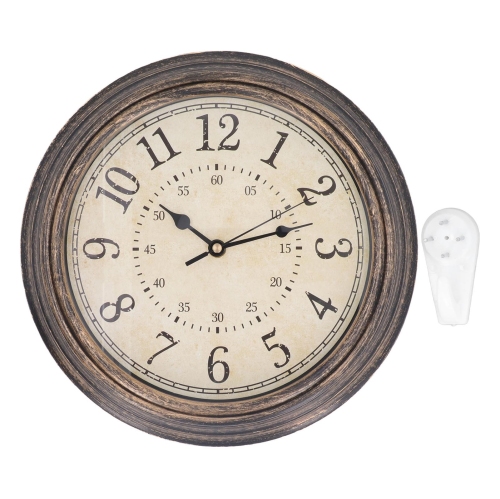
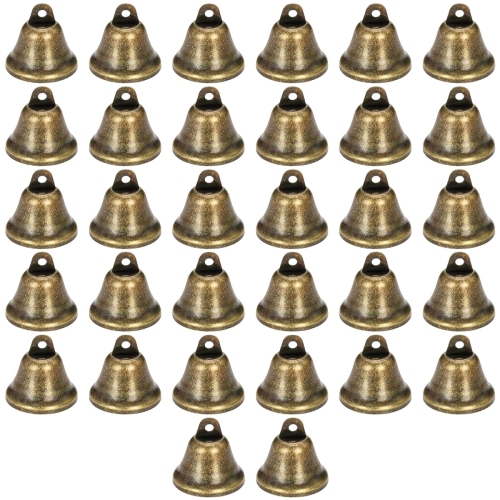
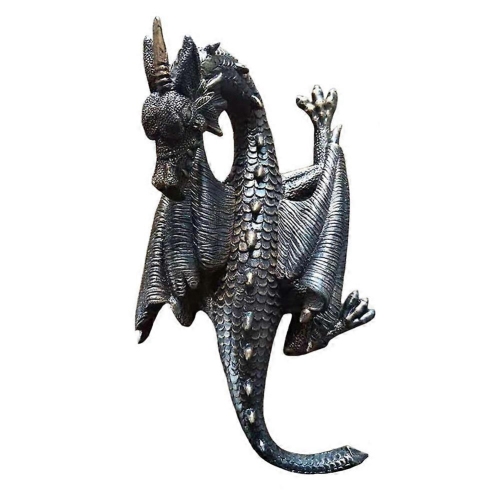


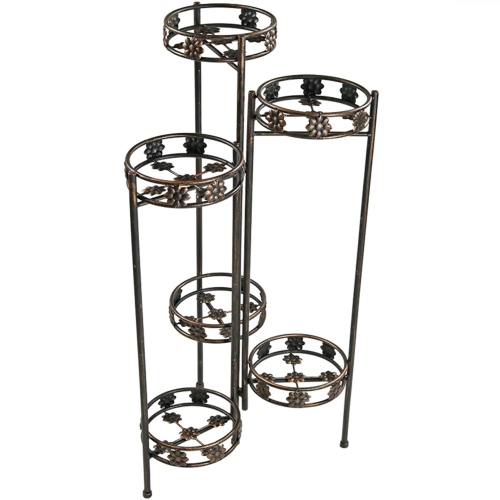


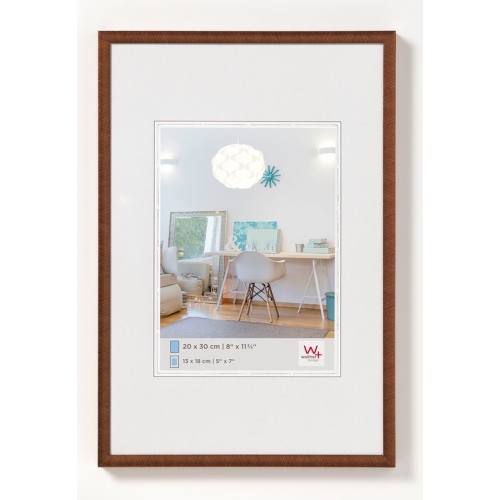

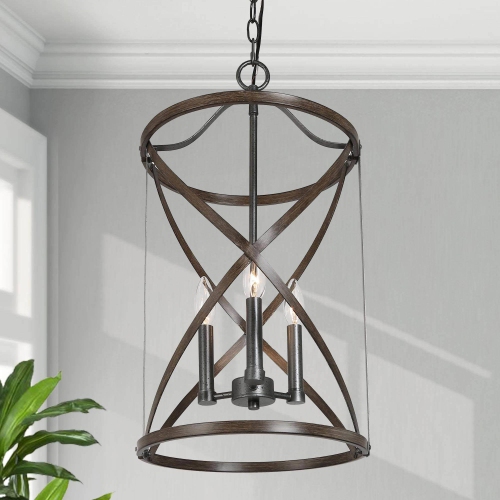
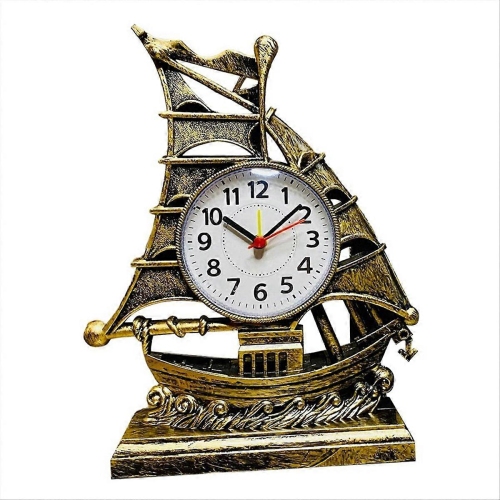
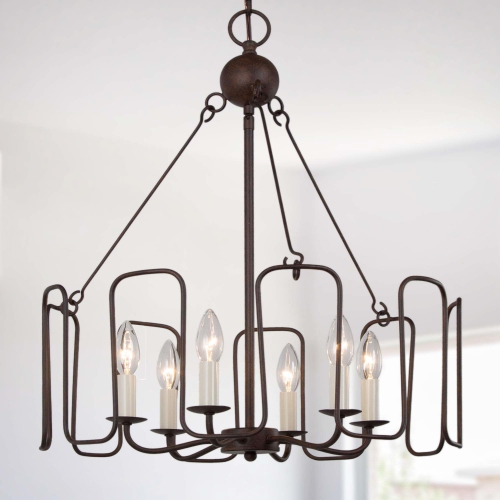
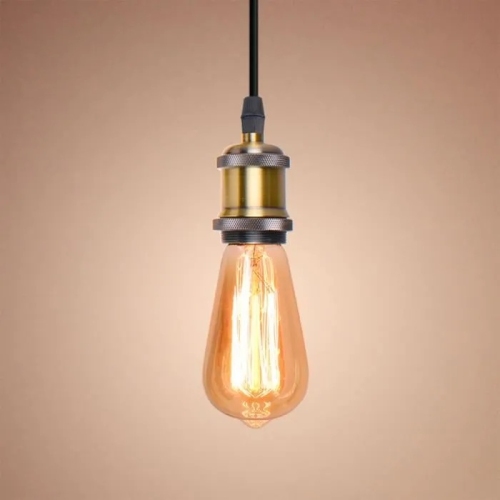
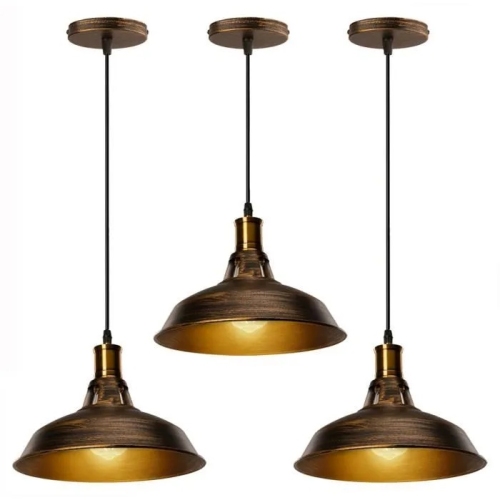

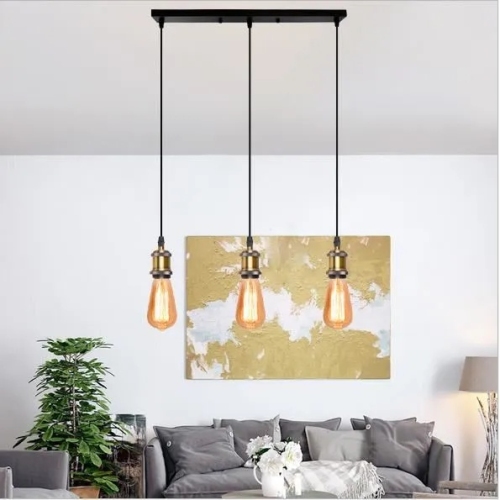
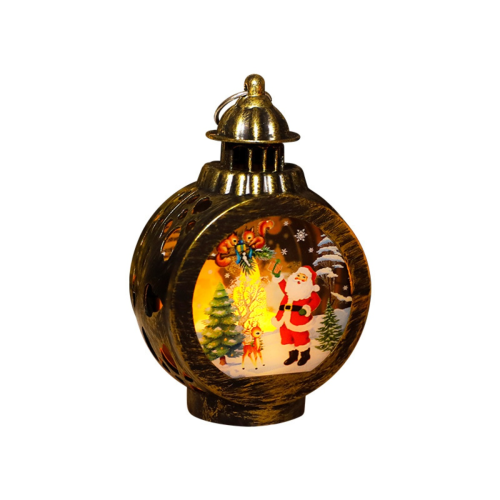


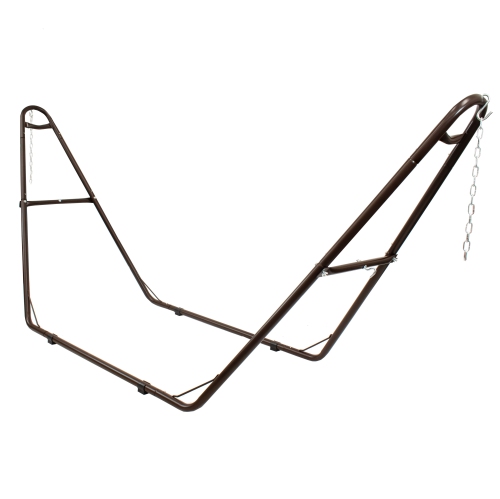
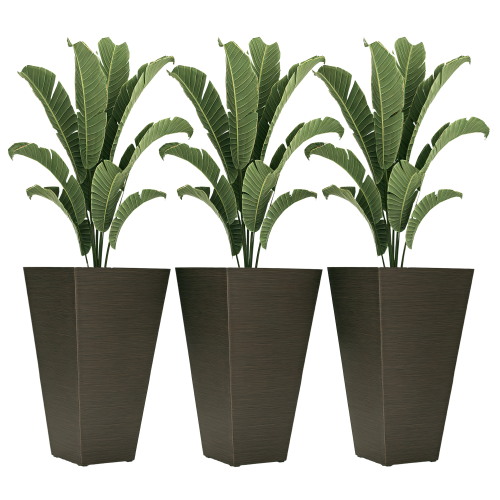
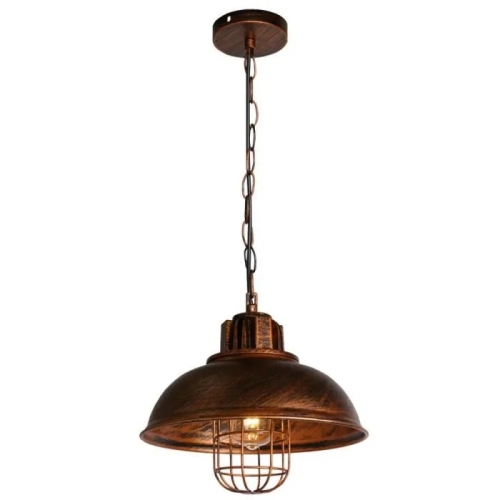
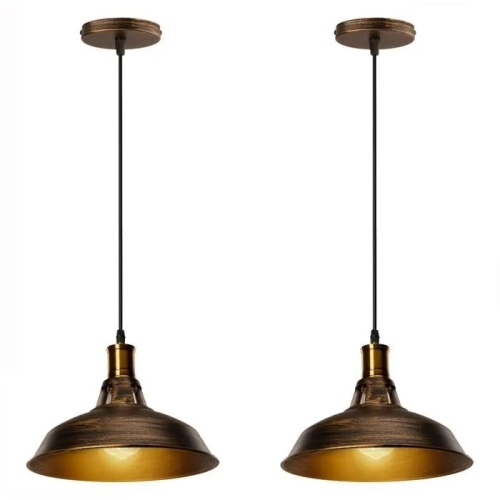
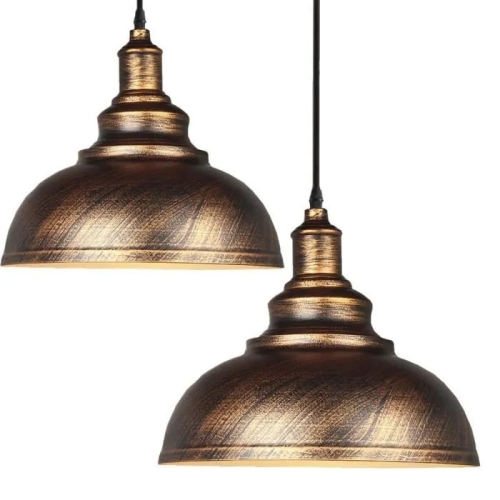

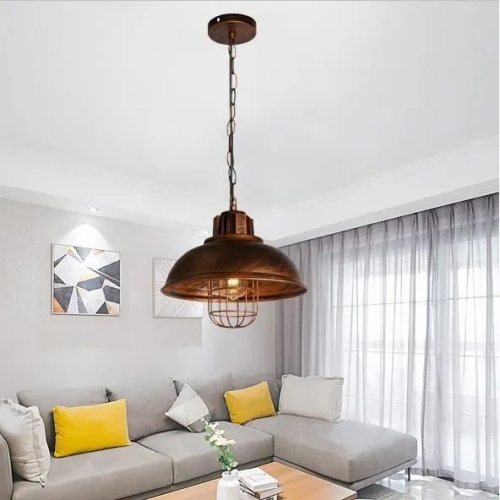

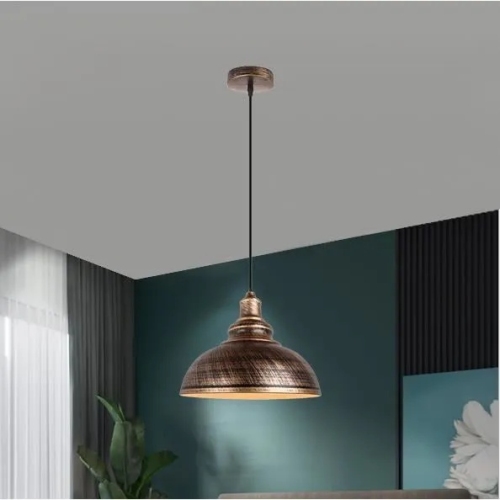
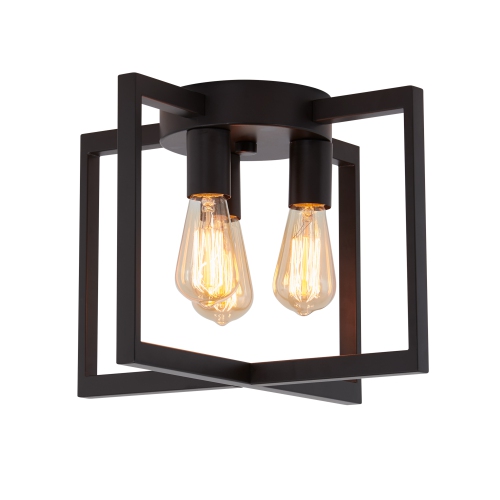
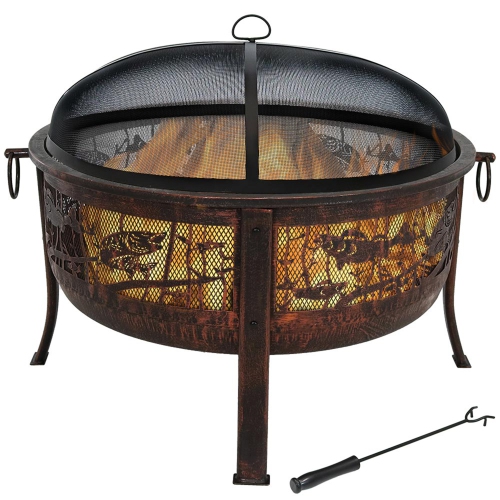
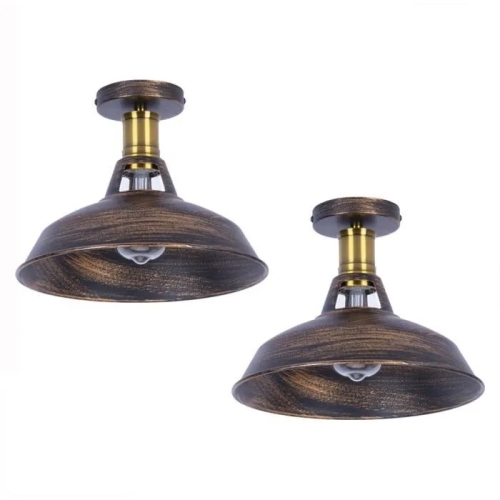

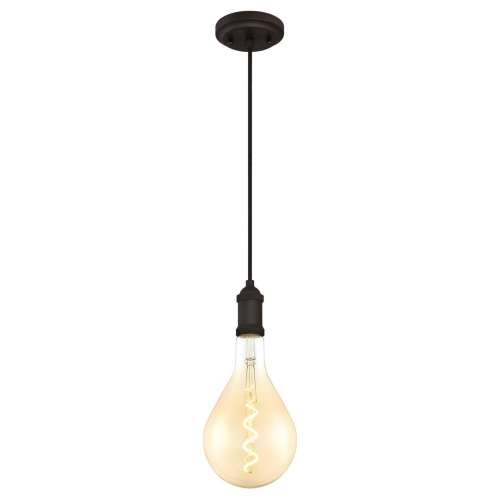

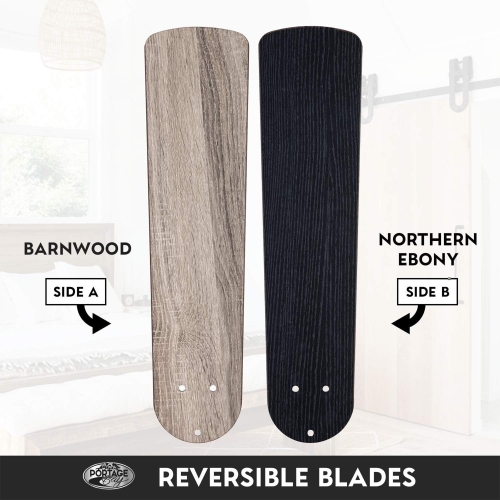


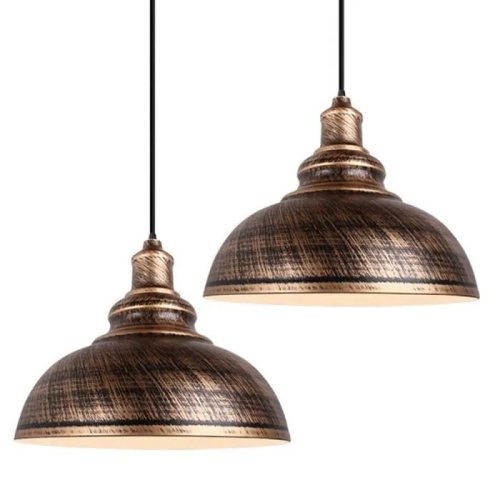
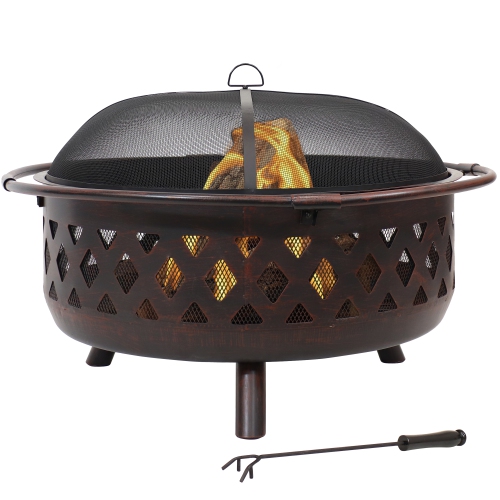


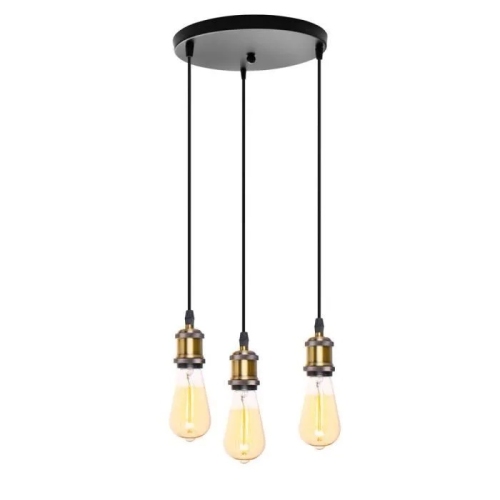
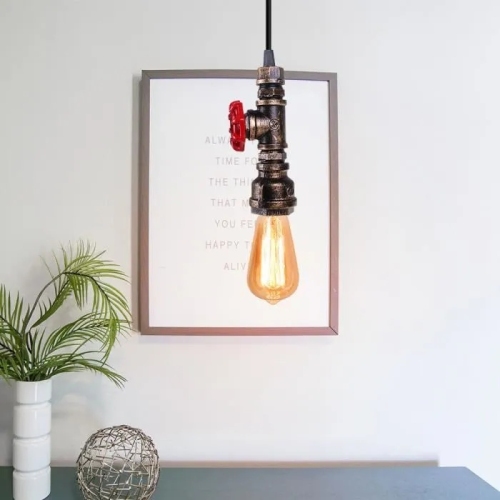

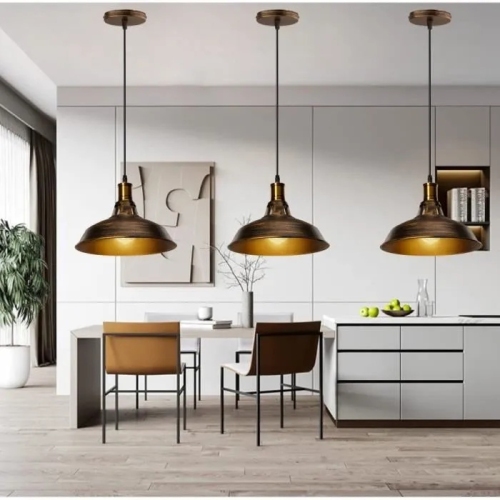
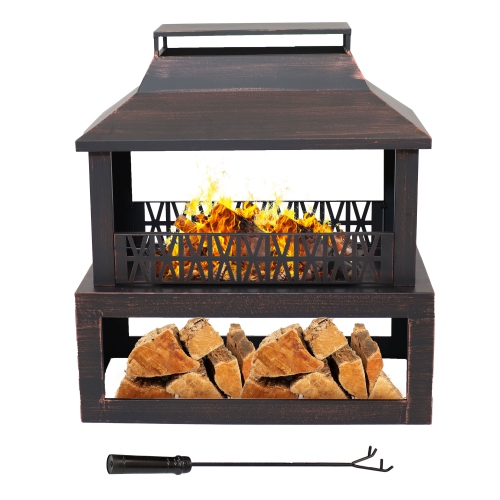
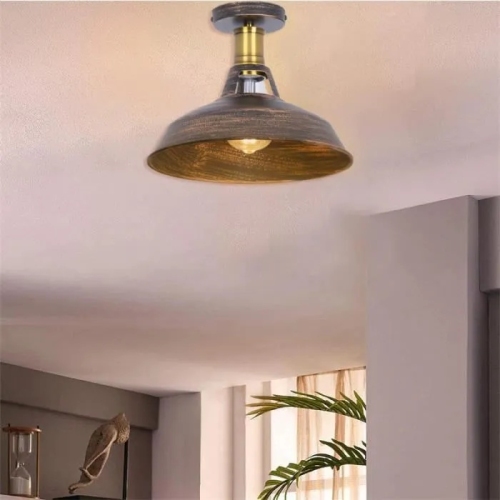



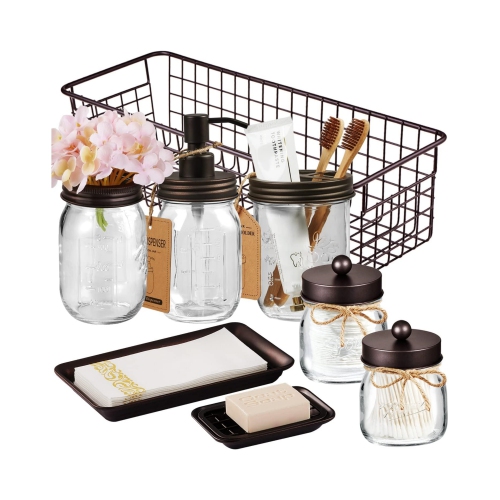


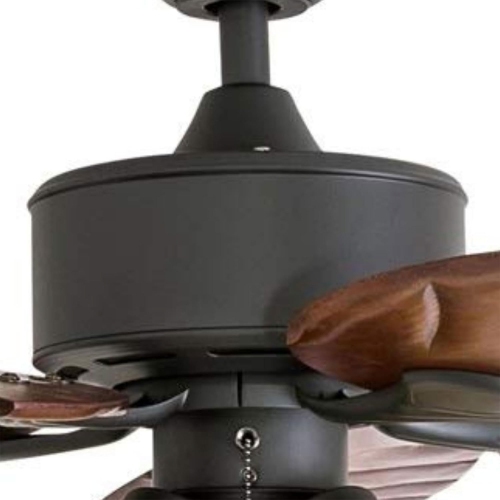
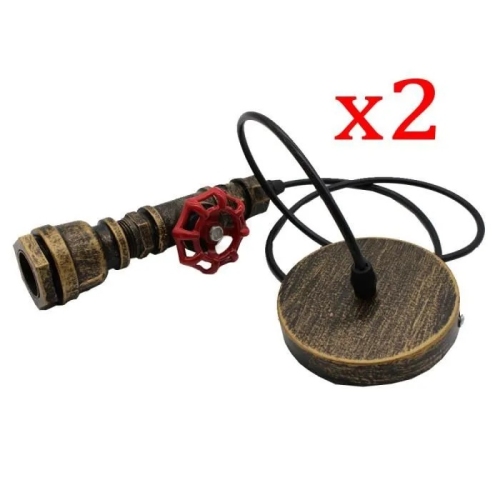

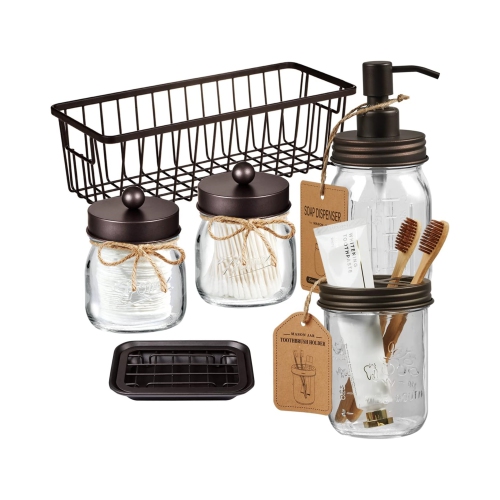
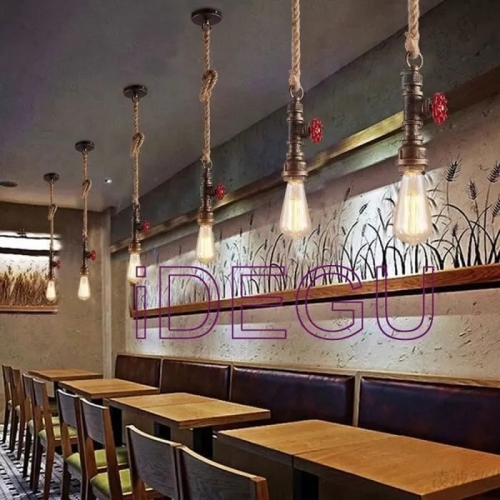

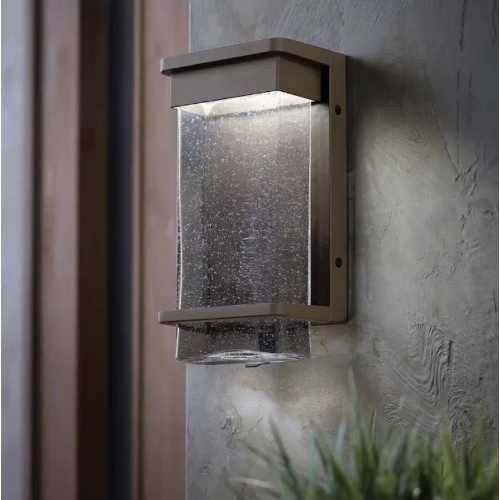
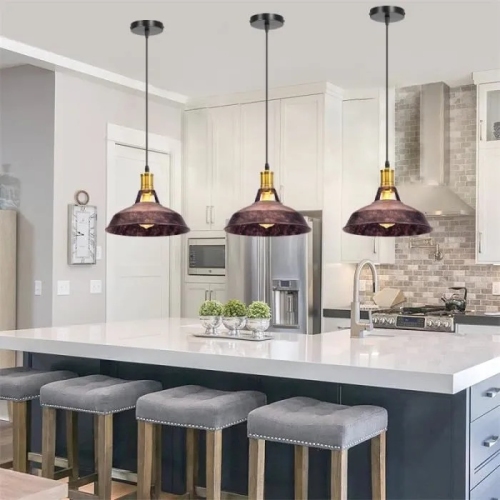
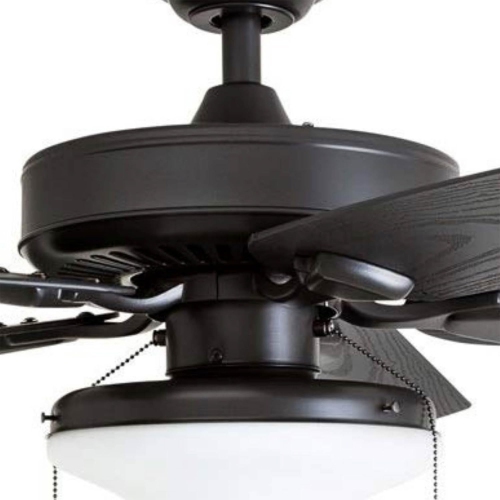
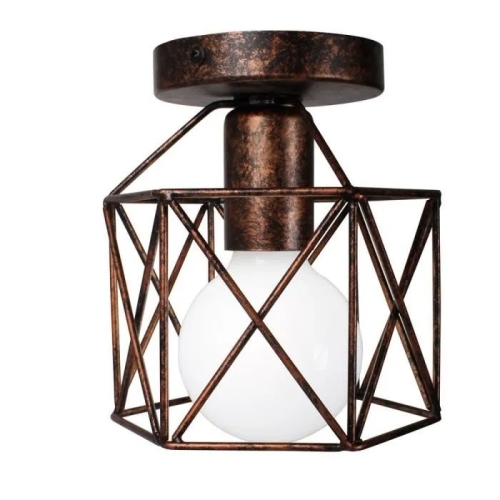
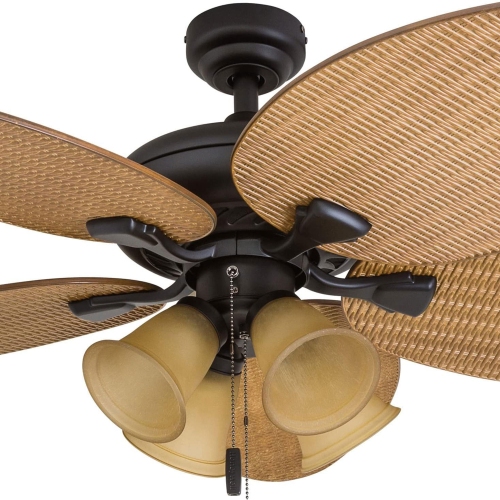
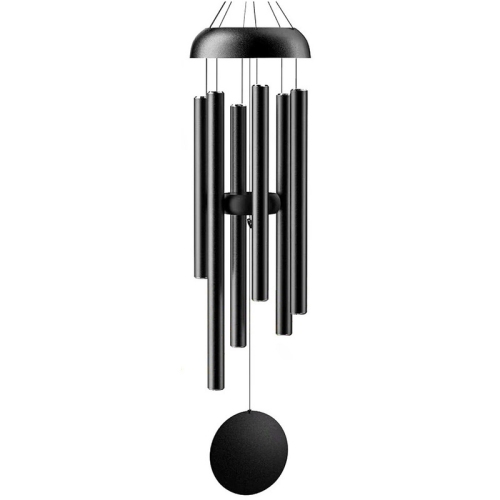
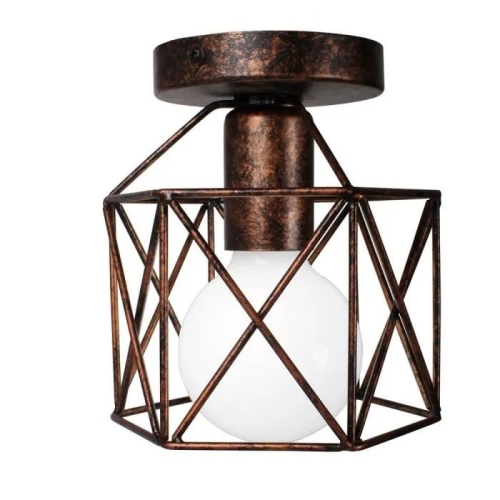
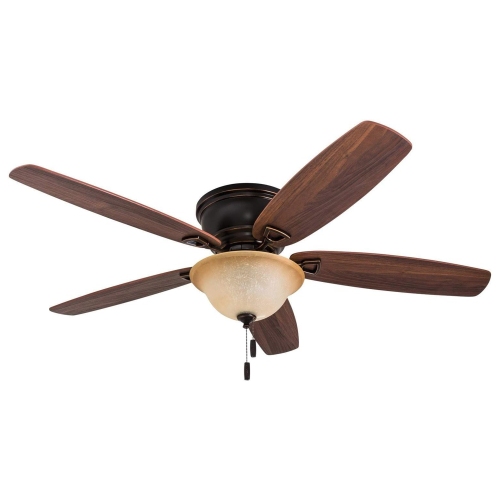
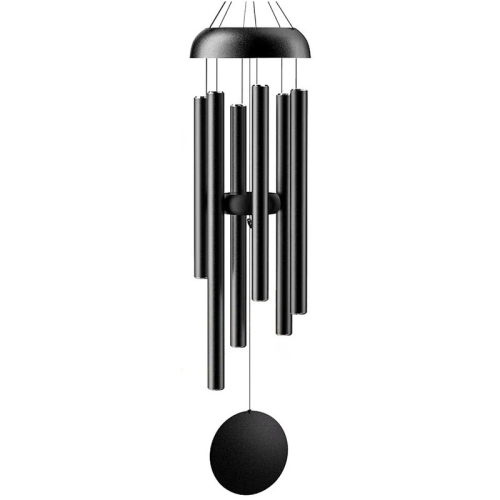
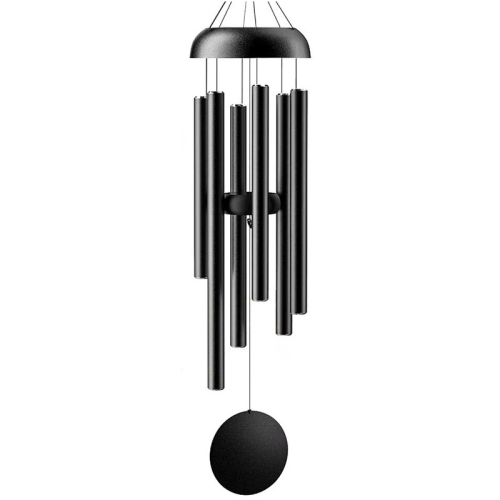
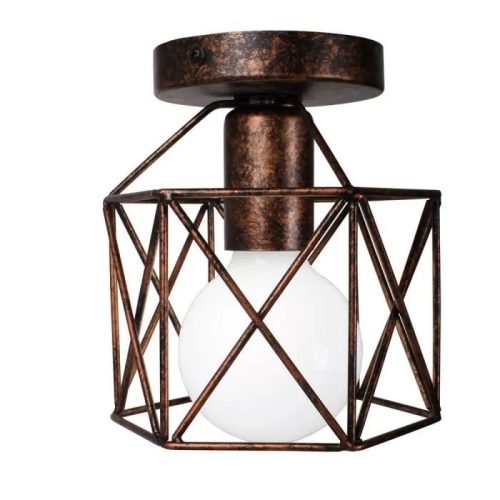
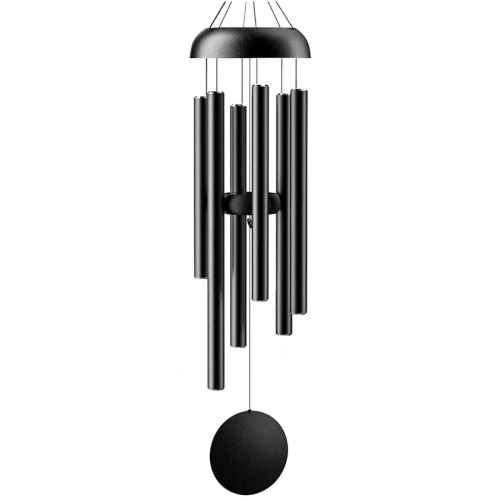
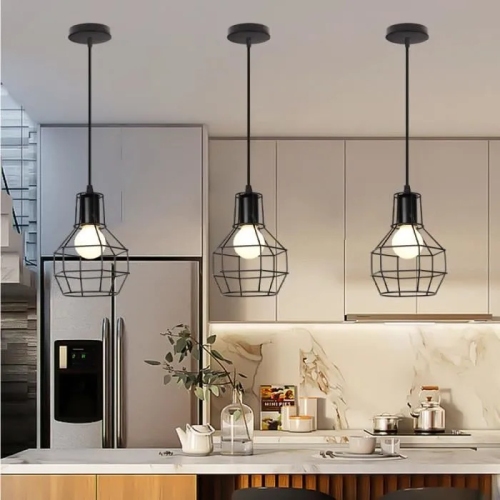
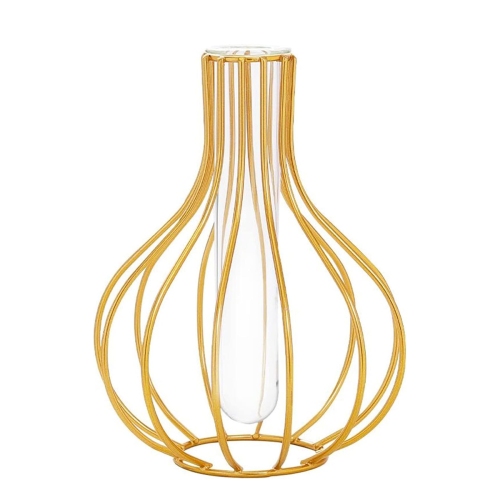

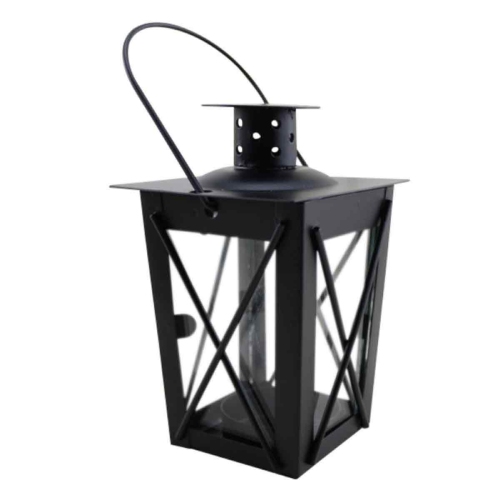


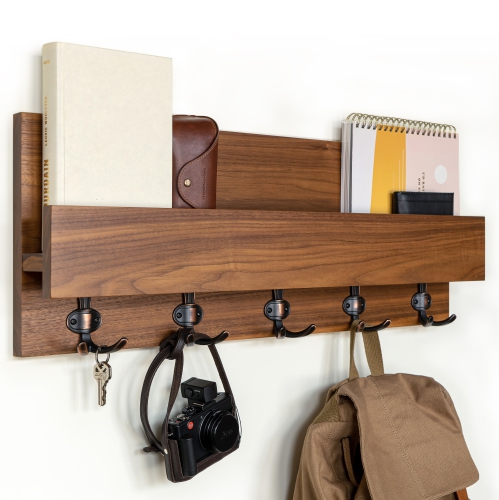
How bronze adds warmth without overpowering a room
Bronze home decor brings a warm, grounded metallic accent to living spaces, with tones that range from soft brown and muted copper to deep chocolate with subtle golden highlights. Unlike a bright, mirror-like finish, bronze often has a quieter presence, catching light along an edge or across a textured surface without dominating the room. That balance makes it a natural companion for oak, walnut, cream upholstery, clear glass, and stone. Against a pale wall, a dark bronze finish creates definition; beside richer colours such as navy, burgundy, or forest green, it adds depth without introducing a sharp contrast. The effect depends as much on shape and texture as on colour. Smooth curves and slender profiles can feel contemporary, while hammered surfaces, raised patterns, and aged finishes suit more traditional or collected interiors. Bronze accents also work comfortably in rooms that mix styles, helping connect a clean-lined sofa with an older wooden cabinet or a textured rug. Repeating the finish in a few separated places can give the space a sense of continuity, but every metal detail does not need to match. A darker bronze accent can sit alongside black hardware, while a softer brown-gold finish may pair well with brushed brass. For a lighter golden contrast, brass wall decor can complement bronze tones without making the room feel overly coordinated. The relationship between finishes matters more than achieving an exact colour match: similar levels of sheen tend to look intentional together, even when their underlying colours differ. In a room with plenty of pattern, simpler bronze forms give the eye somewhere to rest. In a more restrained space, a sculptural silhouette or irregular surface can provide the detail that makes a shelf, wall, or tabletop feel finished. Even a small bronze accent can add definition to a reading corner or entryway when its proportions suit the surrounding furniture and it has enough clear space for its shape to stand out.
Material and finish are important distinctions within bronze home decor. Bronze is traditionally a copper-based alloy, commonly made with tin, but the word can also describe a colour or surface treatment applied to another material. A bronze-coloured piece may have a base of steel, aluminium, resin, ceramic, or another material, each with its own weight, feel, and care requirements. Solid bronze typically has noticeable heft and may develop a patina over time, while a plated, painted, or coated surface may be designed to retain a more consistent appearance. An antiqued finish is not necessarily a sign of age; darker recesses and lighter raised edges can be intentional details that create visual depth. Material descriptions help distinguish these treatments and clarify whether variation is part of the design. Fit deserves equal attention, especially where a piece shares space with everyday activity. On a narrow console, depth matters as much as height because there still needs to be room for keys, mail, or a hand passing comfortably along the surface. On open shelving, a bronze accent looks more settled when its scale relates to the books and objects around it rather than filling every available gap. Wall-mounted decor needs suitable fixing points and hardware appropriate to both its weight and the wall construction. A substantial appearance does not always mean substantial weight, so installation should follow the stated requirements rather than visual assumptions. For tabletop use, a stable base and a smooth or protected underside help reduce wobbling and scratches on finished furniture. In homes with children or pets, placement away from exposed edges and busy routes through the room can help prevent accidental knocks. Intended use also matters: a vessel made for display is not automatically suitable for water, food, or heat. Any practical function should be supported by the stated use and care information, particularly where moisture, an open flame, or direct contact with food could affect safety or the finish.
Day-to-day care helps preserve the character of bronze home decor without stripping away the details that make it appealing. Gentle dusting with a soft, dry cloth is often the simplest starting point, especially on textured surfaces where dust can settle into grooves. More involved cleaning depends on the underlying material and any protective coating. A polish intended for bare metal may damage a painted bronze finish or remove an intentionally darkened patina, so an all-purpose approach is rarely suitable. Where damp wiping is permitted, drying the surface promptly can help limit marks; soaking, abrasive pads, and harsh cleaners are best avoided unless the care directions specifically allow them. Moving a piece by its main body rather than a narrow handle or projecting detail can also reduce strain on delicate areas. Durability comes from the combination of construction, finish, and placement, not simply from the bronze colour. A frequently handled accent on a hallway table faces different wear from wall decor that is rarely touched, and surfaces exposed to splashes need a finish suited to that setting. Bronze tones are particularly useful for people who enjoy warm neutrals but want more definition than wood and fabric alone provide. They can make a compact apartment feel thoughtfully furnished without relying on large furnishings, or add a consistent thread across a larger living and dining area. As a housewarming or wedding gift, bronze decor can suit someone who appreciates tactile materials, understated metallic finishes, or a mix of old and new design influences. The most personal choice reflects the recipient’s space and habits: restrained forms for uncluttered rooms, more expressive textures for layered interiors, and manageable proportions where display space is limited. A gift intended for everyday display should be easy to place and care for, rather than requiring a room to be rearranged around it. Whether used as a quiet supporting detail or a stronger visual accent, bronze brings its fullest effect through thoughtful proportions, compatible materials, and a finish that feels at home among the things already in the room.
Top selling and popular products
-
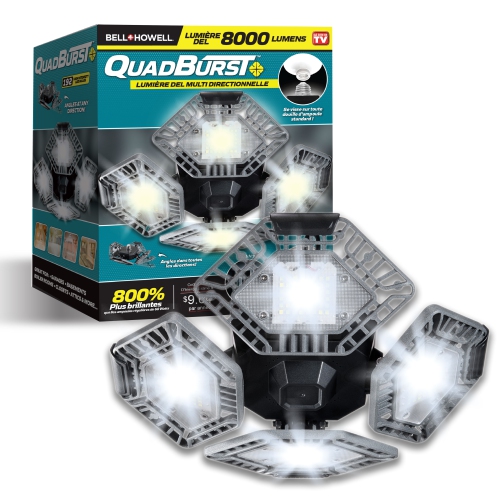 Your price for this item is $49.95
-
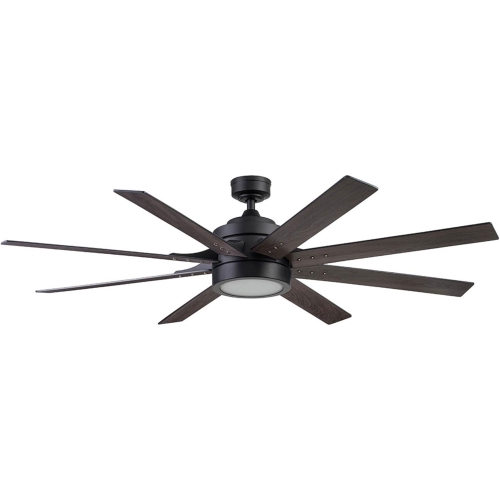 Your price for this item is $385.99
-
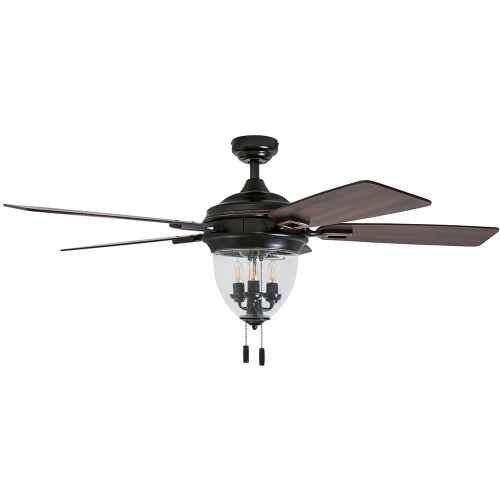 Your price for this item is $287.99
-
 Your price for this item is $187.99
-
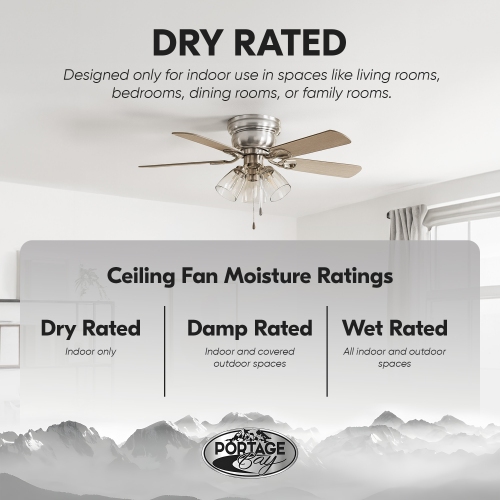 Your price for this item is $174.99
-
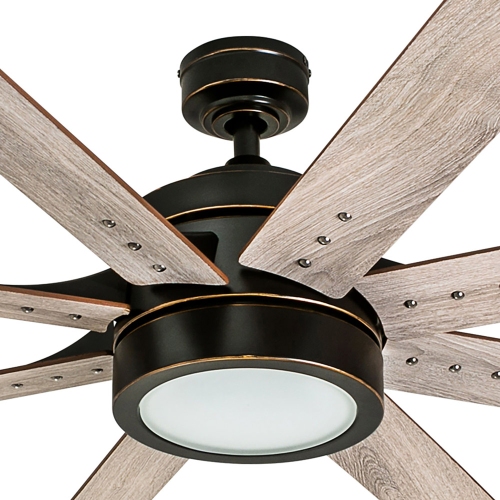 Your price for this item is $427.99
-
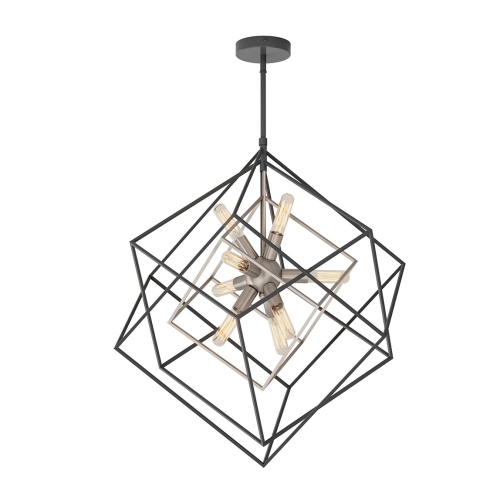 Your price for this item is $299
-
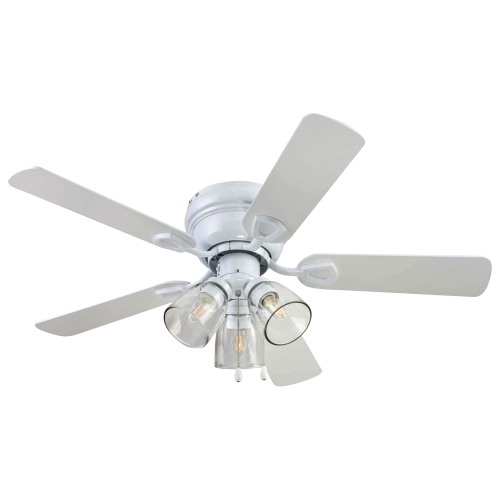 Your price for this item is $166.99
Discover more categories related to Bronze Home Decor

Top Collections:
Pokemon Centers, Best Cameras for Sports Photography, Kindle Devices, Samsung Galaxy Phones, Canon G7X Cameras, Pokémon 30th Celebration Cards, Refurbished Apple Laptops, iPhone 15 Apple, Laptops for Students, Budget Smartphones
Some products may be subject to Environmental Handling Fees
(EHF) depending on your province.
Learn more about EHFs.