Brown Entryway Cabinets
A Brown Entryway Cabinet adds style and organization to your home’s entrance. With its warm, neutral tone, it effortlessly complements a variety of décor styles while providing practical storage for shoes, bags, and everyday essentials. Whether you’re looking to keep your entryway clutter-free or create a welcoming first impression, a Brown Entryway Cabinet offers both functionality and timeless appeal for any space.
Sort
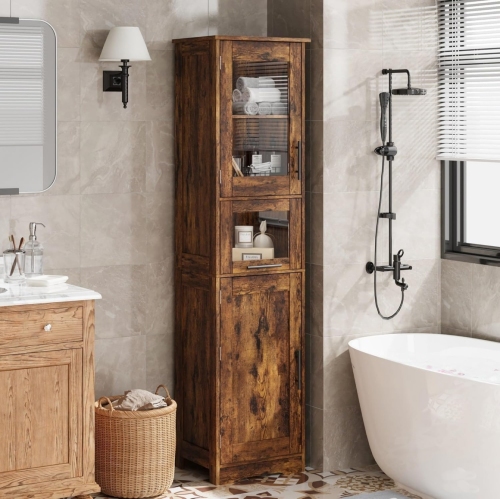
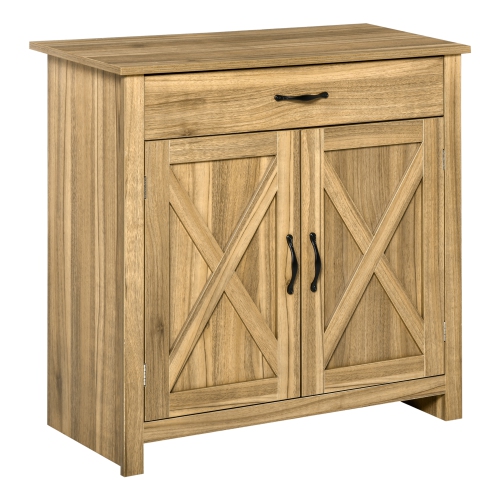
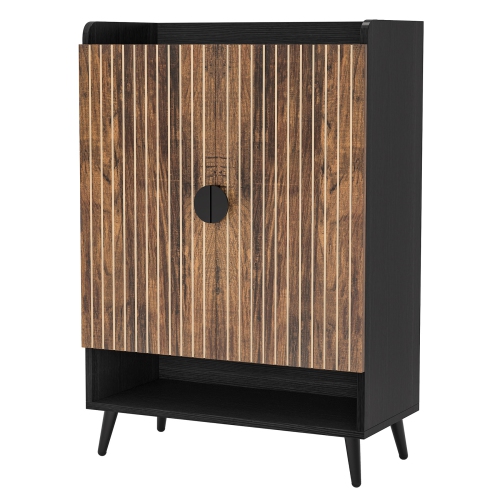
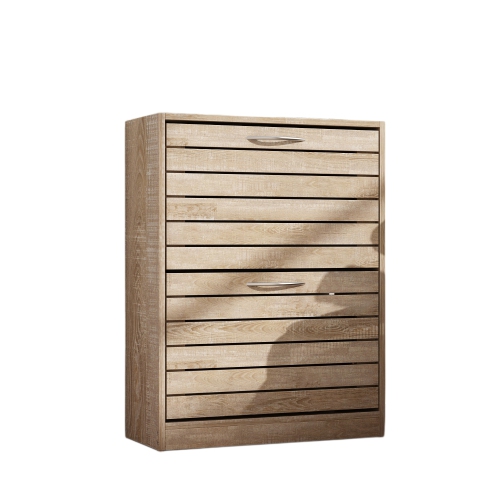
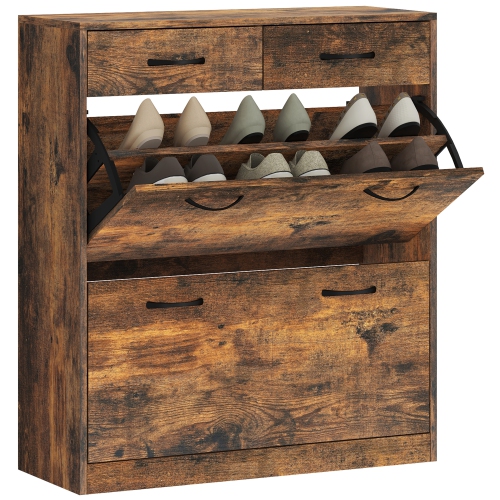
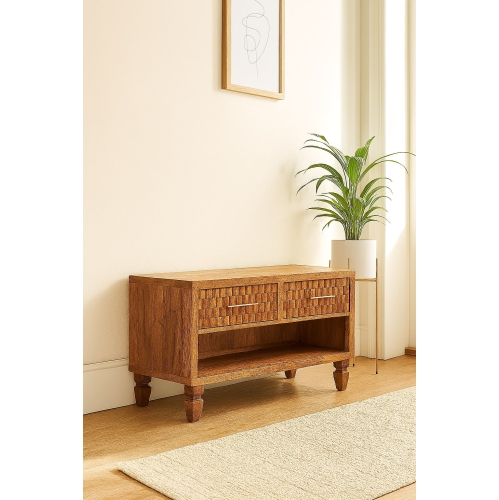
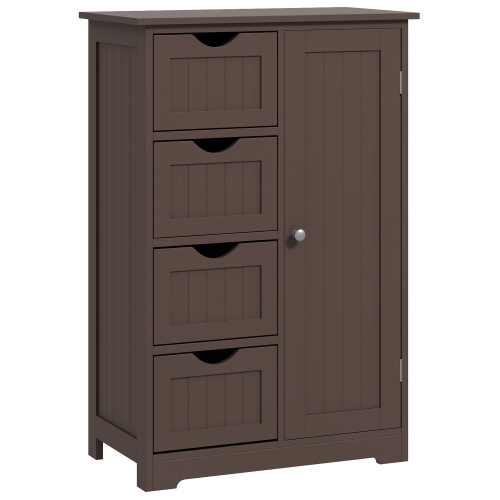
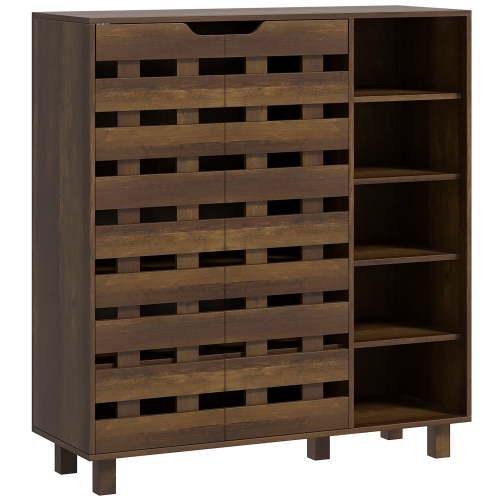
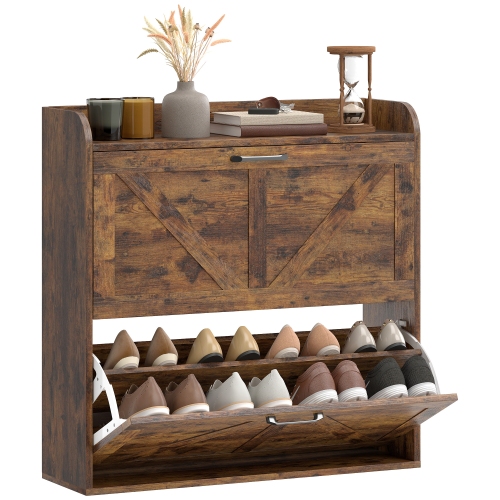
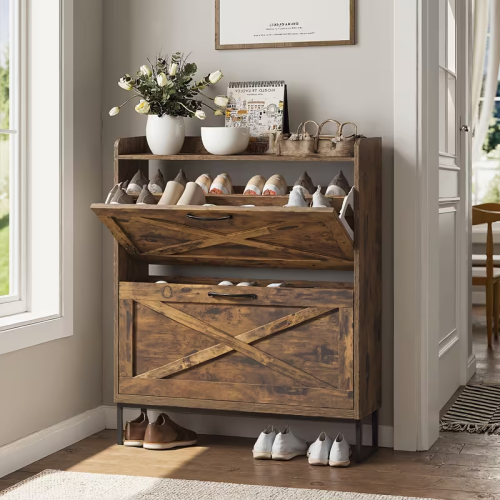
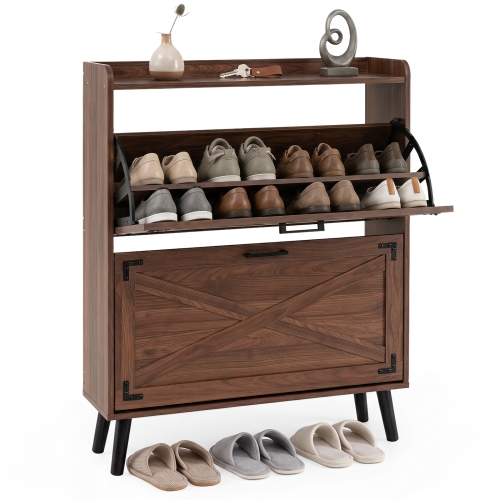
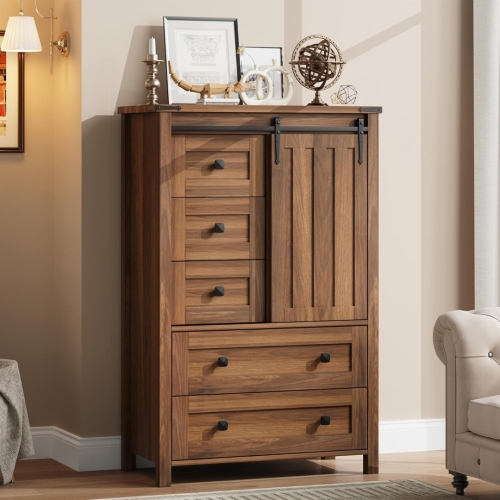
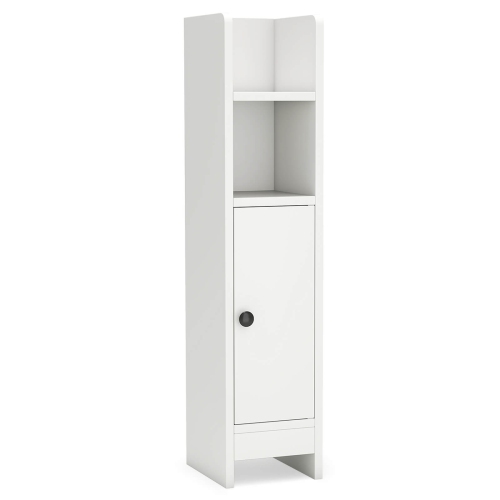
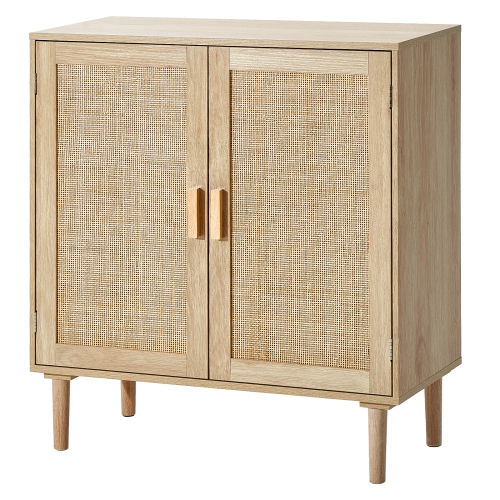
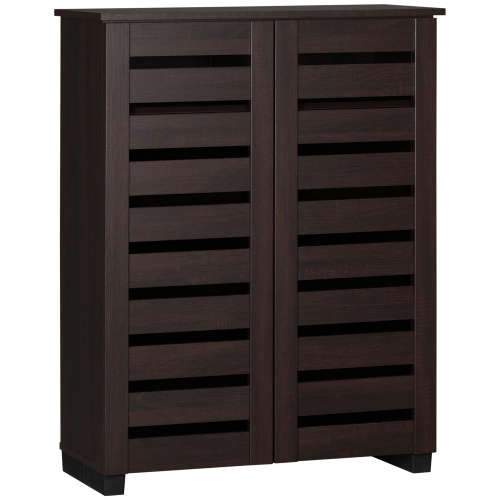
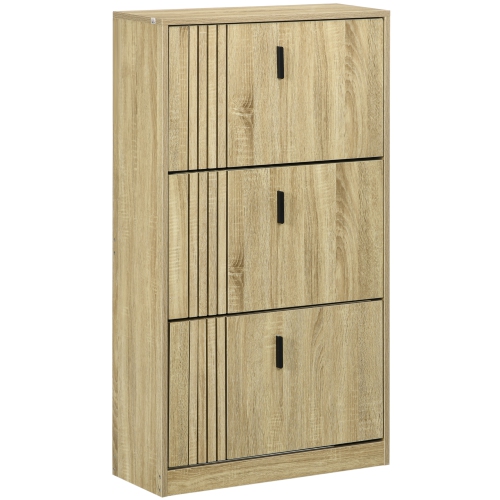
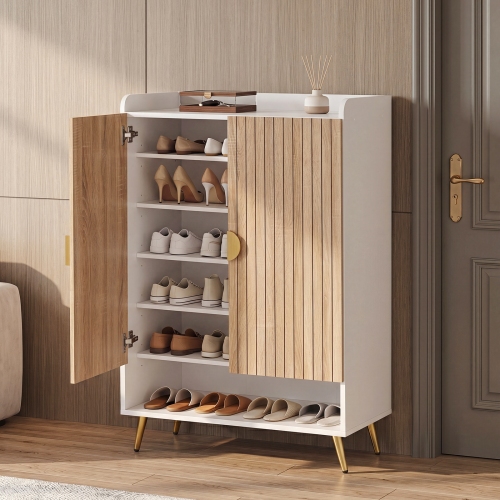
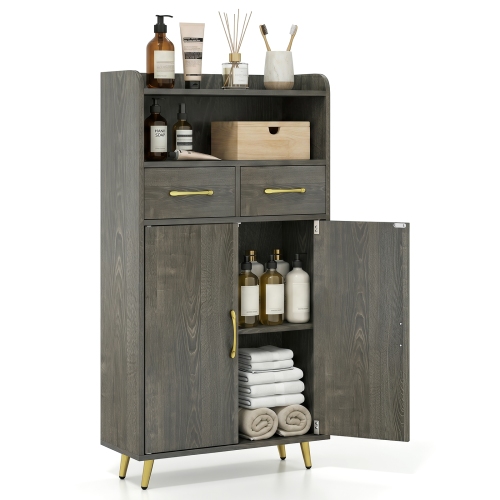

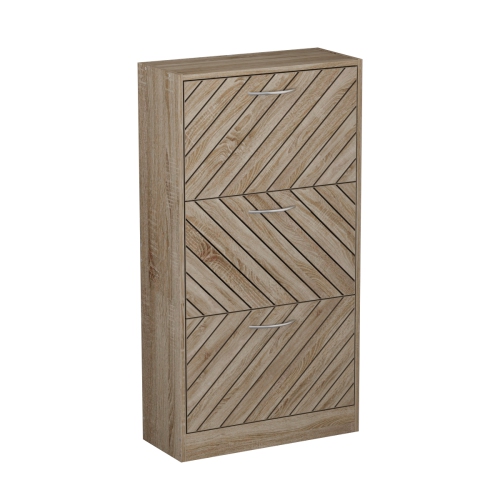
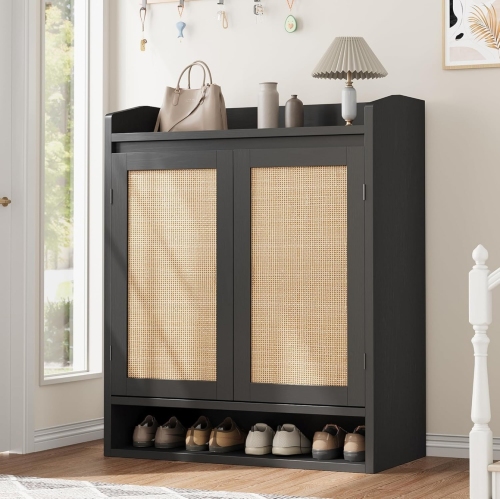
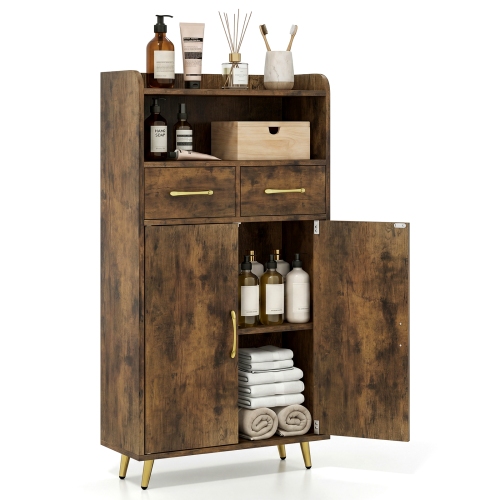
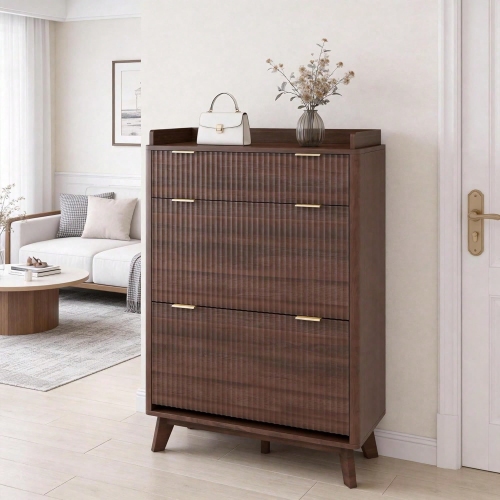
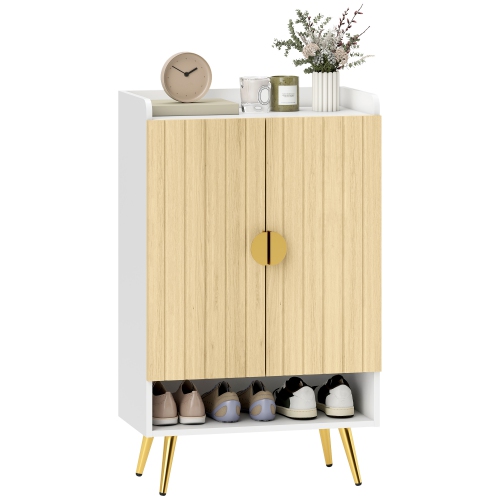
Warm brown finishes with everyday clutter tucked away
Brown entryway cabinets bring enclosed storage and warm wood tones to the space where everyday routines begin and end. Positioned near the front door, a cabinet gives footwear, bags, keys, and other essentials a defined home without leaving everything on display. That balance is especially useful in an entrance that opens directly into a living room or dining area, where visible clutter can affect the feel of the whole space. Brown finishes range from pale, sandy shades to rich walnut tones and deep espresso, making this a versatile colour family for both understated and more expressive interiors. A lighter brown cabinet can sit comfortably beside white walls and pale flooring, while a darker finish creates a stronger outline against a light background. Mid-tone browns pair naturally with cream upholstery, black hardware, woven baskets, and brushed metal accents. Matching every wood finish is not necessary; a cabinet with a similar undertone can connect with nearby furniture while still having its own character. Grain patterns, door profiles, and leg shapes also influence the overall impression. Flat doors and slim handles tend to look streamlined, while framed panels, turned feet, or visible wood grain give a cabinet a more traditional presence. Fluted fronts add texture without relying on a contrasting colour. The most useful configuration depends on what happens at the doorway: a household with several pairs of everyday shoes may benefit from dedicated footwear storage, while someone who carries a work bag and small accessories may prefer a mixture of shelves and drawers. A clear cabinet top leaves room to set down keys or a phone when arriving home, provided its dimensions and load rating suit that use. A small tray can keep loose belongings together without taking over the surface. Closed doors help maintain a tidy appearance, but accessible compartments matter just as much as the exterior finish when the cabinet becomes part of a daily routine.
Materials and construction affect how brown entryway cabinets look, feel, and hold up to frequent use. Solid wood offers natural variation in grain and colour, so individual panels may differ slightly even under the same finish. Wood veneer provides a real wood surface over a supporting core, while laminate and other applied finishes can create a more uniform appearance on engineered wood. A brown finish does not necessarily indicate a particular wood species, and a wood-look surface is not the same as solid wood. Those distinctions matter when comparing texture, weight, care requirements, and the way edges and corners are finished. Smoothly covered edges, securely fitted backs, and doors that sit evenly contribute to a cabinet that feels well put together. Hinges and drawer runners also deserve attention because an entryway cabinet may be opened several times a day. Adjustable hinges can help maintain door alignment, while drawer stops and smooth-running hardware support comfortable everyday use. Interior flexibility can be particularly valuable: movable shelves make it easier to accommodate taller footwear, a handbag, or a storage basket without wasting space above shorter belongings. Where shoes will be stored, shelf depth, spacing, and any ventilation features affect how practical the compartment will be. Footwear should be clean and dry before it goes into enclosed storage, and removable shelf liners may simplify cleanup if they are compatible with the cabinet’s finish. Routine care generally starts with a soft cloth and prompt attention to spills, followed by drying the surface rather than leaving moisture around seams or hardware. Abrasive pads, excessive water, and strong cleaning solutions can damage some coatings, so the manufacturer’s care directions remain important. Felt pads beneath trays or decorative objects can help limit surface marks. For a cabinet used by several people, durable hardware and easy-to-clean surfaces may matter more than elaborate detailing, particularly when the entrance is a busy drop-off point for bags and everyday belongings.
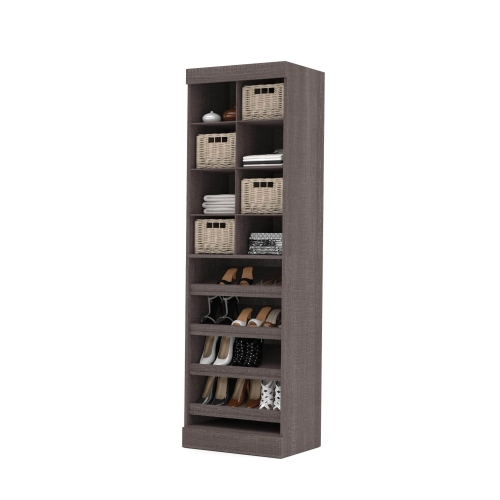
Fit is about more than finding an empty stretch of wall. A brown entryway cabinet needs enough room for its doors or drawers to open while leaving a comfortable route through the entrance. In a narrow hallway, a shallow design may provide useful storage without projecting too far into the walking space, although its interior still needs to accommodate the belongings intended for it. Tilt-out shoe compartments, for example, have different capacity limits from conventional shelves, and larger footwear may require more depth or clearance. A wider cabinet can spread storage across several sections, while a taller design makes greater use of wall space but places some compartments beyond easy reach. Baseboards, door trim, nearby switches, and the swing of the front door all affect placement. Raised legs may leave space for cleaning underneath, but they do not automatically allow a cabinet to sit flush against every baseboard profile. A cabinet top should not be treated as seating unless the furniture is specifically designed and rated for that purpose. Secure placement is equally important, including the use of manufacturer-specified anti-tip hardware and appropriate wall fixings, especially in homes with children or pets. Within the cabinet, frequently used belongings are easiest to manage when they have reachable, clearly defined spaces: one shelf for everyday footwear, a drawer for keys and small accessories, or a compartment for a bag that otherwise lands on the floor. In a larger entrance, Brown Entryway Tables can complement enclosed cabinetry by providing an open surface, as long as the combined furniture leaves adequate passage space. Keeping the proportions, brown undertones, and hardware finishes compatible helps the arrangement feel intentional without requiring an exact match. The result is an entrance with practical storage that suits the household, whether it serves one person in a compact condo or several family members sharing a busy doorway.
Top selling and popular products
-
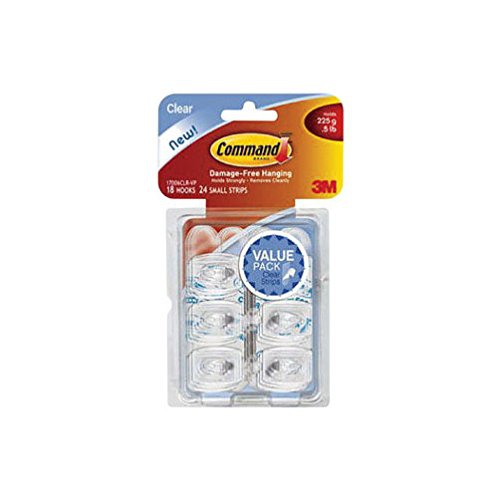 Your price for this item is $95.99
-
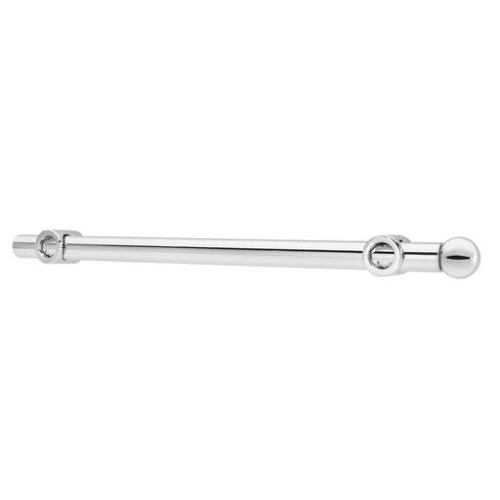 Your price for this item is $84.99
-
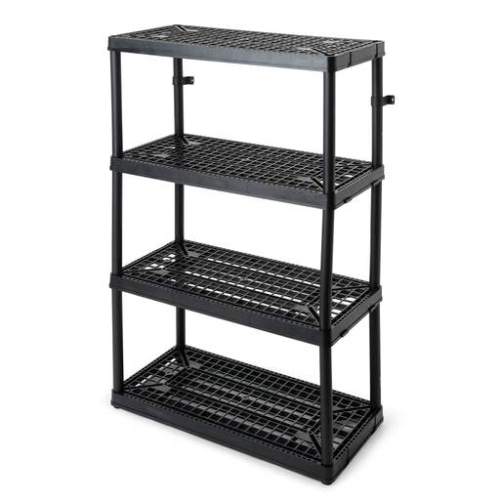 Your price for this item is $164.99
-
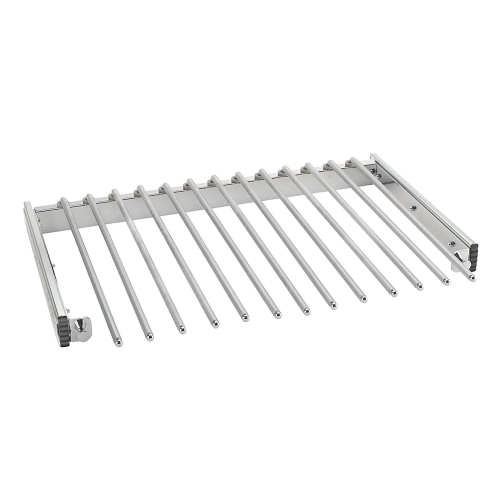 Your price for this item is $271.99
-
 Your price for this item is $144.99
-
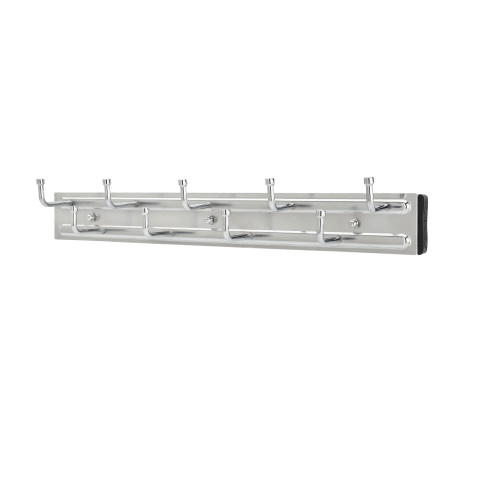 Your price for this item is $82.99
-
 Your price for this item is $88.99
-
 Your price for this item is $689.99
Discover more categories related to Brown Entryway Cabinets


Top Collections:
Best Black Friday Deals This Year, Best Black Friday Deals On Electronics, Kindle Devices, Dyson Airwrap, Best Cameras for Sports Photography, Best Budget Office Chairs, Canon G7X Cameras, PS5 Pro Consoles, Best Black Friday Deals On Apple Products, XBOX One S Consoles
Some products may be subject to Environmental Handling Fees
(EHF) depending on your province.
Learn more about EHFs.