Brown Bathroom Cabinets
Looking to add a touch of warmth and elegance to your bathroom? Our brown bathroom cabinets offer the perfect blend of style and functionality. Whether you're looking for a sleek, modern design or a more traditional look, our brown cabinets will help you create a beautiful and organized space. From ample storage options to high-quality craftsmanship, our brown bathroom cabinets are designed to enhance your bathroom's aesthetic while providing practical solutions for all your storage needs.
Sort


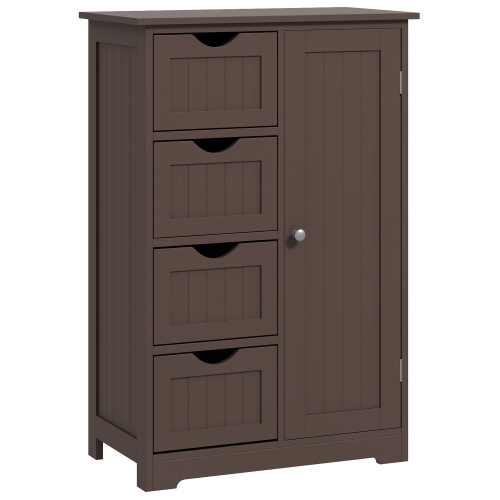
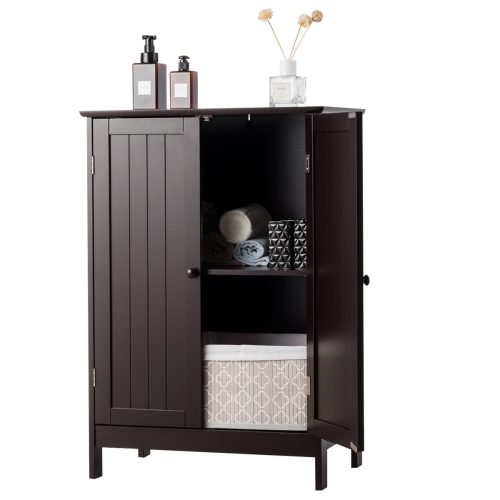
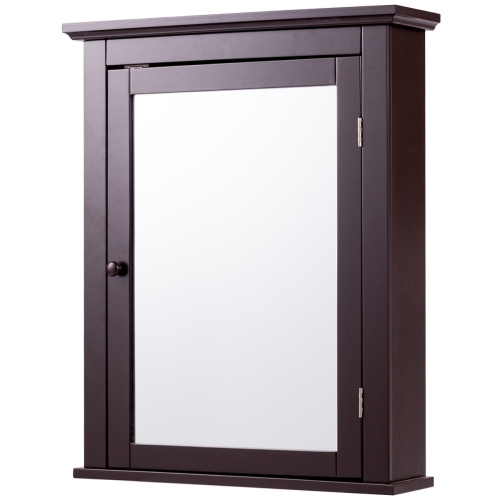
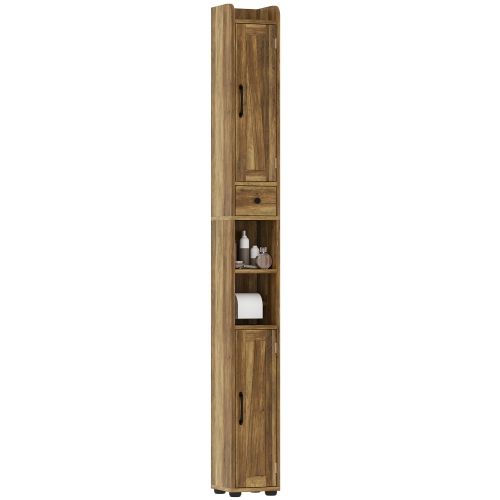
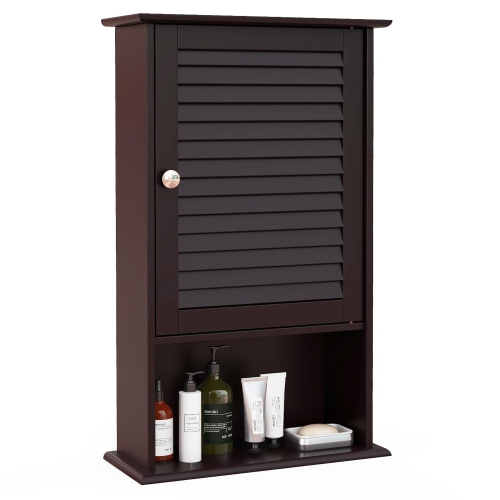

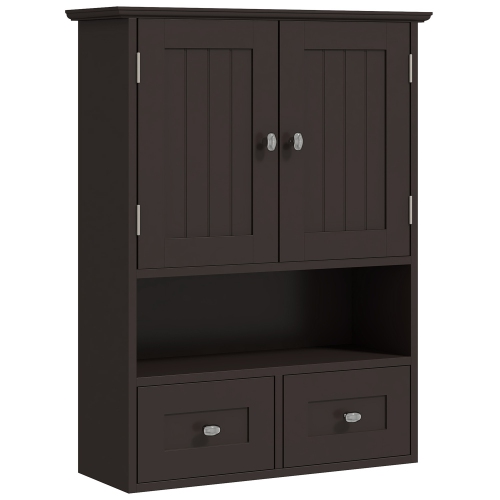

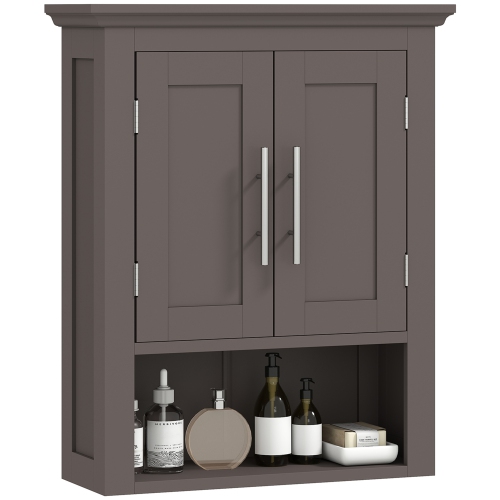
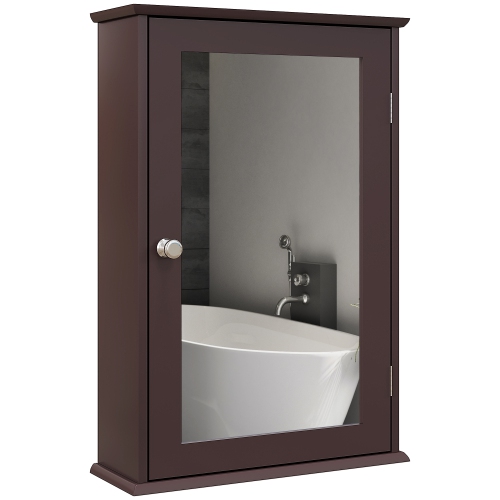
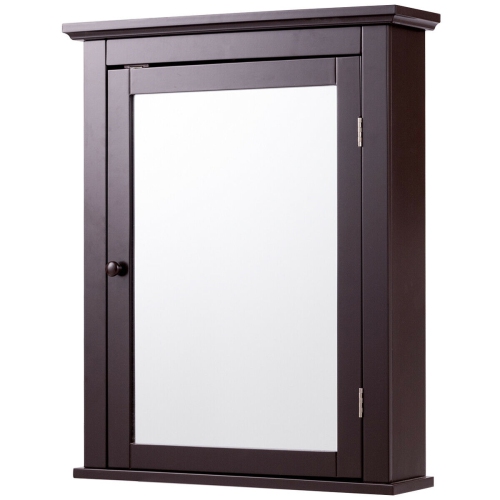
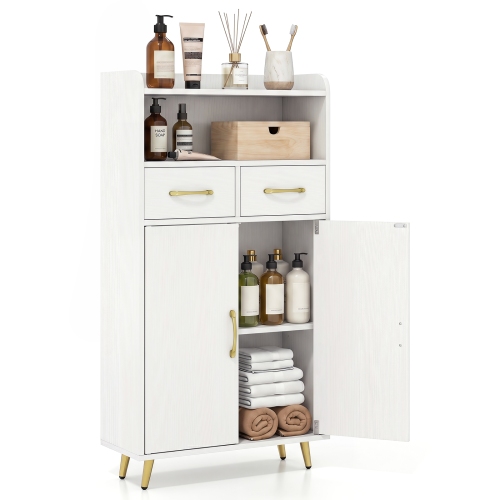
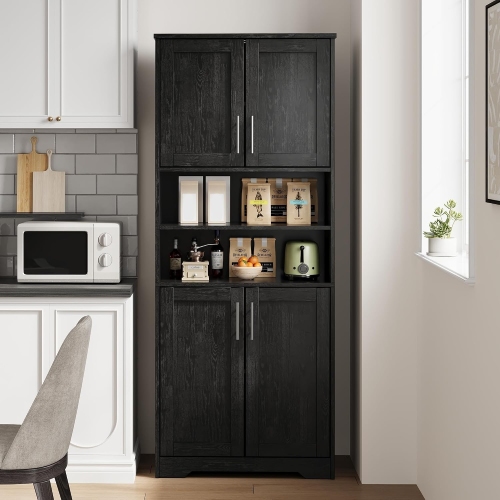
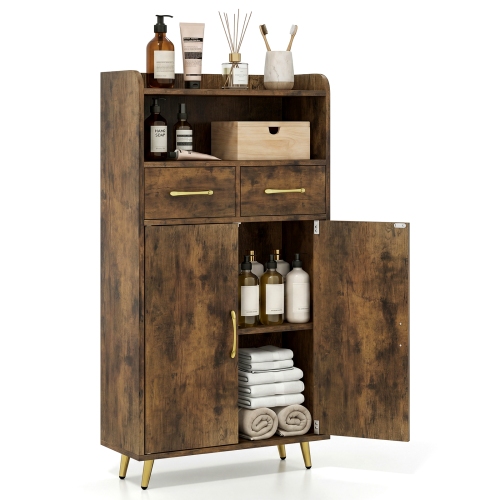
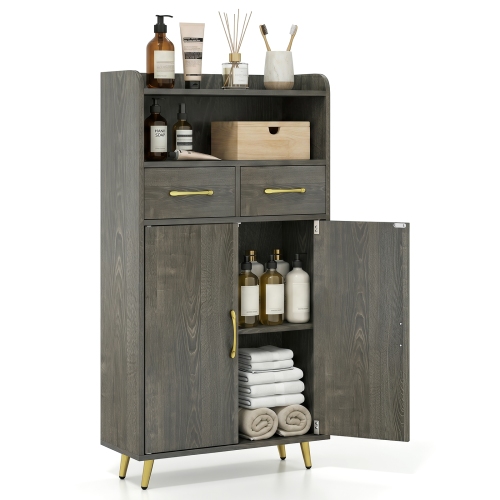
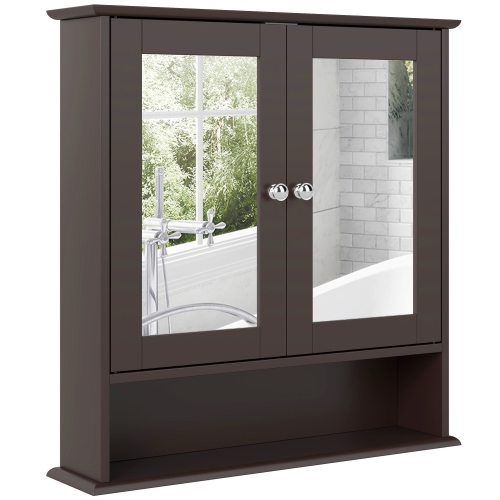


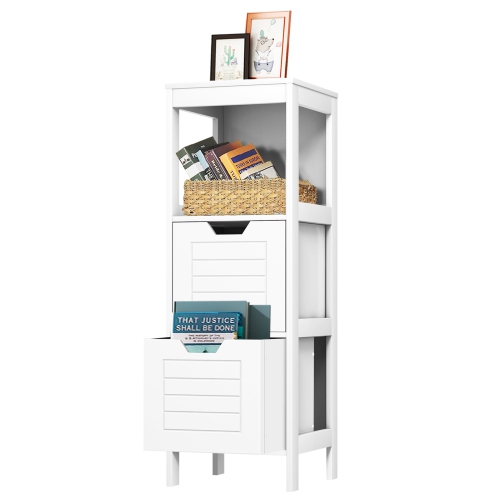
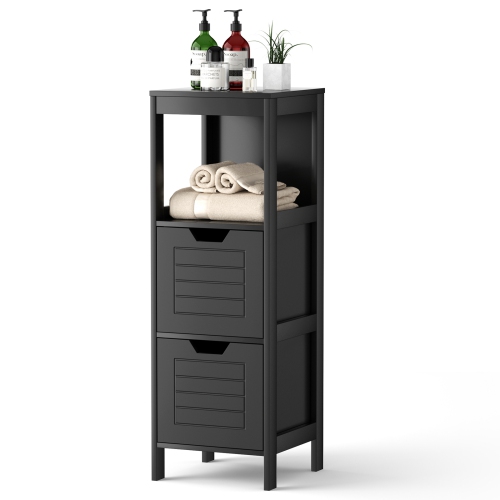
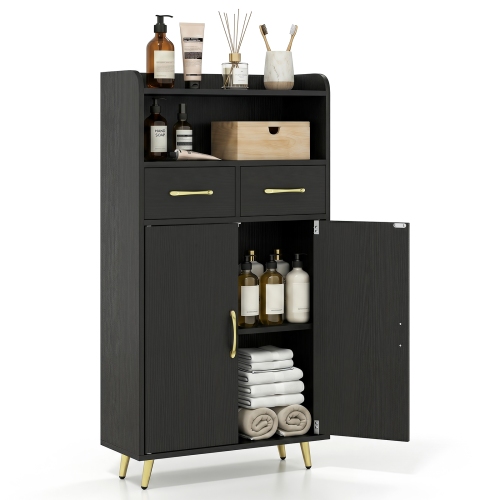
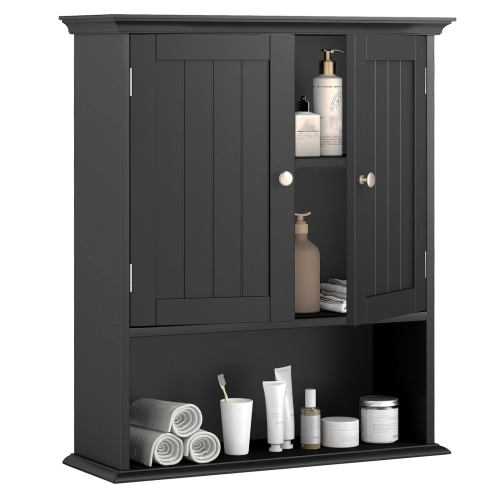
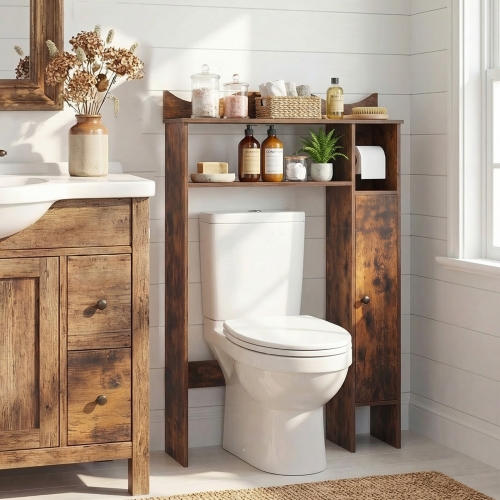
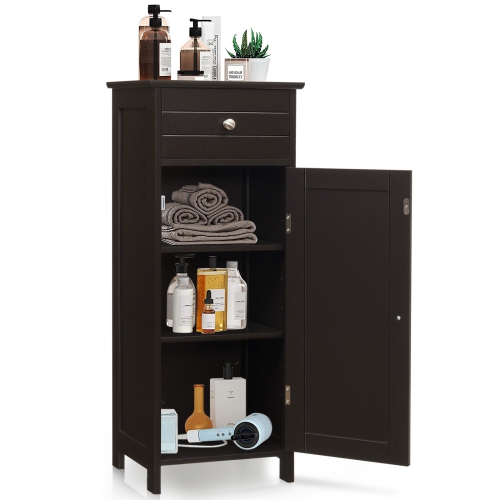
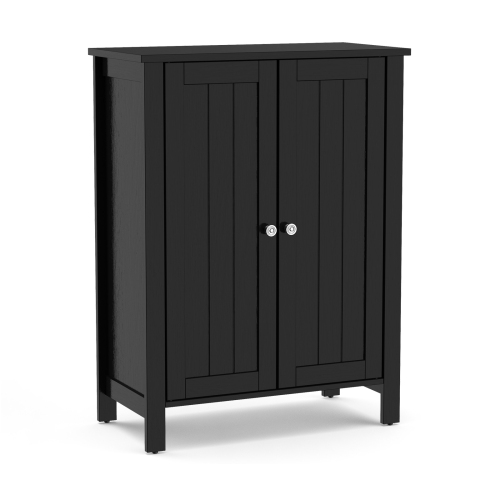
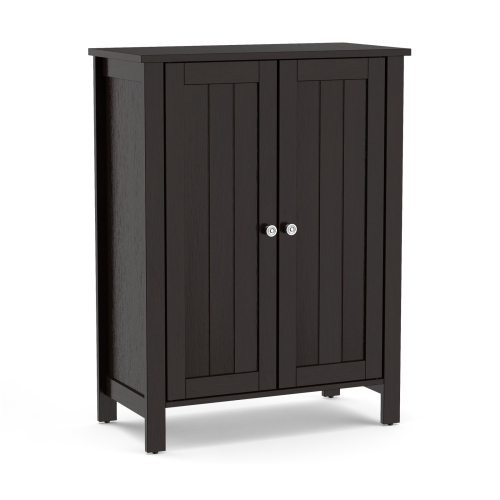
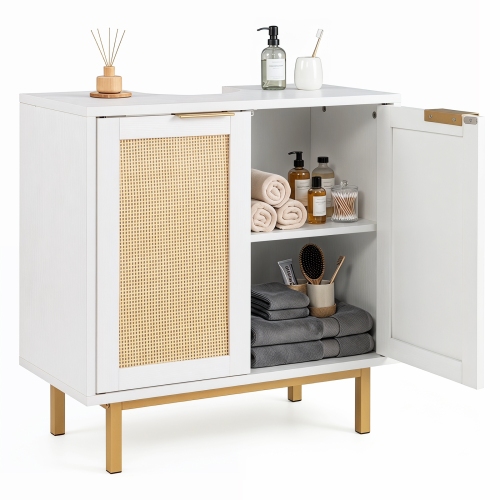
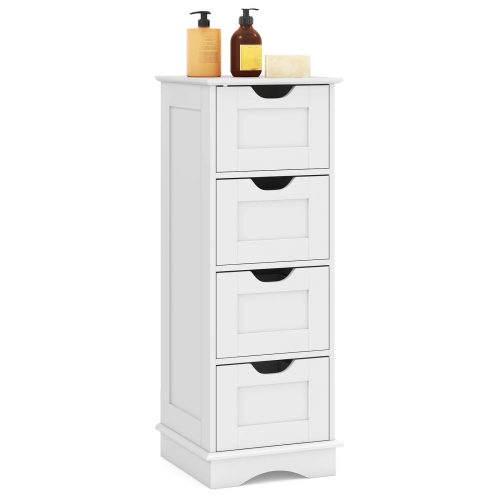

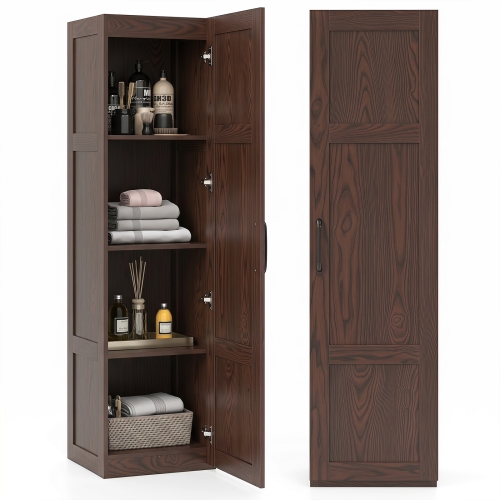
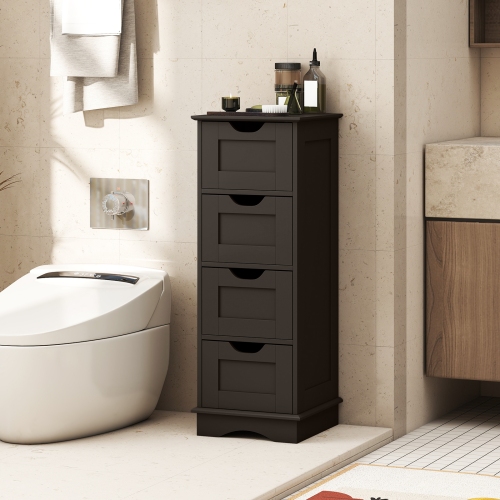
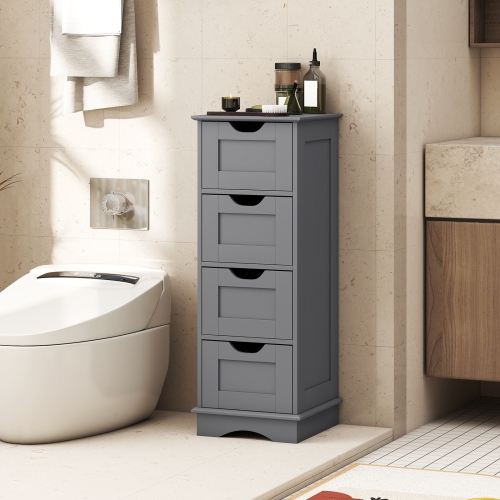
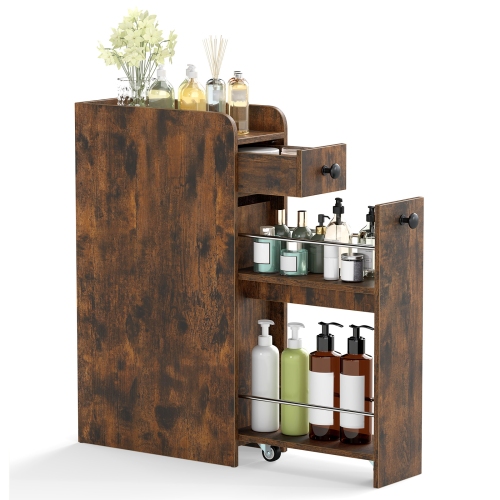
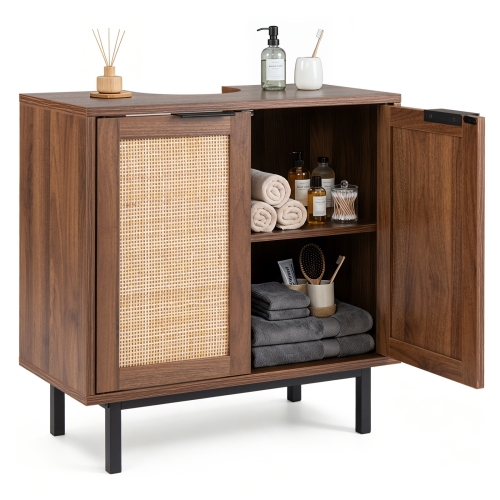
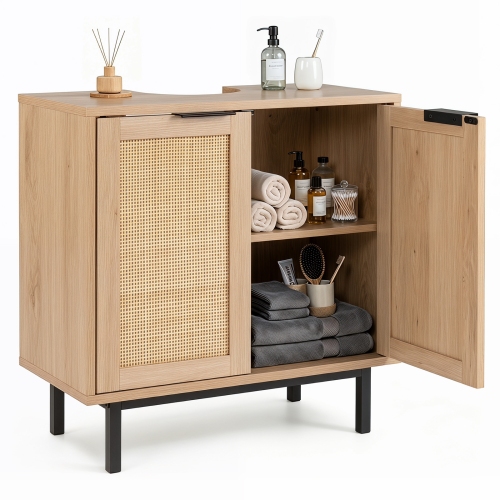
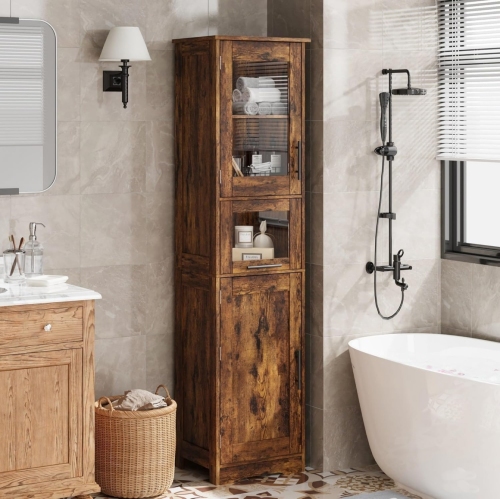
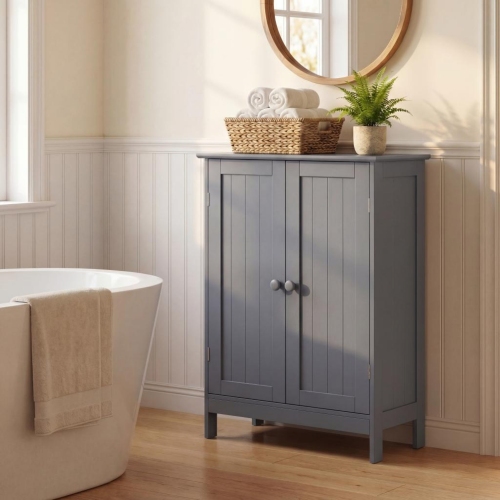
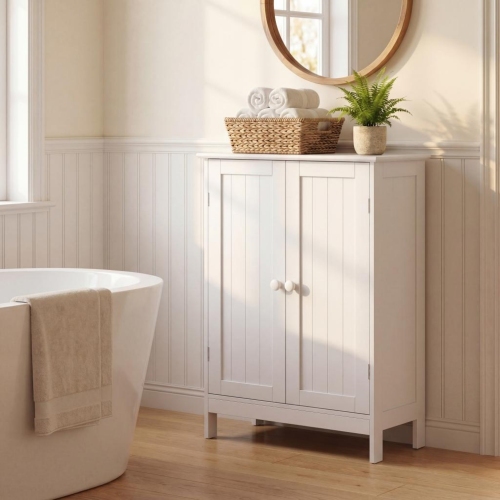
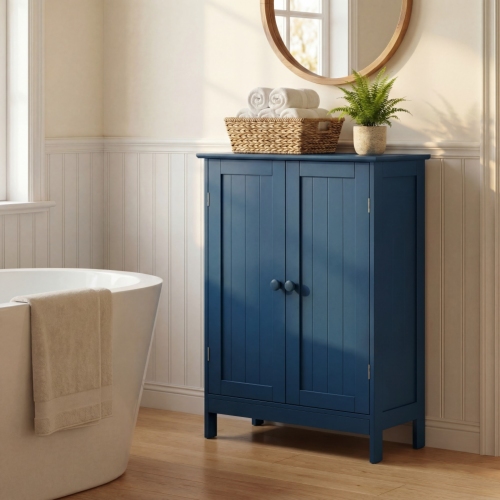
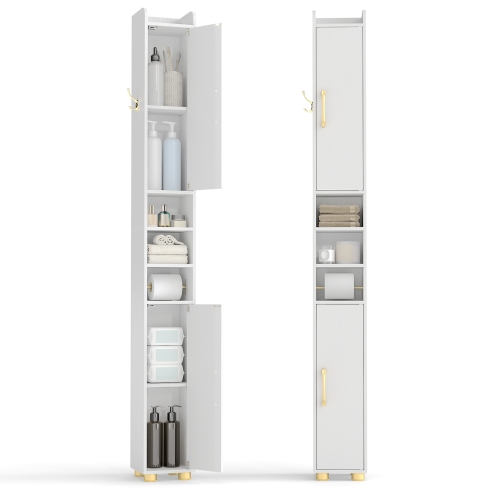
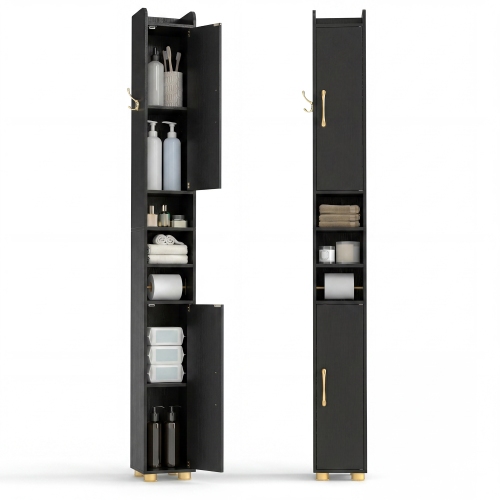
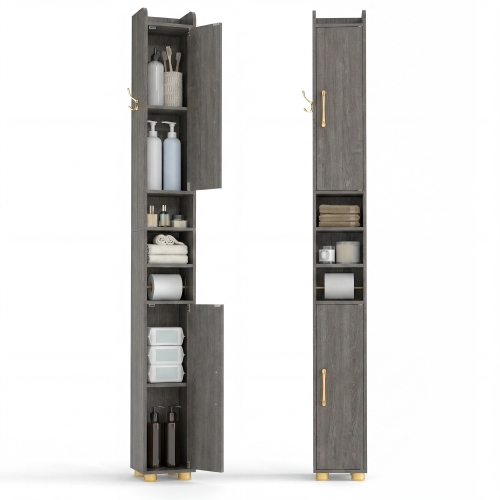
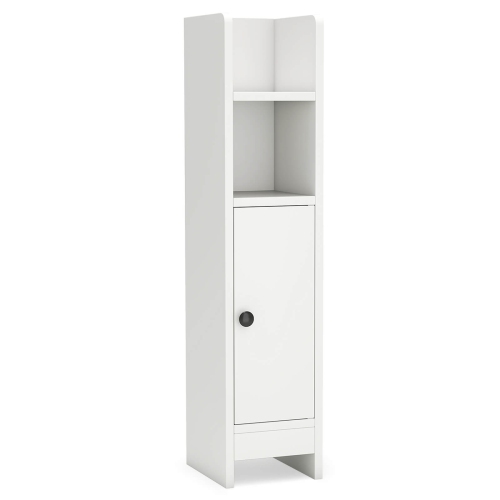
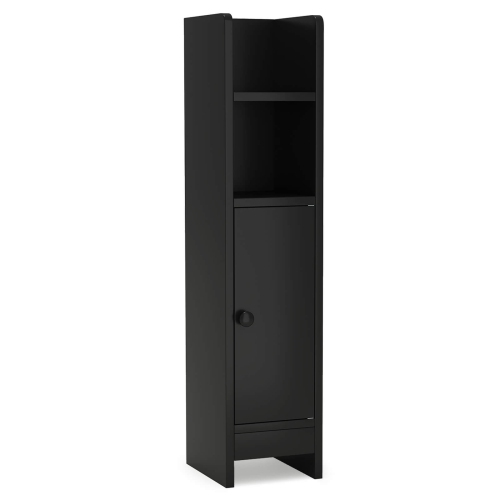
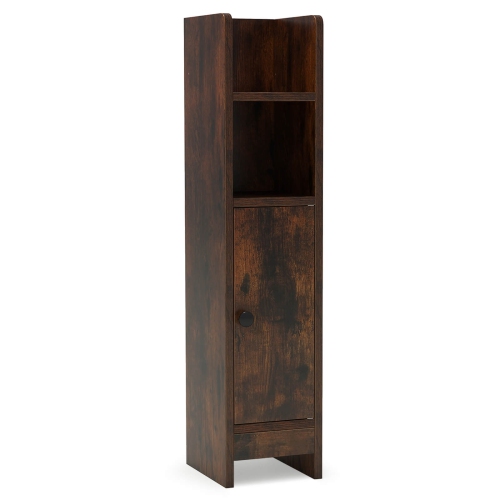
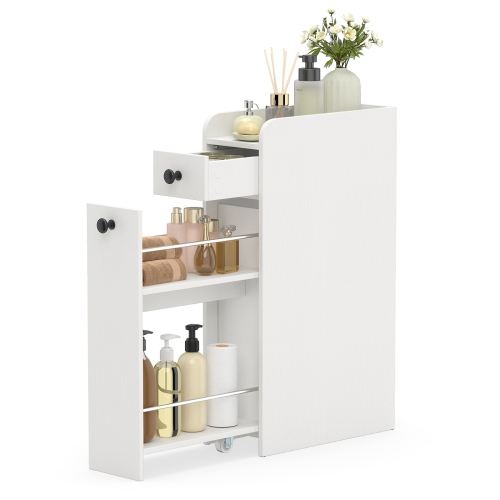
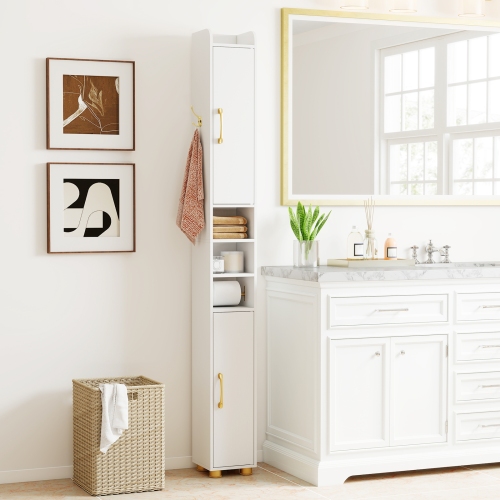
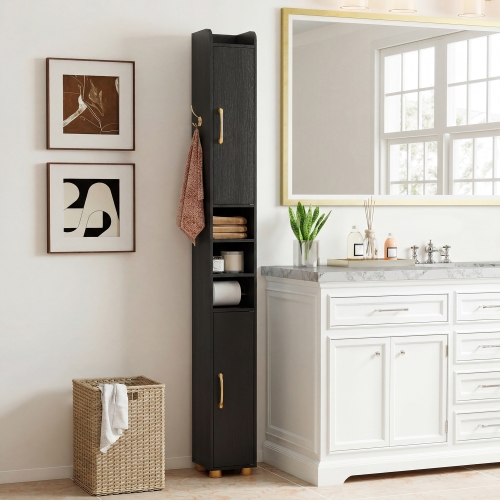
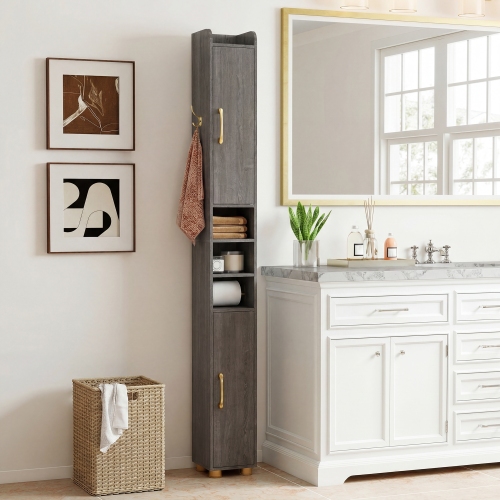
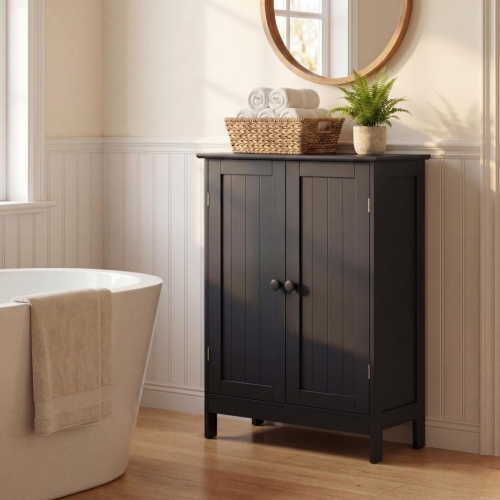
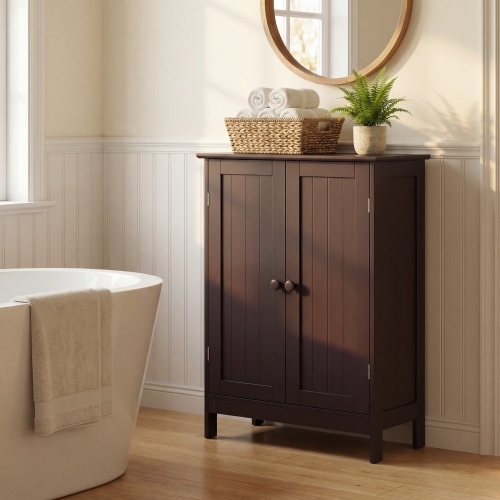
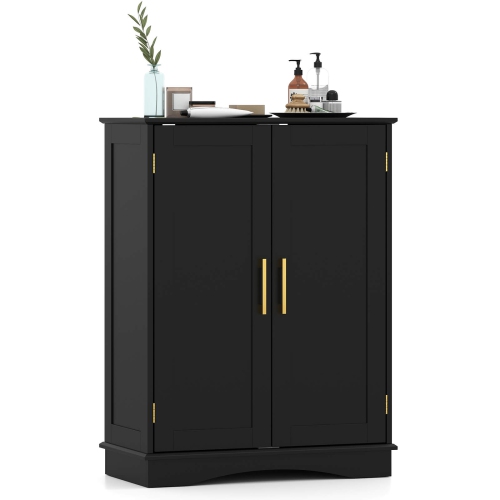
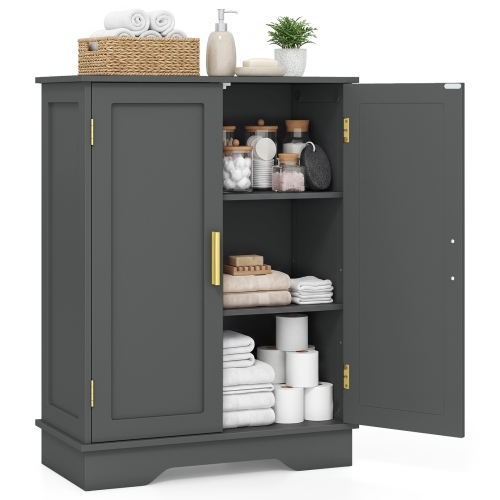
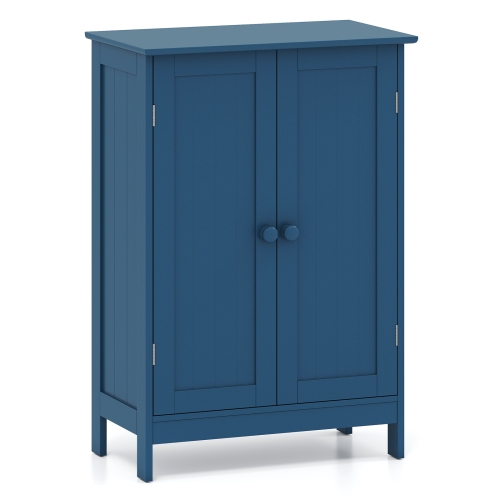
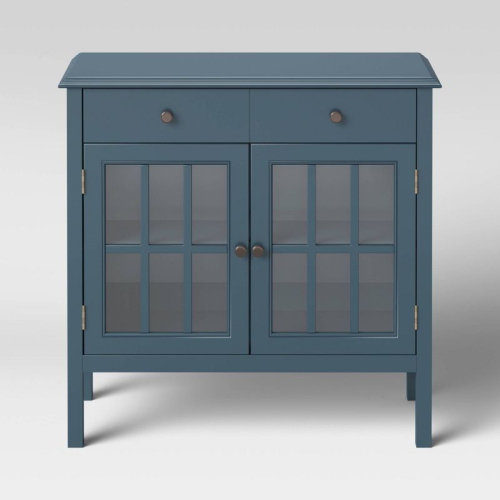
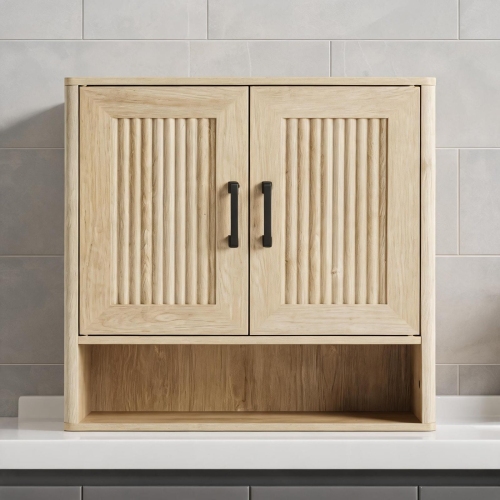

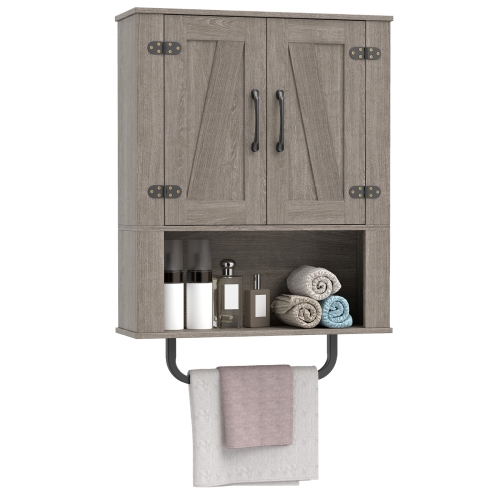
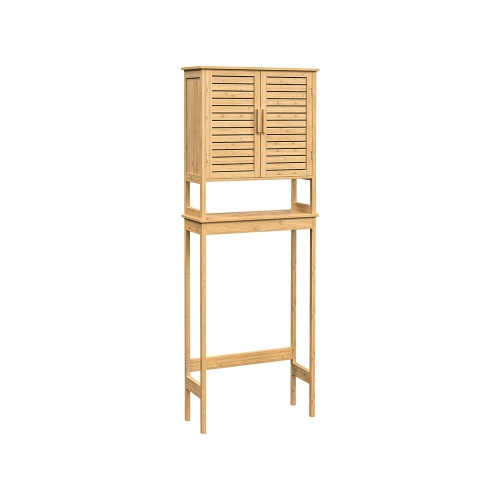
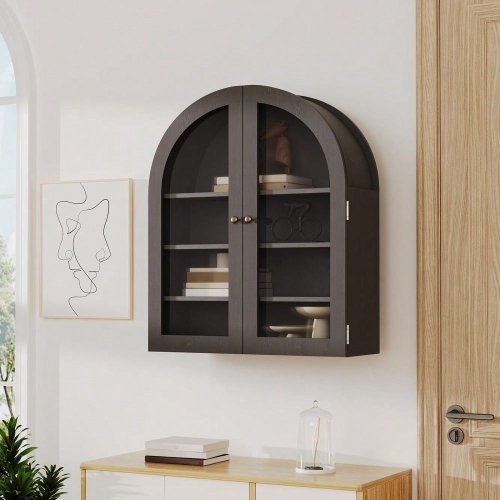
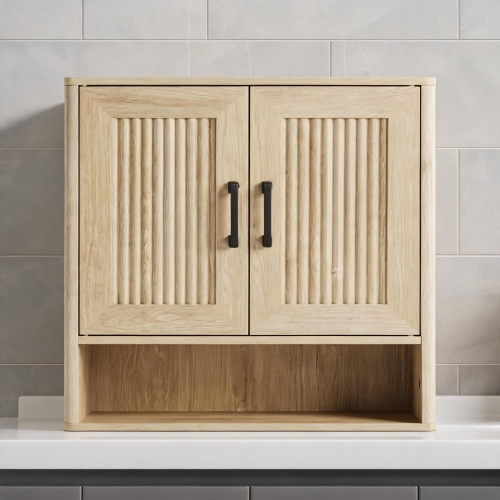
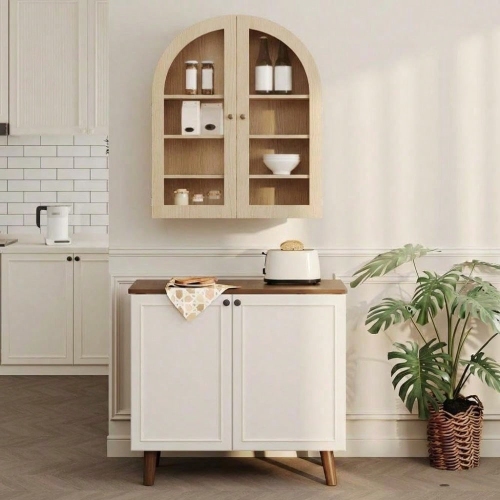
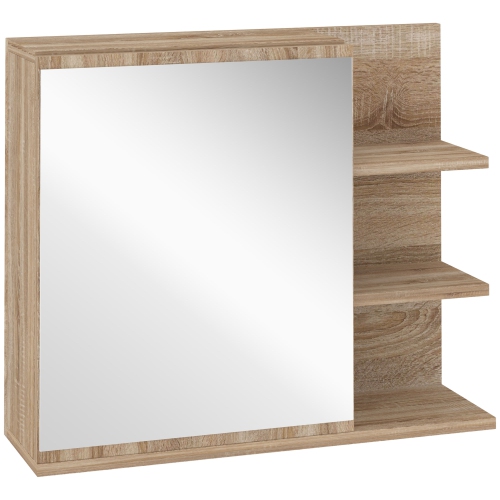
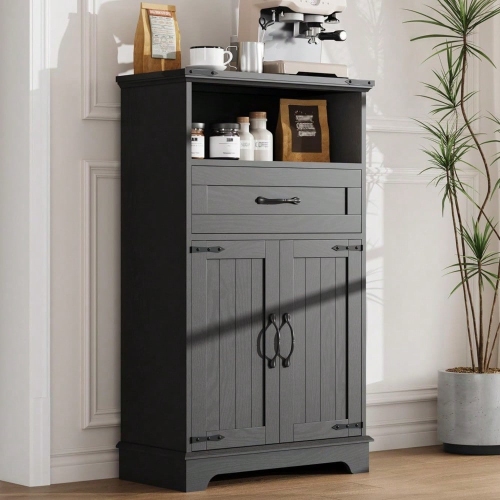
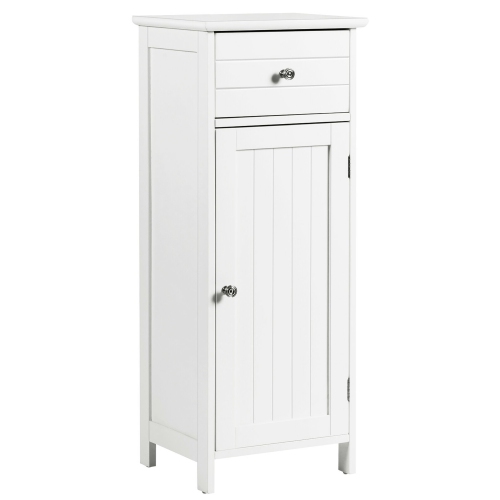
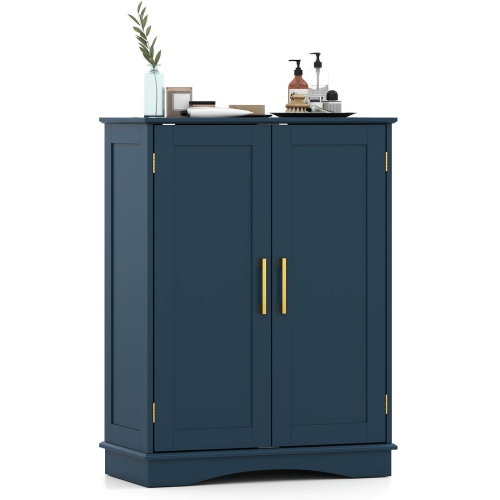

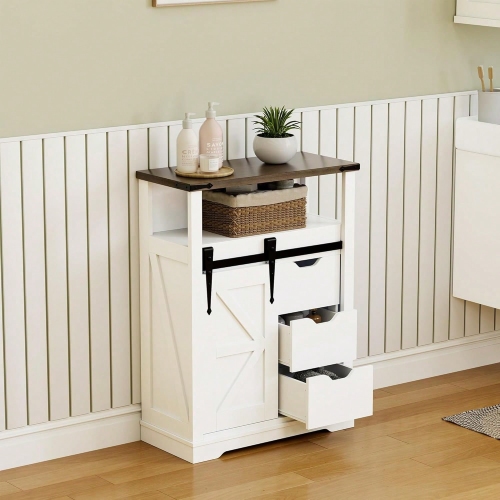
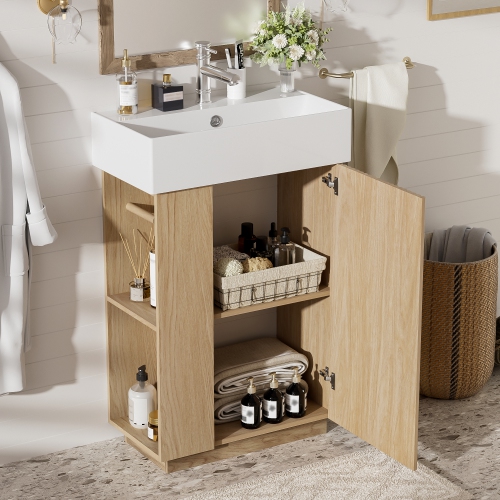
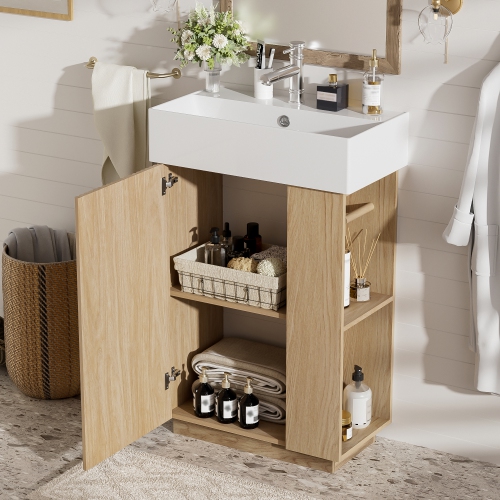
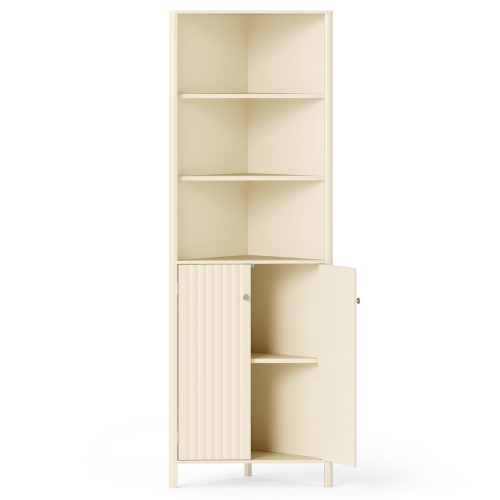
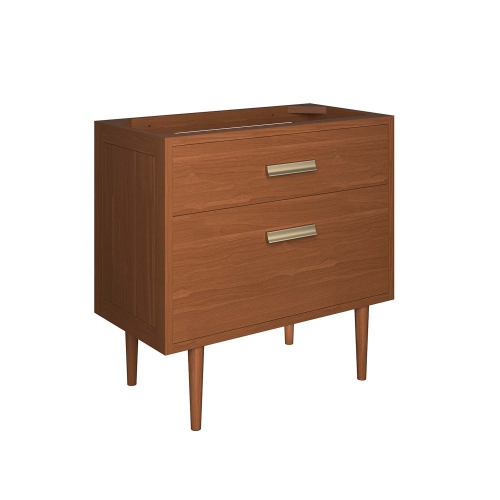
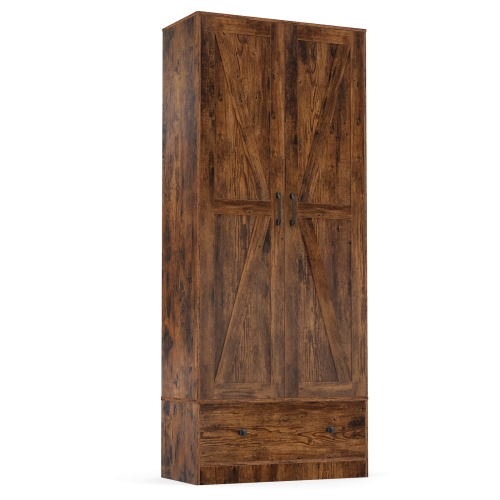
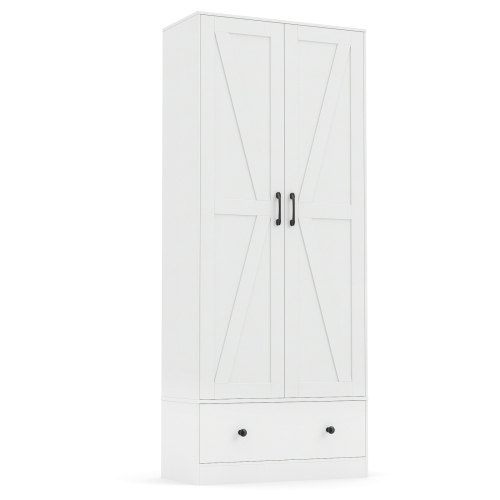
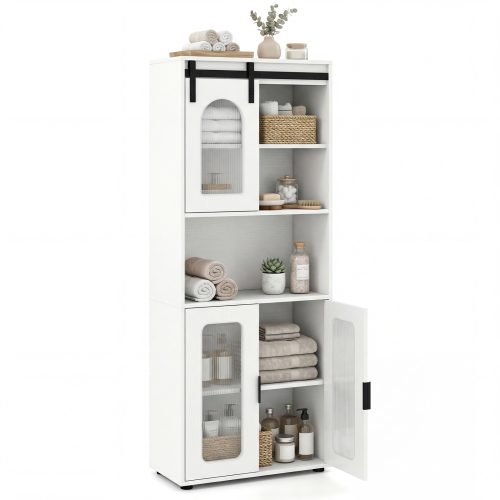
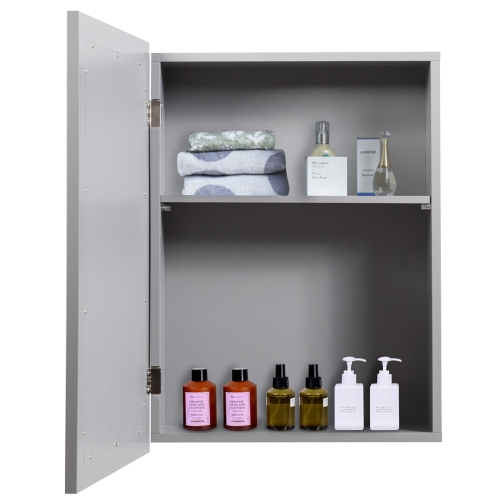
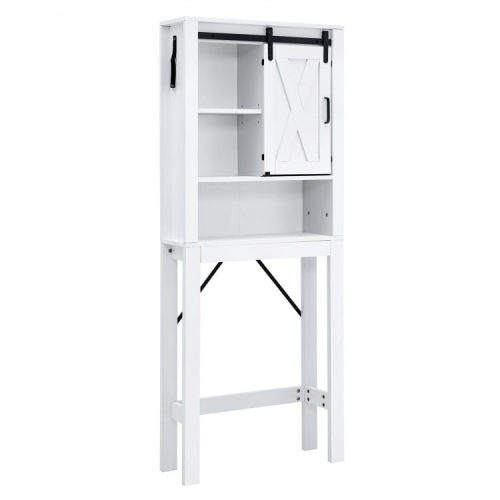
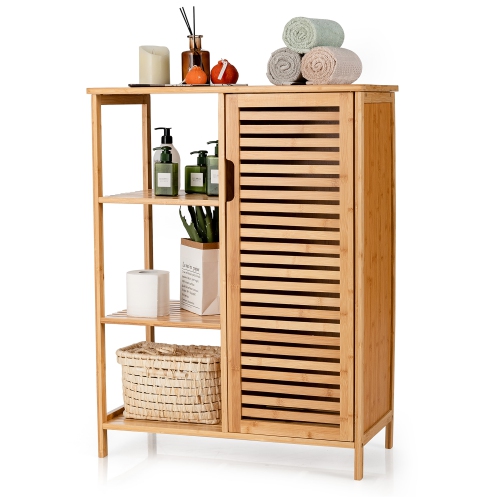
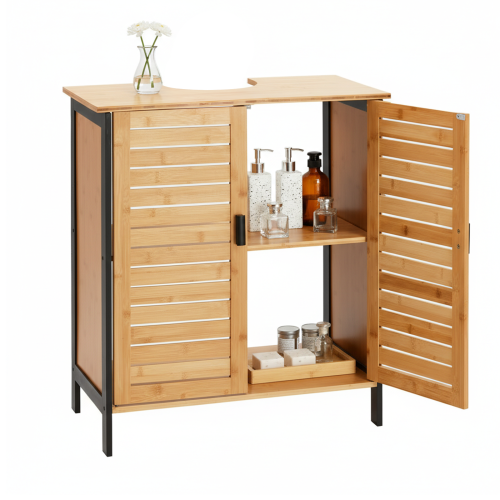
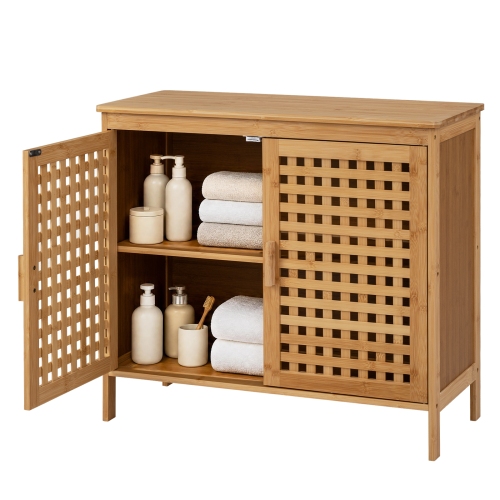
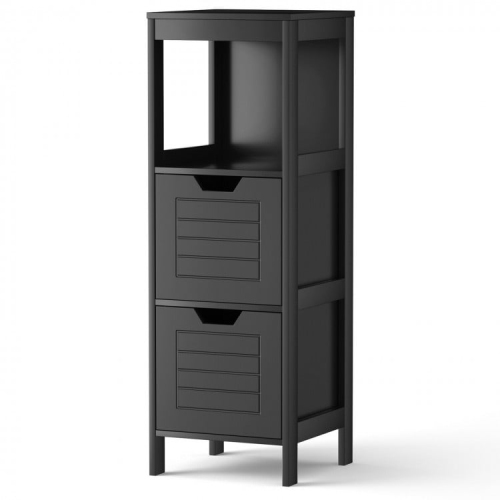
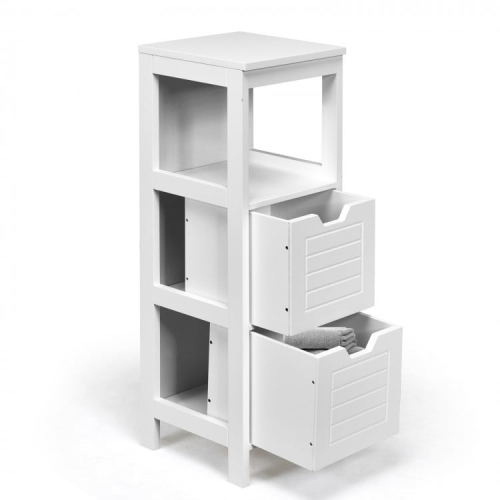
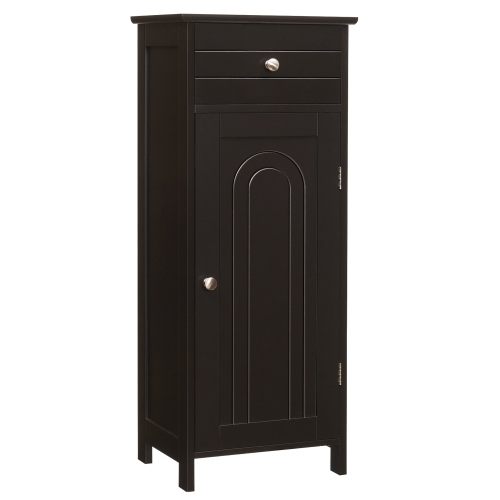
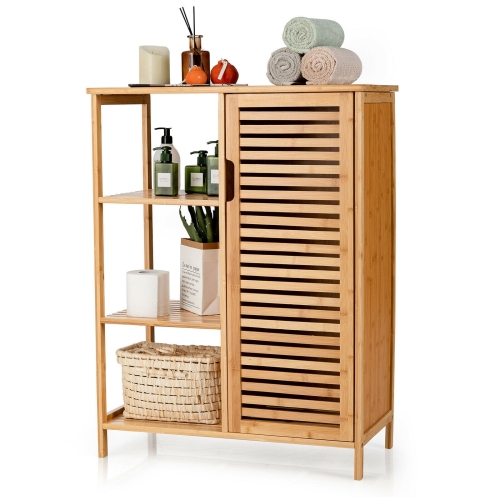
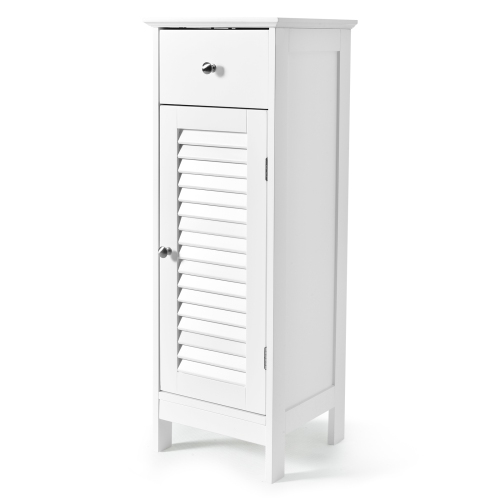
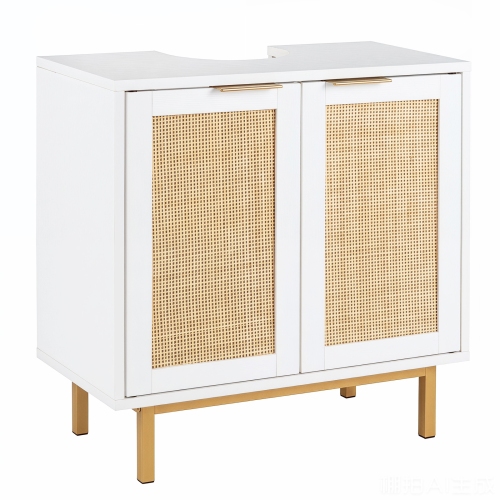
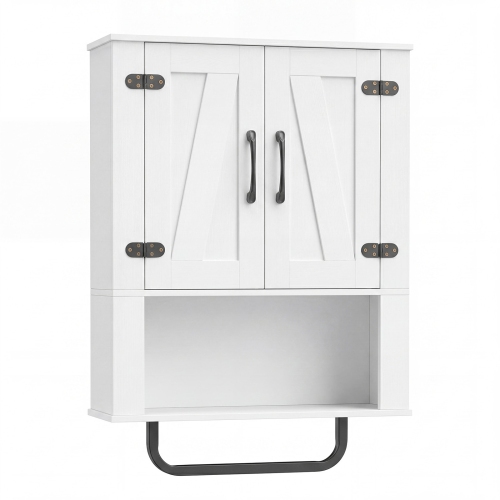
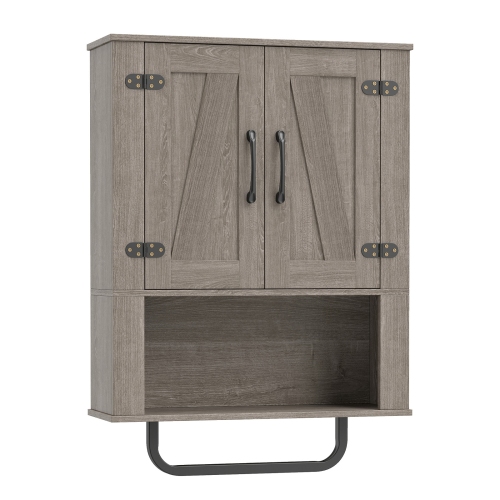
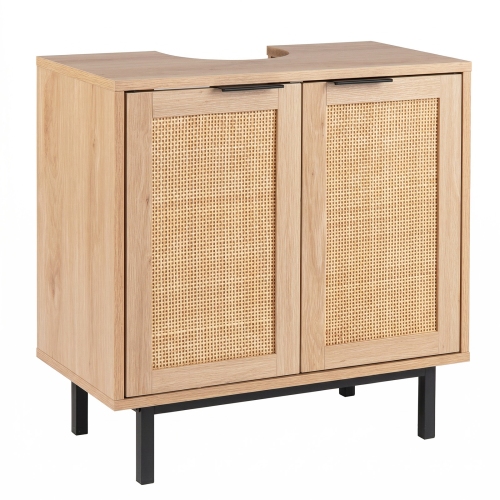
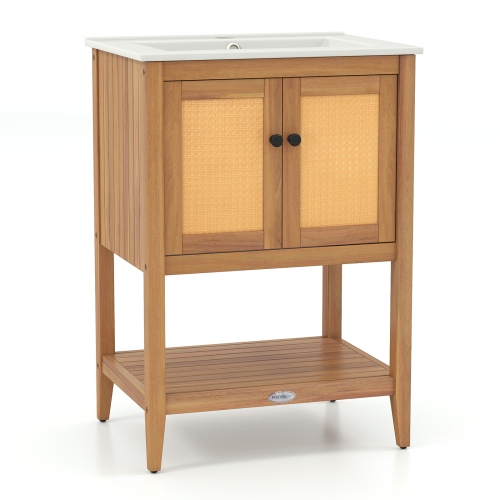
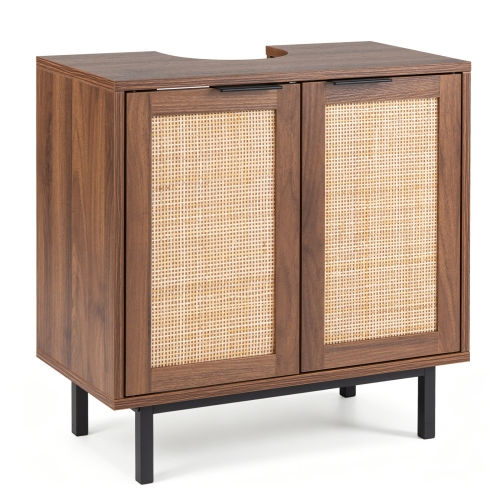
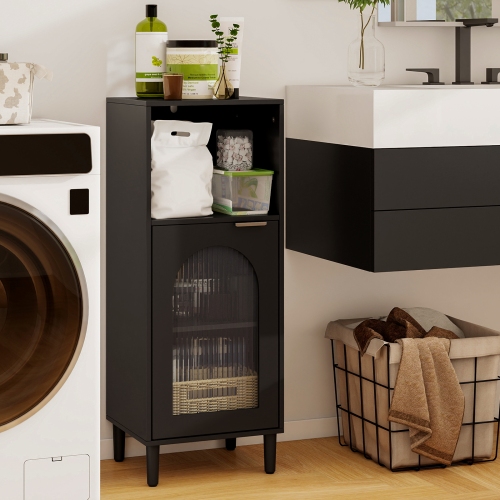
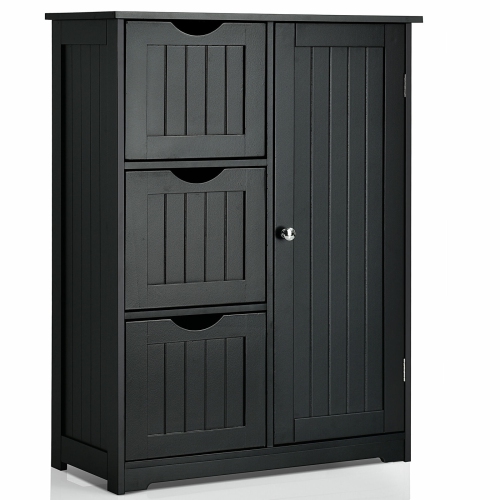
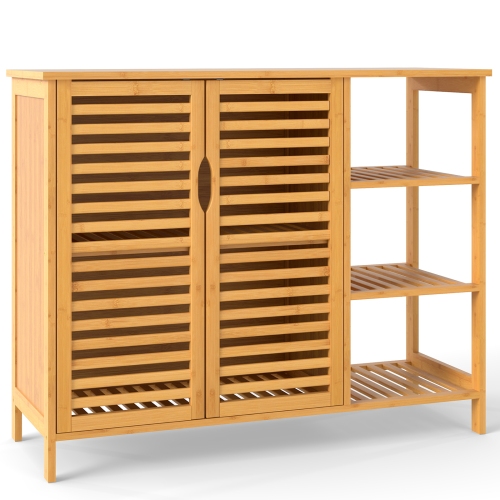
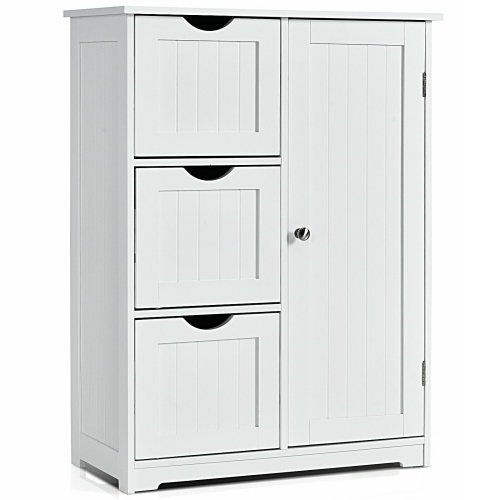
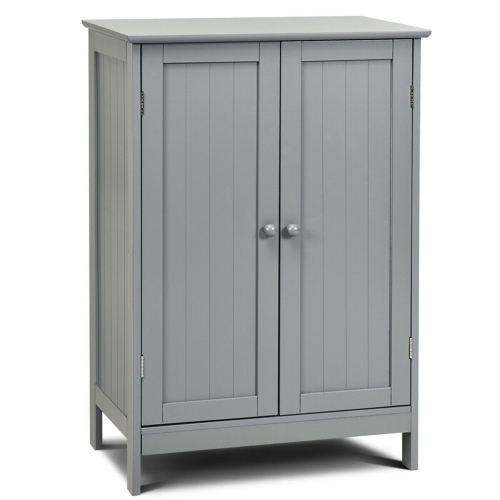
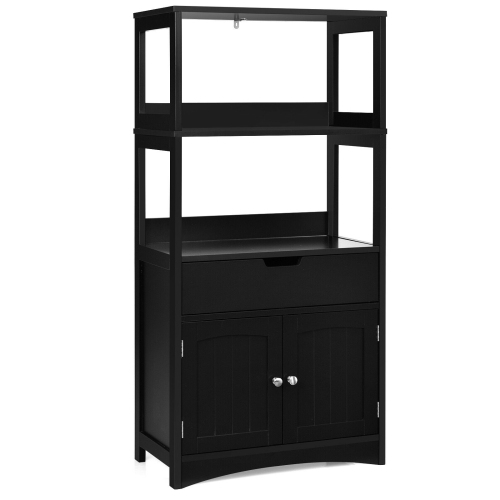
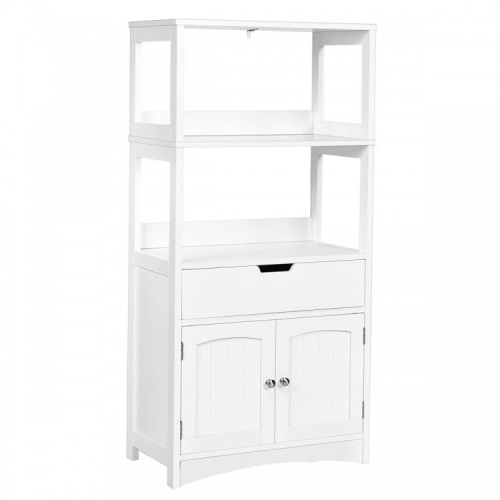
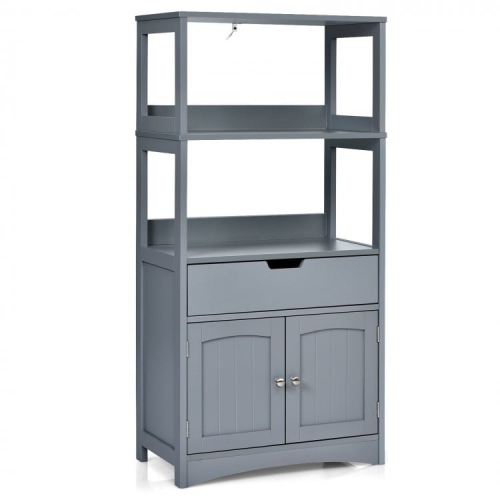
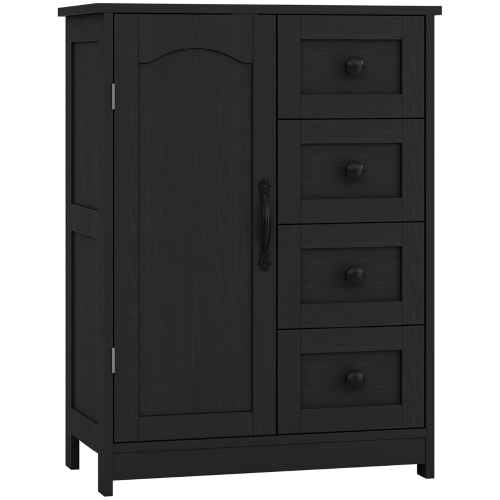
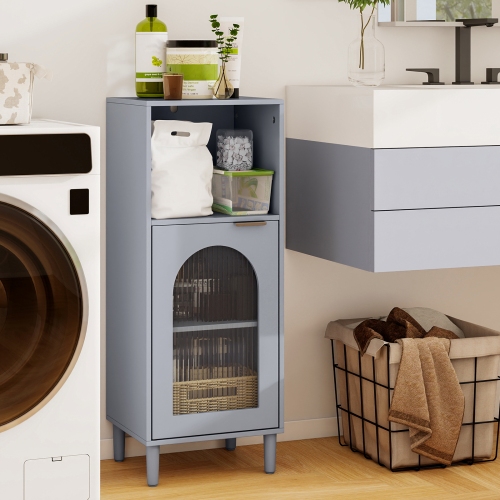
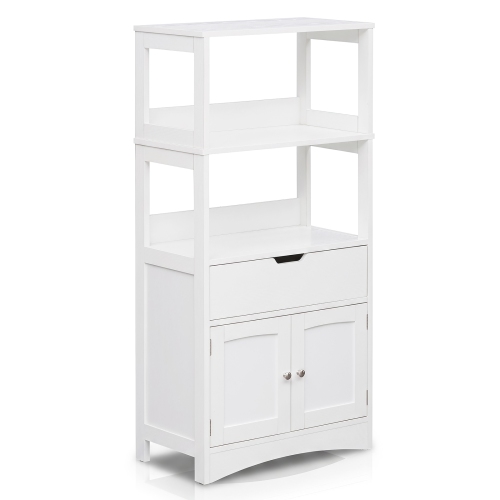
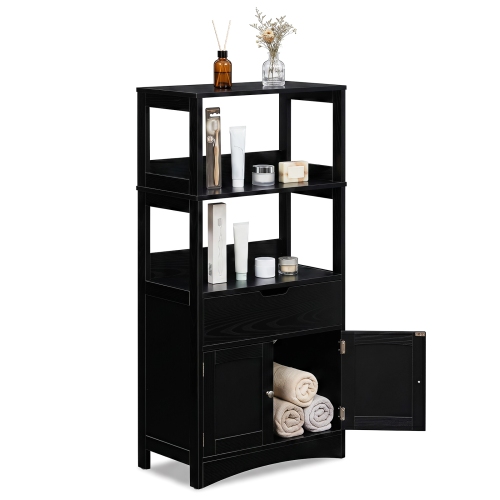
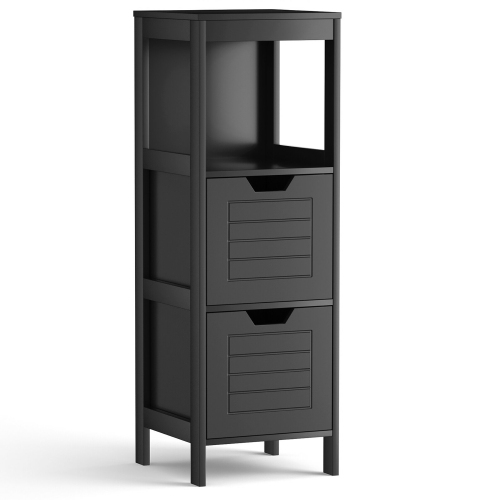

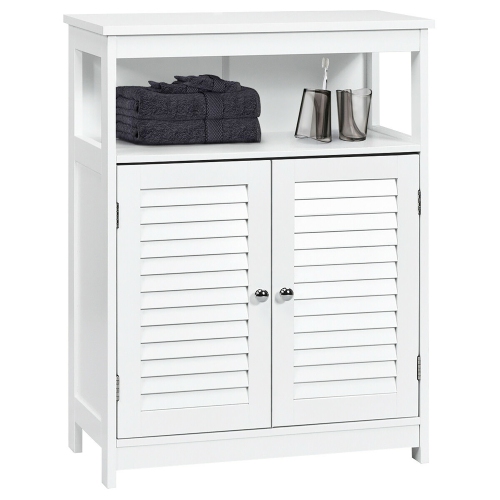
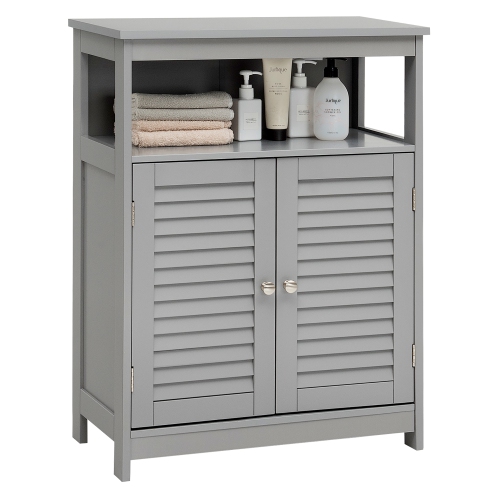
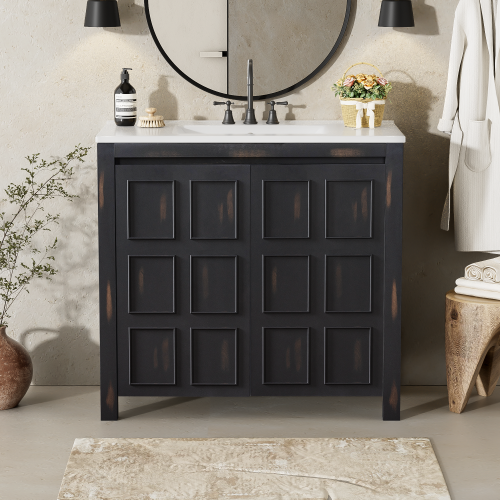
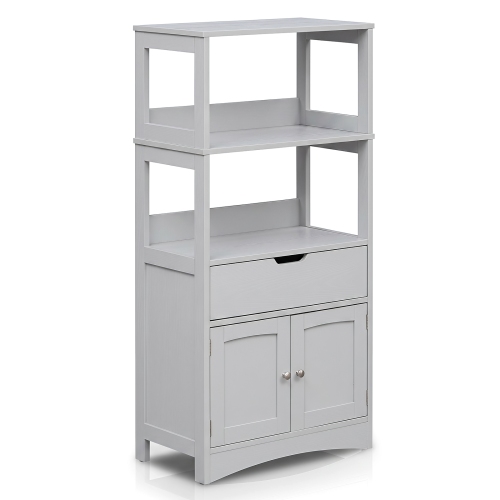
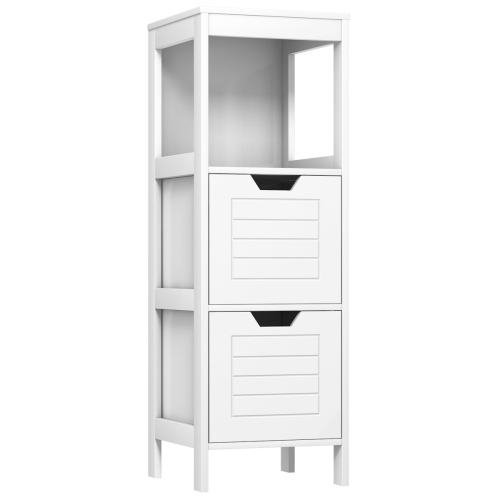
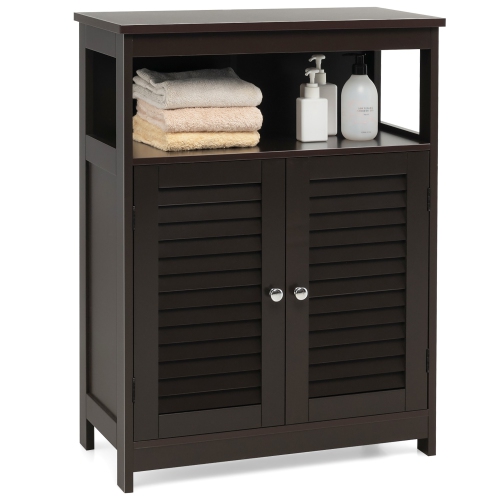
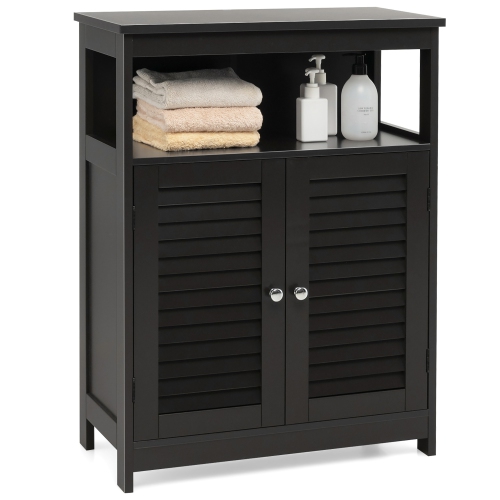
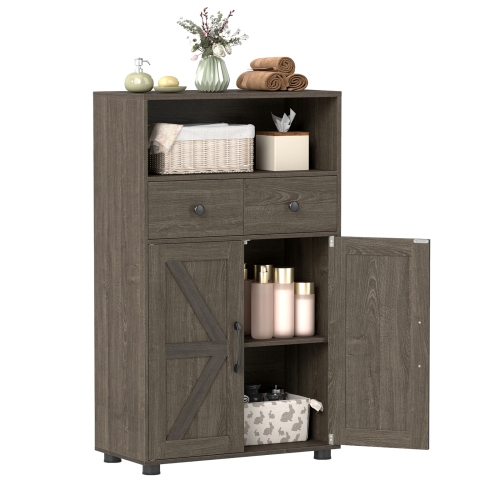
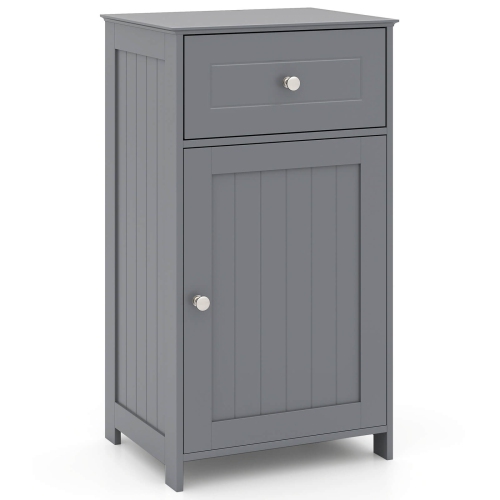
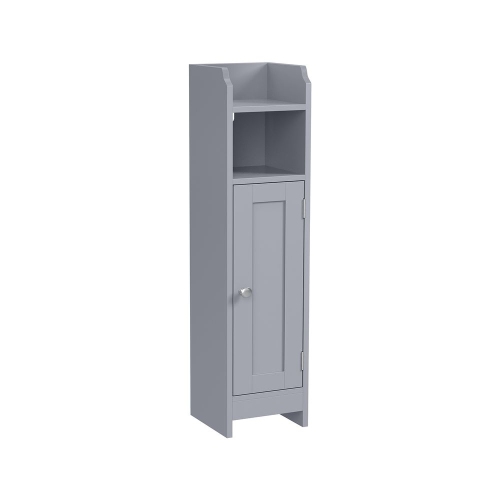
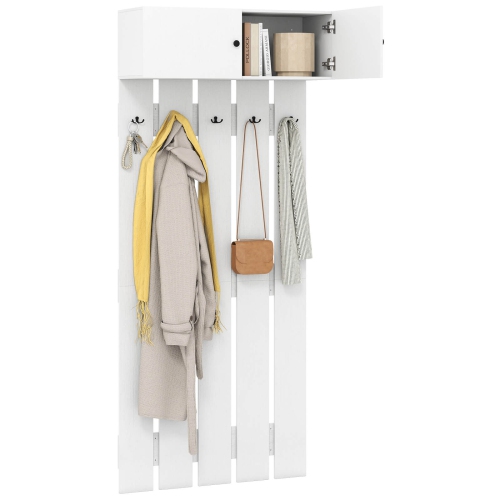
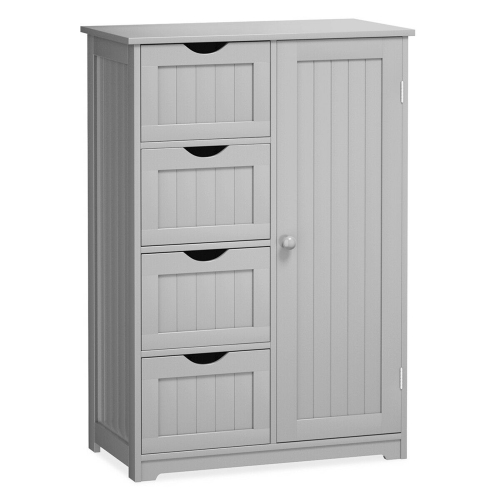

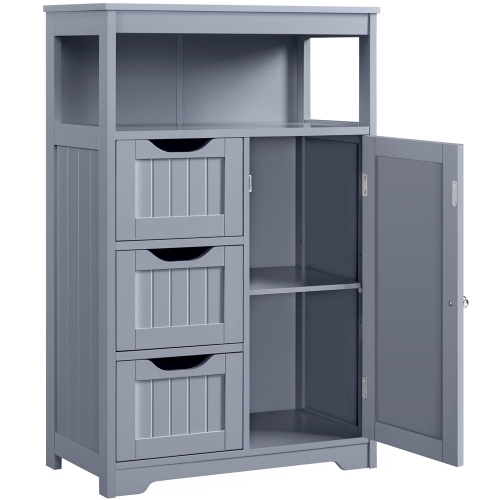
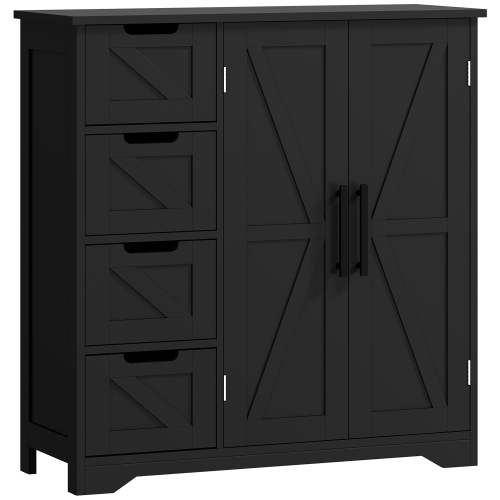
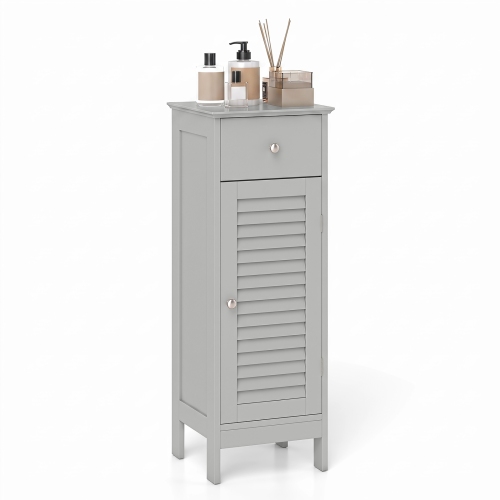
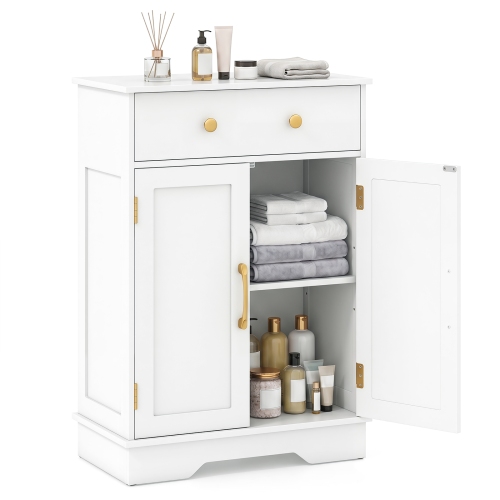
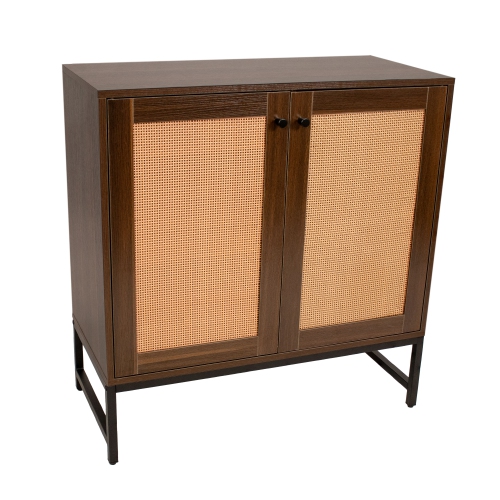
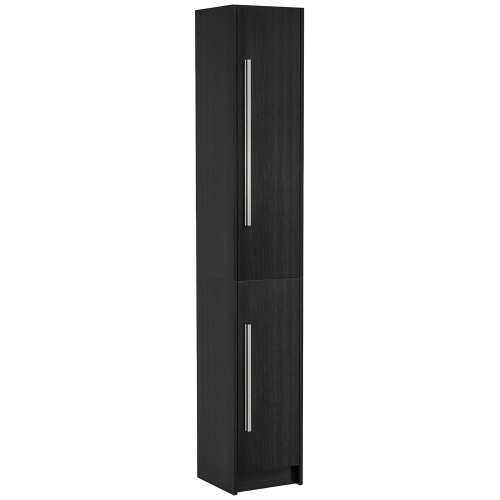
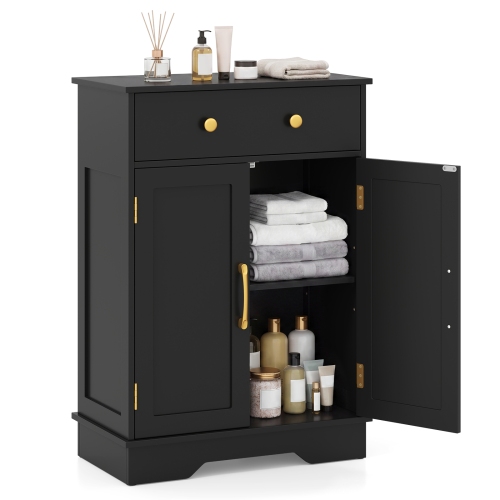
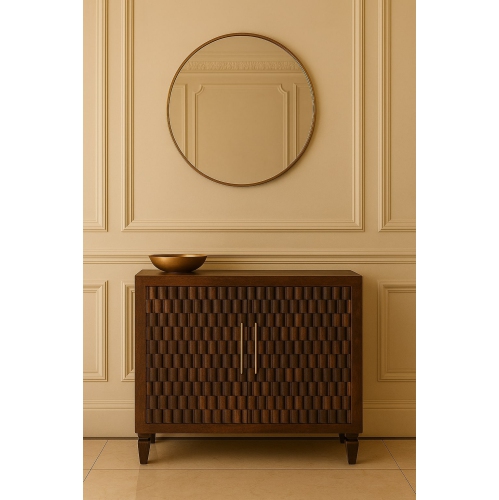
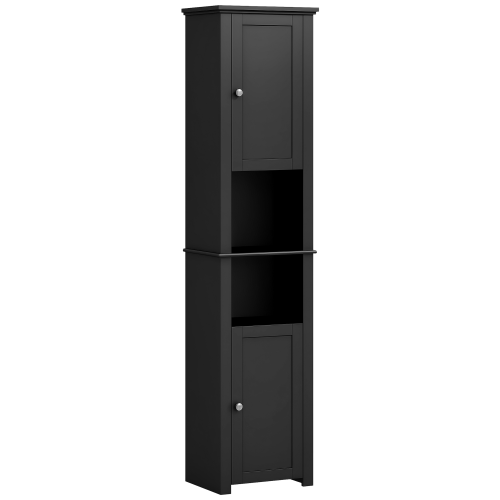

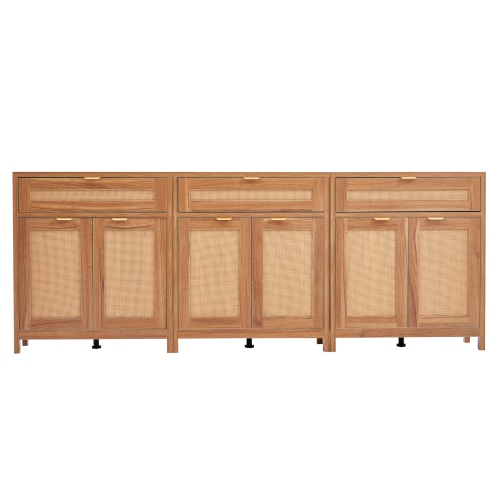
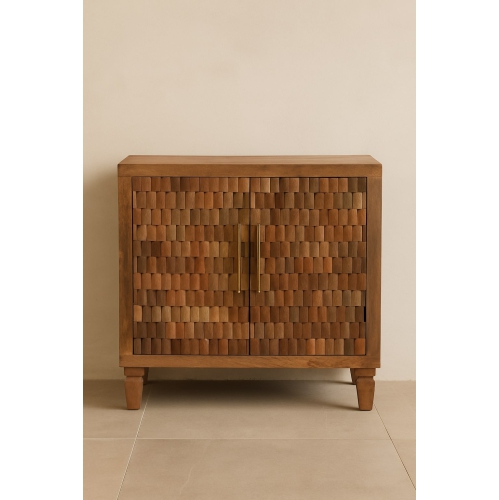
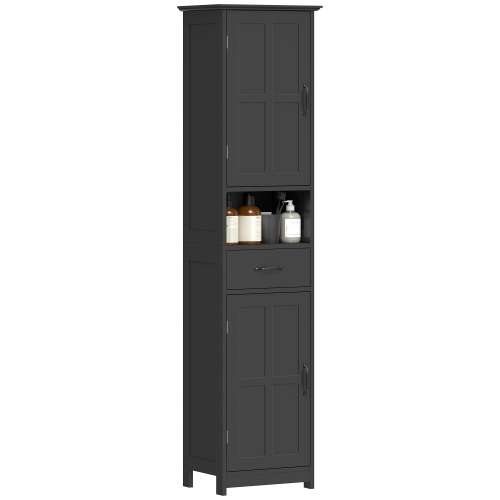
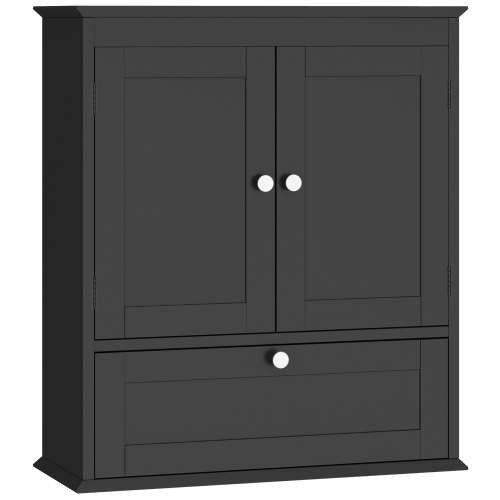
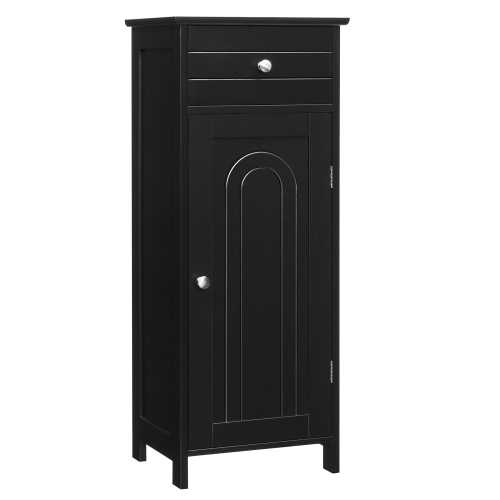
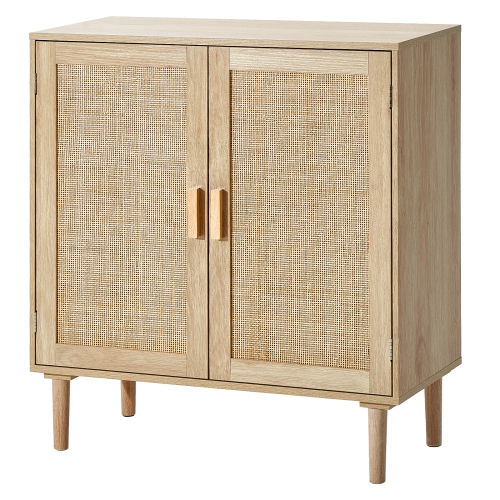
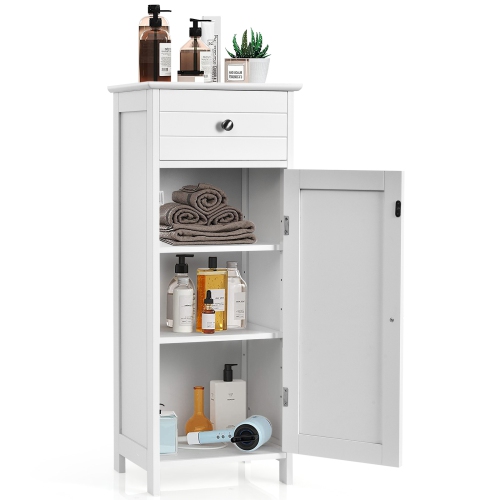
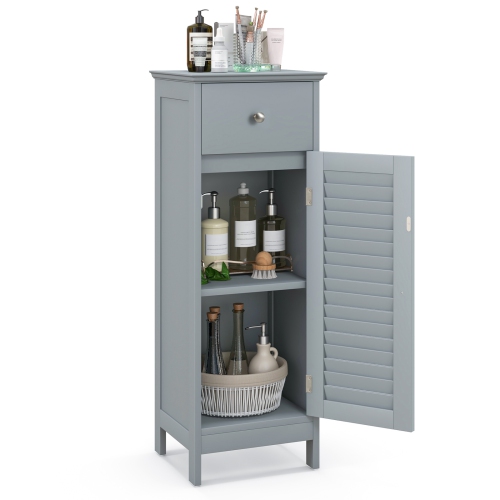
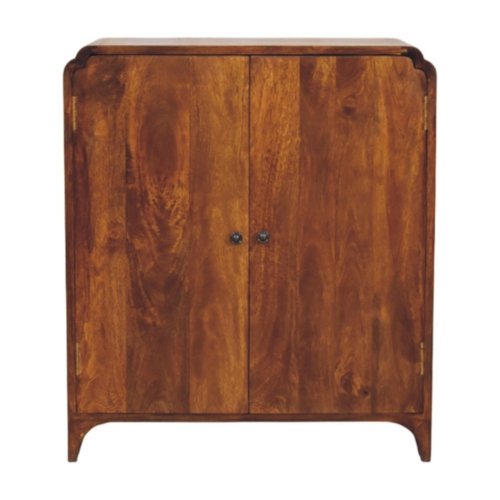
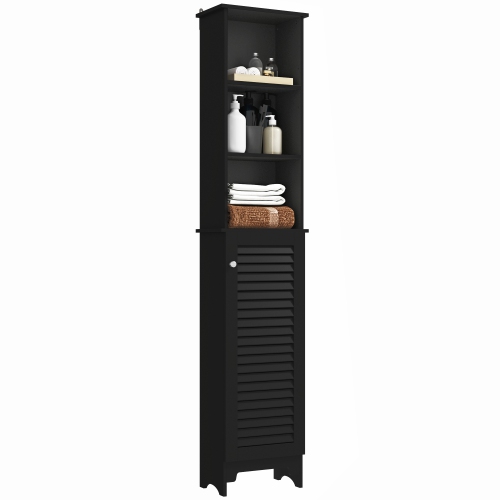
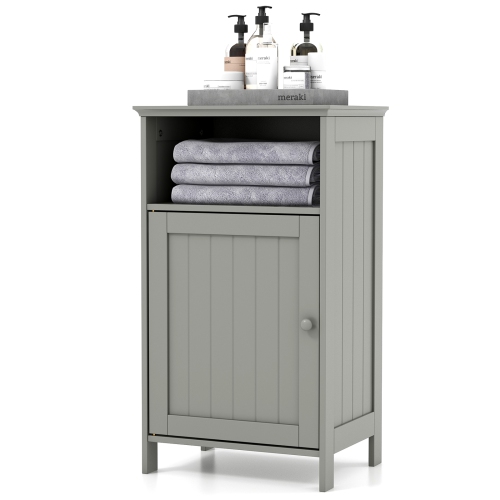
Warm brown finishes with space for everyday essentials
Brown bathroom cabinets combine practical storage with a warm, grounded colour palette, bringing depth to spaces that might otherwise feel dominated by white fixtures, glass, and tile. The category includes freestanding floor cabinets, slim linen towers, wall-mounted cupboards, over-the-toilet storage, and vanity cabinets designed to accommodate a sink. Each format serves a different purpose: a narrow cupboard can keep everyday toiletries close to a pedestal basin, while a larger vanity can bring drawers and enclosed storage to a shared bathroom. Brown finishes range from light oak-inspired shades and honey tones to reddish chestnut, walnut, and deep espresso. Lighter browns tend to blend gently with cream walls and pale stone-look flooring, while darker finishes create a stronger outline against white sinks and light tile. Visible wood grain adds variation across doors and drawer fronts, whereas a more uniform brown surface gives the room a quieter, streamlined appearance. Flat-front cabinetry works naturally with simple mirrors and understated hardware; framed doors, recessed panels, and more pronounced grain can complement traditional, transitional, or rustic interiors. Hardware also changes the overall effect, with brushed metal offering a subtle contrast and black handles giving brown cabinetry a more defined edge. A palette that sits between warm brown and cool grey can also connect naturally with Grey Brown Cabinets, particularly in bathrooms with grey flooring or mixed neutral finishes. Brown does not need to match every other wood tone exactly, but a shared undertone helps a cabinet feel connected to nearby shelving, doors, or trim. In a small powder room, a single brown cabinet can act as the main furniture feature without requiring a complete redesign. In a family bathroom, matching or closely coordinated storage pieces can make a busy room feel more settled, especially when towels, grooming supplies, and spare toiletries have designated places behind closed doors. The result can be decorative without sacrificing the everyday usefulness that bathroom furniture needs.
The construction of a brown bathroom cabinet matters as much as its colour, particularly around sinks, showers, and frequently used towels. Solid wood, wood veneer, engineered wood, and laminated panels have different characteristics, and the finish, edge treatment, hardware, and assembly quality all contribute to how a cabinet performs. Solid wood brings natural grain variation but can respond to changes in humidity, so a suitable protective finish and sensible placement remain important. A veneer provides a thin layer of real wood over a supporting core, while laminate and other coated surfaces can create a consistent brown appearance with straightforward everyday cleaning. MDF and particleboard are common engineered materials, but their resistance to moisture depends on their construction and protective covering; exposed edges and damaged surfaces deserve particular attention near water. Moisture-resistant does not mean waterproof, and no cabinet should be expected to tolerate standing water unless its specifications explicitly allow it. Bathroom suitability is therefore worth confirming rather than assuming that any brown storage cupboard will perform equally well beside a basin. Fit involves more than the width of an empty wall. Cabinet depth affects the space left to stand at the sink, move past the toilet, or open a shower door, while handles and open drawers can project farther into a walkway than expected. Doors need enough clearance to swing without hitting adjacent fixtures, and shelves should remain accessible without awkward reaching. Vanity cabinets also need compatibility with the intended basin, countertop, water lines, and drain; some designs include these components, while others are cabinet bases only. Wall-mounted storage depends on suitable fixings and a wall capable of supporting the cabinet and its contents. Tall freestanding units may require anchoring according to the manufacturer’s directions, especially in homes with children. Baseboards, uneven floors, nearby outlets, and access panels can all affect placement. These details distinguish a cabinet that merely fits into a gap from one that remains comfortable to use every day.
Interior layout determines how much useful storage a brown bathroom cabinet actually provides. Adjustable shelves can accommodate taller bottles as well as shorter jars, while drawers make smaller grooming essentials easier to separate and retrieve. A deep cupboard may suit folded towels or spare tissue, but frequently used toiletries are often easier to manage in shallower drawers or removable organizers. In a shared bathroom, separate shelves or drawers can give each person a defined space and reduce the clutter that gathers around the sink. A guest bathroom may need only a modest cupboard for extra hand towels and basic supplies, whereas a main bathroom can benefit from a combination of closed storage and an accessible shelf for everyday necessities. Open shelves create a lighter appearance but leave their contents visible, so they work best where folded linens and containers can stay reasonably tidy. Closed doors offer a calmer look when the contents are varied, and easy-to-grip handles can be helpful for anyone who finds small knobs awkward. Hardware should move smoothly, shelves should be used within their stated weight limits, and heavy supplies are generally better placed lower down. Care is usually straightforward when it follows the cabinet manufacturer’s recommendations: a soft cloth, a suitable mild cleaner, and prompt drying of splashes help protect the finish. Abrasive pads, harsh chemicals, and excess water can damage some coatings, while wet towels left against doors may keep surfaces damp for longer than intended. Good bathroom ventilation supports regular drying after bathing, and trays beneath toiletries can help contain drips from bottles. Brown finishes can make a room feel welcoming, but darker surfaces may show pale soap marks and lighter finishes may reveal other spills, so quick attention is more useful than relying on colour to hide mess. With an appropriate layout, careful installation, and routine care, brown bathroom cabinets can provide dependable storage while giving everyday bathroom spaces a more furnished, cohesive appearance.
Top selling and popular products
-
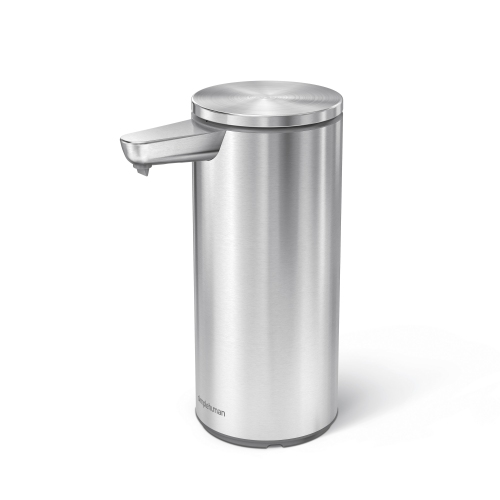 Your price for this item is $70
-
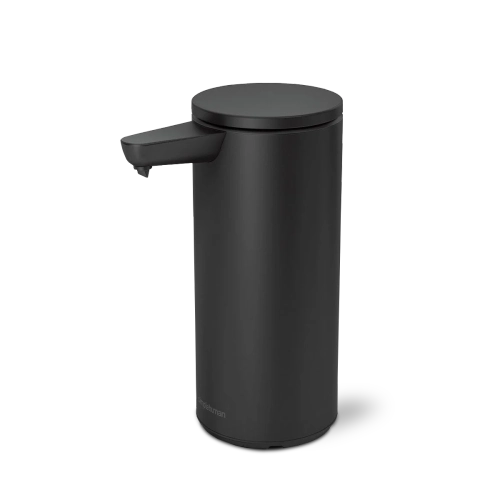 Your price for this item is $80
-
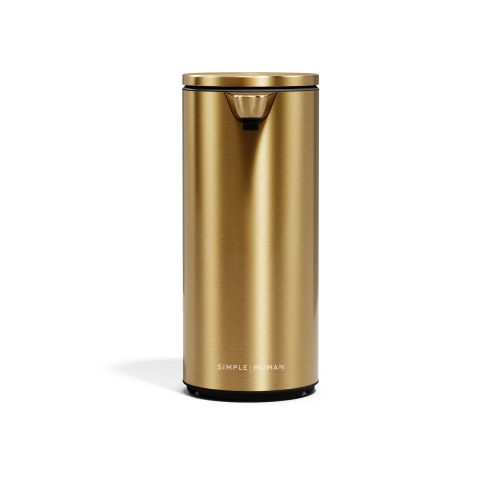 Your price for this item is $80
-
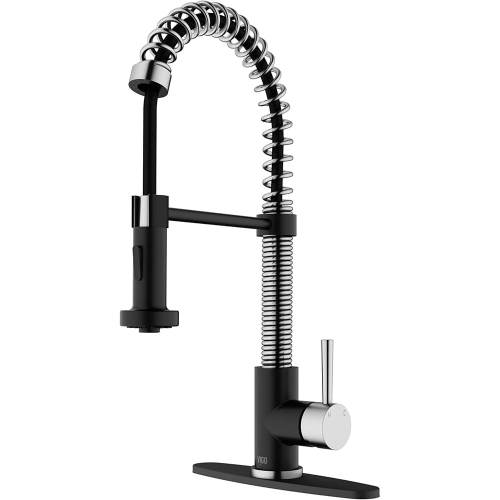 Your price for this item is $426.55
-
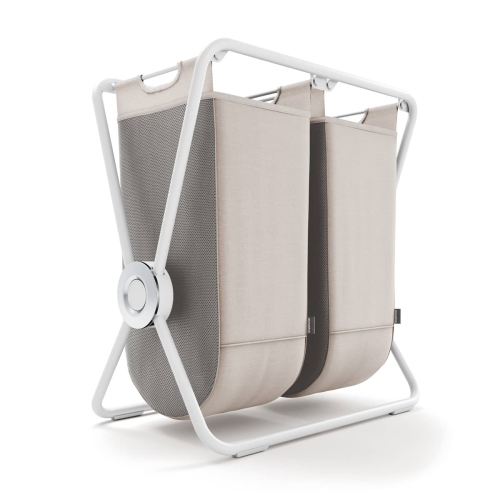 Your price for this item is $300
-
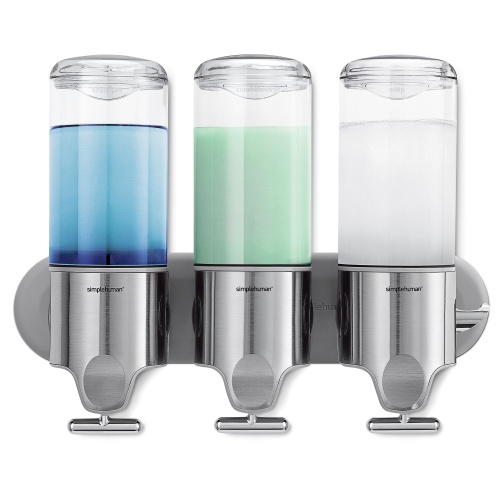 Your price for this item is $120
-
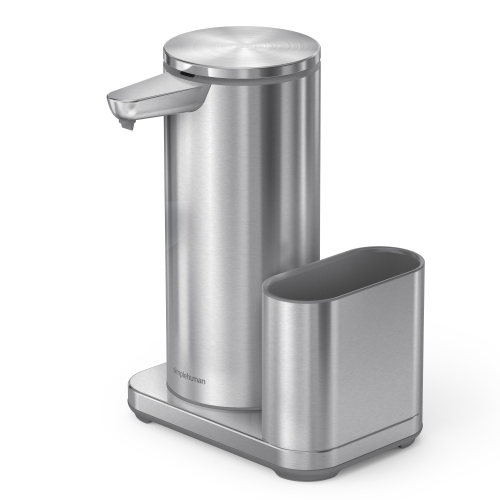 Your price for this item is $120
-
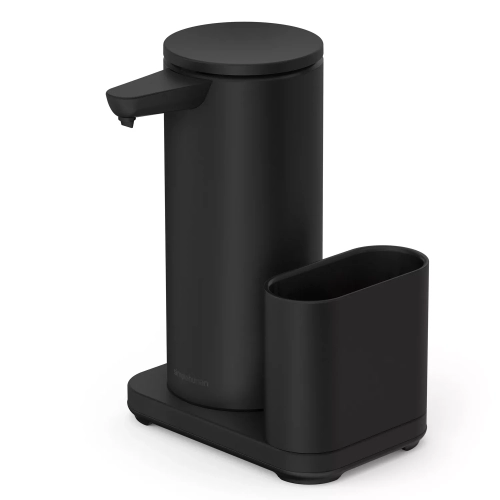 Your price for this item is $135
Discover more categories related to Brown Bathroom Cabinets

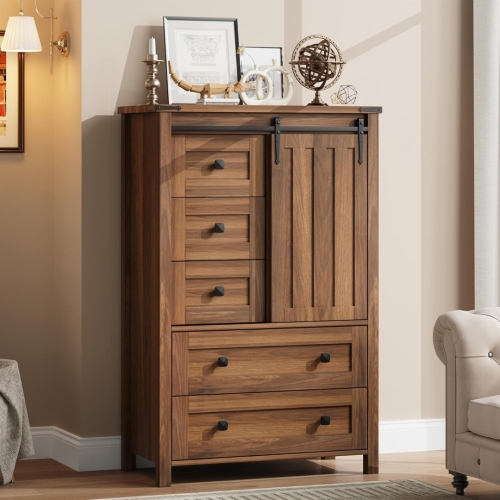
Top Collections:
Best Black Friday Deals This Year, Best Black Friday Deals On Electronics, Kindle Devices, Dyson Airwrap, Best Cameras for Sports Photography, Best Budget Office Chairs, Canon G7X Cameras, PS5 Pro Consoles, Best Black Friday Deals On Apple Products, XBOX One S Consoles
Some products may be subject to Environmental Handling Fees
(EHF) depending on your province.
Learn more about EHFs.