Brown Ottomans With Storage
Brown Ottomans With Storage add both style and functionality to any living space, offering a versatile solution for organizing your home. Their rich brown tones complement a wide range of décor styles, making them a popular choice for living rooms, bedrooms, and entryways. Whether you're looking to maximize your space or add a cozy accent piece, these ottomans provide an attractive and practical option for keeping essentials neatly tucked away while enhancing the overall look of your room.
Sort
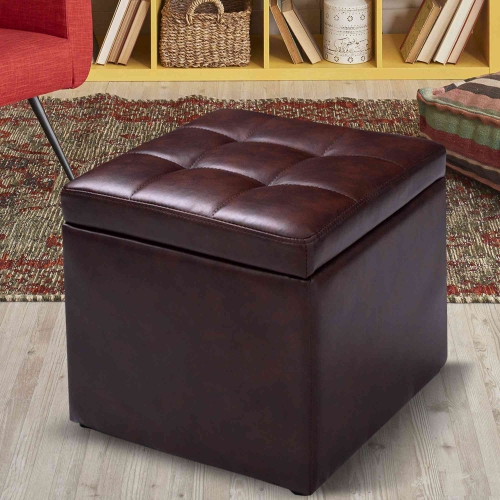
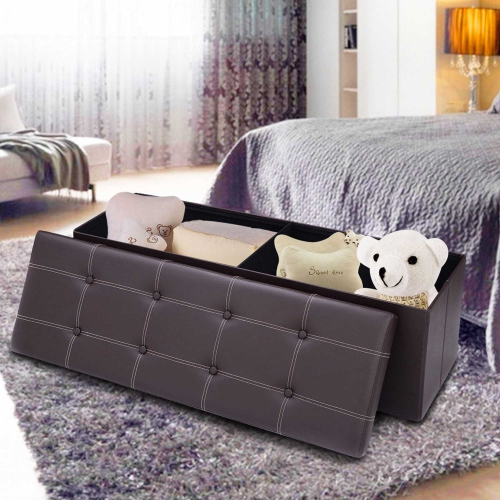
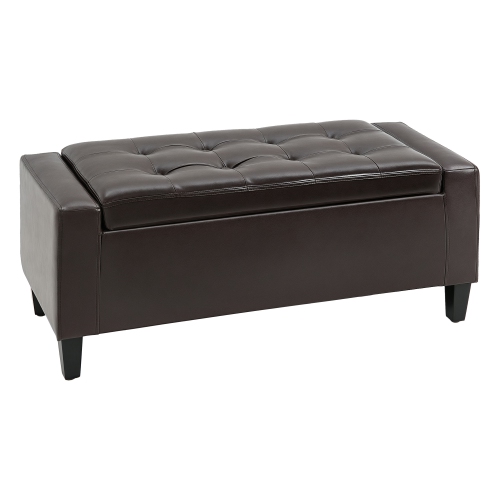
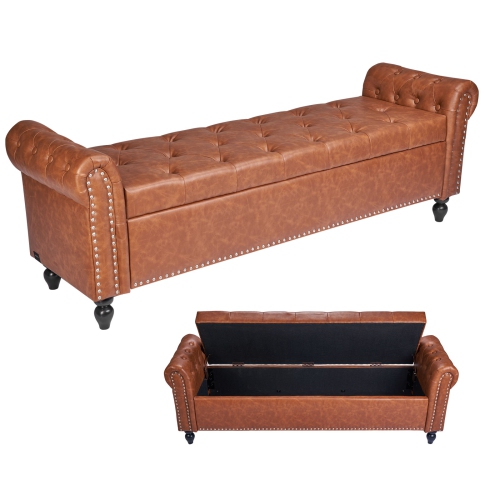
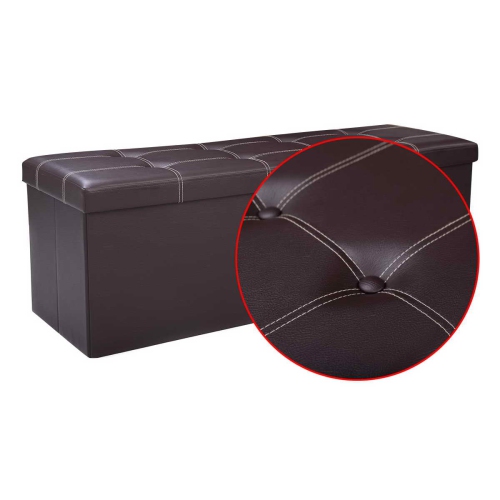
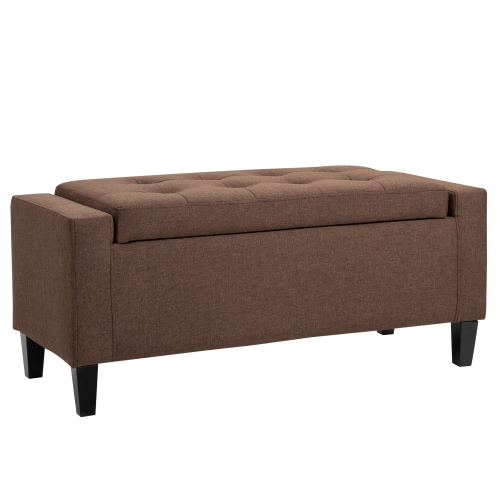
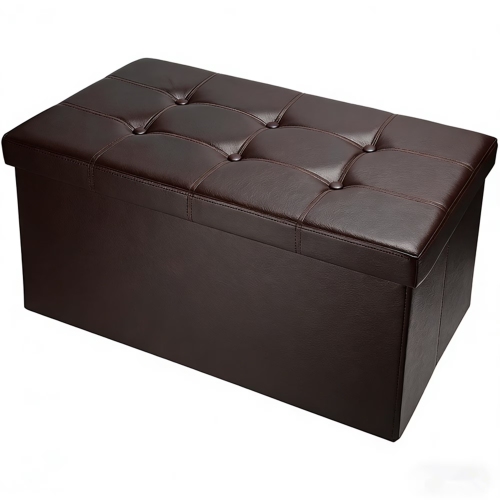

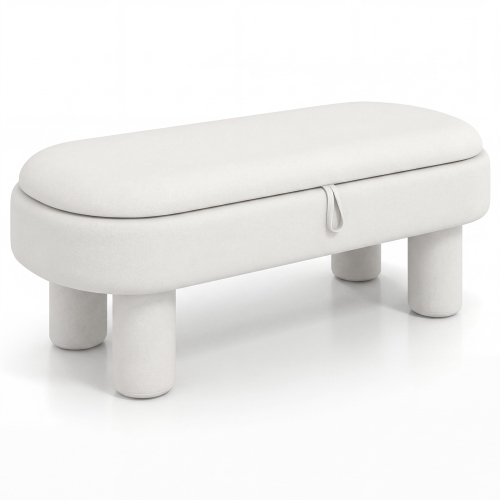
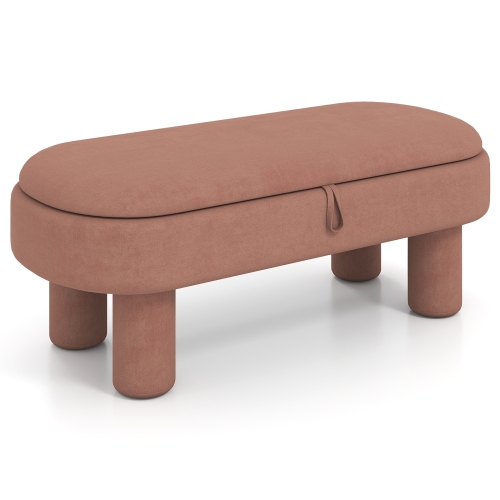
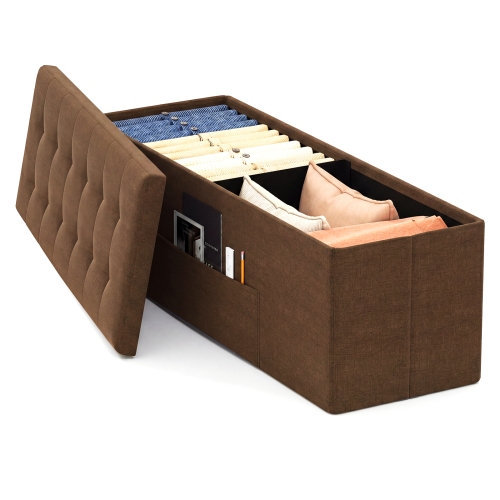
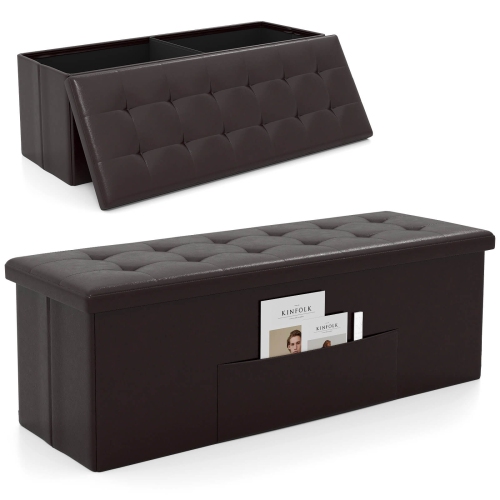
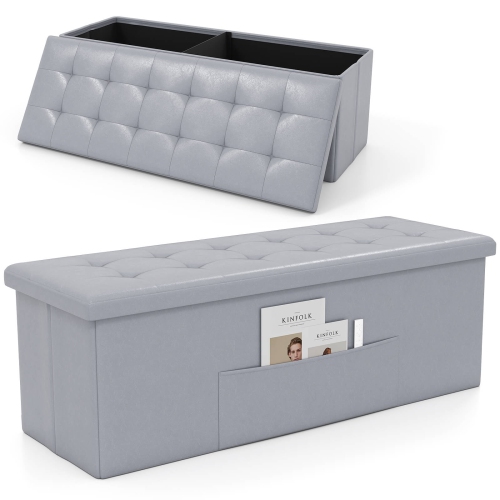

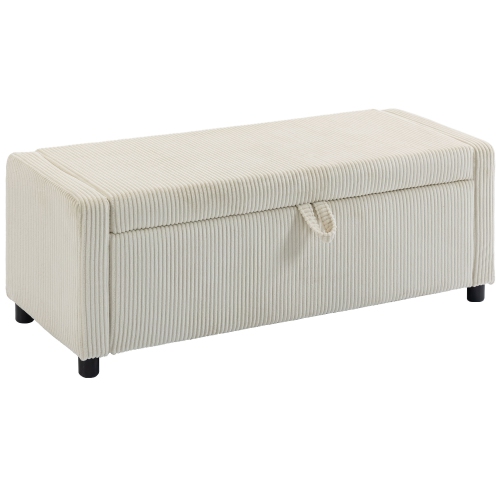
Everyday comfort with storage tucked beneath the cushion
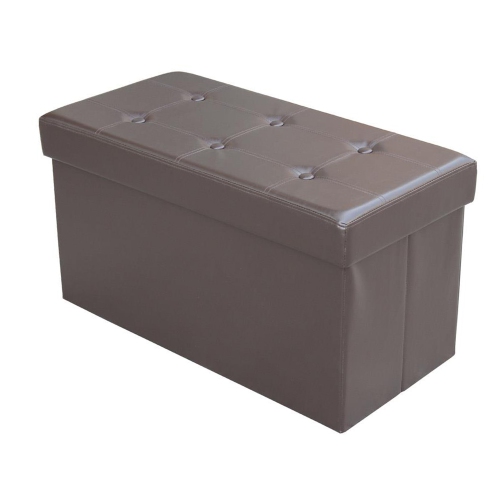
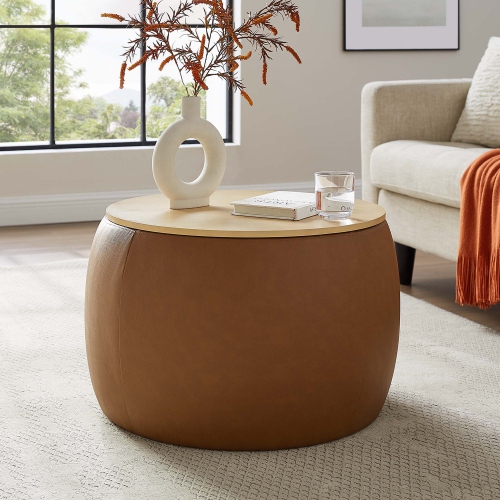
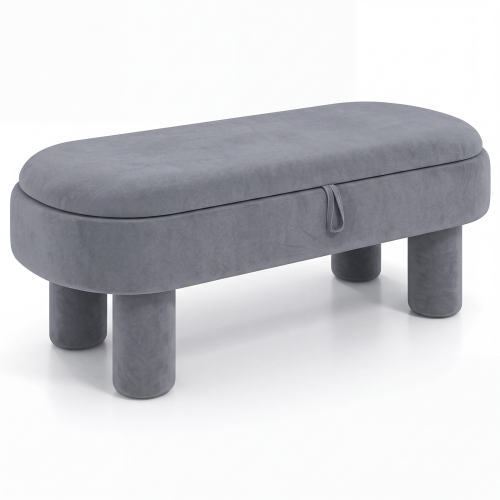
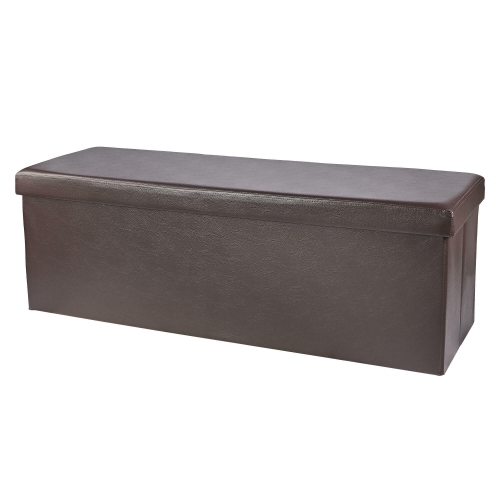
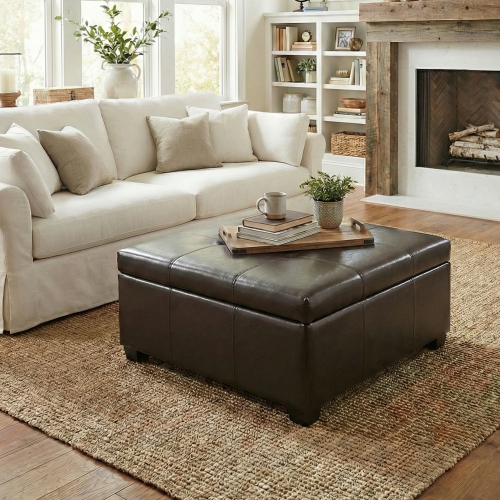
Brown ottomans with storage combine an upholstered footrest with a concealed compartment, bringing everyday comfort and useful organization to living rooms, bedrooms, and other shared spaces. Depending on their construction and intended use, they can also provide an extra seat or a place to set a tray. The storage area keeps belongings close without leaving them on display: a throw beside the sofa, board games near the seating area, or spare bedding at the foot of a bed. Brown is particularly versatile because its many shades work with both light and dark furnishings. A rich chocolate finish can ground a room with cream upholstery, while a lighter caramel or chestnut tone adds warmth beside grey seating, black metal accents, or pale wood floors. Undertones influence the overall effect, too. Reddish brown can complement warm wood furniture, whereas a more neutral brown often sits comfortably alongside mixed finishes. Texture gives the colour another dimension, from the smooth surface of leather-look upholstery to the softer appearance of woven fabric. Button tufting, stitched panels, piping, and visible legs can make an ottoman feel more traditional, tailored, or relaxed without changing its practical purpose. In a busy family room, a storage ottoman can keep frequently used accessories within reach while leaving shelves free for books and display pieces. In a smaller apartment, combining a footrest and storage compartment in one footprint can reduce the need for separate furniture. A bedroom ottoman offers a convenient place for decorative cushions when the bed is in use, while a compact design near a reading chair can hold a blanket and reading material. The most useful configuration depends on what belongs inside and how the surrounding space is used, rather than on appearance alone. A deep compartment suits soft, bulky belongings; a shallower interior may make smaller accessories easier to see and retrieve.
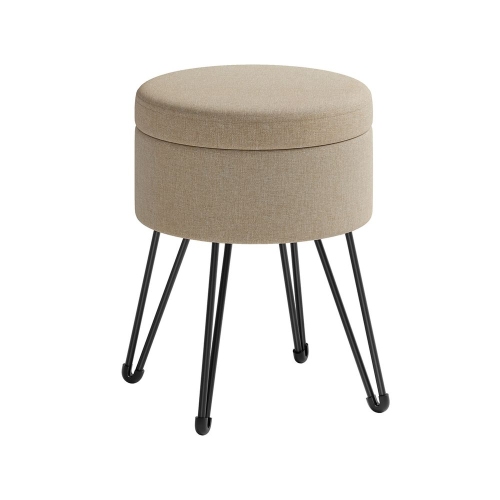
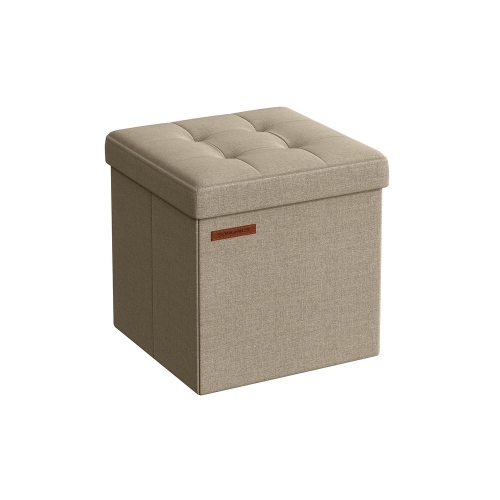
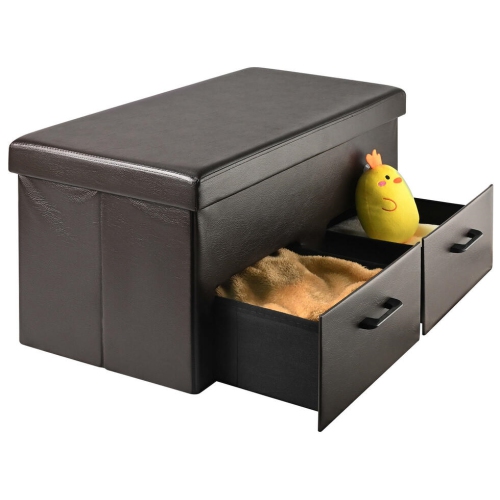
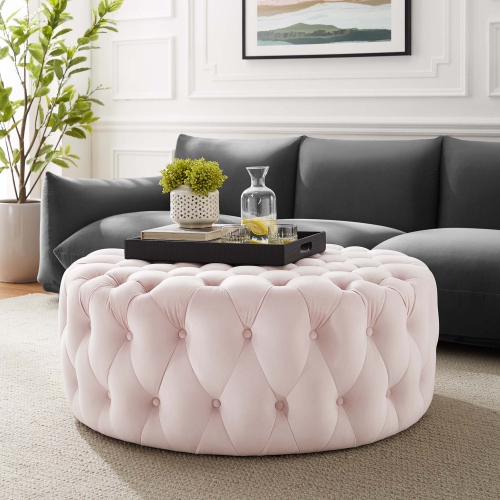
Shape and proportions affect how naturally a brown storage ottoman fits into a room. A rectangular design can follow the length of a sofa or the foot of a bed, creating a generous surface without introducing another tall piece of furniture. Square ottomans often suit sectional seating arrangements, while compact cubes can tuck beside a chair or occupy a corner until needed. For a curved silhouette that softens the lines of surrounding furniture, round brown ottomans with storage offer another way to combine a cushioned surface with concealed space. Rounded edges can make circulation feel less constrained, although the overall diameter still needs to leave a comfortable route through the room. Height matters just as much as width and depth. An ottoman used mainly as a footrest generally feels more comfortable when its top sits close to, or slightly below, the height of the chair or sofa cushion. For occasional seating, both the seat height and the manufacturer’s stated seating suitability matter. Exterior measurements do not tell the whole storage story: thick padding, substantial walls, inset hinges, and tapered sides can reduce the usable space inside. Interior dimensions help establish whether folded bedding, games, or other belongings will fit without being compressed against the lid. The opening mechanism also changes how the piece works day to day. A lift-off top needs somewhere to rest while the compartment is open; a hinged lid needs clearance to rise fully without hitting a bed frame, wall, or nearby table. Drawer-style storage, where offered, requires unobstructed space in front. Removable organizers can help keep small accessories from disappearing beneath blankets, provided they fit without interfering with the closure. If the top doubles as a surface for a serving tray, a firm, level cushion is more practical than a deeply tufted one, and the tray must remain stable during use.
Materials and construction shape the feel, upkeep, and long-term performance of brown storage ottomans. Genuine leather may show natural variation in grain and colour, with wear developing differently depending on its finish and care. Faux leather offers a similar visual effect, but its composition and surface coating influence how it responds to friction, spills, and repeated cleaning. Woven upholstery brings a softer, more textured appearance, with performance depending on fibre content, weave, and any manufacturer-specified treatments. None of these materials is automatically the best choice for every household. A frequently used family-room footrest faces different demands from a bedroom bench used mainly to hold spare linens. Close, even stitching, securely attached legs, a stable base, and a well-supported lid are useful construction details to consider alongside the upholstery. Padding should suit the intended role: a comfortable place to rest feet may feel different from a supportive occasional seat. A storage lid is not necessarily designed to bear a person’s weight, so seating use should follow the manufacturer’s stated limits rather than assumptions based on size or appearance. Hinges and lid supports also deserve attention, particularly where children may be nearby; storage compartments are not play spaces, and fingers should stay clear of closing edges. For routine care, fabric may need gentle vacuuming with an upholstery attachment, while many coated surfaces can be wiped with a soft cloth according to their care instructions. Spills are best blotted promptly, and cleaners should be suitable for the specific material rather than chosen solely because the surface looks like leather. Direct sunlight can affect colour over time, and contact with sharp buckles, pet claws, or rough objects can mark upholstery. Felt pads or other floor protectors appropriate to the base can help prevent scratches when the ottoman is repositioned. With suitable proportions, accessible storage, and care matched to its materials, a brown storage ottoman can become a well-used part of the room rather than simply another place to put things.
Top selling and popular products
-
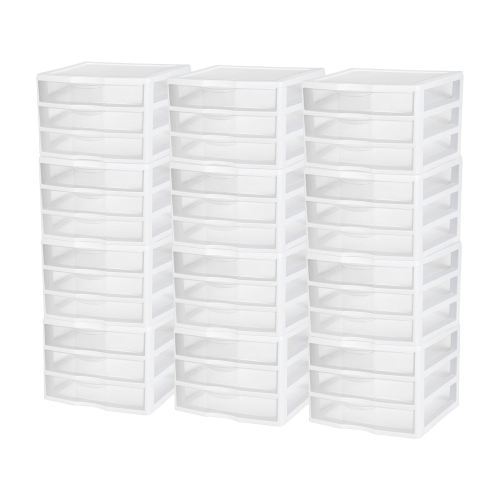 Your price for this item is $517.99
-
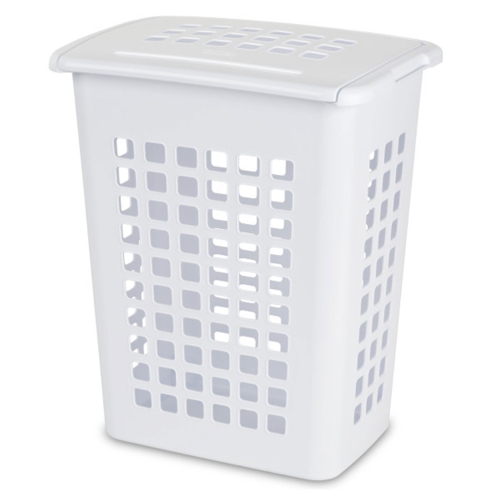 Your price for this item is $786.99
-
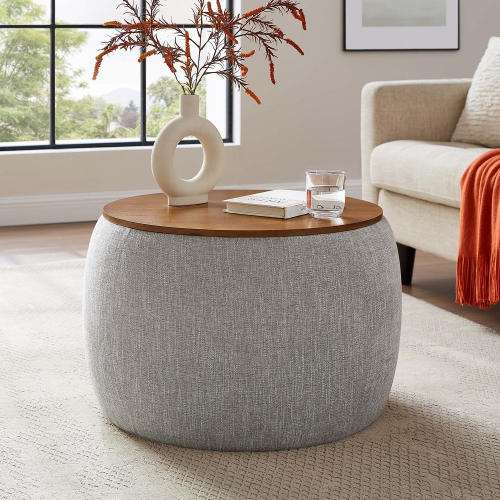 Your price for this item is $286.83
-
 Your price for this item is $765.09
-
 Your price for this item is $124.99
-
 Your price for this item is $113.99
-
 Your price for this item is $75.99
-
 Your price for this item is $129.99
Discover more categories related to Brown Ottomans With Storage
Top Collections:
Best Black Friday Deals This Year, Best Black Friday Deals On Electronics, Kindle Devices, Best Black Friday Deals On Apple Products, Best Budget Office Chairs, Best Cameras for Sports Photography, Dyson Airwrap, Canon G7X Cameras, Best Laptops for Writers, Samsung Galaxy Phones
Some products may be subject to Environmental Handling Fees
(EHF) depending on your province.
Learn more about EHFs.