Brown Square Patio Dining Tables
Brown Square Patio Dining Tables bring a touch of style and functionality to any outdoor space. Perfect for gathering with friends and family, these tables offer a versatile solution for dining, entertaining, or simply enjoying your backyard. With their classic brown finish and square design, Brown Square Patio Dining Tables easily complement a variety of patio décors, making them a popular choice for both casual meals and special occasions. Explore options that blend seamlessly into your outdoor setting while providing a comfortable spot to dine and relax.
Sort
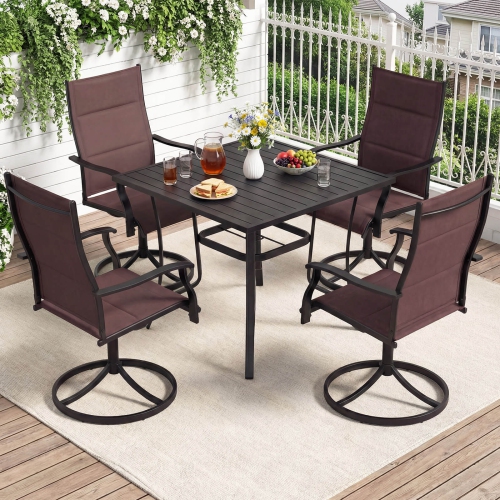
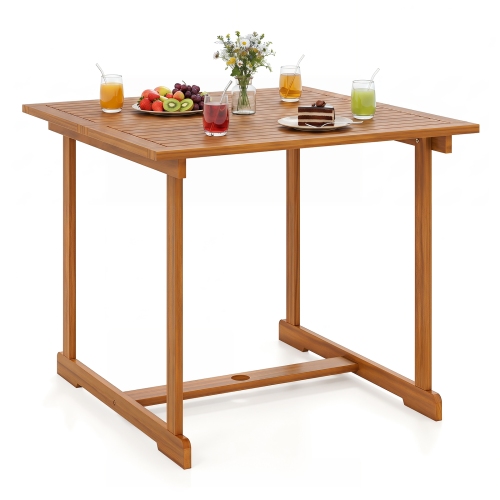
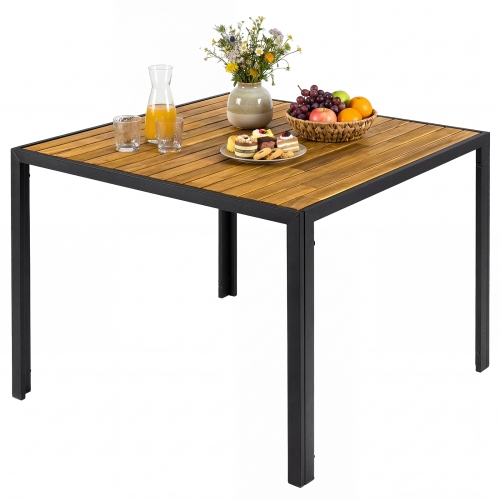
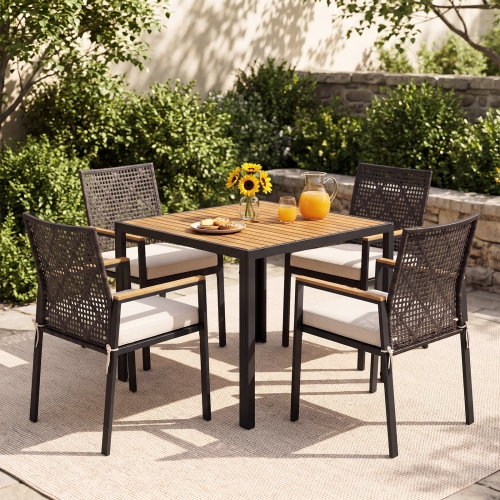

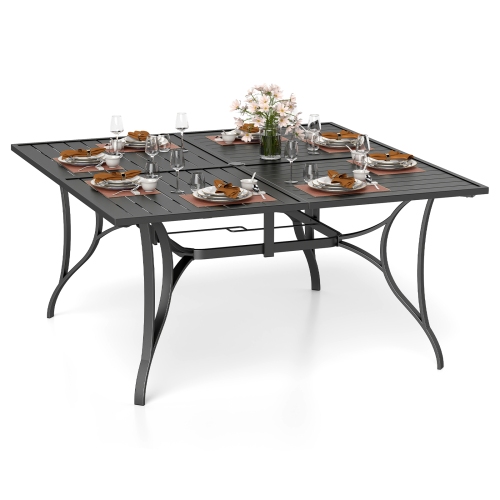


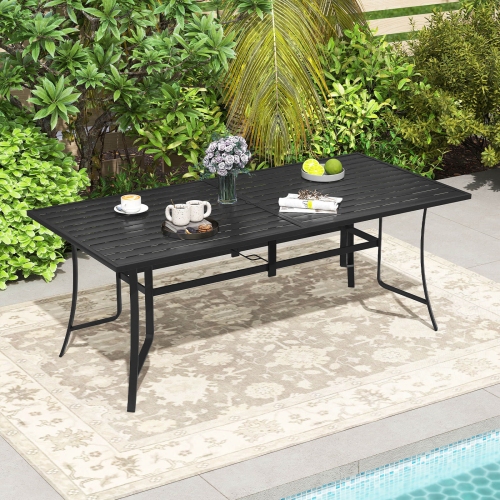
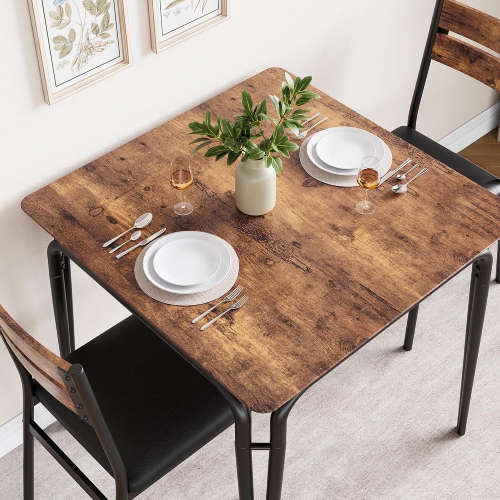
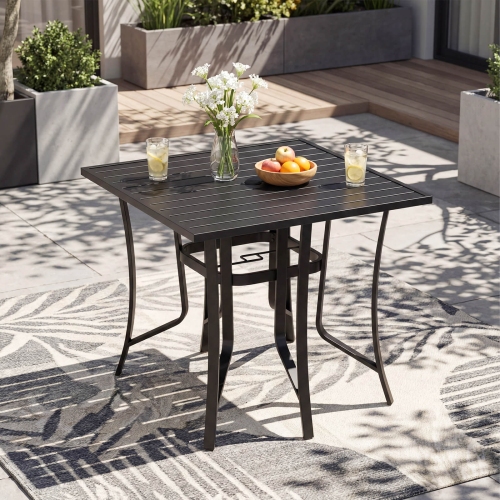
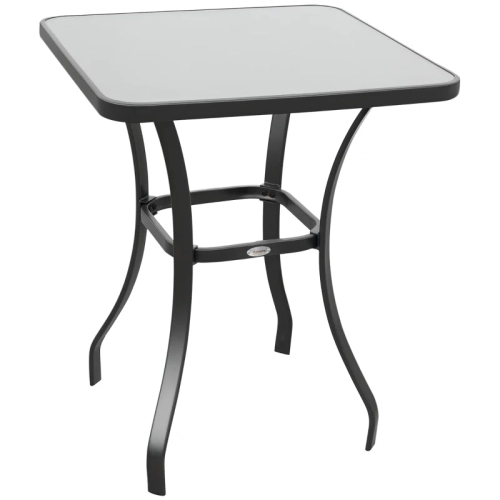
A warmer setting for face-to-face meals outdoors
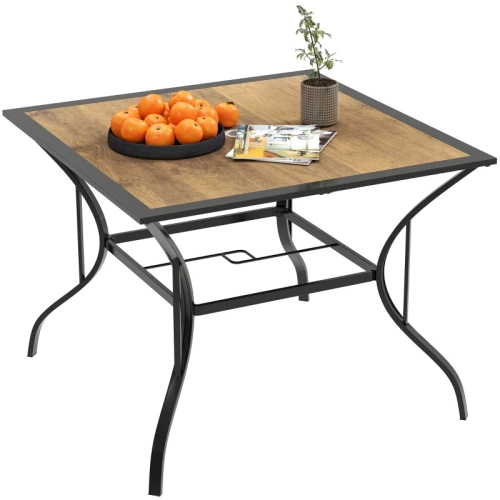
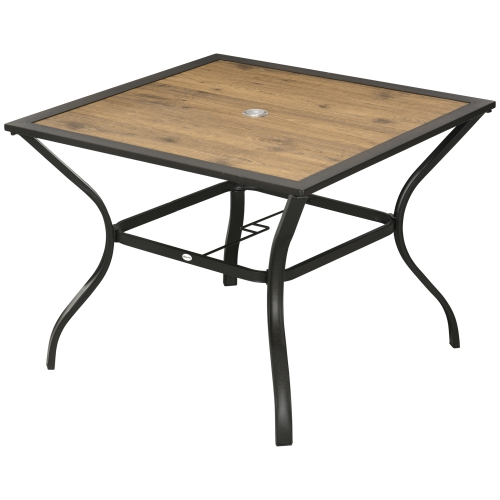
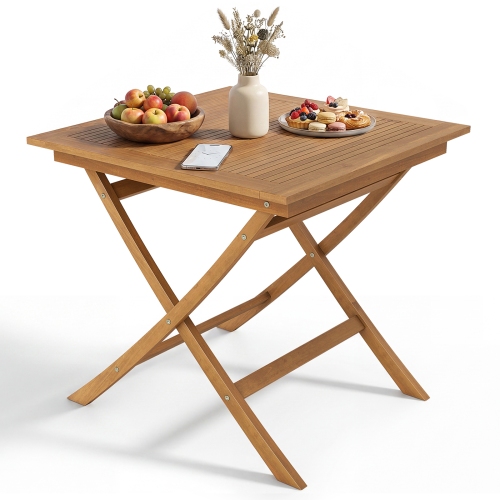
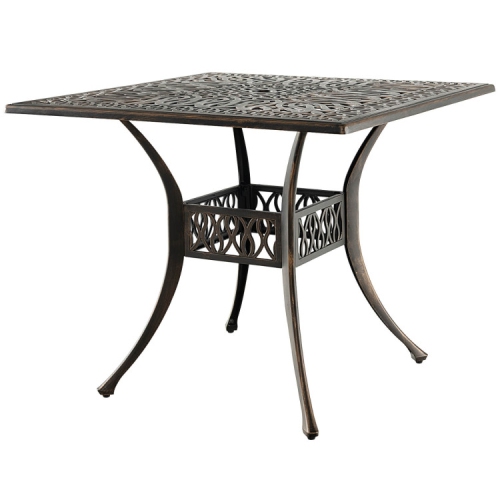
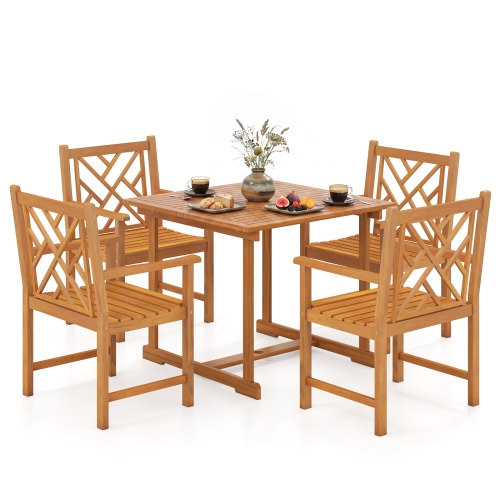
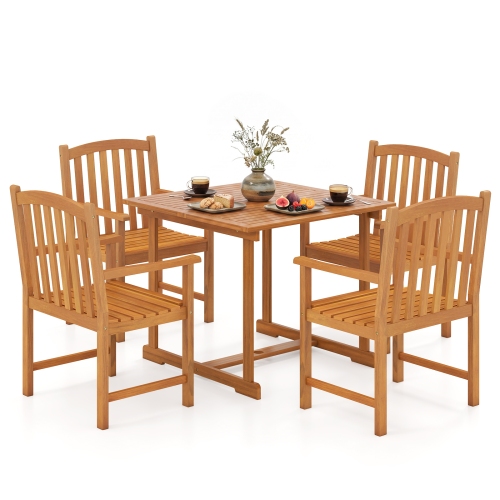
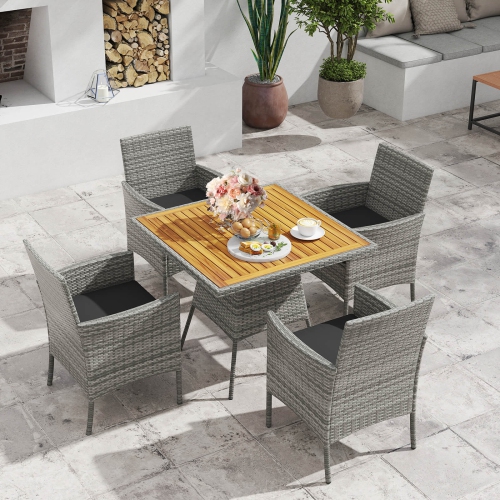
Brown square patio dining tables bring a warm, grounded look to outdoor eating areas, whether the setting is a compact balcony, a paved courtyard, or a deck beside the kitchen. Their equal-sided shape creates a balanced arrangement that suits conversation, with diners facing one another across a shared centre rather than sitting along a long stretch of tabletop. A smaller square table can make a comfortable spot for breakfast for two, while a larger footprint gives family meals, serving dishes, and place settings more breathing room. Seating capacity depends on the table’s dimensions and base design, not simply its square shape. Brown finishes also offer plenty of visual range: lighter, wood-inspired shades sit comfortably beside cream cushions and pale paving, while deeper brown tones provide contrast against light siding, grey stone, or black metal chairs. Matching every piece exactly is not necessary; repeating a similar undertone in chair frames, planters, or an outdoor rug can make the arrangement feel connected without looking overly coordinated. Within the broader range of Patio Dining Tables, square designs are particularly suited to layouts where a clearly defined dining area matters as much as the number of seats. The most useful dimensions are the tabletop’s width and depth, the space beneath its apron, and the room left around it once chairs are occupied. A table that fits neatly into an empty corner may feel cramped when someone pulls out a chair or carries a tray through the same space. Door swings, steps, railings, and the route to a barbecue all affect how comfortably the area works. For a balcony used for both meals and quiet reading, a modest square footprint can leave room for a separate lounge chair. On a larger patio, the same shape can create an intimate dining zone without making the furniture feel scattered. Keeping the table’s proportions in balance with nearby furniture helps the space feel usable rather than crowded.
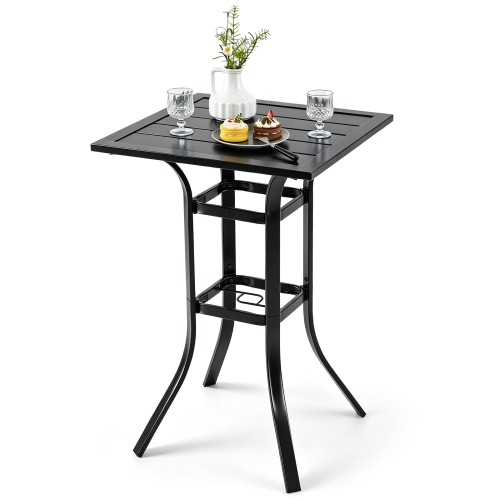
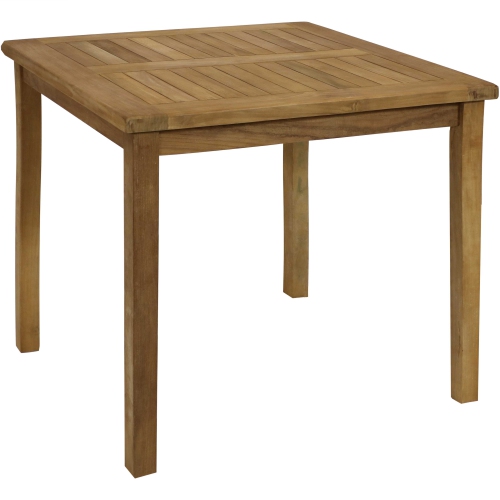
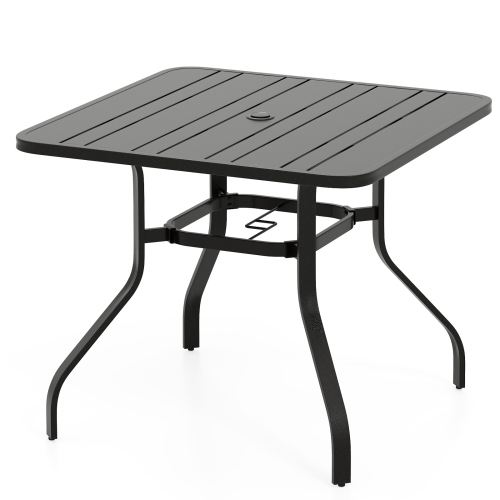
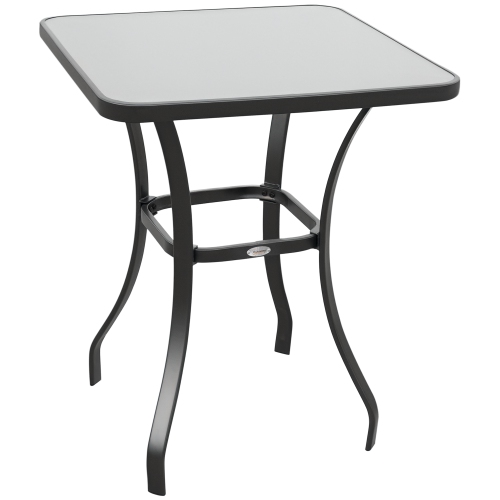
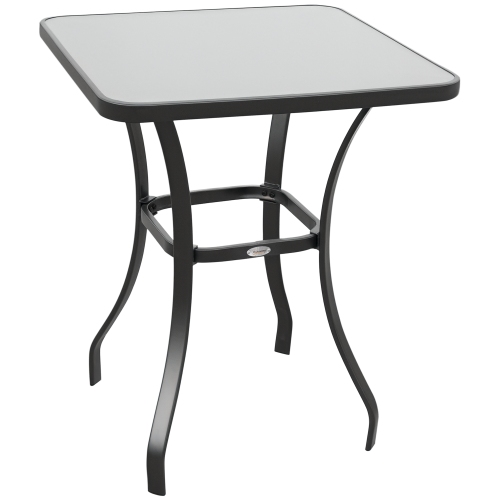
Materials influence both the appearance of a brown square patio dining table and the attention it needs over time. Solid wood offers natural grain and variation, so the surface may show differences in tone even when finished in a consistent brown shade. Its long-term appearance depends on the wood species, protective treatment, exposure, and maintenance recommended by the manufacturer. Some wood surfaces need periodic refinishing or oiling, while others require a different care routine; applying an unsuitable treatment can change the colour or interfere with the existing finish. Brown-coated metal creates a different effect, often pairing a slim frame with a more uniform surface. Aluminum is generally lighter to move than steel, while steel construction can provide a substantial feel, though the finished table’s weight also depends on its size and design. Coatings help protect metal, but scratches, joints, and areas where water collects still deserve attention. Resin and composite constructions can provide a wood-like appearance with care requirements that differ from natural timber, although resistance to fading, staining, and scratches varies by material. The tabletop’s construction matters just as much as its finish. Slatted surfaces allow water to pass through, but narrow gaps can catch crumbs and may be less convenient beneath small glass bases. A continuous surface provides an even area for dishes and serving trays, while textured finishes may need more careful wiping after a meal. Rounded or softened corners can be useful where people regularly pass close to the table, though the overall footprint still needs adequate clearance. Beneath the top, corner legs, pedestal bases, and cross-bracing each affect where chairs and feet can sit comfortably. A broad centre base may allow flexible chair placement but take up more foot space; a four-leg design may leave the middle open while limiting how far wider chairs tuck in. On textured paving or a deck with slight irregularities, adjustable feet, where provided, can help reduce rocking and keep glasses steadier.
Everyday comfort comes from the relationship between the table, its chairs, and the way the space is used. Dining chairs need enough clearance beneath the tabletop for knees, and armrests need extra room if the chairs are meant to slide fully underneath. Seat cushions can change the sitting height, so a chair that looks proportionate may place someone too close to the apron once cushioned. For relaxed lunches, homework outdoors, or a board game after dinner, a stable surface and comfortable reach across the centre are more useful than decorative details alone. Shared bowls, a water jug, and a small planter can fill a compact square top quickly, making the usable surface area worth considering alongside the overall dimensions. An umbrella opening can support a shaded dining arrangement when paired with a compatible umbrella and suitable base; the opening itself is not a substitute for proper support. Nearby overhead structures and the space needed to open the canopy also affect that setup. Routine care is usually easiest when spills, food residue, and standing water are addressed promptly using methods approved for the material. Coasters and heat-resistant trivets help separate the finish from condensation and hot serving dishes, while dragging heavy planters or rough-bottomed pottery across the surface can leave marks. During periods of rain, snow, or freezing temperatures, protection needs to suit the table’s construction rather than relying on a general outdoor-use description. A correctly sized cover should allow appropriate airflow and be secured as directed, and furniture should be clean and dry before extended storage whenever the care instructions call for it. Checking fasteners, joints, and protective feet periodically can also help preserve a steady dining surface. With the right proportions, suitable materials, and manageable upkeep, a brown square patio dining table can serve as a dependable gathering point for anything from a quiet cup of tea to a shared meal outdoors.
Top selling and popular products
-
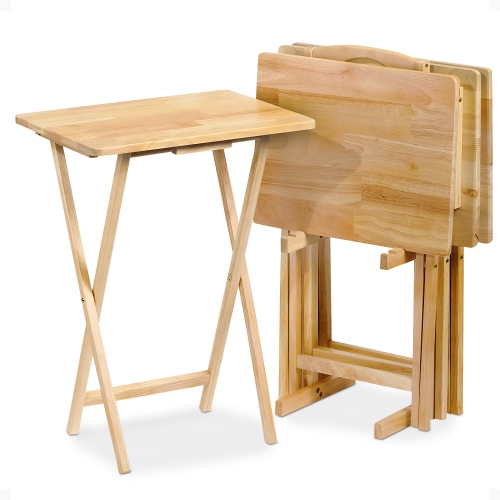 Your price for this item is $172.99
-
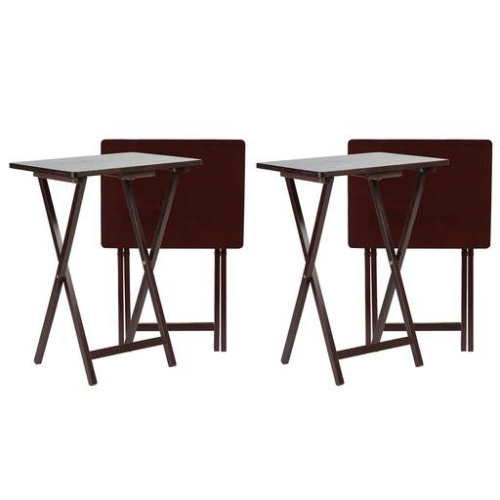 Your price for this item is $216.99
-
 Your price for this item is $121.99
-
 Your price for this item is $149
-
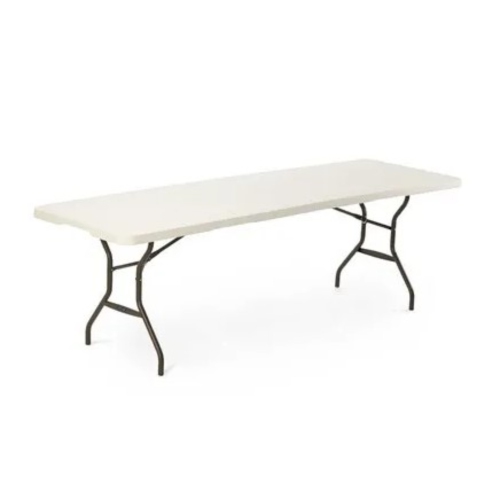 Your price for this item is $259.99
-
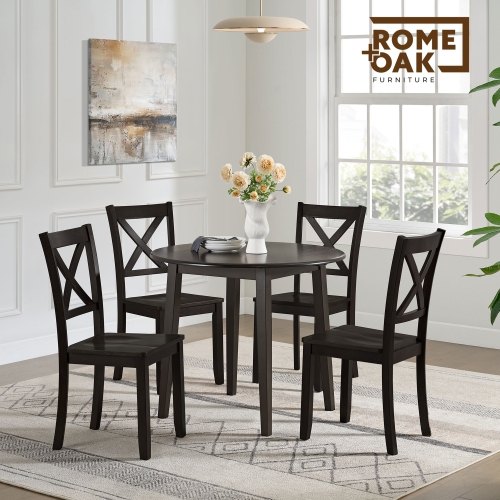 Your price for this item is $386.99
-
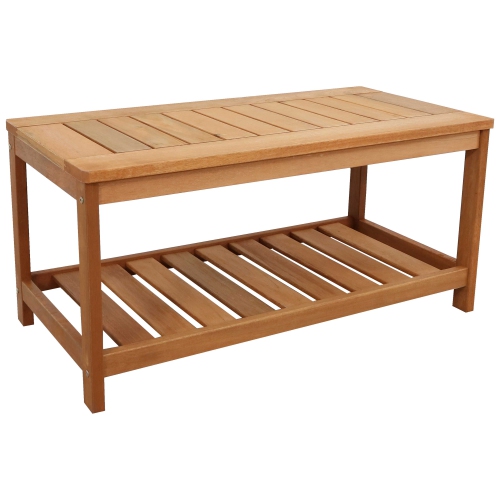 Your price for this item is $234.75
-
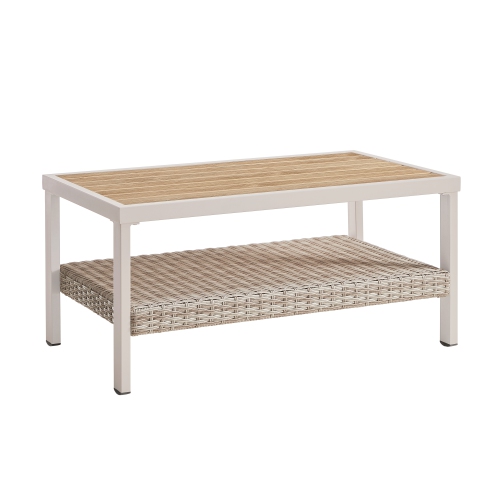 Your price for this item is $499.95
Discover more categories related to Brown Square Patio Dining Tables
Top Collections:
Best Black Friday Deals This Year, Best Black Friday Deals On Electronics, Kindle Devices, Dyson Airwrap, Best Cameras for Sports Photography, Best Budget Office Chairs, Canon G7X Cameras, PS5 Pro Consoles, Best Black Friday Deals On Apple Products, XBOX One S Consoles
Some products may be subject to Environmental Handling Fees
(EHF) depending on your province.
Learn more about EHFs.