Round Brown Outdoor Dining Tables
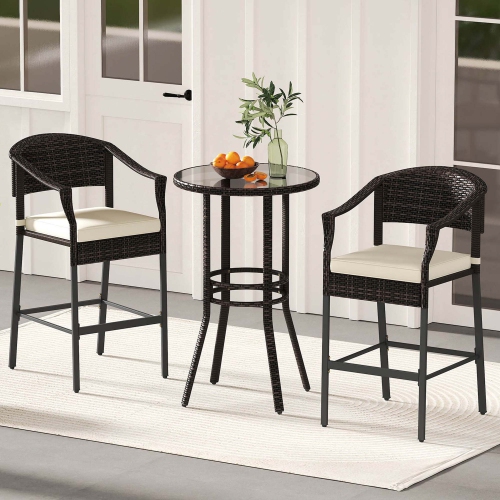
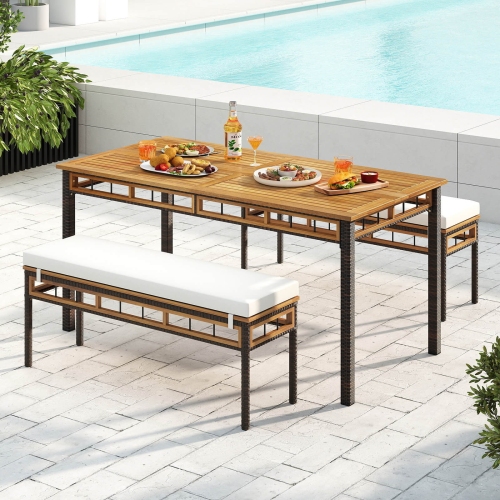
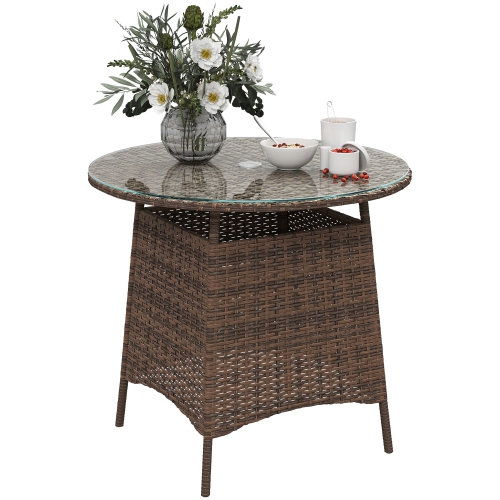
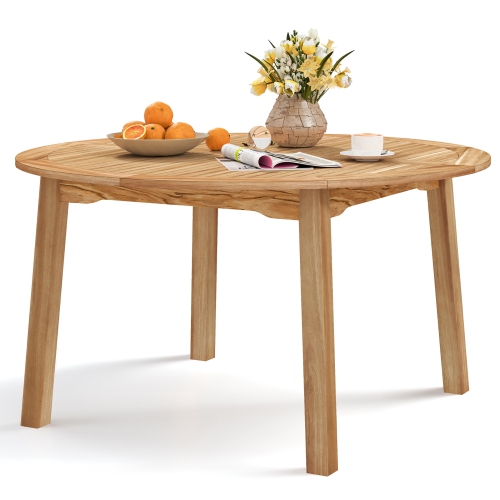
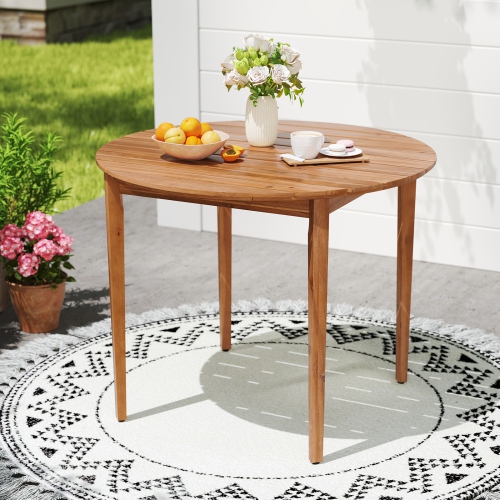
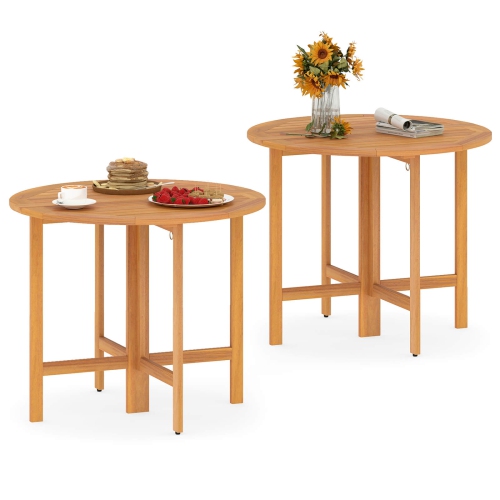
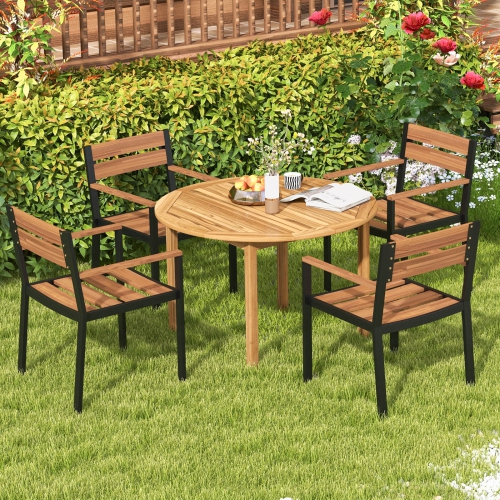
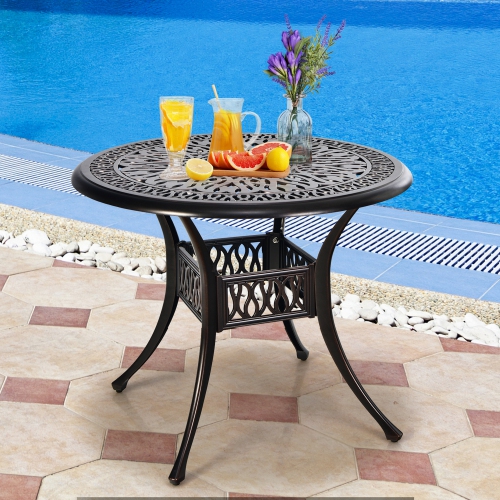
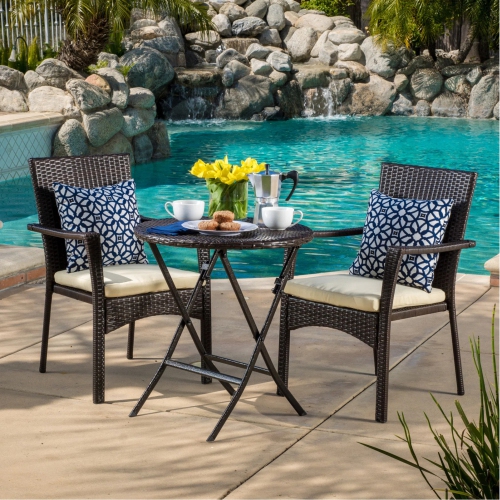
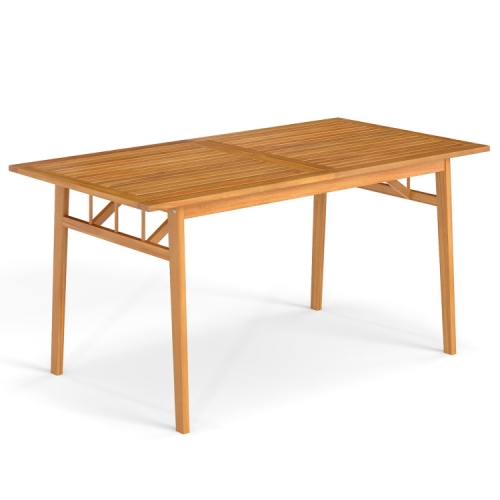
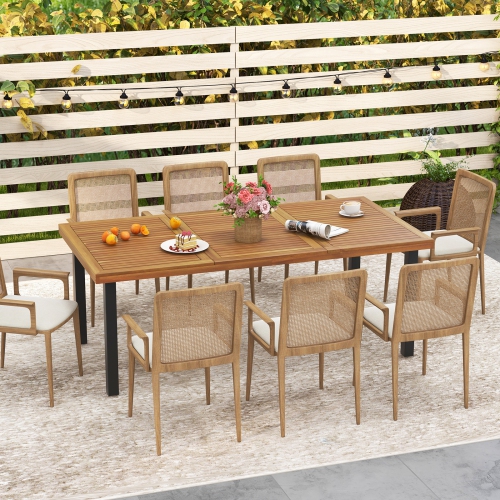
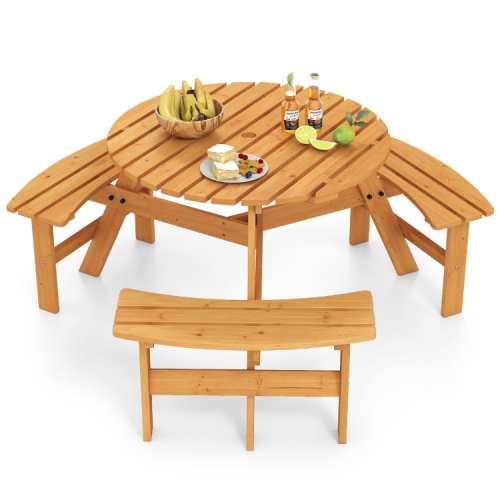
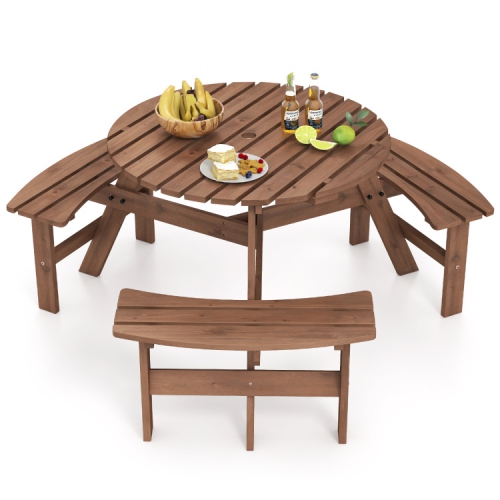
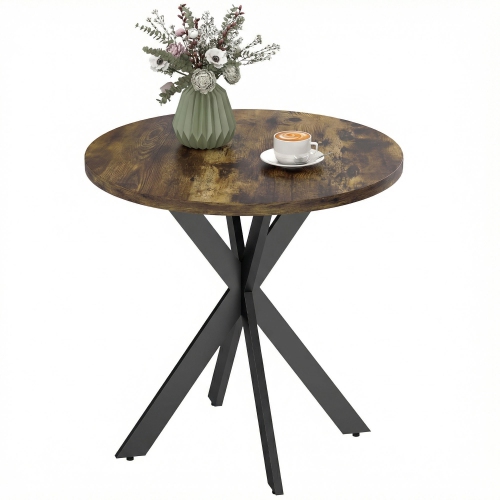
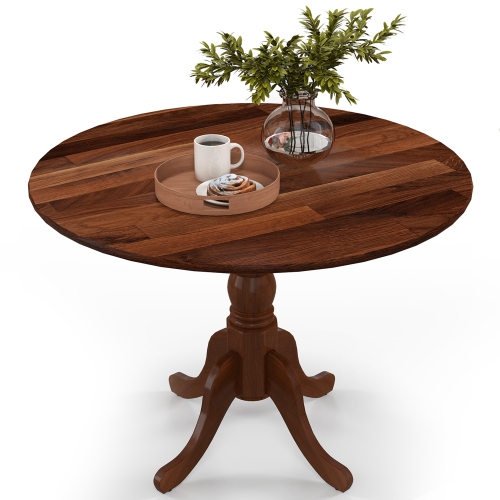
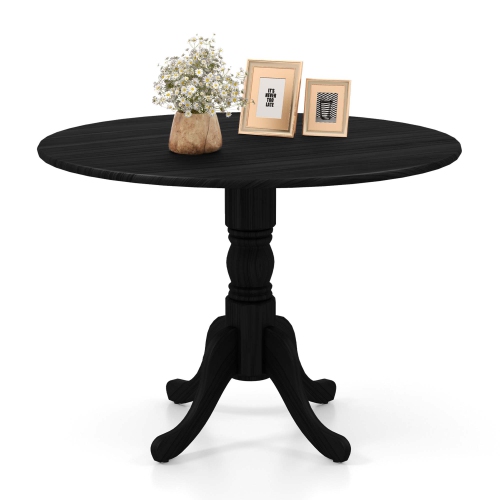
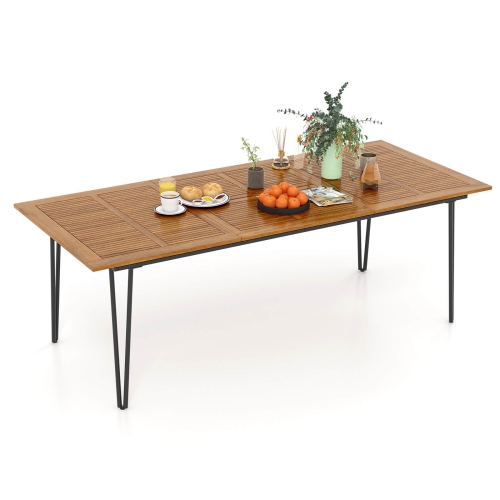
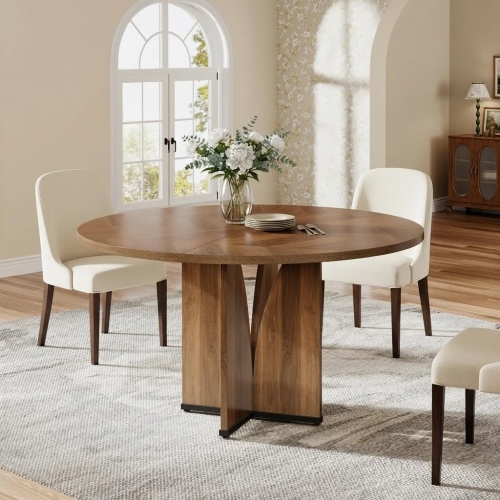
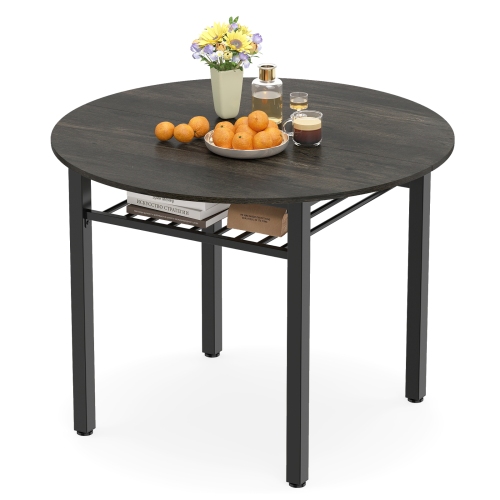
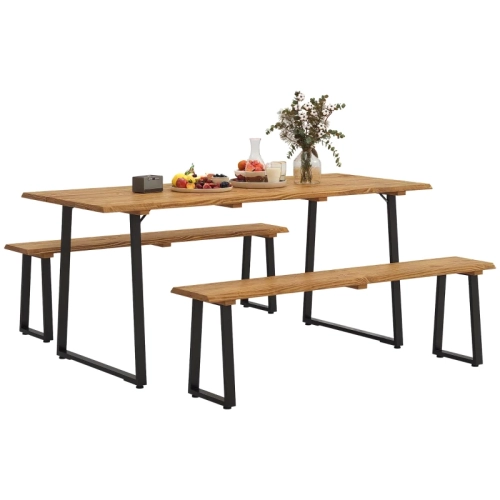
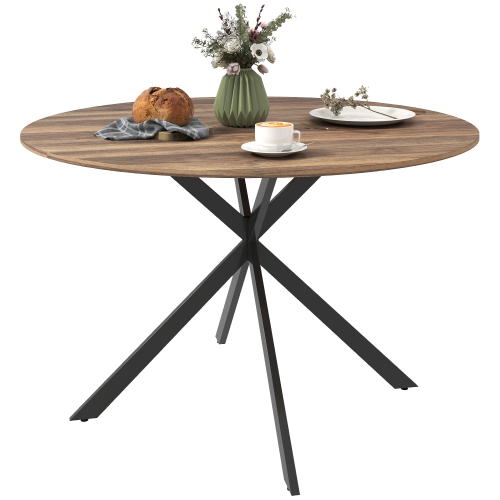
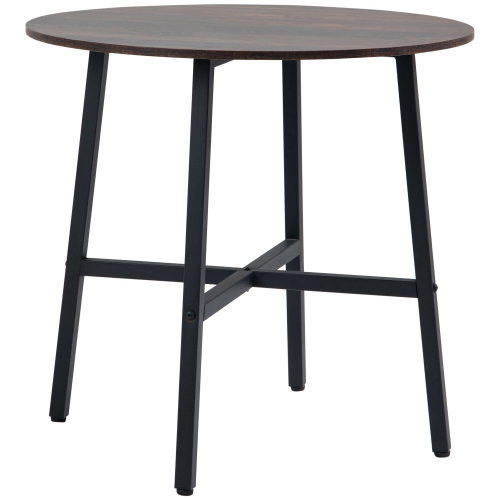
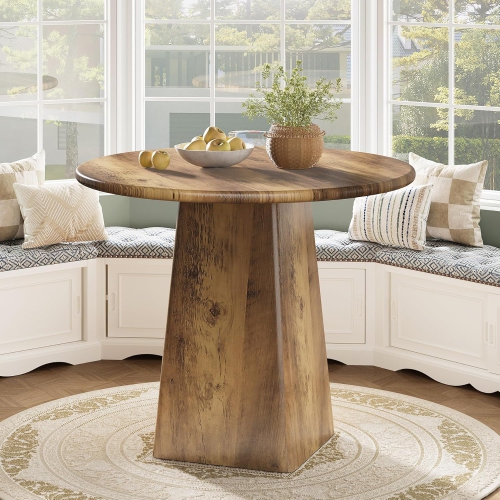
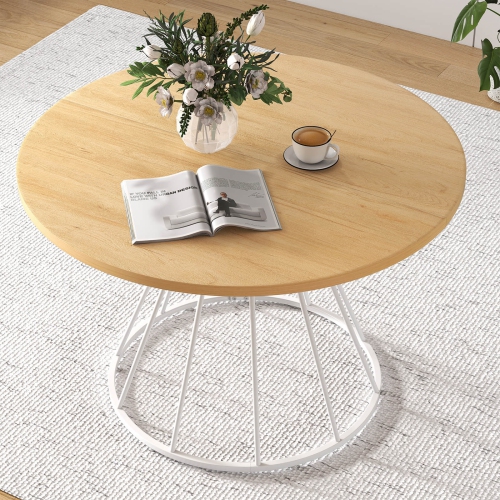
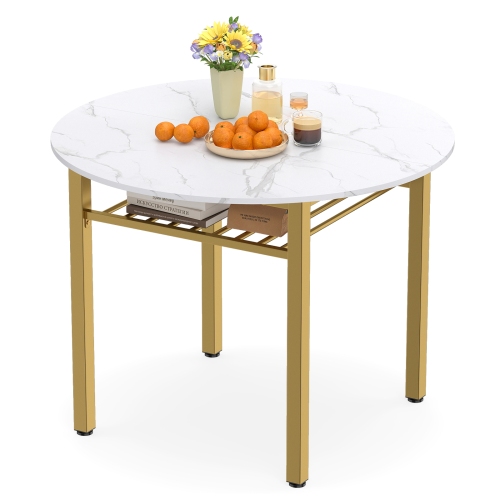
Create the perfect outdoor dining space with our round brown outdoor dining tables. Crafted with both style and functionality in mind, these elegant tables are designed to enhance your outdoor living experience. Whether you're hosting a casual brunch or a sophisticated dinner party, these versatile pieces provide ample space for your family and friends to gather around and enjoy delicious meals together. Its round shape promotes conversation and creates a warm and inviting atmosphere. Constructed with durable materials, these outdoor dining tables are built to withstand the elements, ensuring long-lasting beauty and functionality for years to come. Elevate your outdoor entertaining game with our round brown outdoor dining tables and make every meal a memorable one.
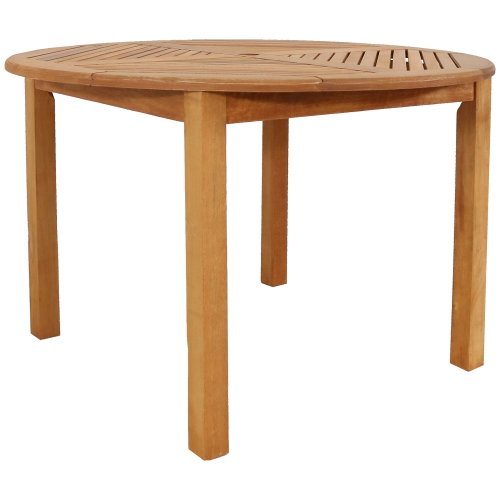
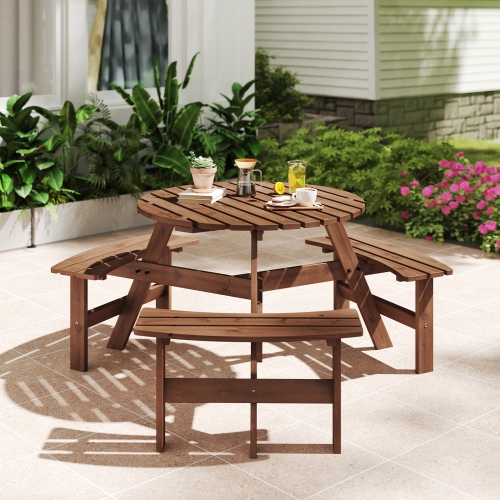
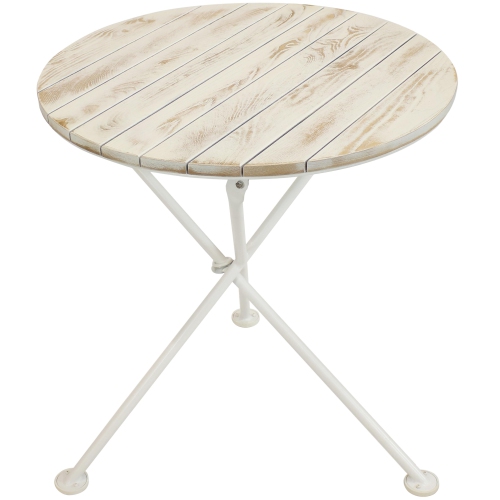
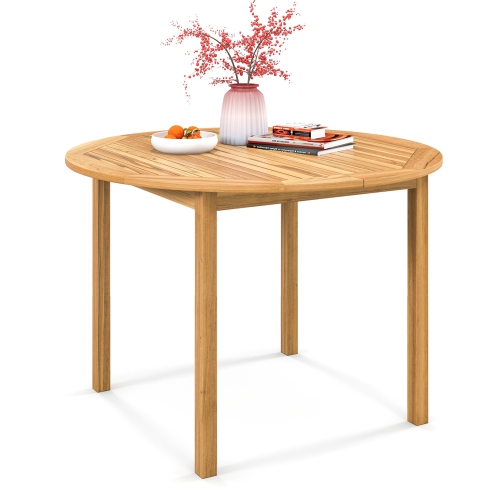

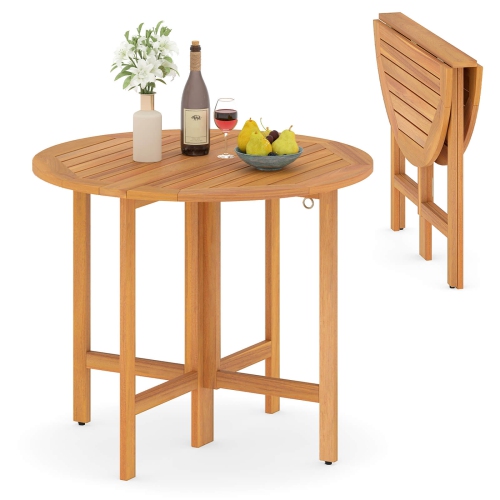
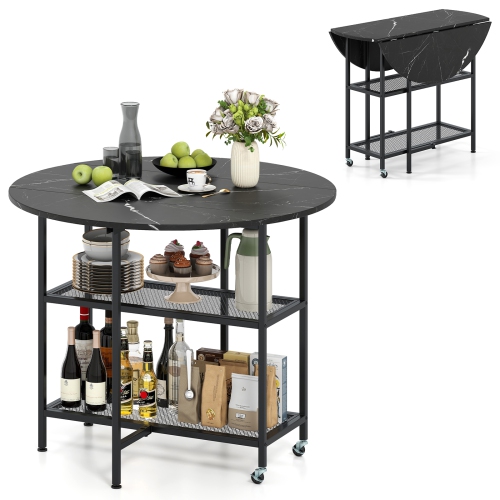
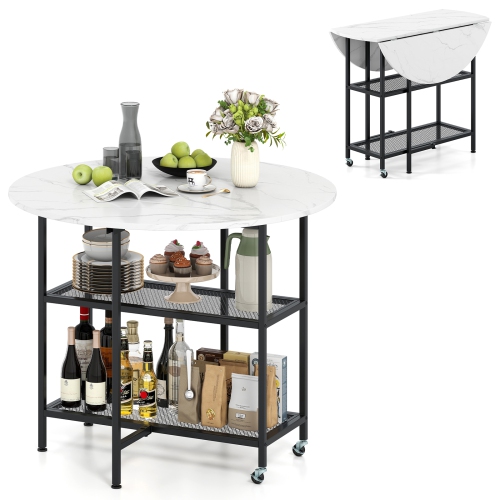

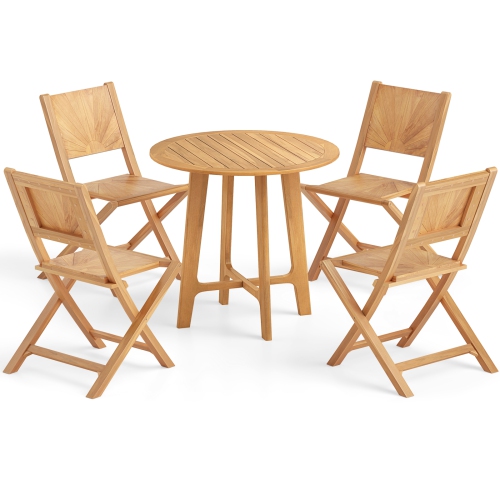
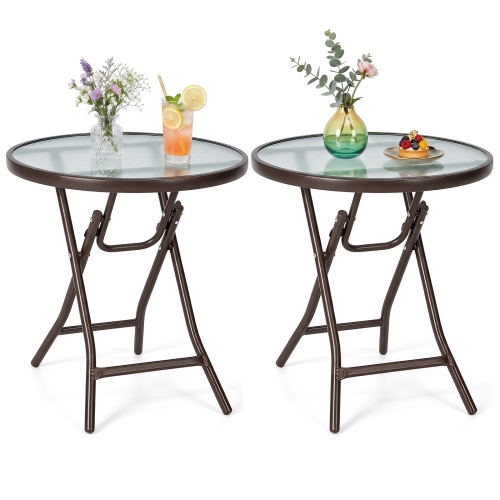
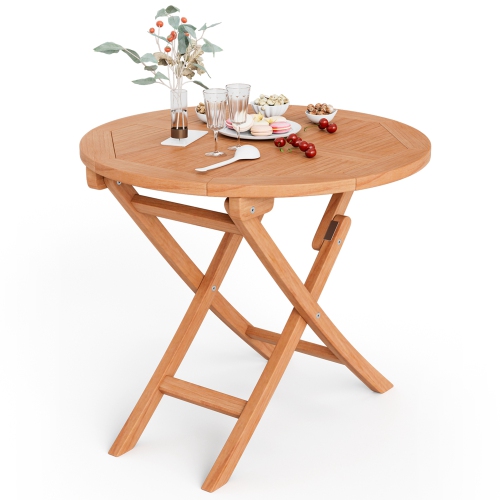
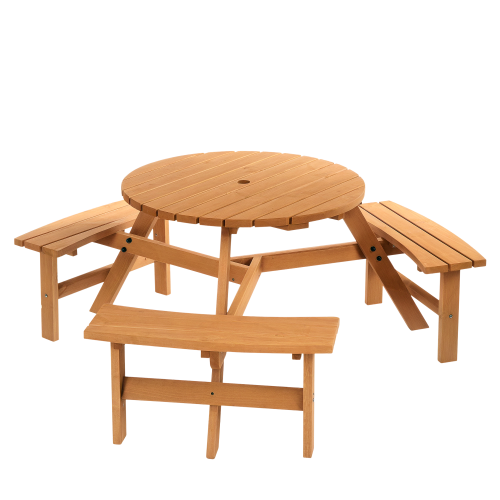
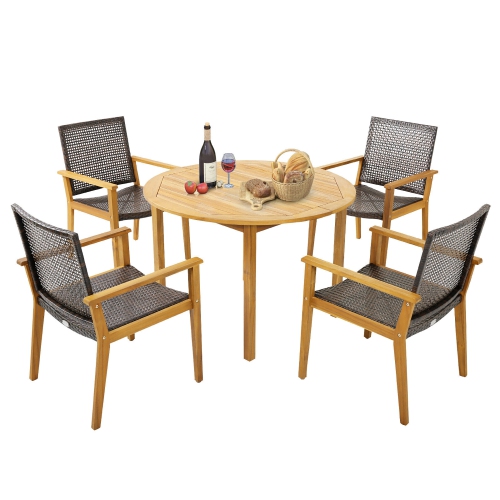
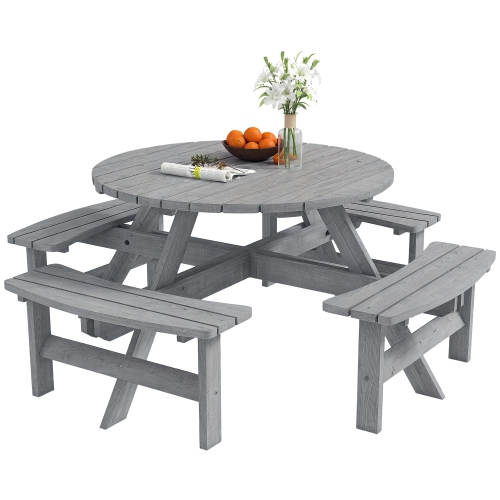
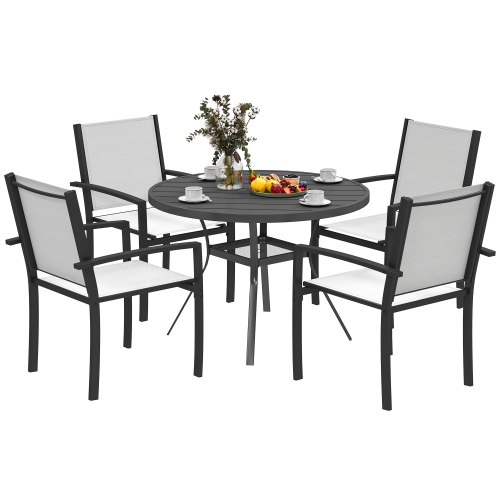
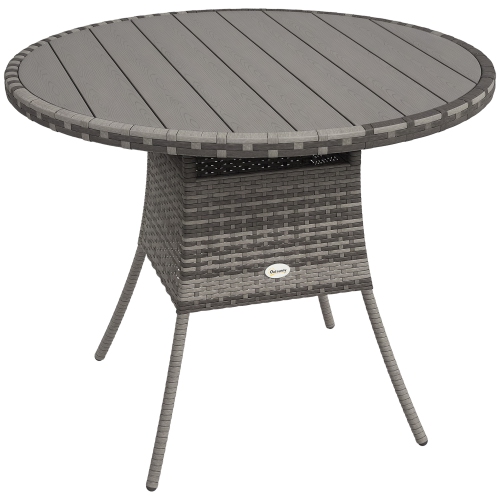
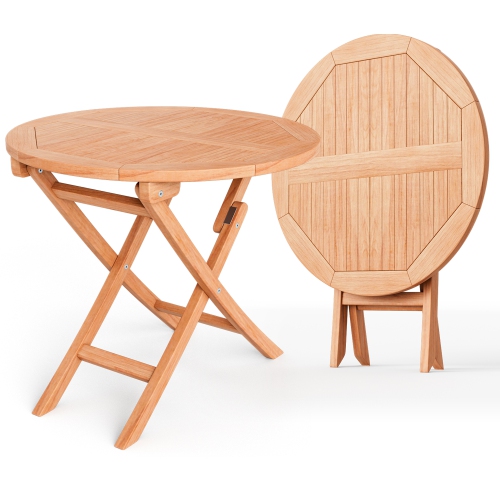


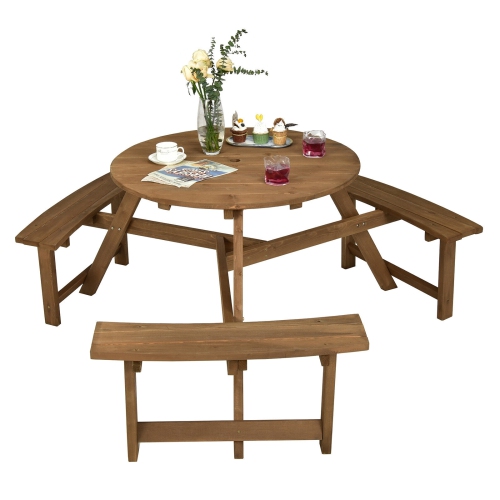
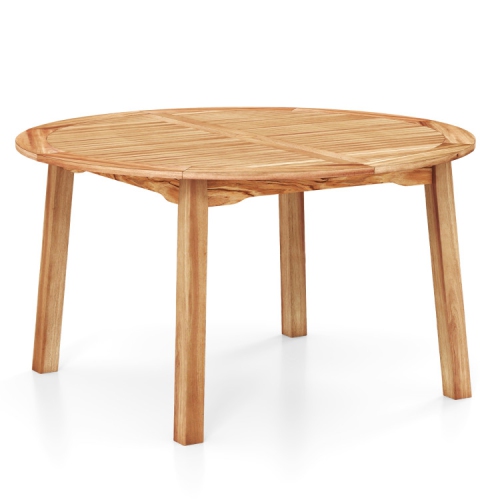
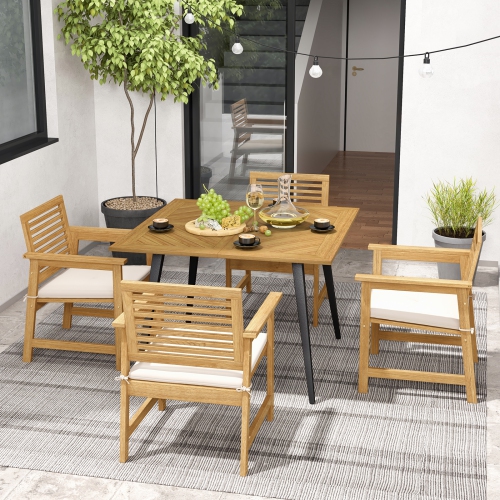

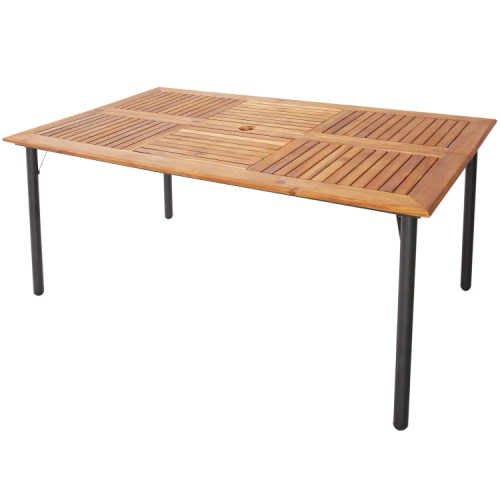
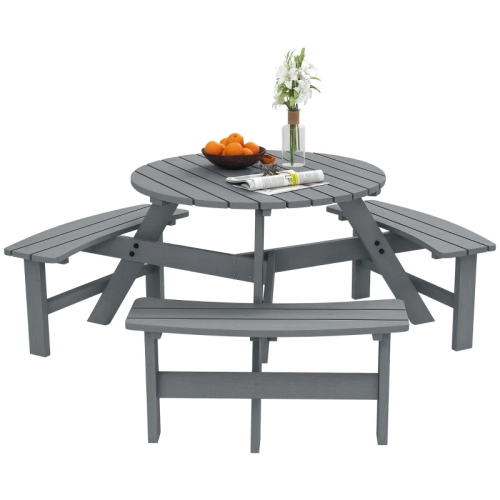
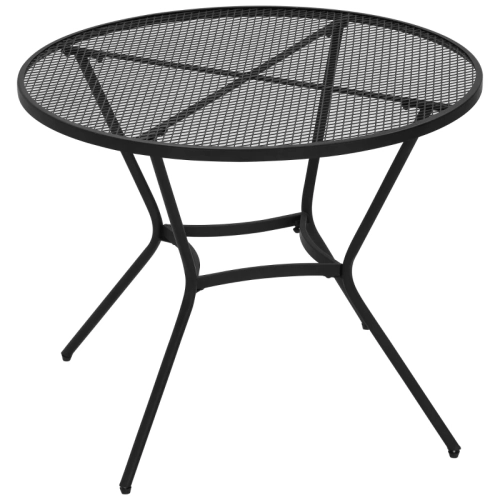
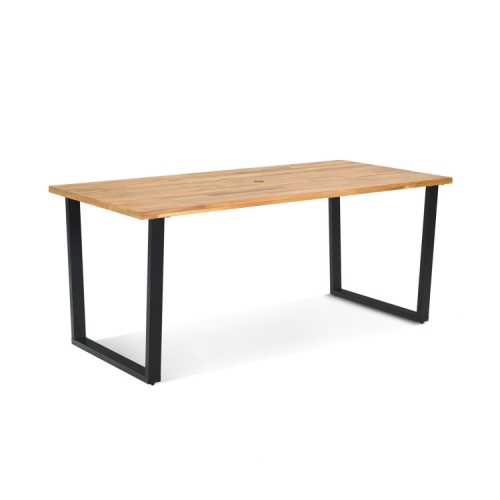
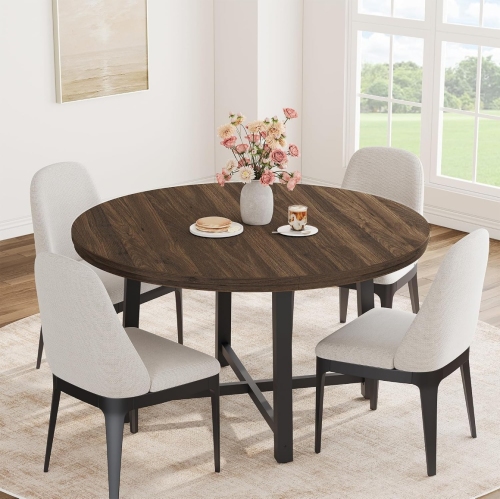
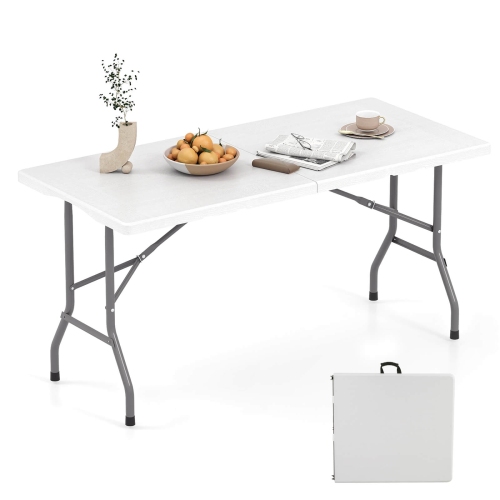
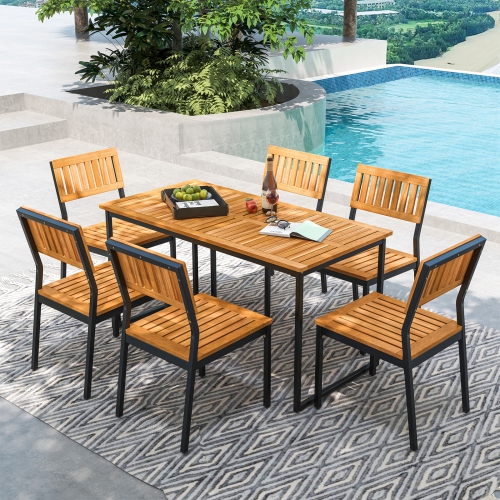
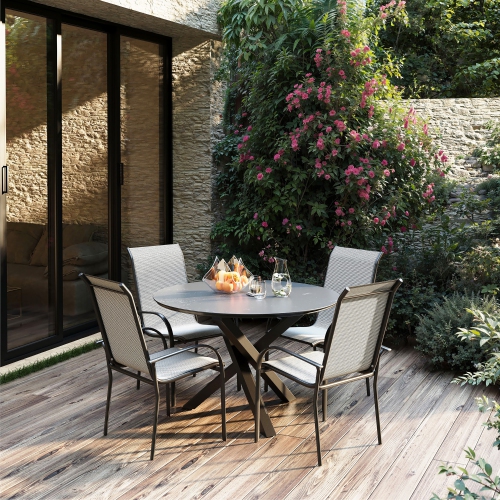
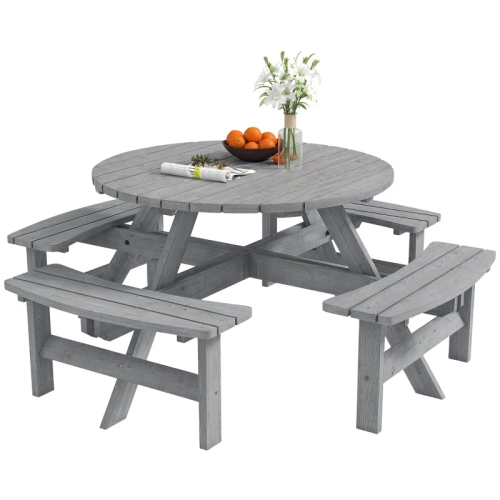
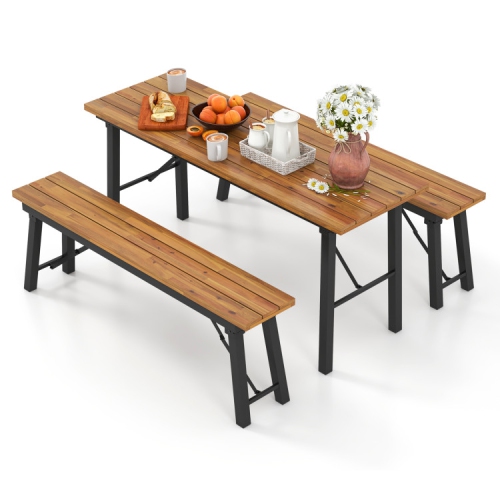
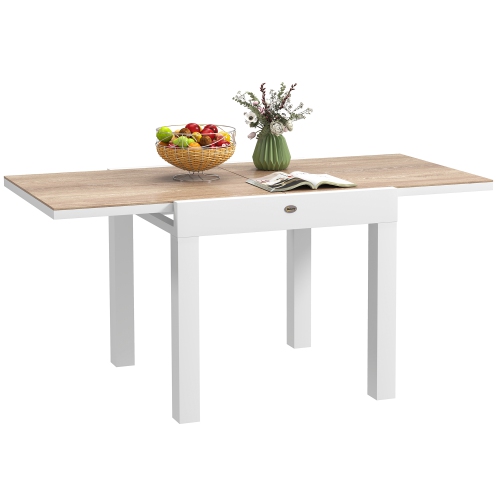
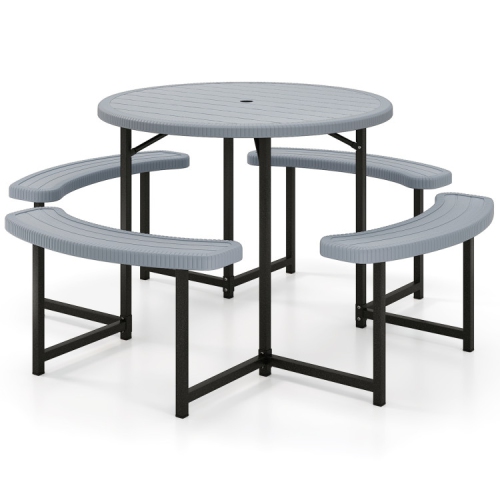
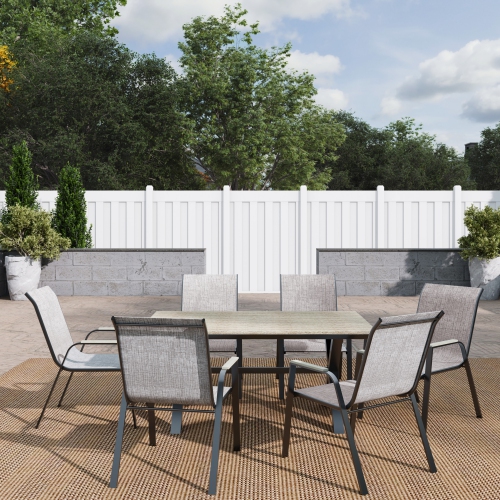
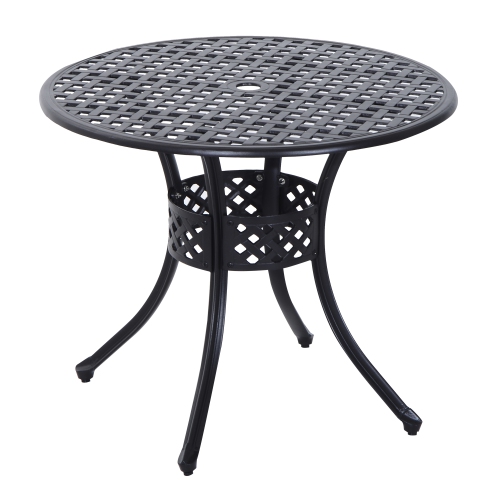
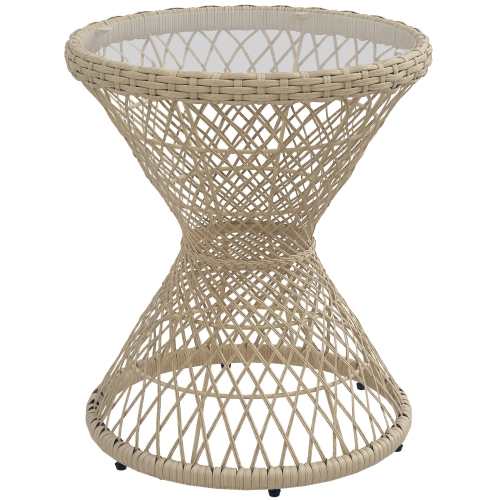
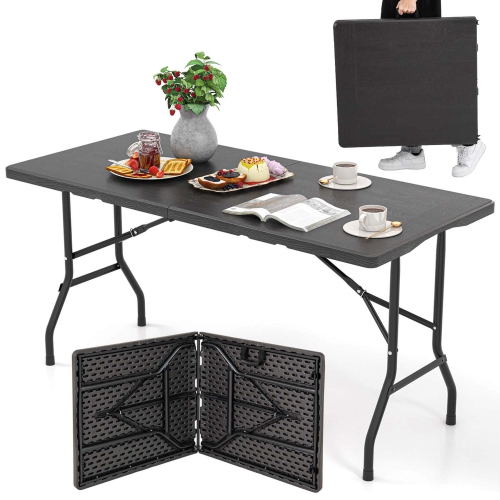
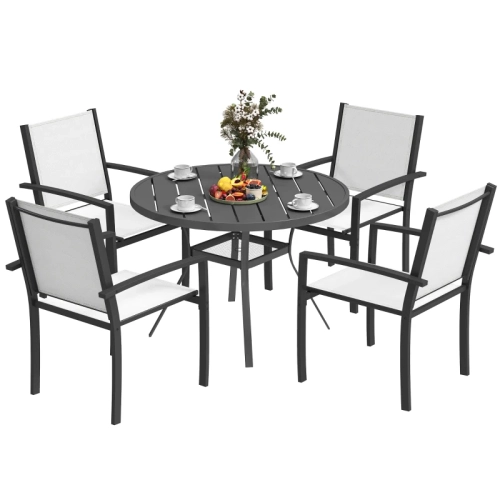
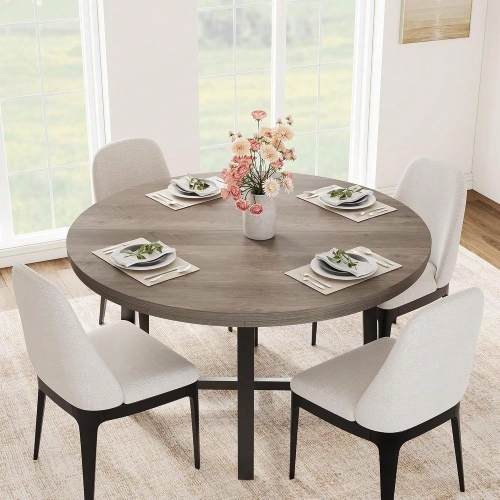
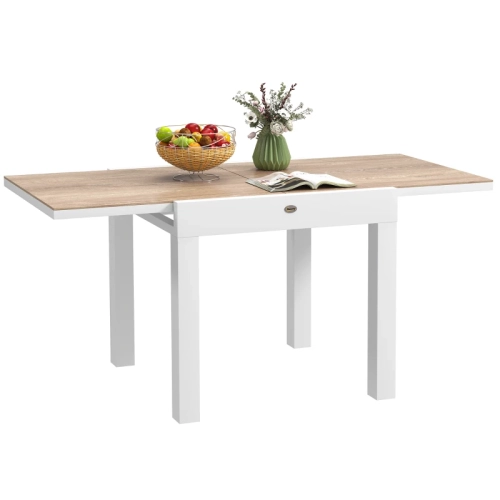
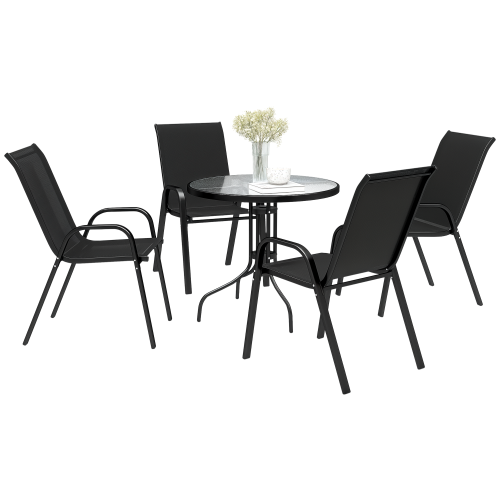
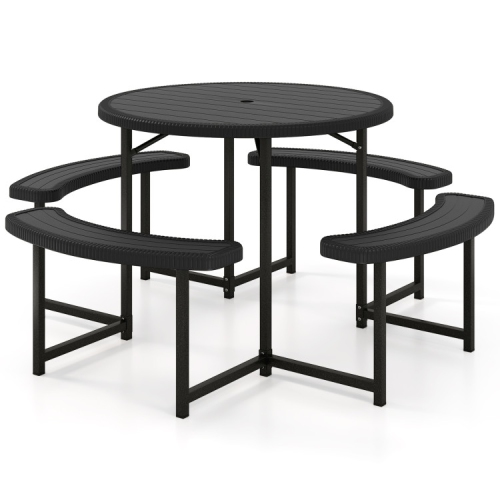
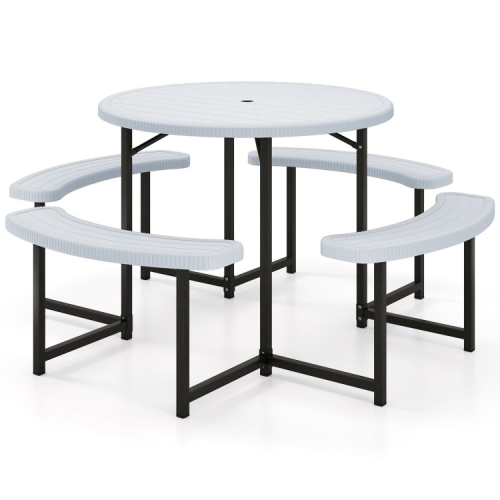

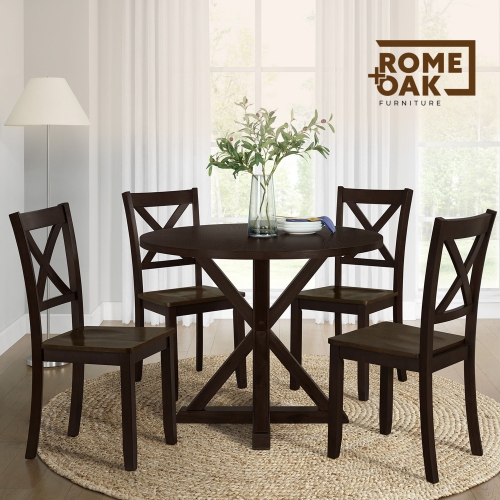
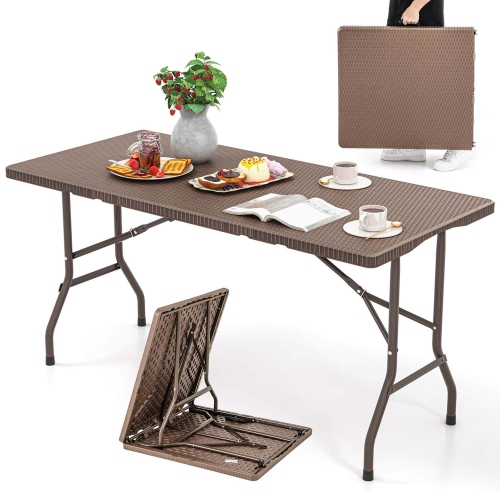
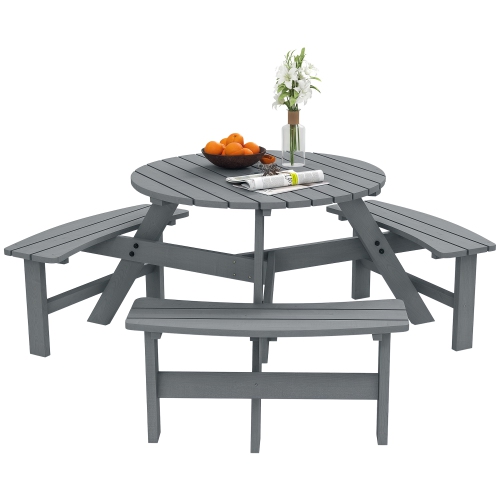
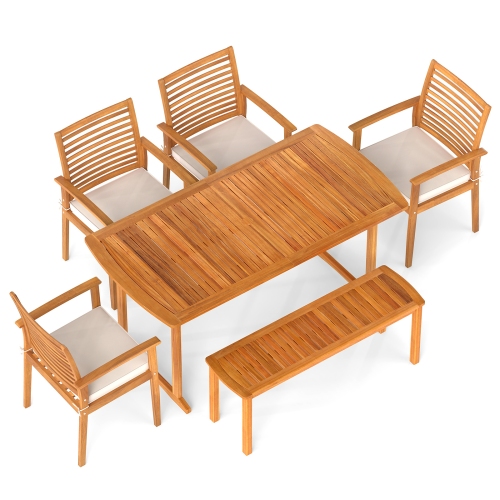
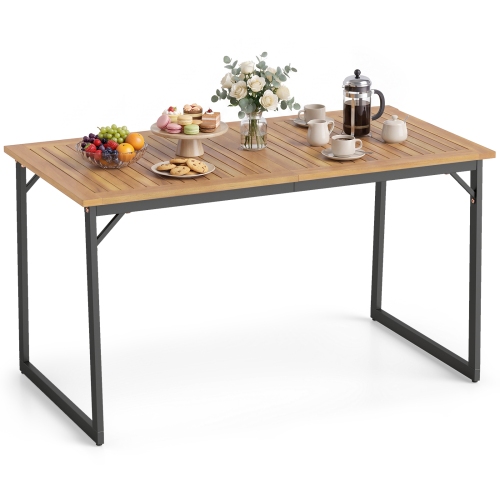
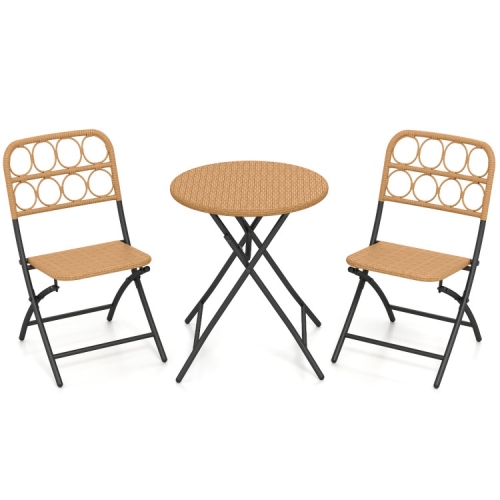
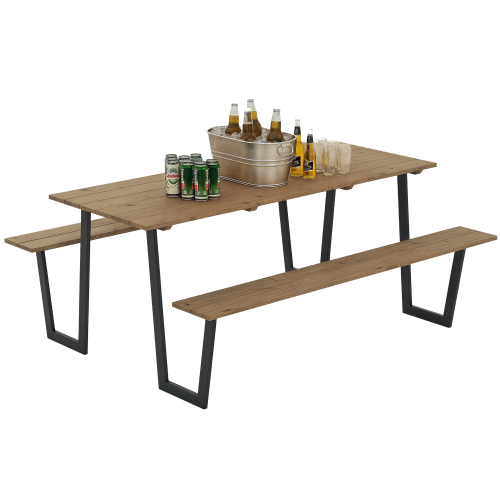
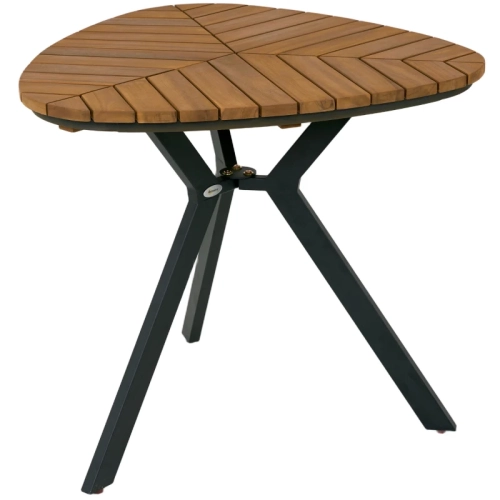
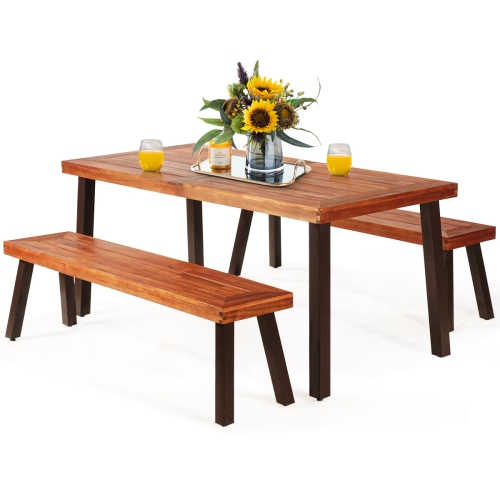
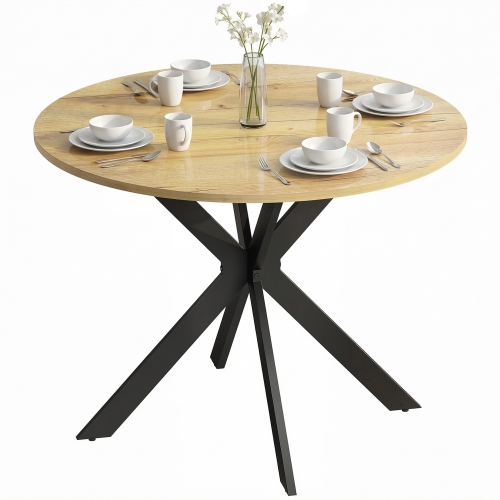
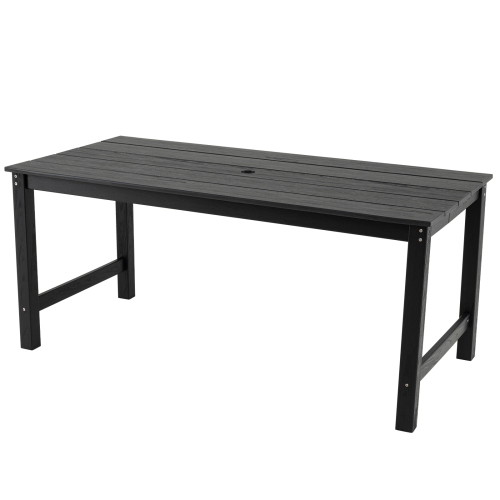
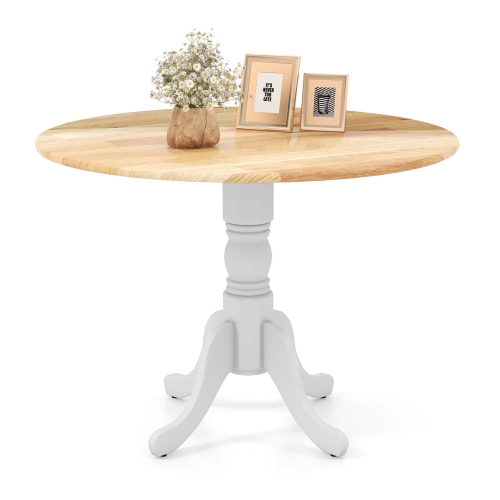

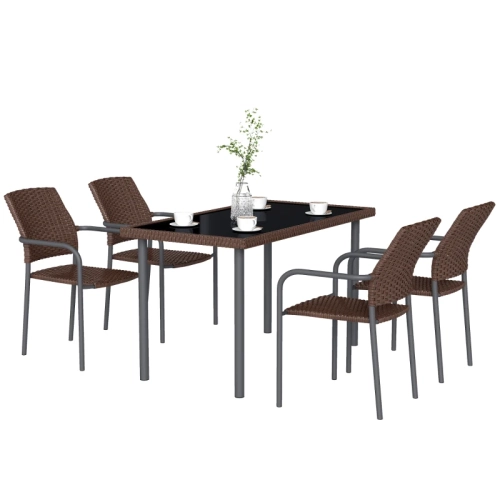
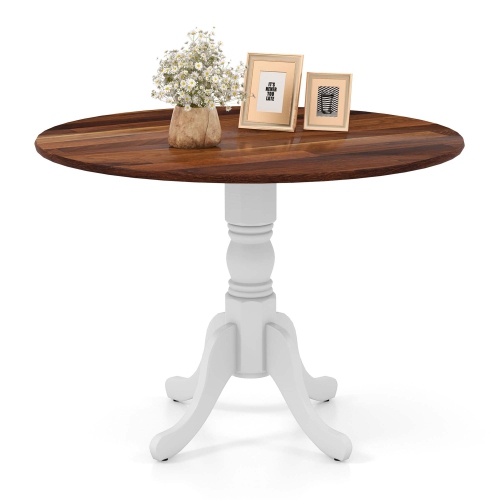
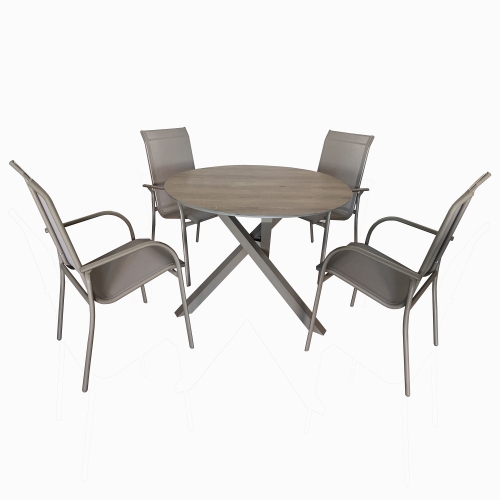
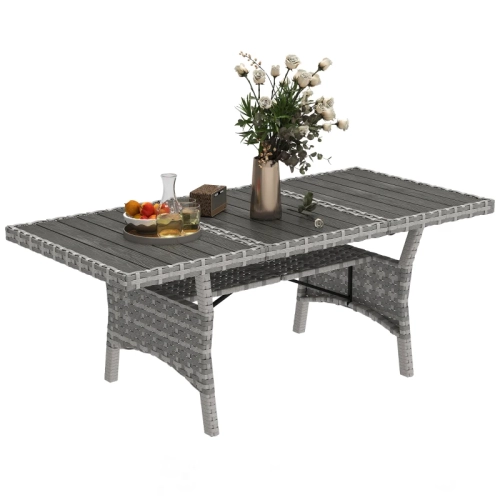
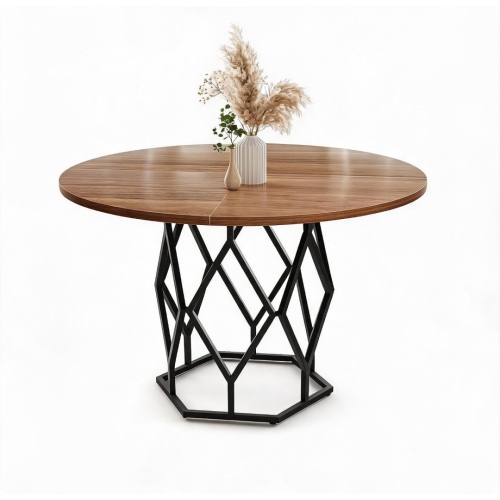
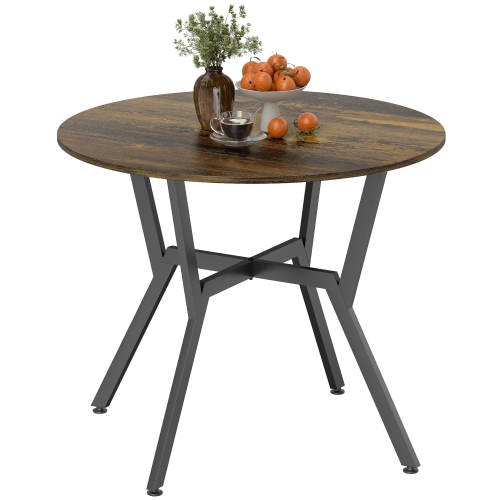
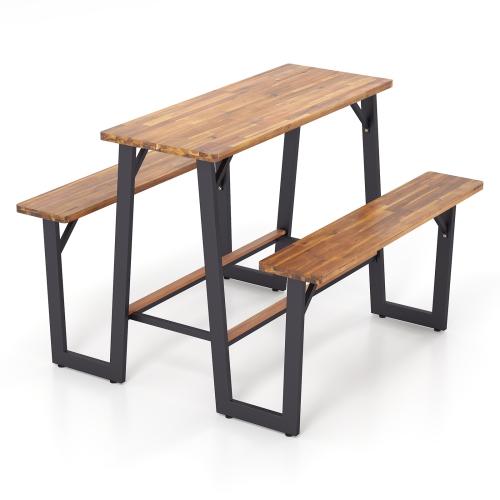
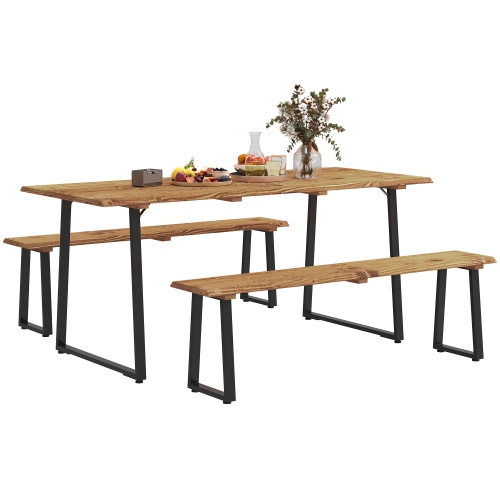
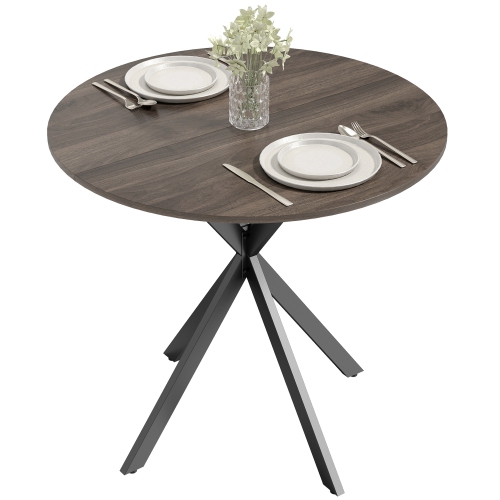
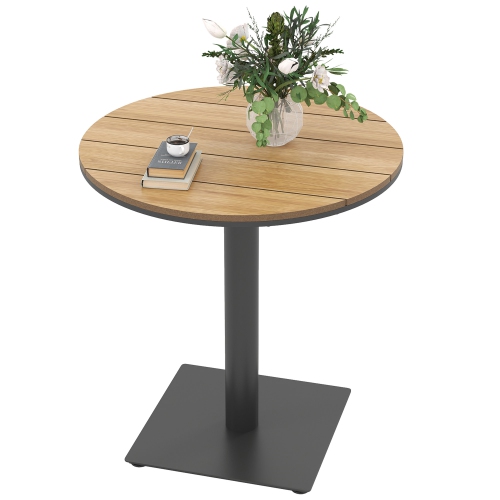
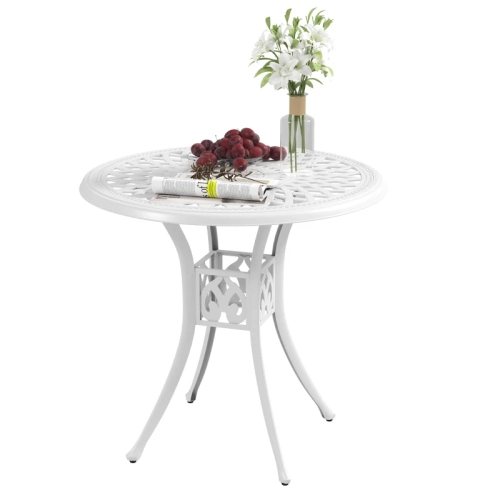
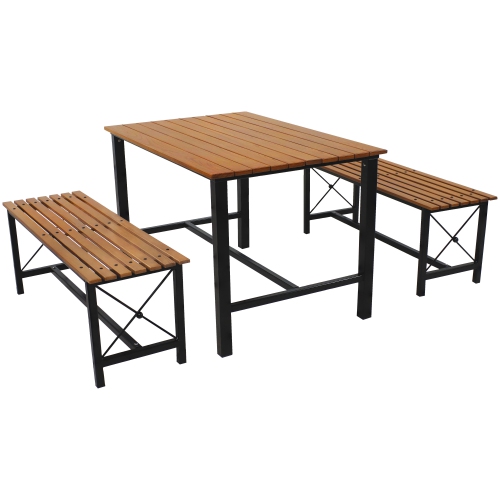
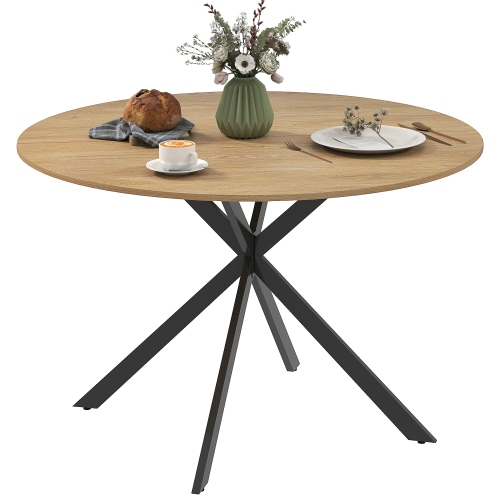
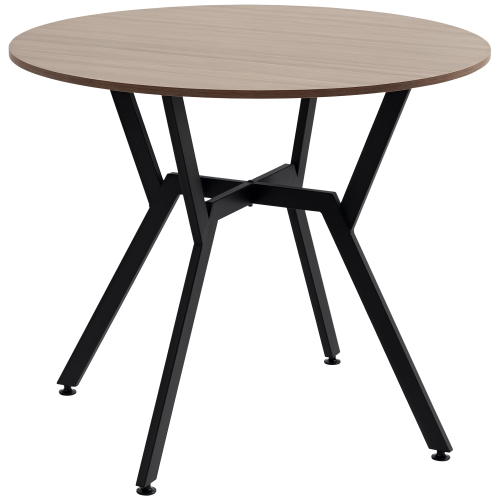
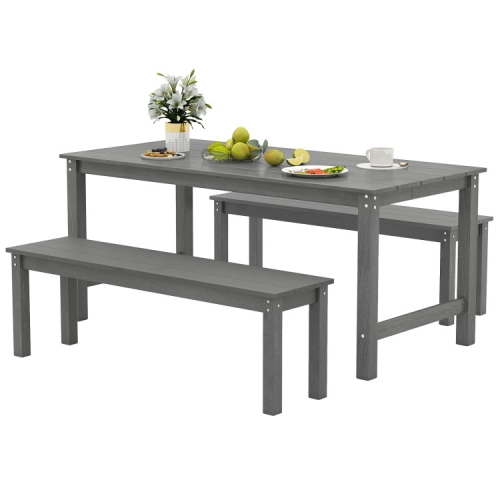
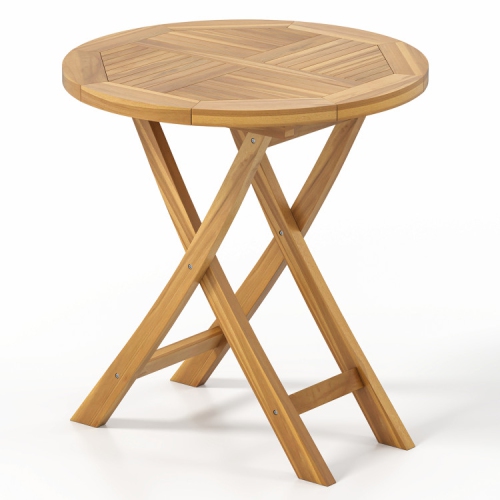
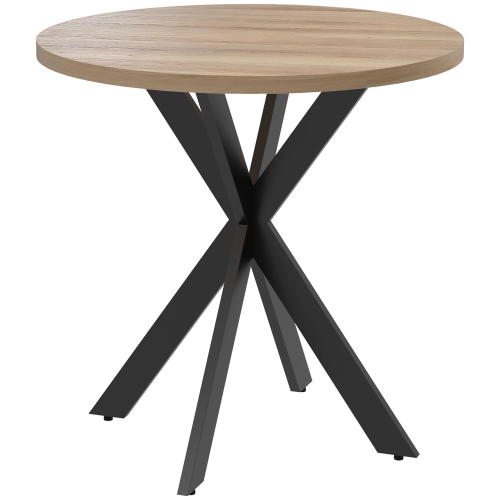
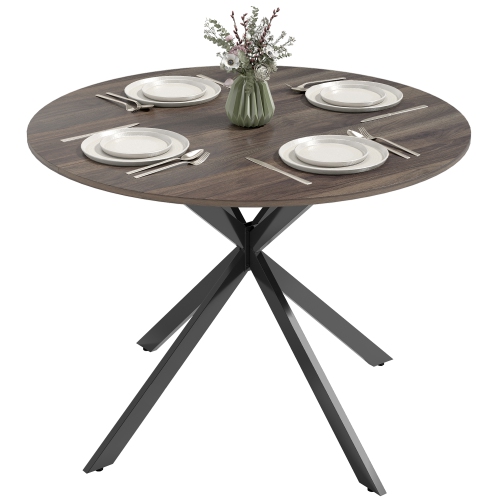
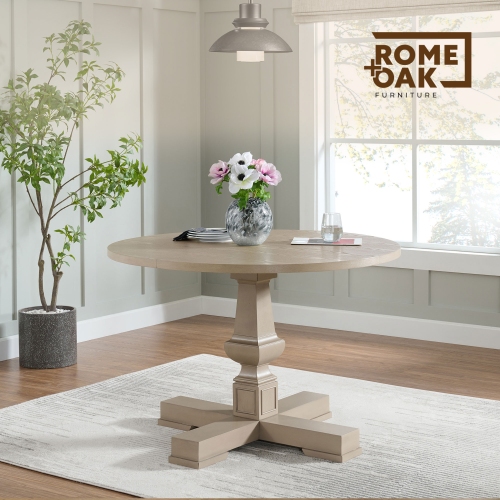

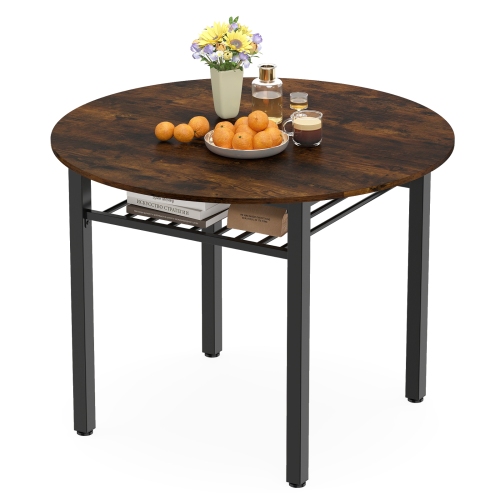
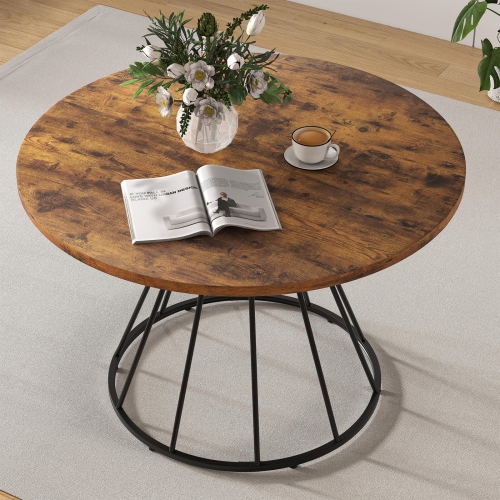
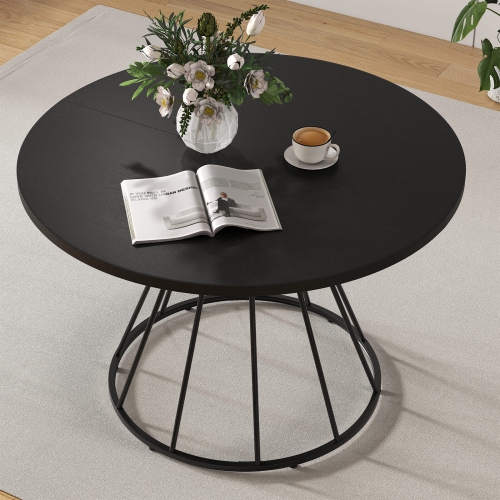
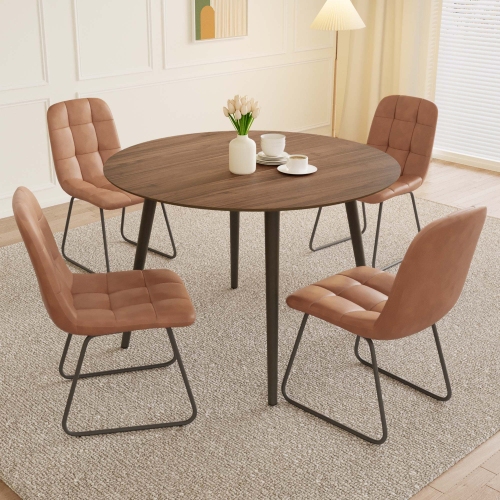
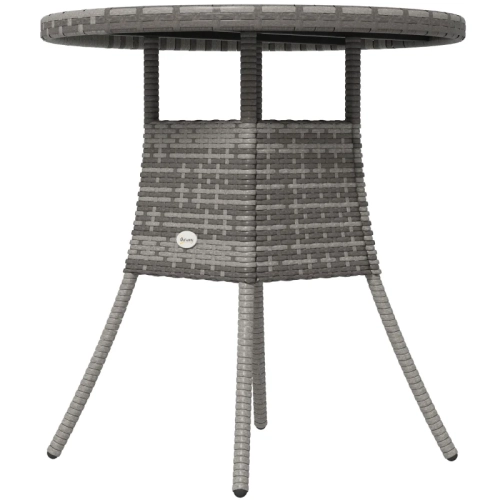
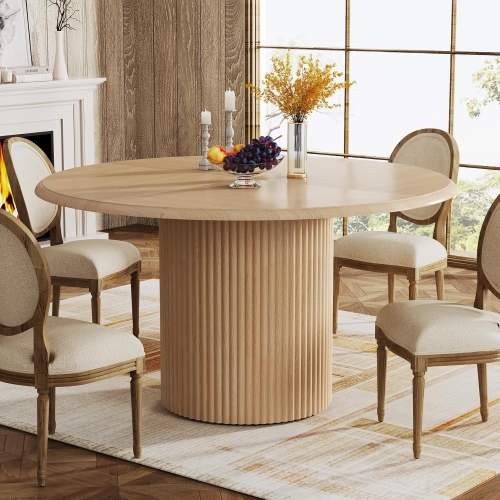
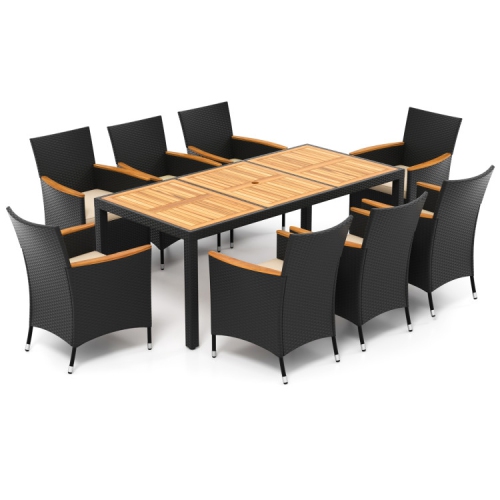
A shared centre for outdoor meals and conversation
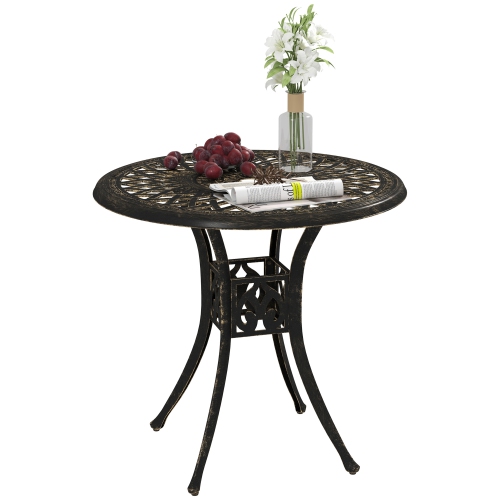
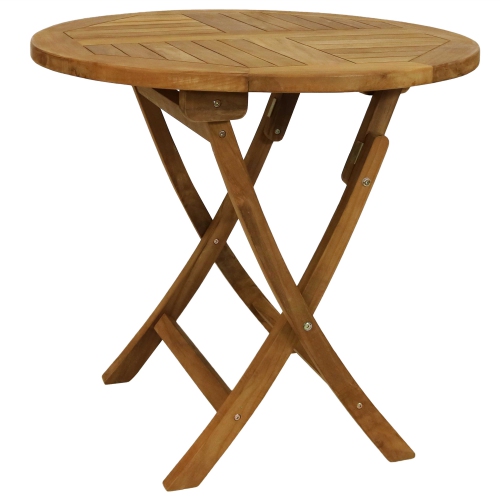
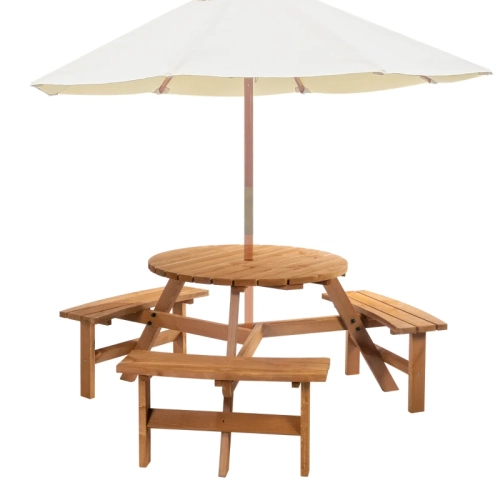
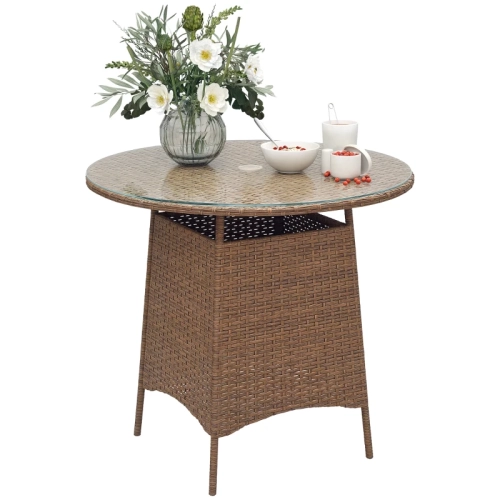
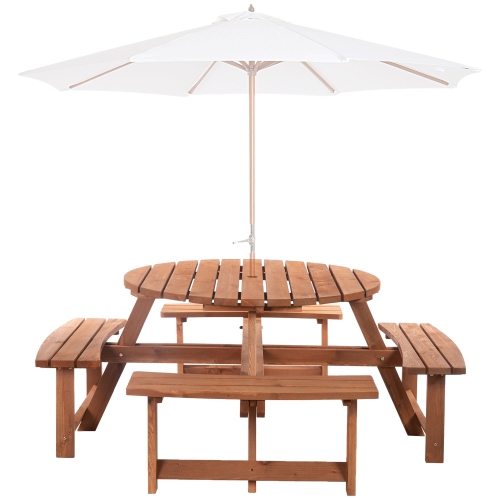
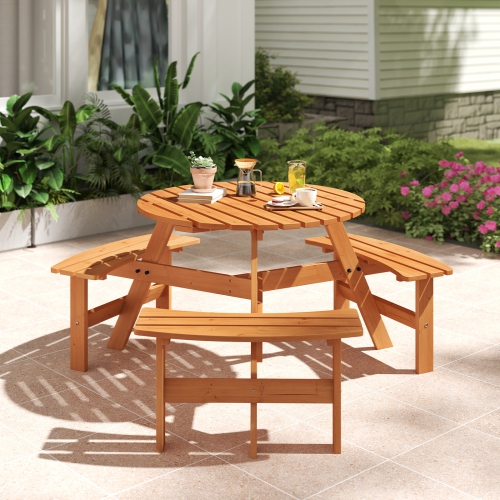
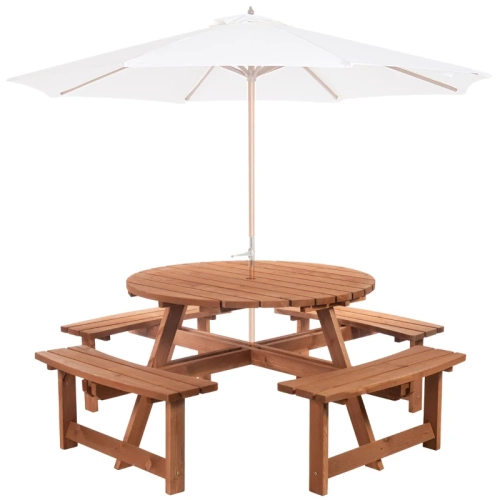
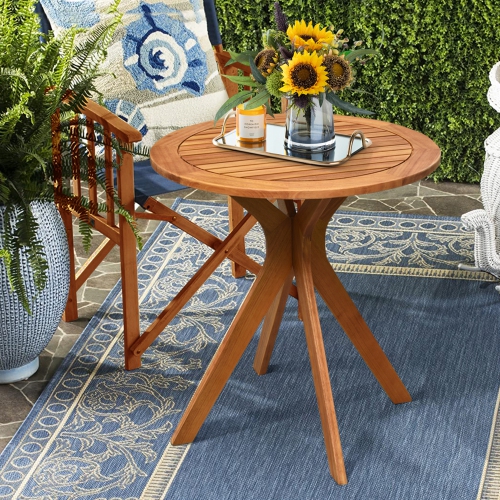
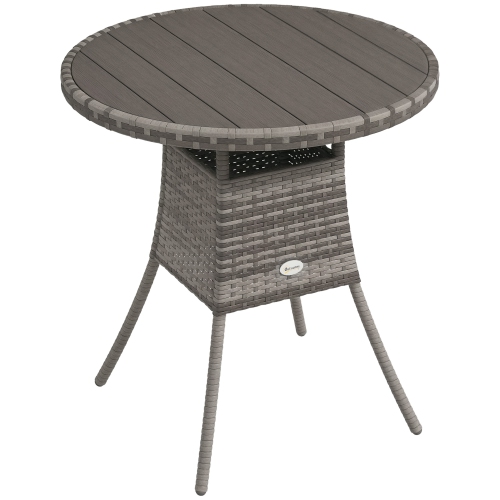
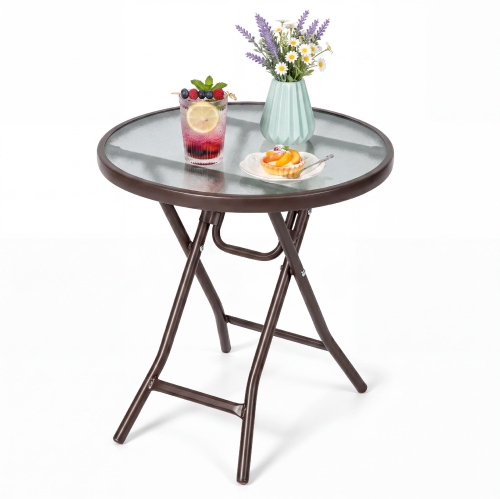
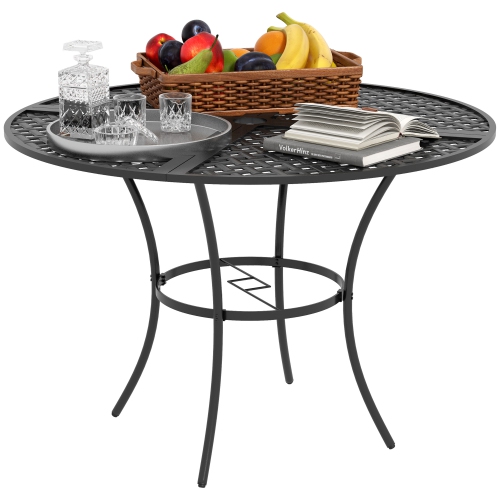
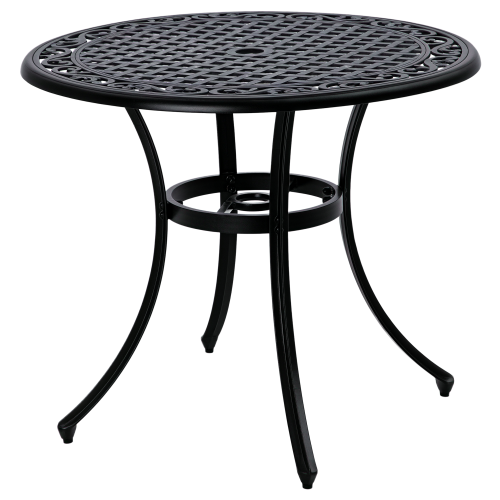
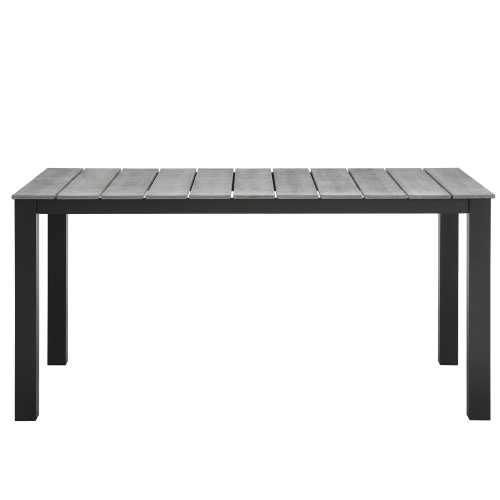
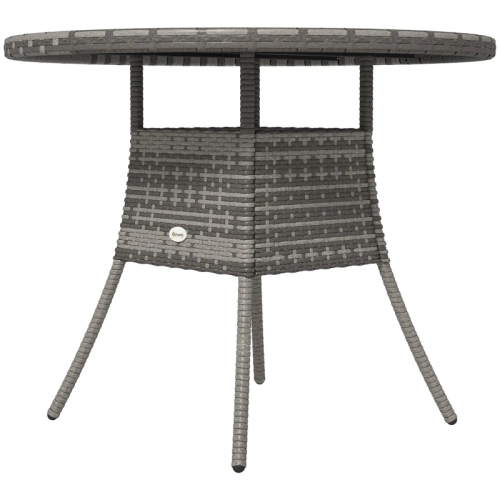
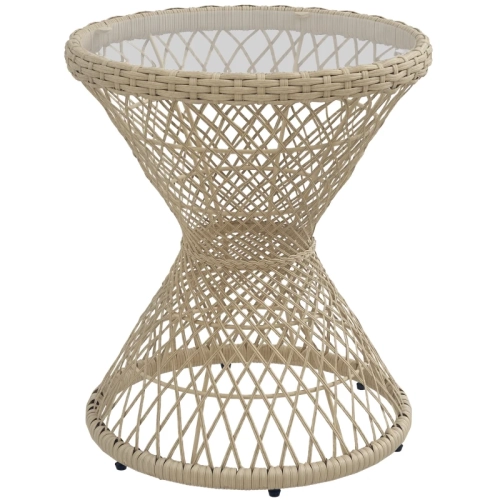
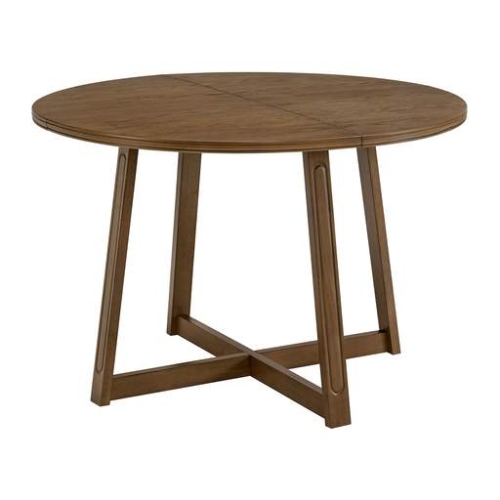
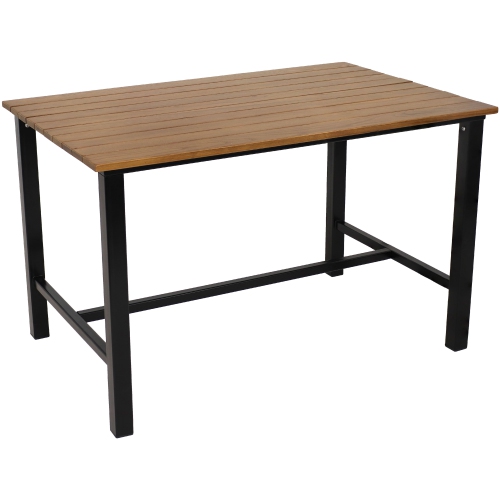
Materials influence how a round brown patio table looks, feels, and holds up to outdoor use. Solid wood offers visible grain and variation, so two surfaces with the same brown finish may still have different patterns and undertones. Teak, acacia, and eucalyptus are among the woods used for outdoor furniture, but their care requirements depend on the wood, construction, and applied finish. A stained brown surface may need periodic attention to retain its colour, while some unfinished woods gradually develop a grey patina. Neither appearance should be confused with a guarantee of structural condition; sound joints, stable legs, and appropriate maintenance remain important. Slatted wooden tops allow water to drain through, though the gaps can make writing, balancing narrow glassware, or setting down small objects less convenient. A smooth top provides a more continuous dining surface but needs a design that prevents standing water. Brown powder-coated metal offers a different character, from understated matte finishes to wood-look effects. Aluminium is generally lighter and more resistant to rust than steel, while steel tables can provide reassuring weight; damaged coatings and exposed fasteners still deserve attention. Resin and composite materials may offer a consistent brown colour with less finish upkeep than stained wood, but their weight, scratch resistance, and response to prolonged sunlight vary. A woven-look base can soften the appearance of metal framing, while a solid tabletop gives dishes a firmer landing surface than an uncovered woven surface. Concrete and concrete-look tops bring another texture to an outdoor dining area, although their composition, sealing needs, and weight differ considerably. A substantial-looking top is not necessarily solid concrete. For balconies and raised decks, the combined weight of the table, chairs, and diners should suit the structure’s permitted load. Across materials, an outdoor-use designation and clear care information are more useful than judging durability by appearance alone.
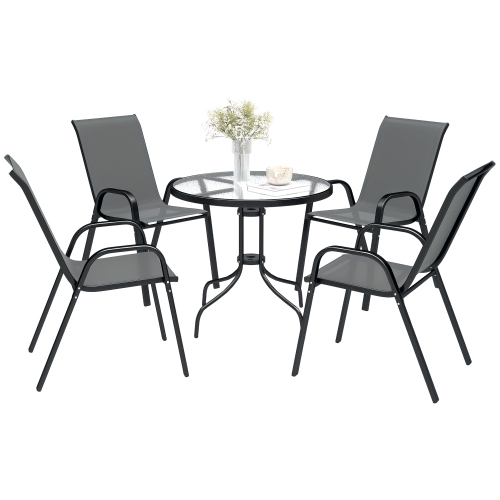
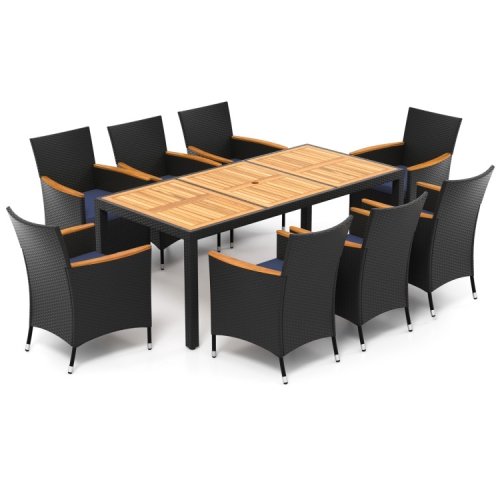
Comfort and day-to-day practicality often come down to details beneath the tabletop. A pedestal base can make chair placement more flexible, but its footprint should leave room for feet and allow chairs to tuck in. A four-legged base may feel familiar and sturdy, provided the legs do not compete with diners’ knees. Dining chairs should leave comfortable thigh clearance beneath the table, including any supporting apron, rather than simply matching its colour. Adjustable feet can help steady a table on slightly uneven paving, but they are not a substitute for a firm, level position. An umbrella hole is useful where shade is needed, although the opening must match the pole and the umbrella still requires a suitable supporting base. The tabletop alone should not be relied on to hold it upright, and closing an umbrella when unattended or in strong wind helps reduce strain on the setup. For a coordinated table-and-chair arrangement, Dark Brown Outdoor Dining Sets offer a complementary direction, particularly when a consistent finish and matching proportions are priorities. Separate pieces allow more flexibility, such as pairing a brown table with lighter chairs to keep a small space visually open. Regular care helps preserve both arrangements: wipe up food and drink spills, remove debris from joints and drainage gaps, and use cleaning methods suited to the surface. Mild soap and a soft cloth are often appropriate, but abrasive pads, strong cleaners, and pressure washing can damage certain finishes. Let furniture dry before covering it, and choose a cover that fits securely without trapping moisture. Where freezing conditions are possible, follow the maker’s storage guidance, especially for materials that can absorb water. Removable components, hardware checks, and accessible storage can make ongoing care easier. A well-proportioned round table ultimately earns its place through ordinary use: chairs that slide in neatly, a surface that accommodates dinner comfortably, and a brown finish that feels at home with the surrounding outdoor space.
Top selling and popular products
-
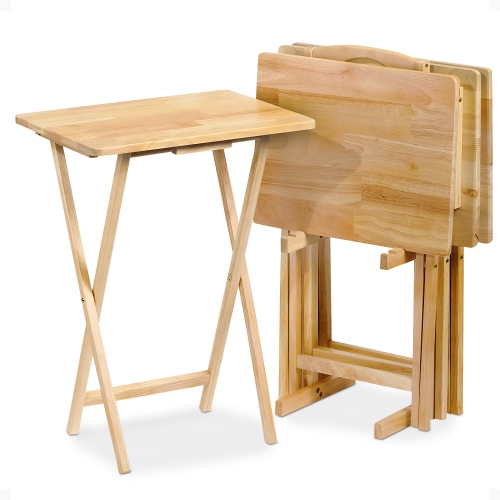 Your price for this item is $172.99
-
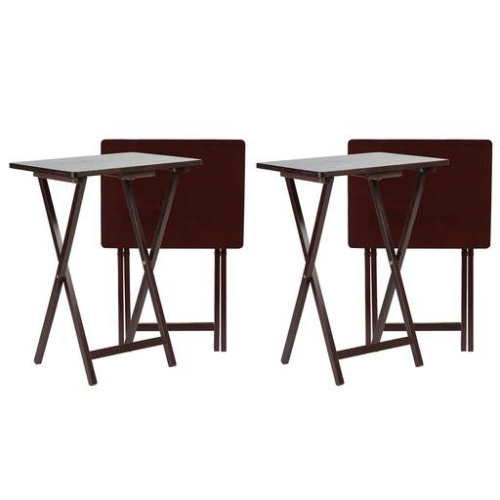 Your price for this item is $216.99
-
 Your price for this item is $121.99
-
 Your price for this item is $149
-
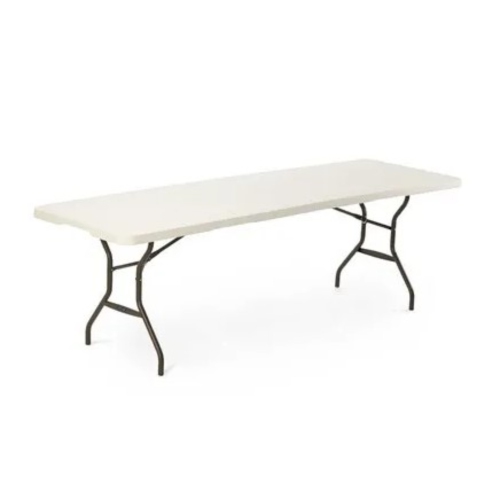 Your price for this item is $259.99
-
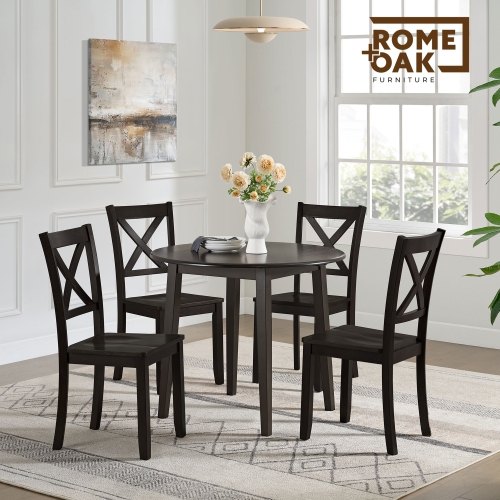 Your price for this item is $386.99
-
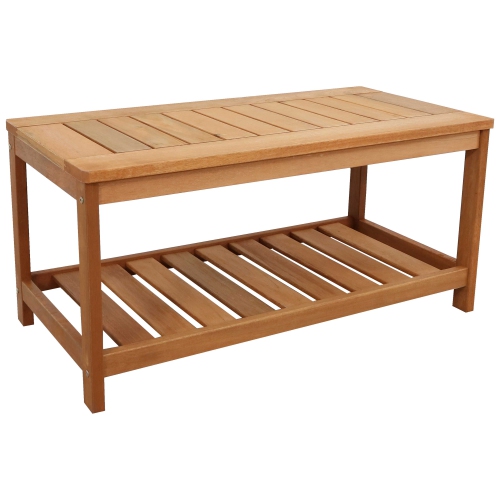 Your price for this item is $234.75
-
 Your price for this item is $499.95