Bunk Bed Ladders
Looking to add a touch of fun and functionality to your kids' bedroom? Our selection of bunk bed ladders offers the perfect solution for reaching the top bunk with ease. Crafted with safety and durability in mind, these ladders come in various designs to suit your style preferences. Whether you're looking for a sleek metal ladder or a classic wooden one, we have options that will seamlessly blend into any bedroom decor. Upgrade your bunk bed setup today with our reliable and stylish bunk bed ladders.
Sort
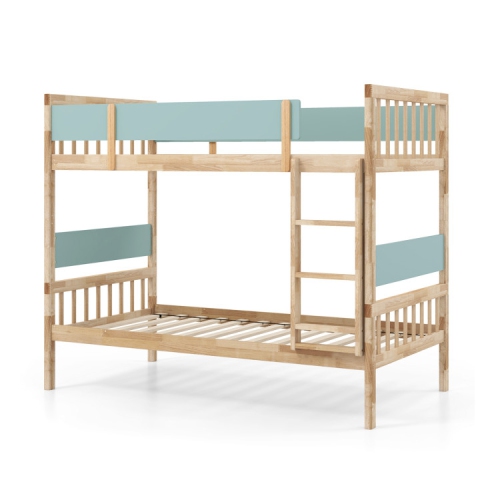

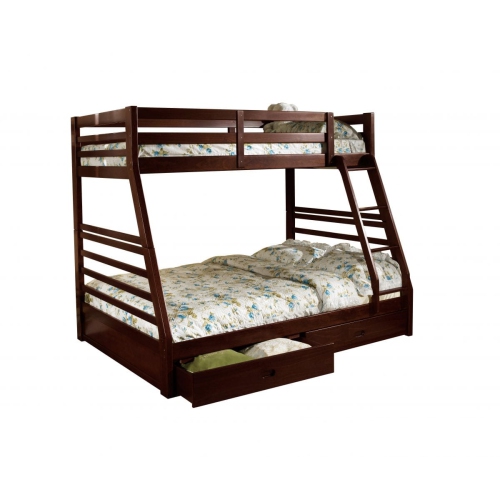
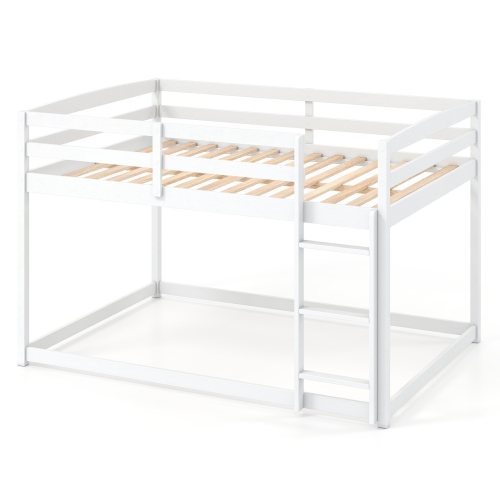
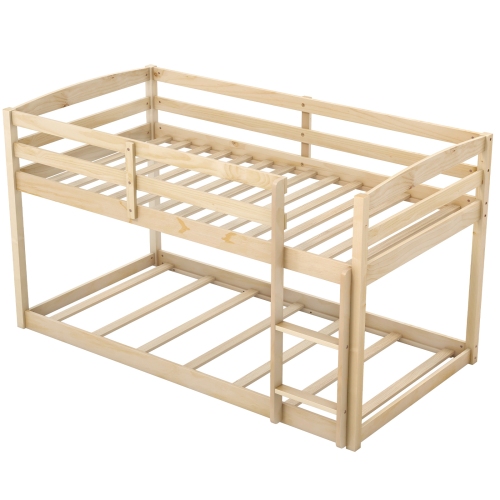

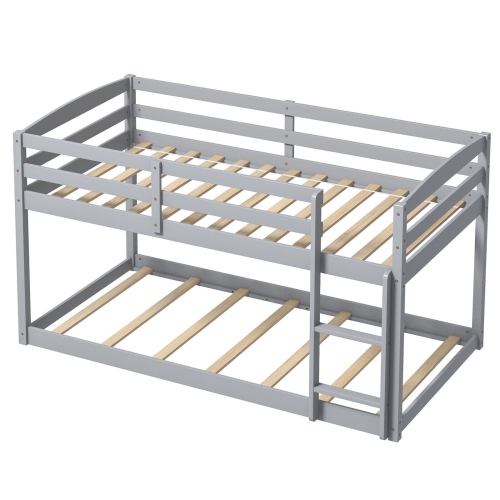

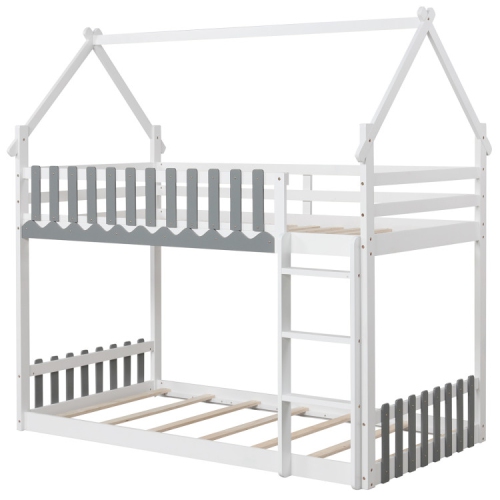
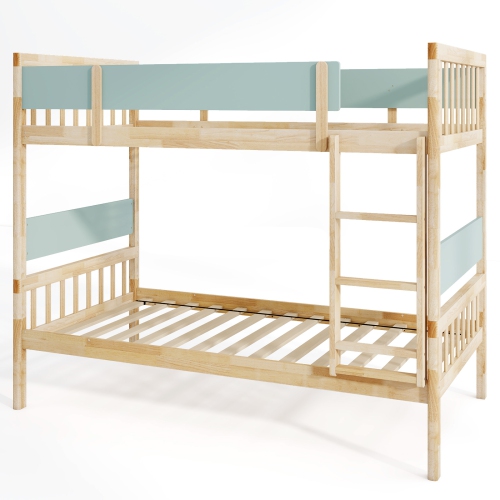

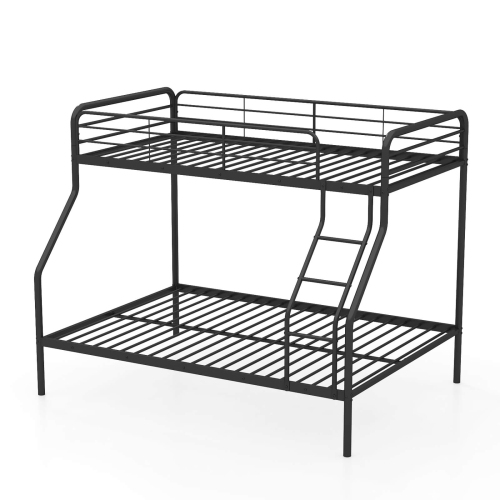













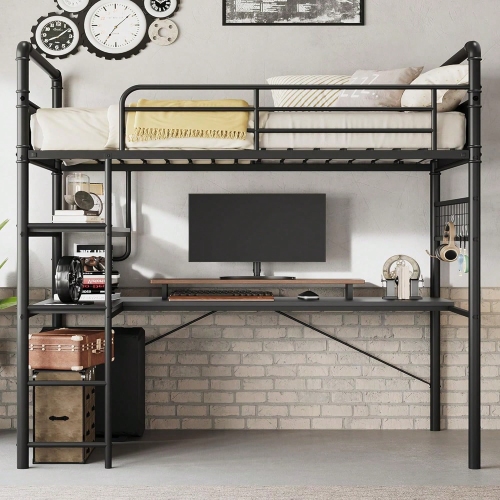


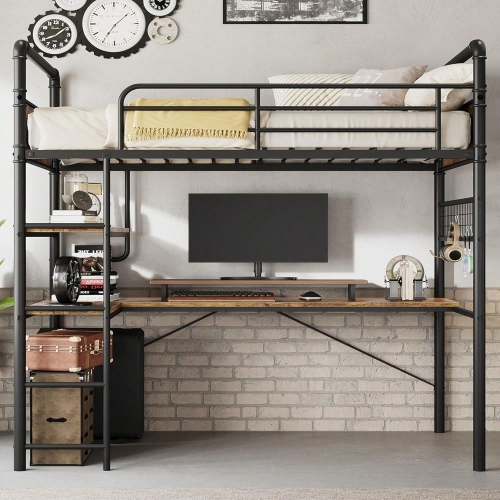
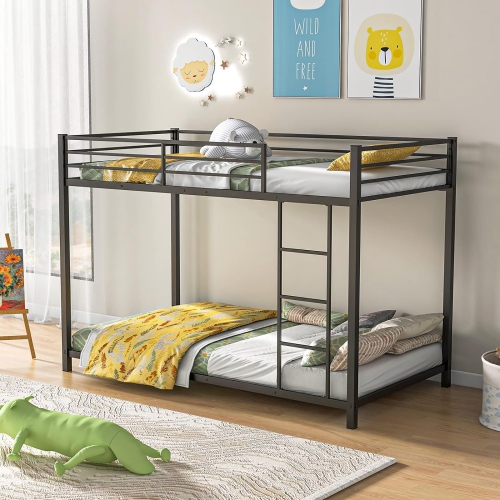

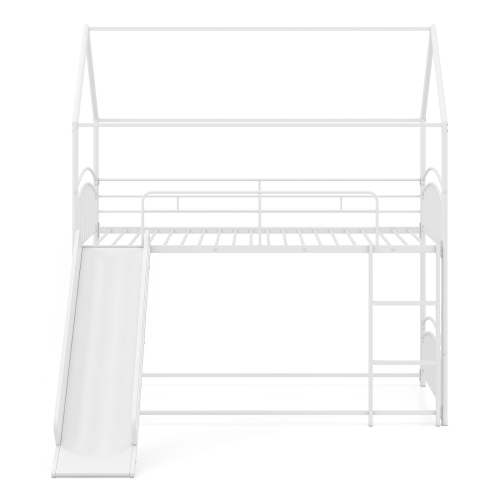


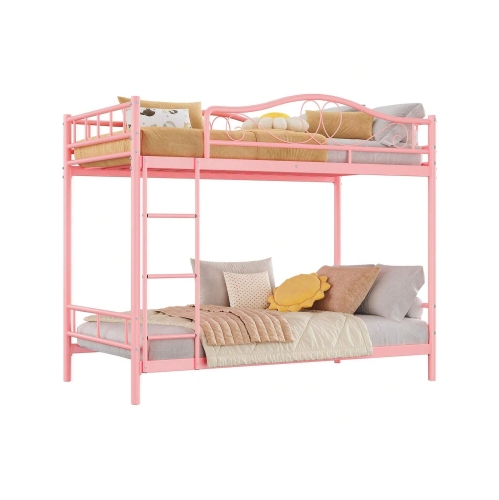
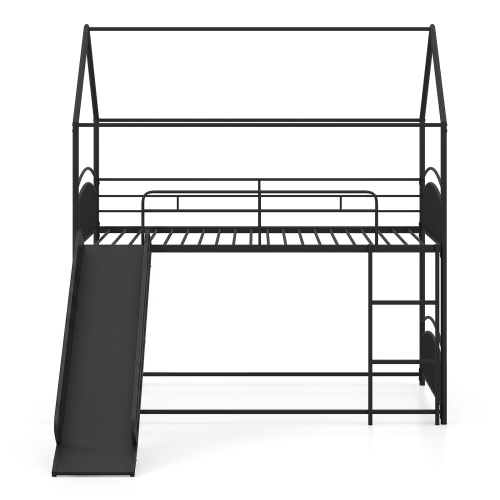
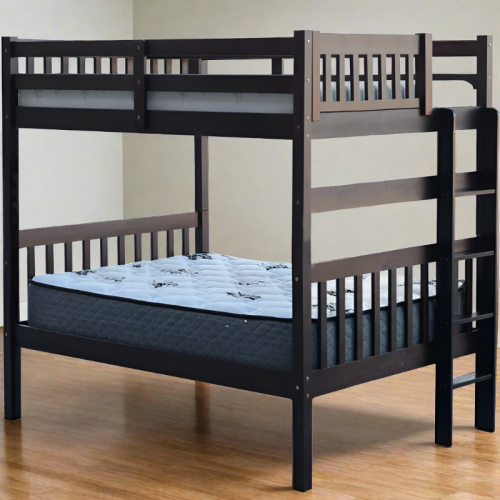
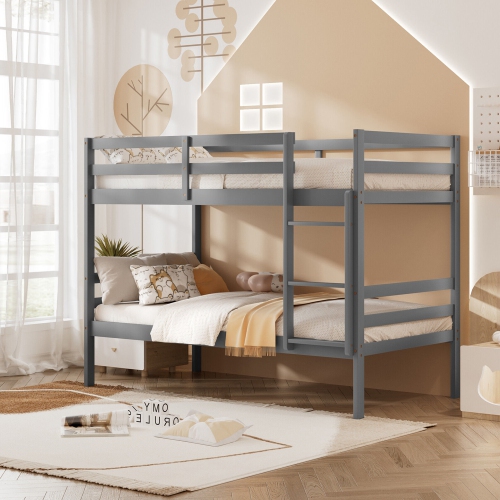
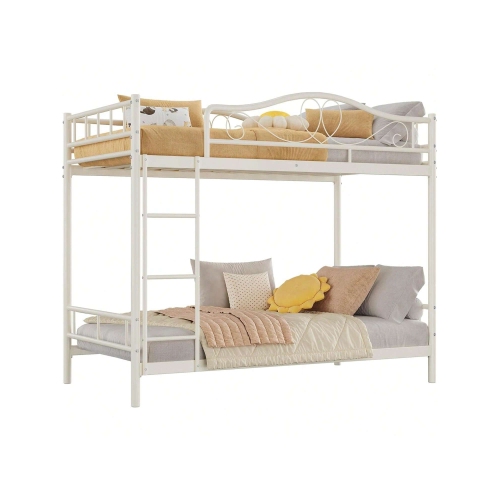
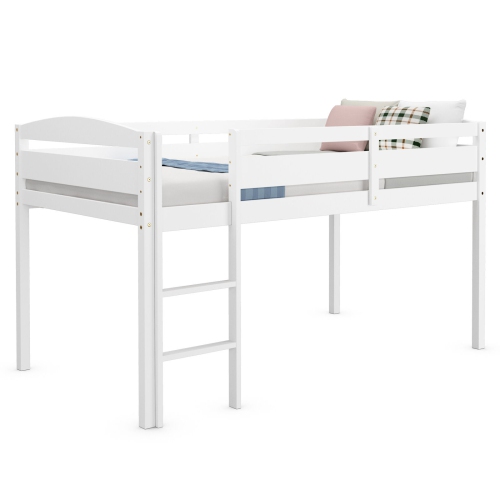
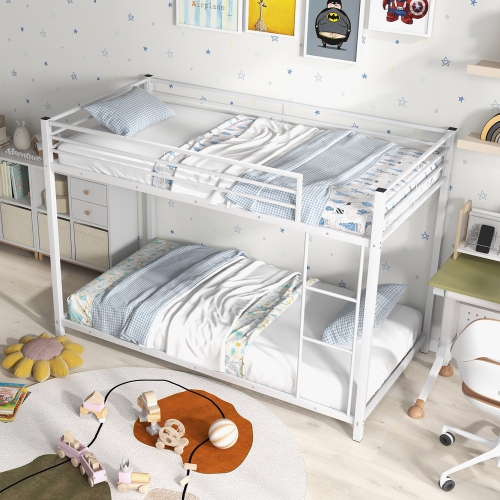
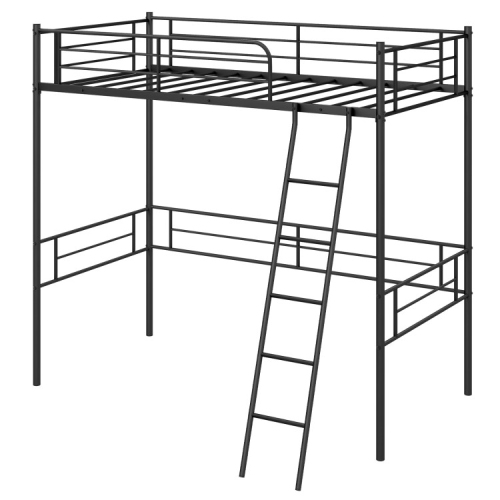


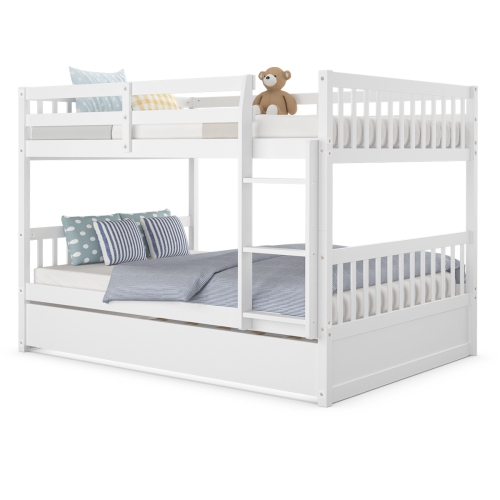

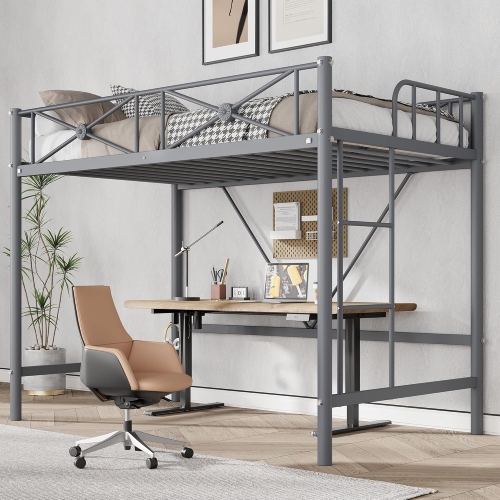
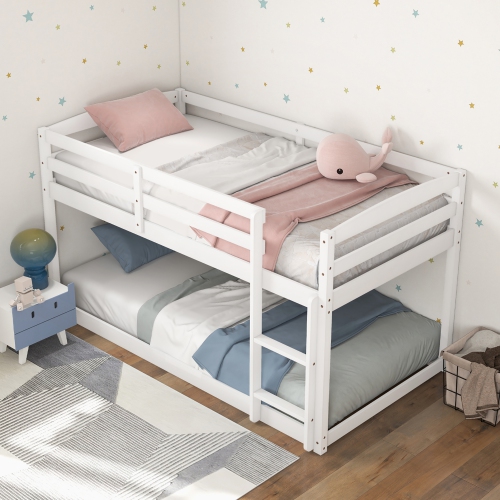

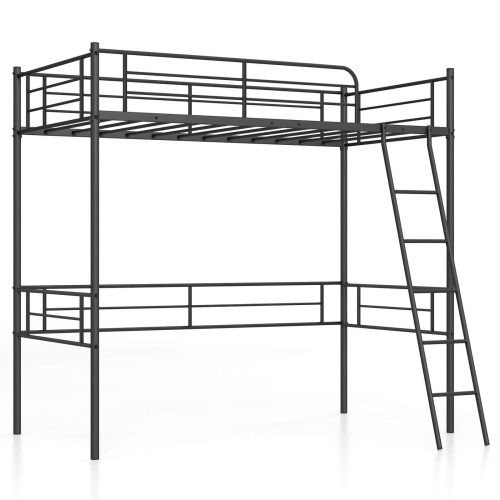

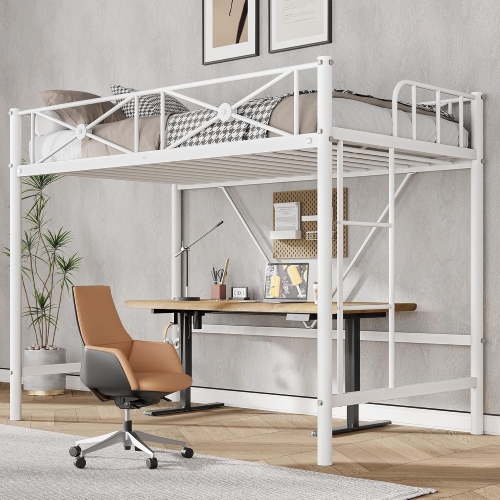
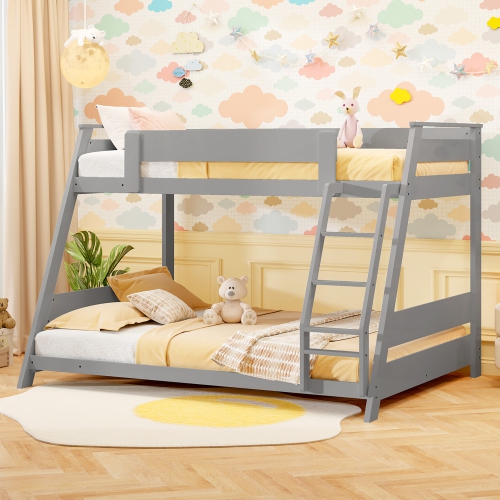
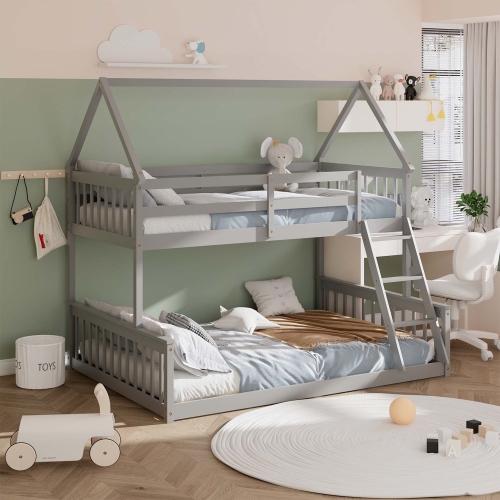
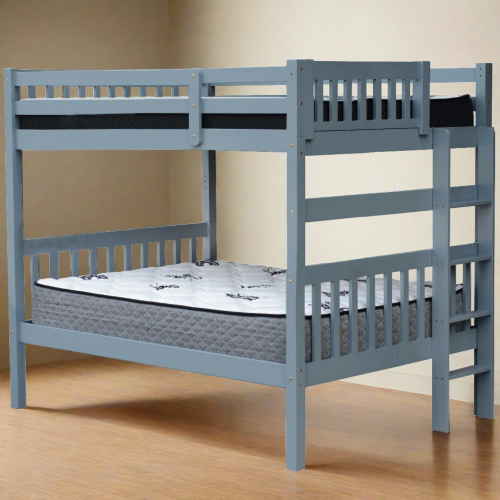
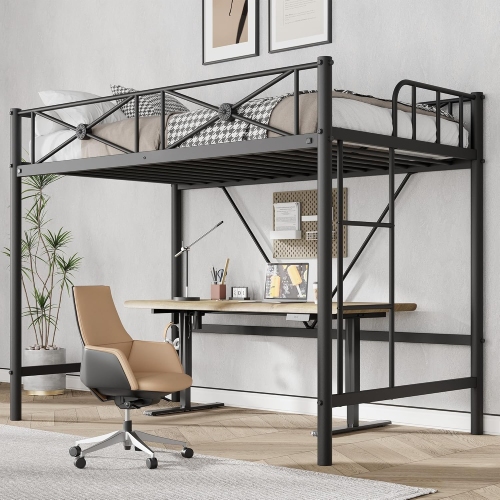

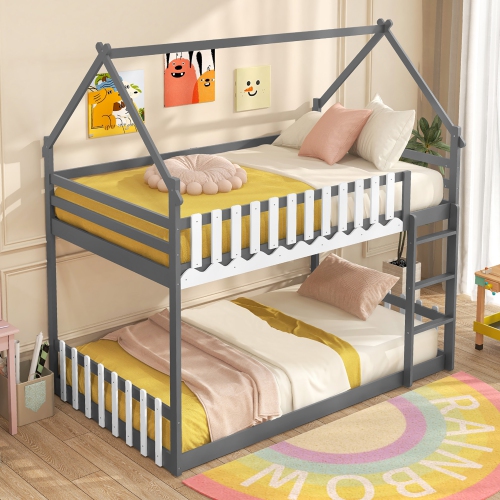


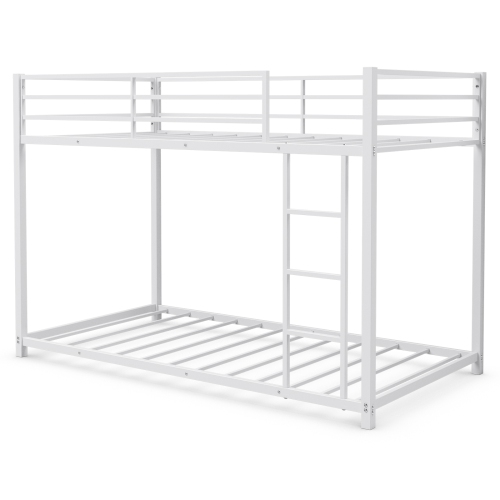


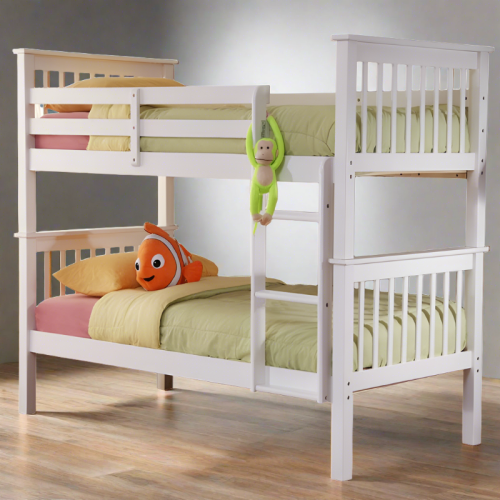





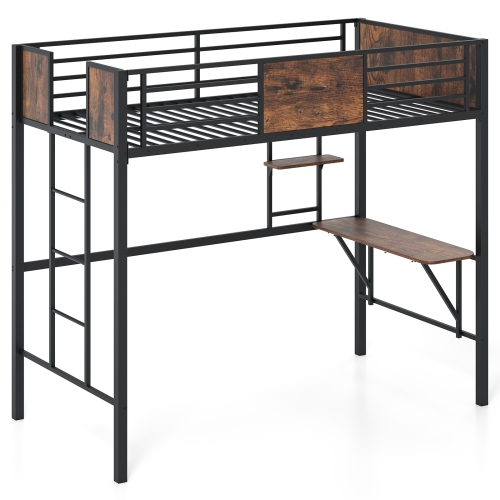
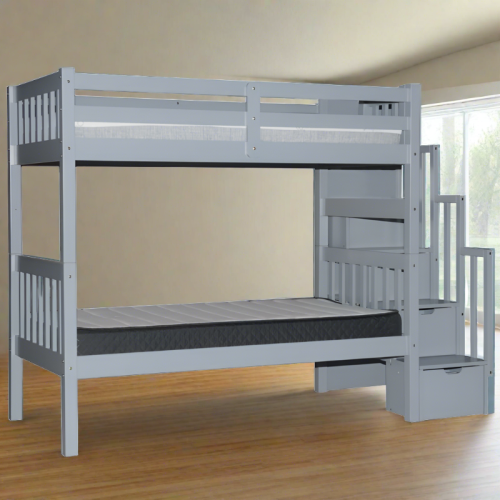

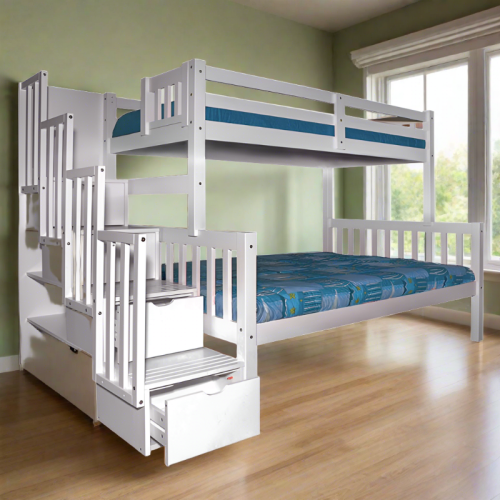
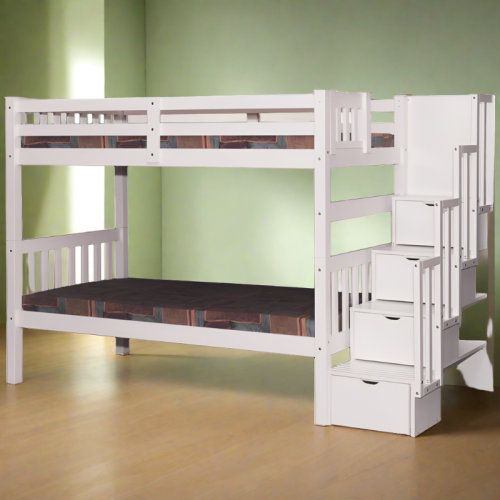







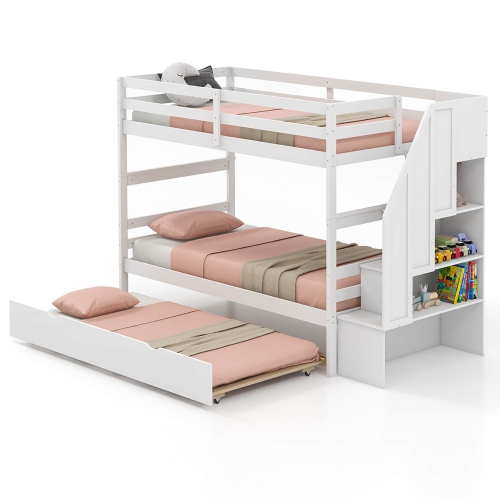
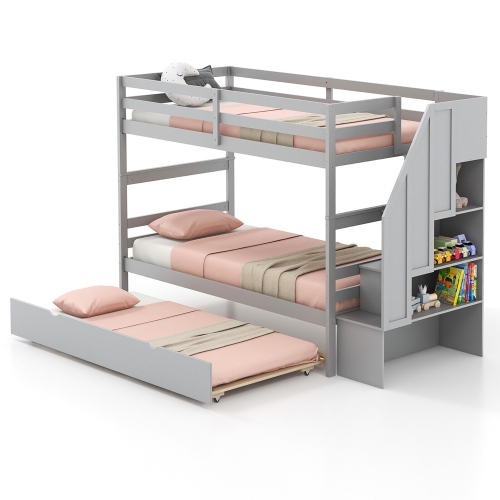


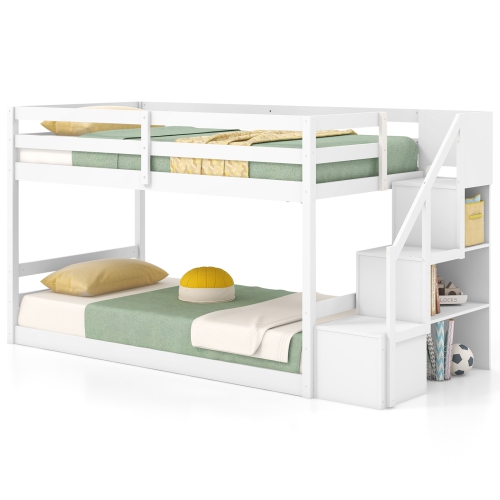

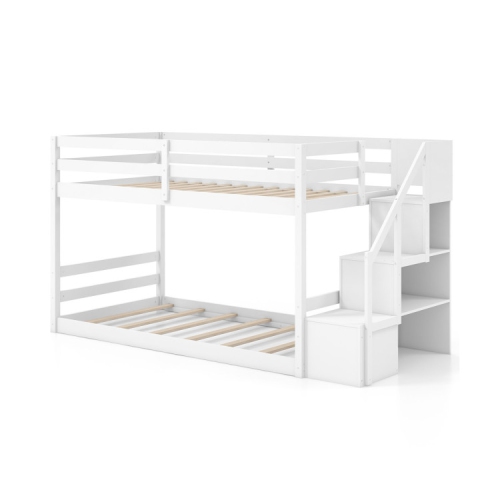







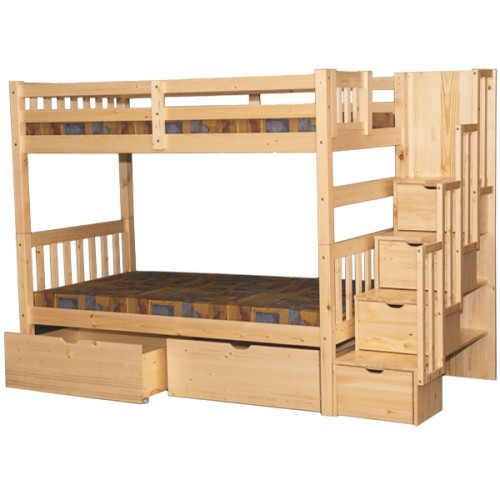
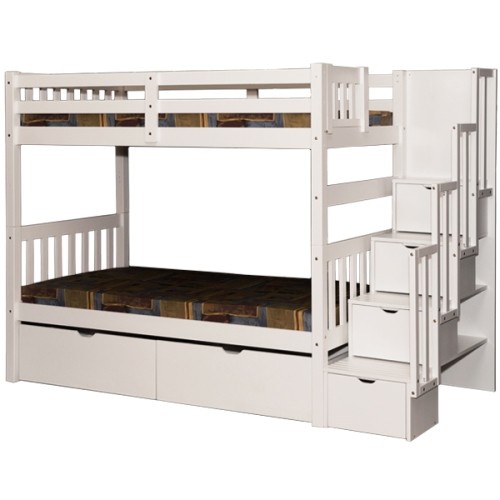
Why ladder fit matters more than matching finishes
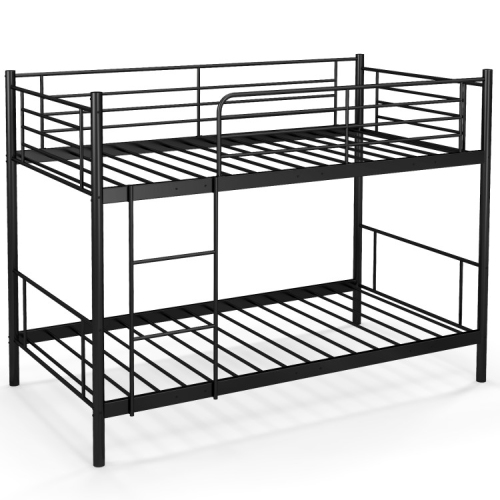
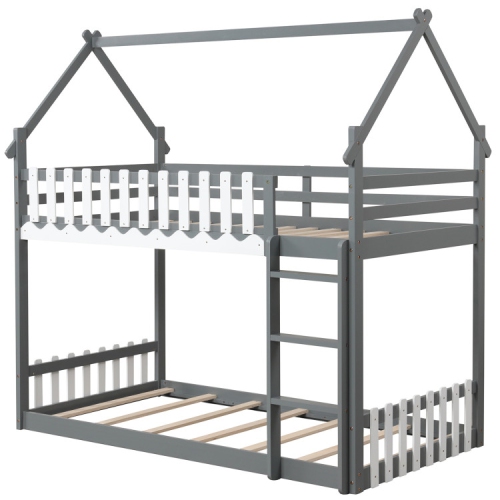
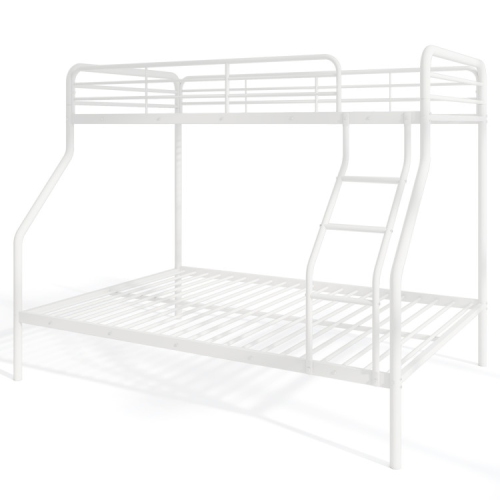
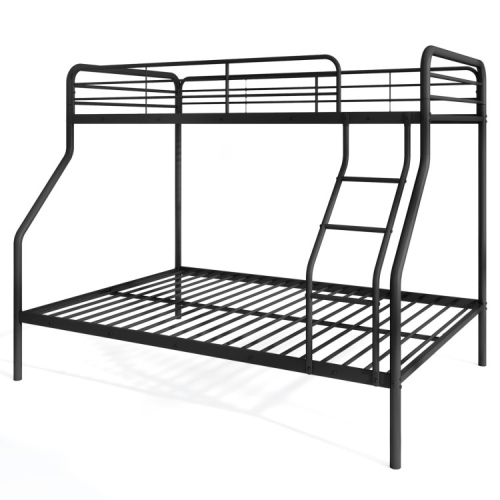
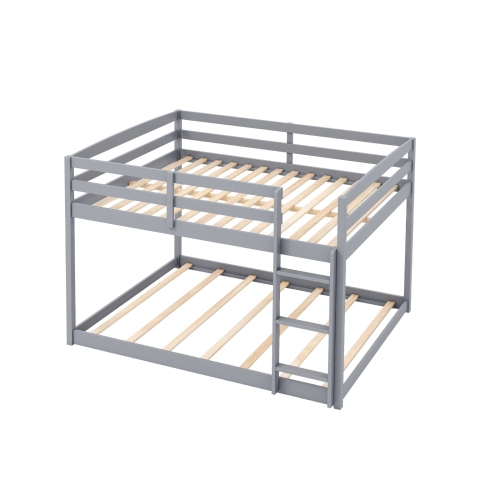
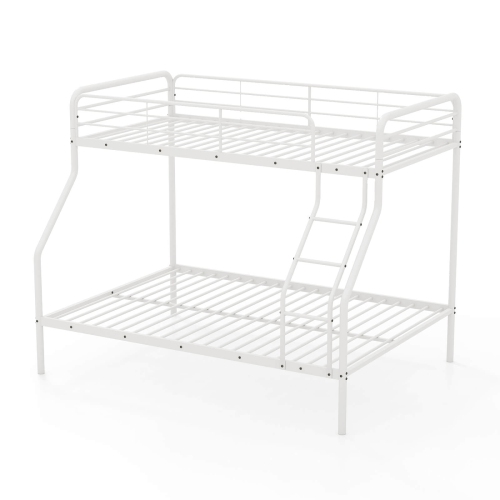
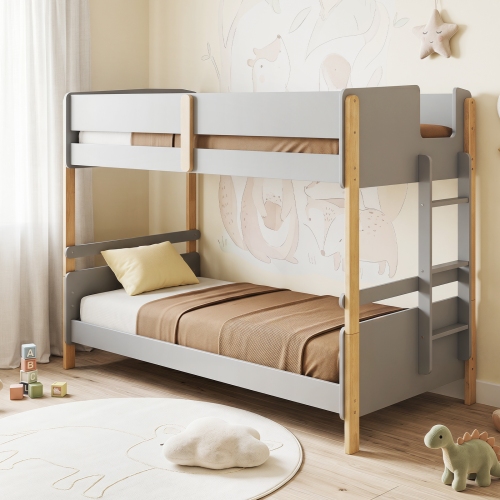
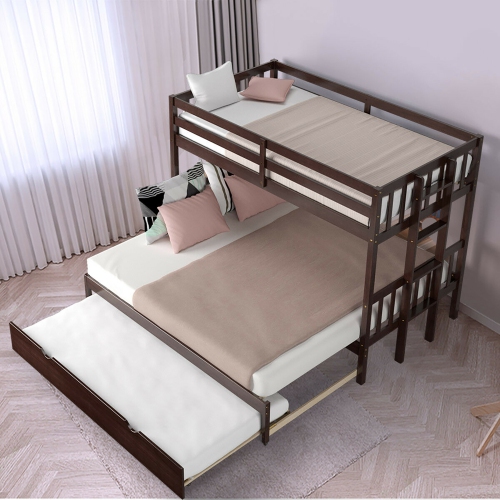
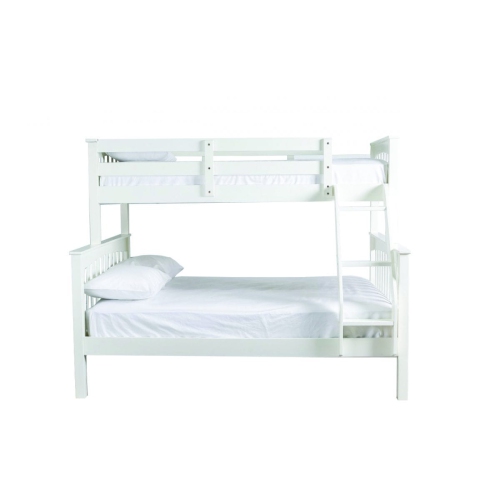
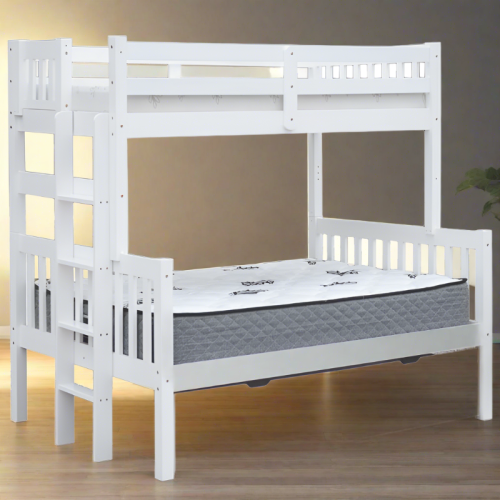
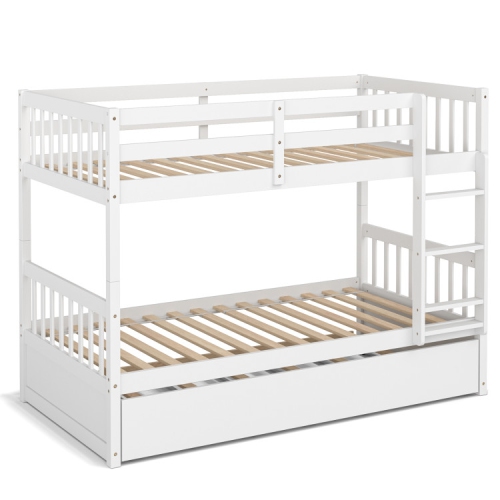
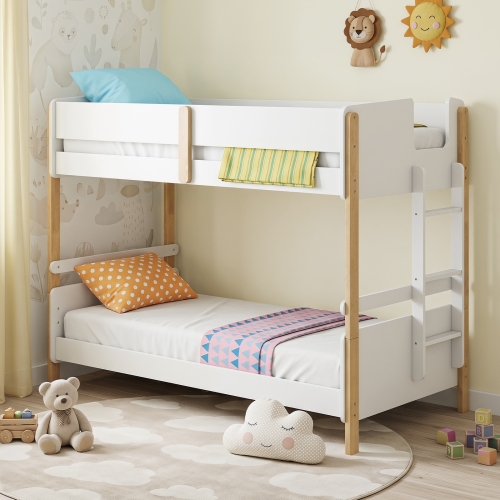
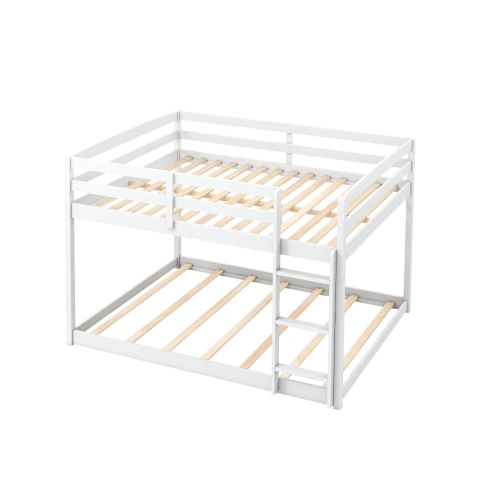
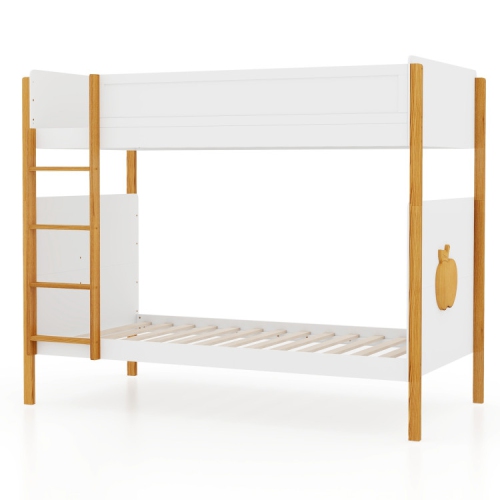
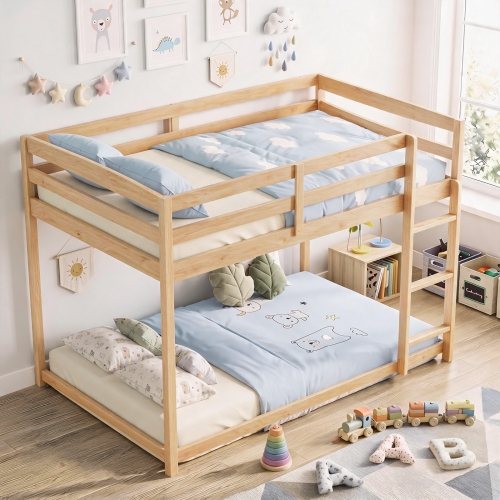
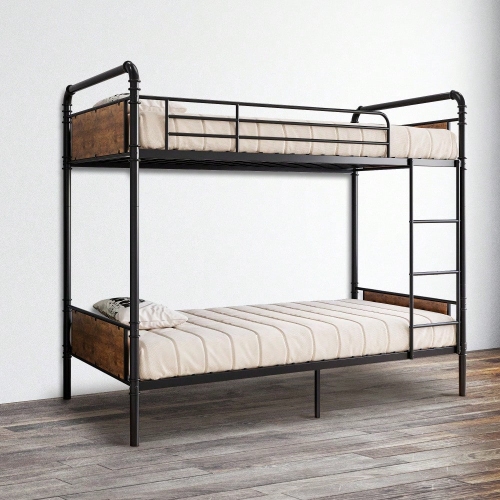
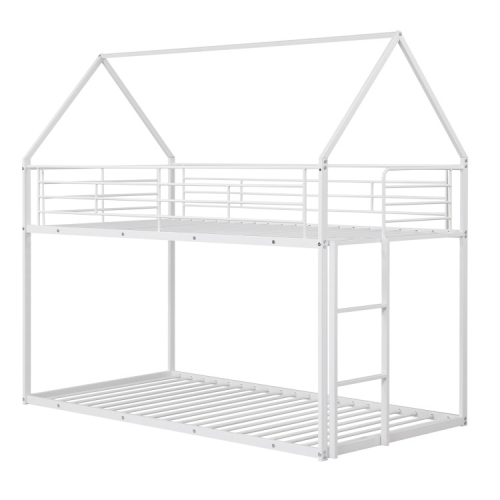
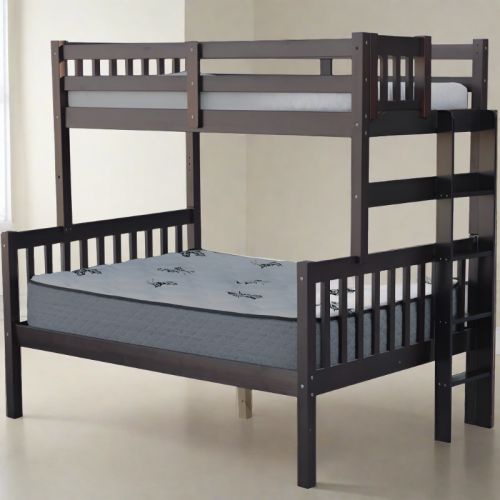
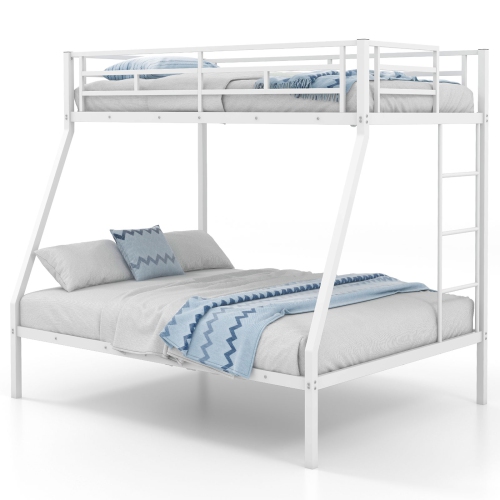
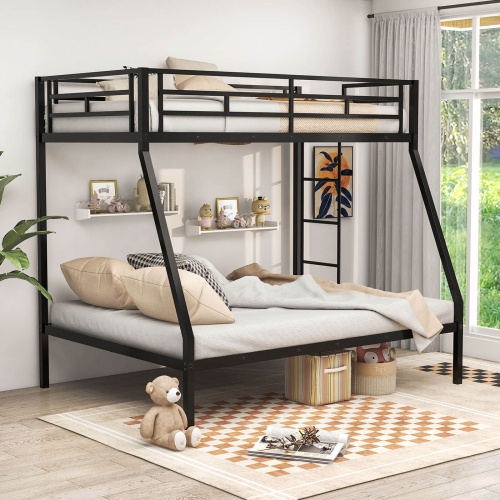
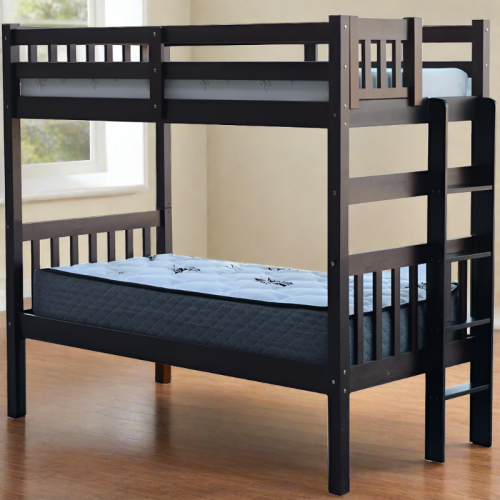
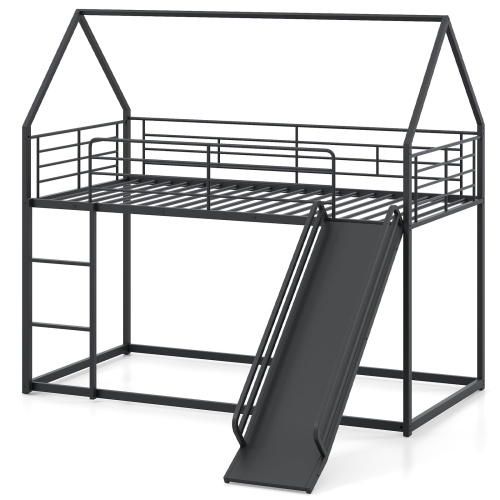
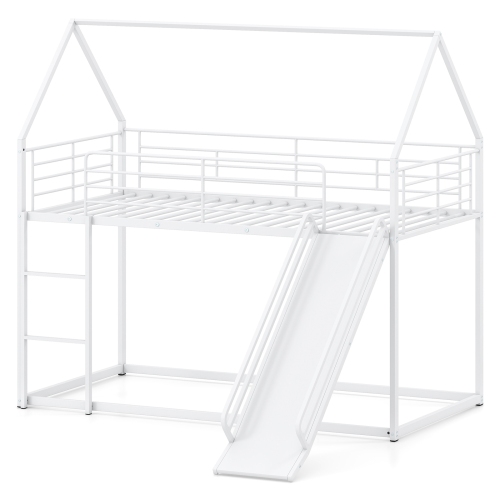
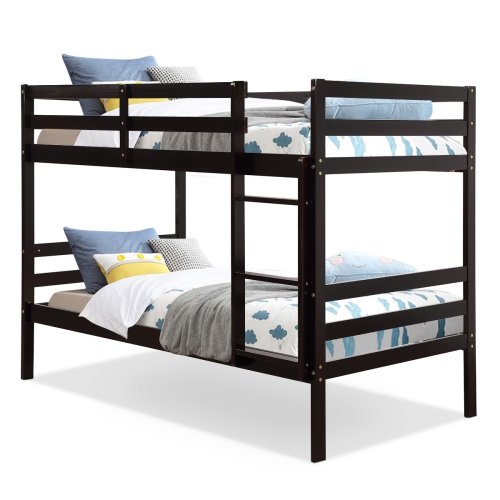
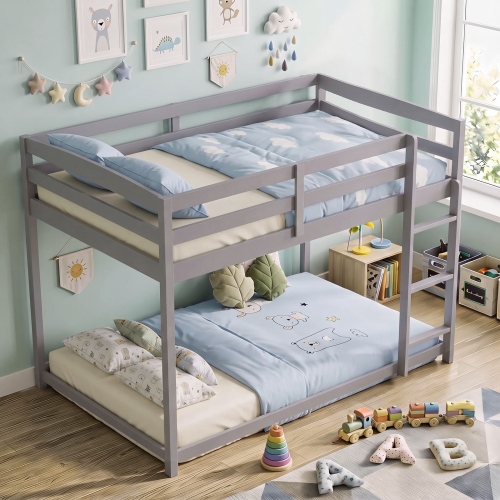
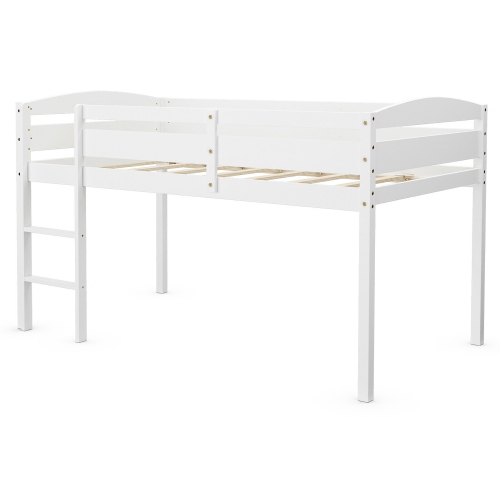
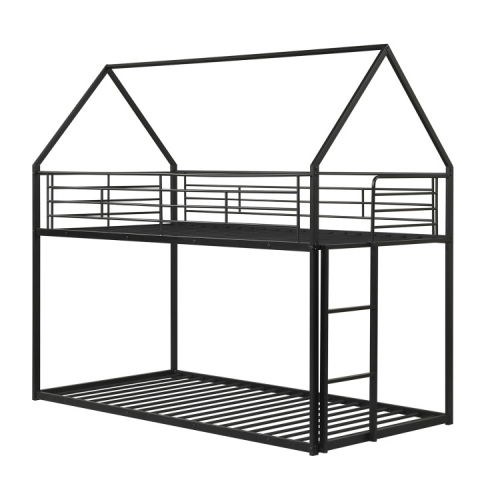
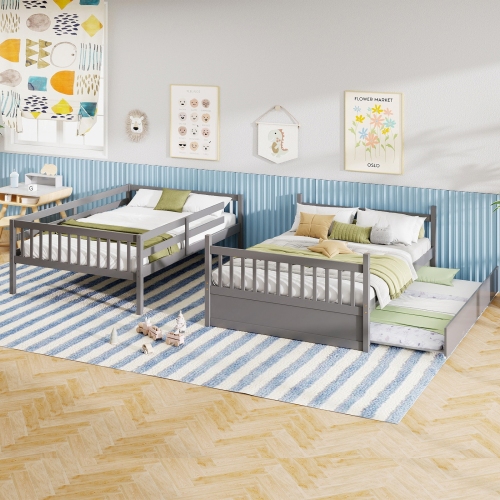
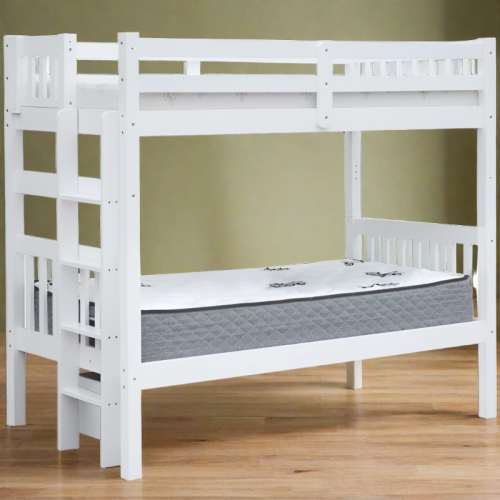
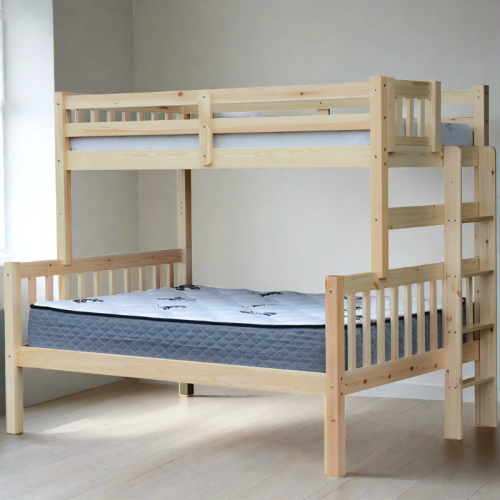
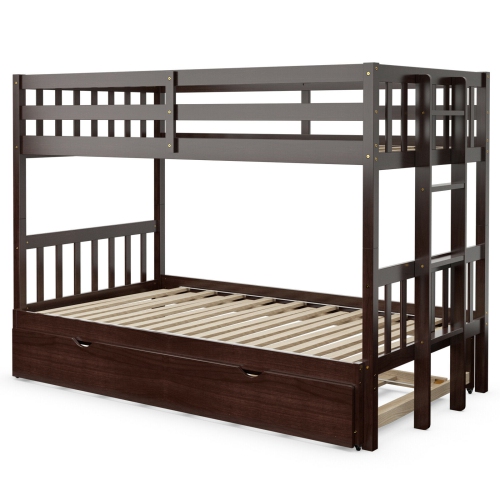
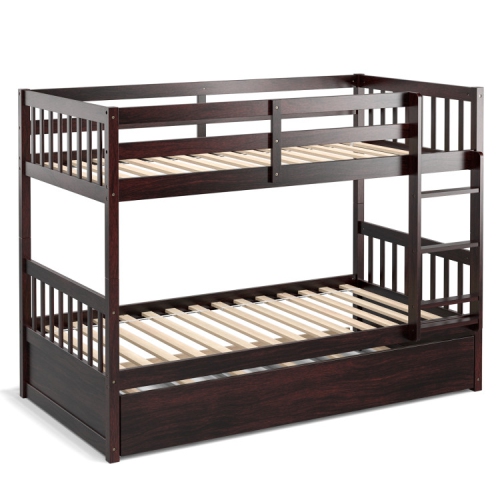
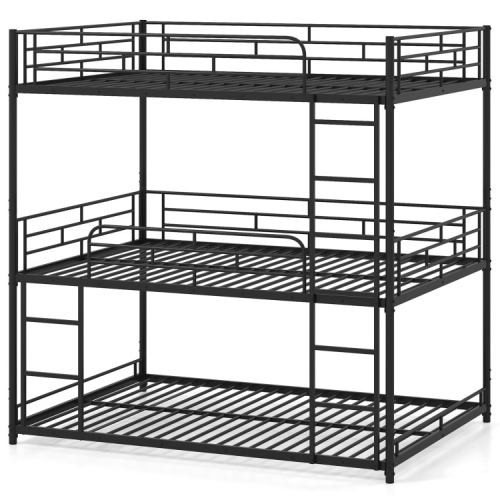
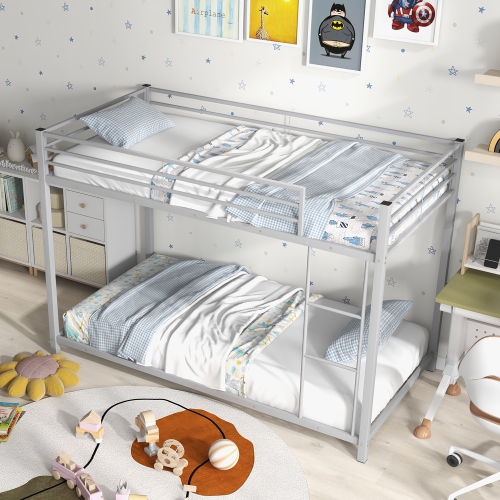
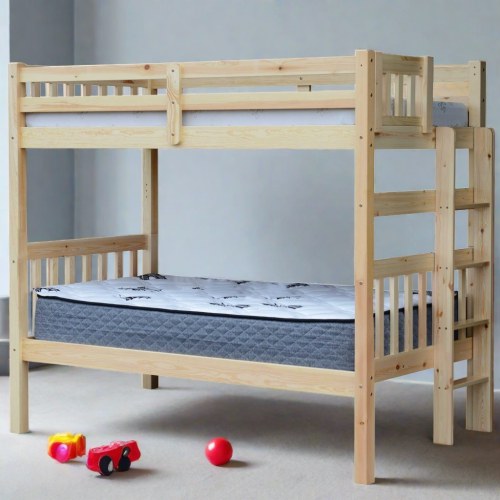
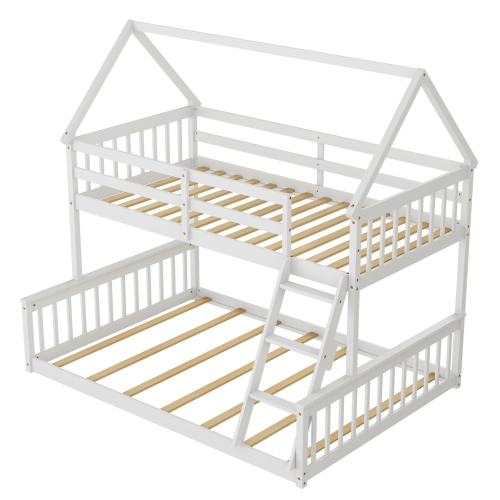
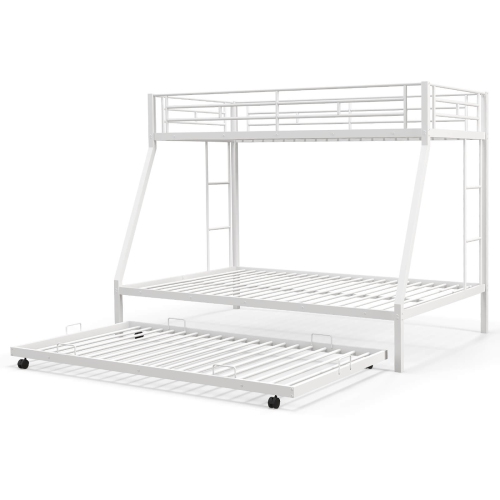
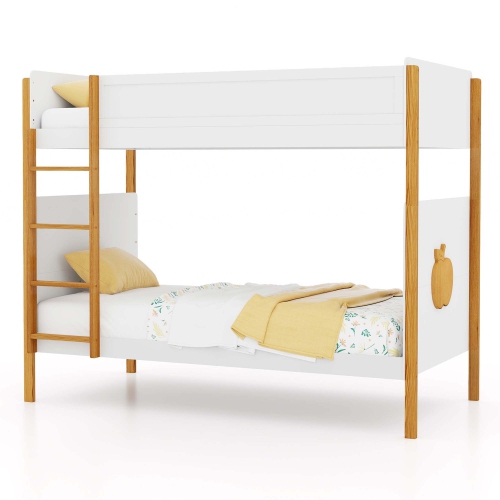
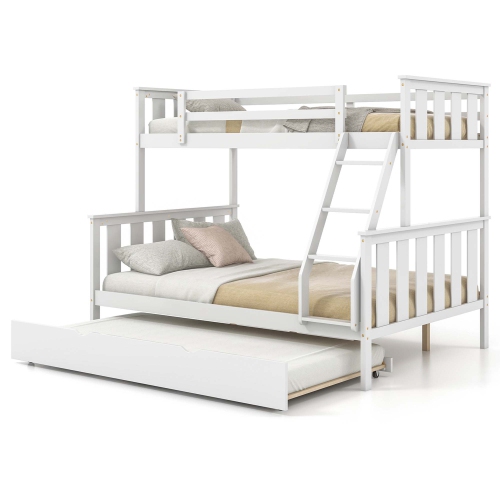
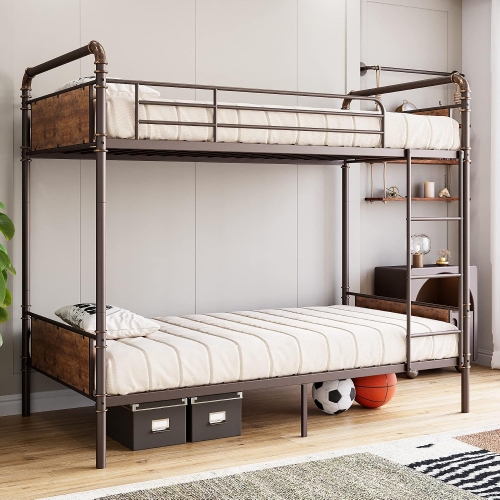
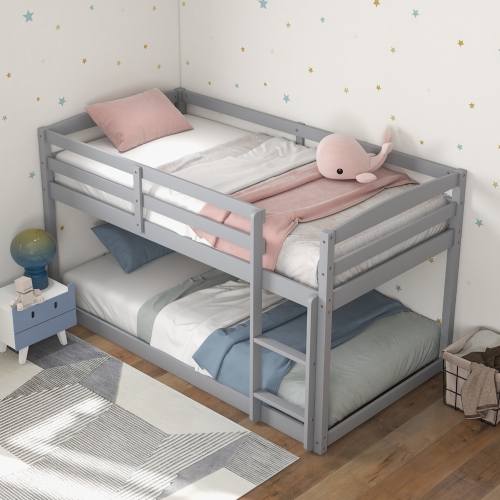
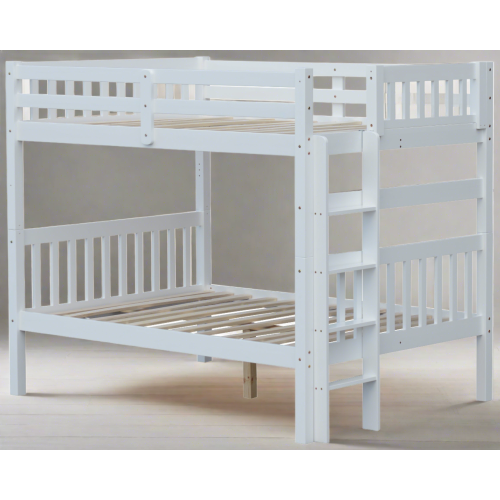
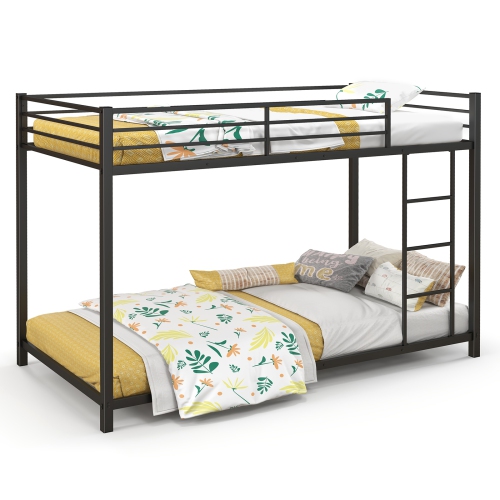
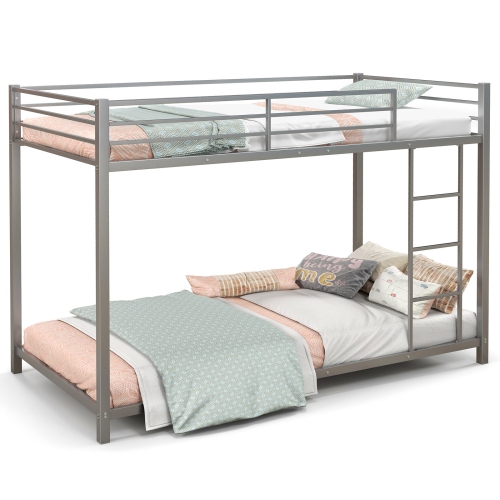
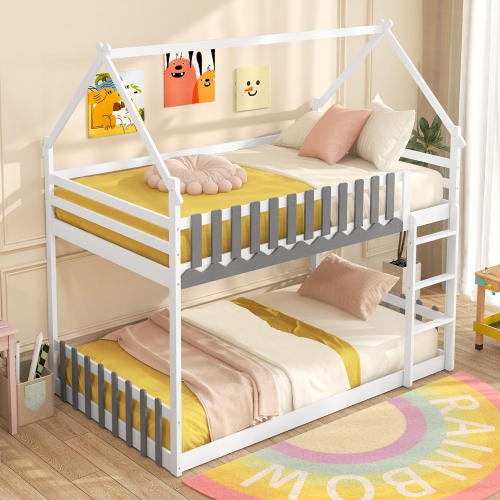
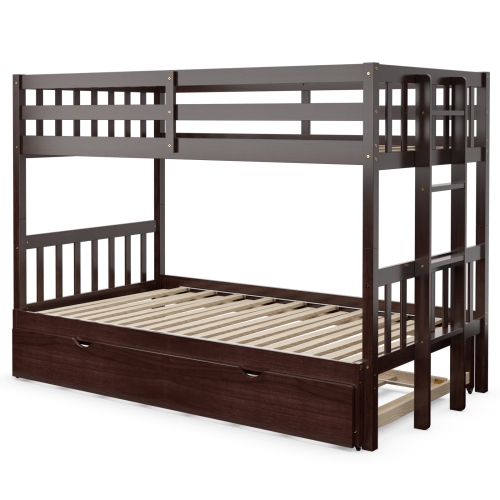
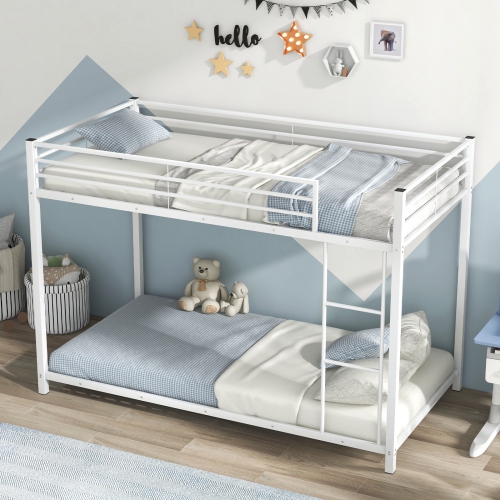
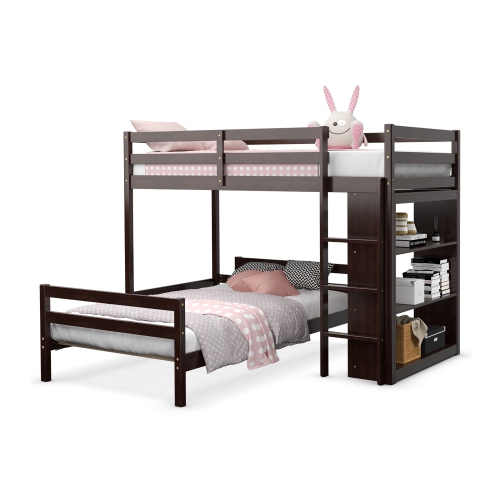
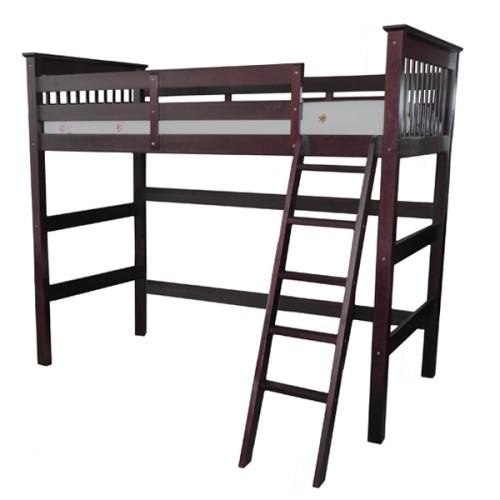
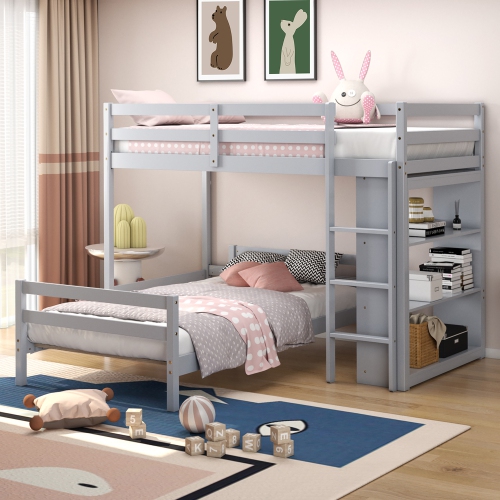
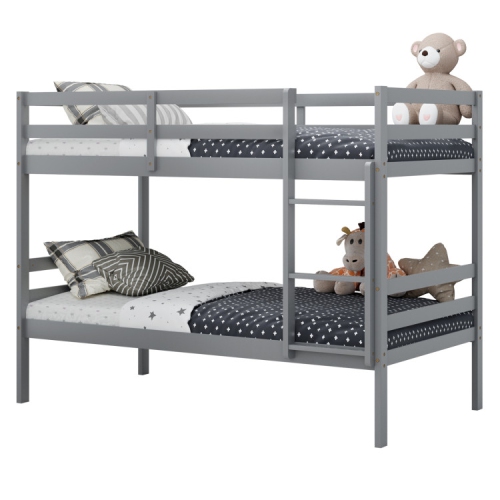
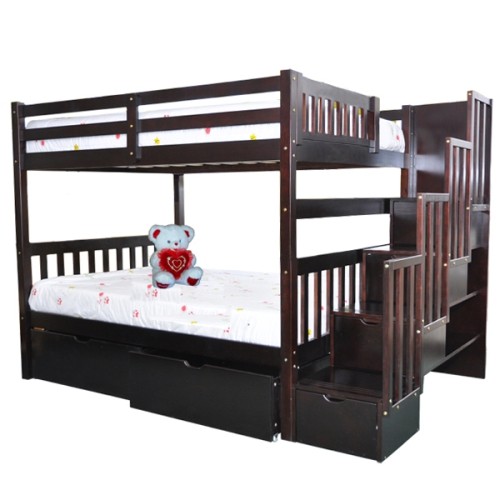
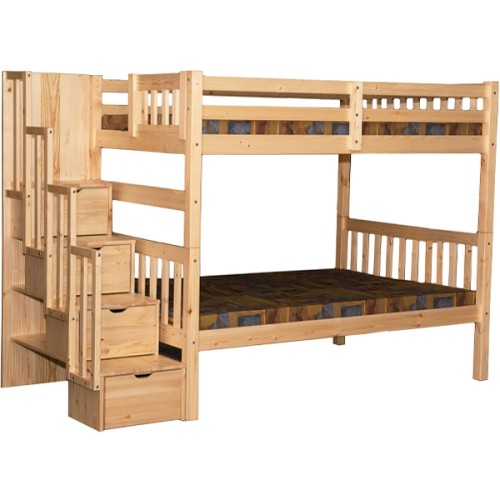
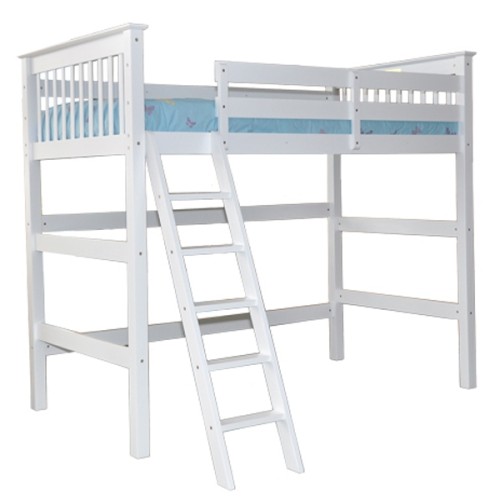
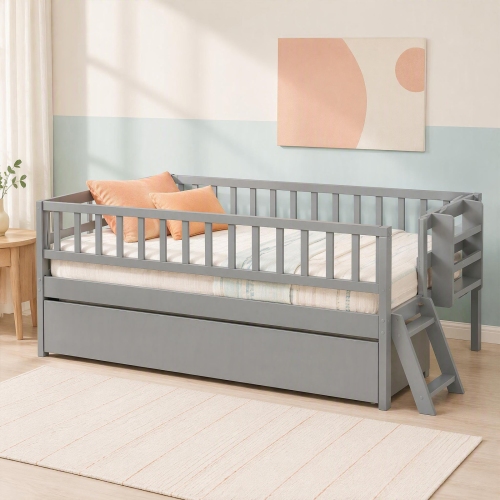
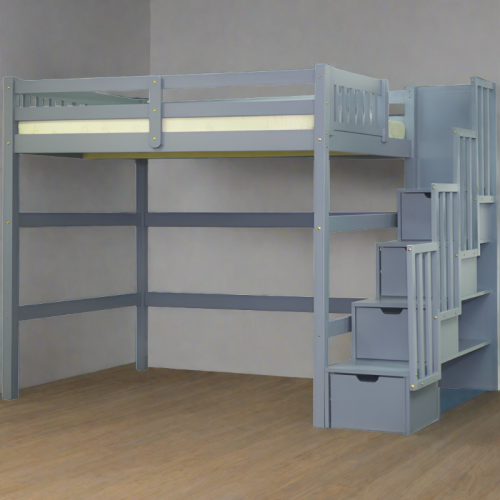
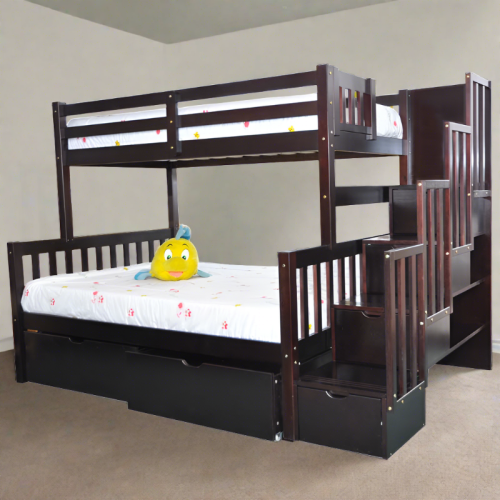
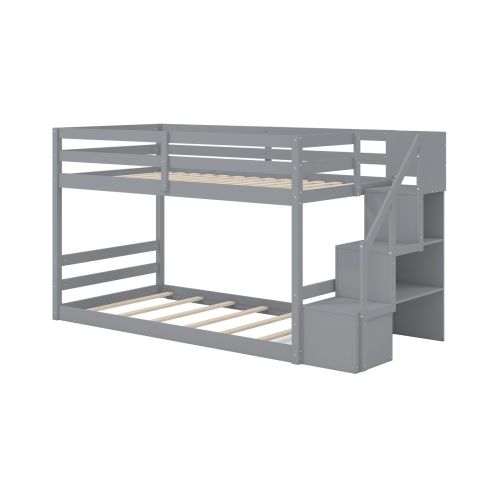
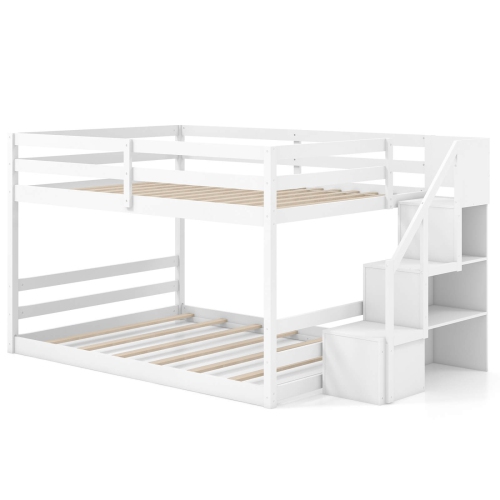
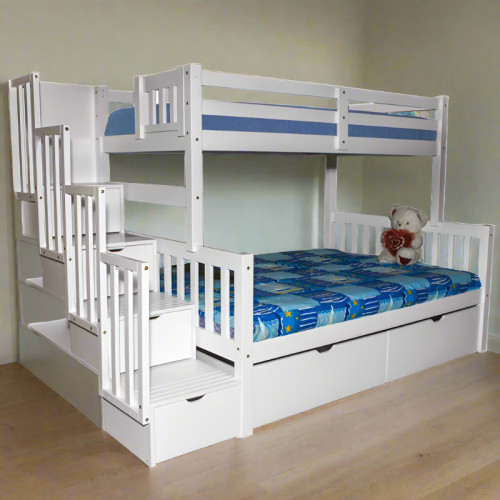
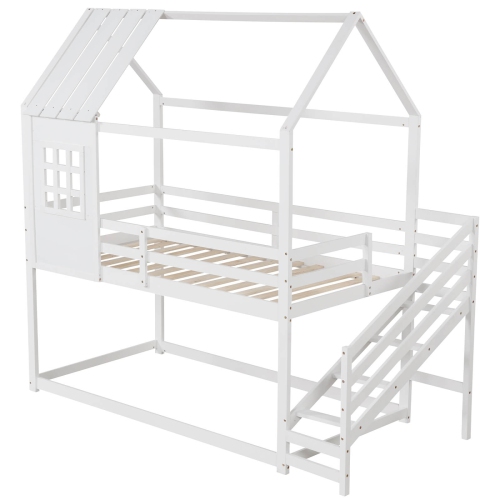
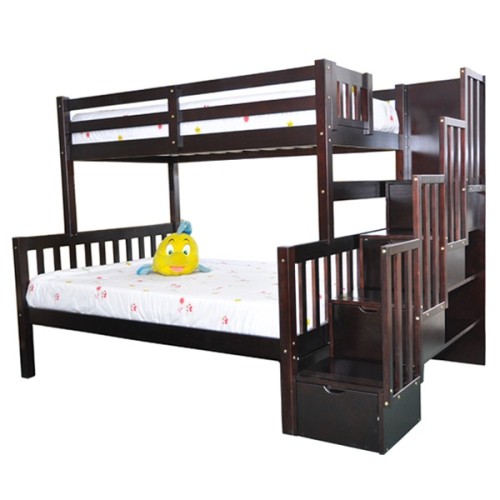
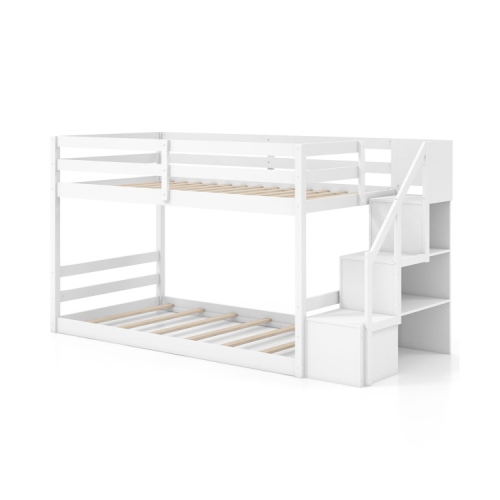
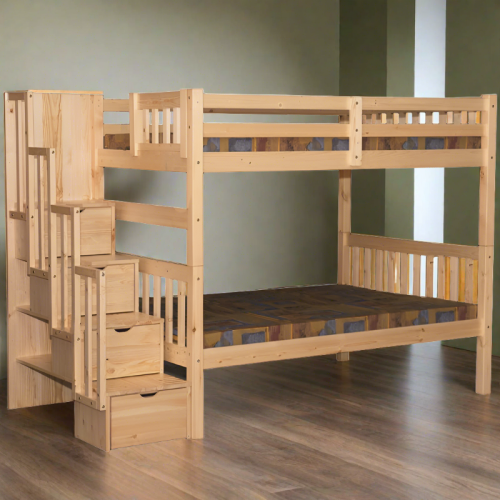
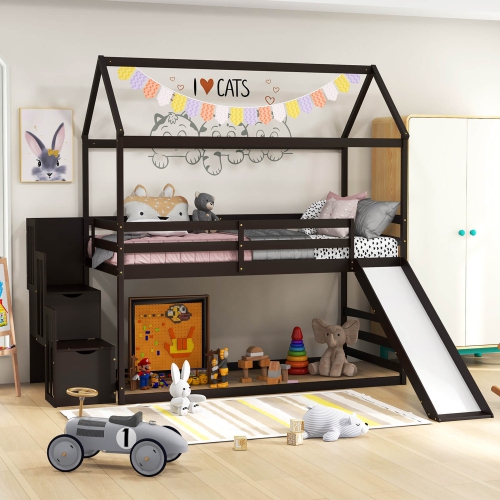
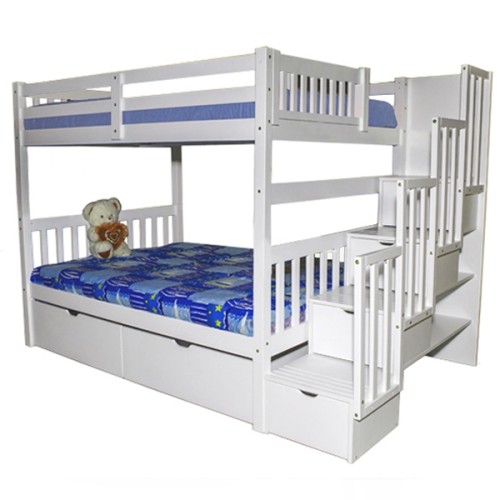
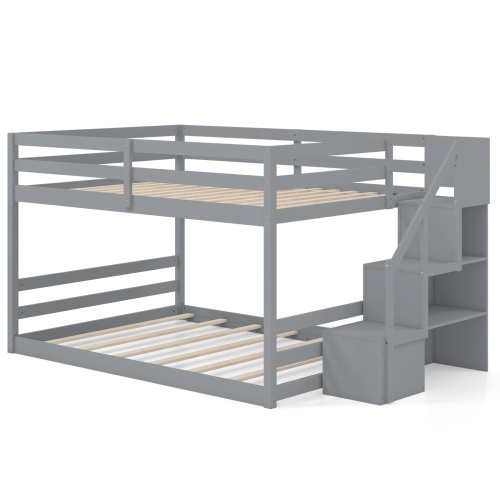
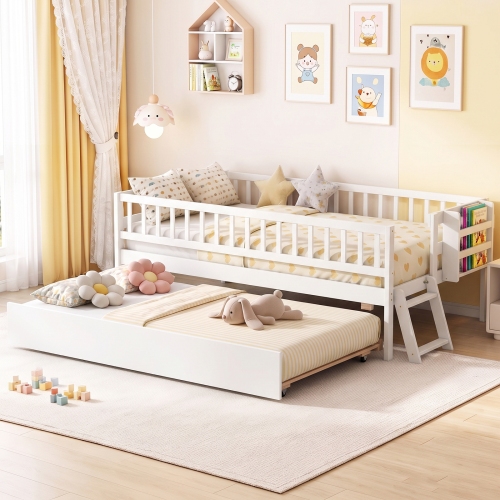
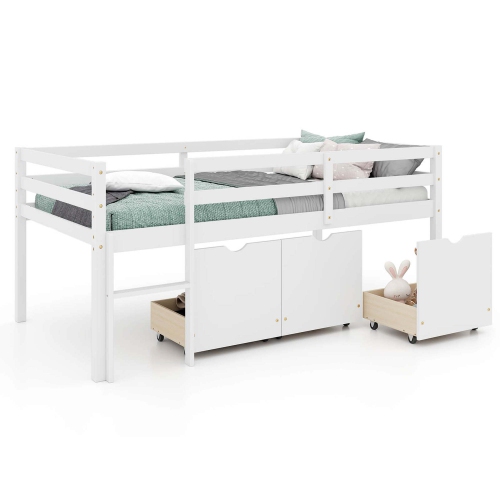
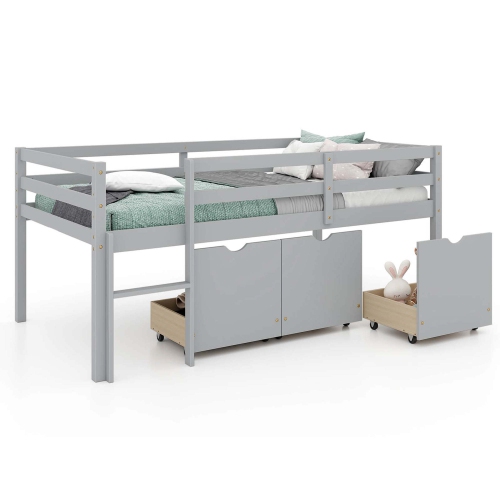
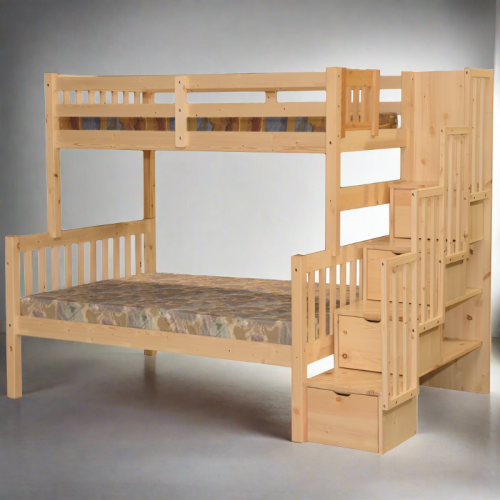
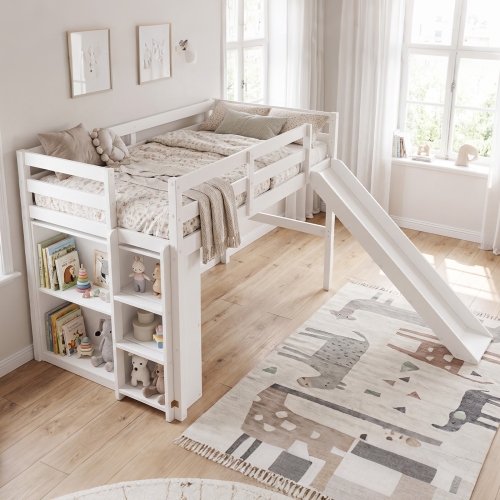
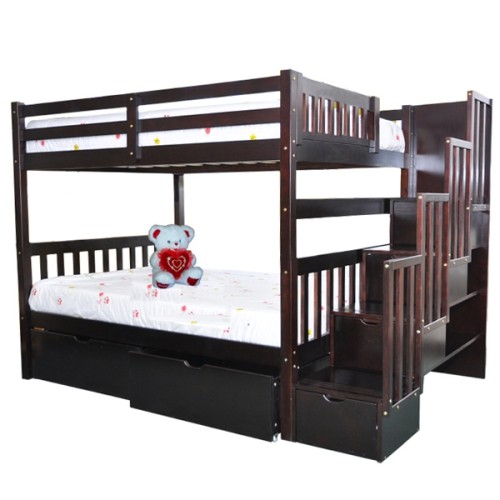
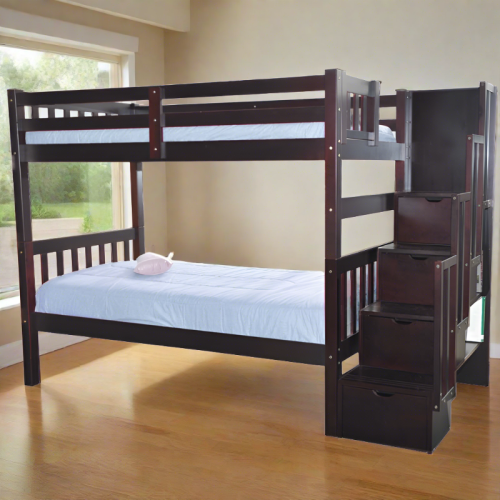
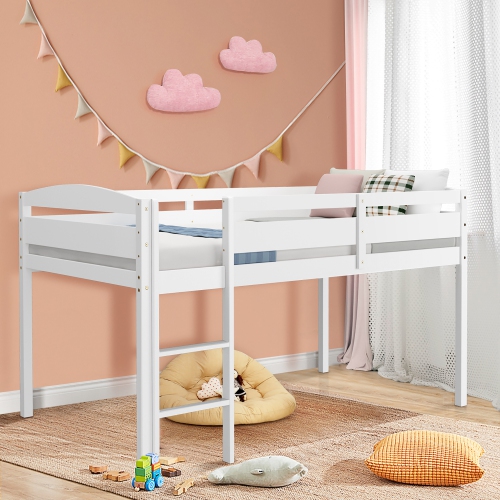
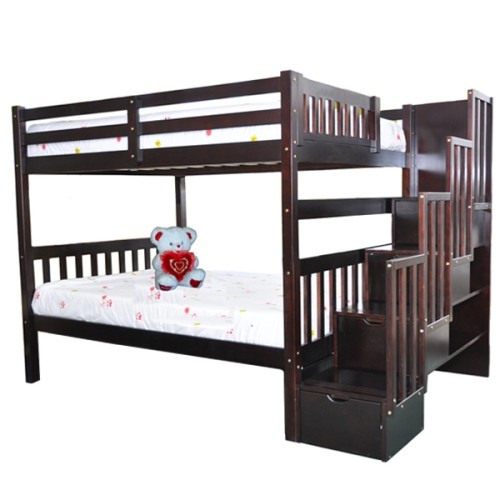
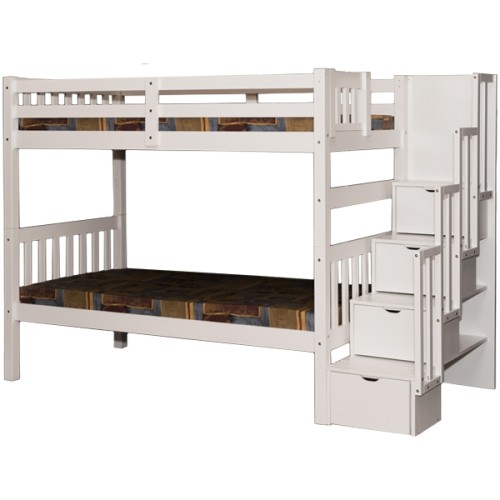
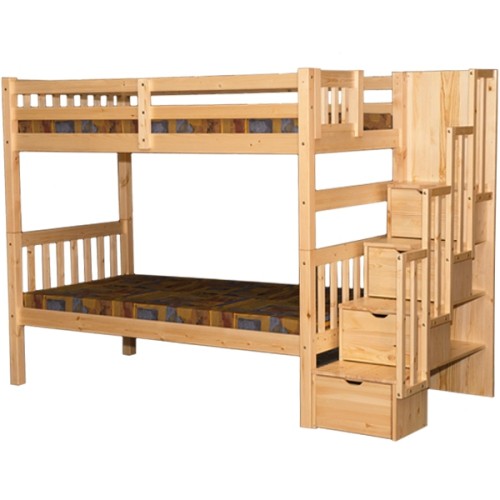
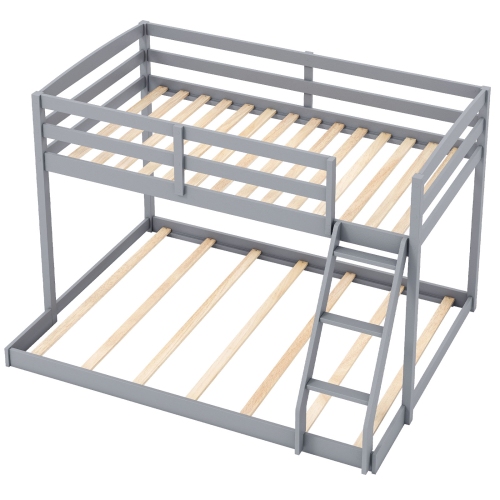
Bunk bed ladders provide access to an upper sleeping surface, with designs that range from straight metal frames to angled wooden ladders with broad steps. The right match depends on the bed’s construction, the height of its access opening, the space around it, and the manufacturer’s attachment requirements. In a shared bedroom, a straight ladder can keep the climbing route close to the bed frame, leaving more floor space for drawers, a desk chair, or the path between beds. An angled ladder extends farther into the room but may offer a more gradual climb, depending on its slope and step design. That difference matters in everyday use: a ladder that fits neatly beside a wall may feel quite different from one positioned where someone regularly walks to a wardrobe. Vertical and angled designs should both provide stable footing and a secure connection to the bed rather than relying on appearance or a seemingly close fit. Some ladders form part of the original bed structure, while others are separate components intended for compatible frames. A replacement bunk bed ladder therefore needs more than the right colour or approximate length; its mounting points and shape must suit the bed it will serve. These accessories can be relevant to children’s shared rooms, guest rooms, cottages, and certain loft-style sleeping arrangements, provided the ladder is expressly suitable for that use. Adult use requires a bed and ladder both rated for the intended occupant, while children’s use calls for particular attention to age restrictions and supervision. Children under six should not use an upper bunk, and any higher minimum age specified by the manufacturer still applies. For households considering a lower overall bed profile, Low Bunk Beds offer another configuration to explore, although a lower height does not remove the need for appropriate access, guardrails, and age suitability.
Materials influence the feel, weight, appearance, and upkeep of a bunk bed ladder, but construction and compatibility matter just as much as whether it is made from wood or metal. Wooden ladders can complement timber bed frames and may have flat steps that feel comfortable under bare feet. Smooth edges, sound joints, and an intact finish are important details, especially where hands grip the side rails during a climb. Wood should remain free of splinters, cracks, and loose connections; a painted or stained surface should not conceal damage that affects strength. Metal ladders may use steel or aluminium, with different frame profiles and tread treatments depending on the design. Their slimmer appearance can suit a metal bunk frame, while their actual weight and load capacity depend on the material, dimensions, and assembly. Neither material alone guarantees a stronger or longer-lasting ladder. Step shape also changes the experience of climbing. Broad, flat treads offer a different contact surface from narrow rungs, and textured surfaces or fitted tread covers may improve grip when they are part of the approved design. Any padding or cover needs to stay securely in place without rotating, bunching, or hiding damage underneath. Hand contact deserves equal attention: smooth, accessible gripping areas help the user maintain control rather than reaching for bedding or pulling on a nearby shelf. Durability comes from the whole assembly, including rails, steps, fasteners, brackets, and the connection to the bed. A stated load limit applies to the specific component and its intended installation, not to every similar-looking ladder. The bed’s rating and the ladder’s rating must both suit the user, and a stronger replacement ladder does not increase the bed frame’s capacity. Finishes can help the ladder blend into a bedroom, from light wood tones to dark painted frames, but colour matching remains secondary to structural fit. In a room used by visiting family or growing children, a straightforward climbing route, comfortable contact points, and accessible attachment points for inspection are more useful everyday qualities than decorative details alone.
Fit is especially important when replacing a missing or worn ladder, because bunk bed ladders are not universally interchangeable. Overall length, width, mounting height, bracket spacing, and the shape of the bed rail all affect whether a ladder can be installed as intended. The relevant mounting height is the connection point specified by the manufacturer, not simply the top of the mattress. Hooks must match the rail they attach to, and any retaining hardware must be fitted as directed so the ladder cannot lift away unexpectedly. Where the design has feet that rest on the floor, they need stable contact at the intended angle; a thick rug, uneven flooring, or an improvised support can change how the ladder sits. The approach to the first step should remain clear of toy baskets, charging cables, and furniture corners, with enough room to climb without squeezing past an open drawer. At the top, the ladder should align with the designated access opening rather than requiring someone to climb over a guardrail. Mattress thickness also affects the upper bunk’s protective guardrail height, so the bed’s mattress specifications remain important even when only the ladder is being replaced. Shortening rails, drilling extra holes, or substituting brackets can alter the ladder’s strength and attachment geometry; such changes are appropriate only when expressly permitted by its manufacturer. Routine care is usually straightforward but should follow the material and finish instructions. A soft cloth can remove dust from rails and steps, and permitted cleaning solutions should be wiped away so contact surfaces stay clean and dry. Loose fasteners, worn feet, damaged tread surfaces, cracks, or bent parts warrant attention before further use. A ladder that shifts, rocks, or pulls away from its mounting point should stay out of use until the problem is resolved. Good everyday habits support the hardware: climb facing the ladder, keep hands free, and leave bedding clear of the steps. With a compatible design and proper care, a bunk bed ladder can make access to an elevated bed a practical part of the room’s daily routine.
Top selling and popular products
-
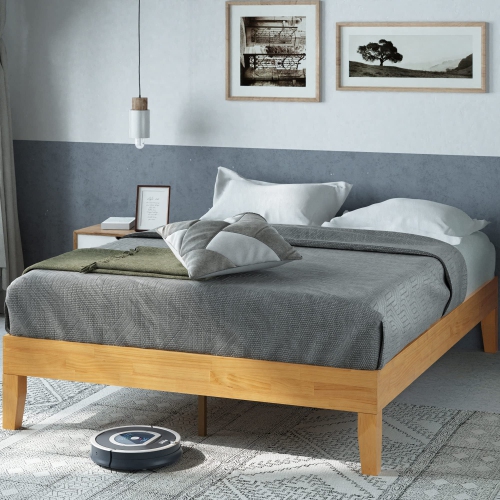 Your price for this item is $493.52
-
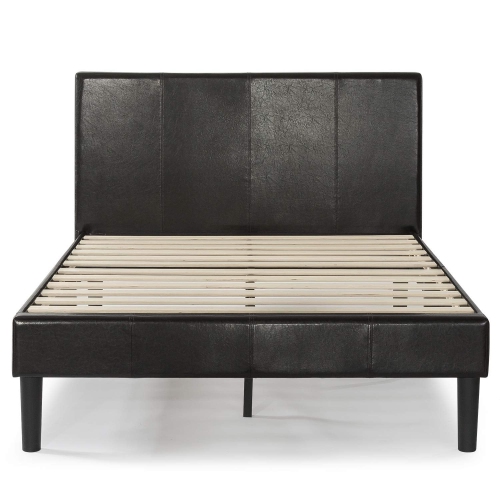 Your price for this item is $611.85
-
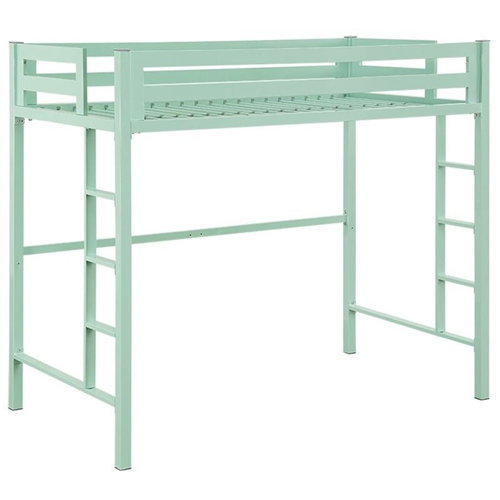 Your price for this item is $824.18
-
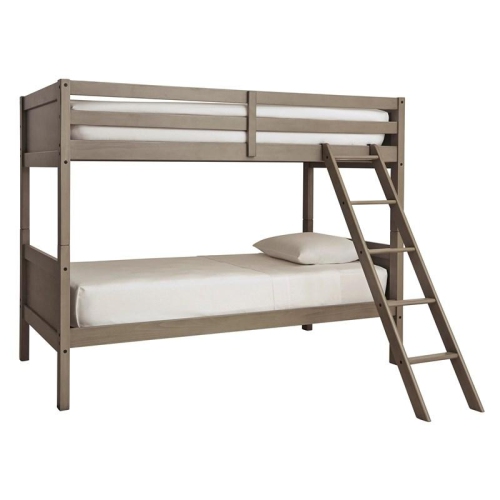 Your price for this item is $799.99
-
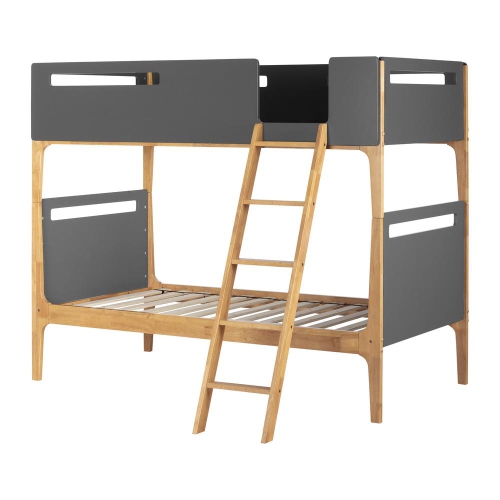 Your price for this item is $985.42
-
 Your price for this item is $157.99
-
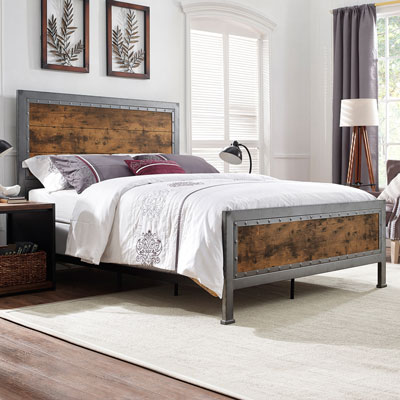 Your price for this item is $862.99
-
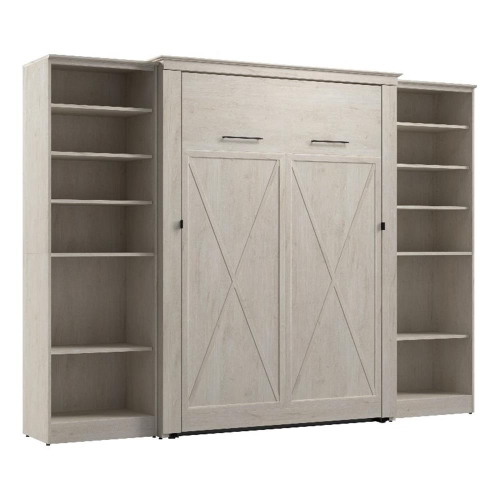 Your price for this item is $3099.99
Discover more categories related to Bunk Bed Ladders
Top Collections:
Pokemon Centers, Best Cameras for Sports Photography, Kindle Devices, Samsung Galaxy Phones, Canon G7X Cameras, Pokémon 30th Celebration Cards, Refurbished Apple Laptops, iPhone 15 Apple, Laptops for Students, Budget Smartphones
Some products may be subject to Environmental Handling Fees
(EHF) depending on your province.
Learn more about EHFs.