Butcher Block Kitchen Islands
Transform your kitchen into a functional and stylish space with our selection of butcher block kitchen islands. Crafted with durability and versatility in mind, these kitchen islands are the perfect addition to almost any home. Whether you're looking for extra counter space, storage solutions, or a statement piece to enhance your decor, our collection offers a variety of options to suit your needs. From sleek and modern designs to rustic and farmhouse-inspired styles, shop our range of butcher block kitchen islands and find the perfect match for your culinary haven.
Sort
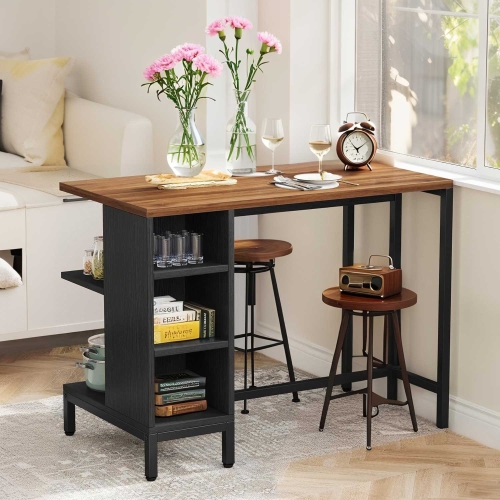
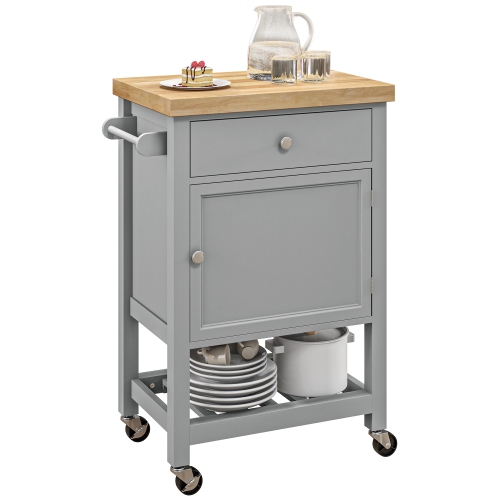
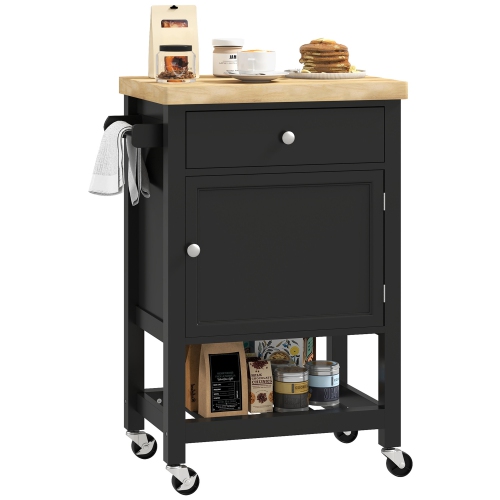
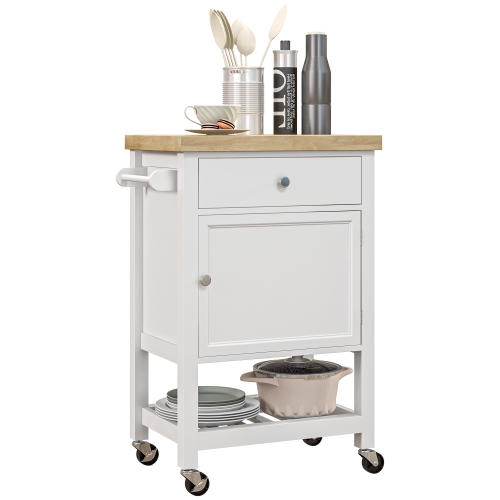
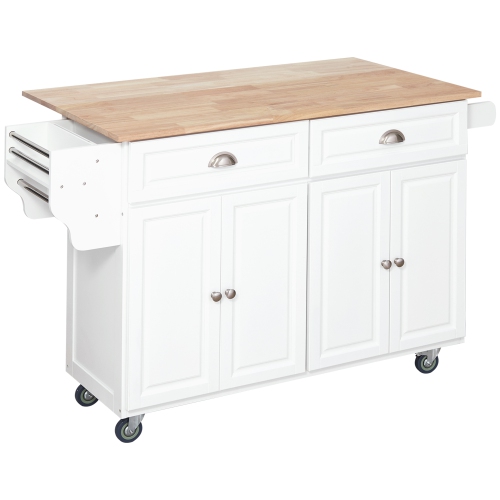

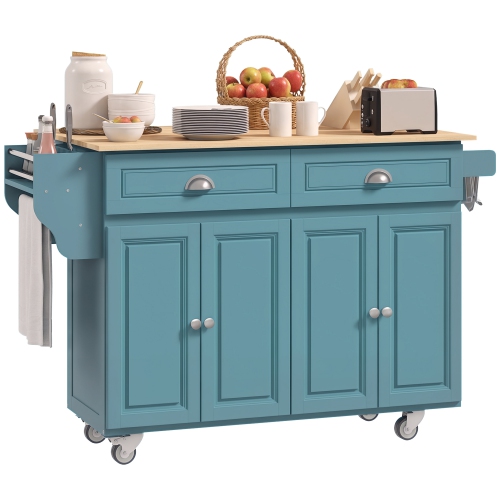

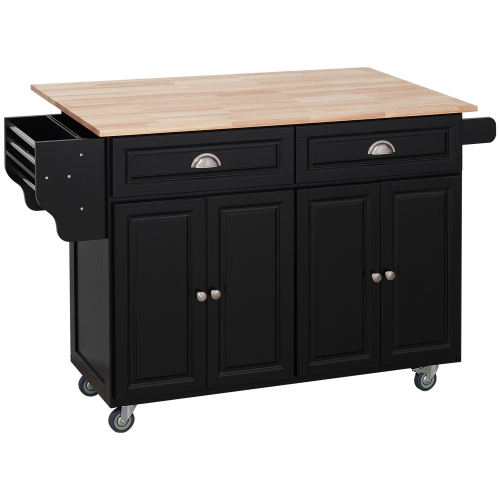


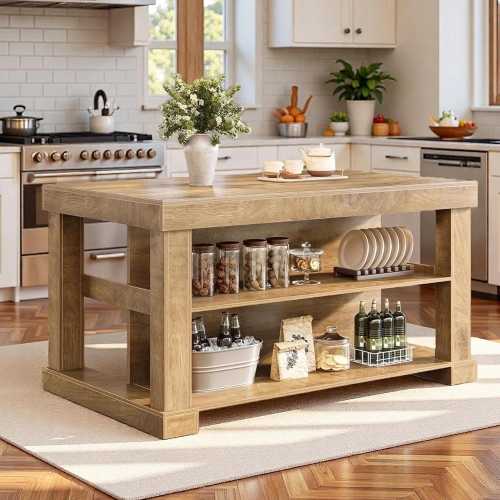
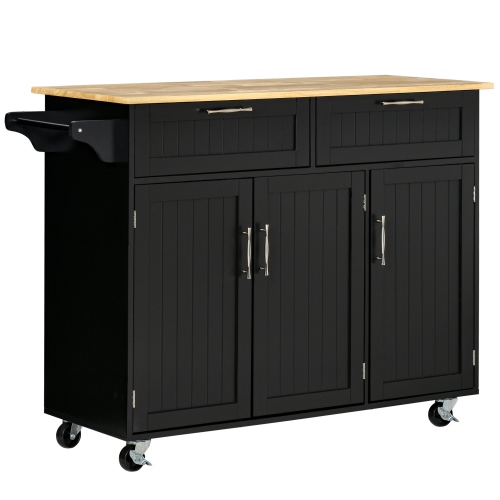

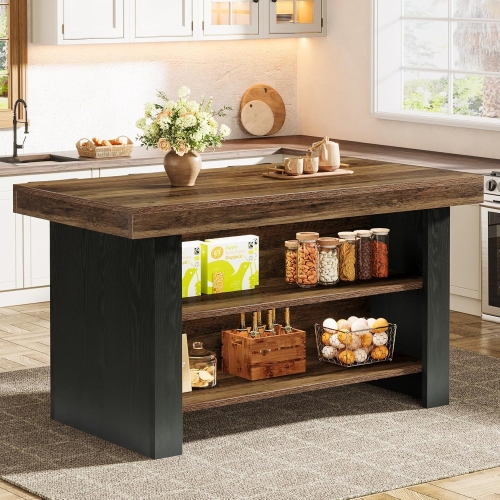


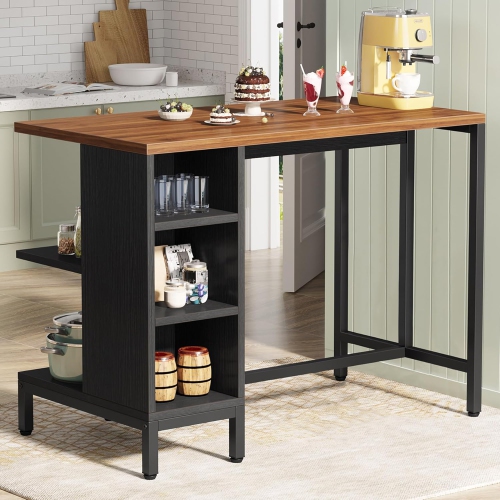
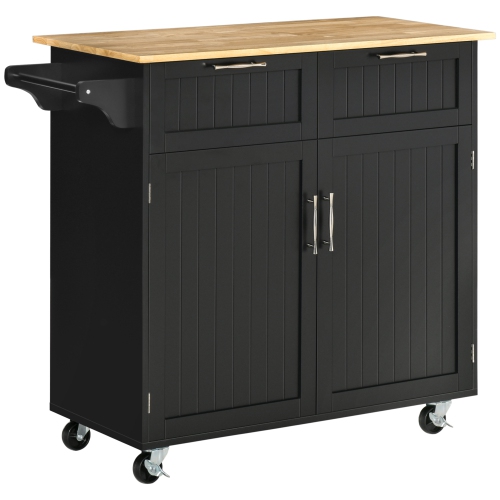

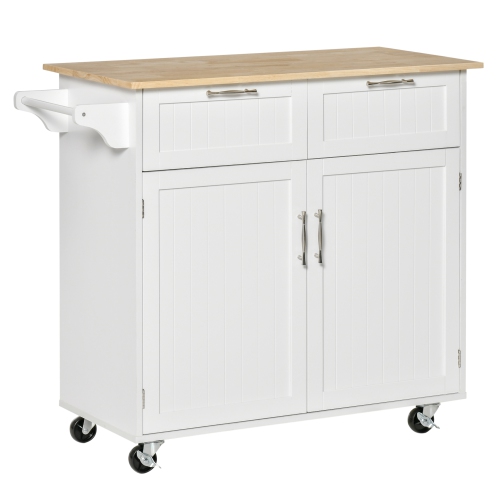


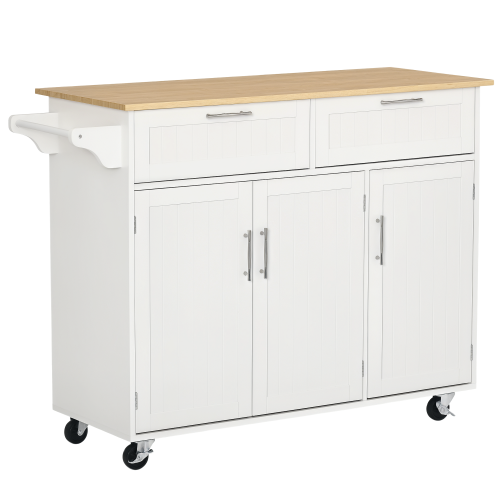
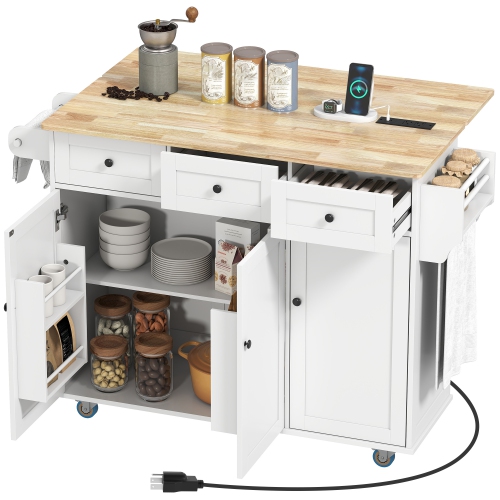


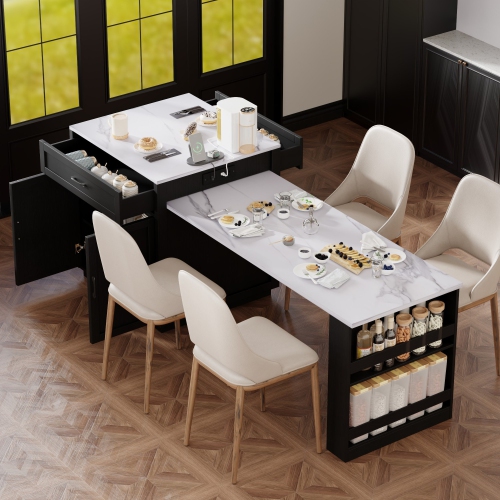


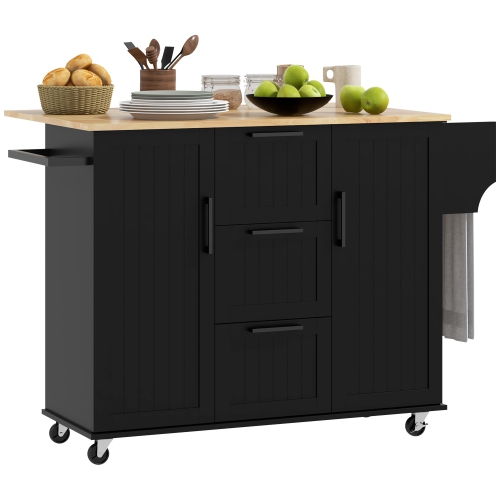
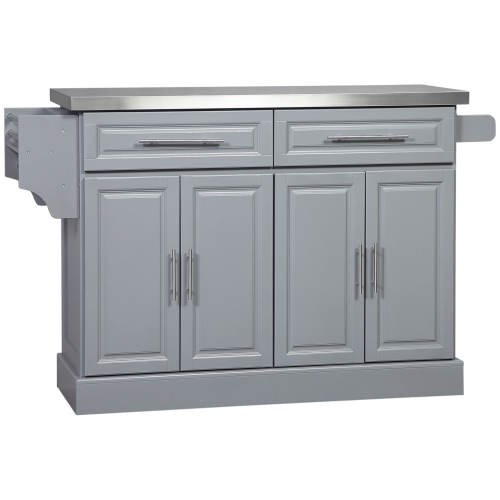


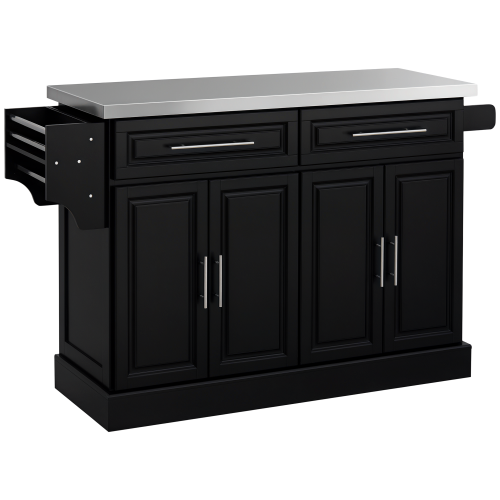
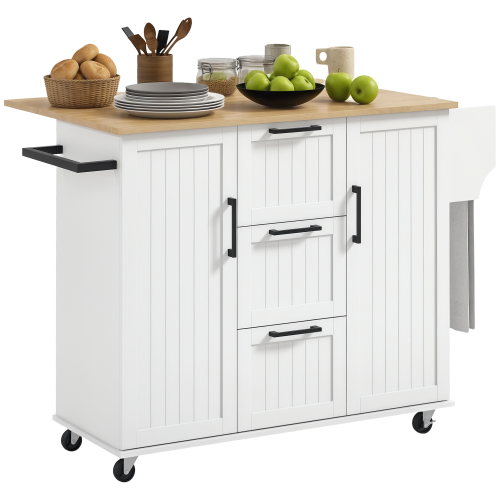
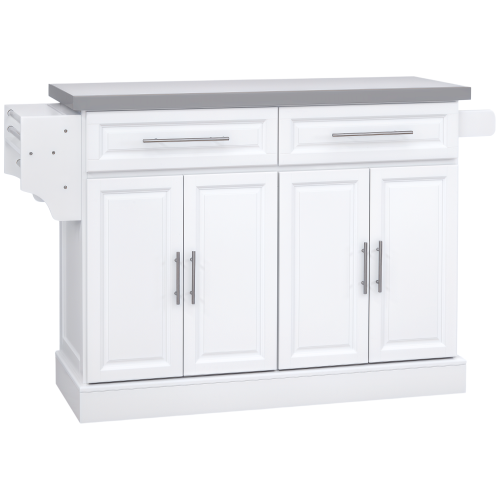

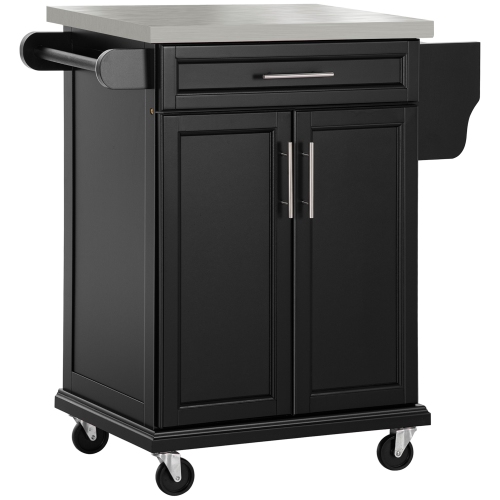
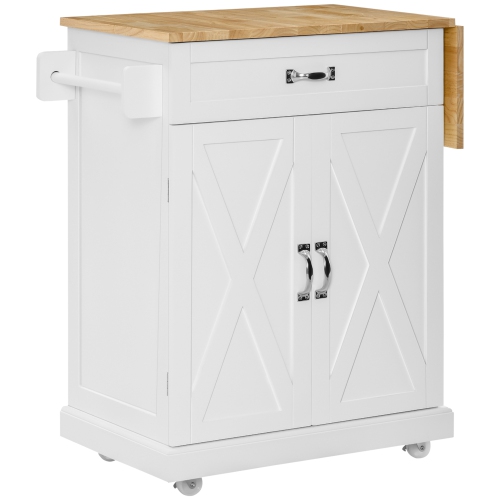
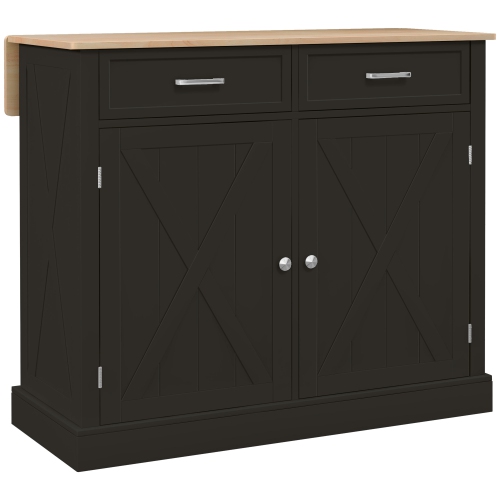
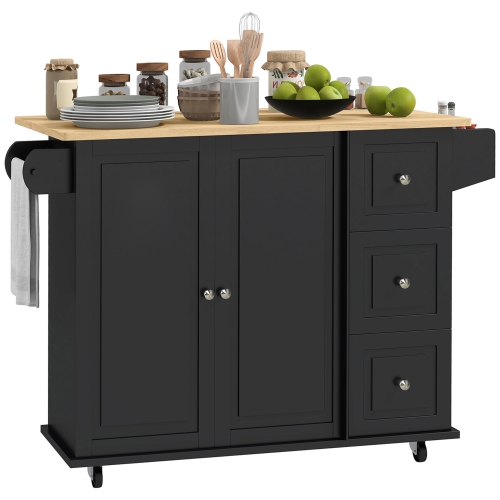
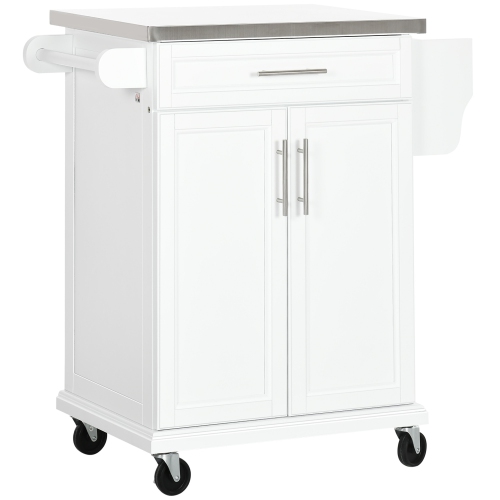


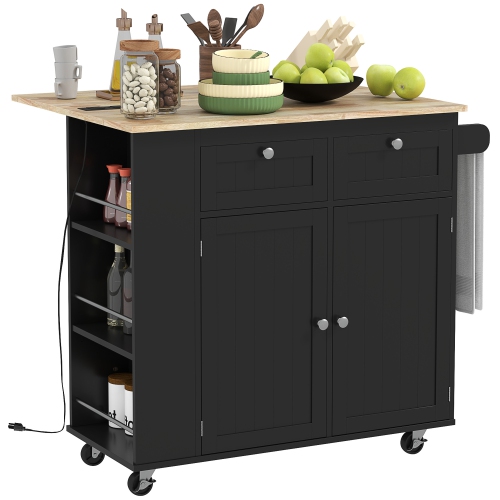
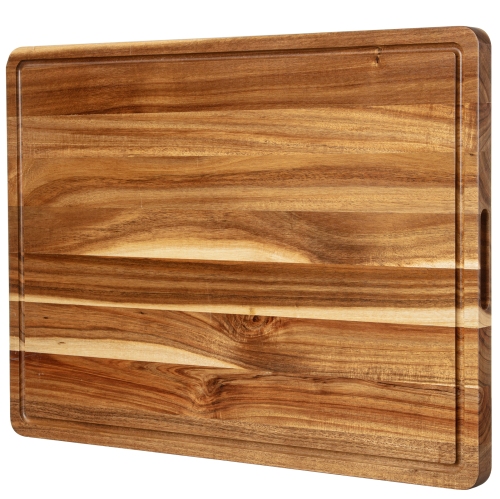
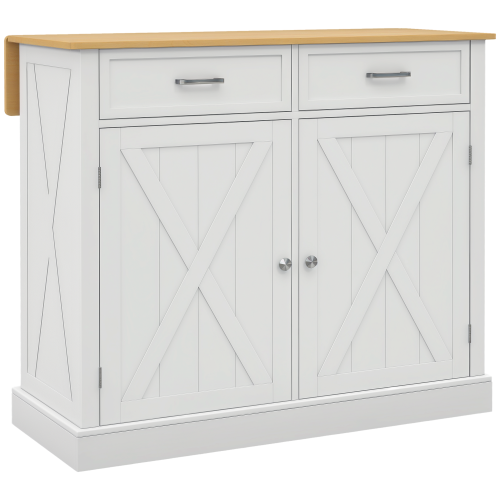

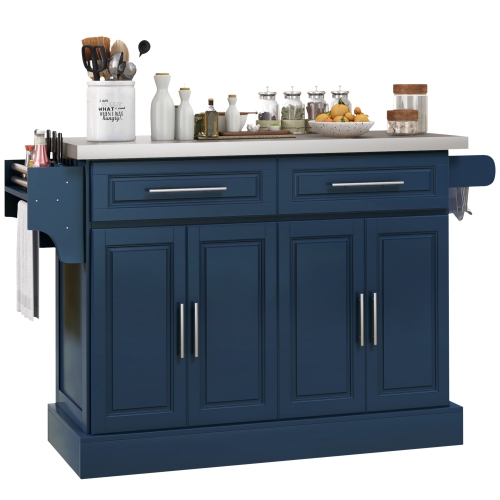

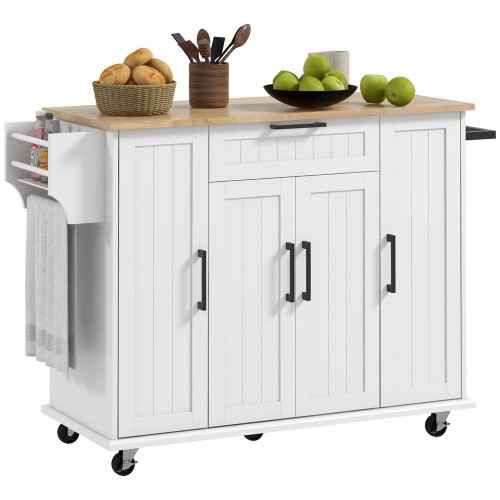
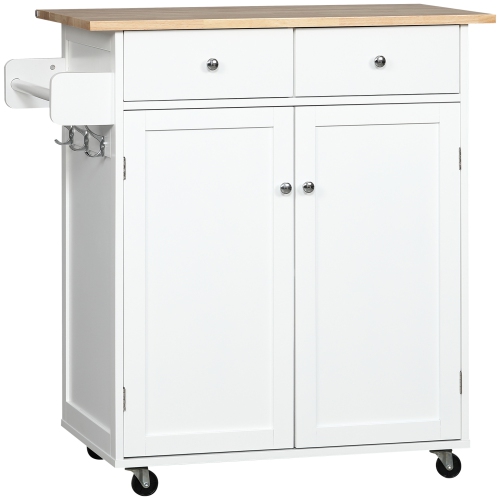
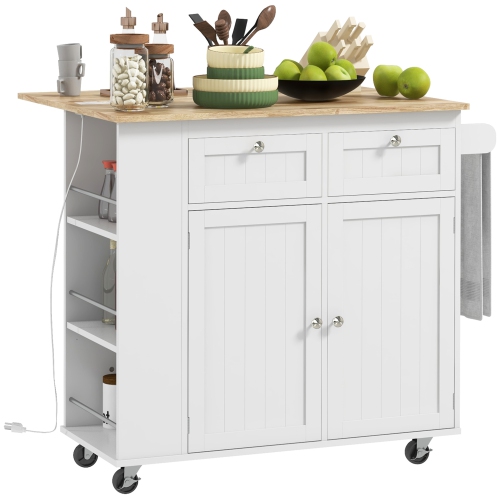


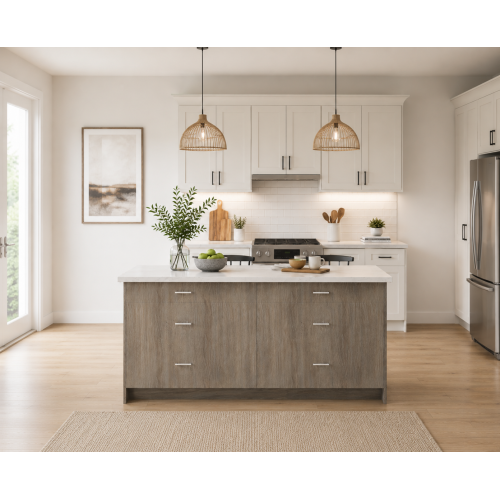
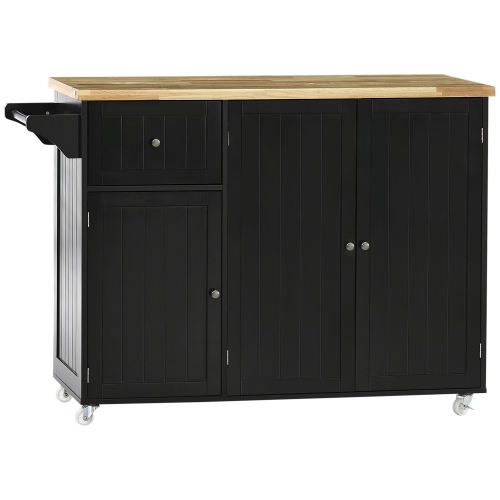
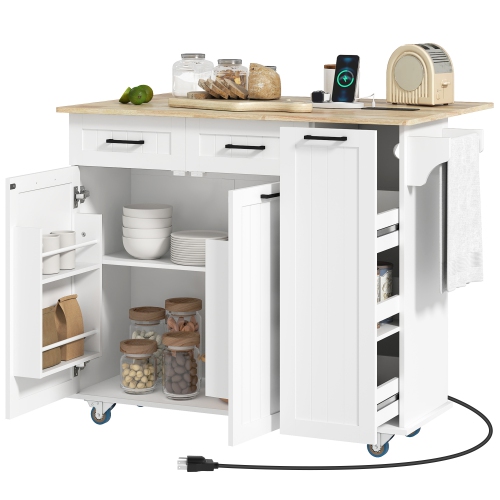
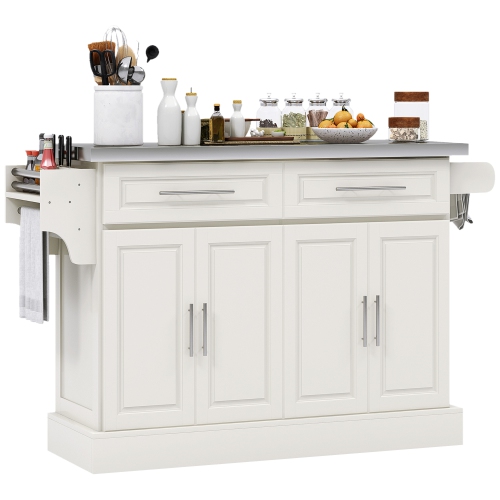
More prep space without a full kitchen renovation
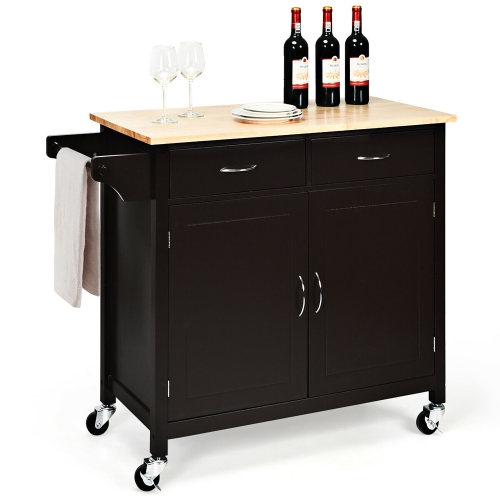
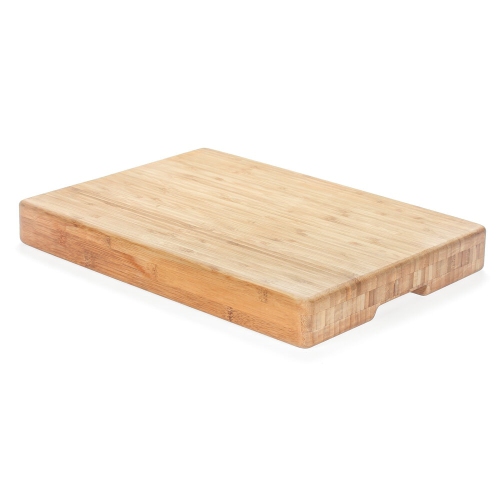
Butcher block kitchen islands pair a wood worktop with a freestanding base, adding preparation space and storage without requiring a full kitchen renovation. A true butcher block top is made from pieces of wood joined together, creating a substantial surface with visible grain and natural variation. It can give a kitchen a dedicated spot for rolling pastry, assembling sandwiches, portioning ingredients, or setting out serving dishes. The distinction between a butcher block work surface and a wood-look countertop matters: veneer and laminate may offer a similar appearance, but they do not have the same construction or refinishing possibilities as solid wood. Maple, walnut, cherry, and oak are among the woods used for butcher block tops, each bringing a different grain pattern, colour, and hardness. Maple often has a light, relatively subtle appearance, while walnut brings deeper brown tones and cherry develops a richer colour with age and light exposure. Construction also influences how the surface performs. Edge-grain tops show long, narrow strips of wood and are common on practical work surfaces; end-grain tops display the cut ends of the wood in a block-like pattern and are often associated with chopping surfaces. Neither construction alone confirms that an island is suitable for direct food preparation or cutting. The finish, adhesives, and manufacturer's intended use are equally important. Some tops are designed for chopping and regular oiling, while others have a protective coating intended for serving and everyday countertop use with a separate cutting board. For households that mainly need somewhere to unload groceries or prepare lunch, that difference may matter more than the grain pattern. Compared with the broader range of wood kitchen islands, butcher block styles place particular emphasis on the worktop, combining the character of wood with a surface suited to hands-on kitchen tasks when used as directed.
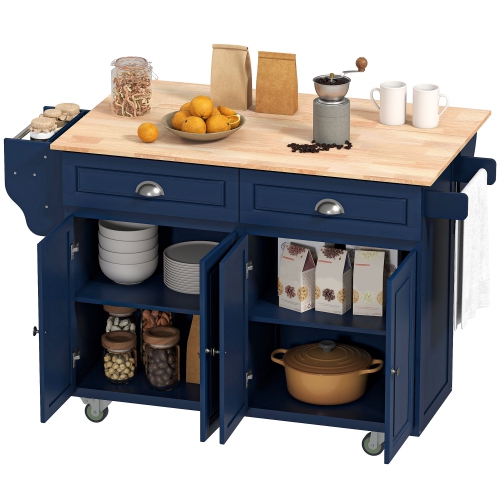
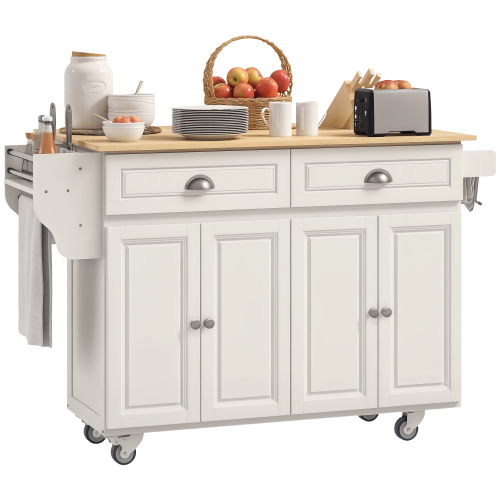
The right proportions make a butcher block island useful rather than an obstacle in the middle of the room. Its footprint includes more than the countertop: towel rails, side racks, handles, and an extended drop leaf can all take up space beyond the base. Measuring the full dimensions helps establish whether the island will fit between existing counters while leaving room to move comfortably. Around a working island, roughly 36 inches of clear passage is a common starting point, with about 42 to 48 inches often more practical where people cook, open appliances, or pass one another. These are general planning references, not a substitute for checking the layout or applicable accessibility requirements. An open dishwasher door, a pulled-out drawer, and someone standing at the sink can quickly change how much usable space remains. In a compact kitchen, a narrow rolling island can add a preparation zone that moves aside when needed. Locking castors help hold it in place during use, though the base should still feel stable under the tasks it is designed to support. A larger stationary island may suit frequent meal preparation, heavier cookware storage, or a room where the island acts as a permanent gathering point. Many preparation surfaces are around 36 inches high, but the actual height should be comfortable for the person using them most often. Seating adds further considerations: stools need a suitable height, sufficient knee clearance, and space behind them for someone to sit down and get up. An overhanging top does not automatically make an island suitable for dining, and any leaf or extension has its own support and load limits. Storage works best when it matches everyday habits. Drawers keep measuring spoons and utensils close at hand, closed cabinets hide small appliances, and open shelves make mixing bowls easy to reach. Adjustable shelving can help accommodate a tall stockpot, while towel bars keep a drying cloth accessible without taking over the worktop. For shared kitchens, separating preparation tools from serving pieces can make it easier for two people to work around the island without reaching across each other.
Care requirements are an important part of living with a butcher block kitchen island, particularly when the top becomes a daily work surface. Wood is durable, but it is not maintenance-free or unaffected by moisture. Spills should be wiped up promptly, and the surface should be cleaned with the method approved for its finish, then dried rather than left wet. Standing water around a jug, a damp dishcloth left overnight, or repeated splashes along a seam can cause staining or damage over time. A tray beneath frequently used bottles can help contain drips, while trivets protect the surface from hot cookware. Oil-finished butcher block generally needs periodic treatment with a food-contact-safe oil or conditioner specified by the manufacturer; ordinary cooking oils are not suitable substitutes because some can become sticky or rancid. Film-forming finishes follow a different care routine and should not be oiled or cut on unless the manufacturer expressly permits it. For direct chopping, confirmation that the surface is intended for that use is essential, and separate cutting boards remain practical for managing raw meat, strong-smelling ingredients, and deeply coloured foods. They also simplify cleaning between tasks. Fine scratches and dents are part of the wear wood can develop, but repair options depend on the top's thickness, construction, and finish. Some solid wood surfaces can be sanded and refinished according to the manufacturer's directions; veneers and certain factory coatings require a different approach. The base deserves attention too, including secure fasteners, sound shelf supports, and castors that remain firmly attached. A thick top alone does not determine the strength of the whole island, so stated weight capacities matter when storing a stand mixer or stacked cast-iron cookware. With a suitable layout and care routine, a butcher block island can serve home bakers who need room for dough, busy households preparing several lunches, or hosts arranging dishes before a meal. Its lasting appeal comes from that combination of useful workspace, accessible storage, and wood grain that makes a hardworking piece of kitchen furniture feel at home.
Top selling and popular products
-
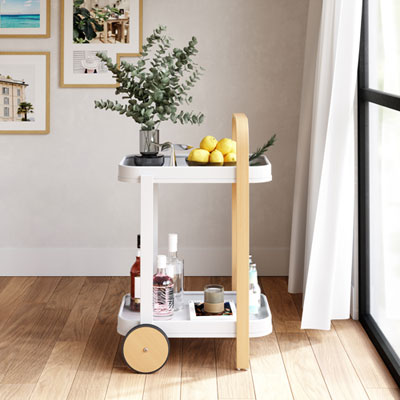 Your price for this item is $169.98
-
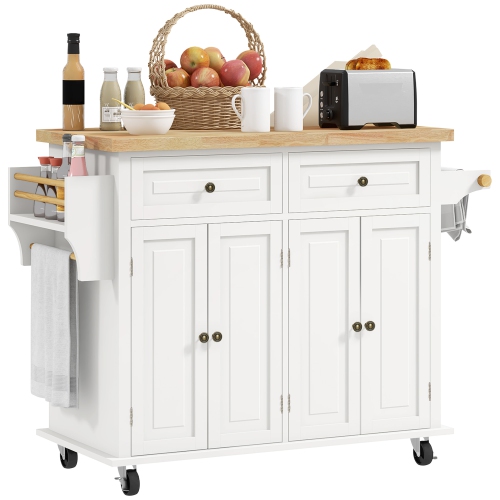 Your price for this item is $214.99
-
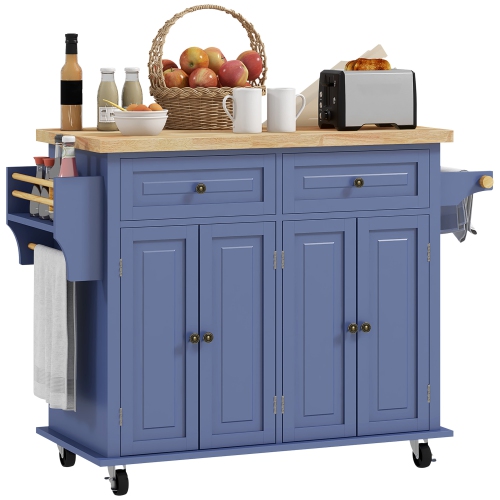 Your price for this item is $224.99
-
 Your price for this item is $389.99
-
 Your price for this item is $352.99
-
 Your price for this item is $139.99
-
 Your price for this item is $149.99
-
 Your price for this item is $93.99
Discover more categories related to Butcher Block Kitchen Islands
Top Collections:
Pokemon Centers, Best Black Friday Deals This Year, Best Black Friday Deals On Electronics, Kindle Devices, Best Budget Office Chairs, Best Black Friday Deals On Apple Products, Best Cameras for Sports Photography, Pokémon 30th Celebration Cards, Dyson Airwrap, Canon G7X Cameras
Some products may be subject to Environmental Handling Fees
(EHF) depending on your province.
Learn more about EHFs.