Butcher Blocks
Enhance your kitchen workspace with this selection of versatile butcher blocks. Crafted from high-quality materials, these sturdy and stylish additions provide a durable surface for all your culinary needs. Whether you're chopping vegetables, kneading dough, or preparing meats, a butcher block offers the perfect combination of functionality and aesthetic appeal. Explore this range of sizes, styles, and finishes to find the ideal butcher block that suits your kitchen decor and cooking preferences.
Sort
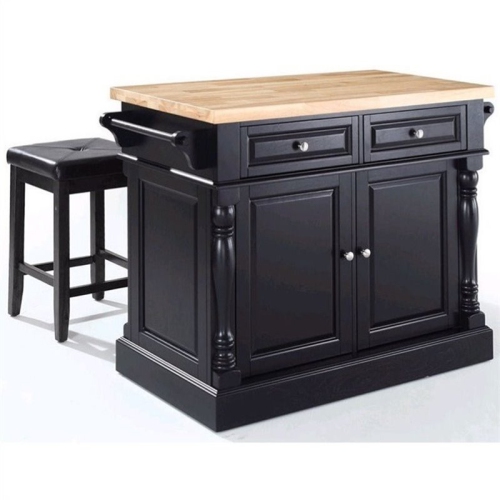
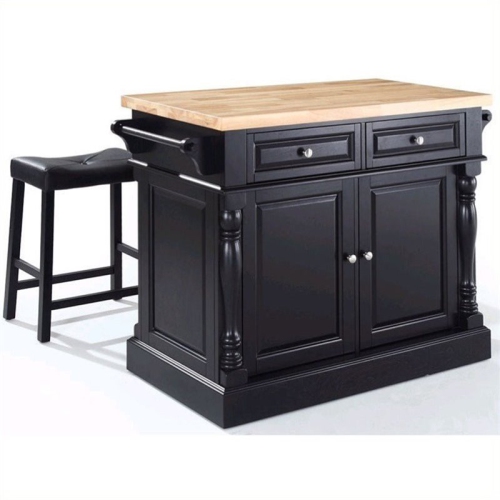
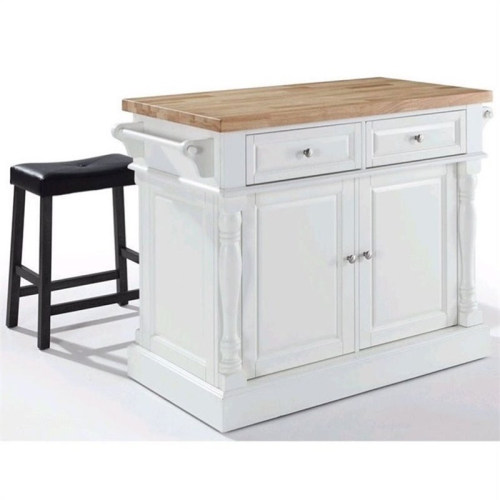
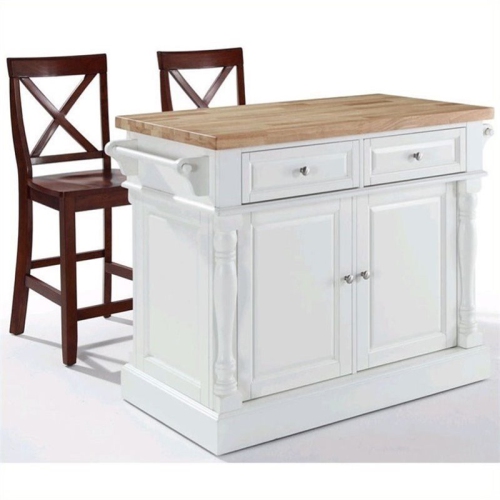
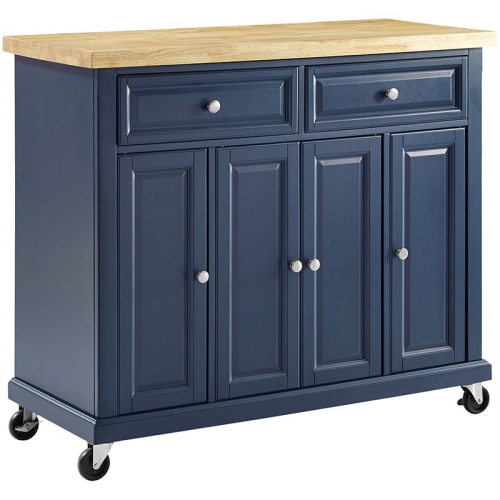
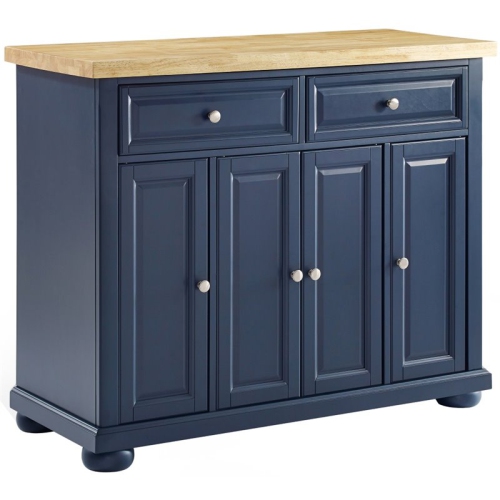

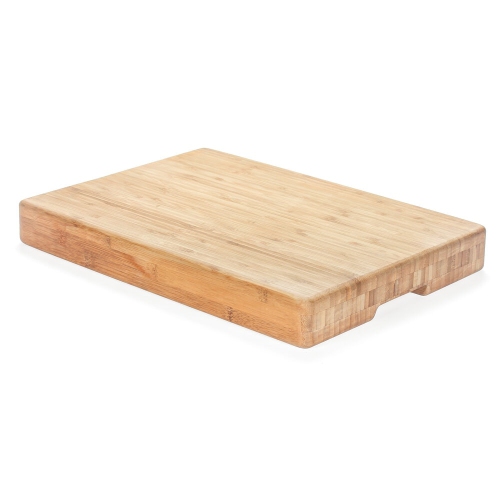
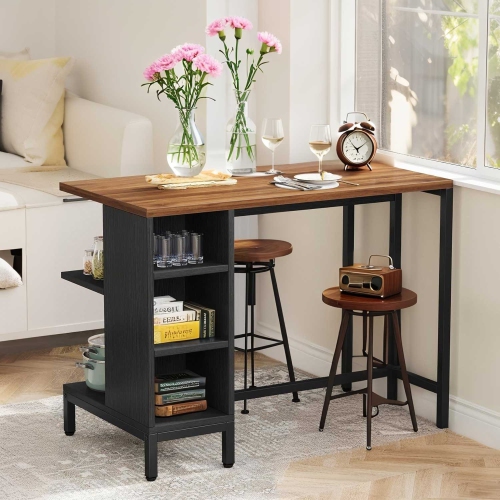

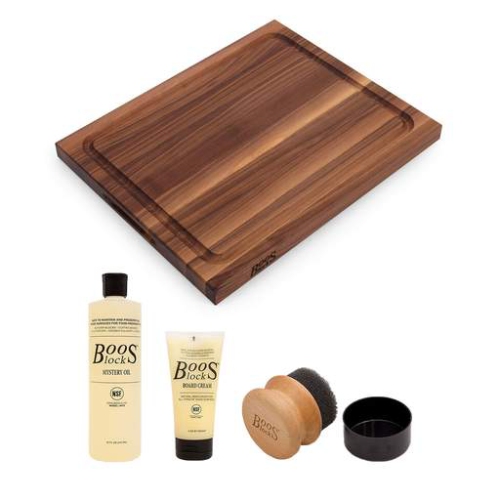
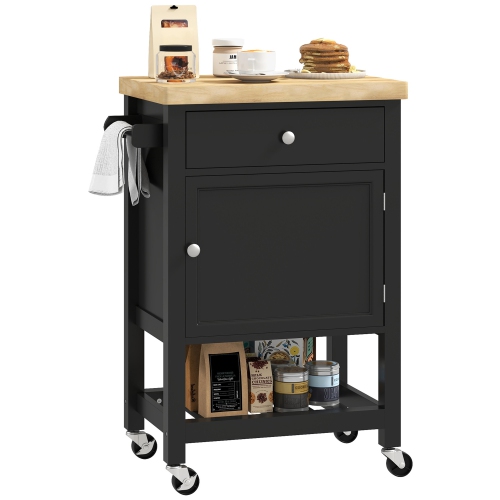
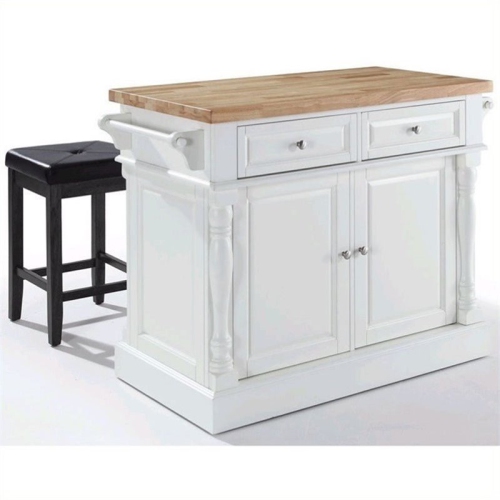
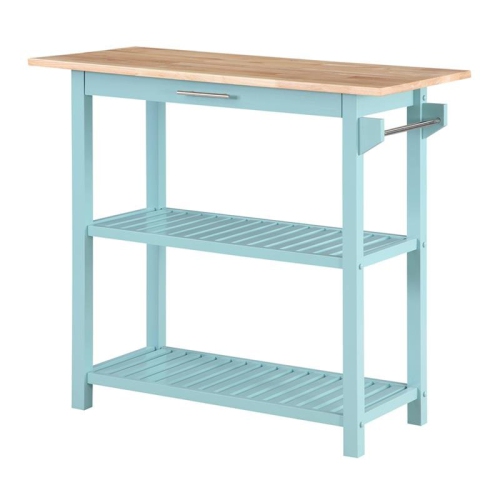
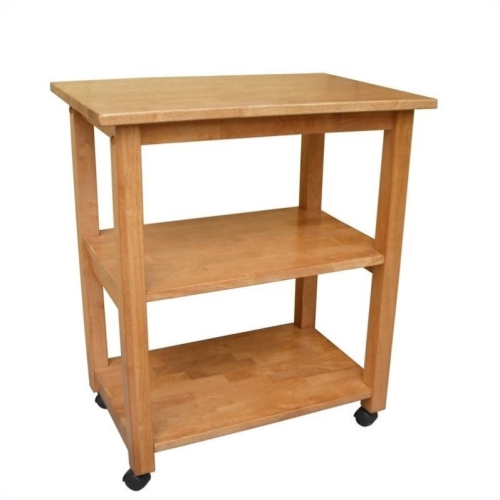
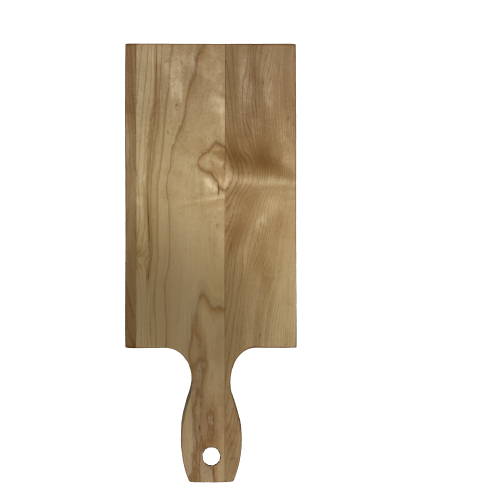
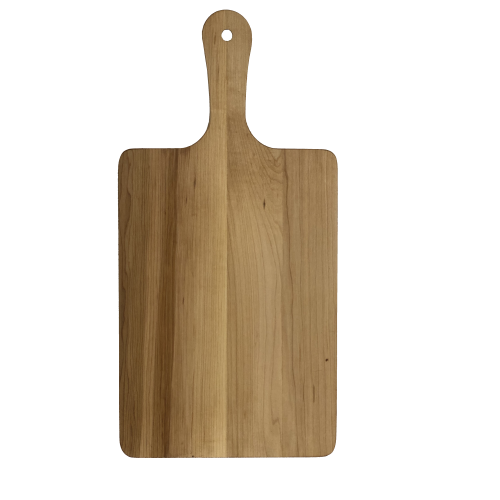

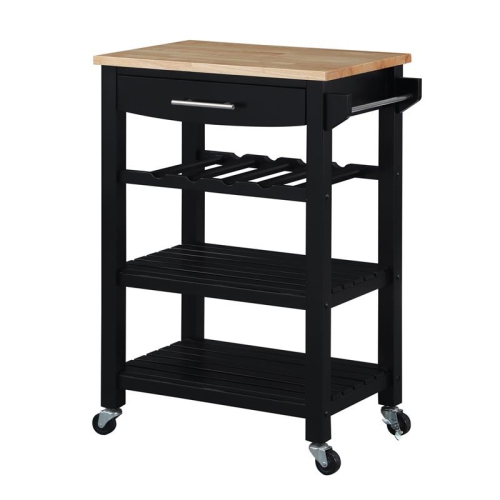
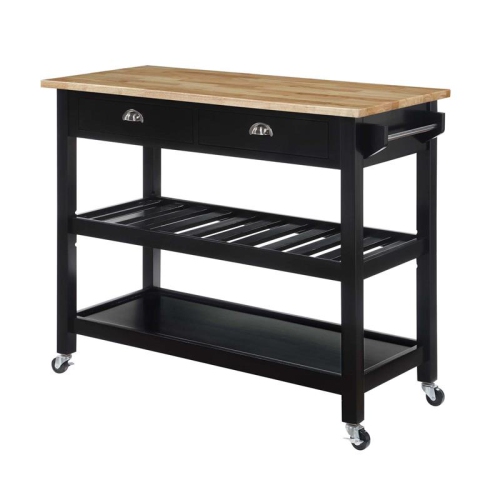
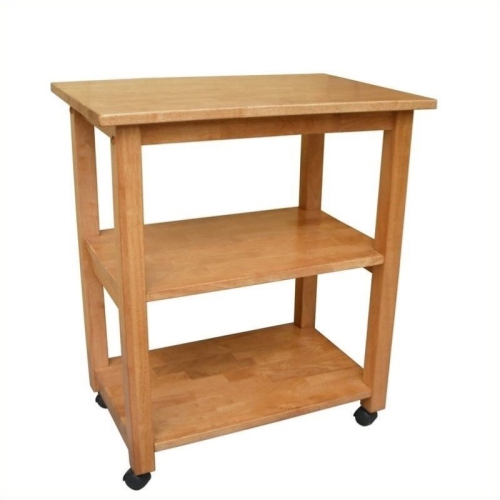
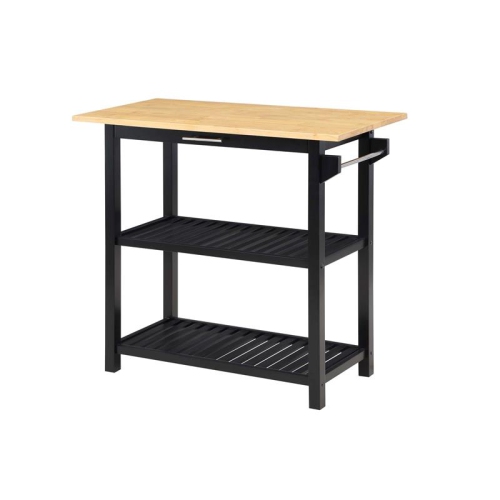
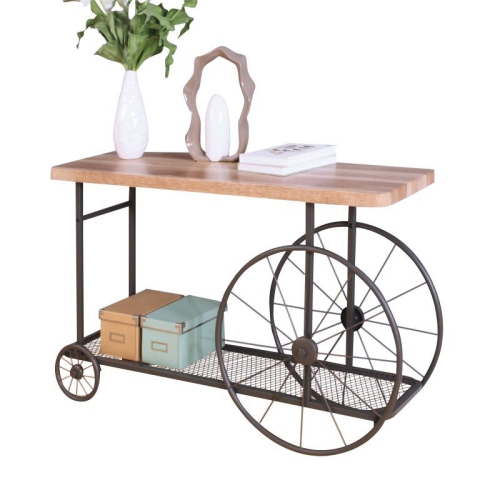
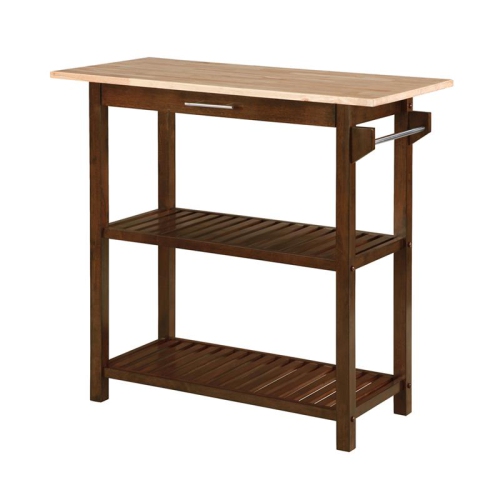
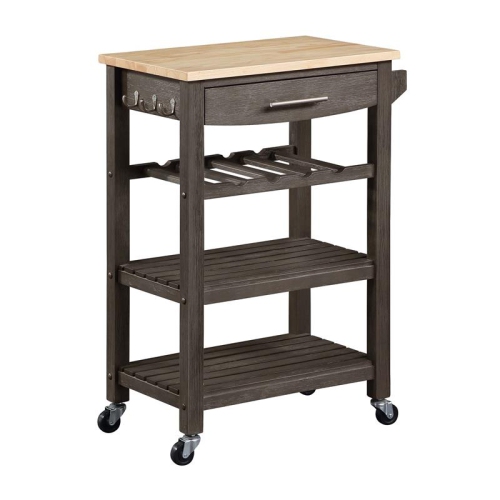
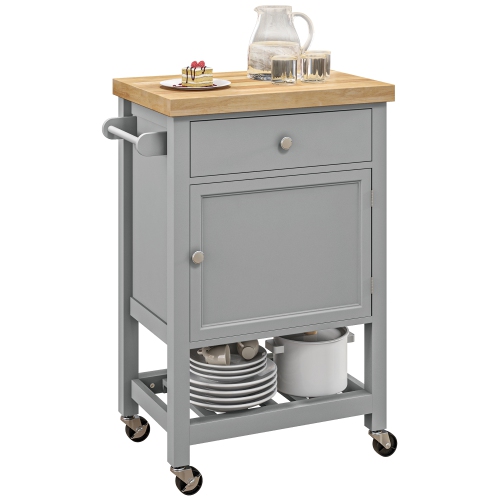
A durable wood surface for prep, baking, and serving
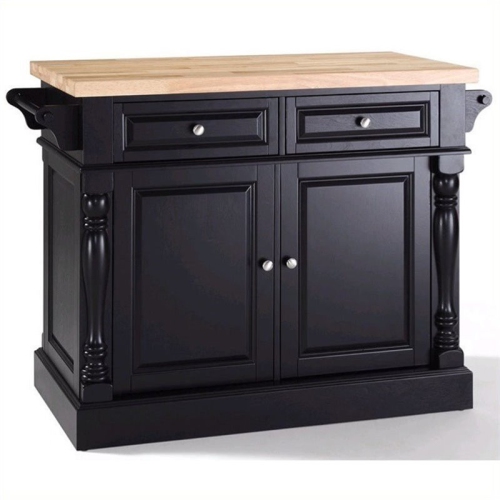
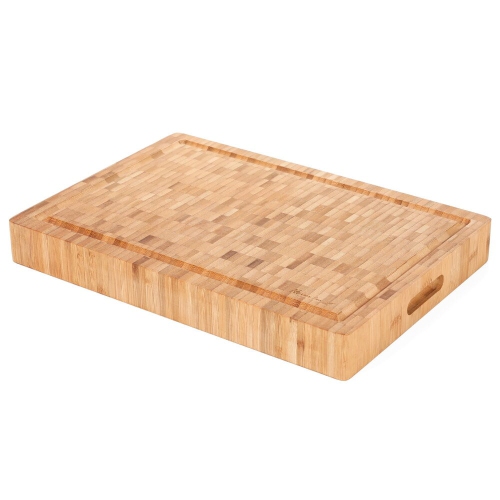
Butcher blocks bring a sturdy, practical surface to food preparation, kitchen organization, and everyday cooking. Traditionally associated with butcher shops, these thick wooden blocks were designed to withstand repeated chopping, slicing, and portioning. Today, butcher blocks are used as standalone cutting boards, countertop sections, kitchen islands, serving surfaces, and work areas for baking. Their substantial weight helps keep them steady while a chef’s knife moves across the surface, while their natural wood grain adds warmth to a kitchen filled with stainless steel, stone, or painted cabinetry. Some butcher blocks are made with edge grain, where long strips of wood run side by side to create a durable, streamlined surface. Others use end grain, placing the cut ends of the wood upward in a distinctive checkerboard pattern. End-grain construction is especially valued by home cooks who do a great deal of chopping because the wood fibres can give slightly around the knife blade, helping reduce visible scoring over time. The best choice depends on how the block will be used, how much space is available, and whether the priority is a portable prep surface, a permanent worktop, or a piece of kitchen furniture that can serve several purposes.
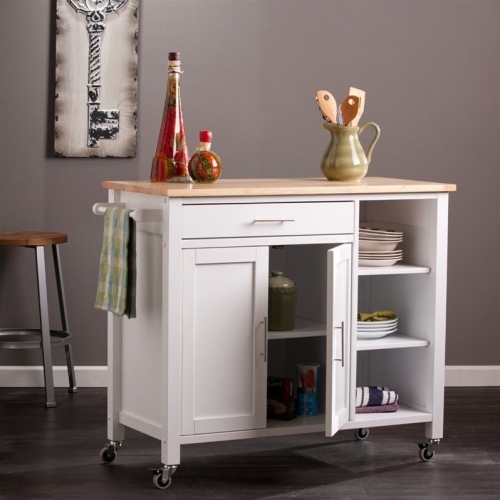
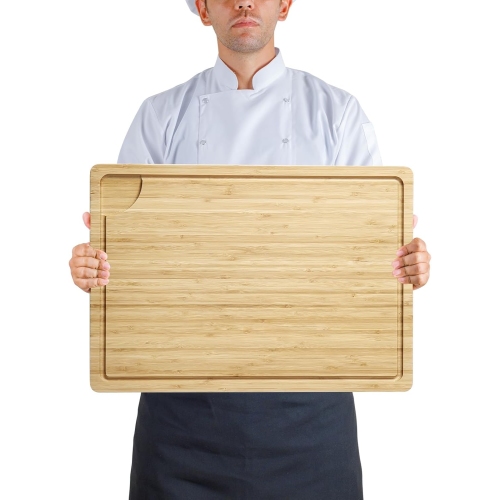
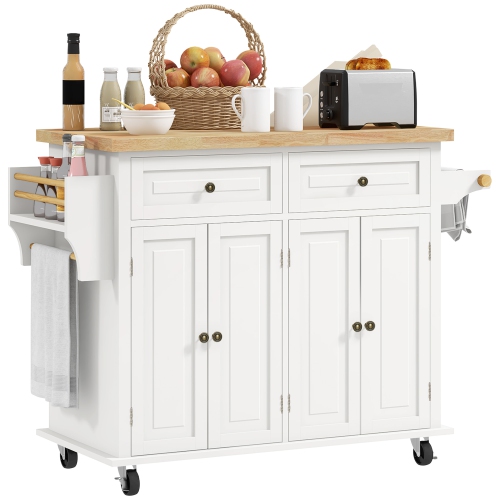
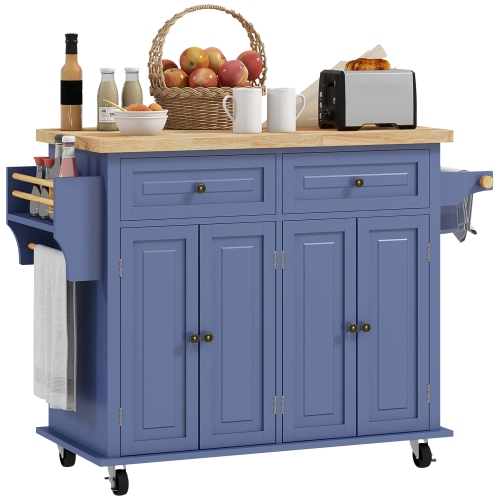
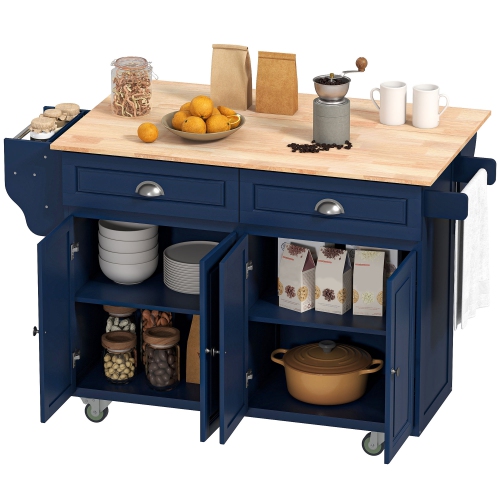
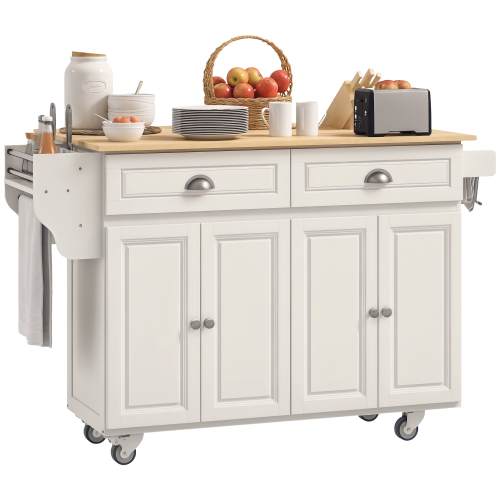
Wood type also influences the appearance, weight, feel, and maintenance needs of a butcher block. Hard maple is a traditional choice with a pale, even appearance that suits bright kitchens and makes food scraps easy to see during preparation. Walnut has a deeper brown colour and a naturally dramatic grain, making it appealing when the block will remain on display between meals. Cherry brings warmer reddish tones that become richer with age and regular care, while acacia and hevea offer their own varied grain patterns and approachable style. Look closely at the block’s thickness, construction, edge treatment, and overall dimensions before choosing one. A compact board can fit beside a sink or cooktop and is convenient for slicing bread, preparing vegetables, rolling pastry, or arranging snacks for guests. A larger block provides more room for separating ingredients and collecting scraps, but it also needs a stable location and enough clearance for comfortable movement. Handles, juice grooves, feet, and reversible surfaces can make a difference in day-to-day use. Juice grooves help catch liquid from ripe fruit or cooked foods, while a reversible design can provide a fresh working side. For a kitchen with limited counter space, a butcher block mounted on a rolling cart can create a flexible prep station that moves where it is needed. Explore Butcher Block Kitchen Carts for options that combine a solid wood work surface with storage and mobility.
A butcher block can become one of the most frequently used surfaces in a home, but it performs best when treated as a natural material rather than as a maintenance-free countertop. Wipe it after use with a damp cloth and mild dish soap, then dry it thoroughly instead of leaving water pooled on the surface. Periodic applications of food-safe mineral oil help replenish the wood and reduce the risk of dryness, while a food-safe wax or oil-and-wax finish can add another layer of protection. Follow the care instructions supplied with the block, since finishes and construction methods can vary. Avoid placing a wooden butcher block in a dishwasher, soaking it in a sink, or exposing it to prolonged heat from a hot pan. It is also wise to use separate preparation areas for raw meat and ready-to-eat foods, particularly in a busy household where several ingredients are being prepared at once. A dedicated board for raw meat can simplify cleaning and help keep the main butcher block looking fresh for bread, produce, pastry, and serving. These pieces can make thoughtful gifts for a new homeowner, an enthusiastic baker, someone setting up a first kitchen, or a host who enjoys preparing shared meals during the cooler months. They are equally useful for experienced cooks who want a dependable surface for weekend meal preparation, holiday baking, casual entertaining, or assembling a generous grazing board. Over time, a well-cared-for butcher block often develops small marks and changes in tone that reflect the meals prepared on it: flour dust from a loaf, the aroma of chopped herbs, or the satisfying rhythm of vegetables being cut for a family dinner. Choosing the right size, grain orientation, wood type, and care routine helps ensure the block feels like a natural part of the kitchen rather than an occasional accessory.
Wood type also influences the appearance, weight, feel, and maintenance needs of a butcher block. Hard maple is a traditional choice with a pale, even appearance that suits bright kitchens and makes food scraps easy to see during preparation. Walnut has a deeper brown colour and a naturally dramatic grain, making it appealing when the block will remain on display between meals. Cherry brings warmer reddish tones that become richer with age and regular care, while acacia and hevea offer their own varied grain patterns and approachable style. Look closely at the block’s thickness, construction, edge treatment, and overall dimensions before choosing one. A compact board can fit beside a sink or cooktop and is convenient for slicing bread, preparing vegetables, rolling pastry, or arranging snacks for guests. A larger block provides more room for separating ingredients and collecting scraps, but it also needs a stable location and enough clearance for comfortable movement. Handles, juice grooves, feet, and reversible surfaces can make a difference in day-to-day use. Juice grooves help catch liquid from ripe fruit or cooked foods, while a reversible design can provide a fresh working side. For a kitchen with limited counter space, a butcher block mounted on a rolling cart can create a flexible prep station that moves where it is needed. Explore Butcher Block Kitchen Carts for options that combine a solid wood work surface with storage and mobility.
A butcher block can become one of the most frequently used surfaces in a home, but it performs best when treated as a natural material rather than as a maintenance-free countertop. Wipe it after use with a damp cloth and mild dish soap, then dry it thoroughly instead of leaving water pooled on the surface. Periodic applications of food-safe mineral oil help replenish the wood and reduce the risk of dryness, while a food-safe wax or oil-and-wax finish can add another layer of protection. Follow the care instructions supplied with the block, since finishes and construction methods can vary. Avoid placing a wooden butcher block in a dishwasher, soaking it in a sink, or exposing it to prolonged heat from a hot pan. It is also wise to use separate preparation areas for raw meat and ready-to-eat foods, particularly in a busy household where several ingredients are being prepared at once. A dedicated board for raw meat can simplify cleaning and help keep the main butcher block looking fresh for bread, produce, pastry, and serving. These pieces can make thoughtful gifts for a new homeowner, an enthusiastic baker, someone setting up a first kitchen, or a host who enjoys preparing shared meals during the cooler months. They are equally useful for experienced cooks who want a dependable surface for weekend meal preparation, holiday baking, casual entertaining, or assembling a generous grazing board. Over time, a well-cared-for butcher block often develops small marks and changes in tone that reflect the meals prepared on it: flour dust from a loaf, the aroma of chopped herbs, or the satisfying rhythm of vegetables being cut for a family dinner. Choosing the right size, grain orientation, wood type, and care routine helps ensure the block feels like a natural part of the kitchen rather than an occasional accessory.
Top selling and popular products
-
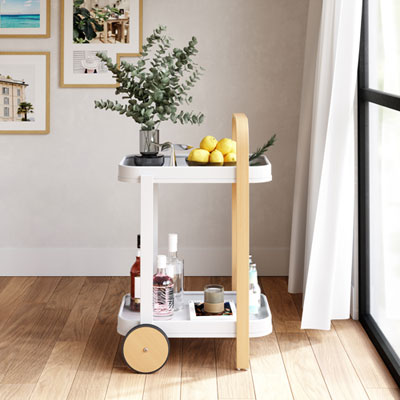 Your price for this item is $169.98
 -
 Your price for this item is $219.99
 -
 Your price for this item is $219.99
 -
 Your price for this item is $359.99
 -
 Your price for this item is $360.49
 -
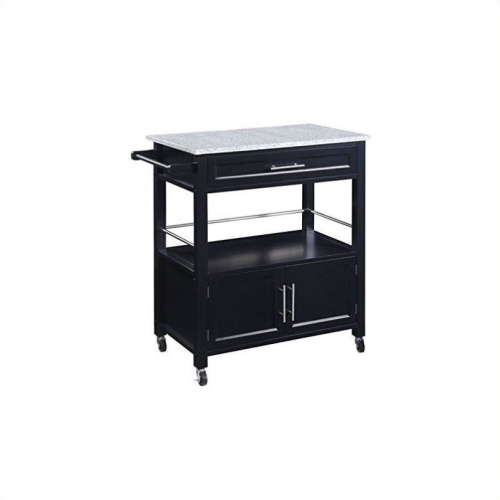 Your price for this item is $485.85
 -
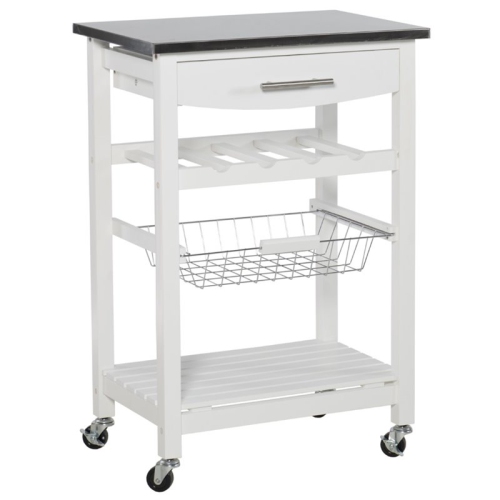 Your price for this item is $304.93
 -
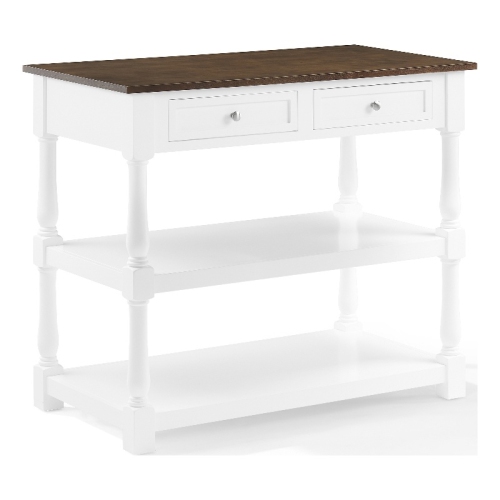 Your price for this item is $694.97
Discover more categories related to Butcher Blocks
Top Collections:
Pokemon Centers, Budget 4K TVs, Kindle Devices, Canon G7X Cameras, Apple iPhones 16, iPhone 15 Apple, Laptops for Business Work, Flip Phones, Xiaomi Phones, Refurbished Apple Laptops
Some products may be subject to Environmental Handling Fees
(EHF) depending on your province.
Learn more about EHFs.